The Organizational Improvement Plan at Western
University Education Faculty
6-14-2018
Shifting Directions: Conceiving, Implementing,
and Navigating the Inherent Complexities of
Student Recruitment Customer/Constituent
Relationship Management (CRM) Systems within
Higher Education
Colin Couchman
Follow this and additional works at:https://ir.lib.uwo.ca/oip
Part of theEducational Leadership Commons, and theHigher Education Commons
This Dissertation/Thesis is brought to you for free and open access by the Education Faculty at Scholarship@Western. It has been accepted for inclusion in The Organizational Improvement Plan at Western University by an authorized administrator of Scholarship@Western. For more information, please [email protected], [email protected].
Recommended Citation
Couchman, C. (2018). Shifting Directions: Conceiving, Implementing, and Navigating the Inherent Complexities of Student Recruitment Customer/Constituent Relationship Management (CRM) Systems within Higher Education.The Organizational Improvement Plan at Western University, 37. Retrieved fromhttps://ir.lib.uwo.ca/oip/37
Abstract
A Constituent (often and typically referenced as Customer) Relationship Management (CRM) system is utilized within organizations whose focus is on customer development and service. A CRM is both an organizational approach involving significant human and system processes, as well as a technological intervention. Typically, CRMs have been implemented within commercial enterprises, specifically those operations with direct contact with customers or consumers, possibly as end–users of products, or even middle–sales operators such as wholesalers and governmental agencies. Over the past number of decades, higher education institutions in Canada have developed strategic and tactical plans to more fully respond to the changing conditions of the prospective student marketplace, both domestically as well as
internationally. Student engagement–focused CRM systems are strategic in orientation meant to positively affect student application and subsequent program enrolment. This document
describes a change intervention at a large, research–intensive Canadian university and articulates the various factors that would influence the conception, development, communication, and implementation of a coordinated student recruitment CRM platform. Through the lenses of an Adaptive Leadership model and the Path-Goal Leadership Theory and framed by paradigms based on Lewin’s (1951) Stage Theory of Change and systems modeling, this Organizational Improvement Plan (OIP) will trace my own leadership influence upon this initiative and will seek to move from theory to practice the strategies and tactics required for implementation.
Keywords: Constituent/Customer Relationship Management, CRM, Higher Education, Student, Engagement, Conversion, Recruitment, Organizational Change, Technology
Executive Summary
Higher education institutions (HEIs) in Canada are facing a number of challenges related to program development, adequate funding and resourcing, and student enrolment. Taken a step further, competition among higher education institutions in Canada has increased, involving aspects of funding, internal resourcing, operational costs, and, indeed, the need for enriched student enrolment. This Organizational Improvement Plan (OIP) and problem of practice document indicates the issues inherent in implementing a Customer/Constituent Relationship Management (CRM) system to improve the student engagement processes currently in place, with an emphasis on developing a competitive advantage in the program enrolment landscape. This plan implicates relevant and interrelated strains associated to the implementation of a CRM strategies and how they relate to the operational practices, governing policies, and overall vision of a Canadian HEI. Specifically, this OIP situates my own leadership capabilities and position as influences for success.
Structured as an Organizational Improvement Plan, this project is lensed through Bolman and Deal’s (2013) Structural, Human Resources, and Political frames, with particular emphasis placed on examining the tensions between the academic governance environment and
encroaching administrative direction towards commercial disposition within the institution. Lewin’s (1951) Stage Theory Model is examined to gain a perspective into the influence of change within the organization, amongst both its people as well as its systems and processes. This OIP is further inflected by casting the organization into a systems perspective, articulating the interconnectedness of each of its parts. This document also examines the organizational pitfalls awaiting such a change initiative and elaborates upon the tensions inherent to an
in general. Finally, this document specifies a recommendation for action and the required steps to mediate resistance and potential gaps in communication and articulates monitoring and evaluation tools meant to inform ongoing efficacy measurement and need for further change. Through tools such as the Adaptive Leadership model and Path-Goal Leadership Theory, I am able to position my approach to this project through formal mechanisms that help to clarify this OIP’s vision, remove potential obstacles, and privilege iterative leader-follower feedback processes and issue-resolution.
This OIP postulates several possible solutions to the use of CRMs for Student Recruitment but designates one as potential fit within the higher education space, given the various attendant factors. A hybrid approach, combining the strengths of both the overall
institutional apparatus and the local unit defining and enacting a set of student recruitment tactics and an overall strategy. The strength of the organization lies in data organization and the various systems of record (SORs) it maintains and controls, while the local unit defines and legitimizes processes and procedure, while giving expression to its discrete requirements. An overall institutional approach would be weakened as it ventured deeper into the world of disparate requirements and a local solution at the unit level would find a lack of adequate reporting constructs if a limited, unaffiliated apparatus were to be put in place.
Anchored by strong executive and leadership sponsorship and the demonstrated needs for change through analysis and communication, this OIP would seek to provide the necessary tools for the organization to examine new methods of attracting, converting, and retaining students in a higher education landscape where competition and pressure to perform are set on escalating trajectories.
Acknowledgments
When I decided over a decade ago to leave the private sector for a role in public sector higher education, it was with the intention of taking up the lifelong learning challenges and opportunities afforded through my new place of employment. I enrolled immediately in coursework and have not stopped since walking through the door. My intent is to continue this journey, finding academic interests where I can find them…or they find me.
Truthfully, I am inspired by those that I come into contact with in my institution, from students to faculty to staff—I am impressed daily by the hard work and attention paid to supporting the mission of the university and in the passion shared by all in supporting the teachers and the learners through their respective journeys. In many ways, the inspiration I draw from my co–workers has led me to where I am. I am fortunate to work in an organization that values continued education and professional development. In particular, I am grateful to my dean and “boss” Dr. Vicki Schwean, who has been unbelievably supportive these past number of years, in both my educational pursuits as well as in my role at the university.
To my doctoral cohort—I cannot say enough about you and how we have all been there for each other over the past number of years, courses, and during the writing of our final artefacts. It has been challenging, inspiring, and, above all, fun. We really lucked out in being together on this ride. To our instructors, I am deeply thankful for each and every piece of feedback, critique, and encouragement throughout the process. And a special “shout out” to Dr. Scott Lowrey, a fearless and philosophical adviser.
I am mindful of my parents, Ken and Pat, lifelong and passionate educational leaders and educators, who impressed upon me early in life the importance of learning, argument, and of the position education holds in our society, our province, our country, and the world.
I cannot adequately express with enough gratitude my feelings towards my partner, Dr. Elan Paulson, who has in so many ways inspired me to undertake this journey and to commit myself to the work therein—so, I say, simply, thank you.
Finally, I dedicate the work that this document represents to my sons—Connor, Ethan, and Liam—in the hope that they continue to find inspiration through learning in all its forms.
Glossary
B2C Business to Customer
CRM Customer / Constituent / Client Relationship Management
ERP Enterprise Resource Planning
ETL Extract–Transform–Load
HEI(s) Higher Education Institution(s)
HR Human Resources
IS / IT Information Systems / Information Technology
KPI Key Performance Indicators
MOU Memorandum of Understanding
MaSU Anonymized Maple Syrup University (not Michigan State University
(MSU))
OIP Organizational Improvement Plan
PMO Project Management Office
PoP Problem of Practice
PVP President, Provost, Vice Presidents
ROI Return on Investment
SEM Strategic Enrolment Management
SIS Student Information System
SLA Service Level Agreement
SMA Strategic Mandate Agreement
SME Subject Matter Expert
SMS Simple Message System
SoR System of Record
Table of Contents
Abstract ...ii
Executive Summary ... iii
Acknowledgments ... v
Glossary... vii
Table of Contents ...viii
Table of Figures ... x
Epigraph ... 1
Chapter 1 – Introduction and Problem ... 2
Organizational Context ... 2
Industry Context. ... 2
Institutional Context. ... 5
Leadership Position Statement ... 10
Leadership Problem of Practice ... 17
Framing the Problem of Practice ... 23
Guiding Questions Emerging from the Problem of Practice ... 31
Emerging questions... 32
Leadership–Focused Vision for Change ... 33
Organizational Readiness ... 36
Chapter Summary ... 44
Chapter 2 – Planning and Development ... 45
Framework for Leading the Change Process ... 45
Critical Organizational Analysis ... 48
Possible Solutions to Address the Problem of Practice ... 55
Status Quo Approach. ... 57
Centralized Approach. ... 58
Decentralized Approach. ... 62
Hybrid Approach. ... 65
Leadership Approaches to Change ... 68
Leadership Ethics and Organizational Change ... 73
Chapter Summary ... 78
Chapter 3 – Implementation, Evaluation, and Communication ... 80
Change Implementation Plan ... 80
Change Process Monitoring and Evaluation ... 92
Plan to Communicate the Need for Change and Change Process Communications Plan... 100
Limitations and Future Considerations ... 108 References ... 112
Table of Figures
Figure 1. CRM Priorities in Higher Education (McGuire, 2016). ... 8
Figure 2. Six Principles of the Problem Approach Model. Adapted from Bryk (2015). ... 12
Figure 3. Problem of Practice Logic Model. Adapted from Kellogg Foundation (2004) and Palmberg (2009). ... 20
Figure 4. Organizational Model. Adapted from Weisbord through Burke (2018). ... 21
Figure 5. Overall systems of influence to student recruitment CRM in HEIs. ... 24
Figure 6. Potential Future Organizational Distribution at MaSU. ... 36
Figure 7. Readiness Assessment Model. Adapted from Hiatt & Creasey (2012). ... 42
Figure 8. Stage Theory Model. Adapted from Lewin (1951). ... 45
Figure 9. Systems Model. Adapted from Berwick (1996). ... 50
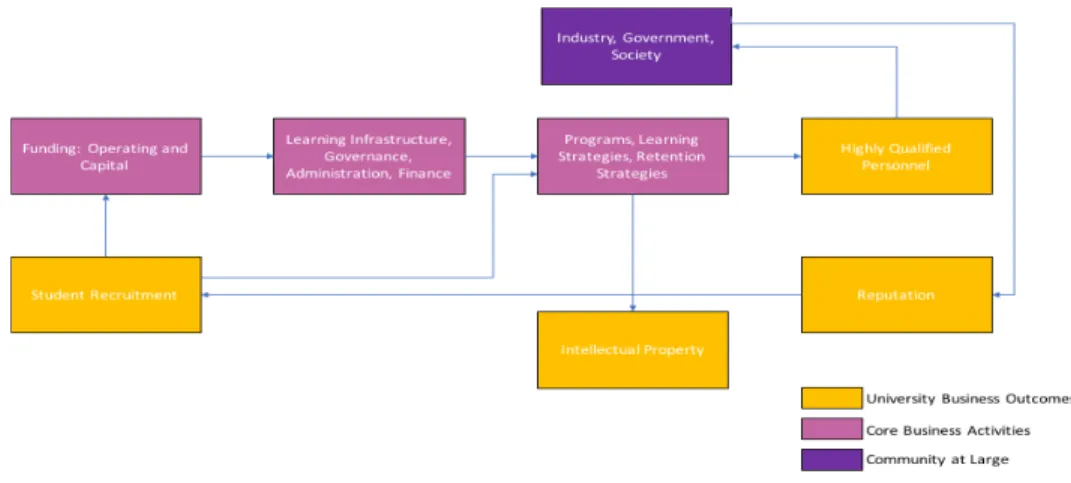
Figure 10. The University’s Core Business Model. Adapted from Marceau (2014). ... 53
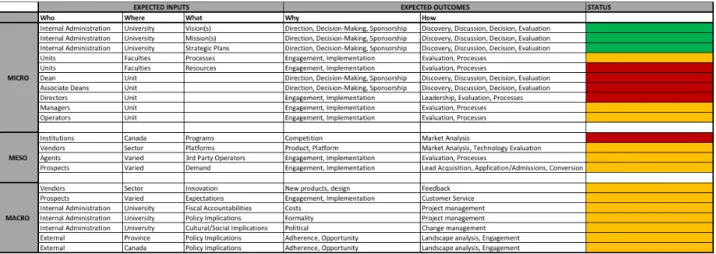
Figure 11. Sample Structural Deficiencies Report. ... 55
Figure 12. Centralized CRM Approach. ... 59
Figure 13. Centralized CRM-influenced Information Flow... 60
Figure 14. Decentralized CRM Model. ... 63
Figure 15. Decentralized CRM-influenced Information Flow. ... 65
Figure 16. Hybrid CRM Model. ... 66
Figure 17. Adaptive Leadership Framework. Adapted from Northouse (2016). ... 70
Figure 18. The Ethical Leadership Model. Adapted from Brown (2005)... 75
Figure 19. Adaptive Leadership Framework. Adapted from Northouse (2016). ... 83
Figure 20. CRM Strategy and Implementation Model. Adapted from Payne & Frow (2006). .... 85
Figure 21. Proposed Project Timeline Gantt Chart. ... 89
Figure 22. PDSA Model. Adapted from Langley, Nolan, & Nolan (1992). ... 93
Figure 23. Example of Key Performance Indicator Dashboard for scheduled review. ... 97
Figure 24. Problem of Practice Logic Model. Adapted from Kellogg Foundation (2004) and Palmberg (2009). ... 98
Figure 25. A CRM Implementation Model. Adapted from Mukerjee and Singh (2009). ... 99
He knows changes aren't permanent, But change is…
Tom Sawyer, Rush (1981)
... there is no more delicate matter to take in hand, nor more dangerous to conduct, nor more doubtful in its success, than to set
up as a leader in the introduction of changes. For he who innovates will have for his enemies all those who are well off under
the existing order of things, and only lukewarm supporters in those who might be
better off under the new. The Prince, Machiavelli (1469-1527)
Chapter 1 – Introduction and Problem Organizational Context
Industry Context.
Customer/Constituent Relationship Management (CRM) processes have been adopted by industries worldwide to make more efficient, explicit, and productive the connections between the consumer and the commercial organization. Defining relationship management approaches or how they are enacted within individual organizations can prove problematic as system and human processes vary within each environment, but there are general principles which might be shared amongst them. Parvatiyar and Sheth (2001) usefully define CRM as a comprehensive organizational strategy and implementation of processes related to acquiring, retaining, and partnering with customers to create superior value for both the organization and the customer. In the larger context, CRM strategies involve the integration of marketing, sales, customer service, and supply–chain functions of organizations to develop strong processes amongst the core business functions of a particular organizational environment (Parvatiyar & Sheth, 2001). Nitzan and Libai (2011) posit that CRM implementations are amongst the most important components of a customer-focused organization due to the effect these processes have on customer retention and loyalty.
CRM implementations have largely been the providence of private sector commercial organizations, with strong focus on sales metrics, revenue achievement, and processes which ensure consumer satisfaction while maximizing profit opportunities. In recent years, criticisms have been leveled against publicly-funded higher education institutions (HEIs) that they are becoming too much like their corporate cousins in terms of explicit business foci and pressure to produce revenue. Indeed, HEIs are in the business of developing programs and attracting
consumers to these platforms through student application and subsequent enrolment. Publicly funded HEIs in Canada have largely and traditionally relied upon reputation, program fairs, word–of–mouth, and the coveted offer of admission as means to secure a sustainable customer model. However, changing demographics, hyper foci on employment as the outcome of
postsecondary education, and overall competition amongst HEIs in Canada have given rise over the past number of decades to new business models within these organizations, including the processes required to attract and retain students (Chafee, 1998; Christenson & Evring, 2011; Collini, 2012; Côté & Allahar, 2011). Strategic Enrolment Management (SEM) processes within these institutions will be required over the forthcoming years to ensure viability and
sustainability of programs. A CRM implementation is both a strategy as well as a set of tactics in service of this overall strategic imperative. Given the pressures facing HEIs and the benefits that a potential CRM implementation could provide, the provision of such a market-driven approach to attract and maintain student affiliation is upon us.
Organizational change cannot be implemented in any meaningful manner without the involved parties’ own willingness to address change in their environment and within their processes, and within the context of CRM initiatives this claim is particularly true (Kezar, 2001; Vakola, 2013). A CRM implementation relies heavily upon a technological platform, but moreover it is anchored in the individual crm practices lying within the organization, from the academic componentry to management structures to the frontline customer–focused resources which inform the initial touchpoints a potential student might experience (Almotairi, 2009; Hrnjic, 2016; Vakola, 2013). For clarity purposes, a lowercase crm refers to the processes that are embedded behind, around, and within internal and external organizational structures and resources irrespective of any technological platforms that are part of the solution. The uppercase
CRM would refer to the technologies of a consolidated and concerted approach. HEIs are already employing customer-focused service delivery models throughout the student experience. Indeed, it is the strong and clear articulation of these extent processes which ultimately inform the
backbone of a successful CRM implementation (Croteau & Li, 2003). These concepts and practices which are more explicitly emplaced within commercial organizations are already present within the HEI mindset (Lechtchinskaia, Friedrich, & Breitner, 2012), but there still remains much fertile ground to develop in terms of deepening prospective student and institutional affiliations.
It is important to highlight the issues inherent in making HEIs more business–like. From the outset, defining students as ‘customers’ or ‘consumers’ is often construed as problematic, despite the fact that this transactional sensibility has already taken root within parents and students alike (Côté & Allahar, 2011). By employing the terminology and processes typically associated with CRM within an institutional setting, a reinforcement of this transactional paradigm could occur (Fallis, 2013; Hrnjic, 2016). Outsiders might perceive HEIs as
homogenous and all working from the same playbook, but it is interesting that although these institutions have all largely embraced a “plurality of stakeholders and outcomes, there is no standardized view of how universities should be optimally governed or managed.” (Marceau, 2014, p.1). Marceau (2014) goes a step further and suggests that universities exist of a complex arrangement of administrative divisions “reminiscent of corporate hierarchies” (p.2) and quite separately there are the academic functions which operate in quite different fashion. Where these components intersect is reflected in the provincial Strategic Mandate Agreements (Ontario Ministry of Advanced Education and Skills Development, 2017) where specific strengths of
Ontario universities are articulated, thereby further emboldening a competitive landscape, and also in how pressure to develop revenue-positive programs to counteract reduction in funding.
Institutional Context.
This Organizational Improvement Plan (OIP) is centered on how a CRM strategy could and should be conceived at a large, research–intensive university within Canada where no such system exists. As previously stated, a CRM strategy is complex and typically involves or incorporates a specific technological platform (or set of applications), but more importantly requires the organization to reconceive its operational and engagement practices and priorities. This project will develop the ways in which a CRM will be used to inform institutional direction, measure adherence, and ensure positive contribution towards organizational goals.
Situated within a large highly–ranked, research–intensive university in Canada, this OIP examines the extant processes operating within disparate siloes at an organization known as Maple Syrup University (MaSU) located within a mid–sized, land–locked city and the ways in which a CRM implementation would unfold therein. MaSU is comprised of more than 10 large academic faculties, various domestic and international program and outreach ventures, a strong research funding and output portfolio, a reputation of teaching and learning excellence, and a focused mandate to serve its students (MaSU, 2017). The student base of MaSU is in excess of 30,000 in any given academic cycle and the university has been in existence for over 100 years. A typical Canadian university organizational structure exists at MaSU, consisting of a bicameral governance system which includes a Board of Governors and a Senate, as well as an executive leadership structure consisting of a President, Provost, Vice–President/Vice–Provost (PVP) distribution, and a decanal apparatus extending to the various academic disciplines represented by the faculties and schools. At the decanal level, decision–making and overall direction of
academic programs and their operational concerns are largely autonomous, with escalated approvals and governance apparatus leveraged at a university level where appropriate (MaSU, 2017). The specific contours of decision–making, autonomy, and governance in such a complex environment are complicated but it is useful to consider that there are pressures present at the academic unit level to produce and institute programs where enrolment would be of a strong nature, in part to contribute financially to the overall sustainability of the university environment.
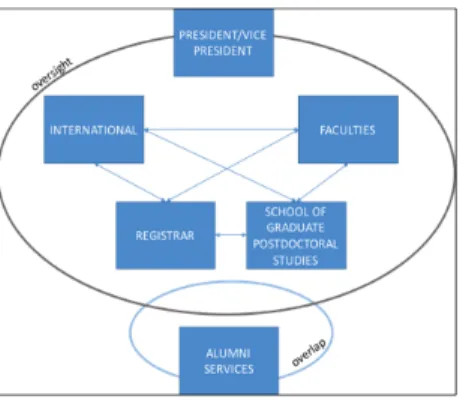
Faculty entities at MaSU function within an organizational system that leverages
centralized functions such as a Registrar’s Office, Human Resources, an International office, and an administrative function which focuses on how faculty–specific graduate and post–graduate offerings are detailed, regulated, and certified (MaSU, 2017). In addition, there are both centralized and distributed offices for the research, information technology, and other
administrative functions. Each of these areas interact with each other to inform the operating theatre of MaSU. Significantly, MaSU is comprised of numerous individual units and
departments where leadership, management, and operational resources can be entrenched in somewhat reserved and conservative views of why and how higher education should be
developed, enacted, and managed. These tensions extend along lines of division where academic is on one side and administration is on the other. However, there are sympathetic sentiments on both sides of those lines for the other, so further complexity is involved in the model.
The term customer is immediately set up as contentious as it casts the student and the institution within a commercial dialogue, privileging a transactional and exchange–based relationship (Côté & Allahar, 2011; Fallis, 2013). As stated earlier, competitive pressures are forcing HEIs to develop SEM plans which include crm processes or actual CRM systems potential solutions to these developing circumstances (Daradoumis, Faulin, Juan, Martínez,
Rodríguez, & Xhafa, 2010). At present, there are prevailing perspectives that significant process delays and ownership gaps exist between decision–making entities, problems that are largely centered on the system rather than on specific individuals. Through marketing and recruitment activities, admissions processes, and academic decision–making on prospective student
application files, multiple individuals within the organization are in contact with student records along the chain of what would be called conversion. As a point of clarity, the conversion chain is defined as the process through which a prospective student becomes aware of, interacts with, applies to, and is offered admission within an HEI. The conversion component is achieved when a qualified student who is offered admission indicates that they will be enrolling within the offered program. These disparate processes have caused delays in communicating to the student, producing confusion in terms of who to contact, and a lack of clarity from a reporting standpoint. Finding discrete data to inform this claim is difficult, partially due to the disparate nature of units involved. However, an internal report generated from surveying and interviewing prospective students who accepted or declined their offer at a specific faculty revealed that institutional contact delays and the fact that MaSU was not their first choice informed the decision–making of those who opted to enrol elsewhere (MaSU, 2017b). Conversely, those who opted to enrol with MaSU cited strong outreach from the institution as a key component of their process. What this unstructured research brings into relief is a potential issue related to consistency. Research suggests that closing the gaps in process and communication will result in an increase in student satisfaction as prospects move through the application and admissions procedures. Further, this interaction will factor towards positive outcome in terms of institutional selection and will make more efficient the underpinning structures that deal with these files (Houston, 2008; Tapp, Hicks, & Stone, 2004).
McGuire (2016) positions admissions and recruitment as the two core reasons why a higher education institution would use a CRM (according to a survey of 360+ US–based organizations) (see Figure 1):
Figure 1. CRM Priorities in Higher Education (McGuire, 2016).
The academic strengths of these programs are managed through other mechanisms of the academy (Collini, 2012), such as through academic governance, but the management of how these programs are marketed, advertised, and recruited for, fall to emerging or extent
administrative functions. Contentiously, these same administrative functions should be, but are largely not, considered key stakeholders in determining whether academic programs have market viability in the first place. This OIP will not address decision-making made along that particular axis, but as the market-driven economy encroaches upon HEIs in general, it is an area of great interest. CRM strategies are lensed through a technology medium, but it is within the human and systems processes that the actual change is realized. Externally, innovations within the
technology space, shifts in the job market, and governmental incentive programs are impacting how programs are brought to market within HEIs. Conversely and traditionally, universities have aligned with the values of academic freedom and the provision of education to all manner of students, and academic rigour is always in the foreground (Fallis, 2013). In certain ways, the commercialization of HEIs and the maintaining of traditional program governance are in conflict
with each other and these two elements are being mediated through an ever–changing
competitive landscape of increased consumer expectations which have influence over the types of programs and supports students and their parents are willing to procure (Collini, 2012, Côté & Allahar, 2011; Fallis, 2013; Keith, 1998).
There are conflicts of ideological and philosophical origin within academe that need to be resolved, or at least mitigated, as these divisions are deep and held close to the hearts of
academics and administrators alike (Carlson & Filner, 2017; Fallis, 2013; Keith, 1998). The introduction, or sustaining, of developed and concerted businessmodels within the context of HEIs seems to be at the root of this division between the academic space and the administrative. A business model depicts the content, structure, and governance of products and transactions designed to create value through the positioning of business opportunities (Houston, 2008). The competitive landscape that now exists amongst HEIs in Canada requires individual universities to think in these new business terms—value proposition, distribution and channels, revenue, and, for the purposes of this OIP, students as customers. This tension exists due to the perceived recency of business focus amongst these institutions and the possible backgrounding of academic primacy along the way. This document cannot explore the notion of this division too deeply, but for the purposes of this OIP it is important to note that there are potential change resistors lying in wait due to these ideological concerns, an aspect which would not largely come into play within a corporate environment.
While CRM strategies have largely been implemented within private industry, there have been significant issues in terms of galvanizing the overall organization around revised processes (Tapp et al., 2004) and it is through this recognition that institutional adoption of CRM at MaSU might be troubled. Chafee (1998) argues that universities are far less responsive to the escalating
public and governmental demands placed upon them. In many instances the programs offered and the service orientation of the academic environment are not conducive to the increasing competitive nature of higher education (Chafee, 1998; Keith, 1998). The emerging data and analytics capabilities afforded through CRM processes offer new opportunities to refine and redevelop programs and offerings by universities in ways not realized in prior era. Luan (2002) describes data analytics and data mining within higher education as, arguably, two of the more important downstream opportunities of a CRM implementation. The integration of an analytics and process-based system with a strong academic governance orientation would produce an empowered and forward-thinking organization, informed by both data and expertise and underpinned by strong processes.
Leadership Position Statement
As a Director within MaSU, I am in a position to solicit and manage this change within a specific component of the university, while simultaneously affecting change at the macro level. The technical and business-oriented leadership embedded within my role at MaSU allows for a specific type of champion within the organization, especially where a technological project is concerned. Further, it is my belief that roles such as mine, as Director of a function which includes student recruitment and marketing, are required to lead the charge on this type of change. A top-down approach is likely to fail as forcing consensus is highly problematic. The necessary experience in leading this type of function will be key in delivering any changes related to student recruitment. Heifetz, Grashow, and Linsky (2009) posit that the use of an Adaptive Leadership framework is the “practice of mobilizing people to tackle tough challenges and thrive” while wrestling with the “normative questions of value, purpose, and process.” (p. 14) and in this sense marrying technical expertise with the values and capabilities that form up
behind my strong business engagement is an enabler for success. In fact, Heifetz et al. (2009) go on to state that the most common cause of failure in leadership is “produced by treating adaptive challenges as if they were technical problems…technical problems may be very complex and critically important, [but] they have known solutions” (p.19) and this sentiment is particularly true with CRM implementations—the organizational business and human processes are prioritized over the technical.
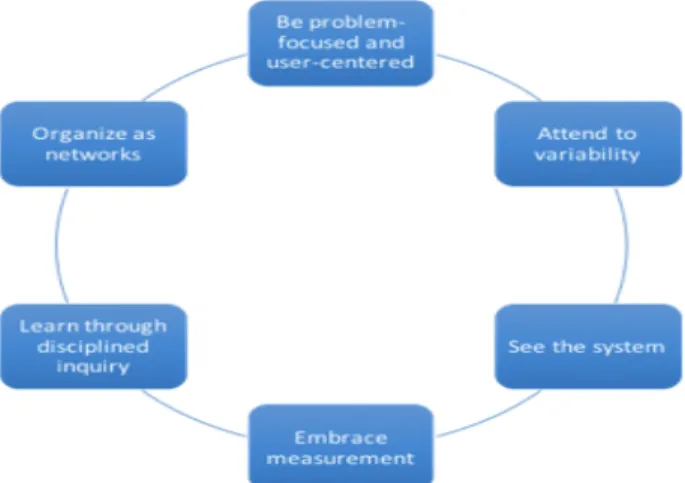
A Constituent Relationship Management (CRM) implementation within a higher education environment will need to factor in multiple forms of resource management and be tolerant of multiple leaders and varying leadership styles which, at times, may be seen to be in competition with each other (Fallis, 2013). This Organizational Improvement Plan (OIP) leverages the Adaptive Leadership Framework and the Path-Goal Leadership Theory as primary structures, but I find that in Bryk (2015) and his six core principles associated with
organizational improvement processes a compelling overarching leadership and change
framework (see Figure 2). The principles found within this model function individually but are also highly reliant upon each, providing a reflexive, iterative approach. As a model, this
approach provides a frame that I would be able to work through, providing a necessary
overarching structure to the CRM implementation project. Bryk (2015) advises organizations to be focused on the problem at hand, to allow for variations in the plan, and to see the whole field as they examine organizational issues. Focusing on the problem at hand mitigates extraneous information and distraction that might fall outside of the actual intervention needed to address the present circumstance. Within the CRM initiative manifold, this reflective, systems–oriented, and iterative process is both key to the topic and good indicator of success for the project.
Figure 2. Six Principles of the Problem Approach Model. Adapted from Bryk (2015). Learning to improve. (Video file). Retrieved from https://www.youtube.com/watch?v=4YsnuHlJZco.
With this approach in mind, this Organizational Improvement Plan (OIP) will seek to mobilize resources within a large Canadian research–oriented university towards ratifying and
consolidating disparate student recruitment practices and processes into either an overarching, institution–wide system, backboned by a technological CRM platform and linked to Enterprise Resource Planning (ERP), Student Information Systems (SIS), and internal communications platforms, or a consolidated vision which will incorporate individuated and unit–based solutions, organically linked to ERP, SIS, and internal communications platforms, providing aggregate information into centralized data reporting system. From a leadership perspective, this project will require development of the solution’s vision, the solicitation and maintenance of executive sponsorship, ongoing buy–in and participation from numerous, cross functional team members, and engagement and investment in subject area experts and technical resources, both from a project perspective as well anticipating the operational environment.
This OIP will primarily draw from an interrelated leadership style most closely affiliated with Path–Goal and Adaptive Leadership theories (Heifetz et al., 2009; House, 1996; Northouse, 2016). While a CRM implementation within MaSU will undoubtedly be influenced by a variety of leadership theories and practices employed throughout the organization, Path–Goal and
Adaptive Leadership theories stand apart for good reasons. From a Path–Goal perspective, the ability of the leader to assess and set direction, clarify the path, and remove both strategic as well as tactical obstacles will be key factors in ensuring success. Given the distributed nature of autonomy within higher education institutions, a CRM implementation in an HEI setting is inherently complex and a Path–Goal approach can assist in reducing project–oriented and adoption risks. Moreover, the Path–Goal approach assumes that there are multiple relational points between the leader and followers and that motivation is a key underpinning component of these sets of relationships (Northouse, 2016). Motivation in this sense is affiliated with
remaining engaged with the change and feeling empowered to make contributions to the project in a positive and progressive sense. Associated with four broad categories, the Path–Goal Leadership approach unfolds as iterative and interconnected, and is comprised of leadership behaviours such being directive, supportive, participative, and achievement–oriented. In the following sections, I will outline how each of these components will factor into a successful project implementation and in how my role as Director can be leveraged.
Directive.
Leadership within this behaviour is concerned with decision–making and clarity of vision for the project at hand. The leader is required to establish standards of performance and that allocation of work is appropriate and achievable. From an overall perspective within MaSU, leadership and decision-making authority is quite dispersed across the organization. As a Director who leads a student recruitment and support function, and one who is technical in orientation, there are components embedded within the directive behaviour that I would be able to engage. Specifically, ensuring that a clear vision of why a CRM implementation would assist in galvanizing MaSU’s overall student enrolment goals through consistent processes and
established customer-service orientation will be key. In addition, ensuring that the project team and executive sponsorship, as well as the key stakeholders dispersed across the campus, are aware of the specific metrics involved and in how the data capabilities of CRM system can assist in downstream decision-making will fall under my portfolio. Through a well-articulated project charter and organizational chart and supported by a robust communications plan, my leadership through this process will be also enhanced by my background in Information Technology (IT) leadership.
Supportive.
Consistently–applied support of project and downstream operational resources are paramount to the success of a CRM implementation in a complex distributed leadership
environment. Within MaSU, these supportive approaches would include involving stakeholders at both the senior and junior levels in terms of requirements–gathering and establishing processes that allow for modifications throughout the implementation (Fowler & Gilfillan, 2003). The supportive behaviour ensures that team members’ concerns are valued through every stage of the project. In a separate sense, understanding the various expertise and knowledges extent within the team and empowering these resources through their own decision-making is part of my leadership agenda. The roles associated with this project will need to be aligned with business and technical aspects and in this manner the project team will have more expertise that myself as a leader will have. It is vitally important to foster an environment that will privilege these voices.
Participative.
Combined with the supportive behaviour, the participative behaviour is specifically concerned with establishing formal and informal opportunities for resources and affiliated
stakeholders to have voices in the project. This behaviour allows for the dialog to occur while still allowing for decision–making to unfold at the appropriate location. Anticipating the Adaptive Leadership approach and echoing the supportive behaviour, this aspect of the model engages with the leader-follower dynamic and ensures that project resources are integrated in how the project is conceived, organized, and implemented. Engaging with project resources, as well as executive sponsorship ensures participation and ownership. My own leadership style has largely been to implement these changes through my own actions, but in the case of a CRM initiative, it is important to ensure that the downstream resources who will inherit the platform(s) have had a distinct and valued input into the project.
Achievement–Oriented.
Through an achievement–oriented approach, the MaSU change leader will establish the timeline and sequence of milestones that need to be achieved for project success. Taken in concert with the other three behaviours, the change leader allows for agility and inclusivity in a bid to be responsive to concerns in realistic fashion. Specifically, the project plan I would develop will include progressive and achievable milestones that can be used to gauge the
project’s traction. The project members will have both individual as well as embedded goals and tasks, formed to deliver certain components. This tact provides a mechanism for project
engagement as well as success in implementation.
From an Adaptive leadership theory standpoint, a CRM implementation is centered on the “work and how [resources] are mobilized to” enact tasks (Northouse, 2016, p. 258) and through this lens I will be required to react to and resource against emerging circumstances. Success of CRM initiatives relies heavily on executive sponsorship as well as on the frontline employees’ motivation to engage in the human and system processes at hand (Hrnjic, 2016,
Payne & Frow, 2006). As will be developed further in this document, the Adaptive Leadership framework is concerned with situational challenges, largely divided between or a combination of technical and resource-oriented. My role within MaSU and the execution of this particular OIP are well-suited to the Adaptive Leadership approach as there will be a heavy reliance placed on mitigation strategies meant to overcome somewhat immovable issues. As a leader who
understands the business of the university from an academic perspective, an organizational context, and a technical view, I am able to ‘see the landscape’ and mitigate these concerns. As referenced earlier, the Path-Goal and Adaptive Leadership approaches have distinct kinship which complement each other. The four behaviours present in the Path-Goal Theory find affiliation with the leader’s behaviours in the Adaptive Leadership framework. My approach, which will be discussed further, is to integrate these approaches to formalize a project
environment that privileges expertise and achievement.
While there are transformational aspects associated with CRM processes, in large measure the change is much more focused on operational concerns and not overall
transformation of the business itself. However, the utilization of data produced through such an implementation could be leveraged within a transformational project. In a somewhat aligned manner, while there are transactional components inherent to a CRM implementation within the institution, transaction–enacted leadership would fall short of ensuring success. Placed into context, it is reported that somewhere between 30-70% of CRM implementations fail at some point or at some level in the organization (Croteau & Li, 2003) and these circumstances are brought on by five typical conditions within the environment: Lack of vision, executive sponsorship gaps, the wrong technical apparatus, poor planning processes, and a lack of
or alongside these items, is the overall notion of organizational change readiness and the ability to leverage on–the–ground leadership resources found within the adaptive framework.
Leadership Problem of Practice
At present, organizations such as MaSU are challenged by the need to thrive in an ever-increasing competitive environment. These institutions are at the mercy of legacy processes which might impede growth, consolidation, or fine-tuning of these resources. What I observe as a leader in MaSU is a student enrolment management gap where improvement can be a lever to greater growth. This problem of practice (PoP) is centered on the implementation of a student recruitment Constituent Relationship Management (CRM) system to make more efficient and productive the manner in which students become aware of, apply to, and are selected for
admission into to MaSU. In a pervasively competitive marketplace, the arrangement of processes and infrastructure should be aligned to maximize these efforts and give students every reason to say ‘yes’ to the institution. Implementation of this solution can take many forms, but regardless of its scope or how many units it implicates, the previous statement stands as a guiding goal. The problem of practice this Organizational Improvement Plan (OIP) is predicated upon is related to the disparate nature of decision–making and the seemingly disconnected student recruitment processes spread across the organizational structure of an anonymized higher education institution in Canada. Specifically, the proposed solution herein could mitigate current prospective student engagement gaps and issues related to departmental siloes to provide mechanisms for positive enrolment in a variety of university programs. It is important to pause here and discuss the implication of the term engagement. Engagement is a directed concern within HEIs in the sense that universities are measured to an extent on how the administration and its academic functions relates to its active student body and to its alumni base. The use of
the term engagement within the context of this OIP is related to contact points within the process of converting a prospective student to enrolled status.
Given the distributed nature of governance found at MaSU, leading a CRM
implementation project within the institution will be presented with significant challenges. According to Burke (2018), leadership concerns the “use of self, how to be persuasive, how to deal with resistance, and how to be political, in the best sense of the phrase: how to embody the vision of where one wants the organization to go” (p.322) and through this statement it can be seen that a requirement for developing a singular vision for change and the ability to convey the need for change of paramount importance to a CRM implementation project. My leadership role at MaSU allows me to voice the concerns of our current apparatus while demonstrating the value of such a project with my own portfolio. When I refer to data associated with this project, my nomenclature and processes are well-received throughout the organization. As articulated earlier, the Path-Goal Theory and Adaptive Leadership approach allows me to establish specific points in the organization that need remediation. The Adaptive Leadership approach allows for diagnoses against multiple processes where Path-Goal concepts provides a guiding model for structured behaviour.
Internal data related to a specific area of MaSU suggest that over a three–year period in excess of 12,000 contact points spread across three academic units have either been lost or not fully realized due to the lack of a coherent student recruitment CRM solution (MaSU, 2017c). A recent survey of American higher education presidents and leaders indicates that undergraduate enrolment is a major concern amongst institutions and that accurately targeting prospective students is of chief importance—students who are prone to being retained at the institution and to degree completion (Inside Higher Ed, 2018). Taken in concert with the notion that there are
discrete enrolment challenges for specific programs and an ongoing pressure to bring to market revenue–generating initiatives, these student relationship gaps provide a sense of the problem at hand. While there are certain centralized accountability points at MaSU, the distributed nature of decision–making and autonomy provides an environment where units can exist in a fiefdom–like scenario, effectively isolated through the demonstration of several line of business processes. It is important to bring into relief the leadership styles in place at the organization and the
leadership required for this project. The organization is not going to change or alter it the distributed nature of leadership in MaSU, but the two leadership approaches being explored in this document have the ability to mitigate these concerns.
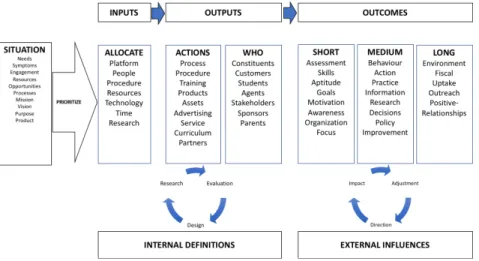
An input/output logic model (see Figure 3) assists in understanding where information flows through the organization (information in this context can stand in as prospective students as they traverse the environmental processes). Palmberg (2009) applies a business process management lens as a means to remove functional barriers, improve internal processes, identify opportunities for improvements through outsourcing and use of technology, and improve
organizational effectiveness (p. 209). The Kellogg Foundation (2004) defines a logic model as a means to demonstrate a systematic and visual understanding of the relationships and processes found within a particular function, with foci on the many aspects that feed into the outputs and subsequent outcomes that inform its purpose.
Figure 3. Problem of Practice Logic Model. Adapted from Kellogg Foundation (2004) and Palmberg (2009). From a leadership problem of practice standpoint, the logic model above provides a context for my own project leadership in terms of where current gaps might exist. By specifically examining the needs and symptoms of student recruitment, conversion, and enrolment processes within the institution through situational analyses, I am provided a starting point to assess direction of the project. In concert with the diagnostic capabilities afforded through the Adaptive Leadership approach, I am able to triangulate areas ripe for improvement. Interventions might include deeper data provisioning processes or automated workflow but might also require innovation or process replacement. Moving through the model, assessment of processes and contact points that currently exist provides an opportunity to ratify scripts, best practices, and repeatable and predictable responses to queries and application advancement through the process. My ultimate leadership-oriented goal through this initiative, is the ability to standardize metrics and provide a commonly understood Key Performance Indicator (KPI) reporting system, an aspect at MaSU that is quite localized and disparate across the organization.
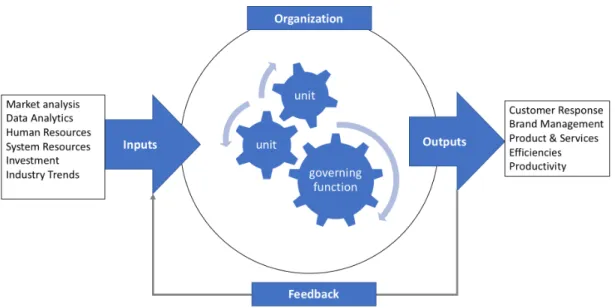
To inform the achievement of these goals and implemented in conjunction with the models previously discussed, I find that Burke (2018) deploys a model where leadership can be
situated in of an overall organizational model (see Figure 4) and provides a context for the centrality of leadership in how substructure units enact projects and operations.
Figure 4. Organizational Model. Adapted from Weisbord through Burke (2018).
Conflict management, task allocation, maintenance of the purpose of either the unit or the initiative in question, the technical aspects, and the payoff for effort and investment are all kept in balance by leadership in this model. These aspects can function individually, and indeed they do, but the success of an initiative or a unit is dependent on how each are given weight relative to each other and peripheral programs. In conjunction with this model, leaders’ functions are examined and defined through the prelaunch, launch, post–launch, and sustainment phases of the initiative (Burke, 2018, p. 348), nicely intergrating with the Adaptive Leadership model for diagnosing situational challenges.
Prelaunch.
At this stage, I would gather relevant information related to current processes, establish the need for change, provides clarity of vision for the proposed change, and engages/solicits full support of executive sponsorship. In this case, I would liaise with distributed marketing,
recruitment, and admissions resources, as well as their manager- and director-level leadership to determine the data required for downstream decision–making and any anticipated needs of the unit to build out meaningful process change. Further, my role will ensure that executive sponsors are informed of the proposed gains, the benefits of information fidelity, and, most importantly, that a solution or set of solutions can be established within the complexity of the environment. The envisioned change would include resource deployment, investment
requirements, and any needs for process change. Launch.
During this phase, my role will engage in overall communication strategies related to the need for change, key activities, and specific resistance mitigation. Within my insitution, this phase would include communications with decanal and departmental leadership, line
management, and frontline resources to demonstrate the value of a student recruitment CRM system within disparate units. Careful attention will need to be paid to where payoff exists within downstream units and the establishment of reasons why this initiative is of importance to not only the organization, but to the localized interests as well. There will be workload
implications that need to be factored into this project and in a conservative institutional
landscape, this is a make or break aspect. My mitigating approach is to establish a cost/benefit analysis per unit.
Post–launch.
Thinking about postlaunch posture should be at the forefront of my approach where the model is consistent, iterative, and open to remediation. The operational posture of the institution is vital to the organization and a student recruitment CRM solution will have pronounced impact on the practices and processes in a post–implementation environment. I will need to assure
disparate units of the positive impact the introduction of new processes is having on the organization, but also will need to provide adequate training and documentation for new
procedures and conditions. I will further need to establish milestones in a post–implementation environment that will ensure quick wins and time set aside to celebrate. In this sense, it is important that I establish not only the implementation project timelines, but also the capabilities inherent in the operational environment.
Sustaining the Change.
I must also be account for downstream consequences, intended or not, and to continue change momentum, ensuring succession in terms of project or operational accountabilities, and be onboard to launch new initiatives which could include improving the implemented project. MaSU is an institution where change comes slowly, but there is no shortage of long term and emerging priorities, provoking shifts in attention and resourcing. My major challenge is in ensuring that the implemented change in student recruitment processing is sustainable and
possesses the characteristics needed to invite further change and enhancement. This adherence is maintained by advocacy, environmental KPI dashboards, and project progression.
Framing the Problem of Practice
Customer/Constituent Relationship Management (CRM) strategies are often perceived as a technological panacea (Parvativar & Sheth, 2001), but it is within the human and business systems processes that organizational change is actually realized. There are external factors including innovations within the technology space, shifts in the employment landscape, and governmental incentive initiatives which impact how programs are brought to market within higher education institutions (HEIs). Further, there are myriad factors which influence
and actual demand for specific programs, and sector–based (public or private) partnerships. When ingested comprehensively, the overall system(s) of influence are multiple and complex (see Figure 5) and are imbricated in significant ways. As such, any interrogation of the problem(s) plaguing higher education environments and student recruitment needs to be
unpacked by utilizing an array of tools to tease out the various perspectives associated. Framing the problem from the outset requires multiple angles as the problem
Figure 5. Overall systems of influence to student recruitment CRM in HEIs.
embedded in this Organizational Improvement Plan (OIP) is laced with potential potholes along its road. As the model above moves from the macro concerns lying at the periphery of the problem of practice, it moves from the external factors towards the nucleus of the intervention, which is to make positive contribution on the overall university mandate. However, it remains an important notion that these influences are in tension with each other and shift as
circumstances change. For example, as provincial governments in Canada develop Strategic Mandate Agreements (SMAs) designed to provide focus to HEIs and the programs they offer, substantive pressure is placed on institutions such as MaSU to modulate its response to new processes, audience development, and student recruitment tactics required to ensure success
(Ontario Ministry of Advanced Education and Skills Development, 2017). Conversely, MaSU might respond to a shifting macro market condition made evident through locally–enacted market research that might require response or policy enactment at the governmental level.
Foregrounding the plan required to implement a student recruitment CRM system within MaSU lies a set of ideological concerns that, due to the various actors involved and listed earlier in this document, requires a brief discussion here. The current and emerging processes that contribute towards the commercialization of higher education could be construed as a natural evolution of the academic world in which we live (Fallis, 2013; Collini, 2012). However, such a statement is likely to be incredibly divisive within HEIs as, at a fundamental level, the Canadian university landscape is at a point in time when its ideological purpose and its need to survive are colliding in significant ways (Côté & Allahar, 2011). While this sentiment might seem unduly alarmist, it is important to note that some forms of student enrolment is either in decline across the disciplinary landscape or achieved through maximal or asymmetrical effort (Tapp et al., 2004). What is meant by that statement is that some faculties and departments are in dire need ot more students, but do not know how to achieve this goal and in other cases, a large effort is required to fill relatively small cohorts in challenging disciplines. In the areas of higher
education where success is being realized, competitive pressure is building as sister institutions respond to shifting and emerging conditions as well (Christensen & Eyring, 2011; Collini, 2012; Fallis, 2013; Keith 1998).
While beholden to provincial agencies in many ways (financial and accreditation), self– governance has remained not only the providence of the academy, but its emphatically desired state. Escalating costs and increased competition amongst domestic, as well as international, institutions has given way to the neo–managerialism that is now see enacted within HEIs. The
assumption made in this OIP is that higher education in Canada has reached a point that it can be seen that each institution may claim ownership, or at least expertise, over compelling and rich programs (Fallis, 2013; Keith, 1998)—further, these programs are thought to be unique, although a scan of offerings across the landscape would indicate otherwise. If each university operates under the belief that they are in possession of programs students (and their parents) find desirable, and the relative pool of domestic or international prospective students is declining, then other manner of pursuing the consumer needs to be put into place. Coupled with these issues is the relatively recent trend of universities duplicating programs from each other.
As fees continue to rise and outcomes and objectives take on concretized forms, a service level agreement formulation is becoming increasingly brought into focus. Students and parents have begun to perceive higher education as an exchange for goods or services (Benjamin & Caroll, 1998; Collini, 2012; Côté & Allahar, 2011). These attitudes have developed over periods of time and now have indicated how students engage with their instructors and the administrative aspects of the institution. As Côté and Allahar (2011) state, students have come to believe that, by virtue of the economic transaction of payment to the institution, program acceptance and completion will be done according to their satisfaction (p. 92). While an unfortunate effect of commercializing student recruitment, these attitudes of entitlement and heightened expectations may be further underscored and reinforced as the processes inherent to a CRM initiative enhance the customer–focused aperture. Through a CRM engagement, institutional administration, students and parents would feel the overt influence of the commercial model, with established response times, service level agreements, return on investment metrics, and the increasing of constituent expectations.
Taken in concert, these ideological concerns inform the overall approach suggested in this document. This OIP, indeed any document, will not mitigate the concerns that academic circles have regarding the commercialization of HEIs in Canada, the issues inherent to that particular divide are too complex to discuss here. But what is important is to understand how these concerns are layered into the organizational culture at MaSU. The organization is changing and as stated earlier and supported by the research, several components of higher the education apparatus in Canada have become highly transactional in nature. There are rightful concerns to be assessed in terms of how these components might influence the quality, prestige, and relevance that a university education might possess. Specifically, as an administrative leader at MaSU, my role is to market academic programs and attract prospective students for enrolment. The tactics we are currently using are borrowed from the commercial sector and a CRM
implementation is the taking of the next step in terms of managing process and the information. The manner through which academic programming governance is enacted within HEIs is also a problematic construct (Christensen & Eyring, 2011; Collini, 2012; Fallis, 2013). As described earlier, this governance structure unfolds within compartmentalized faculty units which report recommendations to various academic bodies throughout the sequence until approval is reached. The problem within this structure is that it does not include voices from other constituents, informed by datasets that academic resources may not possess, have access to, or understand. A student recruitment CRM system is such an instrument that can inform the discussion in illuminating, albeit commercial, ways. The change driver to be discussed within this context is based on a need to alter a resistant hegemony. This aspect is related to the previous discussion detailing ideological concerns. For the most part, the financial implications of program conception and delivery have only recently come to the fore within academic
oversight committees and, even then, integrating an administrative voice in the equation has been an issue.
Interestingly, CRM systems have actually been in use within HEIs over the past number of years, but largely relegated to the areas of alumni development and fundraising efforts. Public HEIs are complex environments, housing disparate units and operational cultures. As such, there are individuated cultures within the overall culture of the university itself and these differences need to be understood, ratified, and leveraged to ensure that the needs of the organization and the sector are being served. Bolman & Deal (2013) articulate frames that can be used to usefully articulate the change and leadership approaches and a student recruitment CRM implementation. The Structural, HumanResources, and Political frames (Bolman & Deal, 2013) provide certain coverage in terms of understanding the environment within MaSU. Further in this document, Pearce’s (as lensed through Brown, 2005) cultural framework is explored through the
articulation of a communications plan, but within context, this OIP would acknowledge that the ecology of MaSU is not homogeneous and that different cultures exist within the institution where quite disparate priorities might lie.
Structural Frame.
The structural frame indicates tensions on two fronts: 1) how roles, responsibilities, and processes are differentiated from each other and; 2) the manner through which these components would be integrated with each other (Bolman & Deal, 2013). Articulated within this frame, the Mintzberg Model (Bolman & Deal, 2013) for work differentiation is applied, imbricating the aspects of knowledge/skills, time, product, customer, geography, process. This OIP approaches the problem of practice through both vertical coordination where policies, organizational
unit communication, process hand–offs, and stakeholder engagement unfolds. My role as leader in this context is to coordinate these communication and organizational efforts, structuring a project plan and reporting relationships which honour how each unit is integrated, the timing of such integration, and the requirements of each resource. It is important to note here that the project plan is quite separate from the operational context. I will work directly with distributed leadership to ensure that inherited processes and expectations are appropriately understood, documented, and implemented.
Human Resources Frame.
Student recruitment and enrolment practices at MaSU have largely been disconnected from a unit to unit perspective, with autonomy left in the hands of the academic unit. While there are examples of collaboration within the institution as well as the requirement for official
admissions processes to be by central services, recruitment and enrolment practices have not allowed for seamless activities between multiple players in the organization, potentially resulting in students selecting other institutions, or having students dissatisfied with their experience. The human resources frame (Bolman & Deal, 2013) invokes the needs represented by the adequate allocation of personnel and skills required to serve the needs of the structure put into place. Within the context of a student recruitment CRM system implementation, existing roles will inevitably be re-cast and emerging roles will need to be introduced into the organization. A key factor related to the failure of CRM system implementations is due to either an overall lack of staffing, or a misjudgement of operating conditions (Almotairi, 2009). Linked to the structural frame, the human resources frame is imbricated with the idea that people need the organization and that the organization needs the people (Bolman & Deal, 2013). Further, as the operators of
the inherited landscape are our people, the Human Resources context is an important ethical concern, which I discuss from a leadership perspective further in this document.
Political Frame.
Through a CRM engagement, there will be significant economic impact embedded in the downstream outcomes, both in terms of implementation cost and also in terms of projected enrolment–related revenue. There will also be significant social apparatus in play which will influence the communication to and from constituents, amongst units, and with stakeholders the CRM system overall will be a mitigating technological component for these interactions. On the political side of the equation, there are divergent perspectives that will need to be managed. As stated earlier in this document, prospective students and their personal advisors have come to view post–secondary life as an investment, whereby objectives and accountabilities on the part of the university are emerging as discrete value propositions (Chafee, 1998; Collini, 2012; Côté & Allahar, 2011; Fallis, 2013). There is distrust evident between academic strata and the
administrative functions as it relates to the purpose higher education and it is within this tenor that this OIP finds fertile ground. The political frame is applicable in how distinct leadership would need to foster coalitions amongst stakeholders and determine the manner through which appropriate or mitigating priorities would be established.
The Political Frame requires further discussion within the context of my own leadership position and also through the lenses of the leadership approaches I have indicated earlier in this document. Organizations in general are highly political in the sense that moving change initiatives through the system requires multiple levels of discussion and approval and gaining traction within departments is an exercise in patience and calmness. However, HEIs are
concerns that may not be symbiotic with an initiative regardless of its benefits to the organization. This division is often ontological in orientation and speaks to paradigmatic affiliation more than anything else. This OIP is taken up by what could be construed as neo-liberal concerns, efforts which are preoccupied privatization, corporate influence, and a primacy of financial success over other more intangible extracts. While I do acknowledge that these aspects are present within the context of a student recruitment CRM implementation, I would favour the term neo-managerialism as more apt label for this shift in paradigm. Universities are attached to a strange combination of conservative and liberal perspectives (Collini, 2012; Côté & Allahar, 2011), but both standpoints are somewhat resistant of the influence managerial creep is having on our public institutions (Bess & Dee, 2014; Carlson & Filner, 2017). The resistance, which will be difficult to overcome through the enactment of this OIP, is centered on resisting this administrative encroachment on academic decision-making.
Guiding Questions Emerging from the Problem of Practice
As universities and colleges within Canada cope with the challenges of recruiting students into competitive programs, how can a formal Constituent/Customer Relationship Management (CRM) system find purchase within institutional Strategic Enrolment Management (SEM) approaches? In what ways can student recruitment CRM system produce competitive advantages in attracting top students to myriad extent and emerging programs? As stated earlier, this Organizational Improvement Plan (OIP) is concerned with the implementation of a student recruitment Constituent Relationship Management (CRM) system to better manage the manner in which students become aware of, apply to, are selected for admission into, and say ‘yes’ to MaSU. Typically, a CRM system is utilized in large organizations whose focus is on customer development and service. As higher education institutions (HEIs) have developed over
the past number of decades, competition amongst them has increased in terms of funding, academic and administrative resourcing governmental and sector–based attention, and even with the subject of engaging with prospective students.
This Organizational Improvement Plan (OIP) articulates at least two relevant and interrelated strains related to student recruitment CRM strategies and how they relate to an institution’s operational practices, governing policies, and overall vision. The first strain is concerned with adopting the change process within the organization and the project that would be used to determine, modify, and develop the processes and resources required to implement such an initiative within the institution. The second strain is concerned with the ways in which a CRM system would be used to inform organizational direction and priorities, measure its
efficacy against set goals and objectives, and contribute positively to the overall and sustainable health of the university.
Emerging questions.
The emerging/guiding questions to be used in this study would include:
1) To what extent is the specific higher education organization within this study ready for such a major change;
a. How human and system processes are readied for the proposed change; and b. How leadership within the institution is prepared for or aware of the need for
change?
2) Are the expected outcomes from such an initiative mapped out effectively; a. Within such an institution, how are each units’ needs mapped into the