Rowan University Rowan University
Rowan Digital Works
Rowan Digital Works
Theses and Dissertations5-9-2012
Learning to teach: a multiple case study analysis on the role of
Learning to teach: a multiple case study analysis on the role of
professional learning community participation on pre-service
professional learning community participation on pre-service
teachers enrolled in a professional development school teacher
teachers enrolled in a professional development school teacher
preparation program
preparation program
Lissette Gonzalez-PerezFollow this and additional works at: https://rdw.rowan.edu/etd
Part of the Elementary and Middle and Secondary Education Administration Commons
Let us know how access to this document benefits you -
share your thoughts on our feedback form.
Recommended Citation Recommended Citation
Gonzalez-Perez, Lissette, "Learning to teach: a multiple case study analysis on the role of professional learning community participation on pre-service teachers enrolled in a professional development school teacher preparation program" (2012). Theses and Dissertations. 173.
https://rdw.rowan.edu/etd/173
This Dissertation is brought to you for free and open access by Rowan Digital Works. It has been accepted for inclusion in Theses and Dissertations by an authorized administrator of Rowan Digital Works. For more information, please contact [email protected].
LEARNING TO TEACH: A MULTIPLE CASE STUDY ANALYSIS ON THE ROLE OF PROFESSIONAL LEARNING COMMUNITY
PARTICIPATION ON PRE-SERVICE TEACHERS ENROLLED IN A PROFESSIONAL DEVELOPMENT SCHOOL
TEACHER PREPARATION PROGRAM
by
Lissette Gonzalez-Perez
A Dissertation Submitted to the
Department of Educational Leadership College of Education
In partial fulfillment of the requirement For the degree of
Doctor of Education at
Rowan University March 2012
Dedication
I would like to dedicate this manuscript to Angelique Alexandria and Alexa Giselle Perez. Thank you for always understanding that mommy had homework, and couldn’t go out and play. I’ve set the bar ladies – go for it!
iv
Acknowledgments
I would like to express my appreciation to my family for all of their support. Thank you Angel and Mami for picking up my slack these past few years, and thank you Melissa for driving the girls to every imaginable function on Saturdays. Rand, thanks for Melissa – she’s a great representative!
I would also like to thank Dr. Corine Cadle Meredith for her guidance, support, and encouragement, and Dr. Ane Turner Johnson and Susan Browne for serving on my committee and providing guidance and practical feedback.
Special thanks to all of the study’s participants – you know who you are, and to Ms. Dubon for sharing her technological skills with me.
v
Abstract
Lissette Gonzalez-Perez
LEARNING TO TEACH: A MULTIPLE CASE STUDY ANALYSIS ON THE ROLE OF PROFESSIONAL LEARNING COMMUNITY PARTICIPATION
ON PRE-SERVICE TEACHERS ENROLLED IN A PROFESSIONAL DEVELOPMENT SCHOOL TEACHER PREPARATION PROGRAM
2011/2012
Corine C. Meredith, Ph.D.
Doctor of Education in Educational Leadership
Pre-service teaching experiences can influence future teaching practices. The participation of pre-service teachers (PSTs) in a Professional Learning Community (PLC) increases the likelihood of a mental model shift away from the traditional norms of autonomy that characterize teaching. The purpose of this multiple case study analysis was to explore the perceived influence of PLC exposure on PSTs enrolled in a Professional Development School (PDS) teacher preparation program; specifically in the areas of knowledge, interactions, shared practice, and strategies. The design of the study was qualitative; each PST enrolled in the PDS teacher preparation program was viewed as an individual case. The data were gathered via semi-structured interviews, observations of PDS pre-service teacher PLC meetings, and collection of PST journals. The PSTs acknowledged the positive influence of PLC participation on their knowledge base, interactions with one another, as well as with others in the school community, on their perceptions of shared practice, and on their instructional, organizational, and assessment strategies. PST PLC participation resulted in increased self-confidence, the realization
vi
that peers can be resources, and the understanding that teaching does not have to be an isolating profession.
vii
Table of Contents
Abstract...v
List of Figures... xi
List of Tables ... xii
Chapter 1: Introduction...1
Problem Statement...3
Purpose of Study...4
Significance of the Study...6
Definition of Terms ...8
Delimitations...9
Organization of the Study ...11
Chapter 2: Literature Review...12
Professional Learning Communities...12
Professional Development Schools ...18
Teacher Education Programs ...21
Novice Teacher Induction Programs ...23
Conclusion ...23
Chapter 3: Methodology ...26
Role of the Researcher...26
Conceptual Framework...26
Purpose Statement...28
Setting ...28
viii
Table of Contents (Continued)
Rationale for Qualitative Methodology ...29
Participant Selection ...31
Ethical Consideration: Research with Human Subjects ...34
Data Collection Techniques...35
Data Analysis...37
Trustworthiness and Limitations ...38
Conclusion ...41
Chapter 4: Findings...42
Purpose of the Study ...43
Participant Biographical Sketches ...43
Pre-service teacher Hailey ...44
Pre-service teacher Kara ...46
Pre-service teacher Jada...47
Pre-service teacher Mia ...49
Cooperating teacher Lindsey ...52
Cooperating teacher Lois ...53
Cooperating teacher Adele...54
Cooperating teacher Joan...54
University supervisor Ariella...56
University supervisor Claire ...58
Participant researcher...59
ix
Table of Contents (Continued)
Knowledge ...62
Interactions...70
Shared practice...78
Strategies...83
Conclusion ...90
Chapter 5: Conclusions and Implications ...91
Overarching Category: Knowledge ...92
Overarching Category: Interactions...98
Overarching Category: Shared Practice...101
Overarching Category: Strategies...102
Conclusion ...103
List of References ...106
Appendix A Institutional Review Board Exemption Letter ...113
Appendix B National Institutes of Health (NIH) Web-Based Training Course Certificate of Completion ...114
Appendix C Student Teacher Consent Form ...115
Appendix D University Supervisor Consent Form...117
Appendix E Cooperating Teacher Consent Form...119
Appendix F Pre-Service Teacher Pre-PLC Interview Questions...121
Appendix G Pre-Service Teacher Post-PLC Interview Questions ...124
Appendix H University Supervisor Pre-PLC Interview Questions ...126
Appendix I University Supervisor Post-PLC Interview Questions ...128
x
Table of Contents (Continued)
Appendix K Cooperating Teacher Post-PLC Interview Questions ...130 Appendix L Pre-Service Teacher Group Interview Questions ...131 Appendix M Sample Coding Data Sample – Knowledge Category...132
xi
List of Figures
Figure Page Page
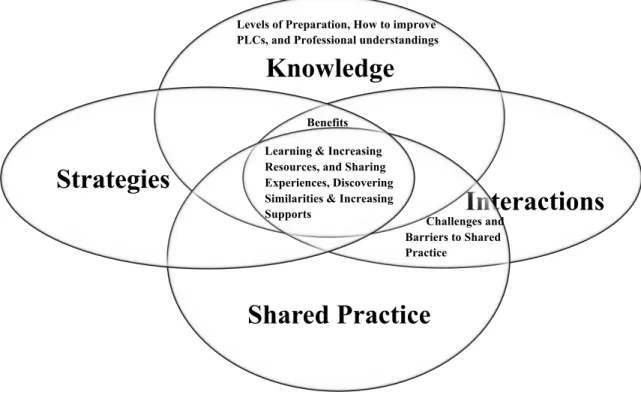
Figure 1 Pre-Service Teacher PLC Categories and Emergent Themes ...61
xii
List of Tables
Table Page Page
Table 1 Summary of Pre-Service Teachers’ Background Information ...51 Table 2 Summary of Cooperating Teacher Background Information ...56 Table 3 Summary of University Supervisor Background Information...59
1
Chapter 1 Introduction
There is a movement in education away from traditional methods of providing professional development. According to the National Commission on Teaching and America’s Future (NCTAF) “…today’s professional development must go far beyond adding a few more days or even weeks of ‘drive-by’ in-service training to teacher’s calendars. Strong professional development opportunities must be embedded in the very fabric of public education” (NCTAF, 2003, p. 28). One method suggested by numerous researchers (DuFour & Eaker, 1998; Hord, 1997) to improve the quality of professional development is the creation of Professional Learning Communities (PLC). Professional learning communities operate under the belief that improved student learning and achievement is dependent on job-embedded learning for educators (DuFour, DuFour, Eaker, & Many, 2006). PLCs provide teachers the opportunity to collaborate with their peers by sharing practice and exchanging ideas. This open communication among
teachers about their practice has the potential to improve school functioning and increase student achievement (Blankenship & Ruona, 2007; Cranston, 2009).
Schools are attempting to create PLCs, but the changes necessary for schools to transition from traditional methods of operation are time-consuming and challenging; the changes signify cultural changes for the schools. Cultural changes require changes in beliefs and values (Evans, 1996), changes that are not easily initiated, and often require the establishment of a sense of urgency to illustrate how current methods are not resulting
2
in positive outcomes. Additionally, it is difficult for teachers and administrators to step away from their comfort zones to place themselves in positions in which their sense of competence is threatened, and they are unsure of their roles (Evans, 1996). It is much easier for educators to maintain the status quo than to attempt something new.
Amid all these changes, schools continue to function as the training grounds for pre-service teachers. Due to the slow nature of change, pre-service teachers may not be gaining the necessary collaboration skills to share knowledge, strategies, practice, and ideas with their peers when they transition to their teaching careers (Abdal-Haqq, 1991). Pre-service teachers have limited opportunities to collaborate with their peers during their student-teaching experiences (Devlin-Scherer & Daly, 2001). This limited or lack of interaction during teaching internships may sustain the teaching culture of omniscience, autonomy, and individualism (Little, 1990). To counter the loneliness and isolation of the pre-service internship experience some universities and K-12 school districts have
created Professional Development School (PDS) partnerships.
“The work in a PDS is designed to improve K-12 student learning, strengthen teacher education, promote professional development, and support collaborative inquiry” (Kean University, 2008). PDS pre-service teachers are assigned to P-12 schools in cohorts with the intention of reducing feelings of isolation during the student-teaching experience (Kean University, 2008). In many cases pre-service teachers complete their junior and senior-internships at the same school. This allows them to form relationships with faculty and staff members, and provides another level of support. It also immerses pre-service teachers in the school’s culture.
Culture exerts a profound impact on the induction and orientation of
3
environment. Most institutions make sure that new recruits “learn the ropes,” which includes the elementals of task performance and a variety of formal and informal roles and procedures…they also teach and model a fundamental way of seeing, understanding, and responding. (Evans, 1996, p. 44)
Problem Statement
Pre-service teacher induction into the teaching profession provides limited opportunities for collegial peer interactions (Snow-Gerono, 2005). The teaching internship can be an isolating experience, where pre-service teachers are suddenly separated, socially and physically, from their friends and professors and removed from the theory, debate, and academic interactions that they experienced in college classes (Devlin-Scherer & Daly, 2001). Pre-service teacher interactions with peers may also be limited by the culture of the school the pre-service teachers are assigned to and the autonomous nature of the teaching profession (Little, 1990).
The underlying assumption that has been embedded in teacher preparation programs is that individual teachers are content area authorities (Little, 1990). The assumption is that teachers are omniscient, and requesting assistance from peers through shared personal practice is perceived as a weakness in knowledge base (Little, 1990). As a result, pre-service teacher internships often provide limited opportunities for the collegial exchange of knowledge, strategies, and ideas among peers, thereby reinforcing teacher isolation (Snow-Gerono, 2005).
Pre-service teachers participating in PDS partnership programs are placed in partnering schools as a cohort for their junior and senior internships. The expectation is that the pre-service teachers will be able to interact and support one another; thereby “reducing feelings of isolation” (Kean University, 2008). However, the opportunities available for the pre-service teachers to interact with their peers, to share their
4
knowledge, strategies, practices, and ideas during their internships are dependent on the school to which they are assigned, and the support structures in place that will allow for pre-service teacher peer interactions during the school day.
Participation in a PDS cohort does not guarantee that pre-service teachers will form a community of learners. To form a community, it is necessary for individuals to regulate their activities in order to achieve a common end (Dewey, 1916). Limited pre-service teacher interaction is a shortcoming of teacher preparation programs since “the context most supportive of the learning of professionals is the professional learning community” (Hord, 2009, p. 40). This research study was conceptualized around the central question: What is the perceived influence of PLC participation on pre-service teachers enrolled in a PDS teacher preparation program?
Purpose of Study
The purpose of this multiple case study analysis is to explore the perceived influence of Professional Learning Community (PLC) exposure on pre-service teachers enrolled in a Professional Development School (PDS) teacher preparation program. I specifically examine the perceived influence of PLC participation on pre-service teacher self-perceptions in the areas of knowledge, strategies, shared practice, and interactions. This study was conducted in an elementary school in a suburban town in New Jersey. The elementary school was selected as the site for the case study because of the established PDS partnership between a local university and the P-12 school district. Data were collected using a variety of qualitative methods, for example, semi-structured interviews, observations, and reflective journals. For the purposes of this research, PLC exposure is defined as bi-weekly one hour meetings attended by the pre-service teachers, their
5
university supervisor, and the participant researcher, and weekly grade-level PLC meetings attended by pre-service teachers, cooperating teachers, and support staff. As a democratic leader, I am interested in learning the influence of PDS pre-service teacher participation in a pre-service teacher PLC from the pre-service teachers’ perspectives.
Senior internship experiences influence future teaching practices (Howell, 2004). Pre-service teacher interactions with peers, to share knowledge, strategies, practice, and ideas may establish a norm that permits expressions of help seeking (Gimbert, 2000; Little, 1990). Through PLC interactions the likelihood of a mental model shift away from the traditional norms of autonomy increases. If pre-service teachers learn how to share knowledge, strategies, practice, and exchange ideas during their internships, then they will begin their teaching careers with different mindsets; shared knowledge, strategies, practice, exchange of ideas, and requests for and acceptance of assistance from peers will be the norm. “The tendencies toward individualism, presentism, and conservatism” (Little, 1990, p. 516) will be altered.
The participants of this study are four senior pre-service teachers enrolled in a PDS teacher preparation program, their university assigned on-site supervisor, the school district assigned cooperating teachers, and the participant-researcher. The partnering schools are a northern New Jersey university in an urban area and a northern NJ elementary school in a suburban borough.
The research methodology utilized for this study was a qualitative approach. The qualitative data collection tools were participant journals, semi-structured participant pre/post-PLC participation interviews, and PDS PLC meeting observations. The strategy of inquiry was a case study. Case studies allow researchers to gather information using a
6
variety of data collection techniques over a sustained period of time (Creswell, 2009). Data for this study were gathered from each pre-service teacher. Each pre-service teacher served as a case being studied, and as the primary unit of analysis. The data collected for each case wee included in a multiple-case study analysis.
The following four research questions guided the case study regarding the perceived influence of PLC exposure on pre-service teachers enrolled in a PDS teacher preparation program:
1. How do pre-service teachers enrolled in a PDS teacher preparation program describe the influence of PLC participation on their knowledge base? 2. How do pre-service teachers enrolled in a PDS teacher preparation program
describe the influence of PLC participation on their various interactions: a. With other PDS cohort members?
b. With their cooperating teachers? c. With faculty and staff members?
3. How do pre-service teachers enrolled in a PDS teacher preparation program describe the influence of PLC participation on their perceptions of shared practice and exchange of ideas?
4. How do pre-service teachers enrolled in a PDS teacher preparation program describe the influence of PLC participation on their strategies?
Significance of the Study
This study is significant as it could influence the future practices of universities with PDS teacher preparation programs. It will provide information regarding the value of establishing PLCs at P-12 internship sites for pre-service teacher cohorts. According to
7
Wideen, Mayer-Smith, and Moon (1998), PDSs “are primarily concerned with describing (or prescribing) collaboration efforts rather than with examining their effects on
beginning teachers” (p. 156). Currently pre-service teacher exposure to PLCs varies according to their teacher-education program and internship site. This case study provides data that can be utilized by universities to modify teacher preparation programs to best meet the needs of the pre-service teachers. “A sense of community encouraged in cohort structures can foster learning and discourage the intellectual and professional isolation of teachers (Dinsmore & Wenger, 2006, p. 57).
“Collaboration can and should be seen as an essential condition for successful professional practice by teachers and students” (Erickson, 1989, p. 431). This study has the potential of effecting a mental model shift among pre-service teachers. This may lead to pre-service teachers who are not constrained by traditional teaching norms of privacy and isolation, and are able to collaborate with their peers. As pre-service teachers transition to their full-time teaching careers they will have different perspectives
regarding the shared learning and exchange of ideas among peers. It is possible that they will not view the request of and acceptance of assistance from peers as a weakness in knowledge base.
This research provides information that could influence future teacher education and certification policy. At present, research on professional learning communities has focused primarily on communities of experienced, rather than novice or pre-service teachers (Gimbert, 2000). PDS pre-service teacher PLC discussions provide insights regarding pre-service teacher concerns as they learn how to teach and come to terms with who they are as teachers. Areas in which pre-service teachers need support or assistance
8
are identified, and support systems could be put in place to provide any necessary
assistance or guidance. This research could be used to support making pre-service teacher PLC participation a mandatory aspect of the pre-service internship experience.
This research is also significant as it may lead to future research. For example, the effect of PLC interactions on PDS pre-service teachers as they transition to full-time teaching positions could be explored as a result of this study. The follow-up study could describe the experiences of the novice teachers during their first year teaching, and how the external supports provided by the pre-established PDS PLC affects their overall job satisfaction. This information is of value as lack of support has been identified as a cause of new teacher attrition. Presently, the attrition rate of new teachers is over 30% during the first three years, and 50% within the first five (Teacher Induction and Retention, 2008).
In short the decision to consciously situate my research study in the exploration of the influences of PLC participation on pre-service teachers enrolled in a PDS teacher preparation program may lead to significant changes in the organization of teacher preparation programs, may lead to mental-model shifts away from isolation and towards collaboration for pre-service teachers, and may also serve as a basis for future research.
Definition of Terms
Professional Development School partnerships – PDS partnerships provide universities with P-12 sites for cohorts of pre-service teachers to complete their sophomore, junior, and senior year internships, and they provide school districts with additional personnel, and increased opportunities for professional development.
9 Professional Learning Community –
A PLC is composed of collaborative teams whose members work
interdependently to achieve common goals linked to the purpose of learning for all…In a PLC, collaboration represents a systematic process in which teachers work together interdependently in order to impact their classroom practice in ways that will lead to better results for their students, for their team, and for their school. (DuFour et al., 2006, p. 3)
Knowledge base – refers to knowledge of students, content knowledge, and pedagogical knowledge.
Strategies – refers to instructional, organizational and assessment strategies.
Delimitations
Delimitations provide information about the participants of a study and the researcher’s reasons for selecting particular participants. Delimitations serve to establish the parameters of a study (Hancock & Algozzine, 2006, p. 75). In this study the
participants are four female pre-service teachers enrolled a PDS teacher preparation program. They are assigned to ABC Elementary for their senior year internships, they all attend XYZ University, and they all lack prior experience participating in a PLC. Their university assigned supervisor and assigned cooperating teachers also participate in the study in a supplemental role.
The study is a qualitative study and the strategy of inquiry is a case study. The PSTs serve as the unit of analysis. Since there are four PSTs participating in this study there are a total of four cases. According to Creswell (1998), the goal of qualitative research is to attain the best possible understanding of, or deep knowledge of, a social setting or specific phenomenon. I have chosen to conduct a qualitative study because I am interested in exploring the perceived influence of PLC exposure on the
self-10
perceptions of pre-service teachers enrolled in a PDS teacher preparation program, in the areas of knowledge, strategies, shared practice, and exchange of ideas.
Critics of case study research “typically state that single cases offer a poor basis for generalizing” (Yin, 2009, p. 43) findings. For this reason, I have chosen to conduct a multiple case study analysis in which each PST serves as the unit of analysis; there are four cases in this study. Although similar findings across the cases do not guarantee generalizability to other PDS sites, they do provide strong support for my conclusions and implications; and thereby strengthen the external validity of the study (Maxwell, 2005; Yin, 2009).
To illustrate that the findings are trustworthy I established credibility,
transferability, dependability, and confirmability. To establish credibility, I shared my interpretations of the data with the participants to ensure that I described their realities appropriately. I established transferability by providing a detailed description of the case study that future researchers could use to determine if the case study is similar enough to their study to offer usable knowledge (Toma, 2005). Dependability was established by carefully recording all changes to the original research design, and also documenting the reasons for the changes, so that if the study were conducted again with the same
participants under the same circumstances the results would be similar (Toma, 2005). Confirmability was established by creating an audit trail. The audit trail illustrates how data were collected and analyzed, it includes references to how my assumptions, values, and biases may have influenced the study, and it also fully considers rival theories or conclusions. Additionally, it includes all interview, observation, and journal entry data.
11
Organization of the Study
This research study follows the traditional dissertation format. Chapter 1 serves as the introductory chapter. It includes the problem statement, purpose statement, research questions, significance of the study, and the delimitations and limitations. Chapter 2 presents a review of the literature related to PLCs, PDSs, and novice teacher attrition. Chapter 3 contains the methodology used for data collection. The findings are presented in Chapter 4, and the results, conclusions, and recommendations are presented in Chapter 5.
12
Chapter 2 Literature Review
The purpose of this study is to examine the perceived influence of Professional Learning Community (PLC) exposure on the self-perceptions of pre-service teachers enrolled in a Professional Development School (PDS) teacher preparation program, in the areas of knowledge, strategies, shared practice, and exchange of ideas. The literature reviewed for this study is divided into four sections: Professional Learning Communities, Professional Development Schools, teacher education programs, and novice teacher induction programs. First, a brief history of PLCs is presented. The impact of PLCs on professional development (Clarke, 2009; Rasberry & Mahajan, 2008), how they benefit students and teachers, and challenges to successful PLC implementation are discussed. Second, the purpose of PDS partnerships, and the challenges encountered when
attempting to establish partnerships between universities and P-12 schools are presented in the PDS Section. Third, the problems associated with teacher education programs are reviewed. Finally, the role of novice teacher induction programs is discussed.
Professional Learning Communities
The notion that more is accomplished when people work together as a community towards a common or shared goal is not new. Over the past century there have been many researchers/theorists “from Dewey (1916) and Parsons (1959) to Fullan and Hargreaves (1991) who have advocated that schools should look at themselves as social
organizations” (Clausen, Aquino, & Wideman, 2009, p. 444). Through the years, there have been many names and shifts in philosophy applied to the ‘schools as social
13
organizations’ concept. At this time, the term PLC is being used to identify groups of educators working together to improve student achievement.
The term PLC lacks a universal definition. However, researchers have provided descriptions of PLCs that share commonalities. Hord (1997) referred to PLCs as an ongoing process through which teachers and administrators work collaboratively to seek and share learning and to act on their learning, their goal being to enhance their
effectiveness as professionals for students’ benefit. DuFour et al. (2006) describe PLCs as educators committed to working collaboratively in ongoing processes of collective
inquiry and action research to achieve better results for the students they serve. Stoll, Bolam, McMahon, Wallace, and Thomas (2005) describe PLCs as an inclusive group of people, motivated by a shared learning vision, who support and work with each other to inquire on their practice and together learn new and better approaches to enhance student learning. Protheroe (2008) describes PLCs as a school culture that recognizes and
capitalizes on the collective strengths and talents of the staff. Feger and Arruda (2008) refer to PLCs as a strategy to increase student achievement by creating a collaborative school culture focused on learning. PLCs are described as team members who regularly collaborate toward continued improvement in meeting learner needs through a shared curricular-focused vision by Reichstetter (2006), and McRel (2003) refers to PLCs as a group of people sharing and critically interrogating their practice in an ongoing,
reflective, collaborative, inclusive learning-oriented and growth-promoting way (as cited in http://www.centerforcsri.org/plc/index.html).
Although the descriptions come from various sources, they all refer to teacher collaboration and its connection to learning. Researchers promote PLCs as vehicles for
14
shared learning among educators with the goal of enhancing student learning and increasing student achievement. Currently, PLCs promote collegial interactions as the source of professional development for educators (DuFour & Eaker, 1998; Hord, 1997, 2004).
PLCs and professional development. In the past, school districts relied on traditional modes of professional development to introduce new methods and strategies, and to insure that teachers stayed current in their craft. The traditional modes of
professional development focused on bringing in outside experts to present workshops that were often unrelated to teacher and student needs, and teacher attendance of out-of-district workshops, whose strategies they were unable to implement due to lack of
resources, and/or support (Clarke, 2009; Clausen et al., 2008; DuFour & Eaker, 1998). In order to substantially improve student achievement, staff development opportunities need to be provided in a supportive collegial environment (Bier, 2009; Clarke, 2009; Cranston, 2009; Hickman, Schrimpf, & Wedlock, 2009; Hipp & Huffman, 2003). In recent years, research has shown that job-embedded professional development is more effective than the traditional offerings (O’Neil, 1995). Therefore, districts are developing PLCs in their schools to better prepare teachers to meet the needs of their students.
PLCs present the means for teachers to learn from one another and to impact student learning. They provide a forum for teachers to collaborate with their peers on a regularly scheduled basis. In effective PLCs, teachers collect and analyze classroom data, share best practices, and make instructional decisions as a team to better meet the needs of their students (Clarke, 2009; Rasberry & Mahajan, 2008).
15
Benefits of PLC implementation. Instructional quality affects students’ abilities to learn new concepts. The quality of instruction received by students is dependent on the professional development available to teachers. Therefore, student learning is dependent on the quality of the professional development provided for teachers (Hickman et al., 2009; Hipp & Hufman, 2003; Rasberry & Mahajan, 2008; Smith, 2009). According to Hord and Hirsh (2008), professional learning communities provide the most supportive learning environments for professionals. Teachers working in professional learning communities interact with their peers to collect and analyze data, share best practices, and make instructional decisions as a team (Clarke, 2009). Their collegial interactions result in enhanced learning opportunities as teaching professionals, and increase their abilities to meet the needs of their students (Rasberry & Mahajan, 2008).
PLCs are beneficial for teachers and students. Some of the benefits for the teachers are: decreased isolation, increased satisfaction, higher efficacy, shared responsibility for student learning, support for student improvement, improved understanding of content, professional renewal, and increased adaptability to change (Hord & Hirsh, 2008; Rasberry & Mahajan, 2008). Some of the benefits for students attending schools that function as PLCs are: improved academics when compared to peers in traditional school settings, also decreased dropout, truancy, and absentee rates (Rasberry & Mahajan, 2008).
Teacher’s role in PLC implementation. Traditionally, teachers have spent most of their careers working in physical and mental isolation. Their careers could be
described as years spent isolated in classrooms without the support of their colleagues. The opportunities to engage in academic discourse to discuss curriculum, instructional
16
strategies, student needs, and assessments have been rare (Achinstein, 2002; Darling-Hammond, 1997; Rasberry & Mahajan, 2008). For the most part, teachers plan their lessons and assess their students in isolation. It is possible for students in the same grade level, in the same school, to receive entirely different educations. School cultures negate collegial interactions in which teachers can collaborate by sharing knowledge, practice, skills, and ideas (Fullan, 2006); the request for and acceptance of assistance is often viewed as a weakness in knowledge base or incompetence (Little, 1990). Interactions in schools are mostly congenial in nature; teachers share practice, but advice is not offered unless it is specifically requested (Little, 1990).
Teachers involved in PLC implementation have to move away from the traditional culture of schools in which teachers are autonomous, independent, and all-knowing. They have to work with their school leaders to transform the existing organizational cultures to collegial cultures characterized by (Barth, 2006):
• Teachers talking with each other about practice
• Teachers sharing knowledge about their craft
• Teachers observing each other while engaged in their practice and • All staff celebrating each other’s successes
Some teachers may also work collaboratively with their school leaders, and serve as teacher leaders. Suggested roles for teacher leaders are “serving as grade level team leaders, representatives on the school improvement team and or school’s leadership team” (Smith, 2009, p. 57). In these positions of leadership, teachers can facilitate grade level team meetings, act as coaches or mentors (Smith, 2009), and represent teacher’s views at school improvement and or school leadership team meetings.
17
Successful PLC implementation requires that “teachers work collaboratively to reflect on their practice, examine evidence about the relationship between practice and student outcomes, and make changes that improve teaching and learning for the particular students in their classrooms” (McLaughlin & Talbert, 2006, p. 4). Successful PLC
implementation is beneficial for all stakeholders.
Challenges to successful PLC implementation. “A school becomes a
professional learning community only when the educators within it align their practices with PLC concepts” (DuFour, 2007, p. 4). There are many districts that consider
themselves PLCs, but are unaware of how PLCs function. The lack of awareness may be due to the excessive use of the term PLC “to describe every imaginable combination of individuals with an interest in education – a grade-level teaching team, a school
committee, a high school department…the term has been used so ubiquitously that it is in danger of losing all meaning” (DuFour, 2004, p. 6).
According to Fullan (2006), there are challenges to the implementation of PLCs. The challenges that concern him are – superficiality, latest innovation, and local change efforts. Fullan is concerned that many educators are using the term PLC to rename practices that were already in place, but do not function as PLCs (Fullan, 2006; Senge, 1990). He worries that educator’s will view PLCs as the latest innovation and will discard its implementation if the initial results are not positive. He is also concerned that PLC implementation will not be systemic. Individual PLC schools should not exist. According to Fullan (2006), individual isolated PLCs have no place in school reform.
18
There are other challenges to the implementation of PLCs. One is related to lack of time for PLCs to meet during the instructional day. There are few opportunities for teachers –
To engage in continued and sustained learning about their practice in the settings in which they actually work, observing and being observed by their colleagues in their own classrooms and classrooms of other teachers in other schools
confronting similar problems of practice. (Elmore, 2004, p. 127)
Another challenge is that schools are structured in ways that support the isolating nature of the teaching profession (O’Neill, 1995). For example, the scheduling of specials, such as art, music, and physical education in elementary schools often limits the ability of grade-level PLCs to interact. Teaching in isolation without any support or collaboration is embedded in the culture of many schools (Fullan, 2006; O’Neill, 1995).
The challenges to PLC implementation may result in PLCs of varying quality and effectiveness. It is possible for schools within the same district to have varying degrees of success when implementing PLCs. This randomness could affect the quality of the
student-teaching experience, as pre-service teachers may not learn how to share knowledge, strategies, practice, and exchange ideas during their internships, thereby beginning their careers at a disadvantage. How can pre-service teachers gain the
knowledge, strategies, and supports they need to successfully transition to their teaching careers? In the following section I discuss the basic concepts underlying the creation of PDS partnerships and how they provide support for pre-service teachers. I also discuss the difficulties encountered when developing partnerships.
Professional Development Schools
Professional Development Schools represent school-university partnerships that attempt to support pre-service teachers as they connect and apply the theories learned in
19
university teacher education programs to the real-life situations encountered during student-teaching (Teitel, 2003).
The basic concept underlying the Professional Development School (PDS) – that is, an elementary or secondary school where teachers learn and research is a part of practice- is not a new idea. Antecedents of the PDSs are found in John
Dewey’s Laboratory School, in the work of Lucy Sprague Mitchell (1950) and in Schaefer’s “schools of inquiry (Schaefer, 1967). (Levine & Trachtman, 1997, p. 1)
The National Council for Accreditation of Teacher Education (NCATE) established standards for PDSs. The standards bring rigor to the concept of PDSs by ensuring that partnerships are not “in name only;” they support developing partnerships by providing guidelines for their development, they are used as an assessment tool by partnering schools and universities, and also by national, state, and local policymakers who “want to create incentives and supports for PDSs, and they provide a structure for conducting and evaluating research associated with PDS partnerships” (NCATE, 2001, p. 2). Although everyone in the PDS community does not embrace the Standards with the same enthusiasm, they are widely seen as the best representation of the consensus of what it means to be a PDS (Teitel, 2003).
PDSs are formed through partnerships between universities with teacher
preparation programs and P-12 schools. The goal of the school/university partnerships is the professional preparation of candidates, faculty development, inquiry directed at the improvement of practice, and enhanced student learning (Abdal-Haqq, 1991; NCATE, 2001; Stephens & Boldt, 2004). At PDS sites the entire school community participates in the pre-service teacher’s introduction to teaching; it is not limited to just the cooperating teacher and the university supervisor (Abdal-Haqq, 1991).
20
Challenges to PDS partnerships. In theory, PDSs are beneficial to all involved. However, there are many challenges to the implementation of successful PDS
partnerships. Developing partnerships between schools and universities require the establishment of a new culture (Lefever-Davis, Johnson, & Pearman, 2007; Selke, 1996). The new culture necessitates an understanding of the individual participant’s knowledge and skills, and stipulates the benefits to be gained from the formation of a PDS
partnership (LeFever-Davis et al., 2007).
“Collaboration between mentors, interns, and university faculty has a powerful impact on the classroom and is one key facet of every successful PDS” (LeFever-Davis et al., 2007, p. 205). However, the faculties of the universities and the P-12 schools lack an understanding of collaborative professional practice (Stephens & Boldt, 2004). In K-12 settings, faculties value concrete, practical strategies that can be used in the classroom (Selke, 1996). In universities the emphasis is on the theoretical, “knowledge is an end in itself versus knowledge applied in practice” (Selke, 1996, p. 8). Another hindrance to collaboration is the perception of university professors as all-knowing. For true
collaboration to occur both faculties must view each other as equals (LeFever-Davis et al., 2007).
Partner expectations can be a challenge. Some schools view pre-service teachers as additional personnel. They are used to cover classes, “recess duty and physical education, as clean up persons for art activities, or as part of the secretarial staff in duplicating volumes of teacher handouts” (Ledoux & McHenry, 2008, p. 156). “Universities need teacher candidates to achieve adequate and appropriate teaching disposition” (Ledoux & McHenry, 2008, p. 157). Additionally, a perception of lack of
21
parity and reciprocity can negatively affect the quality of PDS partnerships. There are limited financial supports or incentives provided for P-12 educators who bear most of the responsibility regarding the professional preparation of pre-service teachers (Edens, Shirley, & Toner, 2001). For PDSs to be effective partnership, expectations must be clear.
The implementation of successful PDS partnerships requires careful planning and willingness by all involved to collaborate. The university and school district personnel must work together to develop their joint mission. Collaboration between the university and the school district personnel will help prevent the development of in name-only PDS partnerships. The quality of the student-teaching experience will improve if clear goals are defined, and everyone is aware of their roles and responsibilities. In the following section teacher education programs are discussed.
Teacher Education Programs
Many teachers consider their student-teaching internship the most significant aspect of their teacher education program (Darling-Hammond & Bransford, 2005). The goal of pre-service internships is to prepare pre-service teachers for their professional careers by allowing them to apply the theories learned in their teacher preparation classes to real-life classroom situations (Devlin-Scherer & Daly, 2001; Howell, 2004). Pre-service internships allow pre-Pre-service teachers to gain clinical practice in their chosen career fields. Unfortunately, the quality of student-teaching internships varies. Ideally,
Pre-service teachers are supported by purposeful coaching from an expert cooperating teacher in the same teaching field who offers modeling, coplanning, frequent feedback, repeated opportunities to practice, and reflection upon practice while the pre-service teacher gradually takes on more responsibility. (Darling-Hammond and Bransford, 2005, p. 409)
22
In reality pre-service internships are often lonely and isolating experiences as pre-service teachers are assigned to schools and provided limited support, such as an off-site
university supervisor and a cooperating teacher (Levine & Trachtman, 1997).
The lack of uniformity among university pre-service teacher education programs affects pre-service teacher levels of preparation when they transition from their student-teaching experiences to their student-teaching careers. Novice teachers that begin their careers with limited instructional strategies, organizational strategies, such as planning,
classroom management, and assessment strategies must gain these strategies through trial and error (Freiberg, 2002). Other challenges faced by new teachers are feelings of
inadequacy regarding “…classroom management concerns (Grudnoff & Tuck, 2001), lack of curriculum knowledge, (Rea & Parkinson, 1999), and disruptive and unmotivated students (Featherstone, 1993; Fisher et al. 1999)” (as cited in Choy, Chong, Wong, & Wong, 2010, para. 4). Additionally, some novice teachers feel unprepared to address the diverse needs of their students, such as English language learners and special needs students (Berry, Daughtrey, & Wieder, 2010). All these factors cause frustration and may lead to the high rates of new teacher attrition (Darling-Hammond, 2003).
There is much debate among researchers over the “extent to which teachers are prepared before they enter teaching and what counts in order for a new recruit to be deemed qualified and licensed to teach” (Berry et al., 2010, p. 1). The disparity among researchers make it difficult to establish which pre-service teacher preparation programs are providing pre-service teachers the knowledge, strategies, and dispositions they need to be successful teachers. To counteract the disparity found among teacher preparation
23
programs, many schools offer novice teacher induction programs. In the following section novice teacher induction programs are discussed.
Novice Teacher Induction Programs
“Teaching is the only profession in which entry-level individuals are expected – from Day One – to do the same job and perform at the same level of competence as experienced practitioners” (NCTAF, 2003, p. 27). To ensure that novice teachers receive support and gain the knowledge and skills necessary to be successful teachers, many districts, states, and countries have established teacher induction programs. Induction programs provide support and guidance for novice teachers as they adapt to the demands of their new roles and responsibilities as classroom teachers. Although induction
programs use different frameworks, the goal is the same: to help novice teachers. Some of the common characteristics they share are the assignment of mentors for the novice teachers, scheduling of common planning time with grade-level team members, and participation in novice teacher workshops to help bridge the gaps between the novice teacher’s theoretical knowledge and practical knowledge (Fry, 2010, p. 1165). Research findings indicate that teachers who are provided support are more likely to remain in the profession (Wilkins & Clift, 2006).
Conclusion
In conclusion, the literature reviewed established that PLCs provide teachers the opportunity to share knowledge, strategies, practice, and exchange ideas with their colleagues with the goal of enhancing student learning and increasing student
achievement. The benefits to be gained from successful PLC implementation such as decreased isolation, increased satisfaction, higher efficacy, shared responsibility for
24
student learning, support for student improvement, improved understanding of content, professional renewal, and increased adaptability to change, outweigh the challenges (Hord & Hirsh, 2008; Rasberry & Mahajan, 2008).
The cultural changes required to successfully implement PLCs are time consuming. School districts have to shift from traditional hierarchical institutions to collaborative institutions. At the school level principals and teachers also have to adapt. For example, principals must adapt from being leaders of followers to being leaders of leaders, and teacher interactions with colleagues will shift from congenial to collegial. As these changes are taking place, future educators must still be prepared for their careers. “Since existing schools provide the setting for field experiences and student teaching, the prevailing school culture not only fails to promote student learning but also fails to nourish the development of expertise in preservice and novice teachers” (Abdel-Haqq, 1991, para. 4). The schools of today cannot sufficiently prepare tomorrow’s teachers (Abdal-Haqq, 1991).
The establishment of PDS partnerships is an attempt to provide pre-service teachers the support they need to develop as professionals. Pre-service teachers enrolled in PDS teacher preparation programs are assigned to P-12 schools as cohorts during their Junior and Senior internships; they have an on-site university supervisor, and support from their cooperating teacher, and other staff members. The expectation is that the pre-service teachers will support one another during their student-teaching experiences, and decrease the isolation and loneliness associated with student-teaching. Ideally, the
yearlong internships also provide pre-service teachers the opportunity to interact with and learn from other faculty, staff members, and each other.
25
The literature reviewed illustrated the many factors that can negatively impact the student-teaching experience, such as quality of PLC at P-12 school, ineffective PDS school-university partnerships, and extent of pre-service teacher preparation. However, to sufficiently prepare tomorrow’s teachers for their careers, the student-teaching experience should provide pre-service teachers opportunities to collaborate with their peers to share knowledge, strategies, practice, exchange ideas, and learn from one another. A review of the literature revealed a link between increased teacher satisfaction rates, decreased attrition rates, and novice teacher participation in programs that emphasized collegial support (McClure, 2008). However, there was a gap in the literature regarding PDS pre-service teacher cohort participation in pre-pre-service teacher PLCs. This research study is an effort to explore the perceived influence of PLC participation on the knowledge,
strategies, and perceptions of shared practice and exchange of ideas of pre-service teachers enrolled in a PDS teacher preparation program.
26
Chapter 3 Methodology
In this chapter I describe the research design and research methods utilized for this research study. The role of the researcher, purpose statement, setting, research questions, and rationale for selecting a holistic multiple case study design are presented. Participant selection, data collection techniques, and data analysis methods are discussed. Lastly, issues regarding trustworthiness and limitations of the study are also presented.
Role of the Researcher
In this section I position myself as a researcher. This clarifies the place from which I speak (Lather, 1991), and helps others understand the lenses through which I view my research study. My philosophy as a researcher is constructivist. I believe that our understanding of the “world is inevitably a construction from our own perspectives and standpoint” (Creswell & Plano Clark, 2011, p. 45). Through my constructivist lens I viewed the professional growth and development of the pre-service teachers as they participated in their internships. In my dual role as participant researcher and ABC Elementary School principal, I sought to understand what occurred when PLCs, PDSs, and PDS pre-service teacher PLCs intersected from the pre-service teacher’s perspective. A gap in the literature regarding this topic was identified.
Conceptual Framework
According to Maxwell (2005), a conceptual framework is comprised of the beliefs and ideas of a researcher regarding the focus of his/her study. My research study was conceptualized around the question: What is the perceived influence of PLC participation on pre-service teachers enrolled in a PDS teacher preparation program? The basic
27 assumptions, which guided my work, are:
• PLCs can lead to meaningful collaboration. My first assumption was that
PLCs provide a forum for individuals to share knowledge, strategies, practice and ideas so that everyone benefits. The shared information can serve as professional development; it can drive instruction; it can make best practices available to more teachers and students – as opposed to teaching and learning in isolation (Bier, 2009; DuFour et al., 2006; DuFour & Eaker, 1998; Hord, 1997, 2004; Hord & Hirsch, 2008; Rasberry & Mahajan, 2008).
• PDSs provide pre-service teachers support. My second assumption was that PDSs can help pre-service teachers support one another and learn from others in the educational community (professors, cooperating teachers, cohort
members, university supervisors, etc...).It is important to note that pre-service teachers are often isolated during their internships. However, if given support via their university supervisor and PDS community, then they will have the opportunity to begin their careers with a mental model shift toward
collaboration and away from isolation (Abdal-Haqq, 1991; NCATE, 2001; Stephens & Boldt, 2004).
• Pre-service teachers and Novice teachers need support. My third assumption
was that pre-service teachers and novice teachers who do not receive support will either not enter or will leave the teaching profession. The districts most likely to suffer from teacher attrition are the low-income districts. This will lead to an endless cycle of novice, unprepared teachers serving our most at-risk students. The result is that everyone – the district, the teachers (novice
28
and experienced), and the students – lose (Fry, 2010; Ingersoll, 2001; McClure, 2008; NCTAF, 2003; Wilkins & Clift, 2006).
Purpose Statement
The purpose of this multiple case study was to examine the influence of
Professional Learning Community (PLC) participation on pre-service teachers enrolled in a Professional Development School (PDS) teacher preparation program. As previously mentioned, data from this study may influence the future practices of universities with PDS teacher preparation programs. It will provide information regarding the value of establishing PLCs at P-12 internship sites for pre-service teacher cohorts. Pre-service teacher participation in PLCs may lead to pre-service teachers who are able to collaborate with peers. Lastly, this research will provide information that could influence future teacher education and certification policy. Most research on teacher PLCs focuses on experienced rather than novice or pre-service teachers. PDS pre-service teacher PLC discussions may provide insights regarding pre-service teacher concerns as they learn how to teach and come to terms with who they are as teachers.
Setting
This multiple case study was conducted in an elementary school in a suburban town in New Jersey. The elementary school was selected as the site for the case study because of the established PDS partnership between a local university and the P-12 school district. Additionally, the site was selected because as the elementary school administrator, I was aware of the existence of a PDS pre-service teacher PLC at this site. Maxwell (2005) refers to this type of selection as purposeful sampling. In purposeful sampling the participants, research sites, and/or events are deliberately selected to
29
provide data that are specific to those particular participants, research sites, and/or events (Maxwell, 2005).
Research Questions
The following four research questions guided the case study regarding the perceived influence of PLC exposure on pre-service teachers enrolled in a PDS teacher preparation program:
1. How do pre-service teachers enrolled in a PDS teacher preparation program describe the influence of PLC participation on their knowledge base? 2. How do pre-service teachers enrolled in a PDS teacher preparation program
describe the influence of PLC participation on their various interactions: a. With other PDS cohort members?
b. With their cooperating teachers? c. With faculty and staff members?
3. How do pre-service teachers enrolled in a PDS teacher preparation program describe the influence of PLC participation on their perceptions of shared practice and exchange of ideas?
4. How do pre-service teachers enrolled in a PDS teacher preparation program describe the influence of PLC participation on their strategies?
Rationale for Qualitative Methodology
In this section, the rationale for using qualitative methodology to conduct this research study will be presented. Since I attempted to understand the influence of pre-service teacher PLCs from the pre-pre-service teacher’s perspectives, I approached this research study from a qualitative standpoint. Qualitative researchers “seek to understand
30
and interpret how the various participants in a social setting construct the world around them” (Glesne, 2006, p. 4). In my role as a participant-researcher I became the main research instrument. To ensure that I accurately represented the participants’
perspectives, I provided them with the data so they could review it (member checking). I also focused on my reflexivity by maintaining an electronic journal to keep track of my decisions and beliefs in reference to the research study. Additionally, I presented the findings of my study at XYZ University’s PDS meeting, and requested feedback from the program director, the PDS university supervisors, and administrators from other PDS school districts. Everyone was interested in the research findings, and some university supervisors made arrangements to attend a future PST PLC meeting at ABC Elementary. They were interested in starting PST PLCs at their school sites. Lastly, through reflection I gained a better understanding of what my lens or lenses allowed me to see, and also how they inhibited my vision (Russell & Kelly, 2002).
Although there are many ways to conduct qualitative research, Yin (2009) suggests that the distinction between different methods is based on three conditions “(a) the type of research question posed, (b) the extent of control an investigator has over actual behavioral events, and (c) the degree of focus on contemporary as opposed to historical events” (Yin, 2009, p. 8). Given that my research questions began with “How,” I had little control over the pre-service teacher PLCs; and pre-service teachers were exposed to PLCs during their senior year internship experiences, I identified the exploratory case study method as the appropriate method for my research study (Hart, 2009). According to Hart, exploratory case studies “provide illumination on a process or problem” (Hart, 2009, p. 47).
31
The case study design was a multiple case holistic design. The case study was holistic because it was concerned with “process and context rather than simply outcomes or focusing on differences and comparisons” (Toma, 2005, p. 407). Holistic case studies focus on the whole picture. In this study, each pre-service teacher enrolled in the PDS teacher preparation program, and participation in the pre-service teacher PLC was viewed as an individual case. Each case consisted of the pre-service teacher, the cooperating teacher, the university supervisor, the PDS cohort members, and faculty and staff members. Analysis of the data illustrated similarities and differences regarding the perceived influence of PLC exposure on each pre-service teacher. Comparison and analysis of data from individual cases increased the trustworthiness of the study, as the outcomes for each case were literal replications: meaning that since the case studies occurred under the same conditions, then the outcomes should have been similar (Yin, 2009). The multiple case holistic design was selected because it may yield more powerful analytic conclusions than single case designs (Yin, 2009). In the following section the criteria used to select the participants for this case study are presented.
Participant Selection
The random sampling techniques used in quantitative studies are inappropriate for qualitative studies, because the aim of qualitative studies is to gain an understanding of complex issues relating to human behavior, not to generalize the results to the population (Marshall, 1996). A purposeful sampling strategy was used to identify and select the participants of this study. Purposeful sampling is “a strategy in which particular settings, persons, or activities are selected deliberately in order to provide information that can’t be gotten as well from other choices”(Maxwell, 2005, p. 88). In purposeful sampling, the
32
researcher selects the most productive sample to address the research questions (Marshall, 1996). The type of purposeful sampling used was criterion sampling. In criterion sampling, cases are selected that meet some pre-determined criteria (Patton, 2002, p. 238).
Pre-service teachers. The pre-service teachers for this research study were selected based on meeting the following pre-established criteria:
1. The pre-service teachers were enrolled in a PDS teacher preparation program. 2. They must have completed their senior year internship in an elementary
setting.
3. They must have been assigned to the same elementary school for their junior practicum and senior experience.
4. The pre-service teachers agreed to participate in a pre-service teacher PLC at the elementary school.
Four PDS pre-service teachers completed their junior year internship at
ABC Elementary School during the Fall 2010 semester. As the building administrator, I knew that the candidates all met the pre-established criteria. I presented my research study to the PDS pre-service teachers during a meet and greet session arranged by the university assigned on-site supervisor. I provided the eligible candidates with informed consent letters during the meet and greet.
University supervisor. The university supervisor was purposely selected. The university supervisor for this research study was selected based on meeting the following pre-established criterion:
33
1. The university supervisor was assigned to ABC elementary as the PDS pre-service teacher on-site supervisor.
The university supervisor was aware of the goals of my research study and volunteered to participate in my study. I provided her with an informed consent letter during the pre-service teacher meet and greet.
The university supervisor’s responsibilities included being on site every Tuesday and Thursday to meet with the cooperating teachers and pre-service teachers to discuss the pre-service teacher’s progress. She formally and informally evaluated the student teachers, and provided feedback to them regarding their lessons. She also met with me on a regular basis to ensure that the elementary school and university needs were being met. Additionally, the university supervisor served as the facilitator during the pre-service teacher PLC meetings.
Unfortunately, University Supervisor Ariella, had to go on emergency medical leave mid-way through the Spring 2011 semester (March 29, 2011). Prior to her leave she arranged for a co-worker to supervise the pre-service teachers for the remainder of the semester. University Supervisor Claire was well-known to the ABC Elementary staff members, as she had served as the university supervisor for the site in the past. The transition from University Supervisor Ariella to University Supervisor Claire went smoothly. University Supervisor Ariella invited University Supervisor Claire to attend a couple of PST PLC meetings so that she could familiarize herself with her new role as PST PLC facilitator. It also helped that University Supervisor Ariella maintained contact with the PSTs, University Supervisor Claire, and myself during her leave. She even facilitated the PST PLC meetings via Skype.
34
Cooperating teachers. The cooperating teachers for this study were also
purposely selected. The cooperating teachers for this research study were selected based on meeting the following pre-established criteria:
1. The cooperating teachers were classroom teachers at ABC elementary school. 2. They were tenured teachers.
3. They served as cooperating teachers for the PDS pre-service teachers assigned to ABC Elementary during the Spring 2011 semester.
The cooperating teachers were asked to participate in the study once the consent forms for the pre-service teachers were received. I presented the study and their roles and responsibilities to them during the grade-level PLC meetings; I also provided them with informed consent letters. I emphasized that participation was voluntary, and they could opt out of the study at any time.
Ethical Consideration: Research with Human Subjects
Prior to beginning my research study I applied for approval from Rowan University’s Institutional Review Board (IRB).
All research involving human subjects that is conducted by anyone affiliated with Rowan (i.e., all faculty, staff, undergraduate, and graduate students) must be reviewed and approved by the Institutional Review Board for the Protection of Human Subjects in Research (IRB) prior to such studies being undertaken. (http://www.rowan.edu/open/provost/research/Integrity_and_compliance/Irb/docu ments/Policy002.pdf)
The IRB process required that I address the level of risk participants would face by participating in my research study (see Appendix A); how I would select participants and how I would protect their identities; and how I would collect, store, and dispose of data. I also had to complete a web-based training, “Protecting Human Research Participants,”
35
offered by the National Institutes of Health (NIH) Office of Extramural Research (Appendix B).
The IRB process made me consider how I could ensure that my participants were treated ethically. Although it may have been unrealistic, I did not want my position as school principal to coerce the pre-service teachers, university supervisor, and faculty and staff members into participating in my study. Therefore, I was pleased that the IRB process required that all participants complete informed consent forms prior to
participating in the study. The informed consent forms emphasized that participation in the research study was voluntary, and that there would be no repercussions if individuals chose not to participate. The informed consent forms also informed participants that they could opt out of the study at any time, and provided them with the contact information for my faculty advisor and for the Rowan University Associate Provost for research (see Appendices C, D, & E).
Data Collection Techniques
My research questions explore the perceived influence of PLC participation on pre-service teachers enrolled in a PDS teacher preparation program, in the areas of knowledge, strategies, shared practice, and interactions. The data to answer the research questions were gathered during the Spring 2011 semester. They were gathered via semi-structured interviews, observations of PDS pre-service teacher PLC meetings and grade-level PLC meetings, and collection of pre-service teacher journals. As data were
collected, they were sorted and separated into like-minded pre-existing data categories aligned to the research questions. Eventually the data were coded, analyzed, and
36
data were analyzed using connecting strategies to identify relationships that link
statements and events into a coherent whole (Maxwell, 2005). In the following section I describe the data collection techniques I utilized for this research study.
Semi-structured interviews. Three semi-structured face-to-face interviews of research study participants were conducted. There was a pre-PLC participation interview and a post-PLC participation interview (Appendices F, G, H, I, J, K). There was also one group interview (Appendices L). The semi-structured interviews were scheduled for 30-60 minute blocks, and they were audio-taped, video-taped, and transcribed. The
transcribed interviews were read, analyzed, and emerging patterns/themes were coded (Appendix M) (Bogdan & Biklen, 2007; Maxwell, 2005).
Pre-service teacher PLC observations. Observations of PDS pre-service teacher PLC meetings occurred on a bi-weekly basis. The PLC meetings were scheduled for 45-60 minute blocks during the school day. The university assigned on-site supervisor facilitated the pre-service teacher PLC meetings. As a participant-observer I gathered data by writing fieldnotes and videotaping the PLC meetings. The fieldnotes and
videotapes allowed for careful review and analysis of the interactions among pre-service teachers, and also between the pre-service teachers and their university supervisor as they participated in the pre-service teacher PLC meetings. My level of participation during the PLC meetings varied, however, the focus of all my interactions with participants was to collect data to further my research goals (Bogdan & Biklen, 2007). The observation field notes were read and the video recordings were viewed in order to identify and code emerging patterns and themes (Bogdan & Biklen, 2007; Maxwell, 2005).