ISSN: 2231-3354 Received on: 10-08-2011 Revised on: 16-08-2011 Accepted on: 19-08-2011
V. Thanigavelan, V. Lakshmanakumar, V. Kaliyamurthi and G. Victor Rajamanickam
Sairam Centre for Advanced Research, Sairam group of Institutions, West Tambaram, Chennai-600 044, Tamil Nadu, India.
For Correspondence: Dr. V. Thanigavelan,
Asst. Prof, Sairam Centre for Advanced Research, Sairam group of Institutions, West Tambaram,Chennai-600 044, Tamil Nadu, India.
Vediuppu Chendhuram: Oxide form of salt
petre and its in vivo toxicological profile
V. Thanigavelan, V. Lakshmanakumar, V. Kaliyamurthi and
G. Victor Rajamanickam
ABSTRACT
Background: Vediuppu Chendhuram (VC) is a traditional Siddha mineral formulation applied to treat Urinary tract dysfunction such as burning micturation and retention of urine. It is synthesized through special oxidation of Vediuppu as narrated in the text Anubhoga Vaithiya Navaneetham. Physicochemical characterization of VC has been carried out using qualitative compound analysis and modern techniques such as Fourier transform infra-red spectroscopy, inductively coupled plasma analysis and scanning electron microscopy. Such study reveals the presence of heavy metals like arsenic, cadmium, mercury and lead are present below the detection limit and the presence of sodium, potassium, sulphur, phosphorus and calcium under acceptable limits. The primary objective of this work is to validate the safety of VC through animal model. Methods: The raw Vediuppu are procured from country drug store at Nagercoil, Tamilnadu and purified by the traditional procedure by soaking in Cow’s urine until it dried. The test drug VC is prepared by the process of Pudam
(Oxidation) described in Anuboga Vaithiya Navaneetham 3rd part, pg no. 76-77. The safety profile is evaluated by doing acute oral toxicity and repeated oral toxicity studies under OECD guidelines on Albino wistar rats. Results: Animals were found to be safe upto 300mg/kg body weight in acute oral toxicity study. Repeated toxicity study of VC has revealed that upto 200mg/kg body weight; all the treated animals have survived throughout the dosing period of 28 days. But at the dose of 400mg/kg, exhibits mortality on 21st day of treatment. No
significant changes in the body weight, food and water intake have been observed. Complete urine, haematology, biochemical analyses, gross necropsy and histopathological examination at the end of treatment did not reveal any abnormalities. Conclusion:Vediuppu Chendhuram is the safest drug under intended human adult dosages (520 mg – 1040 mg) as illustrated in the literature.
Key words: Siddha, Vediuppu, Pudam, Chendhuram preparation, Wistar rat, Toxicity, OECD guidelines.
INTRODUCTION
biological phenomenon. Siddha, accepting the law of uniformity of the nature holds that drugs and living bodies are similar in composition and as such drugs influence the body by altering the proportion of factors in composition. All materials in the nature including the human body as well as drugs are composed of 5 Boothams that is “Vinn (Space), Vali (Ether), Thee (Fire), Nee (Water), and Nilam (Earth)”. In drug composition these “ Boothas ” are known by inference on the basis of their properties inherent in the drug on which the pharmacodynamics depend. Thus, the theory of drug action is based on the law of similarity and dissimilarity. Another salient feature of Siddha is its theory that the drugs while entering the body submit themselves to the process of digestion. Thus, diet and drugs falls in the same category. “Unavae Marunthu Marunthae Unavu”. Thus, as per Siddha, every drug is made up of 5 Boothas and has got the following properties. They are Suvai (Taste), Gunam (Character), Veeriyam (Potency), Pirivu (Bio - Transformation) and Magimai (Special Property). The last property is a special one which is present only in certain drugs like Lemon. These drugs can be obtained from the natural sources for medicinal purposes viz., 1. Mooligai (Herbal origin) 2. Thathu (Metals and Minerals origin) 3. Jeevam (Zoological origin).
In Siddha system of medicine, so many mineral formulations are illustrated. Among that metallic compounds, salts, arsenic compounds and secondary minerals are used for chronic ailments. Before using the metal, arsenic and secondary minerals for the preparation of formulations, it is fair to use salts- karasaram alone for the formulation considering its safety and efficacy. So, we preferred Vediuppu (one among the salts), comprised formulation – Vediuppu Chendhuram (VC) narrated in Anubhoga Vaithiya Navaneetham 3rd part, pg no: 76 – 77 for the study. This formulation is being under practice for the indications such as Neerkattu (Retention of urine), Neererichal (Burning micturation), Piramegam (Genital white discharge). Paandu (Anaemia) and Gunmam (Abdominal disorders), at the dosage of 520-1040mg with tender coconut or lemon juice. The main ingredient used for the formulation of VC is Vediuppu (Salt Petre). The Vediuppu is the salt of Potassium nitrate having several therapeutic properties such as eight types of Gunmam (Abdominal disorders), Uterus fibroids, Anorexia, Anaemia, Urinary tract infections, Dysuria, Strangury, Ascitis, Menopausal disorders, Abdominal distention and Asthma. It improves fertility in women. The salt is also effective in fever, swellings, rheumatic disorders, haemorrhage, gonorrhea, eye diseases and sore throat (Siddha Materia Medica). Potassium nitrate acts on the vascular system and thus reduces the frequency of pulse. It is also useful in the early stages of dropsy and also in cases of small pox, measles, influenza catarrhal, gonorrhea, acute rheumatism, bleeding from lungs, stomach ulcers or other internal organs attended by fever. (Dr. K.M Nadkarni’s Indian Materia medica)
In 2004, the biomedical scientists have declared that the Indian traditional drugs particularly Ayurveda and Siddha are simply trash because of extreme quantum of presence of cadmium, mercury, lead and arsenic in almost all preparations. They have recommended to the government to ban the marketing of drugs
prepared under Ayurveda and Siddha system of medicines. Though, Indian system of medicines have been under use for more than 5000 years without giving the problem of toxicity, we are not in a position to prove these drugs scientifically. The scientists are not rejecting the traditional drugs of India, they need only the proof and mechanism of action what we project orally. Unless and otherwise, we take immediate step to prove the mechanism of action through animal model, it is rather difficult to convince the scientists in the developed nation. Because of that, we have preferred to work on a particular formulation VC to prove the efficacy and the level of toxicity in animal model, before seeking the multinational approval. The Vediuppu Chendhuram has the content of Na: 1.698 mg, P: 4.081mg, S: 5.321, K: 117.25, Ca: 5.092 and As, Cd, Hg are below the detection limit in my preliminary work. These elemental concentrations are under the permissible limits adopted by WHO and favours the safety to consume VC at prescribed dosage. So, we were interested to evaluate its further toxicological profile on animal model. For that, VC was subjected for acute oral toxicity & 28 day repeated oral toxicity evaluation under OECD guidelines on rodents.
MATERIALS AND METHODS
Raw materials
The Vediuppus (Potassium nitrate salts), were procured from the country drug store at Nagercoil, Tamilnadu, India. Such Vediuppus were free from moisture. Komoothiram (cow’s urine) was collected from White coloured Cow at Chengalpattu and it was filtered using cotton cloth. Venkaya thal chaaru , a fresh juice was obtained from the leaves of Allium cepa (Family: Lilliaceae). The onion leaves juice was filtered using cotton cloth.
Preparation of VC
VC was prepared under the guidance of authenticated Siddha Clinical Pharmacologist (Doctor of medicine- Siddha - Gunapadam) as per the method described in Siddha literature (Anuboga Vaithiya Navaneetham). The process of synthesis of this Chendhuram involves two stages.
I. Purification (Suthi seithal): The raw Vediuppu 300g were taken in the mud pot and 500ml of Cow’s urine was added into that mud pot. The soaked Vediuppu was allowed to dry well under sunlight. The dried Vediuppu was stored in the air tight glass container.
mud plate and closed by another appropriate mud plate and lutened by the mud paste cloth and dried under sunlight. Then, this lutened vessel was subjected for pudam by using four parts weighed vessels of cow dung cake. After completion of pudam, again the same process done for another time. At last, we got a red oxide form of Vediuppu. The red coloured Chendhuram was taken and ground well in the Kalvam (Stone mortar), until it became into very fine powder. This fine powdered Vediuppu was said to be Vediuppu Chendhuram and subjected for traditional tests (Table 1) to confirm whether it is properly finished or not. The finished form of VC was stored in an air tight glass container.
Safety studies
These studies were carried out at animal laboratory of the School of Pharmaceutical sciences, Vels University, Chennai, India.
Acute oral toxicity study
Acute oral toxicity has been conducted as per the OECD guidelines (Organization of Economic Cooperation and Development) 423 (Acute Toxic Class Method). The acute toxic class method is a stepwise procedure with 3 animals of a single sex per step. (Chan and Hayes, 1994; Diener et al, 1994 & 1995).
Test substance and Vehicle: The Vediuppu Chendhuram is freely soluble in water. In order to ensure the uniformity in drug distribution in the medium, the suspension was made with 2% CMC solution and it was found suitable for dose accuracy.
Justification for choice of vehicle: The vehicle selected as per the standard guideline is pharmacologically inert and easy to employ for new drug development and evaluation technique.
Test animals and Test conditions: Sexually matured either sex Wistar albino rats (107-128g) were obtained from the animal laboratory of the School of Pharmaceutical sciences, Vels University. All the animals were kept under standard environmental condition (27±2°C). The animals had free access to water and standard pellet diet (Sai meera foods, Bangalore). Rats were deprived of food but not water (16-18 h) prior to administration of the Vediuppu Chendhuram. The principles of laboratory animal care were followed and the Department’s ethical committee approved the use of the animals and the study design. (Ref No: PGC91/290/CPCSEA-2000/IAEC-10)
Housing and feeding conditions: The temperature in the experimental animal room should be 22ºC (+3ºC). Although the relative humidity should be at least 30% and preferably not exceed 70% other than during room cleaning the aim should be 50-60%. Lighting should be artificial, the sequence being 12 hours light, 12 hours dark. For feeding, conventional laboratory diets was used with an unlimited supply of drinking water. Animals were group-caged by dose, but the number of animals per cage must not have interfered with clear observations of each animal.
Preparation of animals: The animals were randomly selected, marked to permit individual identification, and kept in their cages for at least 5 days prior to dosing to allow for acclimatization to the laboratory conditions.
Administration of doses: Vediuppu Chendhuram suspended in 2% CMC with uniform mixing and was administered to the groups of Wistar rats in a single oral dose by gavage using a feeding needle. The control group received an equal volume of the vehicle. Animals were fasted prior to dosing. Following the period of fasting, the animals were weighed and then, the test substance VC was administered. After the substance has been administered, food was withheld for a further 3-4 hours. The principle of laboratory animal care was followed. Observations were made and recorded systematically and continuously observed as per the guideline after substance administration. The visual observations included skin changes, mobility, and aggressiveness, sensitivity to sound and pain, as well as respiratory movements. They were deprived of food, but not water 16–18 h prior to the administration of the test suspension. Finally, the number of survivors were noted after 24 h and these animals were then maintained for a further 14 days and observations made daily. The toxicological effect was assessed on the basis of mortality.
Number of animals and dose levels: Three animals are used for each step. The dose level used as the starting dose was selected from one of four fixed levels, 5, 50, 300 and 2000 mg/kg body weight. The starting dose level was most likely to produce mortality in some of the dosed animals. The available information suggests that mortality is likely at the highest starting dose level at 2000 mg/kg body weight. So the trial or limit test was conducted. Eventhough there is inadequate information on the test substance, keeping in mind of animal welfare reasons, the starting dose of 300 mg/kg body weight was selected. The time interval between treated groups was determined by the onset, duration, and severity of toxic signs.
consideration. Animals found in a moribund condition and animals were showing severe pain or enduring signs of severe distress was humanely killed. When animals were killed for humane reasons or found dead, the time of death should was recorded.
Data reporting: All data were summarized in tabular form showing for each test group the number of animals used, the number of animals displaying signs of toxicity, the number of animals found dead during the test or killed for humane reasons, time of death of individual animals, a description and the time course of toxic effects and reversibility and necropsy findings.
Repeated dose 28-day sub-acute oral toxicity study: This study was conducted as per the OECD guidelines 407 (OECD, 1995).
Experimental animals: Wistar strain albino rats of either sex of mean weighed 107.52g for male and 110.82g for female and of 6-8 weeks age were used for this toxicological study. The females were nulliporous and non-pregnant. The animals were kept under standard conditions 12:12 (day/night cycles) at 220C room temperature, in polypropylene cages. The animals were fed on standard pelleted diet (Sai meera foods Pvt Ltd, Bangalore) and Aqua guard portable water in polypropylene bottles ad libitum. The animals were housed for one week in polypropylene cages prior to the experiments to acclimatize to laboratory conditions. Six rats were in each group randomly divided into four groups for dosing up to 28 days. Each animal was identified by marking the fur with picric acid.
Preparation and administration of dose: Vediuppu Chendhuram was suspended in 2% CMC in distilled water to obtain concentrations of 200mg/ml. It was administered to the animals at the dose levels of 100, 200 and 400 mg/kg in the dose volume of 10mL/kg. The test substance suspensions were freshly prepared every two days once for 28 days. The control animals were administered vehicle only. Administration was by oral (gavage), once daily for 28 consecutive days.
Justification for Dose Selection: The results of acute toxicity studies in wistar rats indicated that Vediuppu Chendhuram was non toxic and no behavioural changes was observed upto the dose level of 2000 mg/kg body weight but symptoms and one mortality was observed after 48 hours of oral drug treatment. On the basis of these results, the doses selected for the study were 100mg/kg, 200 mg/kg and 400 mg/kg body weight. The oral route was selected for use because oral route is considered to be a proposed therapeutic route.
Observations
Experimental animals were kept under observation throughout the course of study for the following:
(i) Body Weight: Weight of each rat was recorded on day 0, at weekly intervals throughout the course of study and at termination
to calculate relative organ weights. From the data, group mean body weights and percent body weight gain were calculated.
(ii) Food and water Consumption: The quantity of food consumed by groups consisting of six animals for different doses was recorded at weekly interval. Food consumed per animal was calculated for control and the treated dose groups.
(iii) Clinical signs: All animals were observed daily for clinical signs. The time of onset, intensity and duration of these symptoms, if any, were recorded.
(iv) Mortality: All animals were observed twice daily for mortality during entire course of study.
(v) Ophthalmoscopy: The eyes of experimental animals in control as well as treated groups given different dose levels were examined prior to the initiation of the dosing and in 4th and the 6th week of the study. Eye examination was carried out using a hand slit lamp after induction of mydriasis with Atropine sulphate solution.
(vi) Functional Observations: At the end of the 4th week exposure, ‘sensory reactivity’ to graded stimuli of different types (auditory, visual and proprioceptive stimuli), ‘motor reactivity’ and ‘grip strength’ were assessed.
Terminal Studies
Laboratory Investigations: Following laboratory investigations were carried out on day 29 in animal’s fasted over-night. Blood samples were collected from orbital sinus using sodium heparin (200IU/ml) for Blood chemistry and potassium EDTA (1.5 mg/ml) for Haematology as anticoagulant. Blood samples were centrifuged at 3000 r.p.m. for 10 minutes. On 28th day of the experiment, 24 h urine samples were collected by placing the animals in the metabolic cage with free access to tap water but no feed was given. The urine was free from fecal contamination. Toluene is used as a preservative while collecting the sample. The sediments present in the urine were removed by centrifugation and the collected urine was used for biochemical estimations. On 29th day, the animals were fasted for approximately 18 h, then, slightly anesthetized with ether and blood samples were collected from the retro-orbital plexus into two tubes: one with EDTA for immediate analysis of haematological parameters, the other without any anticoagulant and was centrifuged at 4000 rpm at 4 °C for 10 minutes to obtain the serum. Serum was stored at 20 °C until analyzed for biochemical parameters.
Biochemical Investigations: Serum and Urine were used for the estimation of biochemical parameters. Samples of control and experimental rats were analyzed for protein, bilirubin, urea, uric acid, creatinine, triglyceride, cholesterol and glucose levels were carried using standard methods. Activities of glutamate oxaloacetate transaminase/ Aspartate aminotransferase (GOT/AST), glutamate pyruvate transaminase/ Alanine amino transferase (GPT/ALT) and alkaline phosphatase were estimated as per the colorimetric procedure.
Urine analysis: Urine samples were collected over in 4th week and the normal parameters were estimated. The estimations were performed using appropriate methodology.
Necropsy: All the animals were sacrificed on day 29. Necropsy of all animals was carried out and the weights of the organs including liver, kidneys, adrenals, spleen, brain, heart, uterus and testes/ovaries were recorded. The relative organ weight of each animal was then, calculated as follows;
Absolute organ weight (g)
Relative organ weight =_____________________________ ×100 Body weight of rats on sacrifice day (g)
Histopathology: Histopathological investigations of the vital organs were done. The organ pieces (3-5µm thick) of the highest
dose level of 400 mg/kg were preserved and were fixed in 10% formalin for 24 h and washed in running water for 24 h. Samples were dehydrated in an auto technicon and then, cleared in benzene to remove absolute alcohol. Embedding was done by passing the cleared samples through three cups containing molten paraffin at 50°C and then in a cubical block of paraffin made by the “L” moulds. It was followed by microtome and the slides were stained with Haematoxylin-eosin.
The organs included brain, heart, kidneys, liver, lungs, spleen, and uterus of the animals were preserved and they were subjected to histopathological examination under 100X magnification by Olympus microscope.
Statistical analysis
Findings such as clinical signs of intoxication, body weight changes, food consumption, haematology and blood chemistry were subjected to One-way Anova followed by dunnet’t’ test using a computer software programme -INSTAT-V3 version.
RESULTS AND INFERENCES
Finished form of Vediuppu Chendhuram (VC)
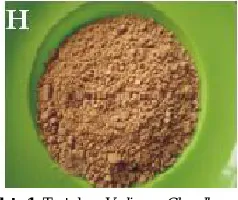
The VC was prepared following strictly the method mentioned in the Siddha text. The finished VC (Plate 1) gave positive results to all tests for Chendhuram mentioned in Siddha Gunapadam literature (Table 1).
Table 1: Traditional Tests for formation of Chendhuram
S.No Test
01 Red in colour without any shiny appearance
02 Tasteless and odourless
03 Did not regain luster on heating again at same temperature
04 Sample floats on water. Did not immediately immersed in water
05 Not translucent
06 Impinged in the papillary ridges when the sample rubbed in
between Index finger and thumb
Table 2: Dose finding experiment and its behavioral Signs of Toxicity.
No Dose
mg/kg1 2 3 4 5 6 7 8 9 10 11 12 13 14 15 16 17 18 19 20
1. 5 + - - + - + - - - -
2 50 + - - - + + - - - -
3 300 + - - + + + - + - - - -
4 2000 + - - + + + - + - - - +
1. Alertness 2. Aggressiveness 3. Pile erection 4. Grooming 5. Gripping 6. Touch Response 7. Decreased Motor Activity 8. Tremors 9. Convulsions 10. Muscle Spasm 11. Catatonia 12. Muscle relaxant 13. Hypnosis 14. Analgesia 15.Lacrimation 16. Exophthalmos 17. Diarrhoea 18. Writhing 19. Respiration 20. Mortality
Table 3: Body weight (g) changes of albino rats exposed to VC.
Dose (mg/kg/day)
Days
1 7 14 21 28
Control 102.474.22 104.254.11 108.363.18 107.104.10* 113.215.85*
100 121.314.14 117.205.28 122.446.37 125.306.08 128.558.04*
200 119.006.17 118.348.16 12110.15 122.468.50 124.2110.24
400 117.2410.10 115.7710.11 120.6410.67 120.084.16* 122.1610.46*
Values are mean of 6 animals S.D. (Dunnett's test). *P<0.05; **P<0.01. N=6.
Plate 1: Test drug Vediuppu Chendhuram
Acute oral toxicity study and dose determination
The results of acute toxicity study (Table 2) of VC revealed mortality, mild abnormal signs and behavioural changes in rats at the dose of 2000 mg Kg-1 body weight administered orally. At the dose of 300 mg/kg/po did not exhibit mortality and did not show any signs of acute toxicity and behavior changes.
Sub-acute oral toxicity 28-day repeated dose study
Mortality: All animals from control and all the treated dose groups survived throughout the dosing period of 28 days except the animals treated 400mg/kg b.w. and two were found dead after 21days of treatment but it was assessed that the mortality might not be due to drug influence.
comparable body weight gain throughout the dosing period of 28 days.
Food and water consumption: During dosing period, the quantity of food and water consumed by animals from different dose groups was found to be comparable and normal with that by control animals (Table 4,5).
Ophthalmoscopy: Ophthalmoscopic examination of animals in control and test product– treated groups did not reveal any major and remarkable abnormality.
Table 4: Food (g/day) intake of albino rats exposed to VC.
Dose (mg/kg/day)
Days(g/rat)
1 7 14 21 28
Control 38.463.10 36.172.78 39.452.10 36.112.80 39.192.12
100 38.452.44 38.072.18 37.442.30 38.212.72 39.323.00
200 41.603.40 38.402.42 40.103.44 41.773.04 39.463.16
400 42.22.07 42.152.12 41.882.45 42.163.08 42.562.05 Values are mean of 6 animals S.D. (Dunnett's test). *P<0.05; **P<0.01. N=6.
Table 5: Water (ml/day) intake of albino rats exposed to VC.
Dose (mg/kg/day)
Days(ml/rat)
1 7 14 21 28
Control 46.682.58 44.153.66 45.102.15 40.142.40 41.03.02
100 51.343.17 50.453.28 50.113.60 48.023.81 50.002.80
200 48.762.04 46.303.08 46.433.11 48.102.18 46.122.32
400 47.102.16 47.302.37 48.142.09 48.112.19 47.102.54 Values are mean of 6 animals S.D. (Dunnett's test). *P<0.05; **P<0.01. N=6.
Table 6: Effect of VC on Haematological parameters.
Parameter Control 100 mg/kg 200 mg/kg 400 mg/kg Red blood
cell (mm3) 7.410.16 6.880.31 6.500.22 6.240.11
HB (%) 15.200.41 15.130.38 15.340.60 15.80.52
Leukocyte
(x106/mL) 10139126.53 10134286.10 10207246.75 10280264.1
Platelets/ul 136839.67 126770.17 129097.57 129823.45
MCV (gl) 59.774.12 56.273.12 57.802.28 55.012.41
DLC (%)
N 4.780.82 5.201.50 4.040.63 5.022.22
L 92.123.56 90.323.61 91.103.12 91.182.88
M 2.00.48 2.60.42 2.390.40 2.430.30
E 1.100.22 1.220.30 2.00.28 1.780.24
B 0 0 0 0
ESR(mm) 100 100 100 100
PCV 48.101.88 46.122.56 46.443.65 47.202.11
MCH pg 18.280.45 17.210.44 18.660.32 18.580.42
MCHC g/dl 30.660.98 31.060.42 31.171.30 30.680.55 Values are mean of 6 animals S.D. (Dunnett's test). *P<0.05; **P<0.01. N=6.
Functional Observations: These tests conducted on the experimental animals at termination and recorded did not reveal any abnormalities but the animals were exhibited significant tremors.
Haematological Parameters: The results of haematological investigations such as Erythrocytes, Total Leucocytes and Platelets count (Table 6) conducted on day 29, revealed no significant
changes in the values when compared with those of respective controls. This gave clear justification that bone marrow and spleen were not influenced by VC. Among the differential count of WBC, only the Eosinophil’s count was slightly increased at the VC dosage of 200mg/kg and 400mg/kg. This might be occurred due to stress. The other parameters were within the normal limits.
Biochemical Parameters: Results of Biochemical investigations conducted on days 29 and recorded in Table 7, 8, 9 revealed the following significant changes in the values of different parameters studied when compared with those of respective controls; Urea
Table 8: Effect of VC on Renal parameters.
Dose (mg/kg) Control 100 mg/kg 200 mg/kg 400 mg/kg
Urea(mg/dL) 58.191.56 62.152.56 64.2.41 68.212.55
Creatinine (mg/dL)
0.820.06 0.840.05 0.800.05 0.820.04
Uric acid (mg/dL)
1.50.10 1.60.28 1.60.24 1.560.22
Na m.mol 138.127.30 136.46.88 140.126.32 142.185.12
K m.mol 21.602.84 19.532.08 20.02.18 20.332.10
Cl m.mol 99.143.18 100.005.26 98.184.64 102.006.98* Values are mean of 6 animals S.D. (Dunnett's test). *P<0.05; **P<0.01.
vs. control group N=6.
Table 9: Effect of VC on Lipid profile.
Dose (mg/kg) Control 100 mg/kg 200 mg/kg 400 mg/kg
Total
cholestrol(mg/dL)
41.982.78 40.22.59 44.103.23 46.242.98
HDL(mg/dL) 12.191.65 12.381.46 12.251.30 13.002.00
LDL(mg/dL) 32.82.88 44.123.18 36.242.47 34.191.88
VLDL(mg/dl) 16.192.46 16.422.10 16.481.66 14.101.10
Triglycerides (mg/dl) 82.153.38 81.202.58 81.132.26 84.232.99
TC/HDL ratio (g/dl) 3.420.21 3.380.26 3.660.27 3.600.28
Blood glucose(mg/dl) 112.168.62 114.03.33 110.374.12 110.42.58 Values are mean of 6 animals S.D. (Dunnett's test). *P<0.05; **P<0.01. vs. control group N=6.
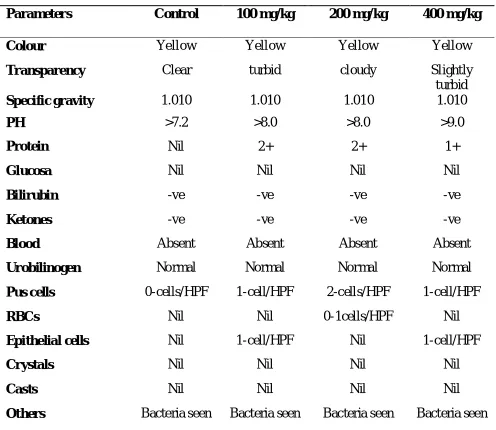
Table 10: Effect of VC on Urine parameters.
Parameters Control 100 mg/kg 200 mg/kg 400 mg/kg
Colour Yellow Yellow Yellow Yellow
Transparency Clear turbid cloudy Slightly turbid
Specific gravity 1.010 1.010 1.010 1.010
PH >7.2 >8.0 >8.0 >9.0
Protein Nil 2+ 2+ 1+
Glucosa Nil Nil Nil Nil
Bilirubin -ve -ve -ve -ve
Ketones -ve -ve -ve -ve
Blood Absent Absent Absent Absent
Urobilinogen Normal Normal Normal Normal
Pus cells 0-cells/HPF 1-cell/HPF 2-cells/HPF 1-cell/HPF
RBCs Nil Nil 0-1cells/HPF Nil
Epithelial cells Nil 1-cell/HPF Nil 1-cell/HPF
Crystals Nil Nil Nil Nil
Casts Nil Nil Nil Nil
Others Bacteria seen Bacteria seen Bacteria seen Bacteria seen
marker of leaks from injured liver, heart, or skeletal muscle cells or erythrocytes (Less often kidney). SGPT, Bilirubin, GGT are the specific markers of inflammation of hepatic cells. These parameters were within the limits. In myocardial and hepatic injury, the SGOT value will be raised four folds but here the SGOT level was slightly decreased and it might be due to drug dosages. These clearly indicate, VC even at the dosage of 400mg/kg has safer hepatic profile. Even though, Urea was slightly increased, the Serum Creatinine, Uric acid and electrolytes level were within normal, we infer that VC did not interfere the renal functions since S.Creatinine is an important marker to ascertain kidney function.
Table 11: Effect of VC on Organ weight.
Organs Control 100 mg/kg 200 mg/kg 400 mg/kg
Liver (g) 5.160.14 4.700.21 4.680.20 4.560.22
Heart (g) 0.680.05 0.600.02 0.640.05 0.620.02
Lung (g) 1.550.25 1.150.21 1.160.22 1.120.10
Spleen (g) 0.670.07 0.680.05 0.660.05 0.650.04
Ovary (g) 1.920.14 1.860.12 1.660.18 1.620.15
Testes (g) 1.420.12 1.400.12 1.420.12 1.460.19
Brain (g) 1.440.18 1.460.17 1.470.16 1.460.18
Kidney (g) 0.710.05 0.700.04 0.720.05 0.720.04
Stomach (g) 1.410.10 1.420.10 1.400.07 1.440.12 Values are mean of 6 animals S.D. (Dunnett's test). *P<0.05; **P<0.01 vs control N=6.
Table 12: Histological observation on Wistar rats given VC of 28 days.
Organs Control 400 mg/kg
Bone Normal histology Normal trabeculae, bone marrow
Liver Normal histology Normal hepatocytes, sinusoids
Kidney Normal histology Normal glomeruli, tubules
Lung Normal histology Normal alveoli, bronchiole
Heart Normal histology Normal myocytes
Brain Normal histology Normal neurons
Pancreas Normal histology Normal Islets of Langerhans, acini
Spleen Normal histology Normal trabeculae, capsule
LDL level was elevated in animals of 100 mg/kg dose group (P<0.05) and at the dosage of 400mg/kg, total cholesterol level was slightly increased but these were within the normal limits. The other cardio vascular risk markers were also within normal ensured that VC did not influence the Cardio vascular system.
Urine analysis: Urine analysis data (Table 10) of control group and treated group of animals determined in week 4 did not reveal major abnormalities rather than transparency, pH and deposits. Turbidity or cloudiness in urine might be due to the deposition of cellular materials such as pus and epithelial cells and also proteinuria. The pH of urine might be varying (7.2-9.0) and proteinuria was due to bacterial deposition in the urine. Proteinuria indicates infection in urinary tract or nephrotic syndrome.(6) Eventhough, the renal biochemical markers were within the limits, the presence of proteinuria gave minimal caution of VC on renal damage.
Organ Weight: Group Mean Relative Organ Weights (% of body weight) are recorded in Table-11. Comparison of organ weights of
treated animals with respective control animals on day 29 was found to be comparable with respective control group.
Necropsy: Gross pathological examination of animals in control as well as the treated groups did not reveal any abnormalities.
Histopathology: The vital organs such as liver, lungs, heart, brain, pancreas and kidneys were removed from the test groups at the end of the study and carefully observed macroscopically to find any observable gross lesions compared with the control group and did not reveal any abnormal macroscopic changes. Microscopically, these organs of the test groups revealed normal histological appearance when compared with the control group (Table 12). Most of the drugs will be metabolized in liver and excreted through kidney. Toxic agents can cause damages to liver and kidney at specific doses. The livers of the rats administered with the 400mg/kg dose of the extracts did not revealed any pathological changes, such as congested vessels channels; periportal inflammation; apoptosis; ground glass hepatocytes and kupffer cell prominence (Plate: 3). The architectural appearance of the kidneys from the rats in the test groups, presented a normal histological appearance. Damages to kidney caused either by chemical agents or drugs could be manifested as vascular congestion (glomerulus), inflammatory cell infiltration and hyaline globule in collecting tubules (Eroschenko, 2000). All these features were clearly observed in the test group of 400 mg/kg dosage and inferred normal features (Plate: 4). The markers of hepatic and renal functions were not changed in the group of rats treated with VC. This view strengthened that the liver and kidneys did not show any evidence of toxicity and also histologically determines normal hepatocytes glomeruli and tubules.
DISCUSSION
The Vediuppu Chendhuram is used as a diuretic drug in the treatment of impaired renal functions under Siddha medicine. Most of the literature evidences show that the Vediuppu has good effect on renal disorders such as Neerkattu, Neererichal, etc (Gunapadam Thathu Vaguppu). This Vediuppu belongs to the Salt kingdom and used as ingredient in several formulations. Among those formulations, this Vediuppu formulation with the composition of purified Vediuppu and onion leaf juice has been chosen for this study. Because this formulation is under practice for long time and the ingredients of this formulation is available in plenty and cheap, we chose to analyze its safety.
In Siddha Materia medica, the purification of Vediuppu is illustrated by three different methods such as using Cow’s urine, Lemon juice and Egg white. Soaking of Vediuppu in Cow’s urine for one day rather than in lemon juice or egg white resulted in pale white colour with addition of Ammonium, Phosphorous, Sulphur, Calcium, Ferrous iron, Phosphine and disulphide group rather than purification by other method. Heavy metals like Arsenic,
Cadmium, Mercury and Lead were below the detection limit. This purified Vediuppu was taken for Chendhuram process.
Vediuppu Chendhuram, the process of deep oxidation of Vediuppu triturated by onion leaf juice sealed in an earthen pots was carried out in a traditional furnace (Pudam) narrated in the literature Anuboga Vaithiya Navaneedham. Onion leaf juice has the presence of alcohol, aldehydes and ether group. After oxidation, the obtained product contains the oxide form of Potassium nitrate. The high temperature inside the sealed earthen pots supports the conversion of Potassium nitrate into Potassium oxide, which should result into a high concentration of Potassium oxide in the final product. The finished product had the properties of no luster, fill the finger lines when taken between index finger and thumb, floats on water, easily soluble in water and HCl, did not regain luster on heating again. The bio chemical study revealed the presence of potent therapeutic valued alkaloids in the absence of ammonium. The scanning electron micrograph revealed size stabilization of particles on process and the presence of nanosized particles. Nanosized particles can attach with the cell surface and can diffuse readily inside the cells. Thus, the particle size is able to influence the efficacy. The ICP analysis revealed heavy metals like arsenic, cadmium, mercury and lead in Vediuppu Chendhuram were below the deduction limit. It was also observed that potassium, sodium, sulphur, phosphorus and calcium were in reduced concentration compared to the purified vediuppu. This was obtained by continuous triturating using onion leaf juice and on oxidation process. This repeated trituration and oxidation cycles definitely impart specific physicochemical characters to Vediuppu Chendhuram, which might be responsible for the safety and potent therapeutic activity of this medicine.
The result of toxicity study on rodents showed that all the male and female animals from control and all the treated dose groups up to 200 mg/kg survived throughout the dosing period of 28 days but two animals were dead on 21st day of treatment in 400mg/kg administered group. Except hyperactivity, no signs of intoxication were observed in animals from lower and middle dose groups during the dosing period of 28 days. Animals from all the treated dose groups exhibited comparable body weight gain with that of controls throughout the dosing period of 28 days. Food consumption of control and treated animals were found to be comparable throughout the dosing period of 28days. Ophthalmoscopic examination, conducted prior to and at the end of dosing period on animals from control and all the treated dose groups did not reveal any abnormality. Haematological analysis conducted at the end of the dosing period on day 29, revealed no abnormalities attributable to the treatment. Biochemical analysis conducted at the end of the dosing period on day 29, revealed no abnormalities attributable to the treatment. Functional observation tests conducted at termination revealed no abnormalities. Urine analysis, conducted at the end of the dosing period in week 4, revealed no abnormality attributable to the treatment. Organ weight data of animals sacrificed at the end of the dosing period was found to be comparable with that of respective controls. Gross
Plate 2: Histopathology of Bone
Plate A – Control group Plate B– Treated on high dose
No abnormality seen in trabeculae, bone marrow.
Plate 3: Histopathology of Liver
Plate A – Control group Plate B – Treated on high dose, no abnormality is seen in hepatocytes, sinusoids.
Plate 4: Histopathology of Kidney Plate A – Control group Plate B – Treated on high dose
No abnormality seen in glomeruli, Bowman’s capsule, capillaries.
Plate 6: Histopathology of Heart
Plate A – Control group Plate B – Treated on high dose
No abnormality seen in nuclei of myocytes, myocardium.
Plate 7: Histopathology of Brain
Plate A – Control group Plate B – Treated on
high dose No abnormality seen
in neurons.
Plate 8: Histopathology of Pancreas
Plate A – Control group Plate B – Treated on high dose No abnormality seen in
Islets of Langerhans, acini.
Plate 9: Histopathology of Spleen
Plate A – Control group Plate B – Treated on high
dose No abnormality seen in trabeculae, capsule.
Plate 5: Histopathology of Lung
pathological examination and histopathological examination did not reveal any abnormality.
The LD50 of Vediuppu Chendhuram as per OECD
guideline falls under class four with no signs of acute toxicity up to dose of 300mg/kg. Any changes in normal behavioral pattern or signs and symptoms of toxicity and mortality were not observed up to this dose level.
CONCLUSION
Acute and sub-acute toxicity study of Vediuppu Chendhuram in Wistar rats indicated that at the doses of 100, 200, 400 mg/kg b.wt do not produce significant dose related changes of biochemical parameters or histopathology of internal organs. In spite of the long usage of Vediuppu in the Indian system of medicine, the confirmation of no toxicity declares the Vediuppu Chendhuram under the dosage level of 300mg/kg as the safer drug under the Siddha system. We conclude that the indented dosage of VC from 520mg to 1040mg narrated in Anubogha Vaithiya Navaneetham is a safer therapeutic dose for human adult.
REFERENCES
Abdhula Sayubu PM. Vediuppu Chendhuram. (2006). In: Anubhoga Vaidhya Navaneetham – III Part. 2nd ed. (pp. 76, 77) Chennai. Thamarai noolagam.
Chan P.K. and A.W. Hayes. Chap. 16. Acute toxicity and eye irritancy. Principles and methods of toxicology. Third Edition. A.W.
Hayes, Editor. Raven Press, Ltd., New York, USA. (1994).
Diener W., Mischke U., Kayser D. and Schlede E. The biometric evaluation of the OECD modified version of the Acute-Toxic-Class Method (oral). Arch. Toxicol. 1995;69: 729-734.
Diener W., Sichha L., Mischke U., Kayser D. and Schlede E. The biometric evaluation of the Acute-Toxic-Class Method (Oral). Arch. Toxicol. 1994;68: 559-610.
Eroschenko, V. P. Atlas of Histology with Functional Correlations. 9th edition. Williams and Wilkins, Lippincott. (2000) 12.
Gupta LC, Chauhan RD, Abhishek Gupta. Interpretation of Common Investigations. 5th edition. New Delhi. Jaypee Brothers Medical Publishers (P) Ltd. (2006) 1-183.
Lipnick R L, Cotruvo, J A, Hill R N, Bruce R D, Stitzel K A, Walker A P, Chu I; Goddard M, Segal L, Springer J A and Myers R C. Comparison of the Up-and down, Conventional LD50, and Fixed Dose Acute Toxicity Procedures. Fd. Chem. Toxicol. 1995;33: 223-231.
Nadkarne KM. Mineral Kingdom. In: The Indian Materia Media – (Vol. II). 3rd ed. Mumbai. Popular Prakashan Pvt.Ltd. (1976) 90-93.
OECD Guidelines for the Testing of Chemicals (No. 407, Section 4: Health Effects) "Repeated Dose 28-Day Oral Toxicity in Rodents" (Adopted on 12 May 198 1 and Updated on 27 July 1995.)
Schlede E., Mischke U., Diener W. and Kayser D. The International Validation Study of the Acute-Toxic-Class Method (oral). Arch. Toxicol. 1994;69, 659-670
Schlede E., Mischke U., Roll R. and Kayser D. A National Validation Study of the Acute-Toxic-Class Method – an alternative to the LD50 test. Arch. Toxicol. 1992;66: 455-470.
Thiyagarajan R. Introduction, Apparatus, Drugs, Nine gem stones. In: Anaivari R Anandan, Thulasimani M, editors. Siddha Materia Medica (Mineral & Animal section). 1st ed. Chennai. Dept of Indian
Medicine and Homeopathy. 2008: 1, 2, 63, 363, 364.
Uthamarayan KS. Marunthu. In: Siddha Maruthuvanga Churukkam. 2nd reprint. Chennai. Dept of Indian Medicine and