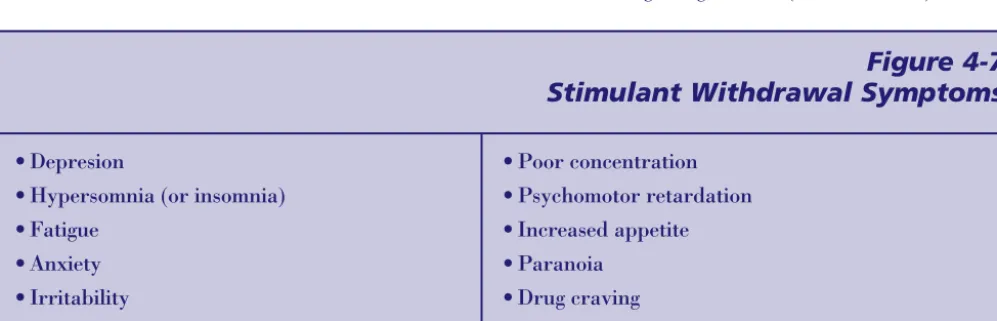
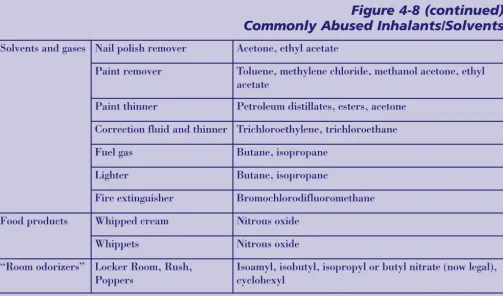
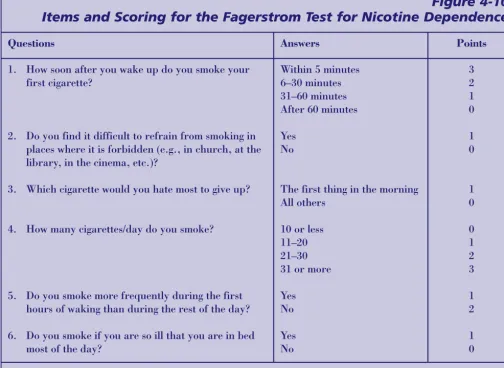
4 Physical
Detoxification
Services for
Withdrawal From
Specific Substances
In This
Chapter…
Psychosocial and Biomedical Screening and
Assessment Alcohol Intoxication and
Withdrawal Opioids Benzodiazepines
and Other Sedative-Hypnotics Stimulants Inhalants/Solvents
Nicotine Marijuana and
Other Drugs Containing THC Anabolic Steroids
Club Drugs Management of Polydrug Abuse:
An Integrated Approach Alternative Approaches Considerations for
Specific Populations
This chapter highlights specific treatment regimens for specific sub-stances and provides guidance on the medical, nursing, and social ser-vices aspects of these treatments. It also includes considerations for spe-cific populations. Although it is written principally for healthcare profes-sionals, some professionals without medical training may find it of use. To accommodate a broad audience, the chapter includes definitions for technical terms that may be unfamiliar to some readers—for example, “the patient was afebrile (without fever).”
Psychosocial and Biomedical
Screening and Assessment
This section covers more complex psychosocial and biomedical assess-ments that may occur after initial contact as an individual undergoes detoxification. Psychosocial and biomedical screening and services are closely associated: neither is likely to succeed without the other, as the case study below illustrates.
aspects of the patient’s health and psychosocial status that should be covered in screening and assessment, see Figure 3-1, p. 25.
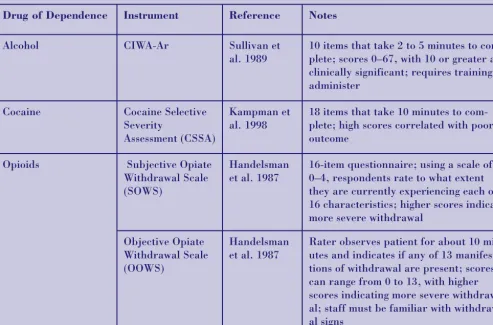
Figure 4-1 lists several instruments useful in characterizing the intensity of specific with-drawal states (see appendix C for more infor-mation on these instruments and how to obtain them).
Biochemical Markers and
Their Use
This section focuses on biochemical laborato-ry tests that detect the presence or absence of alcohol or another substance of abuse, may be able to quantify the level of present use, or may be able to quantify cumulative use over the past few weeks. Tests in all of these areas are reasonably well developed and validated for alcohol. This is not the case for most other substances of abuse. Biochemical mark-ers are not adequate screening or assessment instruments alone, but rather are used to support a more comprehensive clinical assess-ment. Common uses of these biochemical markers are:
1. In the initial screening setting to support or refute other information that leads to proper diagnosis, assessment, and manage-ment.
2. For forensic purposes (e.g., evaluating a driver after an automobile accident). 3. In detecting occult (secretive or hidden)
use of alcohol and other substances in therapeutic settings where abstinence,
rehabilitation, and treatment are being promoted.
Clinicians also can use the presentation of information from biochemical markers to patients as an effective tool in motivational enhancement. For example, information regarding liver transaminases (specific kinds of enzymes that perform chemical reactions within the liver) helps provide the patient with objective information on the level of recent alcohol use and potential acute hepatic damage. This may help the patient move from contemplating treatment to actually beginning treatment. For a more detailed discussion of biological markers in substance abuse, see Javors and colleagues (1997).
Blood alcohol content
Blood alcohol content (BAC) can be determined by highly sensitive laboratory procedures that generally are available in most emergency departments, hospitals, and clinical chemistry laboratories. Alcohol elimination undergoes, for the most part, zero-order kinetics (decreas-ing a set amount per unit of time rather than a set percentage), so the concept of half-life is not really accurate. However, first-order kinetics and half-life do occur when BAC is low (i.e., below 10mg percent), and the half-life is on the order of about 15 minutes at that point. Though disappearance rates of 15mg percent per hour are probably average for moderate drinkers, higher values were seen in a group of Swedish drivers apprehended for driving while intoxicated (19mg/dL/hr) (Jones and Andersson
Case Study
A 44-year-old Caucasian male with a fifth-grade education presented to an emergency clinic in mild alcohol withdrawal with no alcohol for 9 hours. The patient was mildly tremulous with some nausea and insomnia; blood pressure was 142/94; pulse was 96. The patient was afebrile [i.e., without fever], and Clinical
1996). The rate of metabolism of alcohol increases with dependence—some alcoholics can metabolize 20–25mg/dL/hr (Jones and Andersson 1996), and Jones and Sternebring (1992) have found that alcohol-dependent patients may metabolize 22mg/dL/hr during detoxification.
When knowledge of BAC is combined with clinical information, the healthcare provider can make some predictions regarding the acuteness of withdrawal. For example, in an individual whose blood alcohol level is 200mg percent but who is already showing tremu-lousness (shakiness of the hands), brisk reflexes, tachycardia (rapid heart rate), diaphoresis (excessive sweating), and perhaps a CIWA-Ar score in the moderate or high
range (about 15 or higher), the clinician can reasonably predict that the withdrawal will be relatively severe. As noted, however, the rate of metabolism of alcohol increases with dependence. The diagnosis of alcohol intoxi-cation is a clinical diagnosis and not based simply on a BAC. A person with a BAC of 200mg percent could be in withdrawal, intoxi-cated (showing related signs and symptoms), or showing no signs and symptoms of either intoxication or withdrawal. A BAC above 100mg percent does not necessarily indicate clinical intoxication. Like all laboratory pro-cedures, the blood alcohol levels test has limi-tations. Usually, patient permission must be obtained prior to testing, the testing itself can be expensive, and forensic testing may be subject to specific legal procedures.
Figure 4-1
Assessment Instruments for Dependence and Withdrawal From Alcohol
and Specific Illicit Drugs
Drug of Dependence Instrument Reference Notes
Alcohol CIWA-Ar Sullivan et
al. 1989
10 items that take 2 to 5 minutes to com-plete; scores 0–67, with 10 or greater as clinically significant; requires training to administer
Cocaine Cocaine Selective Severity
Assessment (CSSA)
Kampman et al. 1998
18 items that take 10 minutes to com-plete; high scores correlated with poor outcome
Opioids Subjective Opiate Withdrawal Scale (SOWS)
Handelsman et al. 1987
16-item questionnaire; using a scale of 0–4, respondents rate to what extent they are currently experiencing each of 16 characteristics; higher scores indicate more severe withdrawal
Objective Opiate Withdrawal Scale (OOWS)
Handelsman et al. 1987
Breath alcohol levels
Although the initial cost of small breath alcohol instruments may be relatively high, the recur-ring costs (of disposable mouthpieces and peri-odic recalibration) are low. The technique is less invasive than blood testing and health providers can follow breath alcohol levels repeatedly at low expense during the course of assessment and detoxification. The detection of rapidly rising, high levels of alcohol over a short period of time may indicate alcohol poi-soning overdose. Breath alcohol levels provide useful guidance in determining whether to hos-pitalize these patients.
Limitations on breath alcohol determinations are that patient cooperation is required and that some patients with lung diseases are not able to muster a sufficient tidal volume (force-ful breath) to give an accurate reading to the machine. On occasion, patients whose breath alcohol levels indicate recent alcohol use will assert that they have recently gargled with mouthwash that contained alcohol. Having the patient rinse his mouth with water several times and then making another breath alcohol determination in 15 to 30 minutes usually will resolve whether the patient’s assertion is valid.
Urine drug screens
Urine drug screens vary widely in their meth-ods of detection, sensitivity and specificity, expense, and availability. The healthcare provider assessing patients for detoxification should be familiar with the type of assay (test measurement) being used; some examples are enzyme multiple assay techniques, thin layer chromatography, high performance liquid
chromatography, urine alcohol concentration, and gas chromatography-mass spectrometry. Informed clinicians also should be aware of which drugs are screened for by the laboratory they use, the relative time window of detection (a substance’s metabolic half-life, or approxi-mately how long a drug can be detected once ingested), and whether cross-reactivity with other interfering substances may alter out-comes. Many laboratories perform more specif-ic confirmation testing on positive screening tests, which can largely eliminate false-posi-tives. It is important to clarify which type of test result is being reported. Interfering and cross-reactive substances leading to false-posi-tive tests frequently are discussed in bulletins and publications periodically published by the National Institute on Drug Abuse (NIDA) and the Centers for Disease Control and Prevention (CDC). Usually, the senior laboratory supervi-sor has up-to-date information in this area and often can be consulted via e-mail or telephone in an emergency. Limitations of urine drug screening include consent and privacy issues, expense, the inability to screen for some drugs of abuse, and the inability of urine drug screens to provide information on the current level of intoxication.
Urine testing should at a minimum test for the presence of
• Benzodiazepines • Barbiturates • Cocaine • Amphetamines • Opioids • PCP
Reading Blood Alcohol Concentrations
Blood alcohol concentrations are measured in milligrams (mg) of alcohol per deciliter (dL) of blood. This figure is converted to a percentage. One hundred mg/dL equals 100mg percent or 0.1 percent. Thus, a BAC of .1mg percent is equivalent to a concentration of 100mg of alcohol per deciliter of blood.
It also should be noted that current testing for opioids primarily refers to “organic” drugs that are derived from opium (i.e., heroin, codeine, and morphine). Synthetic opioids like
hydrocodone and methadone are not detected by the usual tests; this is true of oxycodone as well. If the use of these drugs is suspected, spe-cial tests can be ordered. Most important, each program should tailor its urine screening tests to reflect the substance use patterns prevalent in the community.
Gamma-glutamyltransferase
(GGT)
GGT has been measured in serum (the portion of the blood that has neither red nor white blood cells) for many years as a marker for liver damage. More recently, GGT has been advocated as a measure of cumulative alcohol use (Dackis 2001). Sensitivity of the test is in the 60 to 70 percent range and specificity (its ability not to misidentify or confuse alcohol use with other disorders) is in the 40 to 50 percent range. In general, both sensitivity and specifici-ty are lower in females than males. GGT does correlate with alcohol intake but often requires heavy drinking (more than six drinks per day) to elevate it, and only about half of individuals will show elevations. The half-life of elevated serum GGT after the onset of abstinence is said to be 2 to 3 weeks with alcoholic liver disease. Chlorpromazine, phenobarbital, and
acetaminophen can all raise serum GGT levels. GGT is limited by its expense and its relative-ly low specificity, which sometimes leads to false-positive evaluations. GGT is helpful as a motivational enhancer in patients with a high degree of denial during detoxification.
Evidence of liver damage, as measured by the GGT, provides patients with objective feed-back concerning the consequences of their alcohol use and thus plays a very important role in enhancing motivation.
Hepatitis is a general term that refers to inflammation of the liver with damage to liver cells (hepatocytes). Hepatitis may be due to viruses (such as in hepatitis A, B, C) or
insults to the liver from toxins (such as chemi-cals, alcohol, prescribed or over-the-counter medications). In any form of hepatitis, GGT may be elevated, indicating damage to liver cells. Therefore, GGT elevation does not automatically mean liver damage from alcohol use, although this is certainly one of the most common reasons for elevated GGT levels in patients hospitalized in North America. The use of GGT levels along with carbohydrate-deficient transferrin (CDT) levels is a rela-tively sensitive and specific indicator of alco-hol use. The CDT test is discussed below.
Carbohydrate-deficient
transferrin
CDT has been developed over the past 20 years as a marker of cumulative alcohol consumption but is just now becoming widely available as a clinical tool. Sensitivities appear to be in the 70 to 80 percent range, and specificities of greater than 90 percent have been found. Sensitivity and specificity are somewhat lower among females than males. Most therapeutic drugs or drugs of abuse do not appear to affect CDT levels. When CDT and GGT levels are com-bined, sensitivity and specificity rise to more than 90 percent (Anton 2001). CDT testing is limited by its relatively high cost, lack of clini-cal availability in some laboratories, and false-positive results in abstaining individuals who have endstage liver disease from causes other than alcohol use (DiMartini et al. 2001).
Mean corpuscular
volume (MCV)
smoking, and co-occurring disease states with-out the presence of alcoholism may make test results abnormal.
Alcohol Intoxication
and Withdrawal
Intoxication Signs and
Symptoms
The clinical presentation of intoxication from alcohol varies widely depending in part on blood alcohol level and level of previously developed tolerance. At alcohol concentrations between 20mg percent and 80mg percent, loss of muscular coordination, changes in mood, personality alteration, and [increases in motor activity] begin. At levels from 80 to 200mg per-cent, more progressive neurologic impairment occurs with ataxia (inability to coordinate mus-cular activity) and slurring of speech being prominent. A variety of cognitive functions also are impaired. At blood alcohol levels between 200 and 300mg percent nausea and vomiting may occur, which along with sedation may place patients at grave risk for aspiration of stomach contents. At levels greater than 300mg percent, hypothermia (low body temperature) with impairment of level of consciousness is likely except in all but the most tolerant indi-viduals. Coma begins to be seen at levels of 400 to 600mg percent, but this is variable, again depending on tolerance. Although exceptions are found, BACs between 600 and 800mg per-cent are fatal. At this point, respiratory, car-diovascular, and body temperature controls fail. See Figure 4-2 for more symptoms of alco-hol intoxication.
Since the elimination rate of alcohol from the body generally is 10 to 30mg percent per hour, the goals for the treatment of alcohol intoxica-tion are to preserve respiraintoxica-tion and cardiovas-cular function until alcohol levels fall into a safe range. Patients who are severely intoxicat-ed and comatose as the result of alcohol use should be managed in the same manner as all comatose patients, with particular care taken
in monitoring vital functions, protecting respi-ration, and observing aspirespi-ration,
hypo-glycemia, and thiamin deficiency. Screening for other drugs that may contribute to the coma, as well as other sources of coma induction, should be done. Agitation is best managed with interpersonal and nursing approaches rather than additional medications, which may only complicate and delay the elimination of the alcohol.
Withdrawal Signs and
Symptoms
Hippocrates, writing around 400 B.C., gave us our first written clinical picture of alcohol with-drawal when he wrote that if the patient is “in the prime of life and if from drinking he has trembling hands,” it may well be the case that the patient is showing withdrawal signs and symptoms. To this day, alcohol withdrawal remains underrecognized and undertreated. The signs and symptoms of acute alcohol with-drawal generally start 6 to 24 hours after the patient takes his last drink. Alcohol withdrawal may begin when the patient still has significant blood alcohol concentrations. The signs and symptoms may include the following: • Restlessness, irritability, anxiety, agitation • Anorexia (lack of appetite), nausea, vomiting • Tremor (shakiness), elevated heart rate,
increased blood pressure
• Insomnia, intense dreaming, nightmares • Poor concentration, impaired memory and
judgment
• Increased sensitivity to sound, light, and tac-tile sensations
• Hallucinations (auditory, visual, or tactile) • Delusions, usually of paranoid or persecutory
varieties
sleep, awakening later with some mild to even severe confusion, generally occurs)
• Hyperthermia (high fever)
• Delirium with disorientation with regard to time, place, person, and situation; fluctua-tion in level of consciousness
For a discussion of seizures and delirium, including delirium tremens, see below under
the heading Management of Delirium and Seizures (p. 63).
Mild alcohol withdrawal generally consists of anxiety, irritability, difficulty sleeping, and decreased appetite. Severe alcohol withdrawal usually is characterized by obvious trembling of the hands and arms, sweating, elevation of pulse (above 100) and blood pressure (greater
Figure 4-2
Symptoms of Alcohol Intoxication*
Blood Alcohol Level Clinical Picture
20–100mg percent • Mood and behavioral changes •Reduced coordination
•Impairment of ability to drive a car or operate machinery 101–200mg percent •Reduced coordination of most activities
•Speech impairment •Trouble walking
•General impairment of thinking and judgment
201–300mg percent •Marked impairment of thinking, memory, and coordination •Marked reduction in level of alertness
•Memory blackouts •Nausea and vomiting
301–400mg percent •Worsening of above symptoms with reduction of body temperature and blood pressure
•Excessive sleepiness •Amnesia
401–800mg percent •Difficulty waking the patient (coma)
•Serious decreases in pulse, temperature, blood pressure, and rate of breath-ing
•Urinary and bowel incontinence •Death
*Varies greatly with level of tolerance (chronic users of alcohol may show less effect at any given blood alcohol level).
than 140/90), nausea (sometimes with vomit-ing), and hypersensitivity to noises (which seem louder than usual) and light (which appears brighter than usual). Brief periods of hearing and seeing things that are not present (auditory and visual hallucinations) also may occur. A fever greater than 101° F also may be seen, though care should be taken to determine whether the fever is the result of an infection. Seizures and true delirium tremens, as dis-cussed elsewhere, represent the most extreme forms of severe alcohol withdrawal. Moderate alcohol withdrawal is defined more vaguely, but represents some features of both mild and severe withdrawal.
The course of these symptoms is extremely variable. An individual may progress partial-ly through some of the symptoms noted above and then have a slow improvement. Other individuals may have mild to moderate symp-toms with almost abrupt resolution. Yet another group may present with a grand mal seizure or with hallucinations. Some people with alcohol dependence, regardless of their pattern of drinking or the extent of drinking, appear to develop minor symptoms or show no symptoms of withdrawal. Infrequent binge drinkers seem less likely to have withdrawal symptoms than individuals who are heavy regular users of alcohol who then abruptly cease their alcohol use, but this is not well substantiated. As previously discussed in the assessment section, the use of a standardized clinical rating instrument for withdrawal such as the CIWA-Ar is valuable because it guides the clinician through multiple domains of alcohol withdrawal and allows for semi-quan-titative assessment of nausea, tremor, auto-nomic hyperactivity, anxiety, agitation, per-ceptual disturbances, headache, and disorien-tation. Age, general health, nutritional fac-tors, and possible co-occurring medical or psychiatric conditions all appear to play a role in increasing the severity of the symp-toms of alcohol withdrawal.
The most useful clinical factors to assess the likelihood and the extent of a current with-drawal is the patient’s last withwith-drawal and
the number of previous withdrawals (treated or untreated) experienced, with three or four being a particularly significant number for the appearance of severe withdrawal reac-tions unless adequate medical care is provid-ed. This assumption that this phenomenon will manifest itself, which has been referred to as the “kindling hypothesis,” is well-estab-lished in the research literature (Booth and Blow 1993; Wojnar et al. 1999).
Uncomplicated or mild to moderate with-drawal is characterized by restlessness, irri-tability, anorexia (lack of appetite), tremor (shakiness), insomnia, impaired cognitive functions, and mild perceptual changes. Complicated or severe medical withdrawal has one or more elements of delirium, halluci-nations, delusions, seizures, and disturbances of body temperature, pulse, and blood pres-sure.
Medical Complications of
Alcohol Withdrawal: Possible
Fatal Outcomes
Management of Withdrawal
Without Medication
The management of an individual in alcohol withdrawal without medication is a difficult matter because the indications for this have not been established firmly through scientific stud-ies or any evidence-based methods.
Furthermore, the course of alcohol withdrawal is unpredictable and currently available tech-niques of screening and assessment do not allow us to predict with confidence who will or will not experience life-threatening complica-tions. Severe alcohol withdrawal may be associ-ated with seizures due to relative impairment of gamma-aminobutyric acid (GABA) and relative over-activity of N-methyl-D-aspartate systems (a subtype of the excitatory glutamate receptor system) (Moak and Anton 1996). The failure to treat incipient convulsions is a deviation from the established general standard of care. Positive aspects of the nonmedication approach are that it is highly cost-effective and provides inexpensive access to detoxifica-tion for individuals seeking aid. Observadetoxifica-tion is generally better than no treatment, but people in moderate to severe withdrawal will be best served at a higher level of care. Young individuals in good health, with no history of previous withdrawal reactions, may be well served by management of withdrawal without medication. However, personnel supervising in this setting should possess assessment abili-ties and be able to summon help through the emergency medical system. Methods of with-drawal management without medication include frequent interpersonal support, pro-vision of adequate fluids and food, attention to hygiene, adequate sleep, and the mainte-nance of a no-alcohol/no-drug environment.
Social Detoxification
Social detoxification programs are defined as short-term, nonmedical treatment services for individuals with substance use disorders. A social detoxification program offers room, board, and interpersonal support to intoxicat-ed individuals and individuals in substance use
withdrawal. The consensus panel has found that in actual practice, social detoxification programs vary greatly in their approach and scope. Some programs offer some medical and nursing onsite supervision, while others pro-vide access to medical
and nursing evalua-tion through clinics, urgent care pro-grams, and emergen-cy departments. Some social detoxifi-cation programs only offer basic room and board for a “cold turkey” detoxifica-tion, while other pro-grams offer super-vised use of medica-tions. Sometimes medications are pre-scribed at the onset of withdrawal by health-care professionals in an outpatient setting, while the staff in the social detoxification program supervises the administration of these medications. Whatever the partic-ular situation might be, there should always be medical surveillance, includ-ing monitorinclud-ing of
vital signs, as part of every social detoxification program.
The consensus panel agrees that for alcohol, sedative-hypnotic, and opioid withdrawal syn-dromes, hospitalization (or some form of 24-hour medical care) is generally the preferred setting for detoxification, based on principles of safety and humanitarian concerns. When hos-pitalization cannot be provided, a setting that provides a high level of nursing and medical backup 24 hours a day, 7 days a week is desir-able. The panel readily acknowledges that social detoxification programs are, for some
For alcohol,
sedative-hypnotic,
and opioid
with-drawal syndromes,
hospitalization (or
some form of
24-hour medical
care) is generally the
preferred setting for
detoxification, based
on principles of
safety and
communities, the only available resources for uninsured, homeless individuals. Social detoxi-fication is preferable to detoxidetoxi-fication in unsu-pervised settings such as the street, shelters, or jails. The panel also notes that in some large urban areas, social detoxification programs have longstanding, excellent reputations of pro-viding high-quality supervision and nurturance
for their clients. Social detoxification programs are orga-nized and funded by a variety of sources, including faith-based organizations, com-munity charities, and municipal and other local govern-ments.
The genesis of social detoxification is complex. Often, these programs grew out of community needs when no other alternatives were available. Early reports (Whitfield et al. 1978) indicated that many individu-als in alcohol with-drawal could be managed successful-ly without medications in a social detoxification setting. Subsequent reviews that have revisited the topic (Lapham et al. 1996) have reached similar conclusions. Critical analysis of these reports by the consensus panel indicates that some of the scientific issues were oversimplified and misleading. A number of these studies, in fact, excluded many seriously ill clients from their surveys prior to referral to social detoxifi-cation. Some of these surveys had a very high staff-to-client ratio during social detoxification, thus providing an unusually high level of psy-chological support. This level of staffing is not frequently found today in social detoxification programs.
The consensus panel acknowledges that, for a substantial group of individuals, substance use withdrawal syndromes do not lead to fatal outcomes or even significant morbidity. Determining which individuals will have benign outcomes often is difficult, and in fact this determination prior to social detoxifica-tion referral frequently is not made. Some incorrect beliefs have sprung up in the con-text of social detoxification: Individuals undergoing opioid withdrawal often are con-sidered to require hospitalization to alleviate suffering, while individuals undergoing alco-hol withdrawal sometimes are, for a variety of reasons, denied hospital-level treatment for detoxification, even though alcohol withdraw-al produces suffering and may have fatwithdraw-al con-sequences.
The consensus panel agreed on several guide-lines for social detoxification programs: • Such programs should follow local
govern-mental regulations regarding their licensing and inspection.
• It is highly desirable that individuals entering social detoxification be assessed by primary care practitioners (physicians, physician assistants, nurse practitioners) with some experience in substance abuse treatment. • Such an assessment should determine
whether the patient currently is intoxicated and the degree of intoxication, the type of withdrawal syndrome, severity of the drawal, information regarding past with-drawals, and the presence of co-occurring psychiatric, medical, and surgical conditions that might well require specialized care (see chapter 3, Figure 3-1, p. 25).
• Particular attention should be paid to those individuals who have undergone multiple withdrawals in the past and for whom each withdrawal appears to be worse than previ-ous ones—this is the so-called “kindling effect” (Ballenger and Post 1978; Booth and Blow 1993; Malcolm et al. 2000; Shaw et al. 1998; Wojnar et al. 1999; Worner 1996). Subjects with a history of severe with-drawals, multiple withwith-drawals, delirium
For a substantial
group of
individuals,
substance use
withdrawal
syndromes do not
lead to fatal
outcomes or even
significant
tremens, or seizures are not good candidates for social detoxification programs.
• All social detoxification programs should have an alcohol- and drug-free environment, have personnel who are familiar with the fea-tures of substance use withdrawal syn-dromes, have training in basic life support, and have access to an emergency medical sys-tem that can provide transportation to emer-gency departments and other sites of clinical care.
Management of Withdrawal
With Medications
Over the last 15 years several reviews and posi-tion papers (Fuller and Gordis 1994; Lejoyeux et al. 1998; Mayo-Smith 1997; Nutt et al. 1989; Shaw 1995) have asserted that only a minority of patients with alcoholism will in fact go into significant alcohol withdrawal requiring medi-cations. Identifying that significant minority sometimes is problematic, but there are signs and symptoms of impending problems that can alert the caretaker to seek medical attention. Deciding on whether to use medical manage-ment for the treatmanage-ment of alcohol withdrawal requires that patients be separated into three groups. The first and most obvious group comprises those clients who have had a previ-ous history of the most extreme forms of with-drawal, that of seizures and/or delirium. This group is discussed in more detail below, but in general, the medication treatment of this group in early abstinence, whether or not they have had the initiation of withdrawal symptoms, should proceed as quickly as pos-sible.
The second group of patients requiring imme-diate medication treatment includes those patients who are already in withdrawal and demonstrating moderate symptoms of with-drawal.
The third group of patients includes those who may still be intoxicated and therefore have not had time to develop withdrawal symptoms or who have, at the time of
admis-sion, been abstinent for a few hours and have not developed signs or symptoms of withdraw-al. A decision regarding medication for this group should be in part based on age, num-ber of years of alcohol dependence, and the number of previously treated or untreated severe withdrawals (three or four appears to be a significant threshold in predicting future serious withdrawal) (Shaw 1995). If there is an opportunity to observe the patient in the emergency department of the clinic or similar setting over the next 6 to 8 hours, then it is possible to delay a decision regarding treat-ment and periodically reevaluate a client of this category. If this is not possible, then the return of the patient to a setting in which there is some supervision by family, signifi-cant others, or in a social detoxification pro-gram is desirable.
The decision as to whether to give the patient a single medication dose prior to discharge and perhaps provide one or two additional medication doses to be administered in the referral setting rests on adequacy of supervi-sion, the probability of whether the patient will drink while undergoing treatment, and whether the patient can or will return for assessments the following day. In some cir-cumstances, no treatment may be safer than treatment with medication. Mayo-Smith (1997) has shown that benzodiazepines confer protection against alcohol withdrawal seizures and thus patients with previous seizures should be treated early. The same applies to delirium. Both of these topics will be explored in greater detail in the next section.
1998). These studies have asserted that indi-viduals who are undergoing mild withdrawal without treatment still have the formation of toxic oxidative products which have the hypo-thetical potential of producing neuronal dam-age and perhaps some cell death. Lending support to this argument is the fact that alco-hol withdrawal appears to be progressive in that it worsens with each successive episode (Malcolm et al. 2000) and that some patients dependent on alcohol develop evidence of dementia over time. On the other hand, age, nutritional status, trauma, co-occurring con-ditions, and other unspecified events also probably contribute to this process. The decision to treat a patient in alcohol withdrawal or at potential risk for alcohol withdrawal will in great part rest on the clini-cal judgment of the practitioner, relying on the factors noted above in addition to the issue of whether treatment may in fact actual-ly do more harm than good. This topic is dis-cussed below under the heading Limitations of Benzodiazepines in Outpatient Treatment (p. 60). For more information about medica-tion-assisted treatment, see TIP 43,
Medication-Assisted Treatment for Opioid Addiction in Opioid Treatment Programs (CSAT 2005d).
Benzodiazepine treatment of
alcohol withdrawal
Depending upon the clinical setting and the patient circumstances, there are several accept-able regimens for treating alcohol withdrawal that make use of benzodiazepines. These drugs remain the medication class of choice for treat-ing alcohol withdrawal. The early recognition of alcohol withdrawal and prompt administra-tion of a suitable benzodiazepine usually will prevent the withdrawal reaction from proceed-ing to serious consequences. Patients suspected of alcohol withdrawal should be seen promptly by a primary care provider (physician, nurse practitioner, physician assistant) who has expe-rience in diagnosing and managing alcohol withdrawal. Practitioners are reminded that
benzodiazepines have side effects and limita-tions. These limitations are far more prominent when treating alcohol withdrawal in an outpa-tient setting.
Loading dose of a benzodiazepine
Medical or nursing administration of a slowly metabolized benzodiazepine, frequently intra-venously, but sometimes orally, may be carried out every 1 to 2 hours until significant clinical improvement occurs (such as reducing the CIWA-Ar score to 10 or less) or the patient becomes sedated (Sellers and Naranjo 1985). Patients at grave risk for the most severe com-plications of alcohol withdrawal or who are already experiencing severe withdrawal should be hospitalized and can be treated with this regimen. In general, patients with severe with-drawal may receive 20mg of diazepam or 100mg of chlordiazepoxide every 2 to 3 hours until improvement or sedation prevails. Oversedation, ataxia (lack of muscular coordi-nation), and confusion, particularly in elderly patients, may occur with this protocol. The treatment staff should closely monitor hemody-namic (blood pressure and pulse) and respira-tory features. They should particularly be pre-pared to detect and rapidly treat apnea (no breathing) with assisted ventilation. Having experienced staff with adequate time to fre-quently monitor the patient and provide intra-venous medication is necessary.
Symptom-triggered therapy
The training of staff in a standardized proce-dure of administering rating scales is impor-tant and periodic retraining to ensure contin-ued reliability among raters is essential. A typical routine of administration of symptom-triggered therapy is as follows: Administer 50mg of chlordiazepoxide (Librium) for CIWA-Ar > 9 and reassess in 1 hour.
Continue administering 50mg chlordiazepox-ide every hour until CIWA-Ar is < 10. Dosage amount and frequency can be modified depending on the individual clinical situation as determined by the medical provider. Patients with a history of withdrawal seizures should receive scheduled doses of a long-act-ing benzodiazepine (e.g., diazepam [Valium], 20mg every 6 hours for 3 days) regardless of CIWA-Ar score, and should receive addition-al doses if indicated by elevated CIWA-Ar score. It must be noted here that symptom-triggered therapy is not recommended for outpatient detoxification. Symptom-triggered therapy requires monitoring and decision-making by a healthcare professional.
Gradual, tapering doses
Before beginning any tapering regimen, the patient must be fully stabilized; that is, all signs and symptoms of withdrawal must be
improved. Without proper stabilization, no tapering scheme will succeed. Once the patient has been stabilized, oral benzodiazepines can be administered on a predetermined dosing schedule for several days and gradually tapered over time. This is a commonly used regimen.
Dosing protocols vary widely among treat-ment facilities based on the needs of the patient population. One example is that patients might receive 50mg of chlordiazepox-ide or 10mg of diazepam every 6 hours during the first day of treatment and 25mg of chlor-diazepoxide or 5mg of diazepam every 6 hours on the second and third days. This approach to dosing, that is, every 6 hours, is not as accurate in tailoring medications to counter symptoms; a more precise dosing reg-imen is titrating (adjusting dosage in light of
drug response) according to severity of symp-toms. An alternative regimen might be the administration of 1 to 2mg lorazepam two or three times a day the first day, followed by gradual reduction over the next 3 to 5 days. The general approach to tapering is to estab-lish an acute dose in the first 24 hours, then to reduce it over the next three days: for example, 400 chlordiazepoxide total on day 1, then 300, 200, 100,
and off on day 5. This has to be extended if
lorazepam is used. Doses of withdrawal medication are omit-ted if the patient is sleeping soundly, showing signs of oversedation, or exhibiting marked ataxia.
The use of gradual, tapering doses is appealing in settings where trained nurs-ing or medical observations cannot be made frequently; however, this in itself is a pitfall.
Under- or overmedication with this regimen can occur depending on benzodiazepine toler-ance; the presence of chronic cigarette smok-ing, which induces benzodiazepine
metabolism; liver function; age; and the pres-ence of co-occurring medical or psychiatric conditions. The use of this regimen may be problematic in the outpatient settings in which it frequently is applied. Supplying the patient with 4 to 5 days of a benzodiazepine and facing the probability that the patient may drink and take the benzodiazepine is a hazard. It is important to enforce strict limi-tations on driving automobiles, climbing, or operating hazardous machinery.
Benzodiazepines
remain the
medication class
of choice for
treating alcohol
Single daily dosing protocol
Jauhar and Anderson (2000) compared single daily dosing of diazepam to multiple daily dos-ing of chlordiazepoxide in inpatients bedos-ing treated for alcohol withdrawal. Patients in the diazepam single daily dose group did as well as the chlordiazepoxide multiple dosing group. The authors suggest that this regimen might be attractive in community or social detoxification settings, particularly if patients could be moni-tored between administered doses. Further study with a larger group of patients is needed. The choice of the specific benzodiazepine for any particular regimen depends on a number of factors, but the most significant factor is that the clinician administer one that she has the most experience using. Despite 30 years of research, no single benzodiazepine has emerged as the number one drug of choice in treating alcohol withdrawal. All benzodiazepines stud-ied have worked better than placebo but have been roughly equivalent with each other. Many clinicians prefer long half-life benzodiazepines such as chlordiazepoxide and diazepam, desir-ing less frequent daily dosdesir-ing, relatively steady serum levels, and the ability of these drugs to self-taper based on their long half-lives.
Diazepam and chlordiazepoxide
Both diazepam and chlordiazepoxide have excellent rapid oral absorption and are avail-able for intravenous (IV) use. Intramuscular use of these drugs is to be discouraged since muscle absorption is erratic. One study sug-gests that if chlordiazepoxide (Librium) is taken in overdose with alcohol, it is less likely to be fatal than diazepam (Valium) (Serfaty and Masterton 1993). Detractors of the use of these two drugs point out that they have long half-lives (although some clinicians see this as an advantage because it prevents the emer-gence of withdrawal symptoms between doses), have multiple active metabolites, and go through many oxidative metabolic steps in the liver. Older patients or patients with liver dis-ease are likely to accumulate these medications quickly without being able to metabolize them. Possible consequences include oversedation or
ataxia, and on rare occasions, confusion may ensue.
Lorazepam
Lorazepam (Ativan) has an intermediate half-life of about 8–15 hours, and although it usual-ly is administered in multiple doses each day, it can be given approximately twice per day. Lorazepam, with its shorter half-life and lack of storage in adipose (fatty) tissue, actually has to be given more frequently than the long-act-ing preparations, not less. It is absorbed easily orally, intramuscularly, and intravenously. Older patients and patients with severe liver disease tolerate it well and it is an effective anticonvulsant in blocking a second alcohol withdrawal seizure (D’Onofrio et al. 1999). However, it has been suggested that seizures may occur late in detoxification with short-act-ing benzodiazepines such as lorazepam and oxazepam (Shaw 1995).
Oxazepam
Oxazepam (Serax) often is favored by internists and hepatologists treating alcohol withdrawal in patients with severe liver failure. It has a rel-atively short half-life of 6 to 8 hours. Its
metabolism is very simple and it has no metabolites. The agent is relatively limited in that its oral absorption is quite slow compared to other benzodiazepines, it must be given three to four times a day, and is only available in the United States in an oral form.
Ultimately, the experience of the treating clini-cian, characteristics of the patient, and the set-ting in which he will be treated will determine the choice of drug. Although all benzodi-azepines are now generic in the United States, costs vary and this too may be a factor in choice.
Limitations of benzodiazepines in
outpatient treatment
inco-ordination (leading to falls and automobile accidents), and abuse of the medications. Abuse usually is in the context of the concur-rent use of alcohol, opioids, or stimulants. There are two other limitations of benzodi-azepines that may be relevant in some clinical settings for some patients. First, although ben-zodiazepines have been studied for more than 30 years and are effective for suppressing alco-hol withdrawal symptoms at any one episode, their ability to halt the progressive worsening of each successive alcohol withdrawal reaction is in question. There are now at least nine stud-ies that have found that an ever-increasing number of previous alcohol withdrawals increases the severity of withdrawal, particu-larly seizures and delirium tremens, and decreases responsiveness to benzodiazepines (Ballenger and Post 1978; Booth and Blow 1993; Brown et al. 1988; Gross et al. 1972; Lechtenberg and Worner 1990, 1992; Malcolm et al. 2000; Shaw et al. 1998; Worner 1996). A tenth study (Wojnar et al. 1999) found that increasing severity of alcohol withdrawal symp-toms was observed only in a minority (22 per-cent) of 418 repeatedly treated clients.
However, within this group of one in five indi-viduals, seizures were three times more com-mon than in the larger, nonprogressive group and premature age of death was 7 years younger than for the nonprogressive group. In
the majority of these studies, patients were treated with benzodiazepines, although in a few, phenobarbital was used.
A second, and at present more hypothetical, concern about benzodiazepine use to treat out-patients in alcohol withdrawal is that they may “prime” or reinstate alcohol use during their administration. Two preclinical studies support this premise (Deutsch and Walton 1977; Hedlund and Wahlstrom 1998). A recent ran-domized, blinded, clinical trial comparing car-bamazepine to lorazepam for the outpatient treatment of alcohol withdrawal found that the outpatients on lorazepam were three times as likely to drink as those on carbamazepine. The lorazepam group drank about twice as much alcohol in the immediate post-detoxification period than the carbamazepine group (Malcolm et al. 2002).
For a list of potential contraindications to using benzodiazepines to treat alcohol withdrawal in certain patients, see Figure 4-3.
Other medications
Barbiturates
Barbiturates have been used for nearly a cen-tury for the treatment of alcohol withdrawal. Most barbiturates, other than phenobarbital, have fallen into disfavor because of severe
Figure 4-3
Potential Contraindications To Using Benzodiazepines To Treat
Alcohol Withdrawal
• Previous allergic reaction
• Previous paradoxical disinhibition (e.g., violence, agitation, self-harm)
• Previous serious adverse outcomes that could have medico-legal consequences if they re-occur (e.g., fractured hip, status epilepticus [continuous seizures of several minutes])
• Severe alterations in mental status with low dose of benzodiazepines (e.g., confusion, delirium)
• An outpatient setting where benzodiazepine use with alcohol has occurred previously with extreme intox-ication leading to injuries, coma, or apnea
lethal interactions with alcohol, death from overdose of the agents alone, rapid tolerance, and high abuse potential. Barbiturates are highly addictive. In clinical practice, the medication is effec-tive both for the treatment of alcohol withdrawal and sedative-hypnotic withdrawal although few controlled trials have been conduct-ed with it (Wilbur and Kulik 1981). Phenobarbital has a long half-life and may rapidly accumulate.
Overdoses with phenobarbital also can be fatal. Members of the consensus panel recommend its use only in highly supervised settings.
Anticonvulsants
Anticonvulsants have been used in Europe for a quarter of a century for the treatment of alcohol withdrawal. Carbamazepine (Atretol, Tegretol) has been shown in at least three trials to be as effective as various benzodiazepines in mild to moderate alcohol withdrawal (Malcolm et al. 2001). Although less well studied, val-proic acid also has been shown to be effective (Reoux et al. 2001). Older, first-generation anticonvulsants have limitations in that they only have been studied in mild to moderate withdrawal, can on rare occasions have serious hepatic and bone marrow toxicities, interact with several other classes of medication, and are only available in oral forms. They are not, however, controlled substances, are not abused, and as previously noted, carba-mazepine may have the propensity to reduce some of the indices of drinking behavior imme-diately in the post-withdrawal treatment of out-patients. Newer drugs such as tiagabine, oxcar-bazepine, and gabapentin do not appear to have these liabilities, but sufficient studies have not been done to confirm their effectiveness and safety.
Other agents
Beta blockers and alpha adrenergic agonists such as clonidine have been used in the treat-ment of alcohol withdrawal. They do not pre-vent seizures in delirium and have only modest benefits for ameliorating symptoms of with-drawal. However, some patients will have tachycardia (rapid heartbeat) and hyperten-sion (high blood pressure) that will not be con-trolled by benzodiazepines, and beta blockers and alpha adrenergic agonists can be of use in these patients. Calcium channel antagonists will also ameliorate some symptoms of alcohol with-drawal. As with beta blockers and clonidine, calcium channel antagonists should be consid-ered adjunctive therapy primarily to manage extreme hypertension during withdrawal.
Antipsychotics
Antipsychotics have long been used to control extreme agitation, hallucinations, delusions, and delirium during alcohol withdrawal. Older, low-potency drugs such as chlorpromazine gen-erally are avoided since they can reduce the seizure threshold. High-potency drugs such as haloperidol (Haldol) also can reduce the seizure threshold, but less commonly. Haloperidol and related agents are available for oral, intramuscular, and IV administration. Clinicians should note that since antipsychotics can lower the seizure threshold, their use dur-ing alcohol withdrawal should be undertaken with great care and close supervision of the patient is required.
Relapse prevention agents
Relapse prevention agents such as naltrexone and acamprosate are under consideration as additional therapies during late withdrawal treatment, although they are not effective for alcohol detoxification. Since third to one-half of outpatients detoxifying with benzodi-azepines will either drink or leave treatment prematurely, naltrexone and acamprosate may be valuable in assisting in reducing the proba-bility of the individual drinking during late detoxification. High-dose naltrexone therapy has been associated with some liver toxicity, but this has not been reported in individuals taking therapeutic doses to enhance relapse
Delirium and
seizures are the
two most
pathological
responses seen in
alcohol
prevention. Acamprosate may produce diar-rhea and this may be already present in some individuals in alcohol withdrawal. Thus far no well-controlled studies have been conducted to provide guidelines as to when these medications should be introduced during detoxification or whether it would be better to wait until the early phase of rehabilitation. For an extended review, see Kranzler and Jaffe (2003).
Other medications
Abecarnil (Anton et al. 1997), and more recent-ly baclofen (Addolorato et al. 2002), have both shown promise in the treatment of alcohol with-drawal. However, insufficient information has been accumulated on these drugs, and there-fore they are not recommended for use in clini-cal patient settings. Their use in alcohol with-drawal should be considered experimental and premature for the present.
Management of Delirium and
Seizures
Delirium and seizures are the two most patho-logic responses seen in alcohol withdrawal. The major goal of medical management is to avoid seizures and a special state of delirium called delirium tremens (DTs) with aggressive use of the primary detoxification drug (e.g., higher doses of a benzodiazepine). Prevention is essential where DTs are concerned. DTs do not develop suddenly but instead progress from earlier withdrawal symptoms. Properly admin-istered symptom-triggered medication
approaches will prevent DTs and limit over-medication that can occur when high-dose ben-zodiazepines are administered without regard to clinical response. It can be challenging clini-cally to differentiate impending DTs versus benzodiazepine toxicity on day 3 of detoxifica-tion. When in doubt, in most cases it is safer to overmedicate than to undertreat and allow DTs to develop. Flumazenil (Romazicon) can be used to reverse benzodiazepine overdose. Death and disability may result from DTs or seizures without medical care. Several factors are related to severity of alcohol withdrawal: high amounts of alcohol being consumed in the
weeks prior to treatment, the severity of the last withdrawal episodes, and the number of previously treated or untreated withdrawal episodes. Other factors such as increasing age; the patient’s general health, including nutri-tional status; the presence of co-occurring med-ical, surgmed-ical, and psychiatric disorders; and the use of medications (prescription, over-the-counter, or herbal) also can amplify severity of withdrawal symptoms. Early proper medical management of alcohol withdrawal reduces the probability of these complications, assuming early recognition.
For patients with a history of DTs or seizures, early benzodiazepine treatment is indicated at the first clinical contact setting (e.g., doctor’s office, clinic, urgent care, emergency depart-ment). Patients with severe withdrawal symp-toms, multiple past detoxifications (more than three), and co-occurring unstable medical and psychiatric conditions should be managed simi-larly.
Once an initial clinical screening and assess-ment have been made, and the diagnosis is rea-sonably certain, medication should be given. Giving the patient a benzodiazepine should not be delayed by waiting for the return of labora-tory studies, transportation problems, or the availability of a hospital bed. Early thiamine and multivitamin administration also should be done at this time. Once full DTs have devel-oped, they tend to run their course despite medication management, and there is little evi-dence in the medical literature to suggest that any medication treatment can immediately abort DTs.
Early care will depend on medical and surgical complications and may involve protocols from advanced cardiac life support (ACLS) and/or advanced trauma life support. Correction of fluids and electrolytes (salts in the blood), hyperthermia (high fever), and hypertension are vital. Loading doses (rapid administration of initial high doses) of IV diazepam or lorazepam are recommended, as are IV thi-amine (prior to IV glucose) and multiple vita-mins. The physician should consider intramus-cular or intravenous haloperidol (Haldol and others) to treat agitation and hallucinations. Nursing care is vital, with particular attention to medication administration, patient comfort, soft restraints, and frequent contact with ori-enting responses and clarification of environ-mental misperceptions.
Alcohol withdrawal seizures represent another management challenge (Ahmed et al. 2000), since no large-scale clinical studies have been conducted to establish firmly best treatment practices. The majority of alcohol withdrawal seizures occur within the first 48 hours after cessation or reduction of alcohol, with peak incidence around 24 hours (Victor and Adams 1953). Most alcohol withdrawal seizures are singular, but if more than one occurs they tend to be within several hours of each other. While alcohol withdrawal seizures can occur several days out, a higher index of suspicion for other causes is prudent. Someone experiencing an alcohol withdrawal seizure is at greater risk for progressing to DTs, whereas it is extremely unlikely that a patient already in DTs will also then experience a seizure.
The occurrence of an alcohol withdrawal seizure happens quickly, usually without warn-ing to the individual experiencwarn-ing the seizure or anyone around him. The patient loses con-sciousness, and if seated usually slumps over, but if standing will immediately fall to the floor. The patient’s body is rigid, and breathing ceas-es. This part of the seizure is called the tonic phase, which usually lasts for a few seconds and rarely more than a minute.
The next part of the seizure (more dramatic and generally remembered by witnesses)
con-sists of jerking of head, neck, arms, and legs. Breathing resumes during this clonic phase of the seizure but may be irregular. During the clonic phase, the lips, tongue, or inside of the cheeks may be bitten. Involuntary urination or a bowel movement may occur. Immediately after the jerking ceases, the patient generally has a period of what appears to be sleep with more regular breathing. Vomiting may occur at this time. The period of sleep may be a few sec-onds with awakening or a few minutes. Rarely, the patient may appear not to waken at all and have a second period of rigidity followed by muscle jerking. This is known as status epilep-ticus. Upon awakening, the individual usually is mildly confused as to what has happened and may be disoriented as to where she or he is. This period of post-seizure confusion generally lasts only for a few minutes but may persist for several hours in some patients. Headache, sleepiness, nausea, and sore muscles may per-sist in some individuals for a few hours. See the text box on the next page for what to do in the event of a seizure.
Patients who start to retch or vomit should be gently placed on their side so that the vomitus (stomach contents vomited) may exit the mouth and not be taken into the lungs. Vomitus taken into the lungs is a severe medical condition leading to immediate difficulty breathing and, within hours, severe pneumonia.
• Having drunk for more than two decades • Having poor general medical health and poor
nutritional status
• Having had previous head injuries
• Having had disturbances of serum calcium, sodium, potassium, or magnesium
Patients having a witnessed seizure can be treated with IV diazepam or lorazepam and ACLS protocol procedures. This reduces but does not completely prevent the likelihood of a second seizure (D’Onofrio et al. 1999). In the rare patient with recurrent multiple seizures or status epilepticus (continuous seizures of sever-al minutes) an anesthesiology consultation may be required for general anesthesia. Evaluation of electrolyte disturbances, central nervous sys-tem (CNS) trauma, and consideration of seda-tive-hypnotic withdrawal should be reviewed. Patients who have had a single witnessed or suspected alcohol withdrawal seizure should be immediately given a benzodiazepine,
preferably with IV administration. The study by D’Onofrio and colleagues (1999) indicated that a single dose of 1mg of IV lorazepam reduced recurrent seizure risk, reduced rates of return to emergency departments, and low-ered hospitalization rates. Despite this
report, the consensus panel agrees that hospi-talization for further detoxification treatment is strongly advised to monitor and ameliorate other withdrawal symptoms, reduce suffering, and stabilize the patient for rehabilitation treatment.
The addition of anti-epileptic drugs (AEDs) has not been established as effective (Chance 1991; Hillbom and Hjelm-Jager 1984; Rathlev et al. 1994). This is primarily based on evalu-ations of phenytoin (Dilantin and others). Newer AEDs have not been studied extensive-ly for preventing alcohol withdrawal seizures. The consensus panel suggests that AED thera-py should be considered in alcohol withdraw-al patients with multiple past seizures (of any cause), a history of recent head injury, past
What To Do in the Event of a Seizure
• At the first sign of what appears to be a seizure, lay witnesses should summon trained medical personnel. • Depending on the setting, this may mean calling 911 or calling the nurse or physician who is on duty for
the clinic or hospital unit.
• While awaiting medical help, a layperson witnessing an alcohol withdrawal seizure should gently attempt to prevent injury to the person as he or she slumps or falls to the floor by protecting the individual’s head and body from hard or sharp objects. Often, though, the initial loss of consciousness and fall is not seen by anyone.
• In the jerking phase of the seizure, if the jerking is extreme, it is important to protect the head from extreme head-banging by placing a soft object under the head and neck. Sometimes placing one’s hand or shoe under the head is adequate.
• No attempt should be made to insert anything in the mouth (such as spoons, pencils, pens, tongue blades). Such attempts at object insertion may cause damage to the teeth and tongue, or objects may get partially swallowed and obstruct the airway.
• Patients who start to retch or vomit should be gently placed on their side so that the vomitus (stomach contents vomited) may exit the mouth and not be taken into the lungs. Vomitus taken into the lungs is a severe medical condition leading to immediate difficulty breathing and, within hours, severe pneumonia. • Even if the individual appears to become fully awake, alert, and oriented without any harm following a
seizure, it is strongly recommended that he be referred for medical evaluation.
meningitis, encephalitis, or family history of seizures. Further evaluation of a first seizure often warrants neurologic evaluation (com-puterized tomography and electroencephalo-gram), even if the seizure may be suspected to have been due to alcohol withdrawal.
Patient Care and Comfort
Interpersonal support and hygienic care along with adequate nutrition should be provided. Staff assisting patients in detoxification should provide whatever assistance is necessary to help get patients cleaned up after entering the facility and bathed thoroughly as soon as they have been medically stabilized. Attention to the treatment of scabies, body lice, and other skin conditions should be given. Screening for tuberculosis should be done. Dental and oral care should be made available. The patient should be screened for physical trauma, including bruises and lacerations. Tetanus immunization may be necessary. Patients with an altered mental status or altered level of con-sciousness should be seen in emergency depart-ments, evaluated, and possibly hospitalized. Staff should continue to observe patients for head injuries after admission because some head injuries, such as subdural hematomas, may not immediately be evident and cost con-siderations may preclude obtaining a brain scan in some settings.Other Immediate Concerns
Alcohol may interact with several classes of medicine to produce serious CNS depression. Some examples include benzodiazepines, barbi-turates, meprobamate, and other sedative hyp-notic groups. Metoclopramide and sedating antipsychotic medicines such as phenothiazines also can produce CNS suppression. A disulfi-ram-like (Antabuse) reaction characterized by flushing, sweating, tachycardia, nausea, and chest pain has been reported for metronidazole and several antibiotics including, but not limit-ed to, cefamandole, cefoperazone, and cefote-tan. Acetaminophen in low doses may act acutely with alcohol to produce hepatotoxicity (liver damage). Clinicians also shoulddeter-mine whether the patient is using aspirin or nonsteroidal anti-inflammatory medications (for example, Motrin or Advil, both containing ibuprofen) in conjunction with alcohol use. Antidiabetic agents in concert with alcohol may produce hypoglycemia (low blood sugar) and lactic acidosis (blood that has become too acidic). The therapeutic efficacy and margin of safety for the use of anti-anxiety medications, antidepressants, and antipsychotic medication is thought by some to be lessened by alcohol use, but this is based largely on anecdotal information. Alcohol interacts with numerous other classes of medications that lead to less serious results. Some important examples are sedatives, tranquilizers, antiseizure medica-tions, and anticoagulants (blood thinners) such as Coumadin. Patients who may be taking such medications need to be carefully observed and have their medications carefully monitored.
Opioids
Opioids are highly addicting, and their chronic use leads to withdrawal symptoms that,
although not medically dangerous, can be high-ly unpleasant and produce intense discomfort. All opioids (e.g., heroin, morphine, hydromor-phone, oxycodone, codeine, and methadone) produce similar effects by interacting with endogenous (produced by the body itself) opi-oid (:, *, and 6) receptors (that is, specific sites
on cells where these substances bind to the cell). Opioid agonists stimulate these receptors and opioid antagonists block them, preventing their action.
after about 3 days, and gradually subsides over a period of 3 weeks or longer. Physiological, genetic, and psychological factors can signifi-cantly affect intoxication and withdrawal sever-ity. Figure 4-4 summarizes many of the com-mon signs and symptoms of opioid intoxication and withdrawal.
The clinician uses intoxication and withdraw-al measures as guides to avoid under- or over-medicating patients during medically super-vised detoxification; the number and intensity of signs determine the severity of opioid with-drawal. It is important to appreciate that untreated opioid withdrawal gradually builds in severity of signs and symptoms and then diminishes in a self-limited manner. Repeated assessments should be made during detoxifi-cation to determine whether symptoms are improving or worsening. Repeated assess-ments also should address the effectiveness of pharmacological interventions. Detoxification strategies should aim to establish control over
the opioid withdrawal syndrome, after which dose reductions can be made gradually. Medical complications associated with opioid withdrawal can develop and should be quick-ly identified and treated. Unlike alcohol and sedative withdrawal, uncomplicated opioid withdrawal is not life-threatening. Rarely, severe gastrointestinal symptoms produced by opioid withdrawal, such as vomiting or diar-rhea, can lead to dehydration or electrolyte imbalance. Most individuals can be treated with oral fluids, especially fluids containing electrolytes, and some might require intra-venous therapies. In addition, underlying cardiac illness could be made worse in the presence of the autonomic arousal (increased blood pressure, increased pulse, sweating) that is characteristic of opioid withdrawal. Fever may be present during opioid with-drawal and typically will respond to detoxifi-cation. Other causes of fever should be evalu-ated, particularly with intravenous users,
Figure 4-4
Signs and Symptoms of Opioid Intoxication and Withdrawal
Opioid Intoxication Opioid Withdrawal
Signs
Bradycardia (slow pulse)
Hypotension (low blood pressure) Hypothermia (low body temperature) Sedation
Meiosis (pinpoint pupils) Hypokinesis (slowed movement) Slurred speech
Head nodding Symptoms Euphoria
Analgesia (pain-killing effects) Calmness
Signs
Tachycardia (fast pulse)
Hypertension (high blood pressure) Hyperthermia (high body temperature) Insomnia
Mydriasis (enlarged pupils)
Hyperreflexia (abnormally heightened reflexes) Diaphoresis (sweating)
Piloerection (gooseflesh) Increased respiratory rate Lacrimation (tearing), yawning Rhinorrhea (runny nose) Muscle spasms
Symptoms
Abdominal cramps, nausea, vomiting, diarrhea Bone and muscle pain
Anxiety
because HIV infec-tion, viral hepati-tis, abscesses, infected injection sites, and pneumo-nia occur common-ly in this popula-tion and always require medical attention. Anxiety disorders, especial-ly those involving panic anxiety, also might show
increased intensity during opioid with-drawal. Finally, any condition involving pain is likely to worsen during opioid with-drawal because of a reduced pain threshold and the lack of analgesia (pain relief) afford-ed by opioid use. This phenomenon is particularly common with dental pain and chronic back pain.
Management of Withdrawal
Without Medications
It is not recommended that clinicians attempt to manage significant opioid withdrawal symp-toms (causing discomfort and lasting several hours) without the effective detoxification agents discussed below. Even mild levels of opi-oid use commonly produce uncomfortable lev-els of withdrawal symptomatology.
Management of this syndrome without medica-tions can produce needless suffering in a popu-lation that tends to have limited tolerance for physical pain.
Management of Withdrawal
With Medications
The management of opioid withdrawal with medications is most commonly achieved through the use of methadone (in addition to adjunctive medications for nausea, vomiting, diarrhea, and stomach cramps). Federal regu-lations restrict the use of methadone for opioid withdrawal to specially licensed programs, except in cases where the patient is hospitalized for treatment of another acute medical condi-tion. Methadone is the most frequently used agent approved for detoxification by the Food and Drug Administration (FDA), and a new medication, buprenorphine (discussed below), has been approved for use. Methadone can be used for detoxification from heroin and all opi-oid agonists.
Another commonly used agent is clonidine (Gold et al. 1984), an α-adrenergic agonist that relieves most opioid withdrawal symp-toms without producing opioid intoxication or drug reward. However, since clonidine detox-ification is less effective against many opioid withdrawal symptoms, adjunctive medicines often are necessary to treat insomnia, muscle pain, bone pain, and headache. Adjunctive agents should not be used in the place of an adequate detoxification dosage. Additional opioid agonists could be used theoretically for detoxification but would have to be adminis-tered “off label,” because the FDA has approved only methadone for this purpose. Off-label use (prescribing an agent approved for another condition) could be difficult to justify, given the efficacy of methadone in reversing opioid withdrawal.
Detoxification is indicated for treatment-seek-ing persons who display signs and symptoms sufficient to warrant treatment with medica-tions and for whom maintenance is declined or for some reason is not indicated or practi-cal. In addition, individuals dependent on opioids sometimes are hospitalized for other health problems and may require hospital-based detoxification even though they are not