VALIDATION OF THE ATHLETIC IDENTITY MEASUREMENT SCALE WITH A HONG KONG SAMPLE
BY HIN YUE LI
SUBMITTED IN PARTIAL FULFILMENT OF THE REQUIREMENTS FOR THE DOCTOR OF APPLIED PSYCHOLOGY (SPORT PSYCHOLOGY)
SCHOOL OF PSYCHOLOGY
FACULTY OF ARTS, EDUCATION AND HUMAN DEVELOPMENT VICTORIA UNIVERSITY
ABSTRACT
Within athletic domains, athletic identity is a cognitive structure guiding and organising how the person processes self-related information (Brewer, Van Raalte, & Linder, 1993). Being one of the domains of the self-concept, athletic identity is the “degree of importance, strength, and exclusivity attached to the athlete role that is maintained by the athletes and influenced by environment” (p. 39; Cieslak, 2005). Previous studies have shown that athletic identity is related to various psychological processes such as identity foreclosure and the emotional reactions of athletes to injuries (Grove, Lavallee, & Gordon, 1997). The Athletic Identity Measurement Scale (AIMS) is a 10-item quantitative inventory measuring the level of athletic identity (Brewer, Van Raalte, & Linder, 1993). Throughout the past decade, researchers have been examining the psychometric properties and factor structures of the AIMS with samples mainly from English-speaking societies (Brewer & Cornelius, 2001; Hale, James, & Stambulova, 1999).
The second study followed up the results of the first study and further explored the construct of athletic identity through qualitative interviews. The author, who was also the interviewer, recruited 13 Hong Kong athletes for in-depth interviews exploring their life experiences of being athletes in Hong Kong. The results revealed that some contributing elements of the participants’ athletic identities seemed well represented by the AIMS items and factors, such as recognition from others (i.e., social identity), sport-related goals, dysphoric emotions associated with injury (i.e., negative affectivity), and perceived importance of sport (i.e., exclusivity). Some themes from the interviews, however, were not represented in the items or factors of the AIMS. For some
participants, appearance and accoutrements, such as clothing and equipment, formed part of their overall athletic identities. Also, the author found that the participants’ fantasies about professional athletes were major features of the interviews. These results showed that various cultural characteristics in Hong Kong may influence the
DECLARATION
I, Hin Yue Li, declare that the Doctor of Applied Psychology (Sport Psychology) thesis entitled “Validation of the Athletic Identity Measurement Scale With a Hong Kong Sample” is no more than 40,000 words in length, exclusive of tables, figures, appendices, references, and footnotes. This thesis contains no material that has been submitted previously, in whole or in part, for the award of any other academic degree of diploma. Except where otherwise indicated, this thesis is my own work.
ACKNOWLEDGMENT
Time to say thank you! I would like to express my gratitude to my supervisor Dr. Mark Andersen. With his ongoing support, caring, and professional guidance, I have experienced one of the most colourful chapters in my life over the past 3 years. The whole process was awfully fascinating and emotionally treasurable. The experience broadened my scope and allowed me to have a glimpse of the academic world and the sense of scholarship, which I admired. This research is not going to change the world, but it is “hyperbolically essential” for my professional and personal development. Thanks Mark.
I would like to send my gratitude to Dr. Britton Brewer whose long term
dedication on athletic identity and its related areas stimulated and encouraged me to take part in this research. Also his comments are particularly important to the background of this research. I would like to thank Dr. Trisha Leahy, for her on-going support and interest in this research. I appreciate her contributing advice on research design and area of cultural awareness in particular.
I would also like to thank Dr. Mangus Lindwall, for his valuable support and advice on the statistical analyses in this research. Thanks to Dr. Helen Fawkner for her advice on the confirmatory factor analysis in this research and encouragement. Thanks to Dr. Tak Yau Chan for his ongoing support for my study, in particular his
The writing process, specifically over the last 3 months, was intensive. Bit by bit. It was like an organic process. I would like to express my gratitude to everyone who gave me a hand along the journey. Pippa Grange, Andrew Dunhill, Michelle Cranston, Eddie Ng, and Felix Acker, thank you very much. Proof-reading may be boring, but your help was crucial.
Finally, there is one basic privilege that allowed me to take this fascinating journey. I would like to thank my parents, for their caring, trust, patience, understanding, and most importantly, their love. I am grateful to have such parents. Although they don’t exactly know what sport psychology is all about, they have been giving their support wholeheartedly, because they believe in my choice. With my strong
TABLE OF CONTENTS
ABSTRACT ………..…….…….1
DECLARATION ……….………….…………..3
ACKNOWLEDGMENTS ………..……….………4
TABLE OF CONTENTS ………..……..6
LIST OF TABLES ………..10
LIST FIGURES ………..11
CHAPTER 1 – INTRODUCTION ……….12
Context ………15
Significance of the Research ………..15
Aims of the Research ………..17
Overview of the Thesis ………...17
CHAPTER 2 – LITRATURE REVIEW ………....20
Self and Athletic Identity ………...……….21
Development of the AIMS ………...……22
Other Approaches Examining AI ………27
AI and Injury ………...28
AI and Sport Career Retirement………..34
AI and Identity Foreclosure ………...……….39
AI and Performance ………43
Relationship of AI with Other Variables ………44
Athletic Identity and Other Related Constructs ……….45
Sport identity ………..45
Exercise identity ……….48
The Self: “Who am I?” ………...………52
Evaluative Components of Self ………...…54
Descriptive Components of Self ………..56
Cross-Cultural Studies of the Self ………...……...64
Cross-Cultural Understandings in Sports ………...………...……….72
Sports in Hong Kong ………...………...78
Current Study ………..80
CHAPTER 3 – STUDY 1: PSYCHOMETRIC VALIDATION OF THE AIMS …… 83
Introduction ……….83
Method ………....83
Participants ……….83
Materials ……….84
Procedure ……… 85
Results ………85
Descriptive Statistics ………...……….…..85
Internal Consistencies ………...…….87
Model Evaluations ………..88
Comparisons of Hong Kong AIMS Scores with Past Studies ……….97
Discussion ………...99
CHAPTER 4 – STUDY 2: QUALITATIVE EXPLORATION OF ATHLETIC IDENTITY Introduction ………..….103
Method ………..103
Participants ………..103
Interview Process ………..………105
The Interviews ……….………...…...107
Pilot Interviews………..………108
Data Analysis ………..……..110
Results and Discussion ………...….………….110
Social Identity ………...110
Exclusivity ……….121
Negative Identity ………...127
Out of the Boxes ………133
Fantasies and Projections ………135
Hong Kong Culture and Its Influences on Athletes’ Experiences …………....139
Individualism versus Collectivism (Independent Self versus Interdependent Self) ……….. …..143
CHAPTER 5 – GENERAL DISCUSSION………..……...……….147
Applicability of the AIMS in Hong Kong ………..………...………...147
Suggestions of Possible Items ………...………...152
Limitations ………154
Implications………...155
Recommendations for Further Study ………155
REFERENCES ………...………...………...159
APPENDIX A: Plain Language Statement for Study 1 (English version) ………...…181
APPENDIX B: Plain Language Statement for Study 1 (Chinese version)………...…182
APPENDIX C: Consent Form for Study 1 (English version) ………...183
APPENDIX D: Consent Form for Study 1 (Chinese version)………..184
APPENDIX F: Consent Form for Minors in Study 1 (Chinese version) ………....….186
APPENDIX G: Questionnaire Pack (English version) ……….187
APPENDIX H: Questionnaire Pack (Chinese version) ………..………….189
APPENDIX I: Plain Language Statement for Study 2 (English version) ………191
APPENDIX J: Plain Language Statement for Study 2 (Chinese version) ………192
APPENDIX K: Consent Form for Study 2 (English version) ………...193
APPENDIX L: Consent Form for Study 2 (Chinese version) ………..194
LIST OF TABLES
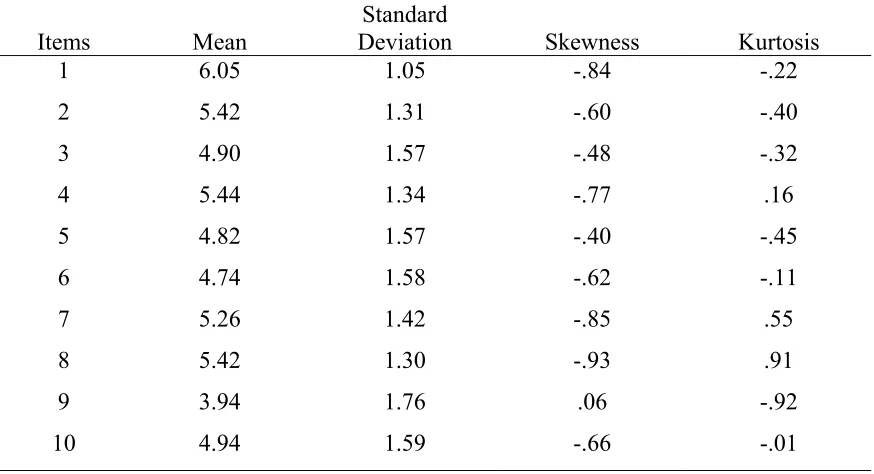
Table 1: Athletic Identity Measurement Scale ………... 23 Table 2: Descriptive Statistics for the Items ………... 86
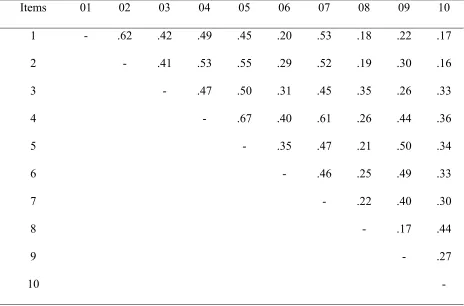
Table 3: Inter-item Correlations ………... 87
Table 4: Cronbach’s Alphas for Total Scales and All Subscales of Models A to F
………... 88
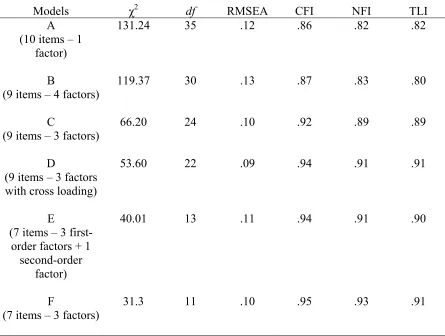
Table 5: Chi-Squares, Degrees of Freedom, and Goodness of Fit Indices for Models A to F
………... 90
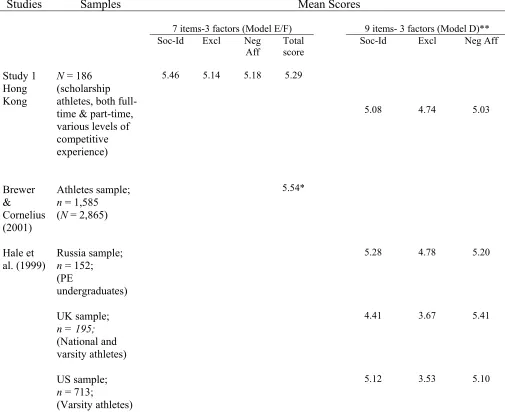
Table 6: Mean Subscale Scores and Means for Total Scales
LIST OF FIGURES
Figure 1: Model A (10 items, unidimensional) ………... 91
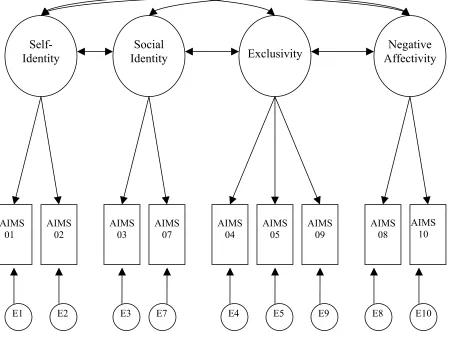
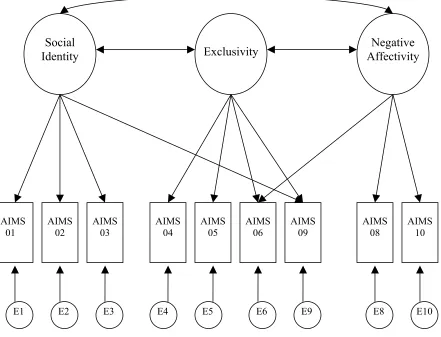
Figure 2: Model B (9 items, 4 factors) ………... 92
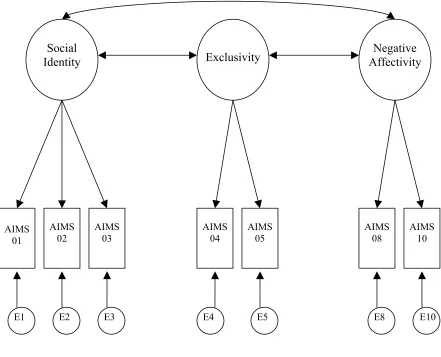
Figure 3: Model C (9 items, 3 factors) ………... 93
Figure 4: Model D (9 items, 3 factors with cross-loading)
………... 94
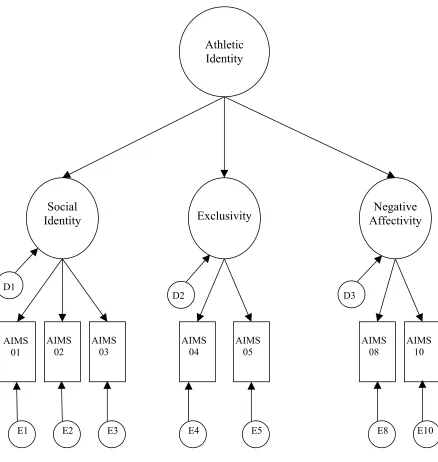
Figure 5: Model E (7 items, 3 first-order factors, 1 second-order factor)
………... 95
CHAPTER 1 INTRODUCTION
Scholars who investigate the issues of self and identity, generally recognise William James as the first psychologist to develop the theory of self-concept (Ashmore & Jussim, 1997). James’ chapter, The Consciousness of Self, from his book The
Principles of Psychology (James, 1950/1890) has been marked as the introduction to the empirical investigation of the self in the discipline of psychology (Ashmore & Jussim, 1997; Perry & Marsh, 2000). Throughout the last century, self- and identity-related issues have been one of the most examined topics in various schools of psychology, from psychoanalysis (Freud, 1923/1960) to cognitive-behavioural therapy (Beck, 1976). Studies of self have also extended to other disciplines under the umbrella of social science in general and anthropology and sociology, in particular (Cooley, 1902). The growth of the self- and identity-related studies reflects human beings’ self-curiosities, and researchers have investigated the possible pathways by which we process
information and guide our behaviours to live healthy and meaningful lives (Lindwall, 2004). Oyserman (2001) proposed that the knowledge of self enables us to answer not only the question “Who am I?” but also questions such as “Where do I belong?” and “How do I fit in?”
locate the focus of this research. In this thesis, I focused on the athletic domain of self-identity, referred to as athletic self-identity, which has been defined as “the degree of importance, strength, and exclusivity attached to the athlete role that is maintained by the athletes and influenced by environment” (Cieslak, 2005; p. 39).
Regardless of the frameworks used to describe the self (e.g., self-schema theory, self-categorisation theory, identity theory), human beings are social entities who interact with each other constantly. One’s self-concept or self-identity is, more or less,
influenced by others and the society as a whole. Cross-cultural psychologists have attempted to explore the cultural influences on the development of self. Historically, people used to divide the world (grossly) into Western and Eastern cultures. This dichotomy, based on geographic divisions, was one of the starting points for
psychologists to investigate cultures and the concepts of self. Some of major works in this area include Hofstede’s (1980), and Markus and Kitayama’s (1991) studies. At a societal level, various cultures have been placed along the dimension of individualism versus collectivism. In research on self, psychologists, sociologists, and anthropologists generally use the dimensions of independent and interdependent self-construals. For example, researchers have stated that Hong Kong is a relatively strong collectivistic culture, and Hong Kong Chinese have relatively strong interdependent self-construals, in comparison with North Americans (mainly referring to European Americans; (Oyserman, Coon, & Kemmelmeier, 2002).
about the development of athletic identities and their influences on various important events such as experiencing injuries, entering universities, and team selections. Based on quantitative investigations, researchers have suggested several multi-dimensional models for the AIMS (Brewer & Cornelius, 2001; Hale, James, & Stambulova, 1999). They suggested the construct of athletic identity should include three factors: (a) social identity, (b) exclusivity, and (c) negative affectivity. The development and evolution of the AIMS, and the construct of athletic identity, has received substantial attention in English-speaking cultures. There are, however, few studies investigating the
generalisability of the AIMS in non-English speaking cultures. Considering the possible cultural differences in the development of self (as discussed above) it would be
beneficial to explore the construct of athletic identity and the AIMS in non-English speaking cultures. In this thesis, I have chosen a Hong Kong Chinese sample (my people) to test the applicability and generalisibility of the construct of athletic identity.
Previous studies have established a psychometric foundation for athletic identity and the AIMS (Brewer & Cornelius, 2001; Hale et al., 1999; Martin, Mushett, & Eklund, 1994), but there is a relatively limited amount of research addressing the theoretical framework of the construct (Brewer et al., 1993). In this thesis, apart from the
psychometric validation of the AIMS in a Hong Kong (HK) sample, I also conducted a qualitative exploration of HK athletes’ experiences and their athletic identities. The participants’ accounts have provided some further information to augment the
quantitative findings and have shed more light on the theoretical development of athletic identity in general, and in the Hong Kong culture, specifically. In the following sections, I describe the significance and aims of this thesis, as well as outline this report.
Context
I completed this research in partial fulfilment of my doctoral degree in applied psychology at Victoria University in Melbourne, Australia. This research project spanned three years, including proposal planning, literature review, two phases of data collection, data analysis, and the writing process. In reference to the data collection processes, I collected the questionnaire data (Study 1) in early 2004, when I was working as a practicum placement student at the HKSI. In early 2005, I went to Hong Kong and interviewed 13 Hong Kong elite athletes who were studying at a local university (Study 2).
Significance of the Research
The AIMS is the most accepted and used tool for measuring athletic identity. Previous studies (e.g., Brewer & Cornelius, 2001; Hale et al., 1999) have examined the psychometric properties of the AIMS including internal consistency, validity, and factor structure. Although there is debate over the best-fit models for the AIMS, studies
is a reliable and valid measurement in English-speaking cultures. Nevertheless, there is limited research investigating the generalisability of the items and factor structure of the AIMS in non-English speaking cultures. The notable exception is a study of Russian athletes (Hale et al., 1999). I intended to explore these issues in the Hong Kong Chinese culture through this research.
Previous studies concerning the construct of athletic identity have focused on quantitative examinations of the AIMS. There are few published studies looking into the construct of athletic identity via qualitative designs (Sparkes, 1998; Sparkes & Smith, 2002). In regard to developing more understanding of the construct of athletic identity as it applies to HK athletes, the qualitative investigation of athletes’ life experiences and reflections on identity in Study 2, was a suitable means to find out more information about the athletic identities of HK athletes.
The Hong Kong government, various organisations in public sectors (e.g.,
SF&OC), and NSAs have been developing and promoting the sport industry for decades. In reference to service delivery, HKSI and NSAs are co-operating with each other to provide an environment in which sport talent can be identified, nurtured, and developed, whereas the former is specialising in providing support to the 13 “Elite Sports” that I will further discuss in later sections. Scholars in local universities have been supporting the development from an academic perspective. In the coming Olympics games in 2008, Hong Kong will be involved, as a co-organiser of Beijing Games, for a small number of events (e.g., equestrian competitions). Public recognition and interest in elite sports in Hong Kong are expected to increase. It seems a critical time for Hong Kong to try and develop its sport industry, and the core of any sport industry is the athletes.
Considering the possible influence of strong athletic identity on performance, self-identity development, and coping with adversity such as injuries, it may be helpful for practitioners in Hong Kong to gain a clear picture of Hong Kong athletes’ experiences in order to provide suitable services that will aid them in their sports and in their lives.
Aims of the Research
The first aim of this research was to explore the psychometric properties of a Chinese version of AIMS using a Hong Kong sample. I wanted to find out if the AIMS might be useful for Hong Kong athletes, and if so, what would be the best-fit model of the AIMS (Chinese version) to use for the practitioners who are working with Hong Kong athletes. Another aim of this research was to explore identity issues of Hong Kong athletes. Using in-depth interviews, I attempted to understand the Hong Kong athletes’ experiences and the factors related to their embracing (or not) athletic identities. I also intended to explore the Hong Kong sports culture and its influence on athletes’ experiences.
Overview of this Thesis
This research consisted of two studies. The first one was the psychometric validation of the AIMS (Chinese version) through analyses of internal consistencies and confirmatory factor analyses (CFA), along with comparisons to previous large sample studies in English and non-English speaking populations (Brewer & Cornelius, 2001; Hale et al., 1999). The second study was a qualitative exploration of Hong Kong athlete’s athletic identities.
The next chapter is a literature review covering the theoretical background of these two studies. More precisely, I discuss the past studies exploring the construct of athletic identity and the development of the AIMS. I then review the studies
various theoretical frameworks concerning self and identity in sociology and
mainstream psychology. In reference to the cultural elements of this thesis, I discuss some major cross-cultural studies examining self and identity and how they may be related to sport psychology. For example, the theory of self-construal (e.g.,
individualism or independent self, collectivism or interdependent self) is the main framework I use for understanding the cultural differences between Hong Kong Chinese and other societies. At the end of the chapter, I review the relevant literature addressing the Hong Kong sport culture.
The third chapter is the main content of Study 1 (psychometric validation of the AIMS). I recruited 186 participants for this quantitative study. The Method section describes how I collected and analysed the data. In the Results section, I describe the demographic information, the findings from the internal consistency analyses along with the model testing (confirmatory factor analyses). I compared all the models suggested by previous studies and suggested which one had relatively best fits with my sample. In the Discussion section, I suggest a few possible cultural influences that may partially explain the current findings. For example, the different usage of the words, sport and exercise in Chinese, and the relatively strong interdependent self-construals of Hong Kong athletes, may have affected the findings. Also, I suggest that the lack of demographic information of previous studies (Brewer & Cornelius, 2001; Hale et al., 1999) makes for difficulties in comparing current findings with earlier research, especially in interpreting some of the unexpected results.
Chapter 4 covers Study 2 (qualitative exploration of athletic identity). I
AIMS and explored if there was anything not captured in the AIMS items. In the
Results and Discussion section, I present the findings and my interpretations in six parts: (a) social identity, (b) exclusivity, (c) negative affectivity, (d) out of the boxes, (e)
fantasies and projections, and (f) collectivism versus individualism.
CHAPTER 2 LITERATURE REVIEW
Researchers have examined the importance of the athletic role in the way people define themselves (Brewer, Van Raalte, & Linder, 1993). Athletic identity (AI) refers to the degree to which people identify with the athletic role (Brewer, Van Raalte, & Linder, 1993). Tasiemski, Kennedy, Gardner, and Blaikley (2004) have summarised the latest findings on the pros and cons of identifying with the athletic role. On the positive side, strong AI is related to health, self-esteem, social relationships, confidence, and sport participation. Strong AI, however, is also related to over-commitment to the athletic role, identity foreclosure, and delays in career maturity. In this chapter, I describe the
development of the construct of AI, including concepts that have preceded AI, and the research examining the levels of AI across varied groups. A standardised,
psychometrically sound measure of AI has been helpful in facilitating conceptual clarity and in the development of a theoretical foundation for the construct. Brewer, Van Raalte, and Linder’s development of the Athletic Identity Measurement Scale (AIMS) was the cornerstone measuring the construct of athletic identity.
and research concerns in the previous studies of athletic identity, identity in sports, and possible related issues within the culture of Hong Kong.
Self and Athletic Identity
Self-identity has been generally defined as a combination of self-referent cognitions, emotions, and attitudes expressed within various aspects of life (Horton & Mack, 2000; Ryska, 2002). Stryker and Burke (2000) described identity as the “parts of the self-system composed of the meanings that persons attach to the multiple roles they typically play in highly differentiated societies” (p. 284). Duda (1999) defined identity as the assortment of roles, attributes, and behaviours that adequately describe
individuals. Self-esteem and self-worth are terms that are also used in research and can be understood as other components of identity housed within the more global construct of self-concept.
significant others constitute a social mirror allowing people to interpret the feedback from others, so that they can construct and modify themselves.
Tasiemksi et al. (2004) stated that the difficulty in the research of AI is the definition of athletic identity. They suggested that AI is likely to be built over time; it should not be solely inferred by the current levels of participation, time spent, or achievements in sport. Different scholars have modified the definition of AI, even though most of the main components have been maintained. Good, Brewer, Van Raalte, and Mahar (1993) modified the original definition and described AI as “the strength and exclusivity of an individuals’ identification with the athletic role” (p. 3). Cieslak (2005) recently extended the definition to “the degree of importance, strength, and exclusivity attached to the athlete role that is maintained by the athletes and influenced by
environment” (p. 39). I employedthis latest definition in the current study. Development of the AIMS
A standardised, psychometrically sound measure can facilitate the testing of AI. Brewer, Van Raalte, and Linder (1993) developed the AIMS, a measurement tool reflecting both the strength and the exclusivity of identification within the athletic role. Since the early development of the AIMS, researchers have been endeavouring to validate and improve the measurement and the conceptualisation of the construct in a parallel process (Brewer & Cornelius, 2001; Hale et al., 1999; Martin, Eklund, & Mushett, 1997) The AIMS initially consisted of 10 items encompassing social,
cognitive, and affective elements of AI. Each item was rated by the participants on a 7-point scale (see Table 1). The items tapped into the thoughts and feelings from athletes’ daily experiences. The original conceptualisation of AI as a superordinate
(Cronbach’s alpha = .93) and test-retest reliability (r = .89) provided support for the scale’s psychometric integrity (Brewer, Van Raalte, & Linder, 1993).
Table 1
Athletic Identity Measurement Scale
1. I consider myself an athlete. 2. I have many goals related to sport. 3. Most of my friends are athletes.
4. Sport is the most important part of my life.
5. I spend more time thinking about sport than anything else. 6. I need to participate in sport to feel good about myself. 7. Other people see me mainly as an athlete.
8. I feel bad about myself when I do poorly in sport. 9. Sport is the only important thing in my life.
10. I would be very depressed if I were injured and could not compete in sport.
Convergent validity was shown by moderate correlations with the Self-Role Scale (SRS; Curry & Weiss, 1989; r = .61), and the three subscales of the Sport Orientation
Questionnaire (SOQ; Gill & Deeter, 1988; r = .26 to .53). Brewer, Van Raalte, and Linder suggested that the correlation between the AIMS and Self-Role Scale was moderate, but not sufficiently strong to state that they are measuring the same construct. For discriminant validity evidence, the AIMS was found not to correlate with the
the PIP-fitness (r = .06), body (r = .22), and strength subscales (r = .15), was
significantly correlated with the AIMS when Brewer, Van Raalte, and Linder controlled for the level of athletic involvement. The authors concluded that AI is different from physical self-esteem, perceived importance of fitness, body attractiveness, and strength.
Although Brewer, Van Raalte, and Linder (1993) initially conceptualised and developed the AIMS to be unidimensional, factor analyses in subsequent studies revealed other dimensions (Hale et al., 1999; Martin et al., 1997). Brewer, Boin,
Petitpas, Van Raalte, and Mahar (1993) suggested a 3-factor model with one item out of the ten being deleted. The three factors were named: (a) social identity, representing the extent to which the individual views him/herself as occupying the athlete role; (b) exclusivity, representing the extent to which an individual’s self-worth is determined only by performance in the corresponding athlete role; and (c) negative affectivity, representing the extent to which an individual experiences negative affect in response to undesirable outcomes in athletic domains (Brewer & Cornelius, 2001; Hale et al., 1999). Martin et al. (1997) examined the AIMS in samples of athletes with disabilities,
Researchers started to re-examine the factor structure of the AIMS by first comparing all the previous models through confirmatory factor analysis (CFA; Brewer & Cornelius, 2001; Hale et al., 1999). For example, Hale and his colleagues conducted a cross-cultural study and recruited 1,160 participants from the UK, US, and Russia. They compared the psychometric properties of the original unidimensional model (Brewer, Van Raalte, & Linder, 1993), the 3-factor solution (Brewer, Boin et al., 1993), and the 4-factor solution proposed by Martin and his colleagues (1994, 1997). They found that the 3-factor solution was relatively better than the others, but a modified 3-factor model, allowing two items (items 6 & 9) to cross-load onto two factors dramatically improved the goodness-of-fit. That model was a particularly good fit in the UK and US samples. They suggested that this result might reflect evidence of translation problems, but they did not further suggest any further reasons as to why the Russian version was not as good as fit. Hale et al. have also addressed a few critical issues in the developmental process of the AIMS. In response to the limitations of previous studies that have used fairly small samples, including mainly intercollegiate student-athletes (Martin et al., 1994), this study was the first one with a large sample size (N = 1,160), which may have improved the representativeness of the sample and supplied a better test of the factor structure (Hale et al., 1999). This study was also the first published research
investigating the AIMS in a sample of athletes from a non-English speaking culture. The Russian version of the AIMS in this study was the first translated version published. Hale et al. did not discuss the translation process or any possible difficulties, but they have extended the use of the AIMS by investigating its generalisability in a non-English speaking culture.
develop norms for males, females, athletes, and non-athletes. By performing CFAs, the researchers compared the fit of all four previously suggested models including the unidimensional model (Brewer, Van Raalte, & Linder, 1993), the 3-factor solution (Brewer, Boin et al., 1993), the modified 3-factor solution (Hale et al., 1999), and the 4-factor solution (Martin et al., 1994). The results supported the construction of a new higher-order model. This model contained seven items comprising three first order factors (social identity, exclusivity, and negative affectivity) without any cross-loading. Different from other models, these first order factors were posited to be directly related to one higher order factor called athletic identity. Brewer and Cornelius explained that due to this higher order AI factor, it is reasonable to sum the scores of seven items to obtain a total score. The total score of the 7-item version was found to be highly correlated with that of the 10-item version. These results indicated that the findings from previous studies concerning the AI did not have to be discarded. Similar to Hale et al., this study addressed the limitations of inadequate sample sizes of most previous studies. Hale et al. also criticised the inadequate representative level of many previous studies that only sampled intercollegiate student-athletes. Although their whole sample was from North America (English-speaking), Brewer and Cornelius addressed the issue of representativeness by recruiting a diverse sample including non-athletes, sport experts, and athletes of various skill levels.
Recently, in a study comparing athletes’ reactions towards retirement,
Alfermann, Stambulova, and Zemaityte (2004) made a 5-item version of the AIMS and translated it into German, Lithuanian, and Russian. Although psychometric
marginal, but adequate level of internal consistency (α = .68). As described in the following section, the researchers attributed the significant differences in AI across their three groups primarily to cultural influences. They emphasised the special sport culture that exists in the countries from the former Soviet Union such as Lithuania and Russia, but they did not mention any issues about translation. This study further extended translated versions of the AIMS in published research, but it also reflected that, even now, there is still no a single model of the AIMS widely adopted in research settings. Cross-cultural validation of the AIMS needs to be continued.
Other Approaches Examining AI
Apart from employing a standardised paper and pencil instrument to measure AI, researchers have tried to employ other methods. For example, Sparkes (1998) examined the AI of an athlete via an in-depth interview. Although it was Sparkes’ intention to explore the AI of one particular athlete in detail, one may argue that in-depth interviews are not feasible when examining AI in a large sample. In another study, based on
as athlete, (c) self as achiever, (d) religious self, and (e) working self. In reference to AI, photos and essays were coded for the depiction of athletic or exercise activity and related objects such as sport equipment (e.g., baseball bats). The inter-relater reliability was acceptable (alpha = .77). Regarding convergent validity, a significant correlation between the self as athlete subscale and the AIMS was found (r = .43). Although there were no other follow-up studies specifically validating auto-photography in assessing AI, there is evidence supporting its ability to assess other domains of self-identity and self-concept in general (Dollinger & Dollinger, 2003; Li, 2002).
AI and Injury
The overwhelming majority of studies exploring AI and its consequences have highlighted the potential risks for people having strong AIs (Alfermann et al., 2004; Brewer, Van Raatle, & Petitpas, 2000; Miller & Kerr, 2003). Brewer (1993) conducted a series of four studies looking into student-athletes’ reactions to injuries. The first study (N = 109) consisted of an imagery condition guiding the participants to experience
imaginary injury. The results showed that depressed mood, as measured by the
depression scale of the Profile of Mood States (POMS; McNair, Lorr, & Droppleman, 1971), was positively related to AI for the imagery group participants (r = .49), but negatively related to AI for the control group participants (r = -.42). The second study (N = 131) was similar to the first one, but instead of the imagery condition, the
researcher gave the participants in the experimental group written instructions to answer the questionnaire while thinking of a hypothetical injury experience. The pattern of the results was similar, but only at near-significant levels. The depressed mood scores were positively related to AI for the experimental participants (r = .12), and negatively
He found that generally those with high levels of AI were more likely to experience depressed mood measured by either the POMS (McNair et al., 1971; r = .21) or the Beck Depression Inventory (BDI; Beck, Ward, Mendelson, Mock, & Erbaugh, 1961; r = .23). Brewer recruited both injured and un-injured participants in the final study (N = 90). He found that there was a discrepancy between the results of BDI and POMS. Only the findings from the BDI showed a positive relationship between depressed mood and AI for injured participants (r = .35) and a negative relationship for uninjured ones (r = -.19). The results of the POMS did not show any significant associations. Brewer suggested that the participants in the final study were young and that those younger injured players with dysphoric affect might feel more comfortable in answering items with somatic symptoms of depression appearing in the BDI, but not the POMS.
were found .21 and .23. This meant that only approximately 4 to 5 % of the variance was shared. Brewer, in this series of studies, highlighted the potential negative influences of having a strong AI on the post-injury period, such as increased risk of depressed mood. The strength and meaningfulness of these findings, however, are questionable.
Green and Weinberg (2001) conducted a study (N = 30) to examine the relationships among AI, coping skills, social support, and mood disturbance of recreational sport participants who were injured. The AIMS, Athletic Coping Skills Inventory-28 (ACSI-28; Smith, Schutz, Smoll, & Ptacek, 1995), POMS (McNair et al., 1971), and the PSPP (Fox & Corbin, 1989) were employed to test three hypotheses: (a) participants with stronger AI were expected to show more mood disturbance than those with lower AI; (b) participants with more coping skills and social support would have lower mood disturbance and higher physical self-esteem; and (c) participants with stronger AI, lower social support, and lower coping skills were expected to show the highest amount of mood disturbance and lowest levels of self-esteem. Results from correlation and multiple regression analyses did not fully support the hypotheses. The negative correlation between social network and mood disturbance following an injury (r = -.37) and the positive correlation between AI and physical conditioning, which was a subscale of the PSPP (r = .40) were the only two significant relationships. These results were probably due to the level of participation (mainly recreational), large age range (i.e., 19-70 years), and the small sample size affecting the power (see also Cieslak, 2005). Green and Weinberg only measured the participants’ AIs once. At the time of collecting the data, some participants had injuries that were 6 months old. The
the following sections, I have further reviewed the debate about whether AI is a trait-like stable variable or a situational variable, which is malleable.
Sparkes (1998), mentioned briefly above, using a biographical method explored how a person who used to have a high level of AI experienced her post-injury life. Based on sociological perspectives, the athlete’s story was interpreted through three frameworks: (a) Charmaz’s (1987) model of identity hierarchies, (b) Athen’s (1995) dramatic self-change model, and (c) Frank’s (1995) model of narrative structures. Although Sparkes did not measure the AI of the participant through the AIMS, he regarded the participant as having strong AI, because of the extensive involvement in various sports since she was young. The serious injury, and its associated ramifications, threatened the integrity of the self. Being trapped at the stage of fragmentation, the participant lost the sense of primary immediacy, which refers to the predictability and control of the unity of body and self (Athen, 1995). In other words, the previous taken-for-granted well-functioning body and the accompanying physical sense of self were shattered.
The loss of public recognition or the gloried self was another part of the
participant’s experience. The gloried self she had from being an equestrian athlete was so attractive and reinforcing that she received less and less satisfaction from other available selves. She commented that she had distanced herself from other identities so she could focus on her identity as an equestrian athlete. The gloried self led to identity foreclosure and the loss of future orientation (Adler & Adler, 1989; Sparkes, 1998). The losses of a well-functioning body and her gloried self were major parts of her
experience of being injured.
with illness, the restitution narrative is the most common one, at least in Western cultures (i.e., European American). Frank described the basic storyline of the restitution narrative as “Yesterday I was healthy, today I’m sick, but tomorrow I’ll be healthy again” (p. 77). This narrative represents a mechanistic view that the body is fixable. The participant’s comments or narrative revealed a belief that the injury would be healed, her body would be fixed, and her sense of self would be restored (Sparkes, 1998). According to Frank’s framework, Sparkes stated that this mechanistic view did
normalise the injury, but the participant became locked into this restitution narrative and her notions of self, and had difficulties recognising other aspects of life and her
vulnerabilities. Sparkes concluded that because of the loss of primary immediacy, her gloried self, and the powerful hold of her restitution narrative, the participant was unable to use alternative identities or narratives to understand and conceptualise herself, even if they were available. This study illustrated potential risks for people having strong and exclusive AIs, particularly when faced with career threatening injuries. Phoenix, Faulkner, and Sparkes (2005) suggested that the study highlighted the close ties between the physical body and one’s identity.
but these identities might still remain salient in their identity hierarchies. Such a strong sense of a restorable self exacerbated the difficulty to restructure the core self. This study highlighted the power and limitations of contemporary masculinity, interacting with AI, on reconstructing the self in post-injury life. Researchers have assumed that males have stronger AIs than females, and there is evidence that people with stronger masculine identities have stronger AIs than those with weaker masculine self-apprasials, but there is no consistent statistical evidence showing any gender differences or gender-role differences in AI (Brewer et al., 2000; Good et al., 1993; Murphy, Petitpas, & Brewer, 1996; Wiechman & Williams, 1997).
The previous studies focused on life shortly after injury. The participants were still struggling with the difficulties of losing parts of their core selves. Tasiemski and his colleagues (2004) looked at the lives of people with disabilities (N = 985). The
less than an hour was a relatively small effect size. The other comparisons were in the medium to large effect size ranges. From the analyses of gender and athletes’ status (i.e., international, national, regional athletes, and non-athletes), a two-way ANOVA revealed a significant interaction effect between gender and athlete status (F = 3.29, η2 = .015). Further analysis showed that the male participants who were international athletes had significantly stronger AIs than other participants; those who were national or regional athletes also had significantly stronger AIs than those non-athlete participants. Tasiemski et al., however, did not report the effect sizes nor supply the sufficient descriptive statistics for further estimations of the magnitude of
differences. In regard to the psychological consequences of AI, the results did not show any significant relationships among AI, depression, anxiety, and life satisfaction. In the discussion section, Tasiemski et al. stated that the AIs of their participants were lower than the AIs of the participants in the Martin et al. (1994) study, (people with
disabilities), and those in Brewer and Cornelius’ (2001). Tasiemski and his colleagues suggested that because people, or even athletes, with SCIs have the experience of adjusting to the major loss of physical mobility and independence, they develop broader self-concepts that do not exclusively rely upon AI. Nevertheless, the researchers did not report the statistical results of these supplementary analyses.
AI and Sport Career Retirement
One of the reasons why sport injuries draw much attention among AI researchers is that they may lead to potential career termination. Several studies have examined the relationship between AI and adjustment to sport career termination (e.g., Brewer et al., 2000). Grove, Lavallee, and Gordon (1997) conducted a study examining the
for retirement, there were positive relationships among AI and emotional adjustment (r = .67), social adjustment (r = .70), time for emotional adjustment (r = .36), and time for social adjustment (r = .49). The researchers then, using the upper and lower thirds of the AIMS distribution, classified the participants as either high or low in AI and
performed a MANOVA. The results showed significant differences in terms of using coping strategies. For examples, those with strong AIs tended to use more emotional ventilation (F = 28.52, d = 1.89), instrumental social support (F = 7.41, d = 1.63),
mental disengagement (F = 12.84, d = 1.26) and behavioural disengagement (F = 10.31, d = 1.13) than the participants with low AIs. The limitations of this study
were the design features of asking the participants who had been retired, for 3.4 years on average, to rate their AIs during the careers and their coping strategies during their retirement process retrospectively. Grove et al. also did not define the length of the retirement process. Through the retrospective assessments of coping strategies, it
appeared that the authors assumed the participants had completed the retirement process at the time of data collection. Such an assumption, in some cases, may have not been warranted. To understand the retirement process, longitudinal studies, rather than retrospective ones, may produce clearer results.
extent to which participants feel in control of their life, and self-regard, referring to positive attitudes towards oneself. To measure psychological adjustments, Webb et al. constructed six items to assess three areas, which were life satisfaction, perceived difficulty of retirement, and perceived uncertainty of the future. Along with analysing the full sample, they sub-divided the samples into three groups according to the reasons of retirement and analysed each group separately (i.e., retired due to injures, retired due to being unable to compete at next level, and retired due to personal choices). The results of the full sample analyses showed that only private AI was significantly correlated with the feeling of uncertainty about the future (r = .25), but not public AI (r = .07, p > .05). For injury-related retirements specifically (n = 20), the overall AI (i.e., the sum of private and public subscale scores) was strongly related to the sense of uncertainty about the future (r = .63) and perceived difficulty of retirement (r = .79). The researchers suggested that the unexpected nature of injuries may rule out
opportunities for athletes to prepare for retirement by re-investing in other identities. Career retirement may not follow immediately after injuries, and AI may be enhanced during the rehabilitation period as a way of summoning commitment to the recovery process. Nevertheless, AI was not significantly related to life satisfaction (r = -.31, p > .05.). The researchers suggested that the small sub-sample size lowered the statistical power and influenced the results (Webb et al., 1998). Webb et al. found that
the participants’ self-esteem (i.e., self-regard) was negatively related to their public AIs (r = -.28 for the full sample; r = -.56 for the injured retirements sample), but not
items of the questionnaires, and some subscales contained only one item. Webb et al. did not supply any information concerning the psychometric properties of their scales such as reliability and validity. These limiations should be addressed in future research.
As mentioned earlier, Alfermann et al. (2004) assessed athletes’ reactions to sport career termination in three countries (N = 256; i.e., Germany, Lithuania, Russia). Based on the dichotomous classification of career terminating causes (voluntary versus involuntary) suggested by Webb et al. (1998), Alfermann and her colleagues proposed the importance of previous planning. Based on some established measurements, such as the AIMS (Brewer, Van Raalte, & Linder, 1993) and the coping questionnaire called COPE (Carver, Scheier, & Weintraub, 1989), they generated most of the items on their questionnaire to measure the reasons for career termination, emotional reactions, athletic identity, adjustment to and satisfaction with life after retirement, and coping reactions. They found that retired athletes from the former Soviet Union (Lithuania and Russia) reported less positive emotions and satisfaction with time of retirement than those from Germany. In reference to coping reactions, a MANOVA showed that participants from different nations preferred significantly different strategies. Further analyses showed that the participants from Russia preferred using more distraction strategies such as making jokes and doing something different than those from Germany and Lithuania. The participants from Germany preferred “saying things to let feelings escape” less often than the rest. Alfermann et al. did not provide the statistical results for these further analyses. Estimations, based on the descriptive statistics, showed that the effect sizes of the significant differences among participants groups were fairly small (i.e., ds were around .2) across most variables related to coping strategies and
Alfermann et al. (2004) asked the participants to rank six reasons for their career terminations. The results showed that those from the former Soviet Union mainly retired due to sport-related reasons that were mostly unplanned. As previously discussed, the researchers used a 5-item version of AIMS to measure the participants’ AIs during their careers. They found that those from Lithuania had significantly stronger AIs then others, but the estimation of the effect sizes showed that the differences were indeed small (ds were around .2). Alfermann et al. generated a separate one-item scale to assess the participants’ AIs after retirement. They found that participants from Lithuania and Russia tended to keep stronger AIs after their sport careers had ended than those from Germany. The researchers suggested that in these countries, privileges for elite athletes still existed in society, so athletes would prefer to extend their sport or status and identities as elite athletes. Maintaining a strong AI even after retirement could be considered a defence mechanism used to maintain high self-esteem despite some obvious difficulties in post career adaptation. In most studies, researchers have used AI as the independent variable to look for differences in how the athletes with strong and weak AIs experienced their retirements differently. This study, however, used AI as the dependent variable and explored how it was associated with the retirement process (i.e., voluntary vs. involuntary) and country of origin. One of the limitations of this study was that the researchers did not report the effect sizes of the findings. Also, the researchers measured the participants’ AIs during their careers retrospectively by a 5-items version of AIMS, and the AIs after retirement by a single item scale, without supplying any psychometric information of either measurement. Due to the
Grove, Fish, and Eklund (2004) examined the associations of self-protection and self-enhancement in team selection processes via a longitudinal study (N = 47). They found that for the athletes who were dropped from the all-star team, their AIs were weakened at the day of selection in comparison with their AIs measured a week before the announcement (d = .47), but for those who were selected, their AIs did not change. The authors suggested that protection mechanisms might be operating, but not self-enhancement. Nevertheless, it is difficult to judge if the decreased AI was due to public or private identity protection. Such a phenomenon could be explained by athletes’ desires to reduce dissonance by cutting down the perceived commitment to the athlete role. On the other hand, the athletes might publicly attribute the de-selection to their lack of commitment, so that they did not have to attribute it to their personal sport abilities. I discuss this study further in the following section.
AI and Identity Foreclosure
For many student-athletes, especially in North America, sport career termination often coincides with graduation from university. Because only a small portion of
Good et al. (1993) conducted a study exploring the relationships among AI, sports participation, and identity foreclosure. College students (N = 502), ranging from intercollegiate athletes, intramural athletes, and non-athletes, participated in the study. Good et al. used the 10-item version of the AIMS (Brewer, Van Raalte, & Linder, 1993) and the Objective Measure of Ego-Identity Status (OM-EIS; Adams, Shea, & Fitch, 1979) to measure the participants’ AIs and identity foreclosure, respectively. The researchers also sub-divided the sample into two groups according to their academic standings (i.e., upperclass and underclass) along with a third independent variable of gender. The analyses of identity foreclosure showed a two-way interaction between class and the level of athletic involvement (F (2, 490) = 3.67, p < .05). Although the researchers did not provide information about further analysis such as post-hoc comparisons among participants from each group of athletic involvement, the
descriptive statistics showed a trend that identity foreclosure scores increased with the athletic involvement in upperclass, but not underclass participants. In reference to the AI, there was a three-way (gender by class by level of athletic involvement) interaction (F (2,490) = 3.32, p < .05). Good et al. also found that the AIMS scores increased with the athletic involvement in both classes. Good et al. highlighted that AI and level of identity foreclosure were significantly correlated for the full sample, but the correlation was fairly small (r = .21). The lack of post-hoc comparisons for most of the analyses was one of the limitations of this study.
identity foreclosure measured by the OM-EIS (Adams et al., 1979; r = -.36), but AI and identity foreclosure were not significantly correlated (r = .11, p > .05). This
nonsignificant small correlation contrasts with the results of Good et al.’s (1993) study. Murphy and his colleagues explained that these two constructs (AI, identity foreclosure) may have inhibiting effects on career decision making and exploration of alternative roles via different mechanisms. The ANOVA showed that participants playing in varsity level sports had a significantly higher level of identity foreclosure, but lower level of AI and career maturity than participants playing in non-varsity level sports. Participants in revenue-producing sports had significantly higher foreclosure scores and lower career maturity scores than their counterparts in non-revenue-producing sports. Based on estimations, the effect sizes of all these differences were in the medium to large range.
Miller and Kerr (2003) found that although student-athletes may experience strong and exclusive identification with athlete roles, they may not necessarily face the problem of identity foreclosure or career immaturity at the end of their college years. Through in-depth interviews involving eight Canadian student-athletes, the researchers revealed that over-identification normally occurred at the early stage of college years, but it was temporary and a period of deferred role experimentation followed. In their final years, these participants shifted their attention from athlete roles back to student roles. Their sample represented a cross-section of college athletes, and Miller and Kerr addressed the developmental processes of participants’ AIs and identity foreclosure. Although the results of this study only reflected the Canadian sport culture, they suggested that practitioners should not over-generalise the consequences of strong AI and its relationship with identity foreclosure.
to explore the relationships among AI, physical self-perception, quality of
intergenerational relationships, and attitudes towards self-ageing in a sample of British student athletes (N = 179). They hypothesised that young athletes would demonstrate a high level of physical self-perception and AI, but the strong AIs would be associated with negative perceptions towards self-ageing. Also, they expected that the participants who identified older adults as positive role models, and reported more fulfilling
intergenerational relationships, would have more positive attitudes towards self-ageing. They used the 10-item version of the AIMS, the PSPP (Fox & Corbin 1989), the General Attitude to Ageing Scale (GAA; O’Hanlon & Coleman, 2000), and two items from the Reactions to Ageing Questionnaire (RAQ; Gething, 1994). Based on the 3-factor model, the researchers analysed the three subscale scores of the AIMS
separately. They found that only exclusivity of the AIMS was correlated with the attitude towards self-ageing (r = .23, p < .005), but not social identity (r = -.05) or negative affectivity (r = .006). They suggested that the strong commitment to the athlete role may not be problematic, unless student athletes exclusively put all their eggs into one identity basket. They interpreted the negative attitudes towards self-ageing as a consequence of identity foreclosure. They concluded that if student athletes exclusively identify themselves as athletes, and lack positive intergenerational contacts, then they are more vulnerable to experience identity foreclosure and negative attitudes towards the process of ageing. Nevertheless, with an r = .23, there is not a lot of shared variance between these variables. This small effect size diminished the strength of the
researchers’ arguments. Phoenix et al. conceptualised and analysed the AI as having three dimensions, but instead of the 7-item version of the AIMS, the researchers
extended the original conceptualisation of AI and highlighted possible relationships between AI and attitudes about ageing.
AI and Performance
Brewer, Selby, Linder, and Petitpas (1999) conducted two studies (Ns = 90 & 105) to investigate the relationship between AI and athletes’ satisfaction with their performances. The researchers measured the participants’ AIs at the
beginning and the end of the season using the 10-item version of the AIMS. These two studies were basically the same except that Brewer et al. used two different single-item scales to measure athletes’ satisfaction with their performances. In the first study, the item asked the participants to rate how the season had gone for them. In the second study, the item asked the participants how satisfied they were with their performances. The researchers also gathered the ratings from assistant coaches to compare with the participants’ self-ratings. Hierarchical regression analyses showed that the preseason AIs, at the first step, significantly predicted late season AIs (R2 = .34), whereas the season satisfaction, at the second step, significantly predicted the late season AIs (incremental R2 = .05) in the first study. The results of the second study showed a similar pattern in the regression analysis. The results of both studies also revealed that late AI was significantly correlated with the season satisfaction in terms of their overall impression of the seasons (r = .35) and the satisfaction level of their own performance (r = .28) The participants who had poor competitive seasons reported decrements in AI relative to their counterparts who had good seasons. This study illustrated the
participants’ satisfaction or perceptions of season may not sufficiently capture these constructs.
Relationship of AI with Other Variables
Apart from the potential negative consequences, people having strong AIs have been found to have better fitness, higher commitment to sport participation, stronger global self-esteem, expanded social networks, and higher levels in openness to
experience (Dollinger, 1996; Horton & Mack, 2000, Perna, Zaichkowsky, & Bocknek, 1996). Ryska (2002) recently conducted a study to explore the relationships among AI (exclusivity, social identity, and negative affectivity), motivational orientations,
including task and ego (Duda, 1989), and self-perceptions of four domains including academic competence, social acceptance, vocational competence, and behavioural conduct (Harter, 1988). He employed the 9-item version of the AIMS, the Task and Ego Orientation in Sport Questionnaire (TEOSQ; Duda, 1989), and the Self-Perception Profile for Adolescents (SPPA; Harter, 1988). He found that the exclusivity of AI was associated with academic (r = .30) and vocational competence (r = .28). Social identity was positively associated (r = .24) with behavioural conduct, referring to individuals’ self-perceptions of social behaviour and adherence to social norms, but only for the athletes with high task-oriented and low ego-oriented motivational styles. For those with high ego- and low task-oriented styles, the exclusivity of AI was a negative predictor of academic competence (r = -.23). Social identity was negatively related to social
pinpointed that AI might influence competence perceptions as a function of goal orientations.
Athletic Identity and Other Related Constructs
Sport identity. The studies reviewed above showed an extensive use of the AIMS in sport-related identity research. In the past two decades, however, researchers have explored other identity theories in sports. Identity, as a part of self-concept, has been examined broadly in the sport sociology literature (Duda, 1999). Based on sociological perspectives of role-identity, Curry and Weaner (1987) developed a sport identity theory and a measurement tool called the Sport Identity Index (SII). Although they did not present a precise definition of sport identity, from the SII the construct refers to persons’ self-definition as athletes (Curry, 1993; Curry & Weaner, 1987; Curry & Weiss, 1989). It is similar to the athletic identity construct captured in the AIMS, except that Brewer, Van Raalte, and Linder (1993) put emphasis on the exclusivity of the athletic identity. There are several versions of the SII. Curry and Weaner’s original SII contained three subscales: (a) involvement of self in sport roles measured by a 9-item scale, (b) commitment, which refers to the number and importance of sport-involved interpersonal relationships and is measured by a 4-item scale, and (c) identity salience, which symbolises the probability for sport identity to be invoked, or refers to the perceived importance of sport identity compared with other identities. They used ranking and rating procedures to measure the identity salience. In the subscale of identity salience, the importance of sport identity was rated on a numerical scale from 0 to100 and ranked together with peer, kinship, religious, academic, and romantic
sample into four groups according to the types of involvement (i.e., varsity, competitive, fitness, and nonplayer). The ANOVA results showed that there were significant main effects for levels of sport on all the four subscales of sport identity (Fs = 7.63 to 48.11; p < .001). The researchers, however, did not perform post-hoc comparisons among the types of involvement within each subscale. The effect sizes of the differences for each sport identity subscales among the participants of different types of sport involvement could not be calculated from the data presented. Although most of the items in the SII were based on several established measurements, the researchers did not provide much information about validity testing. The psychometric properties of this measurement are questionable.
Curry and Weiss (1989) updated the SII to examine the relationship between sport identity and motivation. The updated version of SII consisted of two subscales: (a) self-role scale having ten 5-point Likert items that were modified from the involvement subscale of original version and (b) reasons for participation in sport scale (RP-Sport scale) measured by thirteen 5-point Likert items organised into competition, fitness, and social motivation subscales. In this cross-cultural study involving American and
focused on competition. Looking into the effect sizes, although there was a difference between these two correlations, both of them were relatively small. Similar to Curry and Weaner’s (1987) study, Curry and Weiss did not perform any validity tests for this updated version of the SII. The psychometric properties of the SII are still questionable. This study is one of the few addressing identity issues in sports cross-culturally. Curry and Weiss intended to explore the cross-cultural differences of sport identity and motivation for sport participation, but they did not mention if there was any cross-cultural difference in the strength of sport identity. The researchers translated the updated version of SII into German, but they did not supply any information about cultural validation for the measurement. Together with the limited psychometric validation for the original English version, the assumption that the SII would be psychometrically sound in Austrian samples is indefensible.
Curry (1993) further modified the SII to examine the relationship of college letters and level of competition on the sport identities of college athletes. College letters are awards for successful performance and hard work, often presented in front of the public. Athletes with letters often gain higher status. This version of the SII consisted of five dimensions: (a) time in role, referring to the weekly amount of time spent in sports, (b) social relations, referring to the quality of interpersonal relationships established via sport participation, (c) sport importance, referring to the participants’ perceived
importance of sport, (d) self-role merger, referring to the extent to which the role of athlete is incorporated into one’s self-concept, and (e) competition, which referred to the competition-related motivation for participation. The labels of the subscales were
sport identity. The descriptive statistics showed that the differences in various sport identity subscale scores between those participants who received no college letter and those who received one letter were larger than that between those receiving one and those getting two or more letters. Curry suggested that the succeeding letters might lead to a situation where successful performance becomes routine, and the excitement of making the lettered teams diminishes. He, unfortunately, did not perform the post-hoc comparisons to examine the differences of the participants’ sport identity of receiving no letter, one letter, and two or more letters.
The SII is still being developed. These studies support the multidimensionality of athletic role identity, including factors such as involvement, commitment, and related motivation. Also, this line of research introduced different measurements of AI, such as rating and ranking procedures, through which athletic role identity can be compared and measured with other social identities. Cieslak (2005) recommended that the direction of research should focus on the psychometric development of SII, the ranking and rating scales in particular, and the relationships between the SII and the AIMS.
Exercise identity. Exploring the determinants of exercise adherence, Anderson and Cychosz (1994) developed the construct of exercise identity and the Exercise Identity Scale (EIS). Similar to the SII, Anderson and Cychosz proposed that the salience of exercise identity could be viewed as a motivator and predictor of
exercising (r = .68), the frequency per week (r = .49), minutes per session (r = .39), and intensity (r = .29). In addition to these measures, Anderson et al. (1998, 2001) generated another measure called perceived exertion that asked the participants to choose among six statements: (a) breathless, sweating, (b) breathing heavily, sweating, (c) energetic but able to talk, often sweat, (d) energetic but able to talk conversationally, rarely sweat, (e) rarely or never sweat, and (f) not much different from other parts of my daily routine. Anderson et al. (1998) also measured physiological indicators including muscle
endurance, body fat, and VO2 max. Stepwise regression showed that minutes of exercise
those in the AIMS. The EIS, however, lacks any psychometric validation, and only reliability measures were presented. Also, Brewer, Van Raalte, and Linder (1993) stated that the EIS does not address the exclusivity of the self-identity.
Self-schemata of exercise behaviour. Based on the self-schema theory (SST; Markus, 1977), Kendzierski (1988) examined the links between self-schemas and
actions in the domain of exercise behaviour in a large sample (N = 220). She established a 3-item scale to identify people of three different exercising schematic types: exerciser schematics, non-exerciser schematics, and aschematics. First, participants were asked to indicate how well each of the following three phrases: (a) someone who exercises regularly, (b) someone who keeps in shape, and (c) physically active describes them on an 11-point scale. Second, participants were asked to rate how important those
descriptions were to their overall self-images on an 11-point scale. To be classified as exerciser schematics, participants must have rated at least two of the three statements as 8 to 11 points. Kendzierski found that those classified as exerciser schematics exercised the highest number of days per week, showed the highest levels of commitment and interest, each measured by a 10-point item directly asking the participants to rate their commitment or interest to exercise regular, and reported the highest number of plans to help them exercise regularly. Nevertheless, she did not provide the effect sizes of these findings and she did not psychometrically validate the 3-item scale. Although the main purpose of this 3-item scale was to categorise people among three exercising schematics, there is room for improvement in terms of psychometric investigation.