University of Windsor University of Windsor
Scholarship at UWindsor
Scholarship at UWindsor
Electronic Theses and Dissertations Theses, Dissertations, and Major Papers
2013
Modeling the Multidimensional Nature of Impulsivity and its
Modeling the Multidimensional Nature of Impulsivity and its
Relation to Functional Outcomes
Relation to Functional Outcomes
Bojana Knezevic University of Windsor
Follow this and additional works at: https://scholar.uwindsor.ca/etd
Recommended Citation Recommended Citation
Knezevic, Bojana, "Modeling the Multidimensional Nature of Impulsivity and its Relation to Functional Outcomes" (2013). Electronic Theses and Dissertations. 4948.
https://scholar.uwindsor.ca/etd/4948
This online database contains the full-text of PhD dissertations and Masters’ theses of University of Windsor students from 1954 forward. These documents are made available for personal study and research purposes only, in accordance with the Canadian Copyright Act and the Creative Commons license—CC BY-NC-ND (Attribution, Non-Commercial, No Derivative Works). Under this license, works must always be attributed to the copyright holder (original author), cannot be used for any commercial purposes, and may not be altered. Any other use would require the permission of the copyright holder. Students may inquire about withdrawing their dissertation and/or thesis from this database. For additional inquiries, please contact the repository administrator via email
MODELING THE MULTIDIMENSIONAL NATURE OF IMPULSIVITY AND ITS RELATION TO FUNCTIONAL OUTCOMES
by
Bojana Knezevic, M.A.
A Dissertation
Submitted to the Faculty of Graduate Studies through Clinical Neuropsychology
in Partial Fulfillment of the Requirements for the Degree of Doctor of Philosophy at the
University of Windsor
Windsor, Ontario, Canada
2013
Modeling the Multidimensional Nature of Impulsivity and its Relation to Functional Outcomes
by
Bojana Knezevic
APPROVED BY:
__________________________________________________ C. Pietras, External Examiner
Western Michigan University
__________________________________________________ S. Doucet
Department of Biology
__________________________________________________ D. Ledgerwood
Department of Psychology
__________________________________________________ A. Scoboria
Department of Psychology
__________________________________________________ C. Miller, Advisor
Department of Psychology
iii
DECLARATION OF ORIGINALITY
I hereby certify that I am the sole author of this thesis and that no part of this thesis has been published or submitted for publication.
I certify that, to the best of my knowledge, my thesis does not infringe upon anyone’s
copyright nor violate any proprietary rights and that any ideas, techniques, quotations, or any other material from the work of other people included in my thesis, published or otherwise, are fully acknowledged in accordance with the standard referencing practices. Furthermore, to the extent that I have included copyrighted material that surpasses the bounds of fair dealing within the meaning of the Canada Copyright Act, I certify that I have obtained a written permission from the copyright owner(s) to include such material(s) in my thesis and have included copies of such copyright clearances to my appendix.
iv
ABSTRACT
The present studies examined the role that impulsivity plays in personality development and
emotion dysregulation both concurrently and longitudinally. The three studies utilized two
extant (secondary) datasets as well as new data collection with a Canadian undergraduate
sample. First, data from the Block and Block dataset were used to assess the relations between
impulsivity and personality development across the life span. Next, the lifelong relation between
impulsivity and emotion dysregulation was examined using the Simmons Longitudinal Study
dataset. Finally, 175 undergraduate students were administered multiple measures associated
with impulsivity. The aim was to use measures across theoretical orientations to explore the
multifactorial nature of impulsivity. Results revealed the existence of two distinct, yet related
factors of impulsivity. Cognitive and Behavioural facets of impulsivity were differentially
related to psychopathology and engagement in risky behaviour. The integrated results of these
three studies identified a link between childhood impulsivity and subsequent personality
v
ACKNOWLEDGMENTS
I would like to express my very great appreciation to Dr. Carlin Miller for her invaluable
and constructive suggestions, ongoing support, patience, and impressive stamina needed to
complete this project. Thank you for keeping my progress on schedule. I would also like to
thank Dr. Scott Miller, Dr. David Ledgerwood, Dr. Alan Scoboria, Dr. Stephanie Doucet, and
Dr. Cynthia Pietras for their advice and expedient critiques of this research work.
My grateful thanks are also extended to the members of the Impulse Control Disorders
Lab for helping me run the programs.
Finally, I wish to thank my parents, brother, boyfriend, and friends for their support and
vi
TABLE OF CONTENTS
DECLARATION OF ORIGINALITY ... iii
ABSTRACT ... iv
ACKNOWLEDGEMENTS ...v
LIST OF ABBREVIATIONS ... xii
CHAPTER 1 LITERATURE REVIEW ...1
Objectives ...1
Organization of the review ...2
Defining impulsivity ...2
Multidimensional nature of impulsivity ...3
Varieties of impulsivity ...5
Impulsive personality style ...5
Behavioural disinhibition ...6
Impulsive decision-making ...7
Neuroscience and genetics of impulsive decision-making ...8
Neurochemical systems and impulsive decision-making ...9
Impulsivity – Relation to life stressors and psychopathology ...11
Personality and personality disorders ...13
Personality models and impulsivity...15
Emotion regulation and impulsivity ...16
Emotion regulation and coping ...16
Emotion regulation withinthe concept of temperament ...18
Neuroimaging studies of emotion regulation ...19
Impulsivity as a predictor of problems later in life ...20
CHAPTER 2 IMPULSIVITY ACROSS THE LIFE SPAN: INABILITY TO DELAY GRATIFICATION AND ITS RELATION TO PERSONALITY ...24
Impulsivity ...24
Assessment of impulsive decision-making ...25
vii
Personality and impulsive decision-making ...27
Impulsive decision-making and problem behaviour across the life span ...29
The current study ...31
Research hypotheses ...32
Hypothesis 1 ...32
Hypothesis 2 ...32
Methods ...33
Participants ...33
Measures ...34
Personality Measures ...35
Impulsivity Measures...36
Procedure ...37
Data analysis ...38
Introduction to and justification of the model ...38
Statistical analyses ...38
Results ...39
Missing data, outliers, and the assumption of normality ...39
Overall fit of the model...40
Personality and impulsivity from preschool to late adolescence ...41
Developmental association between impulsivity and personality ...42
Discussion ...42
Limitations ...45
Conclusions ...47
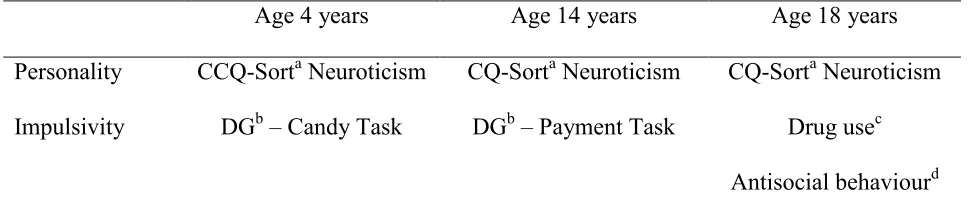
Table 1: A summary of instruments and their sequence of administration ...48
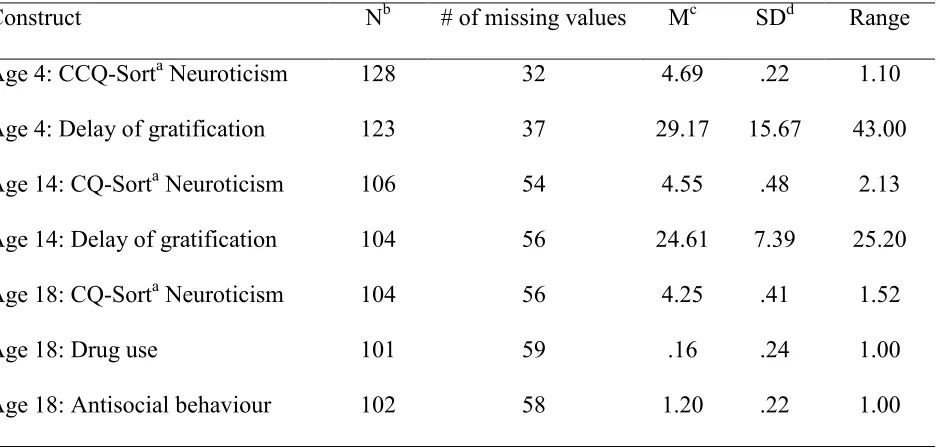
Table 2: Sample size, mean, standard deviation, and range for each construct ...49
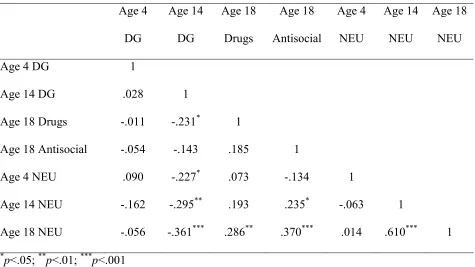
Table 3: Pearson correlations ...50
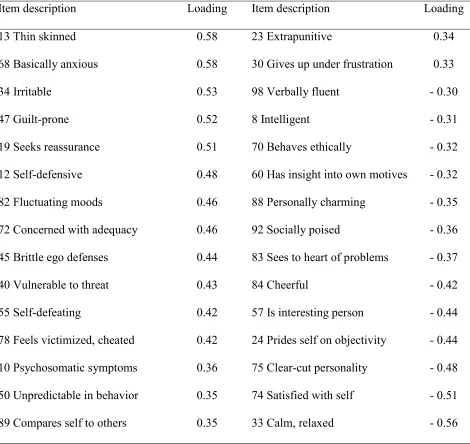
Table 4: CQ-Sort neuroticism factor items and their loadings on a neuroticism construct based on work by McCrae, Costa, and Busch (1986) ...51
Figure 1: The proposed model of developmental progression of impulsivity and its relation to personality development ...52
viii
CHAPTER 3 IMPULSIVITY ACROSS THE LIFE SPAN: REWARD-SEEKING AND
EMOTION DYSREGULATION ...54
Impulsivity and reward-seeking ...54
Emotion dysregulation and its cognitive and behavioural correlates ...56
Neuroanatomical correlates of emotion regulation and impulsivity ...58
The current study ...59
Research hypotheses ...60
Hypothesis 1 ...60
Hypothesis 2 ...60
Methods ...61
Participants ...61
Measures ...62
Development of constructs ...64
Impulsivity constructs ...64
Emotion dysregulation constructs ...66
Procedures ...66
Data analysis ...67
Introduction to and justification for the model ...67
Statistical analyses ...67
Results ...69
Missing data, outliers, and the assumption of normality ...69
Overall fit of the model...70
Early adulthood: Impulsivity and emotion dysregulation constructs ...71
Impulsivity and emotion dysregulation from childhood to early adulthood ...72
Developmental association between impulsivity and emotion dysregulation ...72
Discussion ...73
Limitations and future directions ...76
Conclusions ...78
Table 1: Measures at each time point ...80
Table 2: Pearson correlations ...81
ix
Table 4: Parent report: Items comprising impulsivity and emotion dysregulation
constructs during adolescence based on Cronbach α scores (Crobach, 1951) ...83
Table 5: Self report: Impulsivity and emotion dysregulation constructs during early adulthood based on factor analysis ...84
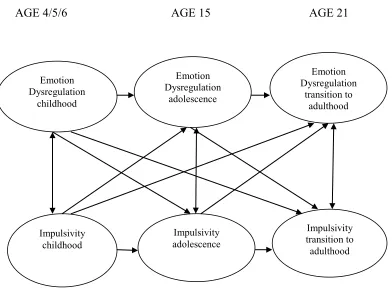
Figure 1: The proposed model of developmental progression of impulsivity and its relation to emotion dysregulation ...85
Figure 2: Testing relations between impulsivity and emotion dysregulation across the lide span ...86
CHAPTER 4 A MEASUREMENT MODEL OF IMPULSIVITY: CAN IMPULSIVITY BE MODELED AS A MACROCONSTRUCT? ...87
Impulsivity as a construct ...87
ADHD and impulsivity ...89
Substance misuse and impulsivity ...90
Gambling and impulsivity ...92
Personality, personality disorders, and impulsivity ...93
Limitations of the current research ...95
The current study ...96
Research hypotheses ...97
Hypothesis 1 ...97
Hypothesis 2 ...98
Methods ...98
Participants and procedures ...98
Measures ...99
Self-report questionnaires ...99
Behavioural tasks ...103
Data analysis ...104
Introduction to and justification for the model ...104
Statistical analyses ...104
Results ...106
Missing data, outliers, and the assumption of normality ...106
Determination of the best fitting model ...107
x
Discussion ...109
The measurement model of impulsivity ...110
Two impulsivity factors ...111
Cognitive/Behavioural Impulsivity ...111
Emotional/Relational Impulsivity ...112
Relation between two factors of impulsivity ...113
Clinical implications ...113
Limitations and future directions ...115
Conclusions ...117
Table 1: Sample size, mean, standard deviation, and range for each variable ...118
Table 2: Correlation matrix ...119
Table 3: Loadings on 3 factors following the initial EFA with 13 variables (Model 1) ...120
Table 4: Model fit indices (Initial EFA: The best-fitting model with 3 factors – Model 1; see Figure 1) ...121
Table 5: Model fit indices (Second set of EFAs: Models 1-7) ...122
Figure 1: Exploratory factor analysis pointed to at least three facets of impulsivity (Model 1) ...123
Figure 2: Exploratory factor analysis yielded a well-fitting , two-factor (Model 7)124 CHAPTER 5 GENERAL DISCUSSION ...125
Overall limitations and future directions ...130
Overall clinical implications ...132
Conclusions ...134
REFERENCES ...136
APPENDICES ...167
Appendix A: Risk-taking behaviour questionnaire & Table 6: Mean (standard deviation) scores on risk-takig behaviour questionnaire...167
Appendix B: On time management, planning, and organization questionnaire ...169
Appendix C: UPPS-P Personality assessment questionnaire ...170
Appendix D: The big five inventory ...172
xi
xii
LIST OF ABBREVIATIONS
ADHD – Attention Deficit/Hyperactivity Disorder
AUC – Area under the curve
BAS – Behavioral Approach System
BFI – The Big Five Inventory
BISa– Behavioral Inhibition System
BISb–Barratt’s Impulsiveness Scale
CBQ –Children’s Behavior Questionnaire
CCQ – California Child Q-Sort
CFI – Comparative Fit Index
CQ-Sort – California Q-Sort
EFA – Exploratory Factor Analysis
FIML – Full Information Maximum Likelihood
NEO-PI-R – Revised NEO Personality Inventory
ON-TOP – On Time, Organization, and Planning Questionnaire
PCA – Principal Component Analysis
RMSEA – Root Mean Square Error of Approximation
SBCL – The Simmons Behavior Checklist
SEM – Structural Equation Modeling
SRMR – Standardized Root Mean Square Residual
TLI – Tucker-Lewis Index
UPPS-P – (Urgency, Premeditation, Perseverance, Sensation Seeking) Scale
1
CHAPTER 1
Literature Review
Objectives
The present chapter is a review of the theories and empirical research on the relations
between impulsivity and mental health. Although the definition of impulsivity as a
multidimensional construct is hotly debated, there is growing evidence indicating that
impulsivity encompasses a range of behaviours, including lack of persistence and planning,
risk-taking, acting on a whim, boredom susceptibility, and sensation-seeking, as well as some
components of hyperactivity, behavioural disinhibition, and the inability to delay gratification
(Depue & Collins, 1999; Evenden, 1999; Petry, 2001; Smith, Fischer, Cyders, Annus, &
Spillane, 2007; Whiteside & Lynam, 2001). For the purposes of this chapter, several methods of
conceptualizing and measuring impulsivity will be discussed, including personality
questionnaires, reward-seeking, as well as tasks that assess ability to inhibit a prepotent response
and delay gratification. As suggested by numerous studies, impulsivity is a fundamental
psychological construct for understanding psychopathology and has been proposed as an
underlying factor in Attention-deficit/Hyperactivity Disorder (ADHD), substance use disorders,
eating disorders, Cluster B personality disorders, as well as other forms of psychopathology
(American Psychiatric Association, 2000). Furthermore, impulsive behaviour has been found to
follow a developmental trajectory and decreases with age among typically-developing
individuals (Green, Fry, & Myerson, 1994; Mischel, 1974). As such, it is important to further
investigate the association between impulsivity and mental health. The goal of this paper is to
review research on impulsivity and its relation to psychopathology, including personality
2
theoretical orientations (e.g., personality, experimental, clinical, and neurobiological) will be
discussed. Finally, limitations of the extant research will be identified to guide future
investigations within the realm of impulsivity.
Organization of the Review
This chapter begins by reviewing the definition of impulsivity, the proposed
multidimensional nature of impulsivity, and the frequently debated varieties of impulsivity.
Theories from the personality, experimental, clinical, and neurobiological research fields are
introduced. Impulsivity measurement methods are described as well as their relations to
personality disorders end emotion dysregulation. Finally, studies regarding the association
between impulsive decision-making and behaviour across the life span are discussed in addition
to the importance of studying impulsivity as a predictor of problems later in life.
Following the review (Chapter 1), three studies are presented. The first study focuses on
the developmental progression of impulsivity and personality development (Chapter 2). The
second study examines the developmental progression of impulsivity in terms of reward-seeking
and emotion dysregulation (Chapter 3). The third study investigates the multidimensional nature
of impulsivity (Chapter 4). Each study builds on the previous work in order to address
limitations and further the understanding of the obtained findings. Following these studies, a
summative discussion (Chapter 5) integrates the results of the three studies, offers clinical
implications of the presented work, and suggests future research.
Defining Impulsivity
Every day we are subjected to choices and engage in acts that may be characterized as
impulsive. Some impulsive choices and behaviours present little or no difficulty in people’s
3
harmful to physical and mental health. Although a firm definition of impulsivity continues to be
debated in the literature, several facets of impulsivity have been identified (Evenden, 1999;
Smith et al., 2007; Whiteside & Lynam, 2001). Impulsivity may be used to describe socially
appropriate actions, such as deciding to surprise a friend with an unannounced visit, as well as
more problematic behaviours, such as attending a party instead of studying for an exam. It is
thought to encompass a range of behaviours including lack of persistence and planning,
risk-taking, acting on a whim, boredom susceptibility, sensation-seeking, reward-seeking,
components of hyperactivity, behavioural disinhibition, and inability to delay gratification
(Depue & Collins, 1999; Evenden, 1999; Petry, 2001; Smith et al., 2007; Whiteside & Lynam,
2001). According to the Diagnostic and Statistical Manual of Mental Disorders (DSM-IV),
impulsivity is a fundamental psychological construct for understanding psychopathology
(American Psychiatric Association, 2000).
Multidimensional Nature of Impulsivity
Although some measures of impulsivity are correlated, impulsivity is not a homogeneous
construct. Gray’s two-system behaviour regulation model has been extensively researched
(Gray, 1970). One system is thought to be associated with approach behaviour and motivation,
called Behavioural Approach System (BAS); whereas the other system is associated with
behavioural inhibition and is referred to as Behavioural Inhibition System (BISa; Carver, Sutton,
& Scheier, 2000). In particular, the neural substrates of BAS include the mesolimbic
dopaminergic pathways and are proposed to underlie the personality trait of impulsivity. The
idea of heterogeneity of impulsivity construct was further supported by Dickman’s (1990)
differentiation between functional and dysfunctional impulsivity, with the former being the
4
referring to tendency to act with less forethought than most individuals when impulsive
responding leads to problems. White and colleagues (1994) conducted a multimethod,
multisource assessment of impulsivity of more than 400 participants and presented a model with
two distinct, yet related types of impulsivity; cognitive impulsivity, as measured by inability to
delay gratification, was more strongly related to IQ, while behavioural impulsivity as measured
by tasks of inhibitory control was more strongly related to externalizing behaviour. In more
recent studies, Dawe, Gullo, and Loxton (2004) proposed a two-factor model of impulsivity
including facets called reward drive (disinhibition) and rash impulsiveness (sensation-seeking).
Reward-seeking was described as a heightened sensitivity to positive/pleasurable stimuli similar
to Gray’s highly sensitive BAS. At the neurobiological level, reward-seeking is stimulated by
the less efficient inhibition of dopamine at the synaptic sites (Pickering & Gray, 1999). In
contrast, rash impulsiveness was related to the inability to inhibit a prepotent response to a
stimulus or an event. Individual differences in the frontal cortex have been proposed as the
driving force for the disinhibited behaviour (Dawe et al., 2004). Exploratory factor studies with
clinical populations, such as children with ADHD, identified two impulsivity factors. A strong
inhibitory control factor included neuropsychological measures of inhibition of a prepotent
response and was correlated with ADHD ratings. The second factor included skills such as
planning/organizing and resistance to interference and was mildly correlated with Oppositional
Defiant Disorder ratings (Avila, Cuenca, Felix, Parcet, & Miranda, 2004).
More recent personality studies further subdivided the impulsivity construct. For
example, Smith and colleagues (2007) assessed similarities and distinctions between related
personality constructs and identified a hierarchical model of impulsivity with three distinct
5
common, higher-order construct, while urgency and sensation-seeking were identified as two
separate constructs. Verheul (Verheul, van den Brink, Geerlings, 1999; Verheul, 2001) also
proposed a three-pathway model of impulsivity. Within this model, behavioural disinhibition,
stress reactivity, and reward sensitivity pathways are proposed as antecedents to antisocial
behaviour, avoidant personality style, and sensation seeking, respectively.
Although the studies described above demonstrate variability with respect to the distinct
factors of impulsivity, there is an overarching theme that suggests a multidimensional nature of
impulsivity. In particular, empirical studies have identified at least three distinct facets of
impulsivity utilizing personality measures (e.g., lack of planning, urgency, and sensation
seeking) and have linked them to development of pathological behaviour. It is not clear at this
time how these factors interact across the life span and whether different measures of impulsivity
would yield additional factors.
Varieties of Impulsivity
Impulsive personality style. Impulsivity has been viewed as a major, enduring
dimension of personality in childhood and adulthood (Cloninger, 1987) and various measures
have been derived to assess this construct. For example, Eysenck, Easting, and Pearson (1984)
described impulsivity in children as a tendency to be impatient and to act without thinking, and
developed a self-report questionnaire to assess these traits. In addition, Block and Block (1980)
discussed “ego control,” a construct based in the psychoanalytic tradition, as a tendency to
translate impulses directly into actions. An ego-undercontrolled child would overreact to minor
frustrations, become inattentive, rarely think before acting, and be emotionally dysregulated.
Over time, exploratory factor analyses utilizing various personality questionnaires (discussed in
6
Interestingly, the number of the obtained factors has been noted to vary. Evenden (1999)
suggested that this alteration in the number of obtained factors does not necessarily indicate a
change in human personality. Rather, the current personality questionnaires alone do not
adequately capture the complexity of impulsivity construct (Evenden, 1999) or allow for
capitalization on the local sample variability. Simple addition and deletion of questions over
time does not seem to be a solution to improving assessment process. To obtain better
understanding of the multidimensional nature of impulsivity, measurement tools across
theoretical orientations were combined for the third study’s paradigm (Chapter 4).
Behavioural disinhibition. Within the experimental research field, impulsivity is also
viewed as a multidimensional construct and often studied via the stop signal paradigm that taps
into one’s ability to inhibit a prepotent response (Logan, 1994; Logan, Schachar, & Tannock,
1997). It involves the “go task” and the “stop task”. A prepotent, well-practiced response is
usually a two-choice visual discrimination task (e.g., press the button when you see “X” on the
screen and don’t press the button when you see “O” on the screen) and it comprises the “go
task”. The “stop task” is usually comprised of an auditory signal (e.g., do not press the button
when you hear a brief tone even though “X” is on the screen). Various moderators influence
one’s performance on these tasks including stimulant medication which improves one’s ability to
inhibit a well-practiced response (Fillmore, Rush, & Marczinski, 2003) and drug abstinence
which leads one to respond more impulsively (Harrison, Coppola, & McKee, 2009). Working
within this paradigm, White and colleagues (1994) conducted a multimethod, multisource
assessment of impulsivity of more than 400 male participants and presented a model with two
7
control was related to externalizing behaviour. In turn, cognitive impulsivity, comprising delay
of gratification tasks, was related to IQ.
Impulsive decision-making. Cognitive impulsivity taps into one’s ability to make
decisions about the presented choices with varying time delays (e.g., “you can eat this
marshmallow now, or wait five minutes and get two marshmallows when I return”). The
propensity to choose the immediate outcome, also called the inability to delay gratification, is an
indication of impulsivity and has been tested in various ways. For example, when presented with
a toy, most 18-month-old children cannot resist the temptation to immediately touch a toy
(Kochanska, Coy, & Murray, 2001). In the case of opening a gift box now or later,
three-year-old children typically can wait only a few minutes for the experimenter to return before opening
a gift box (Vaughn, Kopp, & Krakow, 1984). Furthermore, sticker tasks have shown that
three-year old children consistently choose the immediate reward while five-three-year-old children can wait
for several minutes when the options are to either receive one sticker immediately or two stickers
at the end of the game (Thompson, Barresi, & Moore, 1997). Although information about the
developmental progression of ability to delay gratification is scant, one recent study has found
that three- to four-year-old children are able to sustain a longer wait time for larger rewards
relative to two-year-old children (Steelandt, Thierry, Broihanne, & Dufour, 2012).
Preschoolers’ performance on delay of gratification tasks has also been linked to their
subsequent social and academic success. In particular, it has been found that four-year-old
children who delayed gratification longer to receive a larger reward (e.g., waited for some time
to obtain two marshmallows versus eating one right away) were more likely to become socially
8
grades and cope better with frustration and stress relative to adolescents who experienced
difficulty delaying gratification as preschoolers (Mischel, Shoda, & Peake, 1988).
Discounting the value of delayed rewards, also called delay discounting, is another
approach to assessing impulsive decision-making and is defined as a preference for
smaller-immediate outcomes over the larger-delayed ones. The important premise behind delay
discounting is that the perceived value of an outcome diminishes as a result of its delayed receipt
(Mazur, 1987). Delay discounting has been thought to underlie some forms of impulsive
decision-making (Madden & Bickel, 2010). Results generated from animal and human research
studies on impulsive decision-making and its link to social behaviour have stimulated interest in
exploring delay discounting and its origins. In general, delay discounting tasks assess preference
between larger-delayed and smaller-immediate consequences of one’s choice. In animal studies,
the consequences can be positive (Cardinal, Pennicot, Sugathapala, Robbins, & Everitt, 2001) as
well as aversive (Mischel, Grusec, & Masters, 1969). Two types of impulsive choices within
this paradigm of delay discounting exist: (1) preferring a smaller-sooner reward instead of a
larger-later reward (e.g. food), and (2) preferring a larger-later aversive result instead of a
smaller-sooner aversive result (e.g. a more intense shock administered after the delay). Studies
of impulsive decision-making in humans also utilize this general paradigm and allow participants
to choose between smaller-sooner and larger-later gains and losses (e.g. Buss & Plomin, 1975;
Green, et al., 1994; Plunkett & Buehner, 2007).
Neuroscience and genetics of impulsive decision-making. Recent research has focused
on the origins of individual differences in impulsive decision-making by exploring genetic bases
and neural correlates of delay discounting, however, findings remain wide-ranging. In mice, an
9
Wilkinson, 2004). In adolescent humans, it has been estimated to be approximately 30% at ages
12 and 50% at age 14 (Anokhin, Golosheykin, Grant, & Heath, 2010). Furthermore, in human
participants the relationship between dopaminergic genetic polymorphisms and discounting of
delayed monetary outcomes has been examined. People who had at least one copy of the DRD2
TaqI A locus allele (A1+) appear more likely to discount monetary outcomes relative to
participants without this allele (A1-; Eisenberg et al., 2007).
Much of the work investigating impulsive decision-making has focused on the limbic
corticostriatal structures, in addition to the major forebrain neuromodulatory systems.
Functional imaging and lesion studies have identified these structures as involved in making a
choice between smaller-immediate and larger-delayed outcome (see Cardinal, 2006 for review).
Bechara (2005) proposed a “competing brain systems” hypothesis that implicates two separate,
but interacting neural systems that control decision-making. Neuroimaging studies with human
participants have found that impulsive choices were associated with greater activity in the ventral
striatum, the medial prefrontal cortex, and the posterior cingulate cortex (McClure, Laibson,
Loweenstein, & Cohen, 2004). Delayed reward choices were associated with greater activity in
the lateral prefrontal and posterior parietal cortical regions (McClure et al., 2004). Although
these findings support the idea of competing brain regions, Kable and Glimcher (2007) provided
functional magnetic resonance imaging (fMRI) evidence showing that subjective evaluation of
an outcome is presented within a single evaluation network including the ventral striatum, medial
prefrontal cortex, and posterior cingulate cortex.
Neurochemical systems and impulsive decision-making. Pharmacological studies
identified several neurochemical mechanisms that influence impulsive choices and behaviour.
10
norepinephrine (NE) systems that modulates impulsive behaviour (Evenden, 1999; Winstanley et
al., 2010) unlike one unique neurobiological aspect of the human system (e.g. serotonergic
underactivity; Linnoila et al., 1983; Soubrie, 1986). Additional evidence of 5-HT-DA
interactions in controlling impulsive choice arises from research on the effects of the
psychostimulants, a frequently used medication-type to treat ADHD by stimulating the DA
system. Acute administration of amphetamine increases the frequency of choosing delayed, but
larger reward (van Gaalen, van Koten, Schoffelmeer, & Vanderschuren, 2006; Winstanley,
Theobald, Dalley, & Robbins, 2003). In contrast, administration of 5,7-DHT, which destroys
serotonergic neurons, increases the frequency of the impulsive choice in animals (Winstanley et
al., 2003). This latter action has also been demonstrated by administration of the DA-D2
receptor antagonist eticlopride, which has been found to diminish the effects of amphetamine on
delay discounting tasks (Winstanley et al., 2003). NE has also been implicated in impulsive
decision-making. In particular, administration of atomoxetine, a medication used to treat
ADHD, has been found to decrease the frequency of impulsive choices on delay discounting
paradigms as well as premature responding on the measures of behavioural inhibition (Robinson
et al., 2007). Taken together, it therefore appears that DA, 5-HT, and NE systems act in tandem
to regulate impulsive tendencies and perhaps compensate for one another.
In summary, impulsivity can be conceptualized and measured differently across research
paradigms (e.g., personality style, poor inhibitory control, reward-seeking, and impulsive
decision-making). Nevertheless, Gray’s (1970) two-system behaviour regulation model seems to
tie these classifications together providing evidence for an underlying neurobehavioural
characteristic with significant heritability in humans that appears to involve several neural
11
overactive BAS that leads to impulsive choices (e.g., immediate, smaller reward) and the BISa
which provides careful assessment of the situation and inhibitory control (e.g., delayed, larger
reward).
Impulsivity – Relation to Life Stressors and Psychopathology
Prior to delving into the research linking impulsivity and psychopathology, it is important
to outline several environmental and individual factors that are often related to impulsivity.
Various environmental factors (e.g. the amount, type, and sign of the reward, context of the
choice, simultaneous demands on attention, drug administration, deprivation, etc.) have been
identified as having an effect on behaviour. For example, impulsive decisions are more likely to
be made when the rewards are small (Green, Myerson, & McFadden, 1997) and while
multitasking (Hoffman et al., 2006), as well as when the participants are already engaged in an
impulsive behaviour (e.g., while gambling; Dixon, Jacobs, & Sanders, 2006) and under the
influence of drugs of abuse (Cardinal, Robbins, & Everitt, 2000; Dallery & Locey, 2005;
Evenden & Ryan, 1996).
In terms of personality traits, individuals with an internal locus of control are less likely
to make impulsive decisions relative to their counterparts with an external locus of control
(Plunket & Buehner, 2007), extraverts tend to be more impulsive in comparison to more
introverted individuals (Ostaszewski, 1996; 1997), and no consistent differences in the levels of
impulsive decision-making have been noted between high and low sensation-seekers
(Ostaszewski & Green, 1995). Finally, more impulsivity has been noted among younger
individuals (Green et al., 1994), males (Moffitt et al., 2011), those with lower IQ scores (Olson,
Hooper, Collins, & Luciana, 2007), lower income (de Wit, Flory, Acheson, McCloskey, &
12
Wit et al., 2007; Jaroni, Wright, Lerman, & Epstein, 2004), as well as among African Americans
as compared to Caucasian participants (de Wit et al., 2007). Consequently, it can be expected
that trajectory of impulsive behaviour across the life span will differ based on one’s
socioeconomic status, gender, ethnic background, as well as education level. For example,
Moffitt and colleagues (2011) found that less impulsive children were more likely to have been
raised in families of a relatively higher socioeconomic status. To avoid such bias, it is important
to control for these factors by following a highly heterogeneous sample of children.
Psychiatric populations that present with higher levels of impulsivity are those with ADHD
(Sonuga-Barke, Taylor, Sembi, & Smith, 1992; Barkley, Edwards, Laneri, Fletcher, & Metevia,
2001), cluster B personality disorders (Krueger, Caspi, Moffitt, White, & Stouthamer-Loeber,
1996), and addiction (Kirby & Petry, 2004). Interestingly, impulsivity can function as both a
contributor and a consequence of drug use. In particular, in addition to one’s propensity to make
impulsive decisions being an important determinant of the likelihood of drug abuse, acute and
chronic effects of drug use may affect neural systems and consequently increase impulsive
behaviours. In turn, these behaviours may facilitate further drug use (de Wit, 2008).
In summary, a long standing association between impulsive decision-making and various
life stressors and individual characteristics has been established. Furthermore, psychopathology
across the life span has been linked to impulsivity as an underlying factor. Consequently, studies
one (Chapter 2) and two (Chapter 3) explore these relationships across the life span in order to
identify childhood risk-factors for subsequent development of pathological behaviour and
13 Personality and Personality Disorders
Personality is characterized by relatively stable behavioural characteristics across time
(Eisenberg et al., 2007) that are influenced by an individual’s experiences (Scherer & Peper,
2001) and biology (McCrae & Costa, 1996; 1999; McCrae et al., 2000). According to Wiggins
(1968), Extraversion and Neuroticism have been identified as the “Big Two” factors describing
personality traits. Subsequently, Costa and McCrae (1976; 1985) added a third dimension,
Openness–to-Experience, followed by two more, Agreeableness and Conscientiousness in order
to create the “Big Five” model of personality traits. Review studies have shown the usefulness
of the “Big Five” model in various aspects of human experience including estimating job
performance (Barrick & Mount, 1991), health (Smith & Williams, 1992), and educational
attainment (De Raad & Schouwenburg, 1996). Countless references have been made to each of
the “Big Five” constructs. Extraversion is defined by an interest in people of the external world
demonstrated by outgoingness (De Raad & Perugini, 2002) often related to leadership roles
(Lieberman & Rosenthal, 2001). Neuroticism, an elevated tendency to act anxiously across
situations, has also been related to mood swings (Soldz & Vaillant, 1999) as well as poor school
performance (Eysenck & Cookson, 1969) and lack of commitment in relationships (Kurdek,
1997). Openness–to-Experience has been described as proclivity to venture out into new
adventures and related to engagement in risky behaviour (Booth-Kewley & Vickers, 1994).
Agreeableness involves cooperation and kindness and is mostly concerned with interpersonal
relationships (De Raad & Perugini, 2002). Several correlates of agreeableness include
interpersonal skills in teams (Neuman & Wright, 1999) and limited vengefulness (McCullough,
Bellah, Kilpatrick, & Johnson, 2001). Finally, Conscientiousness is the dimension that
14
(Goldberg, 1992), all factors necessary for well-developed drive to achieve (De Raad & Perugini,
2002). The “Big Five” model is meant to be used as a reference model to help evaluate human
experience and identify maladaptive behaviour.
According to the Diagnostic and Statistical Manual of Mental Disorders (DSM-IV-TR;
American Psychiatric Association, 2000), personality disorders are enduring dysfunctional
patterns of internal experiences and behaviours. Further, these disorders typically encompass
behaviours that are pervasive and inflexible. They are typically stable across the life span with
an onset of diagnostic symptoms in adolescence or early adulthood. They are not in concordance
with the individual’s culture, and must lead to significant distress and functional impairment.
For example, individuals who are often dramatic, emotional, and erratic are usually diagnosed
with a Cluster B personality disorder such as antisocial, borderline, histrionic, or narcissistic
personality disorder. The diagnosis of personality disorder is rarely given to children and
adolescents younger than 18 years of age. Nevertheless, underlying personality traits are most
likely present since childhood, guiding behavioural presentation at each developmental stage.
For instance, a pervasive pattern of impulsive behaviours including lack of planning, acting on
the spur of the moment, and lack of consideration of the future consequences for self and others,
is an essential feature of Cluster B personality disorders. Such behavioural patterns have been
found to begin in childhood or early adolescence and continue into adulthood (American
Psychiatric Association, 2000).
Furthermore, specific situational stressors (e.g., depression, anxiety, substance use) may
precede behaviours characteristic of maladaptive personality traits. In such cases, personality
disorder should not be diagnosed. For example, while indicators of an impulsive nature may be
15
adolescence may result in additional impairment of neural circuitry underlying delay
discounting, and hence in impaired functioning in adulthood. Sisk and Zehr (2005) suggested
that adolescence is a period of refinement of neural circuits that have been shaped during the
perinatal period of brain reorganization. For the purposes of this chapter, intrapersonal features
of personality disorders will be discussed with an aim to explore the link between personality
disorders and impulsivity within a developmental context.
Personality models and impulsivity. Impulsivity is an important aspect of several
personality models. For example, Buss and Plomin’s (1975) model contains a construct that
represents inhibitory control and persistence, which are often related to impulsivity. The Five
Factor Model of personality (Costa & McCrae, 1992) and Cloninger’s three part model of
temperament (Cloninger, Svrakic, & Przybeck, 1993) also suggest impulsivity. In particular,
Whiteside and Lynam (2001) utilized the Five Factor Model of personality to identify distinct
facets of personality that have been frequently combined under the overarching definition of
impulsivity as a multidimensional construct. The factor analyses yielded a robust four-factor
solution (urgency, lack of premeditation, lack of perseverance, and sensation seeking) that
corresponded well to the four traits related to impulsivity found on the Revised NEO Personality
Inventory (NEO-PI-R; Costa & McCrae, 1992). First, the tendency to act hastily, especially
under conditions inundated with negative emotions, is called urgency and is associated with the
impulsiveness facet of the NEO-PI-R. Second, lack of premeditation, is the most widely studied
impulsivity measure, refers to the tendency to act on a whim without regard for the
consequences, and is associated with the low deliberation facet of the NEO-PI-R. Third, lack of
perseverance defined as inability to remain focused on the task at hand is associated with the
16
is sensation seeking, commonly described as a tendency to enjoy and openness to new, exciting,
and potentially dangerous experiences. It is associated with the excitement seeking facet of the
NEO-PI-R. High scores on each one of these facets may be related to pathological behaviour
patterns such as borderline personality disorder, antisocial personality disorder, ADHD, and
substance use disorders, respectively. Smith and colleagues (2007) extended these findings by
assessing the validity of distinctions among four proposed impulsivity-like traits. Overall, lack
of premeditation and persistence were found to be two distinct facets of one broader trait,
whereas urgency and sensation seeking were both very modestly related to each other and to the
planning/persistence measure. Furthermore, the distinctions among them were useful as each
accounted for different aspects of risky behaviour.
Taken together, various facets of impulsivity have been identified; however, research
findings in regards to the relations among these facets remain ambiguous. If impulsivity is a
multidimensional construct then it is not surprising that various measures of impulsivity do not
necessarily relate. However, this premise should be studied using measures of impulsivity across
multiple theoretical orientations including personality, experimental, clinical, and
neurobiological research. Consequently, a multimethod, multisource assessment of impulsivity
was conducted (Chapter 4) to explore the relationship between various measures of impulsivity,
help clarify past, contradictory findings, and suggest future research and clinical directions.
Emotion Regulation and Impulsivity
Emotion regulation and coping. The appraisal theory of emotion states that evaluations
of situations and events, also referred to as cognitive appraisals, elicit emotions (Smith, Haynes,
Lazarus, & Pope, 1993). For example, studies have found that blaming others results in anger,
17
satisfaction results in happiness (Suchy, 2011). Therefore, cognitions have been proposed as
antecedents of emotion (Lazarus, 1982). Furthermore, only a limited number of evaluations
actually result in emotion. Consequently, it is hypothesized that cognitive activity with adaptive
significance is the one most likely to be related to the emotions people experience. This
hypothesis rests on understanding the person-environment relationship including factors such as
one’s own goals, environmental constraints and demands, and the interaction of these factors.
The evaluation process is often complicated and requires identification of subtle environmental
cues to understand the meaning of what is happening for one’s well-being.
In addition to cognitive appraisals, Lazarus and Smith (1988) acknowledged that the prior
knowledge, also referred to as attributions, contributes to the emotion by providing
non-evaluative facts that provide answers to questions such as who, what, where, when, how, and
why. They suggested that attributions contribute to appraisal, which in turn results in emotion.
Subsequently, Smith and colleagues (1993) examined the relationship between cognitions and
emotions. They demonstrated that appraisals are more strongly related to emotional experience
than are attributions and suggested that appraisal mediates the relationship between attribution
and emotion (Smith et al., 1993). This theory stands in contrast to other theories that propose
different origins of emotion including: (1) facial expressions (Tomkins, 1962); (2) physiological
processes, such as neural patterns (Cannon, 1927); (3) motivational processes, such as thirst
(Tomkins, 1962); and (4) events themselves (Watson, 1919).
Finally, the appraisal process has been suggested to guide coping by evaluating one’s
resources and options such as accountability, potential to engage in emotional- or
problem-focused coping, and future expectancy (Lazarus & Folkman, 1984). Coping, also referred to as
18
via evaluating, monitoring, and modifying emotional reactions (Tice & Bratslavsky, 2000).
Appropriate emotion regulation employs informative aspects of emotions and expresses them
adaptively in the face of emotional disturbance. Such emotion regulation leads to decreases in
prolonged and unhealthy autonomic arousal via reductions in amygdalar and insular activation
(Ohira et al., 2006) that have been found to be deleterious to health (Denollet, Nyklicek,
Vingerhoets, & Vingerhoets, 2008; Myers et al., 2008). On the other hand, emotion
dysregulation is viewed as inability to modulate the expression of emotion in response to
external demands as well as the effects of emotions on personal thoughts and actions (Cole,
Michel, & Teti, 1994). Baumeister, Heatherton, & Tice (1994) suggested that weakness in
regulation (underregulation) or poor choice of regulating strategies (misregulation) leads to
emotion dysregulation. Furthermore, emotion dysregulation has been positively associated with
anxiety, depression, phobias, obsessive-compulsive tendencies (King & Emmons, 1991), and
impulsivity (Kokkonen & Pulkkinen, 1999).
Emotion regulation within the concept of temperament. The definition of
temperament has been debated upon since the 1978 International Conference on Infant Studies.
Temperament is most often defined as variability between individuals in self-regulation and
reactivity that has been shaped by one’s genetic make-up and experience (Derryberry &
Rothbart, 1997; Rothbart & Derryberry, 1981). This variability is most often noted in the realm
of attention, motor activity, and emotion regulation (Rothbart & Derryberry, 1981). As children
mature, regulating systems such as attentional effortful control and inhibition of fear develop.
Using these systems, children become adults who are able to choose appropriate strategies to
regulate their reactions to emotional events. However, children identified as difficult-to-manage
19
at subsequent ages (Staudinger, Marsiske, & Baltes, 1995). These children are likely to be
fearful, have a limited attention span, and are quick to cry even if the event is only moderately
stimulating (Rothbart, 2007). Rothbart, Posner, and Hershey (1995) reviewed several ways in
which temperament might be involved in development of emotional and behavioural difficulties.
Most importantly, they suggested that individual differences in temperament may identify risk
profiles for children with a disposition toward psychopathology. In addition, temperament may
influence one’s choices of more or less risky settings and relationships that may lead to a greater
or lesser chance of development of psychopathology. Finally, different temperamental
characteristics may interact to influence developmental outcomes.
Neuroimaging Studies of Emotion Regulation. As a result of growing evidence of the
relationship between emotion dysregulation, impulsivity, and physical and mental health
(Madden & Bickel, 2010; Williams, Suchy, & Rau, 2009), recent research studies have used
functional neuroimaging and lesion studies to examine how people regulate emotion when
presented with emotion-evoking images (Duffy, Campbell, Salloway, & Malloy, 2001;
Narashima, Kosier, & Robinson, 2003; Ochsner & Gross, 2008). In general, the prefrontal
cortex has been found to exert some degree of control over the emotional trigger including (1)
the anterior cingulate cortex and its subregions, (2) left, right, or bilateral dorsolateral prefrontal
cortex (depending on the regulating strategy), and (3) ventral prefrontal cortex (Ochsner &
Gross, 2008). Specifically, if the individual’s goal is to increase an emotional experience,
increases in amygdalar activation are typically observed (Ochsner, Bunge, Gross, & Gabrieli,
2002), which in turn has been correlated with the increased prefrontal activation (Ochsner &
Gross, 2008). The opposite is true if the participant’s goal is down-regulating or decreasing an
20
lesions in the ventral frontal areas are found to be more irritable, aggressive, and present with
emotional outbursts, suggesting that the ventral frontal areas are important for control of overt
behaviour (Duffy et al., 2001). In contrast, patients with lesions in dorsolateral and
frontotemporal areas are more likely to present with depressive symptoms (Narashima et al.,
2003). Narashima and colleagues (2003) suggested that this may be due to their difficulties with
reinterpretation. In particular, patients with left dorsolateral lesions may have difficulties
re-creating stories. Consequently, they may be unable to abandon their initial negative
interpretations of troublesome situations, which in turn may maintain their depressed state
(Narashima et al., 2003).
As previously mentioned, the prefrontal cortex has also been implicated in impulsive
decision-making and behaviour (McClure, Laibson, Loewenstein, & Cohen, 2004). Regardless
of the noted neuroanatomical overlaps, only a limited number of studies have explored emotion
dysregulation in relation to impulsivity in terms of reward-seeking. Therefore, the second study
(Chapter 3) explored how emotion dysregulation interacts with and can be potentiated by a
neurobiological propensity for reward-seeking across the life span.
Impulsivity as a predictor of problems later in life. Self-regulatory skills such as
ability to delay gratification, premeditation of action, and inhibition of impulsive choices provide
an essential foundation for the development of normal social and academic competence
(Barkley, 1997; Kochanska, Murray, & Coy, 1997). Learning and achievement problems
(Hinshaw, 1992), ADHD (American Psychiatric Association, 2000), peer rejection (Hinshaw &
Melnick, 1995), and features of conduct disorder (August, Realmuto, MacDonald, & Nugent,
1996) are more likely to arise in later childhood and adolescence among children who present
21
classified as failure of impulse control such as ADHD, substance abuse, kleptomania,
pathological gambling, and eating disorders (e.g., American Psychiatric Association, 2000).
Moreover, childhood ADHD is associated with lower conscientiousness scores in adolescents
and young adults and persisting ADHD symptoms in adolescence are associated with increased
neuroticism scores, as well as decreased agreeableness (Miller, Miller, Newcorn, & Halperin,
2008). Although there is an apparent link between childhood psychopathology and
psychopathology later in life (Miller et al., 2008; Murphy & Barkley, 1996), the relationship
between the underlying factors and the behavioural presentation across the life span is less clear.
Furthermore, neuroticism and extraversion seem to decline with age, whereas agreeableness and
conscientiousness increase (Costa & McCrae, 2006). Consequently, the first study within this
manuscript (Chapter 2) assessed the relations between carefully selected measures of personality
traits associated with behaviors of poor impulse control inability to delay gratification across the
life span.
Also, impulsivity during childhood (Musher-Eizenman et al., 2004), adolescence
(d’Acremont & Van der Linden, 2007), and adulthood (Kokkonen & Pulkkinen, 1999) has been
linked to difficulties regulating emotion. For example, childhood impulsivity has been related to
poor anger control and aggressive behaviour (Musher-Eizenman et al., 2004). Impulsive
adolescents have been characterized as more depressed and more likely to think about suicide
than their non-impulsive peers (Hutchinson, Patock-Peckham, Cheong, & Nagoshi, 1998) and
adolescent depression has been linked to poor emotion regulation strategies (Garnefski,
Legerstee, Kraaij, van den Kommer, & Teerds, 2002). Finally, impulsivity in adult men was
positively correlated with anxiety, aggression, and difficulty coping with occasional negative
22
was also negatively associated with indicators of emotion regulation including socialization and
cognitive control (Kokkonen & Pulkkinen, 1999).
In summary, impulsivity decreases with age among typically developing children (Mischel,
1974). Nevertheless, more impulsive children are at a greater risk of various forms of addiction,
poor academic achievement, personality disorders, and depression later in life. In addition,
various facets of impulsivity have been determined. However, research remains contradictory
regarding how these facets relate when multidimensional, multisource studies are conducted.
Due to important social consequences of dysfunctional behaviour and the limitations of the
cross-sectional research conducted thus far, the aim of the following three studies was to offer a
developmental perspective on impulsivity and further assess its proposed multidimensional
nature.
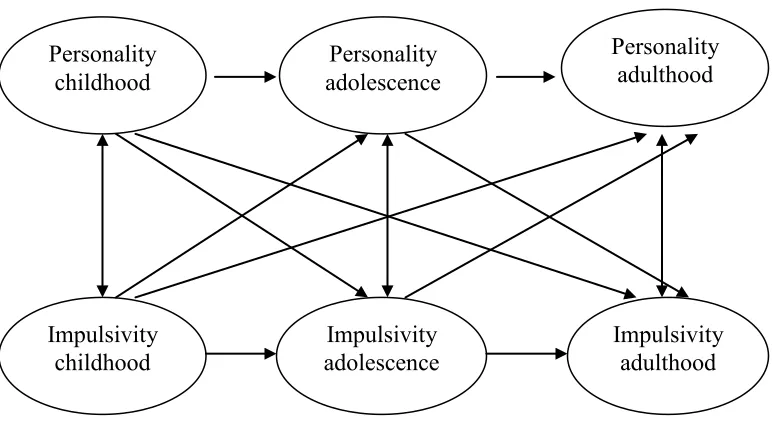
The first study (Chapter 2) utilized data from the Block and Block Longitudinal Study
funded by the National Institute of Mental Health (NIH) Grant MH 16080. It was a 3-year long
examination of personality development, development of gender differences, parental
child-rearing attitudes, development of the self-concept over time, and other topics. The obtained
findings provide information about the developmental progression of impulsivity from preschool
to early adulthood and its relation to personality development. For the second study (Chapter 3)
data were derived from the Simmons Longitudinal Study: Adaptation and Development across
the Lifespan funded by National Institute of Mental Health (NIMH) grant number 5-R01
MH-27458. This study utilized a multidisciplinary, multi-method approach to: (1) trace the
development and course of academic difficulties, behaviour problems, and psychopathology, and
(2) identify health promoting factors from early childhood to adulthood. The obtained findings
23
adulthood and its relation to emotion dysregulation. Finally, the third study (Chapter 4) utilized
a multidimensional, multisource approach to assessment of impulsivity. It borrowed measures
from several theoretical orientations including personality, experimental, clinical, and
neurobiology research fields. These measures were administered to undergraduate students at
the University of Windsor. The obtained findings further our understanding of the
multidimensional nature of impulsivity and the relations among the obtained factors, inform
24
CHAPTER 2
Impulsivity across the Life Span: Inability to Delay Gratification and its Relation to
Personality Development
Impulsivity
An ability to delay the receipt of a reward for the greater good or reduced negative
consequences is an important and socially desirable skill. It demonstrates an efficient
decision-making process and, as a result, promotes cohesive functioning of the members within the
society. However, it has long been observed that individuals are often motivated by the more
immediate rewards than the rewards that occur after a delay. Consequently, people frequently
engage in impulsive decision-making. Some impulsive choices present little or no difficulty in
people’s lives, while others, such as binge eating and gambling, may be harmful to physical and
mental health. Although impulsivity remains an imprecisely-defined construct in the clinical
literature, it is a fundamental psychological construct for understanding a range of
psychopathology, including Attention-deficit/Hyperactivity Disorder (ADHD), substance abuse,
eating disorders, and antisocial and borderline personality disorders, among others (American
Psychiatric Association, 2000). Furthermore, heritability of impulsive traits in terms of low
self-control has been noted. In particular, poor self-self-control of one generation (i.e., inability to delay
gratification) disadvantages the next generation secondary to biological basis of such behaviour
as well as modeling (Moffitt et al., 2011). Therefore, changing one’s propensity to engage in
these unhealthy behaviours may have a broad impact on society. In particular, early
identification of one’s tendency towards impulsive decision-making may reduce the burden of
injury, disease, and associated economic costs by developing and implementing effective
25 Assessment of Impulsive Decision-Making
To function successfully, individuals must exercise goal-oriented self-control
demonstrated by deliberate postponing of immediate gratification and persistence in
goal-directed behaviour guided by the value of the later outcomes (Mischel, Shoda, & Peake, 1988).
Consequently, studies of impulsive decision-making in humans often ask participants to choose
between smaller-sooner and larger-later gains and losses (e.g. Buss & Plomin, 1975; Green, Fry,
& Myerson, 1994; Plunket & Buehner, 2007). The propensity to choose the delayed outcome,
also called delay of gratification, is tested in various ways. For example, when presented with a
toy, many 18-month-old children cannot resist the temptation to immediately touch a highly
desirable toy (Kochanska, Coy, & Murray, 2001). In the case of opening a gift box now or later,
three-year-old children typically can wait only a few minutes for the experimenter to return
before opening a gift box (Vaughn, Kopp, & Krakow, 1984). Furthermore, sticker tasks have
shown that three-year old children consistently choose the immediate reward while five-year-old
children can wait for several minutes when the options are to either receive one sticker
immediately or two stickers at the end of the game (Thompson, Barresi, & Moore, 1997).
Although information about the developmental progression of ability to delay gratification is
scant, one recent study has found that three- to four-year-old children are able to sustain a longer
wait time for larger rewards relative to two-year-old children (Steelandt, Thierry, Broihanne, &
Dufour, 2012).
Preschoolers’ performance on delay of gratification tasks has also been linked to their
subsequent social and academic success. The famous marshmallow experiment (Mischel, Shoda,
& Peake, 1988) demonstrated that four-year-old children who delayed gratification longer to
26
right away) were more likely to become socially and cognitively competent adolescents. They
also were more likely to achieve better school grades and cope better with frustration and stress
relative to adolescents who were experiencing difficulty delaying gratification as preschoolers
(Mischel et al., 1988).
Another method of assessing impulsive decision-making tendencies has arisen from the
field of economics and also involves choosing between the smaller, immediate over larger, but
delayed monetary alternatives. One’s tendency to choose smaller, immediate monetary reward,
also termed delay discounting (Ainslie, 1975), is based on the premise that the value of an
outcome diminishes as a result of its delayed receipt (Mazur, 1987), and has been thought to
underlie some forms of impulsive decision-making (Madden & Bickel, 2010). Although there is
a large body of well-established research concerning the many facets of impulsivity, for the
purpose of this paper I primarily focus on one’s inability to delay gratification and its relation to
human behaviour and personality development. Obtained findings may guide programs designed
to prevent or treat impulsive decision-making by providing a clear idea of what is normative,
how it changes across the life span, and by identifying risk factors as early as preschool.
The Neuroscience of Impulsive Decision-Making
Neuroimaging studies found evidence for the involvement of a single evaluation network,
composed of the ventral striatum, medial prefrontal cortex, and posterior cingulated cortex, in the
subjective evaluation of an outcome (Kable & Glimcher, 2007). Neuroimaging studies have also
implicated deficits in structure and function of frontal and limbic regions in Cluster B personality
disorders, such as Antisocial and Borderline Personality Disorders (Coccaro & Siever, 2005). In
particular, Coccaro & Siever (2005) found reductions in the volume of these brain regions that
27
involved in impulsive decision-making and Cluster B personality disorders suggests a potential
developmental relation. These findings offer a compelling reason for further investigation of
impulsivity, in terms of impulsive decision-making, and its relation to development of certain
personality styles as the brain matures from childhood to adulthood.
Personality and Impulsive Decision-Making
One’s experiences (Scherer & Peper, 2001) and genetic inheritance (McCrae & Costa,
1996; 1999; McCrae et al., 2000) play an important role in shaping one’s character. The
obtained collection of relatively stable behavioural characteristics across time characterizes
individual’s personality (Eisenberg et al., 2007). Costa and McCrae (1976; 1985) proposed the
“Big Five” model of personality as a reference model to help evaluate human experience and
identify maladaptive behaviour. It contains five dimensions of personality; Neuroticism,
Extraversion, Openness to Experience, Agreeableness, and Conscientiousness. Neuroticism has
been referred to as a component of anxiety and individuals with high scores on this scale are
often described as having fluctuating moods, behaving unpredictably, and giving up easily when
frustrated (Soldz & Vaillant, 1999). Extraversion is commonly defined as a comfort level with
social engagement, particularly with large groups of people, and the positive resulting effects on
the psychological states (De Raad & Perugini, 2002), Openness-to-Experience has been
described as a willingness to experience the unfamiliar (Booth-Kewley & Vickers, 1994), and
people who score high on Agreeableness are usually cooperative and willing to compromise (De
Raad & Perugini, 2002). Finally, Conscientiousness is the dimension that represents systematic
thinking, organization, practicality, and efficient planning (Goldberg, 1992).
Personality is also understood as a highly heterogeneous set of traits that may be
28
impulsivity, several personality models have been proposed that further support a
multidimensional nature of the impulsivity construct. For example, Whiteside and Lynam
(2001) utilized the Five Factor Model of personality to identify distinct facets of impulsivity as
measured by self-report personality questionnaires. The factor analyses yielded a robust
four-factor solution (urgency, lack of premeditation, lack of perseverance, and sensation seeking) that
corresponded well with the four traits related to impulsivity (impulsiveness, low deliberation,
self-discipline, and excitement seeking, respectively) measured by the Revised NEO Personality
Inventory (NEO-PI-R; Costa & McCrae, 1992). Subsequent studies extended these findings and
found that lack of premeditation and persistence comprised a single factor that was modestly
correlated with urgency, and sensation seeking (Smith et al., 2007).
Extreme variations of typical personality traits have been suggested to characterize
behavioural features of personality disorders (Harkness, 1992; Widiger & Costa, 1994; Widiger,
Trull, Clarkin, Sanderson, & Costa, 1994). Individuals diagnosed with personality disorders
exhibit pervasive, inflexible, and enduring patterns of internal experiences and behaviours that
often lead to dysfunctional academic, occupational, and social outcomes, as well as produce
significant distress within the person (American Psychiatric Association, 2000). Although the
diagnosis of personality disorders is rarely given to children and adolescents younger than 18
years of age, underlying personality traits are most likely present since childhood and
consequently guide behavioural presentation at subsequent developmental stages. For instance, a
pervasive pattern of impulsive behaviours including lack of planning, acting on the spur of the
moment, and lack of consideration of the future consequences for self and others, is an essential