Modelling of the relationships between Mobile
Device Technologies (MDTs) and UK educational
practices
Motunrayo Olutoyin Remy Olasoji
A thesis submitted in fulfilment of the requirements of the
University of East London for the degree of
Doctor of Philosophy
ii
Dedicated to my past, present and future.
May those reading find my achievement inspiring and worth
iii
Declaration of originality
This thesis contain original work by the researcher and no parts of
the thesis have been copied from any previous work from any other
person or persons except those fully referenced and acknowledged
as necessary. The study outlined in this thesis has not been
submitted for any other degree programme at University of East
iv
Included papers and attribution
Excerpts from some of the sections in this thesis have been
submitted as articles for publication or published in journal(s) /
conference(s) / workshop(s) etc. Some of these include the
following:
Chapter 4 Requirement Engineering for Effective Mobile Learning: Modelling Mobile Device Technologies Integration for Alignment with Strategic Policies in Learning
Establishments (ISEC'14)
R. Olasoji, D. Preston, A. Mousavi
Paper presented at the Information Systems Education & Curricula (ISEC) 2014, in Warsaw, Poland (7-10 September, 2014).
Published in the Proceedings of the 2014 Federated
Conference on Computer Science and Information Systems for IEEEXplore Digital Library (pp. 851–860, ACSIS Vol. 2. DOI: 10.15439/2014F98).
Chapter 7 Alignment of Mobile Learning agenda with learning and teaching strategies in HEIs: Goal modelling approach
v
Acknowledgements
First and foremost, I am grateful to God for making this achievement possible. In his words through Apostle Paul, he promised that his children “can do all things through Christ” (Philippians 4:13). This belief was all that sustained me through it all, and I doubt I could have come through otherwise. I will be forever indebted and thankful. I will also like to thank Professor Hussein Zedan and Dr David Preston who were both on my MPhil to PhD transfer panel. Without their decision to allow me to transfer and Professor Zedan’s subsequent support and willingness to single-handedly bring a fresh outlook and direction into the research, this thesis may never have been published.
Next, I am very grateful to my current supervisors, Dr David Preston who later became the Director of Study and Dr Amin Mousavi. Both sacrificed valuable time, passion and efforts right up to the end in order to guide me towards clarity in expressing my
thoughts and following due process. They gave me confidence when I was flagging and inspired me to reach depths I didn’t know I had. Without their guidance and personal commitment to ensure the rigour expected in a PhD research is adhered to and was never in question, there would undoubtedly have been a different outcome to the process and for this I am extremely grateful.
I also want to thank previous supervisors who had to resign from their assignment during the course of the project. Dr Chrisina Jayne was the first. She somehow believed in me right from the beginning and put a lot of effort into getting me started and well beyond. Subsequently, Professors Mohammad Dastbaz, Dr Julie Baldry-Currens and Professor Allan Brimicombe were all among those giants on whose impressive shoulders I was able to stand and launch forth into the unknown. This process could not have succeeded without their support; and certainly not without the existing body of knowledge from previous relevant research and activities in the domain. I found their work and previous efforts invaluable.
Next I want to thank all my friends. They were kind, very encouraging and supportive; several going out of their way to be accommodating and accepting when I am
vi
vii
Abstract
This study investigates the state of the art of the concept and practice of Mobile Learning (ML) and the integration of Mobile Device Technologies (MDTs) in educational processes. Using a combination of techniques from Requirement Engineering (RE) and Agent Oriented Software Engineering (AOSE), the domain is explored and analysed for ongoing effectiveness and sustainability. Impressive advances in MDTs have made them pervasive and entrenched in many cultures, systems and in everyday living. In the last decade, the
emergent of mobile / handheld devices, and subsequently, wireless technology standards have given rise to the concept of ML.
Although MDT was seen by many early on as part of the solutions for learning transformation, quantifying benefits and placement in teaching and learning, either to achieve learning objectives or enhance the process remain
problematic. In spite of efforts in the last decade by researchers and educators, expected potentials for learning mobility and adaptability resulting from their use are largely unfulfilled. Rapid changes in development and manufacture also continue to present additional challenges.
Most research studies typically employ the approach of evidencing benefits through usage implementations and experimentation. In the review of this thesis, application of techniques provided in domain neutral RE and AOSE disciplines for specifying goals and requirements for complex systems is proposed. Alignment with teaching and learning strategies as well as institutional goals and strategies is considered essential for successful integration in any learning institution. Consequently, this review advocate strategies for alignment through elicitation and modelling techniques of RE and AOSE disciplines.
viii
includes further in-depth quantitative and qualitative study. Questions used during this phase are designed from issues arising in Phase I. Phase III comprises of targeted studies among stakeholders in Higher Educational Institutions (HEIs), allowing for comparison of underpinning policies, cultures and practices; gaining an understanding of the concept and influential factors. Data gathering techniques include surveys, observations, interviews and focus group sessions.
Using both sequential and parallel mixed method of enquiry afford opportunities to establish a frame of reference and analyse opinions within the domain among relevant stakeholders: students, academics / educators, those in the role of learning support and governance and IT support personnel. The survey is analysed using descriptive statistical analysis techniques, also involving comparison of responses from all participating groups. Qualitative data is analysed using thematic methods
The review of this thesis contributes to the body of knowledge on ML as a concept and practice, evaluating definitions, frameworks and practices as relating to HEIs for the most part. Approaches to integration by selected HEIs are explored and analysed for effectiveness. A series of models is created illustrating the use of RE and AOSE techniques to align ML system
ix
Table of contents
Acknowledgements ... v
Abstract ... vii
Table of contents ... ix
List of Figures ... xiii
List of Tables... xiv
List of Abbreviations ... xv
1. The research position ... 18
1.1. Frame of reference for the study ... 19
1.2. Changing face of education ... 20
1.3. Education and Mobile Device Technology (MDT) ... 23
1.3.1. The history of MDTs ... 25
1.4. A roadmap for Mobile Learning (ML) ... 27
1.4.1. Motivating today’s learners? ... 30
1.4.2. MDT ownership among HE students ... 32
1.4.3. Can MDT cure short-comings in learning? ... 34
1.4.4. The challenge for education... 37
1.5. Old story, new approach ... 41
1.5.1. Engineering current reality ... 42
1.6. Change management: Herzberg's dual-factor theory ... 45
1.7. The thesis in brief ... 47
2. ML and MDTs: Historical contexts ... 50
2.1. ML in practice: A review of literature ... 51
2.2. Changing face of MDTs ... 52
2.2.1. Limitations of MDT, then and now ... 55
2.3. The state of the art of Mobile Learning (ML) ... 57
2.3.1. In search for a definition for ML ... 60
2.3.2. Early trials and implementations ... 65
2.3.3. Citation analysis review ... 66
2.3.4. Systematic review analysis ... 71
2.3.5. Framework models for ML: Reviewing & evaluating practices ... 78
2.4. Making a case for ML in education ... 86
2.4.1. Opportunities in educational affordances of MDTs ... 88
2.4.2. The conundrum of mobile “deep” learning ... 90
2.4.3. Differentiating attributes of ML processes ... 93
2.5. Review summary ... 96
3. The study schema: A discourse on research methodology ... 98
3.1. Design, rationale and methods ... 99
x
3.2.1. Research questions and inquiry direction ... 100
3.2.2. Scope and boundary parameters ... 102
3.2.3. Terms and usage contexts ... 103
3.3. Philosophical perspective ... 104
3.3.1. The role of the researcher ... 108
3.4. Fact finding for Requirement Engineering (RE) ... 110
3.4.1. Modelling the subject domain ... 112
3.5. Data collection methods ... 114
3.5.1. Data collection plan and design ... 114
3.5.2. Quantitative research methods ... 115
3.5.3. Qualitative research methods ... 116
3.5.4. Sources of data ... 117
3.6. Data analysis and interpretation ... 123
3.6.1. Quantitative survey ... 123
3.6.2. Qualitative interviews and audio recordings ... 123
3.6.3. Shadow observation and field notes ... 123
3.7. Research ethics and trustworthiness ... 124
3.7.1. Trustworthiness ... 124
3.7.2. Ethics ... 126
3.8. Synopsis on research methodology ... 130
4. Establishing requirements for ML and MDTs in education ... 132
4.1. The contexts, complexities and propositions ... 133
4.2. Requirement engineering “ML” into “mobility in learning” ... 134
4.2.1. Goals modelling and requirement classification ... 141
4.2.2. Deriving requirements for ML from goals: A case study ... 148
4.2.3. Integrated artefact model ... 150
4.3. The challenge of using RE for ML systems ... 151
5. UK HE ecosystem: Learning in the 21st century ... 153
5.1. Education in focus ... 154
5.2. A snapshot in time: HEI stakeholder demographics ... 154
5.2.1. HE students demographical profile ... 156
5.2.2. Teaching, learning and learning support ... 157
5.3. Students’ motivation for HE and experience ... 159
5.4. A radical paradigm shift for teaching and learning ... 163
5.5. Understanding the inquisitive mind: The learners ... 166
5.5.1. 21st century learners ... 167
5.5.2. Pedagogy for 21st century learners and beyond ... 170
5.5.3. The learning space ... 171
5.6. Pedagogy and content design for ML ... 174
5.6.1. Instructional Systems Design (ISD) ... 174
5.7. Whose education anyway, and who decides? ... 175
xi
6.1. Understanding HE stakeholders ... 179
6.2. Study contexts, design plans and methods ... 179
6.2.1. Technological innovation constraints ... 180
6.2.2. Designs and methods ... 180
6.3. Study findings and results ... 181
6.3.1. Stakeholder comparison survey ... 181
6.3.2. Qualitative interviews ... 191
6.3.3. HE students as change agents ... 220
6.4. Comparison of results between studies ... 246
6.5. Discussions and conclusion on findings ... 249
7. The ideal ‘mobility in learning’ ecosystem ... 254
7.1. Modelling mobility into learning ... 255
7.2. The human-factor of ML systems... 255
7.2.1. Agent Oriented Software Engineering (AOSE) ... 257
7.3. Overview of the Tropos methodology ... 257
7.3.1. Using the OpenOME tool ... 259
7.3.2. The i* framework notations ... 259
7.4. Goals for ML ecosystem ... 263
7.4.1. Quality dimensions and Quality Attribute Requirements (QARs) ... 267
7.5. Modelling the ‘system-as-is’ ... 269
7.6. Modelling the ‘system-to-be’ ... 271
7.6.1. Actor diagrams and goal decomposition ... 272
7.7. Limitations of the modelling process ... 274
7.8. ‘Mobility in learning’: Strategies for normalisation ... 276
8. Achieving mobility in learning: Conclusions and recommendations ... 280
8.1. Discussions and implications ... 281
8.2. The research study ... 282
8.3. Contributions to knowledge... 283
8.4. Implications for the future of ML ... 287
8.4.1. The co-evolutionary concept ... 288
8.4.2. Implications for policy and strategic goals ... 294
8.4.3. Implications for teaching and learning ... 295
8.5. Recommendations ... 296
8.6. Study limitations and validity of data ... 300
8.7. Suggestions for further research ... 301
8.8. Final comments ... 302
References... 305
Appendix 1: Data collection plan ... 328
Appendix 2: Methodology and data gathering mapping ... 329
xii
Appendix 4: Hard / soft goals for institutional alignment with ML system ... 336
Appendix 5: Comparison survey questionnaire ... 339
Appendix 6: Interview question topics ... 358
Appendix 7: Focus group scenarios and guiding questions ... 359
Appendix 8: Freshers survey questions ... 367
Appendix 9: Ethics approval ... 369
Appendix 10: Consent form ... 370
Appendix 11: Secondary data: Oracle study report ... 371
Appendix 12: Trade-off analysis for conflict resolution ... 372
Appendix 13: Secondary data: UCISA's Higher Education Information Technology Statistics (HEITS) data (relevant information only) ... 375
Appendix 14: Comparison table for Mobile Learning (ML) frameworks ... 378
Appendix 15: Secondary data: Rated ML projects (Frohberg et al, 2009) ... 382
Appendix 16a: Contextual mapping of educational technologies and learning theories progression* ... 386
Appendix 16b: Contextual mapping layout explanation and abbreviations keys 387 Appendix 17: Mobile educational technology timeline ... 388
Appendix 18: Citation report data ... 389
xiii
List of Figures
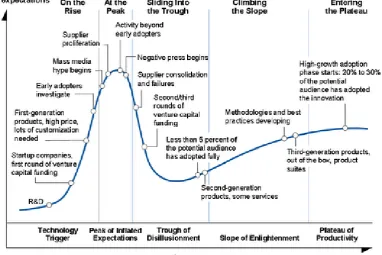
Figure 1.1: TEL hype cycle showing placement of activities in ML (Based on
Gartner’s hype cycle methodology; cited in Walker & Voce, 2014) ... 20
Figure 1.2: Hype cycle of technology’s life cycle (Gartner; cited in bimeanalytics.com, n.d.) ... 28
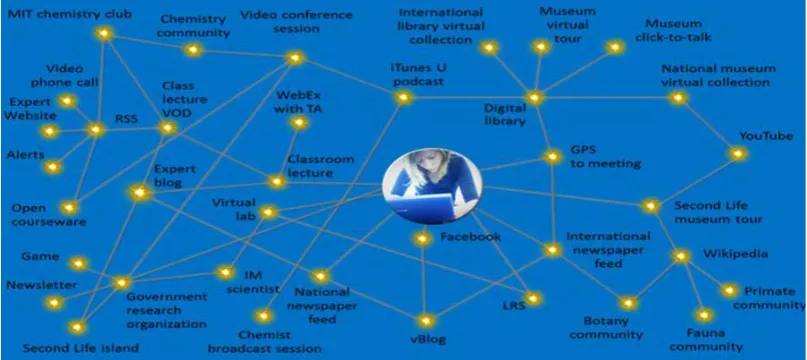
Figure 1.3: Learning ecosystem (Immel, 2014) ... 40
Figure 2.1: tPC penetration in UK Primary and Secondary schools (BESA, 2013, pp. 14) ... 51
Figure 2.2: Model for m-learning (Yi et al, 2009, pp. 727) ... 59
Figure 2.3: Rated ML projects (Frohberg et al, 2009) ... 66
Figure 2.4: Publications excluded / included from analysis ... 67
Figure 2.5: Publications and citations by year ... 70
Figure 2.6: Options for defining benchmarking (Brueck et al, 2003) ... 81
Figure 2.7: Dick & Carey’s instructional design model (Source: Penn State (n.d.) ... 92
Figure 4.1: Subset of goal decomposition from business strategies ... 149
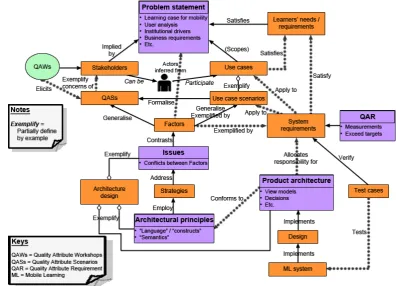
Figure 4.2: Integrated artefacts model architecture for Mobile Learning (ML) (Berenbach et al, 2009, pp. 130)... 150
Figure 6.1: Reasons for not using MDTs in teaching and learning... 184
Figure 6.2: Mobile content support comparison ... 189
Figure 7.1: Mintzberg's Structure-in-5 organisational model (Mintzberg, 1979, pp. 33) ... 261
Figure 7.2: Structure-in-5 model for HEI, based on Mintzberg’s Structure-in-5 model ... 262
Figure 7.3: Representative roles in HEI’s structure-in-5 model ... 264
Figure 7.4: Strategic dependency model for the operative core (Learning and Teaching Execution – LT&E) in HEI ... 264
Figure 7.5: ML system-as-is goal model with quality dimensions... 269
Figure 7.6: ML system-to-be goal model ... 270
Figure 7.7: Actor diagram for Learning and Teaching Execution (LT&E) ... 271
xiv
List of Tables
Table 1.1: Technology in the UK Higher Education Sector ... 39
Table 2.1: Rating and categorisation for tools ... 57
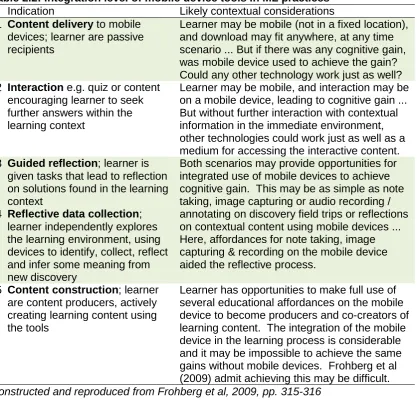
Table 2.2: Integration level of mobile device tools in ML practices ... 58
Table 2.3: Overview of citation data ... 68
Table 2.4: Top ML projects ... 76
Table 2.5: E-learning benchmark indicators ... 82
Table 2.6: ML evaluation criteria and indicators ... 84
Table 2.7: Comparison between ML and e-learning ... 95
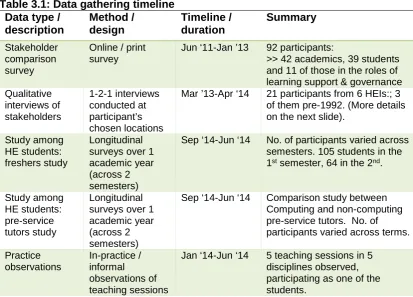
Table 3.1: Data gathering timeline ... 115
Table 5.1: Categorisation of all staff (2012/13) ... 158
Table 5.2: Full time academic staff (2012/13) ... 159
Table 5.3: Motivations for university education ... 160
Table 6.1: Use in teaching and learning (1) ... 183
Table 6.2: Use in teaching and learning (2) ... 185
Table 6.3: Comparison of perceptions of top barriers for MDT use ... 186
Table 6.4: Comparison of perceptions of top drivers for MDT use ... 187
Table 6.5: Mobile content support needs in order of ranking ... 188
Table 6.6: Participants categorisation / educational experience ... 192
Table 6.7: Goal categorisation from responses... 218
Table 6.8: Freshers' study (respondent demographics) ... 221
Table 6.9: Freshers' study (MDT ownership / preference) ... 222
Table 6.10: Top factors for achieving mobility, adaptability and flexibility in learning ... 224
Table 6.11: Session observation disciplines ... 243
Table 7.7.1: The i* framework syntax notations ... 260
Table 7.7.2: Actors and agents in Structure-in-5 model for HEI ... 263
Table 7.3: A subset of the trade-off analysis for ML system ... 266
Table 7.4: Quality dimensions for products and services ... 268
xv
List of Abbreviations
Abbreviation Description
2G 2nd Generation
3D 3 Dimension
3G 3rd Generation
4G 4th Generation
AOSE Agent Oriented Software Engineering
ASG Academic Support Group
BESA British Educational Suppliers Association
BYOD Bring Your Own Device
CAQDAS Computer Assisted Qualitative Data Analysis Software
BYOE Bring Your Own Everything
CRB Criminal Records Bureau
CiCS Corporate Information and Computing Services
DBS Disclosure and Barring Service
FE Further Education
GDP Gross Domestic Product
GORE Goal-Oriented Requirement Engineering
GPS Global Positioning System
GSM Global System for Mobile Communications
GSMA Global System for Mobile Communications Association
GTP Graduate Teacher Programme
HCI Human Computer Interaction
HE Higher Education
HEA Higher Education Authority
HEFCE Higher education funding council for England
HEIs Higher Educational Institution(s)
HEITS Higher Education Information Technology Statistics
HESA Higher Education Statistics Agency
ICT Information and Communication Technology
ID Instructional Design
IDC International Data Corporation
IEEE Institute of Electrical and Electronics Engineers
IPPR Institute for Public Policy Research
ISA Independent Safeguarding Authority
ISD Instructional Systems Design
xvi
Abbreviation Description
KAOS Knowledge Acquisition in Automated Specification or Keep All
Objectives Satisfied
KENE Kaleidoscope European Network of Excellence
LAN Local Area Network
LMS Learning Management System(s)
LSE London School of Economics
LTM Long-Term Memory
MBA Master of Business Administration
MDTs Mobile Device Technolog(ies)
ML Mobile Learning
MLE Managed Learning Environment(s)
MMS Manchester Medical School
MMU Manchester Metropolitan University
MOBIlearn A consortium of international organisations and universities
promoting the use of MDT in workplace learning
MoLeNET Mobile Learning Network, a large scale ML project funded by the
Learning and Skills Council (LSC) during 2007-2009
MOOCs Massive Open Online Course(s)
MS Microsoft
MT Mobile Tags
MUVEs Multi-User Virtual Environment(s)
NSS National Student Survey(s)
NUD*IST Non Numerical Unstructured Data Indexing Searching &
Theorizing
Ofcom Office of Communications
OOAD Object-Oriented Analysis and Design
OOSE Object-Oriented Software Engineering
OpenOME Open Organization Modelling Environment
OS Operating System
PC Personal Computer
PDAs Personal Digital Assistant(s)
PG Postgraduate
PGCE Postgraduate Certificate of Education
QAMs Quality Assessment Method(s)
QARs Quality Attribute Requirement(s)
QASs Quality Attribute Scenario(s)
QAWs Quality Attribute Workshop(s)
QR Quick Response
RCP Rich Client Platform
xvii
Abbreviation Description
SMEs Small-Medium Enterprise(s)
SMS Short Message Service
SRHE Society for Research into Higher Education
SRL Self-Regulated Learning
TEL Technology Enhanced Learning
TIS Technological Innovation System
tPCs tablet Personal Computer(s)
TV Television
UCISA Universities and Colleges Information Systems Association
UC Ubiquitous Computing
UCTs Ubiquitous Computing Technolog(ies)
UCL University College London
UEL University of East London
UDM Unified Development Methods
UG Undergraduate
UK United Kingdom
UML Unified Modelling Language
UREC University Research Ethics Committee
USA United State of America (also known as US - United State)
VC Vice Chancellor
VCG Vice Chancellor’s Group
VLE Virtual Learning Environment(s)
WAN Wide Area Network
WM Working Memory
WMTE Wireless and Mobile Technologies in Education
WoK Web of Knowledge
Chapter 1
It is not the strongest of the species that survives, nor the most
intelligent that survives. It is the one that is the most adaptable to
change.
~ Charles Darwin
The research position
19
1.1.
Frame of reference for the study
The aim of the review of this thesis is to derive models for adoption and integration of Mobile Device Technologies (MDTs) in learning and teaching; proposing new approaches towards sustainable Mobile Learning (ML) practices in UK Higher Education (HE). Techniques and methodologies within
Requirement Engineering (RE) and Agent Oriented Software Engineering (AOSE) disciplines have proven useful for requirement analysis of complex agent oriented systems. Elicitation and modelling techniques of RE and AOSE are applied to fully understand current state of the art of ML domain.
Requirements for seamlessness in future adoptions and integrations of MDTs in learning and teaching are also determined for the purpose of creating abstract models of the system and improving the efficiency of processes within it.
Specific aims and objectives of the review of this thesis can be summarised as follows:
• To investigate factors relating to the adoption, integration and sustenance of MDTs in learning processes and its impact on the transformation of instructional designs and educational processes, in order to highlight links with achievement of overarching goals of a learning establishment.
• To investigate and critically evaluate previous approaches to the examination of MDT adoption and integrations and the practice of ML.
• To develop models presenting and aligning requirements for sustained and seamless MDT adoption and integration in ML practices with goals, strategies and policies of an institution; through elicitation conducted among stakeholders in education such as students, academics /
educators, those in the role of learning support and governance, and IT support personnel etc.
Thus, the study presents ‘system-as-is’ models, drawing specific attention to how issues within the domain may be contributory to difficulties in achieving overarching goals and strategies of a learning institution, as well as ‘system-to-be’ models to illustrate how institutional policies and strategies can be aligned with goals for seamless integration of MDT in educational / ML processes. These approaches uniquely employs techniques provided in domain neutral RE and AOSE disciplines for specifying goals and requirements for complex
systems; a departure from existing approaches in literature for ML, focused predominantly on evidencing benefits through usage implementations and experimentation.
1.2.
Changing face of education
‘The only constancy in life is change’ is a common saying, now a truism of sorts. The phenomenon is particularly applicable to technological developments. It is also applicable to some extent in educational practices; although it could arguably be contended time and events often stand still with regards to traditional learning systems. Regardless, society changes, and so do all systems within it, including education. There are changes in policies guiding core functions and government / funding reforms are constant threats among others. More recently, changes affecting United Kingdom (UK) educational system have been attributed to technological innovations almost as much as to rising tuition-fees; prompting DeShields et al (2005) to suggest institutions must consider a “customer-oriented philosophy” in services delivery (pp. 130).
21
Advances in technological innovations is believed to have resulted in availability of an inordinate amount of “teaching and learning tools” which sometimes complicate matters in DeShields et al (2005)’s opinion (pp. 130). The authors also suggest operational costs as well as demand for sophistication and professionalism in learning and teaching have increased significantly. In that sense, while technology itself is constantly changing, it is also acting as an agent of change in education; influencing conditions, policies, behaviours and practices etc., and perhaps not always for the better.
Over the last three decades for example, advances in Mobile Device
Technology (MDT) development have been phenomenal. From little more than communication tools used by the select few in the early 70s, handheld but more cumbersome than mobile, MDT has become a ‘multi-purpose’, portable and wearable fully-operational computing equipment. MDT is pervasive and intrusive. Yet, it’s been embraced by the society; transforming communication channels and social interactions, fast becoming one of the ‘must-have’
technologies in this age.
DeShields et al (2005) suggests organisations or businesses risk becoming irrelevant if they fail to respond appropriately to changes. Using Gartner’s hype cycle methodology, Walker & Voce (2014) identified ML’s progress from
findings of UCISA longitudinal study (2001, 2003, 2005, 2008, 2010 and 2012) on Technology Enhanced Learning (TEL) in UK Higher Education (HE). The hype cycle placed ML in the “trough of disillusionment”, suggesting interest is not as keen as it may have once been within the domain (see Figure 1.1).
Given the changes in communication, consumer behaviour, social interactions and others resulting from MDT integration in other sectors within the society, expecting a similar trend in Higher Educational Institutions (HEIs) is perhaps understandable. In the last decade alone, academic researchers in HE
believing in the potential benefits of ML have made several attempts to move it along the hype cycle slope. It is conceivable the express objective is to locate ML within the realms of enlightenment, and ideally in the “plateau of
productivity”, where it is assumed transformative impact in learning can be
indication HEIs are struggling to respond as may be expected.
Therefore, this research seeks to understand these changing dynamics from the point of view of the opinions and practices of stakeholders within the domain. A fundamental question for the review of this thesis is how HEIs are responding to accommodate technological innovations in MDT. Secondary but equally
important is to establish the rate at which education should evolve if it is to take full advantage of opportunities presented by advances in MDT proactively. Finally, key challenges for the future, HEIs and stakeholders within the educational community are identified and some likely solutions proposed.
From mobile telephones to PDAs (Personal Digital Assistants) and later
smartphones with touch screen technologies; the blanket term ‘mobile device’ is now used to include wearables, tablet PCs and e-book readers; even including portable laptops, notebooks or netbooks (ABIresearch, n.d.; O’Malley, Vavoula et al, 2003; Brown, 2005; cited in Brill & Park, 2008; Attewell et al, 2009). Common characteristics of devices may include portability and / or wear-ability, multi-device convergence affordability e.g. audio, video, camera etc.,
communication channels e.g. voice services, GPS and location / context-aware services, Short Message Service (SMS) or text messaging service etc.,
Bluetooth and / or Wireless (or WiFi) connectivity and other features and affordances.
In this thesis, Mobile Device Technology or MDT include mobile phones, smartphones, PDAs, tablet PCs, e-book readers and certain portable
notebooks, netbooks, laptops or similar; characterised by features capable of enabling mobility in learning, such as WiFi or other connectivity features (Ogata et al, 2008; Liu et al, Peng et al, 2009; Beasley & Conway, 2011). The rationale behind the expansive definition originates from the fundamental assumption mobility could be a key differentiating factor between other learning processes and those involving the use of MDT.
23
JISC, 2014). BYOD has recently become popular, in part to avoid incurring the unnecessary cost of MDT provision and partly in recognition of preferential issues for technology. MDT categorisation may also influence definitions
proposed for ML and the positioning of MDT in an ML and / or learning process, suggesting an understanding on MDT specification is considered quite
important for clarity in conceptual understanding of ML and for concepts expounded in this thesis. More evidences supporting the expansive definition may become clearer in subsequent chapters.
In the last decade, MDT has been assimilated / appropriated into many processes with mixed results e.g. banking, tourism, entertainment, GPS / location aware services, use of SMS text reminders / prompts in health and other services / sectors (UCLH & Azzurri, 2013). SMS uses are also common in learning administration with popularity growing at all levels: Primary,
Secondary, Further and Higher Education as well as workplace learning (Nie, 2006; Ally, 2009; Hylén, 2012). The review of this thesis is primarily focused on HEIs, with occasional reference to findings of relevance in other contexts for in-depth understanding.
1.3.
Education and Mobile Device Technology (MDT)
The relationship between MDT, ML and education is puzzling but perhaps not surprising. While MDT as a tool of choice definitely has a pronounced presence in the communities, its use in learning in a formal sense and / or in ML
processes is believed to be in decline (see Figure 1.1; Walker & Voce, 2014). Arguably, websites, online learning platforms, Managed Learning Environments (MLE) and / or VLEs etc., increasingly have optimised or responsive content; some of which are MDT-accessible. MDT has also proven quite useful in educational administrations; primarily for SMS text reminders, prompts or information delivery purposes as mentioned earlier (Nie, 2006; Hylén, 2012).
their formal learning activities (Clough et al, 2007; Rajasingham, 2010;
Andersen, 2011; Abdullah et al, 2013). However, fully-fledged integration in a manner contributing to the achievement of learning objectives is decidedly few and far between (GSMA, 2011).
A study conducted at LSE in 2013 found only 14% of 1006 students (142) admit tutors use MDT in “an engaged and rich way” while a further 7% (67) “benefitted
from an integrated approach” i.e. facilitation of teaching and learning activities
(Grussendorf, 2013). This state of affairs seem common in UK HEIs. A similar survey in Northampton University for instance suggested ML is “developing”, adding benefits are still unknown (Howe et al, 2013, pp. 6). EDUCAUSE and other studies found while using MDT is on the agenda for teaching and learning,
“guidance or institutional support” or usage policies for both staff and students
lacking (Dahlstrom & diFilipo, 2013, pp. 24; Walker et al, 2013).
High visibility of MDT among students is seen as a strong driver. MDT is no longer for the select few as they become increasingly low cost to acquire and use; connectivity provision increasingly robust, free and secure in public spaces. In developed countries, many students own at least one device (Hopkins et al, 2013) and ownership is growing in less developed countries (Mulligan, 2013). Recent surveys conducted in UK HEIs reported some students own an entire range, from mobile handsets to tablet PCs and variations of models in-between (University of Sheffield, 2011).
Perhaps recognising this, many HEIs as well as business organisations are in a rush to implement BYOD schemes and focus on providing support for devices as well as access to robust wireless networks (Walker et al, 2013). Some issue free tablet PCs to students along with free e-books and study materials pre-loaded. University of East London (UEL) is one example, planning to issue Samsung devices pre-loaded with core texts to some students in 2014/15 academic year. Southampton, Staffordshire, Glasgow’s Adam Smith Business School, Queen Mary and University College London already offer iPads or Android tablets on selected programmes.
25
found only 19% of 98 respondent institution have an ML strategy; uses of MDT generally described as “mobile learning for course materials, lecture capture,
quizzes” (Walker et al, 2013, pp. 61, 80). A member of the board of one of UK
HEIs admit the expectation regarding provision of tablets to students is for students and academics to use “as they see fit” to enhance teaching and learning; with no formal strategies beyond the provision. Carroll et al (2002) believe the end result of such approaches may be uncertain, encouraging either acceptance or rejection by students, educators and / or other stakeholders in education.
1.3.1. The history of MDTs
The first handheld mobile device emerged in 1973, Japan the first to
commercialise an MDT network in 1979. Introduction of 2G standards in 1991 led to the launch of the first of Europe’s GSM 2G networks in Finland. This began an era of SMS messaging and the manufacture of touch screen devices, PDAs and smartphones. An Oracle study in 2011 found almost 70% of
consumers surveyed use smartphones in place of digital cameras, iPod / MP3 players and GPS systems (Oracle, 2011, pp. 4). Screen sizes became less of an issue as devices with larger screens began making their way into the market and educational processes.
A 1981 article titled “Portents of Future Learning” featured in New computers, a computing magazine, predicted some of the scenarios now unfolding. At the time, e-books and the first commercially available portable device have
emerged and the author reported Motorola was also being pushed to develop wireless communication products “small enough to use anywhere and at
anytime”. Considering children’s ability to use microcomputers more easily, the
author added some schools may soon provide “compact electronic learning aids
that can be toted to and from school like a lunch box” (TIME, 1981, pp. 77).
Establishment of wireless standards in the mid-1990s was a notable game changer, making mass learning on mobile devices even more feasible.
credited for the availability of increasingly sophisticated devices with potential educational affordance features (Sheridan, 2013). Invariably, 1990s saw the start of e-learning and / or b-learning (blended learning); the former now more closely associated with learning delivered online. As mobile devices make their way into educational processes, the terms hand-held learning, mobile learning
or m-learning began to appear in research publications.
In November 2001, Apple released the first generation of iPod devices, and in 2007, the first generation of iPhones; starting a trend in the development of MDT “app”, a term used for purpose-built applications on mobile devices. Apple’s iTunes, Google’s Android market and more recently, Microsoft’s Windows Store provided online platforms for MDT “app” tools, enabling easy access to a growing array of apps. The Oracle study found only 37% of those surveyed indicated they have never downloaded an app to their mobile device, with 4% unsure by 2011 (Oracle, 2011).
Whether accidental or by design, some believe app evolution has influenced software applications design, implementation and marketing strategies
considerably (Garg, Lehman, 2013). Apps have also given rise to a variety of ‘portable’ learning systems delivering powerful, innovative and engaging content to learners’ mobile devices. It is now a commonly acceptable term for small-medium purpose-built applications capable of performing single tasks on smartphones, tablets, laptops as well as online portals and desktop PCs. It is however believed the development present several challenges relating to cross platform integration and choice of development tools (Ali, 2013).
MDTs have changed the way we communicate with each other, perhaps not always for the better (Castells et al, 2007; Roberts, 2010). New vocabularies creep into speech patterns, many of which are ‘on the spot’ creations
27
The necessity to make messages short and to the point, popularised by the creation of Twitter in 2006, have also been attributed to originate from device-affordance culture; the conceptual remit for Twitter was reportedly founded on
“the idea of an individual using an SMS service to communicate with a small
group”. This is perhaps also not unconnected to limitations imposed very early
on by small screen sizes and text input systems on devices. Summing of
scenarios and events into small bite-sizes have become entrenched; sometimes called ‘tweets’: a term also popularised by Twitter ('Twitter', 2014).
This particular culture is also believed to have yielded mixed results. While on the one hand the ability to summarise and synthesise information is being developed, communication, spelling and grammatical abilities are negatively impacted. The intrusion and demand for immediate attention / response to text messages is also considered distractions on learners’ ability to concentrate as necessary at times (Stewart, 2013).
MDTs may also be acting as a catalytic symptom of age and class divide. We Are Apps report suggested while technology acceptance is growing among those age 65 years and over, younger adults are more likely to own or use MDTs (We Are Apps, 2013). A BBC report in 2010 concurred, suggesting fear is the main barrier. In spite of increasing usability of computing equipment and MDTs, reduced cost and considerable benefits to lifestyle, mention of the words ‘computer’ or ‘technology’ immediately puts elderly people off (Wakefield, 2010). The BBC report however suggested there are indications devices with touch screen technology is proving increasingly popular.
1.4.
A roadmap for Mobile Learning (ML)
As may be deduced from previous sections, MDTs have not been spared from educational appropriation attempts, by no means (Walker et al, 2013). In a pattern now considered modus operandi of sorts, MDT has had its fair share as may have been illustrated by the TEL hype cycle in Figure 1.1. Members of the educational community are likely familiar with discourses on ill-considered enthusiasm accompanying advents of innovative technologies. Whether
measure.
Arguably, early promises of a technology are often overshadowed by the “hype” accompanying technological adoption in most cases but perhaps particularly true for learning establishments. Some technological systems are eventually found to be either badly managed, unfit for purpose and / or mal-aligned with the broader learning and teaching strategies of the organisation as noted by Gartner (2008), deriving the hype cycle methodology illustration in Figure 1.2.
The graphical representation of the phases in Figure 1.2 show early adoption following rapidly after a trigger period. This phase is characterised by “inflated expectations” and lack of conceptual understanding, sometimes leading to ill-judged experimentations. The process continues through periods of
disillusionment, and a much lengthier period of enlightenment and productivity. Figures 1.1 show ML progression is proving true to this form, currently believed to be in disillusionment phase.
Loose conceptual interpretation was one of the major issues identified in literature quite early on, symptomatic it is believed, of the lack of clarity
[image:28.595.134.517.408.663.2]29
the field by specifying characteristics helped but many of these are subjective and open to interpretation. For example, Liu et al (2009) suggested ML process should exhibit characteristics including permanency, accessibility, immediacy, interactivity, situation, calmness, adaptability, seamlessness as well as
immersion. The problem is many of these attributes could also be applicable to an e-learning process (Yi et al, 2009).
Regardless, ML has gained some grounds as a discipline in recent years. There are now several conferences and journals dedicated to ML running periodically, with publications spanning over a decade. Early trial attempts may have suffered from device limitation issues, ranging from small device screen and poor processing capabilities to poor performances due to less than robust network platforms with little or no connectivity to external systems (Clough et al, Litchfield et al, 2007; Kim, Wang et al, 2009). Many of these issues have either been eradicated or subsumed with others as new advancements emerge.
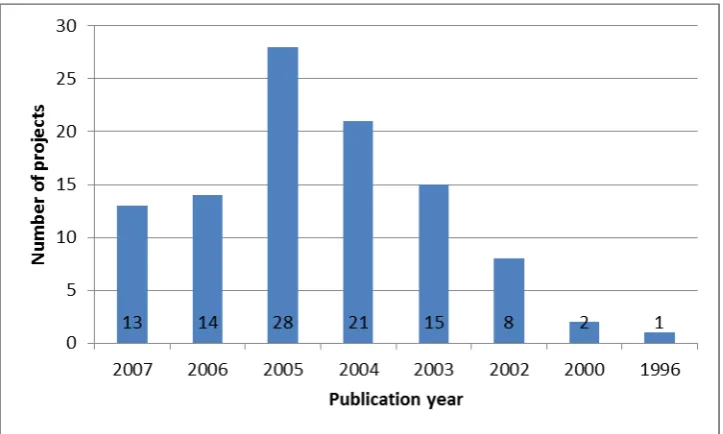
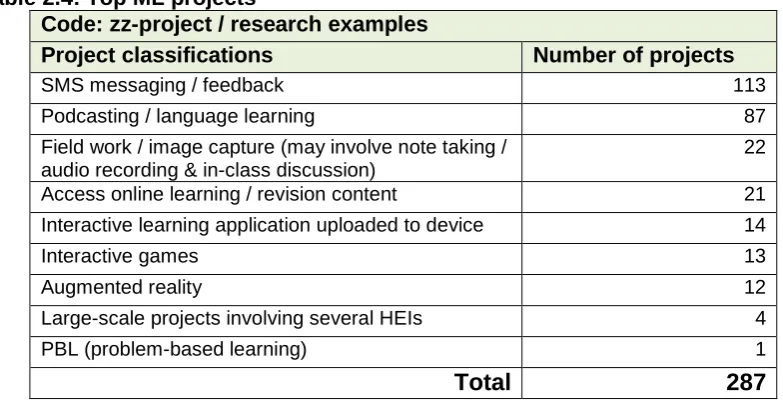
Frohberg et al (2009) found and categorised 102 ML instantiations between 1996 and 2007, many of which have since been discontinued or stalled. Others including ESCalate from the University of Bristol presented several more. ESCalate titled its publication “Making mobile learning work …” perhaps summing up the general feeling about the state of the art (ESCalate, 2011). A survey conducted in Northampton University between December 2013 and January 2014 found ML is still in its infancy within the university, adding “staff and students are often unaware of opportunities and may benefit from examples
of good practice” (Howe et al, 2014, pp. 6).
This may indicate there is a disconnection between theoretical understanding, ML activities and continuing practice. Introducing ESCalate publication, Traxler (2011) suggested case study of activities may help influence “policy and
practice” (pp. 10). Attewell et al (2009)’s report of the MoLeNET project also
found some evidence to support the need for expert practitioners with experience in using MDT in learning. Years earlier, Engelbrecht (2003) cautioned there must be a distinct move from mere replication of traditional classroom with technological support to exemplar practices in “online
The latter, it is believed, has the benefit of considered processes based on pedagogical underpinning and empirical research findings.
1.4.1. Motivating today’s learners?
How do adults learn? Or perhaps more precisely: Is adult learning any different in today’s technological age than it was in previous ages? Age-old questions that will likely be forever pondered upon in educational cycles. The answer may not be simple and can be extensive in spite of years of research (Fry et al, 2008). This section will attempt a brief discourse on the subject which will be further developed in subsequent sections and chapters within this thesis.
Years ago, Kolb (1984) supplied a theory considered revolutionary at the time and since, suggesting learning can be modelled in a cycle comprising of four learning abilities and contexts: concrete experience, reflective observation, abstract conceptualisation and active experimentation. Kolb added learning should be characterised by “doing” or experiencing. This concept has since been given the term experiential learning, commonly believed to be especially useful in adult education. It has also been found to be particularly relevant in ML processes; researchers suggesting educational affordances of MDTs make them especially suitable for facilitating experiential learning processes (Lai et al, 2007; Dyson et al, 2009; Genossar et al, 2008; cited in Daher, 2010).
A second idea, perhaps also considered profound when originally proposed and since concern taxonomies proposed by Bloom et al (1956; cited in “Bloom's taxonomy”, 2014) which suggest there are three domains of learning: cognitive (concerned with knowledge and intellectual skills), psychomotor (relating to physical skills) and affective (relating to feelings and attitudes). This school of thought may offer some basis for those suggesting there must be
considerations for students’ preference for deep, surface or strategic approaches to learning.
Students who prefer a deep learning approach are believed to enjoy “learning
for its own sake” (McKimm, 2002, pp. 4). Deep learning involves critical
31
and problem solving (Case, 2008; HEA, 2011). Other students may have preference for the surface approach, seeing studying only as a means to an end. Students adopting the surface approach will accept new facts / ideas without critical analysis or questioning and are heavily reliant on rote learning. Entwistle (1998; cited in McKimm, 2002) added strategic learning as a later categorisation, concerning those with preference for passing and achieving highly but without real interest in the learning itself.
Abstraction of meaning and understanding reality are indications of deep approaches to learning; while increase in knowledge, memorising and acquisition of procedures are considered indications of surface approaches (Biggs, 1987; cited in McKimm, 2002). Strategic approaches are typified by consistently focussed effort into studying, seeking out the right conditions for success, managing time well, awareness of assessment requirements and focusing on satisfying the requirements, and working to satisfy perception of tutor’s preference (McKimm, 2002, pp. 5).
Guiding students through Bloom’s domains of learning and / or motivating them to “deep” rather than “surface” or “strategic” learning is likely the ultimate goal of any teaching and learning strategy (Bloom et al, 1956; cited in “Bloom's
taxonomy”, 2014; Kukulska-Hulme, 2010). Achieving this objective is another matter entirely. VanderArk & Schneider (2012) maintain ML “apps and
game-based learning” can enable “possibilities for regular student application of
critical thinking and problem solving skills”, thus achieving deep learning (pp.
16).
Scaffolding learning is another consideration for motivating learners to deep learning; in a gradual process which provide learners with support until they
“gain mastery of the task”, at which time the scaffolding is removed (Wood et al,
1976; cited in Tharp & Gallimor, 1988; cited in Abdullah et al, 2013). MDT is believed to be particularly useful in enabling scaffolds in learning processes. VanderArk & Schneider (2012) suggest the “critical thinking and problem
solving skills” mentioned earlier can be done in a scaffold ML process “by
allowing students to collaborate seamlessly with peers and teachers for ongoing
Context-aware information from web-based response systems have been utilised successfully in ML implementations with students to facilitate learning with scaffolds (e.g. Chen et al, 2003; Chen et al, 2008; Wishart, 2013; Abdullah et al, 2013). However, Valcke (2011) suggest MDT may be a barrier to deep learning, stating most implementations reduce them into tools for distribution of learning content for the most part. Liu et al (2007; cited in Taylor, 2010) agree, adding there is a neglect for context considerations “as an interacting factor”, specifically “what aspects of the context are necessary to enable deep learners
to engage effectively” in some ML implementations (pp. 33).
Lyons (2010) also agree, illustrating the problem in an ML zoo visit scenario, facilitated through MDT affordances and connectivity capabilities such as GPS / context and / or other location-aware sensors and WiFi and data connection systems. In such scenarios, Lyons (2010) maintain, learning outcomes will be
“more affective than educational”, with “opportunities to engage in deep
reflection” uncertain or “rare” (pp. 35). Among others, these are important
considerations for the review of this thesis in order to establish the placement of MDT in educational processes. In Section 5.2, some of the theories considered in this section will be explored in more details as relating to HE and its students in particular.
1.4.2. MDT ownership among HE students
Reports of research studies conducted in various universities would suggest MDT ownership is increasing among students each year. University of Northampton surveyed 444 respondents in 2012/13 and 2013/14. For comparison, results for 2012/13 are also shown as follows:
• 93.5% students and 6.5% staff (2012/13: 63% students; 37% staff).
• 97.3% of survey respondents currently own or regularly use a mobile device capable of connecting to the Internet (e.g. a smartphone or tablet) (2012/13: 95.8%). Of these,
o 93.2% own a smartphone (2012/13: 83.4%)
o 54.1% own a tablet device (2012/12: 37.5%) • 92.5% own a laptop (2012/12: 88.2%)
33
• 4% are planning to purchase a laptop in the next six months (2012/12: 3.2%)
Source: Howe et al (University of Northampton), 2014
London School of Economics surveyed 1130 students with 1070 completing in 2013 and found the following:
• 99% own a laptop (53% windows, 45% Apple Mac OS)
• 91% own a mobile phone with internet connectivity; only 8% of respondents own phones without connectivity (47% iPhone, 33% Android, 8% Blackberry).
• 36% of respondents own a tablet and 36% other.
• 1% have no laptop or mobile phone and 64% have no tablets.
• Most of the students own a laptop as well as a mobile phone; 377 (35%) of these also owning a tablet (83% of which have Apple iOS – proprietary OS in Apple devices).
Source: Grussendorf (LSE), 2013
University of Sheffield received 2180 responses, 9% of the university’s student population, to a study conducted in 2011. Male respondents make up 46% of the total; 54% were female. Only 81% of students between 18-24 years old completed the survey. This age group reportedly account for 89% of the university’s student population. The following are the results:
• 98.94% (2157) own a mobile phone; and 56% own a smartphone.
• 89.91% (1960) own a laptop; 11.97% (261) own a netbook.
• 6.65% (145) own a tablet / e-book reader
• Less than 1% (9) do not own a mobile phone.
• 5 students own all equipment (smartphone, laptop, netbook, tablet/e-reader etc.).
• Just over 1% (26) owned all equipment except a netbook and 5 own all equipment except a laptop.
Source: CiCS – (University of Sheffield), 2013
Manchester Metropolitan University (MMU) interviewed 100 students about their use of technologies in general on campus between January-March 2011. The following are some of their findings:
• 98 of the 100 students interviewed brought their mobile phones with them to the interview; 45 also brought a laptop or netbook.
• The following are the students’ modes of accessing learning:
o At the university: mobiles: 79 / laptop: 31 / desktop: 40
o From work: mobiles: 32 / laptop: 4 / desktop: 1
o From train / bus: mobiles: 67 / laptop: 13 / desktop: n/a
o From café / pub: mobiles: 57 / laptop: 15 / desktop: n/a
OMbeil's report in June 2010 (The Rise and Development of the Smartphone, cited in GSMA, 2011) provided the following data:
• University of Edinburgh surveyed about 2000: 49% had smartphones (Apple 35%, Nokia 25% and Blackberry 17%).
• Trinity College Dublin conducted a survey of about 2250: 40% had internet enable phones.
• Kent University surveyed 270: 78% had wireless access, 68% collected email via phone.
Thus, it is no longer a question of availability. MDT’s presence within the walls and bounds of educational establishment is becoming the norm, just as it is in the society. Consequently, GSMA (2011) report suggest, “as students become increasingly mobile, it is likely institutions will have to adapt to accommodate
this demand” (2011, pp. 24; Walker et al, 2013). The suggestion may be
evidenced up to a point in HEIs’ current responses; many making increasing efforts to improve connectivity and network infrastructures around campus (UCISA, 2011).
1.4.3. Can MDT cure short-comings in learning?
This is arguably another question that may be difficult to answer. An attempt will be made by presenting a few case study examples from ESCalate and UCISA’s Good Practice Guide for ML to establish a reference point for a discourse on the matter. The first of these is a flood disaster simulation by academics from the University of Aberdeen with final year undergraduates, reported in ESCalate (Cornelius et al, 2011, pp. 13-17). The simulation
occurred over a 3-day period, involving the use of SMS text messaging to teach about decision making in a flood disaster scenario.
Text messages to students prompted for decisions, followed by further
35
managers. In general, there were positive reactions from students but some suggest more information should be provided through the text message responses / prompts from the system. The facilitator noted longer messages will require ‘newer phones’ with adequate screen sizes and a complex decision tree system a substantial design effort.
A second example, facilitated by a member of the Learning Development Center at City University, London was also reported in ESCalate. It involved a group of postgraduate students using GPS to gather data for decision making activities on residential field trips, using their mobile devices. The study considered problems that may arise from students using own devices as
opposed to borrowing them from the institution, suggesting students may prefer the former. A key recommendation was the need for loose structures allowing for flexibility and creativity on the part of the students (Beddall-Hill, 2011).
The third example is from a publication by the Academic Support Group (ASG) of UCISA’s Digital Skills and Development Group. Reported to be the “first and
largest iPad” ML case study ever implemented in UK HE, it could quite simply
be one of the best illustrations of how ML can be differentiated from other types of learning as explored later in Section 2.4.2. The study occurred during the clinical phases in years 3-5 of 450 students in Manchester Medical School (MMS). The students were distributed across England in 15 teaching hospitals, which meant they were geographically separated; and there were also
inconsistencies reported in terms of “access to reliable technology and
educational resources” (Mooney et al, 2014, pp. 18).
Facilitators maintained the only workable solution in this case was ML, suggesting it allowed a “more cohesive curriculum delivery with such a
distributed student community … from a centrally hosted platform” (Mooney et
al, 2014, pp. 18). The tutors developed "over 150 purpose built" ML learning content for not only iPads but also accessible on other devices, for example, those on Windows OS. Challenges concerned the cost of issuing iPads to the students and the amount of time needed for configuration by IT service staff (pp. 19).
be, not only viable and sustainable, but also transformative. The amount of effort and considerations required to implement and administer such scenarios was noted by many of the facilitators. This could be prohibitive if efforts
required are excessive (Beer, n.d.). There are also requirements for some innovative thought process to address challenges. In addition, it may be important to note the first two examples was focused on role playing and decision making, although the second gathered data from external sources rather than responding to an online system.
The third was primarily a logistical solution without any evidence other educational affordances on the device was used in the process besides mobility, accessibility, connectivity and ubiquity of the learning (Woodill, 2010, pp. 53; cited in Belshaw, 2010; pp. 10). Therefore, a necessary question may be whether MDT is applicable in every discipline and every learning scenario. Would the same process be replicable in a computer programming,
engineering, history, mathematics or fashion designing etc., in the same way and with the same degree of success?
It is clearly impossible to provide applicable case study for every learning scenario instance. A more sustainable approach may require a re-engineered thinking process across all domains within teaching and learning that is based on the need to transform the established status quo. For example, ‘What is learning?’ is another question that may be added to such age-old questions as have been asked in this chapter. Conceivably, many of these are perhaps not asked often enough anymore; the assumption answers are already known. Thus, “What is learning?” can only be a start that should be expanded to reflect the problem more specifically i.e. What are the requirements for learning in an abundantly available technological age and what part does MDT play?
37
replication of traditional processes, even when ‘enhanced’ by technology. They conclude this method has two likely end results: integration or
“disappropriation”; suggesting a more useful approach will be one that
establishes an “understanding of young people’s use of mobile technologies” first before integration in learning (pp. 2).
Over a decade later, there’s an acknowledgement the authors may be right in a JISC report (2007; cited in Kukulska-Hulme, 2010) suggesting learners are
“under-researched and imperfectly understood … in a digital age”, adding there
is “a mismatch between the expectations of academic staff and the study habits
of learners” (pp. 7). To find likely answer(s) to the question(s) asked in this
chapter therefore, it is argued more rigorous research is needed; one that is able to determine the precise requirements for achieving all the desirable goals.
1.4.4. The challenge for education
It may perhaps be quite clear now education have probably never faced a greater set of challenges. MDT for instance is a technology that has undergone so many rapid feature changes in the last decade alone. The response within educational community seem to occupy two opposing extremes: enthusiasm and periods of activities involving trials with learners or dismissal / indifference (see Figure 1.1). Constant feature changes add another level of complication for sustained usage (Clough et al, Lai et al, 2007; Kim, Peng et al, Taylor, 2009). Learning establishment often have good intentions and try to ensure they keep up to date with the latest emerging technology. However, no sooner has one been appropriated before it becomes obsolete and unsupported by manufacturers.
they can offer that these online alternatives cannot" (IPPR, 2013, pp. 32).
The conceptual understanding of ML in learning is another major challenge. The precise characteristics of an ML process is uncertain, resulting in difficulties to evaluate their effectiveness. Should access to learning content be
considered an ML process and if so, where or when is the learning occurring? Should the term be applied to processes involving what may be considered “deeper cognitive learning” achieved through MDTs only? How about when used in learning administration; new learning resource alert, schedule changes, upcoming events etc.? Similar questions have been topics of many discussions on the issue in recent past; leading to the suggestion it may be time to ignore these issues and focus on moving the agenda forward (Traxler, 2005, cited in Winters, 2006, pp. 5; Duncan-Howell & Lee, Lee & Chan, Traxler, 2007; Dyson et al, Peng et al, 2009).
Difficulties in quantifying benefits or evaluating ML processes have not been helpful; attributed in part to lack of consensus in conceptual understanding (Frohberg et al, 2009). Wang (2009) went further to suggest best practices are yet to be defined, adding more is needed to identify precise characteristics and strengths of ML. There are other concerns and challenges. For instance, while it may be accepted mobile devices could enable flexibility in learning, additional complications and potential disruptions in classroom management is proving insurmountable. In questionable usage circumstances, the response in some institutions is an outright ban for their use.
This is most common in Schools and Further Education (FE) colleges; reasons given including combatting bullying, helping students concentrate better,
encouraging better behaviour / obedience to rules etc. (Gray, The Guardian, 2011; Barkham & Moss, 2012). Government ministers sometimes wade into the debate, calling for legislations and bans to be upheld, at least in schools (GSMA, 2011, pp. 12). However, there are signs opinions are changing (GSMA, 2011, pp. 12). In some UK schools, pockets of protests have been reported recently against bans; students in Seaford Head School in East Sussex for example raising a petition against mobile phone ban, albeit only “at
39
Some HE students have also reported tutors prevent them from using devices in lecture halls assumed to result from lack of policies guiding their use. A survey commissioned by Manchester Metropolitan University Student Union (MMUnion) to determine preference following complaints from students
“unhappy that they were being asked not to use and / or turn off their mobiles
during lectures” is one example. Noting the problem is not “limited to MMU as
was demonstrated in the Times Higher Education” in the week preceding the
report, their findings suggested 23% think devices should be banned during lectures, 52% want the tutor to decide and 25% want MDT use encouraged (MMUnion, n.d.).
The GSMA report mentioned earlier suggests the problem may have something to do with wireless network infrastructure provisions. A BESA research found 75% of primary and 92% of secondary schools have wireless networks.
However, the bandwidth demand is assumed to be “more than twice” what was available at the time (GSMA, 2011, pp. 12). The possibility of some students using devices to gain unfair advantage in assessment was another issue highlighted (Moallem 2005; Clough et al, 2007).
Table 1.1: Technology in the UK Higher Education Sector
Technology Penetration
Virtual Learning Environments: 100%
– Blackboard Classic (main VLE) 25%
– Moodle (main VLE) 23%
Centrally supported technology
– e-Submission 89%
– e-Assessment 80%
– e-Portfolio 72%
– Social networking 33%
(Source: GSMA, 2011)
However, despite all these issues, institutions and learning providers expend a considerable part of their annual budget providing robust wireless connectivity and support for MDTs. The 2010 HEITS study reported 81% of HEI
Given these scenarios, HEI governance often argue enough is already being done while accepting there are always room for improvement. E-learning provisions such as Learning Management Systems (LMS) or Virtual Learning Environments (VLE) are often cited in addition to wireless connectivity and BYOD support. UCISA's 2010 survey of Technology Enhanced Learning (TEL) for HE and Kable's Education ICT in the Public Sector (cited in GSMA, 2011) found some evidence supporting some degree of penetration of those systems (see Table 1.1).
A survey by Blackboard however found “only 14% of FE and HE students are provided with services delivered to their mobile devices … customised for a
mobile phone” and only 8% send updates via text messages (cited in GSMA,
2011). McLoughlin and Lee (2008) argue LMS or VLE may not be adequate to support the requirements of today’s learners. The authors added these
systems merely imitate … ‘models, conforming to a “student-as-information
consumer”’’. Carroll et al (2002) agree, maintaining infrastructure provision
alone cannot equate considered TEL integration approach (Tenekeci, 2011).
[image:40.595.125.529.444.624.2]41
Partly because MDT availability and ownership among students is growing as outlined in Section 1.3.2, as a result of changing roles, students becoming more aware of their status as customers, and also because ignoring problems is probably not a lasting resolution, HEIs and other educational establishments may find changing in some form or the other inevitable (Beer, Powell, n.d.).
1.5.
Old story, new approach
Learners before the 21st century may find some of today’s classrooms unrecognisable in many ways. Figure 1.3 shows a learning ecosystem
copyrighted by Imagine Education and featured by Tracy Immel (2014; cited on Anthony Salcito’s blog). The ecosystem conceptualised the complex network of available technologies and learning systems characterising some learning environments.
A group of students in Brentford School for Girls (UK) recently asked some their peers to design their ideal classroom space. Interestingly, in most of the
designs proposed, tutor’s placement in the classroom was not so obvious or prominent. Supported by NEXT.cc1, the students designed spaces unlike any of the classrooms they are very likely used to, centering around small group collaborations; some located in unusual areas like gardens, foyer etc (NEXT.cc, n.d.)
Needless to say, such environments may require new learning paradigms, and a radical thought process. Tutors, learners and members of the educational community may also require new sets of skills to thrive in such environments (see Figure 1.3 and 6.1). The expectations MDT could be part of the solution remain unrealised to a large extent, perhaps leading Petterson & Vogel (2012) to argue the desired end result of many of the MDT integration attempts have not been translated into practice. The authors suggest reusability and
interoperability in ML systems may be the answer.
Thus, MDTs may be increasingly multi-functional, convergence devices, but
opinions are still divided on their precise role in learning. Traxler (2012) claim it has been demonstrated ML “can extend, enhance, enrich, challenge and disrupt
existing ideas and assumptions about learning” (pp. 7). However, while
students use MDTs to support informal learning, it is unclear what impact this is having on the formal process. Also and by all accounts, those in the
educational community seem unable to see those benefits or unsure how to integrate MDTs into formalised practice (Kukulska-Hulme, 2009; Oracle, 2011; Cruz et al; Petterson & Vogel; Traxler, 2012). Regardless, the perceived inertia or decline in interests (see Figure 1.1) may offer more tangible support for the need for a different approach (Petterson & Vogel, 2012).
Considering these issues, Rajasingham (2010; cited in Petterson & Vogel, 2012) agreed a different approach is needed, suggesting solutions may include
“a standard set of tools, a theoretical framework, multiplatform adaptability,
sustainability, integration and course / instructional design”, to which Petterson
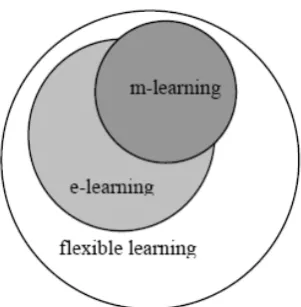
& Vogel (2012) added interoperability, suggesting “proven business models” are still lacking (pp. 306). Rajasingham (2010) believe it is yet to be decided if ML can be a “sustainable, pedagogically sound real learning … relevant” in all subject disciplines, styles of learning, contexts, cultures etc (pp. 8). The author propose ML as a subset of e-learning to move the agenda forward. In this study, it is suggested there is a need to determine the requirements for the effective usage of MDTs from an organisational perspective using
methodologies such as Requirement Engineering (RE).
RE is a domain neutral discipline, offering techniques capable of providing insights into problems and issues plaguing a system (Berenbach et al, 2009). The techniques are particularly suitable for use with complex and
interconnecting systems such as ML; aiding in specifying goals and
requirements for that system. They can also be used to align teaching and learning practice / strategies with the overall goals and strategies of learning establishments.
1.5.1. Engineering current reality
43
concerned with identifying and communicating the purpose of a
software-intensive system” (pp. 7). Easterbrook (2004) added RE “provides a framework for understanding the purpose of a system and the contexts in which it will be used”, bridging “the gap between an initial vague recognition that there is some problem ... to building a system to address the problem” (pp. 3). Another
definition for RE proposed in the year 2000 by Easterbrook, in collaboration with Nuseibeh, st