Closing the Gap: Young
People’s Views on Learning at
School
ANNA GRIFFITHS
A thesis submitted in partial fulfilment of the
requirements of the University of East London for the
Professional Doctorate in Educational and Child
Psychology
i
Declaration
I declare that while registered as a research degree student at the University of East London, I have not been a registered or enrolled student for another award of this university or of any other academic or professional institution.
I declare that no material contained in this thesis has been used in any other submission for an academic award.
I declare that my research required ethical approval from the University Ethics Committee (UREC) and confirmation of approval is embedded within the thesis.
... Anna Griffiths
ii
Acknowledgements
I would firstly like to thank my fantastic academic tutor Dr Laura Cockburn, for reading the many drafts of this thesis carefully from its inception, and giving such useful guidance, feedback and encouragement. Thanks also to Professor Irvine Gersch, who gave me much valued time and support throughout the process of completing this project. In addition, the rest of the tutor team at University of East London provided amazing support and guidance. I feel very lucky to have had the opportunity to complete this course at the University of East London.
Sincere thanks to the school in which this research was carried out, particularly the Assistant SENCo who went to great lengths to help me to organise research interviews.
This research would have been impossible without the young people that agreed to take part and share their experiences with me. The interviews with young people were an incredibly privileged and humbling experience.
Thanks to my placement supervisor Dr Tina Axup and other colleagues in my placement borough for supporting the process of my research and giving useful feedback.
Many thanks to friends who helped me with practicalities and emotional sustenance while I was completing the research: Fiona Mannion, Heather Middleton for the amazing artwork on the participant feedback sheets, Sahar Qureshi, and all my lovely colleagues on the Doctorate course.
iii
Abstract
The UK has been criticised for its inequitable education system, as student outcomes are strongly linked to parental socio-economic status. Children and young people experiencing poverty are less likely than their better off peers to leave school with good grades, which can perpetuate disadvantage in later life.
The attainment gap between children and young people experiencing poverty and their better off peers in the UK is widening, despite an increasing media and policy focus in this area. Poverty-related educational inequality is a complex area and there is no conclusive evidence in what works to reduce its effects. While there is a plethora of research on the impact of poverty on education, very little of it includes the voice of children and young people and/or the psychological impact of poverty on learning.
The importance of hearing the views of children and young people is central to educational psychology, as is social justice and facilitating access to the curriculum for all students. The barriers presented by the experience of poverty to learning are thus vital for educational psychologists to address.
This study used qualitative methods to explore the learning journey of Key Stage 3 (age 12-13) young people experiencing poverty in an English coastal borough. Questions from the Little Box of Big Questions 2 were used as a tool in semi-structured interviews, in addition to questions devised by the researcher.
iv
Table of Contents
Declaration i
Acknowledgements ii
Abstract iii
Table of Contents iv
Abbreviations used in the thesis viii
Chapter 1: Introduction 1
1.1 Terminology and definitions 2
1.1.1 Poverty 2
1.1.2 Definition of Poverty in this Study 3
1.1.3 Hidden Poverty in the UK 4
1.1.4 Inequality 4
1.1.5 Working Class 6
1.1.6 The Politics of Poverty and Inequality 7
1.2 Context and Background 8
1.2.1 The Poverty-Related Attainment Gap 8
1.3 Reflexivity: The Researcher’s Perspective 9
1.4 Hearing the Voice of Children and Young People 10
1.5 Research Questions 11
1.6 Overview of the Thesis 12
Chapter 2: Literature Review 13
2.1 Introduction 13
2.1.1 Narrative Review Strategy 14
2.2 Research: Poverty-related Educational Inequality 15
2.2.1 The Voice of the Child 16
2.2.2 The Social and Cultural Capital of the Family 19
2.2.3 School systems, teaching and leadership 21
2.2.4 Psychological Factors 29
v
Chapter 3: Methodology and Data Collection 36
3.1 Introduction 36
3.2 Design of the Study 36
3.3 Research Ontology and Epistemology 37
3.4 Research Aims, Objectives and Purpose 38
3.5 Participant Recruitment 39
3.6 Data Gathering method: Semi Structured Interviews 41
3.7 Transcription 44
3.7.1 Critique of Transcription 45
3.8 Data Analysis: Thematic Analysis 46
3.8.1 Critique of Thematic Analysis 51
3.8.2 Quality Criteria 52
3.9 Ethics 55
3.10 Summary 57
Chapter 4: Findings 58
4.1 Introduction 58
4.2 Theme 1: Aspects of school influencing learning 60
Subtheme 1.1 Teacher attributes: supports 60
Subtheme 1.1: Teacher attributes: barriers 62
Subtheme 1.2: Relationships with teachers: supports 64 Subtheme 1.2: Relationships with teachers: barriers 65
Subtheme 1.3: Peer relationships: supports 67
Subtheme 1.3: Peer relationships: barriers 67
Subtheme 1.4: Exclusion leads to disengagement 68
Subtheme 1.5: Challenges of school systems 70
Subtheme 1.6 Pastoral support 71
Subtheme 1.7: School environment 72
Theme 1: conclusion 73
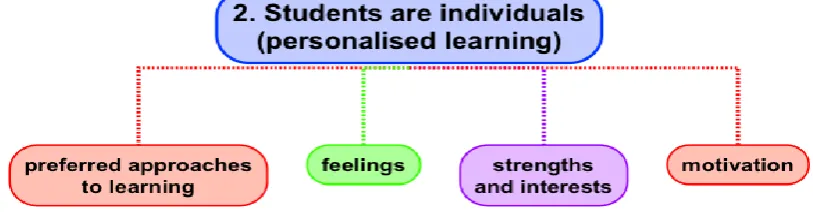
4.3 Theme 2: Students are individuals (personalised learning) 74
Subtheme 2.1: Preferred approaches to learning 74
Subtheme 2.2: Feelings 77
Subtheme 2.3: Strengths and interests 79
vi
Theme 2: Conclusion 83
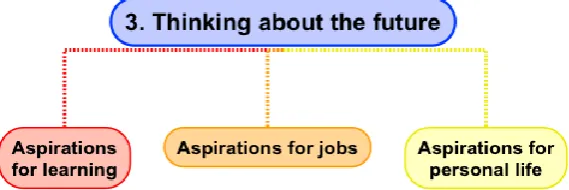
4.4 Theme 3: Young people’s aspirations 83
Subtheme 3.1: Aspirations for Learning 84
Subtheme 3.2: Aspirations for Jobs 85
Subtheme 3.3: Aspirations for Personal life 87
Theme 3: Conclusion 88
4.5 Theme 4: Families, communities and role models 88
Subtheme 4.1: Learning/homework 89
Subtheme 4.2: Family, adult relationships and role models 90
Subtheme 4.3: Peer group 92
Theme 4: conclusion 93
4.6 Conclusion 93
Chapter 5: Discussion 94
5.1 Introduction 94
5.2 Research Questions 94
5.2.1 Research Question 1: What do YP experiencing poverty think helps them to learn at school? What do they think are the barriers to learning? 95 5.2.2 Research Question 2: What skills and resources do YP experiencing poverty think they bring to education? What additional skills do they think
they need? 101
5.2.3 How do YP experiencing poverty think they could be supported in
planning for the future? 102
5.3 Poverty related aspects of the data 103
5.4 How the findings link with School Effectiveness research 105
5.5 The Little Box of Big Questions 2 (LBBQ2) 105
5.6 Limitations of findings and implications for further research 106
5.7 Feedback to participants and the school 109
5.8 Implications for EPs 110
5.9 Reflexivity: learning from the thesis 113
5.10 Conclusion 116
vii
APPENDICES 130
Appendix A: Strategy for narrative literature review 131 Appendix B: Information sheet, letters and consent forms 132 Appendix C: Questions used in semi-structured interviews 138 Appendix D: Example of Interview Transcription: Freddie 141 Appendix E: Photo documentation of initial data analysis 189
Appendix F: Initial list of codes: 4 themes 194
Appendix G: 2nd list of codes: 11 themes 202
Appendix H: Final list of themes, subthemes and codes – with poverty
highlights 209
Appendix I: Ethical approval from University of East London 212
Appendix J: Pen portraits of participants 214
Appendix K: Feedback for participants and school 215 Appendix L: Feedback and implications for school and/or EPs 218
Appendix M: Contents of Accompanying CD: 220
Figures and Tables
Figure 1.1 How unequal are different countries? 5
Figure 1.2 The prevalence of mental illness is higher in more unequal rich countries
6
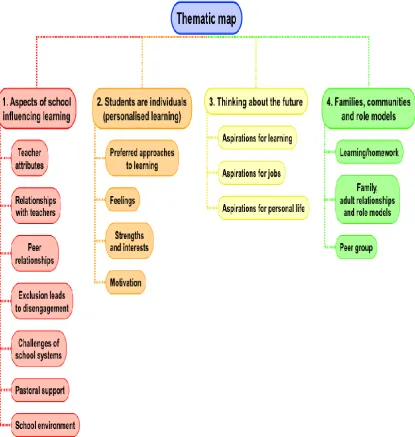
Figure 4.1 Map of themes constructed to understand the views of young people experiencing poverty on their learning, skills, and the future
59
Figure 4.2 Theme 1: Aspects of school influencing learning 60
Figure 4.3 Theme 2: Students are individuals (personalised learning) 74
Figure 4.4 Theme 3: Thinking about the future 83
Figure 4.5 Theme 4: Families, communities and role models 88
Table 2.1 Eleven Factors for Effective Schools 28
Table 3.1 Questions asked in semi structured interview 43
Table 3.2 Ice-breaker videos used at beginning of research interviews 44
viii
Abbreviations used in the thesis
AEP Association of Educational Psychologists BPS British Psychological Society
CAF Common Assessment Framework CPD Continuing professional development CYP Children and young people
DECP Division of Educational and Child Psychology DfE Department for Education
EHCP Education, Health and Care Plan EP Educational Psychologist
EPS Educational Psychology Service FSM Free school meals
LA Local Authority
LBBQ2 Little Box of Big Questions 2
SENCO Special Educational Needs Coordinator SNP Scottish National Party
TEP Trainee Educational Psychologist UEL University of East London
UK United Kingdom
1
Chapter 1: Introduction
“The experience of poverty and the impact of poverty invade every aspect of a young person’s life, and cannot be left at the classroom door.”
Bill Ramsay (Educational Institute of Scotland (EIS), 2014, p.2)
This thesis is concerned with poverty-related educational inequality in the UK. The UK has been criticised for its inequitable education system, due to the fact that student outcomes are strongly linked to parental socio-economic status (Baars et al. 2014). Children and young people (CYP) experiencing poverty are less likely than their better off peers to leave school with good grades, which can perpetuate disadvantage in later life (Hirsch, 2007). The term poverty-related educational inequality is used in this study to refer to this disadvantage.
There has been a strong media focus on the attainment gap between rich and poor (a Google news search for “attainment gap” on 12.02.2016 produced 15,500 results). However, this has included little awareness of the psychological impact of poverty (or austerity measures) on young people’s wellbeing (Beckett & Wrigley, 2014). The voice of CYP experiencing poverty, and how this impacts on their education, is not well documented in research, as will be evidenced in the literature review in Chapter 2. This provides a strong argument for more educational psychology research in this area. This study addressed the gap by directly asking young people experiencing poverty in an English coastal borough for their views on school, learning and the future.
The thesis is written from the perspective of educational psychology in the UK. The role of the Educational Psychologist (EP) is described as distinctive in listening to, and advocating on behalf of, CYP (Beaver, 2011). EPs employ a range of approaches and tools to elicit the voice of CYP. One of these tools, The Little Box of Big Questions 2 (Gersch & Lipscombe, 2015), was utilised in this study to facilitate young people to express their views.
2
inequality. It could be argued that this is an important area for EPs to address due to the ethical and social injustice issues thrown up by poverty-related educational inequality. EP involvement in this area could include: raising awareness of what EPs are already doing in schools; representing the voice of CYP in thinking about effective strategies; and anticipating how EPs could make additional contributions in this area, in consultation with CYP and other partners.
This chapter will introduce the research study and provide a context for where and when it was carried out. It will define key terminology used throughout the thesis and explore why the research is important for educational psychology. The positioning of the researcher will be outlined. Lastly, the research questions used to direct the study will be specified.
1.1 Terminology and definitions
1.1.1 Poverty
While there are a number of approaches to defining poverty (Seymour, 2009), researchers of poverty in developed nations usually agree on two kinds: absolute and overall (Raphael, 2013). Overall poverty, also known as relative poverty, is where household income is compared to the national median. People are classified as poor if they have less than 50 percent of median income (Raphael, 2013). The United Nations (1995) define overall poverty as having:
...various manifestations, including lack of income and productive resources sufficient to ensure sustainable livelihoods, hunger and malnutrition; ill health; limited or lack of access to education and other basic services; increased morbidity and mortality from illness; homelessness and inadequate housing; unsafe environments; and social discrimination and exclusion. It is also characterised by a lack of participation in decision-making and in civil, social, and cultural life. (p.57)
3
poverty, The United Nations (1995) define absolute poverty as “a condition characterised by severe deprivation of basic human needs, including food, safe drinking water, sanitation facilities, health, shelter, education, and information” (p.57).
The next section outlines how poverty was defined in this research.
1.1.2 Definition of Poverty in this Study
This study has purposefully used the word ‘poverty’ to describe the experience of participants (whilst remaining cognisant of the increasing body of research using ‘inequality’ as the basis of analysis, discussed below). It is the view of the researcher that both overall and absolute poverty continue to exist in the UK. Terms such as ‘disadvantaged’, ‘deprived’ and ‘disaffected’ are used by some researchers as a synonym for poverty. It is this author’s view that some terms have a deficit connotation; they are used in this thesis only when reporting on others’ research.
An indication of poverty for the purposes of this research was CYP who are in receipt of free school meals (FSM). This was used because of limited socio-economic information held by schools. The English Index of Multiple Deprivation (IMD) measures relative deprivation across small postcode areas in the UK (Department for Communities and Local Government, 2015). Participants’ postcodes could have been used to ascertain whether they were resident in more deprived areas identified by the IMD. However, due to time constraints and other hurdles during the research process (detailed in Chapter 3), this measure was not used.
4
Thus, despite the best intentions of the researcher to include a range of participants experiencing poverty in the study, the definition used (of entitlement to FSM) is inherently flawed. The next section explores this in more detail.
1.1.3 Hidden Poverty in the UK
Some absolute poverty in the UK seems to be hidden. For example, an estimated 120,000 children are undocumented migrants, making up 0.9% of the under 18 population (Coram, 2013). There are multiple reasons why some children are undocumented. For example, they may be unaccompanied minors (or accompanied by family members) who have been refused asylum but unable to return to their country of origin due to fear of persecution. Other undocumented children may have been trafficked; be in families who have overstayed visa allowance; or children of families who have entered the UK ‘illegally’. Although legally able to access education, undocumented children are often living in extreme poverty, may be destitute, undernourished, and unable to access appropriate support due to their immigration status (Coram, 2013).
Undocumented children are not entitled to free school meals (FSM), financial support for uniforms, or transport costs to school (Coram, 2013). UK government austerity measures, coupled with a punitive immigration policy and frequent hostile media coverage (Coram, 2013) put these children at increased risks, as fearfulness of detection may prevent engagement with statutory services (Spencer et al. 2014). In addition, friends, family or the voluntary sector are often no longer able to support them (Coram, 2013). Young people in these categories are excluded from this research, due to the criteria of eligibility for FSM. Thus, some absolute poverty in the UK does not benefit from the scrutiny of research to highlight and address issues.
The next section introduces the analysis of inequality, which has become a frequently discussed issue by contemporary researchers. This term and its’ relationship with poverty is discussed.
1.1.4 Inequality
5
UK do not believe that poverty exists in the true sense of the word. He suggests using the term ‘inequality’ instead of poverty, arguing that it is impossible to refute the rising levels of inequality.
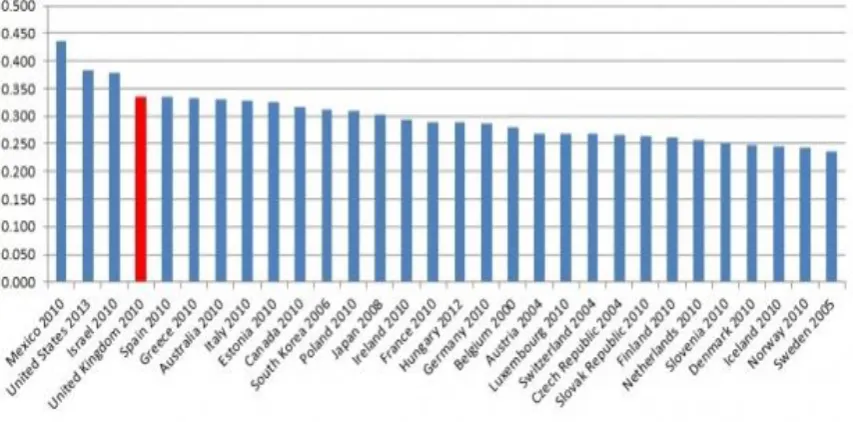
[image:14.595.116.543.377.588.2]Wilkinson and Pickett (2010) assert that the income differences (or inequality) within a society impact on a range of outcomes including health, education, prison population, and death rates. They argue that poorer people always come off worse; the wider the differences, the worse the outcomes. They term this the ‘gradient effect’. The UK has one of the steepest socioeconomic gradients in the developed world (see Figure 1.1). Thus poorer CYP do worse than their more advantaged peers in the UK than poorer CYP in similar more equal countries (Hirsch, 2007; Wilkinson & Pickett, 2010).
Figure 1.1: How unequal are different countries?
(from https://www.equalitytrust.org.uk/scale-economic-inequality-uk)
6
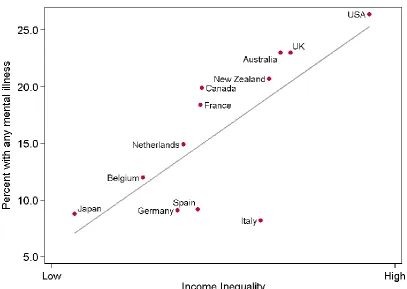
Figure 1.2 The prevalence of mental illness is higher in more unequal rich countries (from
https://www.equalitytrust.org.uk/mental-health)
In addition to the varied terminology around poverty, reviews of the literature (see chapter 2 for full detail) show that poverty is often conflated with working-class status in the UK. The next section clarifies use of the term working-working-class in this thesis.
1.1.5 Working Class
Research often defines CYP in receipt of FSM as working-class (House of Commons Education Committee (HOCEC), 2014). However HOCEC (2014) state that “entitlement to FSM is not synonymous with working-class, but it is a useful proxy for poverty which itself has an association with educational underachievement” (p.11).
7
...that division by class in the UK is something which can’t be ignored as ...there continues to be a group of people in society whose children are extremely likely to reproduce the social and economic conditions of their parents’ lives, if not see a deterioration in life conditions relative to their parents. (p.3)
Thus, it seems useful to maintain an analysis of class when discussing poverty and inequality in the UK. Many researchers have pointed out that the issue of poverty is a political one, pertaining to the distribution of resources by governments (e.g. Pirrie & Hockings, 2012; Raphael, 2013). This will be expanded on in the next section.
1.1.6 The Politics of Poverty and Inequality
Raphael (2013) argues that poverty in developed nations is a political issue: “a nation’s poverty rate is determined in large part by how a nation’s governing authorities distribute economic and other resources amongst the population, i.e., politics” (p.5). It has been argued that austerity measures and proposed welfare reforms introduced by the current Tory government in the UK increase poverty and the social divides created by inequality (e.g. Beckett & Wrigley, 2014; Biswas-Diener & Patterson, 2011). Despite the aim to eradicate child poverty by 2020 set out in the Child Poverty Act 2010, child poverty is now increasing (CPAG, 2015).
Raphael (2013) argues that the dominant narrative in the UK is that poverty is due to individual failures, which deflects attention away from public policies that do not ensure a fair distribution of resources. Further, he points out that people experiencing poverty do not have a voice and are often not included in community and political life. Thus they do not have the power or influence to change public policy or find solutions to societal inequality. This study aimed to address this disenfranchisement by giving a voice to young people experiencing poverty.
8
1.2 Context and Background
1.2.1 The Poverty-Related Attainment Gap
The poverty-related attainment gap is held to be evident in children as young as the age of 22 months, when poorer children have been assessed to be behind their richer peers in developmental tasks and communication (Perry & Francis, 2010; Pirrie & Hockings, 2012). These gaps widen significantly throughout schooling and the life course (Pirrie & Hockings, 2012). For example, only 4% of students eligible for FSM at age 15 go on to study at university, in comparison to 33% of their peers (Perry & Francis, 2010).
The statistics for the English coastal borough in which this study was carried out support this hypothesis. It falls within the 20% highest scoring boroughs in inequality, which measures the highest scoring localities with the lowest (Local Futures, 2010). Almost a quarter of children in the borough experiences poverty, compared with a fifth across England (Public Health England, 2014). The borough has one of the highest attainment gaps in England, ranking 4th out
of 326 districts. In 2014 there was a gap of 24% on measures of development between Early Years children eligible for FSM and non-FSM children (Public Health England, 2014). This gap rose to 38.4% at GCSE stage (DfE, 2012); 66.8% of students not eligible for FSM in the borough achieve five or more General Certificates of Secondary Education (GCSEs) at grade A-C, in contrast to 28.2% of FSM students (DfE, 2012).
9
The literature about different approaches towards mitigating poverty-related educational inequality will be outlined in the literature review in Chapter 2, to give a sense of the bigger picture and a rationale for this research. The next section situates the researcher within this study, outlining the perspective taken within the research.
1.3 Reflexivity: The Researcher’s Perspective
This section outlines how the researcher’s perspective has impacted on the completion of this study. Willig (2013) points out that any research project is based on assumptions; researchers draw on their own social constructions throughout the process (Mertens, 2010). Thus, researchers should take a step back, consider their social position, values, assumptions, beliefs, biases and relationship with the system, how these impact on the research, and how the ‘data’ in the study is constructed and finalised (Fox, Martin & Green, 2007; Mertens, 2010; Moore, 2005).
Willig (2013) advises consideration of the impact of researchers on their participant(s) e.g. the researcher’s social class, gender, age, or ethnicity can influence dynamics. She urges recognising the double hermeneutic while interpreting data. This is the way participants and researchers interpret and influence each other throughout the process. Willig (2013) advises including clear and informative information on the researcher’s position (see below). Additional monitoring of the researcher’s position was done through the use of a reflective diary and supervision with two academic supervisors (Fox et al. 2007; Mertens, 2010).
10
My experiences as a young single parent bringing up my daughter (born 1990) in Glasgow have given me first hand insight into the prejudice of others. This was during a time when single parents were media scapegoats for all kinds of societal problems (e.g. Atkinson, Oerton, & Burns, 1998 refer to the early 1990s as when “discourses of vilification” (p.1) of lone parents were dominant).
I worked as a community worker for 3 charities in Glasgow over a period of 12 years, working with children, young people, and families from a variety of backgrounds. Some of my work was with families who were in the asylum system, and with Roma families, who had often been forced to live on the margins of society. This confirmed to me the existence of absolute poverty in the UK (see above discussion on poverty). Many families were in severely overcrowded accommodation, and often denied support through the UK welfare system. Their survival was dependent on friends or family (if they had any), and voluntary and church-based organisations. I was involved in work to support and campaign with people to get their most basic needs of food, shelter and clothing met. I strongly believe that all people in our society (and all societies) should have equal opportunities to thrive, and injustice of any kind should be addressed.
These views have influenced my choice of thesis topic. Children do not choose the circumstances they are born into and I believe that EPs could do more to mitigate the effects of poverty, which often impacts on outcomes in school and later life. My belief is that listening to the views of children and young people experiencing poverty should be part of the solution to poverty-related educational inequality, a belief which I have designed this research study around. I am interested in finding out how young people experience school and learning, and the meanings that they ascribe to education. This is with a view to thinking about how things could be different in the education system, and how it could be more equal and inclusive.
1.4 Hearing the Voice of Children and Young People
11
took a strengths-based approach advocated by Seligman (e.g. 2002), the founder of Positive Psychology. This approach is in keeping with the EP ethos of promoting positive change by advocating on behalf of CYP (Beaver, 2011). It also aimed to counteract the dominant deficit narrative about CYP experiencing poverty (and their families) in the literature on poverty-related educational inequality (see literature review in Chapter 2). Central to the research is listening to the voice of young people, in order to address the lacunae of research in this area.
Some legislation has recognised and enshrined the rights of CYP to have their views taken into account in decisions affecting them (Harding & Atkinson, 2009). This includes the Children and Families Act (2014) in England, and international declarations such as the United Nations Convention on the Rights of the Child (1989), of which the UK is a signatory.
The research used a tool devised by Gersch and Lipscombe (2015) – The Little Box of Big Questions 2 (LBBQ2), as well as questions devised by the researcher. These tools will be discussed in more detail in subsequent chapters.
1.5 Research Questions
As discussed, this research was interested in eliciting the views of YP in years 7 and 8 (age 13-14) on school, learning and the future. Strengths-based Positive Psychology was used and themes relating to how educational psychologists can address the issue were extrapolated from the data. The research questions were:
i. What do YP experiencing poverty think helps them to learn at school? What do they think are the barriers to learning?
ii. What skills and resources do YP experiencing poverty think they bring to education? What additional skills do they think they need?
12
1.6 Overview of the Thesis
Chapter 1: Introduction - justifies poverty-related educational inequality as the area of research and sets it in a national and local context. New knowledge that will be generated by the research is outlined, along with the research questions. Key terminology used in the research is defined, and the researcher’s position explained.
Chapter 2: Literature review - provides a narrative review on the topic of poverty-related educational inequality. The literature is critically analysed and linked to the current study.
Chapter 3: Methodology and data collection - sets out the research design (thematic analysis), and clarification of the ontological and epistemological position taken by the researcher. A detailed and clear description of how the data was collected is provided.
Chapter 4: Findings - the findings of the study are set out in detail, themes and subthemes are described in detail. Quotes from participants are used to back up thematic analysis.
13
Chapter 2: Literature Review
2.1 Introduction
This chapter will give a broad overview of the diverse research in the area of poverty-related educational inequality, to set out a rationale for this study. A narrative review was undertaken, for reasons outlined below. As will be discussed in this chapter, much of the research around poverty-related educational inequality omits the voice of the child. This thesis aimed to address this gap.
The principle focus of this research was on listening to YP experiencing poverty; eliciting their views on school, learning and the future. As outlined in the introduction, the EP role is distinctive in listening to and advocating on behalf of CYP (Beaver, 2011). A subsidiary argument of this thesis, which will be expanded on in the discussion in Chapter 5, is for increased recognition of the EP role in addressing poverty-related educational inequality. This is important because, despite the extensive literature on the topic of poverty and education in various disciplines (e.g. sociology, social policy, school improvement, psychology), no studies from a UK educational psychology perspective were found. It is the researcher’s view that more awareness of this issue in EP research and literature is needed in order to address poverty-related educational inequality affecting many CYP in the UK.
14
2.1.1 Narrative Review Strategy
Poverty-related educational inequality is a very comprehensive topic, and has been addressed in a diversity of academic disciplines, including social policy, sociology, and psychology. Due to the difficulty in pinpointing relevant articles using a systematic approach, a narrative review was carried out. A narrative review draws conclusions from different studies and brings them together into a holistic interpretation (Educational Research Review, 2007). Articles viewed by the researcher as relevant and important to the research questions were selected to be included in the review.
Narrative methods can introduce more author bias, due to researcher subjectivity both in deciding which journal articles to include, and around interpretation of the included articles (Green, Johnson & Adams, 2006). Previous research has shown that the conclusions drawn from one narrative review can be radically different from the same review written by a different author, when the same articles are reviewed (Randolph, 2009). However, a narrative review is arguably more useful when reviewing broad, complex areas with numerous issues (Hammersley, 2001).
Journal articles were accessed by the researcher between October 2014 and January 2016. Papers dated from 2000 to August 2015 were included, due to the fast changing nature of the policy context. The search terms included:
Poverty, education*, UK, inequality, attainment gap, achievement gap, underachievement, working-class, social class, deprivation, disadvantage, educational psychology, Positive Psychology, psych*, young people, intervention, social justice, school, socio-economic, school improvement, pupil voice, student voice
15
for more information on the narrative review, including the search process and inclusion/exclusion criteria.
2.2 Research: Poverty-related Educational Inequality
Ellis and Sosu (2015), in a briefing commissioned by the Scottish Government to review what education providers can do about poverty-related educational inequality, assert that this is an issue for all schools and local authorities. However, despite the well documented relationship between poverty and attainment, there is little UK research evidence to show what strategies and interventions work to raise attainment in children and YP experiencing poverty (Sharples, Slavin, Chambers & Sharp, 2011). There is more international evidence, which limits application of the findings to a UK context due to cultural differences (Sharples et al. 2011).
Attainment has been found to be attributable to a complex interplay of factors in the systems surrounding CYP (e.g. NUT, 2010; Perry & Francis, 2010); there are no easy answers to the issue of poverty-related educational inequality. Research suggests the success of interventions is dependent on context, and should be tailored to individuals, neighbourhoods and schools (e.g. Sharples et al. 2011; Sosu & Ellis, 2014; Yeager & Walton, 2011). Some of the most prominent factors discussed in the literature are the social and cultural capital of the family (including aspirations and educational level of parent/carer/s); school systems, teaching and leadership; and psychological factors such as resilience and student mind-set. Pirrie and Hockings (2012) point out that recent policy and academic literature concentrates on
...fixing the child, fixing the family, fixing the school and fixing the community rather than on addressing more fundamental issues relating to social justice: namely systemic issues relating to fairness and equality, especially in terms of state distribution of resources, opportunities, and benefits.(p.10)
16
political reform is needed to address the structural causes (Connelly, Sullivan & Jerrim, 2014).
The first section of this review explores previous research which has involved CYP.
2.2.1 The Voice of the Child
Gersch, Lipscomb and Potton (forthcoming) highlight that there are “moral, legal and pragmatic reasons for involving children as fully as possible in assessment and education” (p.8). Arguably the most useful approach to understanding and enabling YP is asking the right question(s) (Ravenette, 1999). This study aimed to ask the right questions in order to understand more about the educational experiences of YP living in poverty (the questions will be discussed further in Chapter 3). This was with a view to finding appropriate ways of supporting these (and other) YP to raise their attainment school. This fills a gap in the research literature as, although EPs have added to the body of research eliciting the views of CYP, no research specifically focusing on the relationship between poverty and attainment was found. A selection of questions focusing on learning and the future, from The Little Box of Big Questions 2 (LBBQ2) (Gersch & Lipscomb, 2015) was used in this study (outlined in full in Chapter 3). The LBBQ (editions 1 and 2) is a tool to elicit CYP’s views, with the explicit aim of linking responses to questions to actions for change and development (Gersch, Lipscomb, Stoyles & Caputi, 2014). Professor Gersch, the lead author of the LBBQ2, is an EP practitioner, researcher, and a leading proponent of eliciting the voice of the child. He supported the researcher personally throughout the process of research.
Studies Eliciting the Voice of CYP Experiencing Poverty on Education
17
mutual trust between students and teachers. While the study is useful in illuminating YP’s views, there are a number of methodological issues. The study is 11 years old, which makes it dated in a fast changing policy context. The terminology used is problematic. For example the authors appeared to equate YP experiencing poverty with ‘disaffection’, took a deficit view and often failed to recognise strengths. In addition, participant selection process was not explained - no measures were outlined on how participants were defined as ‘disadvantaged’ or ‘disaffected’.
Beckett and Wrigley (2014) carried out research similar to the current study. They interviewed YP experiencing poverty, asking questions about their lives outside of school. The authors were critical of the heavily standardised curriculum in English schools, which was noted to fail to bridge and build on the knowledge and experience CYP have, and can access in their extended families. They reiterate Riley and Docking’s (2004) argument for more teacher-training around issues of poverty. They recognise the constraints faced by schools in the struggle to meet targets and Ofsted (Government Office for Standards in Education) requirements. The authors, although not EPs, have a similar ethos – recognising the importance of acknowledging student strengths, and incorporating YP’s views into school reform. However, there are methodological limitations – most of the sample was boys, the exact number of participants or their ages was not specified, and the selection process was not defined.
18
transparency and consultation with YP in the use of pupil premium funding (Holloway et al. 2014); teacher-training to improve understanding of poverty issues; and Ofsted inspections to incorporate evidence of how schools support their poorest students (Holloway et al. 2014). While these reports are an important addition to the literature on poverty-related inequality in education, giving children and YP a voice, they are not done from an EP perspective. The recommendations are mainly practical and do not fully explore psychological aspects of the issues.
Hirsch (2007), in a review of the Joseph Rowntree Foundation’s Education and Poverty Programme, emphasises that involving ‘disaffected’ (his term) YP in discussions about their own futures is one of the most effective approaches to addressing educational inequality. He states that CYP experiencing poverty are more likely to feel a lack of control in their learning, and to feel unconfident about school. He stresses the importance of positive relationships between school staff and disadvantaged CYP and their families. He also emphasises the importance of homework: stating that CYP living in poverty tend to get less regular help from adults to do their homework, and do not always have access to environments conducive to doing homework. While the Joseph Rowntree Foundation has produced a very useful body of knowledge around poverty issues, these have been done more from a social policy perspective than an EP perspective. Thus, there are limits to their use in an EP analysis of the issue of poverty-related educational equality.
19
Most children’s initial learning begins and is sustained at home with the family (National Literacy Trust, 2011). Research around the influence of the family on children’s attainment is explored in the next section.
2.2.2 The Social and Cultural Capital of the Family
One of the main discourses in the literature on school attainment is around aspirations (e.g. Berzin, 2010; Cabinet Office, 2008; Stahl, 2012). Parent/carer/s, families and communities are asserted to be most influential on YPs’ aspirations, and aspirations one of the most important predictors of educational attainment. In much of this research YP experiencing poverty, and their parent/carer/s, are criticised for having low aspirations. However many studies have found that YP and parent/carer/s experiencing poverty have high aspirations, despite having low attainment at school (e.g. Educational Endowment Foundation (EEF), 2014; Sinclair, McKendrick & Scott, 2010; Sosu & Ellis, 2014; St-Clair, Kintrea & Houston, 2011).
St-Clair et al. (2011) suggest that despite having high aspirations, YP do not have knowledge of the strategies or pathways towards achieving their aims; or that aspirations are not realised due to barriers arising from inequality. There is evidence to support this argument. In the Cabinet Office (2008) report on aspiration and attainment amongst YP in deprived communities, many YP surveyed stated that they needed more support to reach their goals in life. Sinclair et al (2010) assert that the education system does not inculcate the skills necessary for successful and sustained employment and/or training. This suggests that YP need better information in fitting together schooling, post-compulsory education and work (St-Clair et al. 2011).
20
stress that, to succeed, schools should encourage and support more meaningful, and less tokenistic, parental involvement in their child’s education. This could be done, they suggest, through regular group-based home-school collaboration. This collaboration could enable parents to learn skills to support their children to learn more effectively, assist with homework, or read with and talk to their child. This is clearly an area in which EPs could be involved. For example by supporting schools to devise workshops for parents to explain school systems, and/or outline strategies that could be used to support their children with homework.
Evans (2006) carried out research on a ‘deprived’ housing estate in Central London, aiming to understand why working-class white children were failing in school. She used the term working-classes, of which working-class white children were a subset, arguing that working-class people are not a homogenous group. She concluded that working-class status, values and ways of being in the world conflict with what is required for success in formal education, which is imbued with a middle-class bias. Evans (2006) argues that schools should recognise what is important to working-class YP, in order to make learning more meaningful for them. This idea is reinforced by other researchers (e.g. Beckett & Wrigley, 2014; Connelly et al. 2014) who point out the challenges of CYP moving between neighbourhood and school cultures, when there may be a wide gulf between them. These researchers assert that schools should try to understand the cultural context of their students, and recognise the skill set that each young person brings to school. This would uncover a potential that is currently not capitalised on, due to the time pressures of delivering a rigid curriculum which does not equally value a range of skills and interests (Connelly et al. 2014).
21
next section will explore research on the role of school systems, and how they relate to poverty and attainment.
2.2.3 School systems, teaching and leadership
There is a lack of convergence in the literature around the role that schools play in poverty-related educational inequality, although increased attention is being paid to this area, as will be outlined in this section.
Hirsch (2007) claims that only 14% of variation in attainment is accounted for by school quality. He asserts that other factors, in and out of school, should be explored. However, reforms such as the London Challenge school improvement programme (see below) refute this claim, as significant inroads into closing the poverty-related attainment gap have been made. A subsequent report by Macleod, Sharp, Bernardinelli, Skipp and Higgins (2015) also challenges this view. They conclude that “between one and two-thirds of the variance between schools in disadvantaged pupils’ attainment can be explained by a number of school-level characteristics” (p.12). As will be argued in this section, research suggests that school quality can account for variations in student attainment.
The school system has changed considerably since Hirsch’s (2007) claims. Changes include budget cuts through government austerity measures (Smith, 2015), along with a greatly expanded academies programme and the introduction of free schools in 2010. This new system has been criticised for creating schools from market forces (marketisation), and producing increased fragmentation and divisions in the education system (Gillard, 2011).
22
to academy status as part of a government intervention strategy) are twice more likely to be below standard than local authority schools (Hutchings et al. 2015).
Connelly et al. (2014) state that increasing parental choice and school autonomy resulting from the recent marketisation of education has not increased the attainment of CYP experiencing poverty. Indeed some researchers argue that marketisation has worked against CYP experiencing poverty, as their families are not as adept at working the system (e.g. Perry & Francis, 2010). Connelly et al. (2014) point out that CYP experiencing poverty attending schools with more students from higher socioeconomic backgrounds perform better than those at schools with more students from lower socioeconomic backgrounds. They suggest that systems such as banding (where proportionate school places are provided to students from each ability group) and school lotteries (where student places are allocated randomly) may address this disparity. However Macleod et al. (2015) refute this, asserting that “schools with a higher proportion of disadvantaged pupils were associated with higher performance among disadvantaged pupils” (p.11), and vice versa. This disparity shows that it is hard to generalise about what works to improve learning for students experiencing poverty as the ‘evidence’ can be conflicting.
23
School funding appears to be linked to attainment when used optimally (Connelly et al. 2014; Ellis & Sosu, 2015). Pupil Premium funding has been allocated to English schools since 2011, based on the number of students registered for FSM (and students who have been in local authority care for more than 6 months), in order to facilitate schools to support ‘disadvantaged’ students tackle barriers to learning. Carpenter et al. (2013) carried out an evaluation of Pupil Premium funding. Although the authors stress that it is too early to assess the impact of funding on attainment, the evaluation documented the implementation of a range of support, including buying additional EP time spent in school (in areas where EPSs are able to respond to increases in demand). However, concurrent budget cuts due to the UK government austerity agenda was reported to have simultaneously reduced schools’ access to EPs, which constrained their ability to address disadvantage (Carpenter et al. 2013). Schools were reported to have used Pupil Premium funding to maintain EP provision previously funded through other sources. This provides useful evidence to show that EPs are utilised as part of the solution when addressing poverty-related educational inequality. Sadly, this is not acknowledged in the extensive literature on the topic. This suggests that EPs should do more to raise their profile and be explicit about what they can do to address poverty issues in schools.
Connelly et al. (2014) argue that CYP experiencing the stress of poverty are more likely to have social, emotional and mental health needs, which detract from learning at school. They assert that to address this, teaching quality is vital. Beckett and Wrigley (2014) stress the importance of relationships and propose that more specialist staff are needed in schools (e.g. community educators, family counsellors, mentors). These staff can build relationships and provide support to students in need, giving teachers more time to focus on academic needs. Well implemented nurture groups are recognised interventions that focus on relationships to address poverty-related social and emotional needs (Sosu & Ellis, 2014).
24
role of schools in reducing poverty-related attainment is to be found in the school reforms carried out in London. This is described in the next section.
The London Effect
Judged by relative performance in examinations and in Ofsted inspections, London schools now outperform schools in the rest of England and achieve the highest proportion of students obtaining five good GCSEs, the highest percentage of schools rated ‘outstanding’ by Ofsted, and the highest GCSE attainment for pupils from poorer backgrounds (Baars et al. 2014, p.8).
Analysis of figures for London from 2000-2014 has shown that the attainment gap between students eligible for FSM and non-FSM students is now smaller than in the rest of England. Prior to 2000, the attainment gap in London was wider than the rest of England. Closure of the attainment gap is more marked in inner London. Students experiencing poverty in London are now 50% more likely than poor students elsewhere to get 5 GCSEs A* to C and to continue into Key Stage 5 (post-16) education (Greaves, Macmillan & Sibieta, 2014). Similar, but smaller, improvements have also been observed in Birmingham and Manchester, although disadvantaged students in these areas are less likely to continue to Key Stage 5.
This improvement is clearly of huge importance to research and practice around reducing poverty-related educational inequality. It refutes many theories discussed in this chapter on the perpetuation of inequality in the education system, shifting the focus from families to schools. However, there is disagreement among researchers in explaining the reason for the London effect, due to a lack of built-in evaluation. London school reforms were retrospectively evaluated, which introduces significant limitations in explaining cause and effect.
25
been higher even in the past, when London schools’ outcomes were significantly below other national areas.
Baars et al. (2014) claim that four major interventions improved teaching and leadership: the London Challenge (Ofsted, 2010); Teach First (2016); the academies programme; and increased support from local authorities. Embedded in these interventions was the effective use of personalised tracking data in schools, which the authors cite as crucial. This enabled schools to spot underperformance early, and plan targeted interventions based on individual information to stabilise or raise attainment.
London Challenge was a cross-party series of policies in school improvement from 2002-2011. The scheme encompassed a combination of approaches focusing on establishing a strong professional culture in secondary schools (launched in primary schools in 2008). Independent advisors identified support needs for individual schools (e.g. training, leadership, inter-school collaboration) and helped to establish a coherent ‘theory of change’ (Baars et al. 2014). An ethos of optimism and high expectations was key, with a ‘no excuses’ culture towards serving more disadvantaged students (Baars et al. 2014).
Teach First was introduced in secondary schools in London in 2003 (and primary schools in 2011), before being rolled out to the rest of England. The scheme aimed to bring high achieving graduates into ‘deprived’ schools, addressing the teacher and head-teacher recruitment crisis. Currently, 6% of the London teaching population are derived from the scheme (Baars et al. 2014). Evaluations have shown a moderately positive impact on attainment (Allen & Allnutt, 2013).
26
ability bracket, with little evidence of benefit for students in the lower 20% ability range.
The importance of local authority support was stressed as key to success in the London interventions. The Borough of Tower Hamlets saw particularly marked transformation in closing the poverty-related attainment gap, which is attributed to the support and ‘buy in’ of the local authority (Woods et al. 2013).
Greaves et al. (2014) argue that London schools were already beginning to close the attainment gap before the London Challenge. They assert that higher attainment was attributable to changes in primary schools during 1999-2003, not secondary schools from 2002. They hypothesise that National Literacy and Numeracy Strategies, which were piloted in many London boroughs during that time, could explain the London Effect. The authors conclude that early intervention in primary school to ensure basic skills, followed by secondary school support to ensure that students stay on track are key in decreasing the attainment gap. However, Beckett and Wrigley (2014) propose that literacy and numeracy skills are only part of the picture and that a wider ranging curriculum and more focus on ‘soft skills’ e.g. self confidence, are key to closing the attainment gap.
Burgess (2014) argues that the increased ethnic diversity of students in London makes for greater aspiration and engagement for all ethnicities, resulting in increased attainment. He maintains that an integrated and multi-racial school system facilitates ‘spill-over’ of raised attainment from minority ethnic students to white British disadvantaged students through peer interaction. However Baars et al. (2014) refute this claim, arguing that both previous underperformance and improved outcomes are shared across ethnic groups in London, including white students.
27
Embedded in school culture are the attitudes of staff towards students, and a ‘no excuses’ culture may go some way towards mitigating prejudice held by some staff towards more disadvantaged students, promoting inclusion and a more productive learning environment. As argued previously, this is an area where EPs have the potential to make a contribution, as part of the focus of the role is on systemic work.
School Effectiveness Research
The effective schools movement grew out of the USA in the 1970s and has now been adopted worldwide (Hopkins, Stringfield, Harris, Stoll & Mackay, 2014). It originated as a way of challenging poverty-related educational inequality and is based on social justice principles (Lezotte, 2001). The premise of the approach is that students of all backgrounds have the ability to learn and should be given opportunities to succeed at school on a par with their peers, regardless of socio-economic status or family background (Lezotte, 2001). The movement shifted the focus of responsibility from individuals and minority groups, who had previously been blamed for the fact that many of them weren’t achieving in education, to schools. It is based on the concept of organisational health and the social psychological theories of Lewin (1947), who focused on how organisations influence the behaviour of their members (Hopkins et al. 2014). This could easily link with the systemic work done by EPs.
28
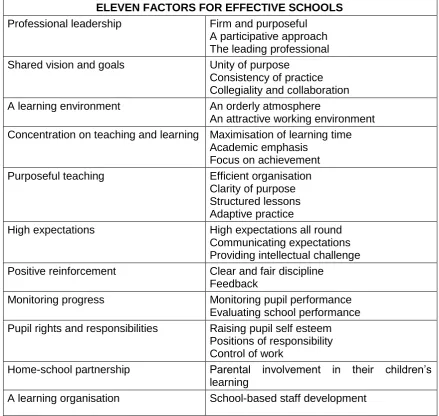
Table 2.1 Eleven Factors for Effective Schools
From Sammons et al. 1995 p.71 ELEVEN FACTORS FOR EFFECTIVE SCHOOLS Professional leadership Firm and purposeful
A participative approach The leading professional Shared vision and goals Unity of purpose
Consistency of practice Collegiality and collaboration A learning environment An orderly atmosphere
An attractive working environment Concentration on teaching and learning Maximisation of learning time
Academic emphasis Focus on achievement Purposeful teaching Efficient organisation
Clarity of purpose Structured lessons Adaptive practice
High expectations High expectations all round Communicating expectations Providing intellectual challenge Positive reinforcement Clear and fair discipline
Feedback
Monitoring progress Monitoring pupil performance Evaluating school performance Pupil rights and responsibilities Raising pupil self esteem
Positions of responsibility Control of work
Home-school partnership Parental involvement in their children’s learning
A learning organisation School-based staff development
Interestingly, many of the factors in the table were used in school improvement measures producing the London effect, described above. Although school effectiveness was not mentioned in any reports on the London effect, it was clearly an influence. Perhaps this could be more explicitly taken up by anti-poverty campaigners in education.
29
The contribution of EPs is also absent from the both analyses, again showing the diminished profile of the work of EPs in poverty-related educational inequality. There is clearly a psychological aspect of the research outlined thus far, although it has not been carried out by psychologists nor made explicit. Psychology will be explored more in the next section, which outlines research that has been carried out from a psychological perspective aiming to support and enable students experiencing poverty to learn (and hence achieve) more at school.
2.2.4 Psychological Factors
This section will outline some of the psychological interventions that have been used to address poverty-related educational inequality. A range of interventions used will be described, and then critiqued.
Cambridge Dictionaries Online (2016) defines psychological as “relating to the human mind and feelings”. The psychological approach to poverty-related educational inequality usually (but not exclusively) takes the stance that CYP experiencing poverty may need support to change how they think about themselves, school, and/or learning (e.g. Winerman, 2011). For example, they may feel that they don’t belong in school, or they may feel the effects of teachers who display prejudice towards students experiencing poverty.
The psychological approach to minimising poverty-related educational inequality is based on the idea that students should be supported to experience positive wellbeing. As set out in the introduction, the existence of poverty and inequality can mitigate against this, which in turn impacts on learning.
30
children will be in poverty, if decisions made in 2015 go unchanged (Harrop, 2015).
Anecdotal evidence suggests that EP practice routinely addresses poverty-related issues using a variety of approaches to promote wellbeing (e.g. nurture groups, mindset interventions, attachment training). However, this is hard to justify as only one UK research paper (around mindsets) was found to back-up this claim (Rienzo, Rolfe & Wilkinson (2015) - discussed below). For this reason, research from the USA has been included in this section.
It is claimed that a psychological approach taken in schools can do much to mitigate the effects of poverty on students; outcomes from interventions in the USA are claimed to have reduced attainment gaps months (and years) later (e.g. Yeager & Walton, 2011). Timing is held to be key (interventions are best carried out at the beginning of the academic year or during important transitions), and recursive interventions more effective (Yeager & Walton, 2011). Using different interventions to target different barriers to achievement are argued to accrue cumulative effects (Yeager & Walton, 2011). Some interventions, mostly conducted in the USA, will be outlined below.
Stress, Emotional Regulation and Resilience
Suggestions of interventions to reduce stress and help regulate feelings have included mindfulness, students writing about their stress, and nurture groups (Carpenter et al. 2013; Sosu & Ellis, 2014; Spitzer & Aronson, 2015). However, although this is an area of expertise for educational psychologists, this is not backed up by any research specifically addressing poverty-related educational inequality.
Mindsets: growth and belonging
31
grow with effort and work (e.g. Spitzer & Aronson, 2015; Yeager & Walton, 2011). Studies fostering a growth mindset in low-income YP (involving coaching on how the brain can grow and develop) have been carried out in the USA (e.g. Blackwell et al. 2007). Participants were held to have significantly higher grades in maths and reading at the end of the year, relative to control groups. More recently, a scaled-up online growth mindset intervention was rolled out to 1,594 students in 13 US high schools – students identified as at risk of dropping out raised their grades by an average of 6.4 percentage points (Paunesku et al. 2015). Psychologists in the USA are currently pushing for mindset interventions to become a national education priority (e.g. Rattan et al. 2015).
A study by Rienzo et al. (2015) evaluated the effectiveness of two interventions carried out in Portsmouth, England. Students participating in 10 growth mindset workshops made an average of 2 additional months’ progress in English and maths, relative to controls. However, this was not statistically significant. Teachers participating in a professional development programme (2 half days) around how they could use mindset ideas in class did not produce any significant effects. Although the interventions were not statistically significant they seem promising and may encourage further research in this area. The authors proposed further research and interventions over a longer period of time.
Character Traits
32 ‘Possible Selves’
This idea was coined by Markus and Nurius (1986) and pertains to the ideas individuals have about the kind of person they would like to become. These ‘possible selves’ are thought to motivate people to strive towards imagined goals. Interventions based on this approach encourage students to write about how they could be academically successful in the future, including reflecting on overcoming setbacks. Students in a USA study participated in 10 ‘possible selves’ writing sessions. Two years later, participants had higher scores, less absences, were less behaviourally challenging in school, had fewer symptoms of low mood, and were 60% less likely to be elected to repeat 8th grade than a
control group (Oyserman et al. 2006). As for other psychological interventions discussed in this section, there was no research found that used this approach in the UK.
Stereotyping and Prejudice
Schools often systematically treat different groups in different ways, and school staff may negatively stereotype CYP from specific neighbourhoods and/or experiencing poverty (e.g. HOCEC, 2014; Beckett & Wrigley, 2014). Horgan (2007) found that CYP were very aware of their social position and the limitations this brings them from an early age. Research has shown that the expectancy that one will be negatively stereotyped at school affects performance (Yeager & Walton, 2011).
33
cultural context of the USA, further limiting the transferability of findings to the UK.
Positive Psychology
Positive Psychology (Seligman 2000, 2002) focuses on strengths, and how these can enhance well-being and enable people to reach their potential. Much of the research reviewed in this chapter takes a deficit approach to CYP experiencing poverty, omitting resilience and strengths. Biswas-Diener and Patterson (2011) point out that “a complete understanding of the lives of those living in poverty must also include well-being, successes and other aspects of positive functioning” (p.126). Their study used a positive perspective in addressing poverty-related issues for YP at school, in order to emphasise strengths and resilience often overlooked. This study adopted the perspective of Positive Psychology and aimed to highlight the strengths that different YP bring to their education.
Critique of Psychological Interventions
There are a range of limitations in the methodology used in the USA studies described above. Although there was evidence of beneficial effects from interventions, they do not seem to be specifically showing effectiveness in poverty-related educational inequality. There was a clear focus on racial differences in US studies. Terms such as ‘low income’ were not explained in any of the studies, and there was frequent conflation between ethnic status and socio-economic status.
34
Despite these limitations, there are some possible applications of US research to the UK context. More UK research is desperately needed in this area, including the views of YP on their experiences of interventions.
2.3 Summary
This chapter has outlined some of the current research on poverty-related educational inequality. Research reviewed has been conducted in three main areas: children and YP; families and communities; and schools. As argued, educational psychology has much to offer in all of these areas, to mitigate the effects of poverty and inequality.
Research seems to suggest that, for interventions to work, they should be based on a thorough understanding of individual students, their school, and the neighbourhood context. Each intervention must be tailored carefully. This makes the transference of research interventions from one context to another problematic. Thus, research can only serve as a pointer. Spitzer & Aronson (2015) highlight the need for more guidance on choosing interventions for different contexts. It appears that the best way of finding out what helps YP to learn is by asking them, as was done in this study.
It is important to bear in mind that the research and interventions outlined in this chapter are focused on mitigating the effects of poverty on CYP at school, rather than tackling the root causes. Much of the research does not address wider structural issues causing poverty-related educational inequality:
Educational reform alone will never be sufficient to address educational inequalities. Poor and overcrowded housing, frequent moves, parental stress, depression and poor health have all been shown to have a detrimental effect on children’s learning, thus social policies on the economy, work, housing and health can all affect educational outcomes (Connelly et al. 2014, p.130).
35
poverty-related educational inequality, and set out an argument for increasing the profile and role of EPs. This would include research with a focus on the views of CYP experiencing poverty; along with accentuating the strengths that CYP experiencing poverty bring to school, in order to counteract the dominant deficit narrative. The current government austerity agenda is placing more children into poverty each year (CPAG, 2015). Thus, it is imperative that EPs are well equipped to address this issue. Beckett and Wrigley (2014) propose the need for “practitioner research which moves beyond the statistics and towards a critical and empathetic understanding of students’ lifeworlds, learning needs and schooling experiences” (p.222).