Ojà
nr.
ROCKEFELLER MEDICAL LIBRARY INSTITUTE O F NEUROLOGY,
THE NATIONAL HOSPITAL, Q U E E N SQUARE,
TITLE
PHYSICAL DISABILITY AND BLADDER AND SEXUAL DYSFUNCTION; INTERRELATIONSHIPS IN WOMEN WITH
MULTIPLE SCLEROSIS
Maria T. O'Hagan
Thesis submitted in fulfilment of requirements for the degree of Master of Philosophy, University of London.
ProQuest Number: 10016790
All rights reserved
INFORMATION TO ALL USERS
The quality of this reproduction is dependent upon the quality of the copy submitted.
In the unlikely event that the author did not send a complete manuscript and there are missing pages, these will be noted. Also, if material had to be removed,
a note will indicate the deletion.
uest.
ProQuest 10016790
Published by ProQuest LLC(2016). Copyright of the Dissertation is held by the Author.
All rights reserved.
This work is protected against unauthorized copying under Title 17, United States Code. Microform Edition © ProQuest LLC.
ProQuest LLC
789 East Eisenhower Parkway P.O. Box 1346
ABSTRACT
MS is a devastating and debilitating disease and it has among its sequalae a
variety of disabilities as well as significant disturbance of the autonomic
nervous system These disturbances may affect the psychological, physical,
sexual and social well-being of the individual. Though physical disability,
perceptions of disabihty, bladder and sexual dysfimction have been studied
as single entities, there is ample evidence to suggest that patients with MS
encounter multiple and diverse problems and these are often inextricably
linked.
The purpose of this study was two-fold, firstly to investigate the
relationships between impairments (as measured by the Kurtzke scale) and
their manifestation in terms of physical disabihties. Secondly, to examine
interrelationships between in the first instance, physical disabihty, urinary
symptoms and sexual dysfimction and then examining perceptions and
behefs in relation to performance.
Forty women with clinicaUy definite multiple sclerosis, aged between 18 and
50 years and referred to the hospital rehabihtation team were consecutively
recruited to the study. Interview schedules, self-report questionnaires and
observation of performance were used to measure the following variables:
inq)airment, physical disabihty, perceptions of physical disabihty, bladder
and sexual dysfimction, mood state, quahty of life and perceived control.
The tools of measurement included the Kurtzke Functional Systems and
Expanded Disabihty Status Scales, a perceived level of disabihty
questionnaire, the Rivermead Mobihty Index, a timed walk, a urinary
Satisfaction, the Profile of Mood State questionnaire and scales to measure
quality of life and perceived control. Non parametric statistics were used to
analyse the complete data available in the forty subjects.
Some of the hypotheses posed in the study were supported, some were not.
CONTENTS
PAGE
Title Page 1
Abstract 2
Contents 4
List of Tables 6
List of Figures 7
Appendix List 8
Acknowledgements 10
Section I
Chapter 1 Introduction 12
Section II Chapter 2
Disability and Dysfunction
Physical Disability 17
Chapter 3 Bladder Dysfunction 44
Chapter 4 Sexual Dysfunction 66
Section m Chapter 5
Psychological Aspects
Emotional State 92
Chapter 6 Perceived Control 112
Chapter 7 Quahty of Life 134
Section IV Chapter 8
Methods and Results
Design of Study 154
Chapter 9 Development of Measures 157
CONTENTS
PAGE
Chapter 11 General Discussion 194
Chapter 12 Conclusion 209
References 212
TABLES
NO. PAGE TITLE
1. 163 Ten metre timed walk: inter-rater reliability
2. 167 Golombok Rust Inventory of sexual
Satisfaction (GRISS): internal consistancy
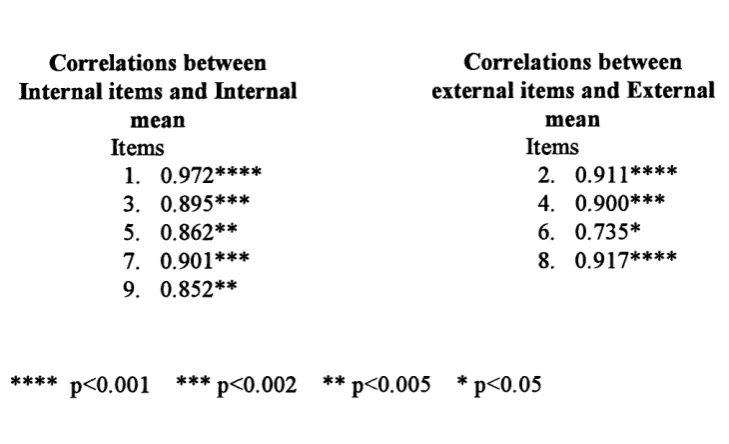
3. 172 Perceived Control (PC) instrument; judges rating
of items as internal or external PC
4. 174 Internal consistancy of PC scale
5. 187 POMS dimensions; mean, standard deviation and
range
6. 187 Intercorrelations of POMS dimensions
7. 193 Association between urge incontinence and
FIGURES
NO. PAGE TITLE
1. 176 Age Distribution
2. 177 Duration of time since diagnosis
3. 179 Distribution of Global Perceived Level of
Disability (GPLOD)
4. 180 Distribution of Rivermead Mobility Index
Scores
5. 182 Distribution of bladder treatments (past
use and current use)
6. 183 Distribution of voiding synq)toms
7. 184 Post micturition residual urine volumes
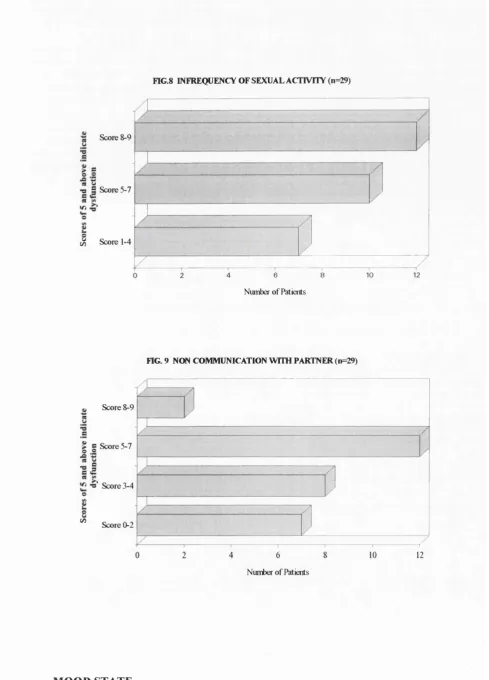
8. 186 Sexual Dysfunction: infrequency of
sexual activity
9. 186 Sexual Dysfunction: non communication
with partner
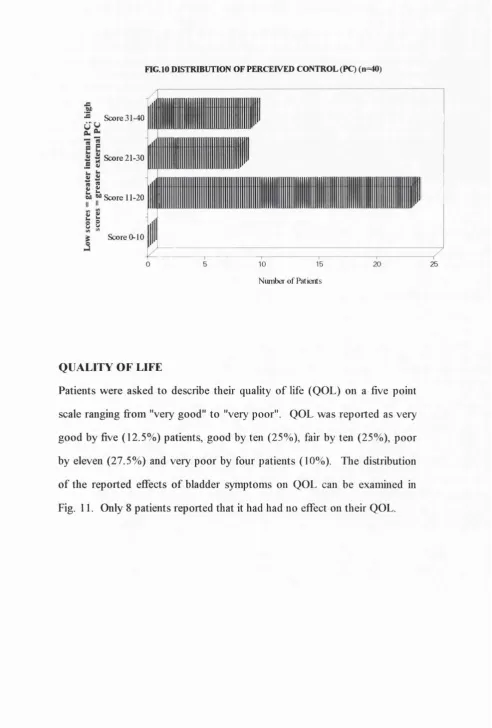
10. 189 Distribution of Perceived Control
11. 190 Effect of bladder synq)toms on quality of
life (BQOL)
APPENDIX LIST
NO. PAGE TITLE
1. 270 Kurtzke Functional Systems (FS)
2. 273 Expanded Disability Status Scale (EDSS)
3. 275 Perceived Level of Disability (PLOD) and Global
Perceived Level of Disability (GPLOD) Scales
4. 279 Rivermead Mobility Index (RMI) questionnaire
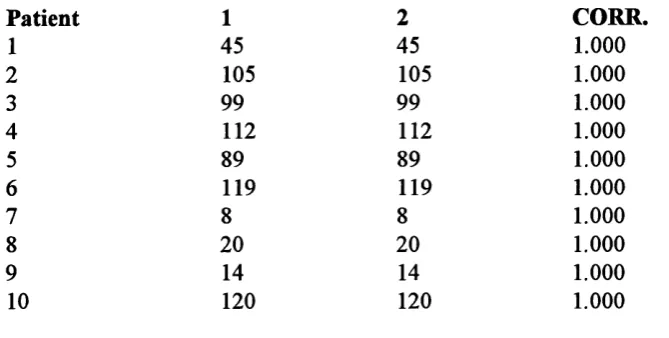
5. 281 Reliability of RMI scores
6. 282 Ten Metre Timed Walk report form
7. 283 Bladder Function Questionnaire
8. 287 Golombok Rust Inventory of Sexual Satisfaction
(GRISS)
9. 289 Profile of Mood State (POMS) Scale
10. 290 Perceived Control (PC) Scale
11. 291 Quality of Life (QOL) scale and Effect of
Bladder on Quality of Life (BQOL) scale
12. 292 Raw scores Kurtzke Functional Systems and the
EDSS
13. 294 Raw scores PLOD
14. 297 Raw scores RMI
15. 300 Raw scores Timed Walk
16. 301 Bladder Function Raw scores: Bladder
treatments
17. 303 Bladder Function Raw scores: Voiding
synq)toms
18. 305 Bladder Function Raw scores: Miscellaneous
APPENDIX LIST
NO. PAGE TITLE
19. 306 GRISS: Raw scores
20. 307 GRISS: Transformed scores
21. 308 Raw scores POMS
22. 309 Raw scores PC
ACKNOW LEDGEMENTS
I wish to thank all those who have so generously given their time to assist
and advise me on the work of this thesis. Most sincere thanks are due to Dr.
Cecily Partridge who encouraged me to undertake this study in the first
instance and who has been a committed supervisor and advocate over the
last three years.
I am particularly grateful to Dr. Alan Thonq)son at the National Hospital for
his enthusiatic approach to the research and to both him and his
neurorehabilitation staflF for their advice on disability measurement tools and,
most importantly, for referring the patients. I am also most appreciative of
the support of Dr Clare Fowler and the members of the Uro-Neurology
department at the National Hospital who had to cope with many
inconveniences during my study leave.
My thanks to all those who helped with the database formation, the use of
graphics, statistical analysis, the production of the questionnaire forms and
assistance with referencing: Ania and Mark Wilcock, Dr. Vijay
Chandiramani, Peter Milligan, Carolyn Syverson, Stephanie Hopkinson and
Katia Rogers respectively.
I am indebted to the great number of patients and colleagues who took part
in the exploratory stages of the research and who helped in the development
of data collection instruments. Most grateful thanks to the forty women who
agreed to participate in the main study and who so enthusiatically offered
Special thanks to my husband Rory who has been an enormous support to
SECTION I
CHAPTER 1
INTRODUCTION
Multiple sclerosis is a common disease of the nervous system affecting
approximately 50 000 people in the United Kingdom (McAlpine 1991). It is
characterised by the appearance of plaques in multiple areas of the nervous
system There is a female preponderance with a male/female ratio of 1.5:3
(Thonq)son and McDonald 1992). The course of the disease is extremely
variable and depending on the degree of in^airment, the resultant disabihties
may range from the shght to the severe. As many as 70% of patients with
MS living at home have a disabihty (Harris 1971).
Disabihty is a growing issue for those involved in the provision of health
care services for individuals with multiple chronic disabihties. Recent
reports have focused on classifying the type, severity and prevalence of
disabihty (Martin et al 1988), the deficiencies in existing services (RCP
1986, 1990) and recommendations for improving services in the hospital,
primary and community sectors (NAO 1992). Despite a plethora of official
reports, responses to meeting specific health care needs in this field have
lacked a comprehensive or consistent approach, even though disabihty may
have a profound cost for the individual, for carers and for the State. Recent
government initiatives, namely Caring for People (1989) and Health of the
Nations (1991), have emphasised the importance of addressing the problems
of those with disabihties. Among targets for improving health, they focus
attention on developing rehabihtation services to promote independence.
An essential first step in this process is the identification and categorisation
The conceptual and semantic confusion surrounding the term disabihty has
been clarified by the distmctions drawn by the WHO's International
Classification of In^airment, Disabihty and Handicap (1980). This has
assisted researchers in their attenq)ts to obtain information on the disabling
symptoms of various diseases, to interpret the physical and psychological
elements, to increase understanding of the ramifications that disease may
have for individuals and to plan strategies for intervention.
Mobihty has been identified as being of crucial importance to most
individuals (Chiou and Burnett 1985, Martin et al 1988). This is probably
because problems with ambulation often have a deleterious effect on a
number of activities of daily living (ADL) as weh as recreational pursuits,
employment and social activities. AdditionaUy, mobihty has been reported
as underpinning how overaU disabihty is perceived (Partridge and Johnston
1989). Lower limb pyramidal function is fi*equently affected in patients with
MS and it might be expected that this wiU influence global perceptions of
disabihty.
A common manifestation of MS is disturbance of the autonomic nervous
system resulting in bladder and sexual dysfimction. These symptoms are
likely to have an inq)act on people's lives and in MS are often compounded
by co-existing disabihties. Such individuals have special needs and present
an enormous chaUenge to health care professionals. The incidence of
neurogenic bladder dysfunction in MS has been reported to be as high as
70% (Miller et al 1965) and has been weh documented in this chent group.
Associations have been described between pyramidal dysfimction in the
lower limbs and the severity of bladder symptoms (Betts et al 1993) and it
who experience difficulty with ambulation are hkely to report urinary
synq)toms.
Bladder problems tend to worsen as the disease exacerbates and may resolve
or in^rove in periods of remission, but overall the picture deteriorates with
time. Disordered bladder dysfunction has been reported as having
widespread ramifications affecting physical, psychological, social and sexual
well-being (Norton 1986). Until recently it has been a neglected area of
neurology and yet studies into the level of distress, embarrassment and
restrictions on daily activities (Thomas et al 1980, Yamell et al 1981,
Norton et al 1988, MORI 1990) suggest that incontinence in particular
affects lifestyle and as such may have negative repercussions on quahty of
life.
Sexual dysfunction in MS is beginning to be recognised as an early and
distressing manifestation in both sexes and may be due to the neurological
consequences of the disease and/or the reactions of mdividuals and partners
to the disease (Szasz et al 1984). There is a high incidence of MS in the 20-
40 age group and it is these years in particular when individuals are either
seeking to form relationships or are in an estabhshed one. Physical disabihty
chaUenges the way in which sexuahty is viewed and sexual health should not
be seen as separate from total health.
The few studies that have been conducted in this area report that those with
mild and advanced forms of MS may e?q)erience sexual dysfunction (Lihus
1976, Lundberg 1978) but sexual functioning in this patient group is a
conçlex and inconq)letely addressed issue. A variety of disabihties that are
a sequalae of MS may have a direct impact on sexual function or conq)ound
a closer examination of the incidence and nature of sexual problems and the
relationship with a variety of variables such as incontinence, mobihty and
emotional state.
Inabihty to execute activities of daily living, difiBculty controlling excretory
fimctions and altered sexual response may have disabling and distressing
consequences for individuals. Responses to stressful life events such as
illness or disabihty vary between individuals. Studies of perceived control
(PC) imply that those who beheve in personal control are more hkely to seek
information about their condition, adopt preventive strategies to avoid or
hmit potential conq)hcations and have better outcomes (Strickland 1978)
compared to those who beheve in powerful others (e.g. health care
professionals) or chance, fate or luck.
Little is known about the relationship between physical disabihty and PC in
MS (Wassem 1991). Yet the chronic nature of MS suggests that many
patients wih experience medical treatment or undergo hospitalisation at
some stage of the disease process. Both have been reported as influencing
PC because they may involve repeated exposure to situations of
"helplessness" (Glass and Singer 1972) and this in turn has inq)hcations for
how people adjust to disabihty. However it is not possible to draw
conclusions about causal links between PC and disabihty because
relationships have been shown to exist between PC and a number of
variables including mood or emotional state. It was the nature of perceived
control over symptoms (personal, powerful others or chance) in women
with MS and the association between PC and perceived disabihty, emotional
state and quahty of life that was of interest in the latter part of this study
Investigation into the concomitant problems of neurological disability has
been strongly recommended (RCP 1990). The early chapters of this thesis
will examine the concept of physical disabihty and the areas of bladder and
sexual functioning. Following this, quahty of life and the psychological
variables of emotional state and perceived control will be considered. The
development of appropriate measures are detailed. Descriptive results and
SECTION H: DISABILITY AND DYSFUNCTION
CHAPTER 2
DISABILITY
INTRODUCTION
" for a person suffering from MS it doesn't really matter too much what disease label is attached to them, other than for what it may indicate for the future. A patient's basic concern is with the disturbance of every day life - with difi&culties in performing bodily activities and fulfilling obhgations, and with uncertainty when contemplating how life may not unfold in the way he or she and everyone else had expected" (Wood 1984).
As life expectancy increases and individuals become more vulnerable to
developing illnesses and disease, so disabihty and its measurement has
become the focus of increasing attention. Reasons for such interest include
the need to predict prognosis, to estimate the type of care required, to plan
rehabihtation services (Sainsbury 1973, Beardshaw 1988) and to evaluate
treatment strategies (Eakin 1989a&b, Law and Letts 1989). Multiple
sclerosis is one of the commonest causes of neurological disabihty in young
adults. The measurement of functional abihties and how patients perceive
the severity of their disabihties assumes importance with regard to how
individuals adjust to varying levels of dependence and how services should
be designed to meet specific needs.
In this chapter the various definitions of disabihty, the theoretical
frameworks employed by investigators and the issues surrounding disabihty
measurement wih be examined. The specific instruments enq)loyed in
disabihty measurement in patients with multiple sclerosis as weh as tools
which focus exclusively on mobihty related activities wih be described.
Subjective perceptions of disabihty i.e. the patient's perspective wih be
DEFINITIONS AND CONCEPT OF DISABILITY
Disability encompasses a diverse array of constructs and as soon as attempts
are made to define disability, it becomes apparent that there are a wide
variety of explanations available (Beardshaw 1988). Martin et al (1988)
suggest that it may be misleading to consider people as being either "able-
bodied" or "disabled". Rather disabihty should be viewed as a continuum in
terms of severity, which may range fi'om the shght to the severe. This idea
may be apphed to both the individual disabihties as weh as the concept of
overah disabihty which enconq)asses a global degree of limitation imposed
by a number of separate disabihties.
The issue of defining disabihty is comphcated by the way in which the term
is used in a number of contexts e.g. legislative, administrative, academic,
research and everyday speech. As such there exist a multiphcity of
meanings. Motor capacity and physical dependence have been used to
describe inq)airment and disabihty by Jeffreys et al (1969), whilst Harris
(1971) discussed these using the terms impairment and handicap. Many
investigators have defined disabihty as pertaining to a restriction or
limitation of activities of daily living (ADL) (Katz et al 1970, Mahoney and
Barthel 1965). Other definitions include a change in employment status and
a discussion of motor capacity, self care, domestic responsibihties, physical
limitations and abihty to work (Sainsbury 1973), societal and environmental
impositions (Finkelstein 1980) and a reduction in personal authority
(Dartington et al 1981).
It is evident that approaches to disabihty have lacked a comprehensive
fi’amework as weh as clearly defined terminology (Wood 1984). Against
this background of semantic and conceptual confusion, the World Health
In^airments, Disabilities and Handicaps (ICIDH). Although operationally it
has demonstrated some difi&culties in its apphcation (Lancet 1986,
Duckworth 1989), generally the concepts of impairment, disabihty and
handicap have provided a major step forward in clarifying such terms. The
ICIDH definitions are as follows:
Impairment is defined as "any loss or abnormahty of psychological,
physiological or anatomical structure or fimction". This then is concerned
with parts or systems of the body that do not work. Nine categories of
impairment are given namely, intellectual, psychological, language, aural,
ocular, visceral, skeletal, disfigurement and generahsed (sensory or other).
Disabihty is defined as "any restriction or lack (resulting fi’om an
m^airment) of abihty to perform an activity in the manner or within the
range considered normal for a human being". This is concerned with things
that people cannot do. Exanq)les of this are difiBculty in achieving personal
care, locomotion, dexterity, communication, body disposition, behaviour,
situational or particular skiUs and other activities.
Handicap is defined as "a disadvantage for a given individual resulting firom
impairment or disabihty, that limits or prevents the fiilfiOboient of a role
(depending on age, sex, social or cultural factors) for that individual". This
is in relation to a particular environment or relationship with other people.
It includes dimensions such as orientation, social integration and economic
self- sufficiency.
Although these basic definitions were presented in an hierarchical form for
the purposes of simplification, it was not intended that they should be
may follow on from an inq)airment this is not inevitably the case. The
ICIDH has been criticised because the social and environmental limitations
which are imposed on individuals is not adequately enq)hasised in the
dejBnition of handicap (Beardshaw 1988). Additionally the distinction
between disability and handicap is often open to subjective interpretation
(Beardshaw 1988). However this tripartite classification has made an
hrportant and coherent contribution to the understanding of inq)airment,
disability and handicap and to the measurement of these concepts (Warren
1987, Beardshaw 1988, Martin et al 1988).
DISABILITY MEASUREMENT
The purpose of disability measurement differs and has been undertaken in
terms of population statistics (Jeffreys et al 1969, Harris 1971, Sainsbury
1973) and the clinical setting (Katz et al 1963, Mahoney and Barthel 1965,
Whiting and Lincoln 1980). This dictates the nature of the information to be
collected. Population statistics are concerned with the identification of
disability in the general population and tools have often included such items
as cooking, laundry, shopping, taking transport and involvement in
recreational activities (Harris 1971). In addition to questioning respondents,
some studies also incorporate tests of performance of specific activities such
as lifting an object or stepping on and off a block (Jeffreys et al 1969). The
unwieldy length, the lack of specificity of many of the instruments and the
feet that their purpose is to measure population statistics and not individual
change, means they are unsuitable for employment in the clinical setting.
The scaling of disability causes difficulties when applied to different
disabling conditions. Those measures that are more focused in scope tend
to be limited in application and those of a more global nature are open to
are required to take into consideration the multifaceted nature of this
construct.
A frequently used method of measuring disabihty is the assessment of
activities of daily living (ADL) criteria (Barer and Nouri 1989). Reviews of
ADL scales report a number of problems associated with their use (Feinstein
et al 1986, Eakin 1989, Law and Letts 1989b). Feinstein and associates
(1986) made several conclusions following a review of 43 ADL scales and
described some generic defects. These included problems of selection and
aggregation of items, httle acknowledgement of the patient's perspective,
variations in the degree of assistance that an individual may receive to
conq)lete activities and the poor discriminatory power of some instruments.
The authors (Feinstein et al 1986) argue that many researchers fail to pay
proper attention to the degree of support that may be available to a patient,
either in terms of mechanical aids or personal assistance (Samo et al 1973,
Pincus et al 1983) both of which whl contribute to their abihty to fimction at
a particular level in their every day life. Many scales focus specificaUy on
the amount of help required by the patient e.g. no help, moderate help or a
great deal of help.
The purpose for which measurement is undertaken will decide the type of
test used. Therefore the specific items to be included wih vary. The
majority of scales tend to reflect a patients' level of disabihty at a single point
in time (Feinstein et al 1986). If the interest is in monitoring change then the
tool is administered a second time and if sensitive enough should indicate
any alterations that have occurred in the patient's function. A study
(Donaldson et al 1973) undertaken to determine which of three scales was
most sensitive to change concluded that the Kenny Index (Schoening et al
(Mahoney and Barthel 1965) with moderate sensitivity and finally the Katz
Index (Katz et al 1963) with the poorest discriminatory power. Poor
discriminatory power tends to be associated with a crude rating system or
indices with an aggregated score which are unable to detect change at either
end of the spectrum i.e. "floor" and "ceiling" effects exist.
In measuring disabihty, we may sometimes need to discover what the
patients' performance is in their own environment. It is not always possible
to simulate each person's home environment in the hospital setting, although
occupational therapy departments do have facihties for creating "test"
situations. Additionally it would be time consuming to observe patients
conq)leting ADL tasks in their own home. Difficulties are often encountered
in standardising the way in which patients wih be observed conq)leting ADL
(Eakin 1989). Researchers therefore, on the basis of the information they
require, have to make decisions about measuring ADL, either in a test
situation or by asking patients to report what happens in terms of how they
conq)lete certain activities or by using a combination of approaches.
DISABILITY MEASURES IN MS
Several instruments have been used to measure disabihty in the patient with
MS (Hohand et al 1986) and the most common include the Disabihty Status
Scale (DSS) (Kurtzke 1955), the Expanded Disabihty Status Scale (EDSS)
(Kurtzke 1983), the Incapacity Status Scale (Kurtzke 1981), ICIDH (WHO
1980), the Barthel Index (BI) (Mahoney and Barthel 1965), Pulses profile
(Moskowitz and McCann 1957), and the Functional Independence Measure
(FIM) (Granger et al 1986). They have ah been used to assess ADL in this
The Functional Systems (FS), Disability Status Scale (Kurtzke 1955) and
the Expanded Disabihty Status Scale (Kurtzke 1983) were designed to
detect the effects of various treatments. They have been employed by
neurologists involved in the study of patients with MS. Despite the title of
the DSS, the scale includes irq>ainnent and handicap as well as disability
items. The use of the term "disability" in its title poses problems as to the
context in which this instrument should be used not least because it
incorporates disease, impairment and disabihty items. However it is
extensively used in MS research and is essential if comparabihty is required.
The FS is based mainly on the clinical examination of the following areas:
pyramidal, cerebellar, brain stem, sensory, cerebral, bladder/bowel, sensory,
visual and "other" neurological abnormahties. The section on bladder/bowel
function is conpleted by direct patient questioning regarding their
synptoms. Items are scored in the direction of severity: 0-5 for the cerebral,
cerebellar and brain stem functions and 0-6 for the remainder of the
fimctions. The original DSS consisted of ten grades ranging from no
problems (zero) to death (ten). It was used as a means of interpreting the
scores achieved on the FS scale to avoid an aggregation of the scores
obtained for each of the functional systems. Guidelines exist for determining
the DSS score. Criticisms of the sensitivity of the DSS led to the
development of the EDSS. The number of "steps" in the scale was
increased to 20 by subdividing the original ten grades so that they were as
follows 0, 0.5, 1, 1.5, 2, 2.5... 10, still in the direction of severity.
There are few reports of the reliabihty of these scales (Kuzma et al 1969,
Amato et al 1987, Noseworthy et al 1990, Francis et al 1991). Amato et al
(1987) demonstrated good observer agreement when one neurologist
independently rated the patients. However in a later study by the same
author (Amato et al 1988) of patients with EDSS scores ranging from
1.0-8.5, when examinations were undertaken by several neurologists
independently of each other, the results of inter rater rehability were less
convincing. Disagreement tended to occur in those patients who were
mildly or moderately disabled probably because the DSS grade in these
patients is dependent on the individual FS scores. These patients may be
more likely to experience vaiiabihty in their performance and this in itself
may account for the disagreement between raters. In the more disabled
patients, agreement was much better. An additional problem was that some
fimctional systems were less rehable than others and this was particularly
true of the sensory and cerebral functions. In a study by Noseworthy et al
(1990) of inter rater agreement regarding patients with EDSS scores of
1.0-6.5, the authors suggest that a change of at least 1.0 EDSS point should be
considered as evidence of an alteration of a patient's clinical activity. Francis
et al (1991) reported poor agreement amongst three raters for a sample of
patients with scores of 3.0 -9.5.
Explanations for variabihty include the fact that the EDSS is an ordinal scale
and therefore intervals between scale points are not equal. A change of 1.0
at the lower end of the scale is not necessarily the same as a 1.0 change in
the middle or upper end of the scale. Additional problems are those of
patient fatigue or the learning effect of the examining neurologists and
inconsistency in assigning individual FS scores (Goodkin et al 1992). Inter
rater and test/retest reliability are of importance in therapeutic trials when
repeated measures are necessary. If the interval between the first and
second measures is short then the second score may be influenced by
changes detected may be due to confounding variables rather than poor
rating.
Criticisms have also been levelled at the FS and EDSS for other reasons.
These include the fact that they are unlikely to consider problems of tremor,
spasticity and mental changes apart from dementia or mood change (Bauer
et al 1984). The scales' originator (Kurtzke 1989) argues that although the
scales have limitations, there has yet to be an alternative or superior
measure. The EDSS continues to be en^loyed most commonly to monitor
improvement and deterioration in condition in clinical trials of patients with
MS. Problems of inter and intra rater and test retest variabihty may be
reduced by limiting the number of examining physicians, careful training of
potential examiners and consistency in following the Kurtzke guidelines for
scoring (Goodkin et al 1992).
In 1985, the National Multiple Sclerosis Society pubhshed the Minimum
Record of Disabihty (MRD). The purpose of the MRD was to provide
uniformity of data cohection and standardised profiles of the main
dysfimctions associated with MS so that con^arisons of results could be
made between various centres conducting research in this patient group. It
contains several scales to report on physical incapacity and handicap in
patients with MS. The Incapacity Status Scale (ISS) (Kurtzke 1981) was
constructed to measure disabihty and owes much of its development to John
Kurtzke and Carl Granger, although many individuals contributed to its
compilation.
Special testing is not required and the tool takes the form of a structured
interview. The items are rated on the individual's response to a series of
eiD^hasis is on what the patient actually does rather than on optimal
performance. Because the ratings are based on questioning and not testing,
a standard set of questions is used and these questions constitute the
structure of the interview. Each item is scored 0-4 i.e. 0 = normal, 1 = some
difficulty but performed without an aid, 2 = needs adaptive or assistive
devices, 3 = requires human aid to perform, 4 = total dependence.
The Incapacity Status Scale (ISS) is intended as an inventory of functional
disabihty in ADL yet it also contains inq)airment items. The range of items
included are: stair climbing, ambulation, toilet/chair/bed transfer, bowel
function, bladder function, bathing, dressing, grooming, feeding, vision,
speech and hearing, medical problems, mood and thought disturbances,
mentation, fatiguabihty and sexual function. Inclusion of certain items in the
scale is open to criticism principaUy because they measure inq)airment and
not disabihty. For example in the item on vision, references are made to
actual visual acuity rather than how changes in visual acuity might limit or
restrict a person's activities. The items on mood and mentation similarly
refer to inq)airment. Bed, chair and toilet transfers are considered as one
item, yet other ADL scales have demonstrated a high correlation between
those able to conq)lete bed and chair transfers but not toilet transfers and as
such this last one should be considered as a separate item. The functions of
speech and hearing have also been combined but patients who have
problems with one may not necessarily have problems with the other, so
these should be rated individually.
Statistical studies (La Rocca et al 1984) have been carried out to
demonstrate the extent to which the items in the ISS contribute to the total
score and correlations range from 0.25 to 0.86 (IFMSS 1985). The highest
the items of fatigue, sexual and psychic function. An explanation for the
poor correlations in the latter items is that they refer to impairment rather
than disabihty and are more difficult to quantify on the basis of patient
questioning rather than examination. A high intercorrelation of many of the
items has been demonstrated, suggesting that one of certain pairs of items
may in fact be redundant e.g. stair climbing and ambulation (r=0.86) (La
Rocca et al 1984).
The Barthel Index was first pubhshed in 1965 (Mahoney and Barthel) but
had been in use for approximately 10 years prior to this. From an historical
perspective it is an important contribution to the development of scales
measuring activities of daily living (ADL). Its original purpose was to
monitor fimctional independence both before and afi:er treatment as a means
of recording progress in self care and mobihty skihs. It focused on patients
with long term illness relating to neuromuscular or musclo skeletal disorders.
The Index has been used extensively for measuring ADL in a number of
conditions and as a vehicle for identifying those patients most suitable for
undergoing a rehabihtation programme, for evaluating the outcome of
treatment strategies and to predict length of stay (Granger et al 1979,
Logigian et al 1983, Wood-Dauphinee et al 1984, Wade et al 1985).
The Index may be completed by a nurse, doctor or a member of the
paramedical team It may be completed either through direct observation of
the individual performing specific activities, by questioning, or by reviewing
case notes. The scale encompasses 10 activities usually considered to be
part of an ADL assessment namely, feeding, transfers, personal care, getting
on and off a toilet, bathing, walking, ascending and descending stairs,
dressing and bladder and bowel control. The purpose of the Index is to
are assigned to the items. Overall the patient's score may range from 0-100.
The various modifications that the scale has undergone means that there are
a number of guidelines for scoring the items. For exan^le. Granger and
associates (1979) suggested that the scores may be interpreted as follows:
100-60 independence, 59-40 marked dependence, 39-21 severe dependence
and scores of 20 or less indicate total dependence.
This scale has been extensively adopted and studies conducted to investigate
its predictive vahdity. Low scores have been shown to predict death in
stroke patients following admission to hospital (Wyhe and White 1964) and
in others high scores have demonstrated a better chance of improvement
after treatment (Wylie 1967a&b). The score of "60" appears to be the
pivotal score where patients move from dependency to assisted
independence (Granger et al 1979b). In studies of rehability, inter-rater
rehabihty has exceeded 0.95 and a test-retest rehabihty of 0.89 has been
reported (Granger et al 1979b). However, studies of vahdity and rehabihty
are hankered by the proliferation of scales using the name Barthel Index.
Many are in fact modifications of the original instrument and this is true of
studies of disabihty in MS (Granger et al 1979b, Minderhoud et al 1984a).
It is often difficult to determine from any one study the exact nature of the
"Barthel" that is being used.
The original Barthel Index may be criticised on several levels. The scoring
system, although it ranges from 0-100, is rudimentary and change in a
person's level of ability may not be reflected in a subsequent change in the
overah score. The Index does not include speech or communication items
which are important in patients with MS who may have dysarthria. Whilst
attempts have been made to ircq)rove its sensitivity (Granger et al 1979b),
The PULSES scale was formulated in 1957 and was developed following
the adaptation of several measurement tools, namely the Canadian Army's
Physical Standards and Instructions which concentrated on physique, upper
and lower extremities, hearing, vision, mental capacity and emotional
stability. This was later modified by the United States Army by combining
the mental and emotional categories. Finally, changes were made by
Moskowitz and McCann (1957) to produce the PULSES Profile which was
the first fimctional assessment tool to be generally accepted in the U.S.A.
Initially this profile concentrated on those who were chronically ill and the
elderly living in institutions (Moskowitz and McCann 1957, Moskowitz et al
1959). Today its main purpose is to predict an individual's potential for
rehabilitation, assist in planning progress and then to evaluate the patient's
progress (Granger and Greer 1976). However no information appears to be
available on the original purpose of the PULSES Profile. The Profile
consists of items of physical condition (visceral and cerebral), upper and
lower limb fimction, sensory components (speech, vision and hearing),
excretory fimctions and mental/emotional state. Each item is scored one
(normal) to four (severe) though there is no overall score. Rather a score
for each category reflects the level of specific fimctions and this is probably
a more legitimate approach than attempting to produce an additive scale.
The scale has been demonstrated to detect change between admission and
discharge and has acceptable levels of test/retest and inter-rater reliability
(Granger et al 1979a). It differs jfiom the Barthel Index m that the latter is
better able to measure discrete fimctions such as eating and ambulation,
not. However, because the PULSES focuses on physical abnormalities
rather than their in tact it is more an indicator of inq>airment than disabihty.
The Functional Independence Measure (FIM) (Granger et al 1986, Hamilton
et al 1987, Keith et al 1987) was developed foUowing the work of a national
task force sponsored by the American Academy of Physical Medicine and
Rehabihtation and the American Congress of Rehabihtation Medicine. The
FIM forms part of the Uniform Data for Medical Rehabihtation (1985). Its
conceptual basis is the disablement model described by WHO (1980) in their
ICIDH. It has been designed for use by both clinicians and researchers as a
means of measuring disabihty to predict firstly, the burden of care measured
in minutes of assistance provided each day by a carer and secondly the
subject's level of satisfaction with life in general. The authors claim that it
differs fi^om previously mentioned instruments in that it is an interval, and
not an ordinal, scale.
The original format has undergone several changes including the weighting
of items using the Rasch Analysis (Andrich 1988) so that the intervals
between the steps are said to be the same (Fisher et al 1993). Eighteen
items are included in the FIM. These are eating, grooming, bathing,
dressing upper body, dressing lower body, toileting, bladder management,
bowel management, bed/chair/wheelchair transfer, toilet transfer, tub/shower
transfer, locomotion, stairs, conçrehension, expression, social interaction,
problem solving and memory. The scale for each item consists of two
domains, independence (no help required to perform an activity - scores six
and seven) and dependence (help needed - scores one to five).
In a study by Granger and associates (1990) 24 patients with MS were
collect data on disability, handicap and satisfaction with life. These included
the BI (Mahoney and Barthel 1965), the ISS (Kurtzke 1981), the
Environmental Status Scale (ESS) (IFMSS 1985), the Brief Synq)tom
Inventory (BSI) (Derogatis and Mehsaratos 1983), the Long-Range
Evaluation System (LRES) (Granger and McNamara 1984) and the FIMS.
Results showed that the BI, ISS, ESS and the FIM were all usefid in
predicting the physical care needs of patients with MS. The items included
in the ISS and the FIM were very similar apart from the item on vision
which was absent from the FIM. The FIM however was superior to the
ISS in bemg able to distinguish between the degrees of assistance required.
Additionally it has sufldcient predictive power to render the other scales,
namely the BI and the ISS superfluous.
It would appear from this study that the FIM may be a more useful measure
of burden of care conq)ared to the BI, the ISS and the ESS and that in
conjunction with the BSI can provide an indication of general life
satisfaction. The authors suggest that the FIM is useful in terms of
understanding the impact of disabihty on individuals and on the human and
economic resources of the community.
Brosseau and Wolfson (1994) addressed the issues of inter rater rehabihty
and construct valdity of the FIM in patients with MS. They concluded that
whilst the FIM may be usefid in the assessment of some aspects of disabihty,
it is of doubtfid use in the assessment of neuropsychological needs and this
has been reported by other investigators who noted a poor correlation
between the communication, social and cognition sections of the FIM and
neuropsychological tests (Haughton et al 1989, Granger et al 1990,
Davidofif et al 1990). The FIM seems to describe overah disabihty in MS
vision, balance and dexterity and ail of these are Jfrequently encountered by
people with MS. The FIM requires researchers to be adequately trained in
the scoring system and frequent reference to the scoring booklet throughout
the assessment is often necessary (Kidd et al In press) making this
instrument unsuitable for patient self-report. Generally the data on rehabihty
and vahdity appear to be encouraging but the sample in the Brosseau and
Wolfson study (1994) was not large and the authors recommend that further
studies be undertaken which apply the FIM in larger samples before it can be
more widely employed with confidence in MS research.
The OPCS survey of disabihty (Martin et al 1988) was developed
specificaUy for coUecting population statistics and attenq)ted to describe the
prevalence of disabihty among adults aged 16-65 years in great Britain. The
authors adopted the ICIDH (WHO 1980) definition of disabihty.
AdditionaUy, disablement was viewed as a continuum rather than a disabled
versus able-bodied approach and the concern was to construct a measure of
the severity of disabihty. Health care professionals and patients were asked
to identify different types of disabihties and then to rank order each disabihty
according to severity. Originahy ten areas of disabihty were identified:
locomotion, reaching and stretching, dexterity, seeing, hearing, personal
care, continence, communication, behaviour and inteUectual fimctioning and
these items reflect the areas identified in the WHO (1980) definition of
disabihty. Later three other areas were incorporated namely, consciousness,
digestion (feeding and drinking) and disfigurement.
"Judges" were used to determine the relative severity of different disabihties
and to estabhsh an overah description (level) of disabihty. The classification
of complaints described by the sample as causing disabihties included
respiratory conditions (13%), circulatory (20%) and musculo-skeletal
(46%) disorders as weU as a small number of other conq)laints. A conq)lex
weighting system was used to describe the severity of each of the thirteen
disability categories and a sophisticated approach adopted to produce a
summed score for global disabihty. Individuals need careful training in the
administration of the tool and, because it was designed for population
statistics, it was not intended for use in the clinical setting. However the
authors encouraged others to take the work forward and there is evidence of
the original scale being adapted to assess the disabihty of stroke patients
(Partridge and Johnston 1989) and those with other neurological conditions
(Rochford 1991). Simpler scoring systems have been developed which can
be easily employed for self report questionnaires in those instances where it
is the patients' perceptions that are of interest to the researcher.
A great number of instruments exist purporting to measure disabihty and the
majority of these focus on ADL and use ordinal scaling. The FS and EDSS
have been jfrequently adopted by neurologists in studies of patients with MS.
Despite the fact that the items refer to both impairment and disabihty, it
continues to be employed so that the neurological status of patients in a
study may be corqpared to earher work. Although historicahy the BI has
made an inq)ortant contribution to the development of ADL scales, it retains
problems regarding sensitivity and omits communication amongst its items.
The PULSES Projfile concentrates on inq)airments rather than disabihty and
for this reason is unsuitable in a study whose interest hes in disabihty
measurement even though it has previously been used in MS research. The
FIM has attenq)ted to provide a more conqjrehensive approach to the
measurement of disabihty for rehabihtation purposes but excludes some
items which are relevant for the person with MS. Additionahy the scoring
patients rather than patients' perceptions of their disabihties. The OPCS has
a sound conceptual framework in that it uses the ICIDH classification
recommended by WHO (1980), it includes ADL items that are relevant to
disabihty measurement in MS and there is evidence of adaptations of the
original form being employed in studies of disabihty in the clinical setting.
MEASURING MOBILITY
Mobihty is a non-specific term and may in fact enconq)ass a number of
activities including walking, stair climbing and transferring. The majority of
ADL measures incorporate mobihty as a fimction, and classify mobihty
according to how much help a person requires either in terms of aids and
apphances or personal assistance e.g. the Barthel Index (Mahoney and
Barthel 1965), the Hauser Index (Hauser et al 1983) and the Functional
Ambulation Categories (Holden et al 1984). However there appear to be
few instruments which focus specificaUy on a range of mobihty related
activities and which may be administered in the clinical setting.
This section wiU concentrate on instruments which measure mobihty and
walking speed. Mobihty has been demonstrated amongst patients to be one
of the most, if not the most, valued of ah activities of daily living (Chiou and
Burnett 1985). Problems associated with mobihty probably constitute the
most frequent con^laints that patients with MS have to contend with
(Barnes 1993). Causes of mobihty difficulties include pyramidal inq)airment
and abnormal tone. Other variables such as fatigue, pain, ataxia and
proprioceptive difficulties may also have a bearing on mobUity (Barnes
The Rivennead Mobility Index (RMI) (Cohen et al 1991) concentrates on
mobility activities that people normally bave to Mfil and range from bed
mobihty to running. It is concerned with disabihty and not impairment. The
tool takes the form of a questionnaire which is administered by the clinician
or researcher. The patient is asked whether he/she is able to complete
certain activitie, although one observation is also included. A decision has
to be made about whether to ask patients about normal everyday
performance or optimal performance. The RMI concentrates on measuring
the former.
The RMI consists of 14 questions to which the reply options are either yes
or no and direct observation of the patient's attempt to stand unsupported
for ten seconds. One point is aUocated where the patient does carry out an
activity and a score of zero if the answer is in the negative. Scores may
range from a mmimum of zero (bed bound) to 15 (very mobile). The items
selected for the RMI were developed foUowing an examination of mobihty
items used in several indices: the Barthel Index, The Nottingham Extended
Profile (Nouri and Lincoln 1987), and the Frenchay Activities Index (Wade
et al 1985). Information from stroke patients was used initiaUy to determine
the scalabihty of items using Guttman Scaling techniques (1953) as weU as
the expected range of scores.
The instrument was then tested for vahdity and rehabihty in patients with
mobihty problems who were attending a rehabilitation centre. Inter rater
rehabihty for total scores was 0.94 (p<0.001) and no individual items were
found to be unrehable. The RMI was correlated with the Barthel ADL
Index (Collin et al 1988) (0.91), the Functional Ambulation Categories
(Holden et al 1984) (0.89) and gait speed over ten metres (0.82). The
mobility. The Guttman Scaling Analysis produced a coefficient of scalability
of 0.79 and a coefficient of reproducibility of 0.93. Reliability was further
tested in a different sanq)le which included 11 patients with MS. Agreement
for the two observers was within two points and there was no consistent
bias found.
The RMI has been demonstrated to be a good reflection of how an
individual is able to move his/her body in an extensive and clinically relevant
range of activities. Additionally, it is simple to administer, quick to
complete and a demonstrable valid and reliable measure of mobility in
patients with neurological disease, especially MS, stroke and head injury.
Although it must be acknowledged that sample sizes have been small, these
results are encouraging.
Other methods of measuring mobility have been in the form of timed
walking tests. These may be divided into two types: firstly, a timed walk
over a short distance ranging fi'om two to twenty metres and secondly, one
that involves a walk lasting fi'om two to twelve minutes. The former
concentrates on peak performance and the latter on cardio-respiratory
fitness and endurance. For the purpose of this study peak performance was
of interest. Patients with MS often experience problems with mobility and
bladder control and there is a question to ask concerning a possible
association between urge incontinence and poor mobihty. Although the
interruptions in the neural pathways account for detrusor hyperreflexia,
clinical e?q)erience would suggest that those who complain of urinary
urgency may avoid incontinence if they have sufficient mobihty to reach
toilet facihties in adequate time. Those who are dependent on walking aids
or personal assistance to get to the toilet and transfer are often less likely to
The ten metre timed walk consists of the patient completing this set distance
under timed conditions. A flat, level surface is recommended with indicators
for starting and finishing points. The finishing line however is disguised
fi-om the patient who is asked to aim for a point beyond, the rationale being
that patients may well slow down towards the end. The individual is asked
to start walking when ready, to do so at their normal walking speed and
using their usual walking aids or apphances such as crutches etc. The
observer times the walk using a stopwatch and refi*aining firom walking with
patient or making any comments during the test, both of which have been
shown to increase gait speeds (Guyatt et al 1984). No attenq)t is made to
measure the quahty of a person's gait which is a very difficult thing to
measure rehably (Goodkin and DiUer 1973).
Several studies have demonstrated aspects of the vahdity and rehabihty of
the ten metre timed walking test. It correlates with variables such as
cadence and stride (Goldfarb and Simon 1984), balance (Bohannon 1989),
the FAC (Holden et al 1984) and number of fahs (Wolfson et al 1990). A
high level of test-retest and inter rater rehabihty has been confirmed (Holden
et al 1984, Bohannon and Andrews 1990). It is reasonably sensitive
although there is a ceiling effect in patients with normal walking speeds.
PERCEPTIONS OF DISABILITY AND PSYCHOLOGICAL STATE
Research has shown that objective measurements of disabihty are unlikely to
agree with individual perceptions. Discrepancies have been noted between
the ratings of the professional and those of the patient in studies of surgical
patients and their worries (Johnston 1976, 1982) as weh as those with
disabihties (Sheikh et al 1979). Both ratings are essential in rehabihtation
profile of individual perceptions of disability rather than focusing on one
perspective of disablement to the exclusion of the other.
Two studies (Partridge et al 1991, Rochford 1991) which examined the
concept of perceived disability are of interest. Partridge et al (1991)
investigated perceptions of disabihty in a group of elderly persons living at
home. The authors were concerned about a number of value systems held
by elderly people, the relationship between perceptions and objective
measures of disabihty and the perceived needs for services for those with
disabihties. A random stratified sample of 200 elderly people fi'om general
practice hsts were recruited (71 men and 129 females) with a mean age of
78 years.
Individuals were classified as disabled or not disabled according to a
disabihty scale adapted fi'om the OPCS Disabihty survey (Martin et al 1988).
This focused on five areas namely, locomotion, dexterity, personal care,
hearing and seeing. Each item was rated on a four point scale of no
disabihty to severe disabihty and those who scored moderate or severe
disabihty on one or more of the items were classified as disabled. The
QALY Toolkit (a self report measure) asked patients to comment on five
mobihty related statements regarding which best described their level of
mobihty. Individuals were also asked to report ah their health problems
(illnesses and accidents) as a means of recording health status. In addition
to objective measures, information which focused on the perceptions of
individuals in relation to their health, disabihty, mobihty and quahty of life
(QOL) was cohected. Additionahy, data was cohected on social support,
With regards to health and disabihty, 60% were not worried about their
health, they were not disabled, did not require aids for mobihty and regarded
their QOL as good or very good. Objective levels of disabihty, mobihty and
ADL correlated with subjective perceptions (p<0.01). Level of locomotion
was consistently and significantly correlated with patients' perceptions of
disabihty. AdditionaUy, there was a lower but stiU significant relationship
between dexterity and personal care and perceptions of disabihty. Multiple
regression analysis was used to determine which of the objective problems
contributed to overah perceptions of disabihty. Sixty-five per cent of the
variance in disabihty was explained by problems of locomotion and a smaUer
proportion of variance by difficulties associated with personal care, hearing
and seeing. ADL scores were powerfid predictors of perceived disabihty
and assessments of general health were found to depend on degree of
locomotion and dexterity, i.e. what one was able to do, rather than on
specific diseases or conditions.
Discrepancies were shown to exist between objective and subjective
assessments of disabihty in one-third of the sample. In a total sample of
200, sixteen people classified as disabled perceived themselves to be
disabled and 117 classified as non-disabled perceived themselves as such.
However 53 classified as disabled did not perceive themselves as disabled
and 14 classified as non disabled perceived themselves as disabled. A
number of factors (age, health problems, social support, mood, coping and
perceived control) were analysed in an attenq)t to understand the differences
between the groups. Those who were described as non-disabled on
objective assessment but regarded themselves as disabled tended to report
more health problems, said they were managing less well, agreed with the
notion that a reduction in activity accompanied ageing and showed less
were described as disabled but who viewed themselves as non-disabled
demonstrated fewer problems regarding ADL and saw themselves as
managing better.
The investigators suggest that discrepancies between perceptions of
disabihty may be explained by a number of variables such as a person's
assessment of their own abihties and their behefs about factors influencing
disabihty. They concluded that locomotion and being able to get about
determined how disabled an individual perceived themselves. Although
health professionals frequently depend on objective measures to assist them
in deciding on treatment approaches, these may not always concur with
patients' perceptions. It would appear that perceptions of disabihty are an
inq)ortant determinant of individuals' estimation of their health problems and
QOL and therefore cannot be ignored.
Rochford (1991) investigated perceptions of disabihty of 35 people
attending a day centre. Ah had a range of physical and sensory disabihties.
One had been disabled for less than six months, one between six and twelve
months and the remainder for more than 10 years, with 20% of these
disabled from birth. Items from the disabihty scale employed in the OPCS
survey (Martin et al 1988) were used to observe patients performing specific
activities which were then rated. A visual analogue scale using the items
included in the OPCS scale was devised to measure the perceptions of
individuals regarding their disabihty. A disabihty ratio (DR) was then
calculated to describe the difference between objective measures and
subjective perceptions. A negative DR was interpreted as perceptions of
disabihty being greater than that measured by the observer and a positive
The median DR was -3 for those who had become disabled at some point
foUowing birth (group 2) i.e. individuals frequently perceived themselves as
more disabled corqpared to objective measures and this was significant
(p<0.0001). Those who had been disabled since birth (group 1) did not
demonstrate a significant negative DR No relationship was found to exist
between the DR and a beUef in personal control over improvement in their
condition. However, a comparison of global perceived level of disabihty
(GPLOD) i.e. the patients' overah view of their disabihty and perceived
control (PC) demonstrated a correlation between these two variables
amongst individuals in group 2. They were more external in their behefs -
though this was only significant at the 10% level - but the correlation
between this and their GPLOD was highly significant.
Rochford (1991) did not report a correlation between any individual items
on the Perceived Level of Disabihty (PLOD) scale and the GPLOD in those
who had been disabled at some point foUowing birth. She suggests that
several psychological variables that were not measured in her study, such as
coping, self esteem, body image and psychological state and which have
been argued as having an impact on an indrvidual's perceptions (Bandura
1986, Turner and Reiser 1990) may be responsible for this difference in
results between her study and that of Partridge et al (1991). The sample
consisted of young disabled whereas Partridge had recruited a larger
number of subjects who were healthy elderly people and this may provide an
additional explanation for the discrepancy in findings between the two
investigations. Future work is needed to investigate locomotion as weU as
psychological factors in larger patient samples in order to understand what
The issue of how patients rate their disabihty receives httle attention and yet
it is an important one (Pincus et al 1983). A doctor or other health
professional may rate a person's main problems as their limited mobihty
whereas the patient may actuahy consider, for example, their poor bladder
control of greater significance. The rank-ordering of patient's self perceived
problems is an important ingredient in planning treatment programmes.
Feinstien and associates (1986) describe three hiportant benefits of
considering patient preferences. Firstly the patient is brought into focus as
the prime target of ah activities. Secondly, the physician can concentrate on
those aspects of disabihty that are most distressing to the patient and thirdly
by focusing on changes that occur in areas of greatest importance to the
individual, wih encourage the more effective planning and evaluation of
therapeutic interventions.
CONCLUSION
The measurement of disabihty is a complex issue not least because of the
semantic confusion surrounding definitions and the plethora of instruments
that have been developed. The enployment of ADL scales has been a
popular approach, but many scales lack a clear conceptual framework. The
ICIDH (WHO 1980) has assisted in developing a classification of the
consequences of disease, its impact on the individual and a theoretical
framework for understanding the concepts of impairment, disabihty and
handicap. Diagnosis in itself does not sufficiently describe the nature of the
problems individuals may encounter in terms of restriction in the
performance of activities and therefore measures are required that wih
enable an appreciation of the disablement experience.
The majority of scales measuring ADL have been designed to be