Development of Audio-Based Signal
Processing Methods to Objectively
Assess Patient Adherence in Respiratory
Medicine
Terence E. Taylor, B.E., M.E.
Under the supervision of Prof. Richard B. Reilly
A dissertation submitted to the
University of Dublin, Trinity College
In fulfilment of the requirements for the degree of
Doctor of Philosophy
May, 2018
ii
Declaration
I, Terence Taylor, confirm that this thesis has not been submitted as an exercise for a degree at this or any other university and is entirely my own work.
I agree to deposit this thesis in the University's open access institutional repository or allow the Library to do so on my behalf, subject to Irish Copyright Legislation and Trinity College Library conditions of use and acknowledgement.
Signed,
____________________________ Terence E. Taylor
iii
Summary
Over four million people die every year from chronic respiratory diseases such as asthma and chronic obstructive pulmonary disease (COPD). There is no cure currently available for these diseases; however, they may be controlled using inhaled medication which directly targets the airways to relieve symptoms. Medication is usually administered to asthma and COPD patients using inhaler devices. Patients are required to inhale through the inhaler device in order to deliver medication to the airways. Despite the proven clinical efficacy of inhaler devices, up to 80% of patients make critical user technique errors which significantly reduce the amount of medication delivered to the patient. Poor adherence to correct user technique is associated with increased hospitalisations and healthcare costs. Inhaler user technique is currently assessed using checklists from healthcare professionals during treatment. However, they are subjective and have been reported to generate inaccurate assessments of patient inhaler user technique. Therefore, there is an urgent clinical need for objective methods to assess patients’ inhaler user technique during clinical consultation and remotely over the course of treatment.
iv
The main findings of the studies detailed in this thesis suggest that temporal and spectral audio-based features of inhaler inhalation sounds can be used to objectively estimate pertinent clinical measures of inhalation technique such as the peak inspiratory flow rate (PIFR), inspiratory capacity and ramp time of inhalation. Furthermore, there exists a relationship between audio-based measures of the PIFR of inhaler inhalations and lung function. This may allow healthcare professionals to intervene before the onset of an exacerbation. Moreover, these audio-based signal processing methods can accurately detect the release of medication during inhaler use. It was shown that the audio-based methods presented in this thesis provide more accurate assessment of patient inhaler user technique than standard subjective clinical checklists. This highlights the need to implement these new audio-based objective measures of user technique assessment into clinical practice.
v
Acknowledgements
I would like to give a special mention to a number of people without whom this thesis would not have been possible.
Prof. Richard Reilly for giving me the opportunity to join his lab and to undertake a PhD. Your academic guidance and enthusiasm for research is so inspiring and I cannot thank you enough for all of your support over the last four years. Although, next time we go to a Toto concert together, let’s catch the early train!
Prof. Richard Costello for his guidance and advice over the last number of years. Your clinical expertise and your love for what you do is so inspirational and it was a pleasure to work with you. All of the INCA team at Beaumont Hospital are a credit to your work ethic and leadership in spearheading such an amazing project.
Mr. Frank Keane and Vitalograph Ltd. for giving me the opportunity to work in a research area that I have grown to be very passionate about and for part funding this research.
Dr. Yaniv Zigel for his academic guidance over the last year. It was an absolute pleasure to work with you. Your guidance has improved my skills as a researcher greatly and I very much enjoyed discussing music and countless ideas for new research projects with you for hours upon end. Any researcher would be lucky to have such an incredible mentor like you. I will always remember to “keep it simple”!
Dr. Martin Holmes for helping me settle in to my PhD when I first joined the lab and for reviewing this thesis and the publications. It was great to work with you and I wish you the very best of luck in the future.
vi
Mr. Denis Drennan for his advice and friendship over the last number of years. You’re a true friend, thanks for everything man!
Dr. Céline De Looze for reviewing this thesis along with her academic advice and support over the past few years. Your dedication to research and determination is so motivating and it was a pleasure sitting beside you in the lab. Special thanks for the PhD survival kit, this thesis would not have been possible without it!
All patients and participants who gave their time to participate in the studies reported in this thesis. I am extremely grateful to you all.
The Irish Research Council and Enterprise Ireland who kindly part funded this research.
Students whom I had the pleasure of working with; Helena Lacalle Muls, Tom McCartan, Fintan Hughes, Johnny McNulty and Isadora De Melo Oliveira. Thank you for your hard work and dedication in assisting with this research.
Everyone in the Neural Lab at the Trinity Centre for Bioengineering (Gio, Niamh, Alejandro, Brendan, Saskia, Mick, Isabelle, Jim, Ciara, Shruti, Clodagh, Michael and Eugene). It was great to be among such a friendly group of people and I wish you all the best in the future.
My fellow musicians, thank you for your support also. Playing music helped me to be creative and keep motivated over the last number of years.
A special mention to Mam, Eliz, Eugene, Lisa, Adam, Catherine, David, Aaron, Ella, Grandad and all of my family and friends, thank you for everything. This thesis would not have been possible without your love and support. This thesis is dedicated to you all. Finally, I’d like to give a special mention to my Dad. You gave me the guidance and
strength to achieve everything I have in life. You are my hero and always will be.
vii
Publications Arising from this Thesis
Peer Reviewed Journal Articles
Taylor T E, Zigel Y, Egan C, Hughes F, Costello R W and Reilly R B 2018 Objective Assessment of Patient Inhaler User Technique Using an Audio-Based Classification Approach. Scientific Reports 8 2164.
Taylor T E, Lacalle Muls H, Costello R W and Reilly R B 2018 Estimation of
Inhalation Flow Profile Using Audio-Based Methods to Assess Inhaler Medication Adherence. PLoS One 13 e0191330.
Taylor T E, Zigel Y, De Looze Céline, Sulaiman I, Costello R W and Reilly R B 2018 Advances in Audio-Based Systems to Monitor Patient Adherence and Inhaler Drug Delivery. Chest 153 710-722.
Taylor T E, De Looze C, MacHale P, Holmes M S, Sulaiman I, Costello R W
and Reilly R B 2016 Characterization of Patient Inhaler Inhalation Sounds Using Non-Contact and Tracheal Microphones. Biomedical Physics & Engineering Express 2(5):055021.
viii
Peer Reviewed Conference Papers
Taylor T E, Holmes M S, Sulaiman I, Costello R W and Reilly R B 2015
Influence of gender and anthropometric features on inspiratory inhaler acoustics and peak inspiratory flow rate. 37th Annual International Conference of the IEEE EMBS, Milan, Italy. 25th– 29th August 2015.
Taylor T E, Holmes M S, Sulaiman I, Costello R W and Reilly R B 2014 An
acoustic method to automatically detect pressurized metered dose inhaler actuations. 36th Annual International Conference of the IEEE EMBS, Chicago, USA. 26th – 30th August 2014.
McCartan T, Taylor T E, Sulaiman I, Costello R W and Reilly R B 2016 Changes
in inhaler inhalation acoustic features during induced bronchoconstriction: A Pilot Study. 38th Annual International Conference of the IEEE EMBS, Orlando, USA. 16th – 20th August 2016.
Lacalle Muls H, Taylor T E, Costello R W and Reilly R B 2016 Objective measurement of inhaler inhalation flow profile using acoustic methods. In: The Annual Congress of the Spanish Society of Biomedical Engineering (CASEIB),
Valencia, Spain. 23rd-25th November 2016.
Conference Poster Presentations
Taylor T E, Lacalle Muls H, Costello R W and Reilly R B 2016 Remote
monitoring of Ellipta inhalation profile using an acoustic recording device. Irish Thoracic Society Meeting 2016, Dublin, Ireland. 18th-19th November 2016. Taylor T E, Egan C, Costello R W and Reilly R B 2016 Remote monitoring of
peak inspiratory flow rate in the pressurized metered dose inhaler using an acoustic recording device. Irish Thoracic Society Meeting 2016, Dublin, Ireland. 18th-19th November 2016.
Taylor T E, Holmes M S, Sulaiman I, Costello R W and Reilly R B 2016 Effects
ix
Taylor T E, Holmes M S, Sulaiman I, Costello R W and Reilly R B 2015 Acoustic
features of inhaler inhalation sounds are repeatable across a range of peak inspiratory flow rates: An opportunity to monitor respiratory health longitudinally. 20th International Congress on Aerosols in Medicine and Pulmonary Drug Delivery, Munich, Germany. 30th May – 3rd June 2015.
Taylor T E, Holmes M S, Sulaiman I, Costello R W and Reilly R B 2015
Objective measurement of peak inspiratory flow rate (PIFR) in the Diskus, Turbuhaler and Evohaler using non-contact acoustic methods. 20th International Congress on Aerosols in Medicine and Pulmonary Drug Delivery, Munich, Germany. 30th May – 3rd June 2015.
Taylor T E, Holmes M S, Sulaiman I, Costello R W and Reilly R B 2014 An
acoustic method to automatically detect pressurized metered dose inhaler actuations. 36th Annual International Conference of the IEEE EMBS, Chicago, USA. 26th – 30th August 2014.
Taylor T E, Holmes M S, Sulaiman I, Costello R W and Reilly R B 2014
Identification of pressurized metered dose inhaler drug actuations using the continuous wavelet transform. 20th Annual Bioengineering in Ireland (BINI) Conference, Castletroy, Co. Limerick, Ireland. 24th – 25th January 2014.
Taylor T E, Holmes M S, Sulaiman I, Costello R W and Reilly R B 2014 An
x
Table of Contents
Declaration ... ii
Summary ... iii
Acknowledgements ... v
Publications Arising from this Thesis ... vii
Table of Contents ... x
List of Figures ... xvi
List of Tables ... xix
Glossary of Abbreviations ... xxi
Introduction ... 1
Asthma ... 1
Chronic Obstructive Pulmonary Disease (COPD) ... 3
1.2.1 Spirometry ... 4
Inhaled Therapy ... 5
1.3.1 Pressurised metered dose inhaler (pMDI) ... 6
1.3.2 Dry powder inhaler (DPI) ... 7
Adherence ... 9
Research Goal and Collaborations ... 11
Thesis Outline ... 12
Literature Review ... 14
xi
Patient Adherence to Dry Powder Inhaler User Technique ... 17
Factors Associated with Poor Inhaler Adherence ... 22
2.3.1 Patient factors ... 22
2.3.2 Treatment factors ... 23
2.3.3 Healthcare professional factors ... 24
Current Methods of Monitoring Inhaler Adherence ... 24
2.4.1 Monitoring temporal adherence ... 24
2.4.2 Monitoring user technique adherence ... 26
2.4.3 Electronic monitoring devices (EMDs) ... 29
Audio-Based Systems to Objectively Monitor Inhaler Adherence ... 31
2.5.1 Inhaler Compliance Assessment (INCA) device ... 33
2.5.2 Inhaler audio recording overview ... 35
Acoustic Properties of Breath Sounds ... 37
2.6.1 Generation of breath sounds ... 38
2.6.2 Normal chest wall breath sounds ... 40
2.6.3 Normal tracheal breath sounds ... 42
2.6.4 Acoustic sensors used to record breath sounds ... 43
2.6.5 Audio analysis of asthma breath sounds ... 45
2.6.6 Audio analysis of COPD breath sounds ... 47
Automatic Classification of Breath Sounds ... 48
2.7.1 Pre-processing ... 50
2.7.2 Feature extraction ... 50
2.7.3 Classification methods ... 53
2.7.4 Performance measures ... 53
Automatic Detection and Classification of Inhaler Sounds ... 58
Estimation of Respiratory Flow Parameters ... 60
xii
2.10.1 Inhaler inhalation flow estimation using audio-based methods ... 72
Quantification of Inhaler Drug Delivery Using Audio-Based Methods ... 74
Audio-Based Adherence Measures ... 76
2.12.1 Comparing audio-based adherence measures to current clinical standard of assessment ... 78
Providing Objective Feedback on Patient Inhaler Adherence ... 78
Chapter Conclusion ... 81
Research Questions and Hypothesis ... 83
Employing Non-Contact Audio-Based Methods to Monitor Inhalation Technique in Inhaler Devices ... 84
Audio-Based Objective Measurement of Peak Inspiratory Flow Rate during Patient Inhaler Use and its Application to Detecting Changes in Lung Function ... 85
Estimation of Inhalation Flow Profile from a Dry Powder Inhaler Using Audio-Based Methods ... 85
Development and Validation of an Audio-Based Algorithm to Objectively Assess Patient Pressurised Metered Dose Inhaler User Technique ... 86
Employing Non-Contact Audio-Based Methods to Monitor Inhalation Technique in Inhaler Devices ... 88
Investigation into the Relationship between Inhalation Audio-Based Features and Peak Inspiratory Flow Rate ... 89
4.1.1 Introduction ... 89
4.1.2 Methods ... 90
4.1.3 Results ... 96
4.1.4 Discussion ... 101
Quantifying the Effects of the User and the Inhaler Device on Inhaler Inhalation Audio-Based Features ... 103
4.2.1 Introduction ... 103
4.2.2 Methods ... 104
xiii
4.2.4 Discussion ... 108
Chapter Conclusion ... 110
Audio-Based Objective Measurement of Peak Inspiratory Flow Rate during Patient Inhaler Use and its Application to Detecting Changes in Lung Function ... 112
Characterisation of Patient Inhaler Inhalation Sounds Using Non-Contact and Tracheal Microphones ... 113
5.1.1 Introduction ... 113
5.1.2 Methods ... 114
5.1.3 Results ... 121
5.1.4 Discussion ... 125
Investigation into the Relationship between Audio-Based Features of Inhaler Inhalation Sounds and Lung Function During and After Bronchoconstriction ... 128
5.2.1 Introduction ... 128
5.2.2 Methods ... 129
5.2.3 Results ... 133
5.2.4 Discussion ... 135
Chapter Conclusion ... 137
Estimation of Inhalation Flow Profile from a Dry Powder Inhaler Using Audio-Based Methods ... 139
Introduction ... 140
Methods ... 141
6.2.1 Participants ... 141
6.2.2 Inhaler audio recording setup ... 142
6.2.3 Participant recording protocol ... 143
6.2.4 Audio and flow signal pre-processing ... 143
6.2.5 Audio-based feature extraction ... 144
6.2.6 Flow-sound regression model ... 145
xiv
Results ... 147
Discussion ... 153
Chapter Conclusion ... 155
Development and Validation of an Audio-Based Algorithm to Objectively Assess Patient Pressurised Metered Dose Inhaler User Technique ... 156
Investigating the Use of Time-Frequency Audio-Based Features to Automatically Detect Pressurised Metered Dose Inhaler Actuations ... 157
7.1.1 Introduction ... 157
7.1.2 Methods ... 158
7.1.3 Results ... 163
7.1.4 Discussion ... 165
An Audio-Based Signal Processing Algorithm to Objectively Assess Patient Pressurised Metered Dose Inhaler User Technique ... 166
7.2.1 Introduction ... 166
7.2.2 Methods ... 168
7.2.3 Results ... 180
7.2.4 Discussion ... 187
Chapter Conclusion ... 190
General Discussion ... 192
Thesis Summary ... 192
Main Findings of the Thesis ... 193
Limitations of Research ... 202
Clinical Impact of Research ... 206
Future Research Directions ... 207
Final Conclusion ... 213
References ... 214
Appendices ... 231
xv
Appendix B: Chapter 6 Supplementary Material ... 232
Appendix C: Chapter 7 Supplementary Material ... 235
xvi
List of Figures
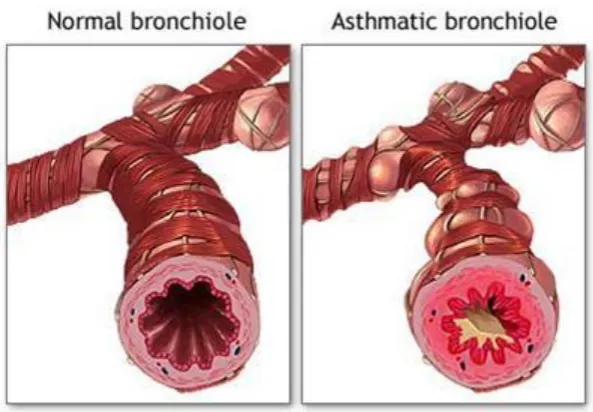
Figure 1.1. Illustration of the pathophysiology of asthma (A.D.A.M, 2007). ... 2
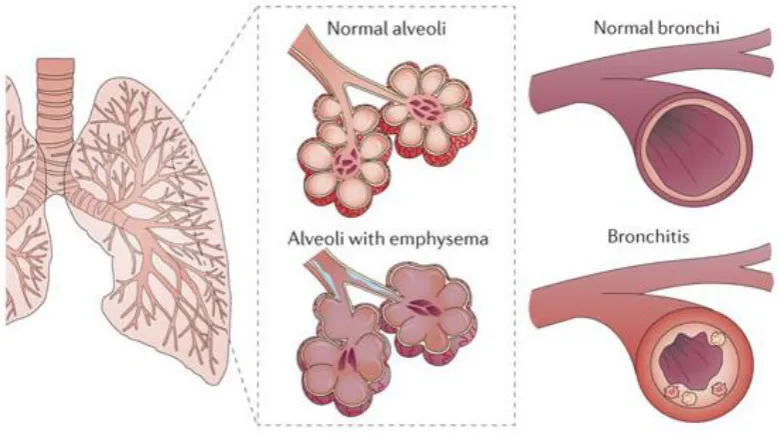
Figure 1.2. Illustration of the pathophysiology of COPD (Houghton, 2013). ... 4
Figure 1.3. Pressurised metered dose inhaler (pMDI). ... 6
Figure 1.4. Examples of dry powder inhalers (DPIs). ... 9
Figure 2.1. Illustration of a DPI inhalation flow profile. ... 19
Figure 2.2. DPI inhalation flow profiles from two different inhalation manoeuvres. ... 20
Figure 2.3. Examples of inhaler electronic monitoring devices. ... 31
Figure 2.4. Block diagram of an audio-based inhaler monitoring system. ... 32
Figure 2.5. Inhaler Compliance Assessment (INCA) device. ... 33
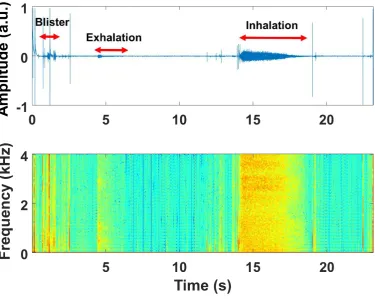
Figure 2.6. Example of a typical Diskus DPI INCA recording audio time domain signal (linear representation of sound pressure) and corresponding spectrogram. ... 34
Figure 2.7. Anatomy of the upper and lower respiratory tract (Teva Respiratory, 2014). ... 39
Figure 2.8. Block diagram of audio-based classification. ... 50
Figure 2.9. Block diagram of automatic inhaler sound detection algorithm (Holmes et al., 2014a). ... 59
Figure 2.10. Area of semi-ellipse from which the volume or IC of an inhaler inhalation can be estimated. ... 73
Figure 2.11. NGI cascade impactor used for in-vitro inhaler drug delivery testing [Copley Scientific Limited, Nottingham, UK]. ... 75
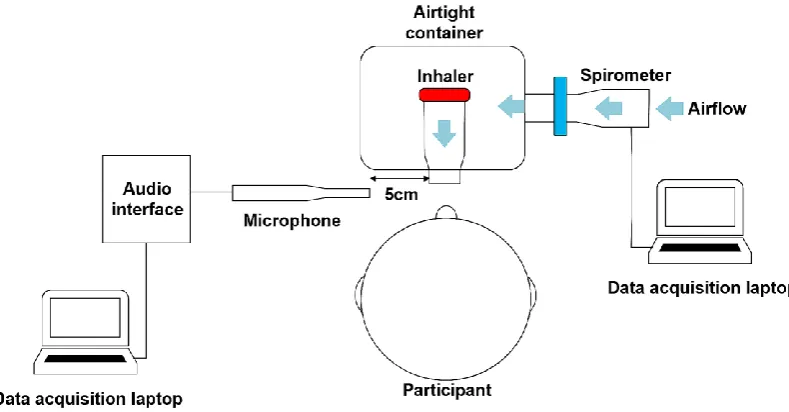
Figure 4.1. Inhaler Recording Experimental Setup. ... 91
Figure 4.2. Averaged power spectral density estimates of inhaler inhalation sounds from one participant. ... 94
Figure 4.3. PIFR versus Pave regression plots. ... 98
xvii
Figure 4.5. Boxplot of R2 highlighting repeatability of peak frequencies of inhaler
inhalation power spectral density. ... 100
Figure 4.6. Average Pave values (± std. error) of inhaler inhalations for male and female groups. ... 108
Figure 5.1. Pictures of patient inhaler recording experimental setup. ... 115
Figure 5.2. Audio time domain signals and spectrograms of inhaler inhalation sounds. ... 117
Figure 5.3. Linear relationship between PIFR and the Shannon entropy (H) of non-contact inhalation sounds from patient cohort. ... 123
Figure 5.4. Power spectral density estimates of three inhalations across and within patients. ... 124
Figure 5.5. Median (± standard error) of Pearson’s linear correlation coefficient r values of intra and inter-patient PSD profile correlations in the non-contact and tracheal inhalation audio signals. ... 125
Figure 5.6. Changes in lung function, inhaler PIFR and audio-based features of inhaler inhalations during bronchial challenge test for responsive and non-responisve patients. ... 134
Figure 6.1. Inhaler recording setup. ... 142
Figure 6.2. Example of inhaler inhalation audio and flow signals. ... 145
Figure 6.3. Examples of actual and estimated inhaler inhalation flow profiles. ... 149
Figure 6.4. Average audio-based flow estimation errors. ... 150
Figure 6.5. Average flow estimation accuracy (± standard error) averaged across all flow ranges for each participant. ... 151
Figure 6.6. Boxplots representing the median, interquartile range and 1.5×interquartile range of regression coefficients. ... 152
Figure 6.7. Average accuracy (%) ± standard error (shaded region) of inhalation flow profile parameter estimation across all flow rates at different SNR levels. ... 152
Figure 7.1. pMDI recording setup. ... 158
Figure 7.2. Audio signal of a patient using a pMDI. ... 159
Figure 7.3. The continuous wavelet transform of a pMDI audio signal. ... 162
Figure 7.4. Flow chart of actuation sound event detection algorithm. ... 163
xviii
xix
List of Tables
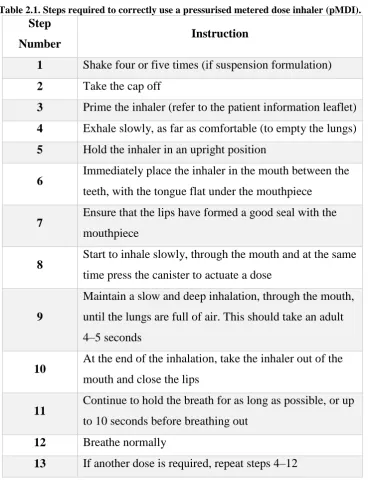
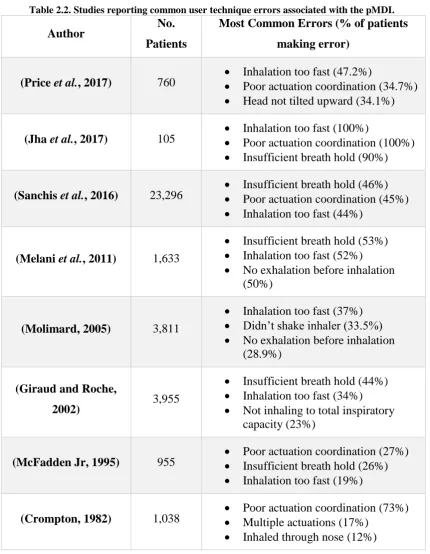
Table 2.1. Steps required to correctly use a pressurised metered dose inhaler (pMDI). 15 Table 2.2. Studies reporting common user technique errors associated with the pMDI. 16
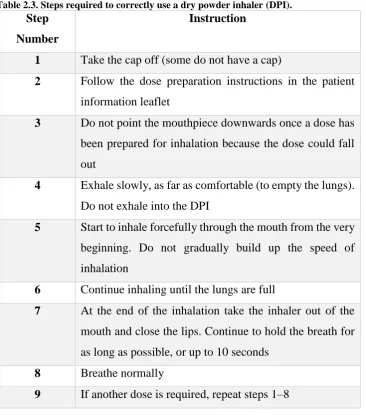
Table 2.3. Steps required to correctly use a dry powder inhaler (DPI). ... 18
Table 2.4. Studies reporting common user technique errors associated with the DPI. .. 21
Table 2.5. List of studies involving automatic classification of respiratory sounds. ... 55
Table 2.6. List of studies involving respiratory flow estimation using audio-based signal processing methods. ... 64
Table 2.7. Summary of advantages and disadvantages of current methods of monitoring patient inhaler adherence. ... 80
Table 4.1. Summary of participant demographics and baseline lung function data. ... 97
Table 4.2. Correlation scores (R2) between PIFR and audio-based features. ... 97
Table 4.3. Participant anthropometric information (mean ± standard deviation). ... 104
Table 4.4. Statistical analyses of non-contact and tracheal inspiratory inhaler sounds with gender, height, weight and BMI. ... 107
Table 5.1. Patient demographics and baseline spirometric measurements. ... 122
Table 5.2. Adjusted R2 correlation values between audio-based features and PIFR of inhaler inhalations. ... 122
Table 5.3. Patient information (n=8) and baseline lung function (mean ± standard deviation). ... 130
Table 5.4. Regression results (R2 values) detailing the correlation between changes in lung function (∆FEV1%) and audio features (∆AF%) for responsive patients (n=4). . 133
Table 5.5. Regression results (R2 values) detaling the correlation between changes in lung function (∆FEV1%) and audio features (∆AF%) for non-responsive patients (n=4). .. 134
xx
Table 6.2. Mean (± standard deviation) of flow parameter values from recorded inhalation flow signals averaged across all participants. ... 148 Table 7.1. Actuation sound event detection algorithm performance results. ... 164 Table 7.2. Performance measures of quadratic discriminant analysis and artificial neural network classification on patient inhaler audio testing dataset. ... 181 Table 7.3. Cohen’s kappa statistic (κ) measuring level of agreement between the inhaler
xxi
Glossary of Abbreviations
ACT Asthma Control Test ANN Artificial Neural Network
AQLQ Asthma Quality of Life Questionnaire ATS American Thoracic Society
a.u. Arbitrary Units
BA Bronchoconstrictor Agent BCT Bronchial Challenge Test BMI Body Mass Index
CFC Chlorofluorocarbon
COPD Chronic Obstructive Pulmonary Disease CORSA Computerised Respiratory Sound Analysis CoV Coefficient of Variation
CWT Continuous Wavelet Transform
d Diameter
dB Decibel
dBA Decibel (A-weighted) DCT Discrete Cosine Transform DPI Dry Powder Inhaler
𝐅̂ Estimated Flow Rate
f0 Fundamental Frequency
F25 Frequency below which 25% of total spectral power lies
F50 Frequency below which 50% of total spectral power lies
F75 Frequency below which 75% of total spectral power lies
F99 Frequency below which 99% of total spectral power lies
xxii
FEF50 Forced Expiratory Flow at 50% Vital Capacity FEV1 Forced Expiratory Volume in 1 Second
FIVC Forced Inspiratory Vital Capacity FFT Fast Fourier Transform
Fmax Frequency of Maximum Power
FPF Fine Particle Fraction FSR Force Sensitive Resistor FVC Forced Vital Capacity GLS Generalised Least Squares GMM Gaussian Mixture Model H Shannon entropy
HFA Hydrofluoroalkane
HFI Highest Frequency during Inspiratory breath phase HMM Hidden Markov Model
IC Inspiratory Capacity IFR Inspiratory Flow Rate
INCA Inhaler Compliance Assessment J Performance Measure
κ Cohen’s Kappa Statistic KFD Katz Fractal Dimension LABA Long-Acting Beta-Agonist LPC Linear Predictive Coding MAD Mean Absolute Deviation MEMS Microelectromechanical System MFCC Mel Frequency Cepstral Coefficient NC Non-Contact microphone
NGI Next Generation Cascade Impactor NPV Negative Predictive Value
P Pressure change inside of a dry powder inhaler during inhalation Pave Average Power
Pf0f1 Summation of power of fundamental frequency and first harmonic
PA Positive predictive value of Actuation sound event detection
PE Positive predictive value of Exhalation sound event detection
xxiii
Pxx Welch Power Spectral Density
pdf Probability Density Function PEFR Peak Expiratory Flow Rate PET Polyethylene Terephthalate PIFR Peak Inspiratory Flow Rate
PIFRsim Peak Inspiratory Flow Fate of inhalation (not at maximum effort)
𝐏𝐈𝐅𝐑̂ Estimated Peak Inspiratory Flow Rate
pMDI Pressurised Metered Dose Inhaler PPV Positive Predictive Value
PSD Power Spectral Density
QDA Quadratic Discriminant Analysis
r Pearson’s Linear Correlation Coefficient R Airflow resistance of inhaler
R2 Coefficient of Determination
RCSI The Royal College of Surgeons in Ireland RIP Respiratory Inductance Plethysmography RMS Root Mean Square of amplitude
SABA Short-Acting Beta-Agonist
s Seconds
SA Sensitivity of Actuation sound event detection
SE Sensitivity of Exhalation sound event detection
SI Sensitivity of Inhalation sound event detection
SNR Signal to Noise Ratio
STFT Short Time Fourier Transform SVM Support Vector Machine T Tracheal microphone TED Total Emitted Dose
V Volts
1
Introduction
Chronic respiratory diseases affect the airways and involve airflow obstruction and the destruction of lung parenchyma (Houghton, 2013). These diseases include asthma, chronic obstructive pulmonary disease (COPD), sleep apnoea and pulmonary hypertension. Chronic respiratory disease places a significant burden on a person’s quality of life. Hundreds of millions of people are affected by these diseases worldwide causing over four million deaths per annum (Cruz et al., 2007). In the European Union (E.U), over 600,000 people die from respiratory diseases every year (van Boven et al., 2017). As well as this, a significant economic burden is caused from chronic respiratory diseases in terms of direct medical costs (e.g. hospital admissions) and indirect medical costs (e.g. lost time at work) (Masoli et al., 2004). Two of the most prevalent chronic respiratory diseases are asthma and COPD. There is currently no cure for these diseases but they may be controlled using inhaler devices to administer medication to patients. Inhalers can improve symptom control and prevent exacerbations (sudden worsening of symptoms) from occurring (Bosnic-Anticevich et al., 2017). However, the initiation, implementation and persistence of prescribed inhaled medication is imperative for the long term treatment of asthma and COPD (Vrijens et al., 2016).
Asthma
2
Figure 1.1. Illustration of the pathophysiology of asthma (A.D.A.M, 2007).
an “attack” or exacerbation which can be potentially life threatening to patients. Figure 1.1 illustrates the basic pathophysiology of asthma (A.D.A.M, 2007).
Over 300 million people are affected by asthma worldwide and it is estimated that a further 100 million will be affected by 2025 (Normansell and Kew, 2016; Zeki, 2014). It is the most common chronic disease suffered by children with over 6.8 million children affected in the United States (U.S) alone. It is the most common chronic respiratory disease in adults with over 250,000 people affected in Ireland (Asthma Society of Ireland, 2017; Health Service Executive, 2017a). Over 250,000 people die from asthma every year (Bateman et al., 2008). Ireland has the fourth highest prevalence of asthma worldwide (Health Service Executive, 2017a).
The causes of asthma are not fully understood. Some of the risk factors associated with asthma include (Ferkol and Schraufnagel, 2014);
Genetic predisposition Environmental allergens Air pollutants
Dietary factors
Abnormal immunological responses
3 economy is reported to be over $50 billion per annum between direct and indirect costs associated with the disease (Szefler et al., 2011). In Europe, the estimated average cost for a child with asthma ranges from €883 to €2,202 per annum with costs of €632 to €2,745 per annum for adults (Price et al., 2013). Costs can be significantly higher in
uncontrolled patients (Accordini et al., 2013). Much of this economic burden is associated with patients not taking their inhaler or using their inhaler with incorrect user technique (Normansell and Kew, 2016).
Chronic Obstructive Pulmonary Disease (COPD)
COPD is a preventable, progressive disease that is characterised by airflow limitation that is not fully reversible and is associated with an abnormal inflammatory response of the lungs to noxious particles or gases (Pauwels and Rabe, 2004; Bateman et al., 2008). The main site of obstruction is reported to be in the smaller airways. The airways become inflamed in response to noxious particles or gases such as tobacco smoke (Hanania and Sharafkhaneh, 2011). The most common symptoms include shortness of breath, cough and sputum production (GOLD, 2017). COPD is an umbrella term that is used to describe a number of chronic respiratory diseases such as emphysema and chronic bronchitis that cause limitations in lung airflow (WHO, 2015). Emphysema involves gradual destruction of the alveoli in the lungs while chronic bronchitis involves inflammation of the bronchioles and can result in chronic cough (Cruz et al., 2007). Differentiating between asthma and COPD can sometimes be challenging in clinical practice as symptoms may overlap, change or exist in parallel (Toy et al., 2011). Figure 1.2 illustrates the pathophysiology of COPD differentiating between emphysema and chronic bronchitis (Houghton, 2013).
4
Figure 1.2. Illustration of the pathophysiology of COPD (Houghton, 2013).
Smoking is responsible for 75% of COPD cases and is the number one risk factor associated with the disease (Aït-Khaled et al., 2001). It has been reported that 15-25% of smokers will be affected by COPD at some point in their life (Houghton, 2013). Other main risk factors associated with COPD include (Ferkol and Schraufnagel, 2014);
Indoor smoke
Occupational gasses and particles Outdoor pollutants
Asthma
As with asthma, COPD causes a significant economic burden. In the U.S, COPD is the fourth leading cause of death and accounts for 1.5 million emergency room visits. There are 636,000 hospitalisations every year costing a total of $42.6 billion, $11.3 billion of which is directly associated with hospital care (Dalal et al., 2011). Direct costs of COPD are estimated to be $1,500 per patient per annum. In, Europe, annual healthcare costs associated with COPD are reported to be €48.4 billion with costs projected to
continually increase to 2020 (Ford et al., 2014; European Respiratory Society, 2017).
1.2.1
Spirometry
5 test to diagnose chronic respiratory diseases such as asthma and COPD. Spirometry is defined as “a physiological test that measures how an individual inhales or exhales volumes of air as a function of time” (Miller et al., 2005). Patients are instructed to
perform tidal breathing through a pneumotachograph mouthpiece before performing forced inhalation and exhalation manoeuvres. The forced expiratory volume in one second (FEV1), forced vital capacity (FVC), the ration between FEV1 and FVC and the percentage of predicted FEV1 (FEV1%) are used to characterise airflow limitation in patients. Predicted values are based on the patient’s age, BMI, sex and race. Patients with
moderate COPD tend to have FEV1% values of between 50%-80% with severe COPD values between 30%-50% (GOLD, 2017). FEV1/FVC values less than 0.7, particularly after the administration of a bronchodilator, can signify the presence of COPD (Pauwels and Rabe, 2004; Celli, 2000). Reversible airflow obstruction can be diagnosed by assessing lung function measurements before and after the administration of a bronchodilator. This can assist in the diagnosis of asthma (Horak et al., 2016).
Inhaled Therapy
Asthma and COPD are usually treated with medication administered through inhalation. Inhalation therapy is the preferred choice over other forms of therapy, such as oral or nasal administration, for a number of reasons. Inhaled medications directly target the airways which is critical for relieving symptoms of asthma and COPD. The speed of onset is significantly quicker than oral administration and the therapeutic effect may last longer also (Hajian et al., 2016; Lavorini, 2013; Everard, 2003). Adverse side-effects are limited with inhaled therapy as they require significantly smaller doses to relieve symptoms in comparison to oral medication (Rodriguez-Martinez et al., 2016; Hajian et al., 2016).
6 longer period of time (Normansell and Kew, 2016). A range of specific combinations of medication are available for asthma and COPD patients depending on the severity of the disease.
Inhaled medication is administered to patients using inhaler devices of which there are three main types; pressurised metered dose inhaler (pMDI), dry powder inhaler (DPI), soft mist nebulizers (Backman et al., 2014). The most common inhaler devices used in clinical practice are pMDIs and DPIs and so will be the primary focus of this research.
1.3.1
Pressurised metered dose inhaler (pMDI)
The pMDI is the most commonly used inhaler worldwide with total worldwide sales in excess of $2 billion per annum (Lavorini, 2013; Virchow et al., 2008). It is a handheld, cheap, multi-dose, portable device that is available for a number of medications (Lavorini, 2013). Approximately 40% of the aerosol particles in pMDIs are in the respirable range (Lavorini, 2013). The pMDI consists of a pressurised canister which contains the medication, a metering valve and support casing as shown in Figure 1.3.
Figure 1.3. Pressurised metered dose inhaler (pMDI). Adapted from (MPR, 2017; A.D.A.M, 2017).
The medication is suspended or dissolved in a propellant within the pressurised canister. Propellants are volatile substances that are gaseous at ambient temperature and pressure but liquidise when cooled. Originally, chlorofluorocarbon (CFC) propellants were used in pMDIs but have been phased out in recent years due to the consensus that they damage the o-zone layer. For this reason, hydrofluoroalkane (HFA) propellants have been introduced as a replacement for CFCs (Rau, 2006).
7 immediately leaving only the medication to be inhaled by the patient. The metering valve ensures a known consistent volume of propellant/medication is dispensed from the inhaler (Roche and Dekhuijzen, 2016). The HFA pMDIs contain ethanol so they tend to generate a warmer temperature aerosol plume (approximately 8°C) (Lavorini et al., 2014). The aerosol plume generated from HFA pMDIs generate slower velocity upon actuation also compared to CFCs. This reduces the cold freon effect sometimes experienced by patients whereby patients cease their inhalation prematurely due to the cold sensation exhibited from the aerosol plume hitting the back of the throat during actuation (Crompton, 1982; Gabrio et al., 1999).
As with all inhalers, pMDI requires a number of specific steps in order for the patient to receive maximum therapeutic effect from the inhaler. The most critical step when using any inhaler is the inhalation event. When using a pMDI, patients are instructed to actuate the canister of the pMDI as they begin a “slow” and “deep” inhalation (Chrystyn and Price, 2009). Patients are required to inhale steadily below 90 L/min in order to ensure the medication reaches the lower airways (Al-Showair et al., 2007a; Ammari and Chrystyn, 2013). The flow rate of inhalation directly affects the velocity of the aerosol particles. Inhaling too fast may increase the probability of the aerosol particles being deposited in the oropharynx and larynx rather than the lower airways (Laube et al., 2011).
1.3.2
Dry powder inhaler (DPI)
The DPI is also a handheld, multi-dose device that delivers medication to the airways via an inhalation. DPIs are also available for a range of medications. As the name suggests, the medication is in dry powder form and, therefore, they do not require any propellant gases to deliver medication. DPIs are breath-actuated devices meaning that they do not require the patient to physically actuate the inhaler during inhalation. This highlights a major advantage of DPIs over pMDIs. It has been reported that patients make fewer user technique errors that prohibit maximum drug delivery when using DPIs in comparison to pMDIs. For this reason, DPIs are becoming more and more popular in clinical practice (Melzer et al., 2017).
8 required to generate sufficient turbulent energy to break up and de-agglomerate the powder into an aerosol of suitable particle size to reach the lower airways (<5 µm). The turbulent energy within the DPI is caused from the pressure drop associated with the patient’s inhalation flow rate and the DPI’s internal resistance to airflow. This
relationship can be represented as follows;
√𝑃 = 𝐹 × 𝑅 (1.1)
where 𝑃 is the pressure change inside the DPI, 𝐹 is the inhalation flow rate and 𝑅 is the DPI resistance to airflow (Chrystyn and Price, 2009; Azouz and Chrystyn, 2012).
DPI resistance to airflow varies across different DPI designs, therefore, it is not suitable to compare patient inhalation flow rate across DPI devices. The turbulent energy generated within the device during inhalation is of more significance. Patients may be able to achieve significantly higher inhalation flow rate in certain DPIs compared to others.
Figure 1.4 presents the main components of a range of DPIs including the Diskus, Ellipta and Turbuhaler. DPIs also require a number of specific steps in order for patients to receive maximum clinical benefit from the inhaler. There are many different designs and brands of DPI devices, all with different airflow resistance levels and different mechanisms to prepare the medication dose for inhalation. According to the literature, the “optimal” inhalation flow rate of inhalation may change across different DPI device
9
Figure 1.4. Examples of dry powder inhalers (DPIs).
(A) Diskus [GlaxoSmithKline, London, UK], (B) Ellipta [GlaxoSmithKline, London, UK] and (C) Turbuhaler [AstraZeneca, Södertälje, Sweden].
Adherence
Adherence is a term used to describe “the extent to which a person’s behaviour –
taking medication, following a diet, and/or executing lifestyle changes, corresponds with agreed recommendations from a healthcare provider” (WHO, 2003). Adherence is also referred to as “compliance”, “persistence” or “concordance” in the literature (Pritchard
and Nicholls, 2015; Blaschke et al., 2012). In terms of inhaler use, adherence is composed of temporal adherence (when the patient used their inhaler) and user technique adherence (how the patient used their inhaler). Adherence to inhaler medication is imperative for the long term management of chronic respiratory diseases (Toy et al., 2011).
10 osteoporosis (Sanduzzi et al., 2014). According to a Cochrane review, up to 80% of asthma patients do not use their inhaler with correct user technique (Normansell and Kew, 2016). COPD adherence has not improved in the last 40 years, with studies reporting over 50% of COPD patients having poor inhaler adherence (Sanchis et al., 2016; Molimard et al., 2016). In terms of inhaler user technique adherence, patients often make critical errors while using their inhaler which prohibits them from receiving the maximum available medication dose. Critical errors can be defined as those resulting in little or no medication reaching the lungs and resulting in poor disease outcomes (Batterink et al., 2012; Price et al., 2017). It is important to understand what critical errors are most common amongst patients, what are the consequences of these critical errors in terms of clinical outcomes and how can they be objectively monitored to improve patients’ inhaler user technique.
Poor inhaler adherence leads to poor disease control in asthma patients, particularly with uncontrolled asthma (Price et al., 2017; Horak et al., 2016; Giraud et al., 2011). It is also associated with poor disease control in COPD patients (Lee et al., 2014). It was previously reported that COPD patients are twice as likely to be hospitalised if they do not use their inhaler correctly (Molimard et al., 2016). Mortality rates have been reported to double in COPD when patients are non-adherent to their inhaler medication (Vestbo et al., 2009). Another previous study reported that COPD patients tend to have poor pMDI user technique during an exacerbation (Broeders et al., 2004). This highlights that some patients may not be able to use their inhaler correctly when they need it the most. Poor inhalation technique in DPIs is associated with increased rate of exacerbations in asthma patients (with 32%-38% making this critical error) (Price et al., 2017). Furthermore, patients may not feel an improvement in their respiratory health if they are non-adherent to their inhaler medication. Healthcare professionals may increase the dose of inhaler medications as they may attribute poor disease control with the pharmacological properties of the medication rather than adherence (Bonini and Usmani, 2015; Bateman
et al., 2008). This can increase healthcare costs even though it may not be completely necessary.
11 technique is associated with increased healthcare costs in Europe also. It was reported that poor inhalation technique in inhalers was associated with costs of €782 million across
Spain, Sweden and the UK (Lewis et al., 2016). The estimated revenue loss to the pharmaceutical industry is an estimated $637 billion due to poor adherence (Capgemini Consulting, 2016).
Improving patient inhaler adherence can reduce the risk of exacerbations and improve respiratory health. Therefore, there is an urgent clinical need to provide healthcare professionals with objective information regarding patient inhaler adherence (both temporal and user technique) (Davis et al., 2017). Sensor-based inhaler monitoring technologies have shown promising opportunities to collect pertinent data regarding when (temporal adherence) and where patients use their inhalers (Kikidis et al., 2016; Chan et al., 2013; Su et al., 2017). The global market for “smart” inhalers and sensor-enabled monitoring technologies is on the rise and it is estimated that it will be a $3.56 billion industry by 2024 (Grand View Research, 2016). However, many of the monitoring devices available cannot objectively assess patient user technique adherence (how patients use their inhaler). In previous research, the Inhaler Compliance Assessment (INCA) system highlighted the potential in employing audio-based methods to obtain objective information regarding both temporal and user technique adherence as well as quantifying the amount of drug delivered to patients using the Diskus DPI (Holmes et al., 2014a; Sulaiman et al., 2017). The system employed audio-based signal processing methods to automatically classify inhaler events such as inhalation, drug preparation and exhalation sounds. By assessing the timing and the order of these inhaler sound events, objective assessment of patient user technique is possible. This allows healthcare professionals to personalise treatment to the patients’ needs with the goal of improving
their adherence and their beliefs towards their medication. However, little is known regarding the use of audio-based methods to objectively assess patient user technique in pMDIs and other DPIs such as the Ellipta and Turbuhaler. Furthermore, there is lack of research to date on how audio-based methods of inhaler use can be used to observe patients’ clinical response to treatment.
Research Goal and Collaborations
12 for new adherence measures to be introduced into respiratory medicine, new signal processing methods are needed to extract pertinent clinical information of patient inhaler use. Based on the existing literature, previous audio-based methods of objectively assessing patient inhaler user technique were examined in significant detail. The specific aims and hypothesis are presented in further detail in Chapter 3. Studies to further improve the scientific depth and applicability of these methods to a range of different inhaler devices were conducted as part of this thesis.
This research involved a close collaboration between the Trinity Centre for Bioengineering in Trinity College Dublin and healthcare professionals in the Royal College of Surgeons in Ireland (RCSI), Beaumont Hospital, Dublin, Ireland and in the Bon Secours Hospital, Dublin, Ireland. This collaboration enabled the collection of clinical data from patients with chronic respiratory diseases, enhanced the design of patient-focused experiments and ensured that studies were performed in line with current ethical guidelines. This research also involved collaboration with the engineering team at Vitalograph Ireland Ltd., Ennis, Co. Clare, Ireland who manufactured and provided spirometers and INCA audio recording devices for acquiring inhaler flow and audio data.
Thesis Outline
This thesis is organised into a series of studies. Chapter 2 reviews the literature associated with the prevalence and consequences of poor adherence to correct pMDI and DPI user technique amongst asthma and COPD patients. It also focuses on the existing literature on audio-based methods of detecting and classifying respiratory sounds and estimating respiratory flow rate. Chapter 2 reviews the literature on audio-based methods of monitoring inhaler adherence and the clinical impact it has on the treatment of asthma and COPD. Chapter 3 introduces the main aim and hypothesis of this thesis and the specific research questions that were addressed.
13 Chapter 5 investigates the relationship between audio-based features of inhaler inhalation sounds and patient lung function during and after an induced exacerbation with the aim of remotely monitoring lung function during treatment through audio analysis of inhaler inhalation sounds. The study described in Chapter 6 focuses on the development of a method to estimate the inhalation flow profile (which allows for measuring PIFR, IC and other flow parameters that directly influence inhaler drug delivery) from the Ellipta DPI using audio-based features from just one inhalation audio signal for calibration. The final two studies of the thesis described in Chapter 7 focus on the development of an audio-based signal processing algorithm to automatically objectively assess pMDI user technique in asthma and COPD patients. The second study in Chapter 7 also compares the performance of the developed audio-based methods of assessing inhaler user technique with a subjective clinical checklist method.
14
Literature Review
Patient Adherence to Pressurised Metered Dose Inhaler
User Technique
Although the pMDI is the most commonly used inhaler device worldwide and generates high dose consistency, there are some major disadvantages in terms of using pMDIs in clinical practice. The main disadvantage with pMDIs is that many patients do not use them with correct user technique which greatly impairs clinical outcomes for patients (Crompton, 2004). The specific user technique steps regarding how to correctly use a pMDI are given in Table 2.1 (Laube et al., 2011). The device requires the patient to physically actuate the inhaler canister to receive medication; therefore, they are not breath-actuated. Good coordination between actuation and inhalation (also referred to as actuation coordination) is critical (see step 8 in Table 2.1) in ensuring maximum drug deposition in the lower airways which makes it challenging to use for many patients (Sanchis et al., 2016). Moreover, the pMDI propellant fires the medication from the inhaler rapidly, therefore the patient is only required to guide the medication with a low flow rate inhalation (Murphy, 2016). The pMDI has minimal resistance to air flow which may allow patients to inhale too fast in relation to the recommended flow rate of 90 L/min (Azouz et al., 2014). This causes high oropharyngeal deposition which reduces therapeutic effect (Lavorini, 2013). Also, many pMDIs do not have dose counters, making it very challenging for patients to keep a record of the number of doses administered (Chrystyn and Price, 2009).
15
Table 2.1. Steps required to correctly use a pressurised metered dose inhaler (pMDI).
Step
Number Instruction
1 Shake four or five times (if suspension formulation) 2 Take the cap off
3 Prime the inhaler (refer to the patient information leaflet) 4 Exhale slowly, as far as comfortable (to empty the lungs) 5 Hold the inhaler in an upright position
6 Immediately place the inhaler in the mouth between the teeth, with the tongue flat under the mouthpiece
7 Ensure that the lips have formed a good seal with the mouthpiece
8 Start to inhale slowly, through the mouth and at the same time press the canister to actuate a dose
9
Maintain a slow and deep inhalation, through the mouth, until the lungs are full of air. This should take an adult 4–5 seconds
10 At the end of the inhalation, take the inhaler out of the mouth and close the lips
11 Continue to hold the breath for as long as possible, or up to 10 seconds before breathing out
12 Breathe normally
13 If another dose is required, repeat steps 4–12
16
Table 2.2. Studies reporting common user technique errors associated with the pMDI.
Author No.
Patients
Most Common Errors (% of patients
making error)
(Price et al., 2017) 760 Inhalation too fast (47.2%) Poor actuation coordination (34.7%) Head not tilted upward (34.1%)
(Jha et al., 2017) 105
Inhalation too fast (100%)
Poor actuation coordination (100%) Insufficient breath hold (90%)
(Sanchis et al., 2016) 23,296 Insufficient breath hold (46%) Poor actuation coordination (45%) Inhalation too fast (44%)
(Melani et al., 2011) 1,633
Insufficient breath hold (53%) Inhalation too fast (52%) No exhalation before inhalation
(50%)
(Molimard, 2005) 3,811
Inhalation too fast (37%) Didn’t shake inhaler (33.5%) No exhalation before inhalation
(28.9%)
(Giraud and Roche,
2002) 3,955
Insufficient breath hold (44%) Inhalation too fast (34%) Not inhaling to total inspiratory
capacity (23%)
(McFadden Jr, 1995) 955 Poor actuation coordination (27%) Insufficient breath hold (26%) Inhalation too fast (19%)
(Crompton, 1982) 1,038 Poor actuation coordination (73%) Multiple actuations (17%) Inhaled through nose (12%)
17 Haughney et al., 2010; Pirozynski and Sosnowski, 2016). Poor coordination leads to excess deposition in the oropharynx (Giraud and Roche, 2002). More specifically, even actuating towards the end of an inhalation can reduce the penetration of drug to the lower airways due to the reduced volume of inhalation (Pirozynski and Sosnowski, 2016). Actuating the inhaler multiple times can reduce the delivered dose per actuation also (Murphy, 2016). Reduced volume of inhalation can also come as a consequence of not exhaling to empty the lungs before inhaling. Consequently, there was a clinical need to introduce new inhaler device designs such as DPIs to address these issues. However, DPIs have their own clinical disadvantages.
Patient Adherence to Dry Powder Inhaler User
Technique
Although DPIs eliminate the issue of actuation coordination observed in pMDIs and are breath-actuated, there are still some concerns regarding DPI use in clinical practice also. The clinical efficacy of DPIs is heavily reliant on the patient’s inhalation manoeuvre.
18
Table 2.3. Steps required to correctly use a dry powder inhaler (DPI).
Step
Number
Instruction
1 Take the cap off (some do not have a cap)
2 Follow the dose preparation instructions in the patient information leaflet
3 Do not point the mouthpiece downwards once a dose has been prepared for inhalation because the dose could fall out
4 Exhale slowly, as far as comfortable (to empty the lungs). Do not exhale into the DPI
5 Start to inhale forcefully through the mouth from the very beginning. Do not gradually build up the speed of inhalation
6 Continue inhaling until the lungs are full
7 At the end of the inhalation take the inhaler out of the mouth and close the lips. Continue to hold the breath for as long as possible, or up to 10 seconds
8 Breathe normally
19
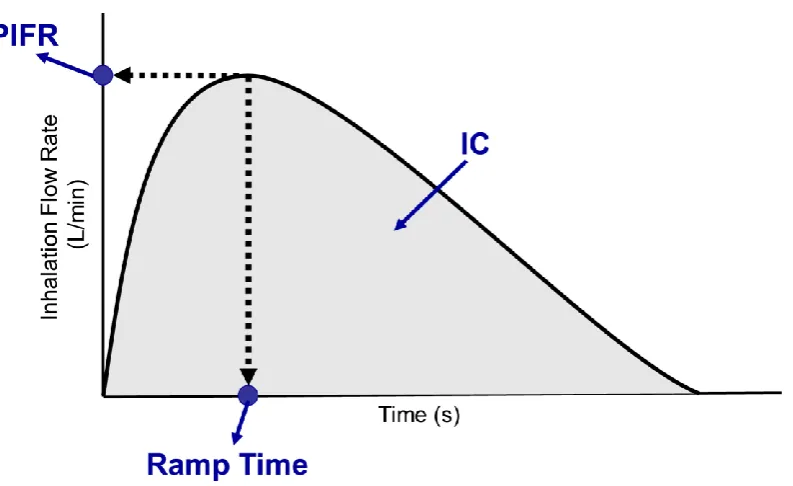
Figure 2.1. Illustration of a DPI inhalation flow profile.
The plot demonstrates flow parameters including peak inspiratory flow rate (PIFR) which corresponds to the peak flow rate of the flow profile curve, the inspiratory capacity (IC) which corresponds to the area under the curve (shaded region) and the ramp time which corresponds to the time at which PIFR is achieved.
20
Figure 2.2. DPI inhalation flow profiles from two different inhalation manoeuvres. The plot presents patient inhalation profiles that are usual (Flow Profile 1) vs. ideal (Flow Profile 2) for DPI dose emission. Actual shape will vary with the device used (adapted from (Chrystyn and Price, 2009; Haughney et al., 2010)).
New DPI devices are being developed regularly as the medication market for DPIs continues to rise (Chrystyn and Niederlaender, 2012). However, new medication formulations have to be optimised to the inhaler design. Certain formulations may be tailored to high resistance or low resistance DPIs depending on the properties of the drug carrier agglomerate and mixtures. Therefore, using the same formulation of medication in different DPIs may generate different clinical outcomes (Lavorini et al., 2014).
Many patients make critical errors when using DPIs also. A study by Melani et al.
(2011) reported that patients made more critical errors using DPIs than pMDIs (Melani
et al., 2011). Table 2.4 lists a number of studies that reported several critical errors associated with DPIs. The top three most common critical errors observed in each study are listed also.
21
Table 2.4. Studies reporting common user technique errors associated with the DPI.
Author DPI Used No. Patients
Most Common Errors (% of patients
making error)
(Price et al.,
2017) Diskus 826
Insufficient inhalation flow rate (38.4%)
Head not tilted upward (34.6%) No exhalation before inhalation
(32.4%)
(Price et al.,
2017) Turbuhaler 2,074
Insufficient drug preparation (48.8%)
Head not tilted upward (34.3%) Insufficient inhalation flow rate
(32.1%)
(Jha et al.,
2017)
DPI
(General) 105
No exhalation before inhalation (87.7%)
Insufficient breath hold (82.2%) Insufficient inhalation flow rate
(79.5%)
(Sanchis et
al., 2016)
DPI
(General) 27,040
No exhalation before inhalation (46%)
Insufficient breath hold (37%) Incorrect drug preparation (29%)
(Melani et
al., 2011) Diskus 1,633
Insufficient breath hold (32%) Not inhaling to total inspiratory
capacity (29%)
Exhaling into the mouthpiece (22%)
(Melani et
al., 2011) Turbuhaler 1,633
Insufficient breath hold (28%) Insufficient inhalation flow rate
(22%)
Not inhaling to total inspiratory capacity (22%)
22 study by Horváth et al. (2017) reported that a breath hold of even just five seconds during DPI use can increase drug deposition in the airways by 11.3-26.5% (Horváth et al., 2017).
Factors Associated with Poor Inhaler Adherence
There are a range of factors associated as to why poor adherence is so prevalent amongst patients. These factors can be divided into a number of categories; patient, treatment and healthcare professional factors (Bourbeau and Bartlett, 2008; Ari, 2015).
2.3.1
Patient factors
As previously mentioned, patient satisfaction with their device influences inhaler adherence and clinical outcomes of inhaled therapy (Small et al., 2011; Mäkelä et al., 2013). However, it has been reported that patients may be still prone to incorrect user technique even if they are satisfied with their device (Jahedi et al., 2016). Patients’ beliefs in their medication can play a significant role in adherence (Conn et al., 2007). This may relate to the patient not believing the medication has any clinical effect, or that they do not have confidence in their healthcare professional. Some patients believe that they use their inhaler with correct user technique when in reality they do not (Jahedi et al., 2016). In a study by Giraud and Roche (2002), it was reported that 85% of patients with poor user technique using a pMDI believed they had correct user technique (Giraud and Roche, 2002). A patient’s memory of the correct steps to use an inhaler device may diminish over time also (Crompton et al., 2006; Ammari et al., 2017). Cognitive ability may influence patients becoming non-adherent (Moran et al., 2017; Baird et al., 2017). Studies have reported that performance in the minimental test (MMT) was significantly correlated with inhalation technique (r=0.48, p=0.032) (Allen and Ragab, 2002). This is also likely linked with age, as age has also been reported to be a significant influence on inhaler adherence in several studies (Jarvis et al., 2007; Giraud and Roche, 2002; Melani et al., 2011; Lurslurchachai et al., 2014). Comorbidities such as visual and hearing loss are also associated with poor inhaler adherence (Ammari et al., 2017).
Patient’s health literacy levels influence adherence in both pMDIs and DPIs (O'Conor
23 reported that elderly patients tend to have low levels of knowledge regarding their respiratory disease (Ozturk et al., 2015). Education/literacy levels have shown to be a significant factor on inhaler user technique with illiterate patients making more errors than postgraduate/professionally qualified patients (Arora et al., 2014).
2.3.2
Treatment factors
There exists almost 200 different designs of inhalers across pMDIs ,DPIs and soft mist nebulizers, each with their own different specific steps required to deliver the medication efficiently (Braido et al., 2016a). Selecting a suitable inhaler device is a critical step in treating asthma and COPD. However, there is a lack of consensus on the standards for selecting appropriate inhaler devices for patients (Bonini and Usmani, 2015; Haughney et al., 2010). Factors that should be considered include the patient’s preference of device, the availability and cost of the device and the medication, the age of the patient and their ability to use the device as well as the healthcare professional’s preference on
what should be administered (Dolovich et al., 2005; Hajian et al., 2016; Restrepo et al., 2008). As previously discussed, there are advantages and disadvantages to using either a pMDI or a DPI in the treatment of asthma and COPD. The patient’s ability to use the
inhaler with correct user technique is critical when selecting an inhaler device as it has been previously reported that the choice of inhaler can be a predictor of poor adherence in patients (Jha et al., 2017).
24
2.3.3
Healthcare professional factors
How healthcare professionals educate patients on correct inhaler user technique is crucial in ensuring patients understand how to use their inhaler device (Chrystyn and Price, 2009). It has been reported that it takes three clear step-by-step demonstrations for patients to understand how to use an inhaler device (Rottier and Rubin, 2013; Takaku et al., 2017). However, in some cases, patients are not given sufficient information by their healthcare professional (Sanduzzi et al., 2014). It has been widely reported that many healthcare professionals cannot perform all steps of inhaler use correctly themselves. As many as 33-67% of healthcare professionals are unable to adequately perform all critical inhaler steps (Fink and Rubin, 2005; Broeders et al., 2009). Also, many patients visit more than one healthcare professional so opinion on inhaler use may change accordingly and become confusing for patients (Bender et al., 1997). Therefore, by standardising adherence assessment using objective methods, it may improve treatment for respiratory disease by educating patients as well as healthcare professionals on inhaler adherence.
Current Methods of Monitoring Inhaler Adherence
As previously mentioned, adherence consists of temporal adherence and user technique adherence. There are a range of subjective and objective methods of monitoring inhaler temporal and user technique adherence.
2.4.1
Monitoring temporal adherence
2.4.1.1
Subjective methods
25
2.4.1.2
Objective methods
Objective methods of monitoring temporal adherence include canister weighing for pMDIs. The weight of the pMDI canister is measured upon prescribing the inhaler to the patient. The canister is then weighed when the patient returns at a later date and the difference in weight can give a measure of temporal adherence (Howard et al., 2014). Although this method is relatively simple to implement, it still requires a professional and it is not capable of detecting canister dumping (also referred to as dose dumping) (Pritchard and Nicholls, 2015). Dose dumping refers to a patient emptying or dumping the medication before they visit their healthcare professional.
Pharmacy records on medication refills, the type of medication and the amount of medication prescribed can give a measure of temporal adherence. However, this also cannot detect dose dumping and it may not be useful for certain inhalers if certain inhalers are available over the counter (Pritchard and Nicholls, 2015).
Biochemical monitoring involves analysing blood, urine or secretions to measure drug level (Ari, 2015). However, this method is invasive, expensive and is not available for all medications (Vitolins et al., 2000). It also cannot distinguish trends in patient adherence. The method may overestimate adherence due to the “toothbrush effect” which
involves patients improving their adherence just prior to a scheduled healthcare visit (Pritchard and Nicholls, 2015).
Electronic monitoring devices (EMDs) have been developed for inhalers in recent years to obtain more objective data regarding patient temporal adherence. There are a range of EMDs available to monitor temporal adherence.
The Doser1 is an attachable device [Meditrack Inc., Massachusetts, USA] that records time stamps of when pMDI actuations occurred (i.e. when the inhaler was used). As many pMDIs do not have dose counters, the Doser can remind patients to take their inhaler and inform them when the canister is nearly empty. However a disadvantage of the Doser is that it does not allow for the data to be transferred to a computer and so healthcare professionals cannot monitor trends over time in patient adherence (Howard et al., 2014).
More advanced EMDs have been introduced for pMDIs such as the Smart Inhaler Tracker2 [Nexus 6, Auckland, New Zealand] which is shaped similar to a pMDI and
records time stamps of when actuations occurred. The device can also set reminders for
26 patients to use the inhaler. Other generations of this device were developed including the
SmartTrack and SmartTouch AV which provide better display screens and allow for smartphone interaction. They can also detect if the canister was inserted or removed from the inhaler (Howard et al., 2014). Data can be transferred from the device for post-analyses.
Other devices such as the Spiroscout3 [Propeller Health, Wisconsin, USA] also
include additional GPS sensors to allow healthcare professionals analyse when and where patients used their inhalers. This may be clinically beneficial to know if there are high risk locations that may trigger an asthma attack in a patient (Pritchard and Nicholls, 2015). Data can be transferred from the device for post-analyses also.
In terms of DPIs, EMDs such as the Diskus Adherence Logger (DAL) [University of Pennsylvania, Pennsylvania, USA] and SmartDisk4 [Adherium Ltd., Aukland, New Sealand] are attachable devices that record drug preparation in the Diskus DPI (The DAL uses a magnetic sensor and the SmartDisk uses a switch when the inhaler is blistered or activated to record drug preparation). Data can be transferred from the device for post-analyses. However, none of the above mentioned EMDs record any information on inhalation technique and other critical steps of inhaler user technique.
2.4.2
Monitoring user technique adherence
2.4.2.1
Subjective methods
Checklists are the clinical standard for assessing user technique based on visual assessment from a healthcare professional in clinical practice. They are used to calculate a “score” of patient user technique based on a healthcare professional visual assessing
each critical step of inhaler use. Newly refined checklists have reported promising results in training patients on user technique (Mac Hale et al., 2014). However, checklists only consider adherence at one point in time and give equal rating to all errors (Sulaiman et al., 2017). Patients tend to perform better when being monitored in a clinical setting, therefore, this visual assessment does not give a clear indication of how patients use their inhalers in real life outside of the clinical setting. Furthermore, given that some healthcare professionals do not have sufficient knowledge of the correct critical steps during inhaler
3 https
![Figure 1.4. Examples of dry powder inhalers (DPIs). (A) Diskus [GlaxoSmithKline, London, UK], (B) Ellipta [GlaxoSmithKline, London, UK] and (C) Turbuhaler [AstraZeneca, Södertälje, Sweden]](https://thumb-us.123doks.com/thumbv2/123dok_us/999245.614461/33.595.191.441.79.431/examples-inhalers-glaxosmithkline-ellipta-glaxosmithkline-turbuhaler-astrazeneca-sodertalje.webp)