Recommendations for Expansion of Quality Hospice Care in the United States Utilizing a Health Promotion Approach and Enhanced Outreach
By
Michelle Kangkolo
A Master’s Paper submitted to the faculty of the University of North Carolina at Chapel Hill
in partial fulfillment of the requirements for the degree of Master of Public Health in
the Public Health Leadership Program
Chapel Hill
2016
Advisor:
Date
Second Reader:
Abstract
The occurrence of illness, dying, and death are universal commonalities shared by all
human beings regardless of ethnic and cultural background, age, gender, socioeconomic status,
education level, marital status, or occupation. In the evolving healthcare climate of the 21st
century, the quality of end of life care is an emerging public health concern that can be attributed
to specific trends. These trends include a rise in chronic disease, an increase in life expectancy,
the rapid growth of an aging population, and the complex challenges faced by individuals,
families and caregivers, and communities with end of life care needs (Miller & Ryndes, 2005).
There has been a growing recognition of the benefits of hospice care as an integral,
supportive component of the healthcare continuum, and yet persistent barriers affect perceptions
of quality, value, cost-effectiveness, access, and acceptance. A potential public health response
to address this issue would be to utilize a health promotion approach to reduce the discomfort,
suffering, and disability in populations resulting from end of life care needs, dispel trending
misconceptions regarding hospice, and maximize use through the enhancement of hospice care
outreach (American Public Health Association [APHA], 2016). This paper aims to increase the
available body of knowledge by providing an overview of the hospice care specialty, whose
primary mission is to provide comfort, reduce suffering, preserve dignity, address end of life care
needs, and optimize quality of life (National Hospice and Palliative Care Organization
[NHPCO], 2015). The challenges in the current healthcare landscape for end of life care are
addressed for vulnerable populations, as well as the expanded roles that hospice will need to take
on within the healthcare system.
the healthcare system. This evidence is presented in terms of improved care satisfaction and
outcomes, and reduced overall healthcare costs (Baer & Hanson, 2000). Three specific outreach
recommendations for the enhancement of hospice care outreach have been identified based on
the review of available literature. These recommendations include program promotion and
development by using effective pathways to educate health professionals and the general public;
earlier enrollment for the full benefit of offered hospice services; and increasing access of
Acknowledgements
I would like to extend a special thanks to all who have helped and supported me during the
writing of this master’s paper and during my journey in the Gillings School of Public Health at
Chapel Hill. I would like to thank my institution and faculty members in their support toward the
development of the final production of my paper. This has been such a memorable and
extraordinary experience throughout the course of my studies. I have had the opportunity to learn
about the field of public health and I am honored to be a part of a community of motivated and
inspirational people; a special thank you to my advisor, Dr. William Sollecito, DrPH for his
patience, mentorship, formatting expertise, and guidance throughout this process. I would also
like to thank my second reader, Valinda Dyer, RN-BC for her content expertise and assistance
Table of Contents
Section Page(s)
I. Abstract 2-3
II. Acknowledgements 4
III. Introduction 6-9
IV. Background/History 9-19
V. Approaches/methods 20-23
VI. Recommendations 24-30
VII. References 31-34
Introduction
Illness, dying, and death are universal commonalities shared by all human beings
regardless of ethnic and cultural background, age, gender, socioeconomic status, education level,
marital status, or occupation. However, chronic illnesses remain a leading cause of death and
disability (e.g., cancer and heart disease) despite advances in available medical treatments.
Although, cures have still not yet been found for many chronic diseases the lives of populations
are prolonged increasing the need for end of life care (Miller & Rynde, 2005). The term end of
life care consists of four main components of addressing life needs which include advance care
planning, palliative care, hospice care, and bereavement care (Carolinas Center, 2016).
According to the Centers for Disease Control and Prevention (CDC) chronic disease
accounts for 7 of every 10 deaths each year, with 86% of the nation’s one trillion dollars spent
annually on healthcare, going to the treatment of those affected by chronic disease (CDC,
2015a). Within the United States (U.S.) approximately one half of all adults are living with at
least one chronic condition and more than two thirds of Medicare beneficiaries 65 years of age or
older are living with two or more chronic conditions (Anderson, 2010; Lochner, 2010). While
133 million Americans currently have at least one chronic disease, it is predicted that this
number will increase to an estimated 157 million Americans by the year 2020 (Partnership for
Solutions, 2004). Although, more than 1.7 million Americans die each year as a result of chronic
illness, the risk of developing a chronic disease greatly increases with a longer life expectancy
(Ward & Schiller, 2010).
Life expectancy has increased due to a combination of new technology and research
United States enjoys longer life expectancies, with an average life expectancy for males of 76
and 81 for females respectively (CDC, 2015b). However, increasing life expectancies require a
robust healthcare system that will need to be well equipped to serve the needs of a rapidly
growing, aging population. As those born between 1946 and 1964, known as the baby boomers,
begin to age they are likely to redefine the pathways of healthcare delivery and have a substantial
impact on the overall U.S. healthcare system for generations to come (Edlund et al., 2003). In
addition, as this generation reaches retirement age the burden of impact is likely to be most
pronounced in end of life care. Currently, there are an estimated 79 million baby boomers alive
today, which constitutes over a quarter of the U.S. population (Edlund et al., 2003). The illness
burden and associated pain and suffering for those with advanced life limiting conditions extends
beyond the individual to families, communities, and other existing care structures (Miller &
Rynde, 2005). The negative impact can lead to emotional and physical stress caused by a
terminal decline over an extended period of time and financial strain resulting from increased use
of medical resources (Miller & Rynde, 2005). Due to increased awareness of the benefits of
hospice in recent years, a hospice care specialty has evolved which is centrally focused on
providing support to patients, their families, and caregivers utilizing a multidisciplinary team of
providers (Rome et. al, 2014). Therefore, a rise in chronic disease, an increase in life expectancy,
an aging population, in addition to the current and future challenges impacting families,
communities, society, and the health system as a whole; are trends that are creating an urgent
need for the enhancement of the hospice care specialty as a quality option for those impacted by
end of life care needs (Miller & Ryndes, 2005).
Hospice care programs continue to grow in number and scope; according to a 2016 health
located in all 50 states throughout the U.S. In addition, in 2014, it is estimated that 1.6 to 1.7
million people received hospice care services (NHPCO, 2015). This includes individuals who
received care in 2013 and continued with care into 2014, individuals who left hospice care in
2014 while still living for different reasons such as an extended prognosis or seeking a curative
treatment, and those who died while under hospice care (NHPCO, 2015). This leads us to
consider the following questions:
Does hospice care at the end of life improve outcomes? (e.g., physical/emotional
wellbeing)
Does it increase satisfaction of patients, families, and caregivers with the quality
of care received?
Is it a cost-effective program?
What barriers result in hospice underutilization?
What is an effective approach to enhance hospice outreach?
A promising public health response to these and similar questions is found in a health
promotion approach that involves all efforts to enhance the quality of end of life care for the
greatest number of people in illness, dying and loss, and in care experiences (Public Health and
Palliative Care International [PHPCI], 2014). According to the World Health Organization
(WHO) “health promotion is the process of enabling people to increase control over, and to
improve their health and by doing so this process incorporates various activities which include
legislation, education, training, community development, and policy coordination.” The ultimate
goals are to broaden the reach of hospice care, overcome barriers that lead to its underutilization,
end of life care needs while improving the overall quality of life for all populations. The
improved health promotion approach is growing in recognition and evidence of the benefits of
this approach is being documented in literature within the field (PHPCI, 2014).
To expand upon the presented issue, this paper will provide an overview of the hospice
care specialty, the state of hospice care within North Carolina, and the role hospice will play in
utilizing a health promotion approach, as a valuable program for a higher quality of end of life
care for all populations. Comparable models of hospice outreach in other regions will be
analyzed to identify best practices within the evolving healthcare climate of the United States.
Recommendations for the enhancement of hospice care outreach will be presented based on the
review of available literature. In addition, the limited evidence to date suggests that there is a
need for future research, which will be presented in this paper.
Hospice Care Specialty: A Historical Perspective
What is Hospice?
Hospice is a specialized, form of palliative care (symptom control & pain management;
range of comfort options) for patients who may no longer be appropriate candidates for disease
modifying therapies or curative treatments because they have an advanced or terminal illness
(Carolinas Center, 2016). In the hospice philosophy of care, patients, their families and
caregivers (e.g., patient’s spouse, partner, parent, other family or friend) are at the center of the
care continuum and are provided with support, resources, and assistance by an interdisciplinary
team of providers and volunteers (APHA, 2016). This support is provided in the form of pain and
symptom management, psychosocial, emotional, and spiritual support (NHPCO, 2016). The
of life care needs, and optimize quality of life for the patients and families it serves (NHPCO,
2015).
History & Origin
The word hospice comes from the Latin word hospes, meaning to host a guest or stranger
and extends from the same linguistic root as hospitality and hospital (NHPCOa, 2015).The
hospice care movement dates back to the medieval times in Europe during the spread of
Christianity, with the Crusades in 1095 well into the end of the 17th century (Amitabha Hospice
Service, 2009). Religious orders (e.g., nunneries and monasteries) provided shelter for the sick,
disabled, and travelers who were unable to care for themselves and often times in very poor
health (Amitabha Hospice Service, 2009). With advances in medicine and the development of
hospitals, those who were sick were treated in these facilities, but due to the spread of disease
many people died from hospital acquired diseases; as a result many families preferred to care for
their sick family members within the comfort of their homes (NHPCOa, 2015). The early uses of
hospice care involving the dying was first used in Lyon, France in 1842, by Madame Jeanne
Garnier, the founder of Dames de Calaire. In 1879, with the opening of Our Lady’s Hospice in
Dublin, Ireland and 1905 with the creation of the St. Joseph’s Hospice in Hackney, London the
philosophy of hospice care was introduced yet again by the Irish Sisters of Charity (NHPCOa,
2015). The hospice care philosophy as we know it today was started by physician Dame Cicely
Saunders, who in 1967 founded St. Christopher’s Hospice, the first modern hospice in London
(NHPCO, 2015a). In this specialized form of care dying hospital patients were removed from
isolation and provided with medication to manage pain so that they, their families, and caregivers
could process through the emotional and spiritual challenges they were dealing with (Carolinas
However, it was not until the year 1968 that the hospice care philosophy reached the
United States, introduced during a lecture at Yale University School of Nursing (NHPCO, 2015;
Carolinas Center, 2016). Dame Saunders presented to medical students and other health
professionals regarding the multi-disciplinary, holistic, hospice care approach and provided
evidence of the significant differences in terminally ill cancer patients and families prior to
symptom management and following its use (Amitabha Hospice Service, 2009).
Another defining event in the history of the hospice movement in the U.S. occurred in
1969 with the publication of the book, On Death and Dying, written by Doctor Elisabeth
Kubler-Ross (NHPCOa, 2015). The work is based on over 500 interviews with dying patients and
created a model of the five stages of grief related to death and dying; denial and isolation, anger,
bargaining, depression, and acceptance. The book helped to raise public awareness about the
vulnerability of the dying, facilitate the difficult discussion of death, and advocate for the reform
of end of life care to better suit the needs of the dying (NHPCOa, 2015). The first hospice home
care center in America, New Haven Hospice, now known as Connecticut Hospice, opened in the
U.S. in 1974 (Hospice Education Institute, n.d. ). The utilization of hospice grew in the U.S.
throughout the 70s and mid-80s and was further facilitated with the help of dedicated groups of
volunteers who worked throughout the country on behalf of this holistic care philosophy
(Carolinas Center, 2016). In 1986, The U.S. Congress enacted the Medicare Hospice Benefit
and states were granted the option to decide whether hospice would be included in their
Medicaid programs (Hospice Education Institute, n.d.). Currently, more than 5,300 hospices
participate in the Medicare program in the U.S. with an additional 200 volunteer hospices;
hospices are located in all 50 states, the District of Columbia, Puerto Rico, Guam, and the U.S.
Hospice Care Services
Hospice care services are available to all regardless of age, gender, race, religion, and
income. Hospice can provide care for adults, adolescents, children, infants, and is for individuals
with any terminal illness but is often recommended for those with a life expectancy of less than 6
months; or who have a disease for which there is no existing cure and the patient is in a state of
decline (Carolinas Center, 2016). Care can be provided in a variety of settings including patient
homes, private residences, hospitals (e.g. acute care), skilled nursing homes, long-term facilities,
and other inpatient and outpatient community care facilities; care can also be provided to the
homeless individuals (National Cancer Institute [NCI], 2013; Carolina Center, 2016). Available
hospice services play a key role in the management of symptoms related to chronic and
progressive conditions such as cancer, Alzheimer’s and other types of dementia, stroke or coma,
neurologic diseases (chronic degenerative diseases including Lou Gehrig's Disease [ALS],
Parkinson’s, Muscular dystrophy, or Multiple Sclerosis [MS]), heart, lung, and kidney diseases,
liver failure (e.g., secondary to alcoholism and/or hepatitis), HIV/AIDS, a variety of other
illnesses, in addition to the natural progression of dying resulting from aging (Hospice Eligibility
Criteria [handout], n.d.; presented in Appendix A.). Hospice provides support and resources to
patients when the progression of disease reaches an advanced stage to which the symptoms
experienced become intolerable and difficult to control, causing significant impairment in
functional status (Miller & Rynde, 2005). Support is also provided in situations where aggressive
medical treatments offer no improvement, and pose a greater risk to the individual’s quality of
life (Miller & Rynde, 2005). In addition, the needs of the caregivers and significant others are
Table 1 below provides an overview of the services all hospice programs should include
(Hospice and Palliative Care, 2016).
Table 1. Hospice Care Specialty Services
Medical services: specific to the needs of the patient; management of evolving medical issues
(e.g., infection, pressure ulcers, nutrition & physical stages of dying); Provision of medical
equipment (e.g., wheelchairs & walkers) and medical supplies (e.g., bandages & catheters)
Control of pain & other symptoms: through medication management, environmental
adjustment & education; treatment of physical symptoms (e.g., shortness of breath, nausea,
vomiting, constipation & confusion)
Psychosocial Support: for patient, family & caregivers; includes all phases from diagnosis
through bereavement; Guidance through overwhelming interpersonal, physical & psychological
stresses of illness; short-term respite care (temporary relief from caregiving to avoid or address
caregiver burnout)
Counseling related to issues of concern: (e.g., anxiety, depression, grief, fear associated with
unknown, & death and dying process)
Interdisciplinary team approach: to patient care, patient, family and care giver support &
education; (e.g., physicians, nurses, social workers, therapists, home health aides,
chaplain/spiritual advisors & volunteers)
Integration: into existing facilities when possible (e.g., assisted living, family care & senior
housing)
Specially trained personnel: with expertise in care of patients, families & caregivers with end
of life care needs (e.g., respects personal, religious, spiritual, & cultural values)
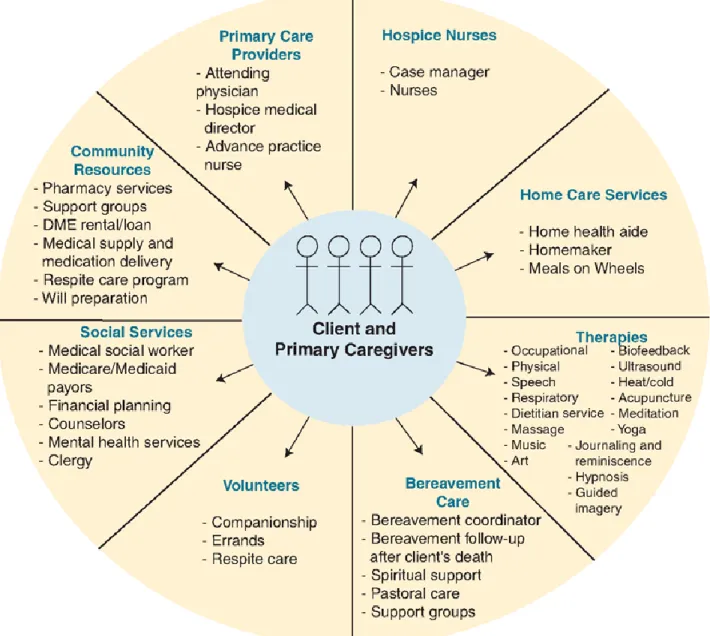
Hospice Care Team
Hospice utilizes an integrative care approach that provides quality, compassionate care to
individuals, families, and caregivers by an interdisciplinary team [IDT] of health professionals
and trained volunteers (NHPCO, 2015). This team consists of physicians, physician assistants
(PA), nursing staff [certified registered nurse, hospice (CRNH), advance practice nurse (APRN),
medical social workers, therapists (physical, occupational, nutritional, speech, respiratory &
dietary), clergy, bereavement counselors, pharmacists/pharmacologists, homemakers/ caregivers,
and volunteers (NCI, 2013). This therapeutic model of care centers on the needs of the patient,
family, and caregivers, who make up the care unit.
Figure 1 presented in Appendix B. illustrates the integrative approach in hospice care and the IDT model (Hospice Nursing, n.d.). As a first step, an individualized plan of care (POC)
is developed with input from the care unit and the IDT. The attending physician establishes the
diagnosis and signs the initial certification of a terminal illness (Hospice and Palliative Care,
2016). The physician, PA or APRN performs the initial admission history, physical examination
and assessment, orders required tests and medications, and follows the patient throughout the
course of their illness (Hospice and Palliative Care, 2016). IDTs strive to coordinate care to
prevent patient isolation and abandonment, fragmented service delivery, unnecessary
hospitalizations, and avoidable stress to patients and families (D'Onofrio & Ryndes, n.d.).
Regular visits are carried out by the hospice IDTs to assess the patient and provide
additional care or other services. Hospice staff is on-call 24 hours a day, seven days a week, 365
days a year to answer questions and address concerns expressed by patients, families, and
caregivers (Hospice and Palliative Care, 2016; Carolina Centers, 2016). There are four general
levels of hospice care which include “routine home based care where individuals receive care at
their place of residence, continuous or crisis home care where individuals receive care mostly
from licensed nursing staff on a continuous basis at home (often provided during short-term
periods of crisis to maintain the terminally ill individual within the home), general inpatient care
(GIP) where individuals receive care in an inpatient facility for pain control or acute or complex
where individuals receive care in an approved facility on a short-term basis in order to provide
respite for the caregiver” (NHPCO, 2015, p.11). The term respite, involves providing caregivers
with a break, generally for a period of less than 30 days (Hospice and Palliative Care, 2016).
During this time period the terminally ill individual can be cared for in a hospital, nursing home,
inpatient hospices, or an alternative home care setting (NHPCO, 2015). The level of care is
determined by the needs of the patient, family, and primary caregivers (Carolinas Center, 2016).
Support is also available to hospice team staff through support groups and other outlets, to cope
with the loss of those who they have provided care for and the daily stresses of providing care for
the terminally ill (Hospice and Palliative Care, 2016).
Table 2. below summarizes the roles and responsibilities of hospice care team members
(Hospice and Palliative Care, 2016; Carolinas Center, 2016).
Table 2. Roles and Responsibilities of Hospice Care Team Members
Attending Physician, PA or APRN Co-certifies prognosis with medical director, assesses patient needs; approves/directs POC Medical Director (physician) Oversees care of every hospice patient, leads
overall care plan, consults with patient primary care physician, co-certifies prognosis with attending physician & consults hospice team Nursing Staff (e.g., RN case manager) (RN & LPN/LVNs) Assess needs (initial
assessment), coordinate care, case management, symptom control, pain
management & education; provide nursing care at time of death
Home Health/Hospice Aide Works under nursing staff direction & provides personal care to meet daily needs
Volunteers Vital part of hospice care delivery; Provide
companionship, non-medical supportive services & complimentary therapies (e.g., pet & massage)
support, financial services, advance directives (e.g, medical power of attorney[POA])
Chaplain/Spiritual Caregiver Supports all spiritual practices, needs assessment, counseling, participates in
memorial services & works with community of faith
Bereavement (grief) Counselor Provides support,/counseling to family members, resources (e.g., support groups) & referrals; open to community, hospice protocol includes follow-up for at least one year
following death Other Collaborative Providers as needed
(pharmacists, pharmacologists, dieticians, therapists, durable medical equipment venders)
Provide support & expertise
Homemakers/Caregivers Vital to care, provide liaison between patient &
hospice team, suggest care approaches, assist with daily functions of care
How Hospice Works: Why is it important?
Most hospices have a set of defined services, standards, and regulations. However,
hospice is a covered benefit under Medicare (Part A), State Medicaid, and most private health
plans, including Health Maintenance Organizations (HMOs), private pay (sliding scale), other
managed care organizations, and free care is available to those without ability to pay (Hospice
and Palliative Care, 2016). Although, individuals pay out of pocket expenses or copayments for
services that are not covered by insurance, for those with the inability to pay due to limited or no
sources of financial support, hospice services can still be provided using funds raised from
community donations, special events, memorials, and charitable organizations (NHPCO, 2016).
The four levels (routine home, continuous, GIP & respite) of care are covered by Medicare,
Medicaid, the Veterans Administration (VA) and some private insurance policies (Carolinas
Center, 2016). Hospice on average costs less in comparison to inpatient settings (e.g. hospitals)
volunteers make up more than 80% of all people involved in hospice care programs. Many
volunteers have been a primary caregiver in their own families; making them an integral part of
the hospice IDT since they are able to provide many services (e.g., home visits, errands,
companionship, empathy & understanding) (NCI, 2013).
Hospices now care for almost half of all Americans who die from cancer, 45% of all
dying patients across the U.S., and a rapidly growing number of patients with other chronic or
life-threatening illnesses (NHPCO, 2016). In 2014, the top four non-cancer primary diagnoses
for patients admitted to hospice were dementia (14.8%), heart disease (14.7%), lung disease
(9.3%), and stroke or coma (6.4%) (NHPCO, 2015, p.7). The process for hospice is initiated
when a hospice referral is made by a physician, a patient, family, caregiver, friend, chaplain, or
other individual (Carolinas Center, 2016). Under state law the decision belongs to the patient, but
a physician must determine that a patient’s life expectancy is less than 6 months with the disease
running its natural course based on standard clinical guidelines; this applies to anyone, of any
age, with any illness type (NCI, 2013). Other admission criteria include the individual agreeing
to forego or discontinue aggressive treatment measures/procedures; hospice patients are not
required to have a do not resuscitate order (DNR); and having an assigned attending physician or
nurse practitioner who is able to work with the hospice care team (Carolinas Center, 2016). Two
physicians, the referring physician (or attending) and the hospice physician must certify the
patient for admission into hospice based on the determined life expectancy (NCI, 2013). The
patient or the caregiver (e.g., POA or patient representative) if the patient is unable to consent,
sign a statement, choosing to participate in the hospice care program (NCI, 2013).
However, the option for hospice must first be discussed with the patient, caregiver, and
patient and the family/caregivers before a formal referral can be made (Hospice Association of
America [HAA], 2010). Hospice staff will meet with the patient, family, and/or caregiver discuss
hospice services, evaluate the patient status/medical condition (s), functional level, living
situation, religious beliefs, social support systems, expectations, personal perspective of what
quality of life means to them, and short-term/long-term goals to develop a comprehensive care
plan to meet the needs of the care unit (HAA, 2010) The Medicare Hospice Benefit (MHB) is the
primary financing mechanism for hospice care certifying more than 90 percent of hospices
within the U.S. (HAA, 2010). The licensing rules in North Carolina available through the NC
Department of Health and Human Services (NC DHHS) require Medicare-certified Hospice
providers to meet Conditions of Participation (CoPs) from Centers for Medicare and Medicaid
Services (CMS) (HAA, 2010; Carolinas Center, 2016). Other hospices may be accredited by the
following independent groups which include Accreditation Commission for Health Care
(ACHC), Community Health Accreditation Commission (CHAP), and The Joint Commission
(TJC) (Carolinas Center, 2016). Under Medicare and Medicaid hospice benefits, reimbursements
are made to the hospice provider based on the level of care provided on each given day and rates
are established annually by CMS (Carolinas Center, 2016).
In 2014, 84% of hospice patients were age 65 or older, and there has been an increase in
individuals, age 75 and older receiving hospice care (NHPCO, 2016). In order to qualify for
hospice under the MHB a physician must re-certify the patient at the beginning of each benefit
period (two periods of 90 days each, one of 30 days, and an indefinite fourth period) and have
them sign an elective statement indicating understanding of the nature of their illness or
condition, and of the hospice care program (HAA, 2010). The signing of this statement indicates
treatments to cure the terminal illness and/or care for the terminal illness which are not
authorized under MHB; they must also be enrolled in a Medicare approved hospice program
(NHCPO, 2015). Frequently, the stereotypes about hospice care are bereft with misinformation.
The information presented in Appendix C. provides clarification of common misconceptions
about hospice care in general (Nutbeam, 2000).
Snapshot: Hospice in North Carolina
The first hospice program was opened in North Carolina in 1979 and there are now more
than 80 hospice programs providing hospice care in all 100 counties in the state (Brunger &
Buescher, 2009). The increase in hospice providers over the years throughout North Carolina
(NC) can be attributed to the trends presented in this paper. Although, interest and concern
continues to grow surrounding end of life care, with only one third of individuals who die in NC
currently receiving hospice care, much work remains to be done to “move end of life care and
the hospice care specialty to a more central position within the health care system” (Brunger and
Buescher, 2009, p188; HAA, 2010) According to a 2009 report released by Brunger and
Buescher, hospice care has almost tripled, from 9,246 in 1994 to 24,823 in 2007. In addition, the
percentage of individuals who died under the care of hospice increased from 14.6% to 32.7%
during the same time period and in 2007, a cancer diagnosis accounted for about 42% of hospice
admissions (Brunger and Buescher, 2009). The number of cancer to non-cancer hospice
admissions has steadily decreased since 1996, when nearly 73% of hospice admissions had
cancer diagnoses (Brunger and Buescher, 2009). In 2004, by admission diagnosis cancer (42.3%)
was a leading patient diagnosis followed by heart disease (12.4%), debility (unspecified) (12%),
and dementia (11.6%) (Brunger and Buescher, 2009). In today’s society one-half of all hospice
percent of the patients receiving hospice care had their care paid for by MHB with 80% of
hospice patients in North Carolina being age 65 and older and 20% under the age of 65(Brunger
and Buescher, 2009). In 2007, 47% of hospice deaths took place at home and 11% occurred in a
hospital comparatively among all 2007 deaths in the state, 26% took place at home and 45%
occurred in a hospital (Brunger and Buescher, 2009).
The Health Promotion Approach to Hospice Care
Hospice is a patient-centered, cost-effective, quality care program that provides
comprehensive and integrated services for the physical, psychosocial, emotional, and spiritual
wellbeing of terminally ill individuals, their families, and their caregivers (D'Onofrio & Ryndes
n.d; Carolina Center, 2016). The values and principles of the hospice philosophy of care are in
alignment with the major national goal of the Affordable Care Act (ACA) to improve quality and
population health, in addition to the priority goals set by the United States Department of Health
and Human Services in Healthy People 2020 (to improve access to comprehensive, appropriate,
quality healthcare services and improve quality of life for all individuals) (US Department of
Health and Human Services, 2000; Honoré et al., 2012). At the heart of any health program is
quality of care and yet it is defined in a variety of ways, using various variables, and often is
difficult to measure even in the most formal research studies, Appendix D. presents an overview
of the six aims of quality of health care listed in Crossing the Quality Chasm: A New Health
System for the 21st Century, report issued by the U.S, Institute of Medicine (IOM, 2001; Joint
Committee on Reducing Maternal & Neonatal Mortality in Indonesia, 2013).
In turn, the current end of life landscape is poorly equipped to handle the challenges
arising from the trends presented in this paper as such a theoretical decision agent framework
provide all parties the means to maximize the value of their desired outcomes and better devise a
pathway to effectively apply the health promotion approach. The decision agent framework is the
analysis of social interaction (Leclerc & Moldoveanu, 2013). This process will focus on social
behavior as the outcome of interactions among individuals, each of whom tries to select the best
possible means of achieving his or her ends; to effectively perform the decision agent framework
the potential key stakeholders are identified. Each of the potential key stakeholder’s interests
and perspectives are identified and consideration is given to how their perspectives may change
following interactions with stakeholders in the system (See listing below) (Leclerc &
Moldoveanu, 2013). This process was used as a method to determine the various roles of key
stakeholders based on their proposed perspectives and interests, and how it could possibly impact
hospice outreach efforts. Limitations to this combined approach include the need to have
knowledge of the interests of the stakeholders as a means to find common ground among all
involved in the system to form partnerships leading to a better integrated system of care (Leclerc
& Moldoveanu, 2013).
System: End of life care in relation to hospice care specialty outreach
Stakeholders: Perspectives/interests
Physicians: Increase positive patient outcomes and extend life but may neglect to effectively
advocate for quality of life measures unintentionally stemming from a culture and society that
focuses on medical measures or procedures that extend life but may not effectively preserve the
practice to advocate for the patient and meet needs; Finding best medium to facilitate end of life
discussion with patients, families, and caregivers.
Patients: Individualized, quality care customization that meets their needs, effective
management of illness, preservation of dignity and beliefs, and value system, care anywhere,
active participation and control over own healthcare and self-management of needs/choice,
supportive healthcare delivery service/structure, fears associated with dying, reduced financial
burden and strain to care structures, and a desire to maximize their overall quality of life
(Dishman, 2013).
Health providers: Seek improved patient outcomes, to promote health and overall well-being
while addressing patient concerns and needs; seek to make a positive long-term impact for
patient populations served and promote people caring for self and others as well as patients
taking an active role in their own health.
Policymakers: Seek a system that works and is effective in serving a wide range of population
needs, promoting health, cost-effectiveness and best utilization of available resources
Families and caregivers: Want to know that their loved one is well cared for in a safe and
comfortable environment by a coordinated team of professionals; make personal care happen for
family members and supportive care structure to deal with end of life care process.
Facilities (e.g., home health, family care homes and senior care facilities): Want the
enhancement of end-of-life-care and palliative care for patients and staff through education and
training (e.g., case management services).
Based on the relationship between these stakeholders a health promotion approach can be
used to reduce the discomfort, suffering, and disability in populations resulting from end of life
care needs, dispel trending misconceptions regarding hospice, and maximize use through the
enhancement of hospice care outreach (American Public Health Association [APHA], 2016).
According to the World Health Organization [WHO], “Health promotion is the process of
enabling people to increase control over, and to improve, their health in addition to representing
a mediating strategy between people and their environments, synthesizing personal choice and
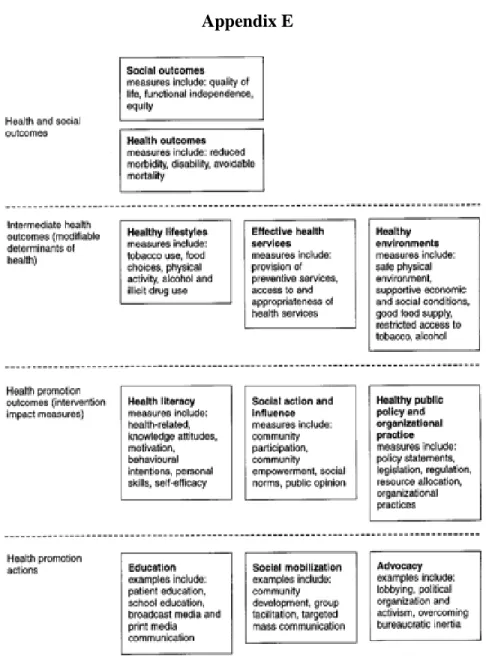
social responsibility in health to create a healthier future". The expanded health promotion
approach encompasses a multidisciplinary approach of education, training, research, legislation,
policy coordination and community development. However, in this particular case we will seek
to focus on the self-care/self-management (decisions and actions individuals take in the interest
of their own health) mutual aid (actions people take to help each other cope) and healthy
environments, or the creation of conditions and surroundings conducive to health (APHA, 2016).
This will help to establish the adaptability and flexibility of the hospice care specialty and the
necessity to integrate it into the system of healthcare to meet the current and future needs of all
populations with end of life care needs (Partnership for Solutions, 2004). Figure 2 presented in
Recommendations for Enhanced Outreach
The information drawn from this analysis will guide the recommendations that
encourage improved end of life care through increased use of the hospice care specialty. The first
recommendation is program promotion and development by using effective pathways to educate
health professionals and the general public. This strategy can provide the foundation to
influence attitudes, skills, perspectives, address fears/misconceptions, spread knowledge, and
mainstream acceptance of hospice. The second recommendation is earlier enrollment in hospice
programs to maximize the full benefit of the services offered. The practice of early enrollment
will be a vital component to decrease stress on the current healthcare infrastructure and improve
the value created for individuals, families, caregivers, communities, and other key stakeholders.
The third recommendation is to increase access of hospice to all populations; with a focus on
empowering vulnerable populations and overcoming barriers (Saunders, 1996).
Recommendation #1 Program promotion and development by using effective pathways to
educate health professionals and the general public
Quality and value are measures that are important when it comes to making decisions
concerning the uses of services. However, in terms of healthcare more is often equated with a
better quality of life largely contributing to the underutilization of hospice services (Edlund et al.,
2003). Health professionals in a variety of care settings can have a significant leadership role in
promoting the use of hospice services but often lack the necessary training to comfortably
discuss end of life care needs with patients, families, and their caregivers. A practical solution is
to require that health professionals receive comprehensive end of life care training to equip them
around illness, dying, and death (e.g., patient and family acting out as a part of the normal
grieving process) . Training in competencies to provide end of life care support should be a
capstone requirement for health professionals (PHPCI, 2014). This approach would help
strengthen the patient-provider relationship and provide an open channel of communication for
the discussion of the process of dying, burden of care, and associated needs/health options (e.g.,
hospice care specialty (palliative care) or advance care planning). To optimize change through
knowledge transfer to healthcare professionals, a strategy that focuses on providing mandatory
training at Medical, Nursing and Physical Therapy schools within the state of North Carolina
will be implemented. The reason for targeting healthcare education institutions as a means of
disseminating needed knowledge about hospice’s expanded role in end of life care is because of
an aim to set a new precedent with new healthcare professionals as they enter the workforce
(Leclerc & Moldoveanu, 2013). For example, if one were to implement such education programs
at the four medical school institutions in the state: University of North Carolina at Chapel Hill,
Wake Forest University, East Carolina University and Duke University. A target education
initiative at these institutions over a 5 year period alone could lead to the education of over
2,700+ healthcare professionals. A comprehensive campaign that also involves nursing and
physical therapy school would have a substantial impact on the North Carolina system.
Healthcare professionals empowered with the knowledge to support the increased awareness of
hospice as a viable option for end of life care will lead to change in the current paradigm. These
healthcare professionals will subsequently serve as ambassadors to the general public in their
Recommendation #2 Earlier enrollment in hospice programs to maximize the full benefit of
services offered
Any time during a life-limiting illness is an appropriate time to discuss all of an
individual’s health care options, including hospice care (Carolinas Centers, 2016).Earlier
enrollment would assist individuals in receiving the full benefit of hospice services and not only
in last days of life (NHPCO, 2015). Length of service can be influenced by a number of factors
including disease course, timing of referral, and access to care (HAA, 2010). The median (50th
percentile) length of service in 2014 was 17.41 days, a decrease from 18.51 days in 2013
(NHPCO, 2015).This means that about half of hospice patients received care for fewer than 17
days and half received care for more than 17 days (NHPCO, 2015) . The average length of
service decreased from 72.6 days in 2013 to 71.31 days in 2014(NHCPO, 2015) Timeliness falls
under the healthy people 2020 to increase access to care once a need has been identified and can
significantly contribute to meeting end of life care needs (US Department of Health and Human
Services, 2000). In addition, an early referral enables the hospice team to develop the
relationships that meet the needs of the care unit (Carolinas Center, 2016).
In 2002, a study conducted by Baer and Hanson, sought to determine if family members
perceive that hospice improves the care of dying nursing home residents during their last 3
months of life. The study design method used was a mailed survey. The targeted study group was
family members for all nursing home hospice enrollees in NC during a 6 month period. Of the
398 eligible family members 292 (73%) completed surveys. Study participants were asked
questions after a decedent’s death about the quality of care for symptoms before and after
hospice, the added monetary value of hospice, the effect of hospice on hospitalization, and
residents who had received services was 76.5 years of age, 50% of which had cancer and 76%
who were self-care dependent. In their last 3 months 70% of residents had severe or moderate
pain, 56% had severe or moderate dyspnea, and 61% had other symptoms. Quality of care for
physical symptoms was rated good or excellent by 64% of family before hospice and 93% after
hospice. Dying residents emotional needs included care for moderate or severe depression
(47%), anxiety (5%), and loneliness (35%). Quality of life for emotional needs was rated good or
excellent by 64% of family before hospice and 90% after hospice. Fifty-three of respondents
believed hospice care prevented hospitalizations. Families estimated that the median added value
of hospice to be $75 per day and described distinct special services provided by hospice/nursing
home staff. The researchers concluded from the research results, that family members believe
that nursing home hospice improve quality of care for symptoms, reduces hospitalizations, and
adds value and services for dying nursing home residents. Therefore, early enrollment does not
only provide benefits to patient but can provide considerable value to family and caregivers. For
family and caregivers to be able to leverage the support of hospice at an earlier stage this can
lead to improved psychological outcomes that are commonplace in end of life care. Early
enrollment plays an essential role in improving the quality in end of life care. Quality life is at
the epicenter of hospice holistic approach to the treatment of a serious illness by providing
practical, emotional and spiritual care. Appendix F. presents an excerpt of the results from a
2003 American Association of Retired Persons (AARP) North Carolina End of Life Care Survey
Recommendation #3 Increasing access of hospice to all populations
According the NHPCO, women use hospice services more than men, and
Caucasians use hospice services more than African-Americans (NHPCO, 2016). In 2014,
hospice use varied by race and ethnicity with those of Hispanic or Latino Origin (7.1%),
multi-racial or other (13.1%), Black/African American (7.6%), Asian, Hawaiian, or other pacific
islander (3.1%), American Indian or Alaska Native (0.3%), and Caucasian/White (76.0%)
(NHPCO, 2016). Age, gender, geographic location (e.g., region variations), preference for
curative treatment measures/life-saving care, knowledge of hospice, availability of a workforce
of local, community-based providers (e.g.,physicians) and services (hospitals, community health
centers), as well as health insurance are all factors that influence hospice use by all populations
(HAA, 2010). However, this divide in access and available resources is most significant in rural
regions consisting of vulnerable populations that tend to be older, in poorer health, and of low
income status (RHI hub, 2016). Of the more than 3,925 hospices operating in the U.S in 2013,
978 were located in rural areas (RH Rural Health Information Hub [RHI hub], 2016). In 2013,
48.5% Medicare decedents who used hospice lived in an urban setting, comparatively 42.9%
lived in a rural area adjacent to an urban area, and 38.0% lived in a rural area that was not near
an urban area (RHI hub, 2016). The inequalities existing between urban and rural areas in terms
of available hospice service suggests that more interdisciplinary research is needed to explore the
participation trends of populations in rural communities and the various barriers that continue to
contribute to the underutilization of hospice services in these areas. Although, the use of hospice
services has grown since 2000 across the U.S., hospice is still more commonly used in urban
areas, which traditionally are wealthier, and have a higher HMO enrollment (HAA, 2010) The
to cost, value, and patient-choice related to end of life care; many of these issue which are also
discussed among families, caregivers, health providers and policy makers (Carolinas Center,
2016) Possible model solutions to address access include diversifying hospice services to include
pre-hospice areas such as providing all-inclusive services and care for the elderly population and
not restricting care to only the terminally ill (e.g. PACE providers) (Edlund, et al., 2003)
Another model program that is in early implementation is the Delivery System Reform Incentive
Payment (DSRIP) Program in New York State, which aims to restructure the health care delivery
system by reinvesting in the Medicaid program, with the primary goal of reducing avoidable
hospital use by 25% over 5 years (Schuyler Center, 2014). The program is being implemented by
a Medicaid Redesign Team (MRT) with up to $6.42 billion dollars being put into the program
with payouts based upon achieving pre-defined results in system transformation, clinical
management and population health (Schuyler Center, 2014). The program aligns with New York
State’s Triple Aim Approach, to reform Medicaid, expand hospice, assure that access to hospice
care is incentive within medical health homes & Accountable Care Organizations (ACOS), as
well as facilitate access to palliative care (Schuyler Center, 2014). Organizations, which form
partnerships with the program, will be referred to as Performing Provider Systems (PPS).
(Schuyler Center, 2014). This model could work very well in the state of North Carolina for
community engagement, social mobilization, support/funding for development of sustainable
infrastructures to provide services, promote transitions of care, and chronic disease management.
The overall goal being to collaborate to support self-care behaviors that bring together
communities, counties, funding/resources, and departments (e.g., department of aging) (PHPCI,
how the hospice care specialty can play a role to raise public awareness, facilitate the discussion
References
Amitabha Hospice Service. (2009). A Brief History of Hospice Care. Retrieved from February 1, 2016 from http://www.amitabhahospice.org/public/who_we_are/general_history.php
American Public Health Association. (2016). Supporting public health's role in addressing unmet needs in serious illness and at the end of life Retrieved January 28, 2016 from
http://apha.org/policies-and-advocacy/public-health-policy-statements/policy-
database/2014/07/09/13/42/supporting-public-healths-role-in-addressing-unmet-needs-in- serious-illness-and-at-the-end-of-life
Anderson, G. (2010). Chronic care: making the case for ongoing care. Robert Wood Johnson Foundation. Retrieved February 4, 2016
from: www.rwjf.org/content/dam/farm/reports/reports/2010/rwjf54583
Baer, M.W. & Hanson, C.L. (2000). Families' perception of the added value of hospice in the nursing home. Journal of the American Geriatrics Society, 48(8), 879-882 DOI: 10.1111/j.1532-5415.2000.tb06883.x
Brunger, A.P., & Buescher, B.J. (2009). Running the numbers: A periodic feature to inform North Carolina health professionals about current topics in health statistics. [from the center for health statistics, NC DHHS] NC Med J, (70) 2, 187-188 Retrieved March 1, 2016 from http://classic.ncmedicaljournal.com/wp-content/uploads/NCMJ/Mar-Apr- 09/RunningNumbers.pdf
D'Onofrio, C. & Ryndes, T. (n.d.).The Relevance of Public Health in Improving Access to End of Life Care. Retrieved February 1, 2016 from
https://www.growthhouse.org/nhwg/essay5.htm
Carolinas Center. (2016). About hospice care. Retrieved March 17, 2016 from http://cchospice.org/
Centers for Disease Control and Prevention. (2016). Vital and health statistics: Long-term care providers and services users in the United States: Data from the national study of long- term care providers, 2013-2014, (3) 38 Retrieved January 28, 2016 from
http://www.cdc.gov/nchs/data/series/sr_03/sr03_038.pdf
Centers for Disease Control and Prevention. (2015a). Chronic Disease Prevention and Promotion. Retrieved February 1, 2016 from http://www.cdc.gov/chronicdisease/
Centers for Disease Control and Prevention. (2015b). Older persons’ health. Retrieved February 1, 2016 from http://www.cdc.gov/nchs/fastats/older-american-health.htm
Dishman, E. (2013, April 11). Health care should be a team sport. [Video File: TED Talk]. Retrieved April 1, 2016 from https://www.youtube.com/watch?v=VT3XyORCFDA
Edlund, B., Lufkin, S., Franklin, B. (2003). Long-term planning for baby boomers: addressing an uncertain future. Online Journal of Issues in Nursing, 8(2), Manuscript 2. Retrieved February 28, 2016 from
http://www.nursingworld.org/MainMenuCategories/ANAMarketplace/ANAPeriodicals/ OJIN/TableofContents/Volume82003/No2May2003/CarePlanningforBabyBoomers.html
Evans, N., & Crane, R.L. (2013). End of life care. Wild Iris Medical Education Inc. Retrieved February 1, 2016 from http://www.nursingceu.com/courses/442/index_cm.html
Health library. (n.d.). Hospice Care
Statisticshttp://www.hopkinsmedicine.org/healthlibrary/test_procedures/urology/hospice_ care_statistics_85,P00608/
Honoré, A.P., Wright, D., Koh, K.H. (2012). Bridging the quality chasm between health care and public health. J public health management practice, 18(1), 1-3
doi:10.1097/PHH.0b013e31823c796d
Hospice Education Institute. (n.d.). A Short History. Retrieved March 17, 2016 from https://www.hospiceworld.org/history.htm
Hospice Eligibility Criteria. (n.d.). Hospice Card. [handout]. Retrieved February 1, 2016 from UNC Medical Center.
Hospice Association of America. (2010). Hospice facts and statistics. Retrieved from February 28, 2016 from http://www.nahc.org/assets/1/7/HospiceStats10.pdf
Hospice Nursing. (n.d.). Nursing in a Variety of Settings: Part 2. [Figure. 1] Retrieved March 1, 2016 from
http://what-when-how.com/nursing/hospice-nursing-nursing-in-a-variety-of-settings-part- 2/
Hospice and Palliative Care. (2016). Quality of life at the end of life. Retrieved March 1, 2016 from http://www.helpguide.org/articles/caregiving/hospice-and-palliative-care.htm
Institute of Medicine. (2001). Crossing the quality chasm: A New Health System for the 21st Century Retrieved March 1, 2016 from http://www.nap.edu/read/10027/chapter/1
beneficiaries, United States.Prev Chronic Dis (2013) 10:120137.10.5888/pcd10.120137
Joint Committee on Reducing Maternal & Neonatal Mortality in Indonesia. (2013). Chapter 4: The Indonesian Health Care System, Reducing Maternal and Neonatal mortality in Indonesia: Saving Lives, Saving the Future. Retrieved from February 28, 2016 from http://www.nap.edu/read/18437/chapter/6
Miller, C.S. & Rynde, T. (2005). Quality of life at the end of life: The public health perspective. Public Health and Aging, 41-47 Retrieved February 1, 2016 from
http://dart.nhpco.org/sites/default/files/public/NHHP_Quality-EOL_Public-Health-Perspective.pdf
National Hospice and Palliative Care Organization. (2015). NHPCO’s facts and figures: hospice care in America. Retrieved February 1, 2016 from
http://www.nhpco.org/sites/default/files/public/Statistics_Research/2015_Facts_Figures.p df, 3-17
National Hospice and Palliative Care Organization. (2015a). History of Hospice Care, Hospice: A Historical Perspective. Retrieved February 28, 2016 from
http://www.nhpco.org/history-hospice-care
National Cancer Institute. (2013). Hospice care. Retrieved February 28, 2016 from
http://www.cancer.gov/about-cancer/advanced-cancer/care-choices/hospice-fact-sheet
Nutbeam, D. (2000). Health literacy as a public health goal: a challenge for contemporary health education and communication strategies into the 21st century. Health Promot
Int,15 (3): 259-267.doi: 10.1093/heapro/15.3.259
Partnership for Solutions. (2004). Chronic Conditions: Making the case for ongoing care. Retrieved February 1, 2016 from http://www.rwjf.org/files/research/ c
hronicbook2002.pdf.
Public Health and Palliative Care International. (2014). The public health approach to palliative care Retrieved February 1, 2016 from http://www.phpci.info/#!public-health-
approach/cee5
Rome, R. B., Luminais, H. H., Bourgeois, D. A., & Blais, C. M. (2011). The Role of Palliative Care at the End of Life. The Ochsner Journal, 11(4), 348–352. Retrieved March 1, 2016 from http://www.ncbi.nlm.nih.gov/pmc/articles/PMC3241069/
Rural Health Information Hub. (2016). Rural hospice and palliative care.
Retrieved March 18, 2016 from https://www.ruralhealthinfo.org/topics/hospice-and-palliative-care
Saunders., C. (1996). Hospice, mortality.
http://dx.doi.org/10.1080/13576279609696251
Schuyler Center. (2014). Overview of the delivery system reform incentive
payment program. Retrieved March 30, 2016 from http://www.scaany.org/wp-content/uploads/2014/05/DSRIP-Overview-May2014.pdf
Straw, G & Cummins,R . (2003). End of life care survey: AARP North Carolina Retrieved March 1, 2016 from http://assets.aarp.org/rgcenter/health/nc_eol.pdf
US Department of Health and Human Services. (2000).Office of disease prevention and health promotion. Healthy People 2010, 2nd ed. With understanding and improving health and objectives for improving health. 2 vols. Washington: Government Printing Office, p.45. Retrieved from February 1, 2016 from: http://www.healthypeople.gov
Ward, B.W. & Schiller, J.S. (2010).Prevalence of multiple chronic conditions among U.S. adults: estimates from the National Health Interview Survey, 2010. Prev Chronic Dis (2013) 10:120203.10.5888/pcd10.120203
World Health Organization. (2013). Essential medicines in palliative care: executive summary. Retrieved February 28, 2016 from
Appendix A
Appendix B
Integrative Care in Hospice
Appendix C
Misconceptions about Hospice:Misconceptionversus Reality
1. Hospice makes death come sooner.
Hospice neither hastens nor postpones dying. The aim is to improve the quality of remaining life so patients can enjoy time with family and friends and experience a natural, pain-free death. In some cases, hospice care can extend life.
2. Hospice is giving up hope; it’s better to fight for life.
Most terminally ill patients experience less anxiety by refocusing hope on what might be realistically achieved in the time remaining. If continuing uncomfortable and painful curative treatment for an illness is fruitless, hospice patients benefit more from having their symptoms treated instead.
3. A hospice patient who shows signs of recovery can’t return to regular medical treatment.
If a patient’s condition improves, they can be discharged from hospice and return to curative treatment, or resume their daily lives. If need be, they can later return to hospice care.
4. A hospice patient can’t change his or her mind and return to curative treatment even if their prognosis hasn’t changed.
A patient can go on and off hospice care as needed—or if they change their mind and decide to return to curative treatment. They may also enter hospital for certain types of treatment if it involves improving their quality of life.
5. Hospice care is limited to a maximum of six months.
In the U.S., many insurance companies, as well as the Medicare Hospice Benefit, require that a terminally ill patient has a prognosis of six months or less to start hospice, but a terminally-ill patient can receive hospice care for as long as necessary.
6. Hospice and palliative care are the same
Appendix D
Six Aims of Quality of Healthcare
• Safe—avoiding injuries to patients from procedures that are intended to
help them
• Effective—providing scientific-based services for all who may benefit and
refraining from providing services to those not likely to benefit
• Patient-centered—providing care that is respectful of and responsive to
individual patient preferences, needs, and values, and ensuring that patient values guide all clinical decisions
• Timely—reducing waiting time and harmful delays for both care receivers
and caregivers
• Efficient—avoiding waste, including waste of equipment, supplies, ideas, and
energy
• Equitable—providing care that does not vary in quality because of personal
Appendix E
Appendix F
AARP North Carolina End of Life Care Survey (2003)
1. End of Life Needs
At least eight in ten AARP members in North Carolina rate the following as very important when dealing with their own dying or thinking about dying:
Honest answers from doctors (91%) Understanding treatment options (88%) Not being a burden to your loved ones (88%) Knowing what medicines are available (85%) Having things settled with your family (85%) Being at peace spiritually (83%)
Getting your finances in order (80%)
2. Support from Others
When asked about support they expect to need near the end of their lives, AARP members in North Carolina report a variety of needs:
Listen to them (90%)
Provide transportation (87%) Know about the illness (87%)
Know what they want when they die (86%) Help with chores (84%)
Encourage them when they are down (84%) Understand what they are going through (80%) Do fun things with them (74%)