Harms of treatment with cholesterol-lowering drugs in
children: A systematic review of the published literature
Jonathan Haywood
July 23rd, 2010
Reader #1:
Table of Contents
Page
Abstract 3
Introduction 4
Background 5
Dyslipidemia – What is it? 5
Why are dyslipidemias medically relevant? 5
How is dyslipidemia defined? 6
Current recommendations for treatment 9
When is treatment recommended? 10
Harms associated with medications 12
Dyslipidemia in children/adolescents 13
Dyslipidemia in children defined 16
Treatment of dyslipidemias in children 17
Current recommendations for treatment in children 18
Focused clinical question 22
Methods 23
Population 23
Interventions 23
Outcomes 24
Time frame 24
Publication Types 25
Inclusion/Exclusion Criteria 25
Search Strategy 27
Quality Criteria 29
Article Selection 30
Results 31
Search Results 31
Article details and demographics 33
Harms Data 37
Conclusions/Discussion 43
References 50
Appendix 1 57
ABSTRACT
Harms of treatment with cholesterol-lowering drugs in children: A systematic review of the published literature
Background: Some clinical guidelines recommend pharmacologic treatment for children with hyperlipidemia. These medications decrease cholesterol levels, but their side effects or potential harms in children are not well understood.
Objective: To systematically review published trials of cholesterol-lowering medications in children and quantify their harms.
Design/Methods: A comprehensive search was used to identify prospective studies evaluating the use of cholesterol-lowering drugs compared to controls in children with hyperlipidemia. Titles and abstracts were independently reviewed by authors and appropriate articles were fully evaluated. Blinded investigators completed quality
assessments of included studies, followed by data extraction of all reported side effects or other harms using a standardized form.
Results: A systematic search of the published literature identified 1070 titles and abstracts for potential inclusion. The 17 articles that met final inclusion criteria varied widely in quality, were generally not powered to detect adverse effects, and more than half disclosed pharmaceutical company sponsorship. None followed subjects for 6 years. All included subjects (N=1604) with a probable diagnosis of heterozygous familial hyperlipidemia Studies evaluated the following therapies: HMG CoA reductase inhibitors (statins) versus placebo (10 studies), bile acid sequestrants (4 studies), bile acid
sequestrants as add-on therapy to statins (1 study), statins as add-on therapy to bile acid sequestrants (1 study), and ezetemibe (1 study). Statins generally had similar harms to placebo, except in 7 of the 11 studies there was an increase in muscle symptoms or abnormal muscle enzyme laboratory values. Additionally, 3 of 5 statin studies evaluating dihydroepiandrosterone (DHEAS) reported significant changes in hormone levels. Two of 5 studies that evaluated bile acid sequestrants reported an increase in gastrointestinal symptoms. Ezetimibe therapy added to statin therapy increased myalgias (5.6% combined therapy vs. 0.8% placebo, p=0.03).
INTRODUCTION
In adults, cardiovascular disease is the leading cause of death and morbidity in the
United States[1]. Evidence has shown that high levels of total cholesterol and low density
lipoprotein cholesterol can lead to the formation of atherosclerotic plaques and is one of
the leading risk factors for coronary heart disease[2]. Lipid measurements in adults have
been proven to be effective in identifying those at risk, and early treatment has been
shown to decrease the incidence of coronary heart disease in persons with abnormal
lipids[2].
Children are not immune from high cholesterol either, as elevated cholesterol
levels in children have gradually become more common with the growing obesity
epidemic, especially here in the United States. Evidence has shown that atherosclerotic
plaques can form at a young age[3]. However, it is unclear if this leads to increased
cardiac related mortality once these children become adults. This lack of evidence
creates difficult questions that care providers for children must face: “Should I treat this
child with high cholesterol? And, “If I use medication to treat this child, could I be
causing more harm than good?”
In an effort to help answer one of these questions, we performed a systematic
review of available research to look at the harms associated with the medications used to
BACKGROUND
Dyslipidemia – What is It?
Lipids are fat soluble compounds that naturally occur in the human body, and
serve a wide array of biological functions, including energy storage, molecular signaling,
and manufacture of cell membranes. When lipid levels are abnormally high however,
they can play a key role in accelerating human disease processes, especially in helping to
form plaques in arterial blood vessels, a syndrome commonly known as atherosclerosis.
These elevations of lipids and subsequent atherosclerosis are one of the leading risk
factors and a predictor of cardiac related mortality in adults. These abnormal levels of
total cholesterol, low-density lipoprotein cholesterol (LDL), triglycerides, or deficiency
of high-density lipoprotein cholesterol (HDL) are all caused by disorders of lipoprotein
metabolism that can be termed “dyslipidemias”, and can be either acquired or familial[4] .
Risk factors for dyslipidemia include established family history, diabetes, nephritic
syndrome, and hypothyroidism[5].
Why are dyslipidemias medically relevant?
In light of this basic background information, it is important to consider why
dyslipidemias are considered relevant to the medical field. Numerous studies have
demonstrated that the most consistent and strongest risk factors for cardiovascular disease
in adults include elevated LDL, low HDL, hypertension, diabetes mellitus, cigarette use,
obesity, and especially increasing age[1,6]. The most notable of these studies, the
risk factors for heart disease and has recently been adapted to help calculate a patient’s
risk of dying within ten years from heart disease based on their individual risk factors[7].
Obviously, a person’s age or family history cannot be altered; however several of
the other risk factors mentioned are amenable to some degree of change. As
cardiovascular disease is the leading cause of death among adults in the United States, it
is important to recognize and attempt to treat/correct any of these other risk factors that
can be altered[4,8].
Lipid disorders are one of the modifiable risk factors that can be altered through
medical treatment and lifestyle changes. Early detection and treatment of abnormal lipid
levels in adults has been proven to help decrease cardiovascular related deaths[5]. This
has resulted in the National Cholesterol Education Program’s (NCEP’s) recommendation
to screen once every 5 years starting at 20 years of age, with increasing frequency as a
person grows older or if they have abnormal cholesterol levels[7].
How is dyslipidemia defined?
As mentioned above, dyslipidemias come in four basic categories: elevated total
cholesterol levels, elevated LDL cholesterol levels, elevated triglyceride levels, and low
HDL cholesterol. Cholesterol levels are obtained by measurements in blood samples.
Total cholesterol, triglycerides, and HDL are measured directly, while LDL levels can be
measured directly or calculated via the Friedewald equation, which uses measurements of
In general, the definitions of dyslipidemia are based on previously studied
population norms for serum cholesterol levels, and serum levels falling outside the 95th
percentile are often considered “abnormal” or dyslipidemic. For example, the American
Association of Clinical Endocrinologists considers a person to have a dyslipidemia if
his/her serum total cholesterol level is greater than or equal to 240mg/dL[8]. A person can
also be said to have a dyslipidemia if his/her serum HDL cholesterol is less than
35mg/dL, serum LDL cholesterol is greater than or equal to 160mg/dL, or their serum
triglycerides are greater than 200mg/dL[8]. These specific numbers may vary slightly
between various professional organizations.
It is important to note that while these specific number cutoffs may give the
appearance that dyslipidemias are dichotomous (either normal or abnormal), this is
actually not the case. It is more appropriate to view them in combination with the other
previously mentioned risk factors as continuous risk factors for cardiac related death,
with serum concentrations at these levels or worse only increasing an individual’s risk of
heart disease death. This point is further illustrated by the National Cholesterol Education
Table 1
NCEP ATIII Classification of LDL, Total, and HDL Cholesterol Levels
LDL Cholesterol
<100 Optimal
100-129
Near Optimal/above optimal
130-159 Borderline High
160-189 High
>/= 190 Very High
Total Cholesterol
<200 Desirable
200-239 Borderline High
>/= 240 High
HDL Cholesterol
<40 Low
What are the current recommendations for treating dyslipidemias?
As previously mentioned, elevated lipids act as a continuous risk factor and a
predictor of cardiac related mortality. With this in mind, treating elevated lipid levels has
become a major priority of primary care providers and specialists across the US. In
general, treatment of dyslipidemia is aimed at lowering lipid levels, with the idea being
that cardiac related mortality will be subsequently reduced. Treatment can be either
through pharmacological or therapeutic life-style changes.
Often, before pharmacologic interventions are necessary, many guidelines
recommend therapeutic lifestyle changes as a first line approach to treat high cholesterol.
Therapeutic lifestyle changes include the use of exercise in combination with a low-fat,
low-cholesterol diet, such as the American Heart Association Step I diet, as the first step
in treating most pediatric dyslipidemia[4]. Dietary changes, especially in conjunction with
exercise, are often used as first line therapies in helping to battle against dyslipidemia.
For this reason, the NCEP also recommends dietary changes, increased physical activity,
and weight reduction prior to initiating pharmacological therapy in their newest set of
guidelines[7].
Should therapeutic lifestyle changes alone not be effective and a physician deem
in necessary to use medications to treat dyslipidemias, numerous pharmacologic
treatment options exist. The most commonly prescribed medication for treating
dyslipidemias in the United States are 3-Hydroxy-3-methyl-glutaryl Coenzyme A
Reductase Inhibitors, which are more commonly known as “statins”. These medications decrease LDL concentrations by decreasing intracellular cholesterol levels and
reduce LDL levels by 20-50%[1,9]. In addition, they are the one intervention that evidence
has shown to not only reduce LDL levels, but are also effective in cholesterol plaque
stabilization and been found to reduce cardiac risk[10].
Other cholesterol-lowering medications commonly used include: 1)bile acid-binding resins, which work by binding cholesterol in bile acids in the intestinal lumen, preventing their re-uptake into circulation and lowering cholesterol levels by 10-20%
when used alone or in combination with other medications[1,11]; 2) Niacin (nicotinic acid) lowers both LDL and triglycerides while at the same time increasing HDL by
decreasing hepatic production of very low-density lipoprotein (VLDL), however its use is
limited by its harsh side effects, which have been found to be excessively common[1,12];
3) Cholesterol absorption blockers are an emerging treatment for dyslipidemias and act by reducing absorption in the small intestine [1]. and 4) fibrates reduce triglyceride levels by acting on VLDL [1].
When is treatment of dyslipidemias recommended?
The National Cholesterol Education Program’s (NCEP) executive panel
recommends treatment modalities on the basis of a combination of cholesterol levels and
a patient’s risk factors[7].
Their recommendations are also the same as those used by the
American Association of Clinical Endocrinologists (AACE)[8]. Both of these
organizations’ recommendations focus primarily on LDL cholesterol levels, as extensive
research has shown that elevated LDL levels are a major risk factor for heart disease[7,8].
Both organizations provide basic LDL goals on a scale that varies in accordance with a
factors, the lower their target LDL goal should be, as risk greatly increases with multiple
risk factors and even moderately increased LDL levels[7,8].
Table 2 shows the current clinical guidelines for treatment as described by both the NCEP and the AACE[7,8]. These clinical guidelines stress the importance of adjusting
treatment modalities and LDL target levels on the basis each individual patient’s risk
factors, including current LDL level. This personalized approach targets each individual
patient and incorporates all the patient’s risk factors, helping simplify a physician’s
treatment decisions.
TABLE 2. AACE and NCEP treatment Recommendations.
LDL level and intervention recommended Coronary
Artery Disease Risk Factors
Therapeutic Lifestyle changes
Pharmacologic Therapy
Goal LDL
<2 >/= 160 >/= 190 < 160
>/= 2 >/= 130 >/= 160 < 130
With
Atherosclerotic
Disease >/= 100 >/= 130 < 100
With Type 2
Diabetes >/= 100 >/= 130 < 100
What are the harms of the drugs used to treat dyslipidemias?
As with nearly any medical therapy, there are harms associated with
pharmacologic treatments used to lower lipids. They have been studied extensively with
the same substantial safety monitoring and experimentation that any drug must go
through to be FDA approved. The side effects associated with these medications can
vary in both frequency and severity depending on drug class. For example, bile
acid-binding resins are known to often cause gastrointestinal issues such as abdominal pain,
flatulence, diarrhea, nausea, and vomiting[1]. Cholesterol absorption blockers like
ezetimibe are also known to cause similar GI complaints[1]. Fibrates are known to cause
myopathies leading to muscle breakdown and rhabdomyolysis, especially when
combined with other cholesterol lowering medications such as statins[1]. Statins have
been shown to increase hepatic transaminase levels, which are often used as surrogate
markers for liver damage[1]. Statins are also known to cause muscle aches, cramps,
creatinine kinase elevations, and rhabdomyolysis[1]. Niacin is known to have a high
incidence of side effects, and is often not recommended to patients for that very reason.
Its side effects can include but are not limited to flushing, liver failure, myopathies,
glucose intolerance, and hyperuricemia[1]. These are just a few of the side effects
Dyslipidemia in Children/Adolescents
The majority of the clinical burden of dyslipidemias occurs in adulthood; however
recent research increasingly indicates that the processes of atherosclerotic cardiovascular
disease may begin much earlier in life and progresses through one’s life span[1,3]. In
children, total cholesterol levels increase from birth, stabilize around two years of age,
peak before puberty, and show a slight decline during adolescence[5].
Currently, no specific evidence exists that supports a particular level of childhood
cholesterol is predictive of adult cardiovascular disease, rendering evidence-based
recommendations for cholesterol screening in childhood elusive. However, research in
children and adolescents demonstrates that risk factors for adult cardiovascular disease
may be present as early as childhood, especially given the increasing prevalence of
obesity[1]. Current estimates by the Centers for Disease Control based on data collected
by the National Health and Nutrition Examination Survey (NHANES) from 1999–2006
show that up to 20.3% of children between the ages of 12 and 19 have abnormal lipid
levels, including 42.9% of children that were obese[13,14].
Research has also shown that atherosclerotic lesions begin in childhood.
Specifically, the Bogalusa Heart Study found atherosclerotic lesions at autopsy with
increased frequency in children with increased lipid levels[1,15]. In this study, data on
thousands of children and young adults was collected through cross-sectional studies to
evaluate cardiovascular risk factors dating back as far as 1973[3]. Following any deaths
of study subjects for any reason (mostly trauma), researchers requested permission from
family members to perform autopsies on the deceased, looking for evidence of
of atherosclerosis could be found in the abdominal aorta at 3 years of age and coronary
arteries at 10 years of age[3,4]. However, this evidence merely shows that fatty streaks can
form in childhood. It fails to directly link childhood lipid levels to health outcomes in
adulthood, leaving the adult coronary heart disease risk attributable specifically to
dyslipidemia during childhood unknown[5].
While it is increasingly clear that cholesterol concentrations can be elevated
during childhood and adolescence, no long-term studies have been able to demonstrate a
direct relationship between lipid levels measured in childhood and coronary heart disease
and cardiovascular related death in adults[4]. Parts of the Bogalusa studies followed their
patients for up to 17 years[3], but this would still put the oldest patients in the study in
their mid-30s at last follow-up, at least a decade short of when the majority of cardiac
related deaths would start to occur. Further, many of the drug trials in children
demonstrate through serum cholesterol measurements that the medications being used are
effective at lowering serum cholesterol levels. However, these studies do not follow their
subjects into adulthood to determine whether this reduction in serum cholesterol levels
actually reduces heart disease deaths.
A recent cohort study performed by Dr Paul Franks and his colleagues followed
over 4,800 children from an Indian reservation through the age of 55 in an effort to link
causes of death to obesity and metabolic syndromes such as dyslipidemia and
hypertension in childhood[16]. The study did show that premature death from all
“endogenous” causes (cause was disease or self-inflicted injury) was 73% more common
in the highest BMI group than the lowest BMI group, however there was no correlation
cardiac related deaths only. This lack of evidence further increases questions on whether
treating cholesterol in childhood has any effect on reducing cardiac related deaths in
adulthood.
For now, we are left to speculate on the relationship between lipid levels in
childhood and the ultimate outcome of interest, cardiovascular related mortality in
adulthood. It is logical to assume that children with cholesterol problems would become
adults with cholesterol problems, and some research has shown that between 40-55% of
children with dyslipidemias go on to become adults with dyslipidemias[4]. Given that
adults with cholesterol problems are at higher risk for heart disease, one could speculate
that these children would be at higher risk in adulthood. However, it is also important to
consider the other side of that same argument. As approximately 50% of children with
dyslipidemias go on not to have dyslipidemias in adulthood, is it necessary to treat all
children with dyslipidemias, especially given the lack of evidence that this intervention
reduces cardiac related deaths in adulthood?
With all of these arguments in mind, the potential relationship between childhood
and adult dyslipidemias has been deemed enough evidence by some children’s healthcare
organizations place an emphasis on primary prevention of dyslipidemias via screening in
childhood[1,4]. Optimal screening programs would identify persons with progressive
atherosclerosis that are most at risk of cardiovascular disease in adulthood. However, we
currently lack noninvasive, inexpensive clinical tools to look for atherosclerosis, leaving
serum cholesterol levels as a surrogate marker to calculate long-term risk[1]. This lack of
direct evidence continues to be a point of contention, further clouding the picture. The
childhood should be conducted, as demonstrated by the varying recommendations given
by medical agencies that can be found below.
How do experts define dyslipidemia in children?
The currently available definitions for dyslipidemia in children do not vary
greatly from those definitions in adults, and are also constructed to identify patients who
would theoretically be at higher risk for cardiovascular related morbidity and mortality.
The parameters currently used for dyslipidemias in children were created following the
Lipid Research Clinics Prevalence Study conducted in the 1970s, which studied
population distributions of lipid levels in children and adolescents[5,17]. In pediatric
patients, dyslipidemia is commonly defined as a total cholesterol level of >200mg/dL and
LDL >130mg/dL, as these values correspond to the 95th percentile as observed in the
Lipid Research Clinics Prevalence Study[5,17]. The American Heart Association has gone
on to define triglyceride concentrations of >150mg/dL and HDL concentrations of
<35mg/dL to also be considered abnormal in children and adolescents[1]. Like adults,
screening is performed by measuring total cholesterol and HDL concentrations via
fasting or non-fasting blood sample; however it is important to note that triglyceride and
What methods are used for treating dyslipidemias specifically in children?
The current treatment modalities used for the treatment of dyslipidemias in
children do not vary greatly from those used in adults found on page 6 above. Many
recommend therapeutic lifestyle changes including diet and exercise as the first line
approach, followed by pharmacologic intervention[1,4,18]. However, evidence has shown
that therapeutic lifestyle changes have minimal effectiveness in children, leaving many
providers instead to opt for the pharmacological approach[5]. The lipid-lowering
medications currently used in children include statins, fibrates, cholesterol absorption
blockers, niacin, and bile acid-binding resins. The most commonly used medication class
is the statins, while the least commonly used medications are the fibrates and niacin due
to their side effect profiles as noted in adults[1]. The side effect profiles for all of these
medications in adults and children are thought to be similar, however current research is
limited. Using available research studies where these medications were used in children,
we conducted a systematic review to better look at these effects. Results can be found
Current Recommendations for Screening in Children/Adolescents
In light of this background information, the current recommendations for
screening and treating children for dyslipidemias put out by varying organizations can be
found below.
American Academy of Pediatrics (AAP)
The newest set of recommendations for pediatricians, released in 2008, requests
that pediatricians initiate a “lifelong approach” to cardiovascular disease prevention in
their patients by tracking lipid levels and the progression of atherosclerosis into
adulthood[1]. While the AAP readily admits that firm evidence-based recommendations
for cholesterol screening in children are not currently available, they also think that
increased cholesterol concentration in childhood increases the risk of later cardiovascular
disease[1]. The AAP’s newest recommendations suggest cholesterol screening for all
overweight children, as targeted screening only towards persons with a positive family
history missed somewhere from 30% to 60% of the population that needed screening[1].
The specific recommendations of the AAP, as taken from Pediatrics, the official journal of the AAP, states the following[1]:
1. The population approach to a healthful diet should be recommended to all children older than 2 years according to Dietary Guidelines for Americans. This approach includes the use of low-fat dairy products. For children between 12 months and 2 years of age for whom overweight or obesity is a concern or who have a family history of obesity, dyslipidemia, or CVD, the use of reduced-fat milk would be appropriate.
2. The individual approach for children and adolescents at higher risk for CVD and with a high concentration of LDL includes recommended changes in diet with
nutritional counseling and other lifestyle interventions such as increased physical activity.
</=65 years of age for women) CVD or dyslipidemia. It is also recommended that pediatric patients for whom family history is not known or those with other CVD risk factors, such as overweight (BMI >/=85th percentile, <95th percentile), obesity (BMI >/=95th percentile), hypertension (blood pressure >/=95th percentile), cigarette smoking, or diabetes mellitus, be screened with a fasting lipid profile.
4. For these children, the first screening should take place after 2 years of age but no later than 10 years of age. Screening before 2 years of age is not recommended.
5. A fasting lipid profile is the recommended approach to screening, because there is no currently available noninvasive method to assess atherosclerotic CVD in children. This screening should occur in the context of well-child and health maintenance visits. If values are within the reference range on initial screening, the patient should be retested in 3 to 5 years.
6. For pediatric patients who are overweight or obese and have a high triglyceride concentration or low HDL concentration, weight management is the primary treatment, which includes improvement of diet with nutritional counseling and increased physical activity to produce improved energy balance.
7. For patients 8 years and older with an LDL concentration of >/=190 mg/dL (or >/=160 mg/dL with a family history of early heart disease or >/=2 additional risk factors present or >/=130 mg/dL if diabetes mellitus is present), pharmacologic intervention should be considered. The initial goal is to lower LDL concentration to <160 mg/dL. However, targets as low as 130 mg/dL or even 110 mg/dL may be warranted when there is a strong family history of CVD, especially with other risk factors including obesity, diabetes mellitus, the metabolic syndrome, and other higher-risk situations.
US Preventive Services Task Force
The US Preventive Services Task Force (USPSTF) determined that there was
good evidence that children with lipid disorders are at higher risk for becoming adults
with lipid disorders, with some studies showing that up to 45-60% of children with
dyslipidemias on to become adults with dyslipidemias[4]. However, the Task Force also
concluded that there are critical research gaps with respect to benefits of screening and
treatment on long term reduction of cardiovascular disease, harms of potential
improved lipid levels or better outcomes in adulthood[5]. The Task Force agreed that
children with familial dyslipidemias would be most likely to benefit from screening, but
also determined that information acquired through family history could be unreliable and
failed to detect somewhere between 30% and 60% of children with elevated lipid
levels[4,5]. Further, drug treatment of dyslipidemias in childhood has only been shown to
be effective specifically in familial monogenic dyslipidemias, and intensive diet therapy
and counseling were shown to only be effective up until cessation of counseling[4].
With all of this in mind, the Task Force failed to find sufficient evidence to
recommend for or against screening, and gave lipid screening in children/adolescents less
than age 20 an “I” (insufficient) ranking[5], and concluded overall that the effect of
screening and treatment of childhood dyslipidemia with respect to prevention of
cardiovascular disease and death in adulthood could not be addressed because of lack of
evidence and long term studies[4].
American Heart Association
The American Heart Association revised its most recent set of guidelines with
respect to dyslipidemia screening and treatment in children and adolescents in 2007.
Their initial recommendations, made in 2003, suggested that screening occur only in
patients with a positive family history[1]. Specifically, children greater than two years of
age with a family history of early heart disease (<55 years) should receive a fasting lipid
screening, while those whose parents had a total cholesterol level of >/=240 mg/dL
should receive a total cholesterol screen[19]. In 2007, the recommendations were updated
family history[5]. The guidelines also lay out an ideal diet consisting of fruits, vegetables,
whole grains, fish, low-fat dairy products, reduced intake of fruit juice and
sugar-sweetened drinks, and reduced salt in combination with increased physical activity in
order to help reduce lipid levels and fight obesity in childhood[1].
American Academy of Family Physicians
When treating children, it is also important to consider the opinions and
guidelines of family practitioners, as they also treat a large portion of the pediatric
population. One of the most recent articles published with respect to lipid screening and
treatment in the American Family Physician[19], the journal of the American Academy of
Family Physicians, did not lay out any specific recommendations for their practitioners.
Instead, the article presented the recommendations of the American Heart Association,
the American Academy of Pediatrics, and the US Preventive Services Task Force[19].
However, the articles does state that it is likely that the number needed to treat to prevent
one premature death from this condition would be extremely high and involve years of
treatment for many persons who would not benefit[19], a key point that is overlooked by
the AAP in their most recent recommendations. According to the Framingham study, the
risk for having a heart attack greatly increases at 55 years of age in men and 65 in
women[7], meaning that treatment would have to occur for decades in order to help reduce
the risk. Further, as it is unknown what percentage of children with dyslipidemias would
actually suffer from heart disease related death if untreated, it is impossible to know what
percentage of children would receive unnecessary treatment and suffer any possible
The article goes on to present numerous resources to be used by providers on the
subject, and stresses the importance of physical activity and healthy lifestyle in helping
fight the obesity epidemic in the United States, saying: “Family physicians should be
advocates in their communities for changes that promote building physical activity into
daily life. Such changes include programs that encourage children to walk and bike to
school; efforts to build sidewalks, greenways, and bike paths; planning for healthy,
walk-able neighborhoods; and support for the development of parks and playgrounds” [19] .
Focused Clinical Question
In light of this background information, it is apparent that there is some evidence
to suggest that abnormal lipid levels do develop in childhood and may continue into
adulthood. However, it is unclear as to whether screening and treating these disorders in
childhood will result in any changes in our most important outcomes measure: reduction
in cardiovascular related mortality in adulthood. Even though no intervention in
childhood has been proven to be beneficial in reducing cardiac mortality in adulthood,
there is a logical basis for why it could be beneficial and should be considered if there is
no harm caused by the treatment itself. With that in mind, we found and applied the
available evidence in an effort to answer a related question that may help in making the
decision as to whether we should treat lipid disorders in childhood. Specifically, in
children/adolescents with dyslipidemia, what are the harms associated with
pharmacological therapy when compared to control groups that use no intervention,
METHODS
Population
To properly study the harms associated with pharmacological treatment in
children vs. placebo or non-pharmacologic therapy, we chose to study a population
comprised of children ages 0 to 18 years. We selected this age group because current
treatment recommendations are unclear, varying from one professional group to the
other. We focused our study on this population in an effort to compile these studies and
create a result with much more power.
Following review of the papers pulled for full article review, we limited the
population to those persons in which the lipid disorder was the primary medical
condition. We did not include studies in which the majority of the patients had other
debilitating illnesses, as these disturbances would be more likely to contribute to adverse
events when compared to the pharmacologic interventions themselves, which is the goal
of our study. For example, illnesses resulting in kidney or liver failure were specifically
not considered, as these disturbances would most likely be responsible for multiple other
morbidities and increase the likelihood for complications with any pharmacologic
intervention as they are the major organs responsible for drug metabolism.
Intervention
We focused our literature review on pharmacologic therapy with lipid-lowering or
altering agents. Specifically, drug classes to be included are: statins (HMG co-A
Reductase Inhibitors), fibrates, niacin, bile acid sequestrants, and cholesterol absorption
apheresis, and liver transplantation that have been previously tried. The pharmacologic
interventions mentioned will be compared to individuals managed conservatively with
therapeutic lifestyle changes such as diet and exercise, individuals taking a placebo, or
individuals to whom no intervention is given.
Outcomes
The outcomes we examined were adverse events related to treatment with these
agents in our population. The term “adverse events” can be very broad and encompass
numerous different outcomes, so we chose to focus on those events that most directly
related to treatment or were common side effects of the medications as demonstrated in
adults. Outcomes we considered included allergic reactions, muscle
myopathies/myalgias, liver or renal failure, excessive flushing, other skin rashes, GI
distress requiring hospitalization or medical treatment, anxiety or depression requiring
psycho-social therapy or medical treatment, adverse drug interactions, or any other
serious side effect associated with the pharmacologic interventions being studied. Any
laboratory anomalies reported were also included. Side effects included could be reported
by the patient, researcher, or treating physician.
Time Frame
Though many of the pharmacologic agents currently used to treat lipid disorders
have been available for decades, the statin class was not introduced to the United States’
market until 1987[20]. Given that statins are currently the most commonly prescribed
that have been published within the statin era. Additionally, each study included had to
have participants enrolled, on treatment, and followed for at least one month during the
intervention.
Publication Types
To maximize the usefulness of this review to the medical field, only primary
research studies were considered. No editorials, reviews, or letters were evaluated or
included in our review. Specific study types that were included were randomized
controlled trials and cohort studies as they employ control groups to help lower potential
for confounding and various other biases, thus allowing them to show associations in the
relationship between intervention and outcome. Cross-sectional and open label studies
were also considered, but their inclusion was dependent on having sufficient control
groups and meeting all other inclusion criteria. Case control studies were also considered.
Only published studies were considered due to availability.
Inclusion/Exclusion Criteria
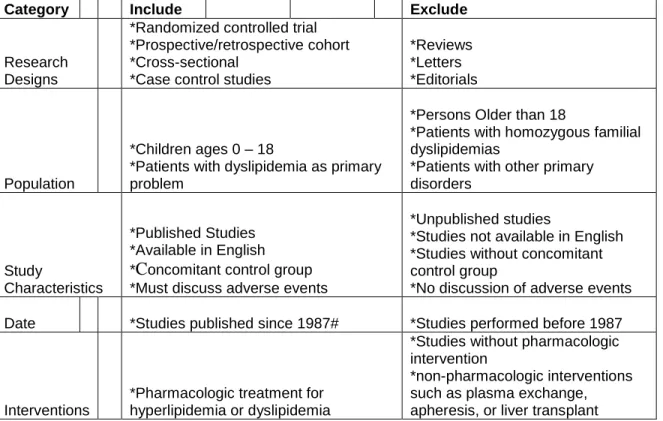
Table 3 lists the inclusion and exclusion criteria, which were based on the population, intervention, outcomes, timeframe, and publication types previously
discussed. Studies included in the systematic review were published since 1987 and
available in English. Each study had to give results as to adverse events in persons
eighteen years of age and younger, and were not accepted if they did not specifically give
adverse events for this age group separately from those occurring in older individuals.
would be likely to increase the rate of adverse events were also not considered. Only
studies that included one of the pharmacologic interventions previously mentioned were
included. Lastly, study types considered were randomized controlled trials, cohort
studies, cross-sectional studies, and case control studies.
Table 3. Inclusion/Exclusion Criteria applied to each study.
Category Include Exclude
Research Designs
*Randomized controlled trial *Prospective/retrospective cohort *Cross-sectional
*Case control studies
*Reviews *Letters *Editorials
Population
*Children ages 0 – 18
*Patients with dyslipidemia as primary problem
*Persons Older than 18
*Patients with homozygous familial dyslipidemias
*Patients with other primary disorders
Study
Characteristics
*Published Studies *Available in English
*Concomitant control group
*Must discuss adverse events
*Unpublished studies
*Studies not available in English *Studies without concomitant control group
*No discussion of adverse events
Date *Studies published since 1987# *Studies performed before 1987
Interventions
*Pharmacologic treatment for hyperlipidemia or dyslipidemia
*Studies without pharmacologic intervention
*non-pharmacologic interventions such as plasma exchange, apheresis, or liver transplant
Search Strategy
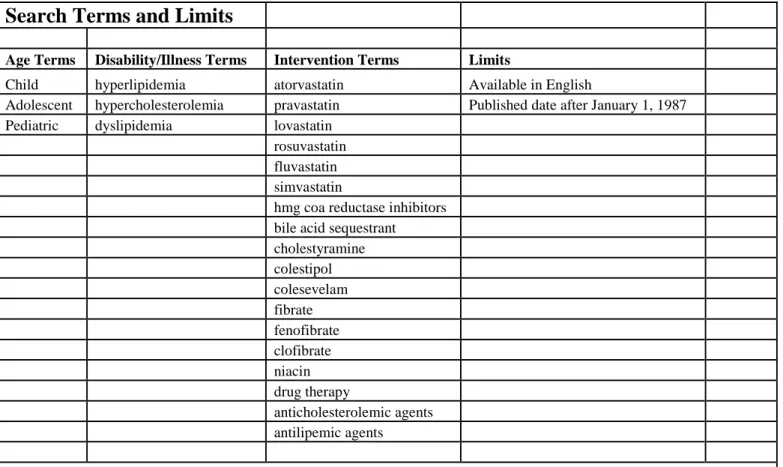
NOTE: Exact search terms and limits used can be found in Table 4.
Databases
To fully search all the available publications and material on the topic, three
separate databases were used. The decision was made to search both the Medline and
EMBASE databases due to their comprehensive nature, and the International
Pharmaceutical Abstracts database as the intervention we desired was pharmacologic.
Search Terms
The search terms used were targeted at achieving the desired population (age
0-18), medical affliction (some lipid disorder), and the intervention. To find the
population, the terms chosen were “child” OR “adolescent” OR “pediatric”. The terms
aimed at capturing lipid disorders were “hyperlipidemia” OR “hypercholesterolemia” OR
“dyslipidemia”. Finally, multiple terms were used to include the multiple possible
pharmacologic interventions for these disorders: “atorvastatin” OR “pravastatin” OR
“lovastatin” OR “rosuvastatin” OR “fluvastatin” OR “simvastatin” OR “hmg CoA
reductase inhibitors” OR “bile acid sequestrant” OR “cholestyramine” OR “colestipol”
OR “colesevelam” OR “fibrate” OR “fenofibrate” OR “clofibrate” OR “niacin” OR
“drug therapy” OR “anticholesterolemic agents” OR “antilipemic agents”. This list of
pharmacologic terms includes drug names, drug classes, and just drug therapies in
indicated, with the categories of population, disorder, and intervention all separated by
“AND” in an effort to ensure that each result found included each of the three parts.
Limits
Limits were applied on the search to capture the proper time frame and ensure its
availability in English. The time frame was set to include all studies PUBLISHED since
January 1, 1987 up until the time of the first abstracts were reviewed on April 1, 2009.
Table 4. Exact Search Terms and Limits used.
Search Terms and Limits
Age Terms Disability/Illness Terms Intervention Terms Limits
Child hyperlipidemia atorvastatin Available in English
Adolescent hypercholesterolemia pravastatin Published date after January 1, 1987
Pediatric dyslipidemia lovastatin
rosuvastatin fluvastatin simvastatin
hmg coa reductase inhibitors bile acid sequestrant
cholestyramine colestipol colesevelam fibrate fenofibrate clofibrate niacin drug therapy
anticholesterolemic agents antilipemic agents
Quality Criteria
The quality of each study considered for inclusion was also evaluated and graded
by two reviewers per study. The decision was made to grade the quality of these studies
according to Downs/Black Criteria as originally seen in the Journal of Epidemiology and
Community Health in 1998 (checklist available in Appendix 1)[21], due to their
comprehensiveness and ability to accommodate heterogeneous study types. Each study
was reviewed separately by two masked individuals, who applied the Downs/Black
Criteria and recorded the quality grades accordingly. The two scores assigned for each
study were then averaged to give the final score. Both Pearson Pairwise Correlations and
weighted Kappa values were calculated in order to help ensure there was high inter-rater
agreement in quality grading.
According to the Downs/Black system, points are rewarded on the basis of
parameters such as reporting of basic study demographics, disclosure of possible biases
and confounders, internal and external validity measures, and up to five total points on
the basis of study size/power. A total of 32 points are possible, with a higher point total
indicating higher quality. Point values in the single digits would indicate studies of poor
quality that contained major flaws, while studies with point totals in the mid to upper
twenties and lower thirties would indicate good quality studies which have no major
Article Selection
Following completion of the search of the aforementioned databases using the
search strategy described, two separate researchers each read all of the titles and
abstracts. Any article that could be relevant was noted and later reviewed in full.
Abstracts that were not related or did not fit Inclusion/Exclusion Criteria were discarded.
An article did not need to be pulled by both researchers to be reviewed, meaning that any
article selected by either researcher was pulled for full text review.
Each article pulled was then reviewed independently by two separate authors or
investigators, who applied the inclusion/exclusion criteria to it in order to determine
whether or not it could be included in the review. If an article was deemed to pass the
inclusion and exclusion criteria by both persons, it was then considered for the review.
The quality criteria previously discussed were applied to these articles, and each article
was given an overall numerical grade based on the results of the Down’s questionnaire
previously described and available in Appendix 1. We then abstracted results and evidence from the articles and put it into evidence tables to quantify the results and
present them in a clear and concise manner. The evidence table used with results
included can be found in Appendix 2. Following this process, each of the articles selected and evidence abstracted underwent a secondary review by two different
researchers than those who originally performed the reviews to verify the appropriateness
of the articles selected, ensure the quality of the articles selected, and verify that the
information was properly quantified into the evidence tables. Each of the separate
reviewers then met to help draw final conclusions on the data collected and determined
RESULTS
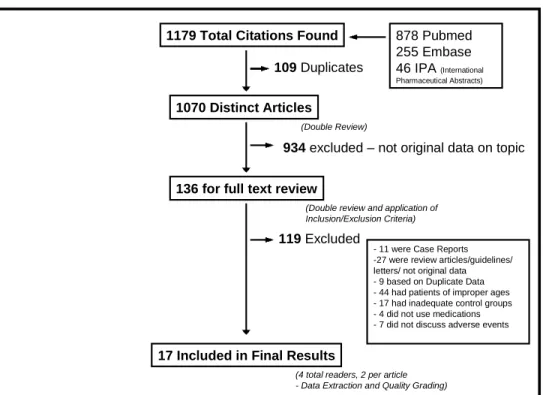
Search Results NOTE: Search results can be found summarized in Figure 1.
Using the search terms, criteria, and databases mentioned above, the initial search
was performed and returned 1179 titles; 878 of those were from Pubmed, 255 from
Embase, and 46 from the International Pharmaceuticals Abstracts database. A brief
initial review of the title and abstracts found 109 duplicate titles, leaving 1070 unique
articles for further review and application of inclusion/exclusion criteria. Each of these
titles and abstracts were read by two individuals, and as previously stated, any article
suggested by either reviewer that could be relevant was pulled for full text review. Of
these 1070 articles, 934 were excluded for various reasons or they were not original data
on the topic, leaving 136 articles that were pulled for full text review.
Each of these 136 articles was individually reviewed, and the Inclusion/Exclusion
Criteria previously discussed (Table 3) were applied. An agreement by both researchers on each article was reached for whether or not to include each article and a reason for its
exclusion. Of the 136 articles, 17 were selected for final inclusion into the systematic
review. Eleven of the 109 excluded articles were excluded because they were case
reports, 27 were excluded because they were review articles or guidelines not containing
original data, 9 articles were based on duplicate data from already included primary
studies, 44 did not fit the proper age range, 17 had inadequate control groups, four did not
Figure 1. Search Results.
1179 Total Citations Found
109Duplicates
878 Pubmed 255 Embase 46 IPA (International Pharmaceutical Abstracts)
1070 Distinct Articles
(Double Review)
934excluded – not original data on topic
136 for full text review
119Excluded
(Double review and application of Inclusion/Exclusion Criteria)
17 Included in Final Results
(4 total readers, 2 per article - Data Extraction and Quality Grading)
- 11 were Case Reports -27 were review articles/guidelines/ letters/ not original data - 9 based on Duplicate Data - 44 had patients of improper ages - 17 had inadequate control groups - 4 did not use medications - 7 did not discuss adverse events
l
ll-o
l
1-[
l
-l
~
l
l _jArticle Details and Demographics
The articles found are briefly discussed below. Full details are available in the
data extraction table (Appendix 2).
Study Types
Of the 17 articles that met all inclusion criteria and included in the final
systematic review, 9 were blinded randomized controlled trials[22-30], one was a
double-armed study with randomized controlled trial and case control arms[31], one was a
double-armed randomized controlled trial with blinded and open label arms[32], three were
randomized controlled trials that were open label studies[33-35], one was a case control
study[36], one was a prospective cohort study[37], and one was a crossover trial.[11]
Medication Class
In the 17 included articles, medication classes studied included HMG CoA
reductase inhibitors (statins), bile acid sequestrants, and cholesterol absorption blockers.
Eleven of the 17 articles studied statins; 10 versus placebo or diet therapy[22-27,30,31,35,36]
and one as an add-on therapy to bile acid sequestrant.[11] Of the other 6 included studies,
5 explored bile acid sequestrants (4 as monotherapy[23,32-34] and one as add-on therapy to
a statin[37]), and only one studied the cholesterol absorption blocker ezetimibe, which was
Length of Follow-up
Following administration of the intervention, patients were followed for varying
lengths of time. Follow-up varied from 1 month[35] up to 70 months.[34] Eight of the
studies had a follow-up period of at least one year[26-28,30,32-34,36], while only three had a
follow-up of three months or less.[24,25,35]
Patient Demographics
A total of 1,604 study subjects participated in the studies that were included in the
final results, 897 subjects were members of the intervention group, while 707 were part
of the control groups. The subjects’ ages ranged from one year in one study[33] to
eighteen years in four studies.[11,30,31,35] Each of the 17 studies included patients of at
least ten years of age, while only three studies included patients younger than six.[33,34,36]
There was a slightly higher percentage of males that participated in studies (~60% male
vs. ~40% female). It should be noted however, that one study did not report sex[34], one
study had only female participants[22], and two studies had only male participants.[25,27]
Study Sponsorship
Of the 17 included studies, 10 disclosed pharmaceutical sponsorship. Five studies
were funded in part by contributions from Merck[22,23,25,27,29], 3 by Bristol-Myers
Squibb[24,28,30], one by Pfizer[26], and one by Upjohn[32]. One of the studies sponsored by
Merck was also co-sponsored by Schering-Plough Pharmaceuticals[29]. Each of the
studies sponsored by Merck included a statin as either the intervention or as part of the
bile acid sequestrants. The study funded by Pfizer used atorvastatin as the intervention,
and Upjohn funded a study on the bile acid sequestrant Colestipol.
Quality Grading
Quality grading was performed by two separate individuals according to the
Downs/Black criteria (Appendix 1) as described in the Methods section. Scores are reported individually and as a mean in the Data Extraction form, Appendix 2, with a higher score indicating stronger quality of the work. Out of a possible 32, the highest
average score was 26, which was the grade given to two studies[25], and ten of the
seventeen studies had an average score of at least 20[11, 22-28,30,32]. The lowest average
score for any study was determined to be 8[37], while no other study had a quality grade
worse than 12.5. Also of note, none of the studies received additional quality points for
power based on sample size according to the Downs/Black Criteria, indicating that none
of the studies had adequate sample sizes to measure small differences between
intervention and control groups.
To measure inter-observer reliability between quality graders, a weighted kappa
value was measured and calculated. This value was found to be 0.48 (p=0.0002),
indicating a moderate degree of agreement between observers[38]. The Pearsons
Correlations were also calculated to look at inter-observer agreement between graders.
All of the correlations were found to be between +0.77 and +0.95, indicating a high
degree of positive relationships between the values. Ten of the 17 articles graded had a
per study[22,25-30,35-37], while the largest single difference seen by the separate reviewers
was 6 points and occurred only on one occasion[33].
Study Size
The final studies included varied greatly with respect to sample size; however,
they were all smaller studies. Only six of the seventeen studies had more than 100 total
subjects enrolled when you combined the control and intervention groups[25-27,29-31], and 6
of the seventeen studies had less than 50 total subjects[11,33-37]. Only 2 of the 17 studies
had more than 200 total subjects[29,30], with the largest study having 248 total subjects[29].
Conversely, the smallest study had only 13 total subjects [37]. With respect to the
intervention group sizes, the largest study had 140 subjects[26], while the smallest had
only 4 in the intervention group[37]. Control group sizes varied from 122 subjects[29] to
Harms Data
All safety parameters monitored for and harms found are available in Appendix 2.
In total, intervention groups had 418 side effects noted as compared to 317 side effects
noted in control groups (a 31.86% increase).
Statins
As previously mentioned, eleven of the seventeen studies in the final results used
statins in the intervention group; ten as monotherapy[22-27,30,31,35,36] and one as an add-on
therapy to a bile-acid sequestrant.[11]
The majority of these studies had extensive monitoring for harms and laboratory
anomalies. All of the studies monitored subjects by physical examination and vital signs,
and 10 of the eleven had some type of laboratory testing. For example, all of the studies
except for two[11,36], also monitored liver function via AST and ALT and the muscle
enzyme CK. Six of the studies monitored hemoglobin and hematocrit[11,22-26], three
monitored thyroid function via TSH[24,25,27], five measured the androgen precursor
DHEAS[22,23,25,27,30], five monitored cortisol [22-25,30], and four monitored
LH/FSH[22,23,27,30]. Other studies monitored routine serum chemistries[11,23-25], bilirubin
levels[24,25], urinalysis[23,25], measured menstrual cycle lengths[22,30], or paid special
attention to sexual maturation[27,30].
It is important to note however, that not all of the studies indicated that they
regularly questioned patients for adverse events/side effects. Two of the studies[30,31]
make no mention of patient reported harms, and three additional studies reported the
physicians in these studies were asking patients about possible side effects. The
remaining five studies specifically mentioned harms as reported directly from the
patients[11,23,25,26].
Overall, the side effects in statins were very similar to those found in the control
groups. In total, there were 283 recorded adverse events in the intervention groups where
statins were used vs. 191 in the control groups (NOTE – there were 561 total patients in
intervention groups vs. 387 in control groups). Two of the statin studies found no side
effects[31,36], another found only two cases of elevated AST and ALT[35], and a fourth
study found only four elevations in CK that were not accompanied by muscle pain or
myalgias[30]. Seven of the eleven total studies investigating statins showed elevations in
either AST/ALT or CK[23-27,30,35], while only two of the nine studies that measured AST,
ALT, and CK did not find any elevations. Elevations in AST/ALT ranged from 3 times
the upper limit of the normal value[23] to 10 times the upper limit of the normal value[35].
Subjects in four of these studies experienced cramps or muscle pains[11,23,25,27], three of
which were accompanied by CK elevations more than 2 times the upper limit of
normal[23,25,27]. The fourth study did not measure CK as part of their safety parameters.[11]
Subjects receiving statins experienced GI complaints such as 2 total incidences of
flatulence and bloating[11,23], 4 experienced nausea and vomiting[22,24], 4 experienced
diarrhea[22,27], one subject had constipation[11], and one subject had heartburn[25].
However, the incidences of these harms were relatively similar to their control groups,
with 5 patients experiencing flatulence, 3 persons experienced nausea and vomiting, 2
experienced diarrhea, 8 experienced constipation, and one experienced heartburn. In
experienced incidences of abdominal pain[11,22-24,26,27,]. It is also worth noting that of the
side effects in control groups, all five of the patients with flatulence, 7 of the eight with
constipation, and 8 of the 20 with abdominal pain were subjects in the dual therapy study,
where the control group was taking colestipol monotherapy.[11] Studies also reported that
patients experienced many generalized complaints including headache, fever, fatigue,
sleep disorders, and skeletal pains, all of which are listed and quantified in Appendix 2.
It is important to note however, that while these finding were all noted and were
found at slightly increased rates when compared to control groups, almost none of them
were found to be statistically significant, due largely to the small study sizes. However,
there were several studies that found side effects of statins that were statistically
significant when compared to control groups. The study conducted by Lambert et al.
showed statistically significant increases in both AST and CK in the intervention group,
as well as statistically significant increases in the androgen precursor
dehydroepiandrosterone sulfate (DHEAS) [25]. AST and CK were 17% elevated in the
intervention group, with a P value of p=0.0008, while DHEAS level was decreased in the
10mg dosing group (p=0.0165) [25]. This study also found statistically significant changes
in cortisol; it increased cortisol levels in the intervention group at lower doses (p=0.0099)
and decreased it at higher dosages (p=0.0206) [25]. Two other studies also showed
statistically significant changes in DHEAS, both showing statistically significant
decreases when compared to control groups, both with P values less than 0.05[23,27]. In
total, five of the studies that used statins as the intervention group measured
DHEAS[22,23,25,27,30], three of which showed statistically significant alterations in levels in
There was one additional study that demonstrated statistically significant
differences between intervention and control groups[22]. This study showed statistically
significant decreases in systolic blood pressure and LH (Leutinizing Hormone) in the
placebo group as opposed to the intervention group. These decreases in the control group
created statistically significant differences between control and intervention group, but
there were no changes at all noted in these parameters in the intervention group.
With respect to the absolute number of physical complaints, studies did
demonstrate increased numbers of patient complaints in the intervention groups when
compared to their controls. There were 216 total physical complaints in the intervention
group, compared to 152 in the control group. This increased number of complaints was
not statistically significant, but they were found to be higher in all but two of the seven
studies that reported finding physical complaints[11,30], leaving their clinical significance
uncertain.
Bile Acid Sequestrants
Five of the seventeen studies included in the final results used a bile acid
sequestrant as the intervention; four as monotherapy vs. placebo or diet control[28,32-34,],
and one in combination with a statin vs. statin monotherapy as the control group[37]. Two
of the five studies used the bile acid sequestrant colestipol[32,33], while the other three
used the bile acid sequestrant cholestyramine [28,34,37].
Each of these studies looked at various harms. One study looked only at height
and weight measurements[33], while others were much more extensive, looking at serum
and hormones, hematology, thyroid studies, bone age, iron studies, folate, zinc, and
carotenoids. Only two of the five studies made note of patient reported physical
complaints[28,32].
Safety monitoring revealed that two of the five studies showed increased
occurrences of multiple GI side effects, side effects which included: three cases of
abdominal pain, one case of flatulence, two cases of constipation, three cases of diarrhea,
four instances of nausea, one episode of vomiting, one case of heartburn, one case of loss
of appetite, and even one case of intestinal obstruction, though this was not thought to be
secondary to the intervention[28,32]. Patients in control groups only experienced 1 episode
of vomiting and two episodes of abdominal pain[28]. Two of the studies also showed
minor changes in weight when compared to the control group[32,34], and both of the
studies that monitored folate levels showed increases in folate[28,32]. One study noted a
statistically significant increases in homocysteine, with P value <0.05[28]. Two of these
studies reported no adverse events[33,37].
Cholesterol Absorption Blockers
Only one study included in the final results used a cholesterol absorption blocker
(ezetimibe) as the intervention, and it used ezetimibe 10mg in combination with a statin
as the intervention, while placebo in combination with a statin was used as the control[29].
With respect to harms, researchers monitored physical exam findings such as height,
weight, menstrual cycle or menstrual changes, and any physical complaints[29]. They also
monitored laboratory tests such as CBC, serum chemistries (BMP/CMP), thyroid
phosphorus, liver function tests (AST/ALT), CK levels, and monitored kidney and
urinary changes via routine urinalysis[29].
This strict monitoring found increased levels of side effects and
differences in laboratory tests in the intervention group when compared to the control
group. Specifically, there were increased levels of GI side effects such as abdominal pain
(6 vs. 3), nausea (8 vs. 4), and diarrhea (9 vs. 3) [29]. The intervention group also showed
increased CK levels on laboratory testing and increases in ALT levels (6 vs. 3) [29]. There
were also various episodes of other physical complaints such as headache, acne, flu-like
symptoms, sinusitis and pharyngitis, which were found in comparable numbers in both
intervention and control groups[29].
With that in mind, there was one statistically significant harm found when
comparing ezetimibe and statin combination therapy to the control group of statin
monotherapy: myalgias[29]. In the intervention group, 5.6% of patients experienced
CONCLUSIONS/DISCUSSION
When considering the problem of dyslipidemias in children, there are two major
factors that should be considered; whether screening should be performed routinely for
lipid abnormalities in childhood and whether treatment should be initiated if a
dyslipidemia is found.
When determining to what degree screening for dyslipidemias in children should
be performed, there seems to be two different schools of thought. As found and detailed
in pages 18-19 above, the AAP favors a wider-scaled screening approach. The AAP’s
recommendations are somewhat supported by the evidence, however the evidence is not
strong enough to recommend the wide-scale screening that the AAP indicates. For
example, in their recommendations #3 and #4, the AAP recommends that all overweight
children should be screened between the ages of 2 and 10. They make these
recommendations on the evidence from the Bogalusa Heart Study[3], which as previously
discussed found atherosclerotic lesions in children at autopsy developing at a young age.
However, it should be noted that no reliable screening mechanism currently exists that
can look directly for atherosclerosis in large or small vessels, leaving serum cholesterol
levels as our only screening tool.
The AAP also made their recommendations on the basis of evidence found in
studies by Dr Tamir et al[39] and Dr Hickman et al[14]. Dr Tamir’s work in the Lipid
Research Clinics Program Prevalence Study showed that serum lipid levels increase in
childhood until the age of 2, at which point they reach “similar” levels to those seen in
Examination Survey (NHANES) showed that total cholesterol levels usually peaked
between 9 and 11 years of age at approximately 171mg/dL[14].
Further research performed by Dr Hickman and colleagues as part of NHANES
showed that cholesterol levels decrease from these levels during pubertal development by
approximately 10mg/dL on average and slowly increase into adulthood[14]. Given that
these levels often decrease without intervention, with some studies showing that
approximately half of dyslipidemic children will not be dyslipidemic as adults[4], testing
during this time period is likely not necessary on the wide-scale basis that the AAP
recommends. Further, while some of the studies used by the AAP in creating their
guidelines did find a correlation between serum lipid levels in childhood and
adulthood[40], none of these studies, nor any other cited by the AAP demonstrate a
correlation between serum lipid concentrations in childhood and cardiac-related death in
adulthood. Also, no study to date has demonstrated that treatment of children with
dyslipidemias reduces cardiac-related death in adulthood. These sentiments are shared by the USPSTF, who also concluded that currently available evidence is insufficient to
recommend screening on a wide-scale basis[5].
With respect to treatment of lipid abnormalities in childhood, the evidence found
in available studies suggests that children using lipid-lowering medications have
increased absolute numbers of side effects compared to children using placebo,
therapeutic lifestyle changes, or no intervention (418 events/laboratory anomalies vs.
317). The studies also demonstrate that the side effect profiles in children of each
medication subclass are comparable to those found in adults, however the overall lack of
their side effect profiles in adults, statins gave increased muscle symptoms such as pain,
cramping, and myopathies, and showed elevations of the liver enzymes AST and ALT on
serum testing. Bile acid sequestrants such as colestipol and cholestyramine showed
increased numbers of gastrointestinal symptoms such as abdominal pain, diarrhea,
constipation, nausea, vomiting, bloating, and flatulence. The one study using the
cholesterol absorption blocker ezetimibe showed increased incidence of myalgias.
As previously noted however, only five of the seventeen total studies found
statistically different numbers of side effects, despite the consistent trends in that
direction. There are many reasons that could explain a lack of statistically significant
findings in these studies. The first and most obvious explanation would be because there
truly are no differences between control and intervention groups, and that the side effects
experienced would have occurred even without medical treatment. However, given the
limited number of available studies, the limited number of study participants, and shorten
length of both intervention and follow-up, it is possible that differences do indeed exist
but are not readily apparent due to these study limitations.
Though the studies showed increased numbers of side effects in the intervention
groups, the limited size and duration of these studies also make it difficult to determine
whether these studies have any true clinical significance that would affect treatment
decisions made by practicing clinicians. A clinician may look at these studies, see a
higher number of absolute events, and decide not to use a medication in a child.
However, the percentage of events occurring in intervention group vs. control groups was
similar, which could lead another physician to assume the medications were safe in
![Table 2 shows the current clinical guidelines for treatment as described by both the NCEP and the AACE [7,8]](https://thumb-us.123doks.com/thumbv2/123dok_us/8344857.2217461/11.918.133.833.605.859/table-shows-current-clinical-guidelines-treatment-described-ncep.webp)