A Review of Factors Influencing Treatment Planning
Decisions of Single-tooth Implants versus Preserving
Natural Teeth with Nonsurgical Endodontic Therapy
Mian K. Iqbal, BDS, DMD, MS, and Syngcuk Kim, DDS, PhD
AbstractOne of the major issues confronting the contemporary dental clinician is the treatment decision between ex-tracting a tooth with placement of a dental implant or preserving the natural tooth by root canal treatment. The factors that dictate the correct selection of one procedure over the other for each particular case are not yet established by randomized controlled studies. The aim of this review is to evaluate key factors allow-ing the clinician to make clinical decisions on the basis of the best evidence and in the patient’s best interests. General considerations are discussed that will help the reader analyze clinical studies focused on this problem. Importantly, the major studies published to date indi-cate that there is no difference in long-term prognosis between single-tooth implants and restored root canal– treated teeth. Therefore, the decision to treat a tooth endodontically or to place a single-tooth implant should be based on other criteria such as prosthetic restorabil-ity of the tooth, qualrestorabil-ity of bone, esthetic demands, cost-benefit ratio, systematic factors, potential for ad-verse effects, and patient preferences. It can be con-cluded that endodontic treatment of teeth represents a feasible, practical, and economical way to preserve function in a vast array of cases and that dental im-plants serve as a good alternative in selected indica-tions in which prognosis is poor. (J Endod 2008;34: 519 –529)
Key Words
Prognosis of root canal treated teeth, prognosis of single tooth implants, root canal restoration, root canal treated teeth, single tooth implants, treatment planning
D
uring the past 40 years, dental implants have evolved to where they are now con-sidered to be a reliable treatment for missing teeth. Dental implant therapy, as inspired by the work of Brånemark et al(1), is, however, a rapidly changing field in dentistry. Only within the last few decades has this treatment procedure become widely recognized, and it is only changes within the last 10 years that have begun to contribute to standardized generation of clinical outcome data. During this time, the applications of dental implant therapy have been broadened dramatically, including single-tooth replacements. From the days preceding the landmark study by Brånemark et al until very recently, the available options for restoring compromised teeth were limited to root canal treatment. Currently, in addition to root canal treatment, single-tooth implants are also being proposed to patients who have compromised teeth. However, the precise role of single-tooth implants in the management of patients with compromised teeth has remained uncertain, controversial, and the subject of considerable debate(2– 8).One of the major issues confronting the contemporary dentist is the choice of treatment for a severely compromised tooth. Nevertheless, it is realized that not only is the choice of treatment controversial, but even the criteria for defining a tooth as compromised are controversial and subject to differences in interpretation. However, a careful and extensive consideration of indications, contraindications, risks, and bene-fits of both single-tooth implants and the natural restored tooth is of critical importance if an accurate evaluation of treatment options is to be presented to the patient for their informed consent.
This review summarizes the available literature regarding single-tooth implants and restored natural teeth and recommends management strategies based on the latest available information. These recommendations are evidence-based, and where evi-dence is not available, expert opinion is used to formulate recommendations. This review will consider major questions that might be discussed with patients for them to make an informed decision of these alternative treatments.
Do Implants and Endodontic Treatment Have the
Same Indications?
Dental implants are one of the most conspicuous success stories of 20th century dentistry. However, the dental implant industry in the United States is not very forth-coming regarding numbers of implants placed. A generally quoted figure is around 0.6 million implants placed per annum (personal communication, Dr Steven Eckert, Pres-ident, Academy of Osseointegration, April 2007). Finland is probably the only country that publishes unit data for dental implants. Although it constitutes a small part of global dental implant market, the total number of implants placed in Finland increased from 2,659 in 1994 to 12,456 in 2005(9). It is interesting to note that during the same period of this database, 1940 implants were removed.
Few data are available concerning the prevalence of endodontic therapy among patients in the United States. According to 1999 survey of the American Dental Associ-ation, a total of 17 million root canal treatments were performed annually in the United States(10). In another study root canal restorations were identified in 5.5% of teeth examined from 208 randomly chosen full-mouth radiographic series(11). European studies suggest that the prevalence of root canal therapy ranges from 3%– 6% among younger adults to 18%–20% among adults aged 60 years and older(12). The Finnish From the Department of Endodontics, The Robert
Schatt-ner Center, University of Pennsylvania, School of Dental Med-icine, Philadelphia, Pennsylvania.
Address requests for reprints to Dr Mian Khalid Iqbal, Assistant Professor & Director, Postgraduate Endodontic Program, Department of Endodontics, The Robert Schattner Center, University of Pennsylvania, School of Dental Med-icine, 240 S 40th St, Philadelphia, PA 19104-6030. E-mail address: [email protected].
0099-2399/$0 - see front matter
Copyright © 2008 by the American Association of Endodontists.
data also indicate that the highest number of implants were placed in adults aged 50 and older(9).
When dental implants were first introduced by Brånemark in 1977, they were envisioned as a replacement for missing teeth and indicated for patients who might otherwise have received removable prosthesis. In a systematic review, Creugers et al(13)demonstrated that an assortment of single-tooth implants (n⫽459) achieved a 4-year survival rate of 97%. However, the study also reported that approxi-mately 20% of single-tooth implants were associated with some sort of postoperative complication, ranging from abutment screw retightening to crown remake. In another report, Lindh et al(14) performed a meta-analysis of implant studies involving partially edentulous patients. They reported a success rate of 97% after 6 –7 years for a single implant crown.
As more research on dental implants was conducted, the potential range of applications was expanded to encompass a larger population of teeth that otherwise would have been referred for restorative proce-dures including endodontics. However, in most long-term studies, the reason for the tooth extraction before single-tooth implant placement has not been specified, and thus the precise indications for placing an implant have not been clearly defined in clinical trials.
An analysis of single-tooth implant studies indicates that endodon-tic complications, trauma, and caries are commonly cited as the leading causes of tooth extraction and replacement with single-tooth implants (Table 1). The data in Table 1 also indicate that 28% of the teeth extracted and replaced with single-tooth implants were endodontically treated. However, these data should be interpreted with caution because the actual reason for extraction of these endodontically treated teeth was not stated. It should be realized that only a small percentage (⬍9%) of endodontically treated teeth are lost as a result of true “endodontic failure”(15). In several studies many cases with post-treatment apical periodontitis were extracted and replaced with implants, without re-sorting to alternative treatment modalities such as retreatment and peri-apical surgery. Contrary to the preponderance of evidence, the presence of apical periodontitis is increasingly being used to recommend tooth extraction and immediate implant placement(16).
Table 1also indicates that on average, 26% of teeth replaced by implants suffered from dental trauma. In one of the studies, teeth with horizontal root fractures constituted 16% of teeth replaced with single-tooth implants(17). However, it should be recognized that the use of implant therapy in intra-alveolar root fractures is unwarranted because most pulp tissue remains vital under these conditions(18). Further-more, a majority of these horizontal fractures do not require any inter-vention, whereas many others respond favorably to endodontic treat-ment(19, 20).
An analysis of the causative factors of root canal treatment per-formed at a postgraduate endodontic program indicated that approxi-mately 60% of root canal treatments were necessitated by caries, 19% by restorative failures, 13% by post-treatment apical periodontitis, and 6%
by dental trauma(21). Thus, it seems that both root canal treatment and single-tooth implants are increasingly being offered to a similar patient population.
The decision to restore a diseased tooth with root canal treatment or to extract the tooth and replace it with a restored single-tooth implant might be influenced by the clinical background of a clinician. This aspect of treatment planning has been exemplified by Bader and Shu-gars(22), who examined the extent to which dentists agreed about the treatment of 1187 teeth in 43 patients. Overall, agreement among the participating dentists in recommending individual teeth for treatment was 62%. In cases in which a tooth had been previously restored, dif-ferences in treatment recommendations tended to be greater. The re-searchers recommended the need to develop objective criteria for treat-ment of teeth with previous restorations.
Because the indications for dental implants begin to conflict with the indications for endodontic therapy, there is a need for development of guidelines so that the patient is provided with sufficient information to select the optimal procedure for their particular treatment plan. The optimal treatment plan incorporates the best available evidence to-gether with specific case factors and the patient’s desires and needs. Although it is recognized that clinicians vary in their experience, skills, and interests, this should not dictate the treatment plan, because other members of the dental team are available to provide specialized care on a referral basis.
What Factors Influence Prognosis of Endodontic and
Implant Treatments?
It has been suggested that the restored single-tooth implant is a viable alternative in treating a compromised tooth with a poor progno-sis. However, conspicuously missing from the literature are uniformity, objectivity, and a precise definition of what constitutes such a case. Identifying these clinical situations poses a dilemma for the practicing clinician. To discuss treatment of compromised teeth, a compromised tooth must be differentiated from an “end-stage” tooth failure. For the purpose of this review, a compromised tooth will be defined as a com-plex clinical syndrome that can result from any structural or pathologic disorder that impairs the ability of the tooth to function properly without some type of restoration. In these cases the tooth pathology dictates removal of diseased enamel and dentin and possibly the surgical re-moval of pulp tissue. The restoration of the tissue removed would seem to be the optimal objective when attempting to preserve the natural tooth. Currently, the strategies for achieving this objective include place-ment of prosthetic restorations and possibly various endodontic treat-ments (nonsurgical root canal treatment, retreatment, or periradicular surgery).
Similarly, an end-stage tooth can be defined as a pathologic state or structural deficiency that cannot be successfully repaired with recon-structive therapies, including root canal treatment and retreatment, and
TABLE 1.Stated Reasons for Tooth Replacement in Selected Implant Studies
First Author Year n Endodontic Periodontal Trauma Caries Missing
Covani(93) 2004 163 30% 12% 37% 21% Schwartz-Arad(37) 2000 56 32.1% 26.8% 41% Scheller(30) 1998 99 14% 46% 20% Priest(93a) 1999 116 46% 12% 12% 1% 19% Kemppainen(93b) 1997 102 23.2% 13.4% 58.5% Gomez-Roman(93c) 2001 124 22% 14% 29% 13% 10% Rosenquist(17) 1996 109 59% 19%* 13% Average 78.00 27.88% 24.76% 26.07% 19.00% 24.10%
NOTE. Sum of tooth loss might not equal 100% because of multiple causes. *Majority of cases were involved with horizontal root fracture.
continues to exhibit progressive pathologic changes and clinical dys-function of the tooth. Strategies for treating end-stage tooth failure in-clude extraction and restoring function with placement of a fixed or removable prosthesis or an implant-supported restoration.
Success versus Survival: Which Is a Better
Outcome Measure?
Although endodontic clinical research has traditionally focused on healing/success as an outcome measure, this is not the general case with implant studies. This lack of standardization in outcome measures has led to great confusion when attempting to compare these 2 treatment modalities. Endodontic clinical trials often define success by using out-comes from clinical, subjective, and radiographic evaluations. In con-trast, survival is defined as retention of the tooth or implant, depending on the studied intervention. Therefore, studies evaluating survival as an outcome measure will, by definition, provide greater measured magni-tudes than studies with healing/success as an outcome measure. More-over, the conclusion of healing/success versus nonhealing/failure might be influenced by the sampling time. Endodontic studies that categorize a decrease in size of apical rarefaction as an uncertain event will often show improved success rates during longer follow-up periods because some of these uncertain cases will become successful(23). On the other hand, implant studies evaluating survival as an outcome measure might show an opposite trend because some of the pathologically in-volved implants will be lost during longer follow-up periods. Several studies reporting relatively large series of cases suggested that results of single-tooth implant treatment are excellent in the short run, but long-term results are still largely undefined. This is in contrast to the results of root canal treatment, which are not only excellent in the short run but tend to improve with the passage of time. Although precise and accurate measures of healing/success have obvious intrinsic value when com-paring treatment interventions, the use of survival data does provide a robust measure permitting comparisons across a broad range of inter-ventions and is perhaps easier for some patients to understand com-pared with outcome measures such as radiographic classifications. Moreover, because a fundamental goal of dental treatment is preserva-tion of dentipreserva-tion, the use of survival data provides one measure of this outcome.
The time periods for sample assessment also play a major role in outcome assessment. In a systematic review comparing single-tooth implants and restored root canal–treated teeth(24), the median fol-low-up period for 13 studies (totaling⬃23,000 endodontically treated teeth) for restored root canal–treated teeth was 7.8 years, whereas the follow-up period for 56 single-tooth implant studies (totaling⬃12,000 implants) was 5 years. It must be noted that the long-term studies on dental implants are few in number, involve small numbers of patients, and suffer from attrition biases. In some studies, the percentage of implants followed up at 5-year interval was as low as 2%(25), 8.1% (26), 13%(27, 28), 16%(29), and 47%(30)of the original cohort. At intervals longer than 5 years, the percentage of patients included in life-table analysis precipitously drops to 4% or less(26, 28, 29). Thus, even though long-term follow-up is often claimed in these articles, closer evaluation of the data reveals that only a subset of patients were followed up for the maximum amount of time stated.
Life-table analysis is most commonly used as an end point for single-tooth implant assessment. This analysis expresses retention dur-ing a length of time and gives a measure of expected outcome. This outcome can provide useful clinical information because the design most closely conforms to usual patient care. However, life-table analy-ses can be misleading as well. If patients withdraw from the recall periods (eg, lost to follow-up, noncompliance), then the analysis can be
done either excluding or including their data in the analysis. Either method risks distortion of the clinically meaningful treatment effects.
According to Mau(31), the binomial approach of calculating the percentage of implants not failed to date over total inserted implants is not correct and might be far too optimistic. In a reanalysis of published data, the 5-year-survival probability for single-tooth implants was found to be as low as 70%, whereas the original study authors claimed a binominal estimate of 94%. Although good clinical practices and stan-dard of dental care might require the use of stringent success criteria, most available study data have used survival criteria as a measure of implant outcomes.
On the basis of these considerations, it is clearly difficult to com-pare and contrast the results of reported research on dental implants and root canal treatment. Despite the presence of comparatively strict criteria(32, 33), a majority of studies have judged the success of im-plants by their mere survival in the mouth(34 – 43).
In clinical practice the outcomes of implants are rarely scrutinized with the strict objective criteria used in clinical research, and survival statistics are more commonly used for relevance to routine clini-cal practice(44). The reason for this could be that the definition of survival tends to be considerably higher than actual success rates. As an example, the success rate of single-tooth implants in a study by Watson et al(45)was 52%, whereas the reported survival rate was 100%. In another study(28), the success rate according to the criteria of Al-brektsson et al(32)was 83.4%, whereas the reported survival rate was 92.2%. Because the survival rates tend to be higher than the corre-sponding success rates, it is perhaps not surprising that the majority of the studies opt to report survival rates.
The consistent use of a standard definition of success criteria also varies across studies. The criteria of Albrektsson et al(32)for success of an implant system would demand an average marginal bone loss of less than 1.5 mm during the first year after insertion of the prosthesis and thereafterⱕ0.2 mm annual bone loss (ie, a maximum of 2.3 mm bone loss after 5 years in function). However, in some instances sub-stantially greater amounts of marginal bone loss have been defended as “physiological bone remodeling” rather than failure of the implant (46). The dependence of the calculated success rate on the selection of outcome criteria is exemplified by an investigation by Watson et al(45). All implants in this study were found to be integrated and none had exfoliated at 4-year interval, giving a calculated 100% survival rate. Yet, when the authors applied a standardized success criterion (ie, less than 0.2 mm of bone loss after the first year of service), a total of 9 implants (27%) were found failing. Moreover, when the criteria of Spiekermann et al (47)were applied, 5 implants (15%) were found failing. The criteria of Spiekermann et al consider an implant to be failing if there was cervical bone loss of greater than one third of the implant length or more than 4 mm. Thus, the lack of standardization of outcome criteria for success greatly confounds the ability to apply these implant results to the general population.
In most studies it is difficult to calculate the survival rates of coro-nally restored root canal–treated teeth. Many studies evaluating root canal treatment predominantly use radiographic or other criteria. As with implant studies cited above, the inconsistent use of different criteria leads to inconsistencies between studies. The use of radiographic inter-pretation of periradicular status as the primary indicator of root canal outcome, as well as implant outcome, presents a significant challenge. The detection of radiographic rarefactions is a subjective phenomenon and subject to interobserver and intraobserver variability, particularly without standardized radiographic angulations(48 –50). Furthermore, lesions confined to cancellous bone cannot be detected radiographi-cally. Extensive periradicular lesions might be present even when there is no evidence of it on radiographs(51).
On the basis of these considerations, the best currently available outcome to compare the restored root canal–treated teeth and single-tooth implants is survival. Although we clearly recognize the intrinsic value of measures of healing/success, there simply is no standardized and consistent application of this measure to permit direct comparisons between these 2 treatment modalities. Moreover, because tooth reten-tion is a fundamental goal of dental treatment(52), the measure of tooth survival does have heuristic value.
What Is the Influence of a Coronal Restoration on the
Outcome of Root Canal–treated Teeth?
It has been stated that root canal treatment is not considered complete without the placement of an appropriate coronal restoration. However, only 13 articles in endodontic literature can be identified that reported the outcome of root canal–treated teeth with coronal restora-tion(24). The concrete evidence of the benefits of coronal restoration after root canal treatment in treating compromised teeth are to be found in a number of studies. For example, Lazarski et al(53)analyzed the Washington Dental Services database and found a 4-fold greater inci-dence of extraction in root canal–treated teeth without a coronal res-toration (11.2%) as compared with root canal teeth with a coronal restoration (2.5%), giving an overall survival rate of this latter group of 97.5% during a 2-year follow-up. Salehrabi and Rotstein(54)studied the outcome of initial endodontic treatment done in 1,462,936 teeth of 1,126,288 patients from 50 states across the United States. Overall, 97% of teeth were retained in the oral cavity 8 years after initial nonsurgical endodontic treatment. Analysis of the small subset of extracted teeth revealed that 85% had no full coronal coverage. The study did not perform subgroup analysis of survival of root canal–treated teeth with or without coronal coverage. However, the overall survival rate of root canal–treated teeth in this study was 97.6%; therefore, the survival of root canal–treated teeth covered with crowns could be even higher than this value. In a community-based study in which 64% of the population had no dental insurance, the survival rate of all root canal–treated teeth was 81%, and nearly 50% of those root canal–treated teeth that were extracted had not been properly restored(55). These results also agree with those of Aquilino and Caplan(56), who reported that endodonti-cally treated teeth without full coronal coverage were lost at a rate 6 times greater than fully covered teeth. Collectively, these studies indicate that patients with root canal–treated teeth without coronal coverage have greater rates of adverse outcomes. Because coronal restoration of endodontically treated teeth represents the standard of care, outcome studies should be based on the restored endodontically treated tooth.
Are There Any Studies Comparing the Outcome of
Coronally Restored Root Canal–treated Teeth and
Single-tooth Implants?
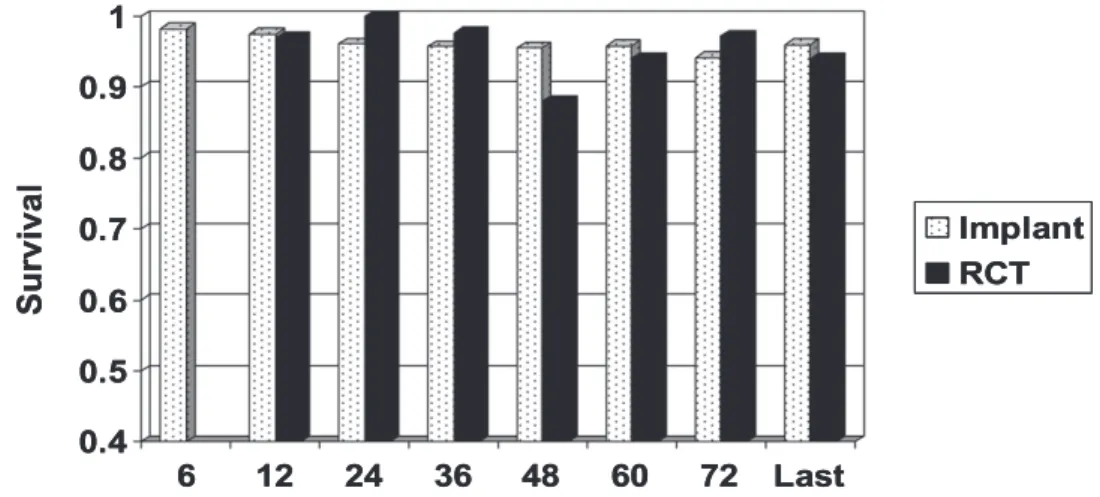
Interest in comparing outcomes from the restored root canal– treated tooth with dental implants was spearheaded in 2006 by the Academy of Osseointegration’s State of the Science in Implants Confer-ence(57). This culminated in the first major systematic review and consensus report assessing the long-term outcome of restored root canal–treated teeth and single-tooth implants(24). The 2 evaluated treatment groups were coronally restored single-tooth implants and coronally restored endodontically treated teeth. A large number of end-odontic studies were excluded because they did not provide sufficient data to calculate the survival rate of restored root canal–treated teeth. A total of 55 single-tooth implant (totaling 11,971 implants) and 13 end-odontic (totaling 21,649 endend-odontically treated teeth) studies were included in the review. Only one sampled study(58)contained both treatment groups in the same setting. The proportion estimate of im-plant survival at last exam was 95% (95% confidence interval, 95%– 97%), whereas for restored root canal–treated teeth it was 94% (95% confidence interval, 91%–97%). The results for each of the sampling times are illustrated inFig. 1.
The outcome data were analyzed by the Wilson score method, which demonstrated no difference in the long-term outcome between these 2 treatment modalities. This systematic review concluded that the decision to treat a tooth endodontically or to replace it with a single-tooth implant should be based on criteria other than long-term outcome of the 2 treatment modalities because the 2 treatments produce similar outcomes. The results are consistent with other systematic reviews on the survival rate of single-tooth implants(59), providing a measure of the external validity of this study.
A recent retrospective study compared the survival of single-tooth implants in 196 patients with a case-matched 196 patients who received conventional root canal treatment followed by coronal restoration(58). This is the first study in the literature that directly compared survival of these 2 treatments when provided in the same clinical setting. The comparison in survival between these 2 treatments is shown inFig. 2.
Although both groups exhibited high overall survival rates (⬃94%), it should be noted that nearly 18% of implants required some type of post-treatment intervention (eg, lost screws) and that this group required significantly (P⬍.001) more subsequent dental treatment than endodontically treated teeth.
0.4 0.5 0.6 0.7 0.8 0.9 1 6 12 24 36 48 60 72 Last Implant RCT Survival 0.4 0.5 0.6 0.7 0.8 0.9 1 6 12 24 36 48 60 72 Last Implant RCT Survival
What Is the Role of Proximal Contacts in
Outcome Studies?
When considering these predictors of single-tooth implants and endodontic treatment outcomes, it is important to consider a compre-hensive model that incorporates preoperative, operative, and postop-erative variables. However, some of the variables such as proximal contacts and case selection are not consistently reported in different studies.
The presence of proximal contacts protects the dentition primarily by distributing the occlusal stresses. A case-control study analyzing rea-sons for tooth loss after nonsurgical root canal treatment among mem-bers of the Kaiser Permanente Dental Care Program provided evidence that number of proximal contacts, age, history of facial injury, number of missing teeth, and abutment status were all correlated with the even-tual extraction of teeth after nonsurgical root canal treatment(60). The study showed that the presence of proximal contacts can increase the survivability of endodontically restored teeth. Teeth with no or 1 prox-imal contact at access were 3 times more likely to be lost than teeth with 2 proximal contacts. In another study 50% of root canal–treated teeth that did not have adjacent teeth failed during follow-up(53). Further-more, the presence of abnormal occlusal forces has also been corre-lated to radiographic presence of periapical lesions(61). Most of the endodontic prognostic studies do not take into account this variable in the survivability of root canal–treated teeth and might lead to heteroge-neity in data when comparing single-tooth implants with restored root canal–treated teeth.
Single-tooth implants, as the name implies, are usually placed after a loss of a single tooth and therefore are not adversely affected by lack of proximal contacts or detrimental occlusal forces. In one study, the mean annual bone loss for implant-supported crowns with contacts in centric occlusion or excursions was 0.2 mm/y greater than for implants without such contacts(36). The authors go on to state that the single-tooth implant should be regarded as an elegant and ecologically sound space maintainer rather than a crown replacement.
Is Root Canal Treatment Preferred for the Diabetic or
Smoker with Compromised Teeth?
A number of systemic risk factors have been evaluated for their impact on the survival rates of endodontically treated teeth or dental implants. In one study, diabetes was found to influence the healing of teeth with preoperative periradicular lesions(62). In a matched-case study Doyle et al(63)noted that outcomes for single-tooth implants and restored root canal–treated teeth were not significantly affected by di-abetes; however, preoperative lesions were not reported. In addition, a recent systematic review found no detectable influence of diabetes on implant survival rates(64). However, the review cautioned against mak-ing a definitive conclusion because of the limited number of studies included in the review. In general, diabetes seems to have a deleterious effect on the prognosis of both implant and root canal treatment.
A negative effect of smoking on apical periodontitis has been re-ported in endodontic literature(65). In a follow-up study comparing single-tooth implant and endodontic restorations, Doyle et al(63)also reported that smokers had fewer successes and more failures in both treatment groups. In addition, smoking appears to increase the risk for requiring root canal treatment(66), although the effect on subsequent survival was not reported. A recent systematic review has reported that smoking also reduces implant survival rates(64). Therefore, factors that alter the host response to inflammation, such as smoking, might also indirectly influence the risk of infection in both implants and root canal treatment groups.
Is Root Canal Treatment Preferred in Patients with
Poor Quality of Bone?
Quality of bone is considered the most important determinant in the loss of implants(67). Types I, II, and III bone offer good strength. Type IV bone has a thin cortex and poor medullary strength with low trabecular density. In one study, failure rates of 35% were reported in presence of type IV bone, whereas in types I, II, and III bone only 3% of fixtures were lost(68). Reported survival rates of maxillary implants usually are not as high as those for mandibular implants, and this is
often attributed to differences in bone quality. Therefore, the quality of bone remains an important consideration when treatment planning for implants(69).
Less information is available in the endodontic literature regarding survival of root canal–treated teeth according to the anatomic zone or quality of bone. Caplan et al(70)reported a higher loss of mandibular second molars. The reason for this is difficult to elucidate, but there might be a number of explanations. It might be that second molars are more difficult to treat or are subjected to higher levels of occlusal forces. However, Doyle et al(58)did not find location of the restorative treat-ment a significant factor when comparing single-tooth implants and restored root canal–treated teeth.
Can Case Selection Improve the Outcome of the
Restored Endodontically Treated Tooth?
Appropriate case selection plays an important role in the outcome of any dental treatment. Three studies illustrate criteria for promoting the survival of single-tooth implants. Palmer et al(71)required all their patients to be in good health and have a single missing tooth in the anterior maxilla. A clinical examination was carried out to determine the suitability of the patients for implants, particularly with regard to ridge height and width, occlusal relationship, and esthetic demands. No implant losses were observed in 14 of 15 patients available at 5-year recall. Johnson and Persson(72)screened 192 individuals from whom 59 subjects were accepted for the placement of single-tooth implants. None of the subjects gave a history of periodontitis as the reason for tooth loss. A survival rate of 98.7 % was achieved at a 3-year interval. Wennstrom et al(46)excluded all patients who had insufficient bone volume at the recipient site. Collectively, these findings reinforce previ-ously published analyses that indicate that implant survival is influenced by appropriate case selection. Patient selection remains a difficult and controversial area when comparing implant and endodontic studies.
Is Endodontic Therapy Associated with More Pain than
Implant Surgery?
The incidence of postoperative pain is one of the major concerns when evaluating endodontic treatment alternatives. However, it is diffi-cult to compare studies reporting on pain after treatment procedures because of the complexity of the pain experience and differences in various measures of pain(73). It has been reported that the public’s perception of endodontic treatment is negative because of the associa-tion of endodontic treatment with pain(74). In contrast, the results of one study have demonstrated that pain was not the major cause of dissatisfaction with endodontic treatment(75). Moreover, even placebo-treated patients report that root canal treatment substantially reduces pain (⬃50%–75%) compared with preoperative levels(76). This study highlights one misperception about root canals; many patients mistak-enly associate preoperative odontogenic pain, caused by preexisting pulpal or periradicular pathosis, with the subsequent root canal treat-ment that relieves the pain. In a study by Hashem et al(77), implant placement was found to be a mild to moderately painful and anxiety-provoking procedure. The percentage of patients reporting swelling dropped from 72% on the first day to 39% by the sixth postoperative day. The visual analog score for the average pain on the first postoperative day (24 on a 0 –100 scale) was reduced by 50% by the third postoper-ative day. Similar results have also been reported when postoperpostoper-ative pain was evaluated after nonsurgical root canal treatment(78).
A pain score⬍4 (on a 0 –10 scale) is recommended in the guidelines of American Society of Anestheologists for adequate con-trol of perioperative pain(79). Taken together, these results indi-cate that the pain experienced after root canal treatment and
im-plant surgery fall within the guidelines for adequate control of perioperative pain.
Is Implant Therapy More Expensive than
Endodontic Treatment?
An economic analysis of treatment alternatives should include ac-tual costs, insurance availability, and any treatment-related postproce-dural costs required to maintain the treatment. Hess et al(80)stated that treatment selection should be based on a balance of cost benefit and low risk, and implants should be used only when they provide results as good as those offered by conventional restorations. Moiseiwitsch and Caplan(81)recently evaluated the cost-benefit analysis of endodontics versus single-tooth implants. The results indicated that the restored implant was⬃70%– 400% more expensive than the restored endodon-tically treated tooth (crown). The analysis did not take into account the possible adjunctive procedures before implant placement such as sinus lift and bone grafts, which would increase the cost of an implant. An-other study analyzed the cost difference by using mean fees across the entire U.S. and determined that the implant-supported alternative was reported to be nearly twice as expensive as the endodontic alternative (82). In terms of insurance, comparatively few dental plans cover im-plants, which both shifts costs to the patient and removes an inflationary brake on increased fee schedules(83). Finally, in terms of postproce-dural treatment requirements, the study by Doyle et al(63) demon-strated that implants required nearly 5 times more post-treatment in-terventions as compared with restored endodontically treated teeth. Taken together, it is advantageous to both the patient and the dentist, as well as from a socioeconomic point of view, to restrict implant proce-dures to situations in which this is necessary.
Are Patients More Satisfied with Implant Therapy than
Root Canal Treatment?
One of the major issues in dental care delivery is patient satisfac-tion. However, comparatively few trials have reported on this important aspect of treatment as related to single-tooth implants and restored root canal–treated teeth. In a recent paper Sonoyama et al(84)have pointed out that among the few studies undertaken, implant dentistry has more clearly been shown to increase quality of life measures for patients when used as anchorage for removable prostheses than when used to restore a bounded edentulous space, such as a single-tooth replacement(84). This conclusion is also supported by qualify of life assessments by Gib-bard and Zarb (36), who reported that only 80% of patients were somewhat satisfied or extremely satisfied with single-tooth implants.
The results of one study, which assessed quality of life after end-odontic treatment, clearly demonstrated that endend-odontic treatment sig-nificantly improved quality of life for all measures investigated(75). Among others, these measures included alleviation of pain and func-tional improvement in speech and esthetics. As far as quality of life assessments are considered, both endodontic and single-tooth implant studies are quite comparable to each other.
Are Implants As Esthetically Pleasing As Restored
Natural Teeth?
One criterion for success of implants is that it should provide a satisfactory appearance to patient and dentist(33). However, many implant studies do not account for poor esthetics, implant malposition, soft tissue recession, bone maintenance, and unfavorable soft tissue configuration(59). It has been stated that esthetic failures in implant dentistry are known to outnumber mechanical failures, especially in the anterior dentition(85). Because single-tooth implants are commonly
placed in the anterior esthetic zones, many esthetic and functional fac-tors should be considered. Incorrect placement of implants in this area can lead to esthetic problems that might be difficult to solve. A poor emergence profile can compromise the patient’s oral hygiene, and con-sequently, the health of soft tissues around the implants can be nega-tively affected(86). The loss or distortion of the dental papilla is the most common complication and cause for concern after implant place-ment. The reduced papilla height can result in “black triangles” and poor esthetic outcome of the restorative treatment. The overall preva-lence of papillary contracture after implant placement has been re-ported to range from 5%–20% when compared with contralateral nat-ural teeth(87). Conversely, the retention of natural teeth with root canal treatment will continue to represent a valuable therapeutic option for many teeth in the anterior esthetic zone.
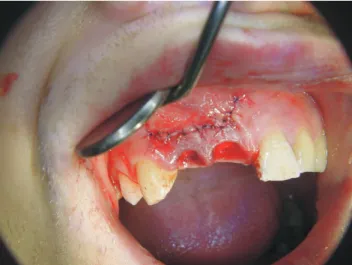
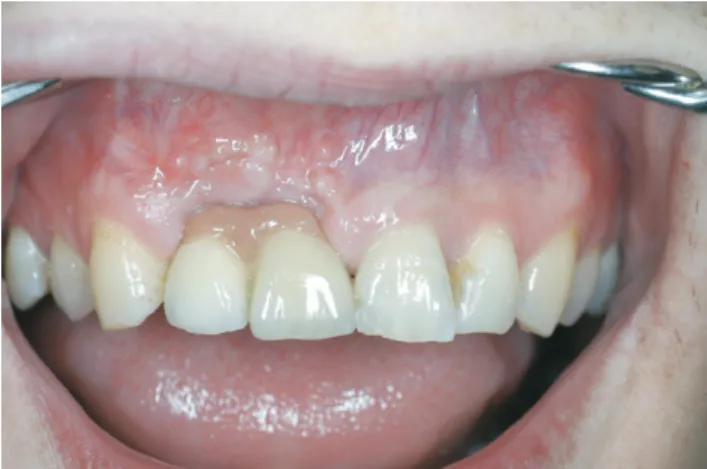
Periodontal biotype is an important factor when treatment plan-ning for implant versus restoration of a natural tooth. The human tissue biotype is classified as thin, normal, or thick. The thin periodontal biotypes are friable, escalating the risk of recession after crown prep-aration and periodontal or implant surgery(88). Expert opinion also supports retention of natural teeth in esthetic zones. According to Tor-abinejad and Goodacre(89), when the periodontal biotype is thin but healthy around a natural tooth, then the preservation of the tooth through endodontic therapy might provide more appropriate soft tissue esthetics than does extracting the tooth and placing a dental implant. In a recent review Christensen(82)noted that when the potential for poor implant-associated esthetics might occur, then the retention of the af-fected tooth might be a better choice. When this and other studies are taken into consideration, it is apparent that the natural tooth restoration should be strongly considered when esthetic demands are of paramount significance. Failure to retain natural teeth and their subsequent re-placement with implants can lead to unaesthetic results (Figs. 3– 6).
Can Immediate Implants Be Placed in Teeth Extracted
Because of Apical Periodontitis?
A major difference between root canal treatment and implant sur-gery is the nature of the periradicular environment. Root canal treat-ment is usually instituted to prevent or treat apical periodontitis, whereas implants are usually placed in a normal healthy periradicular environment. However, when a tooth with apical or marginal periodon-titis is extracted, then the extraction site might influence the osseointe-gration. Studies to date suggest that apical periodontitis does not signif-icantly alter implant osseointegration because⬃90% survival rates in implants have been reported for implants inserted immediately after tooth removal(17, 90). In a recently conducted meta-analysis spon-sored by the European Association of Osseointegration, the survival of implants was not significantly different in individuals with marginal pe-riodontitis-associated and nonpepe-riodontitis-associated tooth loss(91). However, significantly increased incidence of peri-implantitis and sig-nificantly increased peri-implant marginal bone loss were revealed in individuals with periodontitis-associated tooth loss. The authors stated that the results of this meta-analysis should be interpreted with caution, because the sample size and quality of 2 studies included in the meta-analysis were deficient.
The rationale for placement of implants at the time of tooth extrac-tion is to preserve the alveolar ridge width and height and to decrease the restorative treatment time(30). However, recent clinical studies reported that a ridge reduction continues to occur, especially in a buc-colingual orientation, when implants are placed in fresh extraction sockets(92, 93). These findings might have considerable implications for implant placement in the esthetic zone.
Are Implants Associated with More Complications?
The prevalence, risk factors, and significance of adverse effects are important considerations in treatment planning. However, most clinical studies are powered for detecting efficacy among treatments; relatively few studies have sufficient power for detecting ensuing complications that might infrequently occur. A number of single-tooth implant studies have reported increased incidence of prosthetic complications(41, 90, 94 –96). Analysis of these single-tooth implant studies indicated that the incidence of screw loosening ranges from 1%– 45% (mean, 14%). Failure of the prosthesis requiring fabrication of a replacement crown ranged from 1.4%–11.9% (mean, 5.6%), whereas failure of the cemen-tation ranged from 5.6%–22% (mean, 11.8%). It has been reported
Figure 3.Post-treatment apical periodontitis on teeth #7 and 8 failed to resolve
after repeated apicoectomy performed by non-endodontist. (Courtesy of Dr Marius Steigman).
Figure 4.Condition of the socket and papilla after extraction of teeth. (Courtesy
that there are greater number of clinical complications associated with single-tooth implant prostheses than any other types of prostheses, in-cluding single crowns(85). Limited data are available comparing the prevalence of implant complications with those after endodontic ther-apy. Doyle et al(63)reported that dental implants were associated with about a 5-fold greater number of complications compared with re-stored root canal–treated teeth. To provide a frame of reference, the authors compared the implant data with a similar clinical population that underwent initial root canal treatment followed by coronal resto-ration. In 2 recently conducted large dental insurance– based studies, nonsurgical root canal treatment procedures were evaluated for subse-quent untoward events yielding an insurance claim, namely retreatment or apical surgery. In a follow-up of 44,613 root canal–treated teeth for a period of 2–9 years,⬃2% of teeth required nonsurgical retreatment, and⬃1% required surgical endodontic intervention(53). The second study reported an even lower percentage of untoward events in root canal–treated teeth;⬃0.5% underwent nonsurgical retreatment and
⬃0.5% apical surgery(54). Furthermore, most untoward events in root canal–treated teeth occurred during the first 3 years of all treated teeth. Collectively, these data indicate that root canal–treated teeth are not only associated with less postprocedural interventions than im-plants, but the restorations placed on these teeth are also associated with fewer complications when compared with single-tooth implants.
Do Outcome Assessments Reflect Technology
in Evolution?
One problem with systematic reviews of any clinical procedure is that ongoing changes in technology and technique might influence the ability to generalize from the results. For example, ongoing changes in dental implant include a focus on altered surface characteristics that might influence osseointegration. Moreover, there are continuing im-provements in root canal treatment techniques as well, and recent in-novations include improved nickel-titanium rotary instruments, ad-vanced electronic apex locators, use of the surgical operating microscope, microsurgical instruments, and thermoplastic gutta-per-cha delivery devices for root canal obturation. There is evidence that technologic advances have improved the safety and accuracy of root canal treatment(97). Thus, by their very nature, long-term outcome studies might not always reflect results obtained with contemporary methods or devices.
The data included in systematic reviews are often derived from studies conducted 5–15 years ago. Therefore, additional trials with contemporary equipment and techniques are needed to reevaluate the
relative merits of these procedures. New technology might improve root canal treatment outcomes for challenging cases, but this remains an area of continued research.
If Apical Periodontitis Persists or Develops after Root
Canal Treatment, Then What Treatment Procedures
Should Be Recommended?
Simply put, in those cases in which apical periodontitis persists or recurs, should the root canal treatment procedure be revised, or are other modalities required? Historical studies have reported variable results with retreatment or endodontic surgical procedures, prompting some clinicians to question these approaches. However, it is important to note that these studies were conducted before the advent of contem-porary microsurgical instruments and techniques(98 –100). Studies evaluating these newer techniques provide strong clinical evidence for favorable outcomes.
Gorni and Gagliani(101)indicated that the clinical success of an endodontic retreatment depends on case selection based on consider-ation of procedural alterconsider-ations in the natural course of the root canals (eg, ledge formation caused by previous root canal treatment). There-fore, in those cases in which the altered anatomy renders the root canal refractory to conventional retreatment techniques, periradicular sur-gery should be considered. As indicated above, one of the most com-pelling justifications for using periradicular surgery is the evolution in methods, materials, and instruments that has occurred during the past decade. These developments have not only permitted greatly improved postoperative course of healing, but they have also documented im-proved long-term results. The reported radiographic success rates of studies with modern microscopic surgical endodontic procedures often exceed 90%(102–104). Survival rates can be extrapolated to be even higher than the reported success rates.
What Are the Factors Required for Providing Patient
Informed Consent in Selecting Root Canal Treatment
or Extraction with Placement of a Dental Implant?
A central tenet in informed consent is the patient’s right to make an autonomous decision on the basis of a knowledge of the relative risks and benefits of alternative treatments combined with their own desires and concerns(105). According to American Dental Association guide-lines, quality dental care requires treatment planning decisions wherein both the dentist and the patient participate, and that the patient’s deci-sion is based on their general health status and specific oral health needs where the selected treatment is safe, predictable, cost-effective,
Figure 5.Three months of healing period resulting in the loss of alveolar height
and width. (Courtesy of Dr Marius Steigman).
Figure 6.Implants failed to match the esthetics associated with natural teeth.
respectful of patient preferences, aimed at preserving normal anatomy and function, and based on the best available scientific evidence. Im-portantly, informed consent requires that patients receive appropriate and accurate information about all treatment options. Further informa-tion on this issue is provided in a recent posiinforma-tion statement by the American Association of Endodontists on treatment planning consider-ations for placing implants versus saving natural teeth via restored end-odontic therapy(106).
Comments
The overall goal of this review was to provide a critical analysis of contemporary prognostic literature on single-tooth implants and root canal treatment in the context of identifying important factors in making treatment planning decisions. The following points summarize major conclusions from this analysis.
(1) A systematic review can be severely distorted by the presence of publication bias in its targeted literature. A publication bias is the likelihood of publication of only positive findings compared with studies with negative findings. The results of a recent meta-analysis confirmed the presence of publica-tion bias in implant dentistry literature (107), which strongly suggests that clinicians should not base their deci-sions solely on individual publications but on broad-based reviews that include multiple sources of information. In gen-eral, publication bias is a major concern in many industry-sponsored clinical trials(108).
(2) Dental implants provide a useful alternative in replacing teeth that cannot be treated with a good prognosis. However, im-plants evoke surgical-induced pain/inflammation, are about twice as expensive as nonsurgical endodontic therapies, are associated with greater post-treatment interventions, and pro-vide no better survival rates than the restored endodontically treated tooth. On the basis of these considerations, the routine selection of single-tooth implants cannot be recommended for the treatment of compromised teeth that could otherwise be saved by endodontic therapy. Because the techniques for dental implants and root canal treatment have been refined and their long-term outcomes have become better understood, end-odontists and implantologists must begin to treat different pa-tient populations. A compromised tooth should be managed with a multidisciplinary approach, and dental implants should be reserved only for the patient with truly end-stage tooth fail-ure.
(3) Most of the data related to single-tooth implants appear to be largely limited to industry-sponsored trials conducted in stan-dardized university settings. Many other publications of sur-vival after placing single-tooth implants are retrospective sin-gle-center experiences. There is a great deal of heterogeneity in studies regarding outcome measures, criteria for success, im-plant type, and time of loading of imim-plants.
(4) This major attrition bias, ie, loss of patients on recall examina-tions, together with the lack of blinding in the studies, severely limits the strength of their analysis. The attrition biases of some of the studies made the reported long-term results somewhat less reliable. From all of these confounding variables, there is the potential for a high risk of bias, which might not be gener-alizable for clinical decision making or might overestimate in-tervention effectiveness(109).
(5) The aforementioned factors might have led to inflation of the calculated survival rate of the single-tooth implants.
(6) The published literature does not allow direct comparisons of single-tooth implants and restored root canal–treated teeth be-cause of dissimilarities in study design and content of data col-lected. It is recommended that future studies should attempt to provide survival data that are more comparable to real-life sit-uations experienced in private practice settings.
(8) To permit in-depth evaluation of different treatment modalities, future studies should also report raw data (possibly kept on journal website as supplementary tables) that permit subse-quent meta-analysis of stratified subgroups.
References
1. Brånemark PI, Adell R, Hansson BO, et al. Intraosseous anchorage of dental pros-thesis: I— experimental studies. Scand J Plast Reconstr Surg 1969;3:81–100. 2. Lewis S. Treatment planning: teeth versus implants. Int J Periodontics Restorative
Dent 1996;16:366 –77.
3. Trope M. Implant or root canal therapy: an endodontist’s view. J Esthet Restor Dent 2005;17:139 – 40.
4. Matosian GS. Treatment planning for the future: endodontics, post and core, and periodontal surgery: or an implant? Journal of the California Dental Association 2003;31:323–5.
5. Hutter JW. Implants versus the natural tooth: stand up for what we know is right. J Endod 2001;27:637.
6. Torabinejad M. Apples and oranges. J Endod 2003;29:541–2.
7. Felton DA. Implant or root canal therapy: a prosthodontist’s view. J Esthet Restor Dent 2005;17:197–9.
8. Moiseiwitsch J. Do dental implants toll the end of endodontics? Oral Surg Oral Med Oral Pathol Oral Radiol Endod 2002;93:633– 4.
9. The 2005 Dental Implant Yearbook. The Finnish Dental Implant Register. Available at: http://www.nam.fi/uploads/julkaisut/laitteet_ja_tarvikkeet/ Dental_Implant_Yearbook_2005.pdf. Accessed February 22, 2007.
10. ADA survey of dental services rendered (www.ada.org/ada/prod/survey/publications_ practice.asp). Accessed February 22, 2007
11. Buckley M, Spangberg LSW. The prevalence and technical quality of endodontic treatment in an American subpopulation. Oral Surg Oral Med Oral Pathol 1995:92–100.
12. Hugoson A, Koch G. Oral health in 1000 individuals aged 3–70 years in the com-munity of Jonkoping, Sweden: a review. Swed Dent J 1979;3:69 – 87.
13. Creugers NH, Kreulen CM, Snoek PA, de Kanter RJ. A systematic review of single-tooth restorations supported by implants. J Dent 2000;28:209 –17.
14. Lindh T, Gunne J, Tillberg A, Molin M. A meta-analysis of implants in partial eden-tulism. Clinical Oral Implants Research 1998;9:80 –90.
15. Vire DE. Failure of endodontically treated teeth: classification and evaluation. J Endod 1991;17:338 – 42.
16. Ruskin JD, Morton D, Karayazgan B, Amir J. Failed root canals: the case for extrac-tion and immediate implant placement. J Oral Maxillofac Surg 2005;63:829 –31. 17. Rosenquist B, Grenthe B. Immediate placement of implants into extraction sockets:
implant survival. Int J Oral Maxillofac Implants 1996;11:205–9.
18. Andreasen FM, Andreasen JO. Root fractures. In: Andreasen JO, Andreasen FM, eds. Textbook and color atlas of traumatic injuries to the teeth. 3rd ed. Copenhagen: Munksgaard, 1994:279 –314.
19. Cvek M, Andreasen JO, Borum MK. Healing of 208 intra-alveolar root fractures in patients aged 7–17 years. Dent Traumatol 2001;17:53– 62.
20. Cvek M, Mejare I, Andreasen JO. Conservative endodontic treatment of teeth frac-tured in the middle or apical part of the root. Dent Traumatol 2004;20:261–9. 21. Iqbal MK, Kim S, Yoon F. An investigation into differential diagnoses of pulpal and
periapical pain: a Penn Endo database study. J Endod 2007;33:548 –51. 22. Bader JD, Shugars DA. Agreement among dentists’ recommendations for restorative
treatment. J Dent Res 1993;72:891– 6.
23. Molven O, Halse A, Fristad I, MacDonald-Jankowski D. Periapical changes following root-canal treatment observed 20 –27 years postoperatively. Int Endod J 2002;35:784 –90.
24. Iqbal MK, Kim S. For teeth requiring endodontic treatment, what are the differences in outcomes of restored endodontically treated teeth compared to implant-sup-ported restorations? a systematic review. Int J Oral Maxillofac Implants 2007;22(Suppl):96 –116.
25. Malevez C, Hermans M, Daelemans P. Marginal bone levels at Branemark system implants used for single-tooth restoration: the influence of implant design and anatomical region. Clin Oral Implants Res 1996;7:162–9.
26. de Wijs FL, Cune MS, van Rossen IP, de Putter C. Delayed implants in the anterior maxilla with the IMZ-implant system: a radiographical evaluation. J Oral Rehabil 1995;22:797– 802.
27. Becker BE, Becker W, Ricci A, Geurs N. A prospective clinical trial of endosseous screw-shaped implants placed at the time of tooth extraction without augmentation. J Periodontol 1998;69:920 – 6.
28. Brocard D, Barthet P, Baysse E, et al. A multicenter report on 1022 consecutively Implants placed ITI implants: a 7-year longitudinal study. Int J Oral Maxillofac Implants 2000;15:691–700.
29. Bianco G, Di Raimondo R, Luongo G, et al. Osseointegrated implant for single-tooth replacement: a retrospective multicenter study on routine use in private practice. Clin Implant Dent Relat Res 2000;2:152– 8.
30. Scheller H, Urgell JP, Kultje C, et al. A 5-year multicenter study on implant-supported single crown restorations. Int J Oral Maxillofac Implants 1998;13:212– 8. 31. Mau J. On statistics of success and loss for dental implants. Int Dent J
1993;43:254 – 61.
32. Albrektsson T, Zarb GA, Worthington P, et al. The long term efficacy of currently used dental implants: a review and proposed criteria of success. Int J Oral Maxil-lofac Implants 1986;1:11.
33. Smith DE, Zarb GA. Criteria for success of osseointegrated endosseous implants. J Prosthet Dent 1989;62:567–72.
34. Norton MR. Biologic and mechanical stability of single-tooth implants: 4- to 7-year follow-up. Clin Implant Dent Relat Res 2001;3:214 –20.
35. Gotfredsen K. A 5-year prospective study of single-tooth replacements supported by the Astra Tech implant: a pilot study. Clin Implant Dent Relat Res 2004;6:1– 8. 36. Gibbard L, Zarb G. A 5-year prospective study of implant-supported single-tooth
replacements. J Can Dent Assoc 2002;68:110 – 6.
37. Schwartz-Arad D, Grossman Y, Chaushu G. The clinical effectiveness of implants placed immediately into fresh extraction sites of molar teeth. J Periodontol 2000;71:839 – 44.
38. Morris HF, Winkler Sheldon, Ochi S. A 48-m multicenter clinical investigation: implant design and survival. J Oral Implantol 2001;27:180 – 6.
39. Deporter DA, Todescan R, Watson PA, et al. Use of the Endopore dental implant to restore single teeth in the maxilla: protocol and early results. Int J Oral Maxillofac Implants 1998;13:263–72.
40. Andersson B, Odman P, Lindvall AM, Branemark PI. Five-year prospective study of prosthodontic and surgical single-tooth implant treatment in general practices and at a specialist clinic. Int J Prosthodont 1998;11:351–5.
41. Haas R, Polak C, Furhauser R, et al. A long-term follow-up of 76 Branemark single-tooth implants. Clin Oral Implants Res 2002;13:38 – 43.
42. Andersson B, Odman P, Lindvall AM, Branemark PI. Surgical and prosthodontic training of general practitioners for single-tooth implants: a study of treatments performed at four general practitioners’ offices and at a specialist clinic after 2 years. J Oral Rehabil 1995;22:543– 8.
43. Andersson B, Odman P, Lindvall AM, Branemark PI. Cemented single crowns on osseointegrated implants after 5 years: results from a prospective study on CeraOne. Int J Prosthodont 1998;11:212– 8.
44. Roos J, Sennerby L, Lekholm U, et al. A qualitative and quantitative method for evaluating implant success: a 5-year retrospective analysis of the Branemark im-plant. Int J Oral Maxillofac Implants 1997;12:504 –14.
45. Watson CJ, Tinsley D, Ogden AR, Mulay S, Davison EM. A 3 to 4 year study of single tooth hydroxyapatite coated endosseous dental implants. Br Dent J 1999;187: 90 – 4.
46. Wennstrom JL, Ekestubbe A, Grondahl K, Karlsson S, Lindhe J. Implant-supported single-tooth restorations: a 5-year prospective study. J Clin Periodontol 2005;32: 567–74.
47. Spiekermann H, Jansen VK, Richter EJ. A 10-year follow-up study of IMZ and TPS implants in the edentulous mandible using bar-retained overdentures. Int J Oral Maxillofac Implants 1995;10:231– 43.
48. Goldman M, Pearson AH, Darzenta N. Endodontic success: who’s reading the ra-diograph? Oral Surg Oral Med Oral Pathol 1972;33:432–7.
49. Goldman M, Pearson AH, Darzenta N. Reliability of radiographic interpretations. Oral Surg Oral Med Oral Pathol 1974;38:287–93.
50. Eckerbom M, Magnusson T. Evaluation of technical quality of endodontic treat-ment: reliability of intraoral radiographs. Endod Dent Traumatol 1997;13:259 – 64. 51. Bender IB, Seltzer S. Roentgenographic and direct observation of experimental
lesions in bone: I. J Endod 2003;29:702– 6.
52. Gilbert GH, Duncan RP, Kulley AM, Coward RT, Heft MW. Evaluation of bias and logistics in a survey of adults at increased risk for oral health decrements. J Public Health Dent 1997;57:48 –58.
53. Lazarski MP, Walker WA 3rd, Flores CM, Schindler WG, Hargreaves KM. Epidemi-ological evaluation of the outcomes of nonsurgical root canal treatment in a large cohort of insured dental patients. J Endod 2001;27:791– 6.
54. Salehrabi R, Rotstein I. Endodontic treatment outcomes in a large patient popula-tion in the USA: an epidemiological study. J Endod 2004;30:846 –50.
55. Tilashalski KR, Gilbert GH, Boykin MJ, Shelton BJ. Root canal treatment in a pop-ulation-based adult sample: status of teeth after endodontic treatment. J Endod 2004;30:577– 81.
56. Aquilino SA, Caplan DJ. Relationship between crown placement and the survival of endodontically treated teeth. J Prosthet Dent 2002;87:256 – 63.
57. State of the science on implant dentistry: consensus conference proceedings. Int J Oral Maxillofac Implants 2007;22(Suppl):7-226.
58. Doyle SL, Hodges JS, Pesun IJ, Law AS, Bowles WR. Retrospective cross sectional comparison of initial nonsurgical endodontic treatment and single-tooth implants. J Endod 2006;32:822–7.
59. Salinas TJ, Eckert SE. In patients requiring single tooth replacement, what are the outcomes of implants as compared to tooth-supported testorations? part I of a descriptive analysis. Int J Oral Maxillofac Implants 2007;22 (Suppl):71–95. 60. Caplan DJ, Weintraub JA. Factors related to loss of root canal filled teeth. J Public
Health Dent 1997;57:31–9.
61. Iqbal MK, Johansson AA, Akeel RF, Bergenholtz A, Omar R. A retrospective analysis of factors associated with the periapical status of restored, endodontically treated teeth. International Journal of Prosthodontics 2003;16:31– 8.
62. Fouad AF, Burleson J. The effect of diabetes mellitus on endodontic treatment outcome: data from an electronic patient record. J Am Dent Assoc 2003;134:43–51. 63. Doyle SL, Hodges JS, Pesun IJ, Baisden MK, Bowles WR. Factors affecting outcomes for single-tooth implants and endodontic restorations. J Endod 2007;33:399 – 402. 64. Klokkevold1 PR, Han TJ. Influence of smoking, diabetes and periodontal disease on implant outcomes: a systematic review. Int J Oral Maxillofac Implants 2007;22(Suppl):173–202.
65. Duncan HF, Pitt Ford TR. The potential association between smoking and endodon-tic disease. Int Endod J 2006;39:843–54.
66. Krall EA, Abreu Sosa C, Garcia C, Nunn ME, Caplan DJ, Garcia RI. Cigarette smoking increases the risk of root canal treatment. J Dent Res 2006;85:313–7. 67. Vigolo P, Givani A. Clinical evaluation of single-tooth mini-implant restorations: a
five-year retrospective study. J Prosthet Dent 2000;84:50 – 4.
68. Jaffin RA, Berman CL. The excessive loss of Branemark fixtures in Type IV bone: a 5-year analysis. J Periodontol 1991;62:2– 4.
69. Levin L, Sadet P, Grossman Y. A retrospective evaluation of 1,387 single-tooth implants: a 6-year follow-up. J Periodontol 2006;77:2080 –3.
70. Caplan DJ, Kolker J, Rivera EM, Walton RE. Relationship between number of prox-imal contacts and survival of root canal treated teeth. Int Endod J 2002;35:193–9. 71. Palmer RM, Palmer PJ, Smith BJ. A 5-year prospective study of Astra single-tooth
implants. Clin Oral Implants Res 2000;11:179 – 82.
72. Johnson RH, Persson GR. Evaluation of a single-tooth implant. Int J Oral Maxillofac Implants 2000;15:396 – 404.
73. Fillingim RB. Individual differences in pain responses. Curr Rheumatol Rep 2005; 7:342–7.
74. American Association of Endodontists. Public education report: surveys document more people choosing root canal therapy over extraction. Chicago, IL: American Association of Endodontists; 1987.
75. Dugas NN, Lawrence HP, Teplitsky P, Friedman S. Quality of life and satisfaction outcomes of endodontic treatment. J Endod 2002;28:819 –27.
76. Torabinejad M, Cymerman JJ, Frankson M, Lemon RR, Maggio JD, Schilder H. Effectiveness of various medications on postoperative pain following complete in-strumentation. J Endod 1994;20:345–54.
77. Hashem AA, Claffey NM, O’Connell B. Pain and anxiety following the placement of dental implants. Int J Oral Maxillofac Implants 2006;21:943–50.
78. DiRenzo A, Gresla T, Johnson BR, Rogers M, Tucker D, BeGole EA. Postoperative pain after 1- and 2-visit root canal therapy. Oral Surg Oral Med Oral Pathol Oral Radiol Endod 2002;93:605–10.
79. Practice guidelines for acute pain management in the perioperative setting: a report by the American Society of Anesthesiologists Task Force on Pain Management, Acute Pain Section. Anesthesiology 1995;82:1071– 81.
80. Hess D, Buser D, Dietschi D, Grossen G, Schonenberger A, Belzer UC. Esthetic single-tooth replacement with implants: a team approach. Quintessence Int 1998;29:77– 86.
81. Moiseiwitsch JRD, Caplan D. A cost-benefit comparison between single tooth im-plant and endodontics. J Endod 2001;27:235.
82. Christensen GJ. Implant therapy versus endodontic therapy. Am Dent Assoc 2006;137:1440 –3.
83. Grytten J. Models for financing dental services: a review. Community Dent Health 2005;22:75– 85.; comment 188 –9; author reply 189.
84. Sonoyama W, Kuboki T, Okamoto S, et al. Quality of life assessment in patients with implant-supported and resin-bonded fixed prosthesis for bounded edentulous spaces. Clin Oral Implants Res 2002;13:359 – 64.
85. Goodacre CJ, Bernal G, Rungcharassaeng K, Kan JY. Clinical complications with implants and implant prostheses. J Prosthet Dent 2003;90:121–32.
86. Polizzi G, Fabbro S, Furri M, Herrmann I, Squarzoni S. Clinical application of narrow Branemark System implants for single-tooth restorations. Int J Oral Maxil-lofac Implants 1999;14:496 –503.
87. Chang M, Wennstrom JL, Odman P, Andersson B. Implant supported single-tooth replacements compared to contralateral natural teeth. Crown and soft tissue di-mensions. Clin Oral Implants Res 1999;10:185–94.
88. Ahmad I. Anterior dental aesthetics: gingival perspective. Br Dent J 2005; 199:195–202.
89. Torabinejad M, Goodacre CJ. Endodontic or dental implant therapy: the factors affecting treatment planning. J Am Dent Assoc 2006;137:973–7.
90. Becker W, Dahlin C, Becker BE, et al. The use of e-PTFE barrier membranes for bone promotion around titanium implants placed into extraction sockets: a pro-spective multicenter study. Int J Oral Maxillofac Implants 1994;9:31– 40. 91. Schou S, Holmstrup P, Worthington HV, Esposito M. Outcome of implant therapy in
patients with previous tooth loss due to periodontitis. Clin Oral Implants Res 2006; 17(Suppl 2):104 –23.
92. Botticelli D, Berglundh T, Lindhe J. Hard-tissue alterations following immediate implant placement in extraction sites. J Clin Periodontol 2004;31:820 – 8. 93. Covani U, Bortolaia C, Barone A, Sbordone L. Bucco-lingual crestal bone changes
after immediate and delayed implant placement. Periodontol 2004;75:1605–12. 93a. Priest G. Single-tooth implants and their role in preserving remaining teeth: a
10-year survival study. Int J Oral Maxillofac Implants 1999;14:181-188. 93b. Kemppainen P, Eskola S, Ylipaavalniemi P. A comparative prospective clinical study
of two single -tooth implants: a preliminary report of 102 implants. J Prosthet Dent 1997;77:382-387.
93c. Gomez-Roman G, Kruppenbacher M, Weber H, Schulte W. Immediate postextrac-tion implant placement with root-analog stepped implants: surgical procedure and statistical outcome after 6 years. Int J Oral Maxillofac Implants 2001;16:503-513. 94. Jemt T, Pettersson P. A 3-year follow-up study on single implant treatment. J Dent
1993;21:203– 8.
95. Avivi-Arber L, Zarb GA. Clinical effectiveness of implant-supported single-tooth replacement: the Toronto Study. Int J Oral Maxillofac Implants 1996;11:311–21. 96. Balshi TJ, Hernandez RE, Pryszlak MC, Rangert B. A comparative study of one
implant versus two replacing a single molar. Int J Oral Maxillofac Implants 1996;11:372– 8.
97. Pettiette MT, Delano EO, Trope M. Evaluation of success rate of endodontic treat-ment performed by students with stainless-steel K-files and nickel-titanium hand files. J Endod 2001;27:124 –7.
98. Rahbaran S, Gilthorpe MS, Harrison SD, Gulabivala K. Comparison of clinical out-come of periapical surgery in endodontic and oral surgery units of a teaching dental hospital: a retrospective study. Oral Surg Oral Med Oral Pathol Oral Radiol Endod 2001;91:700 –9.
99. Schwartz-Arad D, Yarom N, Lustig JP, Kaffe I. A retrospective radiographic study of root-end surgery with amalgam and intermediate restorative material. Oral Surg Oral Med Oral Pathol Oral Radiol Endod 2003;96:472–7.
100. Halse A, Molven O, Grung B. Follow-up after periapical surgery: the value of the one-year control. Endod Dent Traumatol 1991;7:246 –50.
101. Gorni FG, Gagliani MM. The outcome of endodontic retreatment: a 2-yr follow-up. J Endod 2004;30:1– 4.
102. Rubinstein RA, Kim S. Long-term follow-up of cases considered healed one year after apical microsurgery. J Endod 2002;28:378 – 83.
103. von Arx T, Gerber C, Hardt N. Periradicular surgery of molars: a prospective clinical study with a one-year follow-up. Int Endod J 2001;34:520 –5.
104. Maddalone M, Gagliani M. Periapical endodontic surgery: a 3-year follow-up study. Int Endod J 2003;36:193– 8.
105. ADA position statements. Available at: www.ada.org/prof/resources/positions/ statements. Accessed February 22, 2007.
106. Implants vs endodontic treatment: a position statement by American Association of Endodontists. Available athttp://www.aae.org/members/clinicalinfo/guidelines.htm. Ac-cessed April 14, 2008.
107. Moradi DR, Moy PK, Chiappelli F. Evidence-based research in alternative protocols to dental implantology: a closer look at publication bias. J Calif Dent Assoc 2006;34:877– 86.
108. Gluud L. Bias in clinical investigation research. Am J Epidemiol 2006;163:493–501. 109. Juni P, Altman DG, Egger M. Systematic reviews in health care: assessing the quality