WestminsterResearch
http://www.westminster.ac.uk/westminsterresearch
External auditors and clients: an investigation of
perceptions of value for money (VfM) audit practices in
the UK public sector
Yousef A. Alwardat
Harrow Business School
This is an electronic version of a PhD thesis awarded by the University of
Westminster. © The Author, 2010.
This is an exact reproduction of the paper copy held by the University of
Westminster library.
The WestminsterResearch online digital archive at the University of
Westminster aims to make the research output of the University available to a
wider audience. Copyright and Moral Rights remain with the authors and/or
copyright owners.
Users are permitted to download and/or print one copy for non-commercial
private study or research. Further distribution and any use of material from
within this archive for profit-making enterprises or for commercial gain is
strictly forbidden.
Whilst further distribution of specific materials from within this archive is forbidden, you may freely distribute the URL of WestminsterResearch:
(http://westminsterresearch.wmin.ac.uk/).
In case of abuse or copyright appearing without permission e-mail [email protected]
External Auditors and Clients: An Investigation of
perceptions of Value for Money (VfM) Audit Practices in
the UK Public Sector
Yousef A. Alwardat
May 2010
A Thesis submitted in partial fulfilment of the
requirement for the degree of Doctor of Philosophy
All the names of auditing audited organisations and auditor and client participants involved in this Thesis are anonymous and fictitious. All the data used in this study are confidential and non-attributable to any contributor. This is in accordance with the Westminster University’s Code of Practice Governing the Ethical Conduct of Investigators, Research, Demonstrations and Experiments and the Code of Research Good Practice 2009 / 2010.
I am indebted to my supervisors Professor Alison Rieple and Dr. Abdelhafid Benamraoui for their guidance with wisdom, endurance and outstanding direction. Their encouragement and engaging dialogue during the research process provided me with energetic support and kindled a spirit of optimism I will never forget.
I would like also to thank all the generous and encouraging responses I received from people at the auditing and audited bodies in the UK Public Sector who agreed to take part in this research. The people in these organisations went out of their way to assist, despite little gain for themselves. My gratitude also goes to Professor Richard Harding for his support and help in the early stages of this research, and to all the staff in the various administrative departments and resource centres who helped me to find what I needed, and generally smoothed my path on this journey of discovery to make it an enjoyable and pleasant one. Thanks are also due to Mr Bassem Shatnawi for his IT help.
A very big ‘thank-you’ to my family. To my mum for her encouragement, my wife Elham, and my children for their understanding, patience and support, particularly during my moments of self-doubt.
Finally, I dedicated this work to the memory of my father, for his mercy and grace that guided, protected and sustained me throughout my life but, sadly, did not see the completion of my Thesis.
The aim of this Thesis is to to provide empirical explanations for the perceptions of external auditors and clients (professionals and Operational Managers in the UK Public Sector organisations), in regard to the Value for Money (VfM) audit’s ability to improve performance in the UK Public Sector organisations. The main source of the data was face-to-face semi-structured interviews with auditors from the National Audit Office, The Audit Commission and other accounting firms from the UK Private Sector. Senior professionals and Operational Managers from the National Health Service, Local Government Authorities, the Police Service and Housing Associations were also interviewed.
The evidence is organised with the following aims; (1) to investigate the audit expectations and perception gaps between the external VfM auditors and their clients, i.e. professionals and Operational Managers in the UK Public Sector organisations, while identifying the nature of potential role conflicts in the VfM audit environment along with the causes and consequences of such potential conflicts; (2) to examine, both from the auditor and client perspectives, the impact of the VfM audit on the audited bodies’ performance and to determine whether the VfM audit has effected any changes in the way these organisations manage public resources, and (3), to examine, from the external VfM auditors’ and clients’ perspectives, the impact of the VfM audit on the UK Public Sector audited bodies, while investigating the ways in which the interplay of personal, interpersonal and external factors can enhance or hinder its effective performance.
The results show that, among other tools, the VfM audit has been perceived as an important means with which to improve institutional performances in the Public Sector,
gaps within the VfM audit environment. Clients expect the external VfM auditors, firstly, to identify areas where their performance needs to be improved and then to suggest solutions in order to remedy the problems and improve performance in the audited bodies. According to official documentary evidence, these expectationss have been regarded as unreasonable, with the assumption being that the auditors should not be involved in working with the audited bodies to find out solutions to remedy problems, as this might impair their independence.
The findings of this study also show that, while the majority of the auditors interviewed took an extremely positive view of their own achievements in terms of improving public institutions’ performances and delivering VfM services, the majority of the clients, and some of the auditors interviewed, were not convinced of the external auditors’ competence to carry out a VfM audit effectively, and to provide their clients with value added recommendations. The major concern seems to be in regard to the auditors’ relevant experience and knowledge of the audited body’s activities, the materiality of their findings and the truth and fairness of their reports
In addition, the results show that audit expectationss and perception gaps between the external VfM auditors and their clients give rise to significant role conflicts. Three types of role conflicts have been identified; (a) conflict between the external VfM auditors’ roles and their own professional values and standards (person-role conflict); (b) conflict between the external VfM auditors’ actual capabilities and their role requirements (role
Moreover, this study has revealed that social factors at the personal (the VfM auditors’ competence based on their relevant skills, experience and knowledge of the Public bodies’ activities), interpersonal (task interdependence between the external VfM auditors and the clients) and external levels (the ambiguity of the VfM audit process), all have negative effects on the influence of the external VfM auditors over the audited bodies, hindering the effective performance of the VfM audit.
Finally, the findings reported in this study suggest that there is a necessity for more studies to examine both the VfM audit’s effective performance and impact on the audited bodies, especially in view of the constant change which characterises both Public Sector organisations, as well as the remits of the VfM audit as a tool to improve performance.
Key words: organisational reform, VfM audit, external auditors, clients, expectationss, perceptions, social factors.
Declaration... ii
Acknowledgements... iii
Abstract... iv
Table of Contents... vii
List of Tables... x
List of Figures... xi
Abbreviations and Definition of Terms... xii
1. Chapter One: Introduction... 1
1.1. Introduction... 1
1.2. Research questions... 8
1.3. Contribution to knowledge... 10
1.3.1. Contribution to the Role Theory... 13
1.4. Research methodology and design... 15
1.4.1. Ontological and epistemological assumptions... 16
1.4.2. Epistemological assumption... 16
1.4.3. Research design... 17
1.5. Organisation of the Thesis... 17
2. Chapter Two: Historical Development and Literature Review... 1
2.1. Introduction... 1
2.2. Historical development of the VfM audit and organisational reform in the UK Public Sector.... 3
2.2.1. Value for Money Audit.... 3
2.2.2. Organisational reform or New Public Management (NPM).... 7
2.3. The impact of the reform on accountability and auditing practices... 14
2.3.1. Accountability... 14
2.3.2. External Public Sector auditors’ roles.... 21
2.4. Auditor and client perception of VfM audit performance and factors influencing its effective performance.... 25
2.4.1. Research on social factors affecting the impact of VfM audit.... 41
2.4.1.1. Factors at the personal-level... 45
2.4.1.2. Interpersonal-level factor... 47
2.4.1.3. External-level factor... 49
2.5. Audit expectations gap... 51
2.5.1. Research on the audit expectations gap.... 56
3. Chapter Three: Theoretical perspective... 75 3.1. Introduction... 75 3.2. Role-taking concept... 79 3.2.1. Role... 79 3.2.2. Role senders... 80 3.2.3. Role expectations.... 81 3.3. Role-taking model.... 84
3.4. The process of role-taking in the context of the VfM audit... 86
3.5. Conclusion... 90
4. Chapter Four: Research Methodology... 91
4.1. Introduction... 91
4.2. Assumptions and strategies of the main research paradigms... 92
4.2.1. Positioning the present research... 94
4.3. Specific qualitative framework... 97
4.4. Choosing the research design – case study... 99
4.4.1. Data collection: Interviews... 101
4.4.1.1. The content of the interview... 104
4.4.1.2. The interview mechanism... 107
4.4.1.3. Sample of the study... 109
4.4.1.4. Selection of interviewees... 111
4.5. The collection of official documents as a secondary data... 114
4.6. Data analysis... 116
4.7. Conclusion... 120
5. Chapter Five: External auditors’ and clients’ expectations and perceptions of VfM audit roles... 121
5.1. Introduction... 121
5.2. Expectations and perceptions of the VfM audit and auditor’s roles.... 123
5.2.1. The role of VfM auditors based on official documents... 125
5.2.2. Expectations of the VfM audit and the auditors’ roles... 129
5.3. Audit perceptions gap... 136
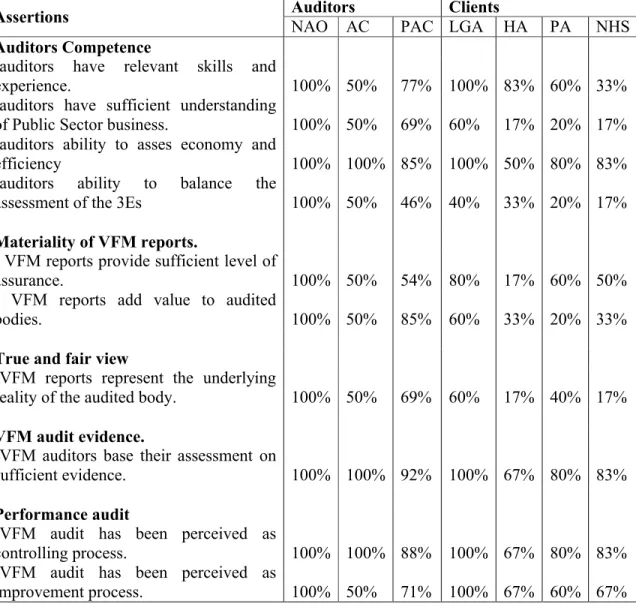
5.3.1. Perceptions of VfM auditors’ competence... 137
5.3.2. Perceptions of the materiality of VfM reports... 149
5.3.3. Perceptions of the VfM audit evidence and the true and fair view of the VfM audit reports... 158
... 177
5.4.2. Conflict between VfM audit roles and auditors’ values and professional standards (person-role-conflict)... 187
5.4.3. Conflicts between auditors’ and their clients... 199
5.5. Conclusion... 204
6. Chapter Six: Conclusion and Discussion... 208
6.1. Introduction... 208
6.2. Discussion on the audit expectations and perception gap and role conflicts.... 211
6.2.1. Audit Expectations gap... 211
6.2.2. Audit perception performance gap... 213
6.2.3. Role Conflicts... 216
6.3. Social factors and the process of role-taking between external VfM auditors and clients... 220
6.3.1. Power asymmetry in the context of the VfM audit... 226
6.3.2. Personal factors and power asymmetry in VfM auditor-client relationships ... 228
6.3.3. Interpersonal level factor and power asymmetry in the VfM auditor-client relationship... 234
6.3.3.1. VfM audit overload and task interdependence... 236
6.3.4. External level factor and power asymmetry in the VfM auditor-client relationship... 237
6.4. Reflections on the conclusions drawn from this research... 239
6.4.1. Reflections on the practices of the VfM audit... 241
6.5. Suggestions for improving the VfM audit performance... 247
6.6. The contribution of this research project... 249
6.7. Limitations and avenues for future research... 254
Table 1: Presentation of the participants for this study.... 113
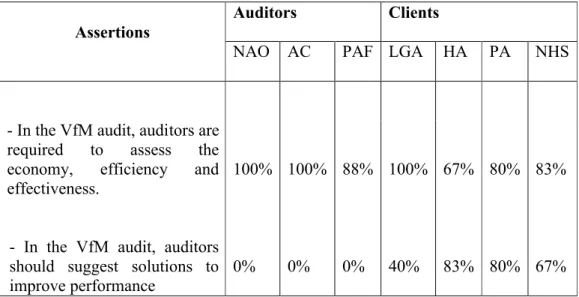
Table 2: Expected roles of the external VfM auditors as expressed by the auditors and their clients.... 130
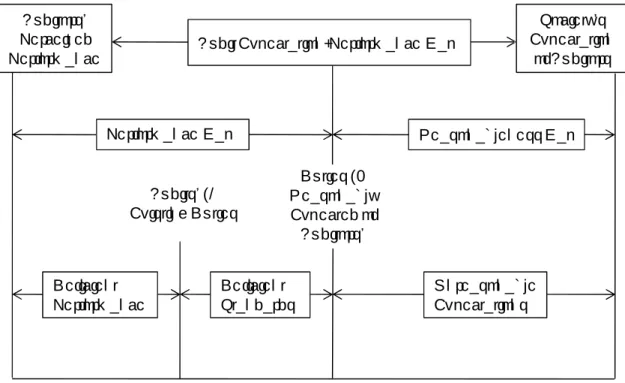
Figure 1: Porter’s Structure of the Audit Expectations -Performance Gap... 55
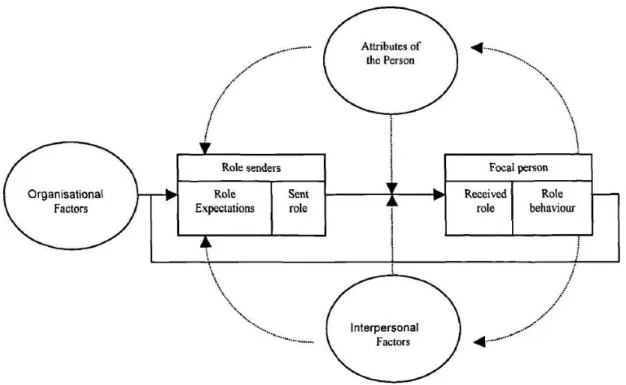
Figure 2: The process of role-taking provided in the Role Theory.... 85
Figure 3: A modified version of the process of role-taking based on Katz’s and Kahn’s (1978) role theory... 225
AC: Audit Commission.
Auditors: external auditors from the National Audit Office (NAO), Audit Commission (AC), and private accounting firms, which provide the VfM audit in the UK Public Sector.
Clients: professionals and Operational Managers from the UK Public Sector institutions.
CAG: Comptroller and Auditor General, the head of the National Audit Office.
Focal-Person: the occupant of a position, in this study each professional or Operational Manager from Public Sector organisations.
IFA: International Funding Agencies.
NAO: National Audit Office.
PAC: Public Account Committee.
Role set or role senders: external VfM auditors.
UK: United Kingdom.
VfM: Value for Money.
VfM audit: the assessment of economy, efficiency and effectiveness of the use of public resources.
1. Chapter One: Introduction
1.1. Introduction
The late 1970s heralded dramatic changes in the structure and management of Public Sector organisations in the United Kingdom brought about by the view that these service organisations were inefficiently accountable, wasteful and, thus, not giving value for money (Cochrane, 1993) This neo-conservative ideological view links Public Agency efficiency to managerial ability, authority and accountability through the introduction and adoption of Private Sector management concepts and styles into Public Sector organisations. The strategy included an emphasis on cost control, financial transparency, more autonomy for organisational sub-units, decentralisation of the management authority, the introduction of quasi-market mechanisms to separate purchasing and provide functions via internal contracts, and the enhancement of accountability to customers for the quality of service via the creation of Performance Indicators (Power 1999). It also includes strategic planning, re-engineering, customer service, quality assurance, performance management, risk management, and accrual accounting (Golembiewski & Kuhnert 1994; Hensher 1986).
The changes have radically redefined both the Managers’ working lives and their career structures. Throughout the Public Sector there has been a move away from a producer orientation towards customer sovereignty (Hancox et al. 1988: Harrow and Shaw, 1992). Several authors have commented that managerialism in Public Sector organisations has been subject to an unparalleled growth (Pollitt 1993: Selim and Woodward 1992:
141-169) with requirements in regard to the skills, competencies and behaviours expected of Public Sector managers changing considerably as a consequence (Talbot, 1984). A term often used to encompass all of these changes is that of the ‘New Public Management’ (NPM), which became one of the most striking international trends in public administration (Hood 1991).
Coinciding with these changes, two types of accountability have emerged, i.e. managerial and political accountability. The former applies to managers and professionals in public organisations and involves holding them accountable for the use of public resources. The latter applies to Parliamentary representatives and refers to the practice of holding them accountable to their electors for the authority granted to them. Broadbent and Laughlin (2003) argue that, with regard to macro issues (i.e. strategic policy), public control over the government is relatively inconsequential, and thus the government usually focuses more on micro VfM control mechanisms, which strengthen managerial accountability. Consequently, professional and Operational Managers are becoming more accountable for the use of public resources.
The roles of external auditors to the Public Sector have expanded from simply auditing the accounts and reporting on the regularity of the Public audited bodies to the evaluation of the management performance and commenting on issues such as the economy, efficiency and effectiveness of the use of taxpayers’ money (Glynn and Murphy 1996).
As a result of this expansion in professional scope, the audited clients, in particular those non-accounting professionals and managers at the operational level, now hold altered
expectations of the external VfM auditors’ roles. In carrying out their tasks, auditors are likely to face difficulties and major challenges because they have to comment on these professionals’ and Operational Managers’ work. These difficulties intensify when there is a gap between the auditors’ and clients’ perceptions of the usefulness of the VfM audit in improving accountability and performance in the audited bodies, which gives rise to role conflicts (Glynn, 1983).
Several authors have commented on these problems. Lendeberg (2007) argues that difficulties might be associated with the VfM audit as a result of the high level of subjectivity surrounding its practices. Hatherly and Parker (1988) address, from the audited bodies’ point of view, the difficulties of applying the recommendations formulated by the auditors with regard to the economy and efficiency, explaining that some of these recommendations might prevent the achievement of effectiveness, or vice versa. This Thesis is supported by Vikkelsø (2007) who points out potential difficulties for auditors assessing the efficiency and effectiveness in the Healthcare Service. Efficiency strengthens the emphasis on money-saving, while effectiveness focuses on good quality Healthcare. Pendlebury and Shereim (1990) question the achievability of an effectiveness audit, and the suitability of existing auditors to undertake this task. Their study points to a disparity of views between auditors. Robert and Pollitt (1994) analysed the perceptions of audited organisations after a publication of National Audit Office (NAO) findings, and highlight the variation of views about the accuracy of these findings. In addition, Power (1994a) expresses concern about the usefulness of the VfM audit in improving accountability because of its inherent interpretative ambiguity. This view is supported by Morin (2001) who examines, with reference to the Canadian context, the impact of the auditors’ general reports on the state of affairs in the audited
organisations. Morin also highlights the intrinsic ambiguity of the VfM audit, especially concerning its effectiveness as an instrument with which to improve accountability and Public Sector management performance. Morin (2003) proceeds to question the ability of the auditors to keep a balance between their roles as controllers and their roles as catalysts, and expresses concern that these two tasks might conflict with one another.
The studies mentioned above explore the changes of the roles of the external auditors in the UK Public Sector over the last three decades or so. These studies also explore the development of the VfM audit in the UK Public Sector and question both its usefulness in improving accountability and performance in Public Sector organisations, and the competence of the auditors to carry out this type of audit. In addition, these studies suggest that there is a potential audit expectations gap which is likely to give rise to role conflicts between the auditors and their clients in relation to the VfM audit.
Despite this substantial change, the literature is still lacking empirical research on the practice of the VfM audit and its impact on the audited bodies (Powerman et al, 2000). Hence, the expectations and perceptions of the external auditors and their clients remain both in regard to the usefulness of the VfM audit in improving performance in the Public bodies and as to whether there is an audit expectations and perception gap between these groups (Glynn, 1985; Guthrie and Parker, 1999).
The literature on the audit expectations gap is intensive (see section 2.5) and discusses the continuing gap between the auditors and the users of financial statements regarding the role of the auditors and the level of assurance provided by them (Sidani and Olayan, 2007). However, existing studies on the audit expectations gap have notable limitations.
First, they have centred on the Private Sector audit and conspicuously ignored the Public Sector. Second, the existing studies have investigated a gap between the auditors and the users of the financial statements, while generally ignoring the views and experiences of the audited organisations (Power, 2003). Audited organisations are usually directly involved in the auditing processes and can undermine these processes by not co-operating with the professional auditors; it is, therefore, important to take these people’s views into consideration in order to narrow such a gap, if it indeed exists, and to avoid potential role conflicts between the two parties, i.e. the auditors and the audited bodies. Morin (2003) highlighted the importance for the auditors, tasked with auditing the Public Sector, to consider the audited organisations’ views of the VfM audit. He argued that this might help the auditors to adapt their role more appropriately to the characteristics and context of these organisations, rather than imposing a predetermined, less relevant role.
Third, existing studies on the audit expectations gap have mostly utilised a quantitative approach, based on mail questionnaires, to examine how the auditors’ roles and responsibilities have been expected and perceived by the auditors and different users of the financial reports. The broad aim of such studies was to identify whether there was a gap between both parties’ expectations and perceptions. The overwhelming conclusion of existing studies confirmed the existence of an audit expectations gap (Fadzly and Ahmad, 2004; Lin and Chen, 2004). However, the consequence of this showed that this positivistic approach has limited the opportunities for discovering new sources of knowledge. For example, it does not help to explain how the auditors and the clients perceive their roles, why a gap in expectations or perceptions exists and, consequently, how it affects the performance of auditing in terms of its impact on the audited bodies. These questions have rarely been addressed, despite their undeniable pertinence and
importance to the success of the whole auditing process. In addition, by adopting a positivistic approach, previous studies have failed to recognise the impact of the interplay between personal (the VfM auditors’ competence according to their skills, experience and knowledge of the public bodies’ activities), interpersonal (the potential for client-auditor task interdependence) and external factors (the VfM audit’s intrinsic ambiguity) on the auditing process and how these factors can obstruct the external auditors’ statutory power over their clients, and undermine the VfM audit’s effective performance.
Overall, there is a pressing need for an empirical study which can overcome these limitations and examine whether or not an audit expectations and perception gap exists in the UK Public Sector. This is necessary due to: a) the importance of the VfM audit as a worldwide phenomenon which has begun to be viewed, alongside the financial audit, as an indispensable tool by managers, politicians, regulators and consultants to reform Public Sector bodies in terms of their performance (Power, 1994); b) the similarity across Private and Public Sectors of the audit’s broad aim. McCrae and Vada (1997) stated that, in terms of representing a true and fair view, the Report, by the Comptroller and Auditor General CAG auditors, is similar to the one issued by the Private Sector auditors. For example, the auditors in both sectors need to ensure that the management of the audited organisations discloses to the users that information which best represents the users’ essential reality within the audited organisation. Unlike Private Sector auditors, the VfM auditors are required to evaluate the performance of the audited bodies and report on issues such as economy, efficiency, and effectiveness (the VfM audit) (Chowdhury et al., 2005).
Based on the existing literature, to date no study has investigated an audit expectations and perception gap in the UK Public Sector as it occurs between the external VfM auditors and the clients who are directly involved in the process of the VfM audit under the organisational reform (NPM). This study thus extends the literature on the audit expectations gap into the critical and influential area of the Public Sector audit. It aims to overcome the rigidity of positivistic methodology in regard to the notion of an audit expectations gap by introducing a mode of research that goes beyond the technical focus of positivism and includes other aspects, such as insight into the opinions and motivations of the external VfM auditors and clients in the UK Public Sector. The emphasis is on achieving the following objectives:
1- To investigate audit expectations and perception gaps between the external VfM auditors and the clients and to identify a potential role conflict in the VfM audit environment, along with determining the causes and consequences of such variances.
2- To examine, from the perspective both of the external VfM auditors’ and the clients, the impact of the VfM audit on the audited bodies’ performance and to determine whether the VfM audit has made a real change in the way these organisations manage public resources.
3- To examine, once again from the perspective of both the external VfM auditors’ and the clients, the impact of social factor interplay on the VfM auditors’ influence over the audited bodies and to identify the ways in which such social factors can enhance or hinder effective performance of the VfM audit. These social factors occur at the personal level, i.e. the competence of the auditors, based on their relevant experience, skills and
knowledge of the nature of the audited bodies’ business, the interpersonal level, i.e. the potential for client-auditor task interdependence, and the external level, i.e. the ambiguity in the process of the VfM audit.
This introductory chapter outlines and explains the nature and components of this thesis. It devided into five sections, including the Introduction. Section 1.2 details the research questions. The research motivations, and the importance of the study, are discussed in section 1.3. An outline of the research’s epistemological and methodological framework is provided in section 1.4. Finally, section 1.5 provides the structure of the Thesis.
1.2. Research questions
The literature reviewed, together with the discussion in the objectives listed in the last section, thus gave rise to a number of questions. Cresswell (1998: 98) advocated the writing of a ‘Purpose Statement’ that states the objectives to be achieved and formulates a framework for study. The purpose of this Thesis is to:
‘Provide theoretical explanations to show how the external auditors and the clients, i.e. professionals and Operational Managers, perceive the utility of the VfM audit in terms of improving performance in the UK Public Sector institutions’.
It was considered that the expectations of the VfM auditor’s roles, held by the auditors and the clients, can influence their perceptions of the VfM audit performance and its impact on the audited bodies. For example, if there is an expectations gap as a result of
unreasonable expectations (see: Porter, 1993) held by the clients, regarding how far the VfM auditors can go in terms of working with them to remedy problems and improve performance, then these clients are more likely to have a negative perception of the usefulness of the VfM audit in improving performance in their organisations. Therefore, the first question is:
Q 1. What do the external auditors and the clients expect from the external auditors in relation to the VfM audit?
Having investigated an audit expectations gap between the external VfM auditors and the clients, the endeavour was to examine the impact that this type of audit has on the audited bodies and whether it has made a real change in the way they manage public resources. Hence, the second question is:
Q 2. How do the external VfM auditors and the clients perceive the impact of the VfM audit on the audited bodies’ performance in the UK Public Sector?
The third question is to examine the impact of possible factors (these factors have been listed in the last section) in the VfM audit environment at the personal, interpersonal and external levels, on the performance of the VfM audit and how these factors can enhance or mitigate the influence of the VfM auditors on the audited bodies. Therefore, the third question is:
Q 3. How do the external VfM auditors and the clients perceive the impact of the interplay of social factors at the personal, interpersonal and external levels, on the effective performance of the VfM audit and its impact on the audited bodies?
The formulation of the research questions considered the fact that the research problem largely requires data from an insider’s perspective of the participants. The information obtained from these three questions was two-fold: first, information represents the expectations and perceptions of the external VfM auditors and the clients themselves about the VfM audit and its impact on the audited bodies’ performance (ontological)1 and, second, information represents the auditors’ and the clients’ evaluation of the usefulness of the VfM audit in improving performance and the impact of social factors on its effective performance. This evaluation is based on both parties, i.e. auditors’ and clients’, perceptions of the VfM audit performance (epistemological)2.
1.3. Contribution to knowledge
This section presents a summary of the contributions made by this research to our knowledge, and more discussion about this issue is presented in the Conclusion and Discussion chapter. In answering the research questions, this current study seeks to make the following contribution to knowledge:
1This has represented the ontological stance of this study since the reality of the utility of the VfM audit is
socially constructed and based on the perspective of the actors, i.e. external auditors and clients, who are directly involved in the processes of VfM audit.
The literature on the audit expectations gap is limited since it has centred on the Private Sector audit perspective. This Thesis is contributing to the growing body of knowledge on the audit expectations gap by extending this knowledge into the Public Sector audit.
The literature on an audit expectations gap has focused on identifying the existence of such a gap between the auditors and different users of the financial statements concerning the duties and responsibilities that are supposed to be fulfilled by the auditors. However, the same literature dismissed the audited organisation’s perspective. Therefore, this Thesis contributes to the literature on an audit expectations gap by providing a better understanding of the process of the VfM audit, as expected and perceived by the external auditors and the clients (professionals and Operational Managers from the UK Public institutions).
Previous studies on an audit expectations gap sought to identify the existence of such a gap, either between the auditors’ and clients’ expectations of auditors’ roles or between their perceptions of the usefulness of the audits without identifying a correlation between these two types of gap. Therefore, this Thesis contributes to the literature on an audit expectations gap by identifying a negative correlation between the client participants who have unreasonable expectations of the external auditors’ roles in relation to the VfM audit and those clients’ perceptions of the usefulness of the VfM audit to improve performance in their institutions.
By using qualitative methodology, based on semi-structured interviews, this Thesis has uncovered what is actually happening in the real world of the VfM audit. It has discovered new sources of knowledge about the external VfM auditors’ and the clients’ expectations of the VfM auditors’ roles, how both parties perceive the usefulness of the VfM audit in improving performance in the UK Public Sector, why a gap in expectations
or perception exists and, consequently, how it affects the performance of auditing in terms of its impact on the audited bodies.
The process of the role-taking model, based on Katz and Kahn’s (1978) role theory, acknowledges the complex interrelationships of variables impacting the process of role-taking between the external VfM auditors and the clients, and stretching from the most general to the most specific, e.g. external to interpersonal and personal factors. Hence, by using Katz and Kahn’ role-taking model, supported by the use of a qualitative methodology, I was able to provide an insight into the main sources and consequences of various types of role conflict arising during the process of the VfM audit. I was also able to provide an insight into the impact of the personal, interpersonal and external factors (these factors have been listed earlier) on the external auditors’ values and professional status.
This Thesis also adds something to the substantial body of literature on perceived power asymmetry in auditor-client relationships but this time in a VfM audit. It has confirmed that the influence of social factors, which have been mentioned above on the process of role-taking between the external auditors and the audited bodies, have a significant impact on the power asymmetry in auditor-client relationships and shifted the balance of power to the clients’ side.
This current study has contributed to the longstanding lack of knowledge of the practices of the VfM audit by documenting the perceptions of those actors who are directly involved in the process of the VfM audit about its performance in terms of improving the delivery of VfM services in Public Sector institutions.
1.3.1. Contribution to the Role Theory
As mentioned in section 1.1, this study views the VfM audit through the lens of the process of the role-taking model based on Katz and Kahn’s (1978) role theory. Although Chapter 3 discusses the process of role-taking in more detail, the following discussion introduces the contribution made by this study to the model of role-taking.
In their role theory, Katz and Kahn refer to each member of an organisation as a focal person directly associated with other members adjacent in the work flow structure, or in the hierarchy of authority. These members constitute the focal person’s role set or role senders. Katz and Kahn argued that the process of role-taking, as it occurs between the focal person and the senders, consists of two stages. In the first stage, the role-senders develop expectations, namely, preferences about what the focal person should do, or avoid doing. These expectations are based on an organisation’s rules and regulations. Having developed expectations, the role-senders then communicate their expectations to the focal person in an attempt to influence his or her behaviour. Based on the focal person’s perceptions and reactions to the communicated expectations, the second stage of the process of role-taking will begin.
In this second stage, the role-senders hold expectations about the focal-person's actions. They also have perceptions about what he or she is actually doing. The role senders correlate both these factors and exert pressure to influence the focal-person to make a real change in behaviour which will conform to role-senders’ expectations. Katz and Kahn (1978) identified three factors (organisational, personal and interpersonal), all of which may influence the focal person's responses to the role-senders’ judgements.
Organisational factors refer to organisational structure, the technology of the organisation, its formal policies, rewards and disciplinary actions. Personal factors refer to those attributes of the focal person which influence his or her propensity to behave in certain ways, such as their motives and values, defensive preferences, sensitivities and fears. Finally, interpersonal factors refer to the quality of relationships between the focal
person and the role senders (Wickham and Parker, 2007; Stone-Romero et al., 2003).
Following such a model, this study refers to each of the professional and Operational Managers in Public Sector organisations as a focal-person and to the external VfM auditors as the focal person’s role-senders. In addition, it is suggested that the process of the VfM audit implies an interaction and communication between the auditors and the audited bodies. This process constitutes an attempt by the auditors to influence the audited bodies, both to make a real change in the way they manage public resources through applying the VfM audit’s recommendations and to improve performance (Morin, 2001).
Despite the plethora of research on Katz’s and Kahn’s role theory and its applications, the following issues, to the best of my knowledge, have not yet been academically considered:
1- The impact of the role-senders’ individual attributes on the process of role-taking.
Katz and Kahn’s role-taking model highlights the significant impact of the focal person's individual attributes (e.g. motives and values) on the process of role taking. However, Katz and Kahn do not explicitly examine the influence of the attributes of the
role-senders on the process of role-taking. Therefore, this current study contributes to the process of the role-taking model provided in Katz and Kahn’s (1978) role theory by extending their model to examine the impact of these negotiation-related factors on the process of role-taking.
2- The impact of the interplay of social factors on the power of the role-senders.
Katz and Kahn discussed the impact of the authority, or power role-senders may exercise over the process of role-taking. They defined power as the authority which could be taken for granted by the empowered person in an organisation to influence his or her focal person. Yet they do so without considering a), its interplay with other social factors at the personal, interpersonal and external levels, which are shown by this study in section 6.3, and b), how these factors could moderate the impact on the focal person’s decision to comply with the sent role. Thus, this study extends the organisational role-taking model by examining how these factors could strength or weaken the power granted to the VfM auditors (role-senders) and how these factors could hamper or advance the VfM auditors’ influence with regard to their clients.
1.4. Research methodology and design
The methodological approaches available for the conduct of empirical research into auditing are extensive, but none can be considered as comprehensive or superior. Selection must be based on the location of the method that may best help achieve the study’s objectives and answer the concerns of the research. This section provides a brief
summary of the research methodology used in this study. A detailed discussion of the methodology and its justification is provided in Chapter 4
1.4.1. Ontological and epistemological assumptions
The ontological stance of this researcher accepts that the nature of reality is socially constructed and based on the subjectivity of the actors involved, in the research process as well as in the activities explored by the research. This implies that multiple realities exist and different perspectives need to be reported. Such an approach has the characteristics of qualitative research (Cresswell, 1998).
1.4.2. Epistemological assumption
The epistemological stance of this researcher accepted the fact that the assessment of the VfM audit is grounded in a high level of subjectivity due to the lack of standard criteria to decide which public service is VfM compliant, coupled with a variation in the perception of its performance and usefulness between the actors involved in the process. This research is thus based on soft data dominated by the subjective views (perceptions) of those VfM auditors and the clients who constitute the study’s participants. Hence, a qualitative research perspective emerges as an appropriate framework for the purposes of this research since it allows for the consideration of participant perceptions, which are the outcomes of their experience of work (Cassell and Symon, 1994).
1.4.3. Research design
The research design uses an explanatory ethnographic approach. The model of role-taking, based in Katz and Kahn’s (1978) role theory, was the tool adopted to explain and analyse the interaction and communication between the external VfM auditors and their clients. It was considered to be the most appropriate means with which, i) to investigate the audit expectations and the perception gap between the VfM auditors and their clients and ii), to examine the impact of the personal, interpersonal and external level factors on the process of role taking between the external VfM auditors and their clients. The data collection is based on semi-structured interviews with participants representing the external VfM auditors and the clients (professionals and Operational Managers) from different organisations across the UK Public Sector. Official documents, regarding the roles of the external VfM auditors, were also collected. These official documents show the responsibilities required of the external VfM auditors and, notionally delineate the extent to which these auditors may collaborate with the audited bodies in order to help find solutions for problems and improve performance in these bodies. These official documents were used as benchmarks to facilitate the investigation of the existence of a reasonable, or unreasonable, audit expectations gap between the external VfM auditors and their clients.
1.5. Organisation of the Thesis
The aims of this Chapter are: (a) to provide the historical development of the VfM audit and the organisational reform (NPM) implemented by the UK Government with the aim of improving Public Sector performance; (b) to identify both the impact of the reform on the external auditors’ roles, as well as the ways in which professionals and Operational Managers become more accountable for their use of public resources; (c) to identify the research already carried out in the areas of the VfM audit, the audit expectations gap, role conflicts, and the impact of personal, interpersonal and external factors on the process of the role taking occurring among the external VfM auditors and the clients; and (d) to identify an appropriate theoretical framework through which to comprehensively consider and answer the research questions.
Chapter 3: Theoretical Framework
This Chapter presents aspects of Katz and Kahn’s (1978) role theory in more detail,, particularly the process of role-taking and its suitability for the investigation both of audit expectations and perception gaps between the external VfM auditors and the clients, as well as the impact of personal, interpersonal and external factors on the bi-lateral process of role-taking. Accordingly this Chapter is organised as follows:
-Role-taking concept,
-Role-taking model,
-Role-taking in the context of the VfM audit in the UK Public Sector.
Chapter 4: Research Methodology
Mainly, it describes the execution of the research. In particular, it seeks to outline and to justify the philosophical assumption employed, and the methods used to collect and analyse the data.
Chapter 5: Presentation of Interview Results
This Chapter presents the data analysis based on four main categories: participant expectations of the external auditors’ role in relation to the VfM audit; participant perceptions of the VfM audit’s impact on the audited bodies and its value in improving Public Sector performance; potential role conflicts in the VfM audit environment; the impact of social factors at the personal, interpersonal and external levels on the VfM audit’s effective performance.
Chapter 6: Discussion and conclusion
This Chapter considers, through the presence of the data analysis carried out for this study, possible answers to the central research questions. The discussion is grounded in the issues emerging from the data analysis, and then linked to existent and pertinent theoretical perspectives. It also concludes the Thesis, giving the practical implications for the results of the research, and defining the contributions made by this study to knowledge in this subject area. The Chapter also indicates the limitations of this research and proposes related areas for future research.
2. Chapter Two: Historical Development and Literature Review
2.1. Introduction
This Chapter reviews a broad range of the existing literature on the issues pertinent to the research objectives. The main aims of the review are a) to identify the research which has already been conducted in the fields of this study, and b) to indicate areas which remain to be researched.
The focus of this study is the perceptions of both external auditors and their clients in regard to VfM audit performance. The study aims to investigate audit expectation gaps between the two parties, i.e. external VfM auditors and clients, and to identify the nature of role conflicts in the VfM audit environment. It considers the effects of various factors at the personal, interpersonal and external levels on the process of VfM audit practices and evaluates, from each party’s perspective, the VfM audit’s performance effectiveness in terms of generating improved performance in the UK Public Sector institutions.
The study examines the perceptions of both parties i.e. the external auditors and their clients within the context of the organisational reform adopted by the UK Government since the late 1970s in order to improve accountability and performance in Public Sector institutions. The reform has intensified since the early 1980s after the implementation of New Public Management (NPM).
This Chapter will explore the historical development of an external Public Sector auditor’s role in relation to the VfM audit before, and, consequently, as a result of the reform. It will also review the literature relevant to the research issues as follows:
The Chapter is organised into seven major sections including the Introduction. The second section explores the historical development of the VfM audit and the organisational reform of UK Public Sector institutions. The third section reviews the impact of the reform on the Public Sector audit and accountability in order to clarify the rationale for this study and to justify the selection of the interviewee sample. The fourth section reviews the perceptions of the external auditors and the clients regarding the VfM’s efficacy in improving performance in the audited bodies. This section also reviews the influence of factors at the personal, interpersonal and external levels on the impact of the VfM audit on the audited bodies’ performance, with particular emphasis on the ways in which these factors can enhance or hinder its effective performance. This is followed by section 5, which reviews the literature on audit expectations gaps and the possible ensuing role conflict between the external auditors and the clients. Section 6 is composed of the literature review summary, a personal evaluation and comments on the literature, as well as the identification of gaps in the literature which this research attempts to narrow. Finally, section 7 describes an appropriate theoretical framework, which would help in answering the questions posed by this study.
2.2. Historical development of the VfM audit and organisational reform in the UK Public Sector.
2.2.1. Value for Money Audit.
The origins of audit work, examining administrative economy and efficiency in the UK Public Sector dating from the First World War and including the post-war crises (Normanton, 1966:201).
During the 1970s, public expenditure increased dramatically in the UK Public Sector, often by more than 10 percent per annum. This period was characterised by a period of high inflation. The Conservative Government came to power with a manifesto which resolved to improve efficiency and minimise waste in Public Sector expenditure. To do so, they attempted to put in place a strict financial policy including the use of cash limited budgets, cash planning, and the scrutiny and introduction of expanded audit mandates, at both Central and Local Government levels, to assess the efficiency of the public services (Glynn, 1985). As such, the word ‘audit’ began to be used frequently by politicians, regulators and consultants in many different fields: health and safety, medicine, education, intellectual property, environmental management as well as the traditional financial or commercial auditing areas. Consequently, VfM auditing emerged as a powerful tool with which to reform Public Sector institutions (Power, 2000).
Explicit also in the manifesto of the present Labour Government (which succeeded the Conservative Government in 1997), is the emphasis on the VfM audit. This value draws on the preceding Government’s policies of advocating efficiency auditing and expanding
the policy to encompass what it calls ‘Best Value’, defined in terms of four key elements: (1) accountability, (2) transparency, (3) continuous improvement and (4) ownership (Lapsley and Pong, 2000).
In 1979 an Efficiency Unit, chaired by Lord Rayner, was established with the support of five to six full-time civil servants. The main duties of this unit were to advise the Prime Minister and other ministers on the promotion of efficiency and elimination of waste. It was also expected to produce specific recommendations for actions within Government administration (Glynn, 1985).
The early 1980s saw the introduction of the VfM audit, a process involving the assessment of the ‘three Es’ (economy, efficiency and effectiveness). Specifically, it signified the beginning of a shift in interest from the measurement of input resources, such as money, beds and staff, to a concern in measuring the output, that is, what such an input was instrumental in achieving (Glynn et al., 1996).
Section 15 of the Local Government Finance Act of 1982 lays out the general duties of the auditor in Local Government for England and Wales. These duties are for the auditor to satisfy him/herself that the audited body has prepared adequate arrangements to safeguard the economy, efficiency and effectiveness in the use of public resources, and to report on matters of public interest that come to his/her attention (Glynn, 1985).
This legislation was followed in 1983 by a National Audit Act, emerging from a debate started in 1980 when the Government issued a Green Paper entitled ‘The Role of the Comptroller and Auditor General’. The legislation granted the Comptroller and Auditor
General remit, as defined by statute, to carry out “examinations” into the economy, efficiency and effectiveness with which departments, or other defined bodies in the UK Central Government, have used their resources in discharging their functions (House of Commons Library Research Division, 1992:34).
In 1983 the UK Government also created the Audit Commission (AC) for England and Wales under the terms of the Local Government Finance Act of 1982. It has also introduced VfM audits as statutory duties for the Commission. The Audit Commission has responsibility for undertaking VfM audits (undertaken either in-house or sub-contracted to professional accounting firms operating in the Private Sector) of Local Government organisations and related bodies and operational branches of the National Health Service in England. Also, since 1st January 1984, the National Audit Office (NAO) was established, under the terms of the National Audit Act of 1983, to carry out VfM audits in Central Government (Lapsley and Pong, 2000).
Moreover, the VfM audit has been identified as a global phenomenon. In 1977 the European Court of Auditors (ECA) was established and charged with auditing all revenue collection and expenditure distribution. It has access to the documents of all relevant Governmental departments and organisations, and these are expected to be scrutinised and evaluated according to legal propriety and the principles of financial management. The court undertakes its duties in liaison with the member states’ respective supreme audit institutions. It has employed more lawyers and economists than auditors due to the differences between member state definitions of audit work (Wilmot, 1984:212).
Glynn (1985) also detailed the international trend in VfM auditing and its adoption by a wide range of nations. He states that the General Accounting Office (GAO) in the Federal institutions of the United States of America started in the early 1970s to formulate principles and accounting standards and performing audits which have expanded to include a VfM audit. Meanwhile, Sweden was the first European country formally to adopt the VfM audit, through its National Audit Bureau, in 1970.
In Canada, the VfM audit appeared in the Canadian Public Sector’s auditing environment in 1977 and in 1985, the Auditor General in Quebec was authorised to carry out VfM audits in provincial departments and Government agencies (Morin, 2003). In addition, within the British Commonwealth, Canada was the first to adopt VfM auditing followed by New Zealand and Australia, where it was introduced in 1975 and 1979, respectively (Glynn, 1985).
By the 1990s, VfM auditing was fully established, with its own procedures and staff, in Australia, Canada, Finland, France, the Netherlands, New Zealand, Norway, Sweden, the UK and the USA (Johnsen and Vakkuri, 2001:585).
Finally, it is also noteworthy that within the VfM audit concept there are different descriptions and forms of audit, but all seek to examine the economy, efficiency and effectiveness in the delivery of public services in both financial and non-financial terms (Arnaboldi and Lapsley, 2008). For example, the VfM audit could be regarded as a form of ‘performance auditing’ (Pollitt et al., 1999, cited in Arnaboldi and Lapsley, 2008:20), a notion which most frequently applied to European countries (Pollitt, 2003), or it could be more readily understood as a form of ‘comprehensive auditing’, as defined in North
America (Everton, 2003), or it could be essentially viewed as providing a best value audit, as has been inferred in the UK (Arnaboldi and Lapsley, 2008).
Summarising the historical development of the VfM audit in the UK Public Sector, it is apparent that since the 1970s, the UK Government has been more determined to keep pressure on public organisations through their management in order to achieve the maximum outcome potential from the public resources they are using, while reducing public expenditure to the lowest possible level. Therefore, the Government has launched a variety of initiatives. These initiatives have led to management, or organisational reform, in Public Sector organisations. Such reform comprises the way that these organisations are actually managed as well as the ways in which they appear to be managed (Stewart and Walsh, 1992).
The following section illustrates the important features of reform occurring within Public Sector organisations. It also illustrates how this reform has intensified the focus on the VfM audit in the UK Public Sector.
2.2.2. Organisational reform or New Public Management (NPM).
The purpose of this section is to provide a historical context for organisational reform and to describe how this reform has shaped the process of accountability and the role of Public Sector auditors. Many of the reform-focussed studies discussed here are old, but must be included since more recent studies in this field of research are still heavily reliant on these earlier works.
As mentioned earlier, since the late 1970s the UK Government has recognised that a large share of the gross domestic product was represented by the Public Sector organisations without sufficient accountability and efficiency in the delivery of public services (Cochrane, 1993). The governance of Public Sector organisations was based on hierarchical and bureaucratic mechanisms of Public administration, underpinned by an ethic of public service. A key element of this ethic has been the understanding that the prominent division of Public Sector organisations work is dedicated to the social good, provided for collective public values rather than produced for private gain (Ezzamel and Willmott, 1993).
Therefore, the Government carried out a wide range of changes in order to restructure Public Sector organisations. This movement constitutes a reaction against perceptions of Public Sector immobility, expanded bureaucracy and cost, and created perceptions of un-governability, which had been common in the late 1970s. As such, the Government constantly focussed on undertaking institutional reform within those Public Sector institutions involving education, Local Government, the civil service and the NHS (Ashburner et al., 1996). Issues of the level of expenditure, forms of expenditure and notions of accountability have become the focus of a political debate in the UK Government (Cochrane, 1993).
All parts of Public Sector organisations in the UK have been subject to investigation or legislation, and this in turn has led to substantial management, or organisational, change (Stewart and Walsh, 1992). The drive to reform intensified in the 1980s after the adoption of New Public Management (NPM). It has resulted in the emergence of a wide range of public and private organisations that spend public money. These organisations
include executive agencies, funding bodies, non-departmental public bodies, voluntary and independent organisations, and contractors from the Private Sector (Bowerman et al., 2003). This notion is based on the widely-held belief that private organisations perform better than their public counterparts and that reform becomes the only way to improve the performance of Public Sector organisations, since the latter have very often been perceived as being mismanaged and squandering assets and resources (Bozec, et al., 2002). It was expected that, under this NPM framework, bureaucratic cultures are to be replaced by business-like cultures in order to restore efficiency and retain the
effectiveness of public services (Šević, 2003b), and, consequently, the Public as a
stakeholder will appreciate and support the Government, since public policy processes
will be more cost effective (Šević, 2005). Thus, the reform has redefined the patterns of
managers’ working lives in the Public Sector and has changed career structures significantly (Butterfield, 2001).
Several scholars have commented that public organisations have experienced an unparalleled growth in managerialism under the reform (Pollitt, 1993; Selim and Woodward, 1992), and that the skills, competencies and behaviours required of the Public Sector managers, as a consequence, have changed considerably (Talbot, 1994).
Hood (1991) summarised the common themes that emerged from the organisational reform as follows:
1- The introduction of professional management or managerial accountability based on a clear assignment of responsibility for action.
clear goals and objectives.
3- Considerably more focus on output rather than on procedures for performance measurement.
4- The disaggregation of organisational departments into agencies. 5- The use of quasi-markets and contracting out to foster competition. 6- The introduction of market-style structures of management practice.
7- Emphasis on greater discipline and parsimony in the use of resources (cost-cutting).
However, the reform has been criticised, from a practicality point of view, by Šević
(2003b) who argued that, although the adoption of NPM has certainly led to the promotion of performance measurement practices in the Public Sector organisations, it has not, however, helped to facilitate the application of market-style performance measurement practices to the Public Sector. He added that; shifts in modes of behaviour, and transformations in how civil services sees itself and how its relationship with politicians is defined, all are strategic changes that need to be implemented in order to have an effective business-like performance measurement in the Public Sector.
The reform has been also criticised by Butterfield et al. (2004) who examined the adoption of NPM reform within the Police Service in the UK, highlighting four main weaknesses related to the reform. First, they argued that the reform causes the rank and file constabulary more pressure and conflict since it still requires them to carry out their operational policing roles, while increasingly demanding that they are involved in management activities. Second, the emphasis on improving accountability by focusing more on output, rather than outcome, encourages peers and constables to manipulate the system in order to show performance. Here, it must be remembered that a strong
informal network of peers and constables exists, and this has determined which tasks have been completed, and the sergeants have no direct control over what has or has not been done. Third, measuring individual performances (one of the central features of NPM) on the grounds of performance indicators, which are usually determined by an individual from a strategic level, resulted in weakened accountability at the operational level since this leaves a gap between what has been measured and what has been done in reality. Finally, minimising the level of bureaucracy in public management, a goal implicitly at the heart of NPM, has not been achieved. Butterfield et al.’s (2004) study shows that the reform led to more detailed scrutiny and paperwork, formal recentralisation of control and an attempt to constrain operational autonomy. For example they added that the political control of resources meant that centralist performance indicators were used to control the activities of lower ranking police. The consequence of this was that the sergeants and their constables do not have a sufficient level of flexibility to show leadership and be customer-oriented, which are some of the main values of the reform.
Another criticism of the reform, put forward by Stewart and Walsh (1992), proposes that change in managerial systems is the way for the Public Sector organisations to retain their legitimacy. They argue that the adoption of Private Sector models and styles has been seen as representing good management, but such a practice has disregarded the variety and complexity of Private Sector management and often over-simplified Private Sector models without having an account to the distinctive purposes, conditions and tasks of Public Sector organisations. This has meant that, in some cases, the practical impact has been small. They add that the change is not adopted to solve particular problems but to express an ideological commitment. This ideology can be seen through
the changes in the NHS for example, in the move from a system based upon representative principles and planning to one which has adopted market styles and is based on Private Sector models. This ideology, Stewart and Walsh (1992) argued, allows considerable scope for interpretation and modification through the process of introducing and implementing change.
To counter the issues highlighted by such criticisms, Lawton and Rose (1991) argued that more factors should be taken into consideration when adopting the Private Sector models in the Public Sector. They highlighted a range of arguments which indicate the uniqueness of the Public Sector:
1- Objectives are difficult to define clearly as these might involve serving the Public, maintaining law and order, improving fairness, health, and living standards of the population.
2- Plans are mostly not strategic because of the short-term considerations of the politicians. 3- Public Sector organisations are subject to accountability pressure from different parties
such as politicians, taxpayers and voters who have an interest in Public Sector performance.
4- The functions are limited by statute in the Public Sector.
5- The Public Sector is funded by the tax payers’ money and not by charging for its services.
6- Services such as defence, law and order and street lighting, should be delivered by the state and the provision of such ‘public goods’ cannot be left to the vagaries of the market.
This indicates that, as Lawton and Rose (1991) posited, Public Sector organisations are not exposed to market competition and, therefore, have no incentives to operate efficiently by reducing costs. Such a view is supported by Bozec et al. (2002:385), who observed that the goals or objectives imposed on public organisations are not equivalent to those adhered to in private organisations. They argue that these objectives are multiple and blurred since they encompass political and social dimensions.
However, McCrae and Vada (1997) point to the similarities between public and Private Sector organisations in the context of audit reports. They argue that, in the Public Sector context, an auditors’ report, with regard to the terms of a true and fair view, bears some resemblance to that expressed by auditors in the Private Sector. For example, auditors in both sectors need to ensure that an organisation’s management discloses, to its users or clients, information which accurately represents the underlying reality of the organisation.
Overall, the trend of importing Private Sector models to the Public Sector has to be viewed with caution. Commercial success in the Private Sector could be measured by counting the profitability and market share and also the standard of customer service. However, this situation within the Public Sector is more complicated and, in many instances, distinctly different (Cabinet Office, 1988, Para. 1.5, p.2.).
To summarise, the literature in this section presents the development of the VfM audit, which intensifies after the implementation of organisational reform. It is apparent, from the literature, that the UK Government, since the implementation of such organisational reform, has commercialised public organisations and the delivery of public services in