CONTINUOUS SUPERCRITICAL FLOW
Rubén Duque
A Thesis Submitted for the Degree of PhD at the
University of St Andrews
2013
Full metadata for this item is available in Research@StAndrews:FullText
at:
http://research-repository.st-andrews.ac.uk/
Rubén Duque
Supported ionic liquid phase catalysis in
continuous supercritical flow
In application for
THE DEGREE OF DOCTOR OF PHILOSOPHY
DECLARATION
1. Candidate’s declarations:
I, Rubén Duque, hereby certify that this thesis, which is approximately 46,500 words in length, has been written by me, that it is the record of work carried out by me and that it has not been submitted in any previous application for a higher degree.
I was admitted as a research student in March 2009 and as a candidate for the degree of Doctor of Philosophy in January 2010; the higher study for which this is a record was carried out in the University of St Andrews between 2009 and 2012.
Date …….…… signature of candidate ………
2. Supervisor’s declaration:
I hereby certify that the candidate has fulfilled the conditions of the Resolution and Regulations appropriate for the degree of Doctor of Philosophy in the University of St Andrews and that the candidate is qualified to submit this thesis in application for that degree.
Date ………… signature of supervisor ………
3. Permission for electronic publication: (to be signed by both candidate and supervisor)
The following is an agreed request by candidate and supervisor regarding the electronic publication of this thesis:
Access to printed copy and electronic publication of thesis through the University of St Andrews.
Date …………
ACKNOWLEDGEMENTS
I would like to express my deepest gratitude to Prof. David J. Cole-Hamilton for all his encouragement, guidance and ideas during all my PhD. Also mention his constant support to attend meetings and conferences that broaden our knowledge, and not forget the opportunity he gave me to write a book chapter related to my area of study. Apart from the academic point of view I would like to thank David for the human part in him. Thank you so much for making the working atmosphere so comfortable, for having always time for a chat (not always about chemistry), for the parties, dinners, group meetings and endless occasions you shared with us. In summary thank you so much for being as great supervisor as you are.
I am very grateful to Steven Nolan’s group, Marc Mauduit, Frederic Caijo and ChiroTech Technology Ltd. for their generous catalysts contribution, two of the chapters of the thesis could not have been done without them.
This work couldn’t either be done without the help of Bobby Cathcart who helped me building the rig and solving the problems associated with it. Same should be said of Peter Pogorzelec who provided a magnificent help in the lab (we would be much more lost without him) and which also helped me with the grammar of the thesis.
A special thanks to all the DCH group members for creating a stimulating and pleasant working environment. Thanks for their support, ideas and patience, both in the lab as in the coffee breaks :) At the end, you are happier if the working environment is nice hence I can say that I enjoyed going to work every day!
I thank the Paul Kamer’s group, friends inside and outside the university. Great distilled solvents system and greater poker players. I don’t forget also the Matt Clarke’s group, thanks Jose and Tina who help me countless times with the HPLC.
I thank also Dr. Lorna Eades from the University of Edinbugh who run courteously the ICP samples for me.
Thanks also to Dr. Anne Galarneau and her group in the Institut Charles Gerhardt from the Centre National de la Recherche Scientifique in Montpellier (France) and Dr. Vladimiro Dal Santo and his group in the Istituto di Scienze e Tecnologie Molecolari from the Consiglio Nazionale delle Ricerche in Milan (Italy) where I spent three months in placements during my PhD.
Last but not least, I would like to thank my love Tina Konrad. There are no words to say how she helped me improve as a chemist and as a person. I have to thank you for all the talks about chemistry; I would have much less knowledge if not for you. Thank you very much for being always on my side, helping me with problems if there were, and making every day a little bit better. The world needs more like you! You have been a very important person during my PhD and I hope you will still be for a long time after.
ABSTRACT
The separation of the expensive catalysts from the solvent and reaction products remains one of the major disadvantages of homogeneous catalytic reactions, which are otherwise advantageous because of their high activity, tuneable selectivity and ease of study.
Ideally, the homogeneous reactions would be carried out in continuous flow mode with the catalyst remaining in the reactor at all times, whilst the substrates and products flow over the catalyst.
The system we have been studying is one where the catalyst is dissolved in a thin film of an ionic liquid, and this is supported within the pores of a microporous silica. This supported ionic liquid phase (SILP) catalyst is then placed in a tubular flow reactor, similar to that used for heterogeneous reactions. The raw materials are then injected into the rig, pass through the reactor and the products and the raw materials that have not reacted are collected at the other end of the rig. Supercritical CO2 is used to transport the raw materials and products along the catalyst bed, allowing a continuous flow mode with low leaching for both the catalyst and the ionic liquid.
We have applied this procedure first to alkene metathesis catalysed by a ruthenium complex that has been especially designed to dissolve in 1-butyl-3-methyimidazolium triflamide (BMIM NTf2), which was used as ionic liquid. Activity is observed for the ring closing metathesis of diethyl 2,2-diallylmalonate, but the catalyst is not stable, only allowing about 300 turnovers. This instability is attributed to the formation of Ru=CH2 moieties, which dimerise to an inactive species. More success is achieved with internal alkenes such as 2-octene and especially methyl oleate. Self metathesis of methyl oleate continues for >10.000 turnovers over 10 h, with only small decreases in activity. The cross metathesis of methyl oleate with dimethyl maleate has also been studied. Cross metathesis dominates in the early stages of the reaction but the cross metathesis products diminish with time. Surprisingly, the catalyst does not deactivate since self metathesis of methyl oleate continues. The phase behaviour of the reaction was monitored and gave us an insight into the reasons for this change in selectivity.
the reaction times. The first continuous flow reactions showed conversion predominantly, if not exclusive, of 1-octene isomerised products. The presence of ionic liquid (IL) in the SILP system was essential, otherwise the catalyst leached out of the reactor very quickly. Batch reactions showed that none of the studied parameters (absence of presence of either BMIM NTf2, OMIM NTf2, silica or CO2) had any influence on the reaction, but when observing the results it was noticed that the reactions that gave the best results were performed in a close range of pressures between 55 and 70 bar, indicating that the reaction might be pressure dependent. Further continuous flow reactions in that range of pressures gave the best conversions to methoxycarbonylation products. Unfortunately, at these pressures and without CO2 the reaction took place in a liquid phase and thus substantial IL and catalyst leaching was observed, causing a decrease in conversion and making the reaction not feasible under continuous flow conditions. Nevertheless, the catalyst system composed of Pd, 1,2-bis(di-tert-butylphosphinomethyl)benzene (DTBPMB) ligand and acid showed an excellent linear selectivity, usually higher than 90%, both in batch and continuous flow reactions.
Hydrogenation reactions of dimethyl itaconate (DMI) and dibutyl itaconate (DBI) using Rh-MeDuPhos showed excellent activity and enantioselestivity in a batch mode. In a continuous flow mode IL leaching caused a decrease of the enantioselectivity. The best results were obtained when CO2 was not present. On the other hand, the absence of CO2 implied that the reaction was performed in a liquid phase and therefore abundant IL leaching was observed along with a decrease in the enantioselectivity.
A study of the reaction behaviour when using CO2 in its different phases (liquid, gas and supercritical) was carried out. Under supercritical conditions IL leaching was avoided but conversion was not observed. When using CO2 in its liquid phase some conversion was observed and full conversion occurred in its gas phase, but abundant IL leaching caused a decrease in the enantioselectivity.
ABBREVIATIONS
Unities
ºC Celsius degree cm centimetre cP centipoises
g gram
h hour
K Kelvin degree
m metre
mg milligram min minutes mmol milimol mS milisiemens MW molecular weight N newton
Pa pascal
ppm part per million
t time
T temperature v volume
V volts
wt weight
Techniques
GC gas chromatography
HPLC high performance liquid chromatography ICP-MS inductively coupled plasma mass spectrometry
ICP-OES inductively coupled plasma optical emission spectroscopy MW microwaves
Chemicals and other terms
BF4 tetrafluoroborate
BMIM 1-butyl-3-methylimidazolium BMMIM 1-butyl-2,3-methylimidazolium CO2 carbon dioxide
DCM dichloromethane DEF diethyl fumarate DEM diethyl maleate DMM dimethyl maleate
EMIM 1-ethyl-3-methylimidazolium HMIM 1-hexyl-3-methylimidazolium ILs ionic liquids
MMIM 1-methyl-3-methylimidazolium MO methyl oleate
NHC N-heterocyclic carbene
NTf2 bis(trifluoromethanesulfonyl)amide OMIM 1-octyl-3-methylimidazolium OTf trifluoromethanesulfonate PF6 hexafluorophosphate r.t. room temperature
RTILs room temperature ionic liquids scCO2 supercritical carbon dioxide SCF supercritical fluid
TABLE OF CONTENTS
Declaration ...i
Acknowledgements ... iii
Abstract... v
Abbreviations ... vii
Table of contents ... ix
CHAPTER 1: GENERAL INTRODUCTION ... 1
1.1 IONIC LIQUIDS ... 3
1.1.1 History of ionic liquids ... 3
1.1.2 Physical properties of ionic liquids ... 7
1.1.3 Applications of ionic liquids ... 12
1.2 SUPERCRITICAL FLUIDS ... 21
1.2.1 History of supercritical fluids ... 21
1.2.2 Properties of supercritical fluids ... 22
1.2.3 Applications of supercritical fluids ... 27
1.3 CATALYSIS IN BIPHASIC IL/SCF SYSTEMS ... 31
1.4 SILP CATALYSTS AND SCF SYSTEMS ... 35
1.5 AIMS OF THE THESIS ... 40
1.6 NOTES AND REFERENCES ... 42
CHAPTER 2: METATHESIS REACTIONS ... 51
2.1 HISTORY ... 54
2.2 RESULTS AND DISCUSSION ... 61
2.2.1 Ring closing metathesis ... 61
2.2.2 Alkenes self-metathesis ... 63
2.2.2.1 Terminal alkenes ... 63
2.2.2.2 Internal alkenes ... 64
2.2.3 Alkenes cross-metathesis ... 68
2.2.3.1 Methyl oleate and 2-octene cross-metathesis ... 68
2.2.3.2.2 Effect of ionic liquid ...73
2.2.3.2.3 Effect of dimethyl maleate excess ...74
2.2.3.2.4 Effect of temperature ...76
2.2.3.2.5 Effect of pressure ...77
2.2.3.2.6 Effect of CO2 as a carrier gas...79
2.2.3.2.7 Effect of CO2 flow ...80
2.2.3.2.8 Effect of boomerang ligand ...82
2.2.3.2.9 Effect of dimethyl fumarate possible crystallisation ...83
2.2.3.2.10 Batch mode reaction ...86
2.2.3.2.11 Effect of residence time ...87
2.2.3.2.12 Phase behaviour ...89
2.2.3.3 Dimethyl maleate and 2-octene cross-metathesis ...92
2.2.3.4 Methyl oleate and methyl acrylate cross-metathesis ...94
2.2.3.5 Implications of the phase behavior ...95
2.2.4 Conclusions and further work ...96
2.3 NOTES AND REFERENCES ...99
CHAPTER 3: METHOXYCARBONYLATION REACTIONS ...101
3.1 HISTORY ... 103
3.2 RESULTS AND DISCUSSION ... 109
3.2.1 Gas uptake reactions ... 110
3.2.2 Continuous flow reactions ... 111
3.2.3 Batch reactions ... 113
3.2.4 Continuous flow reactions at lower pressures ... 114
3.2.5 Continuous flow reactions after the rig upgrade ... 120
3.2.6 Conclusions and further work ... 125
3.3 NOTES AND REFERENCES ... 128
CHAPTER 4: ASYMMETRIC HYDROGENATION REACTIONS ...131
4.1 HISTORY ... 133
4.2 RESULTS AND DISCUSSION ... 139
4.2.1 Gas uptake reaction ... 139
4.2.4 Batch reactions with dibutyl itaconate ... 145
4.2.5 Continuous flow reactions with dibutyl itaconate ... 147
4.2.5.1 Effect of CO2 phase ... 149
4.2.5.2 Effect of IL ... 152
4.2.5.3 Effect of SiO2 ... 155
4.2.5.4 Catalyst deactivation ... 157
4.2.5.5 Relationship between enantiomeric excess and catalyst leaching ... 159
4.2.6 Continuous flow reactions with alumina/heteropoly acid systems ... 159
4.2.7 Batch reactions with different substrates ... 165
4.2.8 Conclusions and further work ... 166
4.3 NOTES AND REFERENCES ... 169
CHAPTER 5: EXTERNAL PLACEMENT WORK ... 171
5.1 SYNTHESIS OF MESOPOROUS SILICA MATERIALS ... 173
5.1.1 Introduction ... 173
5.1.2 Analysis of silica and SILP catalysts ... 176
5.1.3 Synthesis of silica monoliths ... 178
5.1.4 Functionalisation of silica monoliths ... 182
5.1.5 Synthesis of immobilised IL ... 184
5.1.6 Synthesis of ionogels ... 185
5.1.7 Conclusions and further work ... 185
5.2 SYNTHESIS OF RH/PD HYBRID CATALYSTS FOR HYDROGENATION REACTIONS ... 187
5.2.1 Introduction ... 187
5.2.2 Silica pretreatment ... 190
5.2.3 Synthesis of Pd/SiO2 by chemical vapour deposition ... 191
5.2.4 Synthesis of Pd/SiO2 by ionic exchange ... 192
5.2.5 Synthesis of achiral Rh/SiO2 ... 193
5.2.6 Synthesis of chiral Rh/SiO2 ... 193
5.2.7 Synthesis of achiral Rh-Pd/SiO2 ... 193
5.2.8 Synthesis of chiral Rh-Pd/SiO2 ... 194
5.3 NOTES AND REFERENCES ... 196
CHAPTER 6: EXPERIMENTAL WORK ... 199
6.1 MATERIALS AND TECHNIQUES ... 201
6.2 SYNTHESIS OF IONIC LIQUIDS ... 202
6.2.1 Synthesis of 1-butyl-3-methylimidazolium bromide [BMIM] Br ... 202
6.2.2 Synthesis of 1-octyl-3-methylimidazolium chloride [OMIM] Cl ... 202
6.2.3 Synthesis of 1-butyl-3-methylimidazolium bis(trifluoro-methanesulfonyl)amide [BMIM][NTf2] ... 203
6.2.4 Synthesis of 1-octyl-3-methylimidazolium bis(trifluoro-methanesulfonyl)amide [OMIM][NTf2] ... 203
6.2.5 Synthesis of 1-butyl-2,3-dimethylimidazolium bis(trifluoro-methanesulfonyl)amide [BMMIM][NTf2] ... 204
6.2.6 Synthesis of 1-methyl-3-(butylsulfonate)imidazolium [BMIM-SO3] ... 204
6.2.7 Synthesis of 1-butyl-3-(butylsulfonate)imidazolium [BBIM-SO3] ... 205
6.2.8 Synthesis of 1-methyl-3-(butylsulfonate)imidazolium bis(trifluoro-methanesulfonyl)amide [BMIM-SO3H][NTf2] ... 205
6.2.9 Synthesis of 1-butyl-3-(butylsulfonate)imidazolium bis(trifluoro-methanesulfonyl)amide [BBIM-SO3H][NTf2] ... 206
6.3 PREPARATION OF POTASSIUM 3,4-BIS(DI-TERT -BUTYLPHOSPHINOMETHYL)BENZENESULFONATE ... 207
6.4 PREPARATION OF SUPPORTED IONIC LIQUID PHASE (SILP) CATALYSTS ... 208
6.5 PREPARATION OF ALUMINA SUPPORTED CATALYSTS VIA HETEROPOLY ACIDS ... 209
6.6 CONTINUOUS FLOW RIG ... 210
6.6.1 Apparatus ... 210
6.6.2 Continuous flow operation procedure ... 214
1
Chapter 1
:
As the title of this thesis declares, the two main topics are ionic liquids (ILs) which we used to make supported ionic liquid phase catalysts (SILP catalysts) and supercritical carbon dioxide (scCO2). In this general introduction I aim to give the reader an insight into the history, properties and applications of both of them separately and also into the combination of both together, namely biphasic IL/SCF systems and SILP catalysts/SCF systems.
1.1
IONIC LIQUIDS
Ionic liquids are salts that are liquid at low temperature and represent a class of solvents with non-molecular ionic character.
1.1.1
History of ionic liquids
The history of ionic liquids began in 1914 when the first report of a room temperature molten salt was reported by Walden.1 He reported the physical properties of ethylammonium nitrate, [EtNH3]+[NO3]-, with a melting point of 12 ºC. It was formed by the reaction of ethylamine with concentrated nitric acid. However, it has not found many uses due to its high reactivity.
In 1948 Hurley and Weir were looking for a cheaper and easier way to electroplate aluminium, and developed the first ionic liquids with chloroaluminate anions when they mixed and heated powdered pyridinium halides with aluminium chloride to produce a colourless liquid.2
In the late 1970s Osteryoung et al.3, 4 and Hussey et al.5-7 in the 1980s, carried out extensive research into room temperature chloroaluminate melts. These melts can be regarded as the first generation of ionic liquids. Nevertheless, they have little use due to their hygroscopic nature and because they have to be prepared and used under an inert atmosphere. At that time research and development was focused on the electrochemical applications of these ionic liquids.8
In the 1990s, molten salts with melting points below 100ºC became well known as unique media for chemical reactions, and the term “room temperature ionic liquids” (RTILs) was assigned to them. Then in 1990 the first publications appeared with an ionic liquid used for homogeneous catalysis by Chauvin et al.12 and Carlin et al.13
Based on the work of Wilkes and Zaworotko,14 it became clear that ionic liquids were not restricted to chloroaluminate melts and they prepared the first water-stable representative in 1992, with 1-ethyl-3-methylimidazolium as cation and tetrafluoroborate as anion. These ionic liquids, which could be prepared and safely stored without an inert atmosphere, unlike the previous chloroaluminate melts, became known as the second generation of ILs.
Although these ILs are still used nowadays, their use is limited to those applications where water free conditions can be realised at acceptable costs.15 This is because of their relatively high sensitivity towards hydrolysis, not as pronounced as those of the previous chloroaluminate melts but still problematic. Endres et al.16 found that the undried ionic liquid [BMIM][PF6] attacked the gold substrate when hydrolysed because of the formation of HF, and the aggressiveness increases with an increase in the water content.
In 1996 the synthesis of IL with CF3- containing anions and other fluorinated alkyl groups was published by Bonhôte et al.17 These ILs are water stable, but despite this and other very suitable properties, the high price of the Li[(CF3SO2)2N] starting material may be a major problem for their application on a larger scale.
Our work has been based on carbonylation, alkene metathesis and hydrogenation reactions.
The first example in the literature of each one of these reactions using ILs was published by Knifton18 in 1985 for the carbonylation reaction, where he claimed the toluene carbonylation using an aluminium halide alkyl pyridinium halide “melt” catalyst, by Chauvin and Olivier-Bourbigou19 in 1995 in which good results in the self metathesis of 2-pentene were obtained and in 1996 by Suarez et al.20 where they demonstrated cyclohexene hydrogenation in ILs.
this number to be of the order of 1 billion and research into their properties and uses is intensifying.
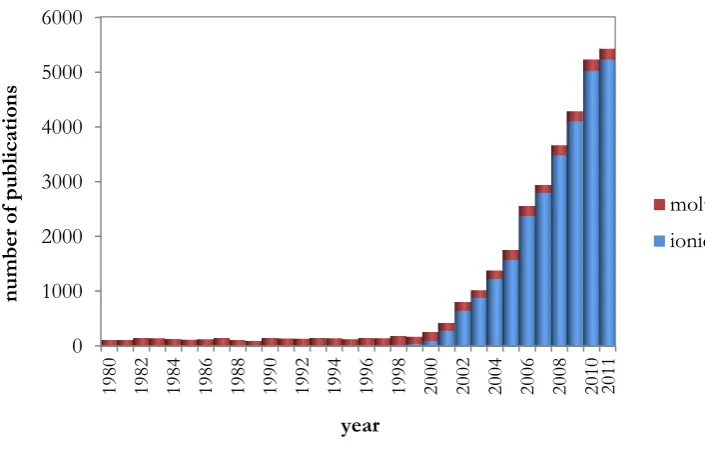
[image:20.595.114.467.247.473.2]As an example Figure 1 shows the number of publications containing the words “ionic liquids” and “molten salts” in the title in the last 30 years. As seen, the average number of papers in the last decade is continuously increasing, reflecting the growing interest in ionic liquids.
Figure 1: Publications containing the words “ionic liquids” and “molten salts” in the title determined by SciFinder Scholar as a function of time
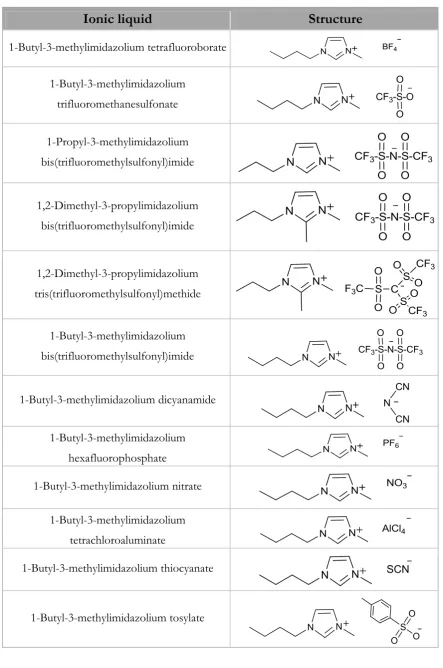
This interest in ILs has led to their commercial availability in recent years, and as an example, Table 1 shows some of the 145 commercially available ILs based on the imidazolium cation readily available nowadays from Aldrich (as August 2012).22
0 1000 2000 3000 4000 5000 6000
1980 1982 1984 1986 1988 1990 1992 1994 1996 1998 2000 2002 2004 2006 2008 2010
nu
m
ber
of
pu
bl
icati
on
s
year
molten salts ionic liquids
Table 1: Different commercial ILs based on the imidazolium cation
Ionic liquid
Structure
1-Butyl-3-methylimidazolium tetrafluoroborate
1-Butyl-3-methylimidazolium trifluoromethanesulfonate
1-Propyl-3-methylimidazolium bis(trifluoromethylsulfonyl)imide
1,2-Dimethyl-3-propylimidazolium bis(trifluoromethylsulfonyl)imide
1,2-Dimethyl-3-propylimidazolium tris(trifluoromethylsulfonyl)methide
1-Butyl-3-methylimidazolium bis(trifluoromethylsulfonyl)imide
1-Butyl-3-methylimidazolium dicyanamide
1-Butyl-3-methylimidazolium hexafluorophosphate
1-Butyl-3-methylimidazolium nitrate
1-Butyl-3-methylimidazolium tetrachloroaluminate
1-Butyl-3-methylimidazolium thiocyanate
1.1.2
Physical properties of ionic liquids
As their name suggests, ILs are liquids made of ions, but, in contrast with other ionic compounds present in nature, they have a melting point below 100ºC, and it is this unusual property what makes ILs exceptional compounds. Other naturally occurring ionic compounds can be seen in Table 2, with their applications and melting points.
Table 2: Several ionic compounds with their melting point
Compound
Melting point
(ºC)
Sodium chloride (salt) 801
Calcium carbonate (calcium source) 825
Potassium bromide (sedative) 734
Sodium fluoride (cleaning agent) 993
Lithium chloride (desiccant) 605
Potassium iodide (nutritional supplement) 680
As seen in Table 2, ionic compounds in nature have high melting points and so are solids at room temperature and cannot be used as solvents. ILs on the other hand have both qualities, ionic behaviour and the liquid state, which make them exceptional as solvents. In fact, some of them break the general rule “like dissolve like” and can dissolve both polar and non polar compounds. As an example, the tetrachloroaluminate based ILs can dissolve non polar benzene by up to 50% by volume.23
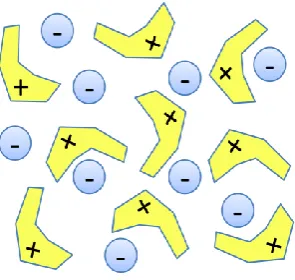
Figure 2: Typical inorganic salt structure Figure 3: Ionic Liquid structure
Their efficiency as good solvents can be seen by the variety of substances they can dissolve. These include organic, inorganic and organometallic compounds and materials such as salts, fats, proteins, amino acids, surfactants, sugars, polysaccharides, crude oil, inks, plastics, and even DNA and cellulose.24, 25
ILs are usually composed of poorly coordinating ions which make them highly polar but non coordinating solvents. They tend also to be immiscible with non polar organic solvents, providing an opportunity for operating in two phase’s systems.
One of the major problems of traditional organic solvents is that they evaporate into the atmosphere and usually their vapours are flammable and toxic. This does not happen with the ILs which usually have an extremely low vapour pressure that can be assumed as negligible. As an example, Kabo et al.26gave the vapour pressure of [BMIM][PF
6] at 298.15 K as 10−11 Pa. This property characterizes ILs as green solvents since they do not evaporate into the atmosphere. Unlike traditional organic solvents, they are not explosive and can be used repeatedly avoiding hazardous exposure and air pollution problems.
In addition ILs present three major advantages compared to organic solvents:
They are able to solvate both polar and non-polar species allowing them to dissolve a wide range of organic, inorganic an organometallic compounds.
They are generally stable towards thermal decomposition, some being stable up to 450 ºC.
[image:23.595.319.467.92.232.2] Others (e. g. octadecyltrioctylphosphonium iodide) can be miscible with heptane and immiscible with polar substances 27, 28
On the other hand, their main disadvantage is their high viscosities at room temperature making them difficult to handle as their viscosities can be more than a hundred times higher than those of organic solvents, ranging between about 10 cP to 500 cP at room temperature and decreasing with an increase in temperature.29
The density of the ILs is often higher than that of water, ranging between 1 and 1.6 g/cm2. It usually decreases with increasing temperature.
Some physical and chemical properties of ILs can be altered by changing the length of the alkyl chain in the cation and the anion. Bonhôte et al.17 claimed that an increase in the N-alkyl chain length in N-alkylmethyimidazolium cations leads to an increase in the viscosity. Huddleston et al.30 concluded that the density of ILs depends upon the alkyl chain length, increasing with a decrease in the alkyl chain length on the cation or an increase in the molecular weight of the anion. Aki et al.31 noticed also that the hydrophobicity of an IL increases with an increase in the alkyl chain length, and Wasserscheid reported that an increase in the anion size leads to a decrease in the melting point.8
There have been few measurements of the surface tension of ILs. The values (48.8 N m-1 for [BMIM][PF6] as example) are lower than that of water (72.7 N m-1 at 20 ºC) but higher than those of alkanes (16.0 N m-1 for pentane to 25.6 N m-1 for dodecane at 20 ºC).32 The surface tension values for ILs decrease with an increase in the alkyl chain length towards the values of the alkanes.
In summary we can deduce another property of the ILs, and this is such as they can be tuned to meet specific requirements just by changing either the anion, or the length of the alkyl chain in the cation, or both. For example, the solubility of water in ILs can be changed from total miscibility to almost total immiscibility just by changing the anion from Cl- to PF
ammonium phosphonium pyrrolidinium
imidazolium triazolium pyridinium
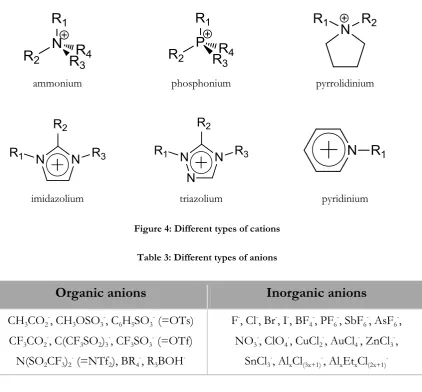
[image:25.595.81.504.76.468.2]Figure 4: Different types of cations
Table 3: Different types of anions
Organic anions
Inorganic anions
CH3CO2-, CH
3OSO3-, C6H5SO3- (=OTs) CF3CO2-, C(CF3SO2)3-, CF3SO3- (=OTf)
N(SO2CF3)2- (=NTf2), BR4-, R3BOH
-F-, Cl-, Br-, I-, BF
4-, PF6-, SbF6-, AsF6-, NO3-, ClO4-, CuCl2-, AuCl4-, ZnCl3-,
SnCl3-, AlxCl(3x+1)-, AlxEtxCl(2x+1)
-Wasserscheid has suggested that the good thermal stability of ionic liquids, up to 450ºC, is limited by the strength of their N-C and N-H bonds. According to Endres et al.16 such high temperatures are only tolerated for a short period of time, leading to decomposition with a long time exposure. This good thermal stability, in addition to the extremely low vapour pressure, allows removal of the water content in the IL by heating under vacuum, making water contents below 1 ppm easily achievable.
The refractive indexes of ILs are similar to those of organic solvents. Some values can be seen in Table 4 as well as some other values of general properties.
Table 4: Some values of general properties of ILs 17, 32, 33
IL
Molecular
weight
(g)
Density
(g ml
-1)
Viscosity
(cP)
Melting
point
(ºC)
Surface
tension
(N m
-1)
Refract
ive
index
BMIM BF4 226.02 1.12 219 -81 46.6 -
HMIM BF4 254.08 1.14 314 - - -
BMIM PF6 284.18 1.36 450 10 48.8 1.409
HMIM PF6 312.24 1.29 585 -61 43.4 -
MMIM NTf2 377.28 1.56 44 22 - 1.4220
EMIM NTf2 391.31 1.52 28 4 - 1.4231
BMIM NTf2 419.36 1.43 69 -25 37.5 1.4271
The solubility of gases in ILs is usually low and decreases with an increase in the temperature or a decrease in the pressure. Anthony et al.34 studied the solubility of different gases in BMIM PF6 using a gravimetric technique due to the non volatility of the ILs. In this work they demonstrated that CO2 has the highest solubility and strongest interactions with the IL followed by ethylene and ethane. Argon and oxygen, on the other hand, had very low solubilities and weak interactions. All the gases obeyed the Henry’s law regime up to 13 bar except CO2, which is more soluble in ILs than in other solvents. This high solubility in ILs has been attributed to the large quadrupole moment of CO2.
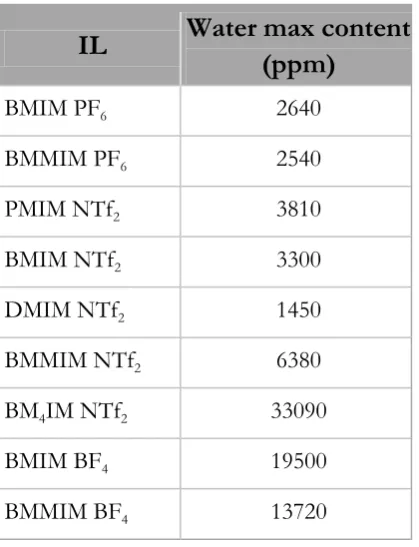
Table 5: Maximum water content in different ILs 35-37
IL
Water max content
(ppm)
BMIM PF6 2640
BMMIM PF6 2540
PMIM NTf2 3810
BMIM NTf2 3300
DMIM NTf2 1450
BMMIM NTf2 6380
BM4IM NTf2 33090
BMIM BF4 19500
BMMIM BF4 13720
As seen in Table 5, with the same cation the solubility of water in ILs depends upon the anion, increasing in the order: PF6 < NTf2 < BF4.The solubility of organic solvents such as benzene, toluene and xylene in ILs increase with an increase in the alkyl chain length and with the more bulky anions in the order BF4 < PF6 < NTf2.38
1.1.3
Applications of ionic liquids
Due to their properties ILs have many applications in several processes. As a result of their low volatility and non flammability, in the last decades there has been a great increase in their study due to the need for environmentally friendly green solvents. Nowadays, they are not just used as solvents, but also as catalysts or catalyst activators, electrolytes for batteries, photochemistry and electrosynthesis and even as advanced heat transfer fluids and lubricants.39
Another application of the ILs is their use in batteries because of their high conductivity and wide electrochemical window. Solvents for the electrolytes in Li batteries are aprotic due to the requirements of wide electrochemical windows up to the cathodic limit of the Li/Li+ potential, but the aprotic organic solvents are usually volatile and flammable, making ILs which are neither volatile nor flammable and have a wide electrochemical window ideal for this purpose.16 Also as a result of their electrochemical window and low vapour pressure they are very efficient for the electrodeposition of metals, allowing deposition above 100ºC and making possible the electroplating of water sensitive metals such as aluminium or titanium. Previously this was impossible because of the use of water baths.40
ILs are widely used in industry and here we relate as an example some of the processes used by different companies around the world.
The major application and maybe the most successful example of an industrial process using ILs is the BASIL™ (Biphasic Acid Scavenging utilising Ionic Liquids) process created by BASF. In this process 1-methylimidazole is used to scavenge the acid formed during the synthesis of alkoxyphenylphosphines from the chloride analogues and then recycled and introduced again into the system (Figure 5).
Figure 5: The BASIL™ process
Table 6: Reactions suitable for the BASIL™ process41
Reaction
Scheme
Acylation
Elimination
Phosphorylation
Sulfurylation
Silylation
Deprotonation
[image:29.595.106.472.113.419.2]BASF also used ILs to perform the chlorination of butan-1,4-diol with HCl as chlorinating agent instead of poisonous phosgene.43 This reaction without the IL gives three side products apart from the desired dichlorinated one (Figure 6). When the IL is used only the 1,4-dichlorobutane is obtained with 98% selectivity.
Figure 6: Chlorination of butan-1,4-diol without IL
The first commercialised application of ILs belongs to the Eastman Chemical Company in Texas, which from 1996 to 2004 had been doing the SnI2 catalysed isomerisation of 3,4-epoxybutane to 2,5-dihydrofuran, a useful and versatile chemical intermediate, in [P(C18H37)(C8H17)3]I. The main use of the ionic liquid was to allow the separation of polar side products by extraction of the ionic liquid and catalyst, present as [P(C18H37)(C8H17)3]SnI3 into heptane, leaving the polar products undissolved. At present the plant is not operative due to a decline in the market for furan products.45
IFP (Institut Français du Pétrole), was the first company to operate an IL pilot plant. They implemented the use of ILs in a modification of a previous process called Dimersol to develop a new process patented as Difasol. By this process they obtain the dimerisation of alkenes such as propene and butene to their more valuable branched dimer homologues, hexene and octene.42 As a result of implementing the IL in the process, in which the dimer product phase separates from the IL containing the catalyst, they obtain:
A much better use and recyclability of the catalyst and hence reduced catalyst disposal and cost.
A better dimer selectivity.
A higher yield into dimers even with a low concentration of alkene feed.
A possible extension of the Dimersol process to higher less reactive alkenes.
Smaller reactor requirement.
Degusa is another company which is developing ILs. One of their applications is the hydrosilylation of alkenes with polydimethylsiloxanes (Figure 7).
Figure 7: Hydroxilylation of polydimethylsiloxanes
organic compounds.47 They are also investigating the use of ILs in lithium batteries and solar cells.45
Air Products and Chemicals, Inc., an American based company, patented a new technology to store at low pressure and deliver reactive hazardous gases such as phosphine (PH3), arsine (AsH3) and boron trifluoride (BF3) using ILs.48, 49 They stored Lewis acid gases, such as BF3 in Lewis base ILs like [CnMIM][BF4]. Lewis base gases such as PH3 or AsH3 can be stored in Lewis acid ILs like [CnMIM][Cu2Cl3] or [CnMIM][Cu2Br3]. The gases can be easily withdrawn afterwards from the containers by applying vacuum or by entrainment in a flowing stream of gas.
Iolitec (Ionic Liquid Technologies) is a recent new company (created in 2003) that, as its acronym suggests, works on the synthesis of ILs and their thermodynamic, electrochemical and biotechnological applications.50 They are developing ILs for use as the active species in sensors, as thermofluids for heat transport and heat storage, as electrolytes for the electrochemical deposition of metals and as high tech additives for cleaning processes and lubricants. ILs are also used as electrolytes in dye-sensitised solar cells, an alternative to the silicon-based solar cells. In this field, Iolitec has become Europe’s leading supplier of ILs for their use in these solar cells. Nowadays one of Iolitec’s research projects is centred in the development of ILs for their use in energy storage devices such as lithium ion batteries, supercaps and fuel cells.
ILs have been used too in the nuclear industry as separation media for nuclear fuel51 and as electrolytes for the recovery of uranium and lanthanides.52, 53
The South African company, SASOL, investigated the use of ILs in metathesis and alkene trimerisation reactions. They focused on the self metathesis of 1-octene where 7-tetradecene and the volatile ethylene are produced (Figure 8).
Figure 8: 1-octene metathesis
Figure 9: Different Grubbs catalysts
Results with the Grubbs catalyst were not very good, but they observed higher yields and selectivities towards 7-tetradecene while using the 2nd generation one and even better when using the Grubbs-Hoveyda catalyst. They also realised that with the shortening of the alkyl chain length in the imidazolium cation of the IL better results were obtained.
The use of ILs as solvents in catalysis presents some advantages due to their characteristics:
Very low vapour pressure
Good as separation media using phase separation, distillation or extraction.
High heat transfer.
Possibility of working in a liquid phase in a wide range of temperatures.
Use of electrochemical processes.
They are able to work at reduce pressure.
Possible use of microwaves to accelerate the reactions.
Possibility of catalyst immobilization.
However, they also present some problems:
High price of the commercial ILs.
High viscosity.
Low gas solubility.
Difficult purification.
Catalyst immobilization can be carried out in two different ways:
Using an ionic precursor like [Rh(nbd)(PPh3)2]+[PF6]-55 or an ionic ligand like (TPPMSNa)56 (ionic bond).
Grafting the catalyst in the cation57 or anion58 of the IL (covalent bond).
Furthermore the IL/catalyst can be immobilized within a solid support, e.g. silica, making a supported ionic liquid phase catalyst (SILP catalyst). This is the catalyst type we will use in our own experiments.
SILP systems are based on the early work of Davis et al. on supported aqueous phase catalysts.59 Replacing water by an IL overcomes the main limitation of aqueous phase catalysts namely the depletion of the aqueous layer. By supporting the IL in a solid phase, lower leaching levels and higher activity than in biphasic systems can be achieved. SILP systems require significantly reduced amounts of IL which is desirable from both an economic and a toxicological point of view. Thus, a small amount of IL impregnating the support gives rise to a thin layer of IL over a great surface area improving considerably the mass transfer because of the increased surface area.
As examples, Mehnert et al. showed how SILP systems had enhanced activity with comparable selectivity to the biphasic analogues in the batch hydroformylation reaction of 1-hexene60 and in the batch hydrogenation of 1-hexene, cyclohexene and 2,3-dimethyl-2-butene.61 Furthermore, in the hydrogenation reactions the catalyst could be reused for 18 batch runs without any significant loss of activity and the catalyst leaching was below the detection limit. The more polar aldehydes formed in the hydroformylation reactions caused significant leaching of both IL and catalyst.
Furthermore, Heck,64 aldol,65 epoxidation,66, 67 hydrogenation,68, 69 cyclopropanation,70 Mukaiyama aldol condensation71 and oxidative kinetic resolution72 batch reactions have also been successfully performed with SILP systems.
The examples described in the previous paragraphs were all carried out as batch reactions. For practical applications in industry, however, the ideal process would involve a continuous flow system where substrates are continuously fed into the reactor, where they react in the presence of the catalyst and the products are collected at the other end. The catalyst remains in the reactor at all times. Such systems were previously exclusively applied for heterogeneous catalytic reactions. Nowadays the use of SILP systems allows the desired homogeneous catalysts to be used in continuous flow.
Riisager et al. published the first SILP catalysed continuous flow mode hydroformylation of propene73 in the gas phase and 1-octene74 in the liquid phase. The system presented no catalyst leaching and the only problem they found was the poor solubility of CO/H2 gas in the IL that induced mass transfer limitations.
The same group reported the first continuous flow methanol carbonylation75, commonly known as the Monsanto process, using a SILP catalyst. The outcome of the experiments, made at conditions similar to the typical industrial process, showed how, in order to obtain the same productivity as observed in batch reactions, the SILP process design required a smaller reactor size than the one used in the industry, and with 100 times less of the IL-catalyst solution. These promising results led to the filing of a world patent.76
They also reported for the first time the continuous flow, gas phase asymmetric hydrogenation of methyl acetoacetate.77 Enantiomeric excess between 65% and 82% were obtained in the more than 100 h continuous reaction at a low substrate flow rate of 3 g/day.
SILP catalysts were also used in the continuous flow ring opening of epoxides,78 hydrogenation79 and hydroamination80 reactions.
1.2
SUPERCRITICAL FLUIDS
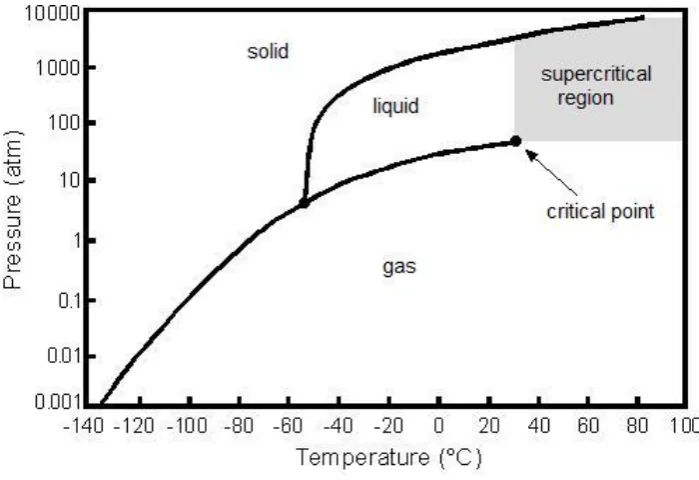
[image:36.595.131.481.197.437.2]A supercritical fluid (SCF) is the state of a compound, mixture or element that is above its critical temperature (Tc) and critical pressure (pc), but below the pressure required to condense it into a solid (Figure 10).
Figure 10: Phase diagram of CO2 showing the supercritical region. Modified from ref 81
1.2.1
History of supercritical fluids
supercritical solution.87, 88 This is nowadays the basis for the rapid expansion of a supercritical solution (RESS) process.
In 1896, Paul Villard, who was working on phase behaviour noticed that, under a SCF some substances melted before they dissolved, even though the temperature was not being raised.89 However this observation was no exploited until 1994, when Weidner et al. developed the method to obtain particles from a gas saturated solution (PGSS) based on the same principle.90 In the early 1920s the use of SCF in extraction and purification started to emerge.91 In the 1940s different applications in the petrochemical industry were introduced,92 and in the 1950s new solutions were proposed using SCFs in processes for coal, mineral oil and wool manufacturing.93
Another name in the history of SCFs is Kurt Zosel, who developed the use of scCO2 for natural product extraction.94 This technique found an application in the extraction of caffeine from green coffee beans, nowadays producing more than 100,000 tons of decaffeinated coffee worldwide.
1.2.2
Properties of supercritical fluids
When a fluid is in its supercritical region the phase boundary between liquid and gaseous phases disappears and the two distinct phases converge into a single supercritical phase. As an example we can see in (Figure 11) the change in the phases from the liquid/gas region, when we approach the supercritical region and when we are in it.
liquid/gas region close to the
supercritical point supercritical region
Figure 11: Phases appearance while approaching the supercritical region.
A fluid in its supercritical region behaves like a gas due to the fact that it fills all the volume of the container, but not a vapour, because a vapour is a gas whose temperature is less than the critical temperature. Nonetheless the properties of a fluid in the supercritical region are generally described as a combination of those of a liquid and a gas, with the exception of some properties that are not intermediate between the ones of liquids and gases but higher near the critical point than they are in liquids or gases on their own. Compressibility and heat capacity are two examples of such behaviour. Around the critical point there is another region known as the “compressible region” (Figure 12) where the compressibility is considerably greater than would be predicted from the ideal gas law.
Figure 12: CO2 phase diagram with an expansion around the critical
point showing the compressible region (blue)
As seen in the expansion of the critical point area, the compressible region not only lies on the supercritical region, but also in the liquid and gas regions, showing that even liquids, which are supposed to be incompressible, have a considerable compression near the critical point.
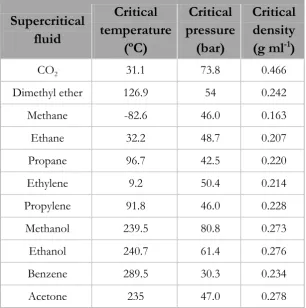
Table 7: Critical points of some organic substances 96
Supercritical
fluid
Critical
temperature
(ºC)
Critical
pressure
(bar)
Critical
density
(g ml
-1)
CO2 31.1 73.8 0.466
Dimethyl ether 126.9 54 0.242
Methane -82.6 46.0 0.163
Ethane 32.2 48.7 0.207
Propane 96.7 42.5 0.220
Ethylene 9.2 50.4 0.214
Propylene 91.8 46.0 0.228
Methanol 239.5 80.8 0.273
Ethanol 240.7 61.4 0.276
Benzene 289.5 30.3 0.234
[image:39.595.136.443.114.423.2]Acetone 235 47.0 0.278
Table 8: Critical points of some inorganic substances 96
Supercritical
fluid
Critical
temperature
(ºC)
Critical
pressure
(bar)
Critical
density
(g ml
-1)
Water 374.0 220.6 0.322
Ammonia 132.4 113.2 0.235
Helium -267.9 2.26 0.069
Argon -122.5 48.6 0.531
Krypton -63.7 54.9 0.912
Xenon 16.6 58.3 1.099
HCl 51.5 82.6 0.42
Supercritical
fluid
Critical
temperature
(ºC)
Critical
pressure
(bar)
Critical
density
(g ml
-1)
N2O 36.4 72.5 0.453
SF6 45.5 37.6 0.737
The properties of SCFs are usually intermediate between those of gases and liquids (Table 9), and may vary considerably with little changes in temperature or pressure, especially near the critical point. As an example we can see in Figure 13 the variation of the CO2 density with temperature and pressure.
Table 9: Values for some properties in gas,
liquid and supercritical phase97
Property
Gas SCF Liquid
Density (g ml-1) 10
-3 0.3 1
Viscosity
(Pa s) 10
-5 10-4 10-3
Diffusivity
(cm2 s-1) 0.1 10
-3 5 x 10⁻⁶
Figure 13: Variation of the density of CO2 with the
temperature and pressure 97
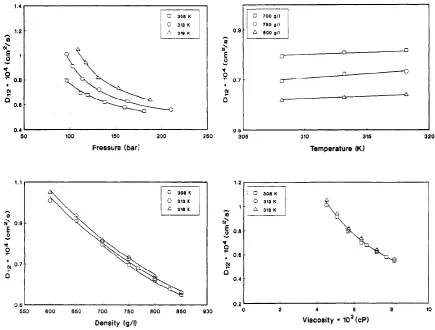
Figure 14: Variation of diffusivity values of stearic acid ethyl ester with the pressure, temperature,
density and viscosity of CO298
They also noticed that the decrease of diffusivity with increasing pressure is less pronounced at higher pressures due to the fact that the density and viscosity are less sensitive at higher pressure.
One interesting property of supercritical fluids is that, above the critical point, they cannot be liquefied by compression alone. As a result of this it is possible to change the density and other thermodynamic properties of the supercritical fluid from a gas-like phase to a liquid-like phase without any phase separation. A fluid in its supercritical state can therefore have appreciable density, sufficient enough to exhibit liquid-like solvent properties, whilst maintaining the gas-like characteristics of mass transport and diffusion into solids.
point (73.8 bar, 31.1 oC) are also relatively accessible. These characteristics make this green solvent the most widely used.
The case of supercritical water is curious because of its behaviour as a polar liquid in the vicinity of the critical point. There, the dielectric constant is reduced making organic species more soluble but with a decrease in the solubility of salts. Due to this fact it has been investigated as a medium for the oxidation of organic compounds.
1.2.3
Applications of supercritical fluids
The use of the SCFs as solvents instead of organic compounds can offer several advantages such as improved reaction rates, selectivity control and process safety when using scCO2 due to its non flammable, non explosive and non toxic properties.
Supercritical fluids have been mainly used as solvents in, for example, Diels-Alder reactions, inter and intramolecular Heck reactions, Suzuki coupling reactions, alkylation reactions, photochemical reactions, cyclopropanation reactions, hydroformylation reactions, olefin metathesis, etc.99 ScCO
2 has also been used as a solvent with a silica immobilised catalyst in metathesis reactions.100 A heterogeneous catalytic process is developed, thus avoiding catalyst leaching but the reactivity is lower than when using a homogeneous catalyst. This application has also be extended to continuous flow processes for hydrogenation,101 Friedel-Crafts alkylations,102 etherification103 and hydroformylation104 reactions.
Figure 15: Improved conversion in an imine asymmetric hydrogenation reaction by using scCO2105
An example of selectivity control can be seen in the hydroboration reaction of vinylanisole published by Carter et al.106 Here, by changing the solvent from THF to scCO
2, the regioselectivity changed from a combination of the four products (branched and linear alkylboronate esters, alkenylboronate ester and 4-ethylanisole) to complete selectivity to the branched alkylboronate ester (Figure 16).
Figure 16: Improved selectivity in a hydroboration reaction by using scCO2107
Figure 17: RCM with scCO2 acting as solvent and as a protecting group
Besides acting as a protecting group, scCO2 can also act as a C1 building block for the polymerisation of different compounds as seen by Super et al. 109 earlier in 1997 when they described the copolymerization of 1,2-epoxycyclohexane and CO2 using CO2 as both reactant and solvent (Figure 18).
Figure 18: scCO2 acting as a C1 building block
1.3
CATALYSIS IN BIPHASIC IL/SCF SYSTEMS
Catalysis can be divided into three main classes. Homogeneous, where the catalyst is dissolved in the same phase as the substrates and products, heterogeneous, where the catalyst is separate from the reagents and products and biological, in which enzymes are employed. From an economical approach, a major interest lies in homogeneous catalysis since higher activities can be obtained and product selectivities can be engineered while using very small amounts of the precious and expensive catalysts.115 Nevertheless, the main problem with homogeneous catalysts arises from the separation and recyclability of these catalysts after reaction.15, 116 One approach to circumventing this problem involves the use of IL as solvents, either in a biphasic117 or in a SILP system.
In the IL/organic biphasic systems the products in the organic phase can be easily separated from the catalyst, which usually remains in the IL phase. Although this method can be optimised by the choice of IL and organic solvent, activities are often reduced due to mass transfer limitations and some catalyst leaching may occur as a result of the mutual solubility of the two phases.
As indicated above, supercritical CO2 has remarkable properties such as rapid diffusion, low viscosity and practically no surface tension. As a result it offers certain advantages when combined with ILs in a biphasic system, including:
A wider substrate selection than is possible for biphasic IL/gas reactions.
Lower solubility of the ionic liquid and the catalyst in scCO2 compared with biphasic IL/organic phases.
Fast diffusion of all species to the catalytic centres.
Although CO2 is extremely soluble in ILs, the reverse is not the case with no apparent IL solubilisation in the CO2 phase.34, 118-120 This means that leaching should be low. In addition, scCO2 can reduce the viscosity of the IL and enhances the solubility of gases such as hydrogen (Figure 20),121 oxygen and methane in ILs122, hence reducing gas transport problems.
biphasic systems. In addition, the favourable properties of CO2 in terms of very low toxicology, few environmental hazards, process safety and low material costs makes it especially attractive for green and sustainable synthetic processes.
Figure 20: Solubility of hydrogen in [EMIM][BTA] at a constant partial pressure p(H2) = 30 bar as a
function of the added CO2 pressure as determined by high-pressure 1H NMR spectroscopy.121
More work on batch alkene hydrogenation in an IL with scCO2 extraction was carried out by Liu et al.124 and Solinas et al.121 The latter also showed how hydrogen solubility in IL increased with the addition of CO2, another example of CO2 enhancing the solubility of gases in ILs.
Ballivet-Tkatchenko et al.125 reported methyl acrylate dimerisation in IL/scCO
2 biphasic systems showing equivalent results to those obtained in monophasic ones. Supercritical CO2 can also be used as a C1 building block. As an example, Kawanami et al.126 reported the synthesis of cyclic carbonates from epoxides and scCO2 using IL as catalysts (Figure 23). With the use of CO2 in the supercritical state quantitative conversion with 100% selectivity was achieved within five minutes and with turnover frequencies (TOF) 77 times larger than those previously reported.
Figure 23: Carbonate synthesis from epoxides and CO2
The biphasic IL/scCO2 system was first conducted in continuous flow by Sellin et al.127 with the hydroformylation of 1-octene. The substrates dissolved in scCO2 were passed through the IL layer in which the catalyst was dissolved at the bottom of the reactor. The products and unreacted substrates were removed by the scCO2 phase flowing out of the top of the reactor (Figure 24). The experiment was run for over 30 hours with neither loss of activity nor catalyst leaching.
Further studies by the same group128 showed activities comparable with those required for commercial systems, but with a lower linear selectivity than desired. Nevertheless, the linear selectivity was increased later with specially designed ligands.129, 130
Bösmann et al.131 reported the continuous flow hydrovinylation of styrene with a system more close to a fixed bed reactor. The ionic catalyst solution was confined in the reactor by two metal filters while the reaction phase composed of a continuous flow of styrene and CO2 and a pulsed flow of ethylene. Although no leaching data were provided, the catalyst showed remarkable stability over 60 hours.
More examples of this biphasic system can be found for Friedel-Crafts132 and metathesis133 reactions and have also been reviewed.134-136
1.4
SILP CATALYSTS AND SCF SYSTEMS
SILP catalysts with supercritical flow offer advantages over ionic liquids, biphasic IL/SCF and SILP with gaseous or liquid flow because of their low catalyst leaching, high rates of reaction, wide substrate scope and relatively accessible pressures.
Although catalyst leaching is almost negligible in biphasic IL/SCF systems, due to the insolubility of the IL and catalysts in the carrier CO2 gas, mass transfer limitations are still present due to the large volume of IL used. The use of SILP catalysts circumvents this problem.
SILP catalysts are heterogeneous and therefore easy to separate from the mixture of substrates and products. Nevertheless, the catalytically active species are dissolved in the IL and so they act as true homogeneous catalysts with similar activities to those obtained in related liquid phase reactions. They therefore represent systems that provide the heterogenisation of a homogeneous catalyst keeping the advantages of both systems; namely easy separation and high activity. Furthermore the amount of IL used is much smaller than in biphasic systems lowering the costs and toxicity levels.
Figure 25: SILP catalyst in scCO2
There are some examples in the literature using such systems in batch experiments. Wang et al.140 reported the synthesis of cyclic carbonates from epoxides, using a silica SILP catalyst and scCO2 as solvent and reagent. Furthermore the SILP catalyst could be reused four times with only a slight loss of activity, constant selectivity and a leaching level of bromide ion that was only 8 ppm. The IL (n-Bu4NBr) was immobilised by adsorption onto the silica in this case.
This synthesis of cyclic carbonates was also carried out with the IL grafted onto silica,141, 142 a polymer support143 and molecular sieves144 all using CO
2 as solvent and reagent, but not in its supercritical state.
Batch wise oxidations of alcohols to aldehydes with oxygen and a ruthenium catalyst were also performed with ILs grafted onto silica145 or a polymer.146 Supercritical CO
2 was used as the solvent in both cases, with the advantage that first, it assists in water removal avoiding aldehyde hydration and overoxidation, and second, it increases the solubility of oxygen in the SILP system whilst also increasing the safety of handling O2 in the presence of organic compounds. As a result these systems showed higher activity than the most active ruthenium based aerobic catalysts reported previously.
Figure 26: Continuous flow 1-octene hydroformylation in an SILP system with CO2 flow. 147
This SILP catalyst filled a typical packed bed reactor where substrates and products flowed through dissolved in scCO2. The effluent from the reactor was depressurised and pure products and unreacted substrates were recovered (Figure 27).
The outcome of these experiments showed higher rates than the comparable biphasic and commercial hydroformylation reactions. The substrate flow rate was found to be the main factor affecting the reaction giving higher conversions at lower flow rates. Furthermore the system was stable for over 40 hours with a very low catalyst leaching of 0.5 ppm. Later on, the same group published a full paper148 with analysis of all the conditions affecting the catalysis. They found that high IL loadings, high syngas/substrate ratios and low flow rates favoured high conversions whereas the opposite, namely low IL loadings, low syngas/substrate ratios and high flow rates favoured high TOF. They also studied the phase behaviour of the mixture. The phase transition from two phases (liquid + gas) to one phase (supercritical) occurred at 106 bar for the mixture, but they noted that the best reaction rate took place at 100 bar where the mixture is in an expanded liquid phase. This is due to the fact that in the supercritical phase substrate concentration in the IL and catalyst layer is reduced because of the better solubilising power of scCO2 and, syngas availability, which has negative order for the hydroformylation reaction, is enhanced. The only commercialised catalytic reaction using pressurised CO2 also operates in the expanded liquid phase.149
Hintermair et al.150 also published the continuous enantioselective hydrogenation of dimethyl itaconate using a chiral Rhodium SILP catalyst under scCO2 flow (Figure 28).
1
Figure 28: Enantioselective hydrogenation of methyl itaconate150
mole of rhodium after the reaction. A high space-time yield of 0.3 kg h-1 L-1 was achieved corresponding to 50 g of substrate converted by 3 mg of catalyst in 0.4 mL IL after 65 hours.
As a result of our research we have reported on the use of SILP catalysts with SCF flow for alkene metathesis reactions151 and the outcome will be discussed later in this thesis.
The first example in the literature of continuous flow biocatalysis using SILP catalysts with a scCO2 stream was published by Lozano et al.152 They grafted the ILs onto a polymeric monolithic material and then they immobilised the enzyme Candida antarctica lipase B (CALB) by simple adsorption of an aqueous solution of the enzyme. With this system they performed the transesterification reaction of vinyl propionate and citronellol (Figure 29).
Figure 29: Vinyl propionate and citronellol transesterification reaction
1.5
AIMS OF THE THESIS
The aim of this thesis was the application of different catalytic process in a continuous flow mode. More precisely, the main aim was focussed on the transformation of renewable starting materials such as methyl oleate into more valuable compounds such as ,-diesters. Diesters are potential starting materials for the production of useful chemicals such as high molecular weight polyesters, polyamides, macrocyclic compounds, etc. For instance, the diester resulting from methyl oleate self-metathesis was used as starting material for the preparation of civetone, an ingredient in musk perfumes.153
How to achieve this transformation was based on the idea of a metathesis-isomerisation-methoxycarbonylation cascade reaction (Scheme 1).
Scheme 1: Metathesis-methoxycarbonylation cascade reaction of methyl oleate
Scheme 2: Overall reaction
This reaction presents a 100% atom economy and the two esters obtained would be of great interest for industrial applications. For example they could be reduced to form diols or diamines and then by polycondensation reactions they could be transformed into different useful polymers (Scheme 3).
Scheme 3: Polymeric products from esters
These polymers could find applications as fibres, plastics, coatings, elastomers, adhesives, nylons and many more.154
A second aim in this thesis was the performance of asymmetric catalytic reactions in a continuous flow mode. In particular asymmetric hydrogenation reactions of typical prochiral substrates were chosen as a model (Scheme 4).
1.6
NOTES AND REFERENCES
1. P. Walden, Acad. Sci. St. Petersburg, 1914, 405-422.
2. F. H. Hurley, US Pat Nº, 4446331, 1948.
3. H. L. Chum, V. R. Koch, L. L. Miller and R. A. Osteryoung, J. Am. Chem. Soc., 1975,
97, 3264-3265.
4. J. Robinson, R. C. Bugle, H. L. Chum, D. Koran and R. A. Osteryoung, J. Am. Chem. Soc., 1979, 101, 3776-3779.
5. J. S. Wilkes, J. A. Levisky, R. A. Wilson and C. L. Hussey, Inorg. Chem., 1982, 21, 1263-1264.
6. T. B. Scheffler, C. L. Hussey, K. R. Seddon, C. M. Kear and P. D. Armitage, Inorg. Chem., 1983, 22, 2099-2100.
7. D. Appleby, C. L. Hussey, K. R. Seddon and J. E. Turp, Nature, 1986, 323, 614-616.
8. P. Wasserscheid and W. Keim, Angew. Chem. Int. Ed., 2000, 39, 3772-3789.
9. P. B. Hitchcock, T. J. Mohammed, K. R. Seddon, J. A. Zora, C. L. Hussey and E. H. Ward, Inorg. Chim. Acta, 1986, 113, L25-L26.
10. S. E. Fry and N. J. Pienta, J. Am. Chem. Soc., 1985, 107, 6399-6400.
11. J. A. Boon, J. A. Levisky, J. L. Pflug and J. S. Wilkes, J. Org. Chem., 1986, 51, 480-483.
12. Y. Chauvin, B. Gilbert and I. Guibard, J. Am. Chem. Soc.-Chem. Comm., 1990, 1715-1716.
13. R. T. Carlin and J. S. Wilkes, J. Mol. Catal., 1990, 63, 125-129.
14. J. S. Wilkes and M. J. Zaworotko, J. Am. Chem. Soc.-Chem. Comm., 1992, 965-967.
15. D. J. Cole-Hamilton and R. P. Tooze, Catalyst separation, recovery and recycling; Chemistry and Process Design, Springer, Dordrecht, 2006.
16. F. Endres and S. Zein El Abedin, Phys. Chem. Chem. Phys., 2006, 8, 2101.
19. Y. Chauvin and H. Olivierbourbigou, Chemtech, 1995, 25, 26-30.
20. P. A. Z. Suarez, J. E. L. Dullius, S. Einloft, R. F. DeSouza and J. Dupont, Polyhedron, 1996, 15, 1217-1219.
21. M. J. Earle and K. R. Seddon, Pure App. Chem., 2000, 72, 1391-1398.
22.
http://www.sigmaaldrich.com/chemistry/chemistry-products.html?TablePage=16255914
23. R. Renner, Env. Sci. Tech., 2001, 35, 410A-413A.
24. R. P. Swatloski, S. K. Spear, J. D. Holbrey and R. D. Rogers, J. Am. Chem. Soc., 2002,
124, 4974.
25. R. C. Remsing, R. P. Swatloski, R. D. Rogers and G. Moyna, Chem. Comm., 2006, 1271.
26. G. J. Kabo, A. V. Blokhin, Y. U. Paulechka, A. G. Kabo, M. P. Shymanovich and J. W. Magee, J. Chem. Eng. Data, 2004, 49, 453-461.
27. S. N. Falling, S. A. Godleski and L. W. McGarry, Pat Nº, US5238889A, 1993.
28. G. W. Phillips, S. N. Falling, S. A. Godleski and J. R. Monnier, Pat Nº, US5315019A, 1994.
29. S. V. Dzyuba and R. A. Bartsch, ChemPhysChem, 2002, 3, 161-166.
30. J. G. Huddleston, H. D. Willauer, R. P. Swatloski, A. E. Visser and R. D. Rogers, Chem. Comm., 1998, 1765-1766.
31. S. N. V. K. Aki, J. F. Brennecke and A. Samanta, Chem. Comm., 2001, 413-414.
32. J. G. Huddleston, A. E. Visser, W. M. Reichert, H. D. Willauer, G. A. Broker and R. D. Rogers, Green Chem., 2001, 3, 156-164.
33. P. J. Dyson, G. b. Laurenczy, C. André Ohlin, J. Vallance and T. Welton, Chem. Comm., 2003, 2418.
34. J. L. Anthony, E. J. Maginn and J. F. Brennecke, J. Phys. Chem. B, 2002, 106, 7315-7320.