©2018 Academia Publishing
Research Paper
The effect of Ginseng on physical activity
Accepted 24th September, 2018
ABSTRACT
The practice of physical activity causes an increase in the production of free radicals, which can lead to the destruction of cellular macromolecules causing fatigue and muscular injuries. In this sense, Ginseng is exemplified - an herb derived from East Asia and commonly used as a tonic that prepares the body for stressful situations by improving energy levels and blood circulation. It was realized a review on the databases: PubMed; EMBASE, Web of Science. Thus, 338 articles were found, of which 69 were selected for the study. The intake of Ginseng exerted effects on the immune system, increasing the mRNA expression, of mitochondrial biogenesis factors, mitochondrial DNA content, and plasma concentrations of PCR and IL-6. In addition, it increased the activity of enzymes such as lactate dehydrogenase, creatine kinase, citrate synthase and antioxidant enzymes, and decreased urea nitrogen, lactic acid, hepatic glycogen reserves, lipid peroxidation and protein oxidation. Exceeding the effects already mentioned, the phytotherapics increased the resistance to the physical exercise, improved the motor capacity in practice, as well as induced fatigue. The Ginseng, as phytotherapics, exerted positive effects on the body submitted to physical activity, however, it is emphasized the importance of conducting studies on humans, regular practitioners of physical activity.
Key words: Ginseng, physical activity, supplementation, exercise.
Abbreviations: IL, interleukin; LIF, leukemic inhibitory factor; ROS, reactive oxygen species; TGFβ1, tumor growth factor;
IGF-1, insulin like growth factor type 1; VEGF, vascular endothelial growth factor; GOP, Ginseng oligopeptide; IH901,
intestinal metabolite of Ginseng; PNG, panaxnotoginseng; NK, natural killer; IG, immunoglobulin; TNFα, tumor necrosis factor.
INTRODUCTION
Sedentary behavior has been pointed as a determinant factor to the installation and development of rheumatics and even oncologic diseases. In contrast, the regular practice of physical activity is beneficial because it has protective health effects due to its inductive capacity of anti-inflammatory and anti-atherogenic effects (Antunes et al., 2017; Meneguci et al., 2016; Cardoso et al., 2016; Paschoal and Naves, 2016).
However, the practice of high intensity and long term physical activity may suppress the immune system and
cause cellular damage (Antunes et al., 2017). Athletes in high intensity training program, particularly involved in resistance events, seem to be more susceptible to infections resulting from the reduction of their immunocompetence. The magnitude of the infectious process is related to several factors, such as duration and intensity of the training, macro and/or micronutrient deficiencies, high oxidative stress generated by increased production of reactive oxygen and nitrogen species, and reduction of intra and extracellular antioxidant systems (Paschoal and Naves, Cruz AC1 and Regis WCB2,3,4*
1Nutritionist, Pontifical Catholic University of Minas Gerais, Belo Horizonte, Brazil.
2Graduate Program in Vertebrate Biology, Biological and Health Institute, Pontifical Catholic University of Minas Gerais, Belo Horizonte, Brazil. 3Graduate Program in Nutrition and Health, Federal University of Minas Gerais, Belo Horizonte, Brazil.
4Graduate Program in Tropical Medicine and Infectology, Federal University of Minas Gerais, Belo Horizonte, Brazil.
Figure 1: Mechanisms of interaction between immune cells for repair of skeletal muscle. Legend: IL= interleukin; IGF-1=insulin like growth factor type 1; VEGF=vascular endothelial growth factor; TGFβ1= tumor growth factor; ROS= reactive oxygen specimen1.
2016).
The benefits of physical exercises are directly associated with the miocinas production (such as myostatin, IL-6, IL-7, IL-8, IL-10, IL-15, LIF) and activate the immune system cells (monocytes/macrophages, neutrophils) in order to direct the satellite cells to the site of muscle damage with the objective of initiating the remodeling process and repair. To initiate the whole process, neutrophils are the first cells to be installed in the skeletal muscle by increasing the release of reactive oxygen species (ROS) or by favoring the recruitment of monocytes for phagocytic action and/or increase cytokine secretion in an attempt to recruit a larger number of defense cells(Antunes et al., 2017).
After infiltrate on the target tissue, the monocytes become macrophages, which increase the production of cytokines in the interstitial spaces, attracting new monocytes chemo attractant molecules, which will induce phagocytosis of apoptotic and necrotic muscle cells. The first macrophages to accumulate at the onset of inflammation are characterized as M1; when they become active in the tissue recovery process, mediated by cytokines such as IL-10 and tumor growth factors (TGFB1), increasing proliferation of myoblasts and myofibrillar growth, are polarized in the antiflammatory macrophages (M2). M2 macrophages also have the ability to produce insulin-like growth factor 1 (IGF-1) and vascular endothelial growth (VEGF), increasing the number of blood vessels, blood flow and, again, inducing proliferation of myoblasts and differentiation of satellite cells, which result in the formation of new myofibrils(Figure 1) (Antunes et al., 2017).
Furthermore, the manipulation of the variables in the physical exercise, such as the type of stimulus (aerobic or anaerobic), frequency of stimulus (acute or chronicle), intensity and volume, eccentric or concentric contraction and recovery intervals, can influence (positively or negatively) the process of recruitment of cells of the immune system (Antunes et al., 2017). Besides, it is important to also emphasize the valorization of the metabolic response in situations of practice of intense physical exercise, since the function of the immune system of athletes is closely related to the energy metabolism.
The energetic metabolism of the immune system cells is extremely refined, using mostly glucose, glutamine, fatty acids and ketone bodies (Antunes et al., 2017). Proteins, lipids and carbohydrates are possible sources of muscle fuel. The glycolytic pathway is restricted to glucose, which may originate from the carbohydrate in diet or may be synthesized from the carbon skeletons of certain amino acids through the gluconeogenesis process. The Krebs cycle is fed by two carbon fragments of fatty acids and carbon skeletons of specific amino acids, especially alanine., All of these substrates are mostly used throughout the exercise. However, the duration and intensity of the exercise determine the relative rates of substrate utilization (Possebon and Oliveira, 2006).
duration and intensity of physical activity. Stored glucose from muscle glycogen, for example, is an important fuel for physical activity. Muscle glycogen provides most of the energy that the muscles use to get into action for a short time, and as the activity continues, messenger molecules, including the hormone epinephrine, flow into the bloodstream in order to signal the liver and adipose cells to release their stored energy nutrients, especially glucose and fatty acids. So, the hormones are organized to release energy to the muscles and they use the fuels that are passing in the blood (Possebon and Oliveira, 2006).
The hormonal factors are also closely related to the immunometabolic response. The adrenalin and cortisol are two examples of hormones that respond to physical exercise at the same time that they modulate the lymphocyte metabolism, besides being dependent on the intensity and duration of the stimulus. The adrenaline can stimulate the lymphocyte proliferation and increase the glucose and glutamine consumption being that high
intensity exercises can generate effects of
immunosuppression, reducing the activity of key enzymes that impair the metabolism of glucose and glutamine. Cortisol, in turn, is considered an immunosuppressive hormone, especially also in high-intensity exercise, impairing proliferative capacity of lymphocytes between 30 min to two hours after physical exertion (Antunes et al., 2017).
Physical exercise causes an increase in oxygen consumption, causing an increase in the production of free radicals, which can lead to the destruction of cellular macromolecules such as lipids, proteins and nucleic acids, causing muscular fatigue and muscular injuries, potentiating oxidative stress, decreasing physical performance and may even lead to overtraining. Thus oxidative equilibrium, through antioxidant nutrition, becomes essential to counterbalance the effects of excessive free radical production and avoid organic imbalances that may compromise performance, such as frequent repetitive muscle injuries, tendinitis, bursitis, among others (Paschoal and Naves, 2014).
In this sense, it is important to emphasize the use of herbal medicines because they play an important role among physical activity practitioners, especially athletes, in terms of maintaining health and fitness (Possebon and Oliveira, 2006).
The consumption of herbal medicines is a therapy characterized by the use of medicinal plants in their different pharmaceutical forms without the use of isolated substances, although of vegetal origin. One of the justifications for using it is the desire for a more natural way of life and there is a growing belief that every natural product is healthy and safe. And what have put these herbal medicines in the spotlight are advances in the scientific and technical knowledge of quality, safety and efficacy characteristics (Oliveira and Cordeiro, 2013).
Thus, the properties of Ginseng, a traditional herb derived from East Asian countries, have been emphasized (Palaniyandi et al., 2017). The physical appearance of the herbal remedy is similar to radish. In addition, it has slow growth, which takes at least six years of cultivation. The traditional use of Ginseng is like a tonic that help the body deal with stress of all kinds and also, widely used to improve energy levels and increase blood circulation (Maham et al., 2005).
The main bioactive components of Ginseng are steroid saponins called ginsenosides (Palaniyandi; Suh; Yang, 2017). Ginsenosides consist of a type of glycoside constituted by triterpenesaponins, to which one or more monosaccharaides are bound; it also confers physical resistance, since it eliminates the free radicals of oxygen and unsaturated fatty acids responsible for the destabilization of the cellular membrane through lipid peroxidation, which increase during physical exercise (Lima et al., 2015).
The use of nutritional supplements as ergogenic resources is employed through dietary manipulations capable of delaying the onset of fatigue and increasing the contractile power of skeletal and/or cardiac muscle, thus enhancing the ability to perform physical work, that is, the athletic performance (Possebon and Oliveira, 2006).
Therefore, considering that physical activity and sports practice are responsible for much of the consumption of supplements, this review sought to demonstrate scientifically the biochemical impacts of Ginseng supplementation on physical exercise practice.
MATERIALS AND METHODS
Research strategy
It was conducted a review through the selection of articles based on already published randomized controlled clinical trials. The study language was limited to English and Portuguese with no restrictions for the status and/or year of publication, and the research was realized at July 2017.
Electronic researches
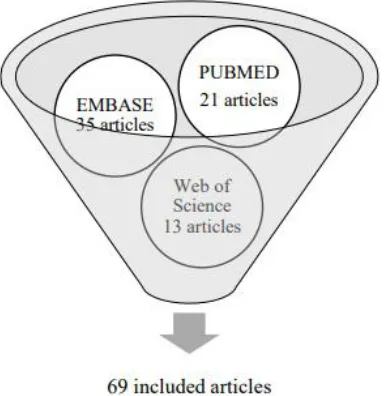
Electronic researches was realized at PubMed (1996-2017), EMBASE (1974-2017), and Web of Science (2000-2016). For searches, key words, such as Ginseng and Exercise, were used with filter application for Clinical Trials. Consequently, 338 articles were found.
Study types
Figure 2: Numerical representation of the selected studies in the databases: PUBMED, Web of Science and EMBASE to this review.
that had practitioners of physical activity who used or participated in an experiment with Ginseng and / or its components.
Participants
There were included athletes and practitioners of physical activity who exercised for professional and/or health reasons. The sample presented in the studies could not deal with some diseases. The included studies were clinical trials on humans of both sexes and also animals.
Interventions
In the analysis of the studies, it was observed, the use of Ginseng in the sample in the form of capsules, roots and as topical use. The phytotherapic has been reported in numerous studies as being used in isolation. In other studies, its consumption has been presented to be associated with supplements and other herbs. Also, its saponins, Ginsenosides and other compounds that are constituted in it were administered in isolation in many studies. In observations, it was noted that the herb is commonly used in combination with hormone replacement therapy.
Among the interventions mentioned, the most frequents are as follows:
• Ginseng Oligopeptide(GOP);
• Ginseng associated to: Caffeine, Green Tea Extract, L- • Panax Ginseng associated to SageMiltiorrhiza;
• Ginseng associated to fish oil and valerian; • Ginseng, protopanaxadiol andprotopanaxatriol;
• Ginseng associated to testosterone hormone replacement therapy;
• Ginsenosides Rb1; • Capsules de Rg1;
• Steroids ofDammarane(chemical compounds present in the Ginseng);
• Red Ginseng;
• IH901 (intestinal metabolite of Ginseng); • Wild Ginseng;
• Ginsenosides Rh2; • Extract of Ginseng;
• Chinese, Koreans and Americans Ginsengs; • Ginsengsaponins complex;
• Panaxnotoginseng (PNG).
Study selection
Titles, abstracts, and keywords were reviewed for all records retrieved from searches of the databases mentioned above to determine if the studies would meet the inclusion criteria. For the divergent cases, there was a discussion to reach a consensus.
Data extraction
For the analysis of the studies, a Data Extraction Table was set up, in which information were collected as: study objective, intervention and model used, association of phytotherapy with drug, food and / or supplement, dosage administered by the sample, level of evidence, type and purpose of the practice of physical exercise and outcomes related to the metabolism and immune system.
Quality evaluation
To assess the quality of the selected studies, the Amstar Protocol - a measurement tool to evaluate systematic reviews, was used to create decision-making opportunities in precise, succinct, credible, comprehensive and comprehensible summaries of the best evidence available, minimizing error and bias.
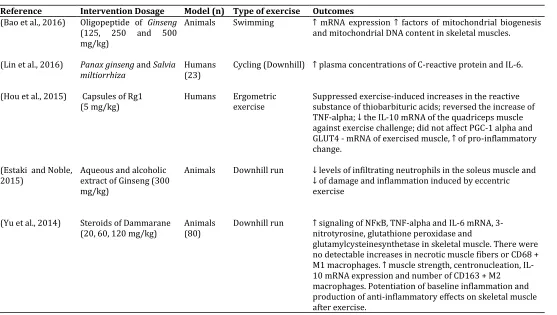
Table 1: Main immunological outcomes observed in selected studies.
Reference Intervention Dosage Model (n) Type of exercise Outcomes (Bao et al., 2016) Oligopeptide of Ginseng
(125, 250 and 500 mg/kg)
Animals Swimming ↑ mRNA expression ↑ factors of mitochondrial biogenesis and mitochondrial DNA content in skeletal muscles.
(Lin et al., 2016) Panax ginseng and Salvia miltiorrhiza
Humans (23)
Cycling (Downhill) ↑ plasma concentrations of C-reactive protein and IL-6.
(Hou et al., 2015) Capsules of Rg1 (5 mg/kg)
Humans Ergometric exercise
Suppressed exercise-induced increases in the reactive substance of thiobarbituric acids; reversed the increase of TNF-alpha; ↓ the IL-10 mRNA of the quadriceps muscle against exercise challenge; did not affect PGC-1 alpha and GLUT4 - mRNA of exercised muscle, ↑ of pro-inflammatory change.
(Estaki and Noble, 2015)
Aqueous and alcoholic extract of Ginseng (300 mg/kg)
Animals Downhill run ↓ levels of infiltrating neutrophils in the soleus muscle and ↓ of damage and inflammation induced by eccentric exercise
(Yu et al., 2014) Steroids of Dammarane (20, 60, 120 mg/kg)
Animals (80)
Downhill run ↑ signaling of NFκB, TNF-alpha and IL-6 mRNA, 3-nitrotyrosine, glutathione peroxidase and
glutamylcysteinesynthetase in skeletal muscle. There were no detectable increases in necrotic muscle fibers or CD68 + M1 macrophages. ↑ muscle strength, centronucleation, IL-10 mRNA expression and number of CD163 + M2 macrophages. Potentiation of baseline inflammation and production of anti-inflammatory effects on skeletal muscle after exercise.
RESULTS AND DISCUSSION
Immunological Aspects
Among athletes and coaches, there is a common perception that high training loads and competitions, applied in a chronic way, with inadequate nutritional control and/or recovery periods, can reduce immunological resistance, increasing predisposition to infection episodes. Exercise may lead to an immunosuppressive condition, if it is performed intensively and/or for prolonged periods that outweigh the physical limitations of the athletes or when the recovery period is insufficient. This overload in the immune system is related to increases in neutrophil counts and decrease in circulating lymphocytes, reduction of lymphocyte proliferation and the cytotoxicity of Natural Killers (NK) cells, increase in lymphocytes apoptosis, reduction of mucosa immunity due to the decreasing serum concentrations of specific antibodies, specially IgA immunoglobulin and the increasing serum concentrations of proinflammatory cytokines, specially Il-1β interleukin, IL-6 and tumor necrosis factor TNF-α (Dias et al., 2017).
As a result, it is important to emphasize the effect of herbal medicines, such as Ginseng, on the immune system. In this sense, there is an increase in mRNA expression,
mitochondrial biogenesis factors and mitochondrial DNA content in swimmers who ingested Ginseng Oligopeptides (Bao et al., 2016). Besides that, the intake of the supplement is capable of increasing the plasma concentrations of C-reactive protein and IL-6 (Lin et al., 2016; Hou et al., 2015; Yu et al., 2014). Physical activity associated with proper diet and regular physical activity habits synergistically improves health by enhancing immune function (Romeo et al., 2010), as shown in Table 1.
Metabolic aspects
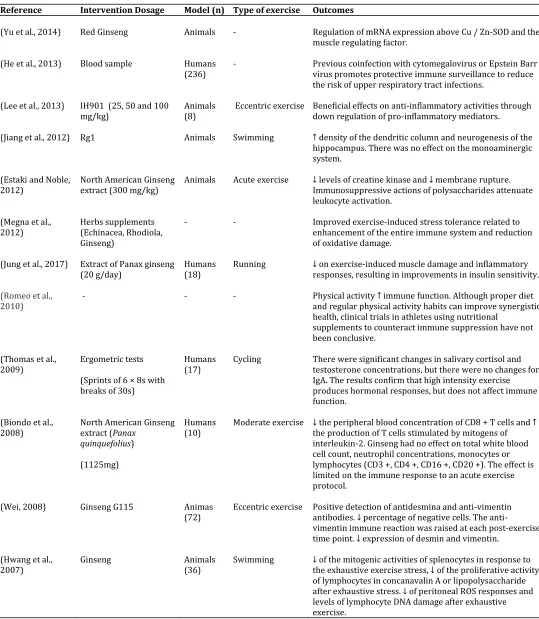
Table 1: Main immunological outcomes observed in selected studies.
Reference Intervention Dosage Model (n) Type of exercise Outcomes
(Yu et al., 2014) Red Ginseng Animals - Regulation of mRNA expression above Cu / Zn-SOD and the muscle regulating factor.
(He et al., 2013) Blood sample Humans (236)
- Previous coinfection with cytomegalovirus or Epstein Barr virus promotes protective immune surveillance to reduce the risk of upper respiratory tract infections.
(Lee et al., 2013) IH901 (25, 50 and 100 mg/kg)
Animals (8)
Eccentric exercise Beneficial effects on anti-inflammatory activities through down regulation of pro-inflammatory mediators.
(Jiang et al., 2012) Rg1 Animals Swimming ↑ density of the dendritic column and neurogenesis of the hippocampus. There was no effect on the monoaminergic system.
(Estaki and Noble, 2012)
North American Ginseng extract (300 mg/kg)
Animals Acute exercise ↓ levels of creatine kinase and ↓ membrane rupture. Immunosuppressive actions of polysaccharides attenuate leukocyte activation.
(Megna et al., 2012)
Herbs supplements (Echinacea, Rhodiola, Ginseng)
- - Improved exercise-induced stress tolerance related to enhancement of the entire immune system and reduction of oxidative damage.
(Jung et al., 2017) Extract of Panax ginseng (20 g/day)
Humans (18)
Running ↓ on exercise-induced muscle damage and inflammatory responses, resulting in improvements in insulin sensitivity.
(Romeo et al., 2010)
- - - Physical activity ↑ immune function. Although proper diet and regular physical activity habits can improve synergistic health, clinical trials in athletes using nutritional
supplements to counteract immune suppression have not been conclusive.
(Thomas et al., 2009)
Ergometric tests
(Sprints of 6 × 8s with breaks of 30s)
Humans (17)
Cycling There were significant changes in salivary cortisol and testosterone concentrations, but there were no changes for IgA. The results confirm that high intensity exercise produces hormonal responses, but does not affect immune function.
(Biondo et al., 2008)
North American Ginseng extract (Panax
quinquefolius)
(1125mg)
Humans (10)
Moderate exercise ↓ the peripheral blood concentration of CD8 + T cells and ↑ the production of T cells stimulated by mitogens of interleukin-2. Ginseng had no effect on total white blood cell count, neutrophil concentrations, monocytes or lymphocytes (CD3 +, CD4 +, CD16 +, CD20 +). The effect is limited on the immune response to an acute exercise protocol.
(Wei, 2008) Ginseng G115 Animas (72)
Eccentric exercise Positive detection of antidesmina and anti-vimentin antibodies. ↓ percentage of negative cells. The
anti-vimentin immune reaction was raised at each post-exercise time point. ↓ expression of desmin and vimentin.
(Hwang et al., 2007)
Ginseng Animals
(36)
Table 1 Contd: Main immunological outcomes observed in selected studies.
Reference Intervention Dosage Model (n) Type of exercise Outcomes
(Pannacci et al., 2006)
Panax Ginseng G115 (25 mg/kg)
Animals Swimming ↑ expression of TLR4 and the release of cytokines.
(Engels et al., 2003)
Ginseng G115 (400 mg) Humans (38)
Bodybuilding There was no improvement in physical performance and heart rate recovery.
(Ferrando et al., 1999)
Ginseng extract Animals Aerobic exercise ↑ in hematological parameters, a and production of the effects obtained after the long-term exercise.
Table 2: Main metabolic outcomes observed in selected studies.
Reference Intervention dosage Model (n) Type of exercise Outcomes (Ma et al.,
2017)
Changbai Mountain Ginseng (4, 5 or 25 mg / kg / day)
Animals (24)
Swimming ↑ strength of grip and time of resistance in swimming; ↓ levels of serum lactate, ammonia, creatine kinase and blood urea, nitrogen and glucose levels after the practice of acute exercise. ↑ of glycogen in the gastrocnemius muscle. ↑ protein, total glucose and muscle mass. There was improvement in physical performance and ↓ of fatigue.
(Takamura et al., 2016)
Panaxatriol (0.2 g/kg)
Animals Resistance exercise
↑ at the phosphorylation levels of Akt, p70S6K and ERK1 / 2. ↑ muscle protein synthesis through mTORC1 signaling in skeletal muscle.
(Lee et al., 2016)
UGO712
(500 and 100 mg/d)
Humans (117)
Resistance and aerobic training
↑ significant in VO2 and muscle strength during physical training. There were no defined changes in lactic acid levels over time. There was no difference in muscle strength during physical training.
(Bao et al., 2016)
Oligopeptide of Ginseng
(125, 250 and 500 mg/kg)
Animals Swimming ↑ lactate dehydrogenase activity and levels of hepatic glycogen; ↓ the accumulation of serum urea nitrogen and blood lactic acid.
(Lin et al., 2016)
Panax ginseng and Salvia miltiorrhiza
Humans (23)
Cycling (Downhill)
↑ plasma creatine kinase concentration and ↑ arterial stiffness.
(Oh et al., 2015)
Ginseng, protopanaxadiol
and protopanaxatriol (50 and 100 mg/kg)
Animals Swimming Inhibition of corticosterone, lactate and creatinine levels.
(Hou et al., 2015)
Capsules of Rg1 (5 mg/kg)
Humans Ergometric exercise
↑ post-exercise glycogen replenishment and ↑ the activity of the enzyme citrate synthase in skeletal muscle
Hwang et al., 2007; Lee et al., 2013) (Table 2).
Other aspects
Besides the influence on the metabolic and immune
systems, the intake of Ginseng associated with physical activity, in general, increased the resistance to the exercise, improved the motor skills in practice, as well the induced
fatigue. Furthermore, it caused a decrease in lipid peroxidation, improved blood circulation, increased resistance to aerobic exercise, and increased body muscle strength. In addition, a number of other effects were exerted, as shown in Table 3.
Table 2 Contd: Main metabolic outcomes observed in selected studies.
Reference Intervention dosage Model (n) Type of exercise Outcomes (Estaki and
Noble, 2015)
Alcoholic and aqueous extract of Ginseng (300 mg/kg)
Animals Downhill run ↓ levels of plasma creatine kinase
(Hwang et al., 2014)
Red Ginseng
(1 g/kg)
Animals (42)
- Promotion of fat oxidation and glycogen sparing effect during exercise. This can lead to a delay in peripheral fatigue during the performance of resistance exercise.
(Yu et al., 2014)
Red Ginseng Animals - ↓ glutamic oxaloacetic transaminase levels and glutamic pyruvic transaminases, hepatic malondialdehyde; ↑ levels of muscle glycogen, glucose-6-phosphate dehydrogenase and lactate dehydrogenase activities. Protection against oxidative stress induced by exercise, as well as improved exercise and performance capacity.
(Yu et al., 2013)
Red Ginseng Animals - ↓ levels of glutamic oxaloacetic transaminase, glutamic pyruvic transaminase and MDA. ↑ in muscle glycogen levels, G6PDH activity and lactate dehydrogenase activity. Regulation of SOD and MRF4 gene expression.
(Lee et al., 2013)
IH901
(25, 50 and 100 mg/kg)
Animals (8) Eccentric exercise
↑ significant resistance to exercise and ↓ plasma levels of creatine kinase and lactate dehydrogenase. ↑ citrate synthase and antioxidant enzymes and ↓ lipid peroxidation and protein oxidation.
(Jiang et al., 2012)
Rg1 Animals Swimming It regulated the BDNF signaling pathway in the hippocampus and in the corticosterone level in the regulated serum.
(Korivi et al., 2012)
Panagin DS-1227 (60 mg/kg)
Animals (120)
Induced exercise ↓ elevated levels of exercise-induced malondialdehyde and levels of carbonyl protein. ↑ the activity of the enzyme xanthine oxidase. ↓ activity of glutamate-cysteine ligase. No change in Catalase enzyme activity. Protects the liver against oxidative stress induced by exhaustive exercise.
(Jung et al., 2011)
Extract of Panax ginseng
(20 g/day)
Humans (18)
Running ↓ levels of plasma CK and IL-6. ↓ glucose and insulin.
(Dong et al., 2011)
Age LOC (0.4 or 0.8 g/kg)
Animals Resistance exercise
↑ the capacity of resistance exercises; improved metabolism of mitochondria bioenergy and attenuation of the increase induced by the exercise of lactic acid in the blood.
(Yeh et al., 2011)
Saponin complex of Ginseng (4 capsules - 2 g each)
Humans (14)
Cross Over Supplementation was effective in promoting the use of free fatty acids and in improving the exhaustive performance of the cycling test in humans.
(Yang et al., 2011)
LOC Vitality (0.4 or 0.8 g/kg)
Animals - ↑ in swimming time, cellular glycogen levels and antioxidant capacity after exercise. It improves the exercise abilities of resistance and attenuation of functional and biochemical changes due to muscular aging.
(Lau et al., 2010)
Panax notoginseng
(3 g)
Humans (53)
Table 2 Contd: Main metabolic outcomes observed in selected studies.
Reference Intervention dosage Model (n) Type of exercise Outcomes (Hsu et al.,
2005)
American Ginseng (Panax
quinquefolium)
Humans (13)
Running ↓ production of plasma creatine kinase during exercise. It did not increase the capacity of aerobic work.
(Kim et al., 2005)
Extract of Panax ginseng
(2g (3x/day))
Humans (7) Treadmill running
↑ of the duration of the exercise. ↑ malondialdehyde and the activities of catalase and superoxide dismutase enzymes.
(Liang et al., 2005)
Panax notoginseng
(1.350 mg/day)
Humans (29)
- Supplementation improved the duration of resistance to exhaustion and reduced blood pressure levels and Vo2 during endurance exercise.
(Voces et al., 2004)
Extract of Ginseng
(3, 10, 100 or 500 mg/kg)
Animals (8) - The administration of Ginseng extract was able to protect the muscle against oxidative stress induced by exercise,
regardless of the type of fiber. They showed the membrane stabilizing ability of the extract, since mitochondrial function measured on the basis of citrate synthase and the activities of 3-hydroxyacyl-CoA dehydrogenase was reduced. Lipid peroxidation, measured on the basis of malondialdehyde levels, was significantly higher in all muscles after exercise.
(Min et al., 2003)
Red Ginseng Animals Treadmill running
↑ of the time of exhaustion for the operation of the conveyor. Inhibition of exercise-induced increases in
5-hydroxytryptamine synthesis and tryptophan hydroxylase expression.
(Voces et al., 1999)
Panax ginseng G115 Animals - ↑ of the time of exhaustion for the operation of the conveyor. Inhibition of exercise-induced increases in
5-hydroxytryptamine synthesis and tryptophan hydroxylase expression.
(Wang e Lee, 1998)
Saponin of Ginseng (10 and 20 mg/kg/day)
Animals - Improvement of resistance to exercise, ↑ in the use of free fatty acids. Beneficial for aerobic resistance.
Table 3: Main outcomes observed in selected studies.
Reference Intervention Dosage Model (n) Type of exercise Outcome (Bao et al.,
2016)
Ginseng oligopeptide (125, 250 and 500 mg/kg)
Animals Swimming It improves fatigue-induced changes in biomarkers of oxidative stress and antioxidant enzymes.
(Zaheri and Marandi, 2016)
Ginseng (2 capsules for 4 weeks)
Humans (24)
Resistance training Improvement of blood circulation during exercise; ↓ peripheral vascular resistance; helps in releasing oxygen to activate the muscles; influences the recovery of blood pressure after weightlifting.
(Lee et al., 2016)
UGO712 (500 and 100 mg/d)
Humans (117)
Resistance and aerobic training
↑ improvement of aerobic capacity by physical training
(Yan et al., 2015)
Sanyuansan supplement (30 mg/kg)
Animals Swimming Improved ability to feel pleasure. There was no change in spontaneous motor activity.
(Oh et al., 2015)
Ginseng, protopanaxadiol and protopanaxatriol (50 e 100 mg/kg)
Table 3 Contd: Main outcomes observed in selected studies.
Reference Intervention Dosage Model (n) Type of exercise Outcome (Hou et al.,
2015)
Capsules of Rg1 (5 mg/kg)
Humans Ergometric exercise ↓ The unwanted lipid peroxidation of human skeletal muscle.
(Yu et al., 2013)
Red Ginseng Animals High intensity exercise
Inhibition of oxidative stress and ↑ the ability to exercise.
(Lassiter et al., 2012)
Energetic drink of caffeine and Ginseng
Humans (15)
Cycling Improvement in cycling time performance and possibly the simple aspects of cognitive function even with high levels of caffeine in the basal blood.
(Jiang et al., 2012)
Rg1 Animals Swimming Antidepressant activity via activation of the BDNF signaling pathway and regulation of hippocampal neurogenesis without affecting locomotors activity.
(Lee et al., 2011)
Wild Ginseng (50, 100 or 200 mg/kg)
Animals Swimming ↓ Anxiety and depression behavior; stimulation of NPY expression in the hypothalamus. Wild Ginseng extract may be effective in inhibiting anxiety and depression responses due to withdrawal of morphine.
(Yang et al., 2009)
Ginsenoside Rh2 Animals - Reversed memory impairment by improving learning deficits.
(Wei, 2008) Ginseng G115 Animals (72)
Eccentric exercise After eccentric exercise, microsculture and ultrastructure of the skeletal muscles were altered.
(Cabral de Oliveira et al., 2005)
Ginseng (100mg/kg) - Eccentric exercise Protection of muscles against injuries from eccentric exercises. It was effective in preserving the
mitochondrial membrane integrity and ↓ the concentration of nitrates and carbonyl content.
(Bucci, 2000) Ginseng
(several species)
- - Asian ginseng improved exercise performance. Siberian Ginseng showed mixed results.
(Ziemba et al., 1999)
Ginseng (350 mg) Humans (15)
Football players Improvement in psychomotor performance without affecting exercise capacity.
(Rattu, 1998) Ginseng Humans (33)
Resistance exercise ↑ of the muscular force of the body.
remained intact even after the experiments were performed (Table 4)
Conclusion
The Ginseng, as phytoterapic, exert positive effects on the body. According to the studies, it was observed proinflammatory changes, acting on the expression of mRNA, the plasma concentrations of C-reactive protein and IL-6 and IL-10, the cytokines liberation and decrease of blood cells T CD8. Moreover, it has the potential to increase
levels of enzymatic activities that act on the immune and metabolic system. Thus, the herb has been shown to be beneficial in increasing glycogen replenishment, besides saving its reserves after physical activity and has demonstrated the potential of fat oxidation, increase in strength, adherence strength, improve psychomotor development and aided to improve the fatigue-induced changes of biomarkers of oxidative stress and antioxidant enzymes.
Table 4: Selected studies that have no effect.
Reference Intervention dosage Model (n) Type of exercise Outcome
(Chang et al., 2015) Ginsenosídeo Rb1 (1 ng/kg) Humans (12) Gymnasts There were no significant effects
(Pumpa et al., 2013) Panax notoginseng (4.000 mg) Humans (20) Running There was no convincing effect on performance, muscle pain or blood markers evaluated.
(Ping et al., 2011) Panax Ginseng (200 mg) Humans (9) Running There were no effects on resistance performance
(Wasuntarawat et al., 2010) Thai Ginseng (Kaempferia parviflora)
Humans (35) Resistance exercises
There was no improvement in exercise performance.
(Biondo et al., 2008) North American Ginseng extract
(Panax quinquefolius) (1125mg)
Humans (10) Moderate exercise
There were no exercise-induced changes in plasma concentrations of lactate, insulin, cortisol or growth hormone.
(Kulaputana et al., 2007) Ginseng (3 g) Humans (60) Walking There was no improvement.
Ginsenosides and its saponins, red Ginseng, North American and Korean ginseng, Panax ginseng and among others. To exert positive effects as described, the dosage varies between 1 mg/kg and 20 g.
In this study, among the most cited physical activity practices were swimming, running, walking, cycling, eccentric and acute exercise. However, although there are many studies on humans, the prevalence remains of studies conducted and tested on animals. The use of Ginseng associated with a healthy diet and the regular practice of physical activity is one of the strategies to improve the quality of life, being also a differential that can be used by the Nutritionist for patients under nutritional treatment.
In associating the two fields explored in this study, the studies carried out on humans aimed at a significant sample of healthy patients, active practitioners and those who underwent nutritional treatment, with a balanced diet in nutrients, vitamins and minerals. This intervention is associated with the use of herbal medicines such as Ginseng, which is able to act in stress situations and improve the biochemical responses of the organism.
REFERENCES
Antunes BM, Rossi FE, Inoue DS, Neto JCR, Lira FS (2017).Imunometabolismo e exercício físico: Uma nova fronteira do conhecimento. Motricidade. 13(1): 85-98.
Bao L, Cai X, Wang J, Zhang Y, Sun B, Li Y (2016). Anti-FatigueEffectsofSmallMoleculeOligopeptidesIsolatedfromPanaxginseng C.A. Meyer in Mice. Nutrients. Publicado online em 13 de dezembro de 2016. doi: 10.3390/nu8120807.
Biondo PD, Robbins SJ, Walsh JD, McCargar LJ, Harber VJ, Field CJ (2008). A randomized controlled crossover trial of the effect of ginseng consumption on the immune response to moderate exercise in healthy sedentary men. Appl. Physiol. Nutr. Metab. 33(5): 966-975.
Bucci LR (2000). Selected herbals human exercise performance. Am. J. Clin. Nutr. 72 (2): Suppl. S624-S636.
Cabral de Oliveira AC, Perez AC, Prieto JG, Duarte IDG, Alvarez AI (2005). Protection of Panax ginseng in injured muscles after eccentric exercise. J. Ethnopharmacol. 97(2): 211-214.
Cardoso BLC, Ferreira TDT, Ferreira BN, Nunes CP (2016). Estilo de vida e nível de atividade física em docentes universitários. Unimontes Científica. 18(1): 15-23.
Chang WH, Tsai YL, Huang CY, Hsieh CC, Chaunchaiyakul R, Fang Y, Lee S, Kuo CH (2015). Null effect of ginsenoside Rb1 on improving glycemic status in men during a resistance training recovery. Journal of the International Society of Sports Nutrition. 12(34): 1-6.
Dias R, Baganha RJ, Cleslak F, Krinski K, Camarço NF, Verlengia R, Lopes CR, Prestes J, Silva CA, Cavaglieri CR (2017). Parâmetros imunológicos e infecções do trato respiratório superior em atletas de esportes coletivos. RevBrasMed Esporte. 23 (1): 66-72.
Dong YZ, Lu JH, Yang JY, Zhao CS, Tan NZ, Wu ZM, Zhang Y, Gao L, Bartlett M, Zhu JS (2011). An ageLOC vitality formula improves endurance exercise in aged mice and energy metabolism in muscle mitochondria. Faseb Journal. Publicado online em 13 de abril de 2011.
Engels HJ, Fahlman MM, Wirth JC (2003). Effects of ginseng on secretory IgA, performance, and recovery from interval exercise. Med. Sci. Sports Exerc. 35(4): 690-696.
Estaki M, Noble EG (2015). North American ginseng protects against muscle damage and reduces neutrophil infiltration after an acute bout of downhill running in rats. Physiologieappliquée, nutrition et métabolisme. 40(2): 116-121.
Estaki M, Noble EG. Differences in alcohol versus aqueous extracts of North American Ginseng in protecting against eccentric exercise-induced muscle damage in rats. Faseb Journal. Publicado online em 01 de abril de 2012.
Ferrando A, Vila L, Voces JA, Cabral AC, Alvarez AI, Prieto JG (1999). Effects of a standardized Panax ginseng extract on the skeletal muscle of the rat: A comparative study in animals at rest and under exercise. PlantaMedica. 65 (3): 239-244.
He CS, Handzlik M, Muhamad A, Gleeson M (2013). Influence of CMV/EBV serostatus on respiratory infection incidence during 4 months of winter training in a student cohort of endurance athletes. Eur. J. Appl. Physiol. 113 (10): 2613-2619.
skeletal muscle during exercise after supplementations of the ginseng-based steroid Rg1. Plos One. 10(1): 1-14.
Hsu CC, Ho MC, Lin LC, Su B, Hsu MC (2005). American ginseng supplementation attenuates creatine kinase level induced by submaximal exercise in human beings. World J. Gastroenterol. 11(34): 5327-5331.
Hwang H, Kim J, Park J, Yun H, Cheon WK, Kim B, Lee CH, Suh H, Lim K (2014). Red ginseng treatment for two weeks promotes fat metabolism during exercise in mice. Nutrients. 6 (5): 1874-1885.
Hwang HJ, Kwak YS, Gun AY, Kang MH, Park JH, Lee BK, Kim SJ, Um SY, Kim YM (2007). Combined effects of swim training and ginseng supplementation on exercise performance time, ROS, lymphocyte proliferation, and DNA damage following exhaustive exercise stress. Int. J. Vitam. Nutr. Res. 77(4): 289-296.
Jiang B, Xiong Z, Yang J, Wang W, Wang Y, Hu ZL, Wang F, Chen JG (2012). Antidepressant-like effects of ginsenoside Rg1 are due to activation of the BDNF signalling pathway and neurogenesis in the hippocampus. Br. J. Pharmacol. 166(6): 1872-1887.
Jung HL, Kwak HE, Kim SS, Kim YC, Lee CD, Byurn HK, Kang HY (2011). Effects of panax ginseng supplementation on muscle damage and inflammation after uphill treadmill running in humans. Am. J. Chinese Med. 39(3): 441-450.
Kim SH, Park KS, Chang MJ, Sung JH (2005). Effects of Panax ginseng extract on exercise-induced oxidative stress. J. Sports Med. Phys. Fit. 45 (2): 178-182.
Korivi M, Hsu MF, Yu SH, Huang CY, Kuo CH (2012). Hepatoprotective properties of Panagin DS-1227 against exhaustive exercise-induced oxidative stress in rats. Hepatology International. 6(1): 259.
Kulaputana O, Thanakomsirichot S, Anomasiri W (2007). Ginseng supplementation does not change lactate threshold and physical performances in physically active Thai men. J. Med. Association Thailand. 90(6): 1172-1179.
Lassiter DG, Kammer L, Burns J, Ding Z, Kim H, Lee J, Ivy JL (2012). Effect of an energy drink on physical and cognitive performance in trained cyclists. J. Caffeine Res. 2(4): 167-175.
Lau WYJ, Liang MTC, Sokmen B, Spalding TW, Chuang WJ (2010). Effects of panaxnotoginseng and aerobic exercise on acute glycemia in non-diabetic men. Faseb Journal. Publicado online em 28 de abril de 2010. Lee B, Kim H, Shim I, Lee H, Hahm DH (2011). Wild ginseng attenuates
anxiety- and depression-like behaviors during morphine withdrawal. J. Microbiol. Biotechnol. 21 (10): 1088-1096.
Lee ES, Yang YJ, Lee JH, Yoon YS (2016). Effect of high-dose ginsenoside complex (UG0712) supplementation on physical performance of healthy adults during a 12-week supervised exercise program: A randomized placebo-controlled clinical trial. J. Ginseng Res. 42(2): 192-198. Lee NJ, Lee JW, Sung JH, Ko YG, Hwang S, Kang JK (2013). Effects of
administration of IH901, a ginsenoside intestinal metabolite, on muscular and pulmonary antioxidant functions after eccentric exercise. J. Vet. Sci. 14(3): 249-256.
Liang M, Podolka T, Chuang W (2005). Panaxnotoginseng supplementation enhances physical performance during endurance exercise. J. Strenght Conditioning Res. 19(1): 108-114.
Lima DM, Bezerra LC, Araújo VR, Nascimento VA, Pessoa CV (2015). PanaxGinseng: desempenho físico e mental. Mostra Científica de Farmácia, Centro Universitário Católica de Quixandá (Uni Católica). Lin HF, Tung K, Chou CC, Lin CC, Tanaka H (2016). Panax ginseng and
salvia miltiorrhiza supplementation abolishes eccentric exercise-induced vascular stiffening: a double-blind randomized control trial. BMC Complement Altern Med. 16(6): 1-10.
Ma GD, Chiu CH, Hsu YJ, Hou CW, Chen YM, Huang CC (2017). Changbai Mountain Ginseng (Panax ginseng C.A. Mey) Extract Supplementation Improves Exercise Performance and Energy Utilization and Decreases Fatigue-Associated Parameters in Mice. Molecules. 22(2): 1-14. Maham L, Stump K, Escott S (2005). Medicina integrativa e fitoterapia. No
Krause: Alimentos, Nutrição &Dietoterapia. 11 ed., pp. 464-467 [RM Debusk, ED Phd, editores]. São Paulo: Roca.
Megna M, Pamico A, Cristella G, Saggini R, Jirillo E, Ranieri M (2012). Effects of Herbal Supplements on the Immune System in Relation to Exercise. Int. J. Immunopathol. Pharmacol. 25(1 Suppl.): 43-49.
Meneguci J, Garcia CA, Sasaki JE, Júnior JSV (2016). Atividade física e comportamento sedentário. ArqCien Esp. 4(1): 27-28.
Min YK, Chung SH, Lee JS, Kim SS, Shin HD, Lim BV, Shin MC, Jang MH, Kim EH, Kim CJ (2003). Red ginseng inhibits exercise-induced increase in 5-hydroxytryptamine synthesis and tryptophan hydroxylase expression in dorsal raphe of rats. J. Pharmacol. Sci. 93(2): 218-221.
Oh HA, Kim DE, Choi HJ, Kim NJ, Kim DH (2015). Anti-fatigue Effects of 20(S)-Protopanaxadiol and 20(S)-Protopanaxatriol in Mice. Biol Pharm Bull. 38(9): 1415-1419.
Oliveira IC, Cordeiro PBMH (2013). Os fitoterápicos como coadjuvantes no tratamento da obesidade. Cadernos UniFOA Edição Especial:pp. 97-104. Palaniyandi SA, Suh J, Yang SH (2017). Preparation of ginseng extract with
enhanced levels of ginsenosides Rg1 and Rb1 using high hydrostatic pressure and polysaccharide hydrolases. Pharmacognosy Magazine. 13(49): 142-147.
Pannacci M, Lucini V, Colleoni F, Martucci C, Grosso S, Sacerdote P, Scaglione F (2006). Panax ginseng C.A. Mayer G115 modulates pro-inflammatory cytokine production in mice throughout the increase of macrophage toll-like receptor 4 expression during physical stress. Brain Behavior Immunity. 20(6): 546-551.
Paschoal V, Naves A (2014). Modulação nutricional da resposta imune em atletas. No Tratado de Nutrição Esportiva Funcional. 1 ed., [LA Teixeira, MM Rogero, RSM Netto, editores]. São Paulo: Roca. pp. 118-144 Paschoal V, Naves A (2014). Por que aplicar os princípios da nutrição
funcional à nutrição esportiva?. No Tratado de Nutrição Esportiva Funcional. 1 ed., [A Naves, V Paschoal, V Sant’Anna, editores]. São Paulo: Roca. pp. 27-69
Ping FWC, Keong CC, Bandyopadhyay A (2011). Effects of acute supplementation of panax ginseng on endurance running in a hot and humid environment. Indian J. Med. Res. 133(96): 96-102.
Possebon J, Oliveira VF (2006). Consumo de suplementos na atividade física: uma revisão. Disc. Scientia. 7(1): 71-82.
Pumpa KL, Fallon KE, Bensoussan A, Papalia S (2013). The effects of Panaxnotoginsengon delayed onset muscle soreness and muscle damage in well-trained males: A double blind randomised controlled trial. Complement. Ther. Med. 21 (3): 131-140.
Rattu AJM (1998). The effect of ginseng supplementation on strength development in response to resistance exercise training. Med. J. Indones. 7 (4): 198-203.
Romeo J, Warnberg J, Pozo T, Marcos A (2010). Physical activity, immunity and infection. The Proceedings of the Nutrition Society. 69(3): 390-399. Takamura Y, Makanae Y, Ato S, Yoshii N, Nomura M, Uchiyama A, Shiozawa
N, Fujita S (2016). Panaxatriol derived from ginseng augments resistance exercised–induced protein synthesis via mTORC1 signaling in rat skeletal muscle. Nutr. Res. 36(11): 1193-1201.
Thomas NE, Leyshon A, Hughes M, Davies B, Graham M, Baker JS (2009). The effect of anaerobic exercise on salivary cortisol, testosterone and immunoglobulin (A) in boys aged 15–16 years. Eur. J. Appl. Physiol. 107(4): 455-461.
Voces J, Alvarez AI, Vila L, Ferrando A, Cabral de Oliveira C, Prieto JG (1999). Effects of administration of the standardized Panax ginseng extract G115 on hepatic antioxidant function after exhaustive exercise. Comp. Biochem. Physiol. – C Pharmacol. Toxicol. Endocrinol. 123(2): 175-184.
Voces J, Cabral de Oliveira AC, Prieto JG, Vila L, Perez AC, Duarte IDG, Alvarez AI (2004). Ginseng administration protects skeletal muscle from oxidative stress induced by acute exercise in rats. Braz. J. Med. Biol. Res. 37: 1863-1871.
Wang LCH, Lee TF (1998). Effect of ginseng saponins on exercise performance in non-trained rats. PlantaMedica. 64(2): 130-133. Wasuntarawat C, Pengnet S, Walaikavinan N, Kamkaew N, Bualoang T,
Toskulkao C, McConell G (2010). No effect of acute ingestion of Thai ginseng (Kaempferiaparviflora) on sprint and endurance exercise performance in humans. J. Sports Sci. 28(11): 1243-1250.
Wei Y (2008). Ginseng G115 intervention for the micro-injury of skeletal muscles following eccentric exercise in rats. J. Clin. Rehabil. Tissue Eng. Res. 12 (33): 6470-6473.
test, and chronic mild stress model. Kaohsiung J. Med. Sci. 31(12): 605-612.
Yang JH, Han SJ, Ryu JH, Jang IS, Kim DH (2009). Ginsenoside Rh2 ameliorates scopolamine-induced learning deficit in mice. Biol. Pharm. Bull. 32(10): 1710-1715.
Yang JY, Dong YZ, Zhao CS, Wu ZM, Zhang Y, Tan NZ, Lu JH, Bartlett M, Zhu JS (2011). LOC Vitality improves endurance exercise, exercise glucose metabolism and antioxidant capacity in an aging model. FasebJournal. Publicado online em 13 de abril de 2011.
Yeh TS, Chan KH, Hsu MC, Liu JF (2011). Supplementation with soybean peptides, taurine, Puerariaisoflavone, and ginseng saponin complex improves endurance exercise capacity in humans. J. Med. Food. 14(3): 219-225.
Yu SH, Huang CY, Lee SD, Hsu MF, Wang RY, Kao CL, Kuo CH (2014). Decreased eccentric exercise-induced macrophage infiltration in skeletal muscle after supplementation with a class of ginseng-derived steroids. Plos One. 9(12): 1-19.
Yu SY, Huang CY, Lee SD, Hsu MF, Wang RY, Kao CL, Kuo CH (2014). Inhibitory effect of high temperature- and high pressure-treated red ginseng on exercise-induced oxidative stress in ICR mouse. Nutrients. 6(12): 1003-1015.
Yu SY, Yoon BR, Hong HD, Lee YC, Kim YC, Cho CW, Kim KT, Lee OH (2013). Inhibitory effect of novel red ginseng treated with high temperature and high pressure on oxidative damage. Faseb Journal. Publicado online em 24 de abril de 2013..
Zaheri S, Marandi SM (2016). The effect of ginseng supplement on heart rate, systolic and diastolic blood pressure to resistance training in trained males. Artery Res. 15: 6-11.
Ziemba AW, Chmura J, Uscilko HK, Nazar K, Wisnik P, Gawronski W (1999). Ginseng treatment improves psychomotor performance at rest and during graded exercise in young athletes. Int. J. Sport Nutr. 9(4): 371-377.
Cite this article as:
Cruz AC, Regis WCB (2018). The effect of Ginseng on physical activity. Acad. J. Med. Plants. 6(10): 287-299.
Submit your manuscript at: