Lo tiempo más largo: A cross-cultural analysis of nausea, vomiting,
and diet change during early pregnancy in North Carolina
Hayley Conyers
ABSTRACT
In her 1988 article, Margie Profet proposed that morning sickness, otherwise known as NVP, along with cravings and aversions served as an evolutionary adaptation with the goal of
increasing the likelihood of positive birth outcomes. However, her perspective failed to capture the possibility of cross-cultural variation in this supposed adaptation. This study aims to
determine to what extent culture and biology impact the pregnancy experiences of English and Spanish speaking women in central North Carolina. Through semi-structured interviews, women were asked to recall symptomology of their most recent pregnancy and discussed cultural
components of their pregnancy experience. This study found that the majority of women experience NVP, cravings and aversions, but could not conclusively determine an impact of culture on pregnancy symptoms or the impact of pregnancy symptoms on birth outcomes. However, this evidence suggests that a relationship between language spoken and reported NVP severity exists. The study’s findings have implications for approaching women’s care throughout pregnancy from a culturally appropriate lens, within certain communities and the United States as a whole. It is important for care providers to recognize to which certain belief systems women may subscribe, from whom they will likely receive and trust information, and what is influencing their choices throughout their pregnancy experience.
KEYWORDS
INTRODUCTION
Pregnancy is in many ways a physical process that transcends culture, race, and ethnicity.
Around the world, the majority of pregnant women experience cravings and aversions as well as
nausea and vomiting during early pregnancy (Flaxman and Sherman 2000; Bayley et al. 2010).
Morning sickness, or nausea and vomiting during pregnancy (NVP), has possible implications
for the health of the growing embryo (Profet 1988). However, women’s perceptions and
symptoms of pregnancy are much more culture-specific. Cravings and aversions are related to
the food women will consume during their pregnancy and will likely impact their diet. The food
a woman would “typically” eat – i.e. what she ate prior to pregnancy – will affect what foods a
woman craves or avoids since one is less likely to avoid or crave foods they’ve never eaten
(Hook 1978).
Pregnancy is also a time of high nutrient demand on the mother (Lee et al. 2012); as such,
nutrition is one of the most important considerations for women during pregnancy (Kaiser and
Allen 2002). A mother’s dietary habits impact the health and development of her fetus
throughout gestation through the supply of macro and micronutrients (Kaiser and Allen 2002).
Many prominent and respected informational outlets as well as individual physicians provide
pregnant women with material dealing with suggested nutritional guidelines. Women’s
experiences and diets during pregnancy may also be influenced by the beliefs of those around
them, particularly family and friends (Coronios-Vargas et al. 1992). The full experience of
pregnancy, thus, impacts both the mother and the growing child.
While much research has been done about pregnancy experiences in different cultures
around the world, very little has investigated the pregnancy experiences of women of different
particular, the number of Latinos has been steadily increasing (US Census 2015), however no
one has looked at how women are conceptualizing their pregnancy within the context of the
cultures that are part of their lives. This information gap has important implications for the ways
in which health care professionals treat women throughout their pregnancies.
This thesis examines how culture influences beliefs, which, in turn, influence the ways in
which we perceive and interact with the world and experience health. Specifically, there is a
cross-cultural variation in the way women experience pregnancy as a whole. My research seeks
to describe (1) the cultural variation in diet during pregnancy and (2) the cross-cultural variation
in nausea and vomiting. This research is concentrated on morning sickness and dietary changes
in the forms of cravings and aversions during the most recent pregnancies of 25 women of
different cultural backgrounds in North Carolina. Native Spanish speakers as well as non-Latina,
English-speaking women will be included in the study sample in order to explore the distinctions
between cultures. I hypothesized that I would see morning sickness in the majority of, if not all,
women throughout the interview process. I proposed that it would be likely that symptomology
would differ, but remain confident that the women in my sample would mirror the results from
previously published research. Data from previous studies have been recreated with much
accuracy and I do not anticipate that this will be any different. Additionally, most women were
expected to demonstrate some sort of craving and or aversion outside of the realm of their
“typical” diet. I also anticipated finding that diet is consciously and unconsciously regulated by
mothers’ cultural beliefs about health and food. Finally, all three pregnancy symptoms – morning
sickness, cravings, aversions – would serve as protective factors throughout pregnancy,
The purpose of this study was to collect data about: (1) individual experiences of women currently living in and around Orange County, North Carolina with nausea and vomiting during pregnancy (heretofore referred to as morning sickness); and (2) dietary changes experienced
during this time. An extensive literature review supplemented by in-person interviews conducted with women in and around Orange County comprised the investigative elements of this research.
Previously conducted research found two major schools of thought surrounding the functionality, or lack thereof, of morning sickness in an evolutionary sense (Profet 1988). My research and subsequent interviews will focus on the hypothesis that morning sickness is an
evolutionary adaptation that serves to protect both the mother and the embryo during the early stages of pregnancy. Additionally, there is support for the idea that women experience diet
changes (i.e. cravings and aversions) through the lens of their culture and beliefs about food and pregnancy (Coronios-Vargas et al. 1992).
As a result, I chose to interview both non-Latina native English speakers and native
Spanish speakers with the intent of capturing trends in women from different cultures that currently live in the same area. Orange County and surrounding counties have been selected
because of the significant Hispanic and Latino populations, and the general diversity of the women (United States Census Bureau 2015). Many residents in the county are considered to be foreign-born, thus offering an interesting and useful comparison in both previous and current
cultural experiences with the women's experiences with morning sickness.
This study is one component of a larger exploration of the function and potential utility of
LITERATURE REVIEW
Pregnancy as a state of being is obviously common across cultures, but the norms and
perception of it are not. As noted by Wiley and Allen (2009), pregnancy requires physical and
behavioral cooperation between the mother and the fetus. The majority of women experience
symptoms commonly referred to as morning sickness, or naúseas matutinas, during their
pregnancy (Bayley et al. 2002). Additionally, the occurrence of these symptoms “peaks” during
the first trimester (Flaxman and Sherman 2000). A woman’s attitudes toward food will also
likely change during the course of her pregnancy such that she craves or develops aversions to
certain foods. All of these changes and negotiations between the mother and growing embryo
function to create the most positive birth outcome (Wiley and Allen 2009).
The term “morning sickness” refers to nausea and vomiting experienced early in
pregnancy (Flaxman and Sherman 2000). Nausea and vomiting during pregnancy, “NVP,” within
the first trimester is typically used instead of “morning sickness” as it leaves less room for
interpretation and subjective experience. It may occur throughout the day, not just in the morning
as its name posits, and may or may not follow consumption. “Aversions” can be described as any
previously enjoyed food that a woman no longer has any desire to eat and feels dislike towards.
Aversions developed during pregnancy are often temporal, lasting only through the first
trimester. “Cravings” often occur simultaneously with aversions and can be described as a more
elevated desire than normal for a particular food item. All three symptoms of pregnancy have
been described so ubiquitously in Western cultures that they are often used to indicate pregnancy
in popular media (Wiley and Allen 2009).
In the course of this project, I will discuss both NVP and diet in depth. NVP is thought of
common pregnancy symptoms such as poor appetite, not eating for longer than you’d like, and
sensitivity to smell (Profet 1988). NVP is most frequently experienced during the first trimester,
which is, coincidentally, a time of monumental growth and development for the embryo. It is
typically seen in approximately two thirds of pregnant women (Flaxman and Sherman 2000). In
their papers in 2000 and 2008, Flaxman and Sherman support the idea that NVP is part of
“maternal protection” mechanisms, and is thus an adaptive advantage for both the mother and
her child. In terms of diet, I will focus on the general cultural variations of diets, discussing food
staples and avoidances built into cultural practices. Beliefs and perceptions about food and health
also warrant discussion as they too impact consumption, particularly during pregnancy when a
woman is sensitive to advice and suggestions by those assumed to be knowledgeable (Beckham
et al. 2015; Bermúdez-Millán 2007). Ideas of “hot” and “cold” as well as “pica” (the impulsive
consumption of non-food items) are particularly relevant for Latina women, as they tend to be
seen in Latin cultures (López et al. 2012). Beyond general food knowledge, many cultures
recognize abortifacients, or substances that are believed to terminate pregnancy or cause serious
health concerns – for example: coffee, tea, and alcohol.
In the late 1980s, Margie Profet wrote an article on what she called “pregnancy sickness”
and its evolutionary function as a protective mechanism. Morning sickness, or NVP, aims to
increase the growing embryo’s chance of survival by discouraging the mother from ingesting
toxins and should thus be considered an adaptation (Profet 1988; Flaxman and Sherman 2000).
These toxins are likely historical risks that have been managed with the advent of cooking and
refrigeration. It is also clear that NVP affects a woman’s diet; Profet cites bitter or strong
smelling foods and raw foods as potentially toxic such that her aversions to foods with similar
meat and strong-tasting vegetables tend to be high on the list of NVP-causing foods (Flaxman
and Sherman 2008). Between her work and the work of Flaxman and Sherman, this theory was
coined the maternal and embryonic protection hypothesis. As aforementioned, the first trimester
is extremely important in the development of the fetus. It is also the time period in which NVP
occurs most severely, indicating that the is and its consequences are critical for overall fitness of
the embryo and that dietary changes serve a function for both the mother and embryo (Flaxman
and Sherman 2000, 2008). Like cravings and aversions, NVP occurs across cultures and is well
known for its ubiquity (Wiley and Allen 2009).
The articles by Margie Profet (1988) as well as Flaxman and Sherman (2000; 2008) will
serve as cornerstone articles for this theoretical discussion. The three authors are concerned with
investigating NVP as serving an evolutionarily adaptive function, meaning that it emerged in the
course of human history as a strategy to increase the likelihood of survival and continuation of
biological lineage on the individual level (Flaxman and Sherman 2008). Cravings and aversions,
too, are very likely evolutionarily influenced, steering women toward helpful or needed foods
and away from potentially toxic or harmful foods (Profet 1988). As such, cravings and aversions
are related to NVP through their protective function. Additionally, all three processes will be
influenced by an individual’s culture and perceptions of pregnancy (Flaxman and Sherman
2000).
Nutrition, while always important, is of critical importance during pregnancy. The fetus
obtains food and nutrients from their mothers’ own diet practices during pregnancy, thus directly
impacting development. As such, nutrition is one of the most important considerations for
women during pregnancy (Kaiser and Allen 2002). A mother’s dietary habits impact the health
Allen 2002). During the first trimester, the nutrients consumed by the mother are stored in
maternal tissues to be used to fuel growth of the fetus (Bermúdez-Millán 2007). Early pregnancy
is also characterized by organogenesis and the formation of limbs from the fetus’ perspective
(Prenatal Development: How Your Baby Grows During Pregnancy 2015). As a result, according
to the American Dietetic Association, the amount and types of nutrients needed by the fetus that
the mother must consume increases (Kaiser and Allen 2002). The fetus may impose those
changes on the mother in the form of cravings and aversions. In a study done by Dickens and
Trethowan (1971), 76% of women experienced cravings and aversions during their pregnancies.
Most popular advice about dietary changes during pregnancy has to do with what one
shouldn’t eat. The research supports this idea with aversions seen more frequently than cravings
in pregnant women (Dickens and Trethowan 1971). Additionally, it stands to reason that it is
more crucial for a woman to avoid the intake of certain foods or compounds that may be
potentially harmful than for a woman to increase her intake of something that may be potentially
beneficial to the fetus (Bayley et al. 2002). Foods with unique or strong odors are often the
subjects of aversions as well. Tea and coffee are frequently cited as aversive substances
(Dickens and Trethowan 1971). While their smells are not predictive of this, it is known that
both tea and coffee typically contain caffeine. Caffeine has been linked in various studies to
negative birth outcomes (Caffeine During Pregnancy 2016). Through forced behavioral changes,
women are thus consuming less of these potential harmful beverages. Additionally, animal
products are among the most common substances to cause aversions (Wiley and Allen 2009).
Historically, animal products such as meat and milk were likely to spoil, giving off pungent
odors. As a result, humans seem to have adapted a mechanism such that, when an organism and
vomiting as a means of protection. Many pregnant women avoid raw vegetables and
undercooked meat for similar reasons; cooking food reduces the risk of consumption of
potentially harmful bacteria and parasites (Profet 1988). Anecdotally, pregnant women also react
negatively to the fumes of certain aversive foods being cooked, which could speak to a still more
profound protection measure for the mother (Profet 1988). However, as Profet (1988) mentioned,
it is important to note that aversions may result in a decrease in food and, thus, nutrient variety.
A lack of particular nutrients, especially folic acid and iron, can significantly impact fetal
development and lead to a more negative birth outcome (Kaiser and Allen 2002). On the other
hand, many women avoid an overconsumption of fats or carbohydrates as they may lead to an
unhealthy amount of weight gain for the mother (Cantor 2016); however, this is not likely to be
an evolutionary issue.
A pregnant woman’s food choices are dictated by more than just evolution and biology.
Her family, her culture, her physician, and the media will also influence a woman as to what she
should be consuming during pregnancy (Beckham et al. 2014). As demonstrated by
Coronios-Vargas et al. (1992), a woman’s race and culture impacts her diet. A 1949 study of African
American pregnant women in Alabama in which milk was left off of the list of cravings provides
an interesting example of the interplay of culture and the biology of race (Hook 1978). Black
women are more likely to have lactose intolerance; they also receive calcium from other
culturally specific sources in their diets (Hook 1978). Therefore, while calcium is a much-needed
nutrient during pregnancy, African American’s biological aversions toward milk are overcome
with their cultural practices of eating calcium rich substances. Additionally, many taboos prevent
women from consuming substances that are considered to be abortive by other women in their
thus aversive, but not because of their connection with caffeine (Cantor 2016). Instead, the
women were worried that the typical use of the teas as anti-inflammatory remedies would result
in their bodies trying to get rid of the “infection” that was their baby (Cantor 2016). Other
women may simply form temporary aversions to all foods in their fear of nausea
(Bermúdez-Millán 2007).
Popular culture can also influence cravings. Often, a region’s popular foods are the
subjects of a woman’s cravings (Coronios-Vargas et al. 1992). As shown by Forestell and
Mennella (2016), many Mexican women eat more local fruit while pregnant than prior to or
following pregnancy. Pregnant women often cite comfort foods and homemade items when
discussing cravings (Cantor 2016). In young Mexican American women, variations of a caldo
(soup) that was consumed daily prior to pregnancy were frequently craved during pregnancy
(Gutierrez 1999). Since food choices impact nutrient intake, popular culture also influences the
nutrition of a mother’s diet. Puerto Rican women tend to consume more eggs than American
women (Bermúdez-Millán 2007). Eggs are a particularly good source of protein for women who
may not be eating meat as a result of their aversions. However, the more time that Puerto Rican
women spend in the US, a country that doesn’t consume as many eggs, the women are less likely
to cite eggs as cravings (Bermúdez-Millán 2007). Nutritive needs may also influence the
inclusions of particular customs and practices into a culture. A study done by López et al. (2012)
on Argentinian women demonstrated that their eating habits were based on a combination of
biology and tradition. Their pica habits, or the consumption of nonfood substances, of clay
eating were based in the beliefs that it carried some protective properties against disease (López
regular diet. Iron deficiency is the most frequent nutrient-related issue affecting pregnant women
(Kaiser and Allen 2002).
Women may also consciously choose foods that they believe have health benefits for
them or for their babies (Cantor 2016). For Latin American women, many of these ideas stem
from their beliefs of hot and cold medicine. Hot and cold practices are not related to temperature,
but reference the effects of food on the body’s humors, or fluids (Manderson 1987). One
typically eats hot or cold foods to correct an imbalance within the body – a woman could eat a
hot food if her body is in a cold state and vice versa (Manderson 1987). In Latin America,
pregnancy is a condition that heats the body, so women frequently forgo hot foods and form
culturally based aversions (Wiley and Allen 2009). However, it is likely that, yet again, biology
and cultural practices informed each other. Animal products, fatty, or spicy foods are both
frequent aversions and hot foods (Manderson 1987; Hook 1978). It is also clear that hot and cold
beliefs, as well as aversions and cravings, occur across cultures and social classes (Inam et al.
2003).
From an evolutionary medicine perspective, this study of pregnancy allows us to learn
more about the adaptive characteristics of human biology and the accompanying behavioral
traits. We will be better able to care for pregnant women across all cultures as we fully
acknowledge the implication of cultural influence on their experiences and how those overlap
with the similarities in the biological process. Particularly in the case of diet and nutrition, the
findings from this study will provide insight into how best to approach dietary guidelines and
suggestions for pregnant women in our increasingly global society in which cultures and
perceptions of the world freely mix and mingle. Additionally, women’s beliefs about food before
(Beauchamp and Mennella 2011). Knowing how a woman considers the food she consumes and
how that limited her nutrient intake during pregnancy will prove useful in later dietary or
nutrition interventions for her children.
SAMPLE AND METHODS
In order to begin recruitment, I placed flyers in public spaces, including Chapel Hill
Public Library and Piedmont Health of Carrboro and Chapel Hill. The flyers included information about the study as well as my contact information. Many women in the sample reached out to me upon hearing about my study and talking with other female friends. As a
result, many interviewees are members of the same church congregations or are co-workers, and did not contact me as a result of the flyers.
Upon receiving notice of interest in participation, a time to meet was scheduled and the
study’s premise further explained to the participant. The respondent read the consent form, gave
her verbal consent, and then the recording of the interview began. A semi-structured interview
strategy was used such that I could collect the most, relevant information possible in one sitting
(Bernard 2002). It was very difficult, initially, for me to find Spanish speakers willing to
participate in this study. I was told by various sources that Spanish speaking women may not be reaching out as a function of the recently changed political climate as well as “they had no reason to help [me]” because they did not personally know me prior to the initiation of the study.
Additionally, many women who meet the criteria of pregnant within the last 5 years often have small children or are pregnant again, making their time a very valuable resources to them and,
thus, increasing scheduling conflicts.
Quantitative and qualitative data was recorded from in-person interviews with 25 women,
thereof, during their most recent pregnancy that occurred within the last five years. Women were
questioned about severity, frequency, and timing of NVP. They were also asked to report
information on any cravings, aversions, or pica experienced during their pregnancy experience.
The survey instrument consists of questions concerned with where participants are from and
currently living, their experiences with nausea and/or vomiting during pregnancy - including the
severity to which they experienced morning sickness, complications during pregnancy, their diet
and cravings while pregnant, supplements or over-the-counter medications taken while pregnant,
and from where they received information regarding diet information. No personally identifiable
information was collected. All interviews were recorded on my password-protected iPhone in
order to avoid the formality of a bulkier recording device.
Survey data, once compiled, was sorted by language spoken by the participant as well as
by various responses given to my questions. Of the questions on my survey instrument,
approximately three fourths were binary, “yes” or “no” questions and were thus quantified by
counting the number of each response; for example, women were asked if they experienced
NVP, cravings, and/or aversions. Women were also asked to rank their experience on a scale,
which I totaled and averaged. In terms of complications, women were asked to state whether or
not they experienced a complication during pregnancy or birth and, if so, what it was. These
included gestational diabetes and the occurrence of Cesarean sections. Food lists were generated
by evaluating which foods were discussed in previous research and through discussions with
previously pregnant women prior to the initiation of this study. The lists were used to count the
number of women who cited various foods as cravings or aversions. Data analyses to determine
means, standard deviations, chi-squared tests for independence, and Fishers exact test
RESULTS
The average time since pregnancy was approximately 21 months (± 16 months). The vast
majority of women experienced NVP (80%), or cravings (96%), with fewer women recalling
aversions (62.5%). An overview of the occurrences of NVP and diet changes reported by the
women can be seen in Table 1.
Table 1. NVP and dietary changes by language overview
NVP? Cravings? Aversions?
Language
(n=25) Yes No Yes No Yes No
Spanish
(n=13) 10 3 13 0 9 4
English
(n=12) 10 2 11 1 6 6
NVP
In this sample, 80% of women experienced NVP throughout the course of their most
recent pregnancy. Occurrence of NVP was compared across languages spoken and was found to
not be significant based on an alpha p value of 0.05 (x2= .160, df = 1, p = .689). An equal
number of both English and Spanish speakers experienced NVP. Of the English speakers with
NVP, 8 experienced any vomiting, while only 3 of the Spanish speakers with NVP cited
vomiting. However, there was no significant association between language spoken and vomiting
severity at p <.05 (x2= 6.473, df = 3, p = .091). I anticipate, though, that with a larger sample
size, there may be a significant relationship between language spoken and reported vomiting
severity.
Within this sample, of the 20 women who experienced NVP, 13 women confirmed that
5 women who had no NVP symptoms, no one else in their family demonstrated symptoms
during their pregnancies either. NVP occurrence and the presence of symptoms in other female
family members are significantly associated (x2= 6.771, df = 1, p = .009). See Graph 1 for the
distribution of NVP across language.
Graph 1. NVP Occurrence by Language Spoken
Of the 20 women who had NVP during their most frequent pregnancy, all 20 experienced
nausea while only 9 experienced both nausea and vomiting. Nausea and vomiting severity were
determined to be associated (x2= 15.227, df = 6, p = .019). Thus, there is a relationship between
the symptoms; mild nausea was associated with no incidences of vomiting, while severe nausea
and severe vomiting only occur together. See Graph 2A for this distribution of vomiting severity
across nausea severity reported by the women in this sample. When asked to rate their
experience of NVP, so both nausea and vomiting associated with their most recent pregnancy,
women each rated their NVP as a 6 or a 10. See Graph 2B for the distribution of severity ratings
of NVP for the women in the sample who experienced NVP.
Graph 2A. Nausea severity by vomiting severity
Of the 20 women who reported nausea, the slight majority of women (n = 11)
experienced it “some of the time” during the course of their pregnancy, followed by “most of the
time” (n = 5), and “all of the time” (n = 4). Likewise, of the 9 women who reported vomiting,
most reported experiencing it “some of the time” (n = 4). An equal number of women noted that
it occurred “most of the time” and “all of the time” (n = 2). See Graph 3 for the distribution. In
alignment with previous research, 19 of the 20 women that had symptoms experienced them
during the first trimester; the one woman who didn’t had the flu during her first trimester and
thus could not answer conclusively. Sixteen of the 19 women cited NVP only in the first
trimester, and three said it extended into the second trimester. The one woman who was unsure
about NVP during the first trimester due to her illness noted that her symptoms lasted throughout
her entire pregnancy.
Graph 3. Frequency of nausea and vomiting in yes NVP women
Additionally, there were observed differences in severity between English and Spanish
speakers confirmed by a chi-squared test for independence’s results that severity is significantly
0 2 4 6 8 10 12
Some of the time
Most of the time
All of the time
C o u n t Frequency_in_Yes_NVP_Women
Frequency of Nausea
associated with language spoken (x2= 7.586, df = 2, p = .023). Significantly more Spanish
speakers reported more severe nausea than English speakers (n = 7 and n = 1 respectively),
leaving more English speakers to describe mild or moderate nausea than Spanish speakers (n = 9
and n = 3). See Graph 4 for the distribution of nausea severity by language spoken.
Graph 4. Nausea severity by language spoken
Based on previous research into NVP, women in the sample were asked about other
symptoms associated with NVP beyond nausea and vomiting including: fatigue, lack of energy,
tiredness, poor appetite, not eating for longer than you would’ve liked, and dry-heaving. These
symptoms tend to reflect effects felt by the women as a result of the physical toll of nausea
and/or vomiting during their pregnancy experience. For the women involved in this study, the
symptoms of “fatigue, lack of energy, and tiredness,” while seemingly similar appeared to have
significant distinctions that were made during further discussion of their symptoms. The
Table 2. The women in the study commonly experienced fatigue, tiredness, and lack of energy,
with fatigue occurring in every woman’s pregnancy experience. All of the English speakers
noted that “tiredness” was a symptom for them, compared to only 77% of Spanish speaking
women. Twice as many Spanish speakers cited “dry heaving” and “not eaten for longer than you
would’ve liked” as symptoms associated with their most recent pregnancy as did English
speaking women. Across the languages within the symptoms, the same number of women
experienced “NVP” (n = 10) as well as “sensitivity to smell” (n = 9).
Table2. Symptoms By Language Spoken
Symptom Language Spoken Fatigue % (n) Lack of Energy % (n) Tiredness % (n) Poor Appetite % (n) Not eaten for longer than you would’ve liked % (n) Dry-heaving % (n) NVP % (n) Sensitivity to Smell % (n) Spanish
(n = 13) 100% (13) 62% (8) 77% (10) 31% (4) 46% (6) 76% (8) 77% (10) 69% (9)
English
(n = 12) 100% (12) 92% (11) 100% (12) 42% (5) 25% (3) 33% (4) 83% (10) 75% (9)
Total
(n = 25) 100% (25) 76% (19) 88% (22) 32% (8) 36% (9) 48% (12) 80% (20) 72% (18)
A number of women (n = 8) mentioned being “really tired” or “constantly exhausted”
throughout their pregnancy and spoke frequently about how “hard [their] body was working” to
carry a child. Among other things, NVP frequently made women feel “uncomfortable” or
“weak” (n = 3) with some women even describing it as “aggressive” and “debilitating” (n = 4).
Just under a third of the women spoke explicitly about how affected they were by the smells (n =
Finally, the relationship between NVP and pregnancy outcome was used to assess my
original hypothesis that NVP was negatively associated with pregnancy complications and
outcomes. The variables are not significantly associated for this sample (x2= .000, df = 1, p =
1.000). See Graph 5 for the distribution of complication occurrence by NVP occurrence. Three
women who noted complications during the interview had gestational diabetes, while four
mentioned the necessity of a Cesarean section. This hypothesis was not supported based on the
numbers, but more research is needed to further assess this relationship.
Graph 5. Complication occurrence by NVP occurrence
DIETARY CHANGES
Almost all (n = 24) women in the sample cited cravings as part of their pregnancy
experience. Of these 24 women, 19 also had NVP while 5 did not. Cravings and NVP occurrence
cream, beef, and processed foods were most commonly craved among women (n = 9 for each),
with leafy greens, chicken, and soups as close seconds (n = 8 for each). Butter, green beans, and
clay (pica) were not craved at all by women in this sample (n = 0 for each). See Table 3for a
more detailed breakdown of all cravings and Graph 6 for the distribution of craving occurrence
across NVP occurrence.
Graph 6. Occurrence of cravings by NVP occurrence
Comparatively, 60% of women in the sample said aversions were part of their pregnancy
experience (n = 15). Of the 15 women, 13 had NVP and 2 did not. Aversions and NVP
occurrence were not found to be significantly associated (x2= 1.042, df = 1, p = .307). See
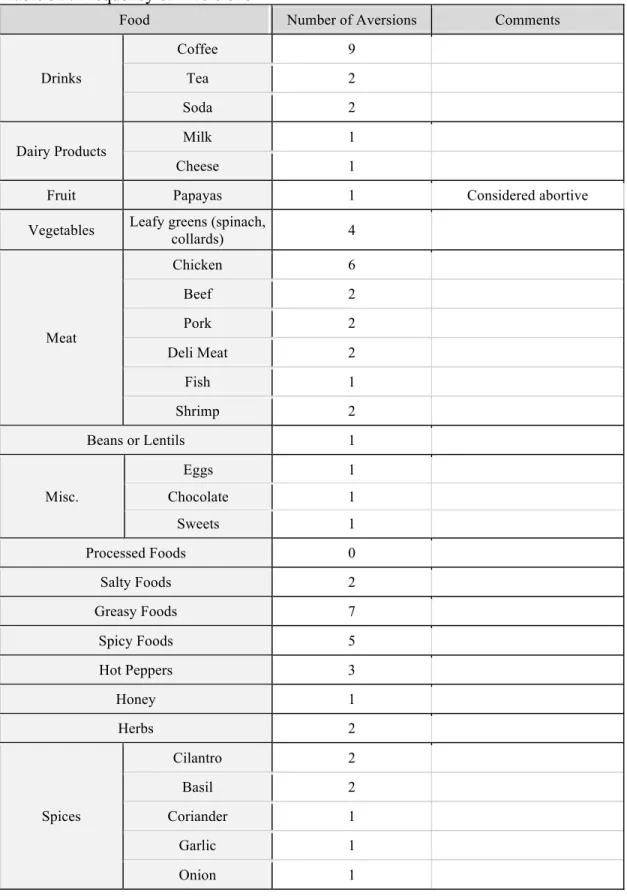
Graph 7 for the distribution of aversion occurrences by NVP occurrence. Coffee, greasy foods,
making chicken both a common craving and aversion. Processed foods were not cited at all as
aversive by the women in the sample such that is was only considered to be a craving.
Graph 7. Occurrence of aversions by NVP occurrence
In addition to cravings and aversions, women were asked to explain how their birth
country and culture impacted their food preferences, from whom they received information about
how to modulate their diet during pregnancy, and what intentional diet-related steps they were
taking to ensure the utmost health of their child. All 25 women agreed that where they are from
impacted their food preferences. The Spanish-speaking women, in particular, noted the
importance of their mother country on both what they cooked and what they ate. All 13
Spanish-speaking women, when asked about their regular diet, cited foods of Latin American origin. The
12 English-speaking women ate largely an “American” diet, often citing “access” as something
English speaker and one Spanish speaker, were familiar with “hot” or “cold” food and medicine:
one working in the medical field and only knew of the idea but did not subscribe to it, while the
other only subscribed to it insofar that she knew it was a good idea to eat soup during pregnancy.
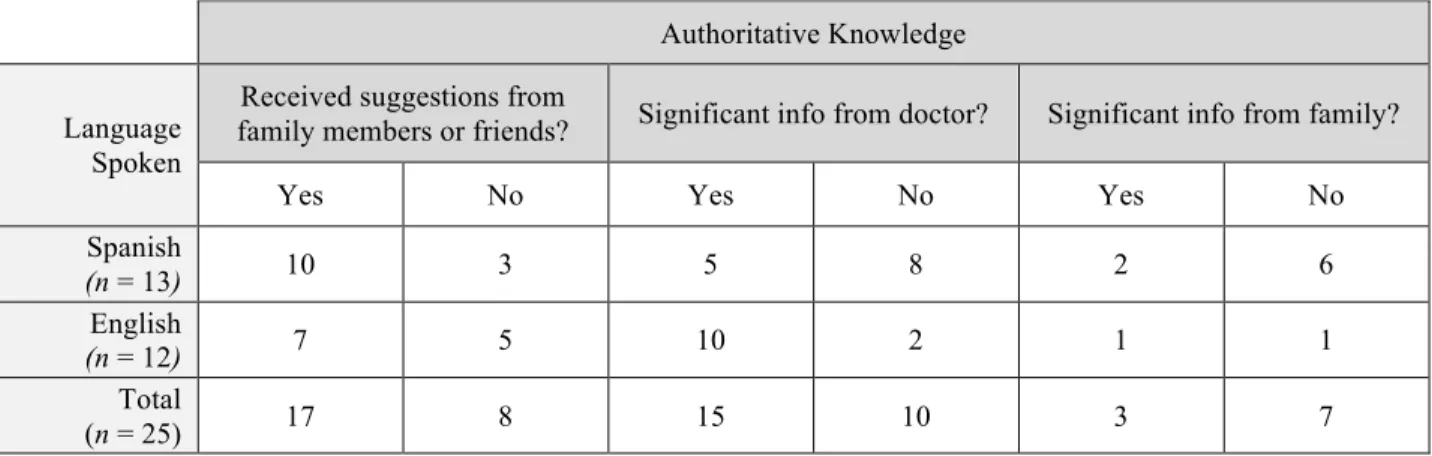
Beyond their country of origin, 17 women noted that they received suggestions of foods
they should either eat or avoid throughout their pregnancy, while 15 women noted that most of
the information had come from their doctor. Of the 15 women, 10 of them were
English-speakers. Of the two English-speakers that did not note the significance of a doctor’s advice, one
received no input at all due to the mild nature of her symptomology, while the other did receive
information in the form of pamphlets, but never read them because she valued her mother’s input
more, choosing more homeopathic solutions. Of the eight Spanish-speakers who did not cite
significant information from her doctor, only two explicitly noted the importance of the input
from their mother and grandmother, respectively. Of the other six Spanish-speaking women, 5
did receive information from unspecified sources and one received no input due to the mild
nature of her symptomology during pregnancy. See Table 4 for a more detailed breakdown of the
locus of authoritative knowledge across language spoken.
Table 4. Authoritative knowledge
Authoritative Knowledge
Language Spoken
Received suggestions from
family members or friends? Significant info from doctor? Significant info from family?
Yes No Yes No Yes No
Spanish
(n = 13) 10 3 5 8 2 6
English
(n = 12) 7 5 10 2 1 1
Total
Almost all (n = 23) women intentionally made changes to their diet, while the others (n =
2) only added prenatal vitamins to their existing diets. Of all 25 women in the sample, 21 noted
that they tried to add healthier foods to their diet, while 4 of them spoke about avoiding certain
foods for the health of their baby. It was frequently noted that snacking was a useful trick to
satiate appetite or quell nausea (n = 14).
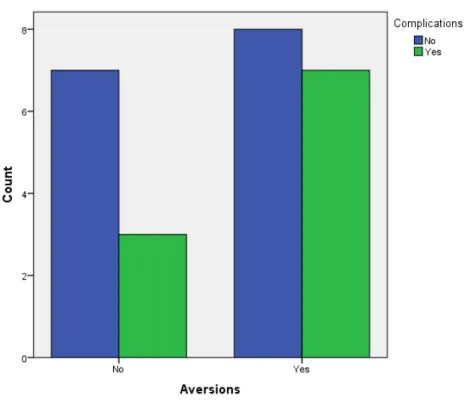
I also tested the relationship between complications and the occurrence of cravings, as
well as the occurrence of aversions to test my original hypothesis. I found that complications are
not significantly associated with either cravings (p = .400) or aversions (p = .678). As a result,
my original hypothesis that diet changes through cravings and aversions would be associated
with pregnancy complications and outcomes was not supported. See Graph 8A for the
distribution of complication occurrence by cravings and Graph 8B for the distribution of
complication occurrence by aversions.
Graph 8B.Distribution of complication occurrence by aversions
INTERACTION BETWEEN NVP AND DIETARY CHANGES
In addition to NVP and dietary changes, sensitivity to smell was also mentioned during
the interviews. In the present study, 21 women confirmed their sensitivity to smells during the
course of their most recent pregnancy. Of those 21 women, 18 also experienced NVP symptoms.
The other two women who experienced NVP did not mention sensitivity to smells. See Table 5
for a breakdown of this data. NVP and scent sensitivity were not associated (x2= 2.679, df = 1, p
= .102).
Table 5. NVP and sensitivity to smell
Yes Sensitivity to Smell No Sensitivity to Smell Total
Yes NVP 18 2 20
No NVP 3 2 5
In order to evaluate the way in which smell sensitivity might also impact her diet, the
relationship between sensitivity and aversions was investigated. Of the 15 women with
aversions, all also noted sensitivity to smell. Of the 10 without aversions, 4 also didn’t
experience sensitivity to smell. Sensitivity to smell and the occurrence of aversions were
significantly associated (p = .017). See Graph 9 for the distribution of aversion occurrence by
sensitivity to smell.
Graph 9. Occurrence of aversions by sensitivity to smell
I was also interested in examining the inverse relationship between cravings and nausea
severity for women with NVP. NVP has been cited as a protective measures that prevents
women from consuming certain foods, but conversely, cravings may be seen as the mother
consuming something the baby needs. Following Profet’s logic, it can be assumed that increased
regarding consumption. Therefore, it was likely that nausea severity and the occurrence of
cravings were significantly associated with one another given the occurrence of NVP. However,
the symptoms are not significantly associated (x2= 3.158, df = 2, p = .206). See Graph 10 for the
distribution of nausea severity by the occurrence of cravings.
Table 3A. Frequencies of Cravings
Food Number of Cravings Comments
Dairy
Milk 3
Yogurt 3
Butter 0
Cheese 6
Ice Cream 9
Fruit
Apples 5
Oranges 6
Bananas 4
Plantains 5
Papayas 2 Considered abortive by some women
Mangos 9 Green preferred, with salt
Melon 2
Watermelon 1
Raspberry 1
Strawberries 2
Blueberry 1
Lime 2 Preferred with salt
Fruit Drinks 4
Vegetables
White/yellow potatoes 6 Half noted in the form of fries
Sweet potatoes 2
Leafy greens (spinach,
collards) 8
Green beans 0
Okra 2
Beets 1
Spicy Peppers 4
Meat
Chicken 8
Beef 9 Hamburgers frequently
mentioned
Pork 2
Turkey 1 In the form of sandwich meat
Beans or lentils 7
Misc.
Peanut butter 7
Chocolate 7
Cookies 5
Chips 5
Soups 8
Rice 4
Tortillas 3
Eggs 6
Salsa 1
Processed Foods 9
Pica Clay 0
Ice 5
Spices & Herbs
Cilantro 4
Basil 2
Cinnamon 1
Garlic 1
Table 3B. Frequency of Aversions
Food Number of Aversions Comments
Drinks
Coffee 9
Tea 2
Soda 2
Dairy Products Milk 1
Cheese 1
Fruit Papayas 1 Considered abortive
Vegetables Leafy greens (spinach,
collards) 4
Meat
Chicken 6
Beef 2
Pork 2
Deli Meat 2
Fish 1
Shrimp 2
Beans or Lentils 1
Misc.
Eggs 1
Chocolate 1
Sweets 1
Processed Foods 0
Salty Foods 2
Greasy Foods 7
Spicy Foods 5
Hot Peppers 3
Honey 1
Herbs 2
Spices
Cilantro 2
Basil 2
Coriander 1
Garlic 1
DISCUSSION
At the start of this project, I hypothesized that the majority of women in the sample
would experience NVP, cravings, and aversion. I anticipated seeing that a woman’s culture
would impact her experience of pregnancy as well as any dietary changes. Finally, I expected to
see significant associations between the occurrence of NVP, aversions, or cravings with birth
outcomes and complications experienced by the women in their most recent pregnancy.
Essentially, my research questions were guided by Margie Profet’s (1988) original theory that
NVP, cravings, and aversions are adaptive mechanisms. They serve to protect mother and
embryo against potential toxins or teratogens that were particularly common for our evolutionary
ancestors, but have been shaped in current evolutionary times by culture. Additionally, culture
shapes food choices, particularly during pregnancy, which may be very influential for women
and their developing child (Wiley & Allen 2009). While the data do clearly demonstrate that a
majority of women experienced all three symptoms, the other two proposals are not as well
supported.
The percentage of women studied in the sample that experienced NVP comes close to the
percentage observed by Dickens and Trethowan (1971) and supported my hypothesis that the
majority of women would experience NVP. A majority of women also experienced cravings and
aversions, with 96% and 60% of women citing them, respectively. Collectively, this data
supports Flaxman and Sherman’s (2000) findings that women would experience the most
symptoms in the first trimester and would experience cravings and aversions during this time.
This study also confirms yet again that the results are replicable in the general population. As,
unsurprising that most women who participated in this study explicitly noted NVP, cravings, and
aversions as part of their pregnancy experience.
To address my question about NVP during pregnancy, I utilized language as a stand in
for culture. All but one of the English and Spanish speakers were from the United States or Latin
American countries, respectively. Although, the English speaker was UK-born, she cited her
North Carolina background as more significant. The Spanish speaker was born in the United
States but mainly cooked and ate Latin American food. Therefore, I felt that language was an
appropriate indicator of the woman’s culture as it related to food and pregnancy
conceptualization. In the sample, ten English speakers and ten Spanish speakers experienced
NVP during their most recent pregnancy, suggesting that culture is not a factor in the distribution
of NVP. This may then support Profet’s (1988) argument that the behavior stems from biology
and is a cross-cultural experience. However, following that logic, there is a presumption that all
biological mechanisms investigated in this study (i.e. NVP, cravings, aversions) would be
associated with the occurrence of pregnancy complications. In this sample, neither NVP nor
cravings and aversions were associated with pregnancy complications. Therefore, for this
sample, there appear to be no lasting adaptive benefits, even if the behavior itself has persisted
throughout time. Additionally, the complications observed throughout the study, gestational
diabetes in particular, are relatively novel obstacles in pregnancy. Thus these findings indicate
the need for further research on the possible associations and implications between evolutionary
problems and consequent adaptations and modern symptomology, particularly where pregnancy
is concerned.
NVP and cravings during pregnancy appeared to have a similarly insignificant
in terms of birth outcome, it also didn’t effectively impact their diet through cravings. NVP may
be purposefully initiated by biology, but it may no longer have an impactful, advantageous
effect. This could be attributed to changing food consumption patterns throughout evolutionary
history that could have lead the women in the study to have access to and eat different foods than
those of their evolutionary ancestors. It may also be the case that increased awareness about food
storage and safety as well as about nutritious food has attenuated the relationship between food
choice and maternal and child health during pregnancy. Additionally, the way women’s bodies
process these novel changes to food, pregnancy, and birth may have reshaped the processes that
once existed as a result of evolution. It is also important to note that tobacco, coffee, and alcohol
aversions are evolutionarily novel and thus could not stem from learned aversions throughout
history. Further research is necessary to explore the mechanisms behind these effects.
While language spoken wasn’t associated with NVP occurrence, it did significantly affect
the severity to which women experienced nausea. More Spanish speaking women reported
severe nausea and used words such as “agresiva,” or “horrible” to describe their symptoms,
while English speakers experienced more mild and moderate nausea and no vomiting, and
described it as “uncomfortable.” This may speak to cross-cultural variations in pain or
discomfort expectation and their subsequent subjective experience (Alabas, Tashani and Johnson
2012; Burnett et al. 2009). The Spanish-speaking women may have anticipated more severe NVP
based on cultural information surrounding pregnancy, while English speakers may have
anticipated milder NVP. However, more research is necessary to determine whether or not this
may have contributed to this study’s findings. Regardless of their differences, almost all of the
women in the sample described NVP during the first trimester, with slightly fewer experiencing
during this time. More Spanish speakers suffered from dry heaving, and not eating for a longer
time than would have been preferred. This may have impacted their ratings of their NVP more so
than the other symptoms as they are less directly connected to feelings of nausea and vomiting.
Whether the cause is biological or due to cultural expectations or conceptualizations of pain
management requires further research, but could serve as a significant comparison to Profet’s
completed work on the subject.
In previous research, NVP has been seen to be heritable, with female family members of
approximately 73% of women with NVP also experiencing symptoms (Colodro-Conde et al.
2016). However, in the current study, only 65% of women with NVP noted another female
family member with similar symptoms. Based on Profet’s argument, it stands to reason NVP
would be heritable in the sense that mothers who experienced NVP likely had more positive
pregnancy outcomes, leading to a daughter who could then, too, demonstrate symptoms. While
the thirteen women do constitute only a slight majority, the relationship is clearly statistically
significant, thus supporting Profet (1988) and Colodro-Conde et al.’s (2016) proposals and
results. Evolutionarily and currently this observed heritability could function as an adaptation in
that women could rely on other female family members for information and support throughout
pregnancy. As this sample demonstrates that it is highly likely that they’ve been through
comparable experiences, it stands to reason that women of earlier generations may have advice
in terms of how to handle pregnancy symptoms. Combined with the fact that Latina women were
more likely to rely on familial information, it stands to reason that maternal and child health
initiatives focused on intergenerational transfer of information may be successful and more
culturally sensitive than other approaches, particularly among Latina women. Although, further
Seventeen of the twenty-five women acknowledged that they received suggestions about
their diet from family members, further emphasizing the importance of information passed
through generations, either biologically or by word of mouth. While fifteen noted that the
majority of the information came from their medical care providers, ten were English speakers.
Of the thirteen Spanish speakers who received outside input, only five attributed it to their
doctors. Therefore, it is reasonable to hypothesize that authoritative information for English
speaking women is likely to reside within the realm of biomedicine, while Spanish speakers rely
on socially relayed information and advice. Future maternal and child health initiatives could
take advantage of the relational links that already exist between related women as a means of
distributing important health and safety information surrounding pregnancy, birth, and
breastfeeding, particularly within Spanish-speaking families.
The Spanish speakers in the sample were also much more likely to cite the significance of
their birth country and culture in their food choices, with almost all noting that they only cook
and eat food from home. These results were unsurprising as individuals’ diets, cravings, and
aversions in their daily lives are influenced by their cultures (Hook 1978). The English speakers,
on the other hand, spoke of access to fresh food and different types of cuisine or their upbringing
as the most influential factors on their dietary choices; their food choices had more to do with
their family than their home country. The English speakers may be inadvertently addressing the
idea that access impacts not only food eaten, but also food available toward which women could
form cravings or aversions (Cantor 2016). Furthermore, the English speakers’ experience
represents the dominant culture and, thus, does not fully examine the impact of culture on their
Only one Spanish-speaking woman of the thirteen was both familiar with and prescribed
to the belief of “hot” and “cold” medicine. I predicted that all would be affected by this belief
system as much literature references its significance in Latin American culture, particularly in
the way pregnancy is a “hot” condition calling for “cooler” foods (Juckett 2013; Lefèber &
Voorhoeve 1998; Manderson 1987; Wiley & Allen 2009). Lee et al. (2012) also found that
macronutrient and micronutrient intake is different between women of different cultures, beyond
the general difference in food eaten.
However, comparisons of both the qualitative and quantitative data collected surrounding
women’s diets during pregnancy show that the Spanish speakers may subconsciously follow the
“hot” and “cold” rules. Fruit, which the dichotomous belief system identifies as “cold” and
therefore something women should consume, was the most craved food (n = 11), particularly
citrus and mangos (Gutierrez 1999; Kaiser & Allen 2009; Lefèber & Voorhoeve 1998).
Coronios-Vargas et al. (1992) have suggested that the hot-cold beliefs are likely based, in part,
on what women “should be eating” or, conversely, what they should be avoiding (Forestell &
Mennella 2016); therefore, foods with the necessary macro- and micronutrients for positive
pregnancy outcomes are likely seen as acceptable “cold” foods to consume during pregnancy,
while those that may be harmful are “hot” and, thus, unacceptable. If this is accurate, more
women and their cravings could be viewed as validating the cultural assumption. However,
within the scope of this study and sample, I cannot definitively come to that conclusion.
That being said, the vast majority of women in the study deliberately altered their diet in
some way, primarily in an attempt to “eat healthier.” Much of their focus was on adding certain
foods to their diets, such as prenatal vitamins or vegetables. Women also frequently mentioned
without eating even in the absence of hunger. Nine of the women noted consuming ginger in
some form as a means of reducing nausea, a behavior that is recommended by the Journal of
Midwifery and Women’s Health (2016). Conversely, less than 20% of the women interviewed
spoke of intentionally avoiding foods as a means of, hopefully, improving their baby’s health.
Unintentional aversions were more common, but not nearly as prevalent as cravings for this
sample. These trends may be supported by the demonstrated lack of relationship between
aversions and NVP occurrence as well as the lack of relationship between aversions and birth
complication occurrences. I anticipated aversions having a less significant association with NVP
occurrence as well as more significant impacts on birth outcomes in conjunction with literature
that posited that all three may be, at the very least, correlated (Bayley et al 2002; Profet 1988).
However, my original hypothesis that the occurrences of NVP, cravings, and aversions would all
be predictive of the occurrences of pregnancy complications was not supported.
It is possible that all three elements are more abstractly related by another factor:
sensitivity to smell. Profet (1988) argued that sensitivity to smells and NVP, cravings, and
aversions serve as protective factors against consumption of harmful foods. Approximately 85%
of the women in the sample noted that they became more sensitive to the smells around them
during their most recent pregnancy. While the relationship between NVP and sensitivity to
smells falls just outside of the cutoff for dependence, eighteen women experienced both
symptoms, still constituting a considerable proportion of women in the sample. It was
demonstrated, however, that sensitivity to smell could significantly contribute to the occurrence
of aversions. For the women in this sample, “strong” or “intense” smells, or even “anything with
a smell,” would trigger nausea or discomfort. This data further supports Profet (1988), and
tasting foods trigger the most symptoms. It is well within the realm of possibility that the urge to
get away from particularly pungent scents is an evolutionary relic meant to continue to protect us
from consuming potentially harmful foods.
An important limitation of the present study is the small sample size, which contributed
to low expected statistical counts when conducting chi-squared analyses and Fisher’s exact tests.
Under the time constraints, it was simply not feasible to do further research nor was it possible to
speak to additional women about their experience. The small sample size may have lead to
exaggerated or minimized relationships and, thus, could be better validated with a larger sample
of women. Moreover, this sample did not take into consideration the exact environment or
socioeconomic status of the women. The results and impacts of NVP on women who are
disadvantaged or who do not have the ability to fulfill their nutritional requirements would likely
look different than those results discussed in this study; as a result, further investigation into
certain populations is necessary in order to better examine Profet’s assertions for current
populations (Pike 2000). Additionally, throughout the interviews, some questions on the survey
instrument were more open to interpretation than others, leading some women to provide varied
responses that occasionally contradicted each other. Finally, the scope of the study was limited to
discussion of only NVP, cravings, and aversions in detail and thus may provide an overly narrow
view of the pregnancy experience.
With all results considered, it is evident that pregnancy symptoms are influenced by a
woman’s culture as well as her evolutionary biology. Even women living in similar areas may
experience pregnancy in very different ways as function of their culture; women may receive
information about her physical condition and needs from different sources as well as consider her
for approaching women’s care throughout pregnancy from a culturally appropriate lens, within
certain communities and the United States as a whole. It is important for care providers to
recognize to which certain belief systems women may subscribe, from whom they will likely
receive and trust information, and what is influencing their choices throughout their pregnancy
experience (Juckett 2013). Additional research is needed to more fully explore cultural factors
that may lead to different perceptions of the severity of NVP symptoms as well as the source and
reasoning behind the information that has been incorporated into cultural beliefs.
Finally, while unplanned for and unexpected, women revealed interesting information
throughout the interview process that requires further investigation. Many women who
participated in the study had experienced multiple births and noted that, generally, each birth
stood alone in that symptoms varied dramatically. It would be fascinating to investigate whether
symptoms tend to worsen or improve with women’s additional pregnancies. This information
may serve to inform my understanding of why some women in this study, and women globally,
did not and do not experience NVP. If NVP symptoms tend to lesson as a woman endures more
pregnancies, it is possible that they may disappear completely. This information could also,
again, be compared against Profet’s hypothesis in order to determine the ‘necessity’ or lack
ACKNOWLEDGEMENTS
This project was supported by the Tom and Elizabeth Long Excellence Fund for Honors
administered by Honors Carolina at the University of North Carolina at Chapel Hill. I would also
like to thank Dr. Mark Sorensen and Dr. Amanda Thompson for their support and guidance
throughout this project. Finally, thank you to all of the participants that made completion of this
REFERENCES
Alabas, O.A., O.A. Tashani, and M.I. Johnson 2012 Effects Of Ethnicity And Gender Role
Expectations Of Pain On Experimental Pain: A Cross-Cultural Study. European Journal
Of Pain 17(5). Wiley-Blackwell: 776-786.
Bayley, Tracy M., Louise Dye, Susan Jones, Martin DeBono, and Andrew J. Hill 2002 Food
Cravings And Aversions During Pregnancy: Relationships With Nausea And Vomiting.
Appetite 38(1). Elsevier BV: 45-51.
Beauchamp, Gary K. and Julie A. Mennella 2011 Flavor Perception In Human Infants:
Development And Functional Significance. Digestion 83(s1). S. Karger AG: 1-6.
Beckham, A. Jenna, Rachel Peragallo Urrutia, Latoya Sahadeo, Giselle Corbie-Smith, and
Wanda Nicholson 2015 “We Know But We Don’t Really Know”: Diet, Physical Activity
And Cardiovascular Disease Prevention Knowledge And Beliefs Among Underserved
Pregnant Women. Maternal And Child Health Journal 19(8). Springer Science + Business
Media: 1791-1801.
Bermúdez-Millán, Angela 2007 Egg Contribution To Nutrient Intakes, Pregnancy Weight Gain
And Birth Outcomes Among Connecticut Latinas. Ph.D., University of Connecticut.
Bernard, H. Russell 2002 Research Methods In Anthropology. Walnut Creek, CA: AltaMira
Press.
Burnett, Angus, Ching Ching Sze, and Suet May Tam et al. 2009 A Cross-Cultural Study Of The
Back Pain Beliefs Of Female Undergraduate Healthcare Students. The Clinical Journal
Of Pain 25(1). Ovid Technologies (Wolters Kluwer Health): 20-28.
Caffeine During Pregnancy 2016 Babycenter.
Cantor, Allison 2016 Costumbres, Creencias, Y "Lo Normal": A Biocultural Study On Changing
Prenatal Dietary Practices In A Rural Tourism Community In Costa Rica. Ph.D,
University of South Florida, Ann Arbor.
Colodro-Conde, Lucía, Patrick Jern, and Ada Johansson et al. 2016 Nausea And Vomiting
During Pregnancy Is Highly Heritable. Behavior Genetics 46(4). Springer Nature:
481-491.
Coronios‐Vargas, Mary, R.B. Toma, R.V. Tuveson, and Iris M. Schutz 1992 Cultural
Influences On Food Cravings And Aversions During Pregnancy. Ecology Of Food And
Nutrition 27(1). Informa UK Limited: 43-49.
Dickens, G. and W.H. Trethowan 1971 Cravings And Aversions During Pregnancy. Journal Of
Psychosomatic Research 15(3). Elsevier BV: 259-268.
Flaxman, Samuel M. and Paul W. Sherman 2000 Morning Sickness: A Mechanism For
Protecting Mother And Embryo. The Quarterly Review Of Biology 75(2). University of
Chicago Press: 113-148.
Flaxman, Samuel M. and Paul W. Sherman 2000 Morning Sickness: A Mechanism For
Protecting Mother And Embryo. The Quarterly Review Of Biology 75(2). University of
Chicago Press: 113-148.
Forestell, Catherine A. and Julie A. Mennella 2016 Food, Folklore, And Flavor Preference
Development. In Nutrition And Health: Handbook Of Nutrition And Pregnancy. 1st
edition. C.J. Lammi-Keefe, S.C. Couch and E.H. Philipson, ed. Pp. 55-64. Totowa:
Gutierrez, Yolanda M 1999 Cultural Factors Affecting Diet And Pregnancy Outcome Of
Mexican American Adolescents. Journal Of Adolescent Health 25(3). Elsevier BV:
227-237.
Hook, Ernest 1978 Dietary Cravings And Aversions During Pregnancy. American Journal Of
Clinical Nutrition 31: 1355-1362.
Inam, S.N.B., F.Z. Punjani, A. Omair, S. Sultana, and K. Qureshi 2003 Beliefs Of Medical
Students In The Hot And Cold Effects Of Food: Impact Of Nutrition Education. Journal
Of Pakistan Medical Association 53(6).
Juckett, Gregory 2013 Caring For Latino Patients. American Family Physician 87(1): 48-54.
Kaiser, Lucia Lynn and Lindsay Allen 2002 Position Of The American Dietetic Association:
Nutrition And Lifestyle For A Healthy Pregnancy Outcome. Journal Of The American
Dietetic Association 102(10): 1479-1490.
Lee, Sun Eun, Sameera A Talegawkar, Mario Merialdi, and Laura E Caulfield 2012 Dietary
Intakes Of Women During Pregnancy In Low- And Middle-Income Countries. Public
Health Nutrition 16(08). Cambridge University Press (CUP): 1340-1353.
Lefèber, Yvonne and H. W. A Voorhoeve 1998 Indigenous Customs In Childbirth And Child
Care. 1st edition. Assen: Van Gorcum.
López, L. B., M. Marigual, and N. Martín et al. 2012 Characteristics Of Pica Practice During
Pregnancy In A Sample Of Argentine Women. Journal Of Obstetrics And Gynaecology
32(2). Informa Healthcare: 150-153.
Manderson, Lenore 1987 Hot-Cold Food And Medical Theories: Overview And Introduction.
Nausea And Vomiting During Pregnancy 2016 Journal Of Midwifery & Women's Health(2).
Wiley-Blackwell: 293-294.
Pike, I. L. 2000 The Nutritional Consequences Of Pregnancy Sickness: A Critique of a
Hypothesis. Human Nature 11(3). Springer Nature: 207-232.
Population Estimates, July 1, 2016, (V2016) 2017 Census.Gov.
https://www.census.gov/quickfacts, accessed March 21 , 2017.
Profet, Margie 1988 The Evolution of Pregnancy Sickness as Protection to the Embryo Against
Pleistocene Teratogens. Evolutionary Theory. 8: 177–190.
Wiley, Andrea S and John S Allen 2009 Medical Anthropology. New York: Oxford University
APPENDIX 1A. Survey Instrument – English
Date:
Interview Number: Language:
1. Are you from NC// Where are you from?
2. How long have you lived here?
3. Do you feel that where you are from impacts your food choices and preferences? (Y/N)
a. If yes, how?
4. Where did you live during your last pregnancy?
5. How long has it been since you were last pregnant?
6. Did you experience fatigue?
7. Did you experience any other symptoms? a. Lack of energy
b. Tiredness c. Poor appetite
d. Not eaten for longer than you would’ve liked e. Dry-heaving
i. First Trimester? ii. Did it get worse?
iii. Did it get better? b. How long did it last?
i. On a scale of 1-10 with 1=not bad at all, 10=severe, how bad was it? c. How often?
i. Daily, Weekly, Constant
d. Has anyone else in your family - mother, sister, etc - experienced NVP in previous pregnancies? (Y/N)
i. If yes, who?
9. Did any smells affect you?
a. How did they affect you?
10. Did your pregnancy have any complications? (Y/N) a. If yes, what were they?
11. What was the makeup of your diet? // What did a typical day of meals look like?
a. Did those ideas or beliefs affect your diet?
b. Did you eat certain foods because they are “hot”? because they were “cold”? i. What foods?
13. Were there any foods that you craved during your pregnancy? (Y/N) a. If yes, what foods?
b. How often did you eat those foods? Daily/Weekly/Constantly
14. Where there any foods that you normally liked/enjoyed that you found you had an aversion toward during your pregnancy? (Y/N)
a. If yes, what foods?
15. Did those cravings and aversions change during the course of your pregnancy? (Y/N)
a. If yes, how?
16. Did you eat/take/use anything to help alleviate the nausea or vomiting? (Y/N) a. If yes, what?
17. Did family members or friends suggest foods to you that you should eat? a. If yes, what foods and why?
a. If yes, what foods and why?
Symptom Chart: Put a check or an X in the box that you feel best describes your symptoms during pregnancy
20. Severity of Symptoms
Symptom Mild Moderate Severe
Nausea Vomiting
Fatigue Lack of Energy
Poor appetite Dry-heaving Not eating for longer than you’d
like Tiredness Sensitivity to smell
21. Frequency of Symptoms
Symptom Never Some of the time Most of the time All of the time
Nausea Vomiting
Fatigue Lack of Energy
Poor appetite Dry-heaving Not eating for longer than you’d
List of foods – CRAVINGS Dairy Products Milk Yogurt Butter Fruit Apples Oranges Bananas Plantains Papayas Mangos Fruit Drinks Vegetables White/yellow potatoes Sweet potatoes
List of foods – AVERSIONS Coffee
Tea Soda
Dairy Products Milk Vegetables
Leafy greens (spinach, collards) Meat
Chicken Beef Pork Processed Foods Salty Foods Greasy Foods Spicy Foods
Hot peppers Honey
Herbs Spices
APPENDIX 1B. Survey Instrument - Spanish
Fecha:
Número de entrevista: Idioma:
1. Ud es de Carolina del Norte? // De dónde es?
2. Por cuánto tiempo ha vivido en su residencia corriente?
3. Siente como su país natal impacta sus preferencias de comida? (Sí/No) a. Si sí, como?
4. Dónde vivó durante su último embarazo?
5. Cuánto tiempo hasta estuvo embarazada?
6. Tuvo fatiga?
7. Tuvo otras síntomas? a. La falta de energía b. Cansancio
c. Malo apetito
d. No come por más tiempo que prefiere e. Tiene arcadas
8. Tuvo las náuseas o vomita durante el embarazo? (S/N) a. Si sí, cuándo?
i. El primer trimestre?