1 Comparative Effectiveness of the 7-Valent Pneumococcal Conjugate
Vaccine and Haemophilus Influenzae Type b Vaccine for the Prevention Acute Otitis Media with Tympanic Membrane Perforation: A Secondary Analysis of Data from a Randomized Trial among Bangladeshi Infants
By
Dane C. Warner
A Master’s Paper submitted to the faculty of the University of North Carolina at Chapel Hill
in partial fulfillment of the requirements for the degree of Master of Public Health in
the Public Health Leadership Program
Chapel Hill
2015
______________________________________
Signature Adviser
______________________________________
Printed name Date
______________________________________
Signature Second Reader
______________________________________
2 ABSTRACT
Background: Streptococcus pneumoniae is the most common bacterial cause of acute otitis media (AOM). A few randomized controlled trials (RCTs) have found that administration of the pneumococcal conjugate vaccine (PCV) to infants is effective at decreasing episodes of AOM during infancy and early childhood. However, these RCTs were in high-income countries in populations with a relatively low burden of suffering due to otitis media. This trial is the first to use data from a randomized trial to investigate the effectiveness of a PCV at decreasing otitis media in a country with a high level of morbidity and mortality due to otitis media.
Methods: The effects of the 7-valent PCV and Haemophilus influenzae type b (Hib) conjugate vaccine on AOM with TM perforation were compared through a secondary analysis of data that were collected during a blinded, randomized trial in Bangladesh in 2004 and 2005. Infants received vaccines at 6, 10, and 14 weeks of age and their caregivers were interviewed weekly from 6˗24 weeks of age. Caregiver report of ear drainage was considered to represent AOM with TM perforation. Weekly interviews also asked about antibiotic use and other illness symptoms.
Results: 340 infants were enrolled and randomized. Data were collected and analyzed for 328 infants. Baseline data were comparable between the two groups. In the PCV and Hib vaccine groups there were similar numbers of episodes of AOM with TM perforation and similar
numbers of infants who had one or more episodes. However, in the PCV group there were fewer positive weekly reports of AOM with TM perforation total. Infants in the PCV group had an average of 1.2 weekly reports per episode, compared to those in the Hib vaccine group who had an average of 2.6 weekly reports per episode (p = 0.005). In the PCV group antibiotics were given during the first week of an episode of AOM with TM perforation in 82% of weeks compared to only 25% of such weeks in the Hib vaccine group (risk difference: 57%, 95% C.I. 23% – 90%). A multivariate analysis that accounted for the type of vaccine and for antibiotics given during the first week of an episode found that neither had a statistically significant effect on the number of weekly reports per episode of AOM with TM perforation (p= 0.10 for vaccine type, p= 0.33 for antibiotics).
3 INTRODUCTION
Streptococcus pneumoniae is a bacterial pathogen that is responsible for an estimated 1
million or 1.8% of all deaths* and 35 million or 1.4% of all disability-adjusted life-years
(DALYs) worldwide every year.1,2 Most of the morbidity and mortality due to S. pneumoniae is
caused by pneumonia and meningitis, but otitis media, sinusitis, and bacteremiaare significant
contributors as well.3 S. pneumoniae is responsible for more deaths in children under 5 than any
other single pathogen.4 It causes 8% of deaths in children under 5 years of age and 11% of
deaths in children between 1 month and 5 years of age.5
Compared to other age groups, children under 5 are disproportionally affected by S.
pneumoniae infections. Despite being only 9% of the population, children under 5 account for
an estimated 22% of the deaths, 52% of the DALYs, and 54% of the years of life lost (YLLs)
due to S. pneumoniae.1,2,6 In addition to this age-related disparity, there are geographic and
economic disparities in the burden of suffering due to S. pneumoniae in children under 5. Africa
and Southeast Asia account for an estimated 77% of the all deaths due to S. pneumoniae in
children under 5, even though they are home to 48% of the world’s children under 5.5 From an
economic perspective, 61% of all deaths due to S. pneumoniae in children under 5 occur in only
ten low and middle-income countries in Africa and Asia.5
Several strategies have been suggested for decreasing the large burden of suffering due to
S. pneumoniae and for reducing the disproportionately high morbidity and mortality it causes
among children under 5 in low and middle-income countries in Africa and Asia. Suggested
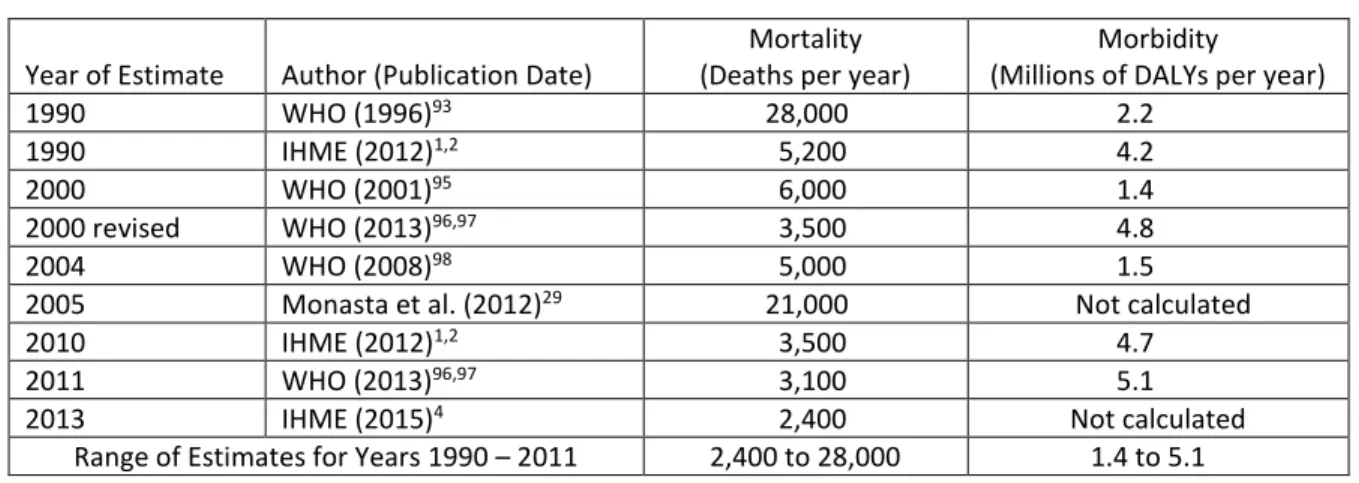
*There is substantial variation in estimates of deaths due to S. Pneumonia. The estimate above is for the year 2010 from the Global Burden of Disease project undertaken by the Institute for Health Metrics and Evaluation (IHME) associated with the University of Washington.1,2 Another estimate by the IHME was
significantly lower.4 An estimate generated by the World Health Organization (WHO), Pneumococcal
4
strategies include expanding pneumococcal conjugate vaccine (PCV) coverage, decreasing
secondhand smoke exposure, improving nutrition, increasing breastfeeding, providing zinc
supplementation, and boosting access to antibiotic treatment for bacterial pneumonia.7-10 This master’s paper investigates one of those strategies, the expansion of PCV coverage, which has
been a significant focus of international efforts and research since 2000.3,11
Efficacy and Impact of the PCV
A meta-analysis from 2009 examined seven randomized, controlled trials (RCTs) (total n
= 111,798) and calculated the effects of the 7, 9, and 11-valent PCVs in children <29 months of
age.12 It found that the PCV was effective at reducing invasive pneumococcal disease (IPD)
(relative risk (RR): 0.42, 95% CI 0.27 – 0.65).12 One of the RCTs even found that the 9-valent
PCV decreased all-cause mortality among children in Kenya (n = 17,437, RR: 0.86, 95% CI 0.77 – 0.98). Two of the RCTs found trends toward reductions in all-cause mortality among children
in the Philippines with the 11-valent PCV (n = 12,191, RR: 0.88, 95% CI 0.5 – 1.5) and in South
Africa with the 9-valent PCV (n=37,259, RR: 0.95, 95% CI 0.8 – 1.1).12 When those results
were pooled with a smaller study of the 7-valent PCV in Finland (n= 1,251, RR: 1.50 95% CI 0.1 – 36), the meta-analysis found that PCVs caused a relative reduction of 11% in all-cause
mortality (n = 68,138, RR: 0.89, 95% CI 0.80 – 0.98).12
The use of the PCV began in high-income countries in 2000, and its effects in those
countries have been positive and well-documented.3 A non-systematic review described nine
historical comparison studies that compared the incidence of IPD before and after the addition of
the 7-valent PCV to the national immunization schedules of eight high-income countries.3 The
studies found reductions of 37% – 80% in IPD due to all S. pneumoniae serotypes and reductions
5
PCV is beneficial and efficacious at reducing morbidity and mortality, it is still only available
and accessible to 49% of the world’s children.13
PCV Use in Lower and Middle-Income Countries
As of 2008, the PCV was not included in the immunization schedules of any low or
middle-income countries.3 However, PCV coverage has improved substantially in the last 7
years.13 One of the major organizations leading the effort to increase the number of children
who receive the PCV is the Global Alliance for Vaccines and Immunizations (GAVI). Much of
the expansion in PCV coverage has been through a GAVI program that offers significant
financial and technical assistance to countries with a gross national income of less than $1,000
per person.3,11 Of the 73 GAVI-eligible countries, 53 currently provide PCV coverage through
their national immunization programs and 12 others are in the process of adding PCV
coverage.13 Among the ten countries with the most childhood deaths due to S. pneumoniae,
seven have added the PCV to their immunization programs since 2011. In the three remaining
countries, India, China, and Indonesia, the PCV is not a part of their immunization programs.10
Since these three countries account for 40% of the world’s population, it is not surprising that
51% (69 million) of infants worldwide live in countries where the PCV is not part of the national
immunization program.13 Of these three countries, the burden of suffering due to S. pneumoniae
is greatest in India, which has more childhood deaths due to S. pneumoniae than any other
country. India accounts for about 17% of the world’s total, compared to 3.6% in China and less
than 2.3% in Indonesia.5
Potential Relevance of the Analysis
The analysis described in this master’s paper is relevant because it has the potential to
6
a secondary analysis of data from a randomized trial, and it investigates the effect of the 7-valent
PCV on acute otitis media (AOM) with tympanic membrane (TM) perforation among infants in
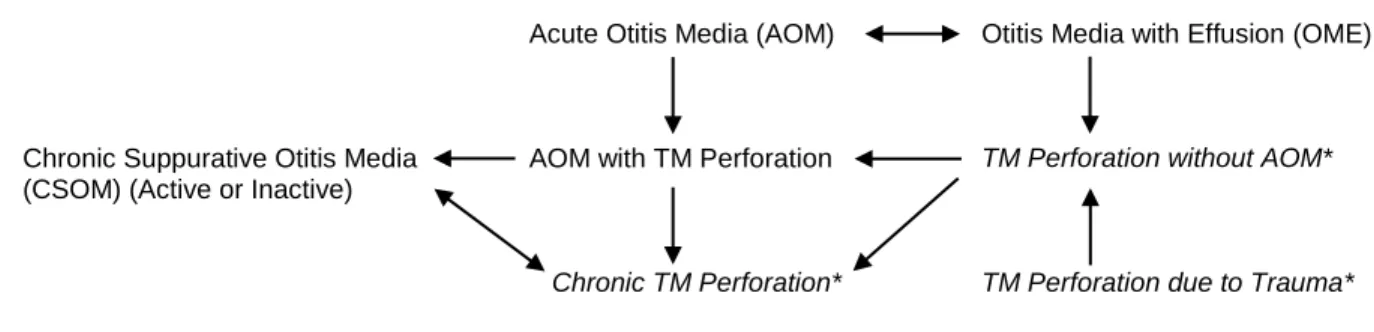
Bangladesh.* (See Appendix A for more about AOM with TM perforation and the other types
of otitis media.) Although the existing evidence for the benefit of the PCV described above is
already substantial, this analysis could add to it in two ways.
1) This analysis is the first to investigate the effect of the PCV in the WHO South-East
Asia region, making it potentially the first study to demonstrate that the PCV is effective against
the S. pneumoniae serotypes in that region.12,14 This is important because of the considerable
geographic variation in S. pneumoniae serotypes, such that in Asia only about 50% of
pneumococcal serotypes are covered by the 7-valent PCV, compared to 82% in North America
and 72% in Europe.15 The Indian Academy of Pediatrics Committee on Immunization even
expressed concerns about the implications of geographic variation of S. Pneumonia
* Eliza RoyA and Mark SteinhoffB,C came up with the original idea for this secondary analysis. I wrote a
manuscript that carried out their original idea, with guidance and editing from Mark Steinhoff. That manuscript is separate from this master’s paper. This master’s paper is similar to that manuscript because it investigates the same hypothesis using the same data. However, there are several key differences, which are that the master’s paper has a different introduction, uses different terminology and outcome variables, adjusts for confounders in the statistical analysis, and has different interpretations of the results. The manuscript is in the process of being prepared for publication, and its most recent version is included as Appendix C of this master’s paper. The manuscript is entitled, “Clinical Effectiveness of a
Pneumococcal Conjugate Vaccine in Acute Suppurative Otitis Media: A Randomized Controlled Trial in Bangladeshi Infants.” The analysis described in the manuscript was approved by the Cincinnati
Children’s Hospital Medical Center Institutional Review Board. The other authors listed for the manuscript are S.B. OmerD, S.E. ArifeenA, R. RaqibA, R.F. BreimanE, and K. Zaman.A They were all
involved in the design and implementation of the initial Mother’s Gift trial and had peripheral
involvement in the manuscript. Statistical analysis for the manuscript was performed by Caitlin Dodd.C
The results for the primary outcomes from the Mother’s Gift trial have not been published yet. Several articles describing the results of other secondary analyses of the Mother’s Gift trial data have been published, and they are included in the reference list.16-25
AInternational Centre for Diarrhoeal Disease Research, Bangladesh, Dhaka, Bangladesh BBloomberg School of Public Health, Johns Hopkins University, Baltimore, MD, USA CCincinnati Children’s Hospital Medical Center, Cincinnati, OH, USA
7
serotypes in its 2012 immunization recommendations.26 Since the demographic, geographic, and
population health characteristics of Bangladesh and India are very similar, if this analysis finds
that the 7-valent PCV significantly decreases AOM with TM perforation among infants in
Bangladesh, then that finding would be reasonably generalizable to India. Since S. pneumoniae
causes about 25–62% of AOM,14,27,28 finding that the PCV substantially decreases AOM with
TM perforation could suggest that the PCV is effective against an adequate number of S.
pneumoniae serotypes in the region. That evidence could potentially help convince policy
makers in India to add the PCV to its Universal Immunization Program (UIP).
2) This analysis is also the first to use data from a randomized trial to investigate the
effect of the PCV on otitis media in a country with a high burden of suffering due to otitis media.
Both Bangladesh and India certainly meet this criterion.29-31 Otitis media causes an estimated
3,500 deaths and 4.7 million DALYs worldwide every year.1,2 A substantial portion of those
occur in the South Asia WHO subregion, which is composed of Afghanistan, Bangladesh,
Bhutan, India, Nepal, and Pakistan.29,32 The South Asia subregion has 23% of the world’s
population, but it accounted for an estimated 48% of the deaths due to otitis media in 2005.29
The subregion also accounted for astounding proportions of the hearing impairment (HI) caused
by otitis media, which were an estimated 75% of the moderate HI, 85% of the severe HI, and
93% of the profound HI due to otitis media.29,33 Much of this burden of suffering due to otitis
media in South Asia likely comes from India, since it has 75% of the subregion’s population.
(See Appendix B, for more information about the burden of suffering due to otitis media.)
Three previous RCTs investigated the effect of PCV administration to infants on otitis
media, and they found relative risk reductions of 6–34% in the incidence of AOM.28,34,35
8
prevalence of otitis media.29,36 If this analysis finds that the PCV decreases AOM with TM
perforation among infants in Bangladesh, it would provide new evidence that the PCV might
prevent substantial morbidity and mortality in India by decreasing deaths, hearing impairment,
and other complications due to otitis media. That potential finding, in combination with the
existing evidence that the PCV decreases IPD in children, might also help convince policy
makers to add the PCV to India’s UIP.
METHODS
Study Design
This study compares the effects of the PCV and Haemophilus influenzae type b (Hib)
conjugate vaccine on AOM with TM perforation in infants. It is a randomized,
comparison-controlled, parallel group study, involving the secondary analysis of data that were originally
collected in Bangladesh in 2004 and 2005 for the Mother’s Gift trial. Although the data for this
analysis were collected prospectively, the outcomes it evaluates were chosen retrospectively. The Mother’s Gift trial collected a large amount of interview data to monitor for possible adverse
effects. The decision to pursue this secondary analysis was made after a post-hoc examination of
the interview data uncovered a significant difference in the reports of AOM with TM perforation
between infants who received the PCV and Hib vaccine. The protocol for this secondary
analysis was evaluated by the institutional review board (IRB) at the University of North
Carolina at Chapel Hill, which judged that it did not require formal IRB approval because it used
de-identified data that contained no identifiable private information.
This analysis is comparison-controlled and uses the Hib vaccine as the comparator, so it
is not a placebo-controlled study. However, the consideration of the analysis’ potential
9
regard the Hib vaccine as a quasi-placebo because its effect on otitis media is very small.28,37
The rationale for this is further explained in the discussion section on pages 22-23 below, in the
subsection entitled “Limitations due to Study Design.”
Data Source
The Mother’s Gift trial (ClinicalTrials.gov number NCT00142389), investigated whether
the immunization of pregnant women with the pneumococcal polysaccharide vaccine (PPV)
might decrease the immunogenicity of the PCV among their infants or cause other adverse effects. Its primary and secondary outcomes were adverse reactions to the vaccines and infants’
levels of anti-pneumococcal immunoglobulin G (IgG) antibodies at 20 weeks and 12 months of
age.38 The results of the pre-specified primary and secondary outcomes from the Mother’s Gift trial have not yet been published. Several articles describing analyses of Mother’s Gift trial data
have been published, and they are included in the reference list.16-25 The Mother’s Gift trial
investigated whether maternal PPV immunization interferes with the immunogenicity of the
PCV among infants or causes other significant negative adverse effects. If the trial finds that
maternal PPV immunization does neither of those things, then its authors have planned to
perform a larger study to investigate the effect of maternal PPV immunization on IPD in infants
(especially during the first several weeks of life before infants receive their initial doses of the
PCV).
The Mother’s Gift trial protocol was reviewed and approved by the IRBs at the
International Centre for Diarrheal Disease Research, Bangladesh (ICDDR,B) and the Bloomberg
School of Public Health at Johns Hopkins University. Monitoring for adverse events during the Mother’s Gift trial was conducted through the weekly interviews described below. An
10
severe adverse events. Use of study vaccines was approved by the Directorate of Drug
Administration of the Government of the People's Republic of Bangladesh.
Participants
Maternal participants were recruited into the Mother’s Gift trial from three urban,
antenatal clinics in Dhaka, Bangladesh. All women in their third trimester of pregnancy who
attended one of the three antenatal clinics between August 2004 and May 2005 were screened for
participation in the study. Inclusion criteria were women who were 18-40 years of age, had a
normal medical and obstetric history, and planned to remain in Dhaka for one year after delivery.
Exclusion criteria were the receipt of a pneumococcal vaccine in the previous 3 years, a
contraindication to getting a study vaccine, a last menstrual period (LMP) date not consistent
with the clinical examination, and a previous history of a systemic disease, pregnancy
complication, preterm delivery, abortion, birth with a congenital anomaly, or allergic reaction to
a vaccination.
Sample size calculations performed for the Mother’s Gift trial deemed that 336
mother-infant pairs would be necessary to detect a difference in the mean pneumococcal antibody titers
of the infant participants (based on reported local antibody variance data, a 2-sided α = 0.05, a β
= 0.20, and an assumed 25% attrition rate).16 No sample size calculations were performed for
this secondary analysis.
Interventions and Randomization
Upon enrollment in the Mother’s Gift trial, the pregnant women were randomly assigned
to receive either the PPV (23-valent, Pneumovax®, Merck) or the inactivated influenza vaccine
(Fluarix®, GlaxoSmithKline). At that time, their future infants were assigned to receive either
11
GlaxoSmithKline). For this analysis, the infants were divided based on the vaccine they received
into the PCV group and the Hib vaccine group. Randomization was blocked to achieve similar numbers of each of the four possible maternal-infant vaccine combinations (Table 1). As a
result, in both the PCV group and the Hib vaccine group, approximately half of the infants had
mothers who received the PPV, and approximately half had mothers who received the influenza
vaccine (Figure 1). Of note, the comparison vaccines (influenza and Hib) were included in the original Mother’s Gift trial because the ICDDR,B IRB would not approve a placebo-controlled
trial and required that all participants receive the benefit of some type of vaccine in exchange for
their participation in the trial.
Randomization was performed using a computer-generated sequence that was developed
centrally before study enrollment began. Randomization was stratified by the three antenatal
clinics. Sequentially-numbered, opaque envelopes with the vaccine assignments were provided
to each clinic. Clinic staff who administered the vaccines were aware of the vaccine and group
assignments, but they were not involved with the measurement of study outcomes. Other clinic
staff, the participants and their families, and the study staff who collected the data were blinded
to vaccine and group assignments.
Pregnant women received one dose of their assigned vaccine (PPV or influenza vaccine)
during the third trimester of pregnancy. Infants were assigned to receive three doses of their
study vaccine (PCV or Hib vaccine) at 6, 10, and 14 weeks of age. All vaccine doses were
administered through intramuscular injection. All study vaccines were purchased from the
manufacturers.
12
The outcome data in this analysis were collected during weekly interviews with infants’
mothers (or other knowledgeable caregivers) between 6 and 24 weeks of age. According to the Mother’s Gift trial protocol, interviews were to occur every other week from birth to 6 weeks of
age, then every week from 6 to 24 weeks of age. This analysis does not include data collected
prior to 6 weeks of age because that was before any of the infants received the PCV or Hib
vaccine. Although additional interviews occurred between 25 and 37 weeks of age, these
interviews were excluded from the analysis because they were not performed consistently for all
infants and because they were not part of the original trial protocol.
The weekly interviews included questions about infant feeding, illness symptoms, and
treatments given to the infants. The questions most relevant to this analysis were those
concerning respiratory and ear infections and antibiotic use. The interviewees were asked every
week if the infant had had an ear problem during the last week. If the answer was yes, they were
also asked if it involved drainage from one ear, both ears, or neither ear. The interviewees were
also asked if the infant had had a respiratory illness during the last week. If the answer was yes,
they were asked if it involved cough, runny nose, sore throat, difficulty breathing, and/or
provider-diagnosed pneumonia. Whenever an ear problem or respiratory illness was reported,
the interviewer asked if any treatments were given for the illness. The types of medications
(antibiotic, antihistamine, antipyretic, etc.) were recorded, but the specific names of the
medications were not recorded.
For this analysis, all reports of ear drainage were considered to represent purulent
otorrhea due to AOM with TM perforation. The interview questions about ear problems and ear
drainage did not differentiate between one day and seven days of symptoms during the last week.
13
to be all part of one episode, as opposed to two separate episodes with complete resolution in
between. This is a reasonable assumption given the nature and clinical course of most ear
infections and given that ear drainage that seems to resolve and then recur within a week is much
more likely to be related to the initial AOM with TM perforation episode than to a new episode.
This analysis did not attempt to calculate durations for episodes in days or weeks because of the
imprecision inherent in the way the data were collected. Here are 3 examples that illustrate this
concept. 1) If an infant had a 6 day episode of ear drainage that all occurred within one
interview week, then that infant’s 6 day episode would have one positive weekly report. 2) If an
infant had a 2 day episode of ear drainage, of which 1 day occurred during one interview week and 1 day occurred during the next, then that infant’s 2 day episode would have 2 positive
weekly reports. 3) If an infant had a 12 day episode of ear drainage, of which 6 days occurred
during one interview week and 6 days occurred during the next, then that infant’s 12 day episode
would have 2 positive weekly reports. As a result of this imprecision, this analysis does not
calculate the duration of episodes. Instead episodes are compared by their number of weekly
reports, which preserves the vagueness of the data and most closely represents how the data were
collected.
For weeks when infants had positive reports of AOM with TM perforation, they were
considered to have received antibiotics for that infection if they were given an antibiotic intended
to treat the AOM with TM perforation or an antibiotic intended to treat a respiratory illness. This
is reasonable because the same antibiotics are generally prescribed for both respiratory and ear
infections, since the bacteria that commonly cause both types infections in children are largely
14
The weekly interviews were conducted by field workers, who were trained and overseen
by study supervisors. The interviews were performed over the telephone, at an infant’s home, or
at one of the study clinics. Weekly interviews at homes or in clinics included weight, height and
mid-upper arm circumference (MUAC) measurements. Maternal height, weight, and MUAC
were measured at the time of delivery. Maternal participants were interviewed about their
baseline health and demographic characteristics soon after their enrollment in the study. They
were interviewed about their deliveries within one week of their occurrence in almost all cases.
Data on the number of vaccines received by infants were recorded in the clinics where the
vaccines were given. Those data were not available for this analysis, but the weekly interviews
included caregiver reports of vaccine administration, so those data were used instead.
Statistical Analysis
Baseline characteristics were measured for each group. Means or percentages were
calculated as appropriate for each characteristic. Outcomes were reported as percentages and
frequencies, and their statistical significance was determined by calculating the confidence
intervals for the risk differences using standard formulae.39 Possible confounders were evaluated
using the same approach. The average number of weekly reports per episode of AOM with TM
perforation for each vaccine group were compared using the Wilcoxon rank-sum test performed
using Stata® 12 software.40 Antibiotic treatment during the first week of an episode was
identified as a possible confounder. The combined influence of vaccine group and antibiotic
treatment on the number of weekly reports per episode was evaluated using the generalized
linear model procedure in SAS® 9.4 software.41
RESULTS
15
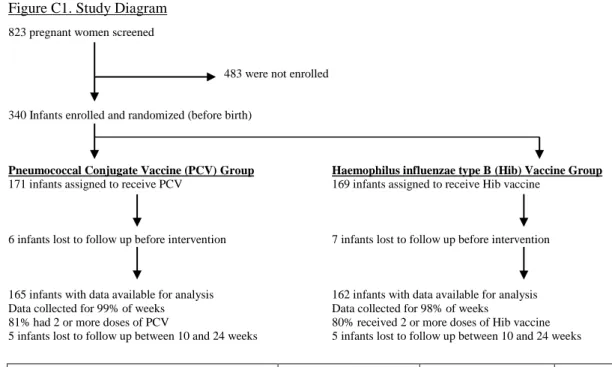
823 pregnant women were screened for study eligibility. 340 of them were enrolled in
the study and randomized along with their future infants. The reasons why women did not enroll
in the study are listed in Figure 2. After enrollment, but prior to the intervention of interest in
this analysis, 12 infant participants (6 from each group) left the study. No outcome data were
collected for these infants. Their data were not included in Table 2, which compared baseline
participant characteristics. Figure 2 lists the reasons they left the trial, if they are known. Due to
the departure of these 12 infants, there were 328 infants still in the trial when the infant vaccine
portion of the intervention began. 165 of the remaining infants were in the PCV group, and 163
were in the Hib vaccine group.
Baseline health, biometric, and demographic characteristics of these 328 infants and their
mothers are listed in Table 2. For most characteristics the differences between the PCV and Hib
vaccine groups were small. For three characteristics there was a relative difference of >15%
between the two groups. These were gestational age of <38 weeks, birth by cesarean section,
and secondhand smoke exposure in the home. Each of these characteristics was more frequent in
the PCV group, with absolute differences of 4.1%, 14%, and 6.2% respectively. Tests for
statistical significance for these differences were not performed.
Intervention
Although the infant participants were all supposed to receive three doses of their assigned
vaccine, it seems that only 9% in the PCV group and 7% in the Hib vaccine group received
exactly three doses. The numbers of infants in each group receiving 0, 1, 2, 3, and 4 doses of
their assigned vaccine are listed in Figure 2. As is noted above, these data are from caregiver
reports during the weekly interviews and not from the clinic records, which were not available
16 Data Collection
According to the Mother’s Gift protocol, interviews about the infants’ health were to
occur weekly between 6 and 24 weeks of age. Only 1.8% (3/165) of infants in the PCV group
and 3.1% (5/163) in the Hib vaccine group were lost to follow up during data collection. After
adjusting for the interviews missed due to these 8 infants that were lost to follow up, the
expected number of weekly interviews was 3,114 for the PCV group and 3,048 for the Hib
group. Interview data were collected for 99% of these expected weeks for both the PCV group
(3,086/3,114) and the Hib vaccine group (3,020/3,048). Even though there was a high level of
data completeness in both groups, not all of the data were collected on time. When one or more
interviews did not occur during the assigned week, data for multiple weeks were often collected
at the next interview. 2.3% (71/3,086) of PCV group interviews and 2.9% (87/3,020) of Hib
vaccine group interviews were conducted at least one week late. The degree of lateness per
group is further specified in Table 3. No weekly reports of AOM with TM perforation are from interviews that were ≥1 week late.
Interviews occurred in three different settings. Altogether, 47% of the weekly interviews
were performed over the telephone, 43% were performed at infants’ homes, and 10% were
performed at one of the study clinics. Table 4 lists the number of interviews for each type by
vaccine groups, and it also lists the positive weekly reports of AOM with TM perforation for
each interview type by group.
Even though the weekly interviews were supposed to end at 24 weeks of age, about two
thirds of infants in both groups had at least one interview after 24 weeks. However, there were
considerably fewer interviews for each week after 24 weeks of age, such that only 7% of infants
17
group with 246 for the PCV group and 281 for the Hib vaccine group. Investigators from the
original trial believe that the weekly interviews may have continued for some participants
beyond 24 weeks of age due to requests by the families. Three weekly reports of AOM with TM
perforation occurred after 24 weeks, and they were not included in the data analysis. All three
were in the Hib vaccine group. One report was on week 25 in an infant who had not had any
prior reports of ear issues. The other two reports were on weeks 25 and 26 in an infant who had
previous positive reports on weeks 15-19, 23, and 24 (Row 8 of Hib vaccine group in Figure 3).
Interview data prior to 6 weeks of age were excluded from the analysis because none of
the infants received a study vaccine prior to 6 weeks of age. There were no weekly reports of
AOM with TM perforation prior to 6 weeks.
Outcomes
In the PCV group, there were 13 positive weekly reports of AOM with TM perforation
among the 165 infants, who had a total of 3,086 weekly interviews. The 13 weekly reports come
from 9 infants who had a total of 11 episodes. In the Hib vaccine group, there were 31 positive
weekly reports of AOM with TM perforation among the 163 infants, who had a total of 3,020
weekly interviews. The 31 weekly reports come from 10 infants who had a total of 12 episodes.
These data are listed in Table 5 and depicted visually in Figure 3 by vaccine group, week, and
infant.
The percentage of weeks with positive reports of AOM with TM perforation was 0.4%
for the PCV group and 1.0% for the Hib vaccine group; the risk difference of 0.6% between the
groups was statistically significant (95% C.I. 0.2% – 1.0%, Table 5). However, the percentage
of infants with one or more weekly reports of AOM with TM perforation was similar for both
18
0.7%, which was not statistically significant (95% C.I. -6% – 4%, Table 5). The percentages of
weekly interviews with a new episode were also similar for both groups at 0.36% for the PCV
group and 0.40% for the Hib vaccine group, with a risk difference of 0.04%, which was not
statistically significant (95% C.I. -0.3% – 0.3%, Table 5).
Review of the characteristics of the 19 infants with ≥1 episode of AOM with TM
perforation revealed that 16 male infants had an episode of AOM with TM perforation compared
to only 3 female infants (RR = 3.9, 95% C.I. 1.2 – 13). This sex difference was similar in both
groups and is further detailed in Table 6. In the PCV group there were 8 males and 1 female
with AOM with TM perforation. In the Hib vaccine group there were 8 males and 2 females
with AOM with TM perforation.
There were similar numbers of episodes of AOM with TM perforation per group, but the
total number of weekly reports was significantly higher in the Hib vaccine group, giving it more
weekly reports per episode. Table 7 shows the average number of weekly reports of AOM with
TM perforation per episode, which was 1.2 for the PCV group and 2.6 for the Hib vaccine group.
For both groups the number of weekly reports per episode does not have a normal distribution
due to substantial positive skew. As a result, the Wilcoxon rank-sum test was used and it found a
statistically significant difference with a p value of 0.005. The median number of reports per
episode and the /z/ statistic value are also reported in Table 7.
The finding of similar numbers of episodes in both vaccine groups suggests that the PCV
does not prevent episodes of AOM with TM perforation when compared to the Hib vaccine.
However, the statistically significant difference in the number of weekly reports per episode
suggests the possibility that PCV might decrease the duration of episodes of AOM with TM
19
which is one episode per 14.3 infants. The findings above suggest that immunizing 14.3 infants
with the PCV (compared to with the Hib vaccine) might not prevent any episodes of AOM with
TM perforation between 6 and 24 weeks of age, but it might decrease the length of one episode
during that time from about 2.6 weeks to 1.2 weeks.
Possible Confounding Variables
The data in this study are from an RCT, which appears to have had a large enough sample
for effective randomization based on the results in Table 2. However, there were only 19 infants
who had an episode of AOM with TM perforation, which is much smaller than the 328 infants
whose data were considered in the full analysis. Consideration of possible confounders is
appropriate in any secondary analysis of data from an RCT, but it is essential in this analysis
since the statistically significant finding comes from such a small subset of the study sample.
Of the variables and characteristics measured in the original analysis, the two that are
most likely to lead to an increased risk of longer episodes of AOM with TM perforation are
exposure to secondhand smoke and antibiotic treatment.42,43 Among the infants with one or
more weekly reports of AOM with TM perforation, 44% in the PCV group and 50% in the Hib
vaccine group were exposed to secondhand smoke at home, for which the risk difference of 6%
was not statistically significant (95% C.I. -39% – 50%, Table 8). Similarly, the percentage of
episodes occurring among infants with secondhand smoke exposure was 46% in the PCV group
and 55% in the Hib vaccine group smoke, for which the risk difference of 9% was not
statistically significant (95% C.I. -24% – 41%, Table 8). Given that the difference in
secondhand smoke exposure between the two groups lacked statistical significance and was
20
Among the infants with one or more weekly reports of AOM with TM perforation, there
were considerable differences in antibiotic treatment between the two groups. The percentage of
weeks when both AOM with TM perforation and antibiotic treatment were both reported was
85% in the PCV group and 52% in the Hib vaccine group, for which the risk difference of 33%
was statistically significant (95% C.I. 7% – 59%, Table 9). Similarly the percentage of episodes
of AOM with TM perforation when antibiotic treatment was reported during the first week of the
episode was 82% in the PCV group and only 25% in the Hib vaccine group, for which the risk
difference of 57% was statistically significant (95% C.I. 23% – 90%, Table 9). These results
established that despite randomization antibiotic treatment was substantially and significantly
different among the infants with episodes of AOM with TM perforation in the two groups. In
general, antibiotic treatment is much more effective at decreasing the duration of AOM with TM
perforation when it begins at the earlier stages of the infection. In addition, it is difficult to
compare and analyze antibiotic treatment during different weeks of an episode in a way that is
meaningful both clinically and statistically. As a result, further investigation into antibiotic use
as a confounder focused on the effect of treating or not treating with antibiotics during the first
week of episodes of AOM with TM perforation. A multivariate analysis using a generalized
linear model was used to investigate whether the differences in antibiotic treatment during the
first week of episodes could account for the difference in the number of weekly reports per
episode between the two groups.
The generalized linear model found that when the influence of both vaccine type and
antibiotic treatment during the first week were considered, neither had a statistically significant
effect on the number of weekly reports per episode of AOM with TM perforation. The estimate
21
reports per episode among infants in the Hib vaccine group compared to those in the PCV group,
but this was not statistically significant (t = 1.7, p = 0.10). The estimate value for antibiotic
treatment in Table 10 indicates that the model found an average of 0.6 more weekly reports for
episodes that were treated with antibiotics during the first week compared to those that were not,
but this was also not statistically significant (t = 1.0, p = 0.33).
Adverse Events
Data regarding adverse events were collected through interviews that occurred about one
week after each vaccine was administered. Additional adverse events were identified through
appointments at the study clinics for illnesses and for check-ups. Those data were not available
for this analysis. However, a previously published secondary analysis of the same data found
that there were 18 infants who were hospitalized between 5 and 24 weeks for the following
reasons: gastroenteritis (6), pneumonia (5), septicemia (5), and meningitis (2).16 That analysis
was concerned with maternal vaccine groups, so it did not report which vaccines the hospitalized
infants received.
DISCUSSION
Main Findings
Similar percentages of infants experienced episodes of AOM with TM perforation in both
the PCV and Hib vaccine groups. The incidence of new episodes was also similar for both
groups. These findings suggest that among Bangladeshi infants less than 24 weeks of age the
PCV, when compared to the Hib vaccine, does not decrease the number of infants who get AOM
with TM perforation. They also suggest that it does not decrease the number of episodes they
experience. However, infants in the PCV group, compared to those in the Hib vaccine group,
22
reports overall. Before adjusting for confounding, these differences were statistically and
clinically significant, such that immunizing 14 infants with PCV might decrease the duration of
one episode of AOM with TM perforation prior to 24 weeks of age from 2.6 weeks to 1.2 weeks.
However, after adjusting for antibiotic use during the first week of episodes, the difference in
weekly reports per episode was no longer statistically significant (p = 0.10).
A multivariate analysis using a generalized linear model calculated how vaccine type and
antibiotic use during the first week of an episode affected the number of weekly reports per
episode. The model estimated that the PCV was associated with a 1.1 week decrease compared
to the Hib vaccine and that antibiotic use was associated with a 0.6 week decrease. Even though
these estimates were not statistically significant, they are somewhat consistent with the findings
of other studies. A meta-analysis found that antibiotic treatment for children with AOM
decreased occurrences of TM perforation (number needed to treat: 33),42 so it is plausible that
antibiotics might also decrease the duration of ear drainage due AOM with TM perforation.
Three large RCTs have found that the PCV caused a relative risk reduction (RRR) of 6˗34% in
the incidence of AOM episodes in children, so it is plausible that the PCV might also decrease
the duration of episodes of AOM with TM perforation.28,34,44
Strengths
This analysis has several strengths. Its data come from a blinded, randomized trial.
Furthermore, the comparison of the baseline participant characteristics in Table 2 indicates that
randomization was effective overall. The characteristics that differed most between the two
groups were prematurity, cesarean section birth, and secondhand smoke exposure. Since
prematurity and cesarean section birth are not known risk factors for otitis media, the modest
23
Secondhand smoke exposure is a known contributor to otitis media, but the 6.2% difference (11
more infants in the PCV group) is also unlikely to have substantially affected the results. A
recent meta-analysis estimated that the increased risk of otitis media due to secondhand smoke
exposure was relatively small with an odds ratio of 1.37 (95% CI, 1.25-1.50).45 Based on this
odds ratio and the incidence of episodes in the analysis, the 6.2% difference in secondhand
smoke exposure would contribute an estimated 0.3 additional episodes to the PCV group, which
would not have significantly affected the results. In addition, there were similar percentages of
secondhand smoke exposure among infants with AOM with TM perforation in both the PCV and
Hib vaccine groups (Table 8).
Additional strengths of this analysis are that data were collected prospectively and that
there were low numbers of infants lost to follow up and a high level of data completeness.
Specifically, 99% of weekly interviews were completed, 2.4% of infants were lost to follow up
after the intervention began, and 5.9% of infants total were lost to follow up. Data completeness
and number of infants lost to follow up were similar for both groups.
Limitations
This analysis has many limitations that primarily involve issues with study design,
measurement, recordkeeping, and implementation. The limitations are grouped into those
categories and described below.
Limitations due to Study Design
The data in this analysis were collected for the Mother’s Gift trial, which did not have a
true control group. Due to a request by the ICDDR,B IRB, infants in the non-experimental
group were also given a vaccine. Trial authors chose the Hib conjugate vaccine, Hiberix®
24
quasi-placebos to control group participants,46 including a similar study that investigated the
effect of PCV on AOM, using the hepatitis A vaccine as a quasi- placebo.28 The use of the Hib
vaccine as a quasi-placebo is a limitation of this analysis because Hib is a known pathogen in
otitis media. However, it is a minor pathogen, which makes it less likely to have a substantial
effect on the results, as is outlined in detail below.
Haemophilus influenzae bacteria can be divided into two kinds: unencapsulated (which
are referred to as nontypeable) and encapsulated (which are divided into serotypes a–f, with Hib
being serotype b). Nontypeable Haemophilus influenzae (NTHi) strains mostly cause infections
of the upper and lower respiratory tract, including otitis media. NTHi are responsible for about
12-30% of cases of otitis media, second only to Streptococcus pneumoniae.14,27,28,37 The Hib
vaccine is not effective against NTHi and the infections they cause. The immunogenic
component of the Hib conjugate vaccine is polyribosylribitol phosphate, the polysaccharide
contained in the Hib capsule. Since NTHi do not have a capsule, the Hib conjugate vaccine in
not effective on them.
Hib was a common cause of invasive infections such as meningitis, pneumonia, septic
arthritis, cellulitis, and bacteremia prior to widespread Hib vaccination. In populations not
immunized against Hib, it still is a common cause of those infections. Hib is a minor cause of
otitis media, responsible for 0.6% of episodes in populations immunized against Hib and for
1-3% of episodes prior to widespread Hib vaccination.27,28,37 Since the Hib vaccine is not effective
against NTHi and since Hib is responsible for a very small percentage of otitis media episodes,
the Hib vaccine is considered as a quasi-placebo in the interpretation of this analysis. If using
the Hib vaccine as a quasi-placebo were to affect the results, it would most likely cause a small
25
the null hypothesis. Although it is reasonable to consider the Hib vaccine as a quasi-placebo,
this presumption is vulnerable to an unknown degree of uncertainty, given the complexity and
incomplete understanding on a microbiological level of exactly how and why bacterial ear
infections develop.
The small sample size and short duration of observation limited the potential of this
analysis to detect the effect of the PCV on AOM with TM perforation. The total observation
time for this analysis was 117 child-years. By contrast, the three other randomized trials that
have investigated the effect of the PCV on otitis media had 2,400 child-years, 10,000 child years,
and 130,000 child years.28,34,44 The relatively short total period of observation resulted in a small
number of episodes in the analysis and limited its power to detect differences in both the
incidence and duration of episodes of AOM with TM perforation.
Reliable data collection for this analysis ended at about 5.5 months (24 weeks) of age.
This was inappropriately early for the outcome of interest, and it further limited the ability of the
analysis to detect the effects of the PCV. Studies in both high and low-income countries have
found that the incidence of AOM with and without TM perforation is greatest between 6˗24
months of age.34,47 The 0˗6 month period accounts for only about 15-17% of episodes of AOM
between 0˗24 months of age and about 10% of episodes between 0˗48 months of age.34,47 Only
having reliable data through 5.5 months of age meant that the analysis lacked data for the periods
when its participants would experience the vast majority of episodes of AOM with TM
perforation.
This analysis was undertaken because a post-hoc examination of the interview data
uncovered a statistically significant difference in the weekly reports of AOM with TM
26
due to a type 1 error. However, that difference was not statistically significant after adjustment
for confounding due to discrepancies in antibiotic use between the two groups. As a result, type
1 error ended up not being a concern for this analysis.
Limitations due to Measurement Issues
Secondary analyses are vulnerable to measurement errors when the conceptualization and
measurement of outcome variables are substantially different from their purposes in the original
study. This was especially true of this analysis’ use of caregiver report of ear drainage to
represent AOM with TM perforation. This conceptualization increased the likelihood of both
underdiagnosis and overdiagnosis.
Diagnosis of AOM with TM perforation by caregiver report would lead to underdiagnosis
when caregivers fail to recognize or report ear drainage. This analysis had a much lower
incidence of AOM with TM perforation than a comparable study, and it also had a significant
difference in incidence between male and female infants. Underdiagnosis was a likely
contributor to both of these findings.
The incidence of AOM with TM perforation in this analysis was much lower compared to
a study in rural Bangladesh by Roy et al., which used more deliberate measurement techniques.
That study found an incidence of 0.54 episodes per child year between 0-6 months. This analysis
found an incidence of 0.20 episodes per child year between the similar age range of 6-24 weeks.
This discrepancy is most likely due to the more sensitive measurement techniques in the Roy et
al. study, in which interviews and otoscopy were performed every 4 days with the explicit
purpose of screening for AOM both with and without perforation. An actual difference in
27
between the two studies. Differences in incidence between urban and rural populations have
been described in other studies and attributed to environmental and socio-economic factors.48-50
The analysis found that females were 3.9 times less likely than males to have an episode
of AOM with TM perforation (Table 6). A similar phenomenon was noted in another study in
Bangladesh, which found that caregivers were 1.7 times less likely to seek medical treatment for
their female children than their male children.51 Underdiagnosis of female infants, as opposed to
overdiagnosis of males, is the more likely explanation for this finding, given the relatively low
overall incidence of episodes of AOM with TM perforation in this analysis. The difference in
incidence between males and females could also be partially explained by an actual difference in
the epidemiology of otitis media. Roy et al. found that the incidence of AOM with TM
perforation was similar for males and females in rural Bangladesh, but they did find that males
were more likely to have recurrent episodes.47 Several large epidemiologic studies in
high-income countries have found that males are at a slightly increased risk for otitis media.34,52-55
Although this might partially explain the large difference in incidence between males and
females in this analysis, it is very unlikely that it would explain all or even most of it.
Using caregiver report of ear drainage to represent AOM with TM perforation could also
lead to overdiagnosis because it does not distinguish AOM with TM perforation from the other
common causes of ear drainage in infants, such as otitis externa, foreign body in the ear canal,
and normal drainage of cerumen. Table 11 describes the expected findings for each of these
conditions. In clinical practice, the determination of the specific cause of ear drainage is based
on a combination of the appearance of the ear drainage, otoscopy, and clinical history. Had the
weekly interviews included questions about the ear drainage and other relevant symptoms, the
28
perforation and when it was not. For example, cerumen could have been easily excluded as the
cause of ear drainage with a few simple questions about the appearance, amount, duration, and
frequency of the ear drainage. Overall, using caregiver report of the presence of ear drainage for
diagnosis increased the possibility that this analysis overestimated the incidence of AOM with
TM perforation.
Relying on caregiver report of ear drainage to diagnose AOM with TM perforation would
not necessarily lead to a differential bias in the results because this approach appears to have
been employed equally in both groups. However, its potential to cause substantial measurement
inaccuracies could still bias the results. For example, the infants represented in rows 8 and 10 in
Figure 3 accounted for 15 of the 31 weekly reports of AOM with TM perforation in the Hib
vaccine group, which was almost all of the difference in weekly reports between the two groups
(See Table 5.). If instead of having AOM with TM perforation, one of these two infants had
frequent ceruminous ear drainage and the other infant actually had otitis externa or a foreign
body in his/her canal, then overdiagnosis could be the source of almost all the difference between
the groups. Normally adequate randomization protects against this sort of phenomenon.
However, when the potential for measurement error is this high and when only two participants
account for almost all of the difference between the two groups, randomization may not prevent
measurement errors from biasing the results.
Other studies diagnose AOM with or without TM perforation using a variety of
techniques, which generally seem more reliable than caregiver report of ear drainage. Perkins et
al. gave basic physical diagnosis training to high school-educated community health workers
(CHWs) in Kenya.56 After their training, the CHWs could accurately diagnose purulent ear
29
study in rural Bangladesh by Roy et al. that is described above, CHWs were trained for 2 weeks
in clinical diagnosis of AOM including otoscopy, and then they diagnosed AOM with TM
perforation based on the presence of purulent ear drainage.47 Studies in high-income countries
have based diagnosis on a combination of ear fluid cultures and physician examination using
standardized criteria.14,28,35 These different techniques are probably much more accurate and
reliable than those used in the current analysis.
One other limitation of this analysis due to a measurement issue is interview lateness.
2.6% of the data were collected during interviews that involved recall of information from
greater than 7 days prior. Since the average lateness of the interviews was similar in both
groups, this should not cause a differential bias. None of the reports of AOM with TM
perforation were from late interviews, so lateness did not contribute to overdiagnosis. However,
since some caregivers may have forgotten about episodes of ear drainage when more than a
week passed between the episode and the next interview, late interviews may have contributed to
underdiagnosis.
Limitations due to Recordkeeping and Implementation
At the time of this analysis some of the important data from the original Mother’s Gift
trial were unable to be located. The most important of these were clinic records, which had
information about when infants received their vaccines and experienced adverse events, such as
illnesses requiring hospitalization.
Caregiver reports of vaccine administration in the weekly interviews were used in place
of the missing clinic records. It is unclear if these reports are similar in accuracy to the clinic
data or not. Figure 2 lists how many infants received each number of doses of their assigned
30
receive three doses of their assigned vaccine. However, according to the caregiver reports,
among the infants in the PCV group 10% (17/165) received three doses and 71% (116/165)
received two doses. Three doses are needed to generate protective antibody titers against all
serotypes of the 7-valent PCV, but two doses do provide protection against 3 serotypes and
partial protection against 2 additional serotypes. This apparent suboptimal adherence to the
intervention has the potential to cause a bias toward the null hypothesis with respect to the effect
of the PCV on AOM with TM perforation. Many previous studies have confirmed the safety of
the PCV and Hib vaccines.34,44,57-59 As a result, there is no reason to expect any differences in
hospitalizations or other adverse events between the two groups. Never the less, it is unfortunate
that actual data on adverse events was not available for this analysis.
Interpretation and Generalizability of the Results
The results of this analysis suggest that the 7-valent PCV does not affect the incidence or
duration of episodes of AOM with TM perforation among infants in Bangladesh. However,
there is a high degree of uncertainty in these findings due to the problems with study design,
measurement, and implementation described above. Due to these issues, the analysis likely has
poor internal validity and subsequent low generalizability, such that its results should not be used
to draw conclusions about the effect of the PCV on otitis media in any population.
The most serious limitation of the study is the conceptualization and measurement of the
main outcome, AOM with TM perforation. The potential for measurement errors from both
overdiagnosis and underdiagnosis is so substantial that it raises serious doubts about the accuracy
of the results. Several other limitations of the analysis reduce its ability to detect the effect of the
PCV on AOM with TM perforation. Some of these are potential sources of bias toward the null
31
and also the use of the Hib vaccine in the comparison group instead of a true placebo. The
relatively small sample size and short duration of data collection render the analysis inadequately
powered to identify differences due to the PCV. Having reliable data for only 6–24 weeks of
age, a period when the incidence of AOM with TM perforation is among the lowest, made it
even more difficult for the analysis to discern whether any statistically significant differences are
caused by the PCV.
Taken together these issues suggest that this analysis has poor internal validity, making it
is difficult to determine whether the finding that the PCV does not cause a statistically significant
difference in AOM with TM perforation is from the limitations of the analysis or is an accurate
reflection of the truth for the study population. As a result, no broader conclusions should be
made from the results of this analysis and they should be considered to have little or no
generalizability.
Recommendations for Future Research
This analysis set out to determine what effect the PCV has on the incidence and duration
of episodes of AOM with TM perforation among infants in Bangladesh. The analysis was
unable to provide an acceptable answer to this question due to problems with internal validity.
However, this question is still worth investigating as it is relevant to efforts to determine whether
expansion of PCV coverage in India, China, and Indonesia might be beneficial and whether the
PCV might be an effective strategy to reduce otitis media in countries where it causes high levels
of morbidity and mortality.
On March 21, 2015, Bangladesh introduced a 10-valent PCV into its national
immunization program.60 Although this makes it difficult, if not impossible, to conduct a
32
new opportunities to examine this through some potentially valuable observational studies. One
example is a historical cohort study comparing otitis media before and after PCV introduction in
Bangladesh. Another example is a prospective cohort study comparing a group in Bangladesh to
one in India that is as similar as possible except for not having universal immunization with the
PCV. These sorts of studies will not have the benefit of the randomized data that this analysis
had. Never the less, their results could be very helpful in determining the effect of PCV on otitis
media in area with a high burden of disease. Furthermore, investigation of this issue probably
does not merit the significant expense that would likely be associated with conducting a new
RCT to investigate this issue. As a result, an observational study is probably the most
appropriate type at this point.
A historical cohort study comparing the effect of the newly-introduced 10-valent PCV on
IPD is actually currently underway in the Sylhet district of Bangladesh.61 Coincidentally, the
researchers conducting that study are from the same institutions that conducted the Mother’s Gift
trial, the ICDDR,B and the Bloomberg School of Public Health at Johns Hopkins University.
Including outcomes relevant to otitis media in a study like that one would be the most efficient
way to answer the question investigated in this analysis. Such an approach should attempt to
avoid the limitations encountered in this analysis, which it could do by achieving a high level of
adherence to the PCV schedule, using valid and accurate measurement techniques, limiting
confounding variables as much as possible, and ensuring adequate sample size and appropriate
timing and duration of data collection.
Funding Disclosures
Dane Warner, the author of this master’s paper, has no funding disclosures or potential
33
Steinhoff, who receives research support from the Bill and Melinda Gates Foundation, USAID,
the Thrasher Fund, Wyeth, GlaxoSmithKline, Sanofi-Aventis, and Merck and lecture fees from
GlaxoSmithKline and Sanofi-Aventis.
The original Mother’s Gift Trial was supported by the Bill and Melinda Gates
Foundation, a cooperative agreement (HRN-A-0096-90006-00) with the U.S. Agency for
International Development (USAID), the Department of Health and Human Services, the
National Vaccine Program Office, Wyeth Pharmaceuticals, the Thrasher Research Fund, Aventis
Pasteur, the International Centre for Diarrheal Disease Research, and the Bloomberg School of
Public Health at Johns Hopkins University. Dr. Robert Breiman was involved in the Mother’s
Gift trial and receives research support from Merck, the Bill and Melinda Gates Foundation, and
34 Table 1. Maternal-Infant Vaccine Combinations
4 Possible Vaccine Combinations Maternal Vaccine:
Infant Vaccine:
PPV Hib
PPV PCV
Influenza Hib
Influenza PCV
Figure 1. Group and Vaccine Assignments
Pregnant mothers and their future infants randomized (n = 340 pairs)
3rd Trimester maternal vaccine:
Pneumococcal polysaccharide (n = 168)
3rd Trimester maternal vaccine:
Inactivated influenza (n = 172)
Infant vaccine: Pneumococcal conjugate (n = 86)
Infant vaccine: Pneumococcal conjugate (n = 85) Infant vaccine:
H. influenzae type b (n = 82)
Infant vaccine: H. influenzae type b (n = 87)
Pneumococcal conjugate vaccine (PCV) group (n = 171)
35 Figure 2. Flow Diagram
823 pregnant women were assessed for eligibility
272 declined to participate
185 were not eligible based on the inclusion or exclusion criteria
77 were not planning to stay in the area after delivery. 68 had a previous history of systemic illness, pregnancy
complication, preterm delivery, abortion, or birth with a congenital anomaly.
17 had a mismatch between their LMP and the clinical examination.
17 had a history of an allergic reaction to a vaccine 6 had a contraindication to a study vaccine.
26 were eligible but did not return to the clinic
340 pairs of pregnant women and their future infants were enrolled and randomized
165 infants were assigned to receive 3 doses of the PCV. 3 received 0 doses
29 received 1 dose 116 received 2 doses 15 received 3 doses 2 received 4 doses
162 infants completed data collection through 24 weeks.
3 infants left the study prior to completion of data collection (12, 19, and 20 weeks).*
165 infants had partial or complete data that was included in the analysis.
163 infants were assigned to receive 3 doses of the Hib vaccine. 4 received 0 doses
30 received 1 dose 118 received 2 doses 11 received 3 doses
158 infants completed data collection through 24 weeks.
5 infants left the study prior to completion of data collection (7, 13, 14, 15, and 22 weeks).*
163 infants had partial or complete data that was included in the analysis.
*The reasons that participants were lost to follow up are unknown.
6 infants left the study prior to the intervention:
2 pregnant mothers (and their future infants) were lost to follow up before delivery*
2 stillbirths
1 neonatal death (at 2 days of age)
2 infants lost to follow-up between delivery and 6 weeks of age*
7 7 w e r e n o t p l a n n i n g t o s t a y i n t
Hib Vaccine Group: (n = 169 infants)
6 infants left the study prior to the intervention:
2 pregnant mothers (and their future infants) were lost to follow up before delivery*
1 stillbirth
2 neonatal deaths (at 3 and 19 days of age)
1 infant lost to follow-up between delivery and 6 weeks of age*
36
Table 2. Participant Characteristics
PCV Group (n = 165)
Hib Vaccine Group (n = 163)
Birth weight (kg) 3.14 3.02
Birth weight < 2.5kg (%) 5.5 6.3
Birth height (cm) 48.7 49.1
Gestational age at birth (weeks) 39.4 39.6
Gestational age <38 weeks (%) 15.2* 11.1*
Mean Apgar score at 1 minute 8.35 8.03
Mean Apgar score at 5 minutes 9.44 9.28
Sex of infant is female (%) 44.8 42.3
Infant born in a hospital or clinic (%) 94.5 89.6
Infant born by Cesarean delivery (%) 53.9* 39.9*
Maternal Age (years) 25.2 25.0
Maternal height (cm) 153 153
Maternal MUAC (mm) 266 260
Maternal Gravidity 2.09 1.88
Maternal Parity at enrollment 0.66 0.60
Maternal education (years) 11.3 11.0
Family owns house (%) 34.5 30.1
Number of rooms in family home 3.76 3.52
Someone who lives with the infant smokes (%) 46.1* 39.9*
*Relative difference of >15% between the two groups
Table 3. Interview Timeliness by Group
Timeliness of interviews
Not late 1 week late 2 weeks late 3 weeks late ≥4 weeks late
PCV Group 3015 (97.7%) 35 (1.1%) 16 (0.5%) 13 (0.4%) 6 (0.2%)
Hib Vaccine Group 2933 (97.1%) 31 (1.0%) 28 (0.9%) 12 (0.4%) 16 (0.5%)
Table 4. Interviews and Positive Weekly Reports by Interview Type and Group
All interviews by group and type
Positive weekly reports by group and type
Interview Type PCV Group Hib Vaccine
Group
PCV Group Hib Vaccine
Group
Telephone 1539 (50%) 1365 (45%) 4 (31%) 9 (29%)
Home Visit 1223 (40%) 1385 (46%) 5 (38%) 18 (58%)
Clinic Visit 324 (10%) 270 (9%) 4 (31%) 4 (13%)
37
Figure 3. Weekly Reports of AOM with TM Perforation by Week, Infant, Group and Antibiotics
Vaccine Infants Weeks with positive reports of AOM with TM perforation
6 7 8 9 10 11 12 13 14 15 16 17 18 19 20 21 22 23 24
Hib 1
Vaccine 2
Group 3
4 5 6 7 8 9 10
PCV 1
Group 2
3 4 5 6 7 8 9
AOM with TM perforation was reported, but antibiotic use was not reported AOM with TM perforation and antibiotic treatment for AOM were both reported
AOM with TM perforation and antibiotic treatment for a respiratory infection were both reported
Table 5. AOM with TM Perforation by Group
PCV Group Hib Vaccine Group Risk Difference (95% C.I.)
Infants included in the analysis 165 163
Number of weekly interviews 3086 3020
Number of weekly reports of AOM with TM perforation 13 31
Number of infants with ≥ 1 episode of AOM with TM perforation 9 10
Number of episodes of AOM with TM perforation 11 12
Percentage of weeks with a positive report of AOM with TM perforation 0.4% (13/3086) 1.0% (31/3020) 0.6%* (0.2% – 1.0%) Percentage of infants with at least one positive report of AOM
with TM perforation
5.4% (9/165)
6.1% (10/163)
0.7% (-4% – 6%) Percentage of weeks with a report of a new episode of AOM
with TM perforation
0.36% (11/3086)
0.40% (12/3020)