VOLUME 2 ISSUE 5 DECEMBER 2014 ISSN 2050-4322
Improving management of type 1 diabetes in the UK:
the Dose Adjustment For Normal Eating (DAFNE)
programme as a research test-bed. A mixed-method
analysis of the barriers to and facilitators of successful
diabetes self-management, a health economic
analysis, a cluster randomised controlled trial of
different models of delivery of an educational
intervention and the potential of insulin pumps
and additional educator input to improve outcomes
Simon Heller, Julia Lawton, Stephanie Amiel, Debbie Cooke, Peter Mansell,
Alan Brennan, Jackie Elliott, Jonathan Boote, Celia Emery, Wendy Baird,
Hasan Basarir, Susan Beveridge, Rod Bond, Mike Campbell, Timothy Chater,
Pratik Choudhary, Marie Clark, Nicole de Zoysa, Simon Dixon,
in the UK: the Dose Adjustment For
Normal Eating (DAFNE) programme as a
research test-bed. A mixed-method
analysis of the barriers to and facilitators
of successful diabetes self-management,
a health economic analysis, a cluster
randomised controlled trial of different
models of delivery of an educational
intervention and the potential of insulin
pumps and additional educator input to
improve outcomes
Simon Heller,
1*Julia Lawton,
2Stephanie Amiel,
3Debbie Cooke,
4Peter Mansell,
5Alan Brennan,
6Jackie Elliott,
1Jonathan Boote,
6,7Celia Emery,
1Wendy Baird,
6Hasan Basarir,
6Susan Beveridge,
1Rod Bond,
8Mike Campbell,
6Timothy Chater,
6Pratik Choudhary,
3Marie Clark,
4Nicole de Zoysa,
9Simon Dixon,
6Carla Gianfrancesco,
1David Hopkins,
9Richard Jacques,
6Jen Kruger,
6Susan Moore,
10Lindsay Oliver,
10Tessa Peasgood,
6David Rankin,
2Sue Roberts,
10Helen Rogers,
9Carolin Taylor,
1Praveen Thokala,
6Gill Thompson
10and Candice Ward
111
Sheffield Teaching Hospitals NHS Foundation Trust, Sheffield, UK
2
Centre for Population Health Sciences, University of Edinburgh, Edinburgh, UK
3
King
’
s College London School of Medicine, London, UK
4
Division of Psychology, University College London, London, UK
5
Nottingham University Hospitals NHS Trust, Nottingham, UK
6
School of Health and Related Research (ScHARR), University of Sheffield,
Sheffield, UK
7
Centre for Research into Primary and Community Care, University of
Hertfordshire, Hatfield, UK
8
School of Psychology, University of Sussex, Brighton, UK
9
King
’
s College Hospital, London, UK
10
Northumbria Healthcare NHS Foundation Trust, North Shields, UK
11
Cambridge University Hospitals NHS Foundation Trust, Cambridge, UK
NovoNordisk and Eli Lilly for which he has received payment. Gill Thompson is employed by Northumbria Healthcare NHS Foundation Trust (NHCFT) in the sole capacity of National Director–DAFNE Programme. Her salary is paid by NHCFT with funds provided by the DAFNE programme. Stephanie Amiel was an invited speaker at a pharmaceutical company-funded symposia (Eli Lilly and Company, Medtronic, Inc. and Abbott Laboratories). Her fees were paid to King’s College London and her expenses were paid. Candice Ward was paid personal fees as a member of the advisory board of Cellnovo and conference speaker fees by Animas® Corporation, Cellnovo and Medtronic, Inc. Candice Ward was involved in research collaborations/projects on the use of medical devices in type 1 diabetes within the Institute of Metabolic Science; funding paid to Cambridge University Hospitals NHS Foundation Trust for service costs.
Published December 2014
DOI: 10.3310/pgfar02050This report should be referenced as follows:
ISSN 2050-4322 (Print)
ISSN 2050-4330 (Online)
This journal is a member of and subscribes to the principles of the Committee on Publication Ethics (COPE) (www.publicationethics.org/).
Editorial contact: [email protected]
The full PGfAR archive is freely available to view online at www.journalslibrary.nihr.ac.uk/pgfar. Print-on-demand copies can be purchased from the report pages of the NIHR Journals Library website: www.journalslibrary.nihr.ac.uk
Criteria for inclusion in theProgramme Grants for Applied Researchjournal
Reports are published inProgramme Grants for Applied Research(PGfAR) if (1) they have resulted from work for the PGfAR programme, and (2) they are of a sufficiently high scientific quality as assessed by the reviewers and editors.
Programme Grants for Applied Research programme
The Programme Grants for Applied Research (PGfAR) programme, part of the National Institute for Health Research (NIHR), was set up in 2006 to produce independent research findings that will have practical application for the benefit of patients and the NHS in the relatively near future. The Programme is managed by the NIHR Central Commissioning Facility (CCF) with strategic input from the Programme Director.
The programme is a national response mode funding scheme that aims to provide evidence to improve health outcomes in England through promotion of health, prevention of ill health, and optimal disease management (including safety and quality), with particular emphasis on conditions causing significant disease burden.
For more information about the PGfAR programme please visit the website: http://www.nihr.ac.uk/funding/programme-grants-for-applied-research.htm
This report
The research reported in this issue of the journal was funded by PGfAR as project number RP-PG-0606-1184. The contractual start date was in October 2007. The final report began editorial review in July 2013 and was accepted for publication in April 2014. As the funder, the PGfAR programme agreed the research questions and study designs in advance with the investigators. The authors have been wholly responsible for all data collection, analysis and interpretation, and for writing up their work. The PGfAR editors and production house have tried to ensure the accuracy of the authors’report and would like to thank the reviewers for their constructive comments on the final report document. However, they do not accept liability for damages or losses arising from material published in this report.
This report presents independent research funded by the National Institute for Health Research (NIHR). The views and opinions expressed by authors in this publication are those of the authors and do not necessarily reflect those of the NHS, the NIHR, CCF, NETSCC, PGfAR or the Department of Health. If there are verbatim quotations included in this publication the views and opinions expressed by the interviewees are those of the interviewees and do not necessarily reflect those of the authors, those of the NHS, the NIHR, NETSCC, the PGfAR programme or the Department of Health.
© Queen’s Printer and Controller of HMSO 2014. This work was produced by Helleret al.under the terms of a commissioning contract issued by the Secretary of State for Health. This issue may be freely reproduced for the purposes of private research and study and extracts (or indeed, the full report) may be included in professional journals provided that suitable acknowledgement is made and the reproduction is not associated with any form of advertising. Applications for commercial reproduction should be addressed to: NIHR Journals Library, National Institute for Health Research, Evaluation, Trials and Studies Coordinating Centre, Alpha House, University of Southampton Science Park, Southampton SO16 7NS, UK.
Programme Grants for Applied Research
Editor-in-Chief
Professor Paul Little Professor of Primary Care Research, University of Southampton, UK
NIHR Journals Library Editor-in-Chief
Professor Tom Walley Director, NIHR Evaluation, Trials and Studies and Director of the HTA Programme, UK
NIHR Journals Library Editors
Professor Ken Stein Chair of HTA Editorial Board and Professor of Public Health, University of Exeter Medical School, UK
Professor Andree Le May Chair of NIHR Journals Library Editorial Group (EME, HS&DR, PGfAR, PHR journals)
Dr Martin Ashton-Key Consultant in Public Health Medicine/Consultant Advisor, NETSCC, UK
Professor Matthias Beck Chair in Public Sector Management and Subject Leader (Management Group), Queen’s University Management School, Queen’s University Belfast, UK
Professor Aileen Clarke Professor of Public Health and Health Services Research, Warwick Medical School, University of Warwick, UK
Dr Tessa Crilly Director, Crystal Blue Consulting Ltd, UK
Dr Peter Davidson Director of NETSCC, HTA, UK
Ms Tara Lamont Scientific Advisor, NETSCC, UK
Professor Elaine McColl Director, Newcastle Clinical Trials Unit, Institute of Health and Society, Newcastle University, UK
Professor William McGuire Professor of Child Health, Hull York Medical School, University of York, UK
Professor Geoffrey Meads Professor of Health Sciences Research, Faculty of Education, University of Winchester, UK
Professor John Powell Consultant Clinical Adviser, National Institute for Health and Care Excellence (NICE), UK
Professor James Raftery Professor of Health Technology Assessment, Wessex Institute, Faculty of Medicine, University of Southampton, UK
Dr Rob Riemsma Reviews Manager, Kleijnen Systematic Reviews Ltd, UK
Professor Helen Roberts Professor of Child Health Research, UCL Institute of Child Health, UK
Professor Helen Snooks Professor of Health Services Research, Institute of Life Science, College of Medicine, Swansea University, UK
Please visit the website for a list of members of the NIHR Journals Library Board: www.journalslibrary.nihr.ac.uk/about/editors
Abstract
Improving management of type 1 diabetes in the UK:
the Dose Adjustment For Normal Eating (DAFNE)
programme as a research test-bed. A mixed-method
analysis of the barriers to and facilitators of successful
diabetes self-management, a health economic analysis,
a cluster randomised controlled trial of different
models of delivery of an educational intervention and
the potential of insulin pumps and additional educator
input to improve outcomes
Simon Heller,
1*Julia Lawton,
2Stephanie Amiel,
3Debbie Cooke,
4Peter Mansell,
5Alan Brennan,
6Jackie Elliott,
1Jonathan Boote,
6,7Celia Emery,
1Wendy Baird,
6Hasan Basarir,
6Susan Beveridge,
1Rod Bond,
8Mike Campbell,
6Timothy Chater,
6Pratik Choudhary,
3Marie Clark,
4Nicole de Zoysa,
9Simon Dixon,
6Carla Gianfrancesco,
1David Hopkins,
9Richard Jacques,
6Jen Kruger,
6Susan Moore,
10Lindsay Oliver,
10Tessa Peasgood,
6David Rankin,
2Sue Roberts,
10Helen Rogers,
9Carolin Taylor,
1Praveen Thokala,
6Gill Thompson
10and Candice Ward
111Sheffield Teaching Hospitals NHS Foundation Trust, Sheffield, UK
2Centre for Population Health Sciences, University of Edinburgh, Edinburgh, UK 3King’s College London School of Medicine, London, UK
4Division of Psychology, University College London, London, UK 5Nottingham University Hospitals NHS Trust, Nottingham, UK
6School of Health and Related Research (ScHARR), University of Sheffield, Sheffield, UK
7Centre for Research into Primary and Community Care, University of Hertfordshire, Hatfield, UK 8School of Psychology, University of Sussex, Brighton, UK
9King’s College Hospital, London, UK
10Northumbria Healthcare NHS Foundation Trust, North Shields, UK 11Cambridge University Hospitals NHS Foundation Trust, Cambridge, UK
Background:Many adults with type 1 diabetes cannot self-manage their diabetes effectively and die prematurely with diabetic complications as a result of poor glucose control. Following the positive results obtained from a randomised controlled trial (RCT) by the Dose Adjustment For Normal Eating (DAFNE) group, published in 2002, structured training is recommended for all adults with type 1 diabetes in the UK.
Aim:With evidence that blood glucose control is not always improved or sustained, we sought to
determine factors explaining why some patients benefit from training more than other patients, identifying barriers to successful self-management, while developing other models to make skills training more accessible and effective.
Findings:We confirmed that glycaemic outcomes are not always improved or sustained when the DAFNE programme is delivered routinely, although improvements in psychosocial outcomes are maintained. DAFNE courses and follow-up support is needed to help participants instil and habituate key self-management practices such as regular diary/record keeping. DAFNE graduates need structured professional support following training. This is currently either unavailable or provided ad hoc without a supporting evidence base. Demographic and psychosocial characteristics had minimal explanatory power in predicting glycaemic control but good explanatory power in predicting diabetes-specific quality of life over the following year. We developed a DAFNE course delivered for 1 day per week over 5 weeks. There were no major differences in outcomes between this and a standard 1-week DAFNE course; in both arms of a RCT, glycaemic control improved by less than in the original DAFNE trial. We piloted a course delivering both the DAFNE
programme and pump training. The pilot demonstrated the feasibility of a full multicentre RCT and resulted in us obtaining subsequent Health Technology Assessment programme funding. In collaboration with the National Institute for Health Research (NIHR) Diabetes Research Programme at King’s College Hospital (RG-PG-0606-1142), London, an intervention for patients with hypoglycaemic problems, DAFNE HART (Dose Adjustment for Normal Eating Hypoglycaemia Awareness Restoration Training), improved impaired hypoglycaemia awareness and is worthy of a formal trial. The health economic work developed a new type 1 diabetes model and confirmed that the DAFNE programme is cost-effective compared with no structured education; indeed, it is cost-saving in the majority of our analyses despite limited glycated haemoglobin benefit. Users made important contributions but this could have been maximised by involving them with grant writing, delaying training until the group was established and funding users’time off work to maximise attendance. Collecting routine clinical data to conduct continuing evaluated roll-out is possible but to do this effectively requires additional administrator support and/or routine electronic data capture.
Conclusions:We propose that, in future work, we should modify the current DAFNE curricula to incorporate emerging understanding of behaviour change principles to instil and habituate key self-management behaviours that include key DAFNE competencies. An assessment of numeracy, critical for insulin dose adjustment, may help to determine whether or not additional input/support is required both before and after training. Models of structured support involving professionals should be developed and evaluated, incorporating technological interventions to help overcome the barriers identified above and enable participants to build effective self-management behaviours into their everyday lives.
Trial registration:ClinicalTrials.gov NCT01069393.
Funding:The NIHR Programme Grants for Applied Research programme.
Contents
List of tables xv
List of figures xix
List of boxes xxi
List of abbreviations xxiii
Plain English summary xxv
Scientific summary xxvii
Chapter 1Introduction 1
Background 1
Principles of the complex educational intervention 1
Courses 2
Quality control 2
Central organisation 2
Outcomes 3
Rationale for the research programme 3
Objectives 4
Chapter 2Research database 5
Abstract 5
Introduction 5
Historical background 5
Development of the DAFNE research database 6
Methods 7
Management, funding, organisation and infrastructure 7
Ethics, confidentiality and safety 8
Research database content 8
Data collection 9
Use of the database for projects 10
Database projects 11
Results 12
Recruitment 12
Verification of data entry 14
Best practice survey 14
Data requests with outcomes 15
Discussion 16
Chapter 3Qualitative and quantitative evaluation of the DAFNE intervention:
the psychosocial study 19
Abstract 19
Introduction 19
Aims and objectives (as stated in the grant application) 20
Aims 20
Research questions 21
Methods 21
Quantitative component 23
Qualitative component 27
Results 28
Research question 1: what were patients’pre-course circumstances and motivations
for attending the DAFNE programme? 28
Research question 2: how do DAFNE courses work and why? What are the active and vital ingredients of DAFNE courses? What do patients like/dislike about the courses? 29
Research question 3: are the improvements in glycaemic control and diabetes-specific quality of life reported in research evaluations of DAFNE also found when the
intervention is delivered as part of routine UK health care? 30
Research question 4: what are the determinants of glycaemic control following
participation in diabetes structured education? 31
Research question 5: what are the determinants of quality of life following
participation in diabetes structured education? 32
Research question 6: what are patients’experiences of self-management post course
and over time, and what barriers and facilitators do patients encounter? 32
Research question 7: how could patients be better supported to sustain course
learning/a flexible intensive insulin therapy approach over time? 35
Conclusion 36
Objective 1: to inform the development of future programmes, including follow-up 36
Objective 2: to identify and/or develop appropriate measures for the evaluation of
future programmes 37
Objective 3: to devise ways of matching patients to appropriate education
programmes on the basis of initial psychological assessments 38
Chapter 4A cluster randomised controlled trial comparing a 5-day DAFNE course delivered over 1 week with DAFNE training delivered over 1 day per week for
5 weeks: the DAFNE 5 × 1-day trial 41
Abstract 41
Introduction 41
Methods 41
Results 41
Conclusions 41
Introduction 41
Objectives 42
Methods 43
Development of the 5-week curriculum 43
Statistical analysis 44
Qualitative substudy 44
Results 46
Outcomes: glycated haemoglobin (primary and secondary) 49
Secondary outcomes: biomedical 50
Secondary outcomes: psychosocial 51
Qualitative substudy 53
Discussion and conclusions 55
Chapter 5A pilot/feasibility study developing a DAFNE course incorporating both
DAFNE training and pump skills 57
Abstract 57
Introduction 57
Methods 58
The planned intervention: the DAFNE pump course 58
Primary outcome measure 59
Secondary outcome measures 59
Study duration 59
Design: randomised pilot study 59
Selection of subjects 60
Evaluation 60
Statistical analysis 61
Ethics 61
Recruitment (Figure 5) 61
Results 62
To confirm the feasibility of making biomedical and psychosocial measurements over
6 months 62
To obtain data on change in the primary outcome measure to confirm power
calculations for the main randomised controlled trial 62
To obtain data on the effect of DAFNE on hypoglycaemic events and diabetic
ketoacidosis 62
To obtain data on the effect of DAFNE on quality of life 63
To assess the proportion of patients on DAFNE waiting lists who agree to participate in a randomised controlled trial and be randomised to either pump or multiple
injection therapy 63
Discussion and conclusions 64
Chapter 6A pilot intervention to improve outcomes in people experiencing
problems with hypoglycaemia after DAFNE training: DAFNE-HART 67
Abstract 67
Background 67
Aims 68
Subsidiary aims 68
Methods 69
Designing the intervention 69
The pilot intervention 70
Qualitative substudy 71
The curriculum 71
Assessment and data analysis 71
Ethics 73
Results 73
The participants 73
Baseline hypoglycaemia experience 74
Quality of life and mental health data 74
Three months after completion of DAFNE-HART (Table 20) 74
Qualitative substudy 76
Chapter 7An evaluation of user involvement in the DAFNE research programme 81
Abstract 81
Background 81
Methodology for the evaluation 82
Ethical approval 82
Data collection 82
Data analysis method 84
Findings 84
Set up of the DAFNE Users Action Group and the characteristics of DAFNE Users
Action Group members 85
A lack of user involvement in the development of the grant application 85
The induction and training event for DAFNE Users Action Group members 86
Support for DAFNE Users Action Group members attending research meetings 87
Practicalities of DAFNE Users Action Group attendance at research meetings 87
Impact of DAFNE Users Action Group involvement on specific work packages and the DAFNE research programme as a whole 87
Discussion 89
Discussion and conclusions 91
Chapter 8Health economics of the DAFNE programme 93
Abstract 93
Introduction 93
Utilities analysis: the impact of diabetes-related complications on utility-based measures
of quality of life in adults with type 1 diabetes 94
Introduction 94
Methods 95
Results 95
Discussion 100
Conclusions 100
Development of the Sheffield Type 1 Diabetes Policy Model 101
Introduction 101
Conceptual modelling 101
Model description 101
Model flexibility 112
Model verification 112
Results framework 112
Discussion and conclusions 112
Model summary and list of versions 113 Cost-effectiveness of DAFNE education compared with no DAFNE education 114
Introduction 114
Methods 115
Results 119
Discussion 124
Conclusions 127
Cost-effectiveness of 5-week compared with 1-week DAFNE education 127
Introduction 127
Methods 127
Results 128
Discussion and conclusions 130
Modelling patient psychology and behaviour alongside economic outcomes 132
Aims 132
Methods 132
Prediction model results 135
Cost-effectiveness results 137
Discussion and conclusions 139
Chapter 9Conclusions, implications for clinical practice and recommendations for
future research 141
Introduction 141
Objective 1: to develop an electronic database to record outcomes and progress, and explore whether or not it was possible to collect research data routinely in busy
units (seeChapter 2) 141
Objective 2: psychosocial studies to determine factors and experiences that explain why
individuals do well or badly after receiving DAFNE training (seeChapter 3) 142 Objective 3: to undertake two randomised controlled trials (one pilot) to improve the
self-management of type 1 diabetes and develop an intervention for patients with
hypoglycaemia problems (seeChapters 4–6) 142
Developing and evaluating a course delivered over 1 day a week for 5 weeks 142
Feasibility/pilot study of a 5-day course providing both DAFNE education and insulin
pump training 142
Developing an additional intervention for patients who experience hypoglycaemic
problems after DAFNE training: DAFNE-HART 143 Objective 4: to utilise user involvement to develop more effective interventions
(seeChapter 7) 143
Objective 5: to use economic evaluation to assess the cost-effectiveness of interventions
over the short and long term (seeChapter 8) 144
Key conclusions 144
Implications for clinical practice 145
Proposals for future work 146
Acknowledgements 149
References 155
Appendix 1Principal investigators (consultant diabetologists) and
participating centres 171
Appendix 2 173
List of tables
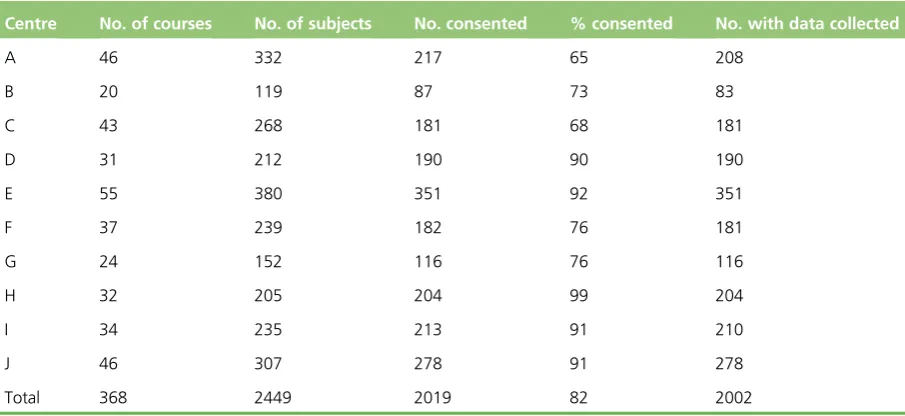
TABLE 1 Number of DAFNE courses run, number of subjects attending, number and percentage consenting to the research database study and number with any data collected at baseline by research database centre, December 2008–March 2013 12 TABLE 2 Number of subjects with 12-month post-DAFNE data collection due, and number and percentage with any data actually collected and entered by
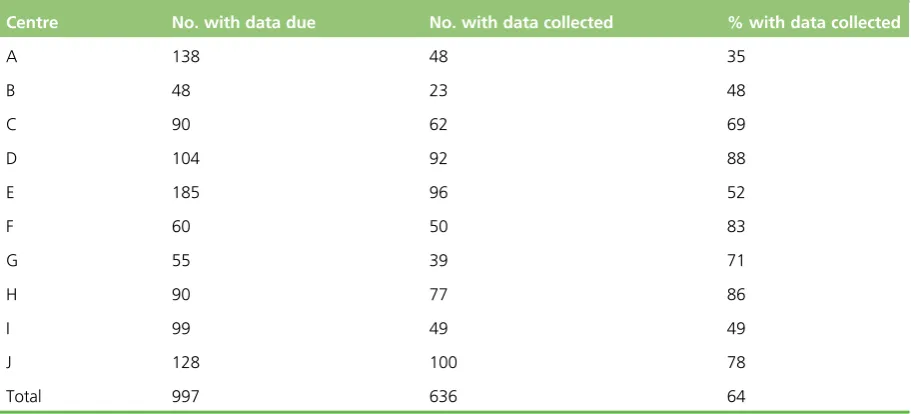
research database centre, up to the end of March 2013 13
TABLE 3 Number of subjects with 24-month post-DAFNE data collection due, and number and percentage with any data actually collected and entered by
research database centre, up to the end of March 2013 13
TABLE 4 Number of subjects with 36-month post-DAFNE data collection due, and number and percentage with any data actually collected and entered by
research database centre, up to the end of March 2013 14
TABLE 5 Clinical and demographic characteristics of study participants 25
TABLE 6 The DAFNE psychosocial qualitative sample: demographic
characteristics, domestic arrangements and glycaemic indicators of 30 adult
patients recruited to the interview study 27
TABLE 7 Baseline summary statistics of participants 48
TABLE 8 Mean change in HbA1cacross the entire trial cohort and for patients
with a baseline HbA1cof≥7.5% 49
TABLE 9 Per-protocol and ITT analyses of change in HbA1c 49
TABLE 10 Per-protocol analysis of change in secondary outcomes 50
TABLE 11 Per-protocol analysis of change in PAID scores 51
TABLE 12 Per-protocol analysis of change in HADS scores 51
TABLE 13 Per-protocol analysis of change in CIDS scores 51
TABLE 14 Per-protocol analysis of change in DSQOLS scores 52
TABLE 15 Per-protocol analysis of change in HFS-W scores 52
TABLE 16 Per-protocol analysis of change in EQ-5D scores 53
TABLE 17 Characteristics of study participants (qualitative substudy) 53
TABLE 18 Baseline demographics 62
TABLE 19 Baseline demographic, biomedical, and anxiety and depression score
TABLE 20 Demographic, biomedical, and anxiety and depression score data for
participants in the DAFNE-HART pilot study: baseline and 3 months’follow-up 75 TABLE 21 Demographic characteristics of the 17 patients who declined to take
part in DAFNE-HART but who agreed to participate in an interview to discuss
their reasons for declining 76
TABLE 22 Demographic characteristics of the 21 patients who took part in
DAFNE-HART and were interviewed 76
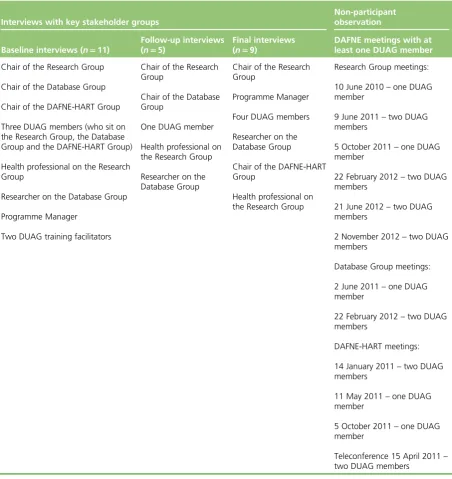
TABLE 23 Data collection points for the evaluation of user involvement 83
TABLE 24 Information on characteristics of DUAG members 84
TABLE 25 Comparison of the impact of diabetes complications on utilities between data on type 2 diabetes from Clarkeet al.172and Alvaet al.174and
DAFNE baseline data on type 1 diabetes 96
TABLE 26 Comparison of the impact of diabetes complications on utilities between data on type 2 diabetes from Bagust and Beale175and DAFNE baseline
data on type 1 diabetes: OLS models 97
TABLE 27 Average marginal effects for the longitudinal analysis of utility
decrements using random-effects Tobit models 99
TABLE 28 Comparison of the Sheffield Type 1 Diabetes Policy Model, the IMS
CORE model and the EAGLE model 103
TABLE 29 Annual probability of microvascular events 104
TABLE 30 Probability of different cardiovascular events 106
TABLE 31 Probability of dying from cardiovascular events 106
TABLE 32 Negative binomial models of the annual number of severe
hypoglycaemic and DKA episodes 107
TABLE 33 Base-case utility parameters 109
TABLE 34 Base-case health state and transition costs 110
TABLE 35 Results of second-order validation against source data for event rates 113
TABLE 36 List of model versions and key changes 114
TABLE 37 Breakdown of the cost of the DAFNE programme 115
TABLE 38 Regression for the 12-month HbA1ctreatment effect from the original
RCT: DAFNE training arm only 116
TABLE 39 Regression for the 44-month HbA1ctreatment effect controlling for
baseline and 12-month HbA1cfrom the original RCT: DAFNE training arm only 116
TABLE 40 Regression for the 6-month HbA1ctreatment effect from the original
RCT: DAFNE training and no DAFNE training arms 116
TABLE 41 Regression for the 12-month HbA1ctreatment effect from the
research database 116
TABLE 42 Baseline characteristics of the simulated patients (n=5000) based on
the original DAFNE RCT participants and the research database DAFNE participants 117
TABLE 43 Economic evaluation of DAFNE education vs. no DAFNE education in
the original trial population using evidence of effect from the RCT 119
TABLE 44 Sensitivity analysis results for the economic evaluation of DAFNE
education vs. no DAFNE education in the original RCT population 122
TABLE 45 Economic evaluation of DAFNE education vs. no DAFNE education in the DAFNE participants research database using evidence of effect from the
research database 123
TABLE 46 Sensitivity analysis results for the economic evaluation of DAFNE
education vs. no DAFNE education in the DAFNE participants research database 125
TABLE 47 Regression for 12-month HbA1ctreatment effect from the 5 × 1-day
RCT: 1-week and 5-week arms 128
TABLE 48 Within-trial analysis summary for the DAFNE 5 × 1-day RCT 128
TABLE 49 Economic evaluation of 1-week vs. 5-week DAFNE education using
evidence from the DAFNE 5 × 1-day RCT 129
TABLE 50 Utility parameters used in version 1.1 of the Sheffield Type 1 Diabetes
Policy Model 134
TABLE 51 Scenario analyses conducted with the adapted Sheffield Type 1
Diabetes Policy Model 135
TABLE 52 Final multiple linear regression model of the 12-month HbA1cvalue on
baseline predictors (model A) 136
TABLE 53 Final multiple linear regression model of absolute change in HbA1c
level on baseline predictors (model B) 136
TABLE 54 Final logistic regression model of‘response to DAFNE’on baseline
predictors (model C) 136
TABLE 55 Results from the final logistic regression model of‘response to DAFNE’
on baseline predictors (model D) 136
TABLE 56 Final multiple linear regression model of absolute change in HbA1c
TABLE 57 Final logistic regression model of‘response to DAFNE’on initial
change predictors (model F) 137
TABLE 58 Results from the final logistic regression model of‘response to DAFNE’
on initial change predictors (model F) 137
List of figures
FIGURE 1 Flow chart documenting recruitment and study follow-up rates 22
FIGURE 2 The DAFNE study consent flow chart 24
FIGURE 3 Consolidated Standards of Reporting Trials diagram: participant flow
through the DAFNE 5 × 1-day RCT 47
FIGURE 4 Randomised allocation of courses in the three centres (A, B and C) 59
FIGURE 5 Consolidated Standards of Reporting Trials diagram: participant flow
though the trial 61
FIGURE 6 Comparison of the DAFNE-HART population with the UK
DAFNE population 79
FIGURE 7 Structure of the Sheffield Type 1 Diabetes Policy Model 102
FIGURE 8 The cost-effectiveness of DAFNE education vs. no DAFNE education in
the original RCT population on the cost-effectiveness plane 121
FIGURE 9 Cost-effectiveness acceptability curve: the probability that DAFNE education is cost-effective compared with no DAFNE education in the original
RCT population at different willingness-to-pay thresholds 121
FIGURE 10 The cost-effectiveness of DAFNE education compared with no DAFNE
education in the research database population on the cost-effectiveness plane 126
FIGURE 11 Cost-effectiveness acceptability curve: the probability that DAFNE education is cost-effective compared with no DAFNE education in the original
RCT population at different willingness-to-pay thresholds 126
FIGURE 12 The cost-effectiveness of 1-week vs. 5-week DAFNE training using
evidence from the DAFNE 5 × 1-day RCT on the cost-effectiveness plane 131
FIGURE 13 Cost-effectiveness acceptability curve: the probability that the DAFNE 1-week arm is cost-effective compared with the DAFNE 5-week arm in the
DAFNE 5 × 1-day RCT population at different willingness-to-pay thresholds 131
FIGURE 14 The cost-effectiveness of DAFNE education vs. no DAFNE education
on the cost-effectiveness plane 138
FIGURE 15 The cost-effectiveness of providing DAFNE education only to predicted
responders vs. current practice presented on the cost-effectiveness plane 138
FIGURE 16 The cost-effectiveness of providing a follow-up intervention costing
£150 vs. current practice presented on the cost-effectiveness plane 139
FIGURE 17 The cost-effectiveness of providing a follow-up intervention costing
List of boxes
BOX 1 Self-report questionnaires used in the DAFNE-HART study 70
List of abbreviations
BGAT Blood Glucose Awareness Training
BMI body mass index
CGM continuous glucose monitoring
CI confidence interval
CICS Corporate Information and Computing Services
CIDS Confidence in Diabetes Self-Care
CP carbohydrate portion
CSII continuous subcutaneous insulin infusion
CVD cardiovascular disease
DAFNE Dose Adjustment For Normal Eating
DAFNE 5 × 1 day
randomised controlled trial of DAFNE training delivered for 5 continuous days over 1 week vs. DAFNE training delivered for 1 day per week for 5 continuous weeks
DAFNE-HART Dose Adjustment For Normal Eating Hypoglycaemia Awareness Restoration Training
DCCT Diabetes Control and Complications Trial
df degrees of freedom
DIG-AMI Diabetes mellitus Insulin-Glucose Infusion in Acute Myocardial Infarction
DKA diabetic ketoacidosis
DSQOLS Diabetes-Specific Quality of Life Scale
DUAG Dose Adjustment For Normal Eating Users Action Group
DUG Dose Adjustment For Normal Eating User Group
EDIC Epidemiology of Diabetes Interventions and Complications
eGFR estimated glomerular filtration rate
EQ-5D European Quality of Life-5 Dimensions
EQ VAS European Quality Visual Analogue Scale
ESRD end-stage renal disease
FIIT flexible intensive insulin therapy
GEE generalised estimating equation
GP general practitioner
HADS Hospital Anxiety and Depression Scale
HADS-A Hospital Anxiety and Depression Scale–anxiety
HADS-D Hospital Anxiety and Depression Scale–depression
HbA1c glycated haemoglobin
HDL high-density lipoprotein
HFS-W Hypoglycaemia Fear Survey Worry subscale
HTA Health Technology Assessment
ICC intracluster correlation coefficient
ICER Incremental cost-effectiveness ratio
ITT intention to treat
ITTP Insulin Treatment and Training Programme
LDL low-density lipoprotein
MDI multidose injection (insulin)
MI myocardial infarction
NIHR National Institute for Health Research
NPH neutral protamine Hagedorn
NTCRN North Trent Cancer Research Network
OLS ordinary least square
PAID Problem Areas in Diabetes
PMD Personal Models of Diabetes
PPI patient and public involvement
PROM patient-reported outcome measure
PSA probabilistic sensitivity analysis
QALY quality-adjusted life-year
QoL quality of life
RCT randomised controlled trial
RE-AIM Reach, Efficacy, Adoption Implementation, Maintenance
REPOSE Relative Effectiveness of Pumps Over MDI and Structured Education
RfPB Research for Patient Benefit
RQ research question
ScHARR School of Health and Related Research
SCI-R Self-Care Inventory–Revised
SD standard deviation
SF-6D Short Form questionnaire-6 Dimensions
SF-12 Short Form questionnaire-12 items
SF-36 Short Form questionnaire-36 items
SMBG self-monitoring of blood glucose
SMQ self-management questionnaire
SSQ6 6-item Social Support Questionnaire
UKPDS UK Prospective Diabetes Study
WESDR Wisconsin Epidemiology Study of Diabetic Retinopathy
WHO-5 World Health Organization 5-item questionnaire
WTE whole-time equivalent
Plain English summary
M
any adults with type 1 diabetes cannot manage their diabetes effectively because they lack the skills to keep their glucose at near-normal levels. The result is an increased risk of premature death and complications because of long-term high glucose levels. This prompted our group to conduct the Dose Adjustment For Normal Eating (DAFNE) trial in 2002, which showed that structured training could help adults to self-manage their glucose more successfully. Over 20,000 people have been trained and the Department of Health have stated that all individuals with diabetes in the UK should be offered structured education.However, courses do not always work well to help people improve their blood glucose levels. We therefore investigated why some patients benefit more than others and identified barriers that would help us to develop more effective programmes.
We found that courses often fail to help participants make these skills part of their everyday lives and skills were not maintained; DAFNE graduates often needed professional support in a more structured way. We developed a course to be delivered over 1 day per week for 5 weeks and will now offer both approaches to allow more people to be trained. We developed courses to train people to use insulin pumps and to help people whose blood glucose goes too low. We also found that people with diabetes made important contributions to the research but might be more effective if involved earlier.
Scientific summary
Background
Many people with type 1 diabetes develop severe microvascular complications and experience premature death from cardiovascular disease. The human cost in terms of loss of quantity and quality of life (QoL) is matched by the economic consequences. Around 2–3% of those with diabetes in the UK currently account for 10% of the NHS budget. The annual UK cost for managing kidney disease is around £150M in type 1 diabetes.
Keeping blood glucose close to non-diabetic levels reduces microvascular complications. In the Diabetes Control and Complications Trial, a reduction in glycated haemoglobin (HbA1c; a measure of glucose
control) of 2% halved the risk of diabetic complications. However, this evidence did not initially lead to improved clinical practice in the UK.
The main reason that tight metabolic control is difficult to achieve is that current methods of insulin delivery cannot reproduce physiological insulin release by the pancreas. Furthermore, the relentless behavioural and technical demands of calculating appropriate doses of insulin and adjusting for different situations (e.g. stress, exercise, carbohydrate consumption), attempting to reproduce normal physiology (in which correct amounts are released automatically), are very challenging. Using injected insulin to control glucose levels aggressively is also hazardous, with increased risks of hypoglycaemia, although the rewards are a reduced chance of microvascular complications and a prolonged life expectancy.
Despite these limitations, insulin therapy can control blood glucose effectively if patients can integrate different principles, including (1) understanding the effects of insulin, (2) appreciating which foods raise blood glucose and by how much, (3) recognising and treating hypoglycaemia and (4) anticipating exercise. Diabetes health-care professionals understand these principles and the crucial test is whether they can teach them to patients. In the 1980s the Düsseldorf Diabetes Centre developed a 5-day structured training programme in intensive self-management using these principles, which demonstrated markedly improved glucose control yet reduced hypoglycaemia.
In 2002, a multidisciplinary team, based in three centres and part of the group undertaking the work of this report, completed the Dose Adjustment For Normal Eating (DAFNE) trial, a randomised controlled trial (RCT) of the German intervention adapted for the UK. There were major improvements in QoL, sustained for up to 12 months (despite increased injections and blood tests), and falls in HbA1cof 1.0%
at 6 months and 0.5% at 12 months.
These results had a profound impact on the management of type 1 diabetes in the UK. They prompted the National Institute for Health and Care Excellence to evaluate structured education models in diabetes, acknowledging that the DAFNE approach, together with the German programmes, appeared to be effective. The approach was identified as one of the few interventions in type 1 diabetes that met criteria agreed by a Department of Health working group into structured diabetes education. This led to the formation of the DAFNE collaborative, with courses delivered to>27,000 adults in>70 centres across the UK and Ireland. There is an active user group, two members of whom sit on the executive; other patients have constructed an online website offering support, including an area where patients can obtain professional advice.
A review of the original DAFNE cohort showed that, after 4 years, the HbA1clevel was only 0.2% below
Objectives
The aim of the study was to use the DAFNE collaborative as a research test-bed to improve complex educational interventions for the management of type 1 diabetes and other long-term conditions.
Our objectives were to:
1. Develop an electronic database to record outcomes and progress in adults with type 1 diabetes undertaking structured education.
2. Undertake psychosocial studies to determine factors explaining why individuals do well or badly after structured education using linked qualitative and quantitative approaches. We aimed to:
i. identify which aspects of the complex intervention do and do not promote improved biomedical and psychosocial outcomes
ii. establish why some patients benefit more from DAFNE training than others
iii. identify factors that explain why improved glycaemic control following DAFNE training tends to decline over time.
3. Undertake two RCTs (one pilot) to improve self-management and develop an additional intervention to address glycaemic outcomes.
4. Utilise user involvement to develop more effective interventions.
5. Measure the cost-effectiveness of interventions over the short and long term.
Objective 1: to develop an electronic database to record outcomes and progress, and explore whether or not it was possible to collect research data routinely in busy units
We constructed a database to record clinical outcomes and support other workstreams. Data were
collected at baseline and annually on demographic, biomedical, health-related and psychosocial outcomes. From December 2008 we enrolled 2002 patients, 82% of whom were eligible. Follow-up data collection rates at 12, 24 and 36 months were 79%, 71% and 62%, respectively, at December 2013.
We established that creating a high-quality research database was feasible within clinical practice to evaluate educational interventions but to do this effectively requires additional administrator support and/or routine electronic data capture and input.
Objective 2: to undertake psychosocial studies to determine factors and experiences that explain why individuals do well or badly after
DAFNE training
A combination of qualitative (interview and observation) and quantitative (questionnaire) assessment methods were employed with 262 adults with type 1 diabetes before commencing DAFNE training and at 1 year. The quantitative model developed in this study, based on social learning theory, explained between 14% and 20% of the variance in HbA1cand between 28 and 62% of the variance in
diabetes-specific QoL, over 1 year. Thus, demographic and psychosocial characteristics showed minimal explanatory power for glycaemic control but good explanatory power for diabetes-specific QoL. Qualitative data suggest that assessing numeracy, critical for insulin dose adjustment and carbohydrate counting, would help to determine whether or not additional training and support are required both before and during structured education. Analyses showed that, although DAFNE courses imparted knowledge and skills, they were less effective at helping participants establish key self-management practices such as regular diary keeping. Revising course curricula may facilitate the complex, ongoing behaviour change required to achieve effective self-management. Technological innovations to reduce the complexity and provide support while facilitating behaviour change domains are important areas to develop.
Objective 3: to undertake two randomised controlled trials (one pilot) to improve self-management of type 1 diabetes and develop an intervention for patients with hypoglycaemia problems
Developing and evaluating a course delivered for 1 day per week over 5 weeks
This was designed as a non-inferiority RCT. Adults with type 1 diabetes were randomised to receive either a standard 1-week DAFNE course or a 5-week DAFNE course. An embedded qualitative study helped understand and interpret outcomes. In total, 213 patients were randomised in seven centres across England and 160 completed the study procedures. For patients with a baseline HbA1cof>7.5%, the mean change
was–0.20% at 6 months (p=0.016) and–0.18% at 12 months (p=0.055). Severe hypoglycaemic episodes fell by 82% in the 12 months after DAFNE training compared with the 12 months before
(estimated relative risk 0.18;p=0.04). Psychosocial outcomes improved significantly by 6 months and were maintained at 12 months. For all outcomes the difference between treatment arms was not significant. Qualitative interviews revealed that patients overwhelmingly preferred the format that they received. In conclusion, there were no major differences in outcomes between the 5-week course and the 1-week-course; glycaemic control improved less than in the original trial but severe hypoglycaemia was reduced. As participants valued both formats highly, and some found it easier to attend one type than the other, we will provide both in the future.
Feasibility/pilot study of a 5-day course providing both DAFNE and insulin pump training
We conducted a pilot feasibility study exploring the potential of a trial in which participants were randomised to DAFNE training involving either multiple insulin injections [multidose injection (MDI)] or insulin pumps. DAFNE educators developed a 5-day curriculum incorporating both DAFNE principles and the skills necessary to use a pump. Of 160 eligible individuals, 55 were randomised to either the pump course or the MDI course, of whom 47 both completed the course and attended the 6-month follow-up. HbA1clevels improved in those attending the pump course, comparable to improvements in the original
trial; severe hypoglycaemia was reduced and psychosocial outcomes improved. Participants generally remained on their allocated therapy over 6 months.
This pilot demonstrated the feasibility of the proposed full multicentre RCT, including a robust power calculation for the primary end point, and helped in obtaining Health Technology Assessment (HTA) programme funding for the full trial.
Developing an additional intervention for patients who experience
hypoglycaemic problems after DAFNE training: DAFNE-HART (Hypoglycaemia Awareness Restoration Training)
Following recognition of the importance of hypoglycaemia to patients on the DAFNE programme in the psychosocial studies (seeObjective 2: to undertake psychosocial studies to determine factors and experiences that explain why individuals do well or badly after DAFNE training), we collaborated with the diabetes research programme at King’s College Hospital, London, in the design and piloting of a 6-week intervention that emphasised hypoglycaemia avoidance and addressed unhelpful beliefs concerning unawareness, incorporating motivational enhancement and cognitive–behavioural approaches. In total, 24 people with type 1 diabetes, impaired hypoglycaemia awareness and problematic hypoglycaemia attended pilot courses and were reviewed 3 months later. One was lost to follow-up. In the remaining 23, the Gold score (a measure of unawareness) improved (from 5.5 to 4.4;p<0.001). The annualised rate of severe hypoglycaemia fell from a median (range) of 3.5 (0–70) to 0 (0–40) (p=0.14), with a fall in moderate episodes from 14 (0–100) to 1 (0–11) per 6 weeks. Depression scores (Hospital Anxiety and Depression Scale) improved (from 5.4 to 4.6;p=0.04) and HbA1cremained stable. We conclude that this intervention
Objective 4: to utilise user involvement to develop more effective interventions
Dose Adjustment For Normal Eating graduates were represented on different workstreams through the Dose Adjustment For Normal Eating Users Action Group (DUAG). DUAG consists of DAFNE graduates from across the country who have volunteered to contribute to further aspects of DAFNE work. This includes the creation of a website (DAFNE-online), liaison and representation on the DAFNE executive (which administers and supports the DAFNE collaborative) and participating in different research activities. The latter includes the DAFNE programme grant work and the trial of insulin pumps funded by the HTA programme [the Relative Effectiveness of Pumps Over MDI and Structured Education (REPOSE) trial].
A longitudinal evaluation of their impact on the research programme was undertaken, including an evaluation of the initial training provided. We used a mixed-methods approach including (1) semistructured interviews and (2) non-participant observation at DAFNE meetings where users were present.
User involvement in the DAFNE research programme was not maximised because participants were not involved at the grant-writing stage and some DUAG members found it difficult to represent the spectrum of DAFNE participants.
Findings suggest that, if users are assigned to different workstreams, it is preferable to assemble the group first and deliver training on research methods later. This allows users to bond while the research team and users establish training needs.
The DUAG members gave important support to the work of the DAFNE-HART and 5 × 1-day trials. This included developing participant information and discussing inclusion and exclusion criteria while emphasising the contributions that service users can make.
At DUAG’s request, users were not paid for their time but received expenses. The resulting difficulty in obtaining time off work might explain why users could not attend all meetings. In future programme grants, investigators should cost users’time to maximise attendance.
Objective 5: to use economic evaluation to assess the cost-effectiveness of interventions over the short and long term
The health economics workstream included development of a health economic model of type 1 diabetes, the re-estimation of the cost-effectiveness of DAFNE training compared with no DAFNE training using the new model, estimation of the cost-effectiveness of 5-week compared with 1-week DAFNE training and integration of psychological and behavioural characteristics into the model.
The key conclusions were that DAFNE training is cost-effective compared with no education, even with limited HbA1cbenefit, and that the 1-week and 5-week versions of the course have similar cost-effectiveness.
Other results include a set of health-related QoL values for people with type 1 diabetes with varying degrees of diabetes-related complications and that predicting HbA1cresponse to DAFNE training from individuals’
psychosocial characteristics and restricting access to training based on these predictions would not be cost-effective. The Sheffield Type 1 Diabetes Policy Model can be used to answer future policy questions relating to the treatment and self-management of type 1 diabetes.
Key conclusions
1. DAFNE training confers major benefits in improving different aspects of QoL and is highly valued by participants but is less effective in improving and sustaining blood glucose control in the UK than in other European health-care systems.
2. Courses do not always help participants to instil and habituate key self-management practices such as
3. DAFNE graduates need structured professional support following training, which is currently unavailable or is provided ad hoc.
4. Demographic and psychosocial characteristics have minimal explanatory power in terms of predicting glycaemic control but good explanatory power regarding prediction of diabetes-specific QoL over 1 year of follow-up after DAFNE training attendance.
5. There were no major differences in outcomes between the 5-week and the 1-week DAFNE courses; glycaemic control improved by less than in the original DAFNE trial but severe hypoglycaemia was reduced.
6. The insulin pump pilot study demonstrated the feasibility of the proposed full multicentre RCT, including a robust power calculation for the primary end point. It also contributed to the success in obtaining HTA funding for the full trial.
7. The DAFNE-HART intervention may help individuals with impaired hypoglycaemia awareness to reduce the risk of hypoglycaemia.
8. DAFNE is a cost-effective intervention compared with no structured education (indeed, cost-saving in the majority of our analyses), even with limited HbA1cbenefit, and this supports its provision by the
NHS to people with type 1 diabetes in the UK. The 1-week and 5-week versions of the course have similar cost-effectiveness.
9. User involvement was particularly useful in contributing to the trials but could have been maximised by involving users at the grant-writing stage. Training for users should be delayed until their participation is established. In future programme grants, investigators may need to ensure resource for users’time to maximise attendance.
10. It is feasible to run a research database of quality within clinical practice to evaluate self-management interventions such as DAFNE training but to do this effectively requires additional administrator support and/or routine electronic data capture and input.
Proposals for future work
1. Perhaps the most important finding of this programme was that teaching the rationale and skills of flexible intensive insulin therapy in a stand-alone intervention was insufficient to ensure that most individuals initiate and sustain effective self management. We now strongly believe that long-term conditions need integrated skills training and structured lifelong professional support. Thus, structured education in self-management needs to include a package that instils the principles of self-management and then supports individuals and their families to achieve success. This should be applied to other long-term conditions.
2. We should modify the current DAFNE curriculum to incorporate the emerging understanding of behaviour change to instil and habituate key self-management behaviour in addition to key competencies.
3. An assessment of numeracy, critical for insulin dose adjustment and carbohydrate counting, may help to identify the need for additional training/support.
4. Technological innovations to reduce the complexity of insulin dose calculations, record keeping and blood glucose pattern recognition combined with addressing behaviour change domains
(knowledge, motivation and goal-setting) are important areas to incorporate into improved educational interventions seeking to improve diabetes self-management.
5. Models of structured follow-up involving professionals warrant development and evaluation. Technological interventions may contribute to overcoming the barriers identified above and enable participants to incorporate effective self-management strategies and behaviours into their everyday lives. 6. We should seek funding to conduct a multicentre RCT of the DAFNE-HART intervention for individuals
with hypoglycaemia unawareness.
7. In future work we should ensure that users contribute to all elements of the research. This includes the different workstreams and how they should operate and the technological support needed.
Trial registration
This trial is registered as ClinicalTrials.gov NCT01069393.
Funding
Funding for this study was provided by the Programme Grants for Applied Research programme of the National Institute for Health Research.
Chapter 1
Introduction
Background
Many people with type 1 diabetes develop severe microvascular complications including kidney failure, foot ulceration and deteriorating vision, and experience premature death from cardiovascular disease (CVD). The human cost in loss of quantity and quality of life (QoL) is matched by the economic consequences. Around 2–3% of those with diabetes in the UK currently account for 10% of the NHS budget.1The annual UK cost for managing kidney disease amounts to around £150M in type 1 diabetes.2
Keeping blood glucose levels close to non-diabetic levels reduces microvascular complications. In the Diabetes Control and Complications Trial (DCCT),3a reduction in glycated haemoglobin (HbA
1c, a measure
of glucose control) of 2 percentage points halved the risk of diabetic complications. However, this evidence did not initially lead to improved clinical practice in the UK.
The main reason that tight metabolic control is difficult to achieve is that current methods of insulin delivery cannot reproduce physiological insulin release by the pancreas. Furthermore, the relentless behavioural and technical demands of having to calculate appropriate doses of insulin and adjust for different situations (e.g. stress, exercise, carbohydrate consumption) in a way that attempts to reproduce normal physiology (in which correct doses are released automatically) are very challenging. Using injected insulin to control glucose levels aggressively is also potentially hazardous, with an increased risk of hypoglycaemia,4,5although in the long term the rewards are a reduced chance of microvascular
complications and a prolonged life expectancy.
Despite these limitations, insulin therapy can control blood glucose effectively if patients can integrate different principles, including (1) understanding the effects of insulin, (2) appreciating which foods raise blood glucose and by how much, (3) recognising and treating hypoglycaemia and (4) anticipating exercise. Diabetes health-care professionals understand these principles and the crucial test is whether or not they can teach them to patients. In the 1980s the Diabetes Centre in Düsseldorf developed a 5-day structured training programme in intensive self-management using these principles, which demonstrated markedly improved glucose control yet reduced hypoglycaemia.6
In 2002, a multidisciplinary team, based in three centres and part of the group undertaking the work of this report, completed the Dose Adjustment For Normal Eating (DAFNE) trial,7a randomised controlled trial
(RCT) of the German intervention adapted for the UK. There were major improvements in QoL, sustained for up to 12 months (despite increased injections and blood tests), and falls in HbA1cof 1.0% at 6 months
and 0.7% at 12 months.
Principles of the complex educational intervention
An important skill taught in the DAFNE programme concerns the calculation of the fast-acting insulin dose, given before meals. The dose required is determined by estimating the carbohydrate content of the food about to be eaten in terms of the number of 10-g carbohydrate portions (CPs) and multiplying this by an individualised ratio of the number of insulin units to each CP (often 1 : 1). A correction to the insulin dose may also be required if the relevant pre-meal blood glucose level is above the target range. Additional adjustment may also be made if the participant anticipates other activities such as exercise. DAFNE diaries are provided so that blood glucose levels can be written down, along with the carbohydrate content of the meals eaten and the insulin doses used. These records are designed specifically to aid reflection and refine future insulin dose adjustment.
Courses
Individual courses are led by two trained educators (usually one diabetes nurse specialist and one dietitian) in a group setting with six to eight adults with type 1 diabetes. The courses are run over 5 days with the participants attending between 09.00 and 17.00 Monday to Friday. Courses are held in a large room. Some centres have a designated education room whereas other centres hold courses in community centres. Centres organising DAFNE courses are free to choose which of their patients attend, although those with serious complications, those with very poor blood glucose control (and who are probably missing insulin for psychological reasons) and those who have a poor command of English are generally excluded. The age of participants varies between 18 and 80 years and the duration of diabetes of those participating can range from newly diagnosed to>50 years. The curriculum has been built on adult education principles, emerging from the concept of therapeutic education (a principle advanced by Assal et al.8in the early 1980s), and adheres to the precept of social learning theory.9It encourages inclusivity
and participation and involvement by all.
Group feedback sessions on insulin adjustment and achieving target blood glucose levels take place at the beginning and end of each day. During the course, there are additional sessions on the simple pathophysiology of diabetes, insulin types and their duration of action, blood glucose monitoring, managing hypoglycaemia, diabetes complications, the purpose of the annual review and managing diabetes in special situations, for example illness, alcohol and exercise.
A group follow-up session is offered to participants at 6–12 weeks after each course (often poorly attended) but follow-up thereafter is not specified and is left to individual centres.
Quality control
The DAFNE educators are required to teach on at least one course every 6 months to maintain their skills and are intermittently peer reviewed by educators from other centres who have had additional training. DAFNE centres are audited on a 3-year cycle on the process of delivering the DAFNE programme and on local outcomes, particularly recorded changes in HbA1clevels.
Central organisation
The DAFNE programme is co-ordinated by a central organisation that is funded by annual payments from individual centres. DAFNE Central, hosted by North Tyneside General Hospital, is responsible for curriculum revision and training (all nurse/dietitian educators attend a 2-day course whereas doctors who support the DAFNE programme attend a 1-day workshop). The co-ordinating centre organises meetings of a DAFNE executive committee, carries out peer review for educators, conducts centre audits, supplies course materials, hosts a centralised database for audit of outcomes and hosts a website (see www.dafne.uk.com).
All participating DAFNE centres in the UK are invited to send representatives to the annual collaborative meeting, and regional educator meetings take place biannually. There is a patient support network called the Dose Adjustment For Normal Eating User Group (DUG) with a subgroup of elected representatives, the Dose Adjustment For Normal Eating User Action Group (DUAG), who nominate representatives to attend the DAFNE executive meetings and contribute to DAFNE planning and research development.
Outcomes
One of the principles underlying the DAFNE programme is that it is evidence based, quality assured and subject to audit. There is a commitment to ongoing research to improve diabetes education to benefit people with diabetes. DAFNE is not a fixed and unchanging educational package. Research and audit within the DAFNE organisation is facilitated by the programme being standardised, centrally organised and run collaboratively.
The results of the original trial had a profound impact on the management of type 1 diabetes in the UK. They prompted the National Institute for Health and Care Excellence (NICE) to evaluate structured education models in diabetes,10acknowledging that the DAFNE approach, together with the German
programmes, appeared to be effective. The approach was identified as one of the few interventions in type 1 diabetes that met criteria agreed by a Department of Health working group into structured diabetes education.11This led to the formation of the DAFNE collaborative, with courses delivered to>27,000
adults in>70 centres across the UK and Ireland. There is an active user group, two members of whom sit on the executive; other patients have constructed an online website offering support, including an area where patients can obtain professional advice.
Rationale for the research programme
Despite the success of the DAFNE project, important questions remain unanswered. Many patients cannot sustain the approach and, in others, HbA1cis unchanged or worsens after the course. These patients
need additional input besides skills training to undertake effective self-management, perhaps a different course or undertaking it after specific pre-course preparation. A review of the original DAFNE cohort showed that, after 4 years, the HbA1clevel was only 0.2% below the baseline level, although psychosocial
benefit was maintained.12These data and others showing that around half of DAFNE graduates remain
poorly controlled emphasised that developing the DAFNE intervention was just a start and that more research was needed to both improve the effectiveness of the intervention and to support patients to manage their diabetes more effectively.
To improve the DAFNE programme, and indeed diabetes education in general, patients’experiences needed to be better understood. We were unsure of the‘active ingredients’that foster (or hinder) improved self-care and/or QoL in complex educational interventions. We did not know which factors are critical (or incidental) to success. Delivering diabetes education to groups may be more effective than delivering diabetes education to individuals,13but the reasons for this remain unclear. Given our limited
understanding of how diabetes group education‘works’, we may not have been using the most appropriate measures for its evaluation. To explore the DAFNE‘black box’we needed to record patient characteristics and psychosocial variables alongside an in-depth exploration of the problems and challenges encountered in sustaining intensive self-management over time.
We recognise that type 2 diabetes is more common than type 1 diabetes and that the incidence of type 2 diabetes is increasing at a faster rate. However, when we initiated this work, the DAFNE collaborative was the only self-management programme for long-term conditions that has published evidence of effectiveness in a RCT and successfully rolled out care across the UK accompanied by a robust quality assurance programme with structured educator training and independent peer review. The work we proposed included a detailed exploration of factors determining success in a complex health educational intervention. Thus, we expected that the information gained from this approach would apply to both type 2 diabetes and other
long-term conditions.
Objectives
The aim of this research programme was to use the DAFNE collaborative as a research test-bed to improve complex educational interventions in the management of type 1 diabetes and other long-term conditions.
Our objectives were to:
1. Develop a database to record outcomes and progress in adults with type 1 diabetes undertaking structured education.
2. Undertake psychosocial studies to determine factors explaining why individuals do well or badly after structured education using linked qualitative and quantitative approaches. We aimed to:
i. identify which aspects of the complex intervention do and do not promote improved biomedical and psychosocial outcomes
ii. establish why some patients benefit more from DAFNE training than others
iii. identify factors that explain why improved glycaemic control following DAFNE training tends to decline over time.
3. Undertake two RCTs (one pilot) to improve self-management and develop an additional intervention to address glycaemic outcomes.
4. Utilise user involvement to develop more effective interventions.
5. Measure the cost-effectiveness of interventions over the short and long term.
Reports from the workstreams designed to address these objectives are presented inChapters 2–8. Linkages between workstreams are indicated in the text.