A STUDY TO EVALUATE THE EFFECTIVENESS OF GROUP
THERAPY ON DEPRESSION AMONG ALCOHOLICS AT A
SELECTED DE- ADDICTION CENTRE IN MADURAI.
M.Sc (NURSING) DEGREE EXAMINATION BRANCH –V MENTAL HEALTH NURSING JAINEE COLLEGE OF NURSING, DINDIGUL.
Registration Number: 681420537
A DISSERTATION SUBMITTED TO THE TAMILNADU
DR.MGR MEDICAL UNIVERSITY, CHENNAI,
IN PARTIAL FULFILLMENT FOR THE DEGREE OF
MASTER OF SCIENCE IN NURSING
ii
A STUDY TO EVALUATE THE EFFECTIVENESS OF GROUP
THERAPY ON DEPRESSION AMONG ALCOHOLICS AT A
SELECTED DE-ADDICTION CENTRE IN MADURAI.
M.Sc (NURSING) DEGREE EXAMINATION
BRANCH –V MENTAL HEALTH NURSING
JAINEE COLLEGE OF NURSING
DINDIGUL
REGISTRATION NUMBER: 681420537
External Examiner: Internal Examiner:
A DISSERTATION SUBMITTED TO THE TAMILNADU
DR.MGR MEDICAL UNIVERSITY, CHENNAI,
IN PARTIAL FULFILLMENT FOR THE DEGREE OF
MASTER OF SCIENCE IN NURSING
iii
A STUDY TO EVALUATE THE EFFECTIVENESS OF GROUP
THERAPY ON DEPRESSION AMONG ALCOHOLICS AT A
SELECTED DE- ADDICTION CENTRE IN MADURAI.
Approved by Dissertation committee on
Expert in Nursing Research: _____________________
Prof. THILAGAVATHI, M.Sc., (N), Ph.D.,
Department of Mental Health Nursing, Principal
Jainee College of Nursing, Dindigul.
Expert in Clinical Specialty: _____________________
Prof. THILAGAVATHI, M.Sc., (N), Ph.D.,
Professor Cum HOD
Department of Mental Health Nursing, Jainee College of Nursing,
Dindigul.
Medical Expert: _____________________
Dr.M.RAJIVI NANDA M.B.B.S., M.D.,(PSY) Reg.No.70318
Maruti Multi-Specialty Hospital, Iyer Bungalow,
Madurai-14
A DISSERTATION SUBMITTED TO THE TAMILNADU
DR.MGR MEDICAL UNIVERSITY, CHENNAI,
IN PARTIAL FULFILLMENT FOR THE DEGREE OF
MASTER OF SCIENCE IN NURSING
iv
CERTIFICATE
This is to certify that this dissertation titled, “A STUDY TO EVALUATE THE EFFECTIVENESS OF GROUP THERAPY ON DEPRESSION AMONG
ALCOHOLICS AT SELECTED DE-ADDICTION CENTRE IN MADURAI” is
a bonafide work done by Mrs.THULASI, M.Sc (N) Student, Jainee College of Nursing, Dindigul, submitted to THE TAMILNADU DR.M.G.R. MEDICAL UNIVERSITY, CHENNAI in partial fulfillment of the university rules and regulations towards the award of the degree of MASTER OF SCIENCE IN NURSING, Branch
V, Mental Health Nursing, under our guidance and supervision during the academic
period from 2016—2018.
Prof. THILAGAVATHY, M.Sc., (N), Ph.D., Principal
v
CERTIFICATE
This is to certify that this dissertation titled, “A STUDY TO EVALUATE THE EFFECTIVENESS OF GROUP THERAPY ON DEPRESSION AMONG
ALCOHOLICS AT SELECTED DE-ADDICTION CENTRE IN MADURAI” is
a bonafide work done by Mrs.THULASI, M.Sc (N) Student, Jainee College of Nursing, Dindigul, submitted to THE TAMILNADU DR.M.G.R. MEDICAL UNIVERSITY, CHENNAI in partial fulfillment of the university rules and regulations towards the award of the degree of MASTER OF SCIENCE IN NURSING, Branch
V, Mental Health Nursing, under our guidance and supervision during the academic
period from 2016—2018.
Name & Signature of the Guide: _________________________________ Prof. THILAGAVATHY, M.Sc., (N), Ph.D., Department of Mental Health Nursing (HOD) Jainee College of Nursing
vi
ACKNOWLEDGEMENT
“Acknowledge him in all your ways and he shall direct your paths”-Pro: 3:6
First and foremost I thank and praise the almighty god for giving me all the wisdom, knowledge, strength and guidance to complete this study successfully.
It is my pleasure and heartful thanks to Mr. SUKUMAR, Chairman of Jainee College of Nursing for encouragement and support to carry out the work successfully.
“Things do not turn up in this world until somebody turns them up”. I extend my thanks to our most honoured personality Prof. K. THILAGAVATHY, Ph.D., Principal, Jainee College of Nursing for the acceptance and approval of the study.
I extend my sincere thanks to Prof. THILAGAVATHY, M.Sc. (N)., Ph.D.,
and Head of the Department of Mental Health Nursing Principal, Jainee College of
Nursing, for valuable guidance and support to carry out the dissertation work successfully, “The impossible becomes, to the endowed with resource fullness”.
It’s my pleasure and heartful thanks to Mrs. MAGESWARI, M.Sc., (N) Department of Obstetrical Gynecological nursing for Jainee College of Nursing Dindigul for her valuable support to carry out the dissertation work successfully.
vii
It’s my privilege to express my gratitude and heartfelt thanks to Mrs. RANJITHAM, B.Sc., (N), Nursing tutor, Jainee College of Nursing for her
timely help to carry out the dissertation work successfully.
It’s my pleasure and heartful thanks to Mr. M. PRAKASH, M.Com. M.B.A., Administrative Officer, Jainee College of Nursing, for help me to complete my work.
I extend my sincere thanks to teaching and non-teaching staffs, Jainee College of Nursing, for help me to complete my work.
I owe my special thanks to Librarian Mrs. P.V. GANDHIMATHI, Jainee College of nursing, Dindigul who helped me to get the references for my topic.
I owe my sincere thanks to Dr.M.RAJIVI NANDA M.B.B.S., M.D.,(PSY) Maruti Multi-Specialty Hospital, Chief Doctor in Madurai for their co-operation and permitting me to conduct this study in the school. I thank all the students who participated in this study.
I owe my sincere thanks to Dr. GNANESWARAN, M.S. (Psy. Therapy) Doctor in Wisdom Trust Hospital,Madurai for their co-operation and permitting me to conduct this study in the school. I thank all the students who participated in this study.
I extend my sincere thanks to Mr. MANI,Bio Statistician for his expert advice and guidance in the course of analyzing various data involved in this study.
I’ also thank to Dr. G. JEYA JEEVAKANI, M.A., M.Phil., Ph.D., (English), translating and editing the manuscript in English.
viii
My gratitude to THE SUBJECT EXPERTS OTHER NURSING
INSTITUTIONS AND DOCTORS for validating the tool used in the study. There
were kind encouraged to go through the tool and showed the right direction to process. My heartful thanks the COMPUTER OPERATORS, for helping me to complete the study successfully.
There is no word to thank my dear and ever loving parents, my father
Mr.Gunasekaran, who is no more in the world and my living God my mother Mrs. Bhama, and my dear brother Mr. Lenin for their unselfish love, prayers, support
in each and every step of my life.
Partner are very essential for the life, I owe my special thanks to my life partner
Mr. Balamurugan, who supported and encouraged me in my studies.
I dedicate my dissertation to my daughter B. Tanvi and son B. Visagan, who insist me to do the study.
Most existing relationship I had in my life is friendship. “Friend in need is friend indeed”. You are a lucky person if you get good friends in your life. I am blessed to have friends who always understood and extended all their support beyond their capabilities just to make the bond of friendship stronger.
My hearty thanks to my Classmates for their guidance and co operation throughout this study.
I extend my thanks to my collage especially Mental Health Nursing postgraduate students and my lovable seniors.
Last but not least I thank all the students who participated in the study and also for their co-operation throughout the study.
ix
ABSTRACT
Title: A study to evaluate the effectiveness of group therapy on depression among alcoholics at a selected de-addiction centre in Madurai. Objectives: To assess level of depression comparing between the control and experimental before Interventation, to assess the level of depression comparing between control and experimental after Interventation, toassess the effectiveness between the control and experimental group, to assess the pre test associated between the demographical variable and level of depression. Hypotheses: There significant difference in the level of depression before and after group therapy among alcohol dependency, there is a statistically significant association between level of depression and demographic variable. Methodology: Quasi experimental research design (Pre-test and post-test control group design was used 60 adults were selected at de-addiction centre in Madurai, pre test was conducted on first day after obtaining consent, group therapy was given for 1 ½ hours daily in the morning for 10 consecutive days and post test on 11th day by using beck depression inventory scale. Findings: The group therapy improved the level of depression among alcoholics, there was a significant association between post test level of depression and adult age educational status, monthly income, amount of alcohol taken per day, occupational. Conclusion: The present study assessed the effectiveness of group therapy on depression among adults in selected in de-addiction centre in Madurai. The
result of the study concluded that group therapy has reduced the depression among
alcoholics, it will enhances an overall sense of will being as well as improvement in the
quality of life
x
TABLE OF CONTENTS
CHAPTER
NO TITLE
PAGE NO
1. INTRODUCTION
1.1 Need for the study 1.2 Statement of the problem 1.3 Objectives
1.4 Hypotheses
1.5 Operational definitions 1.6. Assumptions
1.7 Delimitations 1.8 Projected outcome
3 6 7 7 7 9 9 9
2. REVIEW OF LITERATURE
2. 1. Literature related to depression among alcoholics 2.2. Literature related to group therapy
2.3. Literature related to management technique 2.4 Conceptual frame work
16 21 26 31
3. RESEARCH METHODOLOGY
3.1 Research approach 3.2 Research design 3.3 Variables
3.4 Setting of the study 3.5 Population
3.6 Sample 3.7 Sample size
3.8 Sampling technique
3.9 Criteria for sample selection 3.10 Research tool and technique 3.11 Scoring Interpretation
xi CHAPTER
NO TITLE
PAGE NO 3.12 Reliability of the tool
3.13 Validity of the tool 3.14 Pilot study
3.15 procedure for data collection 3.16 Plan for Data analysis
3.17 Protection of human subjects
39 39 39 40 40 41
4. DATA ANALYSIS AND INTERPRETATION 43
5. DISCUSSION 73
6. SUMMARY AND CONCLUSION
6.1 Summary of the study 6.2 Major findings of the study 6.3 Conclusion
6.4 Implications for Nursing 6.5 Recommendations
81 82 83 83 85
REFERENCES 86
xii
LIST OF TABLES
TABLE
NO TITLE
PAGE NO
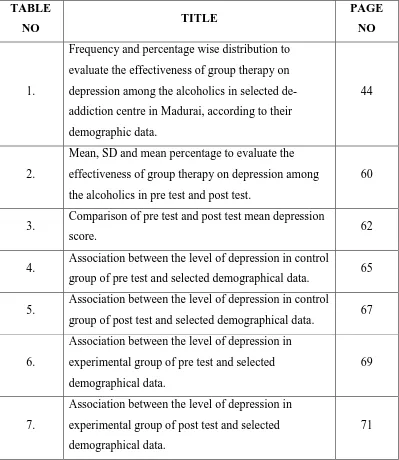
1.
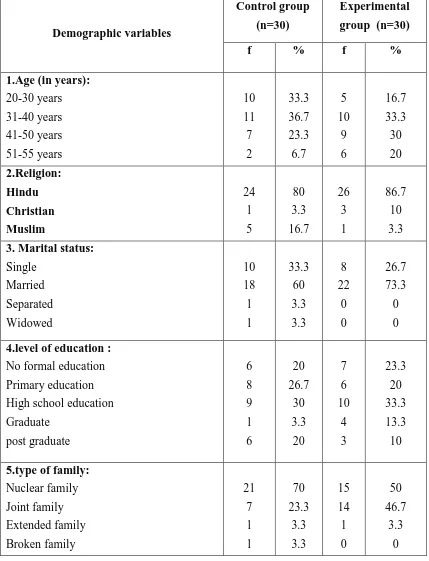
Frequency and percentage wise distribution to evaluate the effectiveness of group therapy on depression among the alcoholics in selected de-addiction centre in Madurai, according to their demographic data.
44
2.
Mean, SD and mean percentage to evaluate the effectiveness of group therapy on depression among the alcoholics in pre test and post test.
60
3. Comparison of pre test and post test mean depression
score. 62
4. Association between the level of depression in control
group of pre test and selected demographical data. 65 5. Association between the level of depression in control
group of post test and selected demographical data. 67
6.
Association between the level of depression in experimental group of pre test and selected demographical data.
69
7.
Association between the level of depression in experimental group of post test and selected demographical data.
[image:12.595.110.509.109.569.2]xiii
LIST OF FIGURES
S. NO. LIST OF FIGURES PAGE
NO
1. Conceptual framework. 34
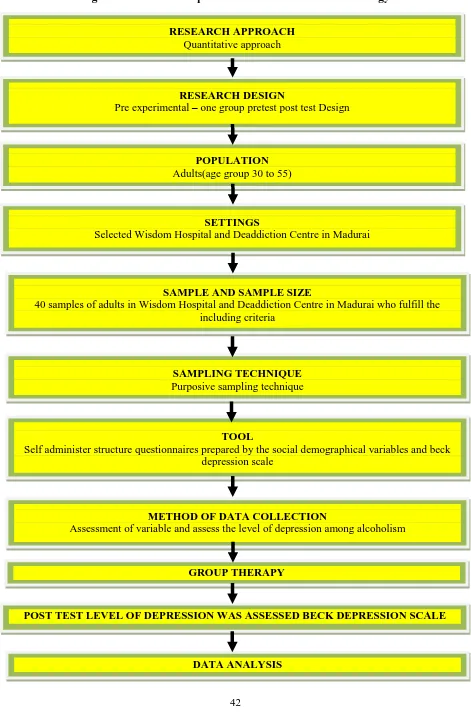
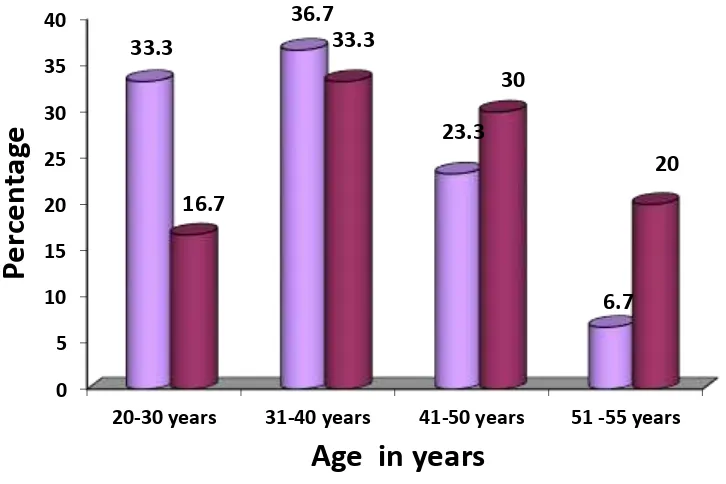
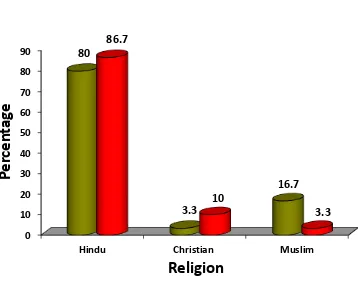
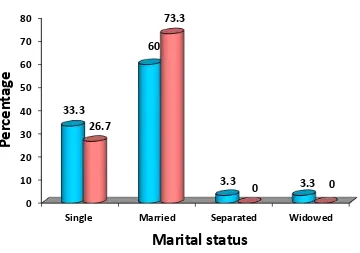
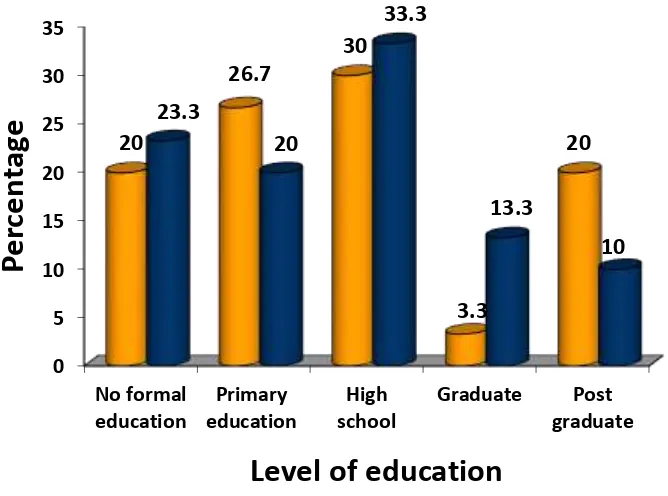
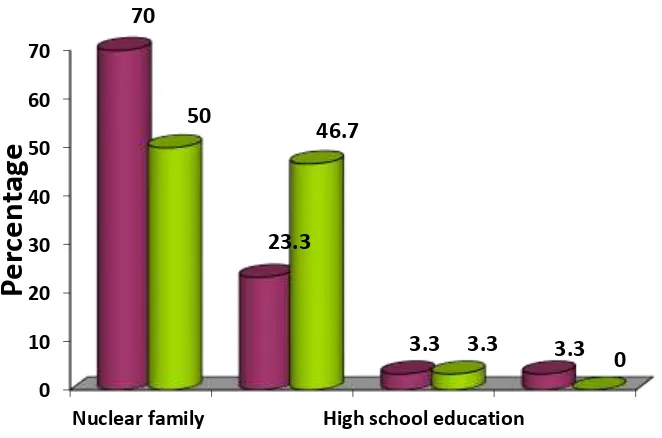
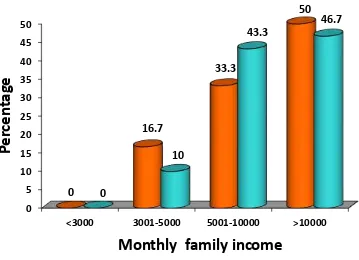
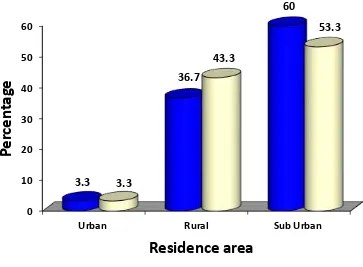
2. Schematic representation of the research Methodology. 42 3. Distribution of Adults according to Age. 48 4. Distribution of Adults according to religion. 49 5. Distribution of Adults according to marital status. 50 6. Distribution of Adults according to level of education. 51 7. Distribution of Adults according to types of family. 52 8 Distribution of Adults according to the family income. 53 9. Distribution of Adults according residential area. 54 10. Distribution of Adults according occupation. 55 11 Distribution of Adults according hobbies. 56 12. Distribution of Adults according amount of alcohol. 57
13. Distribution of Adults according no of years of drinking
alcohol. 58
xiv
LIST OF APPENDICES
S.
NO. LIST OF APPENDICES
PAGE NO I Letter seeking permission for validation of content and tool 91
II Content validity certificate 92
III Letter seeking and granting permission to conduct the pilot
study at Wisdom Hospital and de-addiction, Madurai. 94
IV Socio demographic data – English 96
V Research Tool - English 99
VI Socio demographic data – Tamil 104
VII Research Tool - Tamil 107
VIII English Editing Certificate 113
IX Tamil Editing Certificate 114
1 CHAPTER I
INTRODUCTION
“First the man takes a drink Then the drink takes a drink And then drink takes the man”
(Japanese proverb)
Alcoholism is a chronic disease manifested by repeated drinking that produces
injury to the drinker’s, health or to social or economic functioning. – Nambi, S.
Alcohol use can slide into abuse and then dependence. People who are
dependent on alcohol or drugs may build up tolerance and need increasing amounts to
feel the same effects. They may spend more time obtaining and using them, as well as
recovering from their effects. They may find themselves repeatedly unable to quit
using substances, even once they recognize that they have a problem. When they do
quit, they can go into withdrawal, which is sometimes life threatening.
Alcohol use is widely prevalent in Indian society and consequently results in
widespread losses in the form of injurious physical health outcomes like cirrhosis of
liver, heart disease, diabetes as well as leads to absenteeism, road traffic accidents and
various mental health and behavioural problems. Alcohol is one of the leading causes
of death and disability globally and the same is true for our country India. A total of
3.2% of deaths worldwide are caused by alcohol every year. As per World Health
Organization One fourth to One third of male population drinks alcohol in India and
neighbouring south Asian countries and the use amongst women in increasing.
Depression is a state of aversion even to daily activities or showing symptoms
like restlessness, disturbed sleep, extreme guilt, difficulties with concentration or
2
or behavioral problem. The World Health Organization(WHO) stated that
depression is the fourth leading cause of worldwide disease in causing more disability
than either coronary vascular disease or Cerebra vascular disease. By the year 2020,
depression is projected to reach second place ranking of Disability- Adjusted Life
Year (DALY) calculated for all ages and sex. Depression is an insidious disease &
difficult to recognize in children as they have higher rates of internalization &
symptoms are masked by depressive equivalents like hyperactivity aggressiveness and
irritability.
Alcohol Use Disorder is the continuous use of alcohol despite evidence of
harm and repeated attempts to cut down the use. It includes tolerance to alcohol which
means higher amount is needed progressively to have the same effect and a
characteristic cluster of mental and behavioural symptoms appearing when one does
not take alcohol i.e., withdrawal. Alcohol use disorder results in harm and damage to
one’s physical and mental health, affects one’s functioning at work and results in
relational conflicts and social and legal problems.
Prevalence and Extent of Problem in India
Alcohol use is quite common in India both in rural and urban areas with
prevalence rates as per various studies varying from 23% to 74% in males in general
and although it’s not that common in females but it has been found to be prevalent at
the rate 24% to 48 % in females in certain sections and communities.
In 2005 the estimated numbers of people using alcohol in India was 62.5
million with 17.4 % of them (10.6 million) having alcohol use disorder and of all
3
Alcoholism and drug addiction are diseases. The craving that an alcoholic or
addict feels for their substance of choice can be as strong as the need for food or
water. They will continue using despite serious family, health, or legal problems.
Alcohol and/or drug use doesn’t necessarily have to affect your ability to function
academically to be a problem. Consider also how it affects your health, relationships,
and overall behaviour. According to recent research by WHO, alcohol abuse or
dependence may increase a person’s risk for developing depression in the first place.
One explanation is that alcohol might trigger a genetic vulnerability for the disorder.
Also, because alcohol is a depressant, this may lead to depressed mood among people
who already abuse or depend on alcohol. Also, having a family member who’s
struggled with alcoholism or depression increases your risk for both disorders.
The relationship of alcohol and depression has always been a subject of
clinical and scientific interest. Though many studies have been carried out to clarify
the mode of this relationship it still remains in its complexity an area for further
research. The two basic ideas of a possible connection are on one hand symptomatic
alcoholism with a pre-existing depression and on the other hand alcoholism leading to
a symptomatic depression.
1.1 Need for study
Alcohol use is an important public health problem, especially in developing
countries like India. It is estimated that 20–40% of men between 15 and 60 years of
age consume alcohol regularly.3 In 2012, worldwide 3.3 million people die every year
due to harmful use of alcohol, representing 5.9% of all deaths. In India (May 2014),
WHO found that 32% of men and fewer than 11% of women over the age of 15 drink
4
around 30–50% of male suicides were under the influence of alcohol and many wives
have been driven to suicide by their alcoholic husbands. Alcoholism is a major public
health problem in Puducherry. studies have found that group therapy focusing on
social skills, coping styles education about the addiction, interpersonal dynamics and
the treatment of self deficits is useful in achieving and retaining recovery from
alcohol. Group therapy allows to learn from the experiences of others with similar
problems and also allow to better understand how people vary from one’s view about
the world and interact with others.
Cognitive- behavioral perspective has given the most influential theories about
roots, causes and treating of depression in recent years. The cognitive model of
depression was developed by Aaron Beck, a psychiatrist who became disenchanted
with psychodynamic theories of depression early in his career and developed his own
cognitive theory of depression. Whereas the most prominent symptoms of depression
have generally been considered to be the affective or mood symptoms, Beck
hypothesized that the cognitive symptoms of depression may often precede and cause
the affective or mood symptoms rather than vice versa.
This study investigated the relationship between the TCI dimensions,
neuroticism and extraversion and symptoms of depression and anxiety among 441
participants from the general population survey, and also between neuroticism and
extraversion and MDD in a cohort of 193 secondary level care MDD patients as
compared with the general population.
The specific aims of the study were as follows
I. To investigate among the general population, 1) whether Harm Avoidance
would have a positive and Self-Directedness a negative correlation with both
5
the use of health care services for mental disorders, and 3) whether Harm
Avoidance but not Self-Directedness would be associated with self-reported
family history of mental disorders.
II. To investigate among the general population, 1) whether neuroticism would
have a positive and extraversion a negative correlation with depressive and
anxiety symptoms, and 2) whether both dimensions would be related to the
use of health care services for psychiatric reasons.
III. To investigate, 1) whether neuroticism and extraversion would be affected by
depression (the ’state effect’), 2) and/or be shaped by the recurrence or relapse
of depressive episodes (the ’scar effect’) and finally, 3) whether these
dimensions would act as risk factors for depression (’trait effect’).
IV. To investigate among MDD patients, 1) whether a dose-exposure relationship
would exist between standardized levels of neuroticism and extraversion and
the type and number of co morbid axis I and II disorders, and 2) to investigate
the standardized scores of neuroticism and extraversion among pure MDD and
with co morbid axis I or II disorders.
Hoffman T et.al conducted a study on Bibliotherapy to treat mild to moderate
depression, as a sole or supplementary therapy. The patient works through a
structured book, independently from the doctor. The role of the doctor is to support
and motivate the patient as they continue through the book and to help clarify any
questions or concerns the patient may have. Relevant books can be purchased or often
borrowed from a library, with limited cost and good accessibility from a patient
perspective. Patients need to have a reading age above 12 years and have a positive
attitude toward self-help. Bibliotherapy has got evidence of efficacy and no serious
6
to treat mild to moderate depression or sub threshold depressive symptoms, as a sole
or supplementary Therapy. Clinical Psychology and Psychotherapy. Nov 2010).
Yang Wang conducted a study on efficacy of Bibliotherapy to the coping
method and social support of Chinese patients with depression in rehabilitation. A
total of 362 patients with depression were randomly assigned to study group with
Bibliotherapy [n=184] and control group without Bibliotherapy [n=178] for 4 weeks.
The subjects were randomized into groups with 9 to 12 individuals in each group.
Members of each group underwent Bibliotherapy every day. The length of time
reading each day was 2 [or 1] hours and consisted of a free-reading period for 40
minutes and a communication period [one group is one unit] for 20 minutes. The
study results revealed that the differences of decreased scores were significant in the
two groups on retarder’s factors, hopeless factors and total score of Hamilton
depression rating scale. (Yang Wang. Bibliotherapy for Chinese Patients with
Depression in Rehabilitation, Department of Psychiatry. School of Medicine
Shandong University. March 2012.)
Hence the depression is common among adults; it causes thought distortion
among them and also the previous research study shows that Bibliotherapy will be the
effective one to make the elderly to change the distorted thought. This made the
investigator to assess the effectiveness of Bibliotherapy on depression among adults.
1.2 Statement of the problem
A study to evaluate the effectiveness of group therapy on depression among
7 1.3Objectives of the study
To assess level of depression comparing between the control and experimental
before Interventation.
To assess the level of depression comparing between control and experimental
after Interventation.
To assess the effectiveness between the control and experimental group.
To assess the pre test associated between the demographical variable and level
of depression.
1.4 Hypotheses
H1 – There significant difference in the level of depression before and after
group therapy among alcohol dependency
H2 - There is a statistically significant association between level of depression
and demographic variable (age, religion, marital status, level of education,
types of family, monthly family income, residential area, occupation and
amount of alcohol taken per day, hobbies).
1.5Operational definition
Evaluate
In this study it refers to determine the level of depression among alcoholics by
using beck depression inventory in Wisdom Hospital and Deaddiction Centre in
Madurai
In this study it refers to scientific methods to assess the design,
8 Effectiveness
Effectiveness refers to the significant improvement in the level of depression
achieved by group therapy that is measured by structured interview scheduled.
Alcoholics
Habitual intoxication prolonged and excessive intake of alcoholic drinks leading to a breakdown in health and an addiction to alcohol such that abrupt deprivation leads
to severe withdrawal symptoms.
Depression
The depression is a common and serious medical illness that negatively affects
how you feel, the way you think and how you act, it is also treatable depression
causes feelings of sadness or loss of interest in activities once enjoyed that it as lead to
a variety of emotional and physical problems and can degrease a person’s ability to
function at work and at home.
Group therapy:
The group therapy is a form of psycho social treatment where a small group of
patients meet regularly to talk, interact and discuss problems each others.
De- addiction centre:
This is a place where psychiatric and psychological assistance is given to
9 1.6Assumptions
Alcoholic dependents may have depression
Group therapy will help to prevent relax of alcoholic dependents.
Group therapy may be a effective method to reduce the depression.
1.7Delimitation
The study is limited to 60 adults
The study period is limited to 4 weeks
The study is limited only to male
1.8Project Outcome
The study will help to identify the level of depression among alcoholics in the
adults group admitted in Deaddiction Centre in Madurai
Group therapy will improve the depression among the alcoholics.
The findings of the study will help the counselor and other health care
CHAPTER II
10
CHAPTER II
REVIEW OF LITERATURE
A study conducted on assessing the severity of depressive status in recently
detoxified alcoholics. This study summarizes this controversy and discusses its
implication for developing improved measures of depression severity among
alcoholics. The beck depression inventory responses of 130 alcoholic applicants
applying for inpatient care were evaluated using a two- parameter normal item
response model. This study demonstrates that a single dimension of depression
severity accounts for patient response well, but that seven BDI items were relatively
poor markers of syndrome severity for these alcoholics. The study documents
growing consensus among investigator as to which BDI items constitute a fair scale of
depression severity among alcoholic patients the availability of “ unbiased criteria “
for assessing the severity of depression among alcoholics applying for inpatient
treatment will enable investigators clinicians to recognize patient with concomitant
alcoholism and affective disorder for special attention or treatment.
A study conducted on the reliability and variability of the inventory to
diagnose depression in alcohol dependent men and women. They were used inventory
to diagnose depression, beck depression inventory, and structured clinical interview
for the DSM, method. They conclude internal reliability and item – total correlation
were generally good and the IDD severity score correlated highly with the BDI.
A study conducted on symptoms and diagnosis of depression in alcoholics.
They examined depressive symptoms, using the beck depression, in a group of 50
alcoholic patients, diagnosed according to DSM- III criteria during active drinking,
11
(32%) of the patients. The diagnoses were made using the NIMH diagnostic interview
schedule between the 10th and 24th day after the patients last drink. Depressive
symptom decreased markedly as the patient progressed from active drinking to
abstinence. Alcoholic patient having a diagnosis of major depression and higher BDI
scores than those not having a diagnosis of major depression.
MANAGEMENT OF ALCOHOLISM MODELS OF ALCOHOLISM:
Alcoholism has been defined in a number of ways, each of them making
assumption about the cause of the disorder and suggesting a specific course of
treatment. What we view as attributes of alcoholism determines what should be
studied to understand it and what should be done to treat it. Hence the investigator
feels that an evaluation of various models and treatment would throw more light into
the present enquiry to find out the efficacy of AA partnership and relaxation training
in managing stress and maladjustment among alcoholics.
Moral model is the oldest and deep - rooted view regarding alcoholism. It
holds that drinking behaviour is either due to the failure of the individual's will power
or is due to the influence of an external evil force. The contemporary manifestation of
this view stresses personal failure or willful sin. As per this model alcoholic is
considered to be personally responsible for the problem.
Medical model holds that alcoholism is a disease, runs a fairly predictable
course and has a biological origin. Jellinek (1960) is one of the most important
advocates of this view. Although he considered this model as a working hypothesis,
other writers treated this disease concept as the final word.
Psychologists have proposed two different models, the Psychodynamic model
12
in both these models. Psychodynamic model emphasis on emotional mental states as
explanation for drinking behaviour. On the other hand. behaviorism looks to
contemporary environmental contingencies . The history of reinforcement and the role
of alcohol in avoiding negative emotional reaction is emphasized in this model. Social
model holds that alcoholism is not evenly distributed across societies and
demographic groups; and the judgment that someone is an alcoholic is made with
reference to the existing social norms and standards. Social expectations play a
significant role in the genesis of alcoholism. A society which permits utilitarian use of
alcohol is likely to have higher rate of alcoholism compared to a society which
restricts its use. Women alcoholics are less in number since they are discouraged from
taking alcohol by social norms (James. 1982)
Based on the different models discussed above specific treatment programmes
for alcoholism had been put forth. Some of the major classes of interventions are
discussed here.
Pharmacotherapy
The conception of alcoholism as a disease has fostered investigation of a laze
number of medicines as potential agencies for therapy. Antidispotropics include a
class of drugs that are prescribed with the aim of creating an adverse physical reaction
when the perscln consumes alcohol. Disulfiram is the most important drug of this
kind. A person [akin? optimum doze of Disulfiram develops and extremely unpleasant
physical reaction on ingestion of alcohol due to the accumulation of acetaldehyde in
the body which leads to nausea vomiting skin rashes and other forms of allergy
13
deleterious health effects, the wisdom of choosing his drug as a routine agent is being
questioned recently (Miller and Hester, 1988).
Psychotropic’s form another group of medicines used in the treatment of
alcoholism, assuming that by treating the underlying psychopathology which
presumably causes excessive drinking, alcohol abuse could. Controlled. Drug therapy
is indeed indispensable when the alcoholic patient show persistent psychotic features,
but the volume of research does not substantiate psychotmpics as primary therapeutic
agent for alcoholism (Since 1988).
Aversion Therapy
Aversion therapies have their common goal, the altering of an individual's
attraction towards alcohol. Through counter conditioning procedures, alcohol is
paired with variety of unpleasant experiences. The oldest form of aversion therapy
pairs alcohol with the experience of nausea induced by chemicals while the person
takes his favorite drinks. Due to its lesser side effects and economy, pairing alcohol
with electric shock has gained popularity recently. A terrifying type of aversion called
Apnea - was practiced in 1960s. The aversive stimulus was an injection which induces
paralysis for 60 seconds, and alcohol is placed on the lips of the paralyzed patient.
The crude and inhuman nature of treatment raised criticism and its application was
quickly discouraged,. Convert sensitization which is relatively new among aversion
therapies. Is conducted entirely in imagination, pairing of aversive scenes with
drinking imagery.
Psychotherapy and counseling
A large number of psychotherapeutic and counseling techniques have been
14
is to help the patient to learn newer and relatively more adaptive ways of thinking,
feeling and behaving and to relieve distress caused by their earlier maladaptive
patterns. Since such an approach demands much time and self discipline, alcoholics
often show reluctance to submit themselves to dynamic psychotherapy. But
researches have reported that psychodynamic group therapy is effective in the
management of alcoholism (Brandsma et al. 1988)
Since many of the alcoholics tend to deny or fail to recognize reality of their
problem. It becomes necessary that the therapist has to confront them with the reality
and persuade into treatment. But research did not support the use of an argumentative
style as optimal for inspiring behavioral change. Miller (1985) put forward an
alternative feedback model in which the client is given information on his current
health status and 1s advised to reduce alcohol consumption. Another form of feedback
is video tape self - confrontation (VSC) in which the client is videotaped under
intoxication and it is later presented before his. Confrontation in general is stressful
and has potential for precipitating dropouts. Negative emotional states. Lowered self
esteem and proximal relapse (Faia & Shean. 1976).
Alcoholism Education
An important element that has become common in alcoholism treatment
centers is an educational component. Usually it consists of a series of lectures, films,
readings or discussion of the topics related to alcohol and alcoholism. Typical content
includes the negative effects of alcohol on health and behaviour. In USA, drinking
drivers are assigned to education programmes on hazards of drinking and driving
15 Marital and Family Therapy
Alcoholics are not only problematic to themselves, but also are problematic to
their family and the community as a whole. Emotional climate in the family and
marital problems influence an individual's drinking and viz. Hence the established
patterns of family interrelationships support the disorder or undermines the cure.
Ganesan (1990) has found that marital problems in the form of sexual inadequacies in
the case of males may result in alcohol consumption. For them, the sexual
confrontation is more threatening and drinking behaviour is used as an 'escape'
mechanism. Recently therapies have increasingly included spouse and other family
members in the treatment programme. Researchers have given positive findings
which indicates that marital therapy is a worthwhile modality to consider for inclusion
in alcoholism treatment (Corder et al. 1972, 0' Farrel and Cutter, 1982).
Controlled Drinking
Controlled drinking is not a treatment method. But an outcome or a goal of
treatment. Even when the goal of treatment has been total abstention, some of the
clients have been reported to be non abstinent but have found improved. This made
clinicians to start moderation oriented treatment for alcoholism. Problem drinkers
receiving behavioral self - control training shows marked reduction in consumption.
Miller and Munoz (1982) have reported that self - directed Bibliotherapy intervention
based on a self help manual was as effective as therapist directed counterpart.
The Literature was searched from extensive review from various sources and
was depicted under the following headings.
Literature related to depression among alcoholics Literature related to group therapy
16
2.1 Literature related to depression among alcoholics
Camatta and Nagoshi (1995), found that impulsivity and venture someness
were more significantly correlated with quantity and frequency of alcohol use, but not
with occurrence of alcohol use problems. Depression, stress and irrational beliefs
were significantly correlated with alcohol related problems; but not with alcohol use.
Further analysis revealed that effect of stress on alcohol problems was mediated by
depression whereas the effect of depression in turn was mediated by irrational beliefs.
Extent of Brain damage and related emotional changes in drug addition was
the area of study for Sahni and Bhargava (1990). They reported that psychoactive
substances affect a person's mood, feeling, thinking and behaviour and may produce
altered states of consciousness. In times of turmoil and stress, drugs are often used as
a means of alleviating. anxiety and for coping with problems. Many drug problems
today result from use and misuse of multiple drugs that can interact to produce a
variety of drastic effects including brain damage and death. Findings of the study
indicated that significant difference exist between drug addicts and new addicts on
Bender Visual Motor gestalt test scores. The authors attempted to explain the
personality variance seen among alcoholics in terms of brain dysfunction.
An experiment was conducted by Hull and Young (1983) to test the
proposition that alcohol is consumed as a function of the quality of past performance
and the individual's level of private self consciousness. As predicted, high self
conscious subjects who have received failure feed back drank significantly more wine
than did high self - conscious subjects who received success feedback. Consumption
by low self conscious subjects fell between these extremes and did not vary as a
17
mediated by differential sensitivity to the implications of success and failures by high
and low self conscious subjects. The results are discussed in terms of their
implications for theoretical accounts of the psychological antecedents of alcohol
consumption. But further studies didn't totally agree to these findings.
Chassin et al. (1988) conducted a study to evaluate Hull's theory (1983)
suggesting that alcohol use may be motivated by a desire to avoid painful states of
self awareness. The findings did not support the earlier predictions of self awareness.
Goreman and Peters (1990) analysed those life events occurred in the year before the
onset of alcohol dependence in 23 patients. Results showed that individuals may enter
the initial stages of alcohol dependence in response to stressful life events.
Stewart (1996), in a critical review of literature on alcoholism and exposure to
trauma, has observed a strong relationship that exist between exposure to traumatic
events and alcohol problems. The relationship is reported to be more concrete
between diagnosis of post traumatic stress disorder (PTSD) and alcoholism. Brislin et
al. (1995) proposed a model of stress and alcohol use that includes coping preference
as an important moderator of women's drinking. The result of the study was consistent
with the notion that stress could influence alcohol consumption.
Altonen and Make1 (1994) attempted to understand how male and female
alcoholics describe their drinking problems and reported that "the drinking man is
threatened by feeling of inferiority, the drinking women by shame and guilt". Durnka
and Rossa (1995) conducted a study to find out the role of stress and family relations
in mediating problem drinking and father's personal adjustment. Father's problem
drinking was found contributing to family stress and father's diminished personal
18
adjustment. Dunn et al. (1987) reported that a causal relationship exists between
alcohol and marital stress.
Crowe and George (1989) has reviewed the wast literature investigating the
relationship between alcohol and human sexuality and concluded that (a) alcohol
disinherits psychological sexual arousal and suppresses physiological responding (b)
distribution is both pharmacological and psychological (c) expectancies and cognitive
impairment can disinherit separately or jointly.
Kline (1990) made an attempt to contemplate the relationship between the
beliefs about the behavioural effects of alcohol and pattern of alcohol use. Beliefs that
alcohol enhances sexuality, reduces stress, improves sociability and elevates mood
were found to be the best predictors of multiple negative drinking related
consequences.
Historically wives of alcoholics have been described as having disturbing.
Pathological personalities that are instrumental in causing and maintaining - their
husband's drinking.
Kogan et a1.(1968) reported that wives of alcoholics exibit more generalized
personality distress. Denikar et al. (1964) found that most common traits of wives of
alcoholics were dependency, frigidity and other manifestations of neuroticism.
Several studies have reported high neurotise among wives of alcoholics
(Chakravarthy and Ranganathan, 1985, Kodandararn 1993). Montgomery and
Johnson (1992) reported that (a) the behaviour of wives of alcoholics reflects their
stressful circumstances. (B) the women in the study reported interpersonal, extra
19
stressor was their relationship with their husbands (c) sobriety doesn't necessarily
mean that stressors disappear.
A recent investigation undertaken by Kalarani et al. (1997) attempted to
identify the contribution of the husband's alcoholism on the spouse's stress proneness.
Wives of chronic alcoholics, occasional drinkers and new drinkers were compared
and results showed that spouse's stress proneness is directly related to the severity of
husband's drinking.
Limited research has examined the relationship between financial strain and
alcohol use. Peirce et al. (1994) reported that the affect regulation model of financial
strain and alcohol use was found existing. Generally, depression mediates the
relationship between financial strain and drinking to cope. And drinking to cope
mediates the relationship between depression and alcohol use. In addition. Both
gender and race moderate the relationships.
Peirce et al. (1996) examined whether specific facts of social support
moderates the relationship between stress and alcohol involvement. Results supported
the buffering influence of tangible support on stress-alcohol involvement relationship.
Boxer and Wild (1993) studied the psychological distress and alcohol
consumption among the fire fighters. The findings reveal that 41% of fire fighters
experience significant distress which is higher than expected in a typical community
of working population. Positive relations were observed between alcohol consumption
and the 10 most highly ranked work stressors. Crum et al. (1995) conducted a
longitudinal study on 571 subjects which supported the earlier proposition that
20
Johnson (1994) in a study among Indian population in America, identified
certain problems faced by Indians which are multifaceted and interacting. They bear
directly on the community and individual's self-esteem. The four major points of these
problems are stress, depression, alcohol drug dependence and racism.
Levenson et al. (1987) studied, the effects of high doze of alcohol on
physiological and self-report responses on two stressors (electric shock and self
disclosing speech) were compared with the effects of a placebo in three groups of non
alcoholic subjects, considered to be at heightened risk for alcoholism by virtue of their
(a) having an alcoholic parent (parental risk) or (b) matching a free alcoholic
personality profile. These high risk groups were tested with appropriate controls for
drinking experience. For female subjects, phase of menstrual cycle was also
considered. Results indicated that positively reinforcing effect of alcohol (its capacity
to attenuate physiological responses to stress) was more pronounced in high risk
group than in low risk group. This relations were found for both parental risk and
personality risk factors and in both male and female subjects.
Pehorecky (1991) had reviewed last 10 years' literature on stress and
alcoholism. The review covered selected aspects of the interaction of alcohol and
stress. Important findings are presented below:- (1) Most of the review focused on the
role of stress on alcohol ingestion. Retrospective research based on data from the
health and nutrition examination definitely indicated an increase in alcohol
consumption with anxiety in certain groups of, as yet not well characterized,
individuals. For example, although still insufficiently documented, stress does not
appear to play a significant role in alcohol ingestion by women and the elderly. By
contrast, stress does appear to play a role in the control of alcohol ingestion by
21
support an effect of stress on alcohol ingestion. However, studies employing male
college aged social drinkers did not find a correlation between levels of stress and
ingestion of alcohol. Alcoholics also differ in the reasons for drinking alcohol, but
generally ingest alcohol to lessen anxiety stress. It is clear that the Tension Reduction
Hypothesis alone as originally postulated is no longer adequate. Many new models
based on an interaction of alcohol and stress have been proposed to explain the
control of alcohol consumption. Considering the control of alcohol ingestion, it is
unlikely that a single model could possibly be a relevant model to alcohol
consumption under specific conditions, or for specific populations. (2) Alcohol has
been reported to decrease anxiety in agoraphobic. The self-medication by agoraphobic
may contribute significantly to their alcohol abuse. (3) Alcohol has also been reported
to decrease tremor of the hands in stressed subjects as well 2s in patients with
essential tremor. (4) Although a number of studies have employed electro dermal
activity to understand the interaction of alcohol and stress, the results have been rather
inconsistent. (5) The controversy on the reported beneficial effect of alcohol on the
cardiovascular system persists. A number of studies have shown a J or U shaped
relationship between alcohol and stress induced coronary heart disease. Alcohol may
also influence stress induced changes in blood pressure in individuals ingesting less
than two drinks per day compared with abstainers of heavy alcohol imbibes, the
evidence is not conclusive. (6) it is not clear whether the interaction of alcohol and
stress involves alternation in plasma catecholamine’s.
2.2 Literature related to group therapy
Brennan et a1.(1994): conducted a longitudinal analysis of the late life problem drinkers on personal and environmental risk factors as predictors of alcohol
22
as prior function, male unmarried. Early onset of drinking and avoidance coping are
independently predictive of poor outcomes. Among environmental risk factors,
negative life events, chronic health, spouse stressors and having more friends who
approved of drinking were independent predictors of poorer follow-up functioning
and treatment seeking. Interaction between personal and environmental risk factors
helped to predict subsequent alcohol consumption and treatment seeking.
Maharaj (1990): investigated the relationship between alcoholism,
depression. Life event, stress. And purpose in life. Thirty-five first admission
alcoholics nnd an equal number of Alcoholic Anonymous members were assessed on
alcoholism, depression. >tress and purpose in life using objective measures. The
results indicated significant differences between the two groups on drinking
behaviour, depression and purpose in life. However, no difference was noted between
groups on stress. Positive correlation was obtained between drinking behaviour and
depression, life events and purpose in life. McCann (1990) reported significantly
higher prevalence rates of depression and obesity among family members of
alcoholics compared to that of non alcoholics.
Windele and Biller (1990): reported that depression was significantly
associated with problem drinking. Akerlind and Hornquist (1990) in a detailed
evaluation of 78 alcoholics concluded that change in loneliness was accompanied by
change in well-being, mood related psychiatric variables and satisfaction with
autonomy and life as a whole.
Grant BF and Harford TC (1995): The authors made a study on Co
morbidity between DSM-IV alcohol use disorders and major depression using a
23
alcohol dependence and major depression was greater than the association between
abuse and major depression and the association between alcohol abuse and major
depression was consistently greater for females and blacks compared to their male and
non-black counterparts. Implications of the results are discussed in terms of
professional help seeking, the self-medication hypothesis, and differential social
control theory.
Gatti, E. et al (2008): To assess the social, personality and behaviors of
alcoholics using Virtual Reality (VR) evaluated the difference between assessment
methods by comparing the VR assessment protocol with the SCID -Structured
Clinical Interview for DSM-IV Axis I Disorders - in a sample of 20
alcohol-dependent individuals (10 experimental group + 10 control group) entering a
non-pharmacological outpatient treatment. The data, obtained using both qualitative and
quantitative analyses, confirm the possibility of using the VR protocol in the
assessment of alcohol-dependent patients. Further, the VR group reported a
significant improvement in the motivation for change after the assessment protocol,
not found in the SCID group: apparently, the experiential approach required by VR
makes the patient more active and involved in the processes of introspection and
change.
Stewart, S.H & Connors, G.J.(2007): A cross-sectional survey of 50
clinically recognized and subsequently confirmed alcohol-dependent patients
admitted to general internal medicine teaching services with no evidence of chronic
cognitive functional deficits was conducted by Stewart, S.H & Connors, G.J.(2007)to
find out the perceived health status, alcohol-related problems, and readiness to change
among medically hospitalized, alcohol-dependent patients. This study evaluated the
24
mental health status and specific alcohol-related consequences of medical inpatients.
They concluded that among alcohol-dependent patients with acute medical illness
requiring hospitalization, poorer perceived health status was associated with increased
recognition of drinking problems and thoughts about changing drinking behaviour.
Ilhan, I.O (2007): In a study conducted by Ilhan, I.O(2007) investigated the psychosocial correlates of alcohol use related problems in a sample of 581 working
adolescents (N = 4405), recruited from five vocational schools in Ankara in June 2004
with the CAGE questionnaire, The Beck Depression Inventory, the Beck
Hopelessness Scale, the Spielberg State Anxiety Scale, and the Coppersmith
Self-Esteem Inventory. Using a multivariate analysis, the anxiety and hopelessness scores,
and the length of stay in Ankara were found to be related to alcohol-use problems of
the working youth.
Oei, TP.etal. (2007): A number of studies have suggested that task specific self-efficacy has more influence over behavior than general self-efficacy. However,
little research has compared the impact of task-specific self-efficacy beliefs to the
impact of general self-efficacy in predicting alcohol consumption. Oei,TP.etal.(2007)
conducted a study aimed to compare the contribution of general self-efficacy and
drinking refusal self-efficacy to volume and frequency of alcohol consumption.
Regression analyses were performed in samples of community (n = 298) and clinical
(n = 296) drinkers. Overall, drinking refusal self- efficacy was found to be a
significant predictor of alcohol consumption in the community sample, while general
self-efficacy was found to be a significant predictor of drinking in the clinical sample.
These differences highlight the differential roles of general and task specific
self-efficacy in governing drinking behavior and suggest future directions for prevention
25
Shreedevi, Gangadhariah and Bengal (2001): Carried out an exploratory survey on domestic violence, stress and coping in spouses of alcoholic dependents.
Data were collected from 75 wives of alcohol dependents individual of NIMAHNS
inpatient de-addiction center using a socio-demographic information schedule,
perceived stress scale, coping with drinking questionnaire on domestic violence. The
findings of the study showed that the commonest domestic violence was intellectual
violence followed by emotional violence, social violence, physical violence,
economic violence and sexual violence. Wives with higher level of domestic violence
showed higher level of stress and the major coping styles reported were avoidance
(53%), discard (51.5%), fearful withdrawal (40.4%) and sexual withdrawal (25.8%).
Joseph M. Boden and David M. Fergusson (2011): In their study on Alcohol and Depression. They find out AUD(Alcohol Use Disorder) and MD(Major
Depression) is one in which AUD increases the risk of MD, rather than vice versa.
Potential mechanisms underlying these causal linkages include neuro physiological
and metabolic changes resulting from exposure to alcohol.
Darshan MS et al.(2013): In their study on A study on professional stress, depression and alcohol use among Indian IT professionals. A total of 129 subjects
participated in the study. 43.4% of the study population were found to be at risk for
developing depression. Subjects who were at risk for developing depression had 4.1
times higher prevalence of harmful alcohol use compared with those who were not at
risk for developing depression. Higher rates of professional stress, risk for developing
depression and harmful alcohol use among software engineers could hinder the
progress of IT development and also significantly increase the incidence of
26 2.3 Literature related to management technique
Different therapeutic techniques have claimed their efficacy in managing
alcoholism. But we are still not sure as to (a) what treatment methods are most
effective (b) How to match a particular individual for a specific technique (c) Ho\v IS
the effectiveness influenced by length. Intensity and settings of treatment.
Aversion therapy was the most widely used techniques in the past. Kishore
and Durr (1986) conducted a study with sixty patients in two groups. One group was
given electric aversion therapy and other group was given psychotherapy in addition
to aversion therapy. Results indicated that both groups showed remarkable abstinence
and improvement. Smith and Frawley (1 991) has reported that a multimodal
alcoholism treatment program utilizing aversion therapy was at least as acceptable to
patients as counseling centered programmes, and can be expected to give increased
abstinence rates. Chakravarthy and Mishra (1990) studied the efficacy of aversion
therapy in the management of alcoholism using faradic aversion therapy and covert
sensitization. Significant improvement was noted at the end of the treatment.
Aversion therapy was experimentally evaluated in the context of alcoholism treatment
and was found that it was not more effective than placebo in controlling drinking
habit (Miller et al. 1973; Hedberg & Campbell, 1974; Wilson et al, 1975). Wilson
(1978) has questioned the empirical justification for continued use of aversion therapy
as a treatment alternative.
Since different aversion agents like electric shock, and emetics produce
unwanted side effects, Ganesan (1985) pioneered the use of alcohol itself as an
27
The application of psychotherapeutic techniques in the management of
alcoholism has attained currency from researchers and clinicians. Therapeutic
approaches including psychoanalysis, T.A, family therapy, confrontation and
counseling, group therapy etcare widely used. The efficacy of these techniques is
generally accepted. (Wallagren and Barry, 1970; Nietzel et al. 1977. Rachman and
Wilon 1980; Saunders. 1990). Sobell and Sobe11 (1973) conducted a major outcomes
study comprising behavioural approaches with hospital treatment alone in groups
having either an abstinence or a moderation goal. Within the controlled drinking goal,
patients receiving the bahavioural treatment were reported to show superior outcome
as compared with control subjects at follow ups ranging to 3 years.
Drummond and Glautier (1994) evaluated the effectiveness of cue exposure
treatment (CE) in alcoholic dependence. 35 men who were detoxified and purely
alcohol dependent received either cue exposure or relaxation control (RC) treatment.
CE subjects had 40 minutes exposure to the sight and smell of preferred drink. RC
subjects were given relaxation therapy. In a 6 months follow-up, it was found that CE
subjects came out with significantly favorable results in terms of latency to relapse
and total alcohol consumption. The result pointed out to the importance of cue
exposure as a treatment for addictive behaviour.
Botwin et al. (1990) observed a significant prevention effect in the alcohol and
other drug use through a multi model cognitive behavioural approach. Saunders
(1990) in an exhaustive review found that the efficacy of cognitive behavioural
strategies is well documented in the short term and cue exposure response prevention
offers promise. It has been theorized that respondent conditioning in past and
underlying desire for alcohol contribute to relapse. One implication of this theory is
28
However. it is also noted that smell of alcohol is not always sufficient to elicit desire
for alcohol. In view of this, it has been suggested that introspective cues such as mood
states are also important. Extensive studies conducted by Litter a1.(1990) showed that
(a) exposure to alcohol cues had no effect on desire for alcohol when subject was in
relaxed and neutral mood, (b) negative mood states alone can produce desire for
alcohol, regardless whether alcohol was presented or not. The study suggests that
reactivity to alcohol cues may be substantially reduced by relaxation.
The efficacy of bio feedback therapy on sobriety outcome in alcoholism
treatment was studied by Denney et a1.(1991). The results showed that the frequency
of sobriety for those patients with at least 6 sessions was significantly better than
those with less or no training. The effect was most prominent with those receiving the
highest level of bio-feedback training. Black (1967) found that 12 months
improvement rate with electrical aversion (50%) could be improved (59%) by
addition of relaxation training.
A study to compare the differential efficacy of anxiety management and
relaxation training with respect to their impact on anxiety levels and alcohol
consumption among people attending an alcohol treatment unit was undertaken by
Ormord and Budd (1991). It was hypothesized that anxiety management would have a
greater effect on outcome measures than could relaxation training. The two treatment
groups were found to be significantly low on anxiety. Anxiety management was
found most effective, however. both had no impact on alcohol consumption.
Alcoholic Anonymous (AA) is another technique in which alcoholics learn
themselves, to abstain from alcohol. It is found effective in the management of
29
aspect in Deaddiction therapy (Saunders, 1990). Researchers have poured praise on
AA and its activities from time to time. Fox and Lyon (1955) called AA "remarkable
success", a "shining example" and so on. Beldon (1962) wrote that it has been well
established that many alcoholics benefit most from joining the AA. Hayman (1956)
after polling psychiatrists has reported that 99% of his respondents approved of AA
and 97% has referred patients to it. Of patients, they know in AA, 40% has been
abstinent upto one year. Stone (1962) wrote "it seems generally argued the most
successful therapeutic treatment for alcoholism has been formulated and established
by AA. Black (1962) called AA" Wonderful and inspiring,". In professional literature,
AA has been described as an adjunct to other alcoholism treatment programmes
(Chwelos et al. 1959, Robson et al. 1965).
Strayer (1961) reported that 29 patients in prolonged group therapy did better
after some what disassociating themselves from AA. Mc Ginnis (1963) found that
those patients exposed to professionally directed group therapy grew far in ego
strength than those imposed to AA. Haertzen et a1 (1968) reported after using
personality, habit and attitude tests that membership in AA was "non significant" in
their sample of hospitalized alcoholics.
In spite of criticism raised against XA reports for lack of methodological
sophistication. Leach (1969) after an exhaustive review of AA studies,, concluded that
"AX really does work
McPeak? ct al. (1991) held the \iew that attaining altered states of
consciousness is a human motive. The substance dependent population pursue these
states destructively by inappropriate use of alcohol and drugs. Despite a body of
30
motive due to lack of social approval, means-end confusion and lack of trained
professionals. On the other hand Alcoholic Anonymous directs it members towards an
altered state of consciousness called spiritual awakening. Failure to address the
patient's need for attaining altered states of consciousness can account for a part of
relapses. At the Back Hill hospital, New Hampshire, the authors had introduced
Altered State of Consciousness Therapy (ASCT) programme in which patients were
taught to consciously manipulate affect and cognition to achieve a new consciousness.
Denney and Baugh (1992) studied the relationship between subjective
symptom reduction and sobriety on a large sample of male alcoholics who had
completed an impatient alcoholism treatment which included biofeedback or
relaxation sessions. Specific symptom reflect for anxiety was significantly correlated
with sobriety. In addition, the reduction of symptoms showed a positive trend with
sobriety. Chaney et al. (1978) reported that relaxation techniques not only improved
interpersonal functioning but also resulted in sequentially reduced alcohol intake in
one year follow up.
Mac Nab et al. (1989) determined the family involvement in the treatment of
alcoholism. The study observed strong association between greater family
involvement and abstinence: later family relationship and positive feelings about self.
Zavjalov (1991) proposed Clinical psychological approach to alcoholism and related
problem in which the patient and his views and opinion were of prime importance.
Collins et al. (1991) pointed out that a structured outpatient treatment programme is
safe and effective in alcoholism since it obviate the need for many patients to be
31