
Positive airway pressure for obstructive sleep apnoea : systematic evaluation versus clinical and technological drift : a thesis presented in partial fulfilment of the requirements for the degree of Doctor of Philosophy in Public Health at Massey Universi
294
0
0
Full text
(2) Positive Airway Pressure for Obstructive Sleep Apnoea: Systematic Evaluation Versus Clinical and Technological Drift. A thesis presented in partial fulfilment of the requirements for the degree of DOCTOR OF PHILOSOPHY In PUBLIC HEALTH At Massey University, Wellington Campus, New Zealand. ©Nathaniel Stuart Marshall,. 2005.
(3) ABSTRACT The practice of s leep medicine is expanding and evolving rapidly, often ahead of the evidence base to support clinical practice. Obstructive S leep Disordered Breathing (SOB) is a condition characterised by repetitive airway collapse causing harmful intermittent blood oxygen desaturations and fragmented s leep. When combined with daytime sleepiness it is known as Obstructive Sleep Apnoea Syndrome (OSA S ) . Continuous Positive Airway Pressure (CP A P ) eliminates SOB b y pneumatically splinting open the airway with positive air pressure applied through the nose andlor mouth. CPAP effectively reduces daytime sleepiness in patients with severe OSAS. However, doubt remains as to the effectiveness of CP A P in the maj ority of patients with mild-moderate OSAS.. The effects of CP AP were compared to a placeb o CP AP during a three week crossover Randomised Controlled Trial ( RCI) that included 31 mild-moderate OSAS patients. C PAP effectively eliminated SOB ( when worn) and moderately improved subjective s leepiness. But, it did not improve obj ective w akeful ness, mood, psychomotor function, or quality of life. Patients who were extremely sleepy at baseline tended to gain the most placebo adjusted benefit from treatment.. A systematic review and meta-analysis aimed to gather and objectively combine all relevant RCT studies to find our whether CP AP reduced sleepiness in patients with mild-moderate OSAS. Seven trials were combined and showed that both subj ective sleepiness and objective wakefulness were slightly improved by CPAP therapy .. ]].
(4) Obj ective sleepiness was not improved by CPAP. I t is not c lear from these two studies that treating mild-moderate OSAS with CPA P is an effective use of resources.. CPAP effectiveness might be l imited by sub-optimal compliance. C-Flex aims to improve compliance by modulating pressure during exhalation. C-Flex was compared to CPAP during a pilot RCT that included. 19. patients with severe OSAS. C-Flex was. associated with a non-significant increase in compliance of 1.7 hours/night compared to C PAP. H owever, this increase in compliance was not associated with better daytime patient outcomes. Further experiments are proposed as a result of our pilot RCT.. This thesis helps expand evidence-based sleep medicine. Practitioners need to be vigilant, ensuring that treatments are effective in the patients groups i n which they are being used (clinical drift), and that new treatments are not adopted without superiority over existing treatments (technological drift) .. 111.
(5) ACKNOWLEDGMENTS I have tried to be very c lear in the text o f thi s thesis when I ' m reporting the products of collaborators ' work exactly who they are and what I am grateful to them for providing. But I think it's important to be clear at the start that these studies are the work of a number of peopl e over a number of years and that these contributions require specific acknowledgement.. F or the study reported in Chapter 2 I owe a great deal of thanks to my co-authors Oeidre Sheppard, Or Angela Campbell and Or A lister Neill from WellSleep, Welli ngton School of Medicine and H ealth Sciences. Funding for this study was provided by the Health Research Council of New Zealand to Or Nei ll. The study conception and design was originally his and has also aided me greatly in being my second supervisor and as a S leep Physician the prime example of who this information is primarily aimed at. Oeidre S heppard was responsible for the day-to-day running of the study. Gordon Purdie from the Department of Public Health at the Wel lington School of Medic ine and Health Sciences provided statistical advice regarding mixed models. A l l polysomnography was collected and scored by O r Angela Campbell and the technicians at Wellsleep, Karyn O ' Keeffe, M argo van den B erg, and M ichinobu Imazu. The later stages of this project were also supported by a PhD stipend from the office of the Assistant Vice-Chancellor ( Research), Professor Nigel Long. Thirty-one patients gave up their time to help us and were subjected to the PVT and MWT in return. We remain amazed at how much people will put up with to help us. Thank you.. The study reported in Chapter 3 and 4 was also supported by the funding of a PhD stipend from Professor N igel Long ' s office and fro m Professor Philippa G ander IV.
(6) through the S l eep Wake Research Centre. Dr M aree Barnes from the Institute for Breathing and Sleep at the Austin Hospital in Melbourne has been half of the joint effort to produce the systematic review and extract data. Noemie Travier ran the meta analyses based on the data I had extracted from the manuscripts. Thi s chapter has been submitted to a peer reviewed j ournal, I am the first author, Dr Bames the second and Mdme Travier the third. Other authors are Drs Angela Campbel l and Alister Neil l from the Wellington School of M edicine, Professor Robert Pierce of the University of Melbourne, Professor Ooug M cEvoy of the Adelaide Institute of Sleep Health and Professor Phi lippa Gander of the Sleep/Wake Research Centre.. The study reported in Chapter 4 was made possible by the loan of six C-Flex machines from Care M edical, the New Zealand suppliers o f Respironics CPAP machines. A l l polysomnography was collected and scored by Or Angela Campbell and the technicians at Wellsleep, Karyn Q ' Keeffe, Oeidre Sheppard, Michinobu Imazu, Sue Garret, and Helen Morgan. CPAP compl iance was also moni tored and collected by WellSleep staff as I was b linded throughout the trial. Twenty-six patients were subj ected to the PVT and MWT. Co-authors on the paper under revi ew describing these results are Drs Angela Campbell and Alister Neill.. A l l of my writings now owe part of their character to my supervisor, Professor Philippa Gander, who has improved significantly all my attempts at communication. Writing about science to her has fundamentally changed the way I think about things and the depth that I think about things. Beneficially this has also made me realize the depths of my own ignorance about almost everything. It's difficult to imagine a better supervisor and I am deeply grateful.. v.
(7) About a year and a half ago at the S leep/Wake Research centre I got the palpable feeling that we, all, were really getting somewhere. Projects were being finished and new ideas for future projects were being discussed. It has felt good to work with people who know what they don' t know (and more importantly know what nobody knows) and are actively working to alleviate that condition. A l lison C lark, Riz Firestone, Jesse Gale, Or Sandy Garden, Or John M atthewson, Or Kara Mihaere, Sarah-Jane Paine, Heather Pumell, Or Leigh Signal, Oenise Ratieta, N oemi Travier, and Margo van den Berg: everybody has helped i n some way and they have been very good people to be around. E ven when they are stressed they seem to remain un flappable. If only all work environments were this good. Or Kara Mihaere has additionally been extremely helpful i n the final stages of preparation in navigating me past the potential formatting minefield of documents this size. Thank you.. To my fami ly: My Mother and Father, Gered and Ray, have always supported my brother and I in whatever we decided to do. As long as we did something and we enjoyed it. They also stopped me from starving during the first year of my PhO before the shift to Massey University (and a stipend!) saved them from having the son that wouldn ' t leave home. Or Oelwyn B artlett, my aunt, introduced me to the interesting world of sleep research about 7 years ago, while she was completing her PhO. After that, accountancy didn ' t seem quite so appealing. Thank you.. My partner, Georgia Foster has caught me on numerous occasions talking about statistics in my sleep. Poor woman. Really don' t know how she puts up with me. I ' ll cook dinner all of next week .. VI.
(8) TABLE OF CONTENTS ABSTRACT ............................................................................ ...................................... 11 .. .. ACKNOWL E DGMENTS ........................................................................................... IV APPENDICES ...... ............... ............... .. .... ........ ..... ............... ............................. XI .. .. .. .. .. .. ... ... .. LIST 0 F TABLES ...................................................................................................... XII LIST O F F I G URES .................................................................................................. XIII GLOSSARY & ABBREVIA TIONS .......................................................................... XV CHAPTER 1 INTRODUCTION : EVIDENCE-BASED SLE E P M E D I C INE ......... 1 1.1. OBSTRUCTI V E SLEEP APNOEA SYNDROM E AND SLEEP DISORDERED BREA THING .. . . 1 ... Introduction. .. . . . . . . . . . . . . . . . . . . . . . . . . . . . . . . . . .. . . . . . . . . . . . . . . . . . . .. . . . . .. . . . . . . . . . . . . . . . . . . . . . . . . . . . . . . . . . . . . . . . . . . . . . . . . . . . . . . . . . . . . . . . . . .. 1. Clinical Definition. ..... . . . . . . . . . . . .. Causes of Airway Collapse. ..... .. . . .. . . . . . . . . . . . . . . . . . . . . . . . . . . . .. .. . . . . . . . . . . . . . . . . . . . . . . ... . . . . . .. . . . . . . . . . . . . . . . . . . . . . . . . . . . . . . .. 2. .. . . . . . . . . . . . . . . . . . .. . . . .. . . . . . . . . . . . . . . . . . . . . . . . .. . . . . . . . . . . . . . . . . . . . . . . . . . . . . . . . . . . . . . . . . . . . . . . . .. 4. 1.2 THE EPIDEM I O LOGY OF SLEEP DISORDERED B REATHING. Population Prevalence. ........ .. . . .. . . . .. . .. .. .. .............. ..... . ... . .. . .. ... .... . . . . . . . . . . . . . . . . . . . . . . . . . . . . . . . . . . . . . . . . . . . . . . . . . . . . . . ... . . . . . . . . . . . . . . . . . . . . . . . . . . . . . . . . . . . . . . . . . . . . . . . . . . . . .. Risk Factors for Sl eep Disordered Breathing Incidence and P rogression . . .. . . . . . . . . . . . .. . . . . . . . . . . . . . . . . . . . . . . . . . . . . . . . .. . . . . . . . . . . . . . . . . . . . . . . . . . . . . . . . . . . . . . . . . .. . . . . . .. . . . . . . . . . . . . . . . . . . . . . . .. . . . . . . . . . . . . . . . . . . . . . . . . . . . . . . . . . . . . . . . . . . . . . . . . . . . . . . .. 7. 7 8. 11. 1.3 HEALTH-RELATED CONSEQUEN CES OF SLEEP DISORD ERED BREAT H ING AND OBSTRUCTIVE SLEEP APNOEA . . . . . . . . . . . . . . . . . . . . . . . . . . . . . . . . . . . . . . . . . . . .. . . . . . ..... . . . . . . . . . . . . . ..... . . . . . . . . . . . . . . . . . . . . . ........ . . . . 13 . . . . . . . . . . . . . . . . . . . . . . . . . . . . . . . . . . . . . . . . . . . . . . . . . . . . . . . . .. . . . . . . . . . . .. 13. Hypertension. . . . .. . . . . . . . . . . . . . . . . ... . . . . . . . . . . . . . . . . . . . . . . . ....... . . . . . . . . . . . . . ........... . . . . . . . . . . . . . . . . . . . . . . . . . . . . .. . . . . . . . . . . . . . .. 14. Heart Fai lure. . . . ...... Sleepiness. Stroke. . . . . . . . . . . . . . . . . . . . . . . . . . . . . . . . . .. . . . . . . . . . . . . . . . . . . . . . . .. .. . . . . . . . . . . . . . . . . . . . . . . . . ... .. 22. . . . . . . . . . . . . . . . . . . . . . . . . . . . . . . . . . . . . . . . . . . . .. . . . . . . . . . . . . . . . . . . . . . . . . . . . . . . . . . . . . . . . ... . . . . . . . . . . . . . . . . . . . . . . . . . . . . . . . . . . . .. . . . . . . . . .. 23. . . . . . . . . . . . .. . . . . . . . . . . . . . . . . . . . . . . . . . . . . . . . . . . . . . . . . . . . .. .. . . . .... . . . . . . . . . . . . . . . . . . .. .. Cardiovascular D isease i n General . . . . . . . . . . . . . . . . . . . . . . . . . . . . . . . . . . . . . . . . . . . . . . . . . . . . . ... . . . . . . . . . . . . . . . . . . . . . . . . . . . . . . . . 2 4 General Note. . . . . . . . . . . . . . . . . . . ... .. 25. . . . . . . . . . . . . . . . . . . . . . . . . . . . . . . . . . . . . . . . . . . . ..... . . . . . . . . . . . . . . . . . . . . . . . . . . . . . . . . . . . . . . . . . . . . . . . ..... .. lA PERFORMANC E AND SAFETY CONSEQUENC ES OF SLEEP D I SORDERED B REATHING 28 ... Sleep Restriction in Normal People. S leep Fragmentation in Normal People .. . . . . . . . . . . . . . . . . . . . . ... . . . . . . . . . . . . . . . . ..... . .. 29. . . . . . . . . . . . . . . . . . . . . . . . . . . . . . . . . . . . . . . . . . . . . . . . . . . . .. . . . . . . . . . . .. 30. . . . . .. . . . . . . . . . . . . . . . . ... . . . . . . . .. Cognitive Impairment i n people w i t h SDB/OSAS Cortical I maging Studies of OSAS Patients Accident Risk i n People w i t h SDB/OSAS Industrial Accidents. .. .. . . . . . . . . . . . .. . . . . . . . . . . . . . . . . . . . . .. . . . . . . . . .. 33. . . . . . . . . . . . . . . . . . . . . . . . . . . . . . . . . .. . . . . . . . . . . . . . . . . . . . . . . . . . .. . . . . . . . . . . . . . . .. 35. . . . . . . . . . . ... . . . . . . . . . . . . . . . .. . . . . . . . . . . . . . . . . . . . . . . . . . . . . . . . . .. . . . . .. .. . . . . . . . . . . . . . . . . . . . . ... . . . . . . . . . . . . . . . . . . . . . .. 37. . . . . . . . . . . . . . . . . . . . . . . . . . . . . . . . . . . . . . . . . . . . . . . . . .. . .. 38. . . . . . . . . . . . . . . . .. . . . ...... Poor Correlation Between SDB Severity and Functioning. .. 1 . 5 TREATMENTS FOR OBSTRUCTIVE SLEEP APNOEA SYN DROME . . .. Oral Appliances and Mandibular Advancement Splints Surgical Methods. 28. . . . . . . . . . . . . . . . . . . . . . . . . . . .. . . . . . . . . . . . . . . . . . . . . . . . .. . . . . . . . . . . . . . . . . . . . . . . . . . . . .. . . . . .. .... ....... .. . . ... .. ............ . . .. ... 3 9 .. ... .. . . . . . . . . . . . . . . .. . . . . . . . . . . . . . . . . .. . . . .. . . . . . . . . . . . . . . . . .. 39. . . . . .. . . . . . . . . . . . . . . . . . . . . .. . . . . . . . . . . . . . . . . . . . . . . . . . . . . . . . . . . . . . . . . . . . . . . . . . . . . .. . . . .. . . . . . . . . . . . . . . . . . . . . . . . . . . . .. 40. Conservative Management and S leep Hygiene Continuous Positive Airway Pressure (CPAP). . . . . . . . . . . . . . . . . . . . . . . . . . . . . . . . . . .. . . . . . . . . . . . . . . . . . . . . . . . . . . . . . . . . . .. 41. . . . . . . . . . . . . . . . . . . . . . . . . . . . . . . . . . . . . . . . . . . . . . . . . . . . . . . . . . . . . . . .. . . . . . .. 41. 1.6 THE EFFECTIVENESS OF CONTINUOUS POSITIVE AIRWAY PRESSURE. . ...... . . . ... . . .. . . . . .. . . .. . . . 43. The Wright el at. Meta-Analysis and it's C onsequences. . . .. 43. . . . . .... . . . . . .. 44. . . . ...... ..... . . . . . . . . . . . . . . . . . . ............. . . . . . . . . . . . . . . . . . . ... . . . . . . . .. 53. . .. . .. . . . . . . . . . . . . . . . . . . . . . . . . .. . . . . . . . . . . . . . . . . . . .. Randomised Controlled Trials of CPAP E ffectiveness for Treating Severe OSAS Qualities of a Good C linical Trial of CPAP 1 . 7 GEN ERAL SUMMARY O F L ITERATURE. . . .. .. . . . . . . . . . . . . . . . . ..... . . .. . . .. .......................... .. ....... .. ................. .. .... . . .. 56. Vll.
(9) 1 . 8 AIMS OF THE THESIS . . . . . . . . . . . . . . . . . . . . . . . . . . . . . . . . . . . . . . . . .. . . . . . . . . . . . . . . . . . . . . . . . . . . . . . . . . . . . . . . . . . . . . . . . . . . . . . . . . . . . . . . . . . . . . . . . . . . .. 57. Improving Evidence Based Sleep Medicine . . . . . . . . . . . . . . . . . . . . . . . . . . . . . . . . . . . . . . . . . . . . . . . . . . ... . .. .. .. .. .. . .. .. .. .. . .. .... .. ..... . 60. C HAPTE R 2 RANDOM I S ED CONTROLLED T RIAL OF CPAP I N PEOPLE WITH M IL D TO MODERATE OBSTRUCTIVE SLEEP APNOEA 63 ..................... 2 . 1 INTRODUCTION ....... . . . . . . . . . . . . . . . . . . . . . . . . . . . . . . . . . . . . . . . . . . . . . . . . . . . . .. . . . . . . . . . . . . . ... . . . . . . . . . . . . . . . . . . . . . . . . . . . . . . . . . . . . . . . . . . . . . . . . . .. 63. Previous Studies of CPAP E fficacy for Treating Mild-Moderate OSAS . .. . . . . . . . . .. . . . . . . . . . . . . . . . . 63 ... .. Considerations For the Design of the Present Study . . . . . . . . . . . . ... . . . . . . . . . . . . . . . . . . . . . . . . . . . . . . . . . . . . . . . . . . . . . . 67 2.2 M ETHODS . . . . . . . . . ..... . . . . . . . . . . . . . . . . . . . . . . . . . . . . . . . . . . . . . . . . . . . . . . .. . . . . . . . . . . . . . . . . .... . . . . . . . . . . . . . . . . . . . . . . . . . . . . . . . . . . . . . . . . . . . . . . . . . . . . . . .. 69. Study Design . . . . . . . . . . . . . . . . . . . . . . . . . . . . . . . . . . . . . . . . . . . . . . . . . . . . . . . . . . . . . . . . . . . . . . . . . ... . . . . . . . . . . . . . . . . . . . . . . . . . . . . . . . . . . . . . . . . . . . . . . 69 Power Calculation . . . . . .. . . . . . . . . . . . . . . . . . . . . . . . . . . . . . . . . . . . . . . . . . . . . . . .. . . . . . . . . . . . .. .. . . . .. . . . . . . . . . . . . . . . . . . . . . . .. .. . . . . . . . . . . . . 70. ..... .. .. Pre-Trial Diagnostic Polysomnography . . . . . . . . . . . . . . . . . . . . . . . . . . . . . . . . . . . . . . . . . . . . . . . . . . . . . . . . . . . . . . . . . . . . . . . . . . . . . . . . . 7 1 Recruitment. . . . . . . . . . . . . . . . . . . . . . . . . . . . . . . . . . . . . . . . . . . . . . . . . . . . . . . . . . . . . . . . . . . . . . . . . . . . . . . . . . . . . . . . . . . . . . . . . . . . . . . . . . . . . . . . . . . . . . . . . . . . 7 1 Daytime Procedure. ....... .. . . .. .. . . . . .. . . . . .. .. ......... ... .. .. . . . . . . . . . . . . .. .. .... . . . . . .. . .. .. ... .. .. .. . . .. .. . . .. . . . . . . . . . . . . . . . . . . . . . . . . . . 72 .. .. .. .. .. .. . .. .. .. .. Within Trial Polysomnography and CPAP Titration . . . . . . . . . . . . . . . . . . . . . . . . . . . . . . . . . . . . . . . . . . . . . . . . . . . . . . . . . . . . . 73 Continuous Positive A irway Pressure Systems . . . . . . . . . . . . . . . . . . . . . . . . . . . . . . . . . . . . . . . . . . . . . . . . . . . . . . . . . . . . . . . . . . . . . 74 Outcome Measures . . . . . . . . . . . . . . . . . . . . . . . . . . . . . . . . . . . . . . . . . . . . . . . . . . . . . . . . . . . . . . . . . . . . . . . . . . . . . . . . . . . . . . . . . . . . . . . . . . . . . . . . . . . . . . . . 75 Data Management and Analyses . . . .. 2 . 3 R ESULTS. . .. . . . . . . . . . . . . . . . . .. .. . . . ... . . . . . . . . . . . .. .. . . . . . ... . . . . . . . . . . . . . . . . . . . . . . . . . .. . . . . . . . . . . . 79 .. .. .. . . . . . . . . . . . . ...... . . . . .. . . . . . . . . . . . . . . . . . . . . . . . . .. . . . .. . . . . . . . . . . . . . . . . .. . . . . . . . . . .. . . . . . .. . . .. . . . . . . . . . . . . . . . . . . . . . .. . . . . . . .............. . .. Participants . . . . .. . . . . . . . .. .......... . . . .... . . .. . . .. .... . . . .. . . . .. .. .... Randomisation and Retention . . . . . . . . . . . . . . . . .. .. .. .. ..... . . . .. E ffects of Sham CPAP and CPAP on S leep. ... .... . . .. .... . . . . .. ..... .. .. .. . . . . . . . . . . .. .... ... ..... ... . . .. .. .. .. . . . . . . ... . . . . . . . . . . .. .. . . . .. . . . . . .. . 80. . . ..... . . . . . . . . . . . . .. . . . . . . .. . 83. .... . . . . . . . . . . . . . . . . . . . . . . . . . . .. .. . . . .... . . .. . . . . . .. ... . . . . . . . . . . .. . ... .. .. 80. .. . . . . . . . . ..... . . . . . . . . . . . . . . . . . .. . . 86. CPAP Pressure and Compliance with C PAP Therapy . . . . . . . . . . . . . . . . . . . . . . . . . . . . . . . . . . . . . . . . . . . . . . . . . . . . . . . . .. 89 M ain effects of Treatment. . . . . . . . . . . . . . . . . . . . . . . . . . . . . . . . . . . . . . . . . . . . . . . . . . . . . . . . . . . . . . . . . . . . . . . . . . . . . . . . . . . . . . . . . . . . . . . . . . . . . . 94 Association Between Baseline Epworth S leepiness Scores and Treatment E ffects . . .. . . . . . . . . .. Improvements in Obj ective Wakefu lness due to C PAP as a Function of Baseline ESS. . . . . .. 1 02 1 05. 2.4 D ISCUSS ION . . . . . . ......... . ... . . . . . . . . . . . . . . . . . . . . . . . . . . . . . . . . . . . . . . . . . . . . . .... . . . . . . . . . . . . . . . . . . . . . . . . . . . . . . . . . . . . . . . . . . . . . . . . . . . . . . . . . . . . . . . . 107. A New Meta-Analysis is Now Required. . . . . . . . . . ... . . . . . . . . . . . . . . . . . . . . . . . . . . . . ... . .. .. ........... . . . . . . . . .. .. . . .. . . . .. . I II .. 2.5 CONCLUSION S . . . . . . . . . . . . . . . . . . . . . . . . . . . . . . . . . . . . . . . . . . . . . . . . . . . . . . . . . . . . . . . . . . . . . . . . . . . .. . . . . . . . . . . . . . . . . . . . . . . . . . . . . . . . . . . . . . . . . . . . . . . . . . . . 1 12. CHAPT E R 3 M E T A A N A LYSIS O F RANDOMISED CONTROLLED T RIALS OF CPAP FOR T REAT I NG DAYT I M E SLEEPINESS IN PATIENTS WITH M I LD-MODERATE O BSTRUCTIVE SLEEP APNOEA SYNDROME 113 .............. 3 . 1 INTRODUCTION ..... . . . . . . . . . . . . . . . . . . . . . . . . . . . . . . . . . . . . . . . . . . . . . . . ... . . . . . . . . . . . . . . . . . . . . . . . . . . . . . . . . . . . . . . . . . . . . . . . . . . . . . . . . . . . . . . . . . . . . . . . 1 13. Systematic Review and Meta-Analysis . ... Why use this technique here?. ........ .... .. . . .. ... . . . .. . .. . . .. . .. ... .. . . . . . .. ...... .. . . . . . . . . . . . . . . . . . . . . .. . . . . . . .. .. . ... .. ... . . .. ... . . . . . . .. Previous Meta-Analyses of CPAP for a l l severities of OS AS. . .. . . .. . . .. .. . . .. .. . . . . . . . . . . . . . . . . . . . . . . .. . . . .. .. . ... .. ... . . . .. ... . . . . . . . . . . . . .... . . . .. . . . . . .... .. . . . .. .. .. .. .. .. . . . . . . . .. .. ...... .. . .. 1 13. .. . .. 1 14. .. . .. 1 15. 3 .2 M ETHODS . . . . . . . . . . ...... . . . . . . . . . . . . . . . . . . . . . . . . . . . . . . . . . . . . . . . . . . . . . . . . . . . . .... . . . . . . . . . . . . . . . . . . . . . . . . . . . . . . . . . . . . . . . . . . . . . . . . . . . . . . . . . . . . . . . . 122. Systematic Review of Randomised Controlled Trials Meta-Analyses of Randomised Controlled Trials. . . . . . .. . . . . . . . . . . . . . . . . . . . . . . . . . . . . . . . . . . .. . .. 1 22. . . . .. . . . . .. 1 24. . . . . .. . . . .... . . . . ..... . . . . . . . . . . . . . . . . . ..... . . . . . . . . . . . . . . .. .. .. . . .. . .. .. 3 .3 RESULTS . . . . . . .. . . . . . ... . . . . . . . . . . . . . . . . . . . . . . . . . . . . . . . . . . . . . . . . . . . . . . . . . . . . . . . . . . . . . . . . . . . . . . . . . . . . . . . . . . . . . . . . . . . . . . . . . . . . . . . . . . . . . . . . . . . . . . . . . . 126. Systematic Review . . . . . . . . .. .. . .. . .. .. .. ..... Meta-Analyses- Main Results Size of the E ffects. ... . . . . .. .. . . . . . . . .. ... . . .. . .. ... . . . ...... . . . . . . . . . . . . . . .. . . .. . . . . . . . .. .. .. . . . . .. .. ..... .... . . .. ... . .. . . . . . . . . . . ..... .. . . . . . . . . . . . .. . .. ..... .. ...... ... . ... .. ... . . . . . . .. .. ... . . . . ..... . . . . .. . . . . . . . . . . . . . . . . .. . . . . . . . . . . .. . .. . .. .. .. . . . .. . . .. . .. . . . . . . . . . . . . . . . . . . . . . . . . . . . . . .. .... .. . . .. .. . . . . . .. .. .... ..... . . . . .. . . . .. ...... . . .. . . . . .. .. .. .. .. . .. .. .. . 1 26. . . . . 1 34. . . .. .. 146 .. V111.
(10) 3 .4 CONCLUSIONS. 146. .. . ................. . . . . ... . . . .................. . . . . . ............. ........................ . . ...................... . . . . . . . ........ CHAPT E R 4 PILOT BLINDED RANDOMISED CONTROLL E D T RIAL O F NOVEL S E LF-MODU LATING CPAP (C-FLEX) COMPARED TO STANDARD CPAP 1 47 . ............................................................................................................................ 4. 1 I NTRODUCTION. Technological Device Modifications Aimed At Improving Compliance 4.2 M ETHODS. 147. . . . . . . . . . . . . ............... . . . . . . . ...... . . ................... . . . ... . . . . . . . . .................. . . . . . . . . . . . . ...................... 1 48. . . . . . . .. . . . . . . .. . .......... .. 154. ......... ..................... . . . . . . .................... . . . . . . . . . . ............... ........... . . . . . . . . . ................... . . . . . . . . . . . . . . . .. Study Design, Randomisation, and Blinding Pre Trial Power Ca1culation. . . . . . . . . . . . . . . . . . . . . . .. . . . . . . . . . . . . . . . . . . . . . . . . . . . . . . . . . . . . . . . . . . . . . . . .. 1 54. . . . . . . . . . . . . . . . . . . . . . . . . . . . . .. . . . . . . . .. . . . . . . . . . . . . . . . . . . . . . . . . . . . . . . . . . . . . . . . . . . . . . . . . . . . . . . . . . .. 1 55. Recruitment and Entry Requirements Diagnostic Polysomnography. . .. . . . . . . . . . . . . . . . . . . . . . . . . . . . .. . . . . . . . . . . . . . . . . . . . . . . . . . . . . . . . . . . . . . . . .. . . . . . . . . .. 1 56. . . . . . . . . . . . . . . . . . . . . . . . . . . . . . . .. . . . . . . . . . . . . . . . . . . . . . . . . . . . . . . . . . . . . . . . . . . . . . . . ...... . . . . . . . . .. 1 58. Continuous Positive Airway Pressure and C-Flex Systems. 1 58. .......... . . . . . . . . ................. . . . . . . . ....... Split Night Studies- Diagnosis and Titration on the S ame Night. . . . ........... . . .. . . .. . . . .. . . . . . . . ....... 1 58. Daytime Procedure. . . . . . . . . . . . . . . . . . . . . . . . . . . . . . . . . . . . . . . . . . . . . . . . . . . . . . . .. . . . . . . . . . . . . . . . . . . . . . . . . . . . . . . . . . . . . . . . . . . . . . . . . . .. . . .. 1 59. Outcome Measures. . . . . . . . . . . . . . . . . . . . . . . . . . . . . . . . . . . . . . . . . . . . . . . . . . . . . . . . . . . . . .. . .. . . . . . . . . . . . . . . . . . . . . . . . . . . . . . . . . . . . . . . . . . . . . .. 160. Data Handling and Statistical Analyses 4.3 RESULTS. 1 61. . . . . . . . . . . . .. . . . . . . . . . . . . . . . . . . . . . . . . . . . . . . . . . . . . . . . . . . . . . . . . . . ....... . . . . . . . . .. ..... ............. .................. . . . . . . . . ....................................... .... ........................ . . . . . ....................... Patient C haracteristics, Randomisation and Retention Primary Outcome: Compliance with Therapy. 1 63. . . . . . . . . . . . . . . . . . . . . .. . . . . . . . . . . . . . . . . . . . . . . . . . . . . . . ..... E ffects of CPAP and C-Flex on Sleep Disordered Breathing. 163. . . . . . . . . . . . . . . . . . . . . . . . . . . . . . . . . . .. . . . . . . . . . . .. 1 66. . . . . . . . . . . . . . . . . . . . . . . . . . . . . . . . . . . . . . . . . . . . . . . . . . . . . . . . . . . .. . . . . ... . .. 1 69. Secondary Outcomes: Effects of Treatment on Sleepiness and Psychomotor Perfonnance 1 7 1 E ffects of Compliance on Secondary Outcome Measurements Predictors of Compliance 4.4 D I SCUS S I O N. . . . . . . . . . . . . . . . . . . . . . . . . . . . . . . . . . . . . . .. . . . .. 1 74. . . . . . . . .. . .. . . . . . . . . . . . . . . . . . . . . . . . . . . .. . . . . . . . . . . . . . . . . . . . . . . . . .. . . . . . . . . . . . . . . . . . . . . . . . . . . . . . . . . . . .. 1 74. . ................. ............. ..................... . . . . . . ... ........ ................ . . . . . . . . . . . ................ . . . . . .......... . . . . .. 4.5 CONCLUSIONS. .......................... . . . . . . . . ..... . . . . . . . . . . . . . . . . ...... . . . . . .. . . .. . . . . . ............ . . . . . .... . . . . . . . ..... ...... . . . . . . . . . .... CHAPTE R 5 CONCLUSIONS AND RECOMM ENDATIONS. ............................. 176 177. 1 78. 5 . 1 RANDOMISED CONTROLLED TRIAL OF CPAP IN PATIENTS WITH M ILD-MODERATE 179 OBSTRUCTIVE SLEEP APNOEA .. ................................. ..................... . . ...... ......................... . ............... Study strengths. ......... . . . . . . . . . . . . . . . . . . . . . . . . . . . . .. . . . . . . . . . . . . . . . . . . . . . . .. . . .... . . . . . . . . . . . . . . . . . . . . . . . . . . . . . . . . . . . . . . . . . . . . . . . .. Potential S tudy Weaknesses Sub-Analyses. 1 79. . . . . . . . . . . . . . . . . . . . . .. . . . . . . . . . . . . ................. . . . . . .. . . .. . . . . . . . . . . . . . . . . . . . . . . ..... . . . . .... 1 82. . . . . . . . . . . . . . . . . . . . . . . . . . . . . . . . . . . . . . . . . . . . . . . . . . . . . . . . . . . . . . . . .. . . . .. . . . . . . . . . . . . . . . . . . . . . . . . . . . . . . . . . . . . . . . . . . . . . . . . .. 1 86. Recommendations for Further Rescarch. . . . . . . . . . .. . . . . . . .. . . . . . . . . . . . . . . . . . . . . . . . . . . . . . . . . . . . . . . . . . . . . . . . . . . . . . . . . . . .. Mild-Moderate OSAS CPAP Trial Conclusions. . . . . . . . . . . . . . . . . . . . . . . . . . . . . . . . . . . . . . . . . . . . . . . . . . . .. . . . . . . . . . . . . .. 1 88 1 90. 5 . 2 SYSTE M AT I C REVIEW AND META ANALYSIS OF RANDO M I SED CONTROLLED TRIALS OF CPAP FOR TREATING DAYTIM E SLEEPINESS IN PATIENTS W ITH MILD-MODERATE OBSTRUCTIVE SLEEP APNOEA SYNDROME 19 1 . . . . . . . .. . . . ........ . . . . . . . . . .............. . . .. . . . . . . . . . . . ............... . . . . . .... Main Findings Sub-Analyses. . . . . . . . . .. . . . . . . . . . . . . . . . . . . . .. . . . . . . .. . . . . . . . . . . . . . . . . . . . . . . .. . . . . . . . . . . . . . . . . . . . . . . . . . . . . . . . . . . . . . . . . . . . . . . . . . . . . . . .. 191. . . . . . . . . . . . . . . . . . . . . . . . . . . . . . . . . . . . . . . . . . . . . . . . . . . . . . . . . . . . . . . . . . . . . . . . . . . . . . . . . . . . . . . .. . . . . . . . . . . . . . . . . . . . . . . . . . . . . . . .. 1 92. Integration and Implications of Findings. . . . . . . . . . .. . . . . . . . . . . . . . . . . . . . . . . . . . . . . . .. . . . . . . . . . . . . . . . . . . . . . . . . . . . . . . . . . . .. Mild-Moderate OSAS CPAP Meta-Analysis Study Conclusions. . . . . . . . . . . . . . . . . . . . . .. . .. . . . . . . . . . . . . . .. 1 93 1 95. 5 . 3 PILOT RAN DOMISED CONTROLLED TRIAL OF A NOVEL S ELF-MODULATING CPAP (CFLEX) COM PARED TO STANDARD CPAP 196 . ............ . . . . . . . . . . . . .. . . . . . . . . ................ ............ ........... . . . . . . . . ...... Primary Analyses: E ffects on Compliance. . . . . . . . . . . .. . . . . . . .. . . . . . . . . . . . . . . . . . . . . . . . . . . . . . . . . . . . . . . . . . . . . . . . . . . . . . .. 1 96 IX.
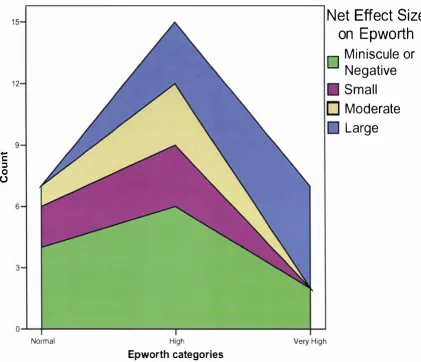
(11) Secondary Analyses: Effects on Daytime F unction Post-hoc Analyses. . .. . . . . . . . .. .... .... . .... .. ..... .. .. ...... .. .... .... . .. . .. .. ..... .. ...... ... . .. . .. .. . . . . . . . . . . . . . . . .. . . . . . . . . . . . . . . . . . . . . . . . . . . . .. .... .. .. . . . . . . . .. . ...... . . . . . .. Recommendations for Further Research Trials Arising from the C-Flex Study C-Flex Trial Conclusions .... . .. .... 5 .4 THESIS CONCLUSIONS. .. . . .. . . . . . . . . . . . . . . . . . . . . . . . . . . . . . . . . . . . . . . . . . . . . . . . . . . . . . . . . . . . . . . . . . . .. .. ............... . . ... . . . ... ...... ....... .. . .. . . . . . . . .. . . .. ... ... .. ... . . . .. . .. . . . . . . . . . . . . . .. . . . . . . . . . . . . . . . .. . . . . . . . . . . . . . . . . . . . . . . . . . . . . . . . . . . . . . . . . . . . . . . . . . . . . . . . . . . . . . . . . . . . . . . . . . . . . . . . . .. 5.4. 1 C linical Drift and the Treatment of Mild-Moderate OSAS. Implications for Treatment Services .. Technical Drift i n OSAS Treatment . .. . . . .... . . . . .. . .. .... ... . ... .. .. ................ . . . . . . .. . . .. . . . . . . . . . . . . . . . . . . . .. . . . . . . . . . . . . . . . . .. . . .. . . . . . . . . . . . . . . . . . . . . . . . . . . . . . . . . . . . . . . . . . . . . . . . .. .. .. .. . ... . . .. . . .. . . . . . . .. .. . . . .. . . . . . . .. ... .. 1 98 1 99 2 00 2 03 203. 204. ... . . . . . . .. 208. . .. . . . . . . . . . .. 2 09. .. x.
(12) APPENDICES A P P E N DIX 1 OUTCOME MEASURES 1 . 1 EPWORTH SLEEPINESS SCALE. ................................................................... 243. . . . . . . . . . . . . . . . . . . . . . . . . . . . . . . . . . . . . . . . . . . . . . . . . . . . . . ........ . . . . . . . . . . . . . . . . . . . . . . . . . . . . . . . . . . . .... 243. 1.2 M AINTENANCE OF WAKEFULNESS TEST . . . . . . . . . . . . . . . . . . . . . . . . . . . . . . . . . . . . . . . . . . . . . . . . . . . . . .. . . . . . . . . . . . . . . . . . . . . . . . . . 247 1.3 PSYCHOMOTOR VIGILANCE TASK.... . . . . . . . . . .. . . . . . . . . . . . . . . . . . . . . . . . . . . . . . . . . . . . . . . . . . . . . . . . . . . . . . . . . . . . . . . . . . . . . . . . . . . . . . 254 l A HOSPITAL ANXIETY AND DEPRESSION SCALE . . . . . . . . . . . . . . . . . . . . . . . . . . . . . . . . . . . . . . . . . . . . . . . . . . . . . . . . . . . . . . . . . . . . . . 255 1.5 SHORT FORM 36 QUESTION VERSION OF THE M E D ICAL OUTCOMES SURVEY ( SF-36) 2 5 7 1 . 6 FUNCTIONAL OUTCOM ES O F SLEEPINESS QUESTIONNAIRE . . . . . . . . . . . . . . . . . . . . . . . .. . . . . . . . . ... . . . . . . . . . 2 6 3. A P PE NDIX 2 P U B L I S H E D PAPERS. ....................................................................... A PP E NDIX 3 S L E E P Q UESTIONNAIRE. ............................................................... APPENDIX 4 C-FLEX AND CPAP POLYSOM N OGRAPHY TRACES. ............. 271 272 273. Xl.
(13) LIST OF TABLES Table 1 . 1 : Prospective Relationship Between S leep Disordered Breathing and L ater Development of Hypertension . 19 Table 2 . 1 : Daytime Testing Timetable . . . . . . . . . . . . . . . . . . . . . . . . . . . . . . . . . . . . . . . . . . . . . . . . . . . . . . . . . . . . . . . . . . . . . . . . . .. 73 Table 2 . 2 : Characteristics of Participants and N on-Participants 81 Table 2 . 3 : Characteristics of Patients Completing the Trial . 84 Table 2.4: Effects on Sleep o f Sham CPAP and CPAP 88 Table 2.5: Summary of Effects of C PAP and Sham CPAP on Outcomes 96 Table 2 .6: Mixed Model ANCOV As for Outcome Measures 97 Table 2 . 7 : Correlations Between Base line S leepiness Variables and Subsequent Improvements on CP AP . 1 07 Table 2 . 8 : E ffects on Epworth from Placebo and CPAP: Data From Simi lar Randomised Controlled Trials 1 09 Table 2 . 9 : E ffects on Maintenance of Wakefulness Test Sleep Latencies from Placebo and CPAP: Data from Similar Randomised Controlled Trials 1 09 Table 2 . 1 0: Effects on Hospital Anxiety and Depression Scales from Placebo and C PAP: Data from Similar Randomised Controlled Trials 1 10 Table 2 . 1 1 : Effects of CPAP and Placebo on SF-36 Subscales : Data from Similar Randomised Controlled Trials 1 10 Table 2 . 1 2: E ffects of CPAP on Functional Outcomes of Sleepiness Questionnaire Scales: Data from Similar Randomised Contro lled Trials 1 10 Table 2 . 1 3 : Compliance with CPAP Therapy in Similar RCTs III Table 3 . 1 : Excluded Placebo Controlled C PAP RCTs : . . . . . . . . . . . . 1 28 Table 3 . 2 : Study Descriptions 1 32 Table 3 . 3 : Patient Characteristics: Analysed Studies 1 33 Table 3 .4: Effect of CPAP on Epworth Sleepiness Scale 1 35 Table 3 . 5 : Effect of CPAP on M WT Latencies 1 38 Table 3 .6: Effect of CPAP on MSLT Latencies 141 Tabl e 4.1 Daytime Testing Timetable 1 60 Table 4.2: Patient Characteristics 1 65 Table 4 . 3 : Comparison of patients randomised to C-Flex with those randomised to C PAP 1 67 Tab le 4.4: Effects of Treatment on Polysomnographic Markers of S leep Disordered Breathing 1 68 Table 5 : Effects of Treatments on Secondary Outcome Measures 1 73 . . .. . . . . . . . . . . . . . . . . . . . .. . . . . . . . . . . . . . . . . . . . . . . . . . . . . . . . . . . . . . . . . . . . . . . . . . . . . . . .. . . . . . . . . . . . . . . . .. . . . . . . . . . . . . . . . . . . . .. . . . . ... . . . . . . . . . . . . . . . . . . . . . .. . . . . . . . . . . . ... . . . . . . . . . . . . . . . . . . . . . . . . . . . . . . . . . . . . . . . . . . . . . . . .. .. . . . . . . . . . . . . . . . . . . . . . .. . .. . . . . . . . . . . . . . . . . . . . . . . . . . . . . . . . . . . . . .. . . . . . . . . . . .. . . . . . . . . . . . . . . . . . . . . . . .. . . . . . . . . . . . . . ...... ..... . . . . . . . . . . . . . . . . . . . . . . . . . . . .. . . . . . . . . . . . . . . . . . . . . . . . . . . . . . . . . . . . . . . . . . . . . . . . . . . . . . . . . . . . . . . . . . . . . . . . . . . . . . . .. . . . . . . . . . . . . . . . . . . .. . . . . . . . . .. . . . . . . . . . . . . . . . . . . .. . . . . . . . . . .. . . . . . . . . . . . . . . . . . . . . . . . . .. . . . . . . . . . . . . . . . . . . . . . . . . . . . . . . . . ... . . . . . . . . . . . . . . . . . . . . . . . . . . . . . . . . . . . . . . . . . . .. . . . . . . . . . . . . . . . . . . . .. . . . . . . . . . . . . . . .. . . . . . . . . . .. . ... . . . . . . . . . . . . . . . .. . . .. . . . . . . . . . . . . . .... . .. . . . . . . . . . . . . . . . .. ... . . .. . . . . . . . . . . . .. . . . . . . . . . . . . . . . . . . . . ... . . . . . ... . . . . . . . . . . . . . . ... . . . .. . . . . . . . . . . . . . .. . . . . . . . . . . . . . . .. . . . . . . . . . . . . . . . . . . . . . . . . . . . . . . .. . . . .. . . . . . . . . . .. . . . . . . . . . . . . . . . . . . . . . . . . . . . . . . . . ... . . . . . . . . . . . . . . . . . . . . . . . . . .. . . . . . . . . . . . . . . . . . . . . . . . . . . . . . . . . .. . . . . . . . . . . . ..... . . . . . . .. . . . .. . . . . . . . . . . . . . . . . . . . . . . . . . . . . . .. . . . . . . . . . . . . . . . . . . . .. . . . . . . . . . . . . . . . . . . . . . . . . . . . . . . . . . . . . . . . . . . . . . . . . . . . . . .. . . . . . . . . . . . . . . . . . . . . . . . . . . .. . . . . . . . . . . . . . . . . . . . . . . . . . . . . . . . . . . . . . . . . . . . . . . . . . . . . . .. . . . . . . . . . .. . . . . . . . . . . . . . . . . . . . . . . . . . . . . . . . . . . . . .. . . . . . . . . . . . . . . . . . . . . . . . . . . . . . . . . . . . . . . . . . . . . . . . .. . . .. . . . . . . . . . . . . . . .. . . . . . . . . . . . . . . . . . . . . . . . . . . . . . . . . . . . . . . . . . . . . . . . . . . . . . . . . . . . . . . . . ... . . . . . . . . . . . . . . . . . . . . . . . . . . . . . . . . . . . . . . . . . . . .. . . . . . . . . . . ..... . . . . . . . . . . . . . . . .. XlI.
(14) LIST OF FIGURES Figure 2 . 1 : Pre Trial Flow Diagram . . . . . . . . . . . . . . . . . . . . . . . . . . . . . . . . . . . . . . . . . . . . . . . . . . . . . . . . . . . . . . . . . . . . . . . . . . . . . . . . 70 Figure 2 . 2 : Post Trial Flow Diagram 82 .. . . 85 Figure 2 . 3 : Baseline Sleepiness Distribution Figure 2.4: Compliance with CPAP Therapy . . 91 Figure 2 . 5 : Compliance with Sham CPAP Therapy . .91 Figure 2.6: Scattergram Showing Correlation Between Sham and Standard CPAP Compliance . . .. . . 92 Figure 2 . 7 : Scatter-gram Showing Corre lation Between Compliance and Pressure on the CPAP arm 92 Figure 2 . 8 : Scatter-gram Showing Correlation Between Sham CPAP Compliance and Pressure on the Unrel ated CPAP Arm . . . 93 Figure 2 . 9 : I nteractions Between Treatment and Compliance in the Epworth Sleepiness Scale . 98 Figure 2 . 1 0: Interactions between Treatment and C ompliance in the Modifi ed M aintenance of Wakefulness Test 99 Figure 2 . 1 1 : Interactions B etween Treatment and C ompliance in the Functional Outcomes of Sleepiness Questionnaire- Vigilance Subscale 1 00 Figure 2 . 1 2 : Interactions Between Treatment and C ompliance in the SF-36 Physical Functioning Subscale . . 1 00 Figure 2.13 : Interactions B etween Treatment and C ompliance in the SF36 Bodil y Pain Subscale . 101 Figure 2 . 1 4: Interactions Between Treatment and C ompliance in the Psychomotor Vigilance Task Mean Reaction Time . . 1 02 Figure 2 . 1 5 : Scatter-gram Showing that Patients M ost Affected by Sleepiness at Baseline Benefit Most from C PAP Therapy 1 03 Figure 2 . 1 6: Those with Very High Epworth at Basel ine are Most L ikely to Benefit from CPAP Therapy . . . . . . 1 05 Figure 2. 1 7: Those with H igh Epworth at B aseline H ave Greater Improvements in Obj ective W akefulness . . . . 1 07 Figure 3 . 1 : Systematic Search Flow Chart . . . . 131 Figure 3 . 2 : M eta-Analysis of the Effects of CPAP on the Epworth Sleepiness Scale . 1 36 Figure 3 . 3 : Meta-Analysis of the E ffects of C PA P on the Maintenance of Wakefulness Test . . . . 1 39 Figure 3 .4 : Meta-Analysis of the Effects of CPAP on the M ultiple S leep L atency Test 1 42 Figure 3 . 5 : E ffects of Study Omission on Epworth E stimate 1 44 Figure 3 .6: E ffects of Study Omission on M WT Esti mate . . . 1 44 Figure 3 . 7 : Effects of Study Omission on M S LT Estimate . . .. 1 44 Figure 3 . 8 : Begg ' s Plot for Publication B ias- Epworth Scores . 1 45 Figure 3.9: Begg' s Plot for Publication B ias- MWT . 1 45 Figure 3 . 1 0: Begg' s Plot for Pub lication Bias- M SLT . 1 45 Figure 4. 1 : Pattern of Pressure Appl ied by Various Positive Pressure Devices . 1 53 Figure 4.2: B ox and Whisker Plot Indicating Increased Compliance on C-Flex Compared to CPAP (Not Statistically S ignificant) . . 1 70 Figure 4.3 : Box and Whisker Plot Indicating Statistically Significant Increased Compl iance Levels on C-Flex compared to CPAP and when PAP Fail ures are Excluded .. . .. 171 Figure 4.4: Correlation Between use of PAP Devices and I mprovements i n Mean PVT Reaction Times After I M onth of Treatment. . . 1 74 ............... . .............. . . . . ....... . . . . . . . ..... . . ..... . . . . . . ............. . . .. . . . . . . . . . . . . ... .. . . ......... ....... . . . . .. . .. . . . . . . . . . . .. . . . . . . . . . . . . . . .. .. . . . . ............ . . . . . . .. ........ . . ....... . ... . . . . . . .. . . ..... ....... ............. . . . . . . . . ... .. . . . . . . . . . . . . . . .. . .. . . ....... . . . .. . . . . . . . . . . . . . .. .. ............ . . . . . ........... ... . . . . . . . . . . .. . . . . . . .. ..... . . . . . . . . . . .. . . . . .... . . ..... . . . .. . ..... ........ . . . . . . . . . ........... . . . . . ... . . ................... . .. . . . . . . . . . . . . . . . ............... . .. . ............ . .. . . ..... . . . . . . . . . . . . ....... . . .. . . . .. . .. . .. . . . . ..... . . . . . . . . . . . . . . . . . .... . . ............ ....... . .. . . . . . ................ . . . . . . . . . . . . ................ . . . . . . . . . . .. . . . ....... ... ..... . . . . . . . . . . ................ . . . . .. . .. . . . . . .. . . . . . ...... . .. . . . . .. . . . . ......... ...... . .. . .......... . . . . . .. . . . . .. . . . . . . . . . . . . . .. . . . . . ..... ...... . . . . . . . . .. . ...... . . . . . . . . . . . . . . . . . . .. ...... . . . . . . . . .................... . . . . . . . . ................ . . . . .. .... . . . . . . . . . . . . . . . . . . ............ . . . .. . . . . .. . . . . .................. . . .. . .. . . . . . ...... .......... . . . . . . . . . . . . . . . .. . . . . . . . . . . . . . . . . . . . . . . . . . .. . . .. . . ........ . . . . . . . . . . . . . ................. . . . . . . . . . . . . . . .... ........ . . .. . . . . . . . . .. . . ...... ...... . . .. . . . .... . . . . . . ................ . . . . . . . . . ......... . . . . . . . . . . . ............... .. .. ... . . . . . ... . . . . . . . . . . ........ . . . . . . . . . . . .. . ......... . . .. . . . . . . . . . . . .. ...... . . ........ . . . . . . . . . . . . .. . .......... ..... . . . .. ... . . . .. . . . . ................. . . . . . . . ......... . . . . ........... . . .. ...... . . . . . .. . . . ...... ........ . . .. . . . . . . .. ......... . . . . . . ... . . . . . . . . .. .. . . . . ........ .......... . . . . . . . . . . .......... . . . . ........ . . . . . . . . . . . . . . . . . . . . . . . . . ..... . . . . .. . . . . . . . . . . . . . . . . . . .. . . . ............. .... . . . .. . . . ...... . . . . . . . . . . . . . . . . . ..... . . . . . . . ...... ........ . . . . . . . . . . . . . . . . . . ........ . . .... . . . . . . . . ......... . . . . . . . . . . . . . ...... .... . . . ............... . . ..... .... ............. . . . . .. .... . . . . . . . . . . . . ....... . . . . . . .. .......... ..... . . . . . . . . . . ........... . . . . . .. . .. ... ......... . . . . . . . . ........ .. .... ....... ......... ..... . . .. . . . . . .. . . . . . ....... . . . . .. . . . . . . . . . .. ... ....... . . . . . .. . . . . .......... . . . . . . . . . . . . . ............. . . . . . .... ....... ....... . . .. . . .. . . . . . . ............ . . . ... . .................. . . . ..... Xlii.
(15) F igure 4.5: C orrelation between Self- Reported S leep Duration and Subsequent Compliance with PAP therapy 175 F igure 5.1: SF-36 Scores in Mild-Moderate OSA S : Baseline Morb idity and Treatment Effects C ompared to New Zealand Population Norms . ........................................ 185 Figure 5.2: Functional Outcomes of S leepiness Questionnaire in M i l d-Moderate OSA S : Baseline Morbidity and Treatment Responses Compared to Population Norms 185 . . . . . . . . . . . . . . . .. . . . . . . . . . . . . . . . . . . . . . . . . . . . . . . . . . . . . . . . . . . . . . . . . . . . . . . . . . . . . .. ... XIV.
(16) GLOSSARY & ABBREVIATIONS AHI. Apnoea/Hypopnoea Index- The most common measure of Obstructive S leep Apnoea severity. 0-5 /hr Sub C linical Severity 5 - 1 5 /hr Mild 1 5-30 /hr M oderate 30+ Severe. AutoPAP. Automatically self-titrating continuous positive airway pressure device. C PAP devices that are designed to change pressure in response to the presence or absence of apnoeas, hypopnoeas and/or upper airway resistance. M ay not be as e ffective as marketed.. BMI. Body Mass Index- Standard measure of Body Density 2 Weight(kg)/Height ( m \ < 20 Underweight 20-25 N ormal 25-30 Overweight 3 0+ Obese. BP. B lood Pressure. COPD. C hronic Obstructive Pulmonary Disease. Also known as chronic obstructive respiratory disease (CORD). EBM. Evidence based medicine. Application of rationality and scientific methodologies to the provi sion of healthcare. ECG. E lectrocardiogram measurement of electrical output of heart.. EEG. Electroencephalogram measurement of e lectrical output from brain.. EMG. E lectromyogram measurement of electrical output of muscles.. EOG. E lectrooculogram: E lectrophysiological measurement of eye movements. Standard Measure during polysomnography and during the MWT.. ES. E ffect Size. The size of the effect on a given measure divided by the background standard deviation of that measure. G ives the magnitude of the effect which can then b e compared between different measures. <0.2 Insignificant 0.2-0.5 Sma l l 0.5-0.8 M oderate >0.8 Large. ESS. Epworth Sleepiness Scale- Most commonly used measure of chronic subjective s leepiness in clinical settings.. C PA P. Continuous Positive Airway Pressure, common treatment for OSAS. xv.
(17) CT. Conservative medical treatment of OSAS.. EDS. Excessive Daytime S leepiness.. FOSQ. Functional Outcomes Sleep Questionnaire: S leepiness Related Quality of Life M easure.. GHQ. General Health Questionnaire.. HADS. Hospital Anxiety and Depression Score.. LTSA. Land Transport Safety Authority.. M odMWT. Modified version of the Maintenance of Wakeful ness Test. See M WT. mmHG. M i l limetres of Mercury. Standard unit measure of blood pressure.. M S LT. Multiple S leep Latency Test, EEG test of daytime sleepiness. Measures time to fal l asleep in a soporific environment when the patient is attempting to fal l asleep.. M WT. Maintenance of Wakefulness Test, EEG test of daytime wakefulness. M easures time to fal l asleep in a soporific environment when the patient is attempting to stay awake.. MVA. Motor Vehicle Accident. NHP. N ottingham H ealth Profile.. OA or OD. Oral Appl iance or Oral Device. Mandibular advancement splints or tongue stab i l isers aimed at i ncreasing airway calibre to treat S O B .. OSAS. Obstructive Sleep Apnoea S yndrome .. OSLER. Oxford S leep Resistance test. A non EEG alternative t o the Maintenance of wakefu lness test. Has been shown to be sensitive to treatment for OSAS. PSG. Polysomnography- l itera l ly many measurements of sleep. electrophysiological measurements of sleep include EEG, EOG, EMG, ECG. Respiratory channels are also included in the diagnosis and treatment of sleep disordered breathi ng. RCT. Randomised Control led Trial.. RDI. Respiratory Disturbance Index : Common alternative but similar measurement to the AHI.. REM. Rapid Eye Movement S leep also known as P aradoxica l Sleep . The E EG is relatively active during REM , the eyes exhibit regular large XVI.
(18) movements but the E M G amplitude i s much reduces compared to s leep. Outwardly the person appears very still, but may twitch at the extremities. Respiration and heart rate become more variable than during normal sleep SaO]. Percentage of oxygen saturation in blood.. SO. Standard Deviation, statistical measure of spread.. SOB. Obstructive S l eep D isordered Breathing: In this thesis SOB refers to frank apnoeas and hypopnoeas and not to the milder manifestations of obstructive SOB such as upper airway resistance syndrome or snoring.. SE or S E M. Standard Error o f the Mean: Statistical measure o f precision o f an average value. SF-36. M edical Outcome Survey Short Form 36. Common pencil and paper measure of health related quality of life. SHHS. S leep Heart H ealth S tudy: Group of longitudinal cohorts that represent best ongoing investigation i nto the effects of SOB.. SWS. S l ow Wave, or Deep S leep. Stages 3 and 4 of sleep marked by emergence and then predominance of delta waves in the E E G (0-2 cycles per second). Excludes lighter stages of s leep (stages 1 and 2) and also the qualitatively different REM stage.. UK. United Kingdom.. Uppp. Uvulopalatophyrangoplasty -an operation designed to treat OSAS by ablation of soft tissue in the back of the mouth.. XVll.
(19) CHAPTER 1 INTRODUCTION: EVIDENCE-BASED SLEEP MEDICINE 1 .1. OBSTRUCTIVE SLEEP APNOEA SYNDROME AND SLEEP D ISORDE RED BREATHING. Introduction Obstructive Sleep Apnoea Syndrome (OSAS ) is a b reathing disorder where reversible airway obstruction routinely occurs during s leep. Peopl e with thi s condition often report c linically with loud sonorous snoring and witnessed breathing pauses terminating with gasps, choking sounds and brief arousals from sleep. The immediate cause for seeking medical help has traditionally been daytime sleepiness and/or cognitive difficulties. The clinical presentations of the syndrome have traditionally been described as follows: the patient is male, obese, snores loudly, and is observed to stop breathing during his sleep (usually by bed partner). The patient is also s leepy[ l ] and may fal l asleep in the waiting room where he will begin to snore l oudly. H owever, thi s characterisation i s probably changing, a s awareness of the syndrome increases, and bed partners and medical professionals become aware of the potential seriousness of the breathing pauses alone ( i .e. without excessive sleepiness). This is largel y because epidemiological cross-sectional studies have given a much different description of who has s leep breathing disorders in the community.. It is important to differentiate between Obstructive S leep Apnoea Syndrome (OSAS) and the larger group of people with Obstructive S l eep Disordered Breathing (hereafter referred to as simply S leep Disordered B reathing or SOB). OSAS by definition includes SOB plus daytime impairment in the form of symptomatic sleepiness[2 ] . Population-based studies have identified large percentages of the middle.
(20) aged population that have obstructive respiratory disturbance during s leep at pathological levels, and yet seem to be unaffected as far as their daytime s leepiness levels are concemed[3] . Approximately 4% of middle-aged males will have OSAS, but 25% will have S OB[3, 4]. A ssociations between SOB and hypertension, as well as other cardiovascular diseases, are independent of any daytime s leepiness or other known risk factors [ 5 - 1 0] . Chronic s leepiness can also exist independently of sleep disordered breathing and is found in about 1 5% of the New Zealand population[ l l ] . These observations have led some commentators to question whether sleepiness in many OSAS patients is really caused by SOB, by chance associ ation, or by a third factor that might cause them both [ 1 2, 1 3] . Cross-sectional and longitudinal cohort data points towards the SDB being the driving force behind the exacerbated risks of hypertension and cardiovascular disease, and not the additional sleepiness that qualifies for OSAS. Large numbers of people in the community have SOB and are unlikely to ever be treated, given the current practice of treating the hyper-somnolent, who self present. Partia1Jy, this practice is due to there being no demonstrably effective treatment for this non-sleepy group.. Clinical Definition Obstructive sleep apnea syndrome is characterised by repetitive episodes of. upper ainvay obstruction that occur during sleep, llsllal�v associated with a reduction in blood oxygen saturation. [2].. Diagnostic Criteria: Obstructive Sleep Apnea Syndrome (780.53-0 ICD-9-CM)f2/ A. The patient has a complaint ofexcessive da)ilime sleepiness or insomnia.. Occasionally the patient may be unaware of clinicalfeatures observed by others. B. Frequent episodes o.lobstrllcted breathing OCCllr during sleep. 2.
(21) C.. Associatedfeatures include: a. Loud Snoring b. Morning headaches c. A dry mouth upon awaken ing d.. Chest retraction during sleep in young children. D. Polysomnographic monitoring demonstrates:. a. More than five obstructive apneas greater than 10 seconds in duration, per hour ofsleep and one or more of the following i. Frequent arousals from sleep associated 'with the apneas it. Bradytachycardia W.. A rterial oxygen desaturation in association with the apneic episodes. b. Multiple Sleep Latency Test may or may not demonstrate a mean sleep latency olless than 10 minutes. E. The !)ymptoms can be associated with other medical disorders (e.g. tonsillar. enlargement). F. Other sleep disorders can be present (e.g. periodic limb movement disorder or. narcolep!)T)· Minimal Criteria: A plus B plus C.. In adults, an apnoea is a cessation of breathing for ten seconds or more, while an hypopnoea is a substantial reduction in breathing ( 50-90% reduction) for 1 0 seconds or more. Apnoeas and Hypopnoeas are of three different types: •. Inhalation attempts that are hindered by the col lapsed airway are termed obstructive events (i.e. abdominal breathing effort but without filling of the lungs evinced by little thoracic expansion).. •. W hen inhalation i s not attempted, these events (which may or may not include an occluded airway) are termed Central Apnoeas (i.e. lack of both thoracic expansion and abdominal effort).. •. The third type of apnoea/hypopnoea is a combination of effort and no effort with insufficient thoracic extension and is called a Mixed Apnoea.. 3.
(22) I n population based estimates, by far the most common type observed is the obstructive apnoea or hypopnoea[3 ] . If the events are mostly central in nature, then the diagnosis should b e Central S leep Apnoea. This thesis focuses on the treatment of the obstructive type of apnoea/hypopnoea.. The numbers of apnoeas and hypopnoeas are usually summed and divided by the number of h ours of s leep to give the main index of disease severity: the apnoea hypopnoea index (AHI). A HI scores below 5 per hour are usuall y regarded as of subclinical severity, 5 - 1 5/hr as mild SOB, 1 5-30 moderate, and above 30 as severe[ 1 4] .. Causes o f Airway Collapse Humans are almost uniquely affected by obstructive SOB. The only other reported animal to have an SDB-like syndrome is the English Bulldog, but this phenomenon is mostly restric ted to the animal ' s REM s leep. The English Bulldog has therefore been an animal model for human SOB[ 1 5 , 1 6] . One proposed reason that S D B is unique t o humans relates to our airway, which i s uniquely adapted. Recent expert reviews of airway obstruction during sleep present an uncertain, but almost certainly multifactorial causal sequence [ 1 7, 1 8] .. Humans have a free-floating hyoid bone that, unlike other mammals, i s not directly attached to any other bone or cartilage. Muscular contraction or relaxation whilst supine (and the weight of any fat and/or muscle overlying this area) is not held in check by a structural anchor point, and can therefore increase outside pressure on the upper airway. S forza and coll eagues[ 1 9] investigated the pharyngeal collapse in severe SOB sufferers and found that the position of the hyoid bone, and abnormally large amounts and specific sites of soft tissue in the pharynx, contributed to airway collapse.. 4.
(23) The second and third reasons are c losely related to the effects of air movement in the human pharynx, which has multiple functions including respiration, speech and swallowing[ 1 7] . It is long, compared to that of other mammals, and has an almost ninety degree turn at the level of the nasopharynx . These two factors affect the airflow through the pharynx and are hypothesised to increase the potential for airway collapse.. While a person with SOB is awake, the patency o f the airway i s maintained by the pharyngeal dilator muscles. If these fai l during s leep ( with or with out a structural abnormality) the airway may become totally (apnoea) or partially (hypopnoea) occluded. Occlusion usually happens at the end of exhalation, just as i nhalation begins and where the lungs are relatively empty.. During sleep in healthy people, it is possible to mimic moderate SOB by using 1 0 mmH 2 0 of negative pressure, which led King and colleagues[20] to conclude that decreased pharyngeal pressure alone can be responsible for airway collapse in healthy subj ects. Interestingly, upper airway muscular tone in patients with OSAS is about twice as high during wakefu lness than in people without S O B . This is possibly a reaction to increased resistance in the airway through narrowing or obstruction that is being compensated for during wake, but not sleep[2 1 ] .. It has been suggested that the tendency for OSAS to run i n families may be due to poor hypoxic ventilation response[22, 2 3 ] . This pattern within fami l ies may also suggest some sort of inherited susceptibi lity toward airway narrowing or collapse[23] .. 5.
(24) M any people with SDB have structural abnormalities in the upper airway. In the case of sudden onset of SOB, the development of an airway abnormality may be a direct causative factor. For instance Walshe and colleagues[24] have presented a rare case of SOB in a 72 year old man being caused by a superior laryngeal schwannoma. The schwannoma is this case was causing a ball valve like obstruction of the airway during inspiration. Removal of the schwannoma resolved the patient' s s leep disordered breathing. Structural abnormalities are, however, not necessarily a lways present in those with S OB [25].. Impaired afferent sensation in the upper airway may also play a role in obstruction. Upper airway vibration may cause impaired sensation in people with SOB and/or snoring that might leading to apnoeas of longer duration[26] . Gora and colleagues[27] compared people with mild OSAS to age and B M I matched controls and found that the OSAS patients had a blunted cortical response to respiratory occlusion, but this response difference was not observed when the subjects were awake. Upper airway v ibration may a lso cause upper airway oedema, which further exacerbates the collapse of a rel axed upper airway. Alternatively the observed level of inflammation in OSAS, patients may have been caused by systemic inflammation associated with OSAS rather than direct vibration of the upper airway through snoring[2 8 ] .. Thus, multiple factors can result i n a pressure imbalance ( largely structural causes) which is not counteracted by the airway dilators ( l argely neurological causes) as it is during wake[29-3 1 ] . SOB in an individual usual ly has m ultiple causes, but can sometimes be caused by a single pathology, if that pathology is severe enough.. 6.
(25) 1 .2. THE EPIDEM IO LOGY OF SLEEP D ISORDERED BREATHI NG. Population Prevalence Cross sectional findings from both Busselton i n rural Australia and the Wisconsin cohort, indicate that about 25% of middle aged men have an Apnoea Hypopnoea Index>5/hr. Among middle aged women in the Wisconsin cohort, about 9% had an A H I of at least 5/hr. The additional diagnosis of OSAS, which requires SOB and significant daytime sleepiness, was met by 4% of men and 2% of middle aged women. (3, 4, 7]. Maj or risk fac tors for s leep disordered breathing in the Sleep Heart Health Study include male gender, i ncreasing age up to about 65 years, obesity, increasing * neck size, and loud habi tual snoring[32]. In the Buss leton study, M ESAM I V identified that 26% of men had a respiratory disturbance index of greater than 5/hr and 3 .4% had an ROI greater than 20/hr. Only obesity ( Body Mass Indext) predicted s leep disordered breathing in these 294 men. In relatively affluent Wellington, New Zealand, the picture is similar, with a MESAM IV study identifying 22% of community dwelling Maori men, 1 1 .4% of non-Maori men, 6.3% of Maori women, and 3% of non-Maori women having an RDI2: 5/hr[33 ] . New Zealand and Australia also have substantial and growing populations of people of Asian and Polynesian descent for whom prevalence is unknown and risk factors for OSAS might differ significantly. Polynesian peoples, in particular seem likely to have a very high prevalence of S O B [34].. A four channel overnight monitoring o f heart-rate. body position. peripheral blood oxygen saturation via pulse oximetry. and snoring volume t Body Mass Index is defined as the weight of a person in kilograms d ivided by the s quare of their height in metres. I n most studies and by general consensus obesity is where BMI has exceeded 30 kg/m " . *. 7.
(26) Risk Factors for Sleep D isordered Breathing Gender. Males are twice as likely as females to have SOB or OSAS in middle age[3, 3 5 , 36]. The disparity between genders i s not a s marked as was once believed- the preponderance of males over females in some American clinical populations was around 8: 1 [37] . By comparison recent, New Zealand based RCTs contain around 4 to 8 times as many men as women [3 8-40] .. C linical reporting bias l ikely explains much of the difference between the clinical populations and the prevalence estimates from the population studies. Basing referral s on B M I and male gender would miss much of the population affected by OSAS or S OB[32] . Clinical b ias means that women might be suffering the downstream effects of SOB disproportionately more than men.. There are a number of plausible mechanisms to expl ain why men are predisposed to SO B [4 1 ] . Magnetic Resonance Imaging (MRl) scans of 1 0 matched male and female pairs have shown that males have a larger pharangeal soft tissue mass than females[42] . This may predispose men to airway collapse during sleep due to additional weight on the airway. Some commentators have postulated that some of the gender difference may be due to the mechanical properties of the longer and larger male airway, coupled with a l arger soft palate[43] .. Age. In the Sleep Heart Health Study (SHHS), the proportion of p eople with SOB (AHI>5 ) i ncreases steadily from about age 3 5 ( 1 i n 20), until about age 65, where it. 8.
(27) seems to stabilise at about I i n 5 , or less. Older age groups (75 or older) are somewhat less stable in the prevalence estimates available, but this is due to the decreasing sample size in the advanced years[32]. Other studies also indicate that the prevalence of SOB increases through middle age and up to around the age of 65 years when the prevalence stabilises[32, 36, 44] . This might be an artefact of lack of data from these older age groups. It is also consistent with a survival effect, where a significant proportion of people with SOB might have already succumbed to fatal cardiovascular disease (CVO). This observation has recently been given some support from the SHHS where SOB was only a risk factor for various definitions of hypertension in those under the age of 60 years[45 ] .. Ethnicity. Studies o f community levels of SOB have often been done in people predomi nantly o f European descent, for example, the W isconsin[3] and Busselton studies[4] , leaving little abi lity to reliably calculate prevalence or risk factors for OSAS in minority populations. However the S leep Heart Health Study also contains some cohorts with significant numbers of Native Americans and African Americans. Young has found that A frican Americans in this study had a 20% prevalence of A H I2: 1 5 and that American I ndians had a 23% prevalence, compared to the 1 7% observed i n the White population. Once body habitus had been contro lled for, neither African Americans or A merican Indians were more at risk of s leep disordered breathing[3 2 ] . I n contrast Ancol i I srael e t al. have found that, even after controlling for B M I and other con founders, A frican Americans were at 2 . 5 times the risk of A H I2: 30 (measured with in-home polysomnography) than Whites in a community dwel l ing sample of people over 65 years.. 9.
(28) New Zealand based studies were needed to estimate prevalence of O S AS in M iiori . M iiori were oversampled to enab l e modelling of the risk factors for OSAS/SDB to the same level of precision as i n the majority population o f European des cent ( Pakeha). Consequently, the three population based studies in New Zealand (two postal, one using MESAM IV) have had roughl y half Maori and half Non-Maori participants[ l l , 3 3 , 46, 47], even though only 1 5% of the population identifies themselves as Maori[ 48]. Maori have approximately twice the prevalence of sleep disordered breathing as N on-Maori in N ew Zealand [3 3 ] . However, this difference disappears after controlling for higher levels of obesity and larger neck circumferences in M aori[33] .. Asian populations, particularly ethnic Chinese, are also growing sectors of N ew Zealand and Australia societies. Cranial morphology in these groups might indicate a different set of risk factors for SOB. Hong Kong based studies have found that men (n= 1 53), aged 30-60, have a 25% prevalence of AHI2: IS and a 4% prevalence of OS AS (AHI2: 5 and excessive daytime sleepiness)[49]. In women ( n= 1 06) the pattern was almost identical to western estimates, with 2% of Hong Kong women with OSAS but 1 0% with at least moderate SOB (AHI2: 1 5)[50] . Whilst BMI and other measurements of body habitus were risk factors for S O B in Hong Kong workers, these predictors w ere not as strong as in White Americans[49] . The overall prevalence of obesity in this Asian population is also lower than for American samples.. Kim et al. have investigated the prevalence of OSAS in 5020 Korean men and women aged 40-69 years, using ful l overnight polysomnography i n a subset of 457[5 1 ] . The prevalence of SOB ( AH I>5), extrapolated back to the ful l sample, was 27. 1 % i n men and 1 6.8% i n women. OSAS was found in 4.5% o f men and 3 .2% of women. 10.
(29) Logistic regression ana lysis found that SOB was associated with sex, body mass, and hypertension. The peak in prevalence seemed to be in the S O 's, with 2S.2% of women and 3 3 .7% of men having an A H I2: S/hr. The prevalence was similar in the 60-69 year old age range, but substantially lower in the 40-49 years decade, at 24.2% in Men and 8.2% in Women.. Body M ass and Obesity. Excess weight is a commonly identified risk factor for SOB. Multiple measures of obesity have been found to predict S DB including neck size, central obesity and general obesity[7] .. Longitudinal changes in A H l were associated with changes in weight over 4 years, in 690 men and women from the W isconsin cohort[S2]. A one percent increase in (or decrease) i n body weight was associated with a 3% increase ( or decrease) in the AHI, and this association fitted well with other studies of weight loss and AHI reduction[7]. Weight gain is almost certainly a causal factor in the development of SDB and thus is a key modifiable risk factor.. In New Zealand the picture is similar, with incremental increases in B M I or neck circumference both found to increase the risk of having s leep disordered breathing [33] .. I ncidence and Progression The Wisconsin cohort currently provides the best information on incidence and progression of SOB. However, it has the l imitations that the study population is middle class and predominantly mono-cultural. At baseline, 644 participants had sub-clinical or no SDB (AHI< l S/hr). At the 4 year follow-up, 39 of these had measured AHI2: 1 S, 11.
(30) giving an incidence of around 6% or 1 .S % per annum[S2] . The incidence and remi ssion of SOS in this group seems to closely fol low weight loss or gain (see above ) [S 2 ] . The odds of having moderate-severe OSAS ( A H I2: I S) were 6 times higher after a 1 0% weight gain[S2 ] . Eight year followup data is also available in a sma ller number of participants whose everage AHI has increased from 2 . 5 to 5 . l Ihr[7] . Very few people with significant SOB at baseline have i mproved to where they have very low AHI (AHI:S I ) at fol low-up. Disentangl ing the contributions of age and weight gain to SOS remains a difficultly in interpreting these studies[7].. 12.
(31) 1 .3. H EALTH-RE LATED CONSEQUENCES O F S L E E P D ISORDERED BREATHING AND OBSTRUCTIVE SL E E P APNOEA. Sleepiness A clear, but weak, dose response relationship exists between measured levels of SOB (the A H I ) and excessive daytime sleepiness. Many people with excessive daytime sleepiness do not have SOB and many of those with significant levels of S O B do not experience excessive daytime sleepiness[3] .. I n the S l eep Heart Health Study, peopl e with an AHI >3 0 had a mean Epworth Sleepiness Score ( ESS)t of 9.3, whilst those with an A HI<5 had a mean E pworth of 7 . 2 . Twenty one percent of people with A HI<5 h a d a n Epworth above 1 0 (excessively sleepy), whilst 3 5 % of those with AHI>30 had ESS> 1 0 [5 3 ] . In the Wisconsin cohort, excessive daytim e sleepi ness was defined as experiencing the combination of these three factors, at l east twi ce a week: waking unrefreshed no matter how long they had slept, plus excessive daytime s leepiness, plus daytime s leepiness that interfered with daily Iiving[3] . Among non-snorers, 1 0% of women and 3% of men were excessively sleepy. By comparison, among people with A H I>5, 23% of women and 1 6% of men were excessively s leepy.. I n the Cardiovascular Health Study (n=4578, aged :::: 65), excessive daytime sleepiness measured by the Epworth had the following independent risk factors; nonwhite race, depression, l oud snoring, awakening with dyspnoea or snorting ( suggestive of SOB and/or COPD), frequent nocturnal awakenings, medications for congestive. � The Epworth Sleepiness Scale is the most common measure of trait sleepiness in sleep medicine. It i s scored o u t of 2 4 a n d scores above 10 are regarded a s evidence o f excessive daytime sleepiness. The measure is discussed at length in Appendix I. 13.
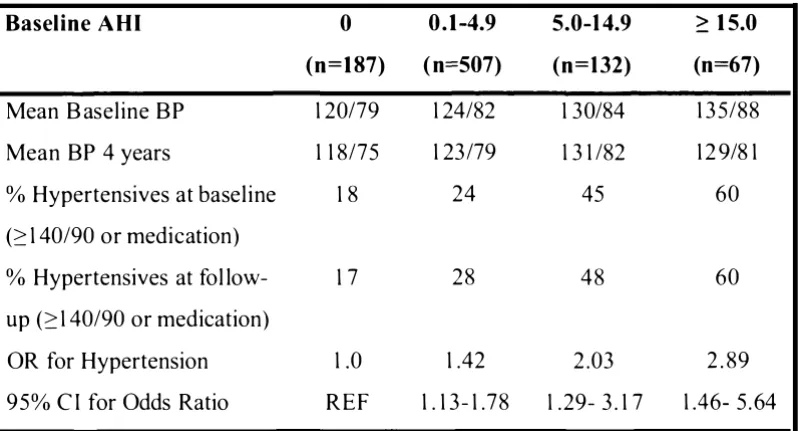
(32) heart fai lure, non-use of sleeping pills, sedentary lifestyle, and limitations of daytime activities[54] . Although s leep was not measured obj ectively, these findings indicate that some of the risk factors for SOB are associated with daytime s leepiness.. I n New Zealand, 1 5% of 3 0-60 year olds had an Epworth score above 1 0 [ 1 1 ] . I n logistic regression models, with a sampl e of roughly half Maori and h a l f non-M aori participants, independent predictors of s leepiness were; M aori ethnicity, male gender, being o l der, having observed apnoeas, being from a poorer neighbourhood, sel f reported s leeping outside 6.5 to 8 hours per night, never or rarel y getting enough sleep, never or rarely wakening refreshed, snoring, having a large neck, and being a non drinker. M any of these factors, such as l arge neck size, male gender, Maori ethnicity, being older, nightly snoring, and having observed apnoeas, are also recognised risk factors for s leep disordered breathing[3 3 ] .. Hypertension Possible Causal Mechanisms and Animal Studies. The prevalence of hypertension ( defined as 1 60195 mmHg) in N ew Zealand, for those over 45, has been reported as 29% for men and 24% for women[55]. Maori, Pacific Island and Asian populations have s lightly increased average b lood pressure (BP) compared to European New Zealanders [56] . Body mass index explains about half of the variation between smaller ethnic groups and European New Zealanders i n this study, but not in those of Asian descent[56] . Hypertension is well recognised as a modifiable risk factor for the later development of cardiovascular disease and premature death[57] ( www.moh.govt.nz). There is increasing evidence that many patients presenting with hypertension also have s leep disordered breathing, and that alleviation. 14.
(33) of S O B via CPAP may reduce the risk of cardiovascular disease attributable to hypertension in these patients[58, 5 9 ] .. Breath holding itsel f (apnoea) resul ts in a n acute rise in b lood pressure and heart rate[60, 6 1 ] . The forced inspiration against an obstructed airway ( Mueller manoeuvre) also acutely increases BP and heart rate[62 ] . Hypoxemia also leads to significant acute increases in b lood pressure[63, 64] . These three phenomena are all present during SOB, resulting in abnormal variability in blood pressure and heart rate during s leep. The resulting sympathetic activation is considered to be a cause of the observed chronic increases in B P .. E arlier studies o f the association in humans between SOB and hypertension have been criticised[ 1 2, 65, 66] . However, compelling multiple lines of recent evidence give strong support to the claim that SOB causes hypertension[6, 59].. S leep Disordered Breathing experi mentally induced in dogs over a 1 -3 month period is associated with chronic increases in both night and daytime b lood pressure, by up to l 5mm Hg. These elevations disappeared within one month after reversal of S O B [67]. E levations in BP are known to be caused by arousals from sleep ( probably via sympathetic activation[68]), but aurally induced arousals from s leep were shown not to induce chronic rises in BP in these dogs[69] .. F letcher and col leagues[70] have demonstrated that intermittent hypoxia can raise daytime BP by about 1 2mm Hg in rats . This c hronic change is not due to sleep arousals [7 1 ] , which are known to produce acute rises in BP. I nterestingly the development of daytime hypertension is not seen in all genetic strains, leaving open the 15.
Figure



+7


Related documents
Participants of differing spatial abilities (high and low) will study a virtual thoracic limb in one of two visual conditions (realistic muscles or symbolic muscles) and one of
Implementation of the Direct Reading Thinking Activity (DRTA) strategy in classroom teaching, with the steps students, make predictions based on title
Although almost half of the firms surveyed stated they had established some contacts with universities in the period 2001-2003, only a few (21.5%) consider universities an
In a further study, the use of ABLC prophylaxis in patients at high or inter- mediate risk of systemic fungal infection was associated with a reduction in the incidence of IMI from
Using expected short- and long-term interest rates and business expectations as explanatory variables we estimate latent structural models to explain expected exchange rates.. A
Microsoft Flight Simulator X For Pilots: Real World Training (What I will call FSX For Pilots from here on) is a book for anyone interested in becoming a pilot, both in the
The adsorbents at different weight ratios of palm fatty acid distillate (PFAD) to palm kernel shell (PKS) were prepared at 600 °C for 2 hours.. Results show that the yield
We have tested the accep- tance ratio for firm aperiodic tasks with the methods to handle sporadic tasks described in 4.5: no sporadic tasks for reference purposes (“no
