
1 Title: Preventing Cognitive Decline and Dementia from Cerebral Small Vessel Disease: The LACI-1 Trial. Protocol and statistical analysis plan of a phase IIa dose escalation trial testing tolerability, safety and effect on intermediary endpoints of isosorbide mononitrate and cilostazol, separately and in combination.
Authors: Gordon W Blair1,2,3 Jason P Appleton4 Zhe Kang Law4,5 Fergus Doubal1,2,3 Katie Flaherty4 Richard Dooley4 Kirsten Shuler1,2,3 Carla Richardson4 Iona Hamilton1,2,3 Yulu Shi1,2,3
Michael Stringer1,2,3 Julia Boyd6
Michael J Thrippleton1,2,3 Nikola Sprigg4
Philip M Bath4
Joanna M Wardlaw1,2,3
Addresses: 1 Centre for Clinical Brain Sciences, 2 Edinburgh Dementia Research Centre in the UK Dementia Research Institute, and 3 Fondation Leducq Network for the Study of Perivascular Spaces in Small Vessel Disease, University of Edinburgh, Chancellor’s Building, 49 Little France Crescent Edinburgh, EH16 4SB; 4 Stroke Trials Unit, Division of Clinical Neuroscience, University of Nottingham, Nottingham, UK; 5 Department of Medicine, National University of Malaysia, Kuala Lumpur, Malaysia; 6 Edinburgh Clinical Trial’s Unit, Outpatients Building, Floor Two, Room D36, Western General Hospital, Crewe Road South, Edinburgh, EH4 2XU, UK.
Corresponding author: JM Wardlaw; [email protected]; Centre for Clinical Brain Sciences, University of Edinburgh, Chancellor's Building, 49 Little France Crescent, Edinburgh EH16 4SB
Key words: lacunar stroke, small vessel disease, cilostazol, isosorbide mononitrate, endothelium, blood-brain barrier, white matter hyperintensities, cerebrovascular reactivity.
2 Itemised List of Tables and Figures
Main text
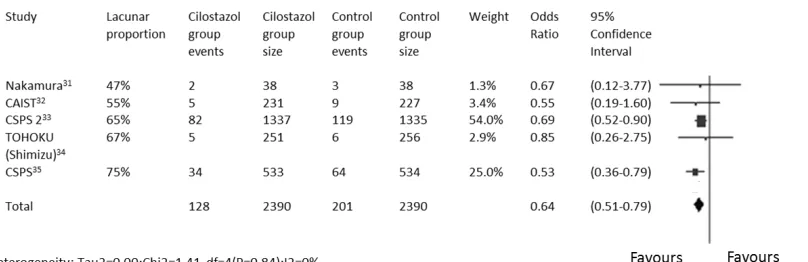
Figure 1 - Meta-analysis of trials of cilostazol for secondary stroke prevention
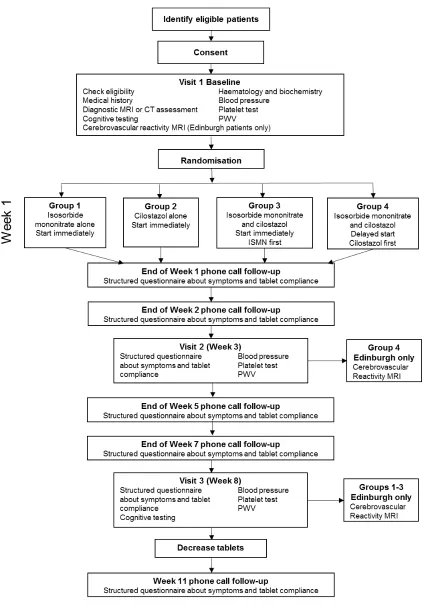
Figure 2 - Flow chart of study procedures
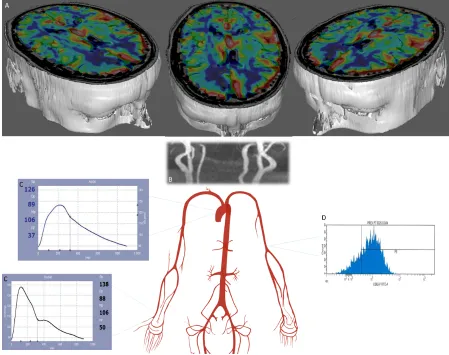
Figure 3 - Mechanistic endpoints assessing brain and systemic vascular function in response to cilostazol and isosorbide mononitrate
Supplementary Information S1 Drug Dosing Tables
Group 1
Group 2
Group 3
Group 4
S2 Data tables for statistical analysis Table 1 - Baseline characteristics
Table 2 - Tablet compliance.
Table 3 - Outcomes at week 8.
Table 4 - Symptoms, by treatment dose.
Table 5 - Physiological, cognitive and cerebrovascular reactivity measures
Table 6 - Serious Adverse Events
3 Abstract:
Rationale
The pathophysiology of most lacunar stroke, a form of small vessel disease (SVD), is thought to differ from large artery atherothrombo- or cardio-embolic stroke. Licenced drugs, isosorbide mononitrate (ISMN) and cilostazol, have promising mechanisms of action to support their testing to prevent stroke recurrence, cognitive impairment or radiological progression after lacunar stroke.
Aim
LACI-1 will assess the tolerability, safety and efficacy, by dose, of ISMN and cilostazol, alone and in combination, in patients with ischaemic lacunar stroke.
Sample size
A sample of 60 provides 80+% power (significance 0.05) to detect a difference of 35% (90% versus 55%) between those reaching target dose on one versus both drugs.
Methods and design
LACI-1 is a phase IIa partial factorial, dose-escalation, prospective, randomised, open label, blinded endpoint (PROBE) trial. Participants are randomised to ISMN and/or cilostazol for 11 weeks with dose escalation to target as tolerated in two centres (Edinburgh, Nottingham). At three visits, tolerability, safety, blood pressure, pulse wave velocity and platelet function are assessed, plus magnetic resonance imaging (MRI) to assess cerebrovascular reactivity in a subgroup.
Study outcomes
Primary: proportion of patients completing study achieving target maximum dose.
Secondary: symptoms whilst taking medications; safety (haemorrhage, recurrent vascular events, falls); blood pressure, platelet function, arterial stiffness and cerebrovascular reactivity.
Discussion
This study will inform the design of a larger phase III trial of ISMN and cilostazol in lacunar stroke, whilst providing data on the drugs’ effects on vascular and platelet function.
4 Introduction and rationale
Cerebral small vessel disease (SVD) is a common disorder that affects small perforating arterioles in the brain’s deep white and grey matter.(1) It causes 25% of ischaemic strokes (‘lacunar’ stroke), intracerebral haemorrhage, vascular and many mixed dementias, gait and bladder dysfunction(1, 2). Cardioembolism and atherothromboembolism are uncommon in lacunar stroke and SVD. Although the pathophysiology remains poorly understood, endothelial dysfunction(1, 3, 4), inflammation(3, 5), blood-brain barrier failure(6) and impaired vasoreactivity(4, 7) have been demonstrated.
There is no specific secondary prevention for lacunar stroke, SVD-associated dementia or progression of SVD lesions on neuroimaging(1). We recently summarised available drugs with potentially relevant actions and identified two agents that seemed worthy of further testing: isosorbide mononitrate (ISMN) and cilostazol(8).
ISMN, a nitric oxide (NO) donor, is commonly used in angina. NO levels are reduced in acute,(9) chronic (10) and possibly in lacunar stroke(11). NO has many potentially beneficial effects for SVD including improved vasoreactivity, neuroprotection and anti-inflammatory effects(8). In the Efficacy of Nitric Oxide in Stroke (ENOS) trial, the NO donor glyceryl trinitrate administered within six hours of all types of stroke, improved cognitive test scores at 90 days (12). However, there are few data on ISMN in lacunar stroke in part because ischaemic heart disease, for which ISMN is licensed, is relatively infrequent in those with SVD(13).
Cilostazol is a phosphodiesterase 3’ inhibitor(8), mainly used for peripheral vascular disease in Europe and North America(14), but more widely used for cerebrovascular disease prevention in Asia-Pacific countries. Cilostazol has mild antiplatelet effects plus several potentially beneficial effects for SVD including improved blood-brain barrier integrity, vasodilatory and anti-proliferative activity, improves oligodendrocyte maturation and hence myelination(15), and reduces white cell chemotaxis(8). In models it improved motor and cognitive function, and reduced infarct volume(16) and in human lacunar stroke it improved middle cerebral artery pulsatility index(17). Over 6000 patients, many with lacunar stroke, have been included in trials of cilostazol in secondary stroke prevention mostly in Asia-Pacific countries (Fig. 1); a meta-analysis of these suggested that cilostazol reduces recurrent stroke(18-21).
There is little experience of ISMN in lacunar stroke, cilostazol is rarely used for stroke prevention in Europe or the Americas. There are no data on the effects of cilostazol when combined with ISMN yet the effects are potentially synergistic(8).
5 Methods
Design
Phase IIa, partial factorial, dose-escalation, prospective, randomised, open label, blinded endpoint (PROBE) trial conducted in two UK centres (Edinburgh, Nottingham).
Participants are randomised in a 1:1:1:1 ratio into four groups: cilostazol alone; ISMN alone; cilostazol and ISMN combined, started immediately (with ISMN given first); and cilostazol and ISMN combined, start delayed for three weeks (cilostazol first) (Fig. 2). The delayed start group also provides a ‘no drug’ comparison group during the first three weeks.
Participants take trial medication for 11 weeks. The dose is increased, in weekly increments over 2-3 weeks as tolerated, sustained until 8 weeks post-randomisation, then decreased gradually over two weeks and stopped (Supplementary Information gives medication by study week). The escalating dose is designed to reduce potential adverse effects following initiation of cilostazol and is standard for ISMN. Gradual dose reduction aims to prevent large haemodynamic changes on cessation of medication.
Patient population
Inclusion:
1. Mild symptomatic ischaemic lacunar stroke in the past four years, compatible with a clinical lacunar stroke syndrome, with brain MRI or CT scanning showing a symptomatic small subcortical (lacunar) infarct (<20mm), or if no recent relevant infarct is visible, that excluded other cause for symptoms. Clinical or imaging evidence of a prior non-lacunar stroke is not an exclusion as long as the randomising clinician is confident that the non-lacunar stroke is not responsible for the index lacunar stroke symptoms.
2. Age ≥ 35 years
3. Independent in activities of daily living (modified Rankin Scale of ≤2) and able to give informed consent.
Exclusion:
1. Other significant neurological illness since the incident stroke 2. Age <35 years
3. Montreal Cognitive Assessment (MoCA) <20
4. Requiring assistance with activities of daily living (modified Rankin Scale ≥3) 5. Active cardiac disease
6. Carotid stenosis >50% (NASCET criteria) on the side of the symptomatic stroke lesion requiring urgent intervention. Note: successfully treated carotid artery stenosis may be included
7. Definite indication for, or contraindication to, cilostazol or ISMN 8. Unable to swallow
9. Bleeding tendency
10. Unlikely to comply with trial medication based on past history or lifestyle 11. Planned surgery during the trial period
12. History of intracranial haemorrhage (but not asymptomatic haemorrhagic transformation of an infarct)
13. Other life threatening illness
6 15. Pregnant or breastfeeding women
16. Women of childbearing age not taking contraception
17. Use of prohibited medications (anticoagulants, phosphodiesterase 5’ inhibitors, macrolides, ketoconazole, itraconazole, omeprazole)
18. Creatinine clearance < 25ml/min 19. Hepatic impairment
20. Current enrolment in another Clinical Trial of Investigational Medicinal Product (CTIMP)
Randomization
Baseline information is entered on a password-protected website (https://nottingham.ac.uk/~nszwww/prev-svd/). Once checked and complete, a computer algorithm randomises participants at a 1:1:1:1 ratio to a study group. Randomisation is minimised on age ≤/>70 years, SVD severity on brain scanning (SVD score ≤/>2)(22), systolic blood pressure ≤/>140mmHg and time after stroke ≤/>100 days.
Intervention
The starting dose for cilostazol is 50mg twice daily, increasing to 100mg twice daily (target dose). The starting dose of ISMN is 25mg once daily increasing to 25mg twice daily (target dose). Participants allocated to both drugs aim to attain the same target doses as for the drugs alone (dose schedules in Supplementary Information). Unused tablets are returned to Pharmacy for counting and destruction at the end of the 11-week period.
Primary outcome
The proportion of participants achieving target dose assessed by alternate weeks structured questionnaire, supplemented by diary and Pharmacy tablet count.
Secondary outcomes
1) Symptoms (headache, nausea, diarrhoea, vomiting, bleeding) recorded by structured questionnaire.
2) Safety (systemic or intracranial bleeding, recurrent vascular events, death).
3) Blood pressure.
4) Platelet function (P-selectin flow cytometry)(23)
5) Systemic arterial stiffness (pulse wave velocity and pulse wave analysis using the SphygmoCor tonometry device.
6) In a subgroup recruited in Edinburgh, cerebrovascular reactivity (CVR)(7) in white matter and cerebrospinal fluid and blood pulsatility, assessed using MRI. Acquisition details are provided in the Supplementary Information.
7 The processing and analysis of CVR, platelet function, pulse wave velocity, blood pressure and all tablet counts, study questionnaires and compliance data will be performed blind to treatment allocation. Apart from the study research fellow and research nurse, other staff performing the above assessments will not be aware of the treatment allocation, particularly during image analysis, blood tests and follow-up data analysis. When talking to participants, the tablets will only be referred to as ‘A’ or ‘B’ to facilitate patients’ understanding of procedures.
Data Monitoring Committee
An independent data monitoring committee (DMC) is established, chair Prof Colin Baigent (Oxford).
Sample size
A sample size of 55 provides 80% power (significance 0.05) to detect a difference of 90% versus 55% (ie an absolute difference of 35%) between those reaching target doses on one drug versus both drugs; ie we expect that 35% fewer patients will tolerate both versus one of the two drugs and the sample size is set to be able to detect that difference. For CVR, lacunar stroke patients have impaired middle cerebral artery vasoreactivity on transcranial Doppler ultrasound with an effect size of 25%, standard deviation (SD) of 40% (4). Little data exist on CVR measured by blood oxygen level dependent (BOLD) MRI in lacunar stroke(7). The 40 participant sample in Edinburgh will allow detection of a relative difference in CVR of 25% (4% vs 3% signal; with estimated common SD of 40%) between no treatment and target dose of both drugs, significance 0.05 and power 0.80.
Allowing for losses, 60 participants will be recruited in total.
Analyses
Image processing: Structural MR images will be scored for SVD lesion burden using validated scales(24) and processed to generate tissue segmentation maps using validated software(25). CVR (% signal change/mmHg CO2) will be determined by multiple linear regression of the BOLD MRI signal time course, with the end-tidal CO2 and time (to account for scanner drift) as regressors, for specific tissue regions for comparison of trial drugs and doses.
8 Data tables and figures summarising the main planned comparisons are provided in the Supplementary Information.
Study organization and funding
The study is funded by The Alzheimer’s Society and will be performed in the Centre for Clinical Brain Sciences and Edinburgh Clinical Trials Unit, University of Edinburgh and the Stroke Trials Unit, Division of Clinical Neuroscience, University of Nottingham.
Discussion:
Intensive assessment
LACI-1 follows participants intensively over 11 weeks including three research clinic visits (to assess BP, platelet function, arterial stiffness, CVR and symptoms) and five telephone follow-ups (to assess side-effects and guide dose escalation). The intense follow-up provides data on dose escalation and safety to inform a future larger, pragmatic, phase III trial with less frequent follow-up.
PROBE design
The PROBE design blinds the main study outcomes whilst maintaining feasibility of dose escalation. A double-blind design proved to be impractical as there is no matching placebo for either study drug. Furthermore, masking by over-encapsulation was impractical and prohibitively expensive when combined with dose escalation. Complicated arrangements for dispensing multiple bottles of study drug, with different dose combinations, were required, with high risk of reduced compliance, confusion and incorrect medication. The PROBE design is well established(26) and the study has been designed and staffed appropriately to maintain investigator blinding at the point of outcome assessment.
Factorial design
The factorial design compares each drug to no drug and also combination therapy to no therapy. The ‘delayed start’ group provides a modified ‘no-drug’ control group as these participants do not receive medication for the first three weeks after randomisation so are not on any medication at the second visit (week 3). They start medication following the week 3 visit, creating a more efficient design, as all participants receive study drug and tests the effect of which drug is commenced first in the combination groups (Supplementary Information). Randomisation using minimisation increases statistical power.
Dose Escalation
9 pharmacodynamics profile to cilostazol, did not reduce headache in a blinded randomised comparison(28). LACI-1 will provide objective evidence on the frequency of common inception side effects to inform a larger pragmatic trial at up to 20 sites to select the regimen that best balances simplicity with tolerability and compliance.
Mechanistic Endpoints
Stroke recurrence, whilst a significant problem following lacunar stroke, occurs relatively infrequently and late, whilst radiological progression of SVD is relatively slow(29). Hence large trials with long follow-up periods are required to detect treatment effects. To enhance information on pharmacological effects of cilostazol and ISMN at these doses, we will use mechanistic vascular function endpoints (Fig. 3): changes in CVR measured using hypercapnic challenge BOLD MRI scans(7), and changes in arterial, venous and cerebrospinal fluid flow characteristics measured using phase-contrast MRI; improvement in systemic vascular stiffness using pulse wave velocity (SphygmoCor tonometry device); and alteration in platelet function will test effects on platelet activation and provide safety data (30).
Bleeding
Cilostazol (but not ISMN) has a low risk of bleeding, a potential interaction with the background antiplatelet medication that patients will be taking. One of the aims of LACI-1 is to assess whether bleeding is enhanced when patients take these combinations of antiplatelet agents.
Summary and conclusions.
LACI-1 will provide data on tolerability, safety and surrogate efficacy markers for cilostazol and ISMN in patients with lacunar stroke, and will inform the design of a larger pragmatic phase III study.
Acknowledgements and Funding
10 Author Contributions
Gordon W Blair –study design, study set up, manuscript preparation, figures
Jason P Appleton - study design, study set up, manuscript preparation
Zhe Kang Law - study set up, preparation
Fergus Doubal -,study design, supervision, study set up, manuscript preparation
Katie Flaherty-, study design, statistics, manuscript preparation
Richard Dooley-, study design, randomisation algorithm, manuscript preparation
Kirsten Shuler- trial management, study set up, manuscript preparation,
Carla Richardson- trial management, study set up, manuscript preparation
Iona Hamilton- study set up, imaging protocol, manuscript preparation
Yulu Shi- study set up, manuscript preparation,
Michael Stringer- stdy set up, manuscript preparation
Julia Boyd- trial management, manuscript preparation
Michael J Thrippleton- manuscript preparation, study design, imaging protocol
Nikola Sprigg- study design,,supervision, manuscript preparation,
Philip M Bath- conception, study design, supervision, manuscript preparation,
11 References
1. Wardlaw JM, Smith C, Dichgans M. Mechanisms of sporadic cerebral small vessel disease: insights from neuroimaging. Lancet Neurol 2013;12:483-97.
2. Debette S, Markus HS. The clinical importance of white matter hyperintensities on brain magnetic resonance imaging: systematic review and meta-analysis. BMJ 2010;341:c3666.
3. Wiseman S, Marlborough F, Doubal F, Webb DJ, Wardlaw J. Blood markers of coagulation, fibrinolysis, endothelial dysfunction and inflammation in lacunar stroke versus non-lacunar stroke and non-stroke: systematic review and meta-analysis. Cerebrovasc Dis 2014;37:64-75.
4. Stevenson SF, Doubal FN, Shuler K, Wardlaw JM. A systematic review of dynamic cerebral and peripheral endothelial function in lacunar stroke versus controls. Stroke 2010;41:e434-e42.
5. Bailey EL, Smith C, Sudlow CLM, Wardlaw JM. Pathology of lacunar ischaemic stroke in humans - a systematic review. Brain Pathol 2012;22:583-91.
6. Wardlaw JM, Makin S, Hernández MCV, et al. Blood-brain barrier failure as a core mechanism in cerebral small vessel disease and dementia: evidence from a cohort study. Alzheimer's & Dementia 2016.
7. Blair G, Doubal FN, Thrippleton MJ, Marshall I, Wardlaw JM. Magnetic resonance imaging for assessment of cerebrovascular reactivity in cerebral small vessel disease. A systematic review. J Cereb Blood Flow Metab 2016;in press.
8. Bath PM, Wardlaw JM. Pharmacological treatment and prevention of cerebral small vessel disease: a review of potential interventions. Int J Stroke 2015;10:469-78.
9. Rashid PA, Whitehurst A, Lawson N, Bath PM. Plasma nitric oxide (nitrate/nitrite) levels in acute stroke and their relationship with severity and outcome. J Stroke Cerebrovasc Dis 2003;12:82-7.
10. Ferlito S, Gallina M, Pitari G, Bianchi A. Nitric oxide plasma levels in patients with chronic and acute cerebrovascular disorders. Panminerva medica 1998;40(1):51-4.
11. Hassan A, Hunt BJ, O'Sullivan M, et al. Markers of endothelial dysfunction in lacunar infarction and ischaemic leukoaraiosis. Brain 2003;126:424-32.
12. Woodhouse L, Scutt P, Krishnan K, et al. Effect of Hyperacute Administration (Within 6 Hours) of Transdermal Glyceryl Trinitrate, a Nitric Oxide Donor, on Outcome After Stroke: Subgroup Analysis of the Efficacy of Nitric Oxide in Stroke (ENOS) Trial. Stroke 2015;46(11):3194-201.
13. Jackson CA, Hutchison A, Dennis MS, et al. Differing risk factor profiles of ischemic stroke subtypes: evidence for a distinct lacunar arteriopathy? Stroke 2010;41:624-9.
14. Bedenis R, Stewart M, Cleanthis M, Robless P, Mikhailidis DP, Stansby G. Cilostazol for intermittent claudication. Cochrane Database of Systematic Reviews 2014(10).
15. Miyamoto N, Pham L-DD, Hayakawa K, et al. Age-Related Decline in Oligodendrogenesis Retards White Matter Repair in Mice. Stroke 2013;44(9):2573-8.
16. Omote Y, Deguchi K, Tian F, et al. Clinical and pathological improvement in stroke-prone spontaneous hypertensive rats related to the pleiotropic effect of cilostazol. Stroke 2012;43(6):1639-46.
17. Han SW, Lee SS, Kim SH, et al. Effect of cilostazol in acute lacunar infarction based on pulsatility index of transcranial Doppler (ECLIPse): a multicenter, randomized, double-blind, placebo-controlled trial. Eur Neurol 2012;69(1):33-40.
18. Uchiyama S, Demaerschalk BM, Goto S, et al. Stroke prevention by cilostazol in patients with atherothrombosis: meta-analysis of placebo-controlled randomized trials. J Stroke Cerebrovasc Dis 2009;18(6):482-90.
19. Kamal AK, Naqvi I, Husain MR, Khealani BA. Cilostazol versus aspirin for secondary prevention of vascular events after stroke of arterial origin. Cochrane Database Syst Rev 2011(1):CD008076.
12 21. Shi L, Pu J, Xu L, Malaguit J, Zhang J, Chen S. The efficacy and safety of cilostazol for the secondary prevention of ischemic stroke in acute and chronic phases in Asian population- an updated meta-analysis. BMC Neurology 2014;14(1):1-10.
22. Klarenbeek P, van Oostenbrugge RJ, Rouhl RP, Knottnerus IL, Staals J. Ambulatory blood pressure in patients with lacunar stroke: association with total MRI burden of cerebral small vessel disease. Stroke 2013;44(11):2995-9.
23. Fox SC, May JA, Shah A, Neubert U, Heptinstall S. Measurement of platelet P-selectin for remote testing of platelet function during treatment with clopidogrel and/or aspirin. Platelets 2009;20(4):250-9.
24. Wardlaw JM, Smith EE, Biessels GJ, et al. Neuroimaging standards for research into small vessel disease and its contribution to ageing and neurodegeneration: a united approach. Lancet Neurol 2013;12(8):822-38.
25. Valdés Hernández M, Armitage P, Thrippleton MJ, et al. Rationale, design and methodology of the image analysis protocol for studies of patients with cerebral small vessel disease and mild stroke. Brain Behav 2015;DOI: 10.1002/brb3.415.
26. Hansson L, Hedner T, Dahlöf B. Prospective Randomized Open Blinded End-point (PROBE) Study. A novel design for intervention trials. Blood Pressure 1992;1(2):113-9. 27. Nishiyama K, Seyama H, Okano H, et al. Escalation Regimen of Cilostazol for Acute Brain Infarction. Internal Medicine 2011;50(15):1559-63.
28. de Vos-Koppelaar NC, Kerkhoff H, de Vogel EM, Zock E, Dieleman HG. The effect of a slower than standard dose escalation scheme for dipyridamole on headaches in secondary prevention therapy of strokes: a randomized, open-label trial (DOSE). Cerebrovasc Dis 2014;37(4):285-9.
29. Schmidt R, Scheltens P, Erkinjuntti T, et al. White matter lesion progression: a surrogate endpoint for trials in cerebral small-vessel disease. Neurology 2004;63(1):139-44. 30. Sprigg N, Gray LJ, England T, et al. A randomised controlled trial of triple antiplatelet therapy (aspirin, clopidogrel and dipyridamole) in the secondary prevention of stroke: safety, tolerability and feasibility. PLoS ONE 2008;3(8):e2852.
31. Nakamura T, Tsuruta S, Uchiyama S. Cilostazol combined with aspirin prevents early neurological deterioration in patients with acute ischemic stroke: a pilot study. J Neurol Sci 2012;313(1-2):22-6.
32. Lee YS, Bae HJ, Kang DW, et al. Cilostazol in Acute Ischemic Stroke Treatment (CAIST Trial): a randomized double-blind non-inferiority trial. Cerebrovasc Dis 2011;32(1):65-71.
33. Shinohara Y, Katayama Y, Uchiyama S, et al. Cilostazol for prevention of secondary stroke (CSPS 2): an aspirin-controlled, double-blind, randomised non-inferiority trial. Lancet Neurol 2010;9(10):959-68.
34. Shimizu H, Tominaga T, Ogawa A, et al. Cilostazol for the prevention of acute progressing stroke: a multicenter, randomized controlled trial. J Stroke Cerebrovasc Dis 2013;22(4):449-56.
13 Figures
16 Supplementary Information
List of Supplementary Information
S1 Drug dosing tables
S2 Statistical analysis tables 1 - 8
17 S1 Drug dosing tables
Group 1:
Patients randomised to Isosorbide Mononitrate aloneGroup 1 Dosing Regime
Week ISMN
Morning Evening
1 Nil 25mg
2 25mg 25mg
3 25mg 25mg
4 25mg 25mg
5 25mg 25mg
6 25mg 25mg
7 25mg 25mg
8 25mg 25mg
9 25mg Nil
10 Nil Nil
11 Nil Nil
Group 2:
Patients randomised to cilostazol aloneGroup 2 Dosing Regime
Week Cilostazol
Morning Evening
1 50mg 50mg
2 100mg 50mg
3 100mg 100mg
4 100mg 100mg
5 100mg 100mg
6 100mg 100mg
7 100mg 100mg
8 100mg 100mg
9 50mg 50mg
10 Nil Nil
18
Group 3:
Patients randomised to both Isosorbide Mononitrate and Cilostazol - start immediately – ISMN firstGroup 3 Dosing Regime
Week Isosorbide Mononitrate Cilostazol
Morning Evening Morning Evening
1 Nil 25mg Nil Nil
2 25mg 25mg Nil Nil
3 25mg 25mg 50mg 50mg
4 25mg 25mg 100mg 50mg
5 25mg 25mg 100mg 100mg
6 25mg 25mg 100mg 100mg
7 25mg 25mg 100mg 100mg
8 25mg 25mg 100mg 100mg
9 25mg Nil 50mg 50mg
10 Nil Nil Nil Nil
11 Nil Nil Nil Nil
Group 4:
Patients randomised to both Isosorbide Mononitrate and Cilostazol - delayed start – cilostazol first - Group 4:Group 4 Dosing Regime
Week Isosorbide Mononitrate Cilostazol
Morning Evening Morning Evening
1 Nil Nil Nil Nil
2 Nil Nil Nil Nil
3 Nil Nil Nil Nil
4 Nil Nil 50mg 50mg
5 Nil Nil 100mg 50mg
6 Nil 25mg 100mg 100mg
7 25mg 25mg 100mg 100mg
8 25mg 25mg 100mg 100mg
9 25mg Nil 50mg 50mg
10 Nil Nil Nil Nil
19 S2 Data tables for statistical analysis
Table 1. Baseline characteristics. Data are number (%), median [interquartile range] or mean (standard deviation).
Variable All Both
delayed
ISMN Cilostazol Both immediate
Patients (%) Age (years) Sex, female (%)
Onset to randomisation (days)
Scan type, MRI (%)
Visible acute stroke lesion MRI (%)
Lesion visible on DWI (%) Lesion visible on FLAIR (%) Side of brain, left (%) SVD score MRI ( /4) ≥1 Lacune (%) ≥1 Microbleeds (%) Perivascular spaces (%) WMH Fazekas MRI
Visible acute stroke lesion CT (%) Side of brain left (%)
SVD score CT ( /2 ≥1 Lacune (%) WMH Score Atrophy
Systolic BP (mmHg) Diastolic BP (mmHg) Arm used for BP, left (%)
Past medical history (%)
Treated hypertension Treated hyperlipidaemia Diabetes
Atrial fibrillation
Ipsilateral carotid stenosis >50% Peripheral arterial disease Heart failure
Angina
Myocardial infarction Previous stroke Previous TIA
Stroke in immediate family Smoking
Alcohol intake [upw] Additional salt (%) mRS – pre-stroke [/6] mRS – baseline [/6] Current NIHSS MoCA (/30) TMT Part A (secs) TMT test Part A (points) TMT Part B – (secs) TMT Part B – (points)
[image:19.595.76.524.123.757.2]21 S2, Table 2. Tablet compliance. Note, here ‘full dose’ is defined as achieving the whole dose prescribed for that time period (e.g. 25mg/day for week 1 of ISMN); ‘partial dose’ is defined as achieving part of the dose prescribed for that time period (e.g. 25mg only on alternate days for ISMN).
Variable All Both
delayed
ISMN Cilostazol Both
immediate Week 1 (telephone)
Adherence full dose (%) Adherence partial dose (%) No. doses missed
Week 2 (telephone)
Adherence full dose (%) Adherence partial dose (%) No. doses missed (if any)
Week 3 (clinic)
Adherence full dose (%) Adherence partial dose (%) No. doses missed (if any)
Week 5 (telephone)
Adherence full dose (%) Adherence partial dose (%) No. doses missed (if any)
Week 7 (telephone)
Adherence full dose (%) Adherence partial dose (%) No. doses missed (if any)
Week 8 (clinic)
![Table 1. Baseline characteristics. Data are number (%), median [interquartile range] or mean (standard deviation)](https://thumb-us.123doks.com/thumbv2/123dok_us/8553484.363522/19.595.76.524.123.757/table-baseline-characteristics-number-median-interquartile-standard-deviation.webp)
