COMPREHENSIVE EVALUATION OF FUNCTIONAL
OUTCOMES FOLLOWING TOTAL KNEE
ARTHROPLASTY USING INTERNATIONAL
CLASSIFICATION OF FUNCTION, DISABILITY AND
HEALTH (ICF) MODEL - A LONGITUDINAL
CROSS-SECTIONAL STUDY
REGISTER NO: 271710322
A DISSERTATION SUBMITTED TO
THE TAMILNADU Dr. M.G.R MEDICAL UNIVERSITY,
CHENNAI,
AS PARTIAL FULFILLMENT OF
THE MASTER OF PHYSIOTHERAPY DEGREE
(ADVANCE PT IN ORTHOPAEDICS)
MAY 2019
CHRISTIAN MEDICAL COLLEGE, VELLORE
TAMIL NADU
A Dissertation on
“
COMPREHENSIVE EVALUATION OF FUNCTIONAL
OUTCOMES FOLLOWING TOTAL KNEE
ARTHROPLASTY USING INTERNATIONAL
CLASSIFICATION OF FUNCTION, DISABILITY AND
HEALTH (ICF) MODEL - A LONGITUDINAL
CROSS-SECTIONAL STUDY
”
Submitted to
The program of Master of Physiotherapy Degree (Advanced PT in Orthopaedics) Christian Medical College, Vellore.
In partial fulfillment of the requirements for the award of
MASTER OF PHYSIOTHERAPY
From
THE TAMIL NADU Dr. M. G. R. MEDICAL UNIVERSITY, CHENNAI
Submitted by
Mr. C. SANAM RANA
Registration No.: 271710322
MAY 2019
ACKNOWLEDGEMENT
Above all first and foremost I would like to thank The God Almighty for his benediction, guidance and blessings that he has given me, including the opportunity to finish this study.
This project has been a great learning experience for me. It gives me immense pleasure to acknowledge my profound gratitude to Mr. Andrew Babu, MPT, MIAP Head Physiotherapy Unit, Christian Medical College, and Vellore, my guide who encouraged me to pursue this topic. I thank him for expert and valuable guidance throughout my study.
I express my gratitude to Dr. Alfred Job Daniel, MS (Ortho), Professor, Orthopaedics Dept. Christian Medical College, Vellore, my clinical guide for his support and encouragement from the beginning.
My special thanks to Mr. Samuel Kirubakaran MPT, my co-guide, who guided and helped me in completing this project on time. I sincerely acknowledge my gratitude to Mr. Lenny Vasanthan, Mrs. Merlyn Tilak and Mr. Senthil VelKumar (PG faculty) for their timely guidance, advice and encouragement throughout the study period.
My special thanks to Dr. Abel Livingstone, MS (Ortho), Assistant Professor, Dr. Reuben Cedric Nappoly PG Registrar (Ortho), and to my senior Mr. Selvin James Gamalial, MPT for guiding me in the clinical areas.
I thank Mrs. Gouri Mahasampath, my statistician for her assistance in the data processing and analysis.
My special thanks to my Batch mates (Winrose Samuel & Maria Steffy), my seniors, friends, and Physiotherapy faculty for their timely and valuable inputs throughout the study.
Above all my sincere gratitude to My Parents, Grandparents, and my beloved Wife for their love, support, motivation and prayers that have made this journey a blessed one.
My special whole hearted thanks to the Study participants, for their valuable help and support without which this study could not have progressed to be successful.
CONTENTS
S.NO CHAPTER PAGE NO
ABSTRACT
1. INTRODUCTION 1
1.1 Need for the study 4
2. AIMS AND OBJECTIVES 6
3. REVIEW OF LITERATURE 7
4. METHODOLOGY 19
4.1 Study design 19
4.2 Study population 19
4.3 Study setting 19
4.4 Study duration 19
4.5 Sample size 19
4.6 Sampling technique 19 4.7 Criteria for selection 19 4.8 Variables 20
4.9 Outcome measures 21 4.10 Tools & materials 22 4.11 Procedure of the study 23
4.12 Algorithm 33
4.13 Statistical tools 34
5. RESULTS 35
6. DISCUSSION 45
7. CONCLUSION 50 8. LIMITATIONS AND RECOMMENDATIONS 51
LIST OF TABLES
TABLE NO
TABLES PAGE
NO
1. Descriptive statistics on preoperative characteristics of
subjects 35
2. Distribution of subjects based on their demographics 36
3. Comorbidities variables 37
4. Comparison of Preoperative & Postoperative functional
outcomes on ICF (impairment) 38
5. Comparison of Preoperative & Postoperative functional
outcomes on ICF (activity limitation) 39
6. Comparison of Preoperative & Postoperative functional
LIST OF GRAPHS
GRAPH NO
CONTENT PAGE
NO
1
Comparison of functional outcomes between preoperative and postoperative knee score (KS) a subscale of knee society score (KSS)
41
2
Comparison of functional outcomes between preoperative and postoperative function score (FS) a subscale of knee society score (KSS)
41
3
Comparison of functional outcomes between preoperative and postoperative total score (TS) of knee society score (KSS)
42
4 Comparison of muscle strength of right hip abductor
between preoperative and postoperative assessment 42
5 Comparison of WOMAC between preoperative and
postoperative assessment 43
6 Comparison of LEFS between preoperative and
postoperative assessment 43
7 Comparison of function subscale of LLFDI between
preoperative and postoperative assessment 44
8
Comparison of disability subscale (limitation component) of LLFDI between preoperative and postoperative
assessment
ABSTRACT
BACKGROUND: Osteoarthritis is a degenerative change commonly occurs in
weight-bearing joints in the hip and knee. Pain and joint stiffness is the common symptoms that
gradually leads to muscle weakness and deformity which affects the quality of life. Prevalence of OA knee is increasing due to aging and lifestyle. International classification of function and disability (ICF) is a framework model adapted by world
health organization and measures health and disability at both individual and population at large. Implications of ICF give clinicians and researchers a core idea even in the areas of functioning. The ICF model evaluates the individual’s ability to participate in the
society and the environmental and personal factors that might be a barrier to their participation. Total knee arthroplasty (TKA) is a surgical procedure where the articular
surface of the femoral condyle and tibial plateau are replaced with the metal implant. Aim of TKA is to reduce pain, increase range of motion, and improve function. The
objective of this study was to evaluate the outcomes following TKA using ICF model. METHODS: 10 subjects who were planned to be operated for total knee arthroplasty after having met the inclusion criteria were included in the study with a prior consent
form. Using ICF model, evaluation of functional outcomes was measured at two different points, at preoperative and followed up at postoperatively at 3 months. Study
was approved by an institutional review board, Christian medical college Vellore. RESULTS: At 3 months postoperative there was a significant change in postoperative
subscale of disability component). However, there was no significant change in range of
motion, muscle power of quadriceps and left hip abductor, handgrip strength, performance-based measures, and a subscale of LLFDI (frequency subscale of disability component).
CONCLUSION: The study concluded with a need of extensive research using ICF model to provide holistic view of the patient’s conditions and plan rehabilitation
measures accordingly.
1
1. INTRODUCTION
Knee osteoarthritis is a common and a major cause of musculoskeletal disorders
affecting the quality of life and is the 3rd most disabling conditions with a negative impact
on health. (1,2) Osteoarthritis is a degenerative condition of the joint that affects hands,
feet, spine and most commonly affects the weight-bearing joints of the lower limb. Hip and
knee are the common joints with OA. As the disease progress, there is gradual loss of
articular cartilage with joint space narrowing, subchondral sclerosis, and hypertrophy of
bone at the marginal ends. (3) In normal knee joint the function of articular cartilage is a
shock absorber and it allows free movement and when articular cartilage degenerates it
becomes thinner eroded and gradually disappears causing the bone to bone friction leading
to pain and mobility impairment. Pain and stiffness leads to muscle weakness and further
leads to deformity of the joint that causes severe mobility limitation and further affecting
the quality of life. (4)
Risk factors associated with OA knee are age, trauma, occupation, exercise, gender &
ethnicity, genetics, diet, bone density, and obesity due to a sedentary lifestyle. OA Knee
Patients are above 50 years of age and their chief complaint is pain and stiffness which gets
aggravated by weight-bearing activities and relieved by rest. (5)
Prevalence of OA knee is higher among Caucasians compared to Asian and black
population. (6) Report published in Times of India (2010) about 40 % of Indian population
above the age group of 70 years suffers from OA knee of which 2 % of the population has
severe pain and disability. (4) Prevalence of OA knee is expected to increase as aging and
2
be chronic disease capital by 2025 with 60 million people with arthritis. About 80 % of
populations with OA knee are having movement limitation, 20 % are not able to do basic
activities of daily living and 11 % of the population reports a need of personal care. (4)
Prevalence of OA knee in men is lower as compared to females, male with an age of <55
years have a lower incidence of OA knee than females and females with an age of ≥55
years have severe OA knee as compare to males. (8) Diagnosis of OA knee is made based
on patient history, physical examination and radiographic examination. (9)
International classification of functioning disability & health (ICF) is a framework
model adapted by world health organization (WHO) for describing health-related domains.
(10) ICF has 2 components and each component has separate domains. First component is
Function and disability and it includes following domains- Impairment i.e. Body structure
and function, activity limitation and participation restriction and the second component
include contextual factors with a domain of environmental & personal factors. (11)
OA knee classification according to ICF model, impairment component measures knee
pain intensity, muscle strength of quadriceps and hip abductors, knee mobility, and hand
grip strength. Activity limitation component measures individual ability to walk, bend, sit
and stair climbing and Participation restriction component describes individual inability to
attend a community and social life such as employment, education, sports and leisure
3
Flowchart: Classification of OA knee based on the ICF model (1)
Health Condition
OA Knee
Personal factors
Wellbeing and lifestyles such as age,
sex, gender, BMI, pain, comorbidity, anxiety & depression,
frailty, alcohol & smoking Participation restriction Unable to participate and engage in community life, social events, and
recreational activities
Activity limitation
Unable to perform a task such as bending down, kneeling, squatting, climbing stairs, toileting, dressing & driving Impairment (Body structures and function) Impairment of ambulation due to pain, limitation in joint mobility, and
muscle weakness and deformity
Environmental factors
Physical, social, and attitudinal environment can either be a barriers or facilitators in persons
functioning e.g. mobility outside the
4
Total knee arthroplasty is surgical approach performed to relieve joint pain, to correct
deformity and improve functional activities. (13) Technological innovation in development
of implants has helped in improving joint function and reducing pain. (14) Knee flexion of
110 degrees allows to perform most of the functional activities and that is why most of the
knee endoprosthesis is designed to achieve high deep flexion. (15) Femoral component of
the knee prosthesis is “J” shaped curve and it comes in contact with the tibial surface.
Anterior femoral radius is large and posterior femoral radius is smaller and is designed to
allow femoral component into deep flexion to improve function. (16) The number of TKA
procedure from 2005 to 2030 is expected to increase by 601 % reaching an estimated of
3.48 million procedures annually. (17)
1.1 NEED FOR STUDY
Previous study on the functional outcomes of TKA have evaluated on one particular
aspect of outcomes such as on range of motion or muscle strength or gait kinematics.
(18,19) ICF integrates physical, mental, and social aspects of health condition. ICF model
incorporates all aspects of person’s life on impairment level, activity limitation, and
participation restriction, instead of focusing on one particular difficulty. There are limited
studies that have evaluated the functional outcomes following total knee arthroplasty
comprehensively using ICF model assessment. (REFERENCE) Till date in Indian
population there are no studies that have used ICF model in assessment of functional
5
In this study, we will evaluate and compare the improvements in the functional
outcomes of TKA in Indian population using the ICF model comprehensing all the 3
6
2. AIMS AND OBJECTIVES
AIM: The aim of the study is to comprehensively evaluate the functional outcomes
following total knee arthroplasty using ICF model.
OBJECTIVE: To compare the functional outcomes in impairment, activity limitation,
participation restriction domains in ICF models following total knee arthroplasty.
HYPOTHESES:
Null Hypothesis: There is no significant difference in functional outcomes based on the
ICF model following total knee arthroplasty.
Alternate Hypothesis: There is a significant difference in functional outcomes based on
the ICF model following total knee arthroplasty.
7
3. REVIEW OF LITERATURE
Outcomes of total knee arthroplasty:
Moon et al evaluated and analyzed the clinical and radiological outcome of surgery
using Buechel and Pappas (P) knee implants. 94 TKA from 60 patients who received
B-P knee implant were compared to the results of 60 TKA from 41 patients who received
NexGen-LPS knee implants. The American knee society score was used as the outcome
measures. Both types of knee implants showed improved outcomes. At 2 years of follow
up when compared to NexGen-LPS knee implant, B-P knee implant showed a higher
degree of satisfaction in clinical and less intraoperative bone mass removal. (14)
Henderson et al determined that physiotherapy interventions are effective for total knee
arthroplasty patients in acute care setting and inpatient rehabilitation in improving pain,
range of motion, and reducing the length of stay in the hospital. Studies with RCTs
receiving active physiotherapy intervention in the acute hospital or inpatient rehabilitation
were included. Risk of bias for individual studies was assessed using physiotherapy
evidence database (PEDro) scale. Active physiotherapy intervention reduces the length of
hospital stay in acute phase. Few studies showed improved outcomes with hydrotherapy
regimes. However technology assisted physiotherapy did not show any difference for
activity. (20)
Woolhead et al investigated the experiences of patient outcomes following total knee
arthroplasty. 25 patients were included in the study and interviewed before surgery. 15
patients were dropped out and remaining 10 were interviewed at 6 months follow up.
8
interviewed about the experience of outcomes and they struggled to make sense of their
outcome. Most of the patient reported better outcomes but during discussion they revealed
difficult and discomfort in movement of knee joints and experienced persistant pain.
Woolhead et al concluded that although TKR gives excellent functional outcomes when
using quantitative methods, study may need to be qualified by qualitative findings. (21)
Artz et al evaluated the effectiveness of physiotherapy exercise in patients after primary
total knee arthroplasty using systematic review and meta-analysis of RCTs. Outcome
measures were assessed by using patient reported pain and function, knee range of motion,
and functional performance. 18 trials of total 1,739 patients who underwent TKA were
studied. Interventions were compared between physiotherapy exercise, home and
outpatient physiotherapy, walking skills, pool & gym-based physiotherapy, and general
exercise with and without balance exercises or ergometer cycling. This systematic review
and meta- analysis concluded short-term improvement in physical function with
physiotherapy exercises however no long term improvement of physiotherapy exercises
were identified. (22)
Karnofsky performance scale (KPS):
Vincent Mor et al studied the psychometric properties of Karnofsky performance
scale. The Karnofsky Performance Scale (KPS) is use to assess the functional status. It
is an observer-rated measure of patient’s functional autonomy and ability to participate
in normal activities and self-care. Patient’s functional status is assess on a scale ranging
from 100 (normal activity, no evidence of disease) to 0 (dead). It is completed by the
9
the typical methodology for completing KPS. The inter-rater reliability is found to be
0.97 and the construct validity of the KPS is found to be strongly significant (P < 0.001). It
has good psychometric properties in people with cancer including good inter rater
reliability. Study concluded that KPS is a valuable research tool when applied by trained
observers. (23)
Charlson comorbidities index (CCI):
Charlson ME et al the Charlson Comorbidity Index is used to assess the co
morbidity load from 19 co-occurring conditions. The Charlson Comorbidity Index is
valid across lifespan in adults with cancers. Higher scores indicate higher co
morbidity. (24)
Elmallah Randa D.K et al studied prospectively studied the pre-existing
comorbidities of 283 TKA patients (172 women, 111 men) using Charlson comorbidity
index to identify any factors that affect functional recovery. The effects of CCI on
outcomes was evaluated using knee society score (KSS), short form- 36 (SF 36), and lower
extremity activity scale (LEAS). Patient with lower CCI scores had significant
improvements in KSS at 2 & 5 years follow up and greater improvement in the physical
component of SF 36 and higher LEAS score at 2 years follow up. Results from this study
showed that patients who had lower CCI scores had greater improvements in pain, activity
10 Patient health questionnaire (PHQ-9):
Kroenke K et al constructed the patient health questionnaire (PHQ-9) as a
self-administered questionnaire to detect the presence and severity of depression. It is used
as a diagnostic tool for common mental disorders. PHQ-9 has 9 diagnostic criteria
which are based on DSM-4 criteria as “0” (not at all) to “3” (nearly every day). The
PHQ-9 is used in cancer patients and has been validated. PHQ-9 is studied on 6000
patients in 8 primary clinics & 7 obstetrics & gynecology clinics. The study concluded
PHQ-9 to be a valid and reliable measure of depression severity and hence PHQ-9 is a
useful clinical and research tool. (26)
Thekkumpurath et al screened depression in outpatient’s cancer subjects. Data
were obtained from 4264 patients attending the outpatient cancer center in Edinburgh,
UK. All the subjects have completed PHQ-9 to identify major depressive disorder. The
PHQ-9 is a 9-item, brief, free-to-use, self administered questionnaire available in most
Indian languages. The cut-off score for major depressive disorders is ≥ 8 and should
consider as a screening tool for depression in cancer population. (27)
Knee pain intensity using knee society score (KSS):
Nobles PC et al first developed the Knee Society Score (KSS) in 1989 and is widely
used even today to evaluate TKA patients, it was later revised into new version in 2011
after adding few more components. A study was done with 101 patients (53-women,
48-men). Statistical and psychometric procedures of subjective and objective data were
11
validation. Studies concluded that KSS is a validated tool to measure TKA patients based
on surgeon and other clinicians. (28)
Scuderi et al derived the new knee society score from the original knee society
score maintaining its integrity. The new Knee Society Score (KSS) is both physician
and patient reported scale which can track patient expectations, satisfaction and
activity levels. New knee society knee scoring system can be administered
preoperatively and postoperatively separately. New KSS is applicable broadly across
age, sex, activity level, and implant type. Thus new knee society score is a validated
and responsive method for assessing subjective and objective outcomes after total and
partial knee arthroplasty. (29)
Knee mobility using standard goniometry:
Jakobsen et al determined the intra-tester and inter-tester reliability of goniometric
measurements of active and passive knee joint range of motion administered by the
physiotherapists. Knee joint range of motion is evaluated by Goniometer. Active and
Passive knee range of motion is measured following TKA was measured in 19
patients. Patient is positioned in supine and measured knee flexion range using a 30
cm standard goniometry by the primary investigator. The knee range of motion
assessment using standard goniometry has been found to be reliable when done by the
same tester. The minimal clinically significant difference for passive knee range has
12
Muscle strength using Digital force gauge (IMADA):
Schache M B et al studied the effectiveness of targeted hip abductor strengthening
following TKA on muscle strength and functional performance. Hip abductor and knee
extensor weaknesscan alter the pattern of gait in individuals having knee OA. Severe knee
pain will cause decreased gait speed, reduced stride length and increased time in double
support. The above factors will also reduce the activation of hip abductors and knee
extensors muscles over a period of time. Early post operative pain is also likely to
contribute to the weakness of the hip abductor and knee extensor muscles. Post
operatively, weak hip abductor muscles will lead to poor performance during various
activities. The Hand held dynamometer (HHD) is a tool to assess strength. It is a
reliable and valid tool in measuring strength following total knee arthroplasty. The
strength is recorded as kilogram force unit (KGF). (31)
Role of hand grip strength assessment in knee arthroplasty:
Shyam kumar A.J et al studied if hand held dynamometer measurement during
preoperative period could predict the post operative length of stay in the hospital
following hip and knee arthroplasty. Studies have shown that hand grip dynamometry is a
useful screening tool to detect preoperative malnutrition and predict postoperative
complications. Hand grip strength is also found to predict mobility in the elderly after
major abdominal surgery. 164 patients (male= 64,female=100) undergoing lower limb
arthroplasty (83 total knee arthroplasty, 81 total hip arthroplasty) were assessed
preoperatively for pinch, power grip and grip endurance using jamar hydraulic
13
study concluded that the use of hand held dynamometer during preoperative period
will help identify patients who are likely to require longer hospital stay following TKA.
(32)
Mentiplay et al examined the intra-rater, inter-rater, inter-device reliability, and
concurrent validity of rate of force development (RFD) using hand held dynamometer
(HHD) for the assessment of isometric strength and power of lower limb. Lafayette
analog hand held dynamometer is a well- established instrument to assess isometric
grip strength. Intra-rater, Inter-rater, and inter-device reliability of peak force and rate
of force development showed good to excellent reliability. Concurrent validity
analysis showed moderate to excellent relationships between hand held dynamometer
and fixed dynamometry. The reliability and validity of hand held dynamometer (HHD)
against fixed dynamometer has been established. (33)
Western ontario Mc Master universities osteoarthritis index (WOMAC):
Salaffi et al postulates that WOMAC is a widely used self-reported questionnaire to
evaluate hip and knee arthritis. All WOMAC subscales (pain, stiffness, and physical
function) are internally consistent with Cronbach's coefficient alpha of 0.91, 0.81, and
0.84, respectively. The test-retest reliability is satisfactory with ICCs of 0.86, 0.68, and
0.89, respectively. WOMAC is a reliable and valid instrument for evaluating severity
14
Thumboo J et al studied the reliability and validity of the Western Ontario and
McMaster University Osteoarthritis index among the Asian populations with hip and knee
osteoarthritis. WOMAC was administered among 66 inpatients and outpatients having
hip and knee OA who were seen at a tertiary referral centre in Singapore. The study
found with to have good internal consistency (alpha 0.70 to 0.93) and good reliability with
intraclass correlations of 0.83 to 0.90. WOMAC is a valid and reliable outcome measure
among the Asian population with OA knee. (35)
Lower extremity functional scale (LEFS):
Binkley et al assessed the reliability, construct validity, and sensitivity of Lower
Extremity Functional Scale (LEFS). The LEFS was used on 11 adults with lower
extremity conditions. This is a self-reported questionnaire with 20 different everyday
activities. The total score is 80. Higher scores signify lesser disability. The internal
reliability for the LEFS is excellent (α=0.96). The test-retest reliability estimates were
R=.86 (95% lower limit CI=.80) for the entire sample (n=98) and R=.94 (95% lower
limit CI=.89) for the subset of patients with more chronic conditions (n=31). The scale
was reliable and validated against SF-36 and the sensitivity was superior compared to
SF-36. The MCID for LEFS is 9 points. Thus LEFS is efficient to administer in
clinical decision making and research purposes. (36)
Yeung Teresa S.M et al studied the test-retest reliability, construct validity, and
responsiveness of the LEFS on the inpatients admitted to orthopedic rehabilitation ward.
142 Orthopedic inpatients completed the self reported questionnaire of LEFS on
15
lower extremity functional scale is reliable, valid with large responsiveness among patients
admitted in the orthopedic ward. (37)
Six minute walk test:
Kennedy DM et al examined the reliability and sensitivity of six minute walk test in
patients with hip or knee OA who underwent total joint arthroplasty. Six Minute walk test
(6MWT) is a sub-maximal exercise test used to assesses aerobic capacity & walking
endurance. It is an important functional testing measure in assessing the outcomes after
total knee arthroplasty, especially in the early postoperative period. 6 MWT produce
greater responsiveness in this study. The test-retest reliability of 6 MWT in osteoarthritis
has been established as excellent (ICC=0.94). The minimal clinical important difference
(MCID) established for TKA patients is 26 to 55 meters. (38)
Jakobsen TL et al assessed the reliability of six minute walk test in patients who
underwent recent TKA. 6MWT has been proved to be reliable in TKA, ICC 2=0.97,
SEM=13.0, Smallest Real Difference (SRD) =336.1 meters. 6-minute walk test is a
functional performance test that measures a person’s ablity to walk maximum distance in 6
minutes. The intra-tester reliability of 6 MWT was high in patients with TKA. This study
recommends that the longest distance walked in 2 supervised test trials should be used.
(39)
30-second chair stand test (30 CST):
Unver B et al investigated the reliability of 30-second chair stand test in patients
who have undergone TKA. 30 second chair stand test is a functional test of lower limb
16
balance - Non vestibular, functional mobility & strength in older adults. This test is
used in Arthritis and Joint conditions. Studies find 30 CST to be excellent reliable in
patients with TKA. 30 CST is found to be useful in research and clinical practice. (40)
Jones et al investigated the Test-retest reliability and the criterion-related and construct
validity of 30 second chair stand test in adults above 60 years. Test-retest intraclass
correlations of 30 CST has good reliability. Criterion-related validity of 30 CST has a
moderately high correlation between chair-stand performance and maximum
weight-adjusted leg-press performance. Performance of chair-stand have decreased significantly
across age group in decades from the 60s to 80s (p<.01) and was lower significantly for
low-active participants (p<.0001). Study concluded that 30 second chair stand test is found
to be reasonably reliable and valid indicator among older adults. (41)
Stair-climb test:
Whitchelo et al synthesized the available evidence for the factors affecting stair
climbing in patients with OA knee before and after TKA. Stair Climbing Test (SCT) is
an important measure of functional capacity following TKA. One of the most
challenging activities in persons with osteoarthritis is ability to negotiate stairs.
Thirteen studies were included in this review - 9 studies investigated OA knee
population and 4 studies investigated TKA population. Stair climbing ability was
greater in OA knee patients due to stronger lower limb muscles and less knee pain. For
TKA patients there was less evidence. (42)
Almeida GJ et al determined the inter-rater reliability and measurement error of stair
17
physical function. Stair climb test measures the strength of lower limb, balance, and agility
through ascending and descending a flight of stairs. Finally 22 subjects with unilateral
TKA were analyzed. The intra-class correlation coefficient was 0.94, standard error of
measurements were 2.6 sec. The patient reported measures of physical function have small
correlation with stair climb test. Hence stair test is not associated with psychological
factors and knee extension range but it is associated with knee flexion range. Studies
conclude that stair climb test has good inter-reliability for clinical use among patient with
TKA. (43)
Time up and Go test:
Steffen et al determined the fall risk and measured the progress of balance in sit to
stand and walking. This test is intended to be done in the elderly population but is used
for people who have undergone TKA. TUG is the total time to rise from chair, walk 3
meters, turn around, return to chair and sit down. Lower value is better performance.
Inter rater and intra rater reliability has been found to be high 0.92-0.99. The construct
validity has been shown by correlating TUG scores with gait speed (Pearson r = .75),
postural sway (Pearson r = -.48), step length (Pearson r = -.74), Barthel Index (Pearson
r = -.79), and step frequency (Pearson r = -.59). (44)
Yeung Teresa S.M et al examined the test-retest reliability and validity of the time up
and go test for measuring change and predicting the legth of stay in an inpatient
orthopaedic rehabilitation ward. The test-retest reliability and validity of time up and go
test was analyzed in 142 orthopedic inpatients and concluded with the good relative
18
to be reliable and valid to assess group change of inpatients but not a good predictior of
length of hospital stay. (45)
Late-life Function and Disability Instrument (LLFDI):
The Late life function and disability index is a general measure of physical
disablement developed for older adults by Beauchamp et al. It can also be used across
a wide range of health conditions. The 2 components of LLFDI measure the function
and disability. The function component is measured as a separate subscale related to
upper-extremity function (e.g., holding a glass of water, using utensils, unscrewing a
lid), basic lower-extremity function (e.g., getting in/out of a car, bending over while
standing, walking around the home). The disability component items measures
frequency and limitations in activities have subscales for social (e.g., go out to public
places, visit friends) and personal roles (e.g., errands, household business). The test–
retest reliability for the LLFDI function component was very good (0.81–0.96) and
inter rater reliability was found to be very good (0.62– 0.96). (46)
Sayers Stephen P et al assessed the concurrent and predictive validity of the late-life
function and disability instrument. 101 men and women were participated in the study.
Performance based test for lower extremity function was measured by the Short
Physical Performance Battery (SPPB) and a self paced 400 m walk test. Self reported
function and physical disability was measured by LLFDI. Study supports LLFDI scales as
a substitute for performance based test when self report is a preferred data collection
format. The study concluded LLFDI to be a valid tool for both the functions and disability
19
4. METHODOLOGY
4.1 STUDY DESIGN: A longitudinal cross-sectional observationalstudy
4.2 STUDY POPULATION: Patients with unilateral total knee arthroplasty (4 Male & 6
Female)
4.3 STUDY SETTING: Physiotherapy unit, Department of Physical medicine and
rehabilitation, Christian medical college and hospital, Vellore
4.4 STUDY DURATION: 1 year
4.5 SAMPLE SIZE: 10 participants
4.6 SAMPLING TECHNIQUE: Convenient sampling technique
4.7 CRITERIA FOR SELECTION
Inclusion criteria
a) Patients admitted for total knee arthroplasty with a diagnosis of osteoarthritis or
post-traumatic arthritis
b) TKA using single radius or multi-radius implant
c) Both gender
Exclusion criteria
a) Simultaneous bilateral total knee arthroplasty
b) Revision total knee arthroplasty
c) Compromised bone stock requiring metallic augments
20 4.8 VARIABLES:
Dependent variables
a) Knee pain
b) Knee ROM- Flexion & Extension
c) Knee Extensors & Hip Abductors muscle strength
d) Hand Grip strength
e) 30-second chair stand test (30CST)
f) Stair climb test (SCT)
g) 6-minute walk test (6MWT)
h) Time up & Go Test (TUG)
Independent variables
a) Age
b) Gender
c) BMI
d) Obesity
21 4.9 OUTCOME MEASURES:
Pre evaluation screening
1. Karnofsky performance scale (KPS) measures functional impairment
2. Charlson co morbidity index (CCI) categorize different co morbidities
3. Patient health questionnaire (PHQ 9) measures the symptoms of depression
Physical impairment
1. Knee society score (KSS) measures knee pain intensity
2. Goniometry measures knee ROM
3. Digital force gauge (IMADA) to measures hip and knee muscle strength
4. Lafayette analog hand held dynamometer to measures hand grip strength
Activity limitation
Patient-reported activity limitation measures by
1. Western Ontario and McMaster University Osteoarthritis Index (WOMAC)
2. Lower Extremity Functional Scale (LEFS)
Performance-based activity limitation measures by
1. 30-second chair-stand test (30CST)
2. Stair climb test (SCT)
3. 6-minute walk test (6MWT)
4. Time up and go test (TUG)
Participation restriction
1. Late life function and disability instrument (LLFDI) measures participation restriction
22 4.10 TOOLS & MATERIALS:
1) Universal standard Goniometry to measure Range of Motion
2) Lafayette analog Hand he0ld Dynamometer to measure Grip strength
23 4.11 PROCEDURE OF THE STUDY
The study was designed as a longitudinalcross-sectionalstudy evaluated preoperatively
and postoperatively at 3 months. The study was chosen to see the difference in the
functional outcomes using ICF model in total knee arthroplasty. The study was approved
by an institutional review board and ethics committee, Christian medical college Vellore
(IRB Min. No. 11215 [OBSERV] dated 05.03.2018).
10 patients (age 45 to 73 years) planned for unilateral total knee arthroplasty who
fulfilled the inclusion criteria were included in the study. Patientswere recruited from the
Department of Orthopedic Unit-3, CMC Vellore. Patients with both genders having
diagnosed with osteoarthritis were screened for eligibility and the informed consent was
obtained before the collection of data and participation form in the language of their
preference.
Pre-evaluation screening of functional status, co morbidities and depression were
evaluated pre and postoperatively. Functional status was measured by using Karnofsky
performance scale (KPS), co morbidities was measured by using Charlson co morbidity
index and Depression was measured by using PHQ-9 scale.
All the patients were evaluated at two different points in preoperative and postoperative
at 3 months on three health-related domains of ICF model- impairment, activity limitation
and participation restriction.
Impairment domain measures intensity of knee pain using knee society score, knee
24
gluteus medius (ipsilateral and contralateral) was measured using digital force gauge
(IMADA). The hand grip strength was measured using Lafayette's handheld dynamometer.
The limitation of activity was evaluated based on two outcome measures - patient
reported activity limitation and performance-based activity limitation. The patient-reported
activity limitation was measured by using WOMAC (Western Ontario and McMaster
university osteoarthritis index) and LEFS (Lower Extremity Functional Scale).
The performance-based activity limitation was measured by doing 30-seconds chair
stand test, stair climb test, six-minute walk test & timed up and go test. A participation
restriction was measured by using LLFDI (late life function and disability instrument).
Surgical data was obtained from electronic medical records that include OA staging
(kellgren Lawrence grade), surgical approach, fixation technique, prosthesis type and
American Society of Anesthesiologists (ASA) classification.
Outcome measures:
Pre-evaluation screening:
Pre-evaluation screening was evaluated at preoperative and it included 3 scales i.e.
Karnofsky performance scale, Charlson comorbidity index, and patient health
questionnaire - 9. Pre-evaluation screening was measured to find the influence and
25
Karnofsky performance scale
KPS was used to evaluate the functional impairment. A loss of function could be either
due to physical, physiological, and psychological effects of disease. KPS is a clinician
reported questionnaire completed by the clinician and therapist. KPS has 11 questions and
each question is score from 100 to 0, where 100 indicate normal functioning and 0
indicates dead.
Charlson comorbidity index
CCI is a scale that categorizes comorbidities of the individual subjects. According to the
risk of mortality each of the comorbidity has an associated weight from 1 to 6. CCI is a
clinician reported questionnaire completed by the clinician/therapist. The subjects will be
given a single comorbidity score based on the total number of comorbidities. ‘0’ indicates
subject is free from comorbidities. Higher the score greater is the risk with the predictive
outcome of mortality.
Patient health questionnaire 9
PHQ 9 is a self-administered questionnaire used to measure the symptoms of
depression. PHQ 9 has 9 items to evaluate and each item is scored from 0 to 3. ‘0’
indicates level of depression (not at all) and 3 indicate (nearly every day). The PHQ 9
score ranges from 0 to 27. A score of 5 indicates mild depression, 10 indicate moderate
depression, 15 indicate moderately severe depression and more than 20 indicates severe
depression.
Preoperative and postoperative evaluation at 3 months:
Pre operative and post operative evaluation was completed by the primary investigator
26
Impairment:
Knee pain intensity was recorded by asking the patient to verbally rate pain from mild,
moderate and severe and marked on the pain score of knee society scale (KSS).
Knee range of motion was measured by a standard goniometry of 30 cm with the
patient in supine lying. The standard goniometry using lateral femoral condyle as axis and
greater trochanter as the reference point was employed. The participants were asked to flex
the knee to the maximum range possible without lifting the foot. The range is evaluated
two times and the best range is recorded.
Muscle strength of hip abductor and knee extensor muscle was measured by digital
force guage (IMADA). The quadriceps strength was measured with the patient in high
sitting position and the knee flex at 90 degree. The digital force gauge was held against the
distal end of the leg above the ankle joint by the primary investigator. The participants
were instructed to extend the knee against maximal isometric resistance and held for 5
seconds. Similarly for Gluteus medius strength the patient was positioned at the edge of the
bed in supine lying and the digital force gauge was placed 5 cm proximal to the lateral
femoral condyle. The participant was instructed to exert maximum abduction against
resistance and held for 5 seconds. Three trials were done with 2 minutes rest in between.
The best of the three trials was considered for analysis.
Hand grip strength was measured using Lafayette analog hand held dynamometer. The
dominant hand was used to evaluate the hand grip strength. Participants were seated with
arms rested on the arm rest of the chair. The elbow was flexed to 90 degree and forearm in
27
seconds. Two trials were performed with at least 3 minutes rest in between. The average of
both the trials was taken for analysis and recorded in kilogram force unit.
Activity limitation:
Activity limitation was measured using two methods - patient reported outcome
measure and performance based outcome measure.
a) Patient-reported outcome was measured using two scales, Western Ontario and
McMaster University Osteoarthritis Index (WOMAC) and Lower Extremity Functional
Scale (LEFS). The partcipants were instructed to complete both the questionnaires.
Western Ontario and McMaster University osteoarthritis index (WOMAC)-
WOMAC is a self-reported questionnaire used for health-related outcomes of OA knee
assessing pain, stiffness, and function. The questionnaire has 24 components divided into 3
domains- pain (5 items), stiffness (2 items) and physical function (17 items) with a score
range for Pain (0-20), stiffness (0-8) and physical function (0-68). Questions are graded
based on a 5 point Likert scale from 0-4, where 0 is (None), 1 (mild), 2 (Moderate), 3
(severe) and 4 (extreme). Sum of all the 3 domains scores gives the total score of
WOMAC. Higher scores indicate the worst pain, stiffness and physical limitations. The
time taken to administer the scale was 12 minutes.
Lower extremity functional scale (LEFS)-
LEFS is a well-known and validated instrument for measurement of lower extremity
musculoskeletal conditions or disorders. It is used to measure the initial function, ongoing
28
from 0 to 4 where 0 is (extreme difficulty or unable to perform the activity), 1 (quite a bit
of difficulty), 2 (moderate difficulty), 3 (a little bit of difficulty), 4 (no difficulty). Total
score range is from 0-80, a higher score indicates high function and lower scores indicates
very low function. The time to administer the scale was 5 minutes.
b) Performance-based activity limitation
Performance-based activity limitation is a set of functional task which measures
balance, agility, endurance, lower body strength, and ascending & descending stairs. Four
performance based scales were used to measures the functional task before and after TKR.
30-second chair stand test-
The 30CST was done to measure the strength, balance and endurance of the lower limb.
It measures the number of repetitions rising up from chair in 30 seconds. Partcipants were
made to sit on a chair with no arm rests and backed against wall to prevent slipping. Both
arms were crossed on the opposite shoulder at the wrist. A stopwatch was used to measure
the time to complete the test. The test started on the command of “Go”, and the stopwatch
was started simulataneously. Participants had to stand from the chair fully extended and sit
back. The number of repetitions the patient performed this activity in 30 seconds was taken
as the final score. The use of arms to push off or incomplete stands was not counted. If
patient could not complete the test the score was recorded as zero. More repetitions in 30
29
Stair climb test-
The stair climb test was done to measures the ability to ascend and descend a flight of
10 stairs (14 cm height and 33 cm depth). Prior to the test, the partcipants were instructed
about the test and asked to complete the test in their own pace. The participants were told
to use the handrail on one side if they found it difficult to negotiate stairs without support.
The participants who felt unsafe to climb stairs without mobility devices were allowed to
use a walking stick. A stopwatch was used to measure the time to complete the test. The
test started on the command of “Go”, and the stopwatch was started simultaneously.
Participants ascended the stairs, turned around and descended back and stopped with both
feet landing back on the ground. The stopwatch was stopped and the time taken to
complete the test was recorded. The outcome was measured in seconds. Lower value
indicated better performance.
6-minute walk test-
The 6-minute walk test was done to measure the aerobic endurance capacity. The
distance covered over a period of 6 minutes was used as the outcome to compare changes
in performance capacity. Before and after this test, the vital parameters - Heart Rate, Blood
pressure, SPO2, and distance walked were recorded. The participants were advised to do
the best as possible but not push to the point of overexertion. A stopwatch was used to
measure the time to complete the test. Walking aids were allowed to be used if required.
Participants were instructed to stand with both feet on the start line marked on a corridor at
‘0’ meter. The test started on the command of “Go”, and the stopwatch was started
30
around and walked back to start line and continued walking upto 6 minutes. Rest period
was allowed but included in the time (stop watch was not stopped during the course of
test). Stopwatch was stopped at 6 minutes and the total distance walked was calculated in
meters. Outcome measured was the distance walked in meters during the 6 minutes. The
greater distance walked better the performance. (Figure 1)
31
Time up and go test (TUG)
The TUG test was done to measure mobility, static, and dynamic balance. TUG is the
total time to rise from chair, walk 3 meter, turn around, return to chair and sit down. The
participants was instructed to sit on an armchair with the seat height of 17 inches and back
supported on the backrest. Chair was kept against the wall to prevent sliding during the test
and walking aid was allowed to be used if necessary. A stopwatch was used to measure the
time to complete the test. The test starts on the command of “Go”, and the stopwatch was
started, patient rise from the chair and walked 3 meters marked on a corridor in a normal
pace and return back to the chair and sit. The participants were advised to take the support
of armrest if necessary. Stopwatch was stopped once the patients sit back with complete
back support. Outcome was measured in seconds. Lower value better performance.
Participation Restriction
Participation restriction was measured using a scale known as Late-life function and
disability instrument (LLFDI). LLFDI is patient-reported outcome measure (PROs) that is
designed to assess function and disability. The participants were instructed to complete the
questionnaires. On the functional component it measures an individual inability to perform
task and disability component measures an individual inability to participate in community
or social life. The functional component has 32 questions on physical tasks with 3
subscales- basic lower extremity, advanced lower extremity, and upper extremity.
Disability component has 16 major life activities that measure limitations and frequency of
taking part in the community and social life. Limitation dimension has 2 subscales-
32
personal role. Raw scores which patient obtained is transformed to scaled scores (0-100).
Higher scores indicate better functions.
33
4.12 ALGORITHM:
OA knee Patients admitted for unilateral TKA
screened for eligibility Obtain written consent for participation PREOPERATIVE
Baseline evaluation of functional outcomes
using ICF model
POSTOPERATIVE
Evaluation of functional outcomes using ICF model after
3 months of TKA Baseline
demographics data are recorded
STATISTICAL ANALYSIS
Wilcoxon signed rank test was used to analyze pre
34
4.13 STATISTICAL TOOLS:
Data were analyzed using SPSS version 20. Due to small number of observations and
not following the normality of data, functional outcomes between preoperative and
postoperative TKA was analyzed using Wilcoxon signed rank test. Categorical data
were reported in frequency and percentage.
Wilcoxon signed rank test is a non parametric hypothesis test to see if the medians of
two distributions are the same, before-after differences exist.
H0: The median differences is equal to zero
H1: The median differences is not equal to zero
Level of significance: 5%
Test statistic:
T+ = Sum of the ranks of the positive differences
T- = Sum of the ranks of the negative differences
Test Statistic = Smaller of T+ & T
35
[image:45.612.93.499.148.382.2]5. RESULTS
Table 1
Descriptive statistics:
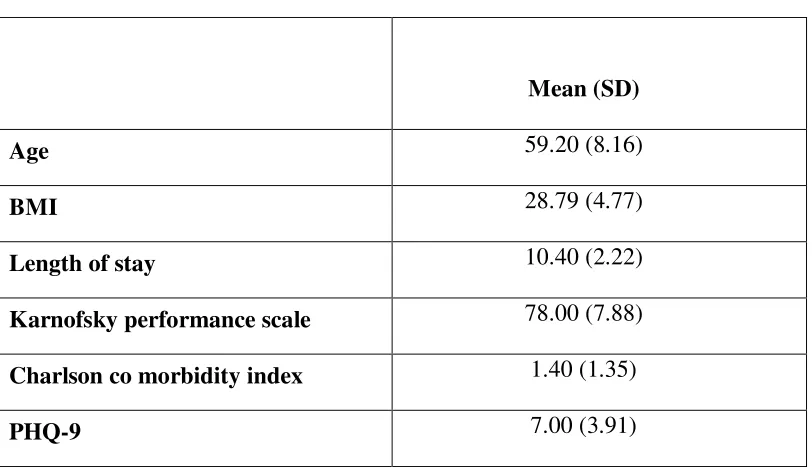
Table 1 shows descriptive data that was used to summarize the preoperative
characteristics of subjects. Mean age of subjects were 59.20 (SD±8.16), mean BMI of all
subjects were 28.79 (SD±4.77), and mean length of hospital stay were 10.40 (SD±2.22).
Mean value of Karnofsky scale, Charlson co morbidity index and PHQ-9 were 78.00
(SD±7.88), 1.40 (SD±1.35), and 7.00 (SD±3.91) respectively.
Mean (SD)
Age 59.20 (8.16)
BMI 28.79 (4.77)
Length of stay 10.40 (2.22)
Karnofsky performance scale 78.00 (7.88)
Charlson co morbidity index 1.40 (1.35)
36 Table 2
Patient demographic parameters:
Parameters Frequency Percentage
Gender
Male 4 40
Female 6 60
Diagnosis
OA knee B/L 4 40
OA knee Right 2 20
OA knee Left 4 40
Education
Primary 1 10
Middle 1 10
Secondary 3 30
Higher Sec 2 20
Diploma 1 10
Graduate 2 20
OA staging
(kellgren Lawrence scale)
Moderate 4 40
Severe 6 60
Operating knee
Right 4 40
Left 6 60
Fixation technique Cemented 10 10
ASA classification
Normal healthy
patient 1 10
Mild systemic
37
Table 2 shows patient demographics with female more than male in the study (M=40%,
F=60%). 4 subjects were diagnosed with left OA knee and B/L OA knee respectively and 2
subjects diagnosed with right OA knee (OA knee_L 40%, OA knee_B/L 40 %, & OA
knee_R 20%). On education only 2 subjects were graduate and rest education level were
diploma, higher secondary, secondary, middle and primary. 6 subjects got operated on the
left knee and 4 subjects got operated on the right knee (TKA_L= 6, TKA_R=4). All the
subjects received similar fixation technique (100%). Based on ASA classification 1
subjects was found to be in normal health and rest 9 subjects were having mild systemic
disease (ASA_N= 10%, ASA_M= 90%).
Table 3
Co-morbidities:
Variables Yes (%) No (%)
Hypertension 4 (40%) 6 (60%)
Diabetes 5 (50%) 5 (50%)
Obesity 1 (10%) 9 (90%)
Hypothyroidism 1 (10%) 9 (90%)
Ca mastectomy 1 (10%) 9 (90%)
Renal transplant 1 (10%) 9 (90%)
Bronchial asthma 1 (10%) 9 (90%)
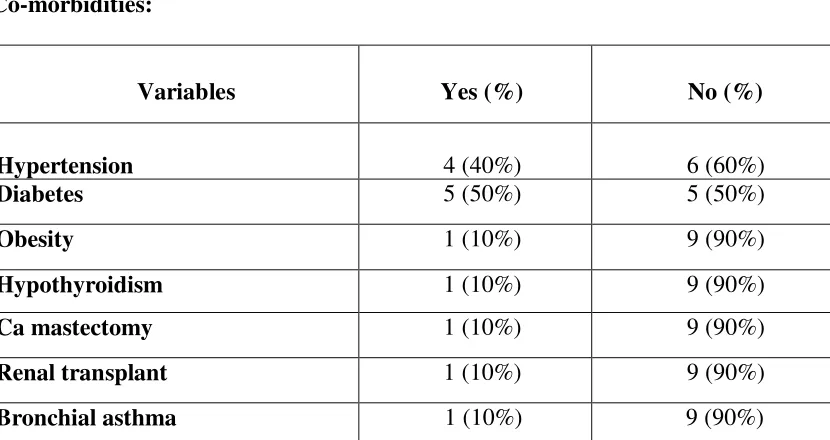
Table 3 shows the coexistence of various morbidities on each subject. Among all
[image:47.612.107.522.381.601.2]38
and 5 subjects have diabetes and 1 subject each was found to have obesity,
[image:48.612.80.571.214.634.2]hypothyroidism, Ca mastectomy, renal transplant, and bronchial asthma.
Table 4
Comparison of Pre and Post operative functional outcomes on ICF (impairment):
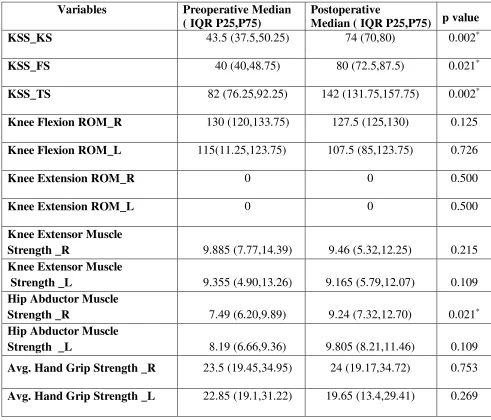
Table 4 shows the significant variables of impairment component of the ICF model. The
median & IQR postoperative score of knee society score is KSS_KS 74 (IQR 70, 80),
Variables Preoperative Median
( IQRP25,P75)
Postoperative
Median (IQRP25,P75) p value
KSS_KS 43.5 (37.5,50.25) 74 (70,80) 0.002*
KSS_FS 40 (40,48.75) 80 (72.5,87.5) 0.021*
KSS_TS 82 (76.25,92.25) 142 (131.75,157.75) 0.002*
Knee Flexion ROM_R 130 (120,133.75) 127.5 (125,130) 0.125
Knee Flexion ROM_L 115(11.25,123.75) 107.5 (85,123.75) 0.726
Knee Extension ROM_R 0 0 0.500
Knee Extension ROM_L 0 0 0.500
Knee Extensor Muscle
Strength _R 9.885 (7.77,14.39) 9.46 (5.32,12.25) 0.215
Knee Extensor Muscle
Strength _L 9.355 (4.90,13.26) 9.165 (5.79,12.07) 0.109
Hip Abductor Muscle
Strength _R 7.49 (6.20,9.89) 9.24 (7.32,12.70) 0.021*
Hip Abductor Muscle
Strength _L 8.19 (6.66,9.36) 9.805 (8.21,11.46) 0.109
Avg. Hand Grip Strength _R 23.5 (19.45,34.95) 24 (19.17,34.72) 0.753
39
KSS_FS 80 (IQR 72.5, 87.5), & KSS_TS 142 (IQR 131.75, 157.75) was improved from
baseline pre-operative score of 43.5 (IQR 37.5, 50.25), 40 (IQR 40, 48.75), 130 (IQR 120,
133.75). Hip abductor muscle strength of right lower limb have shown a significant
improvement in postoperative outcomes with the median & IQR value of 9.24 (IQR 7.32,
12.70) when compared to baseline preoperative value of 7.49 (IQR 6.20, 9.89). p value
(<0.05).
Table 5
Comparison of Pre and Post operative functional outcomes on ICF (Activity
limitation):
Variables Preoperative Median
(IQR P25,P75)
Postoperative Median
(IQR P25,P75) p value
WOMAC 40 (34,44.5) 11 (8,26) 0.002*
LEFS 33.5 (28.75,39.25) 50.5 (36.75,55.75) 0.002*
30 SECOND CST (in
repetitions) 9(6.25,10.75) 11 (9,12) 0.125
SCT (in sec) 19.2 (16.7,28.72) 23 (18.45,31.22) 0.507
6MWT Distance Walked (in
meters) 310.9 (267.9,328.4) 294 (175.82,325.75) 0.753
TUG (in sec) 12.35 (11.67,14.22) 13 (11.62,18.05) 0.753
40
Table 5 shows WOMAC and LEFS a significant change in postoperative outcomes from
the baseline value of preoperative. Median score and IQR of WOMAC in postoperative is
11 (IQR 8, 26) from baseline preoperative score of 40 (IQR 34, 44.5). Median score and
IQR of LEFS in postoperative is 50.5 (IQR 36.75, 55.75) from baseline preoperative score
[image:50.612.85.570.319.466.2]of 33.5 (IQR 28.75, 39.25). p value (<0.05)
Table 6
Comparison of Pre and Post operative functional outcomes on ICF (Participation
restriction): Variables Preoperative Median (IQR P25,P75) Postoperative Median(IQR P25,P75) P- value
LLFDI function Scaled
Score 49.1 (47.47,52.11) 58.36 (54.14,60.03) 0.002*
LLFDI_Disability
frequency Scaled Score 48.20 (44,51.71) 45.74 (43.53,46.77) 0.050
LLFDI_ Disability limitation Scaled Score
70.76
(67.75,73.64) 94.65 (83.44,100) 0.002*
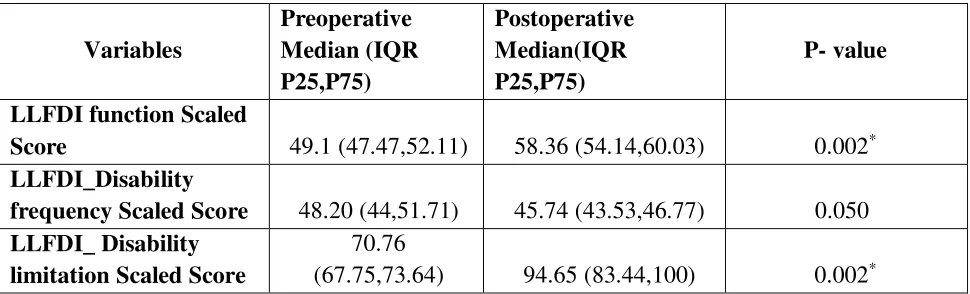
Table 6 shows the results of participation restriction of ICF model with significant
change in LLFDI component of function and LLFDI disability/limitation. LLFDI scoring
is calculated and a raw is scored. Raw scores are transformed to scaled scores of (0-100).
Median score and IQR of LLFDI function component in postoperative was 58.36 (IQR
54.14, 60.03) from baseline preoperative of 49.1 (IQR 47.47, 52.11). Median score and
IQR of LLFDI disability/limitation component in post operative was 94.65 (IQR 83.44,
41
Graph 1: Knee score component of Knee Society Score
Graph 1 shows significant improvement in knee score (KS), a subscale of Knee
society score (KSS) from preoperative to postoperative outcomes. Pain intensity was
measured with knee score (KS), thus there was a significant reduction of pain in
postoperative outcomes.
Graph 2: Function score component of Knee Society Score
-20 0 20 40 60 80 100 120 140 160
1 2 3 4 5 6 7 8 9 10
Function Score of KSS
KSS_FS pKSS_FS 0 10 20 30 40 50 60 70 80 90
1 2 3 4 5 6 7 8 9 10
Knee score of KSS
42
Graph 2 shows significant improvement in function score (FS), a subscale of knee
society score (KSS) from preoperative to postoperative outcomes.
Graph 3: Total score of Knee Society Score
Graph 3 shows a combined score of knee score (KS) and function score (FS) and
gives a value of total score (TS). The total score (TS) shows significant improvement
from preoperative to postoperative outcomes. Therefore knee society scores (KSS)
shows a significant improvement in postoperative outcomes following total knee
arthroplasty.
Graph 4: Hip abductor muscle strength of right lower limb
0 20 40 60 80 100 120 140 160 180
1 2 3 4 5 6 7 8 9 10
Total score of KSS
KSS_TS pKSS_TS 0 5 10 15 20
1 2 3 4 5 6 7 8 9 10
HipAbductorMuscleStrength_R
43
Graph 4 shows significant increased in muscle strength of right hip abductor at 3
months postoperative when compared to preoperative.
Graph 5: Western Ontario and McMaster Universities Osteoarthritis Index
(WOMAC)
Graph 5 shows significant improvement in all the 3 domains of WOMAC- pain,
stiffness and difficulty after total knee arthroplasty.
Graph 6: Lower Extremity Functional Scale (LEFS)
0 10 20 30 40 50 60
1 2 3 4 5 6 7 8 9 10
WOMAC
WOMAC pWOMAC
0 10 20 30 40 50 60 70
1 2 3 4 5 6 7 8 9 10
LEFS
44
Graph 6 shows a significant improvement in the functional outcomes of lower limb
after total knee arthroplasty.
Graph 7: Function component of Late Life Function and Disability Instrument
Graph 7 shows significant change in function subscales of LLFDI after total knee
arthroplasty.
Graph 8: Disability (limitation component) of Late Life Function and Disability
Instrument
Graph 8 shows significant change in disability (limitation component) of LLFDI after
total knee arthroplasty.
0 10 20 30 40 50 60 70 80
1 2 3 4 5 6 7 8 9 10
LLFDIfunctionScaledScore LLFDIfunctionScaledScore pLLFDIfunctionScaledScore 0 20 40 60 80 100 120
1 2 3 4 5 6 7 8 9 10
LLFDI_DlimitationScaledScore
45
6.
DISCUSSION
Total knee arthroplasty is the common surgery performed for extreme pain and
disability affecting the quality of life. There is a limited study on the use of ICF model for
the functional outcomes of TKA. To the best of our knowledge there is no study done in
Indian population that compare the functional outcomes of TKA based on ICF model. Aim
of this study was to look for the functional outcomes before and after total knee
arthroplasty on the ICF component of impairment level, activity limitation, and
participation restriction.
Following total knee arthroplasty it is common for all patients to undergo impairments
of the operated knee such as increased pain & swelling, decrease range of motion and
further leads to limitation in activity and restriction to participate in the community life.
Studies have found decrease in physical function in first one month of the surgery. (11)
International classification of functioning disability and health (ICF) is a framework that
provides one language on the concepts of health, function and disability for clinicians
worldwide. ICF domains make clinicians familiar about the tools use in regular clinical
practice in different health conditions. Three key domains of ICF- impairment (body
structure & function), activity limitation and participation restriction are closely related to
physiotherapy. Total knee arthroplasty is the treatment of choice at end stage of
osteoarthritis. (12)
The present study was a longitudinal cross-sectional study and compared the functional
46
study has achieved statistical difference in the postoperative outcomes at 3 months of knee
society scores (KSS).
Conaghan et al have studied 3 years of prospective study on clinical and
ultrasonography predictors of joint replacement surgery and found knee pain intensity is
the major factor for most patients to undergo knee arthroplasty. Knee pain intensity was
measured with 0-100 mm VAS scale. Intensity of knee pain increases prior before surgery
and this increase in pain is the reason where the surgeon decides to do the surgery. (48) At
one month after the surgery self reported pain intensity has decreased slightly relative to
preoperative level. (49,50) Intensity of knee pain gradually decreases over a period of
month to slightly about more than a year, knee pain continue to decrease in the first couple
of months where the rate of reduction is high. (49–51) In our study knee pain intensity was
measured with KSS pain score (none - severe) and pain intensity improved significantly
from 43.5 (IQR 37.5, 50.25) to 74 (IQR 70, 80), p<0.05 (table 4), at 3 months follow up
when compared to preoperative.
Knee ROM is needed in day today daily activities and is an important aspect of outcome
measures for undergoing total knee arthroplasty. Knee flexion of certain degrees are
required for daily activities, 67° for swing phase of gait, 83° for climbing up the stairs, 90°
for descending stairs and 93° for standing up from a chair. (51) Ritter &