Int. J. Electrochem. Sci., 14 (2019) 9622 – 9632, doi: 10.20964/2019.10.01
International Journal of
ELECTROCHEMICAL
SCIENCE
www.electrochemsci.orgLow-cost and Highly Sensitive Sensor for Determining
Atorvastatin Using PbTe Nanoparticles-Modified Graphite
Screen-Printed Electrode
Ehsan Pourtaheri1,2,*, Mohammad Ali Taher1,* Gomaa A.M. Ali3, Shilpi Agarwal4, Vinod Kumar Gupta4,*
1 Department of Chemistry, Shahid Bahonar University of Kerman, P.O. Box 76175-133, Kerman, Iran 2 Young Researchers Society, Shahid Bahonar University of Kerman, P.O. Box 76175-133, Kerman, Iran
3 Chemistry Department, Faculty of Science, Al‒Azhar University, Assiut, 71524, Egypt 4 Center of Excellence for Advanced Materials Research, Faculty of Science, King Abdulaziz University, Jeddah 21589, Saudi Arabia
*E-mail: [email protected] (E. Pourtaheri), [email protected] (M.A. Taher), [email protected] (V.K. Gupta).
Received: 18 June 2019 / Accepted: 29 July 2019 / Published: 30 August 2019
In this work, PbTe nanoparticles-modified graphite screen-printed electrodes (PbTe NPs/SPE) has been designed for electrochemical determination of atorvastatin for the first time. Striking advantages, including easiness, low manufacturing cost, and being one-use are exhibited by the sensor. Analyte electrochemical behavior was characterized by cyclic voltammetry. Electrochemical behavior of atorvastatin at PbTe NPs/SPE was also discussed. Additionally, quantitative detection of atorvastatin was done by differential pulse voltammetry. Under optimized conditions, the resulting signals were linearly inserted within an atorvastatin concentration range of 1-70 μM. High diffusion coefficient of 3.7×10⁻⁵ cm2 s-1 and low limit of detection of 0.05 μM were obtained for atorvastatin detection using PbTe NPs/SPE. Moreover, the usability of the PbTe NPs/SPE sensor by measuring atorvastatin in real samples was reported. The sensor offers greater accuracy, which implies its massive capacity for functional uses.
Keywords: Atorvastatin, PbTe nanoparticles, Electrochemical sensor, Graphite screen-printed electrode, Cyclic voltammetry.
1. INTRODUCTION
CoA) reductase, which contributes to biosynthesizing cholesterol, is inhibited by these medicines. More than 90% of atorvastatin is attached to plasma proteins. Around 70% of the whole plasma HMG-CoA action is ascribed to atorvastatin active metabolites, even if the concentration of the metabolites is too low. Pharmacokinetic researches and those of the mechanisms of the drug to drug interaction have been attracted by data of real plasma concentration of atorvastatin [1-4]. The chromatographic method is the initial option for determining ATR residues in biological fluids (e.g., blood serum or plasma, & urine) [5-7]. Disadvantages of the chromatographic test are that it is expensive, time-consuming, requires qualified operators, sample pre-treatment (e.g., pre-concentration) for low amounts of drugs, and so forth. Other analytical procedures were suggested, including potentiometry, voltammetry, and spectrometry [8-13].
Results of various analytical procedures confirmed that electrochemical detection is valid and sensitive to determine several electroactive constituents [14-18]. In other words, the weak capability of bare electrodes in the direct electrochemical action of various electroactive substances resulted in the attractions of using mediators and modified electrodes for catalyzing electrochemical oxidation and or reducing them [19-21].
Numerous types of nanostructures in electrochemical procedures have been employed to modify and improve electrodes functions, such as a metal oxide or metal nanoparticles, carbon nanomaterials, including carbon nanotubes and graphene [22-29]. It is known that such substances enhance the active surface area and increase transferring electron between electrode electroactive species [30-33].
Lead telluride (PbTe) is a narrow bandgap semiconductor (Eg = 0.32 eV). Reports show better thermoelectric (TE) features of PbTe and PbTe-based substances, which enjoy potential uses in generating power and thermal sensing [34, 35]. Theoretical computations and tests show that TE characteristics could be improved when the substances dimensionality has been declined [36-38]. Small dimensional TE substances, including films, have been greatly attracted to construct TE devices with more functions. Moreover, it was demonstrated that PbTe films to be good alternatives for optoelectronic uses in the midinfrared range [39].
With regard to the above-mentioned discussions, creating appropriate circumstances to the detection of atorvastatin in biological fluids is crucial. This work describes the use of PbTe nanoparticles as new nanostructure sensors for voltammetric detection of atorvastatin. The suggested sensor has an acceptable electrocatalytic impact on atorvastatin. Benefits of the modified electrode include reproducibility, sensitivity, and selectivity [27, 40-42]. Ultimately, it evaluated the analytical efficiency of the suggested sensor for atorvastatin detection in medicine sample.
2. MATERIALS AND METHODS
2.1. Chemicals and apparatus
pseudo-reference electrode, and a graphite counter electrode. Double distilled water has been applied to prepare fresh solutions. Atorvastatin and each of the reagents had an analytical grade and have been gained through Merck Chemical Co. (Darmstadt, Germany). Orthophosphoric acid and the respective salts within the pH range of 2-9 have been used to prepare buffer solutions.
2.2. Synthesize PbTe nanostructures
Via a conventional technique, 0.1 mmol of cetyltrimethylammonium bromide (CTAB) and 0.5 mmol of TeCl4 have been added into 50 mL of distilled water and were stirred for 15 min. Then, KBH4 (0.25 g) was poured over solution under magnetic stirring. While maintaining pH value at around 12 with NaOH (1 M), this solution was stirred. Afterward, 0.5 mmol of Pb(NO3)2 has been added to the solution under magnetic stirring for 20 min. Eventually, it was sonicated for 40 min. The final black powder was centrifuged, washed many times with ethanol and distilled water and then, dried under vacuum at 50 °C for 5 h.
2.3. Preparation of the real samples
Atorvastatin (5 pills, labeled 5 mg per opill, Sobhan Co., Iran) have been ground. Afterward, the pill solution was prepared by solving 5 mg powder in 25 mL of water by ultrasonication. The various volumes of the diluted solutions have been added into a 25 mL volumetric flask and diluted with PBS (pH 7). The suggested procedure via a standard addition method was used for analyzing the content of atorvastatin.
When the samples were collected, a refrigerator was used to store urine samples. The samples (10 mL) were centrifuged at 2000 rpm for 15 min. and then filtered (0.45 µm). Next, various volumes of the solution were transported into a 25 mL volumetric flask and diluted with PBS (pH 7). The diluted urine samples have been spiked with various levels of atorvastatin. The suggested technique was used to analyze atorvastatin contents via a standard addition method.
2.4. Modified electrode preparation
A bare graphite screen-printed electrode was coated with PbTe nanoparticles. A stock solution of PbTe nanoparticles in 1 mL aqueous solution has been prepared by distributing 1 mg PbTe nanoparticles with 1 h ultrasonication. Then 5 µL aliquot of PbTe nanoparticles/H2O suspension solution was casted on the carbon working electrodes. Then, for the solvent evaporation, it remained at the room temperature.
3. RESULTS AND DISCUSSION
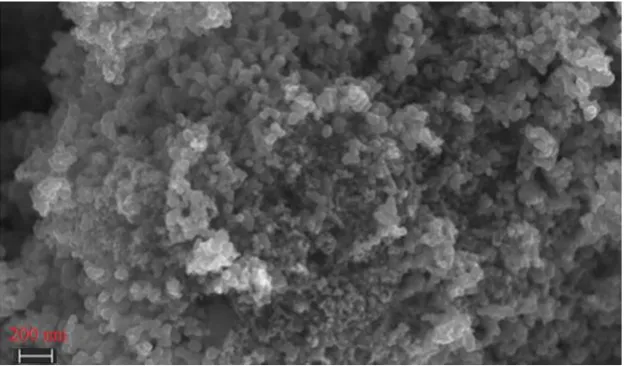
Figure 1. Scanning electron microscope image of PbTe nanoparticles.
3.1. Electrocatalytic oxidation of atorvastatin
Scheme 1. A proposed mechanism of atorvastatin electrochemical oxidation.
[image:4.596.143.455.70.253.2][image:5.596.159.443.161.448.2]
Scheme 1 shows the oxidation atorvastatin mechanism. At early stages, atorvastatin loses an electron to form a cation radical (a quaternary Schiff base). Hence, the resulting quaternary Schiff base experiences quick hydrolysis for forming 3,5-Dihydroxy-7-oxo-heptanoic acid and 5-(4-Fluorophenyl)-2-isopropyl-4-phenyl-1H-pyrrole-3-carboxylic acid phenylamide.
Figure 2. Cyclic voltammograms of (a) PbTe NPs/SPE and (b) bare SPE in 0.1 M PBS (pH 7) in 50 μM atorvastatin at 50 mV s-1.
Figure 3. Linear sweep voltammetry curves of PbTe NPs/SPE in 0.1 M PBS (pH 7) consisting of 100 μM atorvastatin at different scan rates: The inset is dependance of cathodic peak current on ν1/2.
The influence of potential scan rates on the current of atorvastatin oxidation was investigated (Fig. 3). Findings demonstrated the induction of the increased peak current by enhancing potential scan rates. Moreover, the process of oxidation is monitored in terms of diffusion that is concluded from the linear relationship of anodic peak current (Ip) and the square root of scan rate (ν1/2) within a wide range between 10 to 900 mV s-1 as shown in Fig. 3 (inset).
3.2. Chronoamperometric measurements
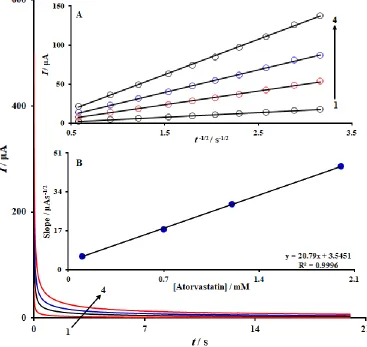
To perform the chronoamperometric measurements at PbTe NPs/SPE, the working electrode potential was set at 0.8 V for different concentrations of atorvastatin in PBS (pH 7) (Fig. 4). For an electroactive substance (atorvastatin) with a diffusion coefficient (D), Cottrell equation describes the current found for the electrochemical reaction at mass transport limited condition [43-45].
𝑖𝑃 = 2.69 × 10⁵ 𝑛3/2 𝑆
𝐴 𝐷1/2 𝐶 𝜈1/2
[image:6.596.151.448.72.371.2]
Figure 4. Chronoamperograms for PbTe NPs/SPE in 0.1 M PBS (pH 7) for various concentrations of atorvastatin (Values 1 to 4 are compatible with 0.1, 0.7, 1.2 and 2.0 mM of atorvastatin): The insets are (A) I versus t-1/2 plots and (B) plot of the slope of the straight lines versus atorvastatin concentration.
3.3. Calibration plot and limit determination
[image:7.596.114.481.81.428.2]
Figure 5. Differential pulse voltammetry curves for PbTe NPs/SPE in 0.1 M (pH = 7.0) in the presence of different atorvastatin levels: The inset is the plot of electrocatalytic peak current as a function of atorvastatin concentration.
Table 1. Limit of detection of atorvastatin at PbTe NPs/SPE and other related method.
Detection Method Limit of Detection Ref.
Liquid chromatography 11.000 (µg mL-1) [46]
Spectrophotometry 5.669 (µg mL-1) [47]
Spectrophotometry 1.800 (µg mL-1) [48]
High-performance liquid chromatography 0.110 (µg mL-1) [49] Electrochemical (Glassy carbon electrode) 0.200 (µg mL-1) [50] Electrochemical (Glassy carbon electrode) 0.036 (µg mL-1) [45] Electrochemical (PbTe NPs/SPE) 0.027 (µg mL-1) This work 3.4. Real samples analysis
[image:8.596.90.495.516.634.2]
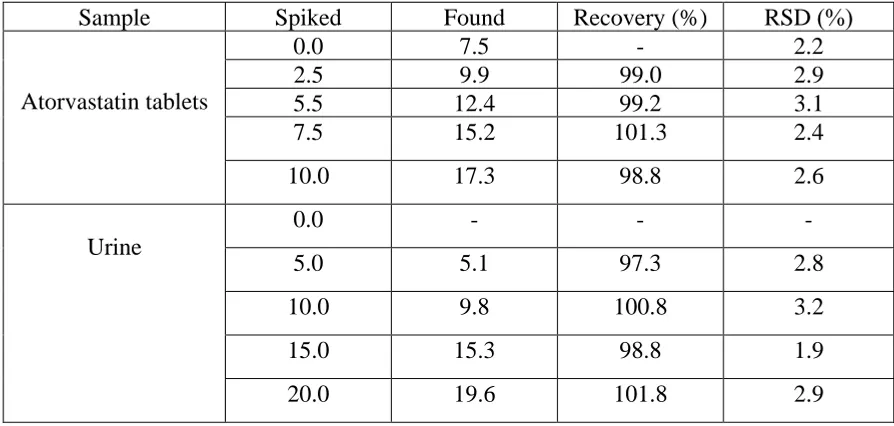
Table 2. Detection parameters of atorvastatin in atorvastatin pills and urine samples (n = 5) using PbTe NPs/SPE.
Sample Spiked Found Recovery (%) RSD )%(
Atorvastatin tablets
0.0 7.5 - 2.2
2.5 9.9 99.0 2.9
5.5 12.4 99.2 3.1
7.5 15.2 101.3 2.4
10.0 17.3 98.8 2.6
Urine
0.0 - - -
5.0 5.1 97.3 2.8
10.0 9.8 100.8 3.2
15.0 15.3 98.8 1.9
20.0 19.6 101.8 2.9
4. CONCLUSIONS
PbTe nanoparticles readily casted onto SPE reciprocally make easier the transfer of an electron, transport of mass transport, and electrocatalytic activities. PbTe nanoparticles substantially diminished over-voltage and increased atorvastatin electrochemical response in terms of sensitivity. High diffusion coefficient of 3.7×10⁻⁵ cm2 s-1 and low limit of detection of 0.05 μM were obtained for atorvastatin detection using PbTe NPs/SPE. Moreover, PbTe NPs/SPE has been used to determine atorvastatin in atorvastatin tablets and urine samples, indicating that PbTe NPs/SPE will be a satisfactory electrode substance for on-the-spot determination of atorvastatin in real samples.
References
1. W.W. Bullen, R.A. Miller and R.N. Hayes, J. Am. Soc. Mass Spectrom., 10 (1999) 55. 2. M. Hermann, H. Christensen and J. Reubsaet, Anal. Bioanal.Chem., 382 (2005) 1242.
3. S.E. Nissen, S.J. Nicholls, I. Sipahi, P. Libby, J.S. Raichlen, C.M. Ballantyne, J. Davignon, R. Erbel, J.C. Fruchart and J.-C. Tardif, JAMA (J. Am. Med. Assoc.), 295 (2006) 1556.
4. V.K. Gupta, N. Mergu, L.K. Kumawat and A.K. Singh, Sens. Actuators B, 207 (2015) 216. 5. J. Wang, J.A. Luzum, M.A. Phelps and J.P. Kitzmiller, J. Chromatogr. B, 983 (2015) 18. 6. T. Altuntas and N. Erk, J. Liq. Chromatogr. Relat. Technol., 27 (2004) 83.
7. V.K. Gupta, N. Mergu, L.K. Kumawat and A.K. Singh, Talanta, 144 (2015) 80.
8. H.W. Darwish, S.A. Hassan, M.Y. Salem and B.A. El-Zeiny, Spectrochim. Acta, Part A, 83 (2011) 140.
9. J.C. Abbar and S.T. Nandibewoor, Colloids Surf. B, 106 (2013) 158.
10.T.A. Silva, H. Zanin, F.C. Vicentini, E.J. Corat and O. Fatibello-Filho, Analyst, 139 (2014) 2832. 11.E. Pourtaheri, M.A. Taher, G.A.M. Ali, S. Agarwal and V.K. Gupta, J. Mol. Liq., 289 (2019)
111141.
13.M. Venu, S. Venkateswarlu, Y.V.M. Reddy, A. Seshadri Reddy, V.K. Gupta, M. Yoon and G. Madhavi, ACS Omega, 3 (2018) 14597.
14.M.R. Ganjali, F.G. Nejad, H. Beitollahi, S. Jahani, M. Rezapour and B. Larijani, Int. J. Electrochem. Sci., 12 (2017) 3231.
15.Z. Pourghobadi and D. Neamatollahi, J. Serb. Chem. Soc., 82 (2017) 1053.
16.M. Baniasadi, S. Jahani, H. Maaref and R. Alizadeh, Anal. Bioanal. Electrochem., 9 (2017) 718. 17.H. Beitollai, F. Garkani Nejad, S. Tajik, S. Jahani and P. Biparva, Int. J. Nano Dimension, 8 (2017)
197.
18.F. Soofiabadi, A. Amiri and S. Jahani, Anal. Bioanal. Electrochem., 9 (2017) 340. 19.T.-L. Lu and Y.-C. Tsai, Sens. Actuators B, 153 (2011) 439.
20.M. Sýs, E. Khaled, R. Metelka and K. Vytřas, J. Serb. Chem. Soc., 82 (2017) 865.
21.S.E. Baghbamidi, H. Beitollahi, S.Z. Mohammadi, S. Tajik, S. Soltani-Nejad and V. Soltani-Nejad, Chin. J. Catal., 34 (2013) 1869.
22.H. Beitollahi, A. Gholami and M.R. Ganjali, Mater. Sci. Eng., C, 57 (2015) 107.
23.H. Beitollahi, K. Movlaee, M.R. Ganjali and P. Norouzi, J. Electroanal. Chem., 799 (2017) 576. 24.S. Tajik, M.A. Taher, S. Jahani and M. Shanehsaz, Anal. Bioanal. Electrochem., 8 (2016) 899. 25.H.M. Moghaddam, H. Beitollahi, S. Tajik, S. Jahani, H. Khabazzadeh and R. Alizadeh, Russ. J.
Electrochem., 53 (2017) 452.
26.E.Y. Lih Teo, G.A.M. Ali, H. Algarni, W. Cheewasedtham, T. Rujiralai and K.F. Chong, Mater. Chem. Phys., 231 (2019) 286.
27.A.K. Jain, V.K. Gupta and L.P. Singh, Anal. Proc. incl. Anal. Commun., 32 (1995) 263. 28.M.L. Yola, V.K. Gupta, T. Eren, A.E. Şen and N. Atar, Electrochim. Acta, 120 (2014) 204.
29.A. Khodadadi, E. Faghih-Mirzaei, H. Karimi-Maleh, A. Abbaspourrad, S. Agarwal and V.K. Gupta, Sens. Actuators B, 284 (2019) 568.
30.E. Molaakbari, A. Mostafavi and H. Beitollahi, Sens. Actuators B, 208 (2015) 195. 31.M. Fouladgar, Sens. Actuators B, 230 (2016) 456.
32.L. Cao, C. Fang, R. Zeng, X. Zhao, F. Zhao, Y. Jiang and Z. Chen, Sens. Actuators B, 252 (2017) 44.
33.H.M. Moghaddam, H. Beitollahi, S. Tajik, M. Malakootian and H.K. Maleh, Environ. Monit. Assess., 186 (2014) 7431.
34.T. Harman, P. Taylor, M. Walsh and B. LaForge, Science, 297 (2002) 2229.
35.K.F. Hsu, S. Loo, F. Guo, W. Chen, J.S. Dyck, C. Uher, T. Hogan, E.K. Polychroniadis and M.G. Kanatzidis, Science, 303 (2004) 818.
36.L. Hicks, T. Harman, X. Sun and M. Dresselhaus, Phys. Rev. B, 53 (1996) R10493.
37.P.F. Poudeu, J. D'Angelo, A.D. Downey, J.L. Short, T.P. Hogan and M.G. Kanatzidis, Angew. Chem. Int. Ed., 45 (2006) 3835.
38.J.R. Sootsman, H. Kong, C. Uher, J.J. D'Angelo, C.I. Wu, T.P. Hogan, T. Caillat and M.G. Kanatzidis, Angew. Chem. Int. Ed., 47 (2008) 8618.
39.S. Guruswamy, J. Mater. Sci. Lett., 17 (1998) 1145.
40.S.K. Srivastava, V.K. Gupta, M.K. Dwivedi and S. Jain, Anal. Proc. incl. Anal. Commun., 32 (1995) 21.
41.O.A. Fouad, G.A.M. Ali, M.A.I. El-Erian and S.A. Makhlouf, NANO, 07 (2012) 1250038. 42.D. Manoj, R. Saravanan, J. Santhanalakshmi, S. Agarwal, V.K. Gupta and R. Boukherroub, Sens
Actuators, B Chem, 266 (2018) 873.
43.A.J. Bard and L.R. Faulkner, Electrochemical Methods: Fundamentals and Applications, 2 ed., John Wiley & Sons, Inc., United States, 2001.
44.P.E. Marina, G.A.M. Ali, L.M. See, E.Y.L. Teo, E.-P. Ng and K.F. Chong, Arabian J. Chem., (2016) doi.org/10.1016/j.arabjc.2016.02.006.
47.S. Al-Adl, L. Abdel-Aziz and M. Mohamed, J. Appl. Pharm., 9 (2017) 233. 48.S. Bernard and M. Mathew, J. Appl. Pharm. Sci., 2 (2012) 150.
49.A. Patel, C. Macwana, V. Parmar and S. Patel, J. AOAC Int., 95 (2012) 419. 50.B. Yilmaz and S. Kaban, Indian J. Pharm. Sci., 78 (2016) 360.