“A STUDY TO IDENTIFY PREVALENCE AND EFFECTIVENESS OF
SENSORY INTEGRATION ON TOILET SKILL PROBLEMS AMONG
SENSORY PROCESSING DISORDER”
Dissertation submitted for
MASTER OF OCCUPATIONAL THERAPY
2015-2017
KMCH COLLEGE OF OCCUPATIONAL THERAPY
THE TAMILNADU Dr. M.G.R. MEDICAL UNIVERSITY
CHENNAI
K M
CERTIFICATE
This is to certify that the research work entitled “A STUDY TO IDENTIFY PREVALENCE
AND EFFECTIVENESS OF SENSORY INTEGRATION ON TOILET SKILL PROBLEMS AMONG SENSORY PROCESSING DISORDER” carried out by Reg. No.411513004, towards partial fulfillment of the requirements of Master of Occupational Therapy (Advanced OT in Pediatrics), at KMCH College of Occupational Therapy (2015-2017), under the Tamil Nadu Dr. M.G.R. Medical University, Chennai.
Project guide Principal
Mrs. Sugi .S. M.O.T.(Paeds), Mrs.Sujata Missal, M.Sc. (OT), PGDR (OT),
Professor, KMCH College of Occupational Therapy KMCH College of Occupational Therapy
Clinical Guide
Dr. RajendranK.M.B.B.S., M.D. (Paed),
Head of the Department – Department of Pediatrics Consultant Pediatrician and Neonatologist
Kovai Medical Center and Hospital, Coimbatore.
Date of Submission
CONTENTS
SL.NO TITLE PAGE NO
ABSTRACT
1. INTRODUCTION
1-3
2. RESEARCH QUESTION
4
3. AIM AND OBJECTIVES
5
4. OPERATIONAL DEFINITION
6
5. RELATED LITERATURE
7-16
6. LITERATURE REVIEW
17-22
7. CONCEPTUAL FRAMEWORK
23-25
8. METHODOLOGY
26-35
9. DATA ANALYSIS AND RESULTS
36-68
10. DISCUSSION
69-77
11. CONCLUSION
78
12. LIMITATIONS AND RECOMMENDATIONS
79
13. REFERENCES
80-85
TABLES AND GRAPHS
SL.NO TABLE TITLES PAGE
NO
1 Percentage of Children With and Without Toilet Skill Problems Among SPDs 38 2 Percentage of Section Domain among SPD Children having Toilet Skill
Problem
39
3 Percentage of Factor Domain Among SPD Children Having Toilet Skill Problem
40
4 Percentage of Quadrant Domain Among SPD Children Having Toilet Skill problem
40
5 Comparison between Control and Experimental Group Scores Pre and Post Test on Components of COPM (Toilet Skills Alone)
42
6 Comparison of Components of COPM within the groups 43 7 Comparing the mean scores of pretest and posttest of both experimental and
control group to find out the mean difference and effect size of COPM
44
8 Comparison between Pre Test Scores of Experimental and Control Group in SP 46 9 Comparison between Post Test Scores of Experimental and Control groups in
Section Domain of SP
48
10 Comparison of Components of Factor in SP within the Groups 55 11 Estimation of Effect size for experimental and group for poor registration 57 12 Comparison between pre and post test scores of experimental and control
groups on components of quadrant domain in SP
59
13 Comparison of Pre Post Components of Quadrant in SP within The Groups 61 14 Odd ratio between pretest of the control and the experimental group based on
the defecation inside the toilet and outside the toilet
64
15 Odd ratio between posttest of the control and the experimental group based on the defecation inside the toilet and outside the toilet
AKNOWLEDGEMENT
“He has made everything beautiful in its time; yet they cannot fathom what God has done from beginning to end”
- Ecclesiastes 3;11
First and foremost I thank Lord Almighty for having showered His blessings abundantly in all my endeavours throughout my project.
I thank my respected parents Mr. P.M. Koshy and Mrs.Mariamma Samuel, my loving sister Mrs. Neethu Ann Koshy and my brother-in-law Mr. Kevin Thomas for their prayer, affection, support and care forever.
My heart-felt gratitude to my project guide Mrs. Sugi. S. MOT, Professor, KMCH College of Occupational Therapy, for her commitment, patience in teaching and guiding throughout my project. Without her help I wouldn’t have completed my project.
I express my sincere gratitude to Mrs. Sujata Missal, Msc. (OT), PGDR (OT), Principal KMCH College of Occupational Therapy, for having endowed on me to undergo this project.
I thank Mr. S.G. Praveen, MOT (Psychiatry), Vice Principal KMCH College of Occupational Therapy, for his guidance and support throughout my project.
I thank Mrs. Lynda George, Professor KMCH College of Occupational Therapy for her motivation and support.
I also thank the rest of the faculty members and clinical therapists for their valuable suggestions and support. I also acknowledge the co-operation rendered by my subjects and their parents for their co-operation.
ABSTRACT
Aim: To find the association between problems in toilet skills and sensory processing disorder by finding the prevalence of problems in toilet skills in children with sensory processing disorder and the effectiveness of sensory integration therapy for the improvement of toilet skills in children with SPD. And also to compare the effectiveness of sensory integration therapy with behavior modification for developing age appropriate toileting habits in children with SPD.
Methodology: A cross-sectional survey and quasi experimental pre-post test design was adopted for the study and consisted of 2 phases. In phase 1, 96 children with sensory processing disorder were selected based on the screening tool and were screened to find out the prevalence of toilet skill problems among them. In phase2 the study effectiveness of sensory integration therapy on toilet skill development was investigated on 22 children with toilet skill problems and sensory processing disorder. The base line and post test measurement were done using sensory profile, COPM and modified diet schedule. The control group underwent behavior modification therapy and experimental group in addition underwent SIT for 4 months. Both the groups also underwent conventional occupational therapy also.
Results: This study found out among 96 SPD children 68.75% had toilet skill problems. There were difference in sections, factors and quadrants in SP for children with and without toilet skill problems. In the phase 2 the result shows significant difference (p< 0.05) for experimental group had improvement in both sensory problems and toilet skill problems in followed by the SIT when compared to control group.
Conclusion: The study concluded that there is association between toilet skill problems and SPD. Sensory integration therapy also has an effect in toilet skill problems for children with SPD.As toilet scheduling is an important factor in development of appropriate toilet skills, treatment in combination with behavior modification and sensory integration therapy will be a better choice for children with SPD.
1
INTRODUCTION
“Toileting is an important skill for daily life that has many social implications. In order for the child to achieve this important milestone, children and families need to establish a clear toileting routine. This will ensure a child has success in school and in social situations.”1 Occupational therapists are concerned with individuals´ abilities to engage in daily occupations. When a daily activity such as bowel management is problematic, participation in key occupations can be limited.2 Activities of daily living are considered a central area of occupation and include all occupations related to self care. Bowel and bladder management as well as toilet hygiene are important activities of daily living.1
Awareness of the need to void the bowel and bladder depends on processing of associated sensory stimuli. Engaging in toileting tasks requires a person to tolerate and respond appropriately to a variety of sensory stimuli.3 Potty training is very important in childhood development because it requires a significant amount of body awareness. Child should appropriately respond to the urge of defecation (that is when, where, how and feel finished). Sensory processing is a natural part of toilet training.
2
Interoception is our ability to sense what is going on inside our bodies internally. It includes sensations such as thirst, hunger, fatigue, pain, breathe, itchiness, nausea, temperature, etc. It also includes our sense of if we have a full bladder or bowel, and if we have “released” it 6.When a child’s sensory systems are functioning appropriately, they are able to participate in activities of daily living such as potty-training. However, if the sensory systems are not integrated properly, toileting can become problematic.
In a recent study, it was found that more children with dysfunction elimination syndrome (53%) had SPD than was reported for general population3. In another study it was found
out that a group of children (n=16) with retentive fecal incontinence presented with significantly more behaviors related to sensory over-responsivity than a group of typically developing children (n=27)2.
Children with any type of gastrointestinal problem, including chronic constipation, had higher levels of sensory over-responsivity than children without such problems. The researchers found that sensory over-responsivity significantly contributed to the prediction of constipation, abdominal pain, nausea and bloating 7. Sensations such as those relating to anal distension, to be without clothes or sit on a toilet or a hard potty and cold can make defensive tactical child within uncomfortable. The common position adopted for defecation stretches the skin of the anal area, which also it can cause discomfort8.
The auditory startle reflex is considered a measure of hyperarousal 9. Bakker and colleagues (2010) found that children with Irritable Bowel Syndrome (IBS) and functional abdominal pain syndrome demonstrated significantly greater auditory startle reflexes than a sample of typical children10. The sounds are often amplified in the bathrooms, which can be a factor for the adjuvant alert level is increased and thus be one of the factors responsible for the rejection of children with auditory hypersensitivity be in the bathroom8.The authors consider that these results may provide evidence of a general
3
In most homes height of the toilet is not appropriate for young children and not having the feet in contact with the ground can cause insecurity and fear in children with vestibular hypersensitivity8.
Need of the study
Beaudry (2014) in her research showed children with retentive fecal incontinence had behaviors of sensory over responsiveness. And Mary R Pollock (2014) in a research found out that children with dysfunctional elimination syndrome also have sensory processing disorder.
Though few studies had reported relationship between sensory processing disorder, sensory over responsivity and toilet skill problems, these studies are not adequate report to generalize the relationship between SPD and toilet skill problems. No research evidence for effectiveness of SI on toilet skills among SPD’s
The available studies on relation to sensory processing disorder and problems in toilet skills are case studies and no RCT’s had published yet.
Behavior techniques had already proven to be effective for toilet skills11,12, but no studies had compared the effectiveness with sensory integration.
There are several differences in toilet skills of western culture when compared with Indian
Thus occupational performance (toileting independence) is same, performance components (musuloskeletal sensory &cognitive perceptual skills) require to complete the tasks are different. This asserts the need for studying toilet training in India.
4
• What is the association between problems in toilet skills and sensory processing disorder?
• Which is the most effective intervention for children with problems in toilet skills along with SPD, Sensory integration therapy or behavior modification?
5 AIM:
To find the association between problems in toilet skills and sensory processing disorder.
OBJECTIVES:
To find the prevalence of problems in toilet skills in children with sensory processing disorder.
To find out the effectiveness of sensory integration therapy for the improvement of toilet skills in children with SPD.
To compare the effectiveness of sensory integration therapy with behavior modification for developing age appropriate toileting habits in children with SPD.
6
• Sensory processing disorder (SPD): A neurophysiologic condition in which sensory input either from the environment or from one’s body is poorly detected, modulated, or interpreted and/or to which atypical responses are observed. (Miller 2013)
• Problems in toilet skills: include problems in regularity in defecation; relating to anal distension and fecal incontinence.
• Sensory Integration intervention: Aims to provide the child with various sensory experiences. These experiences are matched during therapy with a “just right” challenge, an activity that requires the child to give an adaptive response for toilets kill development.
• Behavior modification therapy: this is a systematic approach to alter the child’s
irregularity in defecation through environmental programming. In this positive traits are reinforced negative traits are ignored.
• Conventional occupational therapy: regular occupational therapy sessions.
7
A child does not passively absorb whatever sensations come along. Rather the child selects those sensations that are most useful at the time and organizes them in a fashion that facilitates accomplishing goals. This is the process of sensory integration. When this process is going well, the child organizes a successful, goal directed action on the environment, which is called an adaptive response. When a child makes an adaptive response, he or she successfully meets some challenge presented in the environment. The adaptive response is possible because the brain has been able to efficiently organize incoming sensory information, which then provide basis for action13.
DefinitionofSensory processing disorder
The term sensory integration dysfunction was first used by Ayres in 196314. On the basis of knowledge of neural science and detailed observation of child behavior, Ayres theorized that impaired sensory processing might result in various functional problems, which she labeled sensory integrationdysfunction15.
Sensory processing disorder is a neurophysiologic condition in which sensory input either from the environment or from one’s body is poorly detected, modulated, or interpreted and/or to which atypical responses are observed5.
Indicators of SPD include inappropriate or problematic motor, behavioral, attentional, or adaptive responses following or anticipating sensory stimulation. Sensory differences are only considered a “disorder” when they cause significant difficulties with daily routines and tasks (e.g. individual can’t cope or compensate)5.
Nosology of Sensory Processing Disorder15
8
Seeking(SS). Semsory based motor disorder as dyspraxia and postural disorder; Sensory discrimination disorder into visual, auditory, tactile, vestibular, proprioception and taste/smell.
SENSORY PROCESSING DISORDER (SPD)
Sensory Modulation Sensory-Based Motor Sensory Discrimination Disorder (SMD) Disorder (SBMD) Disorder
SOR SUR SS dyspraxia Postural disorder
SOR=Sensory Over-Responsivity SUR=sensory UnderResponsivity SS=Sensory Seeker/Craver
Sensory Modulation Disorder (SMD)
Sensory modulation occurs as the central nervous system regulates the neural messages about sensory stimuli. SMD results when a person has difficulty responding to sensory input with behavior that is gradedrelative to the degree, nature, or intensity ofthe sensory information.
SMD Subtype 1: Sensory Overresponsivity (SOR):
Visual Auditory Tactile Vestibular Proprioception
9
People with SOR respond tosensation faster, with more intensity, or for a longer duration than those with typical sensory responsivity. Overresponsivity may occur in only one sensory system (e.g., tactiledefensiveness) or in multiple sensorysystems (e.g., sensory defensiveness).
SMD Subtype 2: Sensory Underresponsivity (SUR):
People with SUR disregard, or do not respond to, sensory stimuli in their environments. They appear not to detect incoming sensory information. This lack of initial awareness may lead to apathy, lethargy, and a seeming lack of inner drive,to initiate socialization and exploration.
SMD Subtype 3: Sensory Seeking/ Craving (SS):
People with SS crave anunusual amount or type of sensory inputand seem to have an insatiable desire forsensation. They energetically engage inactions that add more intense sensations to their bodies in many modalities (e.g., spicy food, loud noises, visually stimulating objects, constant spinning).
Sensory-Based Motor Disorder (SBMD)
People with SBMD have poor postural or volitional movement as a result of sensory problems. The two subtypes of SBMD are detailed below.
SBMD Subtype 1: Postural Disorder.
Postural disorder (PD) is difficulty stabilizing the body during movement or at rest to meet the demands of the environment or of a given motor task. PD is characterized by inappropriate muscle tension, hypotonic or hypertonic muscle tone, inadequate control of movement, or inadequate muscle contraction to achieve movement against resistance. Poor balance between flexion and extension of body parts, poor stability, poor righting and equilibrium reactions, poor weight shifting and trunk rotation, and poor ocular–motor control also may be noted.
SBMD Subtype 2: Dyspraxia.
Dyspraxia is an impaired ability to conceive of, plan,sequence, or execute novel actions. People appear awkward and poorly coordinated ingross, fine, or oral–motor areas.
10
People with SDD have difficulty interpreting qualities of sensory stimuli and are unable to perceive similarities and differences among stimuli. They can perceive that stimuli are present and can regulate their response to stimuli but cannot tell precisely what or where the stimulus is. SDD can be observed in any sensory modality. A person with SDD may have different capacities in each modality (e.g., a visual or auditory discrimination disorder but good discrimination in all other modalities)15.
Dunn’s model of sensory processing:
Dunn16,17 presented conceptual model that takes into account the potential roles of various neural processes in generating patterns of under-responsiveness and over responsiveness.
Responding / Self Regulation Strategies
Thresholds/Reactivity Passive Active
High Low registration Sensory Seeking
Low Sensory sensitivity Sensory Avoiding
11
noxious. One of the most important contributions of this model is that it can be used to consider what kinds of work and play or leisure environments present an optimal match for an individual’s sensory modulation characteristics17.
Toileting skills:
Independent toileting is an important self maintenance milestone, and its achievement varies widely among children. Self –sufficiency may determine participation in day care centers, school programs, recreational and community opportunities and secondary school vocational choices. Like other ADL tasks, toileting is a complex task requiring a thorough analysis of the child’s capabilities influence performance skills and patterns. To begin to learn this task a child must be physically and physiologically ready. Also parents or caregivers need to be ready to devote the time and effort to toilet training the child. A communication system between caregivers and the child is essential13.
Independence in toileting includes getting on and off the toilet, managing fasteners and clothing, cleansing after toileting, washing and drying hands efficiently without supervision. Children progress in sequence according to each child’s unique pace of development.
Typical developmental sequence for toileting:
Approximate age (yr) Toilet skill
1 year - Indicates discomfort when wet or soiled - Has regular bowel movements
1.6 years - Sits on toilet when placed there and supervised(short time)
2 years - urinates regularly
2.6 years - achieves regulated toileting with occasional daytime
accidents
- Rarely have bowel accidents
12
- May need reminders to go to the toilet
3years - goes to the bathroom independently; seats himself or herself on toilet
- May need help for cleaning
- May need help with fasteners or difficulty clothing
4-5 years - Independent in toileting (e.g., cleaning, flushing, washing hands, managing clothing).13
Factors affecting toilet skills:
Relation between feeding and toileting skills:
Many children with SPD (sensory processing disorder) have poor eating habits due to oral sensitivity and eat only ‘white foods’ or similar low fiber foods. Refusal behavior is a common characteristic of children with Retentive Fecal Incontinence(RFI)18-22 and children with feeding problems (for example food refusal or food selectivity).Sensory over-responsivity is well documented in children with feeding problems. 23-28
Feeding disorders appear to have common etiological and maintenance factors with constipation29.The classic study by Bellman documented a high prevalence of food refusal among children with fecal incontinence30. In a sample of institutionalized children and adults with intellectual disability, food refusal was also found to be more frequent in individuals with constipation than in a control group without constipation31.A case report linking food refusal as a causal factor of RFI is also documented32. It was found that the cumulative incidence of constipation and feeding issues and/or food selectivity was significantly higher in children with autism relative to children in the control group. The authors of this study state that constipation and feeding issues often have a behavioral etiology, suggesting that a neurobehavioral etiology may account for the higher incidence of both of these conditions in children with autism. Sensory over-responsivity has been hypothesized to affect behavior and could represent the common neurobehavioral etiology29.
13
The prevalence of behavioral problems in children with constipation and fecal incontinence has been reported in several studies. There are many reports that children with constipation and fecal incontinence have more behavioral problems than typically developing children2. For example ,Dutch investigators examined the prevalence of behavioral problems in 133 children aged 4 to 18 years and identified as having constipation. Using the Childhood Behavioral Checklist (CBCL) (Achenbach, 1991) investigators found considerable rates of overall (36.8%), internalizing (27.1%) and externalizing (36.1%) behavior problems in children with constipation. Compared with the Dutch norm research sample of the CBCL, overall and internalizing behavior problems were 4 times higher and externalizing problems were 3 times higher among children with constipation33.Children who fail standard medical management for Retentive Fecal Incontinence (RFI) are reported to have behavior problems than children who succeed2.
Diet:
Low consumption of fiber, fruit and vegetables, have been suggested to contribute to the development of childhood constipation 34, 35. Constipation and fecal incontinence has been found to be more prevalent in obese children.36, 37.
Toileting and Sensory Processing
Sensory Processing is an important factor in considering a child’s attention, memory, behavior, and function 38,6. Engaging in toileting tasks requires a person to tolerate and respond appropriately to a variety of sensory stimuli3 .When a child’s sensory systems are functioning appropriately, they are able to participate in activities of daily living such as toileting. Hence, if the sensory systems are not integrated properly, this can affect toileting.
Toileting and Sensory Processing Issues Related to Poor Registration of Sensory Input with a Hyperactive or Over-reactive Response39
• The child is fearful of the sensations involved when they pee or poop.
• Reports that the act of “peeing” or “pooing” hurts terribly, crying, etc.
• Extreme reaction to the sound of the flush or the air dryer
14
• Visually distracted by details in the bathroom, including lines in the tile, dust on the floor, etc.
Toileting and Sensory Processing Related to Sensory Seeking • Repetitively flushing the toilet
• Fecal smearing
• Repetitively having accidents in pants, enjoys the sensation
• Playing in the water
• Playing in the sink
• Asks to use the toilet in public constantly
Toileting and Sensory Processing Related to Sensory Defensiveness • Dislikes the feeling of “peeing” or “pooping” and withholds.
• Fearful of falling in a regular sized toilet
• Dislikes the feeling of wiping or being wiped.
• Prefers the parent to wipe them
• Does not like to wash their hands
• Takes off all their clothes to use toilet
• Avoids flushing the toilet
Toileting and Sensory Processing Issues related to Sensory Avoiding • Avoids wearing big girl or big boy underwear, prefers a diaper
• Will tell when the diaper needs to be changed, doesn’t want a wet diaper
• Difficulty tolerating new bathrooms, public bathrooms, etc.
• Covers ears when flushing, air hand dryer goes on, etc.
• Holds nose for bowel movements
• Avoids using certain toilets with “hard” seats
15 Toilet training in India Vs western countries
In traditional villages of India, potty training begins at an early age. The difference between the Western and Indian approach to potty training is that the Western culture focuses more on the use of diapers for children while the Indian approach is diaper free. In India, potty training starts when a child is about 6 months. The children are usually completely potty trained by the time they are 14 months old.
A major disadvantage in Indian toilet training when compared with western culture is that, in western culture they follow a structured pattern of training where as in India we follow an unstructured toilet training depending on respective parents.
According to western culture, toilet training should be started when both the child and parents are ready. Both the American Academy of Pediatrics and the Canadian Paediatric Society recommend starting when a child is 18 months old and shows interest in the process. A majority of United States parents watch for signs of readiness and then let their toddler set the pace. Parents often use special children's books, games and potty chairs to encourage their child’s cooperation and progress with potty training. They may also use positive reinforcement techniques such as rewards to get results. Most children are completely potty-trained between the ages of 2 to 3 years old.
Other Countries:
Parents in China usually begin potty training when babies are a few months old. Usually, by 6 months old, Chinese children are able to stay dry throughout the daytime. Even though most parents in Great Britain now leave potty training completion until about 2 years old, a number of grandparents still advocate the completion of potty training by 6 months, as was the norm only a generation ago. Children in Cuba are usually completely potty trained by the age of a year and a half. On the other hand, German parents wait to introduce potty training to young toddlers and then let them progress at their own pace; most are out of diapers by age 3.
Toilet skills in India and other countries:
16
of Africa use toilet paper, newspaper or other paper products to wipe down. Where squat toilets are in use, water is usually used to wash. People in Arab countries and in parts of Muslim world, in South Asian countries like India and Pakistan, and in South-East Asian countries like Indonesia and Singapore use water and the left hand to wash. Almost all the toilets have a water source with a ‘bidet shower’ or a ‘health faucet’ in the toilet. If not, they have a bucket and/or a mug of water inside the room. Those who can afford it also use toilet paper to dry the area before pulling on the pants.
Sensory integration therapy (SIT):
17
REVIEW OF LITERATURE
Toilet skill problems and SPD
Mary R. Pollock, Alexia E. Metz, Theresa Barabash .(AJOT 2011) did a study on “Association between dysfunctional elimination syndrome and sensory processing disorder” Explored whether SPD is related to dysfunctional elimination
syndrome(DES).They used the Vancouver Nonneurogenic Lower Urinary Tract Dysfunction/Dysfunctional Elimination Syndrome Questionnaire and the Short Sensory Profile with participants who sought treatment of DES (n = 19) and healthy control participants (n = 55).This study found that a majority of children with DES seen in one clinic also presented with SPD, suggesting that a child’s sensory processing
pattern would be an important aspect that could influence the plan of care.3
Isabelle Beaudry Bellefeuille, in one of her another study on 2014,Examining the Sensory Characteristics of Preschool Children with Retentive Fecal Incontinence found out the relationship between retentive fecal incontinence and sensory over responsivity and examined the Toileting Habit Profile Questionnaire, a tool designed to screen for toileting difficulties. The study showed that a group of children (n=16) with retentive fecal incontinence presented with significantly more behaviors related to sensory over-responsivity than a group of typically developing children (n=27) as measured by the Short Sensory Profile. The study also revealed that the Toileting Habit Profile Questionnaire effectively discriminates between children with retentive fecal incontinence and those without toileting difficulties.2
18
and/or nausea lasting three or more months). Children with each type of GI problem had significantly higher rates of both anxiety and sensory over-responsivity. Sensory over-responsivity and anxiety were highly associated, and each provided unique contributions to the prediction of chronic GI problems in logistic regression analyses. The results indicate that anxiety, sensory over-responsivity and Gastro Intestinal problems are possibly interrelated phenomenon for children with ASD and may be common underlying mechanism.40
“Is sensory over-responsivity distinguishable from childhood behavior problems? A phenotypic and genetic analysis” was a study byCarol A. Van Hulle, Nicole L. Schmidt, and H. Hill Goldsmith published in Journal of Child Psychology and Psychiatry (2011), the goal of the study was to delineate the comorbidity between childhood psychopathology and sensory over-responsivity (SOR) in middle childhood using phenotypic and behavior-genetic analyses. Participants (N = 970) were drawn from the Wisconsin Twin Project, a population-based sample of twins and their families. Mothers completed a sensory responsivity checklist when their offspring were on average 7 years old, followed by a diagnostic interview (Diagnostic Interview Schedule for Children; DISC) within6–12 months. They examined the incidence of DISC diagnoses – attention deficit hyperactivity disorder,conduct disorder, oppositional defiant disorder, agoraphobia, general anxiety, obsessive-compulsive disorder, panic disorder, separation anxiety, social phobia, specific phobia, depression, enuresis, trichtollomaniatics, selective mutism, and pica – among children with SOR, and vice versa. Children with autism or pervasive developmental disorders were excluded from the present study. In addition, they examined parent-reported physical health diagnoses among nondiagnosed children and three groups of children with SOR and/or DISC diagnoses. Results suggest that SOR occurs independently of recognized childhood psychiatric diagnoses but is also a relatively frequent comorbid condition with
recognized diagnoses41.
Effectiveness sensory integration therapy on toilet skills:
Isabelle Beaudry Bellefeuille, Roseann C. Schaaf, Eduardo Ramos Polo did a study on
19
Retentive Fecal Incontinence in a 3-Year-Old Boy published on September 2013 (AJOT) Sensory integration theory was used to address the over responsivity affecting the child’s ability to acquire age-appropriate toileting habits. 7 mo of treatment and 3 mo of follow-up in occupational therapy were implemented. Results shows improvements in acquiring age-appropriate toileting habits were documented and measured using daily defecation logs following SI therapy.42
A study on Combined treatment of voluntary stool retention with medication and occupational therapy published by Beaudry Bellefeuille, I & Ramos Polo, E. (2011), used a therapeutic approach for the treatment of voluntary stool retention. The approach
combines occupational therapy based on sensory integration (Ayres Sensory Integration-ASI®) therapy with a pharmacological treatment prescribed by a primary care paediatrician or paediatric gastroenterologist. Children aged from 24 months to 42 months were included in this study and results shows 84% had significant improvement.8
Behavior problems and toilet skill issues:
A study done on Clinical Features of Children with Encopresis and Their Comorbid Psychiatric Disorders by Selma Tural & Zeynep GOKER (2009). The study population consisted of children who were older than 4 years with soiling. Clinical charts of patients with fecal soiling were examined retrospectively. 107 children [83 boys, 24 girls] were found to fulfill the diagnostic criteria for encopresis according to Diagnostic and Statistical Manual of Mental Disorders, 4th Edition. The study showed Encopresis as a disruptive impairment that may affect a child's social, emotional, and educational development. Encopresis is frequently accompanied by a psychiatric disorder. The study also shows significantly high rates of behavioral and emotional problems in children who soil.43
20
externalizing behavior problems was considerable: respectively 36.8%, 36.1%, and 27.1% compared with 9% in the Dutch norm population. A long duration of treatment was found to have the strongest association with overall and externalizing behavior problems in children with constipation. Children with constipation and nighttime urinary incontinence have an increased risk for having overall behavior problems. Fecal incontinence and the production of large stools seemed to be exclusively related to externalizing behavior problems. The study concluded that Behavior problems are common in children who have constipation.44
What do pediatrics residents know about the psychological factors in constipation?
Was a study done by Claudia dos Reis Motta, Sandro Iêgo, Juliana de Oliveira, Hélio de Castro, Luciana,Rodrigues Silva on 2013. A cross sectional, descriptive study was developed with 42 medical residents from Salvador, Brazil, using a questionnaire on constipation diagnosis, therapy, complications and related factors. The results show that
95.2% mentioned diet as a triggering factor of constipation, 26.6% organic diseases, 38.0% parents’ emotional factors, and 23.8% child’s emotional factors. Associated aspects
included hostile family environment/sexual abuse (88.1%), parental crisis (66.7%), fear/anxiety (78.6%), maternal control (61.9%). Reasons for referring the patient to psychotherapy included psycho affective aspects (76.1%). Regarding treatment, 97.6% performed dietary changes. All acknowledged the need for more information on Functional constipation (FC).45
21
completed at a mean of 32.5 months. Of the children, 95% defecated either daily or every other day. Straining at defecation and infrequent stooling were reported significantly more often for girls, whereas staining of underclothes and passage of large bowel movements were reported more often in boys. Approximately 10% of children fulfilled criteria for functional constipation.46
Toilet training using behaviour modification:
Klassen TP, Kiddoo D, Lang ME, Friesen C, Russell K, Spooner C, Vandermeer B (2006) did a meta analysis on “The effectiveness of different methods of toilet training for bowel and bladder control” .Data sources were collected from MEDLINE, Ovid MEDLINE In-Process & Other Non-Indexed Citations, Ovid OLDMEDLINE, Cochrane Central Register of Controlled Trials, EMBASE, CINAHL, PsycINFO, ERIC, EBM Reviews, HealthSTAR, AMED, Web of Science, Biological Abstracts, Sociological Abstracts, OCLC Proceedings First, OCLC Papers First, Dissertation Abstracts, Index to Theses, National Research Register's Projects Database, and trials registers. Twenty-six observational studies and eight controlled trials were included. Approximately half of the studies examined healthy children while the remaining studies assessed toilet training of mentally or physically handicapped children. For healthy children, the Azrin and Foxx method performed better than the Spock method, while child-oriented combined with negative term avoidance proved better than without. For mentally handicapped children, individual training was superior to group methods; relaxation techniques proved more efficacious than standard methods; operant conditioning was better than conventional treatment, and the Azrin and Foxx and a behavior modification method fared better than no training. The child-oriented approach was not assessed among mentally handicapped children.47
8-22
week intervention using a multiple baseline across settings design. The results showed an increase in sitting on the toilet and a decline in encopretic episodes in both school and home settings. These findings support the use of a behavioral intervention for children with significant behavioral disorders within a classroom setting.48
Diet and bowel function:
Effects of cereal fiber on bowel function: A systematic review of intervention trials
was a study done by Jan de Vries, Paige E Miller, Kristin Verbeke published in World Journal of Gastroenterology 2015 Augus the aim of the study was too comprehensively review and quantitatively summarize results from intervention studies that examined the effects of intact cereal dietary fiber on parameters of bowel function. A systematic literature search was conducted using PubMed and EMBASE. Supplementary literature searches included screening reference lists from relevant studies and reviews. Eligible outcomes were stool wet and dry weight, percentage water in stools, stool frequency and consistency, and total transit time. The study concluded that, Wheat dietary fiber, and predominately wheat bran dietary fiber, improves measures of bowel function.49
23
Continence requires the complex integration of signals among the smooth muscle of the colon and rectum, the puborectalis muscle, and the anal sphincters. As colonic contents are presented to the rectum, the rectum distends. The sensation of rectal distension is most likely transmitted along the S2, S3, and S4 parasympathetic nerves. This results in a parasympathetically mediated relaxation of the IAS (rectoanal inhibitory reflex) and a contraction of the EAS (rectoanal contractile reflex).57
Rectal contents are allowed to come into contact with the very sensitive epithelial lining of the upper anal canal. The epithelial lining of the upper anal canal has a rich supply of sensory nerve endings, especially in the region of the anal valves. The contents are then sampled as to their nature (ie, gas, liquid, or solid). This sampling is described as an equalization of the rectal and upper anal canal pressures. Miller et al found that sampling occurred spontaneously in 16 of 18 control patients but in only 6 of 18 incontinent patients. Miller's study also demonstrated that patients with impaired continence had decreased thermal and electrical sensitivity to stimuli.51The decreased anorectal sensation and abnormal sampling likely contribute in the pathogenesis of anal incontinence as sampling facilitates the fine tuning of the continence barrier.
Autonomic nervous system function in bowel and bladder control:
In the study by Pollock reported that, bladder and bowel control and activation are dependent on the balance of and interaction between the branches of the autonomic nervous system. The sympathetic nervous system is primarily responsible for maintaining optimal blood supply to the organs by either decreasing sympathetic activity through vasodilatation or increasing sympathetic activity through vasoconstriction of the blood vessels. Sympathetic stimulation also inhibits contraction of the bladder and bowel walls and contracts internal sphincters. The primary responsibility of the parasympathetic nervous system is energy conservation. It facilitates digestion and regulates bowel and bladder voiding. For the bladder and bowels the effects of the sympathetic and parasympathetic system are synergistic. A decrease in the sympathetic activity with an increase in parasympathetic activity facilitates voiding of the bladder and bowel.
24
Researches have demonstrated that individuals with SPD have abnormal sympathetic and parasympathetic reactions in response to sensory stimuli. Pollack has reported that Schaaf, Miller, Seawell, and O’Keefe’s (2003) study examines parasympathetic disturbance in relation to SMD. Measures were taken during the Sensory Challenge Protocol, which is a test that measures responses to repeated sensory stimulation in 5 areas with 10 continuous trials. Areas include olfactory, auditory, visual, tactile, and vestibular. The participants with disturbances in sensory modulation had statistically significant lower cardiac vagal tone, which serves as evidence of less effective parasympathetic functioning.
In addition Pollack in her study hypothesized that the function of bowel and bladder voiding is dependent on a synergistic balance between the sympathetic and parasympathetic nervous system and that SPD may result from an imbalance in the autonomic nervous system, is it possible that DES and SPD co-existand are related to one another. And found out that 53%of children with dysfunction elimination syndrome had SPD.3
Beaudry in her case study proved that sensory integration therapy (SIT) was useful framework for addressing a SPD child’s toileting habits. Therefore it is assumed that sensory integration therapy can have an effect on reducing sensory processing difficulties and toilet skill problems for SPD children.
Sensory integration frames of reference
The theoretical base of sensory integration frames of reference is unique in that it deals specifically with the contributions of the subcortical areas of the brain to human behavior. The five systems auditory, visual ,vestibular, proprioceptive and tactile provide the basis for the development of functional support capabilities that lead to the end product abilities. To produce the desired adaptive response in end product ability, the person must have sensory system modulation within normal levels and reasonable functional support capabilities. Optimal functioning means all systems and capabilities work integratively.
25
dominate the child’s interactions with the world early in life. These 3 systems are highlighted to be the precursors to development of auditory and visual system.
Occupational therapy intervention:
This understanding enables occupational therapy intervention to focus on sensory integration based therapy program to facilitate toilet skills. Such treatment will provide an optimal environment which contributes active participation of child in toileting skills through sensory integration.
26 Research Design
. A cross-sectional survey and quasi experimental pre-post test design was adopted for the study. The study consisted of two phases, in the phase I a survey was done to find out the prevalence of toilet skill problems among children with sensory processing disorder. The phase II of the study was to find out the effectiveness of sensory integration therapy on toilet skill development using a control group design.
Phase I-Survey Method
Schematic Representation of the Research Design (Phase I):
Ethical committee approval
96 samples
Screening SPD and then problems in toilet skills
Finding the prevalence of problems in toilet skills in children with SPD.
27
The study was conducted in and around the Coimbatore and also outside the Coimbatore. This includes,
Kovai Medical Centre and Hospital Department of occupational therapy Coimbatore,Gandhipuram and Erode.
Adithi Centre for Developmental Delays, SaiBaba Colony, Coimbatore.
Shriano Therapy Centre, Gandhipuram, Coimbatore.
Jewel Autism Centre, Kottayam, Kerala.
Sri Prasanthi Academy, Saravanampatty, Coimbatore.
Sampling:
Convenience sampling method was used to select the sample based on criteria.
Sample population:
Children with potential of having SPD is included for the study purpose
Sample size:
Confidence level (CL) = 95%
Expected proportion (P) = 0.53 (calculated according to the results of the mother study)3
Total width of confidence interval (W) = 0.2
Normal approximation to the binomial calculation:
CL)/2=0.025
Standard normal deviate for Z
Sample size =N=4ZP(1-P)/(W2)=96
28 Inclusion criteria
Children with conditions like autism, Attention Deficit Hyperactivity Disorder, Learning Disability, Fragile X Syndrome, children with emotional problems etc. with potential of having Sensory Processing Disorder (SPD).
Children between 3-10 years of age
Both boys and girls
Exclusion Criterion
Children with physical dysfunctions were excluded.
Children with visual and hearing impairments.
TOOLS, EQUIPMENTS AND OUTCOME MEASURES
Sensory profile
• The Sensory Profile is a 125-question caregiver-completed profile that reports the frequency of the person’s response to various sensory experiences (Dunn, 1999).
• Caregivers are asked to check the box that best describes the frequency with which the subject engages in the listed behaviors.
• Choices are: never (five points); seldom (four points); occasionally (three points); frequently (two points); and always (one point).
• On the Sensory Profile, lower scores indicate greater SPD symptoms.
• The Sensory Profile includes high and low threshold items. High threshold items measure an individual’s lack of response or need for more intense stimuli.
• Low threshold items measure a person’s notice of or annoyance with sensory stimuli.
29
suggesting that the sections of the Sensory Profile use relatively unique constructs and support the factor structure.
2) Canadian occupational performance measure (COPM)
COPM is a criterion-based measure of occupational performance in which clients rate the level of importance of, performance of, and satisfaction with goals in self-care, productivity, and leisure on a 10-point scale. A change of 2 or more points in the mean score on the COPM has been reported to indicate clinically significant change. The COPM was developed to detect change in self perception of occupational performance and satisfaction over time in persons with variety of disabilities. In a systematic review, Carswell states that the COPM is a valid, reliable and clinically useful tool to measure change in occupational performance and client satisfaction with the outcome of therapy (Careswell 2004).
For the present study, under self-care component caregivers were asked to identify issues in toilet skills and rate importance, performance and satisfaction scores ranging from 1 to 10, hence identified problems in toileting skills of their children.
PROCEDURE
• Attainment of approval from the ethical committee.
• The parents of children with conditions like autism, ADHD,LD,FXS,etc. with potential of having Sensory Processing Disorder(SPD) and having complaints of toileting problems were invited for the study.
• Permission from the institutions and written Consent from parents and were received.
• Parents of included children were asked to fill the sensory profile and Canadian occupational performance measure (COPM) was used to analyze problems in toileting skills.
30
31
PHASE - Effectiveness of SIT on toilet skill development in children with SPD.
Schematic Representation of the Research Design (Phase II):
22 samples
Pretest evaluation
Experimental group
co
Conventional OT
+ SI
Conventional OT
+ BM
Outcome measure
Randomly assigned
32 Setting of the study:
Kovai Medical Centre and Hospital Department of occupational therapy Coimbatore.
Adithi Centre for Developmental Delays, SaiBaba Colony, Coimbatore.
Shriano Therapy Centre, Gandhipuram, Coimbatore.
Sri prashanthi academy, saravanapetti, Coimbatore
Sample population: Children with SPD and problems in toilet skills (problem in defecation regularity in toilet) was included for the study purpose.
Sample size: 22
Sampling: Convenience sampling, first available primary data was assigned for the study.
Selection Criteria:
Inclusion criteria
Children between 3-10 years of age
children with poor toileting skills (bowel)
Children who had been screened out using sensory profile(with a score of probable difference or definite difference ie, deviating more than or less than from typical performance)
Exclusion criteria:
Children who are under other laxative therapy , enemas, and suppositories, biofeedback and medication for constipation
Variables:
Independent variables – sensory integration therapy and behavior therapy.
33
Extraneous variables – children regularly attending OT, children receiving conventional medical management, positive reinforcements used naturally by adults.
Tools, Equipments and Outcome Measures
1) Toileting scheduling chart- modified baseline chart
This scheduling chart was specifically developed for this study to identify the diet followed by the child (the amount of water intake and fiber intake), the regularity of defecation, spontaneity of defecation, the place and amount of defecation and also the information regarding readiness cue. This chart is used to record toilet incident for 1 week before and after intervention.( Appendix IV)
2) Sensory profile
3) COPM (Canadian Occupational performance Measure)
Procedure
A written consent had assured from the head of the institution to conduct study.
The purpose of the study was explained and informed, also a written consent obtained from the parents prior to the study.
Using convenient sampling,22 children were selected from phase I and were divided into 2 groups randomly: experimental and control,11 in each
Baseline measures were collected using sensory profile, COPM and toilet scheduling chart. The modified baseline schedule marked by the parents for 1 week was collected prior to the intervention.
The bowel tolerance of the child was identified using the modified baseline schedules.
Both experimental group and control group were undergoing regular occupational therapy session and diet modification classes for the parents.
Participants in the study were advised to follow fiber rich food.
34
1. SI treatment was based on the particular sensory processing disorders faced by each child according to sensory profile and the goal was to integrate those disorders which affect toilet skills.
The therapy room was equipped with mats, swings, small trampoline, therapeutic balls and a variety of toys that offer sensory stimulus (weight, vibration, etc.).
2. After completion of the therapy session the caregiver was briefed about the session.
3. Parents were given a list of activities and toilet adaptation strategies to be done at home to meet the child’s sensory needs. For example children with auditory sensitivity, parents were advised to make the child wear headsets with calming music’s or ear plugs while using toilet. For children with tactile sensitivity, dry toilet seats, use of potty and use of chapels inside the toilet were advised.
4. Parent’s were taught to monitor child’s alertness level and strategies for self-regulation.
Intervention was continued for 4 months, twice in a week for 45minutes by the researcher and the same therapy is continued by the parents in the rest of the days. After 4 months outcome measures was taken using Sensory Profile, COPM and the toilet chart.
For the control group,
1. Behavior modification therapy were administrated and also taught to parents to be followed at home to develop appropriate toilet skills and to reduce bowel accidents for their children for 4 months.
2. The child’s pants were checked every 1 hour by parents and reinforced for dry and clean pants. The child was also taken to the toilet every day soon after getting up from the bed and also the expected time of defecation according to the diet chart for about 10 minutes, reinforcing him for any attempt to defecate and any soiling result trainer to say sternly “wet pants, bad boy” and pants were changed. If the child was one who finds this as very reinforcing, then instead his pants were changed without the trainer saying anything (ignoring). Modeling( how to sit and defecate) and shaping ( reinforcement for any attempt or successive approximation) were the other techniques taught to the parents.
35
36
DATA ANALYSIS AND RESULTS
To reach the aim of finding association between problems in toilet skills and sensory processing disorder, the study was conducted with the objective to find the prevalence of problems in toilet skills in children with sensory processing disorder (SPD) among 96 children between the age group of 3-10 years. To measure the effectiveness of sensory integration therapy for toilet skill problems, 22 children were taken from the survey, where all of them having both SPD and toilet skill problems. The participants were divided into 2 groups 11 in experimental and 11 in the control group. Sensory integration therapy was used for children in the experimental group and behaviour modification techniques were used for the control group. The outcomes were measured comparing their sensory behaviors’ using sensory profile and performance using the diet chat and COPM.
The scores of the experimental and the control group were subjected to statistical analysis by using IBM SPSS version 20. The descriptive analyses were performed to characterize the groups and inferential analyses to compare the performance of the groups (Mann Whitney U, Wilcoxon, Paired sample t- test) were used.
Descriptive statistics was used to find out the mean, SD and percentage of prevalence.
Wilcoxonsigned rank test was used for the within group comparison
Mann-whitney U test was used for the comparison between groups
Effect size was calculated by using the formula,
Effect size:
d = M1 - M2 / Spooled
Spooled = √[(S1²+ S2²) / 2] where
d is the descriptive measure(difference between the means) Cohen’s
M1 and M2 are means of experimental and control group
37
Effect size were interpreted according to criteria set by Cohen's d . An effect size of 0.2 to 0.49 was interpreted as small, 0.50 to 0.79 as moderate and 0.80 or greater as large.
Analysis using manual statistical method of Odd’s ratio was used for analyzing defecation of passing inside and outside toilet, hence to find out effectiveness of sensory integration therapy on toilet skills. Odd’s ratio method was used to compare pre test and post test scores of the control and experimental group.
Odd’s ratio:
The odd’s ratio is the ratio of odds of an event occurring in one group to the odds of it occurring in another group
p1 /( 1-p1) = p1 / q1 = p1 q2 ,
p2 /(1-p2) p2 /q2 p2 q2
Where qx =1-px. An odd ratio 1 indicates that the condition or event under the study is equally
38
Table 1: Demographic Details of the Participants in the Survey study
N
96
Gender Age
Mean
Stand deviation
Boys Girls
5.10 3.48 76 20
[image:44.612.138.478.458.662.2]As shown in table 1 this study consisted of 96 children with sensory processing children of whom 76 were boys and 20 were girls. The children age ranged from 3-10 year with a mean age of 5.10+_sd value 3.48
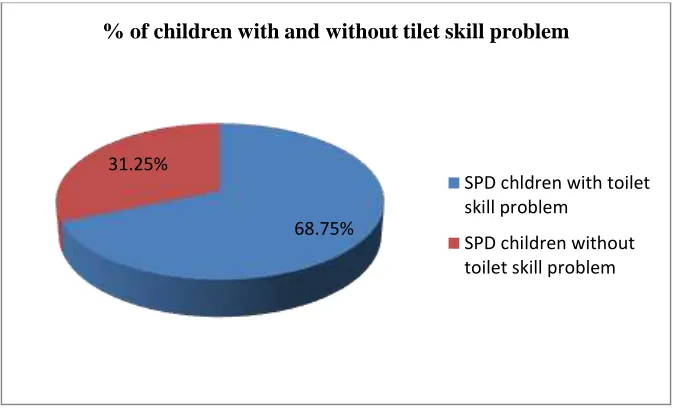
Table 2: Percentage of Children With and Without Toilet Skill Problems Among SPDs
(n= 96)
Children with toilet skill problem%(n)
Children without toilet skill problem%(n)
68.75%(66) 31.25%(30)
Graph 2. Graphical Representation of Percentage of Children With and Without Toilet Skill Problems
Table 2 ,graph 2 shows the percentage of SPD children with toilet skill problems were 68.75% and without toilet skill problems were 31.25%.
68.75% 31.25%
% of children with and without tilet skill problem
SPD chldren with toilet skill problem
39
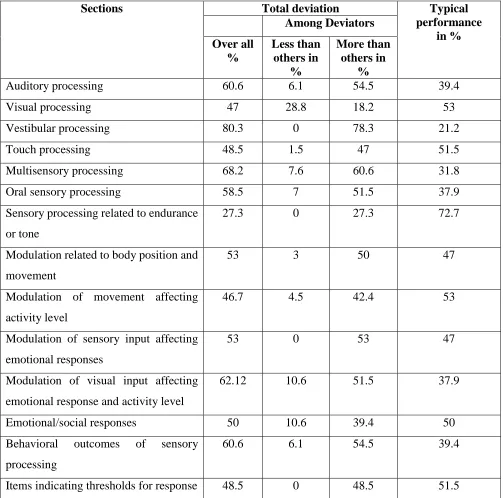
Table 3: Percentage of Section Domain among SPD Children having Toilet Skill Problem
Sections Total deviation Typical
performance in % Among Deviators Over all % Less than others in % More than others in %
Auditory processing 60.6 6.1 54.5 39.4 Visual processing 47 28.8 18.2 53 Vestibular processing 80.3 0 78.3 21.2 Touch processing 48.5 1.5 47 51.5 Multisensory processing 68.2 7.6 60.6 31.8 Oral sensory processing 58.5 7 51.5 37.9 Sensory processing related to endurance
or tone
27.3 0 27.3 72.7
Modulation related to body position and movement
53 3 50 47
Modulation of movement affecting activity level
46.7 4.5 42.4 53
Modulation of sensory input affecting emotional responses
53 0 53 47
Modulation of visual input affecting emotional response and activity level
62.12 10.6 51.5 37.9
Emotional/social responses 50 10.6 39.4 50 Behavioral outcomes of sensory
processing
60.6 6.1 54.5 39.4
40
Table 4: Percentage of Factor Domain Among SPD Children Having Toilet Skill Problem
Factors Total deviation Typical
performance in % Over all % Less than
others in %
More than others in %
Sensory seeking 48.4 4.5 43.9 51.5 Low endurance /tone 33.3 3 30.3 66.7 Oral sensory sensitivity 53 10.6 42.4 47 Inattention/distractibility 55.5 3 52.5 43.9 Poor registration 45.5 0 45.5 54.50 Sensory sensitivity 44.94 1 43.9 54.5
Sedentary 59.1 25.8 33.3 40.9
Fine/perceptual 51.5 0 51.5 48.5
[image:46.612.72.488.452.592.2]The above table shows a greater deviation of total deviators for inattention/distractibility and sedentary when compared with typical performance and among the total deviators most of them comes in more than others.
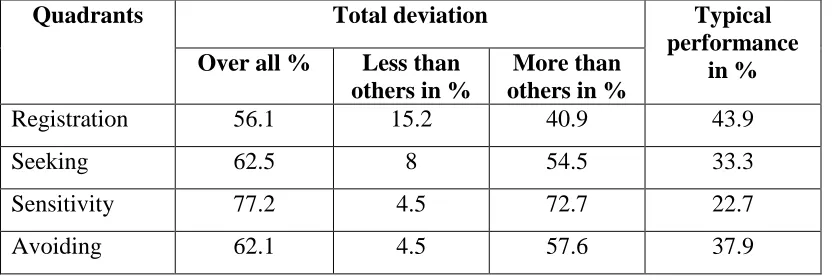
Table 5: Percentage of Quadrant Domain Among SPD Children Having Toilet Skill problem
Quadrants Total deviation Typical
performance in % Over all % Less than
others in %
More than others in %
Registration 56.1 15.2 40.9 43.9
Seeking 62.5 8 54.5 33.3
Sensitivity 77.2 4.5 72.7 22.7 Avoiding 62.1 4.5 57.6 37.9
All the quadrant variables shows total deviation more than the typical performance, among them most of the children comes under more than others category.
41
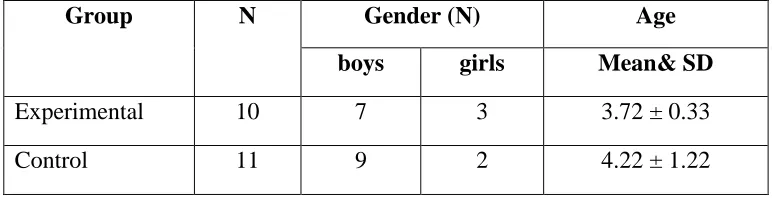
Group N Gender (N) Age
boys girls Mean& SD
Experimental 10 7 3 3.72 ± 0.33 Control 11 9 2 4.22 ± 1.22
The above table shows that there were 7 males and 3 girls in the experimental group and 9 boys and 2 girls in the control group. The mean age of experimental group was 3.72 ± .33 and that of control group was 4.22 ±1.22.
Table 7.1 Descriptive Statistic of Canadian Occupational Performance Measure: Performance and Satisfaction component
[image:47.612.106.492.72.171.2]The above table shows the descriptive statistic of Canadian Occupational Performance Measure: performance and satisfaction component
Table 7.2 Comparison between Control and Experimental Group Scores Pre and Post Test on Components of COPM (Toilet Skills Alone)
Outcome measure
Group Test Mean Std dev min max
[image:47.612.78.510.325.551.2]42
Graph 7.1: Graphical representation of Comparison between control and experimental group scores pre and post test on components of COPM (toilet skills alone)
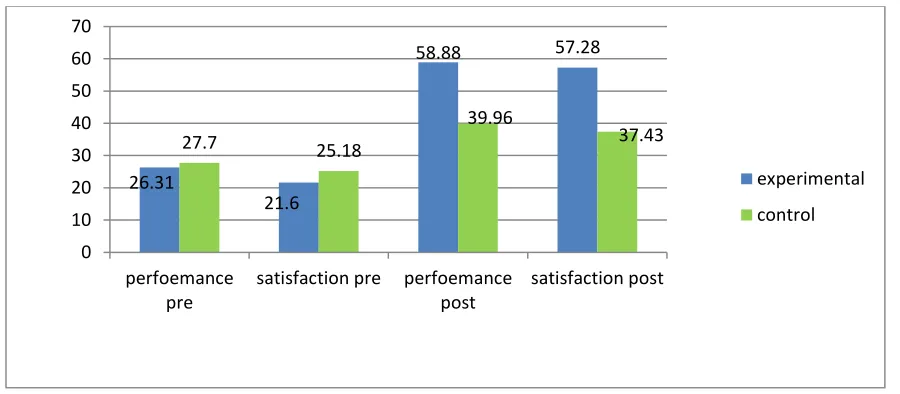
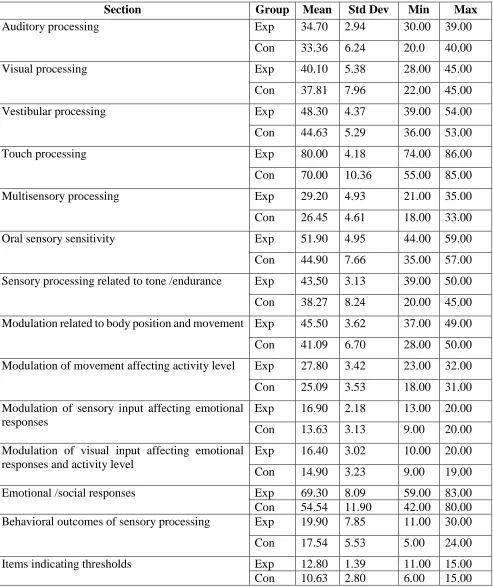
Table 7.2, Graph 7.1 shows that there is no significant differences in the pretest of the performance and satisfaction components; P is 0.92(>0.05) and 0.39(>0.05) respectively .This indicates that there is homogeneity of the group and thus post test score can be compared. There is significant differences in the post test of performance and satisfaction; P is 0.02(> 0.05) and 0.01(> 0.05). 26.31 21.6 58.88 57.28 27.7 25.18 39.96 37.43 0 10 20 30 40 50 60 70 perfoemance pre
satisfaction pre perfoemance post
satisfaction post
experimental
control
Test Outcome
measure
Group N Mean
Rank
Sum of rank
U score Sig(2tailed)
Pretest performance experimental 11 11.64 128.00 59.00 0.92 control 11 11.36 125.00
satisfaction experimental 11 10.36 113.50 47.50 0.39 control 11 12.68 139.50
Posttest performance experimental 10 14.30 143.00 22.00 0.02
control 11 8.00 88.00
satisfaction experimental 10 14.65 146.00 18.50 0.01
[image:48.612.74.570.81.297.2] [image:48.612.69.519.355.552.2]43
There were at least 5 goals chosen by the parents ;example indication before toileting, moving towards toilet, sitting on the toilet seat, removing dress and acceptance of cleaning with normal water.
Table 7.3: Comparison of Components of COPM within the groups
Domains Group Test Positive
Rank
Negative Rank
Ties Z
score
Sig(2tailed)
Performance exp Posttest- pretest 10 0 0 -2.803 0.005
con Posttest- pretest 10 1 0 -2.852 0.004
Satisfaction exp Posttest- pretest 10 0 0 -2.803 0.005
con Posttest- pretest 10 1 0 -2.851 0.004
The results shows there is a significant difference in both experimental group and control group for performance and satisfaction components, P is 0.005(<0.05) for experimental group and P is 0.004(<0.05) for control group in for performance and satisfaction components respectively.
44
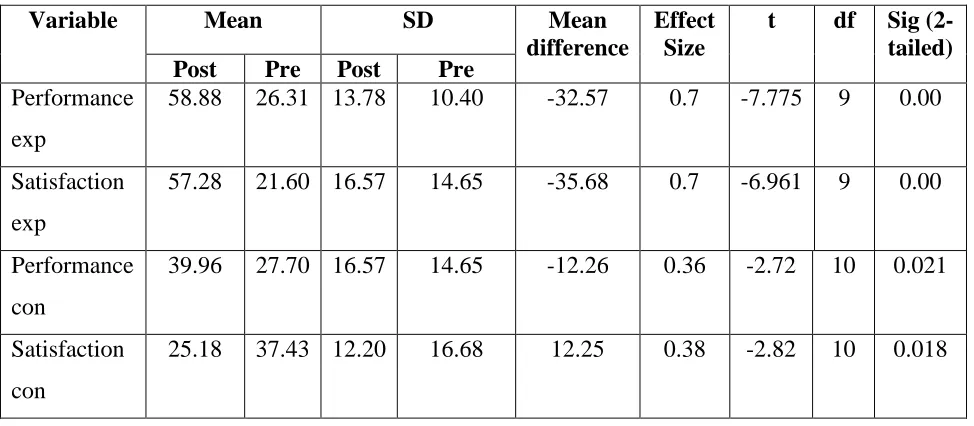
Table 7.4 Comparing the mean scores of pretest and posttest of both experimental and control group to find out the mean difference and effect size of COPM
Variable Mean SD Mean
difference
Effect Size
t df Sig (2-tailed)
Post Pre Post Pre
Performance exp
58.88 26.31 13.78 10.40 -32.57 0.7 -7.775 9 0.00
Satisfaction exp
57.28 21.60 16.57 14.65 -35.68 0.7 -6.961 9 0.00
Performance con
39.96 27.70 16.57 14.65 -12.26 0.36 -2.72 10 0.021
Satisfaction con
25.18 37.43 12.20 16.68 12.25 0.38 -2.82 10 0.018
Graph 7.2 Graphical Representation of Effect Size of COPM for Experimental Group and Control Group
Table 7.4, Graph 7.2 The above results show that there is a medium effect size for COPM components of experimental group. It also show that there is a small effect size for COPM components of control group.
0.7 0.7 0.3 0.3 0 0.1 0.2 0.3 0.4 0.5 0.6 0.7 0.8 performance satisfaction
effect size exp
[image:50.612.72.559.121.334.2] [image:50.612.72.465.411.609.2]45
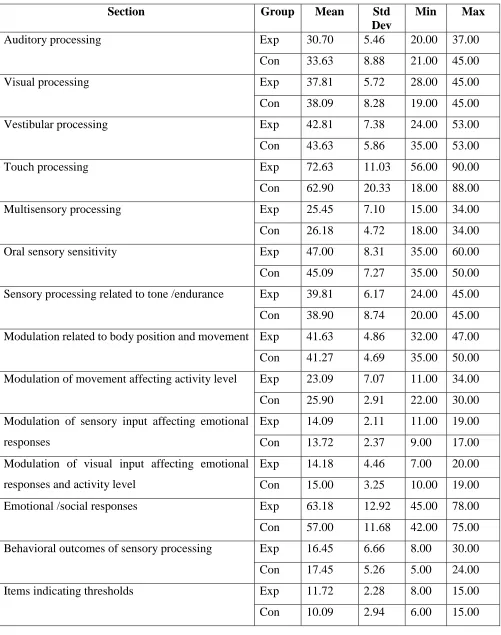
Table 8.1 Descriptive Statistic of sensory profile: section component of pretest
Section Group Mean Std
Dev
Min Max
Auditory processing Exp 30.70 5.46 20.00 37.00 Con 33.63 8.88 21.00 45.00 Visual processing Exp 37.81 5.72 28.00 45.00 Con 38.09 8.28 19.00 45.00 Vestibular processing Exp 42.81 7.38 24.00 53.00 Con 43.63 5.86 35.00 53.00 Touch processing Exp 72.63 11.03 56.00 90.00 Con 62.90 20.33 18.00 88.00 Multisensory processing Exp 25.45 7.10 15.00 34.00 Con 26.18 4.72 18.00 34.00 Oral sensory sensitivity Exp 47.00 8.31 35.00 60.00 Con 45.09 7.27 35.00 50.00 Sensory processing related to tone /endurance Exp 39.81 6.17 24.00 45.00 Con 38.90 8.74 20.00 45.00 Modulation related to body position and movement Exp 41.63 4.86 32.00 47.00 Con 41.27 4.69 35.00 50.00 Modulation of movement affecting activity level Exp 23.09 7.07 11.00 34.00 Con 25.90 2.91 22.00 30.00 Modulation of sensory input affecting emotional
responses
Exp 14.09 2.11 11.00 19.00 Con 13.72 2.37 9.00 17.00 Modulation of visual input affecting emotional
responses and activity level
46
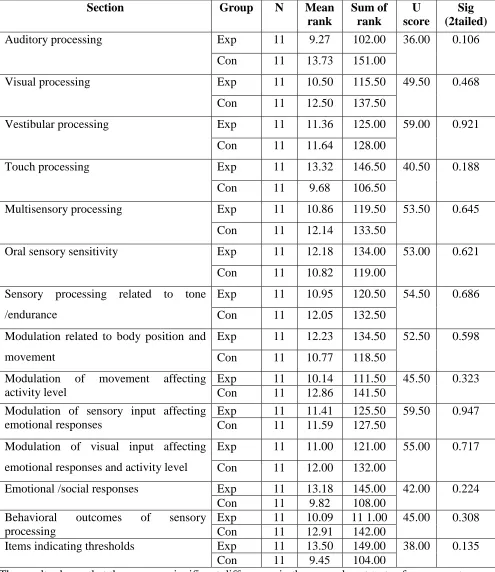
Table 8.2 Comparison between Pre Test Scores of Experimental and Control Group in SP
Section Group N Mean
rank Sum of rank U score Sig (2tailed)
Auditory processing Exp 11 9.27 102.00 36.00 0.106 Con 11 13.73 151.00
Visual processing Exp 11 10.50 115.50 49.50 0.468 Con 11 12.50 137.50
Vestibular processing Exp 11 11.36 125.00 59.00 0.921 Con 11 11.64 128.00
Touch processing Exp 11 13.32 146.50 40.50 0.188 Con 11 9.68 106.50
Multisensory processing Exp 11 10.86 119.50 53.50 0.645 Con 11 12.14 133.50
Oral sensory sensitivity Exp 11 12.18 134.00 53.00 0.621 Con 11 10.82 119.00
Sensory processing related to tone /endurance
Exp 11 10.95 120.50 54.50 0.686 Con 11 12.05 132.50
Modulation related to body position and movement
Exp 11 12.23 134.50 52.50 0.598 Con 11 10.77 118.50