RELEASE PANTOPRAZOLE SODIUM ENTERIC COATED
TABLETS
Dissertation Submitted to
THE TAMILNADU Dr.MGR MEDICAL UNIVERSITY, CHENNAI,
TAMILNADU.
In partial fulfillment of the requirements for the award of degree of
MASTER OF PHARMACY
InPHARMACEUTICS
By
M.I. AZARUDHIN
(Reg.No. 26104501)
UNDER THE GUIDENCE OF
Prof. Dr. K.Senthilkumaran, M.Pharm, Ph. D.,
CERTIFICATES
This is to certify that the dissertation entitled “FORMULATION AND EVALUATION OF DELAYED RELEASE PANTOPRAZOLE SODIUM ENTERIC COATED TABLETS ” is a bonafide and genuine research work carried out at Department of Pharmaceutics, K.K college of pharmacy by M.I. AZARUDHIN, B.Pharm., during the year 2011-2012 under the supervision of Prof. Dr. K. Senthilkumaran. M.Pharm., Ph.D.,
This dissertation is submitted in partial fulfillment of the requirements for the award of
degree of Master of Pharmacy (Pharmaceutics), by the Tamilnadu Dr. M.G.R medical
university ,Chennai-32.
PRINCIPAL DIRECTOR
Prof.A. MEENA M.Pharm., (Ph.D.,) Prof. Dr.V.VAIDHYALINGAM,M.Pharm.,Ph.D., K.K. College of pharmacy, K.K. College of pharmacy
This is to certify that the dissertation entitled “FORMULATION AND EVALUATION OF DELAYED RELEASE PANTOPRAZOLE SODIUM ENTERIC COATED TABLETS ” is a bonafide and genuine research work carried out at Department of Pharmaceutics, K.K college of pharmacy by M.I. AZARUDHIN, B.Pharm., during the year 2011-2012 under my supervision. this dissertation is submitted in partial fulfillment of
the requirements for the award of degree of Master of Pharmacy (Pharmaceutics), by the
Tamilnadu Dr. M.G.R medical university, Chennai-32.
SUPERVISOR
Prof.Dr .K. SENTHIL KUMARAN. M.PHARM, Ph. D., Head, Department of Pharmaceutics,
This book is written in dedication to the God almighty who has blessed me with peace of
mind, courage and strength, also with affectionate dedication to my loving parents, sister and
friends, who thought out the years have given me lot of encouragement, valuable ideas and
timely support whenever needed of it.
First and foremost, I wish to express my deepest gratitude to respect Prof. K. R. Arumugam, M.Pharm. Chairman of K. K. College of Pharmacy, Chennai for his help and support.
I also wish to express my deep gratitude to Mrs. A. Meena, M.Pharm., (Ph.D), Principal K.K. College of pharmacy for her heartily cooperation & valuable guidance throughout these
two years of my M.Pharm course. She has always given me lot of encouragement, valuable
ideas and timely support whenever needed.
I wish to express my deep gratitude to Prof. Dr. V. Vaidhyalingam, M.Pharm., Ph.D., Director, K.K. College of Pharmacy for his heartily cooperation valuable guidance throughout these two years of my M.Pharm course.
I was fortunate enough to undertake present work under the able supervision of my guide
Prof. Dr. K. Senthilkumaran, M.Pharm, Ph.D., Head , Dept. of Pharmaceutics, K. K. College of Pharmacy, for his generous guidance, moral support, Constructive criticism, kind
supervision and constant encouragement in bringing this work to conclusion. I am extremely
thankful to sir for his positive and enthusiastic attitude towards the project that helped me to
complete this work.
I am deeply indebted to the teaching staff of the department who was always a source of
knowledge and inspiration to me, especially Ms. P. Kavitha, M.Pharm., Mrs. Raja Rajeshwari, M.Pharm., Mrs. Pheeba, M.Pharm., Mrs. Laura, M.Pharm., for their prompt assistance and cooperative attitude.
dynamic approach, innovative advices, technical and morale support given to me throughout
the course of this dissertation work and for granting me the opportunity to do project with
his kind support.
I express my special thanks to Ms. K . Yamuna, M.Pharm., for his valuable advices, morale support and guidance throughout my education. With his dynamic approach
boosted my morale, which helped me in completion of this dissertation.
I would also extend my heartful thanks to Mr. Deevigan, Mr. T. Mahendran, Mr. A.Premkumar, Mr. G.Thiyagarajan, Mr. Sheik Shafiquddin, Mr.Venkatesh, Ms. Soumiya and other seniors working in Fourrts India Laboratories Pvt. Ltd.,
I express my personal thanks to my seniors, and friends for their support and
advices.
I am indebted to my parents who are the foundation stone of the platform I am
standing on today. My work is the result of prayers and blessings of my mother and hard
work of my father enabling me to reach this point of my career.
Also I want to thank all of those, whom I may not be able to name individually, for
helping me directly or indirectly.
It gives me an immense pleasure to acknowledge with gratitude, the help rendered
by host of people, to whom I owe in a substantial measure in the successful completion of
this project.
Dedicated to my Parents
Dedicated to my Parents
Dedicated to my Parents
Dedicated to my Parents
&
&
&
&
S.No.
Contents
Page No.
1 INTRODUCTION 1-22
2
AIM&OBJECTIVES
23
3
PLAN OF WORK
24
4 LITERATURE REVIEW 25-34
5 MATERIALS AND INSTRUMENTS 35-36
6 DRUG AND EXCIPIENTS PROFILE 37-60
7 METHODOLOGY 61-81
8 RESULTS AND DISCUSSION 82-103
9 CONCLUSION 104
10 BIBLIOGRAPHY 105-109
2 Mechanism of action of Acid suppressive agents 20
3 Pharmacokinetic of delayed release proton –pump inhibitors
4 List of Materials
5 List of Instruments
6 Pharmacokinetic parameters of Pantoprazole
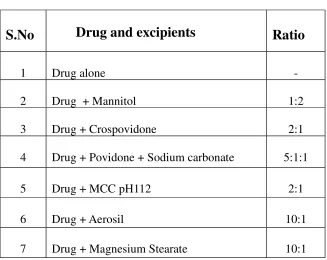
7 Drug-Excipient Compatibility Studies in ratio 64
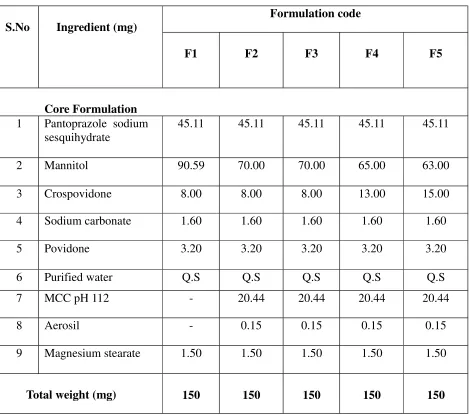
8 Formulation Trials 65
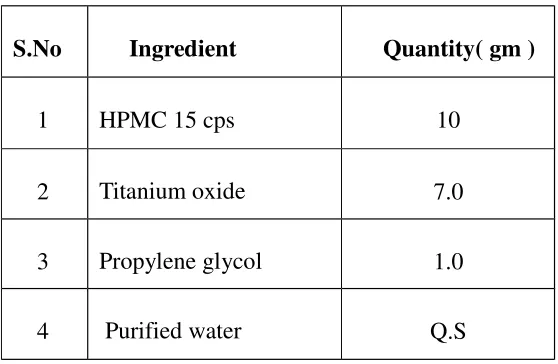
9 Composition of Ingredient for Seal Coating
10 Composition of Ingredient for Enteric coating
11 Operation condition for Seal and Enteric Coating Process
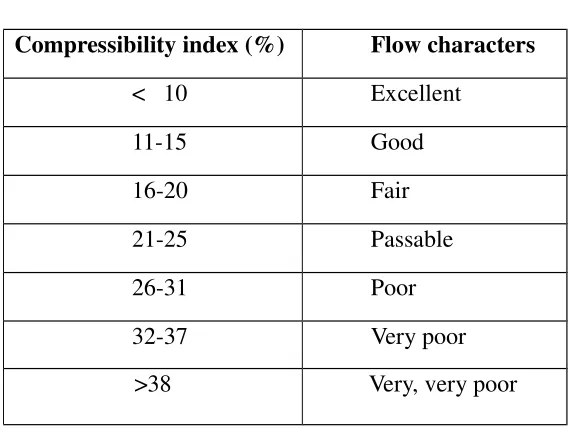
12 Limits for Compressibility index
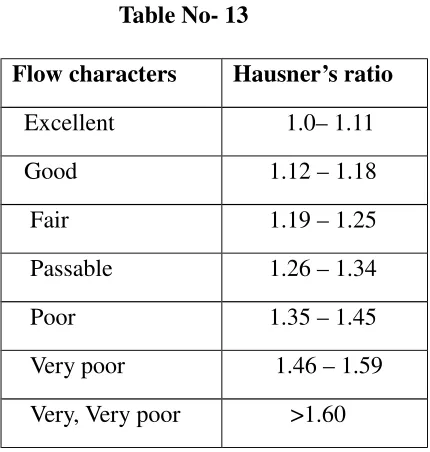
13 Limits for Hausner’s ratio
14 Limits for Angle of repose
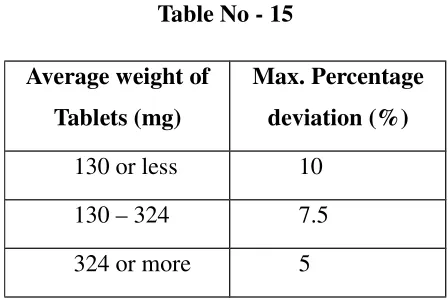
15 Limits for weight variation
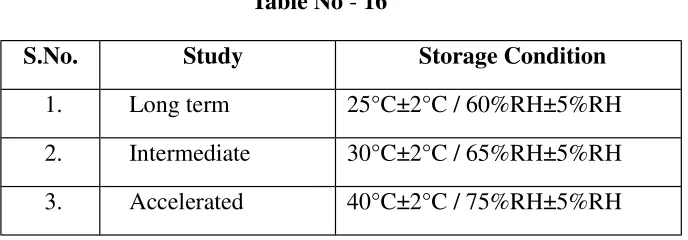
16 Storage Conditions for Stability Study
17 Raw material analysis
18 Solubility studies
19 Micrometric properties of API
20 Drug - Excipient compatibility study 84
21 Evaluation of Pre compression Parameters for Granules
23 Evaluation of Post compression Parameters for Enteric coated tablets
24 Innovator product characterization
25 Standard curve for Pantoprazole sodium in 0.1N Hcl
26 Standard curve for Pantoprazole sodium in pH 6.8 Phosphate buffer
27 In-vitro Dissolution Profile of Enteric Coated Tablets
28 Comparision of optimized formulation with Innovator product
29 Physical parameters of stability sample
30 In-vitro Dissolution data of stability sample
S.No.
Figures
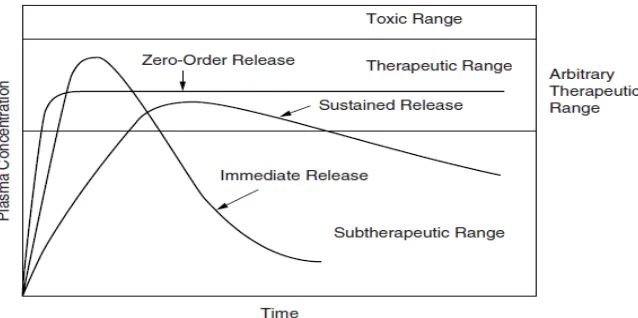
Page No. 1 Comparative blood drug level profiles showing differences between
zero order controlled release, slow first order sustained release and immediate release tablets
3
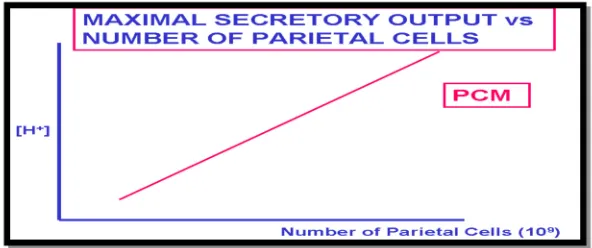
4 Graph showing the maximum secretion of gastric acid with increased
number of parietal cells
14
5 Mechanism of action of Proton pump inhibitors 21
6 FT-IR Graph for Pantoprazole Sodium pure drug 85
7 FT-IR Graph for Pantoprazole Sodium and Mannitol 86
8 FT-IR Graph for Pantoprazole Sodium , Povidone and Sodium
Carbonate
87
9 FT-IR Graph for Pantoprazole Sodium and Crospovidone 88
10 FT-IR Graph for Pantoprazole Sodium and MCC pH112 89
12 FT-IR Graph for Pantoprazole Sodium and Aerosil 90
13 FT-IR Graph for Pantoprazole Sodium and Magnesium stearate 91
14 Calibration curve for Pantoprazole Sodium in 0.1N Hcl 98
15 Calibration curve for Pantoprazole Sodium in pH 6.8 Phosphate buffer
99
16 Invitro Dissolution profile for Enteric coated tablets 100
17 Comparision of optimized formulation with Innovator product 101
18 Invitro Dissolution profile for stability sample 103
LIST OF FIGURES
LIST OF ABBREVIATIONS
BCS -Biopharmaceutical Classification System
IVIC -In-vitroIn-vivocorrelation
DDS -Drug Delivery System
GIT -Gastro Intestinal Tract
PPI´
S -Proton Pump Inhibitor
IV -Intravenous
AUC -Area Under The Curve
HCL -Hydrochloric Acid
MCC - Micro crytaline cellulose
HPLC -High Performance Liquid Chromatography
FTIR -Fourier Transform Infrared Spectroscopy
U.V -Ultra Violet Spectroscopy
NMT -not more than
NLT -not less than
API -Active Pharmaceutical Ingredients
NCC -No Characteristic Change
U.S.P -Untied States Pharmacopoeia
Std -Standard
Spl -Sample
Q.S -quantity sufficient
Fig -Figure
SD -Standard Deviation
RH -Relative Humidity
NOMENCLATURE
RPM - Revolutions per minute
ppm - parts per million
mm - millimeter
# - mesh
mg - milligram
cm - centimeter
µl - microlitres
w/w - weight by weight
v/v - volume by volume
% - Percentage
Min - minutes
1. INTRODUCTION
The treatment of acute diseases or a chronic illness has been mostly accomplished by
delivery of drugs to patients using various pharmaceutical dosage forms including tablets,
capsules, pills, suppositories, creams, ointments, liquids, aerosols, and injectables as drug
carriers1
. Drugs may be administered by variety of routes but oral administration is adopted
wherever possible. There are many applications and large markets for non-oral products and
the technologies that deliver them. However, if it is an applicable option, oral drug delivery
will be selected in all but the most exceptional circumstances. It is safest, easiest, and most
economical route of drug administration. Amongst drugs that are administered orally solid
oral dosage forms i.e. tablets and capsules, represent the preferred class of products. Out of
the two oral solid dosage forms, the tablets have number of advantages like tamper proof, low
cost and speed of manufacturing (direct compression), ease of administration, patient
compliance and flexibility in formulation etc.
1.1. Conventional Drug Therapy:
This requires periodic doses of therapeutic agents. These agents are formulated to
produce maximum activity, stability and bioavailability. for most drugs, conventional
methods of drug administration are effective, but some drugs are unstable or toxic and
have narrow therapeutic index. some drugs posses solubility problem. conventional forms
often cause problems to the patient, they maintain the therapeutic drug level for only short
duration. this gives rise to sharp fluctuation of drug levels in plasma and tissue.
Disadvantages of conventional drug delivery system:
In this system there is very less or no control over the release of the drug and
effective concentration at the target site can be achieved by intermittent of
excessive doses.
The extent and rate of absortion of drug from conventional formulations may vary
greatly, depending on the factors such as physio chemical properties of the drug
presence of excipients ,various physiological factors such as the the presence or
Care ful calculation necessary to prevent over dosing.
The dosing pattern in conventional dosage forms results in constantly changing,
unpredictable and often sub-therapeutic concentration, leading to marked side
effects in some cases.
1.2. Modified Drug Delivery System: 4,5,6
Modified release DDS include systems with pH–dependent, extended, delayed or pulsed drug
release. sustained, extended or prolonged release drug delivery systems are terms used
synonymously to describe this group of controlled drug delivery.
Classification:
The USP and NF has defined a modified release dosage forms as one in which the drug
release characteristics of time course and location are chosen to accomplish therapeutic
objectives not offered by conventional dosage forms.
Sustained Release: A sustained-release dosage form is designed to achieve a prolonged therapeutic effect by continuously releasing medication over an extended period of time after
administration of a single dose. These systems try to mimic zero-order release by providing
drug in a slow first-order fashion.
Controlled release: The term “Controlled release” has become associated with those systems from which therapeutic agents may be automatically delivered at predefined rates
over a long period of time. These systems deliver drugs in a zero-order fashion.
Repeat Action: Alternative method of sustained release in which multiple doses of a drug are contained within a dosage form and each dose is released at a periodic interval.
Fig.1 - Drug level versus time profile showing differences between zero-order controlled release; slow first-order sustained release, and release form a conventional tablet or capsule.
1.3. Delayed Release Systems
The design of such system involves release of drugs only at a site in the gastrointestinal tract. The drugs contained in such a system are those that are:
i) Destroyed in the stomach or by intestinal enzymes
ii) Known to cause gastric distress
iii) Absorbed from a specific intestinal site or
iv) Meant to exert local effect at a specific gastrointestinal site.
The two types of delayed release systems are:
Intestinal release systems: A drug may be enteric coated for intestinal release for several known reasons such as to prevent gastric irritation, prevent destabilization in
gastric pH etc.
Colonic release systems: Drugs are poorly absorbed through colon but may be delivered to such a site for two reasons.
a) Local action in the treatment of ulcerative colitis
[image:18.595.142.461.78.237.2]Advantage is taken of the fact that pH sensitive bioerodible polymers like polymethacrylates
release the medicament only at the alkaline pH of colon or use of divinylbenzene cross-linked
polymers that can be cleaved only by the azo reductase of colonic bacteria to release free
drug for local effect or systemic absorption.
1.4. Delayed Release Solid oral Dosage Forms:
The correct selection and balance of excipients and processes in solid dosage formulations
are designed either for improving the micrometric or macrometric proprerties of materials
during manufacture and for providing a desired drug delivery system.7
the most commonly
used pharmaceutical delayed release solid dosage forms today include tablets, capsules,
granules, pellets.
Fig .2 - RelationShip of Pharmaceutical Delayed Release Solid Dosage Forms
Pellet Powder Granule
Capsule Film coating Tablet
1.4.1. Classification of Delayed Release Solid Oral Dosage Forms:
Delayed release solid oral dosage forms are available either as single unit(non divided
formulations–tablets, capsules) or as multiple unit (divide formulations-pellets, mini
-tablets)forms.
1.4.1.1. Single unit dosage forms:
The single-unit dosage forms usually refer to diffusion controlled systems which include
monolithic systems.where the diffusion of a drug through a matrix is the rate limiting step
reservoir or multilayered matrix systems,8
where the diffusion of the drug through polymer
coating or layer of the system is the rate limiting step. However , generally, release of drugs
will occur by a mixture of these two mechanisms.
1.4.1.2. Multi unit dosage forms: 9,10
Types of multi unit dosage forms comprise :
Granules
Pellets
Microparticles (microspheres ormicrocapsules ) and Nano particles.
Mini tablets and minidepots (dispersed and distributed through out the gastro intestinal tract when the capsule or tablet disintegrates).
Multi unit tablets (divided at ingestion with out loss of the depot effect, as the sub unit act as a self contained depots).
1.4.1.3. Therapeutic Advantage of Multi units over single units:
Disperse freely in the gastro intestinal tract.
Provides less risk of dose dumping.
Reduces localized concentration of irritative drugs.
Reduce risk of inter and intra patient variability.
Improves safety and efficacy of a drug.
Maximize drug absorption, reduce peak plasma fluctuations, minimize local irritation
of the mucosa by certain irritant drugs and minimize potential side effects without
appreciably lowering drug bioavailability.
1.5. Tablets: The Dominant Oral Dosage Form:11,12
Pharmaceutical tablets are the dominant dosage forms for drug delivery, occupying two third
of the global market. Generally, they are formulated by compressing dry powder blends
consisting of a number of components with different functionalities in a die. With
advancement in technology and a rise in awareness towards modification in standard tablet to
achieve better acceptability as well as bioavailability, newer and more efficient tablet dosage
forms are being developed. The main intention behind formulation of different types of
tablets are to create a delivery system that is relatively simple and inexpensive to
manufacture, provide the dosage form that is convenient from patient’s perspective and
utilize an approach that is unlikely to add complexity during regulatory approval process.
1.5.1. Different Types of Tablets
Tablets ingested orally:
1. Compressed tablet
2. Multiple compressed tablet
3. Repeat action tablet
4. Delayed release tablet
7. Chewable tablet
Tablets used in oral cavity:
1. Buccal tablet
2. Sublingual tablet
3. Troches or lozenges
4. Dental cone
Tablets administered by other route:
1. Implantation tablet
2. Vaginal tablet
Tablets used to prepare solution:
1. Effervescent tablet 2. Dispensing tablet 3. Hypodermic tablet 4. Tablet triturates
1.5.2. Advantages:
• • •
• Dose precision and least content variability.
• • •
• Lightest and most compact of all dosage forms.
• • •
• They lend themselves to some special release profile products, such as enteric or
delayed-release products.
• • •
• They are better suited to large-scale production than other unit oral forms.
• • •
• Their cost is lowest of all dosage forms.
1.5.3. Disadvantages:
• • •
• Some drugs resist compression into dense compacts, owing to their amorphous nature
• • •
• Drug with poor wetting, slow dissolution properties, intermediate to large dosages,
optimum absorption high in the gastrointestinal tract may be difficult or impossible to
formulate and manufacture as a tablet.
• • •
• Drugs with bitter taste, odor or sensitive to oxygen or moisture may require
encapsulation or entrapment prior to compression.
1.6 . Compression Machine Tooling 13
The size and shape of a tablet as well as certain identification makings are determined by the
compression machine tooling each tooling set consist of a die and upper and lower punches.
The most common tools employed are referred as BB tooling and are 5.25 inches in length,
and have a nominal barrel diameter of 0.75 inches and 1-inch head diameter’s tooling is
identical to BB type except that the lower punch is only 39/16 inches longed tooling is
popular for large tablets, utilizing a 1- inch barrel diameter, 1.25- inch head diameter, and
5.25- inch length. the dies that are used with the above punches are either a 0.945 – inch
outside diameter(OD) die capable of making a 7/16 – inch round tablet or 9/16-inch capsule
shaped tablet.
Several types of steel are normally used in manufacturing of compression tooling. This
steel differs in toughness, to withstand the cyclic compacting forces (ductility), and in wear
resistance. The selection of the best steel for a specific application must be best on experience
and an accumulated history of the product being tabletted. One should also consider the shape
of the punch tip, whether or not debossing is to be employed on the tooling , the expected
compression forces involved, and whether the materials to be processed are abrasive or
corrosive.
The size, shape and contour of a tablet are almost unlimited within the given limits of the
specified die size. Tooling can be made with certain other information to aid in producing
visible unique tablet product Company names and symbol, trade names, dosage strength, or
National Drug Code (NDC) numbers can be cut or engraved into a punch face, or the punches
may be scored to produced uniquely embossed or engraved tablets. When the tip of the upper
for compression .To prevent this, a slot is curt longitudinally into the barrel of the punch, and
a key is inserted. This key protrudes a short distance so that it engages a similar slot cut into
the upper punch guides on the tablet press. Lower punches do not need keys because their
tips remain within the die bore, which control the axial movement of the punch. Because
keyed punches cannot rotate, wear is distributed unevenly, and punch life is shortened.
When a press is set up with keyed punches the upper punches are inserted first to determine
the placement of the dies. Once the dies are properly aligned and seated, they are locked in
place, and the lower punches are inserted. The more curvature that is built into a tablet
contour, the more difficult is to compress, especially if the tablet tends to laminate or cap. The
engraving or embossing on a tablet must be designed to be legible, must not add to
compression problems, and must fit on the tablet surface. Because of its hard steel structure
tablet tooling may appear to be indestructible. During normal use, however, the punches and
die become worn, and the cyclic application of stress can cause the steel to fatigue and break.
The punch tips are especially delicate and susceptible to damage if the tips make contact with
each other, the dies or the press turret upon insertion or removal of the tools from the tablet
machine. To avoid tooling damage, compressive loads or pressure at the pressure rolls must
be translated into a circulation of pressure at the punch tips. As tablet punch diameter
decreases, less force is required to produce the same pressure at the punch face, since the face
represents a smaller fraction of a unit area (square inch). The formula for area of a circle is
пr2 where r is the radius of the circle. Given a flat punch face, the area of 22a ¼ - inch diameter punch would thus be 3.14*(1/8)2 or 3.14*1/64 or approximately 1/20 square-inch. If
a 1-ton load is being applied by the pressure roll, this area is translated as 2000 pounds on
1/20 square inch, or 40,000.
1.7. Coating of tablets:
The application of coating is usually based on one or more of the following :
To mask the taste,odor,or colour of the drug.
To provide physical and chemical protection to the drug.
To protect the drug from the gastric environment of the stomach with an acid
resistant coating.
To incorporate another drug or formula adjuvant in the coating to avoid chemical
incompatibility or to provide sequential drug release.
To provide pharmaceutical elegance by use of special colour.
1.7.1. Types of coating: 1. Sugar coating
2. Film coating
3. Enteric coating
4. Extended release coating
1.7.2. Layers of coating in the formulation: 1. Tablet core
2. Seal coating acts as a inert intermediate layer between the core and outer layer(which are not compatible with one another).
3. Enteric coating acts as an outer layer which is resistant to gastric juice.
1.8. Enteric coatings:14
Enteric coatings are those which remain intact in the stomach, but will dissolve and release
the contents once it reaches the small intestine. Their prime intension is to delay the release of
drugs which are inactivated by the stomach contents or may cause nausea or bleeding by
The coatings that are used now a day to produce enteric effects are primarily mixed acid
functionality and acid ester functionality, synthetic, or modified natural polymers. The most
extensively used polymers are Cellulose acetate, poly vinyl acetate, pydroxy propyl
methyl cellulose, Methacrylic acid copolymers. All these polymers have the common feature
of containing the di carboxylic, pthalic acid in partially Esterified form
These polymers, being acid esters are insoluble in gastic media that have the pH of about 4.
And then leave the stomach, and enter into the duodenum (pH 4-6) and further along the
small intestine , where the pH is increase to a range of (pH 7-8).
The primary mechanism by which these polymers lose their integrity, is their by admitting
the releasing drug to the intestinal fluid. in this ionization of the residual carboxyl groups on
the chain and subsequent hydration.
1.8.1. Important reasons for enteric coating are as follows : * To protect acid-liable drugs from the gastric fluid
* To protect gastric distress or nausea due to irritation from drug
* To deliver drugs intended for local action in the intestines
* To provide a delayed release component to repeat actions
* Protect the drugs from harmful effect of the gastric contents; some of the drugs
are prone to be hydrolyzed in acid media (E.g., omeprazole, pantaprazole)
1.8.2. Ideal enteric coating materials should have the following properties: * Resistance to gastric fluids
* Ready susceptibility to or permeability to intestinal fluids
* Compatibility with most coating solution components and the drug substrates
* The film should not change on aging
* Formation of continuous film
* Non-toxicity
* Low cost
1.8.3. Enteric Coating Materials:
Enteric coatings polymers are selectively insoluble substances. They won't dissolve in the
acidic juices of the stomach, but they will when they reach the higher pH of the small
intestine. Most enteric coatings won't dissolve in solutions with a pH lower than 5.5.
Commonly-used enteric coating polymers:
* Methacrylic acid copolymers
* Cellulose acetate (and its succinate and phthalate version)
* Polymethacrylic acid/acrylic acid copolymer
* Hydroxypropyl methyl cellulose phthalate( HPMCP)
* Polyvinyl acetate phthalate ( PVAP)
* Hydroxyethyl ethyl cellulose phthalate
* Cellulose acetate tetra hydro phthalate
The earliest enteric coatings utilized formalized gelatin , this was unreliable because of the
polymerization of gelatin could not be accurately controlled. Another was shellac,
disadvantage was polymerization with time, resulting in poor dissolution of the coating.
The most extensively used polymers are CAP, PVAP. The most recently used polymers are
HPMCP, Methacrylic acid copolymers.
Cellulose Acetate Phthalate (CAP) :
Effective enteric coating, it only dissolves above pH 6 and may delay drug release
longer than desired. it is permeable to moisture and simulated gastric fluid in
comparison with other enteric polymers and it is susceptible to hydrolytic breakdown
on storage.
Poly Vinyl Acetate Phthalate (PVAP) :
Less permeable to moisture and simulated gastric juice, it is more stable to hydrolysis
on storage. Enteric dosage forms coated with PVAP disintegrates at pH 5
HP55 solutions are more viscous than HP50.
HP50 disintegrates at pH5 and HP55 disintegrates at pH5.5.
It has stability similar to that of PVAP and dissolves in the same pH range. The
advantage is that it does not require Plasticizer.
Methacrylic acid copolymers :15
Two grades are available A B and C which differs in the ratio of free carboxyl to ester
groups therefore:
Type A - Poly (ethyl acrylate, methyl methacrylate, trimethylammonioethyl
methacrylate chloride) has a ratio 1: 2: 0.2 and soluble in intestinal fluid from pH 6.
Type B - Poly (ethyl acrylate, methyl methacrylate, trimethylammonioethyl
methacrylate chloride) has a ratio of 1:2:0.1 and soluble in intestinal fluid from pH 7.
Type C - Poly (methacrylic acid, ethyl acrylate) 1:1 and soluble in intestinal fluid from pH 5.5.
1.9. Disease Profile: 16
Acid Related Disease: Thirty years ago, disorders associated with in appropriate levels of gastric acid were a major problem for which treatment option were is limited
approaches to the control of gastric acid. there are number of condition that may
intravenous acid suppression including gstric ulcer Gastro-esophageal reflux disease,
Zollinger Ellison syndrome, Barett esophagus.
1.9.1. Physiology of Nocturnal secretion of Gastric acid :
The secretion of acid occurs at a continous basal level and increase after meals
1. Basal acid release is stimulated by food. when meal containing protein is Consumed, amino acid is released. which stimulates the release of gastrin by g –cells in the Lumen of antrum.
2. And which in turn stimulates the Paracrine Entero-chromaffin like cells called
EC cells is in close proximity to the parietal cells by which it binds to specific
receptors.
3. In response to various stimuli ( signals) the parietal cell in the Fundus of Stomach
Secrete HCL ( Gastric acid ).
Fig .3 -Schemmatic
representation of gastric acid secretion from the parietal cell present in the lining of the stomach
1.9.2. Concept Of Parietal Cell Mass There are Normally about 109
parietal cell in the stomach (parietal cell mass) under maximal
condition of stimulation. They secrete 20-25meq at low stimulation.the output is 2-3meq/hr.
hence at low volume secretion rates the pH is higher, at higher rates the pH is lower. PCM
varies with gender,age, body weight pathologies. Parietal cells secrete a fluid of constant
composition (HCL) independent of rate, type or magnitude of stimulus, the volume of
[image:29.595.151.447.567.691.2]secretion is dependent on the number of parietal cells secreting
1.9.3. Peptic ulcer : 17
Peptic ulcer disease refers to pain ful sores or ulcers in the lining of the stomach or the first
part of the small intestine, the duodenum. Normally a thick layer of mucus protects the
stomach lining from the effects of its digestive juices, but many things reduce this protective
layer , allowing for ulcer to occur .
Classification
• Type 1: Ulcer along the body of the stomach , most often along the lesser at incisura
angularis along the locus minoris resistentiae
• Type2: Ulcer in the body in the combination with duodenal ulcers. with acid
secretion
• Type 3: In the pyloric channel with 3 cm of pylorus. associated with acid over
secretion.
• Type 4: Proximal gastro esophageal ulcer .
• Type 5: can occur through out the stomach. Associated with chronic NSAID (such as
aspirin).
Causes
• The major cause for peptic ulcer is due to helicobacter pylori, that colonizes the
antral mucosa .
• The immune system is unable to clear the infection, despite the appearance of
antibodies. Thus, the bacterium can cause a chronic active gastritis (type B)
resulting in a defect in the regulation of gastrin production by the part of the
stomach, and gastrin secretion can either be increased or decreased resulting in
achlorhydria.
• Gastrin stimulates the the production of gastric acid by the parietal cells and the
H pylori colonization responses to the increase gastrin, the increase in acid can
contribute to the erosion of the mucosa and there fore ulcer formation occurs.
Symptoms
• Abdominal pain • Bloating
• Hematemesis ( vomiting of blood)
Diagnosis
• Stomach pain is mainly the first signal of the peptic ulcer. • Conducting endoscopy test or barium contrast x rays.
• Esophagogastroduodenoscopy (EGD), carried out for the patients with peptic ulcer
suspected .
Treatment
• Younger patients with ulcer llike symptoms are often treated with antacids,
H2 antagonists .
• H.pylori infection are treated with combination of two antibiotics clarithromycin,
amoxicillin, metronidazole and one proton pump inhibitors
[image:31.595.102.484.426.675.2]• Perforated peptic ulcer requires a surgical repair of the performation . • Sucralfate has also been a successful for the treatment of peptic ulcer.
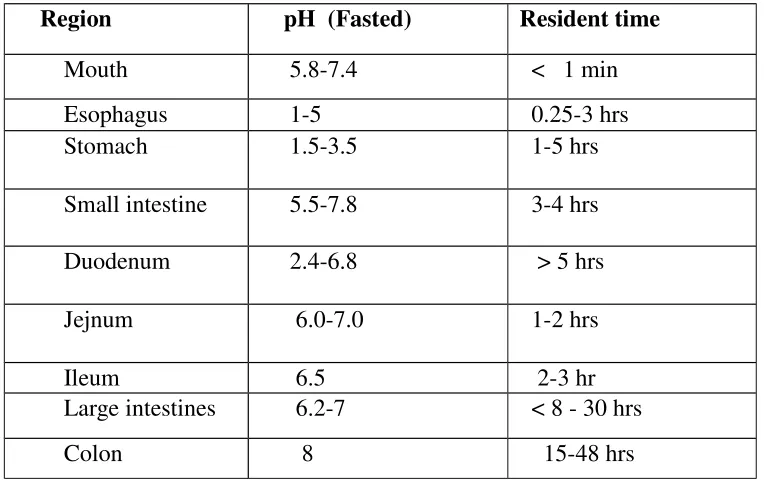
Table No: 1 – pH conditions of GIT (to match optimized value in biological fluid)
Region pH (Fasted) Resident time
Mouth 5.8-7.4 < 1 min
Esophagus 1-5 0.25-3 hrs Stomach 1.5-3.5 1-5 hrs
Small intestine 5.5-7.8 3-4 hrs
Duodenum 2.4-6.8 > 5 hrs
Jejnum 6.0-7.0 1-2 hrs
Ileum 6.5 2-3 hr
Large intestines 6.2-7 < 8 - 30 hrs
Colon 8 15-48 hrs
Gastro esophageal reflux disease(GERD) is a condition in which the stomach contents
(food or liquid ) leaks backward from the stomach into the esophagus ( the tube from the
mouth to the stomach ) this action can irritate the esophagus , causing heart burn .
Causes
• When you eat, food passes from the throat to the stomach through the esophagus
once food is in the stomach , a ring of muscle fibers prevent food from moving.
back ward into the esophagus . these muscle fibers are called the lower esophageal sphinter (LES).
• If the sphincter muscle does not close well, food , liquid , form stomach can
leak back into the esophagus . this is called gastro esophagus reflux disease.
Risk Factors
• The risk factors for reflux include hiatal hernia ( a condition in which a part of the
stomach moves above the diaphragm, which is the muscle seperates the chest and
abdominal cavities), pregnancy & Scleroderma
• Obesity ,cigrattes & possibly alcohol increase the chance of the GERD .
Symptoms
• Heart burn in the stomach (under the breast bone ).
• Felling that food may be left trapped behind the breast bone.
Prevention
• To prevent heart burn, avoid following things such as smoke, alcohol, caffeine
spicy or fatty foods tomatoes , carbonated beverages.
• Over use of NSAIDs should be avoided.
Diagnosis
If symptoms are severe one or more tests may help to diagnosis reflux.
• Continous esophageal reflux monitoring . • Barium swallow test.
• Esophago gastro duodeno scopy is often used to identify the cause and examine
Treatment
• Ant acid can be used but the common side effects of ant acid includes diarrhea or
constipation.
• Proton pump inhibitors :are the most potent acid inhibitors , omeprazole,
pantoprazole rabeprazole ,esomeprazole.
• H2 antagonist: famotidine,cimetidine, ranitidine. • Anti-h.pylori drugs :clarithromycin,amoxicillin.
1.9.4. Zollinger –Ellison Syndrome
Zollinger Ellison syndrome is a rare disorder, characterized byone or more tumours in the
pancreas, duodenumor both. The tumour cause the stomach make to much acid, leading
to peptic ulcer in the duodenum. The tumours are some times cancerous & spread to the
other areas of the body .
Causes
Zollinger Ellison syndrome is caused by tumours called gastrinomas, which release the
hormone gasrin. Normally , cells in the stomach produce and control gastrin so only the
right amount is released . gasrin travels through the blood streams to signal other cells in
the stomach to release gastric acid in the stomach and duodenum.The excess acid
eventually causes sores called peptic ulcers. To form in the linig of the duodenum.
Majority of gastrinomas . which appper sporadically. about 25% of gastrinomas cases
are caused by by an inherited genetic disorder. Multiple endocrine neoplasia type
1(MEN 1).
Symptoms
• Burning abdominal pain • Nausea and vomiting • Weight loss
• Diarrhea
• Measuring stomach acid and the amount of gastrin circulating in the blood. • Conduting imaging tests to 100k for gastrinomas.
• Somatostatin receptor scintigraphy is used to find gastrinomas in the
duodenum pancreas &other parts of the body SRS is used as a radio active
compound called a radio tracer that when injected into the blood stream, selectively
tumour cells.
• The labeled cells light up when scannrd with a device called gamma camer • Angiography some timeused to find tumours in the pancreas.
• Computerized tomography scan takes hundred of cross sectional x- ray images in
a few seconds a computer assembles the images to produce three dimensional
views of internal organs.
Treatment
Proton pump inhibitors effectively reduces gastric acid secretion in the stomach and includes,
• Pantoprazole(protonix) • Omeprazole(prilosec) • Eesomeprazole(nexium)
Reducing stomach acid allows peptic ulcer to heal relives ZES symtoms,surgical
removal of gastrinomas is the only cure for ZES. some gastrinomas behave like
cancer and spread to the other Parts of the body , especially the liver and bones .
Classification of Acid suppressive Agents 19
• ••
• H-2 Receptor antagonist– Cimetidine, Ranitidine, Famotidine. •
••
• Protonpump inhibitors– Omeprazole,Pantoprazole, Rabeprazole, Lansoprazole. •
••
• Anticholinergics – Pirenzepine, Oxyphenonium, Prophantheline. •
••
Table No: 2 - Mechanism of Action of Acid suppressive Agents 19
1.10. D
i s c o v e r y
The Most potent inhibitor of gastric acid secretion is proton pump inhibitors, has
revolutionalized the treatment of Acid related disorders, such as GERD, ZES, Idiopathic
hyper secretion, stress related or drug induced erosive gastritis.
Omeprazole was the first drug in the class introduced in 1989, since then four other PPI´
s has
been introduced they are Lansoprazole (1995),Rabeprazole(1999),Pantoprazole (2000), And
Esomeprazole(2001).
Acid suppressive agents Mechanism of action
Prostaglandin analogue
It inhibits the gastric secretion by opposing
Camp generation in parietal cells and gastrin
release from antral cells.
H-2 receptor antagonist It performs by blocking the action of histamine
on parietal cell in the stomach by this decreasing
the production of gastric acid from the cell.
Proton pump inhibitor PPIS acts by irreversibly blocking the enzyme
system of the parietal cell by this it terminate the
1.10.1. Mechanism of action of Proton pump inhibitors
The key action of the PPI´
s is to decrease gasric acid and secretory volume. It acts by
blocking the enzyme system responsible for active transport of acid into the
gastrointestinal lumen, namely the hydrogen /potassium- adenosine triphosphate
known as (Acid pump or Proton pump ).an enzyme present in the gastric parietal
cells this effect on the final step of the gastric acid formation there by reducing gastric
acid output both during basal condition and simulated acid secretion,
irrespective of stimulus.
Fig .5 - Mechanism of Action of PPI´s
1.10.2. Biopharmaceutical classification system : 20
According to the Biopharmaceutical classification system (BCS), drug substances are
classified as follows:
Class I drugs are likely to exhibit few bio availability problems.
Class II drugs are prone to dissolution rate- limited absorption.
Class III drugs are likely to exhibit permeation rate-limited absorption.
Class IV drugs may be present serious obstacles to oral bio availability, and some may be
best formulated in a solubilized form such as a liquid filled or semi solid-filled capsule.
Pantoprazole belongs to class III drugs of the BCS, characterized by high solubility and low permeability.
Table No: 3 –Pharmacokinetics of Delayed Release Proton-Pump Inhibitors
S.No Parameters Pantoprazole Omeprazole Esomeprazole
1 Absolute
Bioavailabilty (%)
77 40 64-90
2 Time to peak
plasma Level ( h )
2-4 0.5-3.5 1.5
3 Plasma
half- life (h)
1.0 0.5-1.0 0-1.5
4 Plasma protein
binding (%)
97 95 97
5 Hepatic
metabolism
Yes Yes Yes
2. AIM & OBJECTIVES
The aim of the present study was to develop a pharmaceutically equivalent, stable, cost
effective and quality improved formulation of Pantoprazole Sodium enteric coated tablets.
To achieve these goal various prototype formulation trails were taken and evaluated with
various quality control such as dissolution, assay. the formula was finalized by comparing the
in vitro dissolution profile with that of the marketed tablet.
Objectives:
• To formulate and evaluate delayed release tablets of Pantoprazole sodium. • To determine the best fit dissolution profile for the formulated dosage form.
• To study the release profile of the dosage form and to compare their drug release
profile with the innovator product.
• To study the stability of formulated dosage form and compare with the specifications.
3.
PLAN OF WORK
1. Literature survey. 2. Preformulation studies
• Evaluation of API.
• Drug-Excipients Compatibility Studies.
3. Selection of excipients based on Drug excipients compatibility data.
4. Preparation of granules of Pantoprazole sodium by Wet granulation method. 5. Evaluation of pre compression studies for the final blend of all formulations.
• Bulkdensity, Tap density.
• Compressibility index, Hausner´s ratio. • Angle of Repose, Moisture Content.
6. To perform Coating of Compressed tablet.
• Seal coating. • Enteric coating.
7. Evaluation of post-compression parameters
• Hardness, Thickness,Weight variation . • Dissolution study, Disintegration test. • Drug content (Assay).
8. Selection of bioequivalent formulation by comparing invitro dissolution profile of formulated batches with that of innovator product – Determination of f1 ,f2 factor. 9. To perform Stability studies for final optimized formulation.
4. LITERATURE REVIEW
Kishore Babu , N. Bhanu Teja, B. Ramakrishna et al.,21
Designed and developed
gastro resistant drug delivery system for pantoprazole. Pantoprazole is an acid labile
drug, whichcan be degraded in the stomach. Therefore, the drug should be targeted to
intestine; tobypass the stomach the gastro resistant double walled microspheric drug
delivery systemwas adopted. The formulations were developed consisting of double
wall. The primary wallcomposed of muco adhesive polymer HPMC and a release
controlling polymer sod.Alginate. The second wall coating the primary microspheres
was composed of eudragit RS100. Eudragit RS 100 provides sustained drug release
upto 14hrs with the influence of pH 7.4buffer. The effect of polymer concentration on
the particle size, shape drug entrapmentefficiency, muco adhesive property, and
release study of core microspheres were evaluated.
Santosh Kumar Jindal et al.,22
Formulated and evaluated oral drug delivery device
for insulin and to protect the sensitive drug from digestive enzymes and proteolytic
degradation in stomach and upper part of gastro intestinal tract (GIT). So, for this
purpose insulin enteric microspheres (EMS) were prepared using Hydroxy propyl
methyl cellulose acetate succinate as enteric polymer,. In-vitro drug release studies
determined that almost no drug was released in HCl (pH 1.2) for 2 hours and then
maximum amount of drug was released within 70 minutes in Phosphate buffer (pH
7.4). In-vivo studies on male wistar rats confirmed a remarkable decrease in blood
glucose level after 2 hours of administration of insulin EMS.
Rajesh z. mujoriya et al.,23
Formulated and evaluated pantoprazole sodium enteric
coated pellets.Before going to develop the formulation a detail product literature
review was carried out to know about the MUPS and type of dosage form available in
market. The present study was focused to formulate delayed release capsule by MUPS
Technique.Average pellets size was determined by sieve analysis and found to be
(ASTM sieve no. 12-16). Sieve analysis was the essential step before coating.
Because uniform sized pellets undergo effective coating. The result indicates a
possible. The formulation developed can further be worked on. For identifying a best
formulation for delayed release pellets of pantoprazole sodium.
Juliana Siqueira Chaves et al.,24
Formulate and evaluated the spray-dried extract of
feverfew and further designing and standardizing enteric coated tablets. In this work,
the spray-dried extract of feverfew was evaluated for its parthenolide, santin and total
flavonoid content, parthenolide solubility, particle size, tap density,
hygroscopicity, angle of repose and moisture content. Tablets containing the
spray-dried extract were tested for their average weight, friability, hardness, and
disintegration time. The total flavonoid and parthenolide contents in the spray-dried
extract were 1.31 % and 0.76% w/w, respectively. The spray-dried extract presented
consistent pharmacotechnical properties and allowed its tableting by direct
compression. Tablet properties were in accordance with the proposed specifications.
The procedures described herein can be used to prepare and evaluate pre-formulations
of feverfew with adequate properties for the development of a high-quality
phytomedicine.
Ajit Patil , John Disouza et al.,25 Formulated and evaluated enteric coated tablets for
azithromycin dihydrate to reduce th Gastrointestinal tract side effects.Three
formulations of Core tablets were prepared and one whoshows rapid disintegration
(below three minutes) was selected for enteric coating . Enteric coat was employed by
usingdifferent polymers such as HPMC-55, Eudragit, Ethyl cellulose in different
ratios Combination of HPMC-55 and ethylcellulose (10:1.5) exibited better
dissolution ,disintegration, hardness and friability properties .This study concluded
thatenteric coated tablets of azithromycin dihydrate can be prepared by using
combination of polymers studied and we can reduce the GI tract side effects.
Sanjay R.et al.,26
Developed and evaluated the enteric coated tablets of Rabeprazole
sodium by using Methacrylic acidcopolymer (Colorcoat EC4S) and to optimize
coating process parameters which implicate more significant effects on tablet coating
process. The different batches of uncoated tablets were prepared by both
wet granulation and direct compression method. Batch B6 of uncoated tablets
preparedby direct compression method shown good results of evaluation parameters
compared to other batches. Results of the preliminary trials indicated that process
parameters individually affected the quality of coated tablets. At this point of time it
was seen that spray rate, inlet air temperature and hence to study the combined effect
Comparative study of dissolution profile of final batch with market preparations was
conducted and it was concluded that final formulation F shown good similarity with
market products. The results of the accelerated stability of final formulation F for
3months revealed that storage conditions were not found any significant changes in
final formulation F. The photoinstability of the rabeprazolesodium showed by the
photostabilty studies indicated that special care to avoid exposure of the drug to the
light effects must be taken during themanufacture and storage of the pharmaceutical
preparations.
Banerjee T, Muruganantham et al., 27
Designed and developed novel
sustained-release (SR) Muco adhesive tablet formulations of naproxen sodium a
non-steroidal anti inflammatory drug. Pantoprazole Sodium is added to the
naproxen to overcome the side effect such as ulcer and bleeding. Sustained release
tablets Naproxen formulated by using polymers such as sodium alginate, gelatin and
carbopol 934P. A combination of hydrophilic polymers was used in the ratio of 1:1:1
to1:1:5 along withusual tablet additives like lactose and MCC. The compressed
Mucoadhesive tablets were evaluated for various parameters like hardness, friability,
weight variation, drug content uniformity which shows the drug content was uniform
in all the formulations of thetablets prepared. IR studies indicated that the drug is
compatible withthe polymers and stability studies also performed were no appreciable
difference was observed. The in-vitro release of Naproxen and Pantoprazole were
studied by using the buffer solutionof pH 1.2. The in-vitro release of drug showed that
tablets (batch F9)of combined S: G: C is 1:1:5 containing tablets (96%) at the end
of10thhour and was found to release the drug.
Damodharan , Manimaran V et al.,28
Developed and evaluated small intestine
targeting tablets of doxycycline hydrochloride by wet granulation method and enteric
coating of tablets (conventional standard coating technique).This drug is universal
antibiotic and can be targeted to the specific site of absorption by enteric coating
using pH dependant polymers.Polymers like Eudragit and HPMC Phthalate are
selected where dissolution is above pH 6 and pH 6.4 respectively.Preformulation
studies like angle of repose, bulk density, tapped density, porosity, Carr's index,
Hausner's ratio wereperformed. Six batches (F1 to F6) were formulated and evaluated
dissolution. Among the six batches, batch F4 was showing 94% drug release and was
considered to be best formulation.
Anroop B Nair, Rachna Kumria1et al.,29
Formulated and evaluated enteric coated
tablets for Esomeprazole magnesium trihydrate. Different core tablets were
preparedand formulation (F-1) was selected for further enteric coating, based on the
disintegrationtime. Seal coating was applied to achieve 3% weight gain using
opadry®. Entericcoating was carried out using different polymers like
Eudragit L-30 D-55, hydroxy propylmethylcellulose phthalate, cellulose acetate
phthalate and Acryl-EZE® to achieve 5% weight gain. Disintegration studies showed
that the formulations failed in 0.1 NHCl media. Hence the quantity of enteric coating
was increased to 8% w/w. In vitroanalysis of the developed tablets was carried out. Results from disintegration time and dissolution rate studies indicate that all the
esomeprazole enteric tablets prepared possess good integrity, desirable for enteric
coated tablets. Among the polymers studied,the methacrylic polymers exhibited better
dissolution rate than the cellulose polymers.Stability studies indicate that the
prepared formulations were stable for a period ofthree months. This study concluded
that enteric coated tablets of esomeprazole canbe prepared using any of the enteric
coating polymer studied using a minimal weight gain of 8%.
Hemanta Kumar Sharma, Siba Prasad et al.,30 Designed and formulated the
Pantoprazole loaded microbeads by ionotropic gelation technique using sodium
alginate and natural Mucoadhesive substance from the fruit of Dillenia indica
followed by a coating with Eudragit L100-55. The microspheres have been
characterized in terms of theirmorphology, particle size, encapsulation efficiency,
swelling ratio, mucoadhesivity and ability of stabilizingPantoprazole in acidic media.
Different formulation variables like polymer-polymer ratio, drug-polymer ratio and
coating concentration were considered. Almost spherical microbeads were obtained
with sufficient swelling,Mucoadhesive property and acid resistance. Dissolution
study was followed at phosphate buffer (pH 7.4) for 8 hr.
Rabia Bushra1,Muhammad Harris Shoaib et al.,31
in small intestine. The formulation was developed and manufactured through the
direct compression process, the simplest, easiest and most economical method of
manufacturing. Enteric coating was done using an Opadry white subcoating and an
aqueous coating dispersion of Acryl-Eze. Enteric coated formulation was subjected to
disintegration and dissolution tests by placing in 0.1 M hydrochloric acid for 2 h and
then 1 h in phosphate buffer with a pH of 6.8. About 0.04% of drug was released in
the acidic phase and 99.05% in the basic medium. These results reflect that ibuprofen
can be successfully enteric coated in order to prevent its release in the stomach and
facilitate rapid release of the drug in the duodenum, due to the presence of super
disintegrant. Formulating this enteric coated tablets could increase patient compliance
by decreasing adverse drug reactions (ADRS) associated with Ibuprofen therapy.
Chanchal Kumar Mishra, Anil Goyal,et al.,32
Investigated the Pantoprazole and its
enteric coating polymer concentration for stable coating in acid media which is an
orally administered benzimidazole anti-ulcer drugs. To achieve this goal, various
prototype trials were taken and evaluated with respect to the various quality
parameters such as disintegration, tablet weight, thickness; diameter, gastric
resistance test, drug uniformity and dissolution also determine optimum polymer
concentration for enteric coating. Pantoprazole enteric coated tablets prepared by
direct compression. Because of its unstability in acidic environment decided to give it
alkaline environment with the help of alkaliser and also protective seal coating
between core tablet and acid resistant enteric coat. The primary aim of using delayed
release is to protect the drug from an unfavourable environment in the gastrointestinal
tract, to protect the gastrointestinal tract from high, local concentrations of an
irritating drug compound, or to target a specific region of absorption or action.
Delayed release products are typically enteric coated or colon targeted system.
Formulation can be evaluated by Acid resistant test and In vitro drug release test. Delayed release dosage form has an enteric polymeric coating with characteristic
pH-dependant solubility (or stability) to prevent release of the active ingredient in the
stomach at low acidic pH (i.e. 1-3). Once the delayed release product leaves the
stomach, the enteric coating dissolves subsequent in-vivo drugs release and then generally follow the same course as for an immediate release product. Applied
Pantoprazole that justified the enteric coating polymer concentration for stable
coating in acid media in stomach.
Rupesh S. Kamble, Archana et al.,33 formulated and evaluated Enteric Coated
Dosage Form using Ketorolac Tromethamine. Reduction of side effects while
prolonging its action by using controlledrelease of oral dosage forms is highly
desirable. In the present study direct compression method is used for the preparation
of fabricated batches and EudragitL100 is used as coating polymer for enteric
coating. In vitro release profiles of batches F1-F4 shows that KetorolacTro
methamine drug:polymer ratio with Guar gum, Xanthan Gum, Ethyl cellulose and
Sodium alginate give 79.32%, 91.52%, 88.35%and 92.19% drug release respectively
in 12 hours. In vitro release profile of batches F5-F8 shows f 85.21%, 95.52%,
93.50%, 97.24% respectively in 12 hours. In vitro release profile ofbatches F9-F12
shows that Ketorolac Tromethamine in ratio 1:3 with Guar gum, Xanthan Gum,
Ethylcellulose and Sodium alginate gives release of 89.50%, 98.25%, 95.22%,
100.27% respectively in 12hours. 2 andthen showed higher increase in phosphate
buffer of pH 6.0 up to 12 hours. All these batches follow near zero order kinetic. This
indicates that the Guar Gum, Xanthan Gum and Ethyl cellulose and Sodium
alginate at minimum concentration is not only able to sustain but also control the
drug release.
Rajeshwar Arya, Vijay juyal et al.,34
Investigated and developed a gastro resistant
drug delivery system for pantoprazole. Pantoprazole is an acid labile drug, which can
be degraded in the stomach. Therefore, the drug should be targeted to intestine; to
bypass the stomach the gastroresistant double walled microspheric drug delivery
system was adopted. The formulations were developed consisting of double wall.
Theprimary wall composed of mucoadhesive polymer sod. CMC and a release
controlling polymer sod. alginate. The second wall coating the primary microspheres
was composed of eudragit S‐100.The effect of polymer concentration on the particle
size, shape drug entrapment efficiency,mucoadhesive property, release study of core
microspheres were evaluated.
Rahman A et al.,35
Developed and evaluated multiparticulate formulation of sodium
para amino salicylate for oral administration was developed by extrusion
concentration of 14.4%W/W. pellets were coted with eudrajit L30 D55 using fluid
bed processor. Different weight gains of acrylic polymer were applied onto the pellets
and evaluated for invitro dissolution behavior in 0.1 N HCL for 2 hours and then
media was changed to phosphate buffer pH
6.8. a 60%w/w coating level of Eudrajit
L30 D55 has produced the most acceptable results against the gastric attack. 3% seal
coat of HPMC E5 was applied in order to protect the drug from migration into the
eudrajit coat and flim coat was applied in order to prevent aggregation of pellets in
the dissolution media.morphological characteristic of developed pellets were also
investigated by scanning electron microscopy and found to be smooth and spherical.
Developed system was found to be suitable for the delivery of sod PAS into
intestinal region.
Subramaniam Kannan, Rangasamy Manivannan et al.,36
Formulated and
evaluated the enteric coated aspirin tablets.The delayed release tablet is intended to
release the drug after some delay or after tablet pass GI tract. The enteric coating is
common example of this tablet. All enteric coated tablets are delayed release tablet
but all delayed release tablet are not enteric coated tablets.1 Aspirin delayed release
tablet is used to increase bioavailability and to reduce risk of hospitalization for heart
failure, coronary thrombosis deliver drug at a near constant rate for 24hr. 2,10
Keeping these factors in view it is aimed to formulate, evaluate and stabilize Aspirin
(75mg) DR tablet to provide a controlled and predictable release of Aspirin and
which is used in the treatment of Coronary Thrombosis (heart disease)13, for Once in
Day administration. The half life of Antiplatelet agent is 6 Hours which makes it
suitable candidate for delayed release formulation. The present work aims to avoid
degradation of drug in acidic environment of stomach. So due to enteric coating drug
releases in to the small intestine so that drug gets larger surface area for absorption.
Micro crystalline cellulose, maize starch, cross carmilose Sodium is a disintegrent
used to prepare a blend for direct compaction method. Aspirin anti-platelet
compounds which suppress or inhibit the cyclooxygenase enzyme which is
responsible for the formation of thromboxane A2, thus block the formation of
thromboxane A2. Thromboxane A2 is a activator of platelet aggregation.3,12 Hence
our present study was performed on these formulations as aspirin delayed release
US Patent2003/5,997,903: 37 It discloses an orally administable medicament in
tablet/pellet form that is resistant to gastric juice which consist of a core of active
compound admixed with binder , a filler , basic physiologically tolerated in organic
compound , an inert water soluble intermediate layer surrounding the core , an outer
layer which is resistant to gastric juice.
Prathima srinivas et al.,38
Formulated and evaluated duloxetine hydrochloride
delayed release enteric coated pellets in capsules. Since Duloxetine hydrochloride
degrades in the acidic environment, it is important to by pass the acidic pH of the
stomach. Protection of drug from acidic environment is done by coating the drug with
enteric polymers by using suspension layering technique in Fluidized bedprocessor
(FBP) with different enteric polymers like PVAP (Poly vinyl Acetate
phthalate),Kollicoat MAE 30 DP, Eudragit L30 D55 (Methacrylic acid copolymer)
and HPMCP (Hydroxy propyl methyl cellulose phthalate). Eudragit L30 D55 is a
good enteric material. Based onthe vendor data and details, drug release shows after
pH6.5 buffer, where as marketed preparation release starts at pH 5.5 buffer. So
Eudragit was not taken for further trails. The prepared pellets were studied for their
Invitro release studies and were analyzed by using HPLC technique. The released
kinetics was analyzed using the zero-order model, first-order model and Higuchi’s
square root equation. FT-IR (Infrared spectroscopy) and DSC(Differential Scanning
Calorimetry) studies were performed to know the compatibility of the drug with
various excipients and SEM (Scanning Electron Microscopy) analysis performed to
know the particle size and morphology of the pellet. The results depicted that
HPMCP gave a good dissolution profile and process suitability compared to Eudragit
L30 D55,Kollicoat MAE 30DP and PVAP and hence optimized based on the
similarity factor (f2value).
Raju, Padmavathy et al.,39
Investigated and developed enteric coated tablets of
prednisolone and to reduce the side effects of anti inflammatory drugs in G.I.T. by
developing conventional tablets of prednisolone by wet granulation technique and the
prepared prednisolone based tablets were coated with different ratios of pectin and
ethyl cellulose as enteric coating material by spraying organic system. The enteric
as the dissolution medium.. Colon drug delivery is advantageous in the treatment of
colonic disease, where oral deliveries of drugs are unstable or susceptible to
enzymatic degradation in upper GI tract. In this study, coated tablets which were
resistant to gastric and small intestinal pH conditions but dissolving in colonic pH
conditions were fabricated., D batch results matched with our theoretical profile.
Putta rajesh kumar et al., 40
Designed and evaluated the directly compressible
esomeprazole magnesium trihydrate enteric coated tablets were prepared to deliver
drug in upper git, different tablets were prepared with super disintegrants like
Ac-Di-Sol, crospovidone ,sodium starch glycolate and diluents like pharmatose
DCL1, mannogem EZ, tablets were enteric coated using Acryl-EZE. The tablets were
evaluated for hardness,disintegration time and invitro drug release. The powder bed
showed good rheological properties and enteric coated tablets showed acid uptake
value <5 indicates significant protection of of acid labile drug. The compressional
parameters were with in the limits,the drug content in all formulation was found to
be uniform and consistent.invitro dissolution studies indicated there is no drug loss
during gastric phase.the tablets wth pharmatose which could be due to swelling of
the super disintegrant. Stability studies indicated that the prepared formulation
were stable for a perid of four months of all formulations showed comparable
dissolution profiles with similarity factor more than fifty p< 0.05. orom the above
findings it can conclude that an esomeprazole magnesium trihydrate enteric coated
could developed to deliver the drug into peoximal small intestine.
De macknkeey et al.,41
Studied the Plasma and urine concentrations of 5-ASA and
its N-acetyl metabolite 5-AcASA were measured over 48 h in 12 young healthy male
subjects, who received three doses of threet imes enteric coated 500 mg
5-ASAtablets at 7 h interval, on two occasions 14 days a part.on one occasion the
doses were given after standard meals; on the other occasion, they were given 1 h
before meals. Administration of the tablets after meals delayed syste