Abstract:T RequirementsT analysisT isT theT initialT stepT ofT theT softwareT developmentT process.T RequirementT selectionT isT anT engineeringT processT toT selectT aT bestT setT ofT systemT requirementsT forT implementation.T InT thisT paper,T GeneticT algorithmT isT usedT asT anT optimizationT techniqueT toT optimizeT theT requirements.T EveryT searchT andT optimizationT algorithmT needsT aT techniqueT toT representT theT probableT solutionsT toT aT particularT problem.T InT orderT toT makeT theT useT ofT geneticT algorithm,T oneT shouldT beT ableT toT representT theT solutionsT inT theT formT ofT chromosomesT so
that crossover, mutation etc. operators can be applied to generate the new solutions. In this paper, limitations of a number of Encoding scheme has been identified and a Encoding scheme is proposed for chromosome for identifying optimum requirements.
Index Terms: Chromosome, Encoding, Genetic Algorithm Requirement, Optimization.
I.INTRODUCTION
RequirementsT analysisT isT theT firstT phaseT ofT theT softwareT
developmentT lifeT cycleT andT it’sT oneT ofT theT mainT concernT
ofT softwareT engineering.T SystemT requirementT selectionT isT
theT engineeringT processT toT findT aT minimumT setT ofT
systemT requirementT forT implementation.T Additionally,T inT
realT lifeT problems,T theT requirementsT selectionT suffersT
fromT complica-
tion due to varying interest of heterogeneous users. To find theT optimalT setT ofT requirements,T thereT isT aT strongT needT
ofT optimizationT techniques.T Meta-heuristicT algorithms,T
suchT asT tabuT search,T simulatedT annealingT andT geneticT
algorithmT haveT beenT appliedT toT aT wideT rangeT ofT
optimizationT orT searchT problems.T InT thisT paper,T theT useT
ofT geneticT algorithmT hasT beenT discussedT inT requirementT
engineeringT .
II. GENETIC ALGORITHM
GeneticT algorithmT (GA)T isT categorizedT underT
evolutionaryT algorithms.T TheyT areT primarilyT usedT forT
solvingT optimizationT problems.T InT bigT problem,T stateT
spaceT representationT isT characterizedT byT aT setT ofT objects;T
eachT ofT themT hasT distinctT parameters.T TheT objectiveT ofT
optimizationT problem,T workingT onT aboveT mentionedT
Revised Manuscript Received on Date
Rajesh Kumar, Dept. ofComputer Science & Applications, K.U., Kurukshetra, Haryana, INDIA.
Prof. Rakesh Kumar, Dept. ofComputer Science & Applications, , K.U., Kurukshetra, Haryana, INDIA.
parametersT andT optimizeT them.T AllT optimizationT
techniqueT needsT aT representationT methodT whichT
depictionsT theT solutionsT toT aT specificT problem.T Likewise,T
GAT workT onT codingT spaceT andT solutionT spaceT
alternatively.T GeneticT algorithmsT areT inspiredT fromT
biology,T soT havingT twoT spacesT isT supportedT byT naturalT
evidence.T InT nature,T codingT spaceT refersT toT theT
genotypicT spaceT andT phenotypicT spaceT isT referredT byT
solutionT space.T ThisT hadT beenT clearlyT investigatedT byT
MendelT inT 1866[1].T AT transformationT existsT betweenT
genotypeT andT phenotype,T alsoT calledT mapping,T whichT
usesT theT genotypicT informationT toT designT theT phenotypicT
trait.T AT chromosomeT specifyT toT aT stringT ofT positiveT
lengthT whereT allT theT geneticT dataT ofT anT individualT isT
stored.T AllT chromosomesT consistT ofT manyT allelomorph.T
AllelesT areT theT littlestT dataT itemsT inT aT chromosomeT [2].T
IfT aT phenotypicT propertyT ofT anT individual,T likeT itsT eyeT
colorT isT determinedT byT oneT orT moreT allelomorphs,T thenT
theseT allelomorphsT togetherT areT denotedT asT geneT asT
shownT inT FigureT 1.
FigureT 1.T RepresentationT ofT Gene-AlleleT inT chromosome.
A gene is a location on a chromosome, which is responsible for a particular character state property [3]. ProblemT representationT inT GAT needsT someT EncodingT
scheme.T DesirableT traitT ofT EncodingT areT (i)T itT shouldT beT
ableT toT representT allT possibleT phenotypes,T (ii)T itT shouldT
encodeT noT infeasibleT solutions,T (iii)T itT shouldT beT
unbiased,T (iv)T decodingT fromT phenotypicT traitT toT
genotypeT shouldT beT easy,T andT (v)T problemT shouldT beT
representedT atT theT correctT levelT ofT abstraction.
III. TYPES OF ENCODING
A. Binary Encoding
It is most familiar representation of chromosome in GA. A BinaryT stringT isT describedT byT usingT aT binaryT alphabetT
{o,T 1}.T EachT functionalT variableT isT encodedT inT aT binaryT
alphabetT ofT aT certainT lengthT li,T describedT byT theT userT
[4,5,6].T Thereafter,T aT completeT 1-bitT stringT isT formedT byT
connectingT allT substringsT together.T Thus,T theT lengthT LT ofT
stringT inT GAT has:
S
=
S
i=1 N
å
i
(1)suchT thatT NT representT theT numberT ofT objectT variables.T
Efficient Encoding Scheme in Genetic
Algorithm for Requirement Optimization
BinaryT EncodingT allowsT forT aT higherT degreeT ofT
parallelism.T ItT containsT moreT schemasT thanT decimalT
coding.T InT spiteT ofT theseT benefits,T theyT areT abnormalT
andT clumsyT forT manyT problems.T TheyT areT proneT toT
arbitraryT orderingsT [7,8].T BinaryT EncodingT doesT notT
supplyT theT collectionT ofT optionsT requiredT toT dealT withT
theT varietyT ofT problemsT endureT inT business,T scienceT andT
engineering.T InT thisT encoding,T distinctT bitsT haveT
disparateT significanceT andT hammingT distanceT betweenT
twoT successiveT integersT isT generallyT notT equivalentT toT
oneT [9,10].T
B. Gray Encoding
NormalT binaryT EncodingT representationT ofT theT objectT
mayT gradualT convergenceT ofT aT GA.T ExpendingT theT
numberT ofT bitsT inT theT binaryT representationT amplifyT theT
problemT [10,11].T GrayT CodeT canT preventT thisT problemT
byT redefiningT theT binaryT stringsT soT thatT consecutiveT
numbersT haveT aT HammingT distanceT ofT oneT [12].T GrayT
codesT accelerateT convergenceT timeT byT keepingT theT
algorithmsT attentionT onT convergingT towardT aT solutionT
[13].
C. Floating Point Encoding
Floating-pointT EncodingT (FPE)T schemeT wasT designedT byT
DebT forT continuousT variablesT [14].T InT FPET scheme,T
distinctT genesT namedT asT MT representT mantissaT andT ET
representT exponentT ofT aT Floating-pointT parameter.T ForT aT
multi--parameterT optimizationT problem,T aT commonT geneT
hasT threeT elements,T asT opposedT toT twoT inT earlierT
EncodingT schemes.T TheT threeT elementsT areT (i)T parameterT
IDT number,T (ii)T mantissaT orT exponentT declaration,T andT
(iii)T itsT value.T VariousT experimentsT haveT shownT thatT theT
floatingT pointT EncodingT isT simpleT toT implement,T asT itT
doesT notT requireT anyT conversionT mechanismT thatT
convertsT bitT stringT toT realT value.T VariousT experimentsT
haveT shownT thatT theT geneticT algorithmT withT floatingT
pointT EncodingT isT simplerT forT implementationT andT fasterT
thanT geneticT algorithmT withT binaryT representation.T ThisT
isT becauseT inT caseT ofT binaryT implementation,T theT
algorithmT mustT haveT conversionT mechanismT thatT
convertsT bitT stringT toT realT value.T SuchT mechanismT isT notT
requiredT inT caseT ofT floatingT pointT Encoding.T ItT hasT beenT
foundT thatT algorithmT withT floatingT pointT EncodingT givesT
betterT resultsT thanT algorithmT withT binaryT EncodingT asT itT
canT easilyT incorporateT variousT constraints.
D.Permutation Encoding
Permutation Encoding (PE) is used in Ordering problems, such as traveling salesman problem etc. Given N rare objects, N! permutations of the object exist. In Permutation scheme,T everyT chromosomeT isT aT stringT ofT numbersT thatT
representT aT positionT (number)T inT aT sequence.T InT certainT
casesT randomT generatedT numbersT betweenT oT andT 1T areT
alsoT usedT toT codeT theT problem.T ThenT toT decodeT theT
solutionT theseT generatedT valuesT areT usedT asT sortT keys.T
SampleT representationT forT twoT chromosomesT is
Figure 2. Representation of chromosome in PE
Permutation issues can not be handled using the same generic recombination and mutation operators that are enforced to parameter optimization problems. Permutations are also substantial for scheduling applications, variants of which are also often Non Deterministic time Polynomial (NP) complete. This Encoding is likewise known as path representation [15].
E. Value Encoding
ValueT codingT schemeT canT beT usedT inT problemsT whereT
someT moreT arduousT valuesT suchT asT realT numbersT areT
usedT [16].T UseT ofT simpleT BinaryT EncodingT forT suchT
typeT ofT problemsT wouldT beT veryT difficult.T InT thisT
EncodingT scheme,T allT chromosomesT isT aT arrayT ofT someT
valuesT thatT canT beT anythingT connectedT toT theT problem,T
suchT asT realT numbers,T charactersT orT anyT objects.T ItT isT
oftenT necessaryT toT developT someT specificT crossoverT andT
mutationT techniquesT forT theseT chromosomesT [17].T
SampleT representationT is:
FigureT 3.T RepresentationT ofT chromosomeT inT ValveT encoding
F. Tree Encoding
T ItT isT usedT generallyT forT geneticT programming.T InT thisT
treeT EncodingT schemeT allT chromosomeT isT aT TreeT ofT anyT
objects,T suchT asT behaviorT orT commandsT inT programmingT
languageT [18].T TheT representationT spaceT isT describedT byT
characterizingT theT setT ofT behaviorT andT terminalsT toT labelT
theT veritiesT inT theT tree.T TreesT supportT richT representationT
thatT isT adequateT toT representT computer-programs,T
analyticT functions,T andT dynamicT lengthT structure,T evenT
computer-hardware.T ParseT treeT isT aT well-knownT
representationT forT emergingT executableT structuresT [4].T
ParseT treeT includeT naturalT recursiveT definition,T whichT
allowsT forT variableT sized
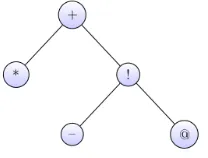
[image:2.595.380.484.596.675.2]structures. In this representation, the elements of the parse
Figure 4. Tree Encoding Representation
T treeT determineT theT powerT andT fitnessT ofT theT
representation.T AsT aT resultT ofT cyclicT natureT ofT parseT
ToT classifyT theT stoppingT criteriaT forT suchT problemsT isT
veryT difficult.T So,T theT derivedT functionT isT evaluatedT
withinT aT hiddenT loopT thatT re-executesT theT evolvedT
functionT untilT someT predefinedT stoppingT criteriaT isT
reached.T
G.Grammar based Encoding
GrammarT basedT EncodingT isT usedT inT problemsT dealingT
withT optimizationT ofT networksT [19].T TheT globalT motionsT
ofT automataT networksT (suchT asT artificialT neuralT
networks)T areT aT functionT ofT itsT topologyT andT theT choiceT
ofT automataT used.T EvolutionaryT computationT canT beT
enforcedT toT theT optimizationT ofT theT parameters,T butT theirT
computingT costT isT restrictiveT unlessT theyT operateT onT aT
solidT representation.T EarlierT directT codingT wasT usedT asT itT
wasT simple.T ThisT EncodingT schemesT useT constructionT forT
genes,T theT verbalizationT ofT whichT formsT theT phenotypeT
[6].T TheT circumlocutionT ofT thisT EncodingT admitT forT aT
many-to-oneT mappingT withT aT correspondingT richnessT inT
possibleT genotypicT representations.T GraphT grammarsT
provideT suchT aT representationT byT allowingT networkT
regularitiesT toT beT efficientlyT capturedT andT reused.
IV. NEED OF NEW ENCODING SCHEMES
TheT effectivenessT ofT softwareT system,T itT totallyT
dependsT onT theT measurementT inT whatT wayT bothT theT
demandsT ofT itsT usersT andT itsT operationalT environmentT
wereT beingT metT andT thoseT needsT wereT includedT inT theT
systemT requirements.T InT thisT view,T theT requirementsT
engineeringT (RE)T couldT beT describedT asT aT processT byT
whichT theT requirementsT areT drivenT thus,T successfulT RET
includedT theT followingT aspects:
UnderstandingT theT variousT needsT ofT users,T
customersT andT otherT stakeholders
T UnderstandingT theT approachT inT whichT theT
systemT wouldT beT developedT
MakingT sureT thatT theT documentedT
requirementsT wereT consistent.
T InT theT contextT ofT aT bigT software,T theT earlyT stageT ofT theT
requirementT engineeringT isT veryT demanding,T asT itsT
resultedT decisionsT areT bothT crucialT andT difficult;T andT
thatT isT dueT toT theT differentT typesT ofT usersT andT theirT
varyingT interestT ofT systemT interaction.
Moreover,T theseT decisionsT haveT aT abidingT impactT onT
theT softwareT system.T
Thus,T selectionT ofT requirementsT fromT heterogeneousT
requirementsT isT aT decision-makingT processT thatT
empoweredT systemT managersT toT focusT onT theT deliverableT
softwareT thatT addedT mostT valueT toT aT system'sT outcome.T
ToT findT theT optimalT setT ofT requirements,T justifyT thatT
theirT isT aT needT ofT optimization.T AsT discussedT earlier,T inT
thisT paperT geneticT algorithmT isT usedT toT optimizeT theT
requirementT selectionT process.T InT orderT toT useT theT
geneticT algorithm,T anT EncodingT schemeT isT usedT toT
representT theT solutionT inT theT formT ofT chromosome.
A. Design principle of Encoding Scheme
InT orderT toT designT aT newT EncodingT scheme,T designerT
mustT understandT theT basicT principalT ofT buildingT
blocks(BB).T AccordingT toT GoldbergT [2o],T designT ofT
encodingT schemeT hasT aT strongT impactT onT theT
performanceT ofT GeneticT algorithmT andT shouldT beT chosenT
carefully.T GoldbergT purposeT twoT basicT designT principalT
namely:
1. The principle of meaningful building blocks
2. The principle of minimal alphabets
TheT firstT principleT statesT thatT userT shouldT preferredT anT
encodingT codingT schemeT suchT thatT theT buildingT blocksT
ofT aT primaryT problemT areT limitedT andT analogouslyT
unrelatedT toT buildingT blocksT atT otherT locations.T TheT
principleT ofT significantT buildingT blocksT isT directlyT
inspiredT byT theT \dT schemaT theoremT [2].T IfT schemataT areT
deeplyT fit,T preciseT andT ofT lowT order,T thenT theirT numbersT
rapidlyT increaseT overT theT generations.
TheT otherT principleT statesT thatT theT userT shouldT selectT theT
minimalT elementT thatT authorizesT anT expressionT ofT theT
problemT soT thatT theT numberT ofT exploitableT schemasT isT
maximizedT [21].T TheT principleT ofT minimalT elementsT tellsT
usT toT maximizeT theT promisingT numberT ofT schemaT byT
compressingT theT cardinalityT ofT theT elements.T WhenT usingT
minimalT elementsT theT numberT ofT possibleT schemataT isT
maximal.T ThisT isT theT reasonT whyT GoldbergT advisesT toT
useT bitT stringT representations,T becauseT deepT qualityT
schemataT areT moreT hardT toT findT whenT usingT elementsT ofT
biggerT cardinality.T
V.ANALYSIS OF EXISTING ENCODING SCHEMES
DependingT onT theT designT ofT EncodingT scheme,T itT canT
beT divideT intoT twoT class,T knownT as,T 1-dimensionalT andT
2-dimensional.T Binary,T Value,T RealT valueT andT
PermutationT EncodingT areT 1-dimensionalT andT TreeT
EncodingT isT 2-dimensionalT EncodingT techniquesT [3].T
AnalyzingT theseT EncodingT schemes,T everyoneT canT
concludeT thatT charactersT representedT byT permutationT
EncodingT areT positionT reliant.T InT theT BinaryT EncodingT
schemeT andT realT valueT EncodingT scheme,T theT charactersT
areT valueT dependent.T
T TheT twoT differentT aspectT classifiedT byT studyingT
unlikeT EncodingT schemesT areT valueT andT locusT inT theT
chromosome.T Thus,T factorsT likeT valueT andT locusT shouldT
beT keptT inT mindT whileT EncodingT aT solutionT forT aT certainT
problem.T BinaryT EncodingT isT theT familiarT arrangementT
andT backingsT variousT typesT ofT crossoverT activities.T
IntegerT andT FPRT haveT definedT applicationT relyT uponT
theT problem.T PermutationT encodingT schemeT isT usedT toT
showT certainT orderT inT chromosomes.T ItT allowsT inversionT
operatorT butT doesT notT supportT simpleT crossoverT operatorT
likeT oneT pointT crossover,T NT pointT crossover.T SpecialT
crossoverT operatorsT likeT Partially-mappedT crossoverT
(PMX),T OrderT crossoverT (OX)T orT CycleT crossoverT (CX)T
isT usedT forT thisT representationT makingT itsT useT absolutelyT
VI. GOLDBERG CATEGORIZATION OF ENCODING
GoldbergT hasT concludedT inT hisT workT thatT fitnessT
functionT forT aT particularT EncodingT techniqueT isT
dependentT onT twoT factors--T valueT andT orderT [22].T
ThreeT differentT categoriesT ofT EncodingT canT beT groupedT
dependingT onT fitnessT evaluationT factorsT suchT as:
Encoding schemes where fitness depends on only
value: f(V). Eg: Value Encoding
Encoding schemes where fitness depends on
order and value: f(V,o). Eg: Binary Encoding
Encoding schemes where fitness depends on
only order: f(o). Eg: Permutation Encoding.
VII.RESULTSANDPROPOSEDENCODING
SCHEME
So,T theT extantT EncodingT schemesT belongT theseT threeT
classesT andT accordinglyT fitnessT functionT canT beT devised.T
InT theT existingT EncodingT schemesT discussedT inT theT
previousT sections,T theT lengthT ofT theT chromosomeT isT
fixed,T andT suchT EncodingT schemesT areT notT suitableT forT
theT representationT ofT theT requirementsT becauseT differentT
usersT viewT theT problemT fromT differentT dimensions.T
Consequently,T ifT theT requirementsT ofT aT userT areT
representedT usingT chromosomeT whereinT genesT indicateT
theT requirementsT onT aT threadT thenT theT sizeT ofT
chromosomeT willT notT beT fixedT itT willT varyingT fromT oneT
userT toT another.T TheirT requirementsT areT varying,T someT
areT commonT andT someT areT altogetherT different.T ItT isT aT
bigT challengeT forT softwareT engineersT toT representT theT
requirementsT (gatheredT fromT theT differentT users),T inT theT
formT ofT aT chromosomeT becauseT theT heterogeneityT ofT theT
requirements.T Consequently,T thereT arisesT aT needT toT bringT
toT lightT aT newT EncodingT schemeT thatT isT independentT ofT
aboveT saidT twoT factorsT i.eT valueT andT order.T InT thisT newT
EncodingT scheme,T RequirementsT areT storedT inT theT formT
ofT aT SETT toT maintainT theT uniquenessT andT aT numberT isT
assignedT toT everyT uniqueT requirement.
A. Prerequisites for new Encoding scheme
ItT isT assumedT thatT thereT areT NT usersT andT MT possibleT
systemT requirementsT areT gatheredT fromT users,T outT ofT
theseT MT requirementsT someT areT commonT andT someT areT
altogetherT different.T EveryT requirementT isT assignT aT
uniqueT numberT onT theT basicT ofT theirT uniqueness.T
It is assumed that there is a SET of users,
N={N1,N2,……….Nn} and a SET of possible system
requirements, R = {{R1,R2 ,……….Rm}
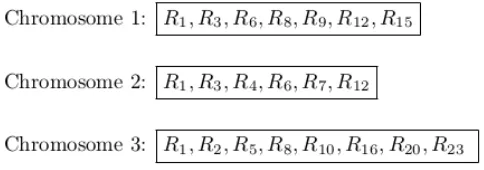
[image:4.595.307.549.55.140.2]In this new Encoding scheme all the requirements gathered from a user are represented as a chromosomes in raw form. In figure 3, chromosome 1 represents the requirements gathered from user 1 and so on.
Figure 5. Representation of the requirements in the form of a chromosome.
VIII.
IX. CHALLENGES FOR NEW ENCODING SCHEME
A. Fitness function for new Encoding scheme
TheT nextT challengeT isT toT findT theT fitnessT functionT forT
proposedT EncodingT schemeT becauseT noT mathematicalT
functionT isT availableT toT calculateT theT fitnessT valveT ofT aT
chromosome.T AsT aT consequence,T humanT basedT oracleT
[23]T canT beT usedT asT aT fitnessT function.T Therefore,T
humanT basedT computationT isT anT alternateT fitnessT
function.T
B. Crossover Operators for Different Representations
BinaryT EncodingT isT theT simplestT methodT ofT representingT
chromosome.T InT crossoverT operation,T itT takesT twoT
chromosomesT asT parentT andT generatesT twoT offspringT
chromosomes.T ThreeT distinctT formsT ofT crossoverT suitableT
forT binaryT EncodingT areT oneT pointT crossover,T NT pointT
crossoverT andT UniformT crossover.T TheT sizeT ofT
chromosomeT inT newT EncodingT schemeT isT notT fixed.T
Consequently,T differentT crossoverT operatorsT usedT inT fixT
lengthT binaryT EncodingT schemeT canT notT beT usedT inT thisT
newT EncodingT scheme.T ChromosomesT havingT RealT valueT
orT FPRT endureT ArithmeticT crossover.T ThisT crossoverT
buildsT aT newT alleleT atT eachT geneT locationT inT theT
off-spring.T TheT valueT ofT newT alleleT goesT betweenT theT
valuesT ofT theT ancestorT alleles.
TheT crossoverT operatorT usedT inT valveT EncodingT canT notT
beT usedT inT newT EncodingT scheme.T InT theT valueT
Encoding,T everyT geneT representsT someT valueT butT inT theT
proposedT Encoding,T everyT geneT representsT aT requirement.
Encoding scheme acquiring integer values in their representation also execute the same set of crossover operations as executed by Binary Encoding such as One point crossover, N point crossover, Uniform crossover. InT permutationT Encoding,T theT fitnessT valueT ofT aT
chromosomeT dependsT onT theT orderT ofT genesT butT newT
EncodingT schemeT isT independentT ofT thisT factor.T InT viewT
ofT theT aboveT facts,T itT isT concludedT thatT selectionT ofT
crossoverT operatorT isT aT bigT
challenge for this proposed Encoding.
C. Mutation Operators for Different Representations
InversionT ofT bitT isT veryT elementaryT mutationT usedT forT
binaryT Encoding.T InT this,T bitT 1T invertedT byT 0T andT
vice-versa.T TheT numberT ofT bitsT thatT invertT relyT uponT theT
valueT orT FPR,T thereT existsT uniformT mutati0n,T GaussianT
mutationT andT BoundaryT mutati0n.T ForT permutationT
representation,T thereT areT collectionT ofT mutationT operatorsT
likeT Swap,T ScrambleT andT InversionT [23].T SelectionT ofT
mutationT operationT isT anotherT challengeT forT newT novelT
EncodingT scheme.
X.CONCLUSION AND FUTURE WORK
TheT intentionT ofT theT currentT researchT paperT wasT toT
optimizeT theT requirementT engineeringT processT usingT
meta-heuristic.T InT orderT toT useT meta-heuristicT suchT asT GA,T
firstT stepT isT toT representT allT theT possibleT solutionsT ofT aT
problemT inT theT formT ofT aT chromosome.T InT thisT currentT
paper,T itT hasT beenT identifiedT thatT theT existingT EncodingT
schemesT areT notT suitableT toT optimizeT theT requirements.T
AT newT EncodingT schemeT forT requirementT 0ptimizationT
hasT beenT proposedT whichT canT dealT withT theT
chromosomesT ofT varyingT lengths.T ItT isT hopedT thatT theT
setT ofT challengesT discussedT inT theT previousT sectionT
wouldT serveT toT stimulateT furtherT researchT inT thisT area.
REFERENCES
1. GregorT Mendel.T VersucheT überT pflanzenhybriden.T VerhandlungenT
desT naturforschendenT VereinesT inT Brunn4:T 3,T 44,T 1866.
2. JohnT H.T Holland.T AdaptationT inT NaturalT andT ArtificialT Systems.T
UniversityT ofT MichiganT Press,T AnnT Arbor,T MI,T 1975.T secondT
edition,T 1992.
3. FranzT RothlaufT andT DavidT E.T Goldberg.T RepresentationsT forT
GeneticT andT EvolutionaryT Algorithms.T Physica-Verlag,T 2oo2.
4. ThomasT Back,T DavidT B.T Fogel,T andT ZbigniewT Michalewicz,T
editors.T HandbookT ofT EvolutionaryT Computation.T IOPT PublishingT
Ltd.,T Bristol,T UK,T UK,T 1stT edition,T 1997
5. ThomasT Bäck,T DavidT BT Fogel,T andT ZbigniewT Michalewicz.T
EvolutionaryT computationT 1:T BasicT algorithmsT andT operators.T
CRCT press,T 2o18.
6. ET Vonk,T LCT Jain,T andT RT Johnson.T UsingT geneticT algorithmsT
withT grammarT encodingT toT generateT neuralT networks.T InT Proc.T
1995T IEEET Int.T Conf.T NeuralT Networks,T PartT 4T (ofT 6),T pagesT
1928–1931,T 1995.
7. MelanieT Mitchell.T AnT IntroductionT toT GeneticT Algorithms.T MITT
Press,T Cambridge,T MA,T USA,T 1996.
8. Yong-YiT FanJiangT andT YangT Syu.T Semantic-basedT automaticT
serviceT compositionT withT functionalT andT non-functionalT
requirementsT inT designT time:T AT geneticT algorithmT approach.T
InformationT andT SoftwareT Technology,T 56(3):352–373,T MarchT
2o14.
9. AgostonT ET Eiben,T P-ET Raue,T andT ZsT Ruttkay.T GeneticT
algorithmsT withT multi-parentT recombination.T InT InternationalT
ConferenceT onT ParallelT ProblemT SolvingT fromT Nature,T pagesT 78–
87.T Springer,T 1994.
10.Guang-ZhengT ZhangT andT De-ShuangT Huang.T PredictionT ofT
inter-residueT contactsT mapT basedT onT geneticT algorithmT optimizedT
radialT basisT functionT neuralT networkT andT binaryT inputT encodingT
scheme.T JournalT ofT computer-aidedT molecularT design,T 18(12):797–
810,T 2004.T
11.RandyT L.T HauptT andT SueT EllenT Haupt.T PracticalT GeneticT
Algorithms.T JohnT WileyT &T Sons,T Inc.,T NewT York,T NY,T USA,T
1998.
12.HerbertT TaubT andT DonaldT LT Schilling.T PrinciplesT ofT
communicationT systems.T McGraw-HillT HigherT Education,T 1986.
13.RichardT AT CaruanaT andT JT DavidT Schaffer.T RepresentationT andT
hiddenT bias:T GrayT vs.T binaryT codingT forT geneticT algorithms.T InT
MachineT LearningT ProceedingsT 1988,T pagesT 153–161.T Elsevier,T
1988.
14.MohamedT WiemT Mkaouer,T MarouaneT Kessentini,T MelT Cinnide,T
ShinpeiT Hayashi,T andT KalyanmoyT Deb.T AT robustT multi-objectiveT
approachT toT balanceT severityT andT importanceT ofT refactoringT
opportunities.T EmpiricalT SoftwareT Engineering,T 22(2):894–927,T
AprilT 2017.TimothyT Starkweather,T ST McDaniel,T KeithT ET
Mathias,T LT DarrellT Whitley,T andT CT Whitley.T AT comparisonT ofT
geneticT sequencingT operators.T InT ICGA,T pagesT 69–76,T 1991.
15.ChahineT Koleejan,T BingT Xue,T andT MengjieT Zhang.T CodeT
coverageT optimisationT inT geneticT algorithmsT andT particleT swarmT
optimisationT forT automaticT softwareT testT dataT generation.T InT
ProceedingsT ofT theT IEEET CongressT onT EvolutionaryT
ComputationT (CECT ’15),T pagesT 1204–1211,T Sendai,T Japan,T
25-28T MayT 2015.T IEEE.
16.MengT Qingchun.T AnT approachT onT geneticT algorithmT withT
symmetricT codes.T ActaT ElectronicaT SinicaT (China),T 24(10):27–
31,T 1996.
17.JFT AguilarT Madeira,T HLT Pina,T andT HCT Rodrigues.T GatopologyT
optimizationT usingT randomT keysT forT treeT encodingT ofT structures.T
StructuralT andT MultidisciplinaryT Optimization,T 40(1-6):227,T 2010.
18.EarlT T.T Barr,T MarkT Harman,T YueT Jia,T AlexandruT Marginean,T
andT JustynaT Petke.T AutomatedT softwareT transplantation.T InT
ProceedingsT ofT theT 2015T InternationalT SymposiumT onT SoftwareT
TestingT andT AnalysisT (ISSTAT ’15),T pagesT 257–269,T Baltimore,T
USA,T 14-17T JulyT 2015.T ACM.
19.DavidT ET Goldberg.T GeneticT algorithms.T PearsonT Education,T
India,T 2006.
20.DavidT ET Goldberg.T MessyT geneticT algorithms:T MotivationT
analysis,T andT firstT results.T ComplexT systems,T 4:415–444,T 1989.
21.DavidT ET GoldbergT andT JohnT HT Holland.T GeneticT algorithmsT
andT machineT learning.T MachineT learning,T 3(2):95–99,T 1988.
22.AET EibenT andT JET Smith.T IntroductionT toT evolutionaryT
computingT (naturalT computingT series).T 2008.
23.Yuen,T M.-C.,T Chen,T L.-J.,T andT King,T I.T (2009).T AT surveyT ofT
humanT computationT systems.T 2009T InternationalT ConferenceT onT
ComputationalT ScienceT andT Engineering,T 4:723–728
AUTHORSPROFILE
T RajeshT KumarT obtainedT hisT B.Sc.T Degree,T
Master'sT DegreeT (MasterT ofT ComputerT
Applications)T fromT KurukshetraT University,T
Kurukshetra.T Currently,T HeT isT anT AssistantT
ProfessorT inT theT DepartmentT ofT ComputerT
ScienceT andT Application's,T inT ChhajuT RamT
MemorialT JatT College,T Hisar,T Haryana,T
INDIA.T HisT researchT interestsT areT inT GeneticT
Algorithm,T TheoryT ofT Automata,T SoftwareT
Engineering,T ArtificialT Intelligence,T DesignT andT AnalysisT ofT
AlgorithmT andT Linux.T
T RakeshT KumarT obtainedT hisT B.Sc.T
Degree,T Master'sT DegreeT --T GoldT MedalistT
(MasterT ofT ComputerT Applications)T andT PhDT
(ComputerT ScienceT \&T Applications)T fromT
KurukshetraT University,T Kurukshetra.T
Currently,T HeT isT ProfessorT &T ChairpersonT inT
theT DepartmentT ofT ComputerT ScienceT andT
Applications,T Kurukshetra,T University,T
Kurukshetra,T Haryana,T INDIA.T HisT researchT
interestsT areT inT GeneticT Algorithm,T SoftwareT Testing,T ArtificialT
Intelligence,T andT Networking.T HeT isT aT seniorT memberT ofT
InternationalT AssociationT ofT ComputerT ScienceT andT InformationT