1
CHAPTER I
INTRODUCTION
Child is the heritage of family and children’s health is India’s health. Every year respiratory infection in young children would be responsible for an estimated 4.1 million deaths worldwide. India and Nepal together account for 40% of the global respiratory infection mortality. Among respiratory infection Primary complex is a ubiquitous disease known to have been existing from ancient period. The disease has been perpetuated and maintained in the human population. It represents a dynamic balance to man and mycobacterium tuberculosis action.
2
ruling out incipient active disease, and lack procedures for documentation and follow up care of contact screening and chemoprophylaxis in national programs. Because the majority of transmission in children will be in less than three years of age occurs in the house hold and they are also the group at highest risk of progression to disease after primary infection, This activity should be given higher priority in National infection control programs. Moreover, active tracing and screening of house hold contacts at high risk would allow children with disease to receive a diagnosis earlier, for complications.
3
pulmonary tuberculosis only. Of the 2.6 million cases notified in 2008, 86% was successfully treated against the new ninety percent target included in the 2011-2015 update of the global plan to stop tuberculosis .
4
HEALTH PROTECTION AGENCY (2004) reported number of cases in this country began to rise again in the late 1980’s and this trend has continuing with about 7,000 cases a year, mostly occurring in inner city areas. One of the contributory factors for the rise, particularly in sub Saharan Africa, is the spread of Acquired immuno deficiency syndrome (AIDS), which suppresses the immune system, making it easier to contact the disease.
Munoiz.k (2004) stated that the children who are left untreated with active primary complex will reinfected between 10-15 people every year. Primary complex is a fascinating albeit frightening infectious disease. It affects people more than any other infectious disease; it has been increasing with the global pandemic and an emergence of drug resistance. Globally the WHO reports that more than nine million new cases of tuberculosis occur every year and an estimated 19-43.5% of the population has been infected with mycobacterium tuberculosis.
5
NEED FOR THE STUDY:
6
Global hunger index (2011) ranked India is in fifteenth, amongst leading countries with hunger situation. It also places India among at the three countries where the global hunger index between 1996 and 2011 went up from 22.9 to 23.7. The World Bank estimates that India is ranked second in the world of children suffering from malnutrition, where 47% of the children exhibit a degree of malnutrition. The prevalence of underweight children in India is among the highest in the world.
7
for treatment and prevention of drug susceptible and drug resistant tuberculosis.
8
Tsuchidak and koyanagi,H.(2005) conducted a study on outcome of directly observed therapy for primary complex in yokohama city in Japan, the results showed that the treatment completion for the direct observation therapy was 87.2% and 68.3% direct observation therapy was shown to be significantly to the self administered regimen.
Bernatis .J et al.,(2004) reported on decentralization of directly observed treatment is the best treatment mode for primary complex. The results showed that an urban decentralization of direct observation therapy increases the chances of treatment success among smear positive children. Another center for supervised treatment needs to be created in one of the public health center, the success rate was 58%.
9
methods of prevention thereby preventing the morbidity, mortality and future complications. This has greater influence over the future generation as today’s children are the future citizens.
STATEMENT OF THE PROBLEM:
Effectiveness of educational intervention on prevention of Primary complex among mothers of malnourished children.
OBJECTIVES:
1.to assess the level of knowledge on prevention of primary complex among mothers of malnourished children
2.to evaluate the effectiveness of educational interventions on prevention of primary complex among mothers of malnourished children
10
OPERATIONAL DEFINITION:
EFFECTIVENESS:
It refers to the outcome of educational interventions in terms of prevention of primary complex
EDUCATIONAL INTERVENTIONS:
Formal teaching on various aspects of primary complex such as causes, signs and symptoms, treatment prevention and protection from complications through lecture method with discussion.
PRIMARY COMPLEX:
Primary complex is a common and often deadly infectious disease caused by various strains of mycobacterium; usually mycobacterium tuberculosis usually attacks the lungs and also affects the other parts of the body.
MOTHERS:
Mothers who are having malnourished children and attending at urban health center, madurantakam
MALNOURISHED CHILDREN:
According to Indian Academy of Pediatrics (1972) the malnutrition is classified based on weight for age
11
Grade II _ 70-61% of expected weight Grade III _ 60-51% of expected weight Grade IV _ < 50 % of expected weight
ASSUMPTION:
Mothers have inadequate knowledge on prevention of primary complex. Educational interventions will improve knowledge regarding prevention of primary complex
LIMITATION:
1. Sample size was limited to 60
2. Study was limited to children with malnutrition at community urban health center, madurantakam, kanchipuram district
3. The period of study was limited to six weeks
PROJECTED OUTCOME:
12
CONCEPTUAL FRAME WORK
A conceptual frame work for the study was derived from general systems theory by Von- Bertalanffy, according to this theory,
a system consisting a set of interacting components with a boundary that filters the type and rate of exchange with there is continual exchange of matter, energy and information.
Input
A system imparts products known as input in this study after assessing the existing knowledge; the investigator has given educational intervention regarding prevention of primary complex in the input process.
Throughput
Through put is the activity phase. It is a process that allows the input to be changed.
Output
The information are continuously processed through the system and released as output in an altered state.
13
signs and symptoms, diagnosis and management, prevention was administered to the mothers with malnourished children on prevention of primary complex through put is the activity phase where the change in knowledge and understanding regarding primary complex occurs. Output is measuring the knowledge of mothers of malnourished children regarding prevention of primary complex, after the post test with same structured multiple choice questionnaires. FEEDBACK:
14
CHAPTER II
REVIEW OF LITERATURE
Literature review is a key step in the research process. The main goal of literature review is to develop a strong knowledge base to carry out research activities in the education and clinical practice. The investigator carried out extensive review of literature relevant to the research topic which to gain insight and to collect information for laying the foundation of the study.
This chapter entails:
1. Literature related to primary complex
2. Literature related to cause of primary complex 3. Literature related to treatment of primary complex
15
1. LITERATURE RELATED TO PRIMARY COMPLEX
Vijayakumar .M (2011) reported that cell mediated immune status of sixty five children suffering from various clinical forms of tuberculosis and thirty age and sex matched healthy children aged between one and five years was investigated to understand the role of malnutrition in tuberculosis. A significant association between severe malnutrition and severe forms of infection was observed. Data on cell mediated immune status showed immunosuppressive effect of tuberculosis per se in all children. Well nourished children had similar cell mediated immune status irrespective of the severity of the disease while malnourished children with severe forms of disease showed lowest cell mediated immune status. The results point out the importance of better nutritional status of the child in preventing the severe forms of disease.
16
and offer guidance on the criteria and timing of tuberculosis treatment and highly active anti retro viral therapy initiation.
Madhukar.P (2010) reported that nearly a one third of the population is estimated to be infected with mycobacterium tuberculosis currently diagnosis of latent tuberculosis infection relies on the tuberculin skin test a century old test. Recent advances in the diagnosis of primary complex say that in vitro t-cell based interferon y release assays are helpful in detecting primary complex among antenatal mother.
WHO (2009) reported that accurate diagnosis of childhood tuberculosis remains a major challenge. Recent advances in the
diagnosis of childhood tuberculosis such as symptom based approaches, novel immune based approaches, bacteriological and molecular methods that are more rapid and or less expensive than conventional culture techniques have improved our ability to diagnose latent infection and reduce the incidence of primary complex.
17
Only mild, likely post infective, modifications of the immune system have been proven and parents should be reassured that the condition is self limited. It is essential to observe environmental factors reducing environmental tobacco smoke at home is a fundamental goal and the postponed enrolment of children at day care centers reduces the risk of recurrent respiratory infections.
Alex sandrov.L(2007) stated that polymer basis of an immune magnetic polymerized chain reaction using a new procedure for preparing sputum samples for deoxy ribo nucleic acid isolation on the separation of mycobacterium are employed to examine sputum
sample from 141 children which first diagnosed primary complex.
Ratobyl .K (2006) stated that the radiation technique is the only method for family identification of primary complex.
18
WORLD HEALTH ORGANISATION (2005) published statistical report on Primary complex in association with world tuberculosis day. the report shows India, china and Indonesia accounts for half of the tuberculosis cases in the world. Forty percent of Indian population is affected with tuberculous bacilli. Every year eighteen lakh people in india develops primary complex of which nearly eight lakh are infectious sputum positive cases.
Everyday more than 20,000 people become infected with primary complex more than 5000 develops primary complex and more than 1000 die due to primary complex and about 104 million new primary complex cases are estimated to add the members already infected and 7,00,000 die.
19
CONTROL PROGRAMME FOR COMMUNICABLE DISEASE (2005)
reported that primary complex control programme has reached more than 40% Indian, population over forty million 18% of children are being successfully treated and the death rate among primary complex children in areas served by the programme has dropped 4% compared to previous estimates of 29%. Around hundred and thirty two million of majority of that about 90% goes directly out of the state and local health department of tuberculosis programme.38% of population in all ages and both sexes are infect with tuberculosis basically in males almost 70% of all age but only 0.4% would be average prevalence rate of basic care 70% of total care where in the population of fourteen years.
20
2. LITERATURE RELATED TO CAUSE OF PRIMARY
COMPLEX
Mugerwa.R.,(2008) conducted a study on whole blood interferon gamma responses to mycobacterium tuberculosis antigens in young household contacts of persons with tuberculosis in uganda. Young household contacts demonstrated robust IFN gamma responses comparable to those of adults that were associated with risk factors for infection. There was no effect of prior BCG immunization of the IFN gamma response.
WHO (2006) reported that primary complex occurs more disproportionately among disadvantaged populations, such as homeless individuals, malnourished individuals and those living in crowded areas.
21
American academy of pediatrics (2003) stated that malnutrition is a major cause of Primary complex
Hertwiz .K., (2002) reported that the children who are with AIDS as recently an out based primary complex having killed 3 million children.
3. LITERATURE RELATED TO TREATMENT OF PRIMARY
COMPLEX
Ozturk.C., (2011) reviewed the medical records of children with a diagnosis of tuberculosis. Tuberculosis was confirmed by isolation of mycobacterium tuberculosis from body fluids in cases with clinical and imaging findings compatible with the disease. In case of negative cultures, tuberculosis was defined by histo pathological evidence of mycobacterial infection and with positive tuberculin skin test, history of exposure to tuberculosis, and detection of acid fast bacilli in body fluids.
22
to nine months of isoniazid mono therapy, mainly because of better compliance, preventive therapy has the potential to play a major public health role by reducing the incidence of tuberculosis and tuberculosis associated mortality.
Donald .H., (2010) concluded that ethambutol at a daily dose of 20mg/kg and a dosage of 30mg/kg given 3 times per week was safe in children of all ages, lower doses were ineffective. Correct doses of anti tuberculosis drugs is an essential prerequisite for complete cure, and the consequences of sub optimal blood levels include treatment failure and drug resistance. Pharmacokinetic studies to establish optimal doses of first line and newer anti tuberculosis drugs are urgently required to provide evidence based recommendations in children. A further issue that needs attention is making available pediatric formulations, although liquid formulations are easy to administer to young children, they are bulky, more expensive and
23
Soyeon.K., (2010) reported that the growing pipeline of potential new tuberculosis drugs, there are presently several novel compounds that are in various stages of clinical development, including the flouroquinolones, TMC207,OPC67683 and PA824.
Guscino.J., (2007) detected that out of 222 adolescents with primary complex 115 received short term intensive direct observation treatment short course chemotherapy and 107 had conventional triple antibacterial treatment regimen. The advantages are it is relatively better results with a reduction in the duration of treatment by 1-5 months.
Zodpey.S., (2006) conducted a study on hospital based pair matched case control study in Government medical hospital and college atmosphere to estimate the effectiveness of BCG vaccination.
Results showed that BCG is effective in treatment of primary complex.
24
and at least two of the following drugs cycloserine, thiomides, para amino salicylic acid, and first line agents other than isoniazid and rifampicin. Experience with second line tuberculosis drugs in children is limited, 38 children in peru were treated with supervised, individualized regimens consisting of five drugs in the program. Despite half of these children being anemic and malnourished, treatment was well tolerated and resulted in a 95% cure rate.
Kent.H., (2006) said that through DOTS a cure has existed for more than half a century. Primary complex remains one of the human kinds greatest than one third of world’s population are infected
Rekha.S., (2005) stated that Rifampicin is a crucial component of treatment regimen of primary complex has been since the early 1930’s its usually considered safe.
Ismail.H., (2004) reported that an empirical treatment with Anti tuberculosis drug is safe and beneficial.
25
4. LITERATURE RELATED TO PREVENTION AND CONTROL OF
PRIMARY COMPLEX
Charles .M., (2011) reported that refinement of existing tools and
development and testing of new tools are urgently required to improve diagnosis and treatment of tuberculosis in children. Higher global priority and funding will be required to reduce the unnecessary and avoidable morbidity and mortality occurring currently. In addition to reducing the burden of adult tuberculosis, attention to childhood nutrition and improvement in the socio economic and environmental condition of communities is likely to have a significant impact on tuberculosis to children.
26
Rashi.L., (2010) had stated that supplementation of Vitamin D rich sources such as milk in the elementary school, will reduce the risk of Vitamin D deficiencies among primary complex children.
Gogus.C., (2009) pointed out that the point of entry to health care for many children with tuberculosis is the emergency department. The more manifestations of tuberculosis in children can decrease the utility of screening tools developed to identify adults with tuberculosis. While tuberculosis in adults often is a microbiologic diagnosis, childhood tuberculosis is an epidemiologic diagnosis. Therefore, questioning care givers about risk factors in the family may identify a higher percentage of children with possible tuberculosis.
Craig.A., (2009) stated that administered BCG among children at birth is an effective method of preventing childhood tuberculosis.
WHO (2006) reported that in recent survey, vaccination provided100% protection against primary complex.
27
that a multispectral approach that builds on global & national partnerships is the very to future primary complex control
Ichiyam.G., (2006) conducted a study for disease control and prevention and its recommendation for the rapid diagnosis in the laboratories. The smear results should be reported with in twenty four hours detection and identification with in ten to fourteen days and susceptibility with in fifteen to thirty days
28
CHAPTER III
METHODOLOGY
Research methodology is a systematic way to solve a research problem. There is no way to gain knowledge of the universal expectation through the gateway of scientific method. Methodology enables the researcher to project a blue print of the research to be undertaken.
RESEARCH DESIGN:
The design chosen for study is quasi experimental one group pretest – post test design
SETTING:
The setting of the study was urban health center, madurantakam, kanchipuram district
POPULATION:
29
SAMPLE SIZE:
A sample size of 60 mothers with malnourished children who fulfill the inclusion criteria.
SAMPLING TECHNIQUE
:Convenient sampling technique has been adopted for this study
CRITERIA FOR SAMPLE SELECTION:
INCLUSIVE CRITERIA:
1. Children up to 12 years
2. Mothers who understand Tamil
3. Mothers who are willing to participate
EXCLUSIVE CRITERIA
:1. The children with chronic health problems
30
INSTRUMENT
The instrument used for data collection was an interview schedule. This was developed based on the objectives
Details of the tools used in this study are given below: Section 1: Demographic variables
Section -2: Questionnaire method
METHOD OF DATA COLLECTION
31
CHAPTER – IV
DATA ANALYSIS AND INTERPRETATION
This chapter deals with analysis and interpretation of data collected from 60 mothers of malnourished children. It deals with description of tool, report of the pilot study, reliability, validity and informed consent, scoring procedure, scoring interpretation, data collection procedure and statistical method.
DESCRIPTION OF THE TOOL
This instrument used for data collection was questionnaire method. This was developed based on the objectives of the study through review of literature.
The instrument consist of two parts PART I:
32
PART II:
The data had been collected through the well prepared questionnaire. It consists of 30 questionnaires and the total score was 30. Each correct response was given a score of one. For the incorrect response zero was given.
REPORT OF PILOT STUDY
33
VALIDITY
The tool was prepared by the investigator under the guidance of experts and on the basis of objectives, which had been assessed and evaluated. The content validity of the tool was obtained from research experts from the field of pediatric nursing.
RELIABILITY
The reliability was checked by inter rater method. The reliability was 0.7. Reliability and practicability of the tool was tested in pilot study and used for main study.
INFORMED CONSENT
34
DATA COLLECTION PROCEDURE
The investigator introduced herself to the mothers of malnourished children and developed a good rapport and made the mothers to cooperate and accept the study. After getting demographic data from the mothers pretest was done with the help of the prepared tools. Prevention of primary complex was shown to the mothers by using charts and flash cards. After Seven days post test was done to evaluate the effectiveness of educational intervention programme by using the prepared tools.
SCORING PROCEDURE
PART –I
Information on demographic data was collected from the women on ten variables and this was not scored but used for descriptive analysis.
PART-II
35
SCORE INTERPRETATION
The instrument consists of 30 questions regarding prevention of primary complex. The maximum score was thirty and minimum score was zero. Based on the scoring percentage of knowledge calculated by using the following formula,
Obtained score
Score interpretation = × 100 Total Score
Based on information data were classified as follows.
≤ 50% - inadequate knowledge.
51-75 % - moderately adequate knowledge
36
STATISTICAL METHODS
S.NO
DATA
ANALYSIS METHODS REMARKS
1. Descriptive
analysis
The total number, percentage,
mean and standard deviation.
To describe the demographic variables among mothers of malnourished children.
2. Inferential
analysis
sign‘ k ’ test
Chi square
Analyzing the effectiveness between pretest and post test
37
This analysis of data had been organized and presented based on the objectives in the following sections.
SECTION –A
Frequency and percentage distribution of demographic variables of mothers with malnourished children about the prevention of primary complex
SECTION - B
Frequency and percentage distribution of level of knowledge among mothers with malnourished children regarding prevention of primary complex on pre test day and post test day.
SECTION – C
Comparison between mean and standard deviation of pretest and post test for effectiveness of educational intervention on prevention of primary complex among mothers with malnourished children.
SECTION – D
Mean and standard deviation of improvement score for prevention of primary complex among mothers with malnourished children.
38
39
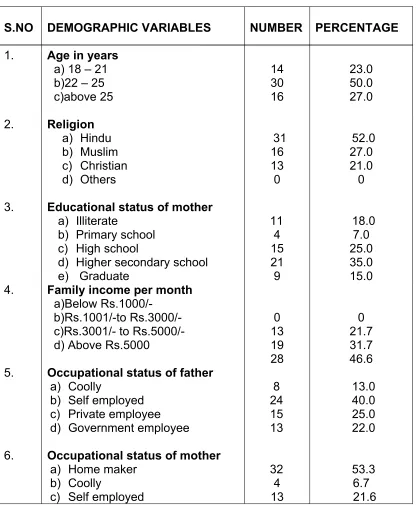
[image:39.612.86.506.203.708.2]SECTION –A
TABLE 4.1: FREQUENCY AND PERCENTAGE DISTRIBUTION OF DEMOGRAPHIC
VARIABLES OF MOTHERS OF MALNOURISHED CHILDREN ABOUT PREVENTION
OF PRIMARY COMPLEX N=60
S.NO DEMOGRAPHIC VARIABLES NUMBER PERCENTAGE
1. Age in years
a) 18 – 21 b)22 – 25 c)above 25 14 30 16 23.0 50.0 27.0 2. Religion
a) Hindu b) Muslim c) Christian d) Others 31 16 13 0 52.0 27.0 21.0 0 3. Educational status of mother
a) Illiterate
b) Primary school c) High school
d) Higher secondary school e) Graduate
11 4 15 21 9 18.0 7.0 25.0 35.0 15.0 4. 5. 6.
Family income per month
a)Below Rs.1000/- b)Rs.1001/-to Rs.3000/- c)Rs.3001/- to Rs.5000/- d) Above Rs.5000
Occupational status of father
a) Coolly
b) Self employed c) Private employee d) Government employee
Occupational status of mother
a) Home maker b) Coolly
c) Self employed
40
7.
8.
d) Private employee e) Government employee
Residential area
a) Urban b) rural
Type of family
a) Nuclear family b) Joint family
7 4 29 31 28 32 11.7 6.7 48 52 47 53 9. Number of children in the family
a) One b) Two
c) Three and above
24 20 16 40 33 27 10. 11. 12. 13.
Type of marriage of the parent’s
a) Consanguineous b) Non consanguineous
Immunization of the child
a) Yes b) No
Family history of tuberculosis
a)Yes b) No
method of drainage
a) Closed b) Open 27 33 60 0 19 41 28 32 45 55 100 0 32 68 47 53 14. Sources of the health
information through
a) Mass media
b) Health team personnel d) Friends and relatives.
41
42
43
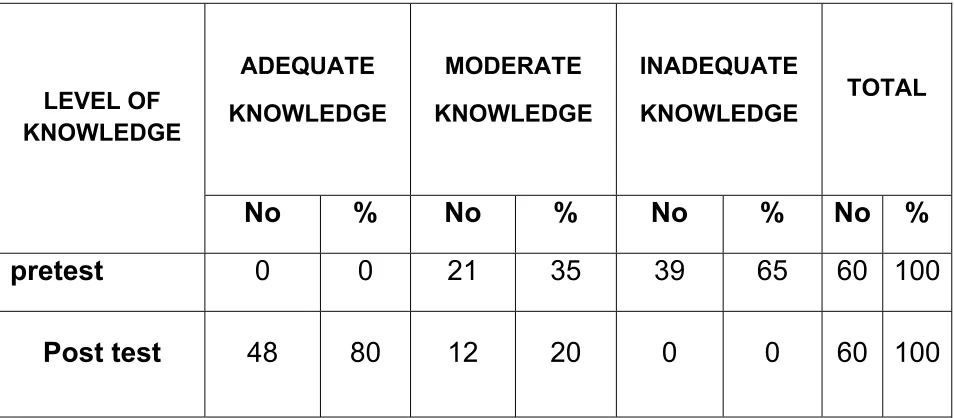
[image:43.612.85.562.211.420.2]SECTION – B
TABLE – 4.2: FREQUENCY AND PERCENTAGE DISTRIBUTION OF LEVEL OF KNOWLEDGE AMONG MOTHERS OF MALNOURISHED CHILDREN REGARDING PREVENTION OF PRIMARY COMPLEX ON PRE TEST DAY AND POST TEST DAY.
N=60
LEVEL OF KNOWLEDGE
ADEQUATE
KNOWLEDGE
MODERATE
KNOWLEDGE
INADEQUATE
KNOWLEDGE TOTAL
No % No % No % No %
pretest 0 0 21 35 39 65 60 100
Post test 48 80 12 20 0 0 60 100
44
SECTION-C
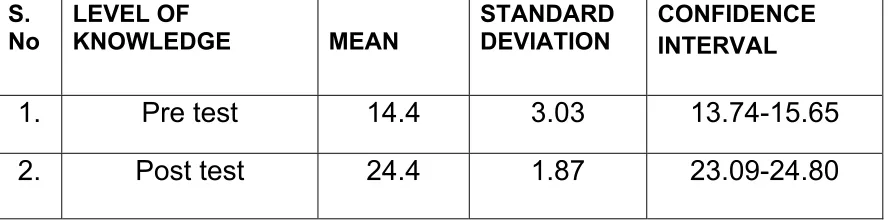
TABLE – 4.3 MEAN AND STANDARD DEVIATION OF PRETEST AND POSTTEST SCORE ON PREVENTION OF PRIMARY COMPLEX AMONG MOTHERS WITH MALNOURISHED CHILDREN.
N=60
S. No
LEVEL OF
KNOWLEDGE MEAN
STANDARD DEVIATION
CONFIDENCE INTERVAL
1. Pre test 14.4 3.03 13.74-15.65
[image:44.612.86.530.262.372.2]2. Post test 24.4 1.87 23.09-24.80
45
SECTION – D
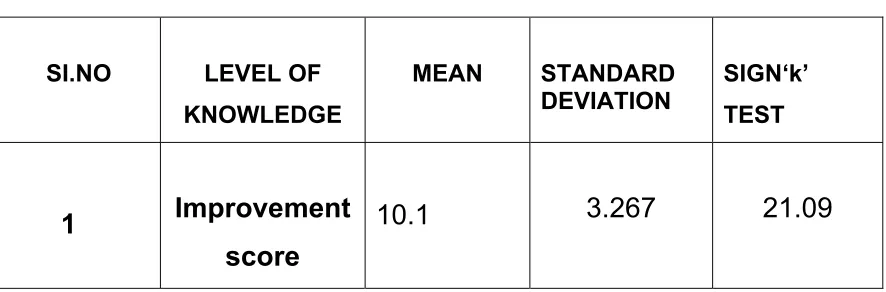
TABLE 4.4 MEAN AND STANDARD DEVIATION OF IMPROVEMENT SCORE FOR PREVENTION OF PRIMARY COMPLEX AMONG MOTHERS WITH MALNOURISHED CHILDREN.
N=60
SI.NO LEVEL OF
KNOWLEDGE
MEAN STANDARD
DEVIATION
SIGN‘k’ TEST
1 Improvement score
[image:45.612.86.529.209.355.2]10.1 3.267 21.09
46
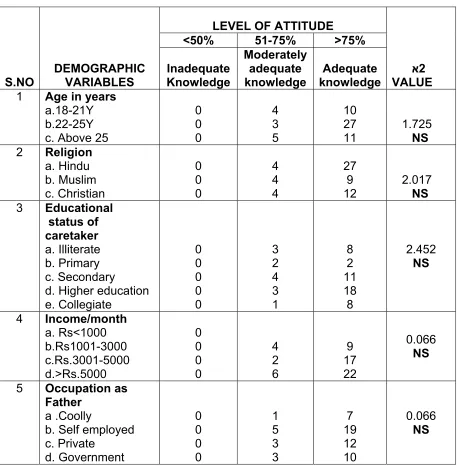
[image:46.612.91.548.221.687.2]SECTION-E
TABLE.4.5: ASSOCIATION BETWEEN DEMOGRAPHIC VARIABLES AND KNOWLEDGE ON PREVENTION OF PRIMARY COMPLEX AMONG MOTHERS OF MALNOURISHED CHILDREN
N=60
S.NO
DEMOGRAPHIC VARIABLES
LEVEL OF ATTITUDE
א2 VALUE <50% 51-75% >75%
Inadequate Knowledge Moderately adequate knowledge Adequate knowledge
1 Age in years
a.18-21Y b.22-25Y c. Above 25
0 0 0 4 3 5 10 27 11 1.725 NS
2 Religion
a. Hindu b. Muslim c. Christian 0 0 0 4 4 4 27 9 12 2.017 NS
3 Educational status of caretaker
a. Illiterate b. Primary c. Secondary
d. Higher education e. Collegiate 0 0 0 0 0 3 2 4 3 1 8 2 11 18 8 2.452 NS
4 Income/month
a. Rs<1000 b.Rs1001-3000 c.Rs.3001-5000 d.>Rs.5000 0 0 0 0 4 2 6 9 17 22 0.066 NS
5 Occupation as Father
a .Coolly
47
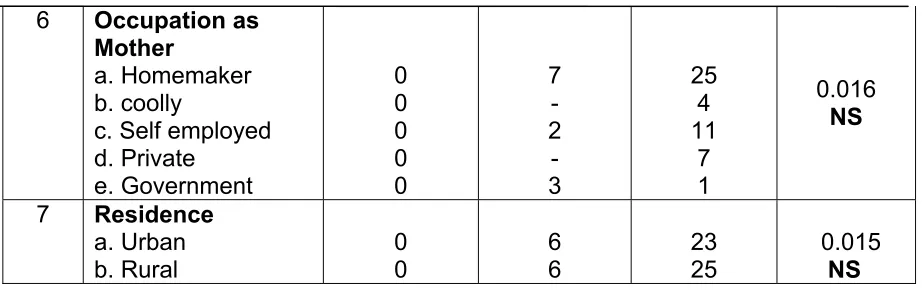
6 Occupation as Mother
a. Homemaker b. coolly
c. Self employed d. Private e. Government 0 0 0 0 0 7 - 2 - 3 25 4 11 7 1 0.016 NS
7 Residence
a. Urban
[image:47.612.89.550.69.214.2]b. Rural 0 0 6 6 23 25 0.015 NS NS- NON SIGNIFICANT
Table 4.5. Showed on association of the post test level of knowledge regarding prevention of primary complex with selected demographic variables among mothers of malnourished children. The table shows that there was no significant association between the level of
knowledge on prevention of primary complex with demographic variables such as age, religion, educational status, occupation, type of family, residence, family income, number of children in family, family history of tuberculosis , method of drainage, type of marriage, knowledge of the health related information .
48
CHAPTER-V
RESULTS AND DISCUSSION
The aim of the present study was to evaluate the effectiveness of educational intervention on prevention of primary complex among mothers of malnourished children.
A total number of 60 mothers had been selected for the study. The pretest was conducted using a structured questionnaire. After pretest, educational intervention programme was conducted by the investigator. After seven days the post test was conducted by using the same questionnaire in the same manner. The study had proved that educational intervention programme had brought about excellent changes in the level of knowledge of mothers with malnourished children.
The first objective was to assess the knowledge on
prevention of primary complex among mothers of malnourished
children.
Table 4.2 showed that in pretest 38(63%) mothers had
49
on prevention of primary complex. Table 4.3 showed that mean of the pre test is 14.4 with the standard deviation of 3.03.
The findings of this study had been supported by Golda Mary Juliet (2001) who conducted a quasi experimental study to assess the effectiveness of a structured teaching programme on self care management of patients with tuberculosis. The result showed that none of the patients had adequate knowledge and forty eight (96%) patients had inadequate knowledge regarding prevention of disease.
The second objective of the study was to evaluate the
effectiveness of educational intervention programme on
prevention of primary complex among mothers of malnourished
children
Table 4.3 showed in post test 48(80%) mothers had adequate knowledge, 12(20%) had moderately adequate knowledge. Table 4.3 showed that Improvement mean value of the knowledge was 24.4 with the standard deviation of 1.87
50
was high significant improvement of knowledge regarding prevention of primary complex among mothers of malnourished children.
Rukmani.K (2004) conducted a study to evaluate the effectiveness of the structured health teaching to the defaulters of domicillary treatment and reported that there was a correlation between educational status and knowledge of tuberculosis. The findings of this study support the present study. This implies that the teaching programme had played a vital role in improving the knowledge.
The third objective was to determine the association between
the demographic variables and the level of knowledge on
prevention of primary complex among mother of malnourished
children.
51
CHAPTER –VI
SUMMARY AND CONCLUSION
Primary complex is among the top ten causes of death among children worldwide; however, children with tuberculosis are given low priority in most national health programs and are neglected in this epidemic. Recent technological advances in diagnosis of tuberculosis in adults have not been validated in children.
52
CONCLUSION
In pretest out of 60 mothers of malnourished children, 21(35%) mothers processing moderate knowledge and 39(65%) had inadequate knowledge. In post test 48(80%) had adequate knowledge and 12(20%) had moderately adequate knowledge. The ‘k’ value 21.09 was compared with tabulated table value at the level of p <0.05 was significant. So it was concluded that statistically the educational intervention on prevention of primary complex among mothers of malnourished children was effective.
IMPLICATION FOR NURSING PRACTICE:-
Nursing care is the core of cure for any problem. Nurse can be instrumental in helping the mothers by teaching causes, clinical manifestation, treatment, and prevention.
Nurses are in the best position to improve the knowledge of mothers and their families through health education.
53
IMPLICATION FOR NURSING EDUCATION:
General nursing curriculum needs to be strong enough to assess the entire aspects of primary complex and to provide supportive educative care in preventing further complications of primary complex.
Nurse educators when instructing the students, should provide adequate opportunity for them to handle children with primary complex and provide health education in community and clinical settings.
The study calls for strengthening of health education in the present system of nursing education.
Nursing personnel should be given in service education to update their knowledge.
IMPLICATION FOR NURSING ADMINISTRATION:-
54
The study finding will help the administrator to arrange continuing education programme for nurses regarding primary complex. It helps to prepare adequate learning material for giving health education.
Educational intervention on role of the nurses along with the adequate supervision of nursing service would motivate them to carry out educative roles.
IMPLICATION FOR NURSING
RESEARCH:- This study finding will identify the present level of knowledge of mothers with malnourished children to prevent the primary complex and to know the extent of necessary information is to be given.
The findings of the study will help the professional nurses and student nurses to develop the inquiry by providing a baseline.
55
This study will help the nurse researchers to develop insight into the developing of module and set information towards promotion of healthy life style and prevention of complications.
RECOMMENDATION:
Based on the research findings the following recommendations can be made
¾ Routine examination can be conducted in children with family history of tuberculosis.
¾ Educate all the parents regarding mantoux skin test.
¾ A study can be done to assess the magnitude of prevention of primary complex.
¾ Tuberculosis awareness campaign can be conducted to create awareness among public.
¾ Ongoing education programme with periodic monitoring should be done.
¾ This study can be done on the basis to assess the knowledge, attitude and practices
¾ Comparative study can be done in rural and urban areas ¾ This study can be done on large samples
56
BIBLIOGRAPHY
BOOK REFERANCE
1. Achar.S (2000), “Textbook of Pediatrics”, 6th edition; Orient longman, Chennai, Pp: 82 – 84.
2. Adela.P (1999),”child health nursing”, 1st edition, Lippincott company, Philadelphia.
3. Aligard.M (2002),”Nursing theorists and their work”, 5th edition, mosby publication.
4. Beck’s. N. (1994), “Nutrition and Dietetics for Nurses” 8th edition, Churchill livingstone, Newyork, Pp: 28 – 29.
5. Behraman E.R et-al., “Textbook of Paediatrics”, 15th edition, Prism books Pvt. Ltd., Bangalore Pp: 172 – 174.
6. Broadribb’s.S., (2003), “Introductory Pediatric Nursing”, 6th edition, Lippircott Philadelphia Pp: 533
57
8. Chin J., (1983), “Theory and Nursing”, A systematic approach, C.V. Mosby Company, London.
9. Denise, (1999),” Nursing research, principles and methods”, 6th edition, Lippincott company, Philadelphia.
10. Ghai. O.P., (2000), “Essential Pediatrics”, 6th edition, InterPrint, New Delhi.
11. Gupta. S., (1998), “The Short text book of Paediatrics”, 9th edition. Jay pee brothers, New Delhi, PP: 127 – 129
12. Hull.C., “Essentials of Paediatrics”, 4th edition Churchill Livingstone, Edinburgh, PP: 84
13. Kothari S., (1998) “Research Methodology methods and techniques”, Wiley eastern limited.
14. Mahajan Gupta., (2003), “Text book of preventive and social medicine”, 3rd edition, Jay pee brother’s medical publishers Private Limited, New Delhi, pp: 354-355.
58
16. Michel.H, (1996) “Pediatric problems in general practice”, 6th edition , philadelphia.
17. Mitchell. P.A (1997), “Nutrition across the life span”, 1st edition, WB Saunders company, USA, pp: 8.
18. Nelson., (1990), “Essential of pediatrics”. W.B Saunders company, Philadelphia pp: 74-75.
19. Park. K., (2000) “Preventive and social Medicine”, 17th edition, Banarsidas Bhanot publishers, Jabalpur, India . pp: 416-418.
20. Pilliter. J., (1997), “Child health nursing” , 1st edition, Lipncott, Philadelphi, pp:766-767.
21. Wacheter H.E and Philips.J., (1993), “Nursing care of children”, 10th edition, Lippincott, Philadelphia.
59
23.
Wong’s L.P., (2001), “Essentials of pediatrics Nursing”, 6th edition, Mosby publishers, Missouri, pp: 385-386.24.
United nations integrated child emergencyfund,(2002),”Prevention of childhood and motherhood illness”, UNICEF, Newdelhi.
JOURNAL REFERANCE
25. Al dossary, et.al., (2008), “tuberculosis and treatment”, Journal of
tuberculosis association, April 2008.
26. Alora.V. et.al., “Effectiveness public private mix project for improved tuberculosis control” medline(2005).
27. Bettis.D, (2007),” primary complex diagnosis and treatment”, Journal of emergency medicine.
60
29. Cantwell.M,(2006),” epidemiology of tuberculosis in the united states”,JAMA(2008)
30. Craig,et.al., (2007),”BCG on prevention of primary complex”,
IAJCPS, July 2007.
31. Ellatif.F(2002),”Risk factors of primary complex among children”, Journal of Egypt public health association.
32. Ghosh. S., (2004), “Nutritional problems in urban slum children“ Indian journal of pediatrics, July 41 (7).
33. Shamini,et.al.,(2006),”respiratory tract infection among young children”, IAJCPS, January 2007
34. World health organization (2006),” vaccination for tuberculosis prevention”, June 2006
35. Hidew.et.al., (2005), “prevention is better than cure- tuberculosis”, July 2005
36. Rulter, (2005),”respiratory tract infection” Journal of pediatrics
37.Richard,(2004),”tuberculosis and human immune virus
61
38. Houston.S (2004),”tuberculosis and human immune deficiency virus”, the Canadian tuberculosis standards, Canadian lung association and health Canada, august 2004.
39. Parmar.R (2004),” knowledge attitude and practices of parents of children with primary complex”, Journal of post graduate medicine, January 2002.
40. Ray .B(2004),: epidemiology of tuberculosis”, Journal of Indian medical association, may 2002.
62
WEBSITE
63
APPENDIX- I
TOOLS
I SOCIO DEMOGRAPHIC VARIABLES
1.Age of the mother in years.
a) 18-20 years ( ) b) 21-25 years ( ) c) 25 and above ( ) 2. Religion
a) Hindu ( )
b) Muslim ( ) c) Christian ( ) 3. Educational status of care taker
a) Illiterate ( ) b) Primary school level ( )
c) High school level ( )
d) Higher secondary level ( )
e) Collegiate ( )
4. Family Income per month
64
b) Rs.1001-Rs.3000 ( )
c) Rs.3001-Rs.5000 ( )
d) Above Rs.5000 ( )
5. Occupational status of the father
a) Coolly ( )
b) Self employed ( )
c) Private employee ( )
d) Government employee ( ) 6. Occupational status of the mother
a) Housewife ( ) b) Coolly ( ) c) Self employed ( ) d) Private employee ( ) e) Government employee ( ) 7. Residential area of child
a) Urban ( )
65
a) Joint ( )
b) Nuclear ( ) 9. Number of children in the family
a) One ( )
b) Two ( )
c) Three and above ( ) 10. Type of marriage of the parent’s
a) Consanguineous ( ) b) Non consanguineous ( ) 11. Immunization of the child
a) Immunized till age ( )
b) Non immunized ( )
12. Family history of tuberculosis
a) Yes ( )
b) No ( )
13. Method of drainage
a) Closed ( )
b) Open ( )
14. Sources of health information through
66
b) Health team personnel ( ) c) Friends and relatives ( )
APPENDIX-II
II KNOWLEDGE ASSESSMENT QUESTIONNAIRE
1. Primary complex is a
a. communicable disease b. non communicable disease c. congenital disease
d. hereditary disease
2. Primary complex occurs commonly in
a. children
b. adolescents
c. adult
d. old age
3. Primary complex is among people living in
a. village
b. town
c. semi rural
d. slum
67
a. malnutrition
b. diarrhea
c.anemia
d. obesity
5. Malnutrition can be identified through
a. avoiding certain foods
b. child with good eating c. liking certain foods d. good energy level
6. Prolonged exclusive breast feeding leads to
a. malnutrition
b. balanced nutrition
c. malabsorption
d. over weight
7. Malnutrition is often associated with
a. headache
b. joint pain
c. weight loss
68
8. Causes of malnutrition
a. impaired nutrition intake b. good nutrition intake
c. decrease absorption
d. decrease metabolic intake
9. Imbalanced diet intake leads to
a. healthy baby
b. psychological problems
c. malnutrition
d. night blindness
10. primary complex affects the
a. lungs
b. brain
c. kidney
d. heart
11. primary complex in children is due to
a. failure to vaccinate
b. low dosages of vaccine
c. exposure to allergens
69
12. The causative organism of primary complex is
a. virus
b. bacteria
c. fungi
d. parasite
13. The mode of transmission of primary complex is through
a. ingestion
b. inhalation
c. inoculation
d. transfusion
14. Primary complex spreads through
a. coughing
b. talking
c. touching
d. sharing foods
15. the initial infection usually occurs with in
a. 3-8 weeks
b. 8-13 weeks
c. 13-18 weeks
70
16. The initial signs and symptoms of primary complex are
a. chronic cough/fever/weight loss
b. vomiting/nausea/anorexia
c. diarrhea/weight gain/alopecia
d. constipation/joint pain/sweating
17. Primary complex is diagnosed by
a. sputum test/mantoux test/x ray
b. stool/urine/blood
c. CT SCAN /ECG/MRI
d. endoscopy/serum electrolytes/FNAC
18. The mantoux test is given at
a. intradermal
b. intramuscular
c. intravenous
d. intraosseous
19. The reaction after mantoux test is done after
a. 8 hours
b. 10 hours
c. 24 hours
71
20. Tubercle bacilli can be killed by
a. washing
b. wiping
c. burning
d. burying
21. DOTS therapy should be taken up to
a. 1-2 months
b. 2-3 months
c. 3-4 months
d. 6-12 months
22. Children’s who are at the risk of primary complex should take
a. chemoprophylaxis
b. anti hypertensive drug
c. anti cancer drug
d. anti diarrhea drug
23. The spread of infection is reduced by keeping the
environment in
a. good light
72
c. good ventilation
d. pure water
24. While coughing the infected person should
a. close the mouth b. open the mouth
c. cover the mouth with cloth d. not cover the mouth with cloth
25. The preferred diet for the primary complex child is
a. high protein
b. fat foods
c. vitamins
d. fibers
26. Sputum must be collected in a
a. cup
b. closed container
c. bucket
d. wide mouth container
27. BCG vaccination is given against
a. malaria
73
c. primary complex
d. polio
28. BCG vaccination is given at the time of
a. birth
b. first month
c. Second month
d. Third month
29. The best method of preventive measures of primary complex is
a. BCG vaccination
b. mosquito control
c. drug therapy
d. sanitation control
30. Complication of primary complex is
a. diarrhea
b. rheumatic fever
c. malnutrition
74
APPENDIX-III
OUTLINE OF THE EDUCATIONAL INTERVENTION
TOPIC: PREVENTION OF THE PRIMARY COMPLEX
GROUP: MOTHERS OF THE MALNOURISHED CHILDREN
PLACE: COMMUNITY URBAN HEALTH CENTER, MADURANTAKAM
INSTRUCTOR: M.SC (NURSING) II YEAR STUDENT
TIME: 45 MINUTES
75
TEACHING AIDS: FLASH CARDS AND CHARTS
SELF INSTRUCTION:
Good morning Iam a M.sc(nursing) II year student of adhiparasakthi college of
Nursing.iam going to teach you about primary complex meaning, causes, prevention and its
management. I Request you to all to participate in this class. At the end of the session you all request to
76
CENTRAL OBJECTIVE:
Help the mothers acquire adequate knowledge and develop their desirable attitude about meaning, causes, clinical manifestations, diagnosis, treatment, prevention of child with primary complex.
CONTRIBUTORY OBJECTIVE:
The mothers are able to
mention the term primary complex
list out the causes and risk factors of primary complex
enlist the clinical manifestations of primary complex
explain the diagnosis of primary complex
enumerate the treatment of primary complex
77
s.no Contributory objective time content Teachers
activity
Learners activity
1.
2.
The mothers are able to mention the meaning of the term primary
complex
the mothers are able to list out the causes of primary complex
2min
5min
PRIMARY COMPLEX DEFINITION:
The typical lesions of primary pulmonary tuberculosis consisting of a small peripheral focus of infection with hilar or paratracheal lymph node involvement.
RESERVOIR OF INFECTION:
The infection is spread by the
tuberculous patient, who discharges tubercle bacilli in his sputum or nasopharyngeal
secretions during bouts of coughing or
sneezing. Such patients are open or infective cases
MODE OF INFECTION:
Inhalation of droplets of infected secretions the infected sputum spitted
carelessly by open cases of tuberculosis dries up and the tubercle bacilli are resuspended breathing in the dust and air. This may be a source of infection through breathing. rarely Infection may be transmitted through skin,
78
mucous membrane or transplacentally.
HOST FACTORS:
AGE: No age is exempt is tuberculosis. Tubercle bacilli are not transferred across the healthy placenta but the fetus may be infected from the infected placenta.
SEX: the adolescent children especially the girls are more prone to develop active tuberculosis disease during puberty.
MALNUTRITION: undernourished children are more susceptible to develop tuberculosis probably due to depressed immunological defenses. Tuberculosis may precipitate kwarshiokar marasmus in an infant with borderline under nutrition. A malnourished patient, who does not respond to the dietary therapy, should be promptly investigated for tuberculosis.
IMMUNE DEFICIENCY: Children with
Explaining by using flash cards
79
3.
The mothers are able to enlist the clinical
features of primary complex
primary or secondary immune deficiencies are more likely to develop disseminated disease. The diseases that affect the cell mediated immunity are more likely to increase the susceptibility
INTERCURRENT INFECTION: A quiescent tuberculous infection may flare up after an attack of measles or pertusis. Measles may depress delayed hypersensitivity to
tuberculous proteins
ENVIRONMENT: The risk of acquiring
infection has been associated consistently with the extent of contact with the index case the burden of organisms in the sputum and the frequency of cough in the index case. Patients with smear positive pulmonary tuberculosis are more likely to transmit infection
CLINICAL FEATURES:
PRIMARY INFECTION:
¾ Asymptomatic
¾ Form of mild fever
¾ Anorexia
80
¾ Weight loss
¾ Decreased activity
¾ Irritating dry cough
PROGRESSIVE PRIMARY DISEASE:
¾ High grade fever
¾ Cough
¾ Expectoration of sputum
¾ hemoptysis
¾ Abnormal chest signs consist mainly of dullness decreased air entry
¾ Crepitations
MILIARY TUBERCULOSIS:
¾ High grade fever
¾ Dyspnea
¾ Cyanosis
81
4.
The mothers are able to explain the diagnosis of primary complex
¾ The illness may be severe with the child having high fever rigors and alterations of sensorium
¾ Lymphadenopathy and hepato spleenomegaly
¾ Meningitis may occur in 20-30 % of cases
DIAGNOSIS:
Tuberculosis is difficult to diagnose in children because a lot of the methods used to diagnose the disease such as chest
radiographs, have difficulty distinguishing tuberculosis in child from other chest and lung infections such as pneumonia
History of contact with adult parents Clinical features may be non specific and chest radiograph and mantoux test are difficult to interpret
Although, demonstration of
82
mycobacterium in various clinical specimens remains gold standard this is often not
possible in children due to the pauci bacillary nature of the illness
A history of contact with an infective case contact is defined as any child who lives a house hold with an adult taking anti
tubercular therapy or has taken such therapy in past two years
A history of contact is available is less than one third of the patients
Contacts can often be traced to maid servant, cook, domestic aid or gardener in case of tuberculous children from well to do families with healthy parents
Tracing of contactis important not only for confirming the diagnosis but also for protection of other vulnerable children from the disease. Various scoring systems have been developed for diagnosis of tuberculosis. In these scoring system more weightage is given to laboratory test i.e, demonstration of acid fast bacilli, tubercles histology, suggestive radiology and tuberculin test > 10 mm induration. These scoring systems are not used routinely.
83
LABORATORY TEST:
The diagnostic tests for pulmonary tuberculosis can be divided In to two categories:
a) Demonstration or isolation of
mycobacterium tubercle or one of its components
b) Demonstration of hosts response to exposure to mycobacterium tubercle
DEMONSTRATION OF MYCOBACTERIUM
TUBERCLE OR ITS COMPONENTS:
Mycobacterium tubercle can be demonstrated by
a) ziehl nielson staining b)Special strains
c) Cultures
d) Polymerase chain reaction e) Other methods
The above methods can be used on sputum, gatric lavage, bronchoscopic lavage fluid or pleural fluid. The best specimen for
demonstration of mycobacterium tubercle in children is the early morning gastric aspirate obtained by using a nasogastric tube before
84
the child arises. For better results three
consecutive specimen of gastric aspiration are recommended. If a delay in the processing of specimen is expected the gastric acid should Be neutralized with sodium bicarbonate for higher yield
CULTURE:
Lowenstein Jensen medium is the most widely used medium for determination of characteristic features of colonial morphology, growth rate and pigment production. Though the culture technique is simple 7-10 week of incubation may be necessary for detection of organisms. Microscopic examination of thin layer culture plate may lead to detection of micro colonies of mycobacterium tubercle as early as after 7 days.
TUBERCULIN SKIN TEST:
Tuberculin skin test is the most important indicator of whether a child has been
asked doubts
85
infected with the tubercle bacillus. The
standard dose of purified protein derivative is five tuberculin units which is administered using a 27 gauge needle and 1 ml syringe intradermally in to the volar aspect of the forearm
RESULTS IN INFANTS, CHILDREN AND ADOLESCENTS:
Induration > 5mm: children in close contact with known or suspected contagious cases of tuberculosis disease
Children receiving immunosuppressive therapy
Induration > 10 mm: children at
increased risk of disseminated disease those younger than four years of age
Induration > 15mm: children four years age or older without any risk factors
INTERPRETATION OF MANTOUX TEST:
86
SIZE OF
INDURATION
INTERPRETATION
< 10mm
5-10mm
>10mm
Negative, no active disease
Borderline, consider positive in immune compromised host
positive
RADIOLOGY: chest x ray has an important role in diagnosis of childhood tuberculosis, especially pulmonary tuberculosis.
In extra pulmonary tuberculosis presence of lesions on chest x ray supports diagnosis. The typical chest x ray appearance of a pulmonary primary complex is that of an air space
consolidation of variable size usually unifocal and homogenous.
Enlarged lymph nodes are usually seen in the hila, right paratracheal region
87
with predilection of involvement of apical or posterior segments of upper lobe or superior segment of lower lobe. There may be features of collapse as well.
In military tuberculosis there are multiple lesions of size 2-5 mm. occasionally the chest radiograph may be normal and lymph
adenopathy may be detected on computed tomography which is not evident
radiographically.
88
5.
The mothers are able to enumerate the
treatment
TREATMENT:
The principles of therapy in children with tuberculosis are similar to that of adults
COMMONLY USED DRUGS IN CHILDHOOD
TUBERCULOSIS:
drugs Dose/mg/kg/ day
Side effects
Isoniasid
Rifampicin
5, q 24 hour
10, q 24 hour
Hepato
toxicity, fever, hypersensitivi ty, rash, neuritis, psychosis, seizures
Nausea, vomiting, flu like
89
Streptomycin
Ethambutol
Pyrazinamide
10-30, q 24 hour
15-25, q 12 hour
25-35, q 24 hour
dyscrasia, wheezing, arthralgia
Ototoxicity, vestibular or hearing loss, rash, fever, arthralgia, pperipheral neuritis
Gastro intestinal upset, confusion, dizziness, rash, fever, joint pain, optic neuritis
90
Ethionamide
cycloserine
15-20, q 12 hour
15-20, q 12 hour
thrombocytop enia, dysuria, gastro
intestinal upset, hepato toxicity
Rash, gastro intestinal upset, peripheral neuropathy, gynaecomast ia, alopecia, diplopia, blurred vision, tremors
91
neuritis
DRUG REGIMENS:
During the last few years, changes have occurred in the therapeutic approach to childhood tuberculosis as a result of large number of treatment trials for children and concern about the resistance of anti
tuberculosis drugs
Short course chemotherapy with the
treatment duration as short as six months has become the standard practice
The major problem in inclusion of children in directly observed treatment short
course(DOTS) program has been a difficulty in demonstration of acid fast bacilli and
92
according to categories
There have been efforts to develop classification of different tuberculosis in to three categories similar to those for adults Recently a consensus statement jointly prepared by Indian academy of pediatrics and revised national tuberculosis control program (RNTCP) has also proposed a classification of different types of tuberculosis in children in to three categories.
STANDARDIZED CLINICAL CATEGORIES AND CLINICAL CONDITIONS:
categories Suggested conditions in children
Suggested regimens #
Category I
Category II
Pleural effusion, abdominal, CNS
tuberculosis
Relapse,
2HRZE+4HR (or)
93
6.
The mothers are able to state the prevention of
Category III
treatment failure, interrupted treatment
Single lymphnode, small
effusion, skin tuberculosis
2SHRZE+1H RZE+5HRE
2HRZ+4HR
H- isoniazid, R-rifampicin,E- ethambutol,S- streptomycin # denotes number of months for which the drug to be given .example. 4HR- 4 months
PREVENTION:
The only definite means to prevent tuberculosis is to avoid contact with the tubercle bacillus
94
primary complex and debilitating infections promote natural resistance but do not prevent infection Pasteurization and routine testing of milk and elimination of diseased cattle have reduced the incidence of bovine tuberculosis Limited immunity can be produced by administration of bacilli calmette Guerin a live vaccine containing bovine bacilli which
reduced virulence(attenuated)
In most instances positive tuberculin reactions develop after inoculation with bacilli calmette Guerin
The distribution of bacilli calmette Guerin is controlled by local or state health departments and the vaccine is not used extensively even in areas with a high prevalence of disease.
Recommended for long term protection of infants and children with negative tuberculin skin test who are not infected with HIV and who are at high risk for continuing exposure to persons with infectious pulmonary tuberculosis or continuously exposed to persons with
95
be removed from the environment or given anti tuberculosis drug therapy(American academy of pediatrics)
COMPLICATIONS: • Local hemoptysis
• Post tuberculous
• Pleural effusion
• Bronchiectasis
• Aspergilloma
• Spontaneous pneumothorax
• Scar carcinoma
• Tuberculosis endobronchitis
• Secondary pyogenic infections
• Obstructive airway disease
96
jåeg® égu«
1. jhæ‹ taJm. 18 Kjš 21 taJ M. 22 Kjš 25 taJ Ï. 25 ta‰Fnkš 2. kj«
m. ϪJ M. K°Ä« Ï. »¿°Jt« <. k‰wit 3. fšé¤jFÂ
m. go¥g¿t‰wt® M. Mu«g fšé
Ï. Ïilãiy fšé < . ca®ãiy¡ fšé c. g£l go¥ò
4. FL«g¤Â‹ khjtUkhd« m. %. 1000 Fiwthd
M. %. 1001 Kjš %.3000 tiu Ï. %.3001 Kjš %.5000 tiu <. %. 5000 nkš
5. jªijæ‹ bjhêš m. Tè
97
Ï. Rabjhêš <. jåah® bjhêš c. muR¥gâ
7. FHªijæ‹ ÏU¥Ãl« m. »uhk«
M. efu«
8 . FL«g mik¥ò m. jå¡FL«g« M. T£L¡ FL«g«
9. FL«g¤Âš cŸs FHªijfë‹ v©â¡if m. x‹W
M. Ïu©L
Ï. K‹W k‰W« mj‰F nkš 10. bg‰nwhç‹ ÂUkz Kiw m. cwÎ Kiw ÂUkz« M. cwÎKiw Ïšyhj ÂUkz«
11. FHªij¡F ÃwªjÎl‹ jL¥óÁ nghl¥g£LŸsjh? m. M«
M. Ïšiy
12. FL«g¤Âš vtU¡nfD« fhrnehŒ cŸsjh m. M«
M. Ïšiy
98
14. Rfhjhu jftšfŸ bgW« Kiw m. Rfhjhu Jiwæd® M. jftš bjhl®ò rhjd§fŸ Ï. e©g®fŸ / cwéd®fŸ
Ñœfh©gdt‰WŸ rçahd éilia nj®ªbjL¡fΫ
1. fhr nehŒ v‹gJ m. bjh‰W nehŒ
M. bjh‰W nehŒ mšy Ï. kuò nehŒ
<. gu«giunehŒ
2. fhr nehahš bgU« ghY« gh¡f¥gLgt® m. FHªijfŸ
M. ÏstaÂd® Ï. thèg®fŸ <. KÂat®fŸ
3. fhrnehŒ mÂfkhf vªj¥gFÂfëš fhz¥gL« m. »uhk«
M.efu« Ï. Cuh£Á < .nrç
4. fhrnehahš bghJthf gh¡f¥gL« FHªijfŸ m. rtiy¡ FHªij
M. tæ‰W¥ ngh¡F Ï. Ïu¤jnrhif
<. clš gUk‹
99
m. Áy czÎfis c£bfhŸshkš j鮤jš M. czit e‹whf c£bfhŸSjš
Ï. éU«Ãa Áy czÎfis k£L« c©Qjš <. ešy Mnuh¡»a¤Jl‹ ÏU¥gJ
6. jhŒ¥ghš k£Lnk FHªij¡F mÂfeh£fŸ bfhL¡f¥gLtjhš V‰gL« éisÎfŸ m. r¤J FiwghL
M.rçé»j C£l¢r¤J Ï. mf¤J¿Šrhik
<. clš gUk‹
7. r¤JFiwghLl‹ nr®ªJ fhz¥gL« m¿F¿fŸ m. jiytè
M. _£L tè Ï. vilFiwÎ
<. Ïa‰if Û¿a RWRW¥ò 8. r¤J Fiwgh£o‹ fhuz«
m. nghÂa r¤jhd czÎ c£bfhŸshik M. rçé»j czÎ c£bfhŸSjš
Ï. Fiwªj mséyhd mf¤J¿Šrhik <. Fiwªj ts®Áij kh‰w«
9. rkãiya‰w czÎ c£bfhŸtjdhš tU« éisÎfŸ m. Mnuh¡»akhd FHªij
M. cséaš Ãu¢ridfŸ Ï. r¤JFiwghL
<. khiy¡f©nehŒ
10. fhrnehahš gh¡f¥gL« clš cW¥ò m. Eiupuš
M. _is Ï. fšÄuš <. ÏUja«
11. FHªijfS¡F fhrnehŒ tufhuz«
100
Ï. x›thik
<. jL¥óÁ nghLjš
12. fhrnehŒ¡fhd »Uä
m. itu° M. óŠir Ï. gh¡Oçah <. x£L©â
13. fhrnehæ‹ gçkh‰w Kiw
m. c£bfhŸSjš M. RthÁ¤jš Ï. njhèš CLUÎjš < Ïu¤j V‰Wjš
14. fhrnehŒ guΫ éj«
m. ÏUkš M. ngRjš Ï. bjhLjš
<. g»®ªJ c©Qjš
15. fhrnehŒ guÎtj‰fhd Kj‹ik fhyf£l« m. 3-8 thu§fŸ
M. 8-13 thu§fŸ Ï. 13-18 thu§fŸ <. 18-23 thu§fŸ
16. fhrnehæ‹ Mu«gfhy m¿F¿fŸ m. bjhl® ÏUkš / mÂf clš bt¥g« / vil Fiwjš M. thªÂ / Fk£lš/ gÁæ‹ik
Ï. tæ‰Wngh¡F / vil mÂfç¤jš / Koc®jš <. ky¢Á¡