This is a repository copy of Perceptual compensation for the effects of reverberation on consonant identification: Evidence from studies with monaural stimuli.
White Rose Research Online URL for this paper: http://eprints.whiterose.ac.uk/90474/
Version: Accepted Version
Article:
Beeston, A.V., Brown, G.J. and Watkins, A.J. (2014) Perceptual compensation for the effects of reverberation on consonant identification: Evidence from studies with monaural stimuli. Journal of the Acoustical Society of America, 136 (6). 3072 - 3084. ISSN
0001-4966
https://doi.org/10.1121/1.4900596
Copyright 2014 Acoustical Society of America. This article may be downloaded for
personal use only. Any other use requires prior permission of the author and the Acoustical Society of America. he following article appeared in J. Acoust. Soc. Am. 136, 3072 (2014) and may be found at http://dx.doi.org/10.1121/1.4900596
[email protected] https://eprints.whiterose.ac.uk/
Reuse
Unless indicated otherwise, fulltext items are protected by copyright with all rights reserved. The copyright exception in section 29 of the Copyright, Designs and Patents Act 1988 allows the making of a single copy solely for the purpose of non-commercial research or private study within the limits of fair dealing. The publisher or other rights-holder may allow further reproduction and re-use of this version - refer to the White Rose Research Online record for this item. Where records identify the publisher as the copyright holder, users can verify any specific terms of use on the publisher’s website.
Takedown
If you consider content in White Rose Research Online to be in breach of UK law, please notify us by
Perceptual compensation for the effects of reverberation on consonant
identification: Evidence from studies with monaural stimuli a)
Amy V. Beestonb) and Guy J. Brown
Department of Computer Science, University of Sheffield,
Sheffield S1 4DP, United Kingdom
Anthony J. Watkins
Department of Psychology, University of Reading,
Reading RG6 6AL, United Kingdom
Abstract
Mounting evidence suggests that listeners perceptually compensate for
the adverse effects of reverberation in rooms when listening to speech
monaurally. However, it is not clear whether the underlying
percep-tual mechanism would be at all effective in the high levels of stimulus
uncertainty that are present in everyday listening. Three experiments
investigated monaural compensation with a consonant identification
task in which listeners heard different speech on each trial. Consonant
confusions frequently arose when a greater degree of reverberation was
added to a test-word than to its surrounding context, but
compensa-tion became apparent in condicompensa-tions where the context reverberacompensa-tion
was increased to match that of the test-word; here, the confusions were
largely resolved. A second experiment shows that information from
the test-word itself can also effect compensation. Finally, the time
course of compensation was examined by applying reverberation to a
portion of the preceding context; consonant identification improves as
this portion increases in duration. These findings indicate a
monau-ral compensation mechanism that is likely to be effective in everyday
listening, allowing listeners to recalibrate as their reverberant
environ-ment changes.
I. INTRODUCTION
When speech is heard in a room, the direct sound is accompanied by many reflections
from the room’s surfaces. These time-delayed and attenuated reflections combine additively
to form reverberation, which reduces the modulation depth of the speech and adversely
affects its intelligibility (Bolt and MacDonald, 1949; Houtgastet al., 1985). However, speech
perception in rooms is remarkably robust under diverse reverberation conditions; the message
heard remains the same regardless of whether the listener and speaker are nearby or far
apart. A mounting body of evidence (see for example: Watkins, 2005a,b; Ueno et al., 2005;
Longworth-Reed et al., 2009; Watkins et al., 2011; Brandewie and Zahorik, 2010, 2012,
2013; Srinivasan and Zahorik, 2013, 2014) suggests that this robustness is underpinned by
auditory mechanisms that compensate for the effects of reverberation on the speech signal.
Apparently, the auditory system achievesperceptual constancyin reverberation in much the
same way as the visual system exhibits constancy for the properties of surfaces such as their
size, colour and brightness (Adelson, 2000).
Many studies have shown that the perception of a reverberant sound is influenced by
the properties of its temporal context (e.g., Watkins, 2005a; Longworth-Reed et al., 2009;
Brandewie and Zahorik, 2013; Srinivasan and Zahorik, 2014). Taken together, these studies
suggest the following conceptual model: in order to achieve perceptual constancy, listeners
exploit information gleaned from the acoustic context preceding a test sound, and accumulate
this information over a period of time. The current paper focuses on two aspects of this
model that require clarification: the nature of the information that is used, and the time
a)A portion of this work was presented in “Perceptual compensation for the effects of
rever-beration on consonant identification: A comparison of human and machine performance,”
Proceedings of 13th Annual Conference of the International Speech Communication
Asso-ciation (Interspeech), Portland, OR, September, 2012.
b)Author to whom correspondence should be addressed. Electronic mail: a.beeston@
period over which it is gathered.
Employing binaural speech identification tasks, in which reverberant speech stimuli are
presented in spatialized noise, Zahorik and colleagues have demonstrated a binaural
compen-sation effect for natural speech stimuli drawn from the Coordinate Response Measure and
Modified Rhyme Test datasets (Brandewie and Zahorik, 2010, 2012), and from the PRESTO
subset of TIMIT sentences (Srinivasan and Zahorik, 2013). Related work has also recently
begun to probe the mechanisms that may account for these effects. Zahorik and colleagues
(Zahorik et al., 2012; Zahorik and Anderson, 2013) have found that prior listening to a
particular room improves listeners’ ability to detect amplitude modulation in that room.
In addition, a monaural compensation mechanism has been demonstrated in a set of
behavioural studies using a phoneme identification task (e.g., Watkins, 2005a,b; Watkinset
al., 2011). From these experiments, it would appear that monaural mechanisms are
primar-ily informed by the temporal envelope of the signal (which does not necessarprimar-ily need to be
speech). A recent study of neural coding appears consistent with this proposition. While
studying responses of an inferior colliculus neuron in an unanesthetised rabbit, Kuwada et
al. (2012) reported that monaural mechanisms seemed to underpin neural coding of both
envelope synchrony and modulation gain. They observed a higher modulation gain in
rever-berant conditions, relative to anechoic conditions, and hypothesised that this may constitute
a compensatory mechanism to redress the detrimental effects of reverberation on modulation
depth.
Watkins’ monaural identification task is highly sensitive to the way that reverberation
tends to ‘morph’ one sound into another (cf. ‘confusion heterogeneity’ and ‘threshold
vari-ability’ in Phatak et al., 2008). In Watkins’ experiments, listeners identified the test-words
‘sir’ and ‘stir’ embedded in a fixed phrase. The test-words were drawn from a continuum
of 11 steps that was created by interpolating between the temporal envelopes of naturally
spoken tokens of ‘sir’ and ‘stir’ (Watkins, 2005b). Different amounts of reverberation were
applied to the context phrase and test-word by convolving them with room impulse responses
switched from ‘sir’ to ‘stir’ (the category boundary) was measured. When the context was
reverberated at the ‘near’ distance with the test-word reverberated at the ‘far’ distance,
listeners tended to make more ‘sir’ responses (as though the dip in the temporal envelope
that cued the[t]consonant had been concealed by reverberant energy). However, if both the context phrase and test-word were reverberated at the ‘far’ distance, more of the continuum
steps were perceived as ‘stir’ again (even though the factors that had seemed to obscure the
[t]were still present). Watkins concluded that listeners routinely use information about the temporal envelope of surrounding speech to compensate for the effects of reverberation on
a particular word.
However, monaural compensation is not always apparent. In a recent study that used
speech material from the Coordinate Response Measure dataset, only two of fourteen
partic-ipants were reported to derive an appreciable benefit from monaural room exposure
(Bran-dewie and Zahorik, 2010). We note, however, that the listeners’ task in this study required
identification of reverberant speech in noise (room reverberation was binaurally simulated,
presenting speech directly in front of the listener and a masking noise to the side), and
thus may potentially conflate the speech identification task with aspects of localisation and
spatial unmasking. A second possibility is that monaural effects only emerge when small
numbers of tokens are used in an experiment (phoneme-continuum identification has
typi-cally used minimal numbers of speech tokens) and might be less prominent in experiments
where speech differs from trial to trial and the variation among sounds is thus more similar
to everyday listening. Thirdly, performance differences in this sort of task might not result
from the ‘morphing’ effects of reverberation seen with phoneme-continuum identification,
where identification errors are consistently a single response-alternative, but from a rather
more even distribution of errors across the response alternatives (Phatak et al., 2008).
The time course of the monaural compensation effect has yet to be studied. However,
a number of studies have recently queried the timescales on which binaural compensation
effects operate. Shinn-Cunningham (2000) reported that localisation accuracy improves with
effect, Zahorik et al. (2009) reported that listeners’ ability to determine the azimuth of a
test pulse was impeded on a short timescale (just seconds) by inconsistent reverberation on
the preceding context. For speech-based binaural tasks, a consistently reverberated context
has several times been reported to provide benefit at the minimum temporal resolution of
the experimental analysis. These effects were noted to occur on timescales measured in
minutes for the sets of sentences examined in Longworth-Reed et al. (2009); within the
first six sentences for material in Srinivasan and Zahorik (2013); and in just a few seconds
for the two-sentence carriers used in Brandewie and Zahorik (2010). However, in a recent
study designed specifically to measure the time course of the binaural effect, Brandewie
and Zahorik (2013) reported that an exposure time of 850 ms was sufficient to achieve
considerable speech intelligibility enhancement.
The current paper asks three questions relating to the conceptual model described above.
First, we ask about the ecological relevance of monaural compensation using experiments in
which the test-word, context-words and talker heard by a listener may vary independently
from one trial to the next. The listening task allows consonant confusions to be measured,
so that conclusions are not necessarily confined to the ‘morphing’ effects of reverberation. If
there is a perceptual compensation in these conditions then it should reduce these consonant
confusions.
A second question relates to the respective roles of the context and test-word in
percep-tual compensation. The perceppercep-tual compensation considered in our conceppercep-tual model might
be termed ‘extrinsic’ since it is effected by information from the preceding speech context,
which is external to the test-word (Watkins, 2005b). Watkins and Raimond (2013) observed
a compensation effect that appeared to be ‘intrinsic’, in that it arose through information
from within the test-word itself (including reverberation tails). Their experiment found a
robust effect of intrinsic information, but only examined this for cases when test-words were
presented in isolation (i.e., without any ‘extrinsic’ context). However, a context is generally
present in everyday listening, so Experiment 2 asks whether intrinsic information plays a role
is removed by silencing the speech precursor, and some intrinsic cues to compensation are
reduced with the method described in Watkins and Raimond (2013) where the reverberant
tail at the very end of the test-word is gated (shortened).
Finally, we seek to clarify the time course of the monaural compensation effect that is
suggested by the idea that information builds up over time in our conceptual model (cf.
binaural timescales in Brandewie and Zahorik, 2013). Accordingly, Experiment 3 asks how
much of the context phrase must be reverberated in order to compensate for the effects of
reverberation in the test-word. This is achieved by applying reverberation to the context
abutting the test-word, using temporal windows that had different durations.
II. METHOD
A. Speech material
Speech material was drawn from the Articulation Index Corpus (AIC), which contains
around 2000 real-word and nonsense test syllables, among them the words ‘sir’ and ‘stir’,
each embedded in a short phrase and spoken by 20 different talkers (Wright, 2005). The
phrases used for each trial were similar in form to those used by Watkins, consisting of a
single test syllable (TEST) within a sequence of three context words (CW):
[CW1][CW2][TEST][CW3].
Context words were drawn at random from a set of different words comprising 8 CW1
pronouns, 51 CW2 verbs, and 43 CW3 codas, resulting in a quasi-predictable temporal
location for the test-word within a semantically unpredictable phrase (cf. Srinivasan and
Zahorik, 2011) e.g., “people note sir typically” or “I evoke stir precisely”. Prompts were
generated separately for each talker; thus a given TEST was present in 20 individual CW
sequences, each of which was spoken by a different talker.
Since reverberation tends to introduce more errors involving place of articulation than
manner or voicing (Gelfand and Silman, 1979; Drullmanet al., 1994), our experiments
[t], velar [k], and bilabial [p]. In natural speech, these consonants are characterised by a brief silence or period of low amplitude that occurs when the airway is restricted by the
articulators. They are particularly susceptible to the effects of reverberation since the dip
in their temporal envelopes which helps to cue their identity may easily become obscured.
N´abˇelek et al. (1989) reported that these consonants are even more vulnerable to
reverber-ation when presented after an [s] sound than when they are presented alone, so the initial
[s] of Watkins’ test-words was maintained in all experiments.
To allow a direct comparison with Watkins’ results, Experiment 1 used only the [3~]
vowel that appears in his ‘sir-stir’ test-words. Later experiments used a larger number of
vowels in order to widen the test material drawn from the AIC and increase the data obtained
from each participant.
B. Convolution with room impulse responses
The experiments that follow used monaural stimuli, obtained by convolving speech with
the left-channel of binaural room impulse responses (IRs) recorded with an acoustic manikin
by Watkins (2005b) in an L-shaped office (volume 183.6 m3). IRs were recorded at two source-receiver distances, denoted ‘near’ (0.32 m) and ‘far’ (10 m), which resulted in different
levels of reflected sound. The early (50 ms) to late energy ratio in the impulse response was
18 dB at the ‘near’ distance, reducing to 2 dB at the ‘far’ distance. The later portion of the
energy decay curve was practically linear (as shown in Watkins, 2005b, Figure 1), with an
energy decay rate of 60 dB per 281 ms at ‘near’, and 60 dB per 969 ms at ‘far’.
Test-word and context portions of the AIC utterances were independently convolved with
‘near’ and ‘far’ IRs, and then recombined to give the same- and mixed-distance reverberation
conditions depicted in Figure 1. Accordingly, when the stimuli were presented monaurally
over headphones to listeners seated in a sound-isolating booth, the sounds at their ear were
Amp
.
near
near
Amp
.
near
far
Amp
.
far
near
Amp
.
far
far
[image:10.612.74.533.75.347.2]Time
FIG. 1. Illustration of same- and mixed-distance reverberation conditions for one
represen-tative example of the 80 phrases used in Experiment 1. The traces are amplitudes (Amp.)
of low-pass filtered (cutoff frequency 80 Hz) Hilbert envelopes derived from the temporally
aligned context (light line, upper label) and test-word (dark line, lower label) before these
two sounds were added, point-wise, to form the experimental stimuli. Before the addition,
the context and test-word were independently reverberated at ‘near’ or ‘far’ room distances
to give, from top to bottom: near-near, near-far, far-near and far-far context-test distance
conditions. In the top panel, the test-word is annotated with pointers to show, from left to
right, the start of frication, closure and voicing.
C. Measuring the constancy effect
Participant responses were recorded in consonant confusion matrices and analysed in
terms of relative information transmitted (RIT) as described by Miller and Nicely (1955).
respond with outputY, and measures their information transfer characteristic, given by
RIT = H(X;Y)
H(X) (1)
where H(X;Y) is the mutual information of X and Y, and H(X) is the self-information (entropy) of X1. RIT summarises the consonant identification pattern of the confusion matrix with a single value that ranges from 1 with perfect transmission to 0 for random
responses.
The RIT metric offers three benefits in characterising consonant identification over other
measures such as percentage correct. Firstly, RIT is influenced by the pattern ofallresponses
in the confusion matrix, whereas percentage correct only considers whether responses are on
the main diagonal. Secondly, RIT factors the difficulty of the listener task into the metric
so that it is not influenced by chance performance level. This allows confusion matrices of
different sizes to be compared in a straightforward way (Smith, 1990). Thirdly, the RIT
metric is a normalised measure of stimulus-response covariation that is free from listener
response bias (Miller and Nicely, 1955).
Consonant identification performance is summarised in this paper with an error metric
defined asE = 1−RIT. A value ofE = 0 indicates complete consistency in the participant’s
responses, whereas a value of E = 1 indicates a random response pattern.
III. EXPERIMENT 1: COMPENSATION FOR REVERBERATION IN
CONSONANT IDENTIFICATION
Experiment 1 asks whether perceptual compensation for the effects of reverberation is
apparent in a consonant identification task using speech produced by a range of different
talkers and with varying speech contexts. To avoid ceiling effects in listener performance, the
speech stimuli were low-pass filtered prior to their convolution with room impulse responses.
Miller and Nicely (1955) have shown that cues to place of articulation are severely degraded
in low-pass filtered speech, causing listeners to make more confusions. Additionally, Watkins
their ‘sir-stir’ experiments, partly because the temporal envelopes of the two test-words
differ the most at high frequencies. Hence, by low-pass filtering speech stimuli at a range
of cutoff frequencies, we aim to find a suitable operating point at which compensation for
reverberation may be observed in our experiment. We expect that perceptual compensation
will not be apparent in the lowest cutoff conditions, both because consonant identification
is likely to be poor and because such filtering removes the temporal envelope information at
the higher auditory frequencies, which tends to be more effective in compensation.
If perceptual constancy occurs in the consonant identification task, then it should
be-come apparent in the following way. In conditions where a test-word is reverberated at
the ‘far’ distance and a context is reverberated at the ‘near’ distance, listeners will make
more confusions than in conditions where both parts of a trial’s phrase are reverberated at
the ‘near’ distance. However, the number of confusions caused by ‘far’ reverberation of a
test-word should be reduced (i.e., compensation will be effected) in conditions where the
context is also reverberated at the ‘far’ distance.
A. Stimuli
Eighty AIC utterances were selected, including the four test-words (‘sir’, ‘skur’, ‘spur’
and ‘stir’) each spoken by 20 talkers (12 male, 8 female). The utterances were segmented
using Praat software (Boersma and Weenink, 2010), and word-boundaries were used to
locate the context and test-word portions of the trial’s phrase. Five versions of each phrase
were created by low-pass filtering with an 8th order Butterworth filter at cutoff frequencies
of 1, 1.5, 2, 3 and 4 kHz (cf. Figure 3 of Miller and Nicely, 1955, which motivated this choice
of cutoff frequencies).
Matched and mismatched reverberation-distance conditions were then created for each
filtered phrase, following the method of Watkins (2005a,b). The context and test-word
portions were isolated (zero-padded to retain the correct temporal alignment, as illustrated in
response as required. The resulting waveforms were scaled appropriately and summed to
give same- or mixed-distance phrases, again as indicated in Figure 1. The near-near
context-testcondition and far-far condition were calculated first, and their root-mean-square (RMS)
levels were equalised. Amplitude scaling factors were then derived for the context and test
portions and these were applied to the mixed-distance phrases, resulting in stimuli for the
near-far and far-near conditions that had the same RMS as the same-distance stimuli.
Finally, each signal was convolved with an impulse response that inverted the frequency
characteristic of the Sennheiser HD480 headphones through which the stimuli were
pre-sented, and the signals were scaleden masseto be saved as WAV files without clipping. The
set of sound files for Experiment 1 thus comprised 1600 stimuli (20 talkers × 4 test-words
× 5 filter cutoff frequencies× 2 context distances ×2 test distances).
B. Procedures
The experiments reported in this study were approved by the local ethics committee,
and informed consent was obtained for all participants. Sixty listeners without obvious or
reported hearing deficiencies participated in the experiment. The group was a mixture of
students and staff who were fluent native or non-native speakers of English. A sixth of
the participants were recruited informally from the University of Sheffield’s Department of
Computer Science, and were not paid. The remainder responded to a university-wide email
requesting volunteers, and were compensated for their time. A further 8 people completed
the listening test but were discounted from further analysis since they did not meet the
inclusion criterion (above 90% correct responses for the 4 kHz filter cutoff condition when
both context and test-word were reverberated at the ‘near’ distance).
Each participant heard every one of the 80 selected AIC phrases just once; thus the
test-word, the sequence of context words and the talker varied unpredictably for each trial that a
listener heard. Stimuli were partitioned evenly among listeners to ensure that artifacts such
(4 distances× 5 filters) of a given phrase were heard by different people. Participants were
presented with each of the four word-initial consonant conditions at every combination of
reverberation distance and filter cutoff frequency (4 consonants × 4 distances × 5 filters
= 80 trials). The appropriate stimulus set was gathered for the participant, and its order
randomised immediately prior to presentation.
Listeners were seated individually in a sound-attenuating booth (IAC single walled), and
sounds were presented monaurally to the left ear over Sennheiser HD480 headphones at a
maximum RMS level of 48 dB SPL (measured with an averaging time of 1 second). Before
the experiment began there was a familiarisation session to allow the participant to become
comfortable with the computer interface and the task.
Stimuli were presented by an iMac computer running Matlab v. 7.5 (R2007b) software
through an M-Audio Firewire Audiophile sound interface. Each trial consisted of a speech
context with an embedded test-word. Listeners identified the test-word with a click of the
computer’s mouse, positioned while looking through the booth’s window at ‘sir’, ‘skur’,
‘spur’ or ‘stir’ alternatives displayed on the computer’s screen. This click also initiated the
subsequent trial. Stimuli were presented in a randomised order in a single session lasting
approximately 6 minutes.
C. Results
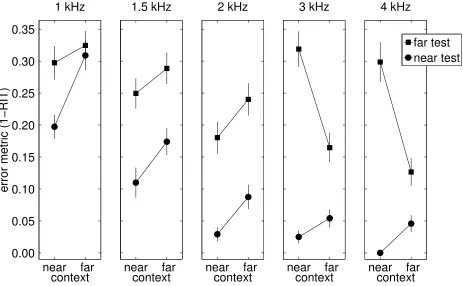
Table I shows summary confusion matrices obtained from the data of all participants
for the 4 kHz lowpass filter condition. Consonant identification is very robust to the low
levels of reverberation present in the near-near context-test condition. However, confusions
are frequent when more reverberation is added to the test-word alone (the near-far
con-dition). The three most numerous confusions are ‘stir’, ‘spur’ and ‘skur’ being mistaken
for ‘sir’. However, when the preceding context is also reverberated at the ‘far’ distance
(the far-far condition), the majority of these confusions are resolved, indicating perceptual
near far 4 kHz
context near far
3 kHz
context near far
2 kHz
context near far
1.5 kHz
context near far
0.00 0.05 0.10 0.15 0.20 0.25 0.30 0.35 1 kHz context
error metric (1−RIT)
[image:15.612.76.539.74.360.2]far test near test
FIG. 2. Mean and standard error of the 60 participants’ 1−RIT scores at the five
low-pass filter conditions of Experiment 1. Compensation for reverberation is apparent in the
downward-sloping upper line of the 3 and 4 kHz filter conditions. In these two conditions,
an increased level of reverberation in the context (resulting from the increase in context
distance) brings about an improvement in the identification of the far-distance test-words.
1. Perceptual compensation for reverberation
For numerical analysis, participants’ responses were recorded individually in confusion
matrices, and analysed in terms of their information transfer characteristics as described
in section II.C. Figure 2 shows the mean and standard error of the 1-RIT scores at each
reverberation distance and each filter condition. A three-way repeated measures analysis of
variance (ANOVA) was performed on participants’ arcsine-transformed RIT scores (Kirk,
1968) using IBM SPSS Statistics 20 software. All factors were within-subject; two factors
had two levels each (context distance and test-word distance) and the third had five levels
A monaural perceptual compensation effect is apparent at the 3 and 4 kHz filter cutoff
conditions shown in Figure 2. In these two conditions, a far-distance test-word is less often
confused when it is preceded by a far-distance context than when it is preceded by a
near-distance context. For filter cutoff frequencies of 2 kHz and lower, however, a far-reverberated
context did not aid identification of the far-reverberated test-word. This pattern of results
was indicated in the data by a three-way interaction among the factors for filter condition,
test distance and context distance, where F(4,236) = 5.94, and p < 0.001. Two main effects and three two-way interactions in the analysis, described below, largely arose from this
higher-order interaction.
As anticipated, consonant identification performance is best in the near-near condition
at each filter cutoff. This can be more clearly seen in Figure 3, in which the data from
Figure 2 is redrawn as a conventional line plot. Increasing the distance of the test-word
from ‘near’ to ‘far’ consistently increases the consonant identification error, giving a main
effect of the test-word’s distance withF(1,59)= 306.62, andp <0.001. In addition, consonant confusions became more prevalent as the cutoff frequency of the lowpass filter was reduced,
giving a main effect of the filter cutoff frequency with F(4,236) = 53.99, and p < 0.001. An interaction of these factors was also found, with F(4,236) = 9.16, and p < 0.001, indicating that consonant confusions resulting from an increased level of test-word reverberation are
more prominent when higher-frequency information is retained in the signal.
A two-way interaction between the factors for context distance and test-word distance,
with F(1,59) = 28.32, and p < 0.001, indicated that when the far-reverberated context did cause an improvement in consonant identification, this is confined to the far-reverberated
test-words. As described above, however, the effect of context reverberation varies across
the filter conditions, which showed as a significant interaction of context distance and filter
1 1.5 2 3 4 0.00
0.05 0.10 0.15 0.20 0.25 0.30 0.35
lowpass filter cutoff (kHz)
error metric (1−RIT)
[image:17.612.74.536.77.354.2]context−test near−far far−far far−near near−near
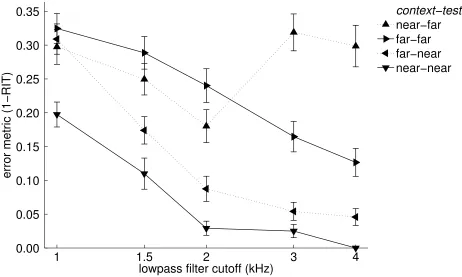
FIG. 3. Data of Figure 2 replotted to show the effect of lowpass filtering on eachcontext-test
condition. Consonant identification error decreased monotonically with increasing lowpass
cutoff frequency, except when the context was ‘near’ reverberated and the test-word was
‘far’ reverberated.
2. Effect of low pass filtering on the near-far condition
It is apparent from Figure 3 that consonant identification error generally decreases as
the lowpass cutoff frequency increases, as would be expected from the prior literature (e.g.
Miller and Nicely, 1955). However, this trend is not observed in the near-far context-test
condition; in this condition, consonant confusions increase when more high frequency
in-formation above 2 kHz is retained. A plausible explanation for this finding stems from
within-channel processing relating to perceptual compensation (Watkins et al., 2011). In
the near-far condition, information in the context (e.g., about reverberation tails) suggests
that the level of reverberation in the test word will be low, leading to errors in consonant
er-rors will be most prevalent at cutoff frequencies above 2 kHz because the acoustic-phonetic
cues that characterise stop consonants, a dip in the temporal envelope followed by a release
burst, occur predominantly at high frequencies (e.g., Allen and Li (2009) note that [t], [k]
and [p] are defined primarily by features in the range 4 kHz, 1.4–2 kHz and 0.7–1 kHz re-spectively). In other words, it is at high frequencies that there is the biggest discrepancy
between the reverberation characteristics implied by the context, and the acoustic features
that are actually encountered in the test word.
To seek further support for this explanation, listeners’ responses in the near-far condition
were analysed for each individual consonant. We reason that this would reveal whether there
is a consistent pattern of behaviour for each consonant, or whether the form of the near-far
curve in Figure 3 is only apparent because the data was pooled across all consonants.
Each participant’s responses at the near-far reverberation condition were therefore
anal-ysed as follows. At each filter cutoff condition, the overall 4×4 confusion matrix was refigured
into four 2×2 matrices quantifying, for each consonant stimulus-response pairing, the
num-ber of hits, misses, correct rejections and false alarms. As before, participants’ error-rates
were then quantified from these 2×2 matrices by calculating errors in terms of information
transfer (1−RIT scores).
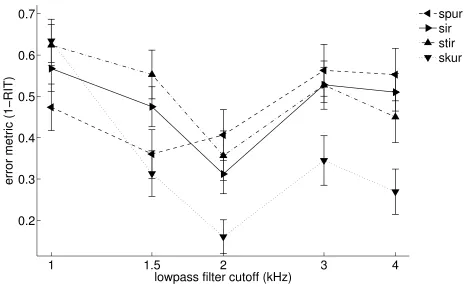
Figure 4 shows these results. The pattern is repeated across all test-words, showing a
‘pivot point’ in performance at 1.5 kHz for ‘spur’ and at 2 kHz for the remainder. This
is consistent with the fact that the burst frequency for [p] is the lowest of the consonants considered here (Allen and Li, 2009). We conclude, therefore, that the increase in error rate
in the near-far condition apparent in Figure 3 is not an artefact in the data caused by pooling
across all consonants tested. Rather, it is most likely caused by conflicting high-frequency
cues in the context and test-word of the phrase, which reduce the efficacy of within-channel
1 1.5 2 3 4 0.2
0.3 0.4 0.5 0.6 0.7
lowpass filter cutoff (kHz)
error metric (1−RIT)
[image:19.612.72.539.74.361.2]spur sir stir skur
FIG. 4. Data of the near-far condition in Figure 3 replotted to show the cutoff filter effect
on each test-word’s responses. All test-words showed a similar pattern of performance, with
a ‘pivot point’ at 1.5 kHz for ‘spur’ and at 2 kHz for the remainder.
D. Interim discussion
In the ‘sir-stir’ continuum experiments, Watkins (2005b) attributed his results to a
monaural mechanism of perceptual compensation. Here, we have used speech material in
which the acoustic-phonetic cues are much more variable as listeners heard different phrases
on each trial. There is also much more temporal uncertainty in the stimuli of the current
experiment, through uncertainty about the temporal location of the test-word, with context
durations ranging from minimum 0.31 s to maximum 0.97 s. This uncertainty reduces
listeners’ sensitivity in other types of task, such as signal detection (Egan et al., 1961)
and gap detection (Green and Forrest, 1989). Despite this variability in our signals, we
have observed perceptual compensation for the effects of reverberation that is qualitatively
will most likely be effective in everyday listening, where levels of stimulus uncertainty are
generally high.
Experiment 1 found that perceptual compensation is not apparent when high-frequency
components are removed from the speech signal. This is consistent with the finding of
Watkins et al. (2011) that perceptual compensation is effected in a band-by-band manner,
and that high-frequency bands carry more perceptual weight than low-frequency bands in
conferring the ‘sir’ vs. ‘stir’ distinction. It seems likely that similar mechanisms of
band-by-band processing underlie the effect of lowpass cutoff frequency on the ‘sir-skur-spur-stir’
distinction investigated here. However, the possibility remains that listeners are unable to
compensate for the effects of reverberation at the lowest lowpass cutoff frequencies because
the phonetic content of the speech signal was severely degraded (cf. Miller and Nicely, 1955).
IV. EXPERIMENT 2: AN INTRINSIC EFFECT
In the conceptual model discussed above, information for the compensation mechanism
is gathered solely from the preceding context. However, Watkins and Raimond (2013) note
that in addition to effects of such ‘extrinsic’ information, there are ‘intrinsic’ effects that
arise through information from the test-word itself. In that study, reverberant test-words
were presented in isolation (i.e., without a context). The following experiment asks whether
‘intrinsic’ information effects any compensation in conditions more similar to everyday
lis-tening.
The context phrase preceding the test-word was subjected to three different treatments:
near-distance reverberation and far-distance reverberation (replicating conditions in
Ex-periment 1), and a silencing treatment which removed the preceding context cues and gave
conditions similar to those presented to listeners in Watkins and Raimond (2013) and Nielsen
and Dau (2010). The test-word itself was first reverberated at the near or far room distance
as before, and was subsequently gated in some conditions following the method of Watkins
Amp
.
near
near, not gated
Amp
.
near
far, not gated
Amp
.
silent
far, not gated
Amp
.
silent
far, gated
[image:21.612.78.536.76.332.2]Time
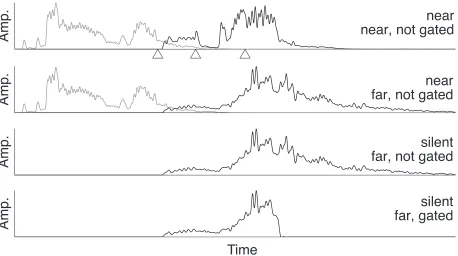
FIG. 5. Illustration of selected stimulus conditions in Experiment 2, here applied to the
same phrase that was previously displayed in Figure 1. Context phrase (light line, upper
label) and test-word (dark line, lower label) were independently reverberated at ‘near’ or
‘far’ distances as before (upper half ). In other conditions the context was silenced (lower
half ) and the test-word was gated(bottom panel). Other details are the same as Figure 1.
the intrinsic information content was reduced. Selected stimuli are displayed in Figure 5 to
depict the separate context silencing and test-word gating processes.
To avoid a likely ceiling effect in far-distance conditions, the effect of gating was only
tested in the near- and silent-precursor conditions. However, far-precursor trials were
in-cluded in a listener’s set in order to maintain uncertainty about the level of reverberation.
We expect listeners to make fewer consonant confusions when the tail is present and more
confusions when the tail is removed by gating.
If an effect of gating is apparent, then it would suggest that the reverberation tail
following the test-word’s final vowel contributes to perceptual compensation even though it
be updated accordingly to include intrinsic information sources.
It should be noted that this experimental design does not gauge the full size or
impor-tance of all intrinsic sources of reverberation information: the gating operation currently
evaluates only the contribution of the vowel-end tail. Other indicators of reverberation in
test-words are not evaluated, notably the tails that follow the test-word’s consonant, which
are closer in time to the crucial frication part of the sound.
A. Stimuli
The 4 kHz lowpass filter condition was selected for use in Experiment 2, since it gave a
clear perceptual compensation effect in Experiment 1. Phrases were similar in form to those
of the earlier experiment, however, to facilitate independent manipulation of the
reverbera-tion elicited by the test-word and the context, all phrases were truncated to remove the final
context word. The stimuli with non-silent contexts used in Experiment 2 therefore had the
form:
[CW1][CW2][TEST].
The set of test-word vowels was expanded further in this experiment, allowing more
consonant confusion data to be gathered from each participant. Since the perception of [p]
and [k](but not[t]) depends on the following vowel (Libermanet al., 1952), care was taken to ensure that the following vowel would have similar effects across the new set of test-words.
Since coarticulatory variation is not prominent among front vowels, the vowels [eI, i:, E, I, æ, 3~] were selected from the AIC, the last of which was the vowel used in Experiment 1. The vowel labelled [A] was rejected because it was spoken inconsistently by the 20 talkers, with frequent mergers of the two back vowels[A]and[6] (Wright, 2005). The vowel[oU]was not included since it was the only remaining back vowel. Using the same initial consonant
conditions as in Experiment 1, the experiment thus employed 480 AIC utterances (20 talkers
Precautions were taken to position word boundaries so that the speech sounded naturally
spoken after truncation and reverberation. The process of locating word boundaries was
par-tially automated due to the large number of utterances involved. First, the AIC transcripts
were expanded to phone sequences using the Carnegie Mellon University pronunciation
dic-tionary (CMU, 2010). A hidden-Markov model-based automatic speech recognition system
(HTK, 2010) was then used in conjunction with TIMIT-trained monophone acoustic models
(Lee and Hon, 1989) to force-align each phone sequence with its corresponding speech signal
and thereby identify the test and context regions. To overcome quantisation errors due to
the 10 ms frame rate of the recogniser, the word boundaries were subsequently checked using
Praat (Boersma and Weenink, 2010) and amended by hand where necessary.
Reverberation processing for the same- and mixed-distance phrases was undertaken as
described in Section III.A, two examples of which are illustrated in the upper two panels of
Figure 5. In the third panel, the preceding context words CW1 and CW2 were omitted in
silent-context conditions, and silent intervals, SIL, of equal duration were introduced so that
the phrases now comprised [SIL][SIL][TEST]. This further increased the uncertainty in the
temporal location of the test-word since not only did the preceding context vary in duration
for each phrase (ranging from 0.23 s to 1.24 s), but additionally any quasi-semantic cues
from the preceding pronoun and verb were now removed.
Gated test stimulus conditions emulated those of Watkins and Raimond (2013), as
illus-trated in the final panel of Figure 5. A gating function was created using the right-hand-side
of a Hann window of 10 ms duration, and was applied to ‘near’ and ‘far’ reverberated
ver-sions of the test-word, with the function time-aligned to begin its descent at the end of
the test-word. Hence, the reverberant tail following the test-word was cropped off without
shortening the word beyond its unreverberated duration.
Scaling factors were calculated across CW1, CW2 and TEST in order to ensure that
the level of context and test portions maintained their balance in mixed-distance conditions.
Finally, the twelve versions of each phrase were equalised in RMS level, the headphone
of sound stimuli for Experiment 2 thus comprised 5760 sound files (480 AIC phrases × 3
context conditions× 2 test-word distances × 2 gate conditions).
B. Procedures
Sixty participants were recruited from the student and staff population of Sheffield
Uni-versity, and were compensated for their time. A further 10 people took part but were
discounted from subsequent analysis. In one case this was due to a reported hearing
impair-ment. In the remaining 9 cases this was through failure to meet the inclusion criterion at
the control condition (achieving above 90% correct responses in (not-gated) near-context,
near-test conditions).
Stimuli were partitioned among participants as previously described to avoid any
as-sociation between test-word and context phrase that might otherwise aid identification of
the test-word. Each participant heard 40 phrases in each of the 12 experimental conditions.
Vowels were divided evenly across the listener group, with participants hearing every test
consonant either once or twice at each reverberation distance. In cases where listeners heard
the same test consonant twice, the two instances were spoken by different talkers.
Partici-pants were not required to identify the test-word’s vowel. Rather, they identified the initial
consonant cluster only by choosing among buttons labelled ‘s’, ‘sk’, ‘sp’ or ‘st’. Stimuli
were presented to the participants in a randomised order in a single session. Participants
were instructed to take short breaks whenever needed, and the experiment was typically
completed in around 25 minutes. Other aspects of stimulus presentation were the same as
described in section III.B.
C. Results
As before, participants’ responses were recorded in confusion matrices and analysed
in terms of their information transfer characteristics. The main findings of Experiment 1
near
silent
far
0
0.1
0.2
0.3
0.4
0.5
0.6
context condition
erro
r me
tri
c
(1
−R
IT
)
test word condition
[image:25.612.75.545.69.381.2]far, gated
far, not gated
near, gated
near, not gated
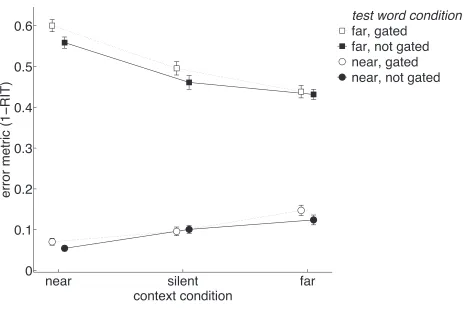
FIG. 6. Mean and standard error of the 60 participants’ 1−RIT scores in Experiment 2.
Conditions in which the reverberation tail following the test-word was removed by gating
are shown with white markers. Conditions that preserve intrinsic information are presented
with black markers. Extrinsic compensation seems to effect an overall reduction in
conso-nant confusions between near-far and far-far context-test conditions, which replicates the
corresponding main effect in Experiment 1. This reduction is seen for both gate conditions.
Figure 6. Firstly, an increase in test-word distance again brought about a large increase in
the number of consonant confusions that participants make. Secondly, for both gated and
not-gated stimuli, extrinsic compensation at the far-distance context condition resulted in
a reduction in the number of consonant confusions recorded in comparison with the
near-distance context condition. Since the final context word was omitted from the phrases used
in this experiment, extrinsic information from the context portion following the test-word
A number of potential confounds preclude analysis along the lines of our earlier
experi-ment (e.g., using a 3-way ANOVA with factors for test distance, context distance and gate
condition). Looking left to right in Figure 6 we anticipate an increase in consonant
confu-sions due to temporal uncertainty of the test-word as we move from near to silent contexts,
since the silent context cannot cue the location of the test-word. Continuing towards the
right from silent to far contexts, the reduced degree of temporal uncertainty at far might
suggest a decrease in error; however, consonant confusions will likely increase due to overlap
masking (N´abˇeleket al., 1989) from the context in the far condition. Concurrently, extrinsic
compensation effects would be expected to decrease the overall error rates of far test-words
as we move from left to right.
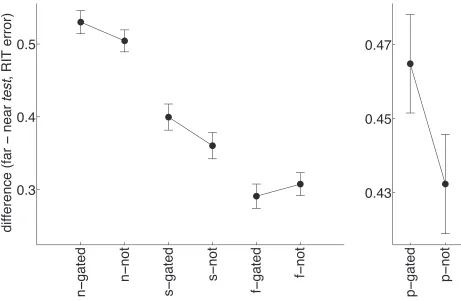
Instead, for each context and gate condition we measure the difference between
partici-pants’ scores for the two levels of test-word reverberation (so that constancy is greater when
this difference is small). Difference scores were calculated for each participant as their RIT
error at the far distance test-word minus their RIT error at the near distance test-word, the
means and standard errors of which are shown in Figure 7 (left). A 2-way repeated
mea-sures ANOVA (all within-subject factors) was thus performed on participants’ difference
scores, using one factor for test-word gate condition (gated, not-gated) and a second factor
for preceding context condition (near, far, silent). Mauchley’s test showed that conditions
of sphericity were met. A large, extrinsic effect showed in the data as a significant effect
of context, with F(2,118) = 90.61, and p < 0.001. Seen in Figure 7, the general reduction in near-far test-word difference when moving from left to right suggests that compensation
increases in silent-context conditions, and increases further for far-distance contexts. There
were no other significant F ratios.
It was argued above that gating effects were unlikely to be apparent in conditions with
far-distance contexts due to a ceiling effect. These conditions therefore were excluded from
the planned comparison in Figure 7 (right) which pooled data for the remaining silent- and
near-context conditions. A paired-samples t-test revealed that there was some effect of
0.3
0.4
0.5
difference (far
−
near
test
,
RIT
error)
n
−
gated
n
−
not
s
−
gated
s
−
not
f
−
gated
f
−
not
0.43
0.45
0.47
p
−
gated
p
−
[image:27.612.74.535.70.371.2]not
FIG. 7. Left –Mean and standard error of the 60 participants’ difference scores (RIT error
at far distance test-word minus RIT error at near distance test-word) for near (n), silent (s)
and far (f) contexts at each gate condition in Experiment 2. Right – Pooled (p) results show
some effect of gating on the test-word’s vowel, indicating that intrinsic factors have probably
helped to disambiguate far distance test-words in the near- and silent-context conditions.
Note that the ordinate scales of the two panels differ.
conditions indicate that there is a role for intrinsic information which seems to help listeners
identify reverberant test-words.
D. Interim discussion
The silent-context conditions in our experiment were intended to further investigate
findings of Nielsen and Dau (2010) and Watkins and Raimond (2013) where test-words
suggested by Nielsen and Dau proposed that the dip cueing the[t]in a reverberant ‘sir-stir’ continuum test-word could be made less apparent (i.e., masked) by a preceding context,
provided that that context contained a sufficient degree of modulation. The near context,
with its relatively large amount of modulation, would induce substantial masking of the [t]
in the far-reverberant test-word, and thus promote more ‘sir’ responses from the listeners
(from which we may infer a greater degree of confusion in the AIC data). The far context
on the other hand has a smaller degree of modulation which would promote less masking
of the [t] dip, and would permit more ‘stir’ responses (or fewer consonant confusions). For silent contexts, where there is no modulation forward masking from the preceding context,
Nielsen and Dau’s proposal would predict a well-defined plosive dip, resulting in still fewer
confusions in the AIC data. As in Watkins and Raimond (2013), however, a different pattern
emerges in our listener results: far test-word consonant confusions were indeed less frequent
for silent contexts than for near-distance contexts, but confusions were actually reduced
still further by the presence of a far-distance context. This result may additionally cast
earlier data in a new light, specifically where silence has been used as a ‘control’ condition
to contrast against a reverberated speech carrier (cf. for example Uenoet al., 2005; Nielsen
and Dau, 2010; Brandewie and Zahorik, 2013), since it indicates that some compensation
arises in silent-context conditions.
Our data supports the notion that perceptual compensation is influenced by both
in-trinsic and exin-trinsic factors. The overall exin-trinsic compensation effect seen in Experiment 1
is replicated here, seen in the reduction in error for far-distance test-words when they are
preceded by a far- rather than near-distance context (cf. Figure 6). However, the reduction
in far test-word consonant confusions when silent contexts are present (rather than a
near-distance context) cannot be attributed to the extrinsic effects elucidated in Experiment 1
since the preceding context cues have been removed. Rather, we might attribute this
re-duction to an intrinsic influence. Further, by examining the intrinsic influence from tails at
the end of the far-reverberated test-word’s vowel we find that errors tend to be reduced in
influences the identity of the preceding consonant when intrinsic and extrinsic information
are placed in conflict; in other words, if listeners are presented with an ambiguous stimulus,
they use intrinsic information to help resolve the uncertainty. We might also suppose that
tails from the test-word’s initial consonant would be a further intrinsic influence.
Experi-ment 2 therefore indicates that although compensation for reverberation is strongly informed
by extrinsic information, intrinsic sources of information should not be discounted. Indeed,
the conceptual model discussed earlier should be updated to include intrinsic information
from the test-word.
In both Experiment 1 and Experiment 2, the context words preceding the test-word
var-ied in duration from trial to trial; in other words, the amount of extrinsic information
avail-able to listeners was not constant. Nonetheless, both experiments found that inconsistent
reverberation in the context and test-word degraded consonant identification performance,
and that this degradation could be alleviated by making the context reverberation and
test-word reverberation consistent. Experiment 3 now investigates the time course of this
extrinsic compensation effect by carefully controlling the amount of extrinsic information
available: starting with inconsistent reverberation between the context and test-word, we
ask how much consistent reverberation is needed in order for compensation to be apparent.
V. EXPERIMENT 3: TIME COURSE
Experiment 3 investigates the time course of monaural perceptual compensation by
varying the duration of the context speech that is reverberated at the far-distance. In terms
of the conceptual model discussed above, it asks which portions of the preceding extrinsic
context are influential in determining the compensation effect. In the previous experiments,
the speech context preceding the test-word was wholly reverberated at either the far- or
near-distance. Here, the context speech is divided into two regions; the first part is reverberated
at the near distance, and the second part (just prior to the test-word) is reverberated at
Amp
.
0 ms
near
Amp
.
0 ms
far
Amp
.
62.5 ms
far
Amp
.
125 ms
far
Amp
.
250 ms
far
Amp
.
500 ms
far
[image:30.612.75.537.74.468.2]Time
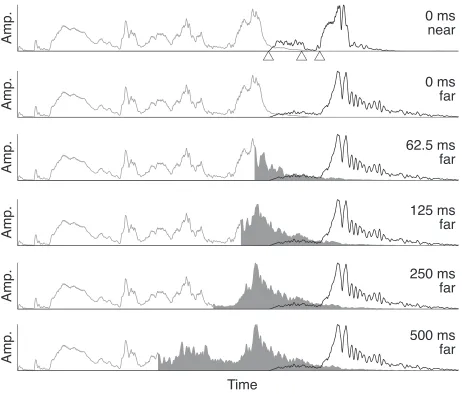
FIG. 8. Illustration of selected stimulus conditions for an Experiment 3 phrase. The
test-word (dark line, lower label) is preceded by the context (light line) which is divided into
an initial near-reverberated part and a subsequent far-reverberated part. The temporal
position of the boundary is varied between these parts, so that less or more of the context
immediately prior to the test-word is far-reverberated(shaded area, upper label). The phrase
differs from that used in Figure 1, but other details are the same.
we vary the amount of reverberated context while measuring compensation on a
far-reverberated test-word. The following experiment thereby asks how compensation for the
A. Stimuli
Experiment 3 again used AIC speech material, low-pass filtered at 4 kHz as in earlier
experiments. The listeners’ task was simplified, with the response alternatives being reduced
to a choice between ‘s’ or ‘st’ for the start of the test-word, but stimulus variability was
maintained by using speech from multiple talkers and by selecting five following vowels to
complete the test-words: [eI, i:, E, I, æ]. Word boundaries between the test and context portions of each utterance were located as previously described in section IV.A. However,
in Experiment 3 the AIC utterances were reordered and spliced so that all of the context
words preceded the test-word:
[CW3][CW1][CW2][TEST].
This was done in order to maximise the duration of the context preceding the test-word,
yielding phrases such as “often people determine stay”. By limiting the number of corpus
talkers to 10 of the available 20, the resulting 100 phrases (10 talkers × 2 consonants × 5
vowels) had preceding contexts of around one second duration or longer. Four phrases fell
slightly short of this target, with context durations of 994, 979, 959 and 933 ms respectively.
The initial portion of the context phrase was always reverberated with the near-distance
room impulse response. Thereafter, a portion of the context just prior to the test-word was
reverberated at the far-distance. The duration of this far-distance window was nominally
0, 62.5, 125, 250 or 500 ms, as depicted in the shaded regions of Figure 8. In practice the
window length was modified for each phrase so that it coincided with a zero-crossing in the
audio signal. This ensured that reverberation of the context did not introduce an audible
discontinuity in the signal. The duration of the far-context portion thus differed slightly
from the nominal window length in almost all cases, but this variation was typically small
(across the whole set of stimuli, the mean deviation from the nominal window length was
48.9 samples, corresponding to approximately 1 ms at the 48 kHz sample rate used).
The near- and far-distance portions of the context were recombined with the test-word
mixed-distance phrases. Finally, the stimulus conditions for each phrase were equalised in overall
RMS level, the headphone correction was applied, and the sound file was saved as previously
described. The set of sound files for Experiment 3 thus comprised 1000 stimuli (100 phrases
× 2 test distances × 5 context window durations).
B. Procedures
Forty participants were again recruited by university-wide email, and were compensated
for their time. A further 5 people completed the experiment but were discounted from
anal-ysis. Two of these participants reported hearing losses, which contributed to considerable
difficulties recognising test-words in all conditions. The remainder were excluded because
they did not meet the inclusion criterion (above 90% correct responses for near-distance
test-words at the 0 ms far-distance window condition).
Stimuli were partitioned among groups of 10 participants to ensure different versions
of a given phrase (2 test distances × 5 context window durations) were heard by different
people, avoiding any association between test-word and context phrase that would otherwise
aid test-word recognition. Talkers were divided evenly across the listener groups, so that
each participant heard 10 phrases in each of the 10 experimental conditions, each repeated
4 times. Every test vowel was used in each condition, once with a preceding [s] and once with [st]. As before, participants were not required to identify the test-word’s vowel, but identified the initial portion by clicking on either an ‘s’ or ‘st’ alternative on the computer’s
screen. Stimuli were presented in a randomised order in a single session lasting around 20
minutes, with breaks offered as desired. Other aspects of stimuli presentation were carried
out as described in section III.B.
C. Results
Participants’ responses were analysed in terms of the proportion of ‘s’ responses at each
0
62.5
125
250
500
0.50
0.55
0.60
0.65
0.70
0.75
duration of preceding far−reverberated context (ms)
pro
po
rti
on
o
f ‘
s’
[image:33.612.73.533.75.414.2]far test
near test
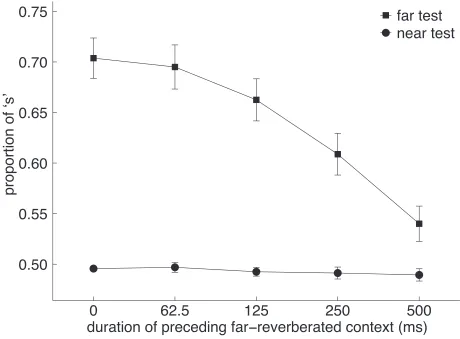
FIG. 9. Mean and standard error of the 40 participants’ scores in Experiment 3. The lower
line shows near-distance test-word scores, where the proportion of initial ‘s’ reports is close
to 0.5 and the data show no dependency on the duration of the far-reverberated context.
The upper line shows the far-distance test-word scores. For the zero-length far-context
window condition, where the test-word has more reverberation than the context, listeners
often misclassified [st] as ‘s’. As the duration of the far-reverberated part of the context is increased, fewer misclassifications are made and the proportion of ‘s’ reports decreases.
measures ANOVA was performed using one factor for test-word distance with two levels
(near, far) and a second factor with five levels for the duration of the far-distance context
preceding the test-word (0, 62.5, 125, 250, 500 ms). Once again, Mauchley’s test showed
no violation of sphericity. The two-way interaction between factors for test distance and
main effects; test-word distance (F(1,39) = 75.96, and p < 0.001) and far-context duration (F(4,156) = 25.55, and p <0.001). A linear trend test (using a least-squares method) across the log-spaced window-duration conditions showed a linear decrease in the number of ‘s’
responses with increasing duration of the far-reverberated context-window (F(1,39)= 82.90,
p <0.001).
D. Interim discussion
Listener response data in Experiment 3 confirms our conceptual model’s assertion that
compensation for the effects of reverberation builds-up through time. Figure 9 shows a clear
trend; in a task where listeners were required to determine whether the test-word started
with[s]or[st], the number of ‘s’ responses decreases as the duration of the far-reverberated portion of the context is increased. Complementing work on binaural compensation
mecha-nisms by Brandewie and Zahorik (2013), it appears from our listener data that the monaural
compensation mechanism acts on a similarly rapid timescale.
The experiment has an important limitation in that it is unable to determine whether
a further improvement in consonant identification would occur if the duration of the
far-reverberated context were to exceed 500 ms. It would have been possible to pad short
utterances with additional speech material in order to produce longer contexts. However,
this would have disrupted the consistent form of the utterances (which otherwise had
ex-actly three context words preceding the test-word) and might have misdirected the listeners’
attention towards the context and away from the test-word (cf. Ueno et al., 2005,
Experi-ment 1).
A further problem arises through selecting the 10 talkers with the fewest short utterances
in the corpus. In doing so, it is likely that talkers with slower speaking rates were
preferen-tially selected. In ‘sir-stir’ phoneme-identification, near-far conditions give a greater shift in
the phoneme boundary at faster speech rates (see Watkins, 2005b, Figure 3), so a still larger
with faster-speaking talkers. However, inclusion of the slower talkers gives conditions that
are more similar to every-day listening where talkers tend to slow down in reverberant rooms
(Black, 1950) and listeners tend to prefer slower speech (Moore et al., 2007).
VI. GENERAL DISCUSSION AND CONCLUSIONS
The experiments reported here complement previous studies by providing further
ev-idence that monaural exposure to a reverberant environment is sufficient to bring about
a significant improvement in consonant identification, here in read speech from 20
talk-ers. These effects, measured across 160 left ears, must be independent of any interaural
processing attributable to binaural hearing, and cannot be directly attributed to
‘echo-suppression’ resulting from precedence effect buildup (cf. Zahorik et al., 2009; Brandewie
and Zahorik, 2010). Rather, our data are consistent with a compensation mechanism that
has been attributed to temporal envelope constancy (Watkins et al., 2011; Kuwada et al.,
2012; Srinivasan and Zahorik, 2014), which appears to enhance the amplitude modulation
in reverberant signals (Zahorik et al., 2012).
The current work, moreover, has revealed that these monaural mechanisms are relatively
rapid, with the majority of consonant confusions being correctly resolved after only half a
second of an appropriate preceding context. Previous experiments have reported
compensa-tion for reverberacompensa-tion despite various distorcompensa-tions to the fine-structure of the room’s refleccompensa-tion
pattern, for example by using impulse responses for the context and test-word reverberation
that were recorded in different rooms (Watkins, 2005b), or by reversing the polarity of a
randomly selected half of the samples in the impulse response (Watkins et al., 2011). Such
results contrast with the long-term binaural learning effect reported by Shinn-Cunningham
(2000), where results seem to be due to more subtle learning of a particular room’s
de-tailed characteristics. Rather, the monaural constancy mechanism appears to establish a
less subtle, but more rapid calibration to a new listening environment.
percep-tual constancy: listeners use information obtained from the acoustic context preceding a
test sound, and accumulate this information over a period of time. As noted above, the
cur-rent study has clarified the timescale involved. However, our conceptual model also requires
some refinement, since we have presented evidence that compensation is not only mediated
by the preceding context, but also by information originating from within the test-word
itself. Watkins and Raimond (2013) previously reported such an intrinsic compensation
effect. However, their experiment used test-words presented in isolation. Given that
natu-ral conversation often consists of extended turns rather than isolated words, in this paper
we assessed the contribution of intrinsic information when test-words were presented after
a preceding speech context. Since we found a small effect of gating, even when a
preced-ing context was present, it seems likely that intrinsic information contributes to monaural
compensation in everyday listening situations.
Currently, our work has not yet demonstrated that the monaural constancy effect
gen-eralises to the identification of a full range of natural speech sounds, as has recently been
shown for the binaural constancy effect (e.g., Brandewie and Zahorik, 2013; Srinivasan and
Zahorik, 2013). Nonetheless, our findings are likely to be ecologically relevant because the
consonants studied here appear so frequently in everyday speech. Mineset al. (1978) report
that [t, s, k, p] account together for 15.28 % (respectively: 5.78, 4.61, 3.10, 1.79 %) of all phonemes encountered in casual conversational American English (including vowels).
More-over, since the consonants studied here are among those most vulnerable to the effects of
reverberation (Gelfand and Silman, 1979; N´abˇelek et al., 1989; Drullman et al., 1994), our
experiments address the very parts of the speech signal that are the most troublesome to
hear in real reverberant listening situations.
While the speech material in our final experiment examined temporal effects of the
preceding context reverberation, its phonetic content was not studied. Frequency regions
around 4 kHz are likely to contribute most significantly to identification of the [t] when it is present in test-words (Allen and Li, 2009), and since compensation for reverberation
similarly dependent upon these important frequency regions in the neighbouring context
words (Watkinset al., 2011). It is likely, therefore, that a context rich in sibilants and stops
(e.g., “first people detect”) would promote a higher degree of compensation for effects of
reverberation on the test-word’s stop consonant than would a phrase without (e.g., “now
you remember”). Future work will be required to examine the implications of such phonetic
variation on the time course of the constancy mechanism.
Acknowledgments
The authors thank Hynek Hermansky, Simon Makin, Ray Meddis, Kalle Palom¨aki and
Andrew Raimond for discussion, and two anonymous reviewers and the Associate Editor for
helpful comments on the manuscript. We additionally thank all listeners who took part in
the experiments. The study was supported by EPSRC grant EP/G009805/1.
Endnotes
1. We define H(X;Y) = Px,ypxylog(pxy/pxpy) and H(X) = −Pxpxlog(px), where px
is the probability of occurrence of stimulus x, py is the probability of occurrence of responsey, andpxy is the probability of the joint occurrence ofx and y. Probabilities were estimated from the finite sample of observations taken during the experiment, as
described by Miller and Nicely (1955).
References
ISO 3382 (1997). “Acoustics – Measurement of the reverberation time of rooms with
ref-erence to other acoustical parameters,” International Organization for Standardization,
Geneva.
Adelson, E. H. (2000). “Lightness perception and lightness illusions,” inThe New Cognitive