Evaluation of clinical decision support
provided by medication review software
by
Colin Michael Curtain BPharm(Hons) GradDipComp MPS
Pharmacy, School of Medicine
Submitted in fulfilment of the requirements for the degree of
Doctor of Philosophy
Declaration of Originality
This thesis contains no material which has been accepted for a degree or diploma by the University or any other institution, except by way of background information and duly acknowledged in the thesis. To the best of my knowledge and belief this thesis contains no material previously published or written by another person except where due acknowledgement is made in the text of the thesis, nor does the thesis contain any material that infringes copyright.
Colin Michael Curtain
August 2014
Authority of access
This thesis may be made available for loan and limited copying in accordance with the Copyright Act 1968.
Colin Michael Curtain
August 2014
Statement of Ethical Conduct
The research associated with this thesis abides by the international and Australian codes on human and animal experimentation, the guidelines by the Australian Government's Office of the Gene Technology Regulator and the rulings of the Safety, Ethics and Institutional Biosafety Committees of the University.
Colin Michael Curtain
Acknowledgements
I would like to thank my supervisors, Professor Gregory Peterson, Dr Ivan Bindoff and Dr Juanita Westbury, for their experience, wisdom and guidance from original concepts to completion of this doctoral study.
This project would not have been possible without software to assess. I thank Peter Tenni and George Giannakopoulos (Medscope Pty Ltd) and Doug Allen (Monitor-Rx) for allowing access to and use of their medication review products. Similarly this project would have been more difficult to achieve without a ready source of data, so I thank Andrew Stafford for his earlier doctoral work.
I also thank Peter Gee for his great support and suggestions including introducing me to the wonders of Microsoft Access, assisting with web development and general bouncing ideas around. Thanks to Daniel Bernal whose support and critique concerning my research has helped me to develop an improved product. I am pleased I have been able to return the favour. I also appreciate Dan introducing me to the 'gentle' art of Judo as a distinct distraction from my studies.
Publications
Peer-reviewed journal publications
Curtain C, Bindoff I, Westbury J, Peterson G. An investigation into drug-related problems identifiable by commercial medication review software. Australasian Medical Journal, 6(4) 2013, p183-188.
Curtain C, Bindoff I, Westbury J, Peterson G. A comparison of prescribing criteria when applied to older community-based patients. Drugs and Aging, 30(11) 2013, p935-943.
Curtain C, Peterson G. A review of computerised clinical decision support in community pharmacy. Journal of Clinical Pharmacy and Therapeutics, 2014. [In press]
Conference abstracts (oral)
Curtain C, Bindoff I, Westbury J, Peterson G. Can software assist the home medicines review process by identifying clinically relevant drug-related problems? ASCEPT-APSA 2012 Conference, 2-5 December 2012, Sydney, Australia.
Conference papers
Curtain C, Bindoff I, Westbury J, Peterson G. Validation of decision support software for identification of drug-related problems in home medicines reviews. 11th National Conference of Emerging Researchers in Ageing, 19-20 November 2012, Brisbane, Australia.
Curtain C, Bindoff I, Westbury J, Peterson G. An investigation into the types of drug related problems that can and cannot be identified by commercial medication review software. Second Australian Workshop on Artificial Intelligence in Health (AIH 2012), 4 December 2012, Sydney, Australia. Available from: http://ceur-ws.org/Vol-941/aih2012_Curtain.pdf
Conference abstracts (poster)
Curtain C, Bindoff I, Westbury J, Peterson G. Can software assist the home medicines review process by identifying clinically relevant drug-related problems? Tasmanian Health Science HDR Student Conference, 1st July 2013, Hobart, Australia.
Letters
Bindoff I, Peterson G, Curtain C. Computer system to support medication reviews: a good but not new concept. International Journal of Clinical Pharmacy, 36(2) 2014, p218-219.
Citations
Bernstein R, Kogan P, Collins A. The medication minefield: using computerized decision support systems to reduce preventable adverse drug events and hospitalizations. J Ambul Care Manage, 37(3) 2014, p226-240.
Elliott RA, Stehlik P. Identifying inappropriate prescribing for older people. J Pharm Pract Res 43(4) 2013, p312-319.
Hamano J, Tokuda Y. Inappropriate prescribing among elderly home care patients in Japan. J Prim Care Community Health, 5(2) 2014, p90-96.
Jean-Bart E, Faure R, Omrani S, Guilli T, Roubaud C, Krolak-Salmon P, Mouchoux C. Role of clinical pharmacist in the therapeutical optimization in geriatric outpatient hospital. Annales Pharmaceutiques Françaises, 2014 Feb 20, in press.
Abstract
Aim
The purpose of this investigation was to evaluate the clinical decision support capacity of commercial computer software designed to assist pharmacists performing medication reviews.
The primary hypothesis was: If medication review software is related to pharmacist knowledge, then the detection of therapeutic problems will result in a similar frequency and scope of identified problems as those identified by pharmacists.
Method
Home medication review data collected during 2008 for a previous study were used for this investigation. The data contained original pharmacist findings of drug-related problems (DRPs), patient demographics, medications, laboratory results and diagnoses. Two commercial software applications advertising decision support were assessed, Monitor-Rx (MRX) utilising simple rules triggered by the presence of medication and Medication™ Review Mentor (MRM) utilising an advanced artificial intelligence rules-based approach. The previously collected data were entered into each of the applications and the DRPs identified by each tool were recorded. Additionally, published prescribing criteria, Beers (2003 and 2012 versions), Screening Tool of Older Person’s Prescriptions and Screening Tool to Alert doctors to Right Treatment (STOPP/START) and Prescribing Indicators in Elderly Australians (PIEA) were also adapted so as to be applied computationally over the same set of patient data.
opinions concerning clinical relevance, excessive DRP findings, missed DRPs and the appropriateness of recommendations.
A qualitative survey of pharmacists who used MRM was also undertaken to obtain their opinions of the decision support capability of MRM.
Results
In total, across 570 patients, pharmacists identified 2020 DRPs, MRM 3209, PIEA 1492, STOPP 1032, Beers03 404 and Beers12 399. Ten percent of the volume of DRPs identified by MRM were found to be duplicated DRPs, where the same essential problem was identified more than once for a patients, typically via different rules. Using a smaller sub-sample of 100 patients, MRX identified 1265 DRPs. Pharmacist DRPs encompassed the widest range of DOCUMENT classifications, followed by MRM, then the sets of prescribing criteria and finally MRX.
A list of 141 descriptive classifications was developed which described the various DRP concepts in depth. Pharmacist-only descriptive classifications involving compliance and not-classifiable DRPs were excluded from assessment, since it was impossible to detect these DRPs without access to additional patient data that was not included in pharmacists written reports. Pharmacist DRPs were associated with 113 different descriptive classifications, MRM 100 and MRX 17. MRM was able to identify 90 differing classification types that were also identifiable by pharmacists. MRM was able to identify the same problems in the same patients as the reviewing pharmacists identified in 389 instances, whereas MRX identified the same problems in the same patients in only 11 instances.
Pharmacists who used MRM agreed with the expert panel regarding MRM. These pharmacists also found MRM to be easy to use (mean 76 on scale of 0 to 100) and useful (mean 5.6 on a scale of 1 to 7). The pharmacists agreed that MRM identified clinically relevant DRPs (73%) and also agreed that MRM identified clinically relevant DRPs that would otherwise have been overlooked by pharmacists (73%).
Discussion
Both MRM and MRX identified a greater number of DRPs than pharmacists. However, MRM was considered, by both the expert panel members and pharmacist subscribers, to identify an acceptable number of mostly clinically relevant DRPs and to present appropriate recommendations to resolve DRPs. In contrast, the expert panel thought MRX identified an excessive number of mostly irrelevant DRPs. The contrast between the relevance of MRM and lack of relevance of MRX highlighted the different approaches used by each product. MRX utilised a simple approach through the identification only of medications of interest, whereas MRX incorporated a range of variables such as examining all medications, medication doses, medical history, laboratory results. The integration of a range of variables allowed MRM to provide far greater context to the DRPs found for each patient. Application of the DOCUMENT classifications and the descriptive classifications found that MRX was capable of identifying a very limited range of DRP types, whereas MRM was capable of identifying a wide range of DRP types, approaching the range of problem types identifiable by pharmacists.
of prescribing criteria to the pharmacists' findings, both in terms of scope of problem types as well as by frequency.
Greater contextualisation of DRPs certainly provided greater clinical relevance, as shown with the STOPP/START prescribing criteria and exemplified by MRM. However, STOPP/START was limited to a set of specific consensus-based rules, limiting opportunities to expand on the identification of clinically relevant DRPs. MRM did not have this limitation, allowing an expert in the the knowledge domain of medication reviews to add and refine numerous rules incorporating patient-specific data to maximise the detection of clinically relevant DRPs. A strong rationale for the use of MRM, or similarly implemented technologies, was not only MRM's clinical relevance but also MRM's practical usefulness in the detection of missed opportunities – pharmacist subscribers confirmed that MRM did identify clinically relevant DRPs that the pharmacists themselves had missed.
Conclusion
The implementation of overly simple rules, such as the mere presence of a medication as was used by MRX, was insufficient to provide good decision support as it resulted in an excessive abundance of a narrow range of mostly clinically irrelevant DRPs.
Automated versions of the prescribing criteria STOPP/START, PIEA, and Beers proved to be a slightly better tool for identifying DRPs as took into account a broader spectrum of information about the patient’s condition (typically diagnoses), allowing them to identify more targeted and relevant problems.
However, the use of artificial intelligence technology by MRM allowed for both greater contextualisation and variety of clinically relevant DRPs. MRM identified a higher frequency of DRPs than did pharmacists. In part, the greater frequency of DRPs identified by MRM may represent clinically relevant DRPs that were missed by reviewing pharmacists. This capacity to supplement clinically relevant DRPs complements the consistency and thoroughness of the pharmacists medication reviews.
Table of Contents
Declaration of Originality...i
Authority of access...i
Statement of Ethical Conduct...i
Acknowledgements...ii
Publications...iii
Peer-reviewed journal publications...iii
Conference abstracts (oral)...iii
Conference papers...iii
Conference abstracts (poster)...iii
Letters...iv
Citations...iv
Abstract...v
List of Figures...xvii
List of Tables...xx
Abbreviations...xxiv
1 Introduction...1
2 Inappropriate medication use in older people...4
2.1 Drug-related problems...4
2.1.1 Factors associated with DRPs in older people...6
Pharmacodynamics and pharmacokinetics...7
Medical conditions and co-morbidity...7
Polypharmacy...7
Drug classes...9
Adherence...9
Physical factors...10
Health system factors...11
2.1.2 Frequency of adverse drug events...11
2.2 Prescribing criteria for older people...12
2.2.2 Beers12...15
2.2.3 STOPP/START...16
2.2.4 PIEA...17
2.3 Home Medicines Reviews...19
2.3.1 The HMR process...20
2.3.2 Benefits and limitations of HMRs...22
3 Clinical decision support systems...25
3.1 CDSS Definition...25
3.2 CDSS, electronic health records and data standardisation...25
3.3 CDSS Role...26
3.4 CDSS Technology...27
3.5 CDSS Benefits...30
3.5.1 Consistent advice...30
3.5.2 Capacity to screen many patients...31
3.6 CDSS Limitations...31
3.6.1 Alert fatigue...33
3.6.2 Information accuracy...34
3.6.3 Commercial interest...34
3.7 Literature review of CDSS...34
3.7.1 Search terms and criteria...35
3.7.2 Literature Results...36
General patient medication review...36
Specific disease management...40
3.7.3 Discussion...50
3.7.4 Conclusion...53
3.8 Google search for medication review software...53
3.8.1 Assurance system...57
3.8.2 Monitor-Rx...58
3.8.3 MediFlags...59
3.8.4 Medscope...60
3.8.6 Pharmcare...61
4 Thesis Outline...63
5 General methods...66
5.1 Methodology...67
5.1.1 VALMER data...67
5.1.2 MRM interface and data entry...70
MRM Data fields...71
Entry of medications into MRM...72
Entry of medical conditions into MRM...73
Entry of laboratory test results and observations into MRM...74
Reports created by MRM...74
MRM Data entry check...75
5.1.3 MRX interface and data entry...76
MRX Data fields...76
Entry of medications into MRX...77
Entry of medical conditions, laboratory test results and observations into MRX....77
Reports created by MRX...78
MRX Data entry check...79
5.1.4 Automation of prescribing criteria...79
Beers03 automation...79
Beers12 automation...80
PIEA automation...80
STOPP automation...81
START automation...81
5.1.5 Ethical approval...82
5.2 Results...82
5.2.1 Cases aged 65 years old and older...82
5.2.2 Cases entered into MRX...82
5.2.3 DRP frequency...83
6 DOCUMENT classifications...87
6.2 Results...89
6.2.1 DRPs in 570 cases (excluding MRX)...90
6.2.2 DRPs identified in test cases...93
6.3 Discussion...97
7 Descriptive classifications...100
7.1 Methodology...100
7.2 Results...103
7.2.1 Descriptive classifications in 570 cases...103
7.2.2 Descriptive classifications in 100 test cases...112
7.3 Discussion...118
Limitations...123
8 Expert panel assessment...124
8.1 Introduction...124
8.2 Methodology...124
8.2.1 Recruitment of experts...124
8.2.2 Selection of patients...125
8.2.3 Costs and funding...125
8.2.4 Expert Panel Survey...125
8.2.5 Assessment items for each DRP from each source in each patient...126
8.2.6 Assessment items for overall opinion of each source in each patient...127
8.2.7 Data analysis...128
8.3 Results...130
8.3.1 Representativeness of randomly selected cases...131
8.3.2 Opinion of individual DRPs identified in each case...132
Clinically relevant DRPs...132
Appropriateness of recommendations...134
Summary of individual DRP comments...136
DRPs found by MRM but missed by pharmacists...137
8.3.3 Overall opinion of each source in each case...139
Identification of clinically relevant DRPs...139
Excessive DRPs identified...142
Appropriateness of recommendations...144
8.3.4 Qualitative analysis – Overall opinion of each source...146
Clinical relevance of DRPs...147
Repetition of DRPs...148
Preparation for an HMR interview...149
Lack of thoroughness...149
8.4 Discussion...150
8.4.1 Clinical relevance of identified DRPs...150
8.4.2 Missed identification of relevant DRPs...151
8.4.3 Excessive number of identified DRPs...151
8.4.4 DRP recommendations for resolution...152
8.4.5 Qualitative analysis...153
8.4.6 Summary...154
9 MRM user survey...156
9.1 Introduction...156
9.2 Methodology...156
9.2.1 Recruitment of pharmacists...156
9.2.2 Survey development...157
Pharmacist background and intended use of software...157
Data entry into MRM...157
System usability scale...157
Perceived usefulness score...158
Pharmacist opinion of decision support...159
User satisfaction with MRM...159
9.2.3 Data analysis and ethics...160
9.3 Results...161
9.3.1 Pharmacist Background...162
9.3.2 Data Entry into MRM...166
9.3.3 System Usability Scale...167
9.3.5 Pharmacist opinion of decision support...171
Clinical relevance of DRPs...171
MRM missed DRPs...174
MRM excessive DRPs...175
MRM recommendations...176
MRM identified DRPs pharmacists overlooked...177
9.3.6 Service and value for money...178
Core service quality...178
Value for money...181
Satisfaction with MRM...182
9.3.7 Qualitative analysis of pharmacists who used MRM...183
Satisfaction with Medscope and MRM...183
DRPs could be better...184
Time and efficiency...185
Additional functionality...185
9.4 Discussion...186
10 Discussion...189
10.1 Background...189
10.1.1 Evaluation with DOCUMENT classification...191
10.1.2 Descriptive classifications...192
10.1.3 Why did pharmacists find problems and MRM did not?...192
10.1.4 Why did MRM find problems that pharmacists did not?...193
10.1.5 Why did MRX find problems that pharmacists did not?...194
10.2 Resolving the issue of relevance...195
10.2.1 Original pharmacist findings as a measure of clinical relevance...195
10.2.2 Prescribing criteria as a measure of clinical relevance...196
10.2.3 Expert and user opinion as a measure of clinical relevance...197
10.3 Summary of clinical relevance...198
10.3.1 Use of MRM by pharmacists...200
10.4 CDSS Technology...201
10.6 Future research...203
10.7 Limitations...205
10.7.1 Data entry errors...205
10.7.2 Descriptive classifications...206
10.7.3 DOCUMENT classifications...206
10.7.4 Prescribing criteria...206
10.7.5 Expert panel DRP errors...207
11 Conclusion...208
12 References...211
Appendix 1 Prescribing criteria and automation...237
Appendix 2 Changes from Beers03 to Beers12...245
Appendix 3 MedOptz replaces Monitor-Rx...247
Appendix 4 Prescribing criteria automation limitations...253
Appendix 5 Ethics approvals...263
Appendix 6 Monitor-Rx reports...269
Appendix 7 DOCUMENT classifications...272
Appendix 8 Similarities between sets of prescribing criteria...273
Appendix 9 Descriptive classifications...275
Appendix 10 Expert panel information sheet...278
Appendix 11 Expert panel website...281
Appendix 12 MRM user survey information sheet...287
Appendix 13 MRM user survey...289
Appendix 14 Descriptive classifications by source...298
Appendix 15 Descriptive classifications common to MRM and pharmacists in 570 cases...305
Appendix 16 Descriptive classifications common to MRM and pharmacists in 100 test cases ...308
Appendix 17 Prescribing guidelines mapped to descriptive classifications...310
Appendix 18 Expert panel qualitative codes...315
Appendix 19 MRX care areas...316
Appendix 20 Correlation plots...322
List of Figures
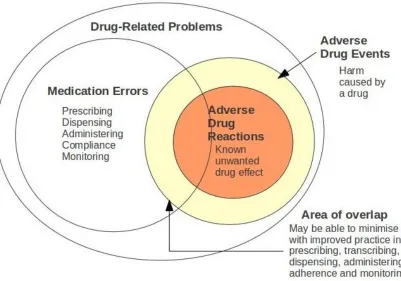
Figure 1: Relationship between medication errors, ADEs and ADRs...5
Figure 2: DRPs in older Australians. Figure reproduced from NPS Medicinewise News September 2013.47 Data from Roughead et al.46...6
Figure 3: Linear increase of DRPs with greater polypharmacy, reproduced from Viktil et al.57 ...8
Figure 4: Increased medication problems with increased medication use, figure reproduced from Runciman et al.75 based on data from Gilbert et al.60...8
Figure 5: Adherence and patient actions. script = prescription, meds = medication. Figure reproduced from Iron Health Alliance67...10
Figure 6: Avoidable ADEs associated with STOPP and Beers03. Figure reproduced from Hamilton et al.118...17
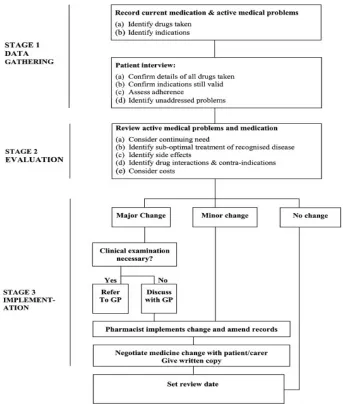
Figure 7: The medication review process; from Lowe et al.32...21
Figure 8: CDSS warning of multiple medications with sedative activity.165...27
Figure 9: Components of an expert system...28
Figure 10: Flow of case assessment and development of the knowledge base...29
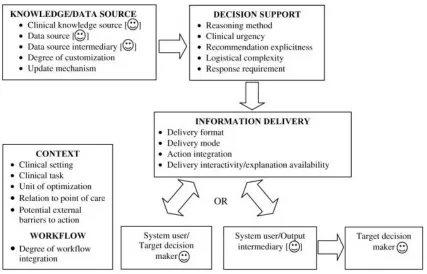
Figure 11: CDSS workflow and factors from Sim and Berlin189...31
Figure 12: Technology Acceptance Model from Holden and Karsh197...32
Figure 13: Schema of component projects...67
Figure 14: Database tables and relationships...70
Figure 15: MRM medication data entry screen...72
Figure 16: MRM medical history data entry screen...73
Figure 17: MRM observations data entry screen...74
Figure 18: Example MRM-identified DRPs...75
Figure 19: MRX medication data entry screen...77
Figure 20: Frequency of DRPs identified by MRM, MRX and prescribing criteria...86
Figure 21: DRPs identified per patient, 570 cases...90
Figure 23: Proportion of DRPs from each source with DOUMET classifications...93
Figure 24: DRPs identified per patient, 100 cases...94
Figure 25: Count of DRPs by DOUMET classification...96
Figure 26: Proportion of DRPs by DOUMET classification...97
Figure 27: Jaccard Index equation...103
Figure 28: Classifications unique to pharmacists or computer source and classifications in common...106
Figure 29: Classification categories in common or unique to MRM or pharmacists...108
Figure 30: Overlap of common classifications between MRM and pharmacists (first 34 of 68), count of classifications equals the number of patients...109
Figure 31: Overlap of common classifications between MRM and pharmacists (second 34 of 68), count of classifications equals the number of patients...110
Figure 32: Frequency and variety of classifications for each DRP source...112
Figure 33: Classifications unique to the pharmacist or computer source and classification in common (100 test cases)...115
Figure 34: Overlap of theme groups between MRX and pharmacists (100 test cases)...116
Figure 35: Overlap of classification between pharmacists and MRX, count of classifications equals the number of patients (100 test cases)...117
Figure 36: Number of classifications identified by type of classification for each DRP source ...118
Figure 37: Problems associated with topical hydrocortisone, from MRX report...119
Figure 38: Optional general comment text box for overall opinion...129
Figure 39: Expert responses of source identified clinically relevant DRPs, bar width proportional to the number of DRPs...134
Figure 40: Expert responses of source provided appropriate recommendations, bar width proportional to the number of DRPs...136
Figure 41: Expert opinion per case, source identified clinically relevant DRPs...140
Figure 42: Expert opinion per case, source missed clinically relevant DRPs...142
Figure 43: Expert opinion per case, source identified excessive number of DRPs...144
Figure 44: Expert opinions per case, source provided appropriate recommendations...146
Figure 46: Proposed drivers of customer satisfaction and future intentions, McDougall and
Levesque299...160
Figure 47: Histograms of HMRs performed over the last 12 months and the proportion performed using MRM...163
Figure 48: Histograms of RMMRs performed over the last 12 months and performed using MRM...163
Figure 49: Medication review services provided over the last 12 months...164
Figure 50: Use of MRM-identified DRPs for patient interview preparation and for medication review reports...165
Figure 51: Pharmacist use of prescribing guidelines...166
Figure 52: Histogram of data entry scores...167
Figure 53: SUS histogram...168
Figure 54: Perceived usefulness histogram...170
Figure 55: Factors associated with the perceived usefulness of MRM...171
Figure 56: Factors associated with MRM identifying clinically relevant DRPs...173
Figure 57: Medscope core service quality histogram...179
Figure 58: Factors associated with core service quality - managing medication reviews...181
Figure 59: Excerpt from MRX Med-Problem Report...199
Figure 60: An email providing feedback of expert panel responses was sent to Douglas Allen on 22nd January 2013...247
Figure 61: Email from MedOptz co-founder David Dring sent on 31 January 2013...248
Figure 62: Monitor-Rx home page screenshot taken 8th May 2012 (www.monitor-rx.com)249 Figure 63: MedOptz home page screenshot taken 21st Feb 2013 (www.medoptz.com)...250
Figure 64: Monitor-RX home page screenshot taken 27 March 2014 (www.monitor-rx.com) ...251
Figure 65: Medoptz website screenshot taken 14th July 2014 (www.medoptz.com)...252
Figure 66: Overview report showing a summary of potential problem medications and notes relating to interventions and outcomes...269
Figure 67: Problem-Med report extract showing the first page of the report...270
Figure 68: Med-problem report extract showing the first page of the report...271
Figure 70: HMR cases for assessment...282
Figure 71: An HMR case showing patient demographics, medications, diagnoses. No pathology was available for this case...283
Figure 72: The DRPs from each source could be opened allowing expert assessment. The blue section provided for an overall assessment of the source in the specific case...284
Figure 73: Summary of an expert's responses of assessment of each individual DRP...285
Figure 74: Summary of an expert's responses to overall opinion of each source...285
Figure 75: A portion of the help page...286
Figure 76: MRM survey - introduction screen...289
Figure 77: MRM survey - pharmacist background 1...290
Figure 78: MRM survey - pharmacist background 2...291
Figure 79: MRM survey - pharmacist background 3...292
Figure 80: MRM survey - data entry...293
Figure 81: MRM survey - SUS...294
Figure 82: MRM survey - perceived usefulness...295
Figure 83: MRM survey - opinion of decision support...296
Figure 84: MRM survey - opinion of software value...297
List of Tables
Table 1: Hospital admissions associated with ADEs...12Table 2: PubMed search terms to July 2014...36
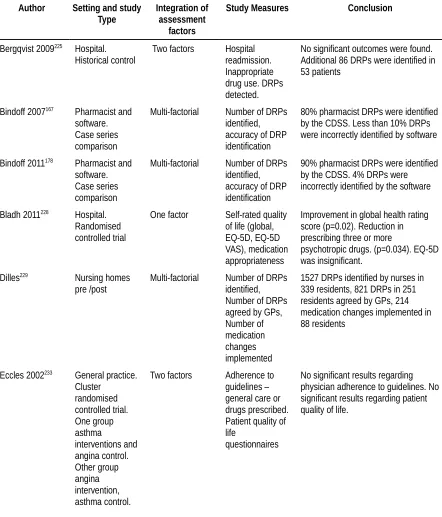
Table 3: Studies of decision support assisting medication reviews...47
Table 4: Google search term "medication therapy management software"...54
Table 5: Google search term "medication review software"...55
Table 6: Summary of medication management software found through Google search...57
Table 7: Medication equivalents...72
Table 8: Laboratory test value conversions...74
Table 9: Data entry errors showing count of audited cases and count of datum errors...76
Table 10: HMR case information available...79
Abbreviations
Abbreviation Explanation
AACP Australian Association of Consultant Pharmacy ACEI Angiotensin Converting Enzyme Inhibitor
ADE Adverse Drug Event
ADR Adverse Drug Reaction
AF Atrial Fibrillation
AI Artificial Intelligence
ARB Angiotensin Receptor Blocker
ASCP American Society of Consultant Pharmacists ATC Anatomic Therapeutic Chemical classification system
Beers03 Beers criteria 2003 version
Beers12 Beers criteria 2012 version
BMI Body Mass Index
BP Blood Pressure
BSL Blood Sugar Level
CAD Coronary Artery Disease
Case Generally represents a Home Medicines Review patient
CCB Calcium Channel Blocker
CD4+ Cluster of Differentiation 4 positive T lymphocyte
CDSS Clinical Decision Support System
CHF Congestive Heart Failure
CI Confidence Interval
COPD Chronic Obstructive Pulmonary Disease
COX, COX2 Cyclo-oxygenase
CPOE Computerised Physician Order Entry
CV Cardiovascular
DDI Drug-Drug Interaction
DEMS Diabetes Electronic Management System
Df Degrees of freedom
DMARD Disease-Modifying Anti-Rheumatic Drug DOCUMENT Classification system for drug-related problems
DOUMET DOCUMENT classifications excluding compliance and not-classifiable components
DRP Drug-Related Problem
DVA Department of Veterans Affairs
EBM Evidence-Based Medicine
EHR Electronic Health Record
EPG Evidence-Practice Gap
EQ-5D EuroQol group 5 Dimensions
EQ-VAS EuroQol group Visual Analogue Scale
FDA Food and Drug Administration
Abbreviation Explanation
GP General Practitioner
GTN Glyceryl Trinitrate
H2 Histamine type 2 receptor
HbA1c Glycated haemoglobin
HF Heart Failure
HIV Human Immunodeficiency Virus
HMR Home Medicines Review
HR Hazard Ratio
ICD-9 International statistical Classification of Diseases and related health problems (version 9) ICPC2-plus International Classification of Primary Care (version 2 plus)
ID Numeric patient identifier
IHD Ischaemic Heart Disease
INR International Normalised Ratio
ITT Intention To Treat
L-DOPA Levodopa
LABA Long-Acting Beta Agonist
LDL Low-Density Lipoprotein
MCRDR Multiple-classification ripple-down rules
MDS Minimum Data Set
MeSH Medical Subject Headings
MI Myocardial Infarction
mmHg Millimetres of mercury
MMSE Mini-Mental State Examination
MRM Medication Review Mentor
MRX Monitor-Rx
N Number
NEHTA National E-Health Transition Authority
NPS National Prescribing Service
NSAID Non-Steroidal Inflammatory Drug
NYHA New York Heart Association
OR Odds Ratio
PIEA Prescribing Indicators in Elderly Australians
PPI Proton Pump Inhibitor
PIM Potentially Inappropriate Medication
PRN Pro re nata (Latin), As the occasion arises (English)
QUM Quality Use Of Medicine
RCT Randomised Controlled Trial
RMMR Residential Medication Management Review
SF-36 Short Form (36) health survey
Source Generally represents a source of identified DRPs
SQL Structured Query Language
SSRI Selective Serotonin Reuptake Inhibitor
Abbreviation Explanation
statin HMG-CoA reductase inhibitor
STOPP Screening Tool of Older Person’s Prescriptions
STOPP/START Screening Tool of Older Person’s Prescriptions and Screening Tool to Alert doctors to Right Treatment
TAM Technology Acceptance Model
TCA Tricyclic Antidepressant
TermID A numeric field code referencing individual ICPC-2 plus classifications
TIA Transient Ischaemic Attack
UTI Urinary Tract Infection
VALMER The economic value of home medicines reviews
Introduction
1 Introduction
Analogous with many developed nations in the early part of the 21st century, the Australian population is undergoing a shift towards an increased proportion of older citizens.1,2 Older people are associated with greater frequency of chronic conditions, co-morbidity and medication use.3 Expenditure on medications in Australia grew from $13.9 billion in 2007-08 to $18.4 billion in 2010-11, perhaps not surprising considering the shift toward an ageing population.4,5
Unfortunately, although mostly life enhancing, medications do contribute to patient harm including hospitalisations and death. Australian studies have identified that up to 5.6% hospital admissions were related to adverse drug events (ADEs), with a third of these associated with older people.6,7 Activities, or interventions, to minimise such events may involve patient education, as well as prescriber education, such as the implementation of best practice guidelines. Interventions targeting improvements in the use of medications, particularly in older patients, may be expected to benefit society through better health and reduced healthcare utilisation.8–10
A range of medication safety intervention strategies were reviewed by Semple and Roughead which concluded that clinical pharmacist services showed benefit.10 Pharmacists are extensively trained in pharmacotherapy and may reasonably be expected to possess a wider scope of pharmaceutical knowledge than other health professionals.11 Such knowledge is suited to the task of patient medicines review for identification of drug-related problems and recommendations for improved therapy.9,12
Introduction
practice in the USA and funded through Medicare Part D, to improve medicines use through patient targeted programs and healthcare collaboration.15
The Australian Government Department of Health and Ageing funds pharmacists who undertake additional training to become accredited to perform medicines review services. Such services are directed at aged care residents as well as patients who reside in their own homes and meet selection criteria which are designed to identify patients in need of this service. An example may be a patient who regularly consumes five or more medications on a daily basis.16,17
The medicines review task requires the pharmacist to obtain a range of information about the patient's current medication therapy and incorporate many factors which may actually or potentially impact on the best possible therapy. A critical step in the review process is the analysis of information to identify suboptimal treatment and provide relevant recommendations for consideration by the patient's GP. Such analysis requires the reviewing pharmacist to have proficient knowledge, not only of medications, but of medical conditions associated with the elderly, laboratory test results and familiarity with current evidence-based disease management and medicine guidelines.
There is some evidence that pharmacist medicines review can reduce polypharmacy and improve patient outcomes.18–20 However, a 2008 Australian report of pharmacist medication reviews identified some reservations from GPs such as “... sometimes supply irrelevant or unhelpful information ...”.21 Also pharmacists had reservations including a lack of confidence in making clinical recommendations and concerns about time constraints.21
Introduction
Inappropriate medication use in older people
2 Inappropriate medication use in older people
This chapter covers some of the issues of the inappropriate use of medicines, or drug-related problems (DRPs), in older people. The factors associated with DRPs are discussed as well as their frequency. Two approaches which are synergistic and closely associated with the central work of pharmacists are discussed: the use of prescribing criteria - measures of good and bad prescribing, and medicines review also known as medication therapy management. The home medicines review (HMR) is talked about specifically as the data on which this thesis is based is drawn from HMR reports.16,25
Appropriate medication use is termed quality use of medicines (QUM); defined as “Selecting management options wisely; choosing suitable medicines if a medicine is considered necessary; and using medicines safely and effectively”26 This is an ideal goal, however, there is a gap between knowing what best practice is, and actually implementing best practice. The difference between accepted current research identifying evidence of best medication therapy and the actual practice is known as the evidence-practice gap (EPG). Australian studies have identified EPGs for a range of medications.27–30
It is important to identify DRPs and do what can be done to improve QUM through resolving or minimising the potential for harm. Addressing DRPs in older people is important as adverse drug reactions (ADRs) lead to greater rates of hospitalisation in older people than in the general population, are costly to society and are detrimental to the individual's quality of life.6,31
2.1 Drug-related problems
Inappropriate medication use in older people
An example of a potential DRP is the prescribing of dextropropoxyphene, an opioid analgesic prescribed for pain management. Studies have shown both dextropropoxyphene and the metabolite nordextropropoxyphene accumulate in the elderly due to reduced hepatic and renal clearance35, and cardiac toxicity.36 Additionally, dextropropoxyphene is considered to be no more effective than paracetamol or aspirin and was considered to be relatively toxic even as far back as the 1970s.37 As such dextropropoxyphene has been included in several iterations of the Beers criteria as a potentially inappropriate medication (PIM) in older people, and prescribing dextropropoxyphene in this cohort would be considered a potential DRP.38,39
[image:32.595.96.497.106.387.2]Another type of DRP is lack of treatment for existing disease or symptoms, or lack of treatment to prevent a disease occurring. Examples include preventative therapy with antiosteoporotics, calcium and vitamin D to reduce incidence of osteoporotic fractures40, or improved survival in patients with heart failure with the addition of angiotensin-converting
Inappropriate medication use in older people
enzyme inhibitors (ACEIs) or beta-blocking drugs.41 Several studies have identified problems relating to drug treatment omissions in hospitalised and community-based elderly ranging from 16% to 42% of patients.42–45
2.1.1 Factors associated with DRPs in older people
Studies have identified a variety of factors which have been associated with DRPs, not only drug specific factors but also factors involving organisational systems and patient-specific factors of compliance, cost of medications, health literacy, culture and language barriers.6
[image:33.595.74.522.380.660.2]An Australian study published in 2004 by Roughead et al. identified a variety of factors associated with DRPs in older adults.46 The majority of these DRPs were related to the prescriber and involved inappropriate medicines, inappropriate dosages or therapeutic or monitoring omissions. Proportions of DRP factors are illustrated in a National Prescribing Service (NPS) Medicinewise News publication,47 see Figure 2.
Inappropriate medication use in older people
The following factors have been found to be associated with DRPs in older people. Such factors may not present in isolation and their additive or synergistic effects may enhance the opportunity for undesirable outcomes in older people.
Pharmacodynamics and pharmacokinetics
Older people have differing biological processes compared to younger people. Renal function declines reducing elimination of renally excreted medication.3 Hepatic function declines which may have various consequences such as reduced first pass metabolism, reduced prodrug activation, and reduced or altered metabolism of active drugs and metabolites,3 such as dextropropoxyphene mentioned earlier. The ability to maintain homeostasis (autonomic functioning, blood pressure, blood chemistry) is reduced. Pharmacodynamic responses to medications may be accentuated or diminished, examples are: a reduced response to β-agonist inhalers, or excessive sedation with the use of benzodiazepines.3,48
Medical conditions and co-morbidity
Chronic medical conditions occur more often in older people and co-morbidities occur with greater frequency with increased age.49,50 Americans aged 65 and over had the highest proportion of one (87%) or more (67%) chronic medical conditions of any age group.50 Co-morbidities have been identified as factors associated with DRPs.51 Co-morbidity was also associated with conflicting treatment leading to DRPs.52–54
Co-morbidity of chronic medical conditions of diabetes mellitus, coronary artery disease (CAD), congestive heart failure (CHF), and geriatric syndromes of falls and incontinence were found to co-exist in substantial proportions of American patients.49 Similarly, co-morbidity was not uncommon in Australian patients with one or more of arthritis, hypertension, cardiovascular disease, diabetes, asthma and mental health conditions found to co-exist.55 Co-morbid hypertension and diabetes was found to exacerbate cognitive decline in older people.56
Polypharmacy
Inappropriate medication use in older people
disease.3 Polypharmacy is often defined as the use of 5 or more medications at the same time.57 Polypharmacy has been identified as a factor in elderly hospital admissions.51,58 Even after hospital discharge, polypharmacy in older people remained associated with ADEs.59 An increase in the number of medications has been shown to have a linear relationship with increased DRP frequency, based on medicines review of hospital admissions in Norway.57 A very similar result was found from a review of Australian general practice patient case notes.60 Graphs of each of these study results are shown in Figure 3 and Figure 4. Polypharmacy has also been associated with inappropriate prescribing.61
Figure 3: Linear increase of DRPs with greater polypharmacy, reproduced from Viktil et al.57
Inappropriate medication use in older people
Drug classes
Various classes of medications have been associated with ADEs in older people. Easton et al.6 presented a table of drugs and drug classes involved in ADEs in older people, developed from a review of studies. Several drug classes were commonly associated with ADEs and included: antibiotics, cardiovascular drugs, anticoagulants, non-steroidal anti-inflammatory drugs (NSAIDs), hypoglycaemics, antidepressants and anticholinergics. Studies published since this review support these drug classes as key ADE contributors.62–64
Adherence
Inappropriate medication use in older people
A study in the Netherlands found impaired cognition and treatment non-adherence were associated with hospital admissions.51 Lack of patient knowledge and related non-adherence have been associated with DRPs in several studies.60,68,69 In Australia 26% of hospital admissions were related to not conforming or not persisting with therapy.58 Higher mortality has been linked with poorer health literacy in a study of patient's ability to read and understand medication directions.70 Financial limitations may also affect the purchase of medications resulting in non-adherence.71
Physical factors
[image:37.595.80.521.106.344.2]Physical limitations may affect older peoples' ability to access or utilise medication, subsequently reducing adherence to therapy. Poor physical strength or dexterity may cause difficulty with opening medication containers, splitting tablets or actuating medication inhalers.71,72 Reduced vision may affect interpretation of written labels and the consumption of the presumed correct medications.71 Swallowing difficulties can affect medication adherence and may be compounded by drugs affecting saliva production or muscle
Inappropriate medication use in older people
movement, tablet or pill size, or disease states resulting in reduced saliva or pharyngeal muscle movement.73,74
Health system factors
Health system factors encompass prescribing, dispensing and administration errors including communication failures, particularly informing health care professionals after hospital discharge.7 Prescribing errors were not infrequent in hospital practice. A 2003 systematic review found administration errors occurred at rates ranging from 5% to 20%, typically involving dose timing being too early or late or dose omission.75 Prescribing errors occurred in 2.4% of prescriptions, typically involving wrong, unclear or missing dosing.75 Hospital dispensing errors also occurred with low frequency, 0.08% to 0.8% of prescriptions.75
A 2008 USA survey of pharmacy directors from over 1300 hospitals showed a range of measures were implemented to reduce the incidence of dispensing and administration errors, including robots and automated dispensing, smart infusion pumps, two-pharmacist checks for high risk medication, pharmacist review of emergency department medication orders and administration checks – verbally confirming the right patient or using bar-code confirmation.76 A study in a English teaching hospital compared changes after automated dispensing, patient bar-code identification and electronic medication administration records were introduced. The study found significant reductions in prescribing errors (3.8% to 2.0%) and medication administration errors (7.0%% to 4.3%) and improved patient identity checking (17.4% to 81.1%).77
An observational study of administration errors in 12 assisted living centres found, after excluding wrong timing of medication administration, an error rate of 8.2% consisting of wrong, excessive or omitted doses and incorrect or unauthorised medication.78 The assisted living centres primarily employed non-medically trained staff.78
2.1.2 Frequency of adverse drug events
Inappropriate medication use in older people
In Australia a study conducted in 1994 found hospitalisations associated with ADEs accounted for 5.7% of hospital admissions.80 Additionally, a Canadian study conducted in 2006 found emergency department admissions from ADEs were associated with an almost doubled of cost of care compared to admissions due to other reasons.81 ADEs were also a common event among ambulatory patients with 10% of Australian general practice patients having experienced an ADE within 6 months prior to GP consultation.82 Overseas studies have shown roughly similar rates of ADEs, shown in Table 1.
Table 1: Hospital admissions associated with ADEs
Study Country ADE-related hospitalisation
rate
Hohl et al. 201181 Canada 12%
Wu et al. 201064 England 1.1%
Pirmohamed et al. 200483 England 6.5%
Leendertse et al. 200851 Netherlands 5.6%
Brvar et al. 200984 Slovenia 5.8%
Kongkaew et al. 200885 Various 0.16% - 15.7%
A study of Australian general practice patients aged 45 years old and older, from 2007 and 2010 data found an ADE rate of 11.6% made up primarily of known drug side effects from commonly used drug groups (opioids, lipid-modifiers, cardiovascular drugs, and anti-diabetic drugs).86 Rates of ADEs among older people have been shown to be even higher, with up to a third of hospital admissions and discharges involving ADEs and higher rates among ambulatory older people.58,59,82
2.2 Prescribing criteria for older people
Inappropriate medication use in older people
Indicators in Elderly Australians (PIEA) developed in 2008, and further validated and refined in 2012.93,94
Prescribing criteria are intended to be broadly applicable to select patient populations yet require professional interpretation for each individual patient. Criteria cannot truly prescribe individual patient solutions as patient-specific context is lacking, although each set of prescribing criteria attempt to incorporate some patient-relevant factors to contextualise the relevance of any recommendations made.38,89,90,93 True patient context is a conglomeration of unique factors including demographic information, co-morbidities, pathology, treatment goals, patient physical capabilities, patient understanding, and history of successful and unsuccessful treatments and treatment regimens.95 Despite this caveat, prescribing criteria are intended to point the healthcare professional in the right direction by providing evidence-based rules of what are or are not suitable therapeutic options.
Many sets of prescribing criteria have been developed by expert consensus.38,89,90,96–99 Prescribing criteria often cite evidence supporting their recommendations.87,89,93,100 Several sets of prescribing criteria for use in older people have been compared and critiqued,101–104 likely spurring the development of newer guidelines. Concerns have included: the lack of a holistic approach through the exclusion of patient's life expectancy, quality of life, social and financial factors101,102; Another concern is the time cost to apply prescribing criteria, particularly the MAI, taking about 10 minutes per drug assessed.101,102
Evidence behind prescribing criteria have also been critiqued and considered deficient.105–108 The plethora of prescribing criteria and criteria fatigue has also been noted, perhaps limiting their application and effectiveness.108,109 Prescribing criteria have been developed and trialled in older people, typically those aged 65 years old and older. However, their application in much older patients, such as those over 75 years old, may require greater caution.102 To quote geriatrician Virginia Aylett:
Inappropriate medication use in older people
Another pertinent issue is the applicability of prescribing criteria developed in other countries. Prescribing criteria for older people have been developed specifically for use within many countries: Australia93, Japan110, Italy96, France98, Canada90, Thailand97, Norway99, Germany111 and USA.38 The reason for such diversity appears to be the need to have criteria designed for medications available within each country. Despite these concerns, several trials have shown prescribing criteria do support the identification of clinically relevant DRPs, discussed in the following sub-sections.
2.2.1 Beers03
The Beers0338 criteria were developed to bring up to date an earlier version published in the 199739 in the USA. It was acknowledge that the earlier Beers criteria required updating due to discontinuation of older drugs, new drugs becoming available and changed use of existing drugs. This version of the Beers criteria was developed using a modified Delphi technique which involved iterative feedback from a group of 12 medical experts to reach consensus or otherwise on the proposed criteria.
The Beers03 criteria was designed to be applicable to “... the general population of patients 65 years and older”38. Criteria were assembled into two tables: a table for PIMs, drugs to avoid or avoid at higher doses, totalling 49 criteria and; a table of 19 disease context PIM criteria. The criteria are detailed in Appendix 1. Each criterion was assigned a high or low severity rating to assist interpretation. Several studies have supported the use of the Beers03 criteria.112–115 A recent study found Beers03 could be used as a measure to identify inappropriate prescribing more generally, beyond the medications listed in the criteria.115 MAI scores for non-Beers03 listed medications were higher (indicating inappropriateness) in patients who were also prescribed Beers03 PIMs compared to patients who were not prescribed Beers03 PIMs.115 An Australian study of nursing home residents (1993 to 2005) found the use of Beers03 criteria listed medications were not generally associated with increased hospitalisations.116 However, high-care residents had a greater likelihood of hospital admissions that were attributable to Beers03 PIMs.116
Inappropriate medication use in older people
criteria; lack of drug-disease interactions such as NSAIDs in heart failure.103 An investigation into emergency hospitalisations due to ADEs in older patients were not representative of Beers03 criteria and were mainly associated with four classes of medications: warfarin, insulins, oral antiplatelets and oral hypoglycaemics.63 Steinman et al. study examined the drugs to avoid in older people according to the Beers03 criteria.117 Through expert review they found the majority of drugs to avoid were not actually causing problems and concluded “...they are insufficiently accurate to use as stand-alone measures of prescribing quality”117
2.2.2 Beers12
Subsequent to criticisms and the publication of studies showing the comparative advantage of the newer STOPP criteria, an updated version of the Beers criteria (Beers12) was released in 2012.87,103,118,119 Details of the Beers12 criteria are tabled in Appendix 1. It was again acknowledged that the earlier Beers criteria required updating due to new drugs becoming available and the use of existing drugs in line with best practice. The 2012 version of the Beers criteria was developed using a modified Delphi technique which involved iterative feedback from a group of medical experts to reach consensus or otherwise on the proposed criteria. Rarely used medications and medications no longer marketed in the USA were removed and newer medications or medication classes were added, details are shown in Appendix 2.
Recent studies have investigated the use of the Beers12 criteria. One study of patients in Lanzarote, Spain120 found the Beers12 criteria had minimal overlap with the STOPP/START criteria and suggested the two tools were complementary, a finding similar to that published out of this thesis.121 In an Italian study Pasina et al.122 compared Beers12 with Beers03 in patients 3 months post-hospitalisation and concluded patient using criteria-listed medications were not more likely to be at higher risk of ADEs, re-hospitalisation or mortality.
Inappropriate medication use in older people
2.2.3 STOPP/START
The STOPP and START (STOPP/START) criteria were published in 2008 and contained explicit criteria which had been validated by expert consensus.89 STOPP/START was developed out of limited information of benefit pertaining to existing criteria such as the Beers and Zahn criteria. Additionally, the applicability of such criteria in everyday practice was considered to be limited.89 The STOPP/START criteria were prepared from published details of inappropriate prescribing in older people. These sources included text on pharmacology in older people and the British National Formulary.123–126 As with the Beers03 and Beers12 criteria, the draft STOPP/START criteria were validated through a Delphi process by a panel of experts in geriatric pharmacology.89
The 65 STOPP criteria identified instances of PIMs and the 22 START criteria identified instances of potential therapeutic omission. Details of the STOPP and START criteria are shown in Appendix 1.
Inappropriate medication use in older people
A review of medication appropriateness tools recommended the use of STOPP over Beers03.103 The START component was applied to elderly patients admitted to hospital and found to be simple to apply and effective in identifying prescribing omissions which were subsequently corrected in most patients.127
2.2.4 PIEA
[image:44.595.148.455.107.383.2]The PIEA93 was published in 2008 based on frequently prescribed Australian medications for common medical conditions rather than the expert panel consensus approach used with Beers and STOPP/START. The PIEA was developed from an investigation of frequent medical conditions of older people encountered by GPs in Australia as well as common reasons for hospitalisation in older people. These conditions were narrowed to those conditions for which treatment by medication was available. Medications commonly prescribed for these conditions were identified through the Australian Government funded Pharmaceutical Benefits Scheme. Australian drug information sources were used to create preferred treatment
Inappropriate medication use in older people
options using these commonly prescribed medications for the various disorders experienced by older people. PIEA contained 45 explicit criteria (rules that could be directly applied and produce a true or false answer) and three implicit criteria (based on clinical judgement). The explicit criteria included 25 PIM criteria, 19 criteria relating to prescribing omissions and one monitoring criterion. Details of the criteria are shown in Appendix 1.
Only two studies were found which assessed the PIEA in practice.128,129 The PIEA were applied to Spanish nursing home patients and were compared with the STOPP/START criteria. The PIEA were found to be more likely to detect DRPs in patients and more likely to detect more than two DRPs per patient. Similarities between the criteria involved: undertreatment with osteoporosis, undertreatment with statins, and inappropriate use of psychotropic drugs. The most frequent DRPs identified by the PIEA involved lengthy use of benzodiazepines, and psychotropic drug use in patients with a history of falling, and anticholinergic drug use in patients with dementia.129
A study by the authors of the PIEA applied the tool to hospital discharge patients who were using 5 or more medications.128 Patients with dementia were excluded from the trial. This study found an average of 7 DRPs per patient involving both inappropriate prescribing and under-prescribing. The most frequent DRPs identified were inadequate treatment of pain, insufficient antihypertensive therapy, and similar to the Spanish study, undertreatment with statins. Lengthy use of benzodiazepines also featured prominently.128
It has been acknowledged that the use of the PIEA has been low, one reason provided was lack of awareness of the tool.130 One drawback of the PIEA was it had not been independently validated. The original tool was subsequently validated in 2012 by an expert panel using the RAND/UCLA method (based on the Delphi method).94 The 2012 validated PIEA resulted in 41 criteria, 9 original criteria deleted, 2 new criteria added, and some rewording of original criteria.94 The revised criteria contained 38 explicit criteria and 3 implicit criteria.
Inappropriate medication use in older people
2.3 Home Medicines Reviews
Medicines review services are offered in various countries including the USA, the UK and Australia for community-based patients through specially trained community pharmacists.13,15,16
In Australia, the Commonwealth Government Department of Health and Ageing, through community pharmacy agreements, has provided funding since 2001 for Home Medicines Reviews (HMRs), a service for community-based patients. The HMR service has steadily grown with nearly 80,000 HMRs funded in the 2011/2012 financial year.131 The purpose of HMRs is to reduce ADEs, improve QUM, improve health care professional collaboration and ultimately improve patient health outcomes.16 Pharmacists are required to be accredited for provision of these services through the Australian Association of Consultant Pharmacy (AACP) or the Society of Hospital Pharmacists of Australia.16 A similar process is in place for patients of aged care facilities and is called residential medication management review (RMMR).17
The HMR process is initiated with the identification of patients who are most likely to benefit from an HMR. Eligibility criteria include age, number of medications, changed medication plans, medications which require monitoring or have a narrow window of therapeutic effect, ADRs or other difficulties with patients managing their medications.16 These criteria are drawn from the evidence pertaining to DRP factors discussed in section 2.1.1.
Inappropriate medication use in older people
2.3.1 The HMR process
The medicines review task requires the pharmacist to obtain detailed medication-related information concerning the patient. The patient's GP can provide details of prescribed medications, diagnoses, observations and laboratory test results. The patient's regular community pharmacy can supplement the prescribed medications obtained through the GP with medications not prescribed by the GP, such as those obtained through medical specialists, pharmacists, optometrists and nurses. Medications dispensed at the community pharmacy can be reconciled with prescribed medications to assess adherence.
Much information is provided by the referring GP and patient's regular community pharmacy, however this is supplemented by pertinent information obtained by conducting a patient interview preferably at the patient's home. Alternatively, interviews may be conducted on pharmacy premises. HMR accredited pharmacist Grant Kardachi explained “...my experience shows me that in the home the patient is more comfortable and relaxed and offers information more readily”132
The patient interview, preferably in the patient's home, elicits additional information, such as: how the patient actually uses, or does not use, prescribed medication; the use of non-prescribed medications – over the counter medicines, herbal and vitamin supplements; an understanding of the patient's motivation behind the actual rather than directed medication use; patient understanding of their health condition(s) and the purpose of their medications for treating or preventing illness.133 Apart from determining medication awareness and compliance, previously unknown medication toxicity and untreated illness may be identified.
The home interview gives the pharmacist insight into the patient's physical, social and financial situation as well as their compliance with therapy. These factors may directly impact on therapy.32,71 Many of these factors are associated with DRPs in older people, see section 2.1.1. Social factors such as family and peer support can be more readily understood when observing patient interactions with other family members or peers in the patient's own home. Such support has been acknowledged as an element of improved adherence to therapy.65
Inappropriate medication use in older people
costs, drug interactions, conditions requiring treatment and treatment complexity.32 If treatment has been found to be suboptimal the pharmacist prioritises treatment recommendations in a report of findings. In Australia, the report is submitted to the patient's GP for consideration of changes to therapy, some issues within the pharmacist's capacity, such as patient education can be resolved without the GP.
[image:48.595.130.473.239.643.2]A flowchart of the typical medicines review process, from Lowe et al.32, is shown in Figure 7.
Inappropriate medication use in older people
2.3.2 Benefits and limitations of HMRs
A retrospective analysis by Nishtala et al.134 of 500 Australian medicines reviews of aged care residents, found pharmacists identified medication-related problems in 96% of residents. Similarly, an analysis of older, at-home, Australian patients by Castelino et al.135, showed pharmacists identified medication-related problems in 99% of patients. Stafford et al.136 found pharmacist HMRs identified nearly 5 DRPs per patient on average.
Several recent trials have shown evidence for the positive impact of medication reviews on patient health for various chronic conditions including HIV137, heart failure20 and diabetes.138 A study by Ma et al. Which was through a hospital outpatient service, showed pharmacist medicines review involving medication changes and improvements to medication adherence in HIV positive patients improved CD4+ cell counts and increased the number of patients with undetectable HIV viral load.137 Receiving an HMR was shown to delay a subsequent hospitalisation in patients with heart failure (45% reduction in hospitalisation rate).20 Fornos
et al. implemented a pharmacist care program for diabetic patients through which pharmacists reviewed medications and provided individualised patient education.138 A range of measures were improved including reductions in HbA1c (mean 8.5 to 7.9%), total cholesterol (mean 217 to 202 mg/dl) and systolic blood pressure (mean 150 to 135mmHg).138
Medication specific benefits have shown reduced hospitalisations resulting from warfarin use (79% reduction in hospitalisation)139 and a positive effect on polypharmacy through reduction of over-prescribed medications.18,137
Inappropriate medication use in older people
Conversely, several studies have not found improved patient outcomes.142,143 The MEDMAN trial conducted in England during 2002 to 2004 found no improvement in appropriate medication use, nor improved quality of life in patients who received community pharmacist medicines review compared to a control group.142 Additionally, the intervention arm was also found to incur greater cost.142 Another similarly conducted English trial in 2002 found no change in the prescribing of appropriate medications, nor improved health outcomes.143 A trial examining the impact of HMRs several weeks after hospital discharge actually found patients who were recipients of HMRs had a higher rate of hospital readmission.144 Despite the lack of positive change shown from these trials, medicines reviews are broadly supported within England.13
Campbell Research and Consulting conducted qualitative research into HMRs in Australia published in 2008 and obtained consumer, pharmacist and GP perspectives concerning HMRs.21 Consumer opinion was found to be positive with the main benefits seen from a consumers point of view being education, provided reassurance and the removal of out of date medication. However, despite positive opinion, consumers also reported that they did not consider the HMR to be a necessary service.21 Strong consumer satisfaction with medicines review services was also documented in a large US study, which showed consumer-identified benefits of improved education and better health.9
The Campbell report highlighted several barriers to the implementation of the Australian HMR program by pharmacists, primarily time and resource limitations, communication problems and administrative problems.21 Several problems raised by pharmacists from the report are listed:
• Lack of resources
• Quality of report compromised due to time constraints
• Poor communication between GPs and pharmacists, in particular lack of face-to-face
communication and lack of professional relationship
• Lacking confidence in making clinical recommendations to GPs