R E S E A R C H
Open Access
Gene expression profiling of HCV genotype 3a
initial liver fibrosis and cirrhosis patients using
microarray
Waqar Ahmad
1†, Bushra Ijaz
1†and Sajida Hassan
1,2*Abstract
Background:
Hepatitis C virus (HCV) causes liver fibrosis that may lead to liver cirrhosis or hepatocellular carcinoma
(HCC), and may partially depend on infecting viral genotype. HCV genotype 3a is being more common in Asian
population, especially Pakistan; the detail mechanism of infection still needs to be explored. In this study, we
investigated and compared the gene expression profile between initial fibrosis stage and cirrhotic 3a genotype
patients.
Methods:
Gene expression profiling of human liver tissues was performed containing more than 22000 known
genes. Using Oparray protocol, preparation and hybridization of slides was carried out and followed by scanning
with GeneTAC integrator 4.0 software. Normalization of the data was obtained using MIDAS software and
Significant Microarray Analysis (SAM) was performed to obtain differentially expressed candidate genes.
Results:
Out of 22000 genes studied, 219 differentially regulated genes found with
P
≤
0.05 between both groups;
107 among those were up-regulated and 112 were down-regulated. These genes were classified into 31 categories
according to their biological functions. The main categories included: apoptosis, immune response, cell signaling,
kinase activity, lipid metabolism, protein metabolism, protein modulation, metabolism, vision, cell structure,
cytoskeleton, nervous system, protein metabolism, protein modulation, signal transduction, transcriptional
regulation and transport activity.
Conclusion:
This is the first study on gene expression profiling in patients associated with genotype 3a using
microarray analysis. These findings represent a broad portrait of genomic changes in early HCV associated fibrosis
and cirrhosis. We hope that identified genes in this study will help in future to act as prognostic and diagnostic
markers to differentiate fibrotic patients from cirrhotic ones.
Background
Chronic hepatitis C is a major liver related health
pro-blem destroying liver architecture leading to cirrhosis
and hepatocellular carcinoma. Almost 3% of the world
population is infected with this deadly virus and in
future, it is predicted that infection will rise to 3 fold of
the present number [1-6]. HCV persist(s) beside the
specific humoral responses and the mechanism of viral
persistence and viral clearance is not fully understood.
During HCV infection, initial fibrosis development is
the method to overcome the damage caused by the
virus. But the early events are the basis of disease
out-come. Initial fibrosis is thought to be reversible,
although many studies do not support this
phenom-enon. As extracellular matrix (ECM) tissues not only
involve matrix production but also matrix degradation
leading to ECM remodeling [7-9] Fibrosis is caused by
excessive deposition of ECM by histological and
mole-cular reshuffling of various components like collagens,
glycoproteins, proteoglycans, matrix proteins and matrix
bound growth factors. Fibrosis stage information not
only indicates treatment response but also
reflect/indi-cate cirrhosis development disaster [4,10-16]. ECM
metabolism is a balance between ECM deposition and
removal influenced by cytokines and growth factors
* Correspondence: [email protected]†Contributed equally
1
Centre of Excellence in Molecular Biology, University of the Punjab, Lahore, Pakistan
Full list of author information is available at the end of the article
[17]. Genome-wide analysis of abnormal gene expression
showed transcripts deregulation differences among
nor-mal, mild and severe fibrosis during HCC development
with identification of novel serum markers for its early
stage. Recent studies suggest that genetic markers may
be able to define exact stage of liver fibrosis. For this
purpose, limited but functional studies have proposed
quite a few genetic markers with individual genes or
group of genes [18,19]. Advantage of genetic markers
over liver biopsy is intrinsic and long-term while, liver
biopsy represents only one time point [20]. Researchers
found specific genes such as AZIN1, TLR4, CXCL9,
CXCL10, CTGF, ITIH1, SERPINF2, TTR, PDGF,
TGF-b
1, collagens COL1-A1, TNF
a
, interleukin, ADAMTS,
MMPs, TIMPs, LAMB1, LAMC1, Cadherin, CD44,
ICAM1, ITGA, APO and CYP2C8 that showed
deregu-lation during liver fibrosis and may be used to access
liver fibrosis and cirrhosis [11-28]. Microarray is a
powerful technique used for the identification of
differ-entially expressed genes within control and experimental
samples in different diseases and conditions like cancer
development. Very few studies are available that use
microarray for the identification of specific genes related
to fibrosis [27,28]. In a recent study, Caillot
et al.
used
microarray technique and found a significant association
of ITIH1, SERPINF2 and TTR gene expression and their
related proteins with all fibrosis stages [28]. Expression
of these genes and related proteins gradually decreased
during the fibrosis development to its end stage
cirrho-sis. Mostly, HCV expression based studies using
micro-array are carried out with genotype 1 and 2. Very few
studies exploring the role of HCV genotype 3a are done
with limited set of genes using real Time PCR. Those
do not represent complete picture of HCV and human
gene interaction leading to disease progression [21-28].
In Pakistan, genotype 3a is the major contributor and
has strong association with HCC. The aim of the
pre-sent study was to examine gene expression profiles in
the HCV associated liver disease progression. We have
identified for the first time, those genes that are
differ-entially regulated in initial fibrosis and advance stage
liver cirrhosis 3a patients and identified potential targets
that can be used as effective markers to differentiate
between fibrotic and cirrhotic liver with genotype 3a.
This data may also help to understand the disease stages
between initial versus end stage cirrhosis, as there are
limited studies concerning HCV genotype 3a disease
progression.
Materials and methods
Patients
This study was conducted at Department of Pathology,
Jinnah Hospital, Lahore, Mayo Hospital, Lahore and
Liver Centre Faisalabad with collaboration of Applied
and Functional Genomics Lab, National Centre of
Excel-lence in Molecular Biology, University of the Punjab,
Lahore, Pakistan. HCV RNA-positive patients were
iden-tified among HCV antibody (anti-HCV) positive
patients. Patients who had received a previous course of
INF or immunosuppressive therapy, or who had clinical
evidence of HBV or HIV and any other type of liver
cancer were excluded from the study. Patients who
refused to have a liver biopsy or for whom it was
con-traindicated, i.e., because of a low platelet count,
pro-longed prothrombin time or decompensated cirrhosis
were also excluded from the study. The liver biopsy
pro-cedure, its advantages and possible adverse effects were
explained to the patients. Written informed consent for
biopsy procedure was obtained from patients, also
con-tained information about demographic data, possible
transmission route of HCV infection, clinical, virological
and biochemical data. The study was approved by
insti-tutional ethical committee.
Patients and liver biopsy
A group of patient was selected from previously
described study with known fibrosis evaluation [29].
Two groups of samples consisted of early fibrosis (F1)
and cirrhosis (F4) containing 9 samples each were made.
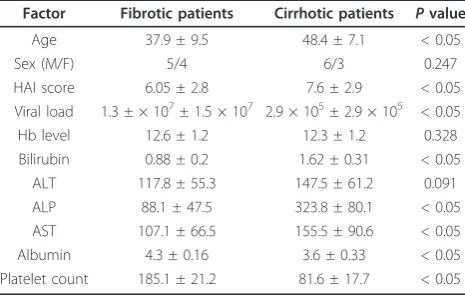
Patient
’
s characteristics are given in Table 1.
RNA isolation, cDNA and aRNA preparation, and dye
labeling for microarray experiments
[image:2.595.305.538.583.731.2]RNA from liver biopsy samples were isolated using
RNeasy mini elute kit (Qiagen, USA) and preparation of
cDNA and aRNA was carried out using RNA ampulse
amplification and labeling kit (Kreatech, USA),
accord-ing to manufacturer. aRNA from HCV infected patients
and normal subjects were labeled with Cy3 and Cy5,
respectively. A detailed protocol describing each step
from start to microarray hybridization can be
Table 1 Clinical Characteristics of the patients used in
this study
Factor Fibrotic patients Cirrhotic patients Pvalue
Age 37.9 ± 9.5 48.4 ± 7.1 < 0.05
Sex (M/F) 5/4 6/3 0.247
HAI score 6.05 ± 2.8 7.6 ± 2.9 < 0.05 Viral load 1.3 ± × 107± 1.5 × 10⁷ 2.9 × 10⁵± 2.9 × 10⁵ < 0.05
Hb level 12.6 ± 1.2 12.3 ± 1.2 0.328 Bilirubin 0.88 ± 0.2 1.62 ± 0.31 < 0.05
downloaded from (http://www.operon.com/products/
microarrays/OpArray%20Protocol.pdf).
Array hybridization and scanning
Biopsy samples were analyzed on cDNA microarrays
(Oparray) containing > 22000 named genes with 37584
spots. Equal amount of Cy3 and Cy5 (55 pmol each)
labeled targets were mixed with 45
μ
l of OpArray Hyb
Buffer. Pre-washing, array hybridization and post-washing
of microarray labeled slides were performed according to
the manufacturer protocols at 42°C for 18 hours on fully
automated workstation
“
GeneTAC
™
HybStation
”
.
Microarray data analysis
GeneTAC
™
UC4 × 4 scanner was used for scanning
slides at 10
μ
m resolution for both Cy3 and Cy5
chan-nels. GeneTAC Integrator 4.0 software was initially used
for main data output as
“
csv
”
format file containing all
necessary information. This
“
csv
”
file was converted to
“
mev
”
format for normalization by using software
“
ExpressConverter
”
(http://www.tm4.org/utilities.html).
MIDAS (Microarray Data Analysis System) software was
downloaded (http://www.tm4.org/midas.html) and used
for normalization of data. Fold induction was
deter-mined by using formula log2Cy5/Cy3. A rank-based
per-mutation method SAM was used to identify significantly
expressed genes among fibrosis stages (http://www-stat.
stanford.edu/~tibs/SAM/). Gene expression patterns
through k-means clustering were produced and viewed
using freely available programs CLUSTER 3.0 (http://
rana.lbl.gov/EisenSoftware.htm) and Tree View 1.45
(http://rana.lbl.gov/downloads/TreeView/), respectively.
To identify biological themes among gene expression
profiles, the Expression Analysis Systematic Explorer
(EASE) was used (http://david.abcc.ncifcrf.gov/content.
jsp?file=/ease/ease1.htm&type=1) [30]. The microarray
data have been deposited to the GEO accession database
(http://www.ncbi.nlm.nih.gov/geo) with accession
num-ber GSE33258.
Real-time reverse transcriptase (RT)-PCR analysis
Genes with known function and significantly
up-regu-lated or down-reguup-regu-lated were analyzed by real-time
RT-PCR with RNA used for microarray analysis. Total RNA
was converted to cDNA using MmLV (Moloney murine
leukemia virus). Selected and tested oligonucleotide
pri-mer pairs for their specificity were used for real time
RT-PCR using ABI 7500 real time PCR system using
syber green chemistry. Each experiment was run in
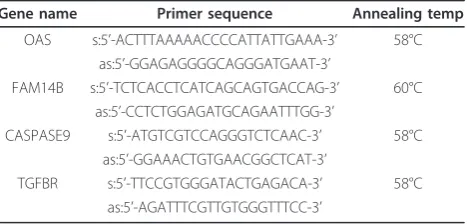
tri-plicate including GAPDH as endogenous control (Table
2). Each gene was quantified relative to the calibrator.
Applied Biosystem Sequence Detection Software and
calculations were made by instrument using the
equa-tion 2
-ΔΔCT.
Results
Patient
’
s characteristics
Among 18 patients, equal number of patients belonged to
F1 (9) and cirrhotic (9) group. Out of these, six best
sam-ples each with good RNA were used for microarray
experiments. Normal liver biopsies were also obtained in
triplicate. The serum viral load, bilirubin, albumin, and
platelet count of cirrhotic patients were significantly low
(
P
< 0.05), while, serum ALP and AST levels were high
when compared to patients with F1 stage. There were no
significant differences between serum ALT and Hb level
in the patients with F1 or cirrhotic stage (Table 1).
Microarray analysis: expression behavior of
significant genes
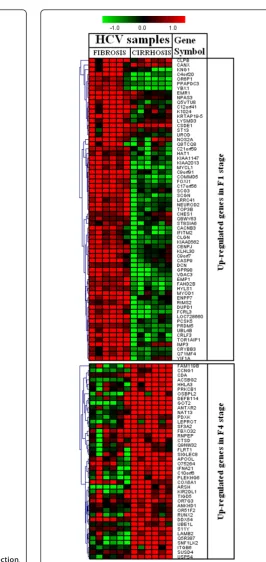
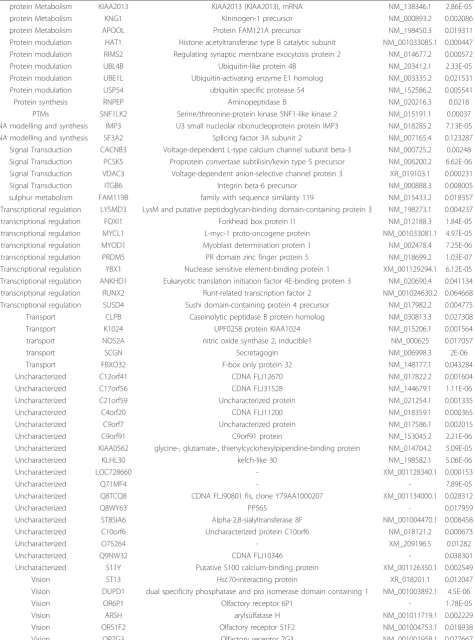
We found 219 differentially regulated genes in fibrosis
versus cirrhotic groups (Figure 1). Among these, 107
genes were up-regulated (Figure 2) whereas, 112 genes
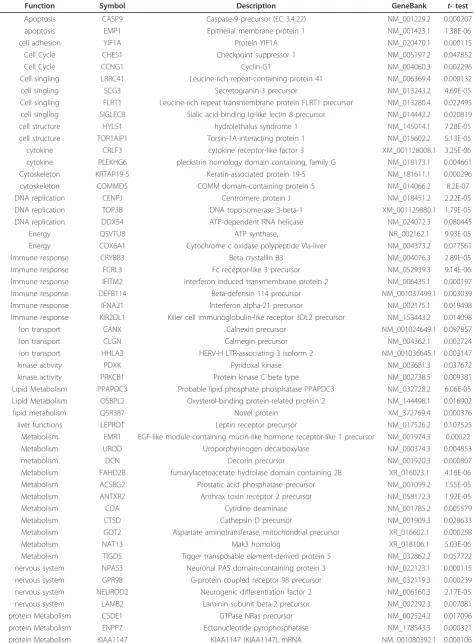
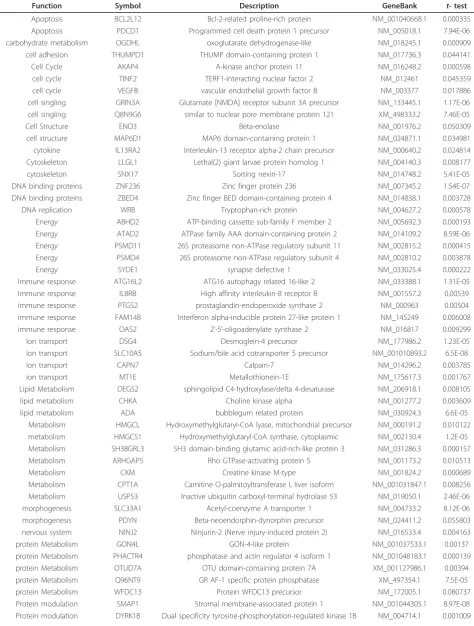
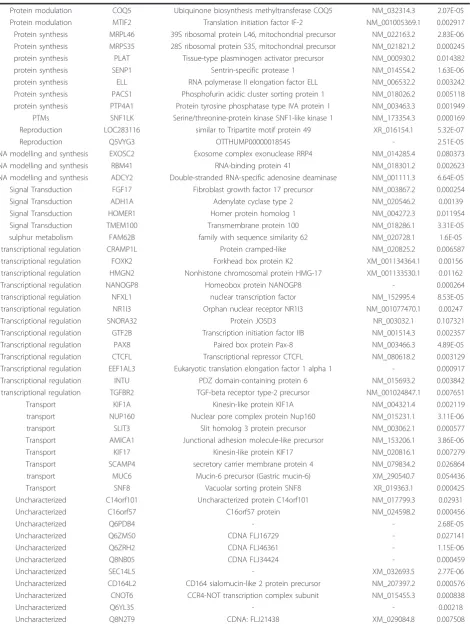
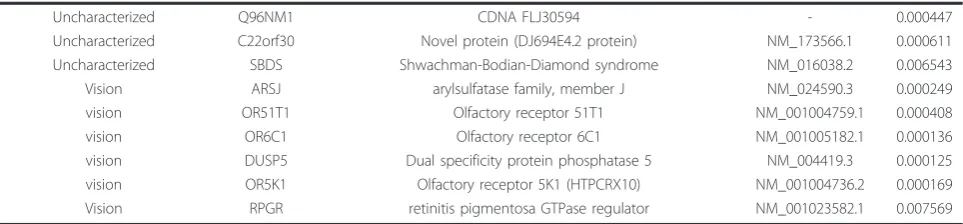
were down-regulated (Figure 3). Significant genes with
their symbols and functions are listed in Tables 3 and 4.
Genes were classified into 31 categories according to
their biological functions (Figure 4).
Significantly synchronized genes with known
biological functions
[image:3.595.306.540.111.223.2]The differentially regulated genes were grouped
accord-ing to their biological functions by EASE program that
uses information from Entrez Gene (http://jura.wi.mit.
edu/entrez_gene/) and KEGG database
(http://www.gen-ome.jp/kegg/kegg1.html). Our results showed variation
in gene regulation in both early fibrosis and cirrhosis
stages (Figure 1). Out of 107 up-regulated gens, 65
belonged to early fibrosis stage, whereas, 42 genes
belonged to the cirrhotic stage. Genes related to
immune response, cell signaling, kinase activity, lipid
metabolism, metabolism, vision and transcriptional
reg-ulation were up-regulated in both early fibrosis and
cir-rhotic samples (Table 2). We found that most genes
related to apoptosis, cell structure, cytoskeleton, nervous
system protein metabolism, protein modulation, signal
transduction, transcriptional regulation and transport
Table 2 Primer sequences used for Real time RT-PCR
analysis
Gene name Primer sequence Annealing temp
OAS s:5’-ACTTTAAAAACCCCATTATTGAAA-3’ 58°C as:5’-GGAGAGGGGCAGGGATGAAT-3’
FAM14B s:5’-TCTCACCTCATCAGCAGTGACCAG-3’ 60°C as:5’-CCTCTGGAGATGCAGAATTTGG-3’
CASPASE9 s:5’-ATGTCGTCCAGGGTCTCAAC-3’ 58°C as:5’-GGAAACTGTGAACGGCTCAT-3’
Figure 1Significant host genes regulated by HCV infection. Clustering results for differentially expressed genes between HCV infected patients with initial fibrosis and cirrhosis. Clustering was performed by Cluster 3.0 software. The fold changes in mRNA expression are represented with green and red squares showing down- and up-regulation of genes in liver biopsy samples, respectively. Each vertical column represents an independent experiment, while color scale represents the fold change magnitude.
[image:4.595.65.338.88.630.2]were up-regulated in early fibrosis. Many
uncharacter-ized genes were also found up-regulated in liver disease
progression. We identified 112 genes (F1 = 92; F4 = 20)
related to above mentioned pathways down-regulated
when fibrosis lead to cirrhotic stage (Table 2 and Figure
2). Genes related to these pathways showed varied
response and none of biological function was specifically
related to any liver disease stage (Table 4 and Figure 3).
Independent validation of candidate genes using
quantitative real-time RT-PCR
Total RNA extracted from infected liver biopsies was
used for real time RT-PCR analysis to validate
microar-ray data. Expression analysis of the genes involved in
apoptosis, immune response and transcriptional
regula-tion was performed. We randomly selected four genes,
CASPASE9, FAM14B, OAS2 and TGFBR2 from our
study. CASPASE9 is apoptosis related gene, FAM14B
and OAS2 are immune responsive genes, whereas,
TGFBR2 is multifunctional gene and found to be
up-regulated in fibrosis.
Discussion
Liver fibrosis can progress to cirrhosis after an interval
of 15-20 years in patients with HCV [31]. It is very
important to identify such markers that can differentiate
liver fibrosis from cirrhosis. Liver biopsy is a common
tool for the detection of liver current situation but due
to some limitations its use as diagnostic tool is denied.
Microarray analysis is an emerging and novel approach
to study gene expression in HCV associated fibrosis and
cirrhosis. As liver gene expression in HCV patients is
variable and it might be partially dependent on the
cor-responding genotype [32]. In this study, we specially
focused on gene expression analysis in patients with
genotype 3a that is most common in our region. We
found that many genes associated with apoptosis, several
cellular functions, immune response, metabolism
includ-ing energy, liver, sulphur; protein metabolism,
transcrip-tional regulation, signal transduction, transport, DNA
replication were dys-regulated both in early fibrosis and
cirrhosis. In some cases, gene expression tends to be
increased from initial fibrosis to cirrhosis. Induction of
gene expression associated with proapoptotic,
proinflam-matory and proliferative activities is in accordance with
previous studies [18,27,33-35]. Although, we found
some dysregulation of genes related to vision and
ner-vous system first time.
Differential expression of apoptosis related genes in HCV
associated initial fibrosis and cirrhosis
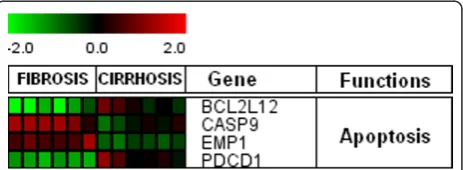
[image:5.595.56.289.86.633.2]In this study, host genes involved in apoptosis (Figure 5)
such as BCL212 and PDCD1 showed down-regulation
in initial fibrosis and significant up-regulation in
Figure 3Heat map of down-regulated genes in cirrhotic andTable 3 Up-regulated genes in cirrhotic and non-cirrhotic HCV liver biopsy samples
Function Symbol Description GeneBank t- test
Apoptosis CASP9 Caspase-9 precursor (EC 3.4.22) NM_001229.2 0.000207
apoptosis EMP1 Epithelial membrane protein 1 NM_001423.1 1.38E-06
cell adhesion YIF1A Protein YIF1A NM_020470.1 0.000115
Cell Cycle CHES1 Checkpoint suppressor 1 NM_005197.2 0.047852
Cell Cycle CCNG1 Cyclin-G1 NM_004060.3 0.002296
Cell singling LRRC41 Leucine-rich repeat-containing protein 41 NM_006369.4 0.000132
cell singling SCG3 Secretogranin-3 precursor NM_013243.2 4.69E-05
Cell singling FLRT1 Leucine-rich repeat transmembrane protein FLRT1 precursor NM_013280.4 0.022495 cell singling SIGLEC8 Sialic acid-binding Ig-like lectin 8 precursor NM_014442.2 0.020819
cell structure HYLS1 hydrolethalus syndrome 1 NM_145014.1 7.28E-05
cell structure TOR1AIP1 Torsin-1A-interacting protein 1 NM_015602.2 5.13E-05
cytokine CRLF3 cytokine receptor-like factor 3 XM_001128008.1 3.25E-06
cytokine PLEKHG6 pleckstrin homology domain containing, family G NM_018173.1 0.004661 Cytoskeleton KRTAP19-5 Keratin-associated protein 19-5 NM_181611.1 0.000296
cytoskeleton COMMD5 COMM domain-containing protein 5 NM_014066.2 8.2E-07
DNA replication CENPJ Centromere protein J NM_018451.2 2.22E-05
DNA replication TOP3B DNA topoisomerase 3-beta-1 XM_001129880.1 1.79E-05
DNA replication DDX54 ATP-dependent RNA helicase NM_024072.3 0.080445
Energy Q5VTU8 ATP synthase, NR_002162.1 9.93E-05
Energy COX6A1 Cytochrome c oxidase polypeptide VIa-liver NM_004373.2 0.077561
Immune response CRYBB3 Beta crystallin B3 NM_004076.3 2.89E-05
Immune response FCRL3 Fc receptor-like 3 precursor NM_052939.3 9.14E-06
Immune response IFITM2 interferon induced transmembrane protein 2 NM_006435.1 0.000197 Immune response DEFB114 Beta-defensin 114 precursor NM_001037499.1 0.003039
Immune response IFNA21 Interferon alpha-21 precursor NM_002175.1 0.019498
Immune response KIR2DL1 Killer cell immunoglobulin-like receptor 3DL2 precursor NM_153443.2 0.014098
Ion transport CANX Calnexin precursor NM_001024649.1 0.097857
Ion transport CLGN Calmegin precursor NM_004362.1 0.002724
ion transport HHLA3 HERV-H LTR-associating 3 isoform 2 NM_001036645.1 0.003147
kinase activity PDXK Pyridoxal kinase NM_003681.3 0.037672
kinase activity PRKCB1 Protein kinase C beta type NM_002738.5 0.009381
Lipid Metabolism PPAPDC3 Probable lipid phosphate phosphatase PPAPDC3 NM_032728.2 6.06E-05 Lipid Metabolism OSBPL2 Oxysterol-binding protein-related protein 2 NM_144498.1 0.016902
lipid metabolism Q5R387 Novel protein XM_372769.4 0.000376
liver functions LEPROT Leptin receptor precursor NM_017526.2 0.107525
Metabolism EMR1 EGF-like module-containing mucin-like hormone receptor-like 1 precursor NM_001974.3 0.00022
Metabolism UROD Uroporphyrinogen decarboxylase NM_000374.3 0.004853
metabolism DCN Decorin precursor NM_001920.3 0.000807
Metabolism FAHD2B fumarylacetoacetate hydrolase domain containing 2B XR_016023.1 4.16E-06 Metabolism ACSBG2 Prostatic acid phosphatase precursor NM_001099.2 1.55E-05 Metabolism ANTXR2 Anthrax toxin receptor 2 precursor NM_058172.3 1.92E-05
Metabolism CDA Cytidine deaminase NM_001785.2 0.005579
Metabolism CTSD Cathepsin D precursor NM_001909.3 0.028633
Metabolism GOT2 Aspartate aminotransferase, mitochondrial precursor XR_016602.1 0.000258
Metabolism NAT13 Mak3 homolog XR_018106.1 5.03E-06
Metabolism TIGD5 Tigger transposable element-derived protein 5 NM_032862.2 0.057722 nervous system NPAS3 Neuronal PAS domain-containing protein 3 NM_022123.1 0.000115 nervous system GPR98 G-protein coupled receptor 98 precursor NM_032119.3 0.000239 nervous system NEUROD2 Neurogenic differentiation factor 2 NM_006160.3 2.17E-05 nervous system LAMB2 Laminin subunit beta-2 precursor NM_002292.3 0.007081
protein Metabolism CSDE1 GTPase NRas precursor NM_002524.2 0.017096
Table 3 Up-regulated genes in cirrhotic and non-cirrhotic HCV liver biopsy samples
(Continued)
protein Metabolism KIAA2013 KIAA2013 (KIAA2013), mRNA NM_138346.1 2.86E-05
protein Metabolism KNG1 Kininogen-1 precursor NM_000893.2 0.002086
protein Metabolism APOOL Protein FAM121A precursor NM_198450.3 0.019311
Protein modulation HAT1 Histone acetyltransferase type B catalytic subunit NM_001033085.1 0.000447 Protein modulation RIMS2 Regulating synaptic membrane exocytosis protein 2 NM_014677.2 0.000572
Protein modulation UBL4B Ubiquitin-like protein 4B NM_203412.1 2.33E-05
Protein modulation UBE1L Ubiquitin-activating enzyme E1 homolog NM_003335.2 0.021531 Protein modulation USP54 ubiquitin specific protease 54 NM_152586.2 0.005541
Protein synthesis RNPEP Aminopeptidase B NM_020216.3 0.0218
PTMs SNF1LK2 Serine/threonine-protein kinase SNF1-like kinase 2 NM_015191.1 0.00037 RNA modelling and synthesis IMP3 U3 small nucleolar ribonucleoprotein protein IMP3 NM_018285.2 7.13E-05 RNA modelling and synthesis SF3A2 Splicing factor 3A subunit 2 NM_007165.4 0.123287 Signal Transduction CACNB3 Voltage-dependent L-type calcium channel subunit beta-3 NM_000725.2 0.00248 Signal Transduction PCSK5 Proprotein convertase subtilisin/kexin type 5 precursor NM_006200.2 6.62E-06 Signal Transduction VDAC3 Voltage-dependent anion-selective channel protein 3 XR_019103.1 0.000231
Signal Transduction ITGB6 Integrin beta-6 precursor NM_000888.3 0.008005
sulphur metabolism FAM119B family with sequence similarity 119 NM_015433.2 0.018357 Transcriptional regulation LYSMD3 LysM and putative peptidoglycan-binding domain-containing protein 3 NM_198273.1 0.004237 transcriptional regulation FOXI1 Forkhead box protein I1 NM_012188.3 1.84E-05 transcriptional regulation MYCL1 L-myc-1 proto-oncogene protein NM_001033081.1 4.97E-05 transcriptional regulation MYOD1 Myoblast determination protein 1 NM_002478.4 7.25E-06 transcriptional regulation PRDM5 PR domain zinc finger protein 5 NM_018699.2 1.03E-07 Transcriptional regulation YBX1 Nuclease sensitive element-binding protein 1 XM_001129294.1 6.12E-05 Transcriptional regulation ANKHD1 Eukaryotic translation initiation factor 4E-binding protein 3 NM_020690.4 0.041134 transcriptional regulation RUNX2 Runt-related transcription factor 2 NM_001024630.2 0.064668 Transcriptional regulation SUSD4 Sushi domain-containing protein 4 precursor NM_017982.2 0.004775 Transport CLPB Caseinolytic peptidase B protein homolog NM_030813.3 0.027308
Transport K1024 UPF0258 protein KIAA1024 NM_015206.1 0.001564
transport NOS2A nitric oxide synthase 2, inducible1 NM_000625 0.017057
transport SCGN Secretagogin NM_006998.3 2E-06
Transport FBXO32 F-box only protein 32 NM_148177.1 0.043284
Uncharacterized C12orf41 CDNA FLJ12670 NM_017822.2 0.001604
Uncharacterized C17orf56 CDNA FLJ31528 NM_144679.1 1.11E-06
Uncharacterized C21orf59 Uncharacterized protein NM_021254.1 0.001335
Uncharacterized C4orf20 CDNA FLJ11200 NM_018359.1 0.000365
Uncharacterized C9orf7 Uncharacterized protein NM_017586.1 0.002015
Uncharacterized C9orf91 C9orf91 protein NM_153045.2 2.21E-06
Uncharacterized KIAA0562 glycine-, glutamate-, thienylcyclohexylpiperidine-binding protein NM_014704.2 5.09E-05
Uncharacterized KLHL30 kelch-like 30 NM_198582.1 5.06E-06
Uncharacterized LOC728660 - XM_001128340.1 0.000153
Uncharacterized Q71MF4 - - 7.89E-05
Uncharacterized Q8TCQ8 CDNA FLJ90801 fis, clone Y79AA1000207 XM_001134000.1 0.028312
Uncharacterized Q8WY63 PP565 - 0.017959
Uncharacterized ST8SIA6 Alpha-2,8-sialyltransferase 8F NM_001004470.1 0.008458 Uncharacterized C10orf6 Uncharacterized protein C10orf6 NM_018121.2 0.000673
Uncharacterized O75264 - XM_209196.5 0.01282
Uncharacterized Q9NW32 CDNA FLJ10346 - 0.038301
Uncharacterized S11Y Putative S100 calcium-binding protein XM_001126350.1 0.002549
Vision ST13 Hsc70-interacting protein XR_018201.1 0.012047
Vision DUPD1 dual specificity phosphatase and pro isomerase domain containing 1 NM_001003892.1 4.5E-06
Vision OR6P1 Olfactory receptor 6P1 - 1.78E-05
Vision ARSH arylsulfatase H NM_001011719.1 0.002229
Vision OR51F2 Olfactory receptor 51F2 NM_001004753.1 0.018938
Table 4 Down-regulated genes in cirrhotic and non-cirrhotic HCV liver biopsy samples
Function Symbol Description GeneBank t- test
Apoptosis BCL2L12 Bcl-2-related proline-rich protein NM_001040668.1 0.000335 Apoptosis PDCD1 Programmed cell death protein 1 precursor NM_005018.1 7.94E-06 carbohydrate metabolism OGDHL oxoglutarate dehydrogenase-like NM_018245.1 0.000909 cell adhesion THUMPD1 THUMP domain-containing protein 1 NM_017736.3 0.044141
Cell Cycle AKAP4 A-kinase anchor protein 11 NM_016248.2 0.000598
cell cycle TINF2 TERF1-interacting nuclear factor 2 NM_012461 0.045359
cell cycle VEGFB vascular endothelial growth factor B NM_003377 0.017886 cell singling GRIN3A Glutamate [NMDA] receptor subunit 3A precursor NM_133445.1 1.17E-06 cell singling Q8N9G6 similar to nuclear pore membrane protein 121 XM_498333.2 7.46E-05
Cell Structure ENO3 Beta-enolase NM_001976.2 0.050309
cell structure MAP6D1 MAP6 domain-containing protein 1 NM_024871.1 0.034981 cytokine IL13RA2 Interleukin-13 receptor alpha-2 chain precursor NM_000640.2 0.024814 Cytoskeleton LLGL1 Lethal(2) giant larvae protein homolog 1 NM_004140.3 0.008177
cytoskeleton SNX17 Sorting nexin-17 NM_014748.2 5.41E-05
DNA binding proteins ZNF236 Zinc finger protein 236 NM_007345.2 1.54E-07
DNA binding proteins ZBED4 Zinc finger BED domain-containing protein 4 NM_014838.1 0.003728
DNA replication WRB Tryptophan-rich protein NM_004627.2 0.000578
Energy ABHD2 ATP-binding cassette sub-family F member 2 NM_005692.3 0.000193 Energy ATAD2 ATPase family AAA domain-containing protein 2 NM_014109.2 8.59E-06 Energy PSMD11 26S proteasome non-ATPase regulatory subunit 11 NM_002815.2 0.000415 Energy PSMD4 26S proteasome non-ATPase regulatory subunit 4 NM_002810.2 0.003878
Energy SYDE1 synapse defective 1 NM_033025.4 0.000222
Immune response ATG16L2 ATG16 autophagy related 16-like 2 NM_033388.1 1.31E-05 Immune response IL8RB High affinity interleukin-8 receptor B NM_001557.2 0.00539 immune response PTGS2 prostaglandin-endoperoxide synthase 2 NM_000963 0.00504 immune response FAM14B Interferon alpha-inducible protein 27-like protein 1 NM_145249 0.006008 immune response OAS2 2’-5’-oligoadenylate synthase 2 NM_016817 0.009299
Ion transport DSG4 Desmoglein-4 precursor NM_177986.2 1.23E-05
Ion transport SLC10A5 Sodium/bile acid cotransporter 5 precursor NM_001010893.2 6.5E-08
Ion transport CAPN7 Calpain-7 NM_014296.2 0.003785
ion transport MT1E Metallothionein-1E NM_175617.3 0.001767
Lipid Metabolism DEGS2 sphingolipid C4-hydroxylase/delta 4-desaturase NM_206918.1 0.008105
lipid metabolism CHKA Choline kinase alpha NM_001277.2 0.003609
lipid metabolism ADA bubblegum related protein NM_030924.3 6.6E-05
Metabolism HMGCL Hydroxymethylglutaryl-CoA lyase, mitochondrial precursor NM_000191.2 0.010122 metabolism HMGCS1 Hydroxymethylglutaryl-CoA synthase, cytoplasmic NM_002130.4 1.2E-05 Metabolism SH3BGRL3 SH3 domain-binding glutamic acid-rich-like protein 3 NM_031286.3 0.000157 Metabolism ARHGAP5 Rho GTPase-activating protein 5 NM_001173.2 0.010513
Metabolism CKM Creatine kinase M-type NM_001824.2 0.000689
Metabolism CPT1A Carnitine O-palmitoyltransferase I, liver isoform NM_001031847.1 0.008256 Metabolism USP53 Inactive ubiquitin carboxyl-terminal hydrolase 53 NM_019050.1 2.46E-06 morphogenesis SLC33A1 Acetyl-coenzyme A transporter 1 NM_004733.2 8.12E-06 morphogenesis PDYN Beta-neoendorphin-dynorphin precursor NM_024411.2 0.055803 nervous system NINJ2 Ninjurin-2 (Nerve injury-induced protein 2) NM_016533.4 0.004163
protein Metabolism GON4L GON-4-like protein NM_001037533.1 0.00137
protein Metabolism PHACTR4 phosphatase and actin regulator 4 isoform 1 NM_001048183.1 0.000139 protein Metabolism OTUD7A OTU domain-containing protein 7A XM_001127986.1 0.00394 protein Metabolism Q96NT9 GR AF-1 specific protein phosphatase XM_497354.1 7.5E-05
protein Metabolism WFDC13 Protein WFDC13 precursor NM_172005.1 0.080737
Table 4 Down-regulated genes in cirrhotic and non-cirrhotic HCV liver biopsy samples
(Continued)
Protein modulation COQ5 Ubiquinone biosynthesis methyltransferase COQ5 NM_032314.3 2.07E-05 Protein modulation MTIF2 Translation initiation factor IF-2 NM_001005369.1 0.002917 Protein synthesis MRPL46 39S ribosomal protein L46, mitochondrial precursor NM_022163.2 2.83E-06 Protein synthesis MRPS35 28S ribosomal protein S35, mitochondrial precursor NM_021821.2 0.000245 protein synthesis PLAT Tissue-type plasminogen activator precursor NM_000930.2 0.014382
protein synthesis SENP1 Sentrin-specific protease 1 NM_014554.2 1.63E-06
protein synthesis ELL RNA polymerase II elongation factor ELL NM_006532.2 0.003242 Protein synthesis PACS1 Phosphofurin acidic cluster sorting protein 1 NM_018026.2 0.005118 protein synthesis PTP4A1 Protein tyrosine phosphatase type IVA protein 1 NM_003463.3 0.001949 PTMs SNF1LK Serine/threonine-protein kinase SNF1-like kinase 1 NM_173354.3 0.000169 Reproduction LOC283116 similar to Tripartite motif protein 49 XR_016154.1 5.32E-07
Reproduction Q5VYG3 OTTHUMP00000018545 - 2.51E-05
RNA modelling and synthesis EXOSC2 Exosome complex exonuclease RRP4 NM_014285.4 0.080373 RNA modelling and synthesis RBM41 RNA-binding protein 41 NM_018301.2 0.002623 RNA modelling and synthesis ADCY2 Double-stranded RNA-specific adenosine deaminase NM_001111.3 6.64E-05 Signal Transduction FGF17 Fibroblast growth factor 17 precursor NM_003867.2 0.000254
Signal Transduction ADH1A Adenylate cyclase type 2 NM_020546.2 0.00139
Signal Transduction HOMER1 Homer protein homolog 1 NM_004272.3 0.011954
Signal Transduction TMEM100 Transmembrane protein 100 NM_018286.1 3.31E-05 sulphur metabolism FAM62B family with sequence similarity 62 NM_020728.1 1.6E-05 transcriptional regulation CRAMP1L Protein cramped-like NM_020825.2 0.006587 transcriptional regulation FOXK2 Forkhead box protein K2 XM_001134364.1 0.00156 transcriptional regulation HMGN2 Nonhistone chromosomal protein HMG-17 XM_001133530.1 0.01162
Transcriptional regulation NANOGP8 Homeobox protein NANOGP8 - 0.000264
transcriptional regulation NFXL1 nuclear transcription factor NM_152995.4 8.53E-05 transcriptional regulation NR1I3 Orphan nuclear receptor NR1I3 NM_001077470.1 0.00247
Transcriptional regulation SNORA32 Protein JOSD3 NR_003032.1 0.107321
Transcriptional regulation GTF2B Transcription initiation factor IIB NM_001514.3 0.002357 Transcriptional regulation PAX8 Paired box protein Pax-8 NM_003466.3 4.89E-05 Transcriptional regulation CTCFL Transcriptional repressor CTCFL NM_080618.2 0.003129 Transcriptional regulation EEF1AL3 Eukaryotic translation elongation factor 1 alpha 1 - 0.000917 Transcriptional regulation INTU PDZ domain-containing protein 6 NM_015693.2 0.003842 transcriptional regulation TGFBR2 TGF-beta receptor type-2 precursor NM_001024847.1 0.007651
Transport KIF1A Kinesin-like protein KIF1A NM_004321.4 0.002119
transport NUP160 Nuclear pore complex protein Nup160 NM_015231.1 3.11E-06
transport SLIT3 Slit homolog 3 protein precursor NM_003062.1 0.000577
Transport AMICA1 Junctional adhesion molecule-like precursor NM_153206.1 3.86E-06
Transport KIF17 Kinesin-like protein KIF17 NM_020816.1 0.007279
Transport SCAMP4 secretory carrier membrane protein 4 NM_079834.2 0.026864 transport MUC6 Mucin-6 precursor (Gastric mucin-6) XM_290540.7 0.054436
Transport SNF8 Vacuolar sorting protein SNF8 XR_019363.1 0.000425
Uncharacterized C14orf101 Uncharacterized protein C14orf101 NM_017799.3 0.02931
Uncharacterized C16orf57 C16orf57 protein NM_024598.2 0.000456
Uncharacterized Q6PDB4 - - 2.68E-05
Uncharacterized Q6ZMS0 CDNA FLJ16729 - 0.027141
Uncharacterized Q6ZRH2 CDNA FLJ46361 - 1.15E-06
Uncharacterized Q8NB05 CDNA FLJ34424 - 0.000459
Uncharacterized SEC14L5 - XM_032693.5 2.77E-06
Uncharacterized CD164L2 CD164 sialomucin-like 2 protein precursor NM_207397.2 0.000576 Uncharacterized CNOT6 CCR4-NOT transcription complex subunit NM_015455.3 0.000838
Uncharacterized Q6YL35 - - 0.00218
cirrhosis, whereas, expression levels for CASP9 and
EMP1 genes were high at initial stage and were
down-regulated in cirrhosis stage. Regulation of apoptotic
inducer and program cell death genes, BCL212 and
PDCD1 in cirrhosis is according to previous
observa-tions where pro-apoptotic gene signaling has been
observed in infection with HCV [36,37]. CASP9 is
known as apoptosis initiator [38] and EMP1 is also
found to induce apoptosis [39,40]. Expression of
cas-pases is higher in early and moderate HCV infection,
and enhanced apoptosis occur through the intrinsic
apoptotic pathway via mitochondria [41,42].
Cellular functions, cell cycle, signaling and cytoskeleton
associated genes
Genes related to various cellular functions showed
dif-ferent expression patterns (Figure 6). The cytoskeleton
(COMMD5, KRTAP19-5, LLGL1 and SNX17) related
genes were down-regulated in cirrhosis (F4). Most cell
structure related genes were up-regulated in initial
fibro-sis (HYLS1, MAP6D1 and TOR1AIP1) and genes related
to cell adhesion, cell cycle and signaling showed
differ-ential expression in both initial fibrosis and cirrhosis. It
has been observed that HCV RNA synthesis may require
an intact cytoskeleton [43]; our data indicated that many
genes related to cytoskeleton were regulated by HCV
infection.
Genes associated with Immune response and cytokines
A number of genes related to immune response and
cytokines were identified (Figure 7). ATG16L2,
DEFB114, FAM14B, IFNA21, IL8RB and KIR2DL genes
were up-regulated in cirrhosis, whereas, FCRL3, IFITM2
and OAS2 genes were up-regulated in initial fibrosis.
Genes related to cytokine regulation, IL13RA2,
PLEKHG6 and XCL2 were down-regulated in initial
fibrosis except CRLF3 gene. Interleukin related gene
expression has been found to be increased at pathology
stage 3 and 4 and which is concurrent with the present
study and is associated with metastatsis, cell
prolifera-tion or angiogenesis [37,44]. An increased expression of
immune responsive genes and cytokines as fibrosis
progress is in agreement with previous evidence that
liver inflammation may enhance with increase in
infected hepatocytes [45]. FCRL3, a genetically
con-served gene family encodes orphan cell surface receptors
bearing high structural homology to classical Fc
recep-tors, with multiple extracellular Ig domains and either
ITAMs, ITIMs, or both in the intracellular domains.
The natural ligands of these family members are still
unknown but due to their signaling domains and
expression on multiple immune cell types, these
mem-bers likely modulate immune cell functions by affecting
signaling pathways [46]. FCRL3 is expressed
predomi-nantly in B lymphocytes in lymph nodes and germinal
centers [47-49].
Previous studies revealed that IFITM2 and IFITM3
(two structurally related cell plasma membrane proteins)
interrupt early steps entry and/or uncoating of the viral
infection. Interferon-induced transmembrane (
IFITM
)
genes are transcribed in most tissues with the exception
of
IFITM5
interferon inducible gene. IFITM genes are
involved in early development, cell adhesion, and
con-trol of cell growth. Elevated gene expression triggered
by past or chronic inflammation can prevent spreading
of pathogens by limiting host cell proliferation. Low
level of expression is sufficient to capture the growth of
cells, whereas, the loss of expression causes tumor
growth. This gene is termed as tumor suppressor.
How-ever, in many cancers it is observed that despite high
level of IFITM, it represents tumor progression stage
especially where the one of anti-proliferative interferon
pathway is shut down. The role of ATG protein in
membrane trafficking is mostly not clear. ATGL16 is
thought to play role in autophagosome formation in
association with RAB33B. It is also considered an active
player in HCV replication and assembly [50,51].
[image:10.595.57.539.101.213.2]Natural killer cells are the important player of innate
immune response. KIRDL gene expression is found to
be high in chronic HCV patients [52]. We found the
KIR2DL1 gene expression high in patients with cirrhosis
as compared to initial fibrosis stage. OAS synthesized in
response to IFN-alpha stimulation. In infected cells,
OAS enzymatic activity is induced by double-stranded
Table 4 Down-regulated genes in cirrhotic and non-cirrhotic HCV liver biopsy samples
(Continued)
Uncharacterized Q96NM1 CDNA FLJ30594 - 0.000447
Uncharacterized C22orf30 Novel protein (DJ694E4.2 protein) NM_173566.1 0.000611 Uncharacterized SBDS Shwachman-Bodian-Diamond syndrome NM_016038.2 0.006543
Vision ARSJ arylsulfatase family, member J NM_024590.3 0.000249
vision OR51T1 Olfactory receptor 51T1 NM_001004759.1 0.000408
vision OR6C1 Olfactory receptor 6C1 NM_001005182.1 0.000136
RNAs, such as the intermediates of replication of RNA
viruses or folded single stranded RNAs. OAS catalyzes
polymerization of adenosine triphosphate into
oligoade-nylate that, in turn, activates a cellular endoribonuclease,
RNase L, at subnanomolar concentrations. RNase L
degrades cellular and viral single-stranded RNAs. Thus,
viral replication is inhibited as a result of protein
synth-esis inhibition in a totally non-virus specific way [53].
We found high expression of OAS2 gene in fibrotic
samples as compared to the last stage cirrohsis. This
may be a way to stop viral replication but as the disease
steps forward, virus overcome the host immune
response to replicate itself.
Genes associated with different metabolic processes
A number of genes associated with different metabolism
(processes/pathways) like energy, kinases, lipid and
sul-phur metabolism were identified among significantly
[image:11.595.57.291.89.263.2]expressed arrays (Figure 8). Several studies observed
that HCV induces alterations in lipid metabolism that
can lead to oxidative stress [54,55]. Consistent with
these observations, we found six genes, ADA, CHKA,
DEGS2, OSBPL2, PPAPDC3, and Q5R387; which are
involved in lipid biosynthesis, tumor cell growth by
phosphatidyl-ethanolamine biosynthesis, negative
reg-ulation of myoblast differentiation and hydrolyzation
of phospholipids into fatty acids etc. This finding is in
agreement with Diamond
et al
.; that host cell lipid
metabolism may represent an area for future HCV
antiviral therapies [56]. We found two genes
FAM119B and FAM62B associated with sulphur
meta-bolism which were up-regulated in cirrhotic samples.
A number of genes related to energy mechanism such
as PSMD4, PSMD11, ABHD2, ATAD2 and COX6A1
were up-regulated while, SYDE1 and Q5VTUB genes
were down-regulated in cirrhotic samples. Two genes
PDXK and PRKCB1 with kinase activity, and one
gene, OGDHL linked to carbohydrate metabolism
were also identified. Role of PRKCB1 (also known as
PKC) in cell growth and differentiation control is
known. It has been also found elevated in breast and
pituitary tumors and malignant gliomas [57-59]. PKC
was also found up regulated in hepatocellular
carci-noma which can lead to hyper proliferation of the
HCV infected tissues [60].
[image:11.595.306.539.441.663.2]Figure 4Distribution of genes according to their functions. Genes were grouped in 31 different categories.
Figure 5 Differential expression of apoptotic genes in HCV associated initial fibrosis and cirrhosis.Clustering results for differentially expressed genes between HCV infected patients with initial fibrosis and cirrhosis according to their functions. Clustering was performed by Cluster 3.0 software. Genes shown in red are up-regulated, while down-regulated genes are shown in green. Genes shown in black have no expression changes. Gene expression profiles were presented on a 2-fold change scale.
[image:11.595.59.291.558.643.2]Genes associated with protein synthesis,
modulation and metabolism
[image:12.595.58.292.89.275.2]Many genes involved in protein synthesis, modulation
and metabolism have increased or decreased expression
in patients with HCV (Figure 9). Genes representing
pro-tein synthesis were down-regulated in initial fibrosis and
showed significant increased expression in cirrhotic
sam-ples. Two genes associated with protein post-translational
modifications (PTMs) were also identified that showed
increased expression in cirrhosis. Some genes linked with
protein metabolism like GON4L, OTUD7A, PHACTR4,
Q96NT9 and WFDC13 showed low expression in initial
fibrosis, while CSDE1, ENPP7, KIAA1147, KIAA2013 and
KNG1 were up-regulated in early fibrosis. It was
interest-ing to know that previous studies have not shown the
regulation of PTMs and protein synthesis with respect to
HCV, although other viruses such as HIV have shown
Figure 7 Expression profiles of immune responsive and [image:12.595.298.537.319.686.2]cytokines associated genes.Clustering results for differentially expressed genes between HCV infected patients with initial fibrosis and cirrhosis according to their functions. Clustering was performed by Cluster 3.0 software. Gene expression profiles were presented on a 2-fold change scale.
Figure 8Genes associated with different metabolic processes. Clustering was performed by Cluster 3.0 software. Genes shown in red are up-regulated, while down-regulated genes are shown in green. Genes shown in black have no expression changes. Gene expression profiles were presented on a 2-fold change scale.
[image:12.595.59.286.337.675.2]these trends. However, our findings were in agreement
with Blackham et al. who showed these types of
regula-tions in HCV infected hepatocytes [61].
Transcriptional regulation and signal transduction
related genes
Several genes associated with transcriptional regulation
and signal transductions were identified (Figure 10).
Most genes were down-regulated both in HCV initial
fibrosis and cirrhosis. However, ANKHD1, CRAMP1L,
FOXK2, GTF2B, HMGN2, NR1I3, PAX8, RUNX2 and
SUSD4 genes showed increased trend in cirrhotic
sam-ples. Xu
et al.
also reported up-regulation of liver
enriched transcriptional factors in infected HCV
tis-sues [62]. A comprehensive study is needed to address
the exact role of these genes. Some genes associated
with signal transduction like CACNB3, PCSK5,
TMEM100 and VDAC3 were up-regulated in initial
fibrosis. Up-regulation of signal transduction related
genes in HCC due to HCV and HBV is previously
reported [63,64]. This can lead to the hypothesis that
cirrhosis due to HCV genotype 3a may lead to HCC in
future.
Transport and ion channel transport related genes
A number of genes encoding cellular and ion transport
functions were also recognized (Figure 11). AMICA1,
HHLA3, KIF17, KIF1A and SLC10A5 showed significant
high expression, while, CLPB, K1024, MUC6, SCGN
and MT1E expression was down in cirrhotic arrays.
Pre-vious studies related to HCV infection and entry has
shown that HCV replication needs regulations in
cellu-lar trafficking [65-67]. High expression of SLC10A5, also
known as putative bile acid transporter gene, it may
indicate dysregulation of liver as well as pancreas in
patients infected with HCV. Up-regulation of kinesin
family members KIF17 or KIF2B may upset inner
seg-ment and synaptic terminal and consequently results in
cell death [68].
Others significant genes
[image:13.595.57.292.393.704.2]Irrespective of above mentioned genes; we have also
found several genes related to DNA binding proteins,
DNA replication, morphogenesis, reproduction and liver
function (Figure 12). The expression of DNA binding
protein and replication genes change from initial fibrosis
to cirrhosis. The high expression in early fibrosis may
underlie a repair mechanism, whereas, reduced gene
expression in cirrhosis stage may indicate that virus has
overcome the repair mechanism for its replication
resulting in total deterioration of liver cells and
[image:13.595.306.540.431.665.2]Figure 10Expression of transcription and signal transduction related genes.Clustering was performed by Cluster 3.0 software.
structure. It is interesting to note that some genes
asso-ciated with nervous system and vision pathways were
also identified. A lot of uncharacterized genes were also
recognized. The link of expression of vision related
genes with HCV is not clear.
Real time RT-PCR validation of results
[image:14.595.300.538.82.444.2]Analysis with real time RT-PCR confirmed that the
selected genes were significantly differentially expressed
in initial fibrosis and cirrhotic samples (Figure 13).
Although, we observed higher fold induction values with
real time RT-PCR, however, the trend was same
between both analysis indicating reproducible gene
expression patterns. CASPASE9, OAS2 and TGFBR2
genes showed up-regulation, whereas, FAM14B gene
expression was down-regulated in early fibrosis. These
findings open a new spectrum of genetic markers to
dif-ferentiate fibrosis from cirrhosis.
[image:14.595.57.286.90.632.2]Figure 12Differential expression of genes associated with DNA binding, DNA replication, liver function, nervous system, vision and uncharacterized.Clustering results for differentially expressed genes between HCV infected patients with initial fibrosis and cirrhosis according to their functions. Clustering was performed by Cluster 3.0 software. Genes shown in red are up-regulated, while down-regulated genes are shown in green. Genes shown in black have no expression changes. Gene expression profiles were presented on a 2-fold change scale.
A comprehensive review of literature revealed that
very few studies related to HCV expression based
stu-dies leading to initial to final stage cirrhosis have been
carried out in association to genotype. Walters
et al.
used J6/JFH (genotype 2a) infected Huh-7.5 cells for the
expression analysis of host in response to virus at
differ-ent time points of infection. They observed that
TGF-beta signaling genes were up-regulated 72 hrs post
infection, it induces ROS activity. Liver injury during
chronic HCV infection is immune mediated [37]. Hagist
et al.
compared differentially expressed genes in patients
with mild and severe iron depleted HCV genotype 1a
liver samples with hereditary hemochromatosis. They
found many ISG genes dysregulated in HCV infection
and related to RNA processing and carcinogenesis [69].
We also found up-regulation of ISG genes in initial
fibrosis stage as host defense system try to limit the
viral pathogenesis. A study conducted by Blackham
et al.
in JFH1 infected huh-7 cells by microarray
identi-fied genes mainly apoptosis, proliferation, intracellular
transport and cellular mechanism [61]. A few studies to
explore the role of individual genes of HCV in
patho-genesis have been studied in association to genotype.
Shah
et al.
compared the expression of oxidative stress
related genes in blood samples and found that the
expression of COX-2, iNOs and VEGF was high in 3a in
comparison to 1a [70]. We found the expression is high
in initial fibrosis stage and down regulation at the
advance stage of liver cirrhosis.
Conclusion
There are limited studies available dealing with gene
expression profiling in cirrhotic and non-cirrhotic
(initial fibrosis) patients infected with HCV. In this
study, we have observed that HCV infection due to
gen-otype 3a has widespread effects on host gene expression
involved in apoptosis, metabolism, transport,
transcrip-tional regulation and immune response. This gives
com-prehensive information about the pathogenesis caused
by HCV genotype 3a leading from initial to end stage
liver cirrhosis. Although, HCV genotype 3a showed
same pathways activation caused by other genotypes,
further studies are required to understand the
mechan-ism by which different genotypes can affect various
pathways. Meanwhile, we found that expression of these
genes was significantly changed within initial and final
stage of fibrosis. A study describing the progression of
these genes in mild and severe fibrosis stages (F2 and
F3) will be required for future perspectives.
Author details
1Centre of Excellence in Molecular Biology, University of the Punjab, Lahore,
Pakistan.2Foreign Faculty Professor HEC, Applied and Functional Genomics
Lab, Centre of Excellence in Molecular Biology, University of the Punjab, Lahore, Pakistan.
Authors’contributions
WA and BI contributed equally to this work. They analyzed the data and wrote paper. All work was performed under supervision of SH. We all authors read and approved the final manuscript.
Authors’information
WA and BI are research officers at CEMB, while SH (PhD Molecular Biology) is Principal Investigator at CEMB, University of the Punjab, Lahore.
Competing interests
The authors declare that they have no competing interests.
Received: 16 November 2011 Accepted: 7 March 2012 Published: 7 March 2012
References
1. Memon MI, Memon MA:Hepatitis C: an epidemiological review.J Viral Hepat2002,9:84-100.
2. WHO:Global distribution of hepatitis A, B and C, 2001.Weakly Epidimiological Records2002,77:41-48.
3. Marcellin P, Asselah T, Boyer N:Fibrosis and disease progression in hepatitis C.Hepatology2002,36:S47-56.
4. Afdhal NH, Nunes D:Evaluation of liver fibrosis: a concise review.Am J Gastroenterol2004,99:1160-1174.
5. Dienstag JL, McHutchison JG:American Gastroenterological Association technical review on the management of hepatitis C.Gastroenterology 2006,130:231-264, quiz 214-237.
6. Clark JM:The epidemiology of nonalcoholic fatty liver disease in adults.J Clin Gastroenterol2006,40(Suppl 1):S5-10.
7. Bataller Ramón, Brenner ADavid:Liver fibrosis.J Clin Invest2005, 115(2):209-218.
8. Zois CD, Baltayiannis GH, Karayiannis P, Tsianos EV:Systematic review: hepatic fibrosis-regression with therapy.Aliment Pharmacol Ther2008, 28(10):1175-1187.
9. Friedman SL:Reversibility of hepatic fibrosis and cirrhosis–is it all hype? Nat Clin Pract Gastroenterol Hepatol2007,4(5):236-237.
10. Harbin WP, Robert NJ, Ferrucci JT Jr:Diagnosis of cirrhosis based on regional changes in hepatic morphology: a radiological and pathological analysis.Radiology1980,135:273-283.
11. Gressner AM:The cell biology of liver fibrogenesis-an imbalance of proliferation, growth arrest and apoptosis of myofibroblasts.Cell Tissue Res1998,292:447-452.
12. Arthur MJ:Reversibility of liver fibrosis and cirrhosis following treatment for hepatitis C.Gastroenterology2002,122:1525-1528.
13. Adinolfi LE, Gambardella M, Andreana A, Tripodi MF, Utili R, Ruggiero G: Steatosis accelerates the progression of liver damage of chronic hepatitis C patients and correlates with specific HCV genotype and visceral obesity.Hepatology2001,33:1358-1364.
14. El-Serag HB:Hepatocellular carcinoma and hepatitis C in the United States.Hepatology2002,36:S74-83.
15. Parkes J, Guha IN, Roderick P, Rosenberg W:Performance of serum marker panels for liver fibrosis in chronic hepatitis C.J Hepatol2006,44:462-474. 16. Ziol M, Handra-Luca A, Kettaneh A, Christidis C, Mal F, Kazemi F, de
Ledinghen V, Marcellin P, Dhumeaux D, Trinchet JC, Beaugrand M: Noninvasive assessment of liver fibrosis by measurement of stiffness in patients with chronic hepatitis C.Hepatology2005,41:48-54.
17. Ngo Y, Munteanu M, Messous D, Charlotte F, Imbert-Bismut F, Thabut D, Lebray P, Thibault V, Benhamou Y, Moussalli J, Ratziu V, Poynard T:A prospective analysis of the prognostic value of biomarkers (FibroTest) in patients with chronic hepatitis C.Clin Chem2006,52:1887-1896. 18. Asselah T, Bieche I, Laurendeau I, Paradis V, Vidaud D, Degott C, Martinot M,
Bedossa P, Valla D, Vidaud M, Marcellin P:Liver gene expression signature of mild fibrosis in patients with chronic hepatitis C.Gastroenterology 2005,129:2064-2075.
that correlate with hepatitis C and early progression to fibrosis in liver transplant recipients.Gastroenterology2006,130:179-187.
20. Huang H, Shiffman ML, Cheung RC, Layden TJ, Friedman S, Abar OT, Yee L, Chokkalingam AP, Schrodi SJ, Chan J, Catanese JJ, Leong DU, Ross D, Hu X, Monto A, McAllister LB, Border S, White T, Sninsky JJ, Wright TL:
Identification of two gene variants associated with risk of advanced fibrosis in patients with chronic hepatitis C.Gastroenterology2006, 130:1679-1687.
21. Machida K, Cheng KT, Sung VM, Levine AM, Foung S, Lai MM:Hepatitis C virus induces toll-like receptor 4 expression, leading to enhanced production of beta interferon and interleukin-6.J Virol2006,80:866-874. 22. Huang H, Shiffman ML, Friedman S, Venkatesh R, Bzowej N, Abar OT,
Rowland CM, Catanese JJ, Leong DU, Sninsky JJ, Layden TJ, Wright TL, White T, Cheung RC:A 7 gene signature identifies the risk of developing cirrhosis in patients with chronic hepatitis C.Hepatology2007,46:297-306. 23. Zeremski M, Petrovic LM, Chiriboga L, Brown QB, Yee HT, Kinkhabwala M,
Jacobson IM, Dimova R, Markatou M, Talal AH:Intrahepatic levels of CXCR3-associated chemokines correlate with liver inflammation and fibrosis in chronic hepatitis C.Hepatology2008,48:1440-1450. 24. Zeremski M, Dimova R, Brown Q, Jacobson IM, Markatou M, Talal AH:
Peripheral CXCR3-associated chemokines as biomarkers of fibrosis in chronic hepatitis C virus infection.J Infect Dis2009,200:1774-1780. 25. Sharma A, Chakraborti A, Das A, Dhiman RK, Chawla Y:Elevation of
interleukin-18 in chronic hepatitis C: implications for hepatitis C virus pathogenesis.Immunology2009,128:e514-522.
26. Gutierrez-Reyes G, Gutierrez-Ruiz MC, Kershenobich D:Liver fibrosis and chronic viral hepatitis.Arch Med Res2007,38:644-651.
27. Shao RX, Hoshida Y, Otsuka M, Kato N, Tateishi R, Teratani T, Shiina S, Taniguchi H, Moriyama M, Kawabe T, Omata M:Hepatic gene expression profiles associated with fibrosis progression and epatocarcinogenesis in hepatitis C patients.World J Gastroenterol2005,11(13):1995-1999. 28. Caillot F, Hiron M, Goria O, Gueudin M, Francois A, Scotte M, Daveau M,
Salier JP:Novel serum markers of fibrosis progression for the follow-up of hepatitis C virus-infected patients.Am J Pathol2009,175:46-53. 29. Ahmad W, Ijaz B, Javed FT, Gull S, Kausar H, Sarwar MT, Asad S, Shahid I,
Sumrin A, Khaliq S, Jahan S, Pervaiz A, Hassan S:A comparison of four fibrosis indexes in chronic HCV: Development of new fibrosis-cirrhosis index (FCI).BMC Gastroenterol2011,11:44.
30. Hosack DA, Dennis G Jr, Sherman BT, Lane HC, Lempicki RA:Identifying biological themes within lists of genes with EASE.Genome Biol2003, 4(10):R70.
31. Pazienza V, Clément S, Pugnale P, Conzelmann S, Pascarella S, Mangia A, Negro F:Gene expression profile of Huh-7 cells expressing hepatitis c virus genotype 1b or 3a core proteins.Liver Int2009,9(5):661-669. 32. Lau DT, Luxon BA, Xiao SY, Beard MR, Lemon SM:Intra-hepatic gene
expression profiles and alpha-smooth muscle actin patterns in hepatitis C virus induced fibrosis.Hepatology2005,42(2):273-281.
33. Shackel NA, McGuinness PH, Abbott CA, Gorrell MD, McCaughan GW: Insights into the pathobiology of hepatitis C virus-associated cirrhosis: Analysis of intrahepatic differential gene expression.Am J Pathol2002, 160(2):641-654.
34. Smith MW, Yue ZN, Korth MJ, Do HA, Boix L, Fausto N, Bruix J, Carithers RL Jr, Katze MG:Hepatitis C virus and liver disease: global transcriptional profiling and identification of potential markers.Hepatology2003, 38(6):1458-1467.
35. Lan L, Gorke , Rau SJ, Zeisel MB, Hildt E, Himmelsbach K, Carvajal-Yepes M, Huber R, Wakita T, Schmitt-Graeff A, Royer C, Blum HE, Fischer R, Baumert TF:Hepatitis C virus infection sensitizes human hepatocytes to TRAIL-induced apoptosis in a caspase 9-dependent manner.J Immunol 2008,181:4926-4935.
36. Kubo F, Ueno S, Hiwatashi K, Sakoda M, Kawaida K, Nuruki K, Aikou T: Interleukin 8 in human hepatocellular carcinoma correlates with cancer cell invasion of vessels but not with tumor angiogenesis.Ann Surg Oncol 2005,12:800-807.
37. Walters KA, Syder AJ, Lederer SL, Diamond DL, Paeper B, Rice CM, Katze MG:Genomic analysis reveals a potential role for cell cycle perturbation in HCV-mediated apoptosis of cultured hepatocytes.PLoS Pathog2009,5:e1000269.
38. Milleron RS, Bratton SB:Heat shock induces apoptosis independently of any known initiator caspase-activating complex.J Biol Chem2006, 281(25):16991-7000.
39. Fischer R, Baumert T, Blum HE:Hepatitis C virus infection and apoptosis. World J Gastroenterol2007,13(36):4865-4872.
40. Wang HT, Kong JP, Ding F, Wang XQ, Wang MR, Liu LX, Wu M, Liu ZH: Analysis of gene expression profile induced by EMP-1 in esophageal cancer cells using cDNA Microarray.World J Gastroenterol2003, 9(3):392-398.
41. Calabrese F, Pontisso P, Pettenazzo E, Benvegnu L, Vario A, Chemello L, Alberti A, Valente M:Liver cell apoptosis in chronic hepatitis C correlates with histological but not biochemical activity or serum HCV-RNA levels. Hepatology2000,31:1153-1159.
42. Malhi H, Guicciardi ME, Gores GJ:Hepatocyte death: a clear and present danger.Physiol Rev2010,90(3):1165-94.
43. Ciccaglione RA, Marcantonio C, Tritarelli E, Tataseo P, Ferraris A, Bruni R, Dallapiccola B, Gerosolimo G, Costantino A, Rapicetta M:Microarray analysis identifies a common set of cellular genes modulated by different HCV replicon clones.BMC Genomics2008,9:309.
44. Behrens C, Feng L, Kadara H, Kim HJ, Lee JJ, Mehran R, Hong WK, Lotan R, Wistuba II:Expression of interleukin-1 receptor-associated kinase-1 in non-small cell lung carcinoma and preneoplastic lesions.Clin Cancer Res 2010,16(1):34-44.
45. Davis RS:Fc receptor-like molecules.Annu Rev Immunol2007,25:525-560. 46. Kochi Y, Yamada R, Suzuki A, Harley JB, Shirasawa S, Sawada T, Bae SC,
Tokuhiro S, Chang X, Sekine A, Takahashi A, Tsunoda T, ohnishi Y, Kaufman KM, Kang CP, Kang C, Otsubo S, Yamura W, Mimori A, Koike T, Nakamura Y, Saazuki T, Yamamoto K:A functional variant in FCRL3, encoding Fc receptor-like 3, is associated with rheumatoid arthritis and several autoimmunities.Nat Genet2005,37:478-485.
47. Miller I, Hatzivassiliou G, Cattoretti G, Mendelsohn C, Dalla-Favera R:IRTAs: a new family of immunoglobulinlike receptors differentially expressed in B cells.Blood2002,99:2662-2669.
48. Polson AG, Zheng B, Elkins K, Chang W, Du C, Dowd P, Yen L, Tan C, Hongo JA, Koeppen K, Ebens A:Expression pattern of the human FcRH/ IRTA receptors in normal tissue and in B-chronic lymphocytic leukemia. Int Immunol2006,18:1363-1373.
49. Itoh T, Fujita N, Kanno E, Yamamoto A, Yoshimori T, Fukuda M: Golgi-resident small GTPase Rab33B interacts with Atg16L and modulates autophagosome formation.Mol Biol Cell2008,19:2916-2925. 50. Tanida I, Fukasawa M, Ueno T, Kominami E, Wakita T, Hanada K:
Knockdown of autophagy-related gene decreases the production of infectious hepatitis C virus particles.Autophagy2009,5:937-945. 51. Dring MM, Morrison HM, McSharry PB, Guinan JK, Hagan R, Irish Research
Consortium, Farrelly OC, Gardiner CM:Innate immune genes synergize to predict increased risk of chronic disease in hepatitis C virus infection. Proc Natl Acad Sci USA2011,108:5736-5741.
52. Hovanessian AG:Interferon-induced and double-stranded RNA-activated enzymes: a specific protein kinase and 29,59-oligoadenylate synthetases. J Interferon Res1991,11:199-205.
53. Pawlotsky JM:Hepatitis C virus resistance to antiviral therapy.Hepatology 2000,32(5):889-896.
54. Syed GH, Amako Y, Siddiqui A:Hepatitis C virus hijacks host lipid metabolism.Trends Endocrinol Metab2010,21(1):33-40.
55. Simula MP, De Re V:Hepatitis C virus-induced oxidative stress and mitochondrial dysfunction: a focus on recent advances in proteomics. Proteomics Clin Appl2010,4(10-11):782-793.
56. Diamond DL, Syder AJ, Jacobs JM, Sorensen CM, Walters KA, Proll SC, McDermott JE, Gritsenko MA, Zhang Q, Zhao R, Metz TO, Camp DG, Waters KM, Smith RD, Rice CM, Katze MG:Temporal proteome and lipidome profiles reveal hepatitis C virus-associated reprogramming of hepatocellular metabolism and bioenergetics.PLoS Pathog2010,6(1):e1000719. 57. Alvaro V, Touraine P, Raisman Vozari R, Bai-Grenier F, Birman P, Joubert D:
Protein kinase C activity and expression in normal and adenomatous human pituitaries.Int J Cancer1992,50:724-730.
58. Craxi A, Pasqua P, Giannuoli G, Di Stefano R, Simonetti RG, Pagliaro L: Tissue markers of hepatitis B virus infection in hepatocellular carcinoma and cirrhosis.Hepatogastroenterology1984,31:55-59.
59. O’Brian C, Vogel VG, Singletary SE, a Ward NE:Elevated protein kinase C expression in human breast tumor biopsies relative to normal breast tissue.Cancer Res1989,49:3215-3217.
61. Blackham S, Baillie A, Al-habibi F, Remlinger K, You S, Hamatake R, mcGarvey MJ:Gene expression profiling indicates the roles of host oxidative stress, apoptosis, lipid metabolism, and intracellular transport genes in the replication of hepatitis C virus.J Virol2010,84:5404-5414. 62. Xu L, Hui L, Wang S, Gong J, Jin Y, Wang Y, Ji Y, Wu X, Han Z, Hu G:
Expression profiling suggested a regulatory role of liver-enriched transcription factors in human hepatocellular carcinoma.Cancer Res2001, 61:3176-3181.
63. Xu XR, Huang J, Xu ZG, Qian BZ, Zhu ZD, Yan Q, Cai T, Zhang X, Xiao HS, Qu J, Liu F, Huang QH, Cheng ZH, Li N G, Du JJ, Hu W, Shen KT, Lu G, Fu G, Zhong M, Xu SH, Gu WY, Huang W, Zhao XT, Hu GX, Gu JR, Chen Z, Han ZG:Insight into hepatocellular carcinogenesis at transcriptome level by comparing gene expression profiles of hepatocellular carcinoma with those of corresponding noncancerous liver.Proc Natl Acad Sci USA2001, 98:15089-15094.
64. Okabe H, Satoh S, Kato T, Kitahara O, Yanagawa R, Yamaoka Y, Tsunoda T, Furukawa Y, Nakamura Y:Genome-wide analysis of gene expression in human hepatocellular carcinomas using cDNA microarray: identification of genes involved in viral carcinogenesis and tumor progression.Cancer Res2001,61:2129-2137.
65. Bost AG, Venable D, Liu L, Heinz BA:Cytoskeletal requirements for hepatitis C virus (HCV) RNA synthesis in the HCV replicon cell culture system.J Virol2003,77:4401-4408.
66. Hamamoto I, Nishimura Y, Okamoto T, Aizaki H, Liu M, Mori Y, Abe T, Suzuki T, Lai MM, Miyamura T, Moriishi K, Matsuura Y:Human VAP-B is involved in hepatitis C virus replication through interaction with NS5A and NS5B.J Virol2005,79:13473-13482.
67. Lai CK, Jeng KS, Machida K, Lai MM:Association of hepatitis C virus replication complexes with microtubules and actin filaments is dependent on the interaction of NS3 and NS5A.J Virol2008, 82:8838-8848.
68. Insinna C, Humby M, Sedmak T, Wolfrum U, Beshase JC:Different roles for KIF17 and kinesin II in photoreceptor development and maintenance. Dev Dyn2009,238:2211-2222.
69. Hagist S, Sültmann H, Millonig G, Hebling U, Kieslich D, Kuner R, Balaguer S, Seitz HK, Poustka A, Mueller S:In vitro-targeted gene identification in patients with hepatitis C using a genome-wide microarray technology. Hepatology2009,49(2):378-86.
70. Jahan S, Khaliq S, Ijaz B, Ahmad W, Hassan S:Role of HCV Core gene of genotype 1a and 3a and host gene Cox-2 in HCV-induced pathogenesis. Virol J2011,8:155.
doi:10.1186/1479-5876-10-41
Cite this article as:Ahmadet al.:Gene expression profiling of HCV genotype 3a initial liver fibrosis and cirrhosis patients using microarray. Journal of Translational Medicine201210:41.
Submit your next manuscript to BioMed Central
and take full advantage of:
• Convenient online submission
• Thorough peer review
• No space constraints or color figure charges
• Immediate publication on acceptance
• Inclusion in PubMed, CAS, Scopus and Google Scholar
• Research which is freely available for redistribution