Dissertation submitted to
Dissertation submitted to
Dissertation submitted to
Dissertation submitted to
The Tamilnadu Dr. M.G.R Medical University, Chennai
The Tamilnadu Dr. M.G.R Medical University, Chennai
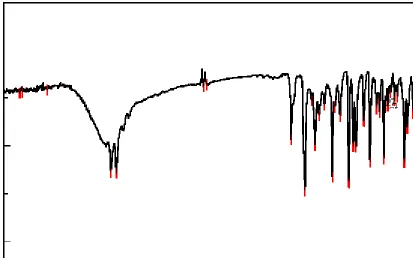
The Tamilnadu Dr. M.G.R Medical University, Chennai
The Tamilnadu Dr. M.G.R Medical University, Chennai
In partial fulfillment for the requirement of the degree of
In partial fulfillment for the requirement of the degree of
In partial fulfillment for the requirement of the degree of
In partial fulfillment for the requirement of the degree of
MASTER OF PHARMACY
(Pharmaceutics)
SEPTEMBER-2012
DEPARTMENT OF PHARMACEUTICS
KMCH COLLEGE OF PHARMACY
KMCH COLLEGE OF PHARMACY
KOVAI ESTATE, KALAPPATTI ROAD, COIMBATORE-641048
Dissertation submitted to
Dissertation submitted to
Dissertation submitted to
Dissertation submitted to
The Tamilnadu Dr. M.G.R Medical University, Chennai
The Tamilnadu Dr. M.G.R Medical University, Chennai
The Tamilnadu Dr. M.G.R Medical University, Chennai
The Tamilnadu Dr. M.G.R Medical University, Chennai
In partial fulfillment for the requirement of the degree of
In partial fulfillment for the requirement of the degree of
In partial fulfillment for the requirement of the degree of
In partial fulfillment for the requirement of the degree of
MASTER OF PHARMACY
(Pharmaceutics)
SEPTEMBER-2012
Submitted by
Submitted by
SUBBA RAGHAVENDRA RAO.M
Reg.No:
Reg.No:
26107117
26107117
Under the Guidance of
Under the Guidance of
Prof. Dr. C.SANKAR,
M. Pharm., Ph.D.,
M. Pharm., Ph.D.,
PROFESSOR OF PHARMACEUTICS
PROFESSOR OF PHARMACEUTICS
DEPARTMENT OF PHARMACEUTICS
KMCH COLLEGE OF PHARMACY
KMCH COLLEGE OF PHARMACY
KOVAI ESTATE, KALAPPATTI ROAD, COIMBATORE-641048
KOVAI ESTATE, KALAPATTI ROAD, COIMBATORE – 641048. (TN)
CERTIFICATE
This is to certify that this dissertation work entitled “DESIGN, DEVELOPMENT
AND OPTIMIZATION OF CONTROLLED RELEASE TABLET OF
FLUCONAZOLE” was carried out by SUBBA RAGHAVENDRA RAO.M
(Reg.No:26107117). The work mentioned in the dissertation was carried out at the
Department of Pharmaceutics, Coimbatore - 641 048, under the guidance of
Prof. Dr. C.SANKAR, M.Pharm., Ph.D., for the partial fulfillment for the Degree of
Master of Pharmacy and is forward to The Tamil Nadu Dr.M.G.R. Medical University,
Chennai.
DATE: Dr.A.RAJASEKARAN, M.Pharm., Ph.D.,
KOVAI ESTATE, KALAPATTI ROAD, COIMBATORE-641048 (T.N)
CERTIFICATE
This is to certify that the dissertation work entitled “DESIGN, DEVELOPMENT
AND OPTIMIZATION OF CONTROLLED RELEASE TABLET OF
FLUCONAZOLE” submitted by SUBBA RAGHAVENDRA RAO.M
(Reg.No:26107117) to the Tamil Nadu Dr.M.G.R Medical University, Chennai, in partial
fulfillment for the Degree of Master of Pharmacy in Pharmaceutics is a bonafide work
carried out by the candidate under my guidance at the Department of Pharmaceutics, KMCH
College of Pharmacy, Coimbatore, during the year 2011 – 2012.
Dr. C. SANKAR, M.Pharm., Ph.D., Professor of Pharmaceutics.
This is to certify that the dissertation work entitled “DESIGN, DEVELOPMENT
AND OPTIMIZATION OF CONTROLLED RELEASE TABLET OF
FLUCONAZOLE” Submitted by SUBBA RAGHAVENDRA RAO.M, Reg. No:
26107117 to the Tamil Nadu Dr.M.G.R. Medical University, Chennai, in partial fulfillment
for the Degree of Master of Pharmacy in Pharmaceutics is a bonafide work carried out by
the candidate at the Department of Pharmaceutics, KMCH College of Pharmacy, Coimbatore,
and was evaluated by us during the academic year 2011 – 2012.
Examination Centre: KMCH College of Pharmacy, Coimbatore – 48.
Date:
Internal Examiner External Examiner
I do hereby declare that this dissertation entitled “DESIGN, DEVELOPMENT AND
OPTIMIZATION OF CONTROLLED RELEASE TABLET OF FLUCONAZOLE”
submitted to the Tamil Nadu Dr.M.G.R. Medical University, Chennai, in partial fulfillment
for the Degree of Master of Pharmacy in Pharmaceutics was done by me under the guidance
of Prof. Dr. C.SANKAR, M.Pharm., Ph.D., Professor, Department of Pharmaceutics,
KMCH College of Pharmacy, Coimbatore, during the year 2011 – 2012.
SUBBA RAGHAVENDRA RAO.M
(Reg.No: 26107117)
I humbly owe the completion of this dissertation work to the almighty God whose
love and blessing were and will be with me every moment of my life.
First and foremost it gives me great pleasure to record my deep sense of gratitude and indebtedness to my esteemed guide Dr.C.SANKAR, M.Pharm., Ph.D., Professor, Department of Pharmaceutics, KMCH College of Pharmacy, for his constant insight,
guidance, countless serenity, encouragement and painstaking efforts in my project work . I am indebted to his kindness and never failing co-operation.
I extend my gratitude to Dr. A.RAJASEKARAN, M.Pharm., Ph.D., Principal, KMCH College of Pharmacy, Coimbatore, for his constant encouragement, support and facilities provided.
I extend thanks to our respected chairman Dr. NALLA G.PALANISWAMI, MD, AB(USA) and respected trustee madam Dr. THAVAMANI D. PALANISWAMI, MD, AB (USA), Kovai Medical Center Research and Education Trust, Coimbatore for the facilities provided by them to carry out this project in a nice manner.
I owe my heartfelt thanks to my esteemed and beloved staffs
Dr. K.S.G. ARUL KUMARAN M.Pharm., Ph.D., Dr. N.ARUNKUMAR M.Pharm.,
Ph.D., Mrs. PadmaPreetha M.Pharm., (PhD), Dr. K.SURESH KUMAR M.Pharm.,
Ph.D., Mrs. Visalakshi M.sc,M.Phil.,for their sensible help and suggestions.
My sincere thanks to all other staffs of KMCH College of Pharmacy, Coimbatore who directly or indirectly gave a helping hand to me while carrying out the study.
This project would not be a resplendent one without the timely help and continuous support by ever-loving friends of the Department of Pharmaceutics.So my special thanks to my dearest classmates and friends (Prasanth, Chandrashekar, Rekha, Vinu, Akhil, Niyas, Chaitanya, Venkatesh, chaitanya, gowtam, mahesh, wajid, najeeb, sruthi, harshitha) and seniors ( Sagar, Dinesh raja, Mazin) for their help and memorable company.
helped directly and indirectly in every aspect of constructing this work.
Above all I dedicate myself before the unfailing presence of GOD and constant love and encouragement given to me by my beloved father and mother, who deserve the credit of success in whatever I did.
CONTENTS
1 Abbreviations
---2 Introduction 01-16
3 Aim and objective 17
4 Plan of work 18
5 Review of literature 19-30
6 Drug profile 31-32
7 Polymers profile 33-45
8 Materials and methods 46-60
9 Results and discussion 61-81
10 Summary and Conclusion 82-83
ABBREVIATIONS USED
e.g. Example
i.e. That is
% Percentage
Kg Kilogram
gm gram
mg Milligram
µg Microgram
ml Millilitre
cm Centimetre
mm millimetre
nm nanometre
W/w Weight by weight
V/v Volume by volume
avg Average
hrs Hours
pH Hydrogen ion concentration
°C Degree centigrade
HCL Hydrochloric acid
RPM Revolution per minute
Abs Absorbance
Conc. Concentration
UV- VIS Ultra violet and visible spectroscopy
FTIR Fourier Transform Infra Red spectroscopy
C.I Compressibility Index
CR Cumulative Release
AMS Anti microbial study
ZOI zone of inhibition
SS sum of squares
df degrees of freedom
MS mean square
The purpose of this research was to prepare controlled release tablets of Fluconazole in reducing the dose and increasing efficiency with reducing fluctuations.By controlling the rate of release the side effects such as hallucinations and paranoid behaviour will also be minimized.A 22
factorial design was employed to optimize the formulations,producing 4
factorial points,this design generally involves dependent variables Y,independent variable
X.The independent variable selected for this study were (X1-X4),X1amount of
maltodextrin,X2 amount of Carbopol 940, X3 amount of HPMC,X4 amount of Ethyl
cellulose.The dependent variable were (Y1-Y4),Y1 hardness,Y2 amount of drug release at 1st
hour, Y3 time taken to reach t50%, Y4 Zone of inhibition.Controlled release release tablets
LIST OF FIGURES
S.N
O PARTICULARS
PAGE
NO
1. Controlled release drug delivery system 4
2. Response Surface in Optimization techniques of Pharmaceutical formulation
and processing
13
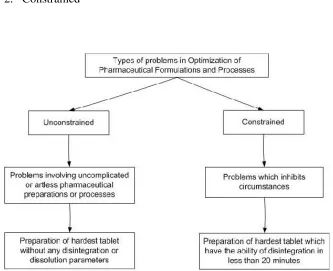
3. Types of problems in optimization 14
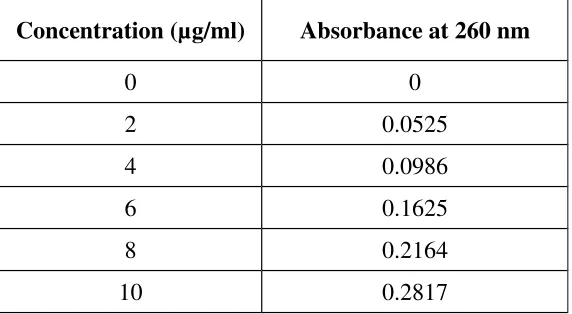
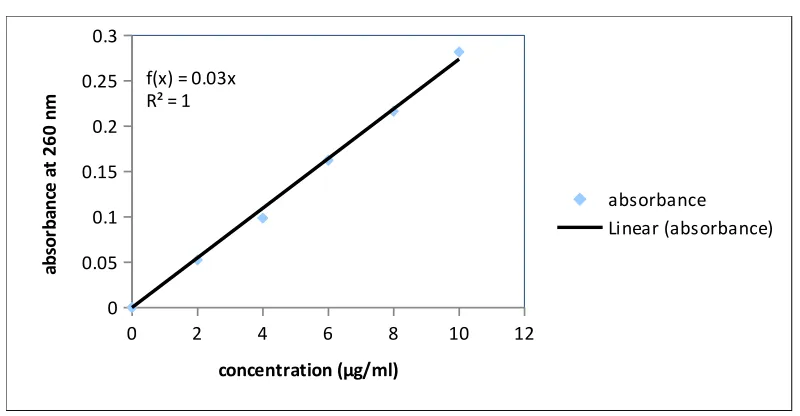
4. Calibration curve of Fluconazole in 0.1N HCL at 260nm 61
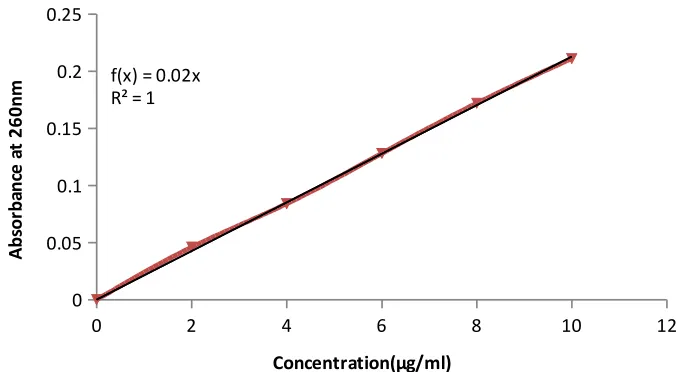
5. Calibration curve of Fluconazole in pH 6.8 260 at260nm
62
6.
IR Spectra of Fluconazole
63
7.
IR Spectra of Maltodextrin – HPMC(MH4
)
648.
IR Spectra of Carbopol-940-HPMC(CH4)
659.
IR Spectra of Carbopol 940-Ethyl Cellulose(CE4)
66
10.
IR Spectra of HPMC-EthylCellulose(HE4
)
6711. Dissolution Profiles of Formulations MH1-MH4 70
12. Dissolution Profiles of Formulations CH1-CH4 71
13 Dissolution Profiles of Formulations CE1-CE4 72
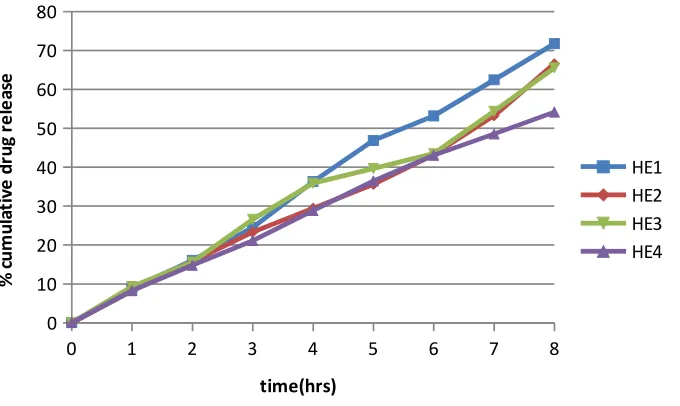
14 Dissolution Profiles of Formulations HE1-HE4 73
15
Zone of Inhibition of Maltodextrin - HPMC 74
17 Zone of Inhibition of Carbopol 940 - Ehyl Cellulose 75
18 Zone of Inhibition of HPMC - Ethyl Cellulose 75
LIST OF TABLES
S.NO PARTICULARS PAGE
NO
1. Applications of Carbopol 940 38
2.
List of Instruments used and their sources 46
3.
List of equipments used and sources 47
4.
Formulation Scheme of Fluconazole Controlled release tablets 49
5.
Flowing properties and corresponding Angles of repose 50
6.
Scale of Flowability based on Compressibility Index 51
7.
Scale of Flowability based on Haus ner ’s R atio 52
8.
Weight variation limit as per Indian Pharmacopoeia 53
9.
Calibration curve Data of Fluconazole in 0.1N HCL at 260nm 61
10.
Caliberation Curve data of Fluconazole in buffer PH
6.8 62
11. Interpretation of studied FTIR peaks with their characteristics functional
groups
63
12.
Pre-compression parameters of powder blend 68
13.
Physical parameters of prepared tablets 69
14.
Results of in-vitro drug release study of Maltodextrin-HPMC 70
15 Results of in-vitro drug release study of Carbopol 940-HPMC 71
16 Results of in-vitro drug release study of Carbopol 940-Ethyl Cellulose 72
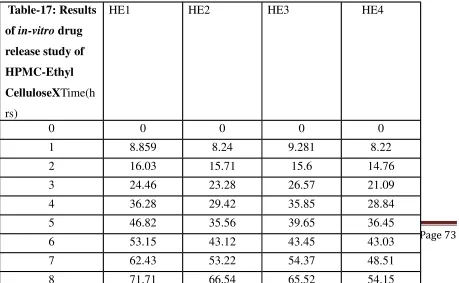
17 Results of in-vitro drug release study of HPMC-Ethyl Cellulose 73
19 Results of drug release kinetics analysis 78
20 Design summary and responses of Statistical Analysis 79
21 ANOVA Response for Hardness 79
22
ANOVA Response for Release at 1st hour 80
23 ANOVA Response for T50% in hours 80
24 ANOVA Response for Zone of Inhibition 80
INTRODUCTION
CONTROLED RELEASE DRUG ADMINISTRATION:
During the last two decades there has been remarkable increase in interest in controlled release drug delivery system1
. This has been due to various factor viz. the prohibitive cost of developing new drug entities, expiration of existing international patents, discovery of new polymeric materials suitable for prolonging the drug release, and the improvement in therapeutic efficiency and safety achieved by these delivery systems. Now-a-days the technology of controlled release is also being applied to veterinary products.
Modified Release Dosage Forms2:
According to the United States Pharmacopoeia the term 'modified release dosage forms' is used to denote the dosage forms for which the drug release characteristics of time course and/or location are chosen to accomplish therapeutic objectives not offered by the conventional dosage forms. Two types of modified release dosage forms are recognised.
1] Extended release dosage forms:
It is defined as the one that allows at least a two fold reduction in the dosing frequency as compared to that of conventional dosage form.
2] Delayed release dosage forms:
It is defined as one that releases the drug at a time other than “immediately” after administration.
Rationale of controlled drug delivery3
The basic rationale for controlled drug delivery is to alter the pharmacokinetics and pharmacodynamics of pharmacologically active moieties by using novel drug delivery system or by modifying the molecular structure and /or physiological parameters inherent in a
selected route of administration.
Different terminologies have been used for the new drug delivery system by different authors.
A] Controlled Action:
2] Sustained Action:
In this type of dosage forms, a sufficient amount of drug is initially made available to the body to cause a desired pharmacological response. The remaining fraction is released periodically and is required to maintain the maximum initial pharmacological activity for some desirable period of time in excess of time expected from usual single dose.
3] Prolonged Action:
These types of dosage form are designed in such a way that it release the drug over an extended period during which pharmacological response is obtained but does not necessarily maintain the constant blood level.
4] Site specific and receptor release:
It refers to targeting of drug directly to a certain biological location.
Potential advantages and disadvantages of controlled release dosage forms :
Advantages 4-7:
i] Patient Compliance:
Lack of compliance is generally observed with long term treatment of chronic disease, as success of drug therapy depends upon the ability of patient to comply with the regimen. Patient compliance is affected by a combination of several factors, like awareness of disease process, patient faith in therapy, his understanding of the need to adhere to a strict treatment schedule. Also the complexity of therapeutic regimens, the cost of therapy and magnitude of local and or systemic side effect of the dosage form.
The problem of lack of patient compliance can be resolved to some extent by administering controlled release drug delivery system.
ii] Reduced 'see- saw' fluctuation:
circulation and target tissue cells.
iii] Reduced total dose:
Controlled release drug delivery systems have repeatedly been shown to use less amount of total drug to treat a diseased condition. By reducing the total amount of drug, decrease in systemic or local side effects are observed. This would also lead to greater economy.
iv] Improved efficiency in treatment:
Optimal therapy of a disease requires an efficient delivery of active drugs to the tissues, organs that need treatment. Very often doses far in excess to those required in the cells have to be administered in order to achieve the necessary therapeutically effective concentration. This unfortunately may lead to undesirable, toxicological and immunological effects in non-target tissue. A controlled release dosage forms leads to better management of the acute or chronic disease condition.
Disadvantages5-7
:
i) Dose dumping:
Dose dumping is a phenomenon where by relatively large quantities of drug in a controlled release formulation is rapidly released, introducing potential toxic quantities of the drug into the systemic circulation. Dose dumping can lead to fatalities in case of potent drug, which have a narrow therapeutic index.
e.g: Phenobarbital.
ii) Less flexibility in accurate dose adjustment:
In conventional dosage forms, dose adjustments are much simpler e.g. tablet can be divided into two fractions. In case of controlled release dosage forms, this appears to be much more complicated. Controlled release property may get lost, if dosage form is fractured.
iii) Poor In vitro – In vivo correlation:
‘Absorption window’ becomes important and may give rise to unsatisfactory drug absorption
in vivo despite excellent in-vitro release characteristics. iv) Patient variation:
The time period required for absorption of drug released from the dosage form may vary
among individuals. Co-administration of other drugs, presence or absence of food and residence time in gastrointestinal tract is different among patients. This also gives rise to variation in clinical response among the patient.
Criteria to be met by drug proposed to be formulated in controlled release dosage forms5,6:
a) Desirable half-life. b) High therapeutic index c) Small dose
d) Desirable absorption and solubility characteristics.
e) Desirable absorption window. f) First past clearance.
DESIGN AND FORMULATION OF ORAL CONTROLLED RELEASE DRUG
DELIVERY SYSTEM AND THE FACTORS AFFECTING THEREOF7-10
:
The oral route of administration is the most preferred route due to flexibility in dosage form, design and patient compliance. But here one has to take into consideration, the various pH that the dosage form would encounter during its transit, the gastrointestinal motility, the enzyme system and its influence on the drug and the dosage form. The majority of oral controlled release systems rely on dissolution, diffusion or a combination of both mechanisms, to generate slow release of drug to the gastrointestinal milieu.
Theoretically and desirably a controlled release delivery device, should release the drug by a zero-order process which would result in a blood-level time profile similar to that after intravenous constant rate infusion.
Plasma drug concentration-profiles for conventional tablet or capsule formulation, a sustained release formulation, and a zero order controlled release formulation.
Controlled (zero-order) drug release has been attempted to be achieved, by following classes of controlled drug delivery system8.
A)Diffusioncontrolledsyste m
i) Reservoir type. ii) Matrix type
B) Dissolution controlled system. i) Reservoir type.
C) Methods using Ion-exchange. D) Methods using osmotic pressure. E) pH independent formulations. F) Altered density formulations
Drug properties influencing the design of sustained or controlled release drug delivery
system are classified as :
1] Physicochemical properties of the drug
These include dose size, aqueous solubility, protein binding, molecular size, drug stability and partition coefficients.
2] Biological factors
These include absorption, distribution, metabolism, duration of action, margin of safety, side effects of drug, disease state and circadian rhythm.
Methods to achieve oral controlled drug delivery8
:
There are various methods employed for the fabrication of oral controlled release delivery systems. Ritschel has given a detailed report of these techniques. These are as follows.
a. Hydrophilic matrix b. Plastic matrix c. Barrier resin beads d. Fat embedment e. Repeat action f. Ion exchange resin
g. Soft gelatin depot capsules h. Drug complexes
Evaluation of controlled release Tablets:
stability and reliability of a product by forming in-vitro and in-vivo analysis and correlation between the two. Various authors have discussed the evaluating parameters and procedures for controlled release formulations.
1. In – Vitro Methods
These are:-a. Beaker method
b. Rotating disc method c. Rotating Bottle method d. d .Rotating Basket method e. Stationary Basket Method f. Oscillating tube method g. Dialysis method
h. USP dissolution method.
2. In–Vivo Methods
Once the satisfactory in-vitro profile is achieved, it becomes necessary to conduct in-vivo evaluation and establish in-vitro in-vivo correlation. The various in-vivo evaluation methods
are:-a. Clinical response b. Blood level data
c. Urinary excretion studies d. Nutritional studies.
e. Toxicity studies
FACTORIAL DESIGN11-14
:
Factorial design is an important method to determine the effects of multiple variables on a
response. Traditionally, experiments are designed to determine the effect of ONE variable upon ONE response. R.A. Fisher showed that there are advantages by combining the study of multiple variables in the same factorial experiment. Factorial design can reduce the number of experiments one has to perform by studying multiple factors simultaneously. Additionally, it can be used to find both main effects (from each independent factor) and interaction effects (when both factors must be used to explain the outcome). However, factorial design can only give relative values, and to achieve actual numerical values the math becomes difficult, as regressions (which require minimizing a sum of values) need to be performed. Regardless, factorial design is a useful method to design experiments in both laboratory and industrial settings.
Factorial design tests all possible conditions. Because factorial design can lead to a large number of trials, which can become expensive and time-consuming, factorial design is best used for a small number of variables with few states (1 to 3). Factorial design works well when interactions between variables are strong and important and where every variable contributes significantly.
Factorial Designs are used in experiments where the effects of different factors, or conditions, on experimental results are to be elucidated.some practical examples where factorial designs are optimal are experiments to determine the effect of pressure and lubricant on the hardness of a tablet formulation, to determine the efect of disintegrant and lubricant concentration on tablet dissolution, or to determine the efficacy of a combination of two active ingredients in an over-the-counter cough
preparation.
Introduction to Design of Experiments (DOE) - DOE Types
The design and analysis of experiments revolves around the understanding of the effects
of different variables on other variable(s).
In mathematical jargon, the objective is to establish a cause-and-effect relationship
between a number of independent variables and a dependent variable of interest.
The dependent variable, in the context of DOE, is called the response, and
the independent variables are called factors.
Experiments are run at different factor values, called levels. Each run of an
experiment involves a combination of the levels of the investigated factors. Each of the combinations is referred to as a treatment. In a single factor experiment, each
level of the factor is referred to as a treatment.
In experiments with many factors, each combination of the levels of the factors is referred to as a treatment. When the same number of response observations are taken for each of the treatments of an experiment, the design of the experiment is said to be
balanced. Repeated observations at a given treatment are called replicates. The
number of treatments of an experiment is determined on the basis of the number of factor levels being investigated in the experiment.
For example, if an experiment involving two factors is to be performed, with the first factor having x levels and the second factor having z levels, then x z treatment
combinations can possibly be run, and the experiment is an x z factorial design.
If all x z combinations are run, then the experiment is a full factorial. If only some of
In full factorial experiments, all of the factors and their interactions are investigated, whereas in fractional factorial experiments, all interactions are not considered because not all treatment combinations are run.
It can be seen that the size of an experiment escalates rapidly as the number of factors, or the number of the levels of the factors, increases. For example, if two factors at three levels each are to be used, nine different treatments are required for a full factorial experiment (3 3 = 9). If a third factor with three levels is added, 27 treatments are required (333 = 27) and 81 treatments are required if a fourth factor with three levels is added (3333 = 81). If only two levels are used for each factor, then in the four factor case, 16 treatments are required (2 2 2 2= 16). For this reason, many experiments are restricted to two levels. Fractional factorial experiments further reduce the number of treatments to be executed in an experiment.
DOE Types
The following is a summary of some of the most common DOE types.
1 One Factor Designs
These are the designs where only one factor is under investigation, and the objective is to determine whether the response is significantly different at different factor levels. The factor can be qualitative or quantitative. In the case of qualitative factors (e.g. different suppliers,
different materials, etc.), no extrapolations (i.e. predictions) can be performed outside the
tested levels, and only the effect of the factor on the response can be determined. On the other hand, data from tests where the factor is quantitative (e.g. temperature, voltage, load, etc.) can
available. 2 Factorial Designs
In factorial designs, multiple factors are investigated simultaneously during the test. As in one factor designs, qualitative and/or quantitative factors can be considered. The objective of these designs is to identify the factors that have a significant effect on the response, as well as investigate the effect of interactions (depending on the experiment design used). Predictions can also be performed when quantitative factors are present, but care must be taken since
certain designs are very limited in the choice of the predictive model. For example, in two level designs only a linear relationship between the response and the factors can be used, which may not be realistic.
General Full Factorial Designs
In general full factorial designs, each factor can have a different number of levels, and the factors can be quantitative, qualitative or both.
Two Level Full Factorial Designs
These are factorial designs where the number of levels for each factor is restricted to two. Restricting the levels to two and running a full factorial experiment reduces the number of treatments (compared to a general full factorial experiment) and allows for the investigation of all the factors and all their interactions.
If all factors are quantitative, then the data from such experiments can be used for predictive purposes, provided a linear model is appropriate for modeling the response (since only two levels are used, curvature cannot be modeled).
Two Level Fractional Factorial Designs
This is a special category of two level designs where not all factor level combinations are considered and the experimenter can choose which combinations are to be excluded. Based on the excluded combinations, certain interactions cannot be determined.
This is a special category of two level fractional factorial designs, proposed by R. L. Plackett and J. P. Burman, where only a few specifically chosen runs are performed to investigate just the main effects (i.e. no interactions).
Taguchis Orthogonal Arrays
Taguchis orthogonal arrays are highly fractional designs, used to estimate main effects using only a few experimental runs. These designs are not only applicable to two level factorial
experiments, but also can investigate main effects when factors have more than two levels. Designs are also available to investigate main effects for certain mixed level experiments where the factors included do not have the same number of levels.
3 Response Surface Method Designs
These are special designs that are used to determine the settings of the factors to achieve
an optimum value of the response.
4 Reliability DOE
This is a special category of DOE where traditional designs, such as the two level designs, are combined with reliability methods to investigate effects of different factors on the life of a unit. In Reliability DOE, the response is a life metric (e.g. age, miles, cycles, etc.), and the
Optimization techniques in Pharmaceutical formulation and processing15-19 :
First of all it is necessary to understand the meanings of “Optimization”. “to optimize” is to
make as much perfect as possible. It is the process of obtaining optimum formulation.
According to Merriam Webster Dictionary Optimization means,”an act,or methodology of making something (as a design,system,or decision) as fully perfect,functional,or effective as possible;specifically : the mathematical procedures”. Optimization techniques are the research analytical tools for a problem which are available to a researcher.These problems are related to pharmaceutical formulation,composition of the delivery system and process design.These involve mostly mathematical techniques in novel drug delivery systems. In Mathematics, optimization is the process of obtaining of maxima or minima.In most of the cases, Lagrangian method of optimization has been used for solving problems.There are certain variables in optimization techniques regarding Pharmaceutical formulations:
These variables are of two types:
1.Independent variables 2.Dependent variables
Fig:2- Response Surface in Optimization techniques of Pharmaceutical formulation and processing
techniques:
1. Unconstrained 2. Constrained
[image:31.595.68.401.160.431.2]
Fig :3-Types of problems in optimization
Methods for Optimization techniques:
Several methods can be of use in Applied optimization: 1. Evolutionary operations
2. The Simplex methods
3. The Lagrangian Method
4. Search Method
5. Canonical Analysis
Forms of Optimization techniques:
1. Sequential Optimization techniques.
2. Simultanuous Optimization techniques.
3. Combination of both.
1. Sequential Methods:
This method is alos referred to as the “Hill climbing method”. As first of all a small number
of experiments are done and further research will be done by using the increase or decrease of response. In this way a maximum or minimum will be reached i.e. an optimum solution.
2. Simultanuous Methods:
This method involves the use of full range of experiments by an experimental design and the results are than used to fit in the mathematical model. And maximum or minimum response will then be found through this fitted model.
Artificial Neural Network (ANN) and Optimization of Pharmaceutical formulations:
ANN has been entered in pharmaceutical studies to forecast the relationship between the response variables and causal factors. This relationship is non-linear relationship. ANN is most successfully used in Multi-objective simulatenous optimization problem. (Takayama K et al.) This problem arises when the favorable conditions of formulation for a single property may not be favorable for other characteristics.
Applications:
Through the optimization of the micro-encapsulation parameters such as shape of microcapsules ,the strength of the micocapsule membranes and the membrane permeability of microcapsules now it is possible to develop more better forms of microcapsules for the treatment of diabetes and liver diseases.
Optimization techniques are also helpful in reducing the time of experimentation, study of pharmacokinetic parameters and High performance liquid chromatographic analysis.
Aim and objective
Fluconazole is triazole antifungal agent. It is used for the treatment of fungal infections.Conventional preparations of fluconazole overdoses may cause hallucinations and paranoid behaviour. Controlled release tablets will be a better alternation in reducing dose and increasing efficacy with reducing fluctuations.
So our study was aimed to design and development and optimization of tablets containing fluconazole as controlled release of drug for longer periods of time.By controlling the rate of release the over dose effects such as hallucinations and paranoid behaviour will also be minimized. So the objective was
To prepare fluconazole tablet using different polymers for controlled release. Evaluate the effect of polymers and percentage drug release.
PLAN OF WORK
1. Pre-formulation studies.
2. Preparation of tablets by direct compression method.
3. Evaluation of tablets for:
a. Hardness
b. thickness
c. Friability
d. Weight variation
e. Assay
f. InvitroDissolution studies.
g. Anti microbial studies
h. IR spectra studies
4. Kinetic models analysis
a. First order
b. Zero order
c. Higuchi model
d. Hixson-Crowell model
e. Korsmeyer- Peppas model.
5. Experimental Design
Dept of Pharmaceutics, KMCH College of Pharmacy, Coimbatore
6.Statistical Analysis
of drugs from sustained-release formulations, using stavudine (d4T) as a model drug. This approach is based on the pharmacokinetic simulation of drug plasma levels through a semiparametric approach of the input function and on convolution with an empirical polyexponential unit impulse response function. Input functions were evaluated using different zero-order and first-order release constants. Optimum drug release to obtain a specific pharmacokinetic profile was approached using target model-independent pharmacokinetic parameters such as C(max)(SS), C(min)(SS), t(max)(SS), and peak-trough
fluctuations. A Monte Carlo simulation was performed to estimate the fractional attainment of d4T plasma concentrations over therapeutic d4T levels. Zero-order (K(0) = 4 mg/h) and first-order (K(1) = 0.05 h(-1)) release constants were optimal for the formulation of sustained-release d4T tablets, plasma concentrations within the therapeutic range being achieved.
Prajapati .B.G et.al21
formulated and evaluated statical influence different concentration of hydroxy propyl methyl cellulose K4M and ethyl cellulose on Propranolol hydrochloride release compression coated tablet using 32
full factorial design. Tablets were prepared by direct compression technique. Time controlled pulsatile Propranolol hydrochloride tablets containing 40 mg of Propranolol hydrochloride were developed using different ratio of hydroxypropyl methylcellulose and ethyl cellulose that retard the drug release in the physiological environment of stomach and 2-3 hr in intestine. Formulation was optimized on basis of acceptable tablet properties and in vitro drug release. To analyse the release
mechanism of optimize batch zero order, first order, Higuchi, Hixson Crowell, Korsmeyer– Peppas kinetic model were used. The kinetics release of optimize batch F3 was best explained by zero order model, Hixson Crowell, and Korsmeyer–Peppas kinetic model.
MadgulkarARBhalekar et.al22
designed sustained release matrix tablets of venlafaxine hydrochloride using ion exchange resin with the incorporation of hydrophilic and hydrophobic polymer combinations. Venlafaxine HCl was loaded onto Indion 244 by batch method and then resinate were wet granulated with ethyl cellulose and blended with hydroxypropylmethylcellulose and compressed. A central composite design for 2 factors at 3
levels each was employed to systematically optimize drug release profile at 2 h and at 18 h. Hydroxypropylmethylcellulose and ethylcellulose were taken as the independent variables.
selected by feasibility and grid searches. Resinate shows inadequate sustained release profile. Compressed matrices exhibited the anomalous release mechanism, as the value of release rate exponent (n) varied between 08109 and 08719, resulting in regulated and complete release until 20hrs. Validation of optimization study, performed using five confirmatory runs, indicated very high degree of prognostic ability of response surface methodology, with mean percentage error as 1.152+/-1.88%. Regulated drug release study indicates that the hydrophilic and hydrophobic matrix tablets of venlafaxine resinate prepared using
hydroxypropylmethylcellulose and ethylcellulose, can successfully be employed as a once-a-day oral controlled release drug delivery.
Madgulkar.A et.al23
formulated buccal adhesive tablets of miconazole nitrate with prolonged antifungal activity. The simplex centroid experimental design was used to arrive at optimum ratio of carbopol 934P,hydroxypropylmethylcelluloseK4Mandpolyvinylpyrollidone, which will provide desired drug release and mucoadhesion. Swelling index, mucoadhesive strength and in vitro drug release of the prepared tablet was determined. The drug release and
bioadhesion was dependent on type and relative amounts of the polymers. The optimized combination was subjected to in vitro antifungal activity, transmucosal permeation, drug
deposition in mucosa, residence time and bioadhesion studies. IR spectroscopy was used to investigate any interaction between drug and excipients. Dissolution of miconazole from tablets was sustained for 6 h. based on the results obtained, it can be concluded that the prepared slow release buccoadhesive tablets of miconazole would markedly prolong the duration of antifungal activity. Comparison of in vitro antifungal activity of tablet with
marketed gel showed that drug concentrations above the minimum inhibitory concentration were achieved immediately from both formulations but release from tablet was sustained up to 6 h, while the gel showed initially fast drug release, which did not sustain later. Drug permeation across buccal mucosa was minimum from the tablet as well as marketed gel; the deposition of drug in mucosa was higher in case of tablet. In vitro residence time and
bioadhesive strength of tablet was higher than gel. Thus the buccoadhesive tablet of miconazole nitrate may offer better control of antifungal activity as compared to the gel formulation.
Raghavendrarao N.G et.al24
formulated and evaluated sustained release matrix tablets of water soluble Tramadolhydrochloride using different polymers viz. Hydroxy propyl methyl
ratios of drug and polymer like 1:1 and 1:2 were selected for thestudy. After fixing the ratio of drug and polymer for control the release of drug up to desired time, the release rateswere modulated by combination of two different rates controlling material and triple mixture of three different ratecontrollingmaterial. After evaluation of physical properties of tablet, the in
vitro release study was performed in 0.1N HCl pH 1.2 for 2 hrs and in phosphate buffer pH
6.8 up to 12 hrs. The effect of polymer concentration andpolymer blend concentration were studied. Different ratios like 80:20, 60:40, 50:50, 40:60 and 20:80 were taken.Dissolution
data was analyzed by Korsmeyer-Peppas power law expression and modified power law expression. It was observed that matrix tablets contained polymer blend of HPMC/CG were successfully sustained the release of drug upto 12 hrs. Among all the formulations, formulation F16 which contains 20% HPMC K15M and 80% of CG,release the drug which follow Zero order kinetics via, swelling, diffusion and erosion and the release profile of formulation F16 was comparable with the marketed product. Stability studies (40±2ºC/75±5%RH) for 3 months indicated that Tramadol hydrochloride was stable in the matrix tablets. The DSC and FTIR study revealed that there was no chemical interaction between drug and excipients.
Bhalekar MR et.al25
prepared a sustained release drug delivery system of venlafaxine hydrochloride by using a wax matrix system. The effects of bees wax and carnauba wax on drug release profile was investigated. A 3(2) full factorial design was applied to systemically optimize the drug release profile. Amounts of carnauba wax (X(1)) and bees wax (X(2)) were selected as independent variables and release after 12 h and time required for 50% (t(50)) drug release were selected as dependent variables. A mathematical model was generated for each response parameter. Both waxes retarded release after 12 h and increases the t(50) but bees wax showed significant influence. The drug release pattern for all the formulation combinations was found to be approaching Peppas kinetic model. Suitable combination of two waxes provided fairly good regulated release profile. The response surfaces and contour plots for each response parameter are presented for further interpretation of the results. The optimum formulations were chosen and their predicted results found to be in close agreement
with experimental findings.
Itraconazole. It is practically insoluble in aqueous fluids hence its solid dispersion with Eudragit E100 was prepared by spray drying. This was formulated in matrix of hydrophilic mucoadhesive polymers Carbopol 934P (CP) and Methocel K4M (HPMC). The formulation was optimized using a 3(2) factorial design. Amounts of CP and HPMC were taken as formulation variables for optimizing response variables i.e. mucoadhesion and dissolution parameters. The optimized mucoadhesive formulation was orally administered to albino rabbits, and blood samples collected were used to determine pharmacokinetic parameters.
The solid dispersion markedly enhanced the dissolution rate of itraconazole. The bioadhesive strength of formulation was found to vary linearly with increasing amount of both polymers. Formulations exhibited drug release fitting Peppas model with value of n ranging from 0.61 to 1.18.
Mandal U et.al27
designed an oral sustained release matrix tablet of metformin HCl and to optimize the drug release profile using response surface methodology. Tablets were prepared by non-aqueous wet granulation method using HPMC K 15M as matrix forming polymer. A central composite design for 2 factors at 3 levels each was employed to systematically optimize drug release profile. HPMC K 15M (X(1)) and PVP K 30 (X(2)) were taken as the independent variables. The dependent variables selected were % of drug released in 1 hr (rel(1 hr)), % of drug released in 8 hrs (rel(8 hrs)) and time to 50% drug release (t(50%)). Contour plots were drawn, and optimum formulations were selected by feasibility and grid searches. The formulated tablets followed Higuchi drug release kinetics and diffusion was the dominant mechanism of drug release, resulting in regulated and complete release within 8 hrs. The polymer (HPMC K 15M) and binder (PVP K 30) had significant effect on the drug release from the tablets (p<0.05). Polynomial mathematical models, generated for various response variables using multiple linear regression analysis, were found to be statistically significant (p<0.05). Validation of optimization study, performed using 8 confirmatory runs,
indicated very high degree of prognostic ability of response surface methodology, with mean percentage error (+/-S.D.) 0.0437+/-0.3285. Besides unraveling the effect of the 2 factors on the in vitro drug release, the study helped in finding the optimum formulation with sustained
drug release.
processing parameters on the release of lipid formulation from a tablet dosage form.A 17-run, face-centered cubic design was employed to evaluate the effect of colloidal silicates (X1),
magnesium stearate mixing time (X2), andcompression force (X3) on flow, hardness, and
dissolution of Coenzyme Q10 (CoQ10) lipid formulation from a tablet dosage form. The optimized formulation was subsequently subjected to a short-term accelerated stability study. All preparations had a flowability index values ranging from 77 to 90. The cumulative percent of CoQ10 released within 8 h (Y5) ranged from 40.6% to 90% and was expressed by
the following polynomial equation: Y5 = 49.78 − 16.36X1 + 2.90X2 − 3.11X3 − 0.37X1X2 +
1.06X1X3 − 1.02X2X3 + 11.98X21+ 10.63X22− 7.10X23. When stored at 4 ◦C, dissolution
rates were retained for up to 3 months. Storage at higher temperatures, however, accelerated lipid release and caused leakage, and loss of hardness. Processing parameters have a profound effect on the release of lipid formulations from their solid carriers. While optimized controlled release formulations could be attained, further considerations should be made to prepare “liquisolids” that are physically stable at higher storage temperatures.
Huang YB et.al29
investigated to develop propranolol extended releaseformulations containing hydroxypropylmethylcellulose (HPMC). The results indicate that the drug release from the tablet form containing a high amount of HPMC was incomplete, and avicel addition could increase the release percent at a later stage. In order to readily obtain an optimal formulation, response surface methodology and multiple response optimization utilizing a quadratic polynomial equation was used. The model formulations were prepared according to a factorial design. The effects of causal factors including the HPMC/drug ratio (X1) and avicel level (X2), on drug release were also measured. The drug release percentage at 1.5, 4, 8, 14 and 24 h were the target response and were restricted to not more than 25%, 35-50%, 55-70%, 75-90%, and 95-110%, respectively. The results showed that the optimized formulation provided a dissolution pattern equivalent to the predicted curve, which indicated that the optimal formulation could be obtained using response surface methodology. The mechanism of drug release from HMPC matrices tablets followed quasi-Fickian diffusion.
Philip Plumb.A et.al30
investigated the effect of varying optimization parameters on the proposed optimum of a tablet coatingformulation requiring minimization of crack velocity and maximization of film opacity. An artificial neural network (ANN) comprising six input
pseudo-randomly distributedrecords and optimized by guided evolutionary simulated annealing (GESA). GESA was unable to identify a formulation that satisfied both 21 a crack velocity of 0 m s and a film opacity of 100% due to conflict centred on the response of the properties to variation in pigmentparticle size. Constraining film thickness exacerbated the property conflict. By adjusting property weights (i.e. the relative importance ofeach property), GESA was able to propose formulations that were either crack resistant or that were fully opaque.
Kozo Takayamaet.al31 designed neural network based optimization of drug formulations. A
pharmaceutical formulation is composed of several formulation factors and process variables. Several responses relatingto the effectiveness, usefulness, stability, as well as safety must be optimized simultaneously. Consequently, expertise andexperience are required to design acceptable pharmaceutical formulations. A response surface method (RSM) has widelybeen used for selecting acceptable pharmaceutical formulations. However, prediction of pharmaceutical responses based on the second-order polynomial equation commonly used in an RSM, is often limited to low levels, resulting in poor estimations of optimal formulations. The purpose of this review is to describe the basic concept of the multi-objectivesimultaneous optimization technique, in which an artificial neural network (ANN) is incorporated. ANNs are being increasingly used in pharmaceutical research to predict the nonlinear relationship between causal factors and responsevariables. Superior function of the ANN approach was demonstrated by the optimization for typical numerical examples.
Svetlana Ibric et.al32
used generalized regression neural network (GRNN) in the design of extended-releaseaspirin tablets. As model formulations, 10 kinds of aspirin matrix tablets were prepared. EudragitRS PO was used asmatrix substance. The amount of EudragitRS PO and compression pressure were selected as causal factors. In-vitrodissolution–time profiles at
four different sampling times, as well as coefficients n (release order) and log k (release
constant)from the Peppas equation were estimated as release parameters. A set of release
parameters and causal factors were used astutorial data for the GRNN and analyzing using a computer. A GRNN model was constructed. The optimized GRNN modelwas used for prediction of formulation with desired in vitro drug release. For two tested formulations there
estimated coefficients. Calculated difference ( f) 1and similarity ( f ) factors indicate that there
is no difference between predicted and experimental observed drug release 2profiles. This work illustrates the potential for an artificial neural network, GRNN, to assist in development of extendedreleasedosage forms.
HisakadzuSunada et.al33
prepared and evaluated rapidly disintegrating tablets using both direct compression and wet compression methods. Tablet properties, such as porosity, tensile
strength, wetting time and disintegration time were evaluated, and the formation and disintegration mechanisms of the tablets were elucidated. Formulation and preparation conditions were optimized using polynomial regression orartificial neural network .
Paola Mura et.al34
applied statistical experimental design to evaluate the influence of some process and formulation variables andpossible interactions among such variables, on didanosine release from directly-compressed matrix tablets based onblends of two insoluble polymers, Eudragit RS-PM and Ethocel 100, with the final goal of drug release behavior optimization. The considered responses were the percent of drug released at three determined times, the dissolutionefficiency at 6 h and the time to dissolve 10% of drug. Four independent variables were considered: tablet compression force, ratio between the polymers and their particle size, and drug content. The preliminary screeningstep, carried out by means of a 12-run asymmetric screening matrix according to a D-optimal design strategy, allowed evaluation of the effects of different levels of each variable. The drug content and the polymers ratio had the mostimportant effect on drug release, which, moreover, was favored by greater polymers particle size; on the contrary thecompression force did not have a significant effect. The Doehlert design was then applied for a response-surfacestudy, in order to study in depth the effects of the most important variables. The desirability function was used tosimultaneously optimize the five considered responses, each having a different target. This procedure allowedselection, in the studied experimental domain, of the best formulation
conditions to optimize drug release rate.Theexperimental values obtained from the optimized formulation highly agreed with the predicted values. The resultsdemonstrated the reliability of the model in the preparation of extended-release matrix tablets with predictable drug release profiles.
effects of lubricants and compression force on the physical characteristics ofeffervescent tablets. Effervescent tablets lubricated with a combination of spray dried l-leucine and polyethylene glycol 6000 are preparedby direct compression and examined. Residual force, crushing strength and disintegration time are considered as response variables andrelated to the l-leucine and polyethylene glycol concentrations and to the compression force. The calculated models are used to assess theinfluence of the production factors on tablet properties. As increasing amounts of l-leucine, showing good lubricating properties, reduce
thecrushing strength and prolong tablet disintegration, the l-leucine concentration is kept at a low level. An optimum tablet formulationcontains 2% l-leucine and 3% polyethylene glycol 6000. The tablets have a tensile strength of 0.47 MPa and disintegrate in less than 2 min. Predicted and experimental results are in agreement within a 95% CI.
Pao-Chu Wuet.al36
optimized the pH-dependent release of nicardipine hydrochloride extended release formulationsby using simultaneously combination two hydrophilic polymers: hydroxypropylmethylcellulose (HPMC) and sodium alginate asretardant and avicel as additive. The constrained mixture experimental design was used to prepare systematic model formulationswhich were composed of three formulation variables: the content of HPMC (X1), avicel (X2), and sodium alginate (X3). Theresponse surface methodology (RSM)
and multiple response optimization utilizing the polynomial equation were used to searchfor the optimal formulation with specific release rate at different time intervals and to quantify the effect of each formulationvariables. The drug release percent at 3, 6 and 12 h were the target responses and were restricted to 10–30% (Y3 h), 40–65% (Y6 h) and not less than 80%
(Y12 h), respectively.The results showed that the effect of combination ofHPMCand sodium
alginatewasthemost influence factor on the drug release from extended-release matrix tablets. The observed results of Y3 h, Y6 h and Y12 h coincided well with the predictions in the RSM
optimization technique,indicating it was quite useful for optimizing
pharmaceuticalformulation. The mechanism of drug release from extended-release matrix tablets was dependent on the added amount of alginate. The release kinetic of drug from HPMC matrix tablets with alginate was followed the zero-order release pattern.
rate of Ubiquinone from its adsorbing solid compact; and (2) to prepare and evaluate an optimized self-nanoemulsifiedtabletformulation. A three factor, three-level Box–Behnken design was used for the optimization procedure, with theamounts of copolyvidone (X1),
maltodextrin (X2) and microcrystalline cellulose (X3) as the independent variables. The
response variable was cumulative percent of Ubiquinone emulsified in 45 min with constraints on weight, flowability index, tensile strength, friability and disintegration time of the dry powdered emulsion and the resultant compact.Based on the experimental design,
different Ubiquinone release rates and profiles were obtained. Mathematicalequations and response surface plots were used to relate the dependent and independent variables. The regressionequation generated for the cumulative percent emulsified in 45 min was
Y6=64.10−12.32X1−4.36X2−25.53X3+6.99X1X2+3.97X1X3+9.70X2X3−8.98X1 2 −16.22X2
2 +17.10X3 2 . The optimization model predicted an 85.4% releasewithX1, X2 and X3 levels
of 66.6, 560.1 and100, respectively. A new formulation was prepared according to these levels. The observed responses were in close agreement with the predicted values of the optimized formulation.
Sunil Jain et.al38
carried their work on formulation and process optimization to eliminate pickingfrom market image tablets. A tablet formulation when compressed using market image tooling may cause picking of powder. A D-optimalstatistical experiment was designed to optimize the direct compression formulation and the process to alleviate picking of powder. The effects of levels of magnesium stearate, colloidal silicon dioxide (CSD), and lubrication time onpicking were investigated using original compression tooling. These optimization results provided a small robust manufacturing region, hence a change in the cut angles of embossed letters and numbers from 70° to 90° in themodified compression tooling was evaluated. A statistical analysis of the data identified a robust manufacturingregion that included formulations containing magnesium stearate 1–1.25% w:w, CSD 0.1–0.3% w:w,
with alubrication time of 5–10 min when compressed using modified compression tooling. The results indicate a significantreduction in picking by increasing the cut angles of embossed letters and numbers in the modified compressiontooling. By evaluating interactions between various variables, we demonstrate a concentration dependent effect of CSD on the lubrication efficiency of magnesium stearate and compactability of microcrystalline cellulose
maintained by blending CSD withpowder blend prior to lubrication with magnesium stearate.
Julijana Kristl et .al39
investigated the development of the floating matrix tablets, which after oral administrationare designed to prolong the gastric residence time, increase the drug bioavailability and diminish the side effects ofirritating drugs. The importance of the composition optimisation, the technological process development for thepreparation of the
floating tablets with a high dose of freely soluble drug and characterisation of those tablets (crushing force, floating properties in vitro and in vivo, drug release) was examined. Tablets
containing hydroxypropylmethylcellulose (HPMC), drug and different additives were compressed. The investigation shows that tabletcomposition and mechanical strength have the greatest influence on the floating properties and drug release. With theincorporation of a gas-generating agent together with microcrystalline cellulose, besides optimum floating (floating lagtime, 30 s; duration of floating, \8 h), the drug content was also increased. The drug release from those tablets wassufficiently sustained (more than 8 h) and non-Fickian transport of the drug from tablets was confirmed. Radiologicalevidence suggests that, that the formulated tablets did not adhere to the stomach mucus and that the mean gastric
residence time was prolonged (\4 h).
Campisi.B et.al40
Stated that in pharmaceutical industries, the formulator is usually faced with the optimisation of the excipient mixturecomposition aimed to prepare a product with the required characteristics. Experimental research methodologyrepresents an efficient approach for solving such optimisation problems. Planning mixture experiments using specificdesigns allows to analyse the blending properties of each mixture component and estimate an empirical modelapproximating the response of interest as a function of excipient proportions. In this study the evolution of theophylline solubility in a four-component system with constraints was analysed using two mixture designapproaches: a classical mixture
component proportion approach and a mathematically independent variable approach. An optimal region characterised by high solubility values was found and further explored in order to verifythe insensitivity of theophylline solubility to slight variations of the excipient mixture composition.
method of achieving sustained drug release is by the use of hydrophilic polymeric excipients directly compressed with active ingredients into tablets. Hydrophilic polymers swell in the presence of water to form hydrogelstructures from which drugs are released by slow diffusion. The release rate modulation is obtained by the use ofdifferent types of polymer alone or in combinations. Optimization of the release rate of propranolol hydrochloride from mixturescontaining two hydrophilic polymers: hydroxypropylmethylcellulose (HPMC) and sodium carboxymethylcellulose(CMCNa) was made by mixture design. Mixing ratios of the
two polymers with the activeingredient were selected as formulation factors. Experimental results were examined using a D-optimal quadraticmodel. Contour plots were formed based on the model to assess the change in the response surface in order tounderstand the relationship between dependent and independent variables. The results enabled the formulation of tablets with the desired dissolution characteristics together with a fairly completecharacterization of the system.Optimization of release rate was performed applying constraints on the cumulative amounts of drug released after 1,6 and 12 h release time intervals. Optimized formulations presented release rates that were close to the predicted values. Fitting the release data from optimized formulations was performed according to Korsmeyer et al. (1983) andPeppas and Sahlin (1989) kinetic models. Release from optimized formulations occurs mainly by Fickian diffusion butan important fraction of the drug is released by polymer relaxation.
Kozo Takayama et.al42
develop a multi-objective simultaneous optimization technique in which an artificial neuralnetwork (ANN) was incorporated. As model formulations, 18 kinds of Trapidil tablet were prepared. The amounts ofmicrocrystalline cellulose, hydroxypropyl methylcellulose and compression pressure were selected as causal factors. In orderto characterize the release profiles of Trapidil, the release order and the rate constant were estimated. A set of releaseparameters and causal factors was used as tutorial data for ANN
and fed into a computer. Non-linear relationships betweencausal factors and the release parameters were represented well with the response surface of ANN. The simultaneous
optimization of the sustained-release tablet containing Trapidil was performed by minimizing the generalized distancebetween the predicted values of each response and the optimized one that was obtained individually. The optimal formulations gave satisfactory release profiles,
demonstrate that a multi-objective optimization technique incorporating ANN is quite useful in the optimization ofpharmaceutical formulations.
FLUCONAZOLE43
Structure :
Chemical Formula : C13H12F2N6O
IUPAC Name : 2-(2,4-difluorophenyl)-1,3-bis(1H-1,2,4-triazol-1-yl)propan-2-ol
Weight : 306.2708
Description : Fluconazole is a white crystalline solid which is slightly soluble in water and saline.
PHARMACOLOGY :
Mechanism of action : Fluconazole interacts with 14-α demethylase, a cytochrome P-450
enzyme necessary to convert lanosterol to ergosterol. As ergosterol is an essential component of the fungal cell membrane, inhibition of its synthesis results in increased cellular
permeability causing leakage of cellular contents. Fluconazole may also inhibit endogenous respiration, interact with membrane phospholipids, inhibit the transformation of yeasts to
biosynthesis.
Pharmacodynamics : Fluconazole, a synthetic antifungal agent of the imidazole class, is used to treat vaginal candidiasis. It inhibits the fungal lanosterol 14 alpha-demethylase which thereby prevents the formation of ergosterol which is an essential component in the fungal cell membrane.
Protein binding : 11 to 12%
Metabolism : Hepatic
Route of elimination : In normal volunteers, fluconazole is cleared primarily by renal excretion, with approximately 80% of the administered dose appearing in the urine as unchanged drug.
Half life : 30 hours (range 20-50 hours)
Clearance : 0.23 mL/min/Kg [adults]
SIDE EFFECTS :
Nausea, stomach pain, low fever, loss of appetite, dark urine, clay-colored stools, jaundice(yellowing of the skin or eyes),fever, chills, body aches, flu symptoms.
severe blistering, peeling, and red skin rash,easy bruising or bleeding, unusual weakness.
Toxicity :Symptoms of overdose include hallucinations and paranoid behavior.
MALTODEXTRIN
1. Structure :
2. Chemical Name : Maltodextrin
3.Empirical Formula : (C6H10O5)n_H2O
4. Molecular Weight : 900–9000
5. Description : Maltodextrin occurs as a nonsweet, odorless, white powder or granules. The solubility,hygroscopicity, sweet and compressibility of maltodextrin increase as the DE increases
6. Functional Category : Coating agent; tablet and capsule diluent; tablet binder; viscosity increasing agent.
7.Uses :
Use Concentration (%)
Tablet binder (direct compression) 2–40 Tablet binder (wet granulation) 3–10.
9. Incompatibilities : Under certain pH and temperature conditions maltodextrin may undergo Maillard reactions with amino acids to produce
HYDROXY PROPYL METHYL CELLULOSE
451.Structure :
2. Chemical Name : Cellulose hydroxypropyl methyl ether
3. Molecular Weight : Molecular weight is approximately 10 000–1 500 000.
4. Description : Hypromellose is an odorless and tasteless, white or creamy-white fibrous or granular powder
5.Solubility : Soluble in cold water, practically insoluble in hot water,
chloroform, ethanol (95%), and ether, but soluble in mixtures of ethanol and dichloromethane, mixtures of methanol and
dichloromethane, and mixtures of water and alcohol.
6.Melting point : 190–2008C;
7. Functional Category : Bioadhesive material; coating agent; controlled-release agent; dispersing agent; release-modifying agent; solubilizing agent; stabilizing agent; suspending agent; sustained-release agent; tablet binder; thickening agent; viscosity-increasing agent.
coating,( and as a matrix for use in extended release tablet formulations.
CARBOPOL-940
46Chemical Name : Polyacrylate – 1- cross polymer.
Empirical Formula : Carbomers are synthetic high-molecular-weight polymers of acrylic acid that are crosslinked with either allyl sucrose or allyl ethers of pentaerythritol.
Structural Formula : General Structure of Carbopol Polymers
Schematic drawing of a molecular segment of a cross-linked polyacrylic acid polymer
Description : Carbomers are white-colored, ‘fluffy’, acidic, hygroscopic powders with