UNIVERSITY OF SOUTHERN QUEENSLAND
Faculty of Engineering and Surveying
UTILISING SPATIAL TECHNOLOGY
FOR HOSPITAL BED MANAGEMENT
A dissertation submitted by
Angela G. Nicholls B. of Social Science (Geography)
In fulfillment of the requirements for the
Master of Geomatics
ABSTRACT
This research utilised existing spatial geographic information system (GIS) technology to develop a data management system that was beneficial to health care practitioners and organisations. The research focused primarily on a public hospital environment by addressing the complexity of patient flow and/or patient allocation to a hospital bed and to provide an understanding of how to better manage the needs for future demands.
Current management systems are not fully integrated and do not have the capacity, or the development capability, to readily address current management deficiencies. Hospitals across the country are struggling to deal with issues such as access block, availability of beds and staff shortages.
A practical bed allocation management system tool, or eBeds, was developed as a prototype within the hospital environment to provide a patient management system that meets the protocols required by the health industry. It assists health care professionals to make informed and more accurate decisions for patient allocation to beds and provides further economical and beneficial patient care than current systems. The prototype also addressed the hospital management, community expectations and provides a flexible and dynamic advancement for the health industry. The application can also be expanded for future potential changes and will be discussed within this research (refer to Chapter 6).
CERTIFICATION OF DISSERATION
I certify that the ideas, experimental work, results, analyses, software and conclusions reported in this dissertation are entirely my own effort, except where otherwise acknowledged. I also certify that the work is original and as not been previously submitted for any other award, except where otherwise acknowledged.
_____________________________ _____________
Angela G. Nicholls Date
ENDORSEMENT
_____________________________ _____________
Associate Professor Frank Young Date
ACKNOWLEDGEMENTS
I wish to thank my Principal Supervisor, Associate Professor Frank Young, Faculty of Engineering and Surveying, University of Southern Queensland, for his enthusiasm, professionalism, dedication and, in particular, his patience throughout this process. I am eternally grateful to Frank‟s, and also to the University of Southern Queensland‟s, ongoing support and encouragement during this time whose invaluable experience and insights has helped me to achieve a far better expectation of my project.
I would also like to thank the staff at the Princess Alexandra Hospital, particularly the Mental Health Unit, for their time and knowledge in helping me to achieve the development of my application.
TABLE OF CONTENTS
Abstract ii
Certification of Dissertation iviii
Acknowledgements iv
Table of Contents viv
List of Tables ixvii
List of Figures ixvii
Glossary and Abbreviations
CHAPTER 1- INTRODUCTION
1.1 OUTLINE OF STUDY 1
1.2 BACKGROUND INFORMATION 2
1.3 THE PROBLEM 53
1.4 RESEARCH OBJECTIVES 63
1.5 CONCLUSION 84
CHAPTER 2 – LITERATURE REVIEW
2.1 INTRODUCTION 116
2.2 MANAGEMENT OF HOSPITAL BEDS 137
2.2.1 Management of Bed Deficiencies 147
2.2.2 Bed Management Issues 179
2.2.3 Other Problems Encountered 189
2.3 CURRENT ADMINISTRATIVE SYSTEMS USED 1810
2.4 WHO USES THE HOSPITAL‟S HEALTH CARE SYSTEMS? 2011
2.5 OTHER SOFTWARE APPLICATIONS 2212
2.6 OTHER RESEARCH TECHNIQUES 2312
2.6.1 Staff Surveys 2513
2.7 WHY A GEOGRAPHICAL INFORMATION SYSTEM? 2815
2.8 CONCLUSION 3016
CHAPTER 3 – RESEARCH DESIGN AND METHODOLOGY
3.1 INTRODUCTION 3217
3.2 DISPLAYING HEALTH DATA 3317
3.3 INITIAL RESEARCH DRIVERS 3518
3.4 RESEARCH METHODOLOGY 3921
3.5 BED MANAGEMENT WITHIN PUBLIC HEALTH 4021
3.5.1 The Bed Management Process 4122
3.5.2 The Admission Process 4222
3.5.4 Key Elements of eBeds 4624 TABLE OF CONTENTS CON’T
3.6 LIMITATIONS AND CHALLENGES 4725
3.7 THE INITIAL SCOPE OF THE RESEARCH 4825
3.7.1 Selecting a suitable GIS 5127
3.7.2 Operating Environment 5228
3.8 DEVELOPMENTS OF EBEDS 5428
3.8.1 Study Limitation and Criteria 5730
3.9 SPECIFICATIONS AND REQUIREMENTS 5730
3.10 CONCLUSION 6232
CHAPTER 4 – STAFF SURVEY AND DISCOVERY PROCESS
4.1 INTRODUCTION 6334
4.2 BACKGROUND 6435
4.2.1 Methodology 6535
4.2.2 Question Results 6635
4.2.3 Scope 6837
4.2.4 Limitations 7139
4.3 RESULTS 7240
4.3.1 General Information 7240
4.4 SUMMARY OF SURVEY RESULTS 10566
4.5 THE INDIVIDUAL INTERVIEWS 10867
4.5.1 The Interface to HBCIS 10867
4.5.2 Procedures 10867
4.5.3 Existing MS Excel Spreadsheet 11068
4.5.4 Data gathering requirements 11068
4.5.5 Internal security requirements 11169
4.5.6 Layout of wards and operational activities 11169
4.5.7 The LAN and WAN 11269
4.5.8 Interaction with other units of the hospital 11370 4.5.9 Interaction with external stakeholders 11370
4.6 CONCLUSION 11470
CHAPTER 5 – FUNCTIONALITY AND OUTCOMES
5.1 INTRODUCTION 11572
5.2 BUSINESS REQUIREMENTS AND EXPECTATIONS 11572
5.2.1 Limitations and Exclusions 11773
5.3 EBEDS AND GIS 11873
5.4 THE FUNCTIONALITY OF EBEDS 11974
5.5 REPLICATION OF THE WHITEBOARD 12074
5.5.1 Background and Environment 12074
5.5.2 User Requirements 12175
5.5.3 Interface Build 12276
5.5.4 Outcomes 12376
5.6.1 Background and Environment 12477 TABLE OF CONTENTS CON’TCON’T
5.6.2 User Requirements 12477
5.6.3 Function Build 12578
5.6.4 Outcomes 12678
5.7 TRACKING THE FLOW OF PATIENTS 12778
5.7.1 Background and Environment 12778
5.7.2 User Requirements 12879
5.7.3 Function Build 12879
5.7.4 Outcomes 12980
5.8 ENTERPRISE-WIDE CAPABILITY 13080
5.8.1 Background and Environment 13080
5.8.2 User Requirements 13081
5.8.3 Function Build 13181
5.8.4 Outcomes 13282
5.9 NURSE AND CASE MANAGERS LINKAGE TO PATIENTS 13282
5.9.1 Background and Environment 13282
5.9.2 User Requirements 13382
5.9.3 Interface Build 13382
5.9.4 Outcomes 13483
5.10 EXTERNAL ACCESSIBLITY OF INFORMATION 13483
5.10.1 Background and Environment 13483
5.10.2 User Requirements 13583
5.10.3 Interface Build 13583
5.10.4 Outcomes 13684
5.11 GRAPHIC DISPLAY OF BED AVAILABILITY 13684
5.11.1 Background and Environment 13684
5.11.2 User Requirements 13784
5.11.3 Interface Build 13784
5.11.4 Outcomes 14086
5.12 ABILITY TO GENERATE A WAITING LIST 14187
5.12.1 Background and Environment 14187
5.12.2 User Requirements 14287
5.12.3 Function Build 14287
5.12.4 Outcomes 14388
5.13 SCHEDULED AND CUSTOMISED REPORTS CAPABILITY 14388
5.13.1 Background and Environment 14488
5.13.2 User Requirements 14488
5.13.3 Interface Build 14589
5.13.4 Outcomes 14589
5.14 SECURITY AND ACCOUNTABILITY 14589
5.14.1 Background and Environment 14689
5.14.2 User Requirements 14689
5.14.3 Function Build 14790
5.15 CONCLUSION 14890 TABLE OF CONTENTS CON’T
CHAPTER 6 – CONCLUSIONS
6.1 INTRODUCTION 15092
6.2 BED MANAGEMENT OUTCOMES 15192
6.3 FUTURE RESEARCH AND DEVELOPMENT OPPORTUNITIES 15795
6.4 CONCLUSION 16197
REFERENCES 16399
APPENDIX A
169102
LIST OF TABLES
Table 1 – Health Care Vendors within Australia 1910
Table 2 – Staff Roles 6938
LIST OF FIGURES
Figure 1 – Location of General Practitioners and Public/Private Hospitals 2915
Figure 2 – Dr. Snow‟s Cholera Map of 1848 3418
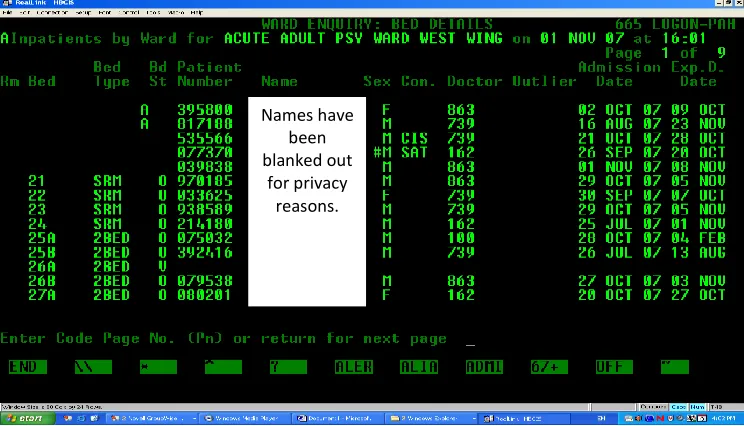
Figure 3 – The White Board used commonly throughout a hospital ward 3820 Figure 4 – HBCIS Admissions Screenshot
12175
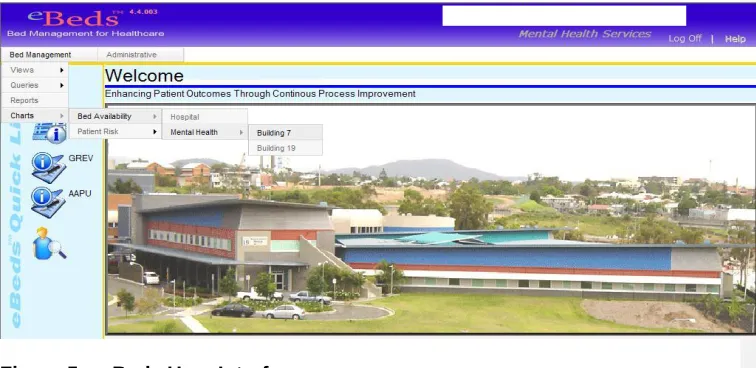
Figure 5 – eBeds User Interface 12577
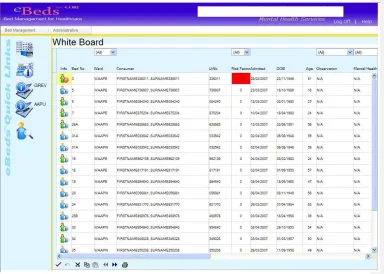
Figure 6 – Screenshot of eBeds Whiteboard 12980
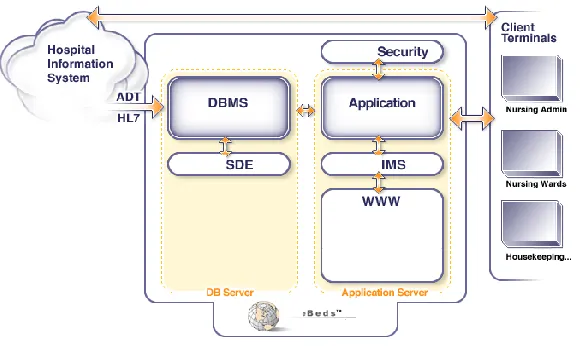
Figure 7 – eBeds System Architecture 13181
Figure 8 – Layout of Floor Plan displaying bed locations 13885
GLOSSARY AND ABBREVIATIONS
ADT Admission/Discharge/Transfer.
Available Bed A bed that is immediately available for use by the consumer. BASAP Business Application Security Assurance Program. A
checklist used by Queensland Health to monitor risks associated with any new implementation of software applications.
Closed Bed A bed that is either closed for cleaning by housekeeping or may be attended to by the maintenance department for repairs.
GIS Geographic Information Systems.
HBCIS Hospital Based Corporate Information System (pronounced Hibiscus). This system is unique to Queensland Health public hospitals. It is a legacy database first developed in the early 1970s and is the main database that is used when entering patient information upon the admitting process. HL7 Health Level 7 is a programming language used to transfer
health data and allows healthcare applications to share clinical data with each other.
KPIs Key Performance Indicators.
LAN Local Area Network. A LAN is a computer network and associated devices that share a common communications line or wireless link, ie. a home office, or a small group of buildings such as a campus.
LOS Length Of Stay
RAID 1 A hardware controller or software that generally allows duplication of data on two different drives.
UPS Uninterruptible Power Supply.
Vacant bed A bed that has been cleaned by housekeeping staff and waiting to be occupied by a patient.
Achieving a more effective delivery system also means ensuring a public health workforce which is fit for purpose.
(Liam Donaldson, 1999)
1.1 Outline of Study
The main focus of this study was to investigate how the application of Geographic Information Systems (GIS) can benefit the health care industry. The sophisticated GIS technology is not normally associated with health care management but has a potential to solve the very complex and difficult issue, long associated with both public and private hospitals, of patient allocation to available beds.
Utilising existing spatial technology knowledge in a hospital environment, a bed allocation system (eBeds) can provide an efficient management system tool to satisfy the relevant health industry protocols (refer to Chapter 3). Existing hospitals systems currently rely on a large number of diverse methods to gather and collate patient information. The eBeds system will be a practical and flexible tool that crystallises these existing systems to aid administrative and medical staff to make better informed and more accurate decisions for planning and managing bed allocation: thus providing greater economical, timely and beneficial patient care. It was apparent that the existing systems were not fully meeting the management needs of the hospital environment and did not have the capacity to be upgraded in an efficient and economical, or complete solution, to meet current and future management needs (refer to Chapter 2). Therefore, this research stems from the need to provide a bed management solution that can utilise existing systems within the hospital along with the ability to integrate seamlessly across the organisation.
Using the geographical format will allow the data to be displayed in a visual real-time layout with the exact location and current and future occupancy rate of each hospital bed within a room, ward or floor. Attached patient records for that particular bed can also be examined by those with the appropriate authorisation. eBeds will also be designed to:
be expandable to encompass maintenance and other administrative information;
be equally adaptable to both public and private hospital environments; and
be applicable in regional health care organisations; and
1.2 Background Information
In the early 1970s, GIS technology was introduced to the market to enable the management of large spatial information databases and the reproduction and display of maps in a computer environment (Lang, 2003). The GIS was specifically designed: to visually display correlations between locations and their relations to each other; map information about where things are located spatially; and the events that may occur during a particular time period (Lang, 2003). GIS was primarily associated with physical geography representation, such as topographic mapping and associated metadata but eventually found applications in a variety of other industries, such as real estate, demography and medical geography.
The management of available beds has become an increasingly integral part of the economical and ethical management of health care within larger hospitals and through increasing public scrutiny. Better management of hospital beds is required but at a minimal cost that doesn't impact on the direct medical services. The direct medical services include the potential of taking trained medical staff away from their allocated duties to perform administrative duties. Consequently, the development of a bed allocation system needs to consider a minimum capital expenditure outlay with the major cost impact being from software costs and development time. Hence, this project will rely on existing computer hardware being available within the hospital system, and the existing bed information database which contains the patient records, for integration with the GIS development software.
1.3 The Problem
One of the major problems within a hospital environment is dealing with the bottleneck of patient allocation and the availability of beds (Ward, 2004). The management requirements are an integral part of the overall economical and ethical management of health care within the community. Inefficiencies and continuing management difficulties have not been overcome and continue to be a source of practical and management frustration within hospitals. The demand for hospitals beds is increasing rapidly, particularly in Queensland, by a number of factors such as an extraordinarily high population growth and an aging population.
At present, especially within the Queensland health system, the demand for available beds far exceeds the supply (Ward, 2004). Many emergency departments are overcrowded which results in elective surgery being cancelled along with other disruptions to patient care. Without increasing bed numbers or increasing staff numbers other ways need to be developed for increasing efficiencies within a hospital to enable patients needing attention to be put through the hospital process. Through developing a software application such as eBeds it is possible to manage the resources that are in place within the hospital (within different and incompatible systems) in a more efficient and effective manner.
This research will highlight the benefits and need for new technologies to assist in dealing with the process of allocating a patient to an available bed. It will also demonstrate that while current computer systems being used in the public hospitals are, in areas, quite beneficial in handling a wide variety of needs such as pathology, pharmaceuticals, radiology and casemix, they are inadequate and unable to focus on bed management and the associated problems (refer to Chapter 2).
Consequently, this research will focus on a new and suitable bed management structure that is compatible with the current disparate data management techniques, to prove a single system process to address the complex and varied facets of bed allocation that are faced by hospital staff and management on a daily basis.
1.4 Research Objectives
The development of eBeds will be designed to improve bed usage efficiencies and to computerise the processes already in place within a hospital by:
• automating the „white board‟ now in common use (this is the primary aim of the research);
• integrating the GIS with the hospital‟s current record system to provide real time information on patient admission, bed transfer and discharge status. • tracking the status of beds across all acute care wards;
• displaying the floor plans of each ward;
• providing helpful tools for analysis of efficiencies in bed management.
To achieve the above, there are four stages involved:
Stage 1 – determine and examine the computerised systems currently being used in the Queensland public health system and to highlight the inefficiencies of such systems.
Stage 2 – research the needs of the medical staff whose primary role is to admit patients whether through planned admissions or emergency admissions.
Stage 3 – develop a new and innovative bed management application utilising GIS and highlight the benefits.
Stage 4 – test and evaluate the developed system (eBeds) through presentations to relevant medical staff and management to gain feedback in the functionality and capabilities of eBeds.
The eBeds system is to be primarily used as a practical and flexible tool that best supports administrative and medical staff with the planning and management of the allocation of beds for in-patients. The development of eBeds addresses some of the community concerns, such as, the availability of a bed upon admission without a lengthy wait time, and provides a flexible and dynamic advancement for the health industry (Queensland Health Systems Review, 2005). Existing hospitals systems rely on a large number of methods to gather and collate patient information. eBeds will crystallise those systems allowing health care professionals to make informed and more accurate decisions for patient allocation to beds, thus providing further economical and beneficial patient care.
1.5 Conclusion
What has been discussed so far establishes there are many issues that require resolving to enable the decision-making process of patient allocation to become better informed and achieve the results that are expected by patients and health care professionals; that is to lead to better patient outcomes.
clinical human resources to its establishment and bring together the many disparate sources of data that currently reside within the hospital environment. As previously discussed, the obvious challenge is to achieve all of the above while addressing the needs of those having to make the decisions in a timely manner. Those decisions are made under the enormous pressures of dealing with differing and changing patient needs that vary in time and frequency, while maintaining the compassion required when interacting with people who are often in very adverse circumstances. The demands on the healthcare system as a whole is also increasing due to an ageing population, interstate migration and normal population growth as well as an increase in the expectations that patients have of the health system (Queensland Health Systems Review, 2005). . This research will also highlight a very complex and difficult issue that most major hospitals tend to experience on a day-to-day basis, that is how and where best to place a patient into a hospital bed. Most hospitals are filled to capacity with patients, therefore, have vast amounts of information located in their existing computer systems. To have the right information at the right time to help support the highly trained professionals who are skilled in treating their patients in receiving the best care possible is extremely critical.
There has always been a need to better manage the allocation of patient flow to hospital beds. Hospitals, both public and private, are continually searching for more efficient ways of providing the continuum of patient care either through better accountability processes or through improved economic efficiencies. The current situation of having a number of different computerised software applications in place that deal with a variety of patient needs, such as mental health units, is certainly not working (King, 2006). There is a need to provide a new and innovative approach of dealing with such issues and highlights the need for such a system like eBeds.
Chapter 2 – Literature Review
“An overcrowded hospital should now be regarded as an unsafe hospital” (Peter Cameron, 2006) A Shakespearean actor slips on stage one night and breaks his wrist. He is rushed to the closest hospital, where he waits his turn in the crowded emergency department. As the charge nurse walks by and casts a disapproving eye at the ever-increasing backlog, she sees him dressed in his 16th century garb and does a double take. “Just how long have YOU been waiting?”
(Sarah Norland, 2005)
2.1 Introduction
Chapter 1 outlined the potential benefits of applying an innovative technological approach to bed management that will address the needs for a single, efficient and universally usable system. One of the major benefits discussed was using a GIS to aid and assist in the decision-making of bed management. This chapter will establish the need for improved bed management, outline the existing computerised systems that are currently being used within the public and private hospitals and discuss whether or not these systems are meeting the needs of staff expectations. It will also outline the overall hospitals expectations, with the emphases on patient allocation to beds.
One of the major problems within a hospital environment is dealing with the bottleneck of patient allocation to, and the availability of, beds (Ward, 2004). Hospitals represent an essential infrastructure that is necessary for the community to function as a whole, hence the pressure for apparent and actual efficiency. Richardson (2003) discussed the issue that the public hospital system within Australia, particularly in Queensland, was running at peak capacity, which almost guarantees queuing in the emergency department when waiting for available beds and other critical inpatient services. In July 2009 Dr Malcolm Johnson-Lee, Director of Emergency Services at Toowoomba Hospital, discussed on ABC talk-back radio the term “Access Block” and how a patient admitted through the emergency department may have to wait for more than eight hours for a general ward bed. Access block is “the inability to admit emergency patients to a ward bed in a timely fashion” (Fatovich et al., 2009). It appears that the same issues discussed in 2009 are just as critical now as they were years ago. Through increased public scrutiny there is also a greater degree of accountability required from health care professionals with regard to facilities management and information administration.
Staff shortages, such as not enough doctors or nurses;
Decreasing available beds;
Ward closures; and
Population growth expanding rapidly within South East Queensland (Sommerfeld, 2005).
2.2 Management of Hospital Beds
One of the major challenges for public hospitals are managing the competing demands of emergency and booked patients while optimising bed utilisation. Managing the availability of beds has a certain degree of difficulty particularly when dealing with the individuality of the patient‟s needs. Long wait times have become a standard and all too common practice at major public hospitals. Patient expectations have resulted in an increase in the demand for better health care procedures, which have also taken its toll on staff as well (Norland, 2005). During an ABC Radio interview in August 2008, Eleanor Hall stated “Doctors in Queensland are warning that their patients are dying because of the extreme shortage of hospital beds in the State.”
There are alternatives to improving the management of hospital beds but do not appear to be enough to provide a viable solution. Another alternative is to look at the processes and procedures within the hospital system itself and to utilise the current systems that are in place in a more efficient way. However, are the current systems meeting the needs of the hospital‟s requirements and protocols? Hospital in-house alternatives to improving patient allocation do not appear to be enough to provide a viable solution (refer to Chapter 3.3). Such research would determine if the current systems are meeting the needs of the hospital‟s requirements and protocols.
2.2.1 Management of Bed Deficiencies
Research has shown that overcrowding of the hospital system can actually be inefficient and is associated with an increased length of hospital stay (Cameron, 2006). Emergency departments are generally stretched to capacity at most major hospitals and having to wait for available beds increases the frustration not only of the patient but for professional staff also (Cameron, 2006). There has been an increasing amount of pressure put on governments from health care organisations to alleviate the overcrowding when it comes to hospital capacity. As stated by Capolingua (2007), the President for the Australian Medical Association (AMA), “our public hospitals are dangerously underfunded and under-resourced.”
up a National Health and Hospitals Reform Commission to provide a common policy to address future challenges in the Australian health system. In June 2009, Prime Minister Rudd had discussed the possibility of a commonwealth takeover of state public hospitals after the State of the Australia‟s health system report was released. In April 2010, the Federal Government reached an historic agreement with all state governments, except Western Australia, to establish a National Health and Hospitals Network (Department of Health and Aging, 2010). One of the main issues in relation to patient allocation being addressed within the health industry is Access Block (Cameron et al, 2003). The effect of Access Block can result in a number of concerns:
1. Transfer delays – patients may not be able to be transferred from one ward to another or from one hospital to another due to the time delay in being attended too. Doctors and staff may be busy dealing with emergencies and/or other patients with needs greater at that particular time. Therefore, there are delays not only in the Emergency Department (ED) but also delays in the bed allocation within the wards (Cameron et al, 2003)
2. Emergency departments go on divert – emergency departments are full to capacity and therefore cannot handle any additional influx of patients, resulting in ambulances being diverted to the next available or nearest hospital that is capable of taking on more patients. There needs to be a better knowledge of the hospital‟s, and also the surrounding hospital‟s bed situation, to help alleviate some of the bottlenecks that arise. In 2001 a study was commissioned by the Department of Humans Services, Victoria and as discussed by Dwyer et al (2001), “it is high bed occupancy, rather than number of beds per se, which underlies acute access problems, with problems occurring when occupancy is above 85%”.
3. Surgeries may be cancelled – elective surgeries scheduled for a particular day may be cancelled due to the overcrowding of emergency departments, the unavailability of doctors and/or staff able to attend to the patient, and the unavailability, real or apparent, of beds.
4. Delay in patient discharges – the delay in patient discharge can contribute to the delay and gridlock of admitted patients waiting for an available bed (Queensland Health, 2006). As the patient is deemed medically fit to leave, the procedure of actually signing the patient out is delayed. For example, the nurse may be waiting for final discharge notice from the attending doctor or the patient may need to collect prescribed medication that may not have arrived from the hospital‟s internal pharmacy.
patient satisfaction (Norland, 2005). In 2009, the current health minister announced Queensland‟s health budget with unprecedented levels of expenditure with an emphasis on upgrading emergency departments (Health Matters, 2009).
2.2.2 Bed Management Issues
There are a number of alternatives to achieving the gridlock of patient allocation to available beds. Norland (2005) suggested building more hospitals and creating space for more beds within an emergency department, however, this can be extremely expensive. To build more hospitals for example, such as the new hospital proposed for Southport on the Gold Coast will cost approximately $500M and will take years to build (Queensland Health, 2008). Building more hospitals may possibly be a solution in the long term, but again the resources within the new hospital still have to be managed efficiently for the whole system to function satisfactorily. The building of more hospital capacity is also a burden to the community in increased taxes and private hospital insurance costs. Buying more hospital beds is also expensive (Norland, 2005). A "basic" bed generally found in the "non-specialised" wards costs approximately $8,000; a maternity bed can cost up to $30,000; and a special-needs bed (e.g. spinal bed or rehabilitation bed) can range up to $80,000. According to Cameron (2006), spending more money on increasing the number of hospital beds only alleviates the problem temporarily but does not solve the problem. The beds quickly fill and the bottleneck starts once again. While an increased needs capacity will always call for more staffed facilities, a more efficient use of existing facilities reduces the need for facilities, reduces costs and increases the number of patients able to access treatment. These issues remain applicable as has been highlighted by future changes forecast by both political parties during the 2009 State election.
2.2.3 Other Problems Encountered
When researching the hospital bed availability issues within a Brisbane hospital, the author discovered that a major problem also encountered by public hospitals was the “loss” of beds within the hospital itself. The loss of beds further contributed to the bottleneck of admitted patients waiting for an available bed. The cause of lost beds was varied but included the following:
Beds wheeled (rather than the use of trolleys) from the ward to the operating theatre and not being returned to the originating place, reducing the expected available beds for patient admission in that location. Beds left in the corridor may have been picked up by orderly and taken to another ward type where there may be less call on bed vacancy.
2.3 Current Administrative Systems Used
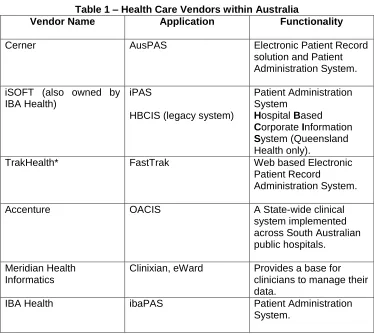
[image:20.612.71.445.251.585.2]There are a number of health care companies in Australia that are providing a variety of health products and systems to both public and private hospitals. Through this research a number of health care vendors have been identified as providers of software applications (refer to Table 1).
Table 1 – Health Care Vendors within Australia
Vendor Name Application Functionality
Cerner AusPAS Electronic Patient Record
solution and Patient Administration System. iSOFT (also owned by
IBA Health)
iPAS
HBCIS (legacy system)
Patient Administration System
Hospital Based Corporate Information System (Queensland Health only).
TrakHealth* FastTrak Web based Electronic
Patient Record
Administration System.
Accenture OACIS A State-wide clinical
system implemented across South Australian public hospitals.
Meridian Health Informatics
Clinixian, eWard Provides a base for clinicians to manage their data.
IBA Health ibaPAS Patient Administration
System.
that also provide health products to the public hospital system, however, the six listed above were chosen due to the provision that all or some of these products are installed within a hospital system within Australia, and particularly, in Queensland.
2.4
Who uses the hospital’s health care systems?
A number of software applications (refer to Table 1), are specifically managed by a selected group of staff members, with particular specialisation, within the hospital environment. For example, the admission/discharge/transfer (ADT) process is handled by a small team (usually between four to five staff during a day shift and one to two staff members during a night shift) whose role is to specifically manage the entry and exit process of the patient. The primary role is to ensure the patient has been admitted through the appropriate channels and protocols of the hospitals admissions arrangement.
The appropriate software applications being utilised within a hospital environment are commonly web-based and the data are presented in a Windows-based application. The windows-based application generally has an interface connecting to a group of other applications, for example, the application may also have access to the radiology or the pharmaceutical functionality of the software. From this interface various staff members have access to their particular functionality or data requirements, within security guidelines, and from there utilise the appropriate data selections. Through feedback, from the various staff at the hospital where the author was conducting the research, it was stated on a number of occasions that a more visual aspect of the applications being utilised throughout the hospital would be more useful rather than just a spreadsheet or text-based screens. For example, a visual display of the bed locations within a room, ward or floor would provide a quick and easy reference to gain an understanding of what beds were currently vacant, occupied or closed.
2.5 Other Software Applications
There are a number of software applications (refer to Table 1) and programming software that are available on the market that could aid and assist in bed management. For example, a software application such as a computer aided design (CAD) has been around for a number of decades and is a high end, complex application. CAD is basically used in the design of all types of drafting for buildings or can be used for the design of detailed engineering models of physical components. CAD can be used within the healthcare industry for designing the structure of a new hospital. This involves the drafting and design of the external structure of a hospital and also the internals, such as ward locations and floor plans. Usually this software application requires specialist staff with a high level of expertise in developing specific applications and may not be entirely suitable in a hospital administration and management environment. Open source software is another alternative as it is provides free software to the end user and is seen as an inexpensive way of sharing information such as source code and certain other rights normally reserved for copyright holders. Most open source software is available within the public domain and is very often developed in a public and collaborative manner (IBM, 2010). However, during the research project is was determined to not use open source software due to the confidential nature of patient data and privacy rights within a hospital environment.
Both CAD and open source software applications are in use today and depend on specialist programmers/operators to write and develop the very complex code needed to solve the pre-determined application. Unless the hospital has a particular need to employ such programming skills to develop in-house applications, and continue with specialised maintenance issues, then these types of software applications will be of a benefit. It would also add another level of staffing complexity and cost that would further complicate the staffing situation as discussed in Section 2.1.
There are a number of issues with the above software applications, as opposed to using a GIS (refer to Section 3.3) in particular, the inability to display information in a graphical format.
2.6 Other Research Techniques
There is alternative research techniques that are being developed within the hospital environment to understand the problems associated with allocating a patient to a hospital bed. The software applications are used to support a number of systems such as:
Forecasting models or capacity planning, and
Cumulative Summary Analysis or “Cusum Analysis”.
Much research has been conducted using the Cusum technique within the health industry (Ward, et al, 2005). This technique tracks the cumulative sum which is, according to Burns et al (2005), the “consecutive differences, for both positive and negative results, between an individual measurement and a given standard or target”. It basically presents the analysis as a statistical and graphical format that examines trends for sequential events over time (Naik et al 2003). It is a tool that can also track the success and/or failure of a particular trend over a period of time. The use of Cusum Analysis can play an important part in monitoring trends such as admissions and discharges and infections acquired by the patient through the duration of a hospital stay. These trends can also highlight the “negative results” of a hospital performing poorly by demonstrating erroneous clinical procedures or behaviours.
A study was conducted at a major public hospital located in Brisbane where Cusum techniques were used for early detection of the management of hospital bed occupancy (Burns et al 2005). The main purpose of the study was to gain an understanding of how Cusum Analysis could be utilised in monitoring trends in hospital admissions, discharges and various other variables. The outcome of the study proved that Cusum Analysis was a useful tool in the area of bed management. According to Chang (2006), the use of this simple technique provides a rapid analysis and can help identify trends in a series of data.
However, there are also a number of limitations that are involved with Cusum Analysis technique. Firstly, the results need to be validated against other forms of measurements. The measurements could be in the form of direct observation of a particular process or technique via a procedural checklist, or against a global rating assessment from other hospitals using benchmarks (Burns et al 2005). Secondly, Cusum Analysis involves a number of specialists who clearly understand the process and the particular data being analysed. Data collection and validation requires an enormous amount of time and effort and in some instances may take years to collect the specific data being investigated (Ward et al, 2005)
One major acute care hospital within Queensland has been utilising Cusum Analysis for a number of years and has a long continuing investigation to discover how or if it can benefit the public health system.
2.6.1 Staff Surveys
Lack of available information from a variety of sources, such as Queensland Health, which caused time over-runs. This was part of the research as it had an impact on the work progressing.
The working environment was a difficult one for a number of reasons which impact short term on the viability of the project due to a brief that it maybe not achievable and too high risk for the sponsor and long term as it produces an inherent risk for a developer as the culture and information available in the Qld Health environment is scattered and changing on an almost daily basis.
No detailed Health Level 7 (HL7) programming information for the interface (refer to Glossary).
Poor understanding of the HL7 data flow and HBCIS programming.
Ambiguous understanding of what the client wanted to see and how they wanted to see it.
Non availability of qualified human resources.
Changing staff within the IT environment.
Changing of policies and procedures within the IT environment.
Poor communication of policies and procedures to the research team.
Continuous changes to the developed application due to individual demands not being addressed by the hospital management team.
Inability of process and cultural change to take place either at a management level or from a user level that caused the project to not reach its full capacity.
This happened on a number of different levels and for a number of different reasons. In an actual commercial implementation change management would be budgeted for and become a high priority to the implementation team. Even though this was identified as a risk early on it was not addressed by the hospital for budgetary reasons.
Staff changes caused a lack of stability throughout the research and caused a lack of focus.
Lack of basic computing skills should have been addressed prior to the implementation.
Poor communication of the reasons for the change to a software based system lead to fear of big brother among the staff.
An ageing workforce at the beginning of the project promoted a lack or inability to change.
2.7 Why a Geographical Information System?
The decision to develop eBeds within a Geographical Information System (GIS) environment derived from the investigation of determining what other applications are on the market and how they could be improved to design a more in-depth application that focuses solely on bed management and patient flow. Through the investigative process it was also determined that most staff working within an extremely time-critical environment needed to obtain information quickly and accurately.
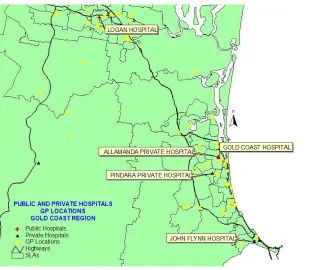
[image:25.612.83.404.369.639.2]It has been estimated that more than 80% of all data collected has a spatial reference attached to the database (Hocking, 2009). For example, within the health industry patient records almost always have a street address or postcode attached so therefore, using these unique identifiers, it is possible to match the unique identifier against a spatial database containing an address code or postcode. Or in the example shown in Figure 1, it is also possible to display the location of general practices and overlay the location of public and private hospitals within a specified region.
In the late part of the twentieth century, GIS was an extremely powerful tool and unfortunately was also extremely expensive. Now in the early part of the twenty-first century, GIS is starting to gain inroads into different professions such as real-estate and tourism, and in particular the health care industry. This is due to the awareness of its capabilities in these different applications, the decrease in cost and also the ability to utilise the internet to distribute an organisation‟s data.
2.8 Conclusion
Chapter 1 defined the need for and the potential benefits of a single, efficient and universally bed management system. This chapter also highlighted the complex and varied software applications and processes, and their shortcomings, that are utilised for bed management within a hospital environment to establish the need for a more comprehensive and efficient management of beds. Hospitals spend the vast amount of their budgets on software applications to help efficiently and effectively distribute data in relation to a patient, but are not necessarily meeting the needs in the best possible way (Ward, 2010).
From analysing the alternative software applications that are available to hospitals to manage their bed allocation, it is clear that the issue of managing bed capacity is a very complex and difficult task and hospital staff must cope with a variety of methods to assist in the bed management process.
It is also clear that the existing software applications do not address the core issues of bed management in detail due to them being built to generically handle all tasks that may occur within a hospital environment, from storing a radiology result to organising a special meal for a patient. Bed management becomes just one of the many tasks and not a core issue in its own right, hence not fully addressing the needs for the best management outcomes.
Chapter 3 – Research Design and Methodology
“We need more inpatient beds and better management of existing beds” Daniel M Fatovich, (et al), 2009
3.1 Introduction
Chapter 2 detailed the significance of using a GIS platform in preference to the other applications being used in various hospitals throughout Australia and overseas. Despite a variety of bed management system applications within both public and private hospitals (refer to Chapter 2.3), these applications are not generally meeting the needs required by the hospitals to successfully aid in the placement of a patient to a hospital bed.
There is a real challenge in today‟s society to utilise spatial information in a more diverse way in delivering of health care (refer to Chapter 2.6), similar to the use of other business areas to meet a wide variety of management, information and access needs, such as real estate, tourism, transport, solutions from Google Earth and Google Maps. Significant gains can be achieved through a greater use of GIS technology across the health care spectrum and eBeds will demonstrate the utility and advantages of this method and technique.
This chapter will outline the methodology of developing eBeds and the risks and challenges associated with the different development stages and outcomes of the system. The development of eBeds was undertaken primarily within a public hospital environment at a Queensland Health location in Brisbane.
3.2 Displaying Health Data
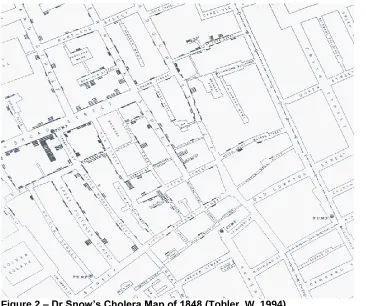
One of the most notable examples of mapping within a spatial context was from the 19th century - Dr. Snow‟s famous cholera outbreak map (refer to Figure 2). Dr Snow was a physician who mapped a particular area of London in relation to an outbreak of cholera that struck in 1848, to track the progress of the disease to see if he could determine exactly how it was spread. Dr Snow argued the point that cholera was spread by contaminated water and the drinking water in certain areas was infected which was the primary means of contagion. He analysed data that had been collected in the epidemic of 1848-49 and showed that the patterns of disease could be linked with specific water supply locations.
and outbreaks, in a location sense, where these deaths and how many occurred. The format of the map was a dot map, which is a very simple but effective visualisation of displaying data and highlighted the efficient use of how maps played an important part in history in determining the cause and effect of such a disease (Johnson, 2006).
Figure 2 – Dr Snow’s Cholera Map of 1848 (Tobler, W. 1994)
Dr. Snow‟s cholera map became a prime example of how the geographical visualisation of information could aid and assist in displaying the correlations between locations and the relationship to each other. Data visualisation is still recognised as a highly significant and useful method of understanding and evaluating a situation (Rosenberg, 2010).
3.3 Initial Research Drivers
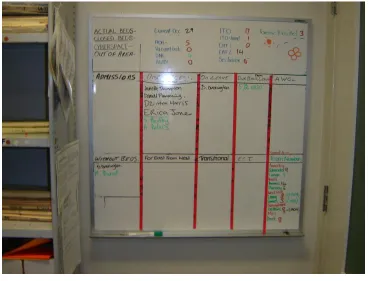
management with the idea of developing a bed management system within a GIS environment. It was through interaction with a variety of staff who mentioned, on a continuous basis, how it was difficult to keep track of where their patients were located in the wards throughout the hospital when using a whiteboard (refer to Figure 3).
In day-to-day practice, a Microsoft (MS) Excel spreadsheet was utilised to review patient location and information within the wards was being utilised. The spreadsheet had a number of inherent flaws, such as it did not upload to the main hospitals database, namely the Hospital Based Corporate Information System (HBCIS) (refer to Glossary), and therefore a large amount of information was required to be entered manually into MS Excel or HBCIS. Nor was it possible to download any information from HBCIS into the spreadsheet. No pertinent historical data, other than that which could be saved as a MS Excel file, was able to be stored for future reference.
The hospital had a number of issues when dealing with the spreadsheet on a day to day basis, such as:
The spreadsheet was frequently prone to corruption. This was either due to human error, such as, entering information incorrectly or through computer mishaps either through power loss or automatic shutdown.
Once the corruption occurred, there was little chance of retrieving the information to access the previous accurate information as there was no backup of historical data due to the shortcomings of the current system.
The current system could be edited only by certain staff with authorisation to do so and this lead to disruption in work practices and frustration amongst staff.
The information could only be read at certain points within the hospital and therefore was only available to a minimum of staff resulting in a lack of information flow to many staff members
No or little information flowed to the community care environment which impacted on the continuum of care outside the hospital
There was no ability to gather extra information related to the patient stay other than what was entered on to the excel spreadsheet.
There was no ability to combine data sets such as occupancy levels and acuity levels which hindered the ability of staff to gain an overall view of the current hospital environment. Also the information that was available was fragmented and difficult to extract and visualise from its current location. This led to time consuming gathering of data and a poor understanding of that data.
and how many admissions are due (refer to Figure 3). This information is considered extremely private and confidential and there is movement within the greater health community to stop this practice within hospital wards in relation to privacy laws.
[image:30.612.74.443.251.532.2]However, this has not been effective and the whiteboards are still in operation displaying the confidential information. As yet, (in 2009), there are no other suitable visual alternatives to address and replace the whiteboard information.
Figure 3 – The Whiteboard used commonly throughout a hospital ward.
There are a number of problems associated with this practice:
1. The information displayed on the whiteboard is clearly visible not only to staff but also to the patients located within the ward.
2. The information displayed was clearly visible to visiting members of the public, such as visiting relatives or external visitors moving around the ward for whatever purpose.
3. The transmission of this information to various users was not possible unless they physically viewed the white board.
One primary aim of the development of eBeds was to replace the whiteboard which continues in common use. Integral to this was to create a user friendly and patient centric software application that brings clear, concise and real time information in order to facilitate the decision-making processes (refer to Chapter 1.2).
3.4 Research Methodology
The eBeds concept methodology being discussed will disseminate the information and display that information in the most easily read format in relation to the task being performed. Data will then be delivered to the user with the necessary updates regarding patient information regardless of location, via the hospitals intranet and internet. It is also delivered via remote access to a specific user‟s remote location dependant on strict security guidelines. The data would not be on public display as it will be displayed from the user‟s allocated computer usually located behind the nurse‟s station or staff office. There are certain restrictions within the hospital to control the level of security and access to authorised information. These business rules and restrictions are structured as per existing hospital guidelines and will be assessed on a needs basis by hospital administrators. A sophisticated system of error trapping and internal auditing is envisioned in order to maintain data integrity and ensure reporting is as accurate as possible within the existing environment
At present, all these issues are a major factor contributing to the inadequate deficiencies in place with the current systems. These issues can be overcome with the proposed system of eBeds to help alleviate the protocols and policies and assist staff in the best practice for bed management.
3.5 Bed Management within Public Health
Beds are one significant and pivotal resource around which the function and management of the hospital section of public health environment relies upon. Beds within a hospital environment can be perceived differently to different hospitals depending on the context in which the word “bed” is used. The actual term „bed‟ has a number of meanings. One definition of a bed is “a physical input, considered as a fixed asset” (Walsh, 1998). A bed can also be defined as “one of the most fundamental inputs in the provision of acute health care”, (Walsh, 1998). Therefore, a bed can be perceived as one the most important parts of the health system infrastructure.
A „bed‟, depending on the particular definition, can also be perceived as an indicator of how well a hospital may be functioning from a managerial point of view. Management may view ward closures as being wasteful and inefficient and therefore indicate that the hospital is underutilising its resources. Other viewpoints may be that the system is under resourced and can cause potential
bottlenecks, which in effect can lead to the rationing of beds and lengthy waiting lists.
There are approximately 82,000 public or acute beds available throughout Australia and about 1,290 hospitals (Australian Institute of Health and WealthWelfare, 2008). On an average day, there are around 20,000 Australians admitted to a hospital with about the same leaving or separating for a particular service provided (Australian Institute of Health and WealthWelfare, 2008). In Queensland, approximately 7880 people receive admitted care in acute care public hospitals every day (Queensland Health, 2009).
In Queensland, public hospitals there were 9,901 hospital beds available as of June 2007. By the year 2011, the goal of Queensland Health is to have an additional 750 beds made available (Queensland Health, 2007). The need for greater efficiencies and increasing bed numbers make improved management even more necessary.
3.5.1 The Bed Management Process
Bed management can be defined as the management of all hospital processes necessary to place a patient into an appropriate vacant bed. The processes taken into consideration are the admission of a patient, length of stay (LOS), type of specialist bed (if needed) and the pending discharge date (Commonwealth Department of Health and Aged Care, 1999). There are also a number of other factors to take into consideration, such as the availability of staff and resources and the general housekeeping and maintenance of the beds. Also, some patients change beds during a hospital stay, related to recovery or rehabilitation needs; (also known as an “episode of care”). These reallocations also need to be addressed with relation to bed management. Within the hospital, management and staff must find a balance between the demands for available beds placed on the organisation as a whole and the demands placed on them through the needs of continuum care of the patient.
The hospital system in general is renowned for being stretched to the limit in all areas of health care, whether it is in such areas of concern as:
staff shortages;
greater demand in providing a higher standard of continuum of care;
more access to better facilities and services; or
a growing demand in providing sufficient hospital beds (Kirby et al, 2003).
3.5.2 The Admission Process
The journey begins for the patient on arrival to the hospital. Once the patient has been admitted and triaged, the admitting team need to determine the availability of beds for each patient. This generally consists of phoning individual wards on a daily basis to determine any pending discharges the ward may be having over the next coming days or within the next 24 hours. Once the bed occupancy is determined for each ward, is it then matched against the particular needs of the incoming patient. For example, a patient with a spinal condition would not be placed within a general ward due to the need for a specialist bed built specifically for spinal injuries and for the estimated length of stay (LOS) needed for the patient to recover.
The admitting process also involves the ward clinicians who manage the day to day care of each patient located within their allocated ward. Generally, each morning a staff meeting involving all the various ward managers is carried out to determine any patients being admitted that day or overnight, any pending discharges and any scheduled surgeries for the patient who will be leaving their allocated bed for a period of time and returning to possibly another ward or another bed location. All these variables are considered when first admitting a patient to a bed and the role of allocating patients to a bed is acknowledged throughout the health community as a very complex and involved process (refer to Sections 1.3 and 3.1).
All this information is then gathered and relayed to the admissions staff that is then aware of the bed occupancy for each ward within the hospital. It is then possible to determine the availability of potential bed allocation: however, this determinant is prone to a number of errors at any given time throughout the process. For example, during the research period, it was observed that if a particular ward became too busy due to lack of resources, such as unavailability of staff, certain wards would reduce the load of admitting patients. This occurred purely for the reason that adequate care could not be given to the individual patients; hence, a bed may remain unoccupied for a 24 hour period.
There are a number of issues pertaining to admitting a patient to a hospital bed and it is not necessarily the easiest process if not managed and monitored correctly. The application of eBeds will help alleviate such difficulties due to the application being web-based, therefore, the ability for staff to view across the intranet/internet. Also, one major benefit is the visual display of the floor plans outlining the individual wards and the location of the bed within each ward to help with negotiating the occupancy of beds within each ward.
3.5.3 The Patient Handover Process
process enables staff members to become aware and more informed of the patient‟s well-being and condition.
As a general rule, within some public hospitals, there are only 30 minutes allocated for a patient information handover. Therefore, it is essential that staff is prepared and informed of exactly what is relevant to the particular patient being discussed at the time. The information, for a successful handover, includes the bed number, patient‟s name, and abnormal signs such as vital signs and/or blood sugar levels. Some other factors discussed in the handover process may include pain control and whether or not the patient is receiving IV antibiotics or fluids. The process is for an administrative purpose and is the responsibility of the attending nurse to inform the new shift staff member before their shift begins. However, not all hospitals have a formal nursing clinical handover process as was the situation within the hospital in this research project. Despite the format structure, it was observed during the research process that the hospital had the following issues in relation to a handover process:
The existing processes were somewhat ad-hoc; there was no formal procedure about what occurs and virtually a total absence of auditing the process.
There was no record of what had been said or occurred as it was all verbal except for some handwritten notes. However, not all staff took notes and there was no requirement on those who did take notes to retain information for future reference. Although some staff notes where passed on at the end of a shift.
If notes were taken by staff, they were usually carried around by the staff member, which became a privacy issue as the notes could be lost or misplaced.
If notes were taken during the duration of a shift, they were not necessarily circulated to other staff members and not readily available other than if asked for. For example, the notes were not freely available to external staff members such as auxiliary care staff or community care staff.
As the handover notes cannot be searched for historical data, trends in a patient condition can sometimes be missed especially due to the rotational nature of nursing shifts. Reliance is placed on the ability of clinicians to recall events and occurrences rather than having a clear searchable record of an episode of care.
3.5.4 Key elements of eBeds
A modified pending admit/discharge function that captures workflow tracking elements for effective bed management and patient tracking.
The creation of a management report to be used by admitting and nursing administration for early identification of problems in the admit/discharge/ transfer process.
The creation of a management report of performance metrics to track the performance of the new bed management function.
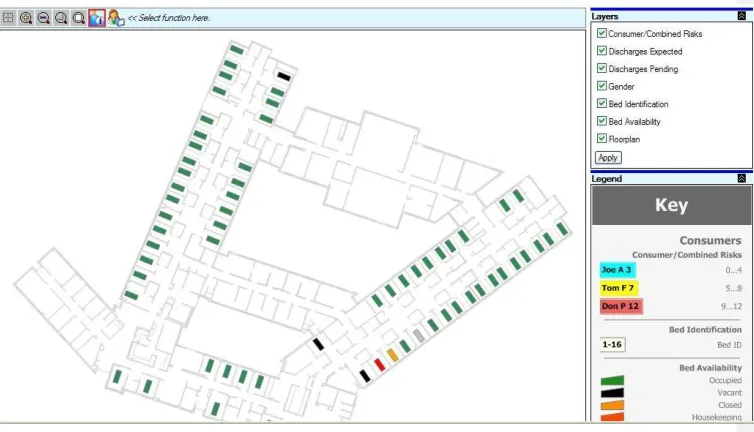
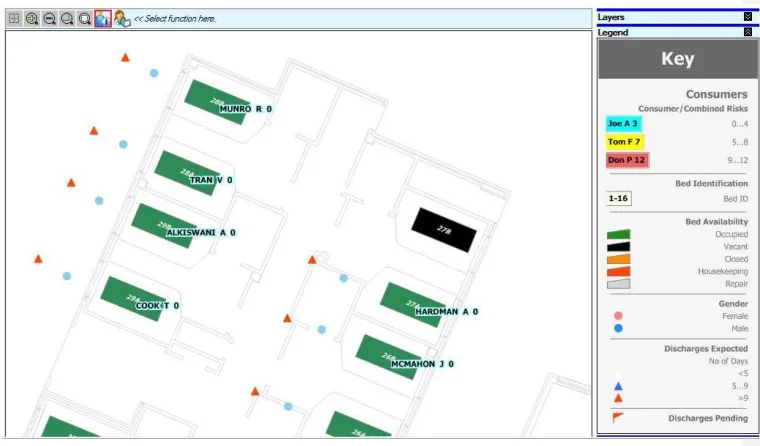
The creation of an electronic bed board to simulate the manual bed operation and allow visual access by nursing staff and admitting staff to the status of beds in the hospital utilising geographic information system (GIS) technology.
The integration the GIS with the hospital‟s admit/discharge/transfer (ADT) information system to provide real time information on patient admission, bed transfer and discharge status.
The integration of the GIS with the hospital‟s CAD electronic files to provide nursing floor views of the patient and bed status.
A trial of the eBeds system was to be used as a pilot to test and implement these concepts at a public hospital located within Brisbane, Queensland. The hospital would then implement a web based solution functioning on their Intranet web.
3.6 Limitations and Challenges
A challenge for health professionals is having timely access to health information for national, state-wide and local areas (refer to Chapter 2). The use of spatial technology allows integration of data from a variety of sources. When combined with an interactive web-reporting tool, the result is a set of tools that can bridge the divide between academic health scientists and clinicians/policy makers who rely on such information when making decisions in the field. These decisions also include determining the appropriateness of allocating a patient to available beds and their location relevant to the medical situation.
3.7 The Initial Scope of the Research
The aim of the development of eBeds is to create a user friendly and patient – centric software application that brings clear, concise and real time information to all the stakeholders in order to facilitate the decision-making processes. The application will disseminate and deliver information in the most easily read format in relation to the task being performed. The building of long-term business relationships along with continuous product improvement in conjunction with customers will facilitate the development process and promote eBeds in becoming the leader in bed management software.
both historical data and also define which team member actually made the change.
It is envisaged that the design of the application will focus firstly on the following business issues:
Replicate the whiteboard in current use within the hospital with its conversion to a stable user environment to enable clear and accurate information flow.
Enable an interface from HBCIS to reduce the rework of entering information a number of times.
Enable historical data to be stored and retrieved by the use of the application‟s customised querying ability.
Provide clear and real time information to all stakeholders in the project.
Provide a stable and user friendly environment in which to store, retrieve and view information,
Facilitate the flow of patients through the admission, continuum of care and the discharge process.
Allow historical data (when it becomes available) to be analysed in order to become predictive for the hospitals environment.
Be expandable to an enterprise level.
The functionality and scope proposed for the initial eBeds release are the:
Ability to show in a graphical format the physical location of beds within a ward and room
Ability to filter down through bed records to reveal patient demographic data.
Ability to interface with HBCIS to download patient demographics from client hospitals database.
Ability to allocate a Nurse and a Case Manager to a patient.
Ability to input additional information such as staff allocation to a patient, risk categories and levels of risk, suburb, health act status, and overnight leave.
Ability to monitor and highlight patient discharges and pending discharges.
Ability to reserve beds for incoming patients Pre-Admits.
Ability for community care areas in the health district to view certain information
Ability to replicate the spreadsheet currently in use by the hospital.
Ability to supply reports as outlined in a reporting document to develop jointly between the customer and the vendor.
Ability to supply queries developed jointly between the customer and the researcher.
Ability to develop crystal reports and MS Excel spreadsheets as required.
Ability to email and fax selected reports to a third party (assuming the use of the customers fax server and depending on Qld Health Security Policies).
Ability to audit inputs and changes.
Ability to allocate and change security status.
Ability to plan and manage bed availability.
Ability to display information on a stable platform and with security protocols of the business and the greater Qld Health infrastructure, and
Interface requirements to meet Qld Health specifications.
3.7.1 Selecting a suitable GIS
As discussed in Section 2.3, there are a number of health care companies providing software applications to assist medical and administrative staff. Of the venders listed (refer to Table 1) none of the applications specifically targeted bed management.
Part of the design of eBeds was to utilise the sophisticated technology of a GIS. There were a number of considerations when choosing the potential GIS before the development of the application began. One of the major considerations was related to the price of the software. The hospital involved in the research and development of eBeds had a limited budget set aside for the prototype. In was imperative to choose the correct GIS, not only based on price, but also on the functionality of the software.
On the market today there are two major GIS applications available, 1. ESRI suite of products and 2. Pitney Bowes MapInfo. These two products are extremely popular and are used extensively throughout all levels of governments and the private industry. Both software applications are price between $3,000 to $6,000 per licence for a standalone desktop computer. However, the prototype would eventually be based upon a web-based application, such as deploying across an Intranet or Internet over the World Wide Web. Both applications become even more expensive requiring more licences per t