
The use of multi sensory stimulation to improve functional performance in older people with dementia: a randomised single blind trial
220
0
0
Full text
(2) UNIVERSITY OF SOUTHAMPTON FACULTY OF MEDICINE, HEALTH AND LIFE SCIENCES School of Health Professions and Rehabilitation Sciences. The use of multi-sensory stimulation to improve functional performance in older people with dementia: A randomised single blind trial.. by. Lesley Collier MSc DipCOT MBAOT. Thesis submitted for the degree of Doctor of Philosophy. May 2007.
(3) UNIVERSITY OF SOUTHAMPTON. ABSTRACT FACULTY OF MEDICINE, HEALTH AND LIFE SCIENCES SCHOOL OF HEALTH PROFESSIONS AND REHABILITATION SCIENCES Doctor of Philosophy. The use of multi-sensory stimulation to improve functional performance in older people with dementia: A randomised single blind trial. By Lesley Collier Dementia affects over 750,000 people in the UK (Alzheimer’s Society, 2003). Clinicians and managers report dissatisfaction with current healthcare options available for people with dementia (Stubbings & Sharp, 1999). Multisensory Environments (MSEs) utilising advanced stimulating equipment targeting the senses, have been successfully used with individuals with dementia, with learning disabilities and in palliative care (Baker et al, 1997). Despite this, no controlled studies have been conducted to explore the efficacy of this intervention on functional performance. This study explores to what extent, if any, MSEs influence function, mood and behaviour of people with moderate / severe dementia compared with a control activity (gardening). In addition, sensory needs are identified using the Adult Sensory Profile (ASP) to explore whether sensory preferences are associated with changes in performance. Thirty participants were selected from people with moderate / severe dementia and randomly allocated to one of two groups (MSE or control). Following baseline assessment, each participant attended their allocated intervention 3 times a week for 4 weeks. Assessments were carried out before and after each session using the Assessment of Motor and Process Skills (function) and the Neurobehavioural Rating Scale (mood and behaviour). Results revealed significant main effects of the MSE in both function and in mood and behaviour. Sessional analysis revealed significant improvement in motor performance for the MSE group. Overall, both MSE and the control activity were found to improve function, mood and behaviour on a session by session basis. Participants who attended the MSE group and improved significantly in function fell within the low registration quadrant of the ASP. This suggests that MSEs are more suitable for those who require increased sensory stimulation. This study supports the use of sensory activity for people with moderate / severe dementia and recommends the use of the ASP to plan and facilitate activity. II.
(4) LIST OF CONTENTS. ABSTRACT ......................................................................................................................................II LIST OF CONTENTS.........................................................................................................................III LIST OF TABLES ............................................................................................................................. IX LIST OF FIGURES ............................................................................................................................ X LIST OF PICTURES .......................................................................................................................... X AUTHOR’S DECLARATION ............................................................................................................ XI ACKNOWLEDGEMENTS................................................................................................................ XII LIST OF ABBREVIATIONS............................................................................................................ XIII Chapter 1. Introduction................................................................................................................15. 1.1. The challenge of facilitating activity in dementia ...........................................15. 1.2. A possible solution ............................................................................................15. 1.3. Context from which the research question was developed ..........................16. 1.4. Background and rationale for the study..........................................................16. 1.5. Importance of incorporating activity into clinical practice............................18. 1.6. Lay out of the thesis ..........................................................................................18. Chapter 2: The challenge of facilitating activity in moderate to severe dementia ...................20 2.1. Introduction ........................................................................................................20. 2.2. Prevalence and presentation of Alzheimer’s disease and other dementias20. 2.2.1. Alzheimer’s disease ..............................................................................................21. 2.2.2. Vascular dementia ................................................................................................21. 2.2.3. Dementia with Lewy Bodies..................................................................................22. 2.2.4. Frontal lobe dementia ...........................................................................................22. 2.2.5. Summary...............................................................................................................23. 2.3. Severity of dementia and the ‘final common pathway’ ..................................23. 2.3.1. Cognitive disorders ...............................................................................................24. 2.3.1.1. Attention deficits....................................................................................................24. 2.3.1.2. Executive function.................................................................................................25. 2.3.1.3. Language deficits: Expressive and receptive dysphasia ......................................26 III.
(5) 2.3.1.4. Memory. ................................................................................................................26. 2.3.1.5. Dyspraxia ..............................................................................................................28. 2.3.2. Behavioural and Psychological signs in dementia (BPSD) ..................................28. 2.3.2.1. Agitation and anxiety.............................................................................................28. 2.3.2.2. Pacing ...................................................................................................................29. 2.3.2.3. Depression............................................................................................................30. 2.3.2.4. Aggression ............................................................................................................30. 2.3.3. Movement disorders .............................................................................................30. 2.3.3.1. Poor co-ordination.................................................................................................31. 2.3.3.2. Myoclonic jerks .....................................................................................................31. 2.3.4. Summary...............................................................................................................31. Chapter 3. Provision of interventions for people with severe dementia................................33. 3.1. Search strategy and literature selection..........................................................33. 3.2. Activities used in dementia...............................................................................34. 3.2.1. Reminiscence Therapy .........................................................................................34. 3.2.2. Reality Orientation ................................................................................................36. 3.2.3. Validation Therapy ................................................................................................37. 3.2.4. Social activity ........................................................................................................38. 3.2.5. Summary...............................................................................................................39. 3.3. Additional barriers to therapeutic activity.......................................................40. 3.3.1. Activity engagement in people with moderate to severe dementia: activity versus occupation............................................................................................................40. 3.3.2. Staffing and service provision issues....................................................................42. 3.3.3. Summary...............................................................................................................42. Chapter 4. Impact of activity and occupation in moderate to severe dementia ....................43. 4.1. The benefits in engaging in activity for people with dementia .....................43. 4.1.1. The role of activity and occupation in cognitive decline........................................44. 4.1.2. Impact of activity on well-being.............................................................................45. 4.1.3. Sensory changes and sensory deprivation, and their impact on activity..............47. 4.1.4. Neurogenesis in the ageing brain and its impact on activity................................48. 4.1.5. Summary...............................................................................................................50. 4.2. Key theories supporting activity for people with moderate to severe dementia .............................................................................................................50. 4.2.1. Requirements for successful activity ....................................................................50. 4.2.2. The influence of individual characteristics on participation in activity: The Model of Sensory Processing.............................................................................................51. 4.2.3. The influence of individual characteristics on participation in activity: Sensory Integration Theory................................................................................................53 IV.
(6) 4.2.4. The environmental influence on activity: Sensoristasis ........................................54. 4.2.5. Activity characteristics: Flow .................................................................................56. 4.2.6. Summary...............................................................................................................58. 4.3. Use of Multi-Sensory Environments: a suitable activity for older people with dementia? ...........................................................................................................58. 4.4. Summary .............................................................................................................62. Chapter 5: Methodology .................................................................................................................63 5.1. Aim, research questions and hypothesis........................................................63. 5.2. Research Design ................................................................................................64. 5.2.1. Randomised Control Trial .....................................................................................64. 5.2.2. Randomisation ......................................................................................................67. 5.3. Procedure............................................................................................................67. 5.3.1. Ethical considerations ...........................................................................................67. 5.3.2. Involvement of stakeholders .................................................................................68. 5.3.3. Sample size and justification ................................................................................69. 5.3.4.. Recruitment...........................................................................................................71. 5.3.4.1. Recruitment of data collection sites ......................................................................71. 5.3.4.2. Staff Training.........................................................................................................72. 5.3.4.3. Selection and exclusion criteria ............................................................................72. 5.2.4.4. Recruitment of participants ...................................................................................72. 5.3.5. Blindness ..............................................................................................................73. 5.3.6. Assessments.........................................................................................................74. 5.3.6.1. Method of data collection ......................................................................................74. 5.3.6.2. Assessments.........................................................................................................74. 5.3.7. Intervention activities ............................................................................................75. 5.3.7.1. The multi-sensory environment ............................................................................75. 5.3.7.2. The control activity (gardening) ............................................................................78. 5.3.7.3. Comparison of activities........................................................................................80. 5.4. Planned Analysis................................................................................................82. 5.4.1. Intention to treat analysis ......................................................................................82. 5.4.2. Planned statistical analysis...................................................................................82. 5.4.2.1. Descriptive analysis ..............................................................................................82. 5.4.2.2. Research question 1 and 2 ...................................................................................83. 5.4.2.3. Research question 3 .............................................................................................84. 5.4.2.4. Research question 4 .............................................................................................84. 5.5. Summary .............................................................................................................85. Chapter 6. Assessment of function, mood and behaviour in dementia: Measures used in the study ...................................................................................................................86 V.
(7) 6.1. Assessment parameters....................................................................................86. 6.2. Assessment of independent variables ............................................................87. 6.2.1. Standardised Mini-Mental State Examination.......................................................87. 6.2.2. GBS scale .............................................................................................................91. 6.2.3. The Adult Sensory Profile .....................................................................................94. 6.2.4. The Pool Activity Level (PAL) Instrument for Occupational Profiling....................97. 6.3. The assessment of dependent variables.........................................................99. 6.3.1. The primary outcome measure: The Assessment of Motor and Process Skills ...99. 6.3.2. The Neurobehavioural Rating Scale...................................................................108. 6.4. Summary ...........................................................................................................112. Chapter 7. Pilot work .................................................................................................................113. 7.1. The Aims ...........................................................................................................113. 7.2. Research design...............................................................................................113. 7.2.1. Participant recruitment ........................................................................................113. 7.2.2. Procedure ...........................................................................................................114. 7.2.3. Assessment period .............................................................................................115. 7.3. Results ..............................................................................................................116. 7.3.1. Suitability of the assessment tools......................................................................116. 7.3.2. Methodological challenges not anticipated in the initial research design ...........116. 7.3.3. Opportunity for therapy staff to practice following the research protocol ...........118. 7.3.4. Length of time required for data collection procedures ......................................118. 7.3.5. Sample size and power calculations...................................................................118. 7.4. Summary of key issues covered during the pilot phase..............................120. Chapter 8. Efficacy of intervention group on older people with dementia ..........................121. 8.1. Demographic and clinical characteristics .....................................................121. 8.1.1. Randomisation ....................................................................................................121. 8.1.2. Description of participants ..................................................................................124. 8.2. Effect of intervention on functional performance.........................................126. 8.2.1. Analysis of baseline to last treatment session....................................................126. 8.2.2. Analysis of baseline to session 3 and session 6 ................................................126. 8.2.3. Sessional analysis ..............................................................................................129. 8.2.3.1. The effect of each session on AMPS motor scores across participants ............129. 8.2.3.2. The effect of each session on AMPS process scores across participants .........130. 8.2.3.3. Number of sessions for which improvement was made .....................................131. 8.3. Effect of MSEs on mood and behaviour ........................................................133. 8.3.1. Analysis of baseline to last treatment session....................................................133. 8.3.2. Analysis of baseline to session 3 and to session 6 ...........................................133. 8.3.3. Sessional analysis ..............................................................................................135 VI.
(8) 8.3.3.1. Effect of each session on NRS scores ...............................................................135. 8.3.3.2. Number of sessions for which improvement occurred........................................136. 8.4. The association of an individual’s sensory profile in response to activity137. 8.4.1. Association between sensory profile, improvers and non-improvers .................137. 8.5. Comments in the research log........................................................................138. 8.6. Post-hoc analysis for sample size and power calculation using main study data....................................................................................................................139. 8.6.1. Sample size calculations using main study data ................................................139. 8.7. Summary ...........................................................................................................141. Chapter 9. Discussion ...............................................................................................................143. 9.1. Introduction ......................................................................................................143. 9.2. Statistical and clinical relevance of findings ................................................144. 9.2.1. Description of participants ..................................................................................144. 9.2.1. Effect of intervention on functional performance ................................................144. 9.2.2. Effect of activity on mood and behaviour............................................................148. 9.2.3. The association of an individual’s sensory profile with response to activity .......150. 9.2.4. Application to clinical practice.............................................................................151. 9.3. Critique of trial design and methodological considerations .......................153. 9.3.1. Power and effect size..........................................................................................153. 9.3.2. Randomisation and blinding ...............................................................................154. 9.3.3. Standardisation of the intervention .....................................................................155. 9.3.4. Timing of the study..............................................................................................155. 9.4. Clinical guidelines in current health provision and recommendations for best practice for people with moderate to severe dementia.......................158. 9.4.1. Assessment of people with moderate to severe dementia .................................158. 9.4.2. The use of activities for people with moderate to severe dementia ...................159. 9.5. Recommendations for future research..........................................................161. 9.5.1. Extension of the current study ............................................................................161. 8.5.2. Further research in this field ...............................................................................161. 9.6. Conclusion........................................................................................................163. Appendices ..................................................................................................................................164 Appendix 1 Information sheets ........................................................................................165 Appendix 2 Staff Training Programme ............................................................................171 Appendix 3 Letter introducing researcher ......................................................................172 Appendix 4 Consent form .................................................................................................173 Appendix 5 Assent form ...................................................................................................174 Appendix 6 Pool Activity Level guidelines .....................................................................175. VII.
(9) Appendix 7 Summary statistics from baseline to session 12 and baseline to follow-up for AMPS motor and process skills scores. .................................................183 Appendix 8 Summary statistics from baseline to session 12 and baseline to follow-up for NRS scores.................................................................................................184 References ..................................................................................................................................185. VIII.
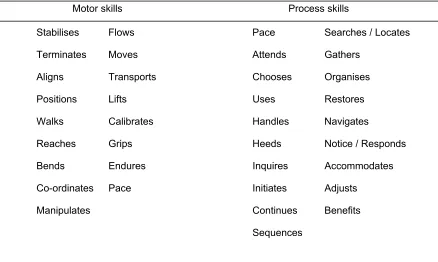
(10) LIST OF TABLES Table 1: Prevalence rates of dementia according to DSM-1V-R and ICD-10 ..................................21 Table 2: Predicted sample size from the pilot data compared with other studies.............................70 Table 3: Multi-sensory environment equipment ................................................................................78 Table 4: Gardening equipment .........................................................................................................80 Table 5: Similarities between activities .............................................................................................80 Table 6: Differences between activities ............................................................................................81 Table 7: Comparison of published measures for the assessments of cognition in older people......89 Table 8: Comparison of published measures for the assessments of global functioning in older people ................................................................................................................................93 Table 9: Example of an adult sensory profile summary chart...........................................................95 Table 10: Individual Motor and Process Skills assessed as part of AMPS ....................................100 Table 11: Comparison of published measures for the assessments of functional performance in older people .....................................................................................................................105 Table 12: Comparison of published measures for the assessments of neurobehavioural disturbance in older people .............................................................................................110 Table 13: Description of participants in the pilot study ...................................................................119 Table 14: Frequency scores for last assessment and last treatment session ................................123 Table 15: Demographic and clinical characteristics........................................................................125 Table 16: AMPS scores for Baseline, last treatment Session, Session 3 and Session 6. .............128 Table 17: NRS scores for baseline, last treatment session, session 3 and session 6 ...................134 Table 18: Percentage of sessions for which improvement was made on AMPS motor and process scores within each sensory quadrant ..............................................................................137 Table 19: Percentage of sessions for which improvement was made on NRS scores within each sensory quadrant .............................................................................................................138 Table 20: Difference between baseline and last treatment session for the MSE and control (gardening) group ............................................................................................................140. IX.
(11) LIST OF FIGURES Figure 1: Memory systems................................................................................................................27 Figure 3: Dunn’s Model of Sensory Processing................................................................................51 Figure 4: Model of imbalances in sensoristasis as applied to people with dementia .......................55 Figure 5: The Flow channel...............................................................................................................57 Figure 6: Framework for trials of complex interventions ...................................................................64 Figure 7: Outline of study based on framework for trials of complex interventions ..........................66 Figure 8: Example of a sensory profile quadrant ..............................................................................96 Figure 9: Example of a graphic report generated by the AMPS software ......................................102 Figure 10: CONSORT diagram reporting progress of participants through the pilot study ............114 Figure 11: Study outline ..................................................................................................................115 Figure 12: CONSORT Diagram showing the passage of participants through the study...............122 Figure 13: Mean delta AMPS motor scores over 12 sessions for treatment groups ......................129 Figure 14: Mean delta AMPS process scores over 12 sessions for treatment groups...................130 Figure 15: Percentage of sessions for which a participant made an improvement ≥ 0.5 logits in AMPS motor and process scores ....................................................................................131 Figure 16: Percentage of sessions for which a participant made an improvement ≥ 0.3 logits......132 Figure 17: Mean delta NRS scores over 12 sessions.....................................................................135 Figure 18: Percentage of sessions for which a participant made an improvement ≥1.3 in NRS scores. .............................................................................................................................136. LIST OF PICTURES Picture 1: Example of a multi-sensory environment .........................................................................59 Picture 2: Example of a green multi-sensory environment. ..............................................................77. X.
(12) AUTHOR’S DECLARATION. I, Lesley Collier declare that the thesis entitled The use of multi-sensory stimulation to improve functional performance in older people with dementia: A randomised single blind trial And the work presented in it is my own. I confirm that: •. This work was done wholly or mainly while in candidature for a research degree at this University;. •. Where any part of this thesis has previously been submitted for a degree or any other qualification at this University or any other institution, this has always been clearly stated;. •. Where I have consulted the published work of others, this is always clearly attributed;. •. Where I have quoted work from others, the source is always given. With the exception of such quotes, this thesis is entirely my own work;. •. I have acknowledged all main sources of help;. •. Where the thesis is based on work done by myself jointly with others, I have made clear exactly what was done by others and what I have contributed myself;. •. None of this work has been published before submission.. Signed………………………………………………………………………………………………………….. Date…………………………………………………... XI.
(13) ACKNOWLEDGEMENTS I would like to thank all those who have supported me during this time, without whom this study would not have been possible. In particular, I would like to thank: •. The participants and their families, for their willingness to take part and advice in the pilot phase of the study;. •. The staff who facilitated the activities alongside busy work routines, but also other members of staff who made me feel welcome in their places of work;. •. The Boscombe Alzheimer’s Society carers group for their invaluable guidance and support in the development of this study, in particular Rose their chairwoman;. •. Dr Romola Bucks, Professor Kathryn McPherson and Dr Caroline Ellis-Hill for their time, support and enthusiasm throughout the four years;. •. The Department of Health Research Capacity Development Nursing and Allied Health Professions Award Scheme for selecting me for one of their Research Development Studentship Awards which funded this study;. •. Rompa, UK for providing the multi-sensory equipment which was used in locations without multi-sensory environments;. •. Bernadette Waters for allowing me time and space to complete the final write up of the thesis;. •. My friends at the School of Health Professions and Rehabilitation Sciences who kept me going through the difficult bits and had faith in me;. And of course Thomas, William and Richard who cheered me on, fed me chocolate, read bits and commented, dragged me away from the computer at the end of the day, gave me lots of love and encouragement, and kept my feet on the ground so I could still be mum and wife.. XII.
(14) LIST OF ABBREVIATIONS. AD. Alzheimer’s disease. ADL. Activities of Daily Living. AMPS. Assessment of Motor and Process Skills. ASP. Adult Sensory Profile. BADL. Basic Activities of Daily Living. BADLS. Bristol Activities of Daily Living Scale. BIDS. Bath Information and Data Services. BMDS. Behavioural and Mood Disturbance Scale. BPSD. Behavioural and Psychological Symptoms in Dementia. BPRS. Brief Psychiatric Rating Scale. CAPE. Clifton Assessment Procedures for the Elderly. CDR. Clinical Dementia Rating. CINAHL. Cumulative Index to Nursing and Allied Health Literature. COT. College of Occupational Therapists. DAD. Disability Assessment for Dementia. DAFS. Direct Assessment of Functional Status. DLB. Dementia with Lewy Bodies. EMBASE. Excerpta Medica database. FLD. Frontal Lobe Dementia. IADL. Instrumental Activities of Daily Living. ICF. International Classification of Functioning, Disabilities and Health. ITT. Intention to Treat. MSE. Multi-Sensory Environment. MMSE. Mini-Mental State Examination. NICE. National Institute of Health Clinical Excellence. NOSGAR. Nurses Observational Scale for Geriatric patients. NRS. Neurobehavioural Rating Scale. NSF. National Services Framework. OT. Occupational Therapist. PAL. Pool Activity Levels. PLST. Progressively Lowered Stress Threshold. RO. Reality Orientation. RT. Reminiscence Therapy. SI. Sensory Integration. SIGN. Scottish Intercollegiate Guidelines Network. SMMSE. Standardised Mini-Mental State Examination XIII.
(15) VaD. Vascular Dementia. VT. Validation Therapy. WHO. World Health Organisation. XIV.
(16) Chapter 1 Introduction There is growing consensus that activities and occupations for people with moderate to severe dementia are either not available or fail to match their abilities and skill levels (Kovach, 2000; Richards & Beck, 2004; Voelkl, Ellis, & Walker, 2003). As a treatment strategy, multi-sensory environments have been available for people with dementia for the last 20 years and may offer an activity which can be matched to participant skill level. However, the value of this intervention for people with moderate to severe dementia has yet to be established (Savage, 1996b) and research into its efficacy is limited. This introductory chapter describes the problem of activity engagement in dementia and the context from which the research idea evolved. The importance of the research for clinical practice will be presented and an overview of the thesis given.. 1.1. The challenge of facilitating activity in dementia. Alzheimer’s disease, vascular dementia and dementia of other aetiology according to DSM-1V (American Psychiatric Association, 2000) criteria and ICD-10 (World Health Organisation, 2003) affects six percent of the European population over age 75 (Hofman, Rocca, & Brayne, 1991; Jorm, Korten, & Henderson, 1987). These progressive disorders present with discrete deficits in cognition, mood, behaviour, and functional ability leading to difficulty with participation in activity (Barberger-Gateau, Rainville, Letenneur, & Dartigues, 2000; Roman, 2002; World Health Organisation, 1997). Although many non-pharmacological interventions are available to try and manage some of the problems presented by dementia, for example, Reminiscence Therapy and Reality Orientation, clinicians and healthcare managers report difficulties in their facilitation (Stubbings & Sharp, 1999). This failure to provide suitable activity may lead to many patients enduring ‘twelve hour periods of chair sitting punctuated by corridor pacing and food or toilet experiences’ (Perrin, 1997. p.69). Conceivably, these interventions fail due to the effort required by the facilitator to enagage the person with dementia in a suitable activity (Pulsford, 1997f). Despite the inherent difficulties highlighted, this thesis is based on the assumption that facilitating activity is still a worthwhile endeavour.. 1.2. A possible solution. The National Framework for Older People (Department of Health, 2001) has a 10 year programme to improve services for older people. This programme takes a positive view of old age, encouraging the development and evaluation of innovative practice. One intervention which can be considered innovative is the use of multi-sensory environments (MSE). MSEs contain a variety of equipment to 15.
(17) stimulate the senses (sight, sound, touch, taste and smell). Using this equipment, MSEs can offer an activity based intervention which is argued to address imbalances in sensoristasis and levels of sensory stimulation by pacing sensory stimulating activity with sensory calming activity. This may assist people with dementia and their carers in coping with confusion and behaviour changes which are consequences of progressive, debilitating illness (Cohen-Mansfield, 2001; Finnema, Droes, Ribbe, & Van Tilburg, 2000; Kovach, 2000).. 1.3. Context from which the research question was developed. I was first introduced to multi-sensory environments 10 years ago whilst working as an occupational therapist. The client group I worked with included older people with severe dementia who were resident on a continuing care ward. These people presented with severe agitation and challenging behaviours such as wandering, aggression, shouting and screaming. It seemed that many of the behaviours exhibited were exacerbated by the noisy, over stimulating environment in which the individuals lived. I was curious to see if these behaviours could be modified if the level of environmental stimulation was reduced, and presented in a sequential manner. The use of a multisensory environment appeared to be one way of achieving a more controlled sensory load, as the sensory equipment might be sufficiently intense to focus attention without interruption from competing stimuli. In order to test this out, a psychologist and I took one of the patients to a small, multi-sensory room located in a centre for children with learning disabilities. Although the room was covered in soft foam, which made it difficult for the patient to move around, he spent time exploring the equipment and appeared to be listening to the music. On return to the hospital, nursing staff commented on his calm and happy demeanour, and willingness to take part in other activities that were presented to him that day. These positive responses led me to investigate further the use of multi-sensory environments with other people on the continuing care ward. As a result of further positive reactions from other patients, a multi-sensory environment was installed on the continuing care ward. Since the MSE was installed I have been involved in two studies exploring the use of these environments with older people with dementia (Moffat, Barker, Pinkney, Garside, & Freeman, 1993; Pinkney, 1997). These are described in Chapter 3 alongside subsequent studies (Baker et al., 2001; Burns, Cox, & Plant, 2000; Staal, Pinkney, & Roane, 2003) which have also reported some positive effects on mood and behaviour. However, caution regarding the reliability of the outcome measures used in these trials is needed. Nevertheless, these studies suggest MSEs have the potential to influence mood and behaviour, and, to date, no published, systematic research has investigated how MSEs impact on the functional performance of people with dementia.. 1.4. Background and rationale for the study 16.
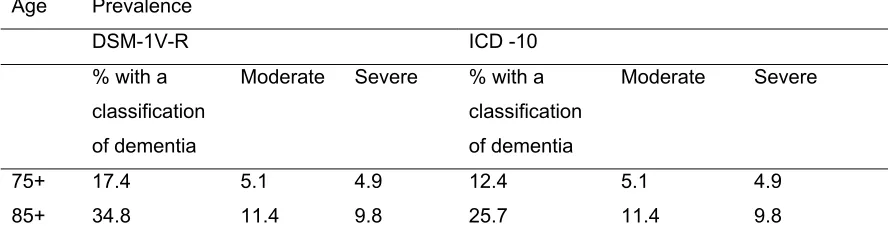
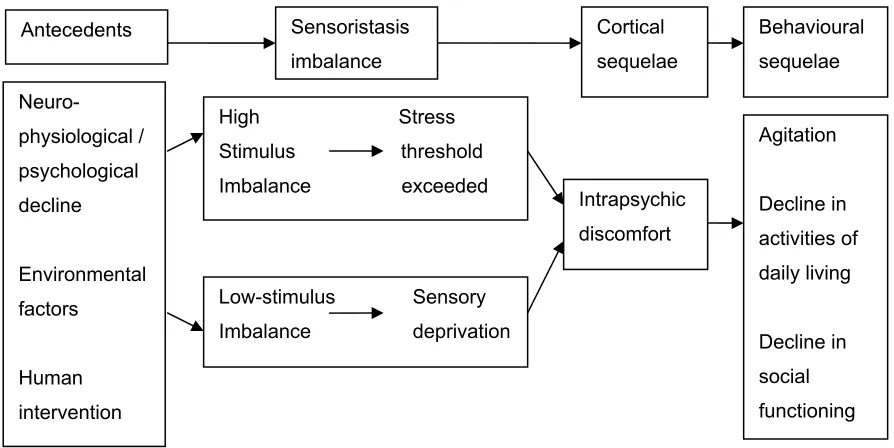
(18) Multi-sensory environments (MSE) utilise advanced sensory stimulating equipment that targets the five senses of sight, hearing, touch, taste and smell. Visual (sight) stimulation is achieved using a solar projector that casts themed images, for example, an underwater scene with fish; coloured optic fibres and a bubble tube. Auditory (sound) stimulation is achieved by playing music or environmental themes such as bird song. Tactile (touch) stimulation is accomplished using optic fibres to stroke and plait, and textured fabrics. Gustatory (taste) stimulation is achieved by offering small amounts of citrus fruits, sherbert and textured foods such as popcorn, jelly and so forth. Olfactory (smell) stimulation is achieved by using aromatherapy scents and smell pots (small pots containing everyday aromatic items such as cloves or peppermint). Multi-sensory environments (MSE) have demonstrated some success in the management of behavioural problems in people with dementia and severe learning disabilities, and pain management in palliative care (Baker, Dowling, Wareing, Dawson, & Assey, 1997; Schofield, 1996). Despite these reports, many of these studies are anecdotal and there is little conclusive evidence to suggest benefits can be transferred across client groups (Hutchinson & Hagger, 1991; Thompson & Martin, 1994). Also, little is actually known about how or why they work. As a result, healthcare managers can be reluctant to commit finances to an intervention with a limited research base which is expensive to install. Despite these limitations studies exploring the emotion-oriented aspects of MSEs suggest that participants find them enjoyable and are able to make independent choices about which piece of equipment they wish to use (Cohen-Mansfield, 2001; Finnema, Droes, Ribbe, & Van Tilburg, 2000). Also, staff feel that these improvements directly impact on the quality of their relationship with the participant (Hope, 2004). Research with older people with severe dementia has built on these findings, as this population is known to find conventional activities difficult to access. After spending time in a MSE, people with dementia are reported to show positive changes in mood and behaviour, and also an increase in attention to their surroundings (Baker et al., 2001g; Moffat et al., 1993). MSEs are also reported to influence the interpersonal interactions and levels of engagement amongst this group (Baker et al., 2001; Spaull, Leach, & Frampton, 1998). As well as reports of positive responses from patients and carers, staff have made reference to the positive effect being in a MSE has on their own perception of stress. Although these studies suggest that MSEs have the potential to influence a person's attention to activity, the environment around them and care givers’ perception of stress, they do not suggest how or why this influence occurs. One theory that may explain these responses is that of sensoristasis (Kovach, 2000). Sensoristasis is the balance between the demand of environmental stimulation and a person’s ability to process this stimulation. Studies by Dunn (2001), Ayres (1979) and Ross and Burdick (1981) also suggest that modulating sensory input may influence functional performance in activities of daily living 17.
(19) (ADL). As MSEs have the potential to provide sensory cues it seems likely that this intervention may lead to improvements in functional performance. However, a clear relationship between sensory input and improved functional performance has not yet been established. Moreover, it is also recognised that the mood and behaviour of the person with dementia may influence this performance, so these variables need to be considered when investigating the outcome of MSEs.. 1.5. Importance of incorporating activity into clinical practice. People with dementia, at some point in the disease, may develop psychological and behavioural disturbances such as agitation and wandering. This impacts on their ability to maintain functional skills such as self-care (Burns, Byrne, Ballard, & Holmes, 2002). In practice, medication such as neuroleptics and other sedatives are often used to control these disturbances. Although medication offers short term effects it frequently causes side effects such as drowsiness, which compounds the problem of reduced independence. Given these risks, good clinical practice should first exclude the possibility that psychological or behavioural disturbances have a physical cause (e.g. infection or pain) then try non-pharmacological approaches such as multisensory therapies, before considering medication (Douglas, James, & Ballard, 2004). The use of medication is further complicated by the ongoing debate within the National Institute of Health and Clinical Excellence regarding the efficacy of certain medications such as Donepezil, Rivastigmine and Memantine (NICE, 2006). Activity may offer an alternative way of managing psychological and behavioural disturbances. As in the medication option, activity must be tailored to meet individual needs (Moniz-Cook & Bird, 2003). This approach fits well with the World Health Organisation International Classification of Functioning, Disability and Health (ICF:World Health Organisation, 1997) a framework to describe and measure health and disability. The ICF shifts the focus of service delivery from disability to how people live with health conditions and how these disabilities can be improved by attending to individual needs to achieve a productive, fulfilling life (ability). The College of Occupational Therapists includes the ICF classification within its guidelines ‘Occupational therapy defined as a complex intervention’ (College of Occupational Therapists, 2003) and has called upon NICE to adopt the ICF classifications in order to redirect the focus of healthcare to activity and participation in clinical practice (College of Occupational Therapists, 2002). Although the number of nonpharmacological therapies and activities for people with moderate to severe dementia is increasing (Douglas et al., 2004), there is need for guidance for those in clinical practice, regarding the most suitable activity to match specific, individual needs. Further discussion of activities available for people with moderate to severe dementia is provided in Chapter 3.. 1.6. Lay out of the thesis 18.
(20) The thesis is divided into 9 chapters. Chapter 1, this chapter introduces the problem and the rationale for the study. Chapters 2, 3 and 4 offer a critical review of current and seminal literature which is of direct relevance to the study. Chapter 2 presents the distribution of dementia and the common cognitive problems experienced by people with dementia that impact on their ability to participate in activity. Chapter 3 explores the activities that are currently offered, with reference to their limitations given the specific problems presented by people with moderate to severe dementia. Chapter 4 discusses the impact of activity in dementia and presents the multi-sensory environment as a suitable activity which addresses many of the challenges of engaging people with moderate to severe dementia. This leads to the research questions and hypotheses. Chapter 5 presents the methodology. This includes justification and description of the design used, ethical issues that were addressed, the sampling process, process of data collection and initial data analysis plans. Chapter 6 presents the assessment tools used with justification for their selection. Primary and secondary assessment tools are explored in-depth with attention to validity and reliability. Reasons for selection are briefly considered. Chapter 7 presents the pilot study, reporting the outcome and amendments that were incorporated into the main study as a result. Chapter 8 presents the results. These are presented for each research question, with details of analysis used. Chapter 9 considers the results in light of other relevant literature. Themes and emerging theoretical perspectives are explored in relation to clinical practice. Strengths and weaknesses of the study are considered alongside implications for clinical practice. Finally, a section on personal reflection has been included, identifying the challenges and successes of the study with consideration of what might have been done differently if the study were to be repeated.. 19.
(21) Chapter 2: The challenge of facilitating activity in moderate to severe dementia 2.1. Introduction. Chapter 2 explores the distribution of dementia and the common cognitive problems that dementia brings, with commentary on how those cognitive problems affect engagement in activities. Given that the ability to participate in activity becomes more impaired as dementia progresses, the specific problems experienced in moderate to severe dementia will be explored in relation to their impact on activity and functional performance.. 2.2. Prevalence and presentation of Alzheimer’s disease and other. dementias Dementia is a syndrome characterised by progressive deficit in cognitive functions which interferes with social and occupational activities (American Psychiatric Association, 2000). Estimates suggest that the number of people with dementia, worldwide, is 15 to 18 million, and it is predicted that by 2025 34 million people will be affected (Alzheimer's society, 2003; Bates, Boote, & Beverley, 2004). Dementia currently affects over 750,000 people in the UK. Of that group, over 18,000 are under the age of 65 years (Alzheimer’s Society, 2003). Prevalence increases with age. However, the percentages differ somewhat according to the diagnostic criteria used (see Table 1), the two most common being the Diagnostic and Statistical Manual of Mental Disorders - Revised (DSM-1V-R: American Psychiatric Association, 2000) and the International Classification of Diseases (ICD - 10: World Health Organisation, 2003). Despite the slight differences in percentages it is clear that, of those classified with dementia, higher numbers have a moderate and severe presentation than those with a mild presentation.. 20.
(22) Table 1: Prevalence rates of dementia according to DSM-1V-R and ICD-10 Age. Prevalence DSM-1V-R % with a. ICD -10 Moderate. Severe. % with a. classification. classification. of dementia. of dementia. Moderate. Severe. 75+. 17.4. 5.1. 4.9. 12.4. 5.1. 4.9. 85+. 34.8. 11.4. 9.8. 25.7. 11.4. 9.8. Riedel-Heller, Busse, Aurich, Matschinger, & Angermeyer (2001). Given only mild dementias are considered treatable with cognitive enhancing medications (Overshott & Burns, 2005) this leaves a large group of people for whom palliative treatments such as sedatives and neuroleptics are the only option. Of this large group the two most common forms of dementia are Alzheimer’s disease (AD) and vascular dementia (VaD). Other types include dementia with Lewy bodies (DLB) and frontal lobe dementia (FLD). These will be considered briefly.. 2.2.1. Alzheimer’s disease. This form of dementia was first described by Alzheimer (1907), and is the most common form of dementia in the Western world (Europe and Northern America), with an estimated prevalence rate of 4% in the population aged 65 – 70 years (Wellin, Svardsudd, Wilhelmsen, Larsson, & Tibblin, 1987). Alzheimer’s disease (AD) usually presents with insidious onset accompanied by memory problems, in particular, anterograde episodic memory impairment (difficulty recalling events in the past). Other problems, in the later stages of the disease, include language disturbance (dysphasia; expressive and then receptive), reduced motor skills (dyspraxia) and difficulty in recognising everyday objects (agnosia) (Graham, Emery, & Hodges, 2004). As the disease progresses apathy, agitation, irritability and, occasionally, disinhibition are also common (Del Ser, Hachinski, Merskey, & Munoz, 2005). 2.2.2. Vascular dementia. Whilst memory decline is the cardinal feature of AD, vascular dementia (VaD) can present with primary decline in other cognitive domains (Roman, 2002). VaD is a collective name for a series of dementias associated with deficiencies in circulation of blood in the brain, which lead to brain damage. It is the second most common cause, occurring in 15-30% of people with dementia 21.
(23) (American Psychiatric Association, 2000). A further 20% have VaD in combination with AD (American Psychiatric Association, 2000). The clinical presentation of VaD varies greatly depending on the location of cerebral damage (Desmond, 2004). Features may include stepwise decline followed by periods of stability (but not in sub-cortical vascular dementia where a more gradual decline is seen); mildly affected memory, which is in contrast to the early and severe memory deficit seen in AD; early and severe executive dysfunction such as disorganised thought, difficulties in problem solving and planning, with particular deficits in verbal fluency and attention; and disorders of gait (Desmond, 2004; Moroney, Bagiella, & Desmond, 1997). People with VaD often also show distinct features such as greater depression and functional impairment compared with patients with AD, at a given level of dysfunction (Groves, Brandt, & Steinberg, 2000).. 2.2.3. Dementia with Lewy Bodies. Dementia with Lewy bodies (DLB) affects approximately 100,000 people in the UK (McKeith, O'Brien, & Ballard, 1999) accounting for between 10 to 20 % of people with a diagnosis of dementia (Ballard et al., 2001; Singh, 2005). In 1995, a consortium established consensus criteria for the clinical and pathological diagnosis of DLB (McKeith, Galasko, Kosaka, & Perry, 1996). The core features include fluctuating cognitive impairment with pronounced variation in attention and alertness, visuospatial dysfunction, complex, recurrent visual hallucinations and mild extrapyramidal features (Boeve, 2005; McKeith et al., 1999). These motor features most typically develop within 12 months of the cognitive impairment. This is in contrast to Parkinson’s dementia where the motor symptoms develop prior to the cognitive impairment which more commonly occurs more than 12 months after the first motor signs (Wilcock, 2003). Supportive features of DLB include falls and transient loss of consciousness, neuroleptic sensitivity and systematised delusions (McKeith et al., 1996). DLB has a similar rate of decline to AD and VaD (Ballard et al., 2001) and the clinical signs in the later stages of the disease are also similar (Ince, Perry, & Morris, 1998).. 2.2.4. Frontal lobe dementia. Frontal lobe dementia (FLD) is a less common form of dementia with a slow, insidious onset (Gislason, Sjogren, Larsson, & Skoog, 2003). It occurs most frequently between the ages of 40 and 60 years (Passant, Rosen, Gustafson, & Englund, 2005), and affects approximately 18% of people with a diagnosis of dementia over 65 years of age (Gislason et al., 2003). The concept of FLD was first proposed by the Lund-Manchester Group (1994) following increased reports of atypical dementia and Pick’s disease (Amano & Iseki, 1999). Although the onset of FLD 22.
(24) is not dissimilar to AD with dysphasia (difficulty with verbal expression), agnosia (inability to recognise people and objects) and dyspraxia (difficulty with motor function), the core features of FLD are distinct and include disinhibition and personality change, loss of insight, apathy, hyperorality (placing food and non-food objects into the mouth), dietary changes, as well as disorganisation. Less common, language function may also deteriorate with less and less language being used, to the point that in the later stages of the disease the patient is almost mute. These behavioural-personality features relate to the focal lesions in the frontal and temporal lobes (Uchihara, Ikeda, & Tsuchiya, 2003). In contrast to other dementias, people with FLD have relatively preserved memory and visual spatial skills. They are also more likely to present with psychiatric features such as depression and anxiety in the early stages of the disease, although these may also vary depending on the brain regions affected (Mendez et al., 2005). For example, patients with FLD predominantly affecting the temporal lobes may present with emotional and personality changes such as frivolous behaviour. In contrast, patients with FLD predominantly affecting the frontal lobes may present with apathy and dysexecutive personality changes (Mendez et al., 2005).. 2.2.5. Summary. In summary, the clinical diagnosis of dementia encompasses a range of clinical and pathological symptoms. These symptoms, which are influenced by the site of lesions and / or clinical pathology, lead to diagnoses such as AD or VaD. Another system of categorisation used is that of disease severity.. 2.3. Severity of dementia and the ‘final common pathway’. People with a diagnosis of dementia are frequently described as having mild, moderate or severe dementia depending on the number of clinical manifestations exhibited, the degree of restriction of activity and the consequential reduction in participation (International Classification of Function, Disability and Health, ICF) (World Health Organisation, 2002). In the early stages of these different disease classifications, signs and symptoms are specific and management strategies are tailored to address these specific problems. However, as these diseases progress the diagnosis becomes less relevant as people at the severe end of the spectrum present with very similar patterns of symptoms. Given that there are currently few, if any pharmacological options available for the treatment of severe dementia, coupled with the difficulty of differential diagnosis at this late stage,. 23.
(25) treatment strategies tend to focus on the management of behavioural problems. In late dementia, there is greater consistency across the diagnoses in the types of behavioural problems which arise. Despite the different clinical forms of dementia all result from a progressive, neurodegenerative pathology leading to cognitive and behavioural decline (Lockhart & Lestage, 2003). In the later stages of the disease, the presentation of these features may become indistinguishable amongst the different diagnostic groups. This has been coined the ‘final common pathway’ (Carlson, Fleming, Smith, & Evans, 1995; Lockhart et al., 2003). This may be defined as a presentation of comparable signs and symptoms that are evident in all forms of dementia. Indeed, Schäufele et al. (2002), Ballard et al. (2001) and Agüero-Torres et al. (1998) describe the similar presentation of AD and VaD in the later stages of the disease. Particular common features include cognitive deficits (attention, executive functioning, language and memory), functional difficulties (in activities of daily living), psychomotor impairment (dyspraxia and poor co-ordination), behavioural difficulties (aggression, agitation, and wandering) and psychiatric disturbance (depression and anxiety) (Schaufele, Bickel, & Weyerer, 2002; Wellin et al., 1987). The problems caused by these features will be explored further with reference to how they present challenges for the provision of and engagement in activity.. 2.3.1. Cognitive disorders. 2.3.1.1 Attention deficits Attention refers to a number of cognitive abilities including maintaining an alert state and orienting to sensory stimuli in order to engage in everyday tasks (Fernandez-Duque & Black, 2006). Particular attention deficits seen in moderate and severe dementia include poor selective attention, the inability to shift attention, poor sustained attention, and difficulty dividing attention (Perry & Hodges, 1999). Selective attention is the ability to focus on a single stimulus whilst ignoring competing or distracting stimuli, whilst attentional shift is the ability to move attention from one stimulus to the next (Posner & Petersen, 1990). This may be due to the loss of inhibition by the individual of conflicting and competing stimuli in the immediate environment (Perry et al., 1999; Raizada & Grossberg, 2001). Sustained attention and vigilance is the ability to focus attention over a period of time (Parasuraman & Haxby, 1993). Arousal is particularly relevant in vigilance as the individual needs to be sufficiently alert in order to engage with the task. Finally, divided attention is the sharing of attention between two or more relevant stimuli (Perry et al., 1999). A breakdown in divided attention can lead to a decrease in accuracy in task performance. In moderate to severe dementia particular problems in trying to engage people in activity include maintaining attention during everyday tasks whilst at the same time ignoring external stimuli (Wilkins, Shallice, & McCarthy, 1987). Attention becomes dependent on the degree of engagement required for each activity and the competition from environmental stimuli. As many activities are 24.
(26) offered within main living areas, there is often considerable interference from irrelevant stimuli. Indeed, Nygård, in a series of studies aggregating findings (Nygard & Ohman, 2001; Nygard & Starkhammer, 2003) identified that people with dementia sought support for activity in which they were engaged from their environment. For example, if the environment was noisy people needed to use more strategies to attend to the activity. This increased demand was more likely to lead to an increase in the length of time taken to complete the task and, possibly, activity breakdown. The complexity of the task also has an impact on sustained and divided attention. Activities that are complex, involving several stages and requiring multiple skills, are more likely to fail for people with moderate to severe dementia. For example, individuals experience a disproportionate slowing of walking speed whilst simultaneously carrying out a fluency test (Camicioli, Howieson, Lehman, & Kaye, 1997). If the activity is too complex arousal can decline rapidly over time leading to distractibility (Perry et al., 1999). If the activity requires divided attention there may be a catastrophic rate of decline in task accuracy often leading to higher levels of performance error (Baddeley, Baddeley, Bucks, & Wilcock, 2001; Baddeley, Bressi, Della Sala, Logie, & Spinnler, 1991). These problems can be cyclical in nature with inattention due to distraction leading to a breakdown in sustained attention, further contributing to the problem of engaging attention in activity (Cole & Tak, 2006; Craik, Morris, Morris, & Loewen, 1990; Morris, 1994).. 2.3.1.2 Executive function Executive function controls higher order cognitive capabilities such as problem solving, self monitoring, sequencing and awareness (Lezak, 1983) and overlaps with the functions described in attention. Indeed, many tests of executive function also test attention. This is because attention determines which external information is processed before problem solving skills can be utilised. Disorders in executive functioning are seen in severe dementia, often regardless of the diagnosis. They generally occur after the initial amnesic phase and grow worse as the disease progresses. Stuss and Benson (1986) have suggested that executive functioning can be divided into two facilities. The first involves sequencing of behaviours, whilst the second is concerned with drive and motivation. Whilst many over learnt and automatic behaviours are retained into the later stages of dementia, executive functions are required in order to complete the activity. Examples of executive function deficits are particularly evident in instrumental activities of daily living that involve manipulation of information. For example, following a recipe or finding your way to the shops requires using new information which may need to be modified as the activity progresses, as well as holding in working memory the task instructions, what has been completed and what is left to be done (Levine, Lee, & Fisher, 1993). If the activity requires complex manipulation of information, these resources are exceeded and the activity fails. This is a common problem for people with severe dementia who are often presented with activity that is too complex, in that there is a requirement for them to be able 25.
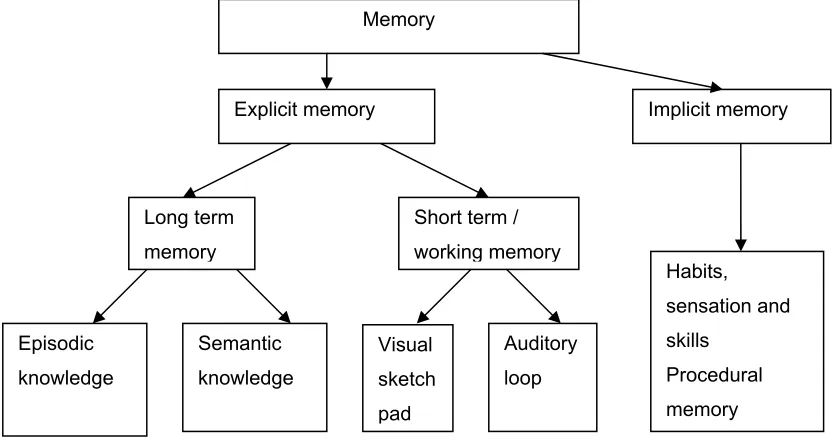
(27) to plan and sequence their behaviour in order successfully to complete the task (Baum & Edwards, 2003). 2.3.1.3 Language deficits: Expressive and receptive dysphasia In severe dementia, expressive language impairment is particularly prevalent, being found in 93% of those at the severe end of the spectrum (Kirshner & Bakar, 1995; Schaufele et al., 2002). Problems with language expression include severe loss of fluency, perseveration and non-verbal utterances, for example, muttering and groaning. These problems differ from those experienced by people with global aphasia due to focal lesions, as people with severe dementia are unable to palliate their difficulties using non-verbal communication (Boller, Verny, Hugonot-Diener, & Saxton, 2002). As the disease progresses so language deteriorates with the person making an increasing number of semantic and syntactic errors (Hier, Hagenlocker, & Shindler, 1985). Another problem area at the severe end of the dementia spectrum is that of receptive dysphasia (difficulty in understanding what has been said) due to the progression of the disease into the parietal lobes, and problems with phonology (loss of accent and intonation). Activities which require verbal communication skills may be compromised for people with moderate to severe dementia, due to their problems with verbal expression and comprehension (Murdoch, Chenery, Wilks, & Boyle, 1987). Activities such as Reminiscence Therapy and Validation Therapy all require a relatively high degree of verbal fluency for the person to participate. Thus, activities which do not rely on verbal communication may be more successful for people with moderate to severe dementia.. 2.3.1.4 Memory. The term memory includes registration, retention and retrieval of information through a series of complex inter-connecting systems (Milner, Squire, & Kandel, 1998). Failure in one area has consequences for the functioning of another (Squire et al., 1990). Memory dysfunction is a critical feature in all forms of dementia and has a direct impact on the individual’s ability to participate in every day activity (Cooke, Fisher, Mayberry, & Oakley, 2000; Doble, Fisk, MacPherson, Fisher, & Rockwood, 1997). Memory systems can be divided into implicit and explicit memory (Figure 1) which encompasses both short and long term memory. Implicit memory encompasses information that is gained independently of the individual’s awareness. Examples of activities learnt using implicit memory include walking, dressing or gradually acquired habits and routines (procedural memory). Skills needed to participate in these activities are gained through sensory motor interaction acquired during normal development, classical and operant conditioning as well as habits and routines (Clark, Manns, & Squire, 2002). As this skill acquisition is achieved over time, this memory system could be considered to be part of long term memory. 26.
(28) Figure 1: Memory systems. Memory. Explicit memory. Implicit memory. Long term. Short term /. memory. working memory. Habits, sensation and. Episodic. Semantic. Visual. Auditory. skills. knowledge. knowledge. sketch. loop. Procedural memory. pad. Adapted from Squire (1992). Explicit memory includes both short term and long term memory. Short term memory utilises a central executive system which co-ordinates and manages information processing and immediate storage (Craik, Morris, Morris, & Loewen, 1990; Morris, 1994). The two main storage systems are visual and verbal. In the visual system, the visual sketch pad processes visual input such as the written word. In the verbal system, the auditory loop system processes verbal input such as the spoken word (Morris, 1994). Long term memory includes both episodic and semantic memory (visual and verbal). Episodic knowledge includes memory for details of past events such as last Christmas and personal experiences. Semantic knowledge includes understanding of language and facts gained through learning and experience, such as, being able to speak another language (Bayles, 2001). All memory, to some extent, is affected in severe dementia. For example, in Alzheimer’s disease the medial temporal lobes and forebrain structures are affected, resulting in impairment of explicit learning and discrete elements of implicit learning such as performance of conceptual tasks (Reber, Martinez, & Weintraub, 2003). Similarly, in vascular dementia, both episodic and semantic memory impairment (explicit learning) are features in the later stages of the disease (Graham et al., 2004). These memory impairments have a direct impact on participation in activity. For example, impairment in short term and long term memory coupled with language comprehension difficulties 27.
(29) makes the understanding of instructions problematic for the person with dementia. Therefore, activities requiring retention of new information such as Reality Orientation often fail. In early dementia, individuals have difficulty remembering the recent past. As the dementia progresses, they begin to have difficulty remembering the more distant past as well (Boller et al., 2002). This decline leads to difficulty in recalling personal experiences and autobiographical events making activities such as Reminiscence Therapy an unsuitable intervention for people with severe dementia. In contrast, procedural memory may be relatively well preserved so activities that include repetitive, well learnt movements, such as dancing or catching a ball, may be more successful.. 2.3.1.5 Dyspraxia Dyspraxia is thought to affect approximately 40% of people with a diagnosis of severe dementia, and is considered to be one of the main factors leading to falls (O'Keeffe et al., 1996). Although it is a well recognised feature (Cott, Dawson, Sidani, & Wells, 2002) little research has been undertaken to explore its impact on activity for people with severe dementia. Studies with people who have cerebrovascular accidents (strokes) have described two types of dyspraxia which are also evident in dementia (Chainay & Humphreys, 2003; Fitzgerald, McKelvey, & Szeligo, 2002; Zadikoff & Lang, 2005). Ideational dyspraxia is a disorder of the conceptual system which contains knowledge of actions and functional performance. Ideomotor dyspraxia is a disorder in the generation and control of specific movement. Both these forms of dyspraxia make functional performance and activity difficult for people with severe dementia as they may start an activity and then not know how to progress. Alternatively, they may find it difficult to initiate movement to start the activity. Many social activities rely heavily on movement, such as baking or gardening, therefore, people with moderate to severe dementia may find it more challenging independently to complete such activities.. 2.3.2. Behavioural and Psychological signs in dementia (BPSD). Behavioural and psychological features include agitation, anxiety, pacing, depression and aggression. Epidemiological studies confirm there is a strong association between severe dementia and behavioural symptoms (Boller et al., 2002; O'Connor, Pollitt, & Roth, 1990; O'Connor, Aenchbacher, & Dishman, 1993).. 2.3.2.1 Agitation and anxiety Agitation is often seen as a behavioural sign of anxiety and, therefore these two features will be discussed together.. 28.
(30) Agitation has been reported in 48 to 75% of people with severe dementia (Merriam, Aronson, Gaston, Wey, & Katz, 1988; Reisberg, Sclan, Franssen, Klugger, & Ferris, 1994). This variation in figures represents the difficulty clinicians have in defining what is meant by agitation (Boller et al., 2002). Key features include inappropriate motor or vocal activity that is not explained by need, such as excessive checking and fiddling (Haupt, Kurz, & Janner, 2000; Hope, Keene, Gedling, Fairburn, & Jacoby, 1998). This can impede the progress of activity in terms of attention to the details and task completion. Because agitation is thought to indicate distress, potential antecedents of behaviour should be addressed (Boller et al., 2002). A diagnosis of anxiety is equally problematic and is often related to episodes of depression. Teri et al. (1999) report co-morbid anxiety and depression in 54% of cases of people with severe dementia. Anxiety on its own has a higher reported frequency in severe dementia of 70% (Eastwood, 1994). Particular features include frequent requests for attention and general restlessness. The cause of anxiety in severe dementia is difficult to identify due to the severe cognitive impairments presented (Wilkinson et al., 2003) and difficulties in communication. Anxiety impacts on a person’s ability to participate in activity due to restless movement and poor attention. Activities which involve sequential events, such as preparing a meal, may serve to exacerbate the problem rather than reduce the level of anxiety (Perrin, 1997). Likewise, Kitwood (Kitwood, 1993; 1997) suggested that anxiety may relate to not having a role or clear idea of one’s life purpose. Therefore removing activities that are part of a personal routine may enhance the presenting level of anxiety rather than reduce it.. 2.3.2.2 Pacing Pacing has been reported in 23 to 40% of people with severe dementia (Boller et al., 2002). This behaviour manifests itself as determined walking within a restrictive area often in a state of anxiety or deep thought. As a behavioural problem, pacing is difficult to interpret with conflicting explanations for its cause. Logsdon, Teri & McCurry et al. (1998) claim that pacing and wandering are attempts by the patient to get to a location, possibly home, but due to their severe cognitive impairment this goal is often forgotten. In contrast, Woods (2001) suggests that wandering may reflect the search for someone or something, or be indicative of the search for somewhere safe in a bewildering environment. Wandering may also be perceived as a sign of boredom exacerbated by problems with communication (Carlson et al., 1995). Attention to timing, location of activity and awareness of normal habits and routines may help minimise problems of wandering. For example, a man who used to be a farmer may be restless first thing in the morning as this would have been a time to milk the cows. An early morning walk may achieve that sense of purpose and more accurately reflect his normal work routine.. 29.
Figure
+7

Outline
Additional barriers to therapeutic activity
Neurogenesis in the ageing brain and its impact on activity
The influence of individual characteristics on participation in activity: The Model of
Use of Multi-Sensory Environments: a suitable activity for older people with
Example of a green multi-sensory environment
Critique of trial design and methodological considerations
Clinical guidelines in current health provision and recommendations for
Recommendations for future research
Information sheets
Related documents
*Email: [email protected] ABSTRACT The objective of this work was to develop a formulation of amoxicillin trihydrate dispersible tablets of 320mg in a low production value,
Unbalanced design favours the majority use more balanced design or advanced techniques to improve the function estimate in
vehicle’s current location, speed towards the vehicle owner’s mobile. Student’s
Figure 5 shows a breakdown of the thermal energy required and electrical power consumption for desalination by PV in recirculation mode using the experimental water flux of 11.7 kg/m
Given that the neural retina is polarized in the apicobasal plane (Malicki, 2004), and that optic cup folding may be linked to polarity, we examined the localization of apical and
Administrative data processing, Financial data processing, Investments; Literature reviews, Portfolio selection, Project portfolio management, Project portfolios, Project
In line with this policy, the Nigerian Maritime Administration and Safety Agency (NIMASA) being the custodian and apex maritime regulatory agency in Nigeria initiated and
