Rain-Induced Fruit Cracking in
Sweet Cherry (Prunus avium
L.).
By Penelope Measham
BAppSc(Hort), BAppSc(Ag)(Hons) University of Tasmania
Submitted in fulfilment of the requirements for the
Degree of Doctor of Philosophy
School of Agricultural Science, University of Tasmania,
Declaration
i
Declaration
I hereby declare that this thesis does not contain any material which has been accepted for a degree or diploma by the University of Tasmania or any other institution unless by way of background information, or where due reference is given. To the best of my knowledge, this thesis contains no material previously published or written by another person, except where due reference is made in the text of this thesis, nor does the thesis contain any material that infringes copyright.
Penelope Measham
The publishers of the papers compromising Chapters 4 and 5 hold the copyright for that content, and access to the material should be sought from the respective journals. The remaining content of the thesis may be made available for loan and limited copying and communication in accordance with the Copyright Act 1968.
Abstract
ii
Abstract
Production of sweet cherries (Prunus avium L.) around the world is centred on
achieving high quality, blemish free fruit. One of the main concerns to Australian cherry growers and limitations to production is the unpredictable nature of rain-induced fruit cracking, which occurs in the later stages of fruit development and renders fruit unsaleable in markets that attract premium fruit prices. Control of cracking remains unreliable and the underlying mechanism is not yet fully understood. This thesis examines cracking from a tree water relations perspective, starting with patterns of crack development, the relationship of rainfall and fruit properties with cracking incidence, and concludes with an exploration of the underlying mechanisms resulting in crack development.
Cracking takes three distinct forms; stem end cuticular fractures, apical end cuticular fractures and large cracks, usually deep into the pulp, on the cheek of the fruit. This study has demonstrated that although all three types developed in the three-week period prior to commercial harvest, varieties displayed different levels of total cracking and distinctly different proportions of each crack type. Overall the extent of cracking was strongly controlled by season. While initial development of cracks coincided with rainfall, no relationship between amount of rain and incidence of cracking was found. There were also relationships between both crop load and tangential stress of the fruit skin with crack type and incidence.
Abstract
iii rainfall, only to the root-zone induced large cracks in the side of the fruit. Application of water at a similar rate to the canopy induced cuticular cracks localised around the stem and apical end of the fruit with no increase in deep side cracks. This finding suggested different water uptake mechanisms driving development of side cracks and the shallower cuticular cracks at the ends of the fruit. An exploration of the driving forces responsible for vascular entry of excess water into the fruit proposed influx via the pedicel phloem and supported a role for adjacent leaves in control of water movement under conditions likely to initiate deep side cracks.
Dedication
iv
Dedication
Acknowledgements
v
Acknowledgements
I would like to sincerely thank my supervisors, Drs. Sally Bound, Alistair Gracie and Stephen Wilson for their support and guidance throughout this project.
Sally – Thank you for being an exemplary role model, for always taking notes during meetings, for your prompt editing, for your close scrutiny of references, but especially for being an inspirational woman in science and providing me with the confidence to continue in science myself.
Al – Thank you for your practical help, advice and encouragement, for your intense scrutiny of numbers, for allowing and guiding me to develop a professional and independent approach to research. Thank you for being a constant and considerate friend.
Steve – Thank you for your infectious excitement over data, for listening to me babble my way through ideas (and life), for your thorough scrutiny of sentence structure and grammatical correctness, but by far and away the greatest help you provided was your unwavering faith in me!
You have all seen me at my worst; tired, stressed, frustrated and crying. You have all been invaluable in this process and even though this journey has felt incredibly lonely at times I have known that you were there. Thank you just for being there.
Acknowledgements
vi I have also received considerable help, support, encouragement and invaluable advice from the staff at the School of Agricultural Science, University of Tasmania, and the Tasmanian Institute of Agricultural Research. I would particularly like to thank Drs. Philip Brown and Dugald Close and Associate Professor Sergey Shabala for the many discussions relating to my project and for providing many opportunities for professional development. I am also grateful for the statistical advice given to me from Drs. Ross Corkrey, Scott Foster and Greg Lee, and for the encouragement and help given by Drs Jo Jones, Olivia McQuestin, Tracey Cuin, and Mrs Sally Jones and Mrs Jane Bailey.
This project was made possible with the help of Fruit Growers Tasmania, to whom I am extremely grateful. I would like to mention individuals from the industry and from the Department of Primary Industries and Water who have helped with encouragement, time, or provision of trees; Nigel Bartels, Wayne Boucher, Jim Cusato, Lucy Gregg, Howard Hansen, Nic Hansen, Predo Jotic, Mike Oakford, Tim Reid, Anna Steinhauser and Wayne Thompson. In particular I would like to thank Howard Hansen of Hansen Orchards for his time and advice given over many discussions relating to the cherry industry in Tasmania.
Acknowledgements
vii A special thank you must go to Ann Gaffney for helping keep me sane through distracting, but always interesting, discussions. Also for her computer expertise and her emotional and practical support just when I needed it. Quite a gift you have there Ann!
I would also like to thank some special friends for their encouragement and friendship; Paul and Rachel Denholm, Rebecca Lauer, Grant McDonald and Sharon Waldron.
Family has also played a large role during this process. Thank you! In particular thanks to;
My Mum, Sheila, who always puts things into perspective,
My In-Laws, Richard and Helen, who accept me being slightly eccentric and
don‟t seem to mind a bit of madness,
My husband, Andrew, who has the best shoulders in the world (for resting my head on), and who understands without words. You give me strength!
Preface
viii
Preface
This thesis is composed of papers, which have been either published or submitted, or are in preparation for publication, to refereed journals. The structure of the thesis is such that these research papers have been incorporated as research chapters, with the following changes:
References have been removed and aggregated into a single list appearing at the end of the thesis;
In-text citations of chapters are referred to as chapters not papers.
Abstracts have been removed and incorporated into the thesis abstract;
Acknowledgements have been removed and incorporated into the thesis acknowledgements;
Figures and tables have been renumbered in line with thesis chapter numbers;
Preface
ix
Publications Arising From This Project
Refereed Journal Articles
P.F. Measham, S.A. Bound, A.J. Gracie, and S.J. Wilson (2009) “Incidence and type of cracking in sweet cherry (Prunus avium. L.) are affected by genotype and
season.” Crop and Pasture Science 60 (10); 1002-1008
P.F. Measham, A.J. Gracie, S.J. Wilson and S.A. Bound (2010) “Vascular flow of water induces side cracking in sweet cherry (Prunus avium. L.).” Advances in
Horticultural Science 24 (4); 243-248
P.F. Measham, A.J. Gracie, S.J. Wilson, and S.A. Bound “Diurnal drivers of vascular flow in relation to rain induced cracking of sweet cherry (Prunus avium.
L.).” Prepared for submission to Advances in Horticultural Science
P.F. Measham, S.A. Bound, A.J. Gracie, and S.J. Wilson, “Low crop load promotes fruit cracking in sweet cherry (Prunus avium. L.).” Prepared for
Preface
x
Non-Refereed Articles, Scientific Conference Papers and
Industry Presentations
P.F. Measham (2010) „Directions in cherry cracking research‟, Fruit Growers Tasmania Communication, Fruit Growers Tasmania, Hobart, Tasmania
Measham, PF, „Cherry Cracking in Tasmania‟ (2010) Poster presentation to Fruit Growers Tasmania „Harvesting Success‟ Annual Conference, 20-23 May 2010, Launceston, Tasmania
P.F. Measham, A.J. Gracie, S.A. Bound, and S.J. Wilson „An alternative view of rain induced cracking of Sweet Cherry (Prunus avium. L)‟ Proceedings of the
ISHS Sixth International Cherry Symposium (2009), Acta Horticulturae (In Press)
P.F. Measham, A.J. Gracie, S.A. Bound, and S.J. Wilson (2009) „An alternative view of rain induced cracking of Sweet Cherry (Prunus avium. L)‟ Oral
presentation to the ISHS Sixth International Cherry Symposium, 15-19 November, Renaca, Chile
P.F. Measham, S.A. Bound A.J. Gracie, and S.J Wilson, (2009) „Rain induced Sweet Cherry fruit cracking‟, Proceedings of the HortExpo, 40th National Cherry Conference, 3-6 August 2009, Hobart, Tasmania
Preface
xi of the National and Trans Tasman Horticultural Science Conference, 21-23 July, Gold Coast, Queensland
P.F. Measham, A.J. Gracie, S.J. Wilson, and S.A. Bound (2008) „Rain induced Sweet Cherry (Prunus avium. L) fruit splitting: An alternative view‟, Proceedings
of the 39th National Cherry Conference, 7-10 August, Griffith, New South Wales,
P.F. Measham (2008) „Varietal influence on fruit cracking‟, Nutrition and Fruit quality workshop, Huon Fruit Growers Group, as part of the Serve-Ag/Landcare sustainable Agriculture Project
P.F. Measham (2008) „Fruit Cracking & Water Retention‟, Oral Presentation to Fruit Growers Tasmania May Conference, Cradle Mountain National Park
P.F. Measham (2006) „Fruit Cracking & Quality Issues‟, Oral Presentation to Fruit Growers Tasmania May Conference, Freycinet National Park
Table of Contents
xii
Table of Contents
Declaration ... i
Abstract ... ii
Dedication ... iv
Acknowledgements ... v
Preface ... viii
Publications Arising From This Project ... ix
Refereed Journal Articles ... ix
Non-Refereed Articles, Scientific Conference Papers and Industry Presentations ... x
Table of Contents ... xii
List of Figures ... xvii
List of Tables ... xxii
Abbreviations ... xxiv
Chapter 1 ... 1
Thesis Scope and Justification ... 1
Introduction ... 2
Sweet Cherry Production ... 3
The Australian Cherry Industry ... 5
The Tasmanian Cherry Industry ... 7
Sweet Cherry Description ... 9
Rain Induced Cherry Cracking ... 11
Scope of the Project ... 13
Research Objectives ... 14
Chapter 2 ... 15
Literature Review ... 15
Introduction ... 16
Cherry Cracking Defined ... 18
Table of Contents
xiii
Measuring Cracking Incidence and Susceptibility ... 22
Timing of Cracking Susceptibility ... 23
Cracking and Fruit Development... 23
Cherry Cracking Research ... 27
Hydraulic Properties of the Fruit Skin and Cherry Cracking ... 28
Fruit Dimension and Cherry Cracking ... 33
Tissue Mechanical Properties and Cherry Cracking ... 35
Current Management Strategies ... 37
Harvest Timing ... 38
Covers ... 39
Sprays ... 41
Variety ... 46
Summary ... 48
Research Impetus ... 51
Chapter 3 ... 52
General Materials and Methods ... 52
Location of Field Trials ... 53
Timing of Field Trials ... 56
Tree Selection ... 57
Fruit Quality Measurements ... 58
Fruit Harvesting ... 58
Fruit Size ... 58
Fruit Weight ... 59
Total Soluble Solids ... 60
Crack Determination ... 60
Crop Load ... 61
Table of Contents
xiv
Chapter 4 ... 62
Incidence and Type of Cracking in Sweet Cherry (Prunus avium L.) are Affected by Genotype and Season. ... 62
Introduction ... 63
Materials and Methods ... 66
Plant Material... 66
Cracking and Fruit Morphology Measurements ... 68
Critical Turgor and Tangential Stress ... 68
Analysis ... 70
Results... 71
Discussion ... 79
Conclusion ... 83
Chapter 5 ... 84
Vascular Flow of Water Induces Side Cracking in Sweet Cherry (Prunus avium L.)... 84
Introduction ... 85
Materials and Methods ... 87
Plant Material... 87
Water Uptake Zone Trial ... 87
Sap Flow Monitoring ... 89
Water Application Timing Trial ... 89
Spur Leaf Manipulation and Fruit Cracking ... 90
Statistical Analysis... 90
Results... 92
Canopy and Root-Zone Water Application Trial ... 92
Sap Flow Monitoring ... 94
Water Application Timing Trial ... 96
Table of Contents
xv
Discussion ... 99
Conclusion ... 103
Chapter 6 ... 104
Diurnal Drivers of Vascular Flow in Sweet Cherry (Prunus avium L.). ... 104
Introduction ... 105
Materials and Methods ... 107
Plant Material... 107
Diurnal Fluctuations in Water Potential and Sap Flow ... 107
Influence of Afternoon Rainfall on Diurnal Fruit Water Status ... 108
Measurements of Water Relations ... 108
Climatic Variables ... 109
Statistical Analyses ... 109
Results... 111
Diurnal Fluctuations in Water Potential and Sap Flow ... 111
Influence of Afternoon Rainfall on Diurnal Fruit Water Status ... 118
Discussion ... 119
Conclusion ... 122
Chapter 7 ... 123
Crop Load and Fruit Cracking in Sweet Cherry (Prunus avium L.) ... 123
Introduction ... 124
Materials and Methods ... 126
Plant Material... 126
Manipulated Crop Load Trials... 126
Natural Crop Load and Fruit Properties Survey ... 127
Measurements ... 128
Statistical Analyses ... 130
Table of Contents
xvi
Manipulated Crop Load Trials... 132
Natural Crop Load and Fruit Property Trials ... 135
Discussion ... 142
Conclusion ... 146
Chapter 8 ... 147
Discussion and Industry Summary ... 147
Rain-induced Cracking ... 149
Cuticular Crack Development ... 151
Side Crack Development ... 153
Future Research Direction ... 155
Industry Summary ... 157
List of Figures
xvii
List of Figures
Figure 1 Productivity trends in the largest producing southern hemisphere regions
over the 10 years to 2007. ... 4
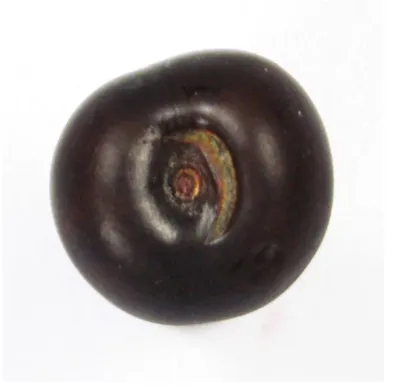
Figure 2 Stem-end crack in sweet cherry fruit... 19
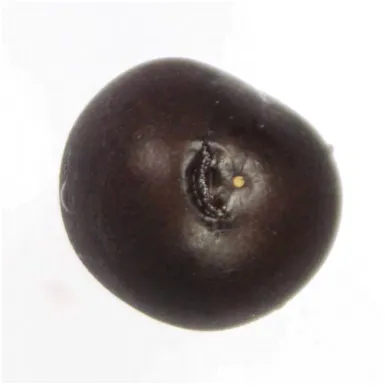
Figure 3 Apical-end crack in sweet cherry fruit. ... 20
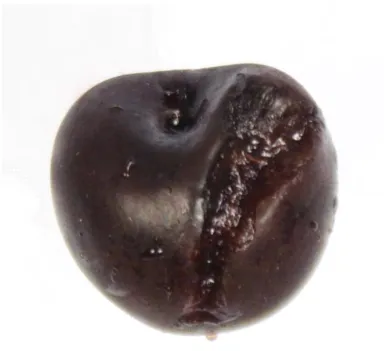
Figure 4 Side crack in sweet cherry fruit. ... 21
Figure 5 Map of Tasmania, Australia, showing cherry production regions, 1, 2 and 3, The Huon, Derwent and Coal River Valleys, with trial sites located within each region. ... 54
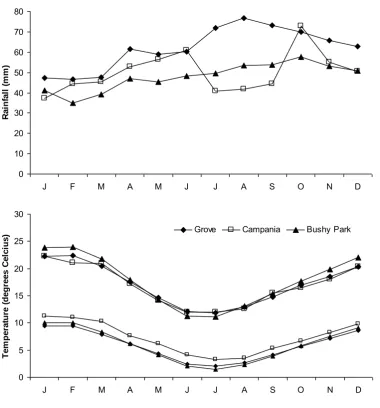
Figure 6 Mean monthly rainfall (mm) and maximum and minimum temperatures (oC) for the three trial sites. (Mean is over last 50 years). ... 55
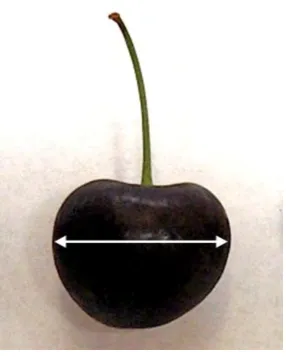
Figure 7 Measurement point for fruit diameter, indicated by white line, on a mature „Sylvia‟ cherry. ... 59
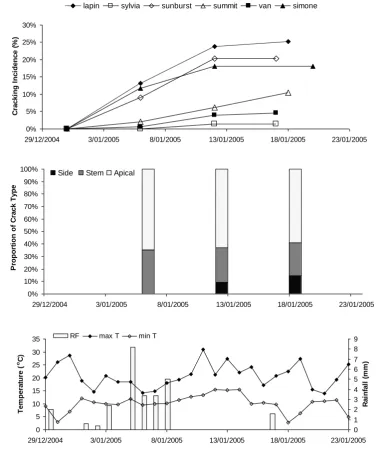
Figure 8 Cumulative cracking incidence and proportion of each crack type of six sweet cherry varieties over Stage III period of maturation, 2005. Daily maximum and minimum temperatures (oC) and rainfall (mm) over the same period. ... 72
List of Figures
xviii Figure 10 Predicted probabilities of crack types by variety (A) and season (C), and Log odds of cracks at stem or apical positions versus the side position by variety (B) and season (D). Data sorted in order of probability of side cracks. Varieties: 1-Lapins, 2-Sylvia, 3-Simone, 4-Summit, 5-Van, 6-Sunburst, 7-Kordia, 8-Regina, 9-Sweetheart. Seasons: 1-2004/05, 2-2005/06, 3-2006/07, 4-2007/08. ... 76
Figure 11 The relationship between the tangential stress (TS) experienced at CT50 and the percentage of fruit with (A) total cracks and (B) side cracks at harvest maturity for the varieties harvested in 2004/05 ( □ ) and 2006/07 ( ■ ). A significant relationship between total cracks and tangential stress was found. A significant relationship between side cracks and tangential stress was found in 2006/07 only. Relationships are shown by solid line (total cracks) and dotted lines (side cracks 2006/07) (P<0.05). ... 78
Figure 12 Mean percentage of fruit with side cracks when water was applied (dark column) or not applied (light column) to the tree root zone. ** indicates a significant difference at the 0.01 level between the two treatments. ... 92
Figure 13 Mean percentage of fruit with stem-end and apical-end cracks after water was applied (dark column) or not applied (light column) to the tree canopy. * indicates a significant difference at the 0.05 level between the two treatments. 93
List of Figures
xix Figure 15 Cumulative percentage of fruit crack types with leaf treatments LR and LP and untreated control (C). Each point represents the mean percentage of fruit with cracks, error bars represent the SEM for each data point (n = 6). ... 98
Figure 16 Mean absolute potential gradient between fruit and leaves (ΨF - ΨL)
with mean fruit (ΨF) and leaf (ΨL) water potentials on days with rainfall (n = 4)
and days with no rain (n = 8). Error bars indicate the standard error of the mean (SEM). ... 112
Figure 17 Diurnal changes in; (A) water potential of fruit, leaves and branch xylem, (B) potential gradients between fruit and xylem and leaves and xylem, (C) Fruit sap flow and (D) Ambient Vapour Pressure Deficit and Temperature on Day 1, the 5th day of January 2008. ... 113
Figure 18 Diurnal changes in; (A) water potential of fruit, leaves and branch xylem, (B) potential gradients between fruit and xylem and leaves and xylem, (C) Fruit sap flow and (D) Ambient Vapour Pressure Deficit and Temperature on Day 2, the 14th day of January 2008. ... 114
Figure 19 Diurnal changes in; (A) water potential of fruit, leaves and branch xylem, (B) potential gradients between fruit and xylem and leaves and xylem, (C) Fruit sap flow and (D) Ambient Vapour Pressure Deficit and Temperature on Day 3, the 19th day of January 2008. ... 115
Figure 20 Relationship between (A) absolute potential gradient (ΨF – ΨS) and sap
flow (R2 = 0.15), and (B) potential gradient (Ψ
L - ΨS) and sap flow (R2 = 0.64).
List of Figures
xx Figure 21 Mean turgor and osmotic potential of fruit (n = 5) under wet and dry conditions. Error bars indicate the standard error of the mean (SEM). ... 118
Figure 22 Percentage of total cracked fruit (A), cuticular-cracked fruit (B) and side-cracked fruit (C) with manipulated crop load (TCSA). Each point is for an individual tree. A significant relationship was found between crop load and total cracking incidence in 2005/06 and 2006/07, and between crop load and cuticular cracking in 2005/06 and 2006/07, and between crop load and side cracking in 2005/06. A significant difference between seasons was found for total cracking and cuticular cracking. ... 134
Figure 23 The percentage of total cracked fruit (A), cuticular-cracked fruit (B) and side-cracked fruit (C) with natural crop load (TCSA). Each point is for an individual tree. A significant relationship was found between crop load and total cracking incidence in 2005/06 and 2006/07, and between crop load and cuticular cracking in 2005/06, and between crop load and side cracking in 2005/06 and 2006/07. ... 136
List of Figures
List of Tables
xxii
List of Tables
Table 1 Comparison of area under production, yield and productivity of sweet cherries (2007) between the largest producing Northern and Southern Hemisphere countries (FAO 2008). ... 4
Table 2 The percentage of fruit with cracks for each variety, over four seasons. The mean level of crack types for each variety and in each season is given. A significant relationship was found between both year and level of cracking, and between crack types within varieties. (P<0.05). ... 73
Table 3 Calculated turgor potentials (CT50 ) with 95 % confidence limits (CL) and
the tangential stress (TS) at which 50% of fruit cracked for each sweet cherry variety sampled at harvest maturity in production seasons 2004/05 and 2006/07.77
Table 4 Mean osmotic potential values for fruit of different crack types and non-cracked fruit with 95% Confidence Intervals (CI) from (A) the water application trials and (B) the untreated control from the leaf manipulation trial. A total of 358 and 48 fruit were measured respectively. ... 93
Table 5 Percentage of fruit (untransformed data) with either apical, stem or side cracks, resulting from different time of water application treatments. Within columns, treatments with the same letters are not significantly different (p<0.05) from each other based on analyses performed on transformed data (n=6). ... 96
List of Tables
xxiii Table 7 Correlation between fruit properties measured (diameter, weight, total soluble solids, stem length and skin thickness) from individual fruit from nine varieties over three years (N=440). ... 139
Table 8 Cracking index (n = 50) determined for eight varieties in season 2007/08, compared to three and four varieties from Christensen (1996) and Greco et al.
Abbreviations
xxiv
Abbreviations
π Osmotic potential
T Turgor pressure
CT50 Turgor pressure at which 50 % of fruit cracked
Ψ Water potential
ΨF Fruit water potential
ΨL Leaf water potential
ΨS Spur xylem water potential
ΨL – ΨS Potential gradient between the leaf and xylem
ΨF- ΨS Potential gradient between the fruit and branch xylem
TS Tangential stress of the fruit skin
BCSA Branch cross-sectional area
TCSA Trunk cross-sectional area
AEDT Australian Eastern Daylight Time
LR Removal of spur leaves to expose fruit
LP Spur leaves tied back to expose fruit
VPD Vapour pressure deficit
esat Saturation vapour pressure
eair Air vapour pressure
LVDT Linear variable differential transducer
Chapter 1
1
Chapter 1
Chapter 1
2
Introduction
Chapter 1
3
Sweet Cherry Production
Sweet cherries are produced commercially by more than sixty countries worldwide with an estimated production of nearly two million tonnes of fruit (FAO 2008). The majority of sweet cherries produced are destined for the fresh fruit market, and are supplied from Northern Hemisphere regions. Turkey is currently the largest cherry producer with 30 000 hectares under harvest, producing 392 000 tonnes of fruit (10.3 tonnes/hectare) (Table 1).
Chapter 1
[image:29.595.138.546.133.433.2]4 Table 1 Comparison of area under production, yield and productivity of sweet cherries (2007) between the largest producing Northern and Southern Hemisphere countries (FAO 2008).
Figure 1 Productivity trends in the largest producing southern hemisphere regions over the 10 years to 2007. 3 4 5 6 7
1997 1998 1999 2000 2001 2002 2003 2004 2005 2006 2007
P ro d u c ti v it y ( t/ h a )
Australia Chile Peru
Northern Hemisphere Production Country Area (ha) Yield (t) Productivity (t/ha)
Iran 34 000 225 000 6.6
Italy 29 713 145 126 4.9
Spain 23 000 67 600 2.9
Turkey 30 000 392 001 13.0
USA 33 000 270 000 8.2
TOTAL 149 713 1 099 727 7.1
(Average) Southern Hemisphere Production Country Area (ha) Yield (t) Productivity (t/ha)
Argentina 1 400 6 800 4.9
Australia 1 800 12 500 7.0
Chile 7 500 35 000 4.7
New Zealand 580 1 900 3.3
Peru 85 515 6.0
TOTAL 11 365 56 715 5.2
[image:29.595.146.538.439.624.2]Chapter 1
5
The Australian Cherry Industry
Australian sweet cherry production contributes less than 1% of total world production. However, Australia is the second largest producer of sweet cherries in the southern hemisphere. In 2007 approximately 12 500 tonnes of fruit was harvested from 1 800 ha of orchards (FAO 2008). Production occurs commercially in the states of Tasmania, Victoria, New South Wales and South Australia. Australia has experienced the largest increase in productivity of all southern hemisphere growing regions. The reputation of Australian produced cherries as premium grade that satisfy stringent international market specifications has enabled the industry to acquire and supply overseas markets. Australia is well placed to expand existing export contracts and access new international markets. It was estimated that at least 10% of all cherries produced in Australia in 2004 were exported (Frias 2005) with the potential for this level to increase in the future.
Current export markets include regions in Asia, Europe, and North America. The Taiwan market has recently become inaccessible due to new fruit fly regulations; however Tasmania and the Riverland producing regions are exempt as they qualify for a fruit fly free status. The biggest competitor to Australia for counter season export markets is Chile where production levels are high and labour is relatively cheap but Australia has been able to maintain its competitiveness by focussing on fruit quality.
Chapter 1
6 availability of air freight over the harvest period (which falls over the Christmas holiday season) lack of marketing, understanding consumer demands and biosecurity issues (Ranford 2008). A strategic plan to address these issues has been developed, and a National Industry Development Officer position created (HAL 2008). Practical research focussing on these key areas is being supported through industry levies and Horticulture Australia Limited (HAL 2008).
Chapter 1
7
The Tasmanian Cherry Industry
The Tasmanian Cherry Industry is rapidly growing, and is the largest exporter of cherries from Australia to Taiwan, Thailand, Singapore and the United States of America (TPCP 2008). Potential exists for increasing both the domestic and export markets: furthermore recent access has been granted into the lucrative Japanese market. Tasmania‟s fruit fly free status and extended season provide the state with a competitive edge over mainland counterparts in securing those markets. Indeed export levels have risen from 10 to 25% of total production. This optimistic outlook has seen an increase in plantings in Tasmania over the last 10 years. The cherry industry is a significant contributor to the Tasmanian agricultural sector with the farm gate value estimated to rise to $25 million by 2010, an increase of 80% since 2000 (DPIW 2008).
These growing enterprises in Tasmania are situated in areas previously dominated by apple production, areas that provide an optimum climate for cherry production. These regions include the South-East district, Coal River Valley, Derwent Valley, Huon Valley, Tamar Valley, and some areas along the East Coast and North-West Coast. Most of the growth over the last decade has occurred in the Derwent Valley with large, new cherry orchards established in response to a Department of Primary Industries, Water and Environment (DPIWE) report (1991) on prime sites for stone fruits (Boucher 1991).
Chapter 1
8 Industry Department of the Tasmanian Government has identified the South Island of New Zealand as the only major domestic and overseas market competitor for late season cherries of comparable quality (DPI 1988, Boucher 1991).
Reliable production of blemish free, high quality fruit that meets market requirements is paramount to the continued success of the industry. The inability to predict the percentage of fruit classed as waste has impeded the development of a reliable market. Cracked fruit fall into this category, and given that the incidence of cracked fruit can be as high as 50% for any given year (pers comm. H. Hansen 2004), this has created a sizeable contract risk.
Chapter 1
9
Sweet Cherry Description
The sweet cherry (Prunus avium. L.) belongs to the Rosaceae family, sub-family
Prunidaecea (Rodrigues et al. 2008). It is believed to have originated from the
regions between the Black and Caspian Seas of Asia Minor. Seed dispersal by birds carried it to Europe, where the earliest cultivation of sweet cherry is reported (Webster and Looney 1996). Further spread to North America via English colonists occurred in the seventeenth century. To date, at least a hundred varieties of sweet cherry are recorded, and these are being commercially produced in more than sixty countries (Webster and Looney 1996).
Cherry trees are deciduous and are naturally vigorous, with strong apical dominance. Commercial production has been enhanced by the use of dwarfing rootstocks in order to limit tree height and encourage fruit set (Bargioni 1996). Advances in the development of dwarfing and semi-dwarfing rootstocks over the last decade, has also led to increased quality from plantings of high density cherry orchards (Robinson 2005).
Chapter 1
10 therefore dependant on cross pollination by bees. Twelve incompatibility groups have been identified (Webster and Looney 1996) and these often determine the layout of an orchard. Polliniser trees must be interspersed throughout the orchard to achieve desired fruit set for most commercial varieties.
Chapter 1
11
Rain Induced Cherry Cracking
Commercial production of cherries around the world is centred on achieving high quality fruit. As yet no region is free from the risk of rain induced fruit cracking (Christensen 1996).
Cracking occurs in the weeks leading up to harvest when fruit are mature (Sekse 1995b, Lane et al. 2000), and is usually associated with a rainfall event. This has
proven unpredictable in terms of exact timing and extent of damage. Anecdotal evidence suggests that physical losses can be as great as 80% of harvestable yield, with recorded losses reaching 63% (Cline et al. 1995a). Yield losses beyond 20 -
30% are considered uneconomical to harvest (Hanson and Proebsting 1996).
The issue of cherry cracking is a major concern for all cherry producing regions, not only in terms of economic viability, but also for reliability of contracted export supply. Much of the research into resistant or susceptible varieties has been undertaken in the northern hemisphere, with southern varietal selection for cracking properties based on grower opinions, and performance in other regions. An added risk is that many small cracks or fractures go unnoticed when visually inspected at harvest, making produce susceptible to post harvest rots during transport.
Chapter 1
12 fruit is thought to arise via normal internal water uptake mechanisms in the tree (Sekse 1995b). An internal excess of water is believed to increase the tensile forces acting on the fruit skin causing it to burst. However, the method of water entry into the fruit responsible for the build up of tension, and resultant cracking is not clear.
Chapter 1
13
Scope of the Project
Due to the expansion of the cherry industry in Tasmania and the need to supply export contracts in a reliable manner to maintain market share, managing the risk of rain–induced fruit cracking is paramount. There is little scientific data regarding the performance of cherry varieties in southern regions, in particular Tasmania, and inconclusive results indicating how trees interact with the local climate in terms of cracking. Therefore, based on the suggestions that cracking may be influenced by whole tree water relations (Sekse et al. 2005), an
opportunity exists to not only investigate this alternative theory behind rain-induced cherry cracking, but also to assess the performance of varieties grown in Tasmania. The objective of this project was to increase the understanding of the mechanism/s involved in rain-induced fruit cracking, and determine the seasonal and varietal factors contributing to cracking. In this way, the project aims to provide a base of knowledge on which to develop management strategies and improve control of the disorder.
The project was undertaken over three seasons (2005/06 to 2007/08) with field trials running from full bloom, through all stages of cherry development until commercial harvest maturity. All trial sites were in southern Tasmania, within an
Chapter 1
14
Research Objectives
The research objectives of the project were as follows;
1. To determine the contribution of variety and season to cracking incidence 2. To assess the effect of rainfall levels, distribution and timing on cracking
incidence
3. To investigate the development of different crack types
4. To determine the importance of whole tree water relations (the alternative theory) to crack development
5. To elucidate the diurnal fluctuations in fruit and leaf water relations
6. To examine the relationships of fruit and skin properties with cracking incidence
Chapter 2
15
Chapter 2
Chapter 2
16
Introduction
Rain induced sweet cherry fruit cracking, by the simplest definition, is the rupture of the fruit skin and flesh in association with rainfall. Although the causes and mechanisms behind this process have been investigated for at least 75 years (Sawada 1931, Kertesz and Nebel 1935) they have not yet been fully explained. It is generally conceded that the process of fruit cracking is complicated and dependant on a wide variety of different factors (Sekse et al. 2005).
Two influential reviews of the sweet cherry cracking phenomenon have been published; a review paper by Sekse (1995a) (Sekse 1995b) and a chapter in “Cherries: Crop physiology, production and uses.” by Christensen (1996). A further review was presented by Sekse (2005) at the 4th International Cherry Symposium (USA, 2001). Sekse (1995a) (Sekse 1995b) proposed a build up of turgor within the fruit as the driving force behind fruit cracking. This increased turgor was explained by water uptake across the fruit skin, through cuticular fractures or pores, leading to epidermal cell wall disintegration. Christensen (1996) supported the theory of water uptake through the fruit skin as the leading cause of cracking, but mentions that earlier research suggested a dual mode of uptake through the skin and through the root system. The „fruit skin‟ theory has
been predominant in studies since these reviews were published, with many studies focussing on fruit and skin properties (Knoche et al. 2000, Beyer et al.
2002b, Beyer et al. 2002c, Knoche and Peschel 2002, Knoche et al. 2002, Beyer
et al. 2005, Knoche and Peschel 2006, Weichert and Knoche 2006b, Weichert and
Chapter 2
Chapter 2
18
Cherry Cracking Defined
The description of fruit cracking has been refined over the years (Simon 2006), yet this still remains an area for further clarification. Cuticular fractures, undetectable by the naked eye, have been recorded microscopically (Glenn and Poovaiah 1989, Sekse 1995b, Sekse 1995a, Børve et al. 2000, Knoche et al. 2002,
Hovland and Sekse 2003) but the influence such development has on true cracking incidence remains unclear. True cracking, that is economically significant, remains inexplicable despite years of research and refers to larger visible cracking.
Crack Types
Chapter 2
[image:44.595.141.536.75.463.2]Chapter 2
[image:45.595.142.528.72.460.2]Chapter 2
[image:46.595.142.530.69.420.2]Chapter 2
22
Measuring Cracking Incidence and Susceptibility
In-field cracking levels are usually visually counted. The cracking index is a measure of varietal cracking and is determined by laboratory methods, taking no account of the environmental conditions of the field. Developed in 1931, the method involves immersing cherry fruit in water under controlled temperature, and calculating the percentage of cracked fruit (Christensen 1972). It is the results of these tests that determine a variety as having low, medium or high susceptibility.
Although the method has been declared sound (Christensen 1972) there are a number of concerns when using this as a guide to planting choice. Primarily, this method is not representative of field conditions, thus does not provide a clear indication of varietal susceptibility to cracking in situ (Christensen 1996). The test
is also unable to hold true for different regions and climates, and seasons. However, in a small trial in France, using „Regina‟ and „Lapins‟ these tests have shown a good correlation between field grown fruit and fruit grown under controlled conditions (Quero-García et al. 2009).
Chapter 2
23
Timing of Cracking Susceptibility
The incidence of cracking is assumed to occur in association with rainfall events at, or near, harvest maturity of fruit. Generally, the cracking susceptible period for cherries is taken to be during late Stage III of development, during the ripening process (see below). The review articles by Sekse (1995a (Sekse 1995b); 2005) put the commencement of susceptibility at a few weeks prior to harvest. Christensen (1996) is slightly more ambiguous, claiming that while cracking susceptibility occurs late in Stage III, it is also dependant on the length of ripening as influenced by season. Usenik et al. (2005) and Simon (2006) are equally
cautious, stating respectively that cracking occurs during the ripening process and that susceptibility increases with maturity.
Cracking and Fruit Development
The growth pattern for cherry fruit consists of three distinct growth stages, two stages of rapid growth with a lag phase in the middle in a double sigmoidal pattern (Hovland and Sekse 2004), as first described in 1934 by Tukey and Young (Knoche et al. 2004).
Chapter 2
24 rapid growth through cell expansion, mesocarp development, and a rapid increase in size and mass. The third stage is perhaps the most crucial for cracking because it involves rapid water uptake and growth (Knoche et al. 2004).
Water supply to the tree during stage I is particularly important, given that water not only limits the rate of growth but that water potential influences cell division (McIntyre 1997). Developmental changes in xylem and phloem flow rates to fruit are consequently important. Generally, flow rates to fruit have been shown to increase with development (Lang and Thorpe 1989). In the early stages of growth in apples, xylem and phloem flows have been found to provide an equal contribution to growth (Lang 1990). As development continues into the middle and latter stages, this trend changes in favour of phloem flow (Lang 1990). Phloem contribution also increases with fruit maturity in grapes (Choat et al.
2009). Flow pathways could also be important in turgor regulation in cherries.
Stage II heralds the cessation of cell division allowing time for embryo development. During Stage III, in which fruit size increases through cell expansion, water again becomes crucial, particularly with regard to cracking and the pathways available for excess water uptake. Maximum fruit surface area expansion occurs during Stage III; at 53 days after full bloom (DAFB) (Knoche et
al. 2001), with maximum weight increase between 53 and 59 DAFB (Hovland
and Sekse 2004). Late stage III involves rapid cell expansion (with a decrease in intercellular spaces) and increased size and surface area of the cherry fruit. However, unlike other fruit (eg. grapes and tomatoes) there is no net increase in cuticular membranes or waxes (Hovland and Sekse 2004, Peschel et al. 2003),
Chapter 2
25 matures. Water uptake across the fruit skin is affected in Stage III, as fruit cuticular membrane conductance changes (Hovland and Sekse 2004). The cuticle provides diffusion resistance and leaching prevention but is not as efficient in this role as the cuticle of other fruits such as apples, pears and grapes (Sekse 1995b); (Hovland and Sekse 2004). Peschel et al. (2007) suggest that during maturation
the changes in cuticle composition will affect transport barrier properties, wetting characteristics and mechanical properties of the membrane.
Soft fruits with thin cuticles, such as cherry fruit, can lose sugars, minerals and anthocyanins during rainfall events (Lang and Thorpe 1989). Firmness is claimed to be associated with cracking (Christensen 1996). Softening in sweet cherry occurs during ripening, and is due to changes in the pectin rich cell walls however, the changes reported in the activity of pectolytic enzymes did not correlate to changes in firmness in „Burlat‟ cherries (Remon et al. 2006),
supporting claims that more than one process is involved in softening (Brummell 2006). It has also been suggested that calcium plays a role in delaying fruit softening as the fruit approaches harvest maturity at the end of Stage III (Fallahi et
al. 1997).
Chapter 2
26 Harvest maturity of sweet cherry fruit has traditionally been difficult to assess accurately. A combination of colour and size are the major maturity indices used in the industry. Sugars (brix levels) are used occasionally but there is no desired set level to indicate maturity. Proteins have been identified as having potential to pinpoint maturity for a number of stone fruits (plums, peaches and nectarines), as they have been found to be synthesised only a few days prior to optimum harvest date (Abdi et al. 2002). No such test exists for cherries, but such tests would be
Chapter 2
27
Cherry Cracking Research
The most widely accepted and explored theory of cracking is that after rainfall an excess of water enters the fruit via direct movement across the fruit skin. This principally occurs during Stage III of fruit growth. As early as 1931 Sawada (1931) concluded that the cause of cracking is directly attributable to the effect of rain water on the cherry fruit surface in a localised manner, and that osmotic uptake is the driving force for water movement.
The review of cracking by Sekse (1995) concluded that water uptake occurred through fruit cuticular fractures or pores. This in turn leads to an increased turgor acting from within the fruit, sufficient to cause cracking. Reviews by Christensen (1996) and Simon (2006) both concur with this theory, and further suggest that this direct uptake is localised, occurring only at wetted parts of the fruit.
Chapter 2
28
Hydraulic Properties of the Fruit Skin and Cherry Cracking
Given the acceptance of the theory that water uptake across the fruit skin results in fruit cracking, it is of little surprise that this area of research has received so much attention.
Skin Properties
The cherry fruit skin is composed of a thin cuticle (1 µm) and up to eight dermal layers, the cuticle and dermis measuring up to 4.5 µm in thickness (Bargel et al.
2004). The cuticle is made up of hydrophobic cutin, with intrusions of wax films, an internal layer of hydrophilic cutin (with polyurinades and µ -1, L-glucans), with single cellulose microfibrils near to the epidermal layer. The cherry fruit has few stomata (85-200/cm2), compared with leaves (5 000-10 000/cm2) (Glenn and
Poovaiah 1989) and compared with other types of fruit such as tomatoes (Gay and Hurd 1975). Cherry fruit do, however, contain pores that are permeable to polar compounds, such as water (Weichert and Knoche 2006b). The dermal layers of the skin consist of a single epidermis with regular, rectangular cells. Next to this are up to seven dermal layers of larger and irregularly shaped cells and pulp. These are composed of parenchymous tissue, and make up the bulk of the fruit (Sekse 1995b).
Skin Properties and Cracking
Chapter 2
29 cracking susceptibility in a study in 2002 (Yamaguchi et al. 2002), but this was
not mentioned in the review by Simon in 2006. In addition, osmolarity of the skin as a driving force for water was not found to be a significant factor separating susceptible and resistant varieties (Moing et al. 2004). It was suggested that rate
of water uptake through the skin was more critical to cracking susceptibility than the total water content (Cline et al. 1995b). Water uptake across the fruit skin has
been shown to be linear with time but no threshold value for rate of uptake has been determined (Christensen 1996).
Cuticle Properties
The cuticle has been shown to be a potential route for water uptake (Knoche and Peschel 2002), and is seen to be the first barrier or resistance to water flow (Huang et al. 2004). Thus, cuticle thickness, conductance and points of uptake
have all been investigated. The ability of fruit to both gain and lose water (Beyer
et al. 2005) has been posited as a concern because it will weaken the cuticle and
predisposing the fruit to cracking (Kozlowski 1968, Yao et al. 2000). Exposed
fruit were found to have a more inelastic cuticle according to Yao et al. (2000).
Chapter 2
30 The composition of the cuticle of cherry fruit has been determined. More relevant to potential crack development is that while cuticular mass increased up to 36 DAFB, it thereafter decreased on a whole fruit basis. This resulted in a lower cuticular mass per unit area and decreased thickness (Peschel et al. 2003).
Additionally, in a study by Knoche et al. (2001), cuticular membrane mass, per
unit area, decreased after 31 DAFB. However, thickness of the cuticle did not explain resistance to cracking in a study of low, medium and highly susceptible cherry varieties in a study by Lane (2000), but did explain resistance to cracking in an earlier study (Belmans et al. 1990) and a later study (Demirsoy and
Demirsoy 2004), as well as in cherry tomato fruit (Matas et al. 2004). In
developing a model of fruit surface conductance, it has been concluded that total fruit surface conductance decreases with fruit expansion (Gibert et al. 2005). Fruit
firmness is compromised in fruit with ineffective cuticular protection, but it has also been suggested that due to the rigidity of cuticular structures, cuticular fracturing was increased with irregular water supply (Sekse 1995a).
Cuticular Conductance
Cuticular membrane formation was reported to cease between 22 to 43 DAFB, and thereafter, as fruit size and surface area increased, conductance of the cuticle was found to increase by 108% (Knoche et al. 2002). Cuticular contribution to
total conductance was found to be variable during rapid growth phases (Gibert et
al. 2005), such as during Stage III of cherry fruit growth when fruit are
susceptible to cracking. Stripping the cuticle was found to increase fruit surface conductance in mature cherry fruit (Knoche et al. 2000). The model proposed by
Chapter 2
31 contribution to conductance with rapid fruit growth, from 80% to 20%. This is in direct agreement with Knoche et al. (2001) who reported a decrease in stomatal
density from 0.8 mm2 to 0.2 mm2 over Stage III of cherry fruit growth. Furthermore, a positive relationship between stomatal density and liquid water conductance was established by Knoche et al. (2000), and Peschel et al. (2003)
observed cherry fruit stomata to be non-functional at maturity. Glenn and Pooviah (1989) earlier determined that a cuticular covering existed over the guard cells and inner walls of stomata, and that water damage was not evident at or near the stomata of immersed fruit.
Preferential Pathways for Water Uptake
Other preferential pathways or locations for water conductance across the fruit cuticle and skin have been investigated. It has been suggested that fruit with cuticular fractures developed more visible cracks when immersed in water (Hovland and Sekse 2003), and that these cuticular fractures may account for the higher water absorption rates observed (Glenn and Poovaiah 1989) resulting in crack formation. It was further postulated that the stylar scar area may offer less resistance because there is an absence of cuticular membrane in this area (Glenn and Poovaiah 1989). The cuticular membrane at the stylar scar was shown to have a higher conductance than other fruit areas (Knoche et al. 2000) and conductance
of the stylar scar area was found to increase with fruit size (Knoche et al. 2002).
Furthermore, the stylar scar area was also shown to have a higher stomatal density than other areas of the fruit (Peschel et al. 2003). However, Knoche and Peschel
(2002) and Beyer et al. (2002b), both claim that the stylar scar is not a preferential
Chapter 2
32 showed that the cuticle, cracks and the pedicel/fruit juncture are preferential uptake points (Beyer et al. 2002b, Knoche and Peschel 2002). The stem cavity
region, in which the pedicel/fruit junction lies, is astomatous (Peschel et al. 2003)
bringing into question the exact influence of stomata in crack development.
These findings, although supporting the theory that water conductance of the cuticular membrane outweighs that of stomata, provide inconsistency in practical interpretation. The astomatous stem end area found by Peschel et al. (2003)
contains a region of preferential uptake (Beyer et al. 2002b, Knoche and Peschel
2002), and the high stomatal density stylar scar (apical) end area (Peschel et al.
2003) is not supported as a preferential uptake point by two studies (Beyer et al.
2002b, Knoche and Peschel 2002). Yet a positive relationship between stomatal density and conductance has been claimed (Knoche et al. 2000).
More recent studies have found that cuticular conductance also outweighs that of either diffusion or transpiration (Beyer et al. 2005), that polar pathways exist in
Chapter 2
33
Fruit Dimension and Cherry Cracking
Apart from fruit skin properties, other whole fruit features have been suggested to affect the incidence of rain induced cracking in sweet cherry fruit by changing the water uptake potential of the fruit surface (Christensen 1996). Factors such as size (Christensen 1975, Knoche et al. 2002)), shape (Sawada 1934), sugar levels
(Moing et al. 2004), osmotic concentration (Sawada 1931, Moing et al. 2004) and
firmness (Christensen 1975) have all been considered. These studies have also yielded inconsistent and contradictory results.
Although fruit size is generally assumed to influence the incidence of cracking (Christensen 1996, Simon 2006) it was shown in 1975 that size is only influential within varieties (Christensen 1975). Fruit shape is also assumed to influence the incidence of cracking (Christensen 1996). Furthermore, it has been claimed that fruit shape influences not only the incidence of cracking, but also the type of crack experienced (Sawada 1934). Indeed, the conclusion that cracking occurs at right angles to the curvature of the fruit (Sawada 1934) has not yet been disputed. A study categorising 24 cherry varieties by principle component analysis into similar shape groupings has been undertaken by Beyer and colleagues (Beyer et
al. 2002a). These groups were not compared with known cracking indices for
these varieties. Using the indices provided by Christensen (1975), a cursory glance seems to show no apparent trend implying any relationship between the indices (Christensen 1975) and shape (Beyer et al. 2002a). Beyer et al. (2005) and
Chapter 2
34 of an individual fruit after rainfall. This may explain earlier inconsistencies in areas of preferential uptake, and may depend on the varieties investigated.
Fruit with higher sugar levels or other solutes are considered more susceptible to cracking (Christensen 1996, Richardson 1998) , because the increased osmotic potential provides a driving force behind water uptake and movement across the fruit skin. However, not all studies support this statement. Moing et al. (2004)
found no difference in skin or flesh osmolarity between susceptible and resistant varieties. Also, despite claims that high fruit sugar concentrations are associated with a higher incidence of cracking, this may not be a direct effect. Sugar concentrations increase with maturity, along with cell wall softening, at the time when fruit become more susceptible to cracking. Sekse (1995b) suggested that cracking as a result of surface water uptake is compounded by the softening of tissue from surface moisture. Nonetheless, it must be remembered that natural tissue softening occurs as a normal physiological change during ripening.
Chapter 2
35
Tissue Mechanical Properties and Cherry Cracking
An increased understanding of the underlying mechanical principles involved in fruit cracking resulting from water uptake across the fruit skin would be advantageous in developing management strategies. Generally mechanical properties of fruit tissues are not easy to assess due to their inherently soft nature, and the requirement to use excised tissue. Mechanical properties are also described in several different ways; stress (force/area), strength (stress at tissue failure), strain (change in length/original length) and stiffness (stress/strain) (Vincent 1990), and elasticity and plasticity (reversible or irreversible deformation) (Christensen 1996).
Cherries, being a soft fruit, rely primarily on the mechanical properties of the skin to avoid rupture. In tomatoes, the cuticle has been identified as providing a substantial contribution to the mechanical properties of the whole fruit (Edelman
et al. 2005). In cherry fruit the cessation of cuticle formation induced the onset of
elastic strain on the cuticle (Knoche et al. 2004). Skin elasticity tests on loose
Chapter 2
36 test for cherry skin. Natural variation also occurs between varieties; a varietal difference in stress and strain of fruit skin has been demonstrated (Zoffoli and Jauregui 2009). The stress experienced by the whole fruit before rupture occurs is also dependent on the internal turgor pressure. Methods for determining critical turgor pressure in excised grapes have been developed (Considine and Kriedemann 1972), and for the resultant tangential stress experienced by the skin (Considine et al. 1974). The tangential stress can be determined by considering
Chapter 2
37
Current Management Strategies
Chapter 2
38
Harvest Timing
Timing of harvest is primarily aimed at fruit maturity. However both anecdotal and published evidence (Usenik et al. 2005, Simon 2006) suggests that growers
Chapter 2
39
Covers
Large covers that protect the whole tree from rain have been designed to avoid accumulation of water on the fruit surface. There are many types, but generally covers are made from cross laminated, UV stabilized polyethylene. These can be individual umbrellas supported by poles, or can extend the length of the row on wire frames with steel or wooden supports. They were first used in Europe. In the southern hemisphere, uptake of this technology predominantly occurs in New Zealand where there is a comparatively larger expenditure on risk management for high value fruit for export to Japan (Cline et al. 1995a, Webster and Cline 1994).
For permanent structures, growth retardants or dwarfing rootstocks may need to be used to limit the height of canopies, and in dry years the cost may outweigh the benefits (Webster and Cline 1994).
Covers have shown to have variable effects on incidence of cracking. Results from Norway showed a 10% decrease in cracking compared with uncovered fruit, when covers were applied at the onset of growth Stage III (Cline et al. 1995a).
Cline et al. (1995a) claimed that the reduction in fruit cracking (using varieties
„Ulster‟, „Sam‟ and „Van‟) in covered trees was dependant on rootstock, suggesting that other factors exert a greater influence on susceptibility. They further concluded that the cracking index of covered fruit was higher than uncovered. Wermund et al. (2005) reported that both „Colney‟ and „Van‟ fruit
Chapter 2
40 size (Cline et al. 1995a). Børve et al (2003) claimed that covers of three different
types had no effect on fruit quality parameters such as firmness and weight. Only umbrella covers were claimed to negatively affect soluble solids, colour and ripeness (Børve et al. 2003).
Even with excellent cover from rain, cracking still occurs (Cline et al. 1995b,
Webster and Cline 1994), suggesting another mechanism or a combination of mechanisms are involved in inducing cherry fruit to crack in addition to direct water entry across the fruit skin. It was also observed that temperature and humidity was increased under covers, posing a greater threat of disease (Cline et
al. 1995b, Simon 2006), although this was not reported in the study by Børve et al
Chapter 2
41
Sprays
Hormones
Gibberellic Acid (GA3), a plant growth hormone, is routinely used in commercial cherry production to increase fruit size and firmness, reduce surface marking and delay ripening. It is generally applied at 15 – 30 ppm, 3 – 4 weeks prior to commercial harvest (Looney and Lidster 1980, Weaver 2005).
The effect of GA3 applications on fruit cracking has been documented. Webster and Cline (1994) showed that there was no effect of GA3 application on cracking when the fruit surface was wetted from rain, and that the occurrence of cracked fruit increased if fruit remained wet for four hours after application. Other studies in Belgium revealed that GA3 treated fruit had thickened cuticles, but a similar level of cracking to untreated fruit (Webster and Cline 1994). In contrast, research in Oregon found that GA3 promoted large side cracks in fruit, but reduced the occurrence of stem cracks (Webster and Cline 1994). Usenik et al. (2005) found
an increase in the cracking index for GA3 treated fruit in only one out of three varieties but also noted that, across varieties, there was an increase in water uptake of GA3 treated fruit.
Chapter 2
42 seen in a study by Looney and McKellar (1987). However, when used in conjunction with GA3 it was shown to increase fruit size, increase stem length, decrease soluble solids and delay colour development (Looney and McKellar 1987, Webster and Cline 1994).
The effects of napthalene acetic acid (NAA) application have been investigated in the United States of America and Spain where it was found to reduce water uptake through the fruit surface. When applied to fruiting trees at a rate of 1mg/L, thirty to thirty five days prior to harvest, NAA was found to reduce cracking incidence, however, when applied at the same rate four to eight days prior to harvest the incidence of cracking increased (Webster and Cline 1994). Unfortunately these results have not been reproduced elsewhere despite several attempts (Webster and Cline 1994).
Overall, the effects of hormone application to cherries with the aim of reducing cracking incidence have yielded inconsistent and sometimes contradictory results. Nonetheless, studies have been conducted on different varieties, in different regions, and given that hormone application has been part of normal orchard practice, continued investigation is warranted.
Minerals
The most common mineral employed in the management of fruit cracking has been calcium chloride (CaCl2), because calcium would increase bond strength of
Chapter 2
43 membranes, thereby decreasing water uptake through the skin of the fruit (Glenn and Poovaiah 1989, Simon 2006). This all depends on calcium being available to the fruit, and as such, is highly affected by water supply and fruit maturity (Landsberg and Jones 1981, Schlegel and Schönherr 2002). Calcium is also a xylem mobile mineral, and fruit xylem connections and pathways are reduced during maturation (Kozlowski 1968, Huang et al. 2008), thus early accumulation
is vital.
Applications of calcium chloride via overhead irrigation after rainfall events during the more cracking susceptible Stage III of cherry growth has had some success, but again results are inconsistent (Grubich 1998, Lang et al. 1998).
Calcium applications in conjunction with copper were more effective in reducing cracking in cherries than calcium alone (Brown et al. 1995). Tomato fruit
cracking showed a slight decline in early and weekly calcium applications (Huang and Snapp 2004). This early and repeated spray pattern for calcium uptake is supported by studies in apples (Schlegel and Schönherr 2002) as well as cherries (Fernandez and Flore 1998)
Calcium penetration rates have been found to decrease with maturity in several varieties of apples (Schlegel and Schönherr 2002). Lidster et al. (1979) reported
Chapter 2
44 Instead cracked litchi fruit had significantly higher levels of structural calcium. It was therefore concluded that structural calcium in the pericarp in litchi was an integral component in fruit cracking, but this was not influenced by late calcium spray applications (Huang et al. 2008).
In addition to calcium uptake, application of calcium to the fruit surface was also thought to reduce water uptake through the skin due to the osmotic potential of the calcium residue on the surface, thereby decreasing the potential gradient across the fruit skin (Lang et al. 1998, Wermund et al. 2005, Simon 2006). These
beneficial effects have not been fully supported in the literature and the numerous spray trials have yielded inconsistent results (Hanson and Proebsting 1996, Webster and Cline 1994). Calcium treatments did not significantly affect the rate of water uptake through skin in detached „Bing‟ fruit immersed in solution (Glenn and Poovaiah 1989), yet it reduced water uptake in tomatoes (Huang and Snapp 2004).
Chapter 2
45 Antitranspirants
Antitranspirants, such as Bioguard® (a calcium based product), and Vapor Gard ® (a terpene polymer providing a protective film) have been trialled in relation to fruit cracking, on the premise that they will limit water uptake as well as loss from the fruit (Hanson and Proebsting 1996). Antitranspirants are commonly used to reduce plant water stress (Landsberg and Jones 1981), however they have also been shown to negatively impact on the levels of soluble solids because they limit gaseous exchange (Webster and Cline 1994). Results have been inconsistent and unable to be reliably reproduced (Richardson 1998). Additionally, such applications have a tendency to leave surface residue (Webster and Cline 1994). Nonetheless, Bioguard ® reduced cracking by 52% in variety „Van‟ in trials in
South America (Torres et al. 2009). Recent investigations of a copolymer of
stearic acid, cellulose and calcium (SureSeal), has shown that antitranspirants may have some potential. A preliminary trial in Norway resulted in a 15% reduction of cracked fruit with the application of SureSeal in conjunction with rain covers (Long et al. 2009).
Surfactants
Chapter 2
46
Variety
As yet, no one variety has successfully been shown to be completely resistant to fruit cracking. Choice of resistant varieties has largely been subjective, due to a lack of supporting literature (Christensen 1996) and the existence of a cracking index that cannot effectively be used for different regions (Wermund et al. 2005).
Generally, varietal cracking susceptibility is discussed in terms of being low, medium and high, but even these categories can vary considerably by region and season. In 1934, Kertesz and Nebel conceded that to correlate cracking with varietal morphological features would be hazardous. This statement was confirmed in 2000, when a study investigated and found no effect of fruit properties of low, medium and high susceptibility varieties of sweet cherry fruit (Lane et al. 2000). No single character determines the stress resistance associated
with cracking resistance in grape varieties, but it has been suggested that this is due to a combination of geometric, structural and physiological factors (Considine and Brown 1981). That no true variety susceptibility test exists for cherries to date supports the claim that more than one factor is involved. Varietal factors, other than morphological features, considered with regard to cracking have included sugar levels, firmness, water relations and rheological properties (Kertesz and Nebel 1935, Christensen 1972, Cline et al. 1995a, Beyer and Knoche 2002,
Yamaguchi et al. 2002).