Longitudinal Processes That Predict Affective Symptoms
Monique Nuala Wilson June 2018
A thesis submitted for the degree of Doctor of Psychology (Clinical) of the Australian National University
Declaration
I declare that this thesis is the product of my own work carried out under the supervision of Associate Professor Rhonda Brown, Associate Professor Bruce Christensen, and Associate Professor Elizabeth Rieger. I declare that the research presented in this thesis is predominantly my own work. This thesis is 39,139 words in length.
_______________________________ Monique Wilson
Acknowledgements
I wish to thank Associate Professor Rhonda Brown for assistance with launching this project and wrangling it into an interesting shape. Thank you also to Associate Professor Bruce Christensen and Associate Professor Elizabeth Rieger for their unwavering kindness, supervisory support, and guidance in actualising this project. A special thank you to Dr Richard Burns for generously providing statistical support.
Abstract
Depressive and anxiety symptoms can be associated with high levels of impairment and distress. Thus, it is important to understand the processes that contribute to the exacerbation and alleviation of affective symptoms. Various factors have been implicated, including individuals’ tendencies towards
rumination and mindfulness, and the psychological processes of stress and sleep disturbance. While these associations are generally well established, the bulk of existing research is dominated by specific conceptualisations, and thus limited measurement, of these constructs, and there is a paucity of research into theoretically important interactive processes.
Hence, the aim of this thesis was to explore various key mechanisms by which core depression and anxiety symptoms can change over time, including the direct and/or interactive effects of dispositional rumination and mindfulness (Study 1), and the effects of psychological stress, whether direct, mediated by rumination and/or sleep disturbance, and/or attenuated by dispositional mindfulness (Study 2). A prospective study was conducted, whereby a convenience sample of Australian community adults completed three online surveys, three months apart (Time 1, n = 730; Time 2, n = 498; and Time 3, n = 353). Participants answered questions about their recent experiences of depression, anxiety, stress, and sleep disturbance, and their tendencies towards non-mood-responsive rumination, acting-with-awareness, and mindful-non-judging.
anxiety across three months. Finally, high mindful-acting-with-awareness attenuated the effects of lower non-judging on increasing anxiety and stress across three months, in addition to the effects of greater rumination on increasing anxiety and depression across six months. Findings from Study 2 revealed that greater stress predicted increased six-month depression and anxiety indirectly via three-month sleep disturbance, and also via rumination leading to three-month sleep disturbance, whereas rumination uniquely mediated between stress and six-month depression. Further, high mindful-acting-with-awareness attenuated the effects of greater stress on increased anxiety across six months.
Table of Contents
Abstract ... 5!
List of Abbreviations ... 12!
List of Tables ... 13!
List of Figures ... 15!
Thesis Overview ... 17!
Chapter 1: The Epidemiology of Depressive and Anxiety Disorders ... 19!
Chapter Overview ... 19!
Depressive and Anxiety Disorders ... 19!
Clinical conceptualisation. ... 19!
Prevalence. ... 21!
Impairment and dysfunction. ... 22!
Comorbidity. ... 23!
Subclinical symptoms. ... 24!
Treating affective symptoms. ... 25!
Chapter Summary ... 26!
Chapter 2: Possible Aetiological Factors for Depressive and Anxiety Symptoms ... 27!
Chapter Overview ... 27!
Rumination ... 29!
Conceptual overview. ... 29!
Rumination and affective symptoms. ... 32!
Rumination and depression over time. ... 33!
Rumination and anxiety over time. ... 36!
Section summary. ... 37!
Conceptual overview. ... 38!
Mindfulness and affective symptoms. ... 44!
Mindfulness and depression over time. ... 45!
Mindfulness and other affective symptoms over time. ... 47!
Section summary. ... 48!
Psychological Stress ... 49!
Conceptual overview. ... 49!
Stress and affective symptoms. ... 50!
Stress and depression over time. ... 51!
Stress and anxiety over time. ... 51!
Stress and affective symptoms mediated by rumination. ... 52!
Stress and affective symptoms moderated by mindfulness. ... 55!
Section summary. ... 59!
Sleep Disturbance ... 61!
Conceptual overview. ... 61!
Sleep disturbance and affective symptoms. ... 63!
Sleep disturbance and depression over time. ... 66!
Sleep disturbance and anxiety over time. ... 68!
Risk factors for sleep disturbance. ... 70!
Stress and sleep disturbance over time. ... 71!
Stress and sleep disturbance mediated by rumination. ... 73!
Stress and sleep disturbance moderated by mindfulness. ... 78!
Stress and affective symptoms mediated by sleep disturbance. ... 81!
Section summary. ... 82!
Specific study research questions, aims, and hypothesises. ... 89!
Study 1. ... 89!
Study 2. ... 90!
Chapter 3. Study 1: A Longitudinal Investigation Into the Role of Dispositional Rumination and Mindfulness in Predicting Depression, Anxiety, and Stress Symptoms in Community Adults ... 95!
Introduction ... 95!
Method ... 97!
Participants. ... 97!
Measures. ... 99!
Procedure. ... 102!
Statistical analysis. ... 103!
Results ... 104!
Attrition analysis. ... 104!
Descriptive statistics. ... 105!
Bivariate correlations. ... 105!
Longitudinal multiple regression analyses. ... 108!
Analyses of interaction effects. ... 114!
Supplementary analyses of factor structure. ... 118!
Discussion ... 119!
Chapter 4. Study 2: A Longitudinal Investigation Into the Mediating and Moderating Effects of Dispositional Rumination and Mindfulness on Associations Between Stress, Sleep Problems, and Affective Symptoms in Community Adults ... 135!
Method ... 139!
Participants. ... 140!
Measures. ... 140!
Procedure. ... 141!
Statistical analysis. ... 142!
Results ... 143!
Attrition analysis. ... 143!
Descriptive statistics. ... 143!
Bivariate correlations. ... 146!
Longitudinal path analyses. ... 146!
Hypothesised models. ... 147!
Model 1 analyses of direct effects. ... 149!
Model 1 analyses of indirect effects. ... 151!
Model 2 analyses of moderation effects. ... 152!
Discussion ... 154!
Chapter 5: General Discussion ... 169!
Summary of Results ... 169!
Rumination. ... 170!
Stress. ... 172!
Sleep disturbance. ... 172!
Mindfulness. ... 173!
Theoretical Considerations ... 175!
The perseverative cognition hypothesis. ... 175!
The mindfulness stress-buffering account. ... 176!
Methodological Considerations ... 178!
Comparing dispositional mindfulness with mindfulness practice. ... 178!
Comparing trait and state-based effects over different timeframes. ... 179!
Measurement considerations. ... 180!
Dispositional rumination. ... 180!
Dispositional mindfulness. ... 181!
Depression, anxiety and stress. ... 184!
Sleep disturbance. ... 185!
Limitations of the Research ... 186!
Strengths of the Research ... 187!
Future Directions ... 188!
Conclusions ... 189!
References ... 191!
Appendices ... 237!
Appendix A: Advertisement ... 237!
Appendix B: Participant Information Sheet ... 238!
Appendix C: Consent ... 241!
Appendix D: Questionnaire and Measures ... 242!
Appendix E: Debrief Statement ... 248!
Appendix F: Research Practicum ... 250!
Appendix G: Research Practicum Participant Information Sheet ... 288!
Appendix H: Research Practicum Email Invitation ... 290!
Appendix I: Research Practicum Consent ... 291!
List of Abbreviations
DASS-21: Depression, Anxiety and Stress Scale-Short Form (21-items) DSM-5: Diagnostic and Statistical Manual of Mental Disorders 5th
edition (2013) DSM-IV: Diagnostic and Statistical Manual of Mental Disorders text revised 4th
edition (2000)
FFMQ: Five Facet Mindfulness Questionnaire HADS: Hospital Anxiety and Depression Scale MAAS: Mindful Attention Awareness Scale MBCT: Mindfulness-Based Cognitive Therapy MBI: Mindfulness-Based Intervention
MBSR: Mindfulness-Based Stress Reduction OR: Odds ratio
PSQI: Pittsburgh Sleep Quality Index RRQ: Rumination-Reflection Questionnaire RRS: Ruminative Responses Scale
RST: Responses Styles Theory T1: Time 1 (baseline)
List of Tables
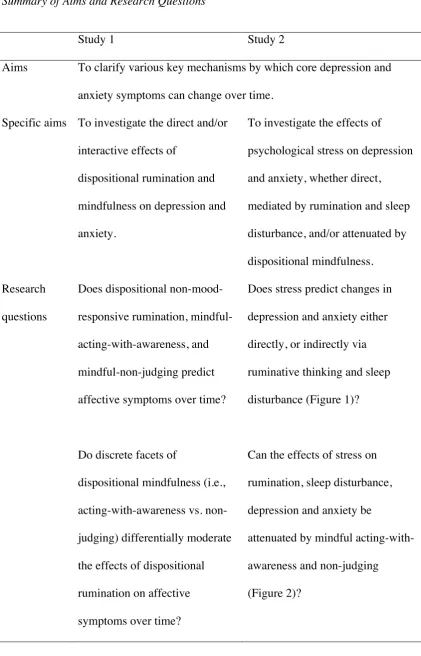
Table 1 Summary of Aims and Research Questions ... 93!
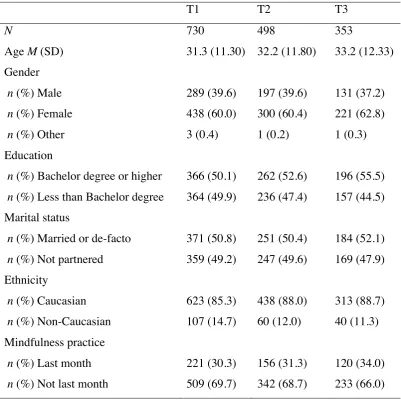
Table 2 Descriptive Statistics for the Demographic Variables at Baseline (T1), 3-Months (T2) and 6-Months (T3) ... 98!
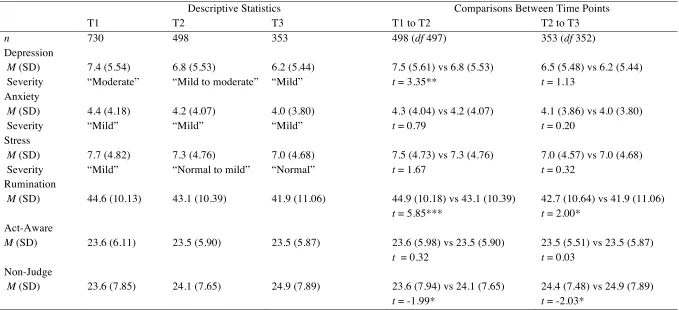
Table 3 Descriptive Statistics and Comparisons for Depression, Anxiety, Stress, Rumination, Mindful-Acting-With-Awareness, and Mindful-Non-Judging at Baseline (T1), 3 Months (T2) and 6 Months (T3) ... 106!
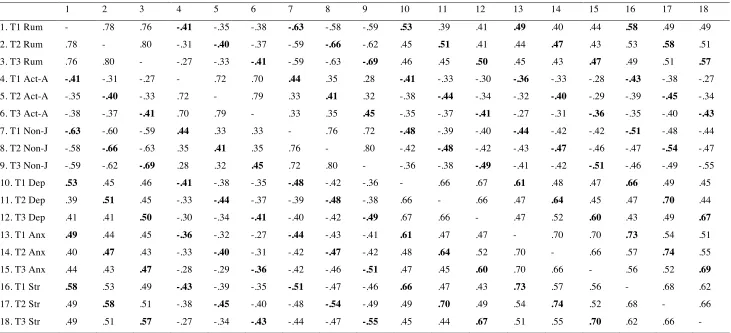
Table 4 Bivariate Correlations Between Rumination, Mindful-Acting-With-Awareness, Mindful-Non-Judging, Depression, Anxiety and Stress at all Time Points ... 107!
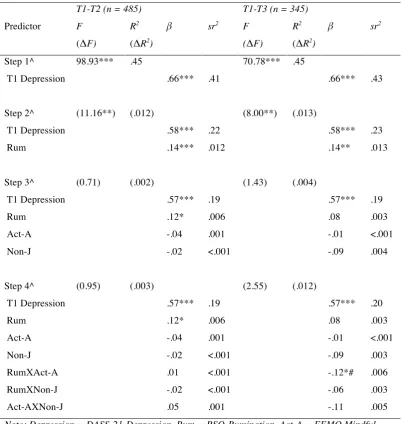
Table 5 Hierarchical Multiple Regression Analyses for Rumination, Mindful-Acting-With-Awareness, and Mindful-Non-Judging in Predicting
Depression at 3-Months (T1-T2) and 6-Months (T1-T3) ... 110!
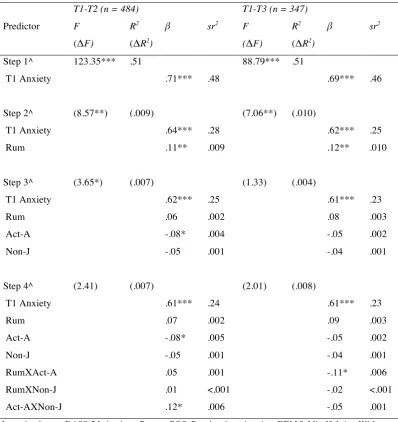
Table 6 Hierarchical Multiple Regression Analyses for Rumination, Mindful-Acting-With-Awareness, and Mindful-Non-Judging in Predicting Anxiety at 3-Months (T1-T2) and 6-Months (T1-T3) ... 111!
Table 7 Hierarchical Multiple Regression Analyses for Rumination, Mindful-Acting-With-Awareness, and Mindful-Non-Judging in Predicting Stress at 3-Months (T1-T2) and 6-Months (T1-T3) ... 112!
Table 9 Bivariate Correlations Between Rumination, Mindful-Acting-With-Awareness, Mindful-Non-Judging, Depression, Anxiety, Stress, and Sleep Disturbance at all Time Points ... 145!
List of Figures
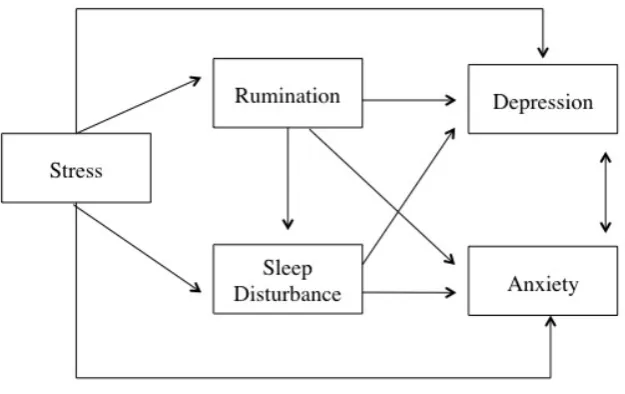
Figure 1. A proposed model of affective symptom development ... 86!
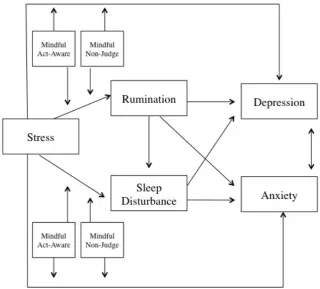
Figure 2. A proposed stress-buffering model of affective symptom development ... 88!
Figure 3. A graphical representation of the conditional effect of baseline rumination on six-month depression at different levels of baseline mindful-acting-with-awareness (1 SD+/- the mean) ... 115!
Figure 4. A graphical representation of the conditional effect of baseline mindful-non-judging on three-month anxiety at different levels of baseline mindful-acting-with-awareness (1 SD+/- the mean) ... 116!
Figure 5. A graphical representation of the conditional effect of baseline rumination on six-month anxiety at different levels of baseline mindful-acting-with-awareness (1 SD+/- the mean) ... 117!
Figure 6. A graphical representation of the conditional effect of baseline mindful-non-judging on three-month stress at different levels of baseline mindful-acting-with-awareness (1 SD+/- the mean) ... 118!
Figure 7. A proposed longitudinal model of affective symptom development .. 136!
Figure 8. A proposed longitudinal stress-buffering model of affective symptom development ... 136!
Figure 9. Hypothesised longitudinal model 1 ... 147!
Figure 10. Hypothesised indirect relationships ... 148!
Figure 11. Hypothesised longitudinal model 2 ... 149!
Figure 13. Final model 2 with significant coefficients (and standard errors) presented in standardised form ... 153!
Thesis Overview
The experience of depressive and anxiety symptoms comes at a
significant cost to individuals, being associated with high distress, psychosocial impairment and disability. While several factors have been implicated in the development, maintenance and alleviation of affective symptoms, the processes involved are complex and nuanced. Thus, the broad aim of this thesis is to clarify various key mechanisms by which core depression and anxiety symptoms can change over time, including the direct and/or interactive effects of dispositional rumination and mindfulness (Study 1), and the effects of psychological stress, whether direct, mediated by rumination and sleep disturbance, and/or attenuated by dispositional mindfulness (Study 2). A prospective longitudinal design will be used to examine the temporal relationships between variables, utilising a
community sample in order to investigate the effects of naturally occurring emotional regulation processes and psychological symptoms outside the context of treatment. Through this examination, it is hoped that avenues for effective treatment will be elucidated, including the tailoring of interventions to
Chapter 1: The Epidemiology of Depressive and Anxiety Disorders Chapter Overview
This chapter will outline the characteristics and consequences of elevated depression and anxiety symptoms, thereby highlighting the importance of
ongoing research into factors that may exacerbate or alleviate affective distress. To begin, an overview of depressive and anxiety disorders will be presented, including their clinical conceptualisation, prevalence estimates, comorbidity profiles, and associated individual and societal costs. Subclinical depressive and anxiety symptoms will then be discussed, including their incidence rates,
concurrent relationships, and associated dysfunction and disability. The efficacy of psychological treatments in alleviating these symptoms will then be discussed. Finally, given that elevated affective symptoms are associated with significant impairment and disability, and may not respond to psychological treatments, a case will be made for continued investigations in to the factors that contribute to, and alleviate, these symptoms.
Depressive and Anxiety Disorders
Clinical conceptualisation. The experience of emotion is a fundamental aspect of human experience. Emotions are thought to provide information to the individual to motivate and organise cognition and action (Izard, 2010). Various processes are involved in emotion generation including the situation itself, appraisal of the situation, and multi-system bodily responses that involve changes in subjective experience, behaviour, and physiology (Gross, 2014). Moreover, emotions are broadly categorised as either positive or negative, based on an appraisal of the situation that prompted it and how the emotion is
emotions, including sadness and anxiety, are thought to arise from perceptions of harm, loss or threat (Lazarus, 1991), and they are generally experienced as upsetting or unpleasant (Watson & Tellegen, 1985). Experiences of sadness and anxiety are not unusual or problematic per se; however, prolonged experiences that are highly distressing and associated with impaired functioning may be considered as a symptom of a mental disorder, as outlined in the current Diagnostic and Statistical Manual of Mental Disorders (DSM-5; American Psychiatric Association (APA), 2013).
Depressive disorders are characterised by significant impairments in mood. The diagnostic threshold for Major Depressive Disorder is the experience of either low mood or anhedonia (i.e., loss of pleasure) for more than two weeks as well as at least four additional symptoms including changes in body weight or appetite, insomnia or hypersomnia, psychomotor agitation or retardation, fatigue or loss of energy, feelings of worthlessness or guilt, concentration difficulties, or recurring thoughts of death or suicide (APA, 2013). Similarly, Persistent
Depressive Disorder is characterised by low mood experienced over two-years with at least two additional symptoms including appetite disturbance, sleep disturbance, low energy or fatigue, low self-esteem, concentration difficulties or feelings of hopelessness (APA, 2013). In contrast, Bipolar and Cyclothymic Disorders are characterised by experiences of manic or hypomanic mood
episodes as well as major depressive episodes experienced at some point over the course of the disorder (APA, 2013), and they were listed together with the
variance in expressed symptoms, both Depressive and Bipolar Disorders are associated with periods of low mood (APA, 2013).
In contrast, anxiety disorders are characterised by excessive anxiety or fear that typically lasts more than six months. The disorders are differentiated diagnostically based on the focus of the anxiety (APA, 2013). For example, Social Anxiety Disorder centres around the potential for social scrutiny; Specific Phobias centre around a specific object or situation (e.g., spiders or heights); Panic Disorder is related to a fear of experiencing panic symptoms, whereas Generalised Anxiety Disorder is related to the experience of anxiety in relation to multiple situations, events or activities (APA, 2013). In addition, conditions that were listed as anxiety disorders in the previous version of the DSM (DSM-IV-TR; APA, 2000), such as Obsessive-Compulsive Disorder and Posttraumatic Stress Disorder, also centre around anxiety; the former is associated with obsessions that contribute to anxiety and/or compulsions that aim to relieve anxiety; whereas the latter is related to marked affective, cognitive, behavioural, and physiological changes following exposure to a traumatic event (APA, 2013). In summary, the experience of anxiety is common to various clinical conditions, including Anxiety, Obsessive-Compulsive and Trauma-Related Disorders (APA, 2013).
Prevalence. Recent prevalence estimates based on DSM-IV-TR
diagnostic criteria suggest that anxiety disorders are globally the most common mental disorders, followed by mood disorders (Kessler et al., 2009). Lifetime prevalence estimates for anxiety and mood disorders are high, with
in other high-income Western nations. For example, in the United States and New Zealand, 31% and 24.6% of the population experienced an anxiety disorder and 21.4% and 20.4% experienced a mood disorder in their lifetime, respectively (Kessler et al., 2009). In 2007 alone, approximately 14% of Australians reported experiencing an anxiety disorder and 6% reported a mood disorder (ABS, 2008), again comparable to the 12-month estimates of 19% and 15% for anxiety
disorders, and 9.7% and 8% for mood disorders, in the United States and New Zealand, respectively (Kessler et al., 2009). However, the prevalence estimates are reported to vary as a function of various demographic factors: for example, Australian 12-month prevalence estimates indicate that a higher percentage of women than men experience anxiety (17.9% vs. 10.8%) and mood disorders (7.1% vs. 5.3%) and the rates were even higher in cohorts that were younger, unemployed, unpartnered or with less education or income (ABS, 2008).
Impairment and dysfunction. Importantly, mood and anxiety disorders are leading causes of disease and burden in Australia (Begg et al., 2007), and depression is the leading cause of disability worldwide (World Health
Organization, 2008). Suicide accounts for a significant proportion of the mortality rate associated with Major Depressive Disorder and Bipolar Disorder (APA, 2013). Suicide risk is also a significant concern for Australians with mood and anxiety disorders, with only 4.5% and 10.1% of these individuals
respectively reporting the absence of suicidal ideation, plans or attempts (ABS, 2008). A large proportion of individuals with mood and anxiety disorders will also experience severe functional impairments in at least one major life domain including home-management, ability to work, social life, and intimate
In this study of diagnosed individuals from developed nations, severe impairment was experienced by a large proportion of people with Bipolar Disorder (68.3%), Major Depression (65.8%), Generalised Anxiety Disorder (56.3%),
Posttraumatic Stress Disorder (54.8%), Panic Disorder (48.4%), and Social Anxiety Disorder (35.1%; Kessler et al., 2009).
The cost of providing mental health services in Australia is also high, with approximately $4.7 billion expended in 2006 alone (Commonwealth of Australia, 2009). Moreover, this estimate excluded ancillary costs such as housing, community and income support or lost work productivity, which is estimated to cost $10 to 15 billion per year (Commonwealth of Australia, 2009). Despite the high societal and personal costs, almost two-thirds of Australians who experience significant psychological distress typically do not seek psychological assistance (ABS, 2008), which is comparable to global help-seeking trends indicating that about two-thirds of people with mood and anxiety disorders do not receive treatment (Ormel et al., 2008). These low rates of help-seeking are alarming given the high distress and functional impairment
associated with these disorders.
Major Depressive Disorder or Persistent Depressive Disorder (Brown, Campbell, Lehman, Grisham, & Mancill, 2001), suggesting the disorders rarely occur in isolation over time. Indeed, mood and anxiety disorders share overlapping symptoms including fatigue, sleep disturbance, and difficulty concentrating, particularly Major Depressive Disorder and Generalised Anxiety Disorder (APA, 2013). Furthermore, although autonomic arousal symptoms are a specific
diagnostic criterion for several anxiety disorders (e.g., Generalised Anxiety Disorder, Panic Disorder), anxious distress is an additional diagnostic criterion for mood disorders (APA, 2013).
Subclinical symptoms. In addition to diagnosable disorders, many more individuals are reported to experience sub-clinical, albeit distressing, symptoms of depression and/or anxiety (hereafter referred to as affective symptoms). Indeed, in community samples reflecting on their recent experiences, 11.0% reported at least mild levels of physiological anxiety, 18.3% reported depressive symptoms, 19.8% reported subjective stress (Crawford & Henry, 2003), and 12.1% reported concurrent anxiety and depressive symptoms (Andrews & Slade, 2001). Thus, symptoms of depression and anxiety are strongly comorbid with each other (Clark, Steer, & Beck, 1994; Crawford & Henry, 2003; Sinclair et al., 2012) and also with high stress (Crawford & Henry, 2003; Lovibond &
Lovibond, 1995a).
Importantly, even experiences of sub-threshold affective symptoms are associated with significant functional impairment and disability across various psychosocial domains (Haller, Cramer, Lauche, Gass, & Dobos, 2014;
increased risk for later psychopathology; depressive symptoms have been associated with a 1.6 to 6.2 fold risk for depressive disorders, and anxiety symptoms have been associated with a 1.5 to 2.7 fold risk for anxiety disorders (Karsten et al., 2011; Shankman et al., 2009). Thus, even experiences of subclinical mood and anxiety symptoms are potentially associated with far-reaching detrimental effects, including functional impairment, co-occurring distress, and a greater risk for developing into a mental disorder. As such, it is important to understand the mechanisms implicated in the cause, maintenance and alleviation of affective symptoms.
Treating affective symptoms. A number of psychological treatments have shown utility for reducing both depressive and anxiety symptomology, including Cognitive-Behavioural and Mindfulness-Based therapies (Cuijpers et al., 2014; Hofmann, Sawyer, Witt, & Oh, 2010; Hofmann & Smits, 2008; Lenz, Hall, & Bailey Smith, 2016). Thus, evidence-based psychological treatments offer promise for individuals experiencing distressing affective symptoms. However, concerns have been expressed that reported efficacy rates may be overrepresented as participants who discontinue treatment are not always included in these analyses (Hofmann & Smits, 2008). Furthermore, it has been reported that half to three-quarters of individuals participating in evidence-based treatments do not experience clinical improvements in affective distress (Loerinc et al., 2015; van Aalderen et al., 2012). Given these limitations, existing
therapies would benefit from ongoing refinements in order to maximise efficacy and applicability. One avenue for achieving this is by deepening our
Chapter Summary
Mood and anxiety disorders are highly comorbid disorders that frequently co-occur with other symptoms and can lead to distress, functional impairment, disability, and financial burden. In addition, sub-clinical affective symptoms are experienced by a significant minority of people in the community, which may also lead to significant impairment, and an increased risk for later
Chapter 2: Possible Aetiological Factors for Depressive and Anxiety Symptoms
Chapter Overview
Broadly, this chapter will review the theoretical and empirical literature pertaining to four key factors that have been implicated in the cause and
maintenance of affective symptoms. Specifically, this chapter will review how two emotion regulation tendencies, dispositional rumination and dispositional mindfulness, and two psychological processes, stress and sleep disturbance, relate to changing affective symptoms over time.
The first section will explore dispositional rumination as a maladaptive emotion regulation strategy. Beginning with a conceptual overview, rumination will be explored as either a mood-responsive or general cognitive style, both of which are thought to amplify negative affect. An argument will be made for continued investigations into the effects of non-mood responsive rumination, given that it is a global ruminative process occurring irrespective of mood, which therefore may be associated with various forms of affective distress. A detailed review of the longitudinal literature will ensue, revealing mostly consistent predictive relationships between dispositional rumination and affective
The second section will explore dispositional mindfulness as an adaptive emotion regulation process. An overview of mindfulness will be presented, including how it is commonly conceptualised, and also how it may benefit
psychological well-being, partly by attenuating the effects of ruminative thinking. Dispositional mindfulness will then be discussed and a case made for continued investigations into the core components of mindful acting-with-awareness and non-judging. A review of the longitudinal literature will ensue, revealing mixed results, and a narrow focus on acting-with-awareness in relation to depressive symptoms, with fewer studies investigating non-judging as a predictor, or anxiety and stress as outcomes, and with no known studies investigating mindfulness as a potential moderator of rumination. Thus, in order to elucidate the mechanistic processes by which dispositional emotion regulation processes can ameliorate or exacerbate distinct affective outcomes, a case will be made for continued longitudinal investigations into the predictive and interactive
relationships between mindful-acting-with-awareness, mindful-non-judging, and non-mood-responsive rumination, to depression, anxiety, and stress. This is the rationale for Study 1.
The third and fourth sections will progress to an exploration of how psychological processes interact with emotional regulation tendencies to influence affective symptoms. Specifically, psychological stress and sleep disturbance will be explored in turn, together with dispositional rumination and mindfulness, in order to create a model that draws together the various processes implicated in affective symptom development or alleviation.
affective symptoms. Empirical evidence will then be reviewed that establishes stress as a robust longitudinal predictor of affective symptoms, including findings where these associations have been mediated by dispositional
rumination, or moderated by mindful acting-with-awareness and non-judging. The fourth section will introduce another variable linking stress and later affective symptoms - sleep disturbance - beginning with an overview of
subclinical and clinical manifestations, prevalence rates, comorbidity profiles, and associated impairment and/or disability. A comprehensive review will follow establishing sleep disturbance as a robust predictor of later affective symptoms, followed by psychological stress as a predictor of later sleep disturbance (both directly and indirectly via rumination). Based on the synthesis of the above reviewed-literatures, a case will be made for investigating the relationship between stress and later affective symptoms, with dispositional rumination and sleep disturbance as mediators, and dispositional mindfulness facets as
moderators, of these associations. Correspondingly, two novel, theoretically and empirically derived models will be presented; the empirical testing of the key relationships in these models are the primary aim of Study 2.
Finally, the chapter will conclude with an extensive summary of the reviewed literature, incorporating the rationale for the two studies, and concluding with the specific research questions, aims, and hypothesises pertaining to each study.
Rumination
who develop clinically-relevant distress are thought to experience emotions inappropriate to the situational context, as well as impairments in the intensity, duration, and frequency of particular emotions (Gross & Jazaieri, 2014). Thus, theorists link the development and maintenance of depression and anxiety symptoms to difficulties in the ability to regulate emotions (Aldao, Nolen-Hoeksema, & Schweizer, 2010). Emotion regulation is understood to involve a set of conscious or unconscious goal-directed processes whereby an individual modulates their emotions, including the type of emotion they experience, when they experience it, and how they experience it (Gross, 2014). Emotion regulation strategies are considered to be adaptive or maladaptive depending on whether they are positively or negatively associated with psychopathology and to vary naturally across individuals (Aldao & Nolen-Hoeksema, 2012; Aldao et al., 2010). It is theorised that individuals with anxiety and depression may habitually choose to use maladaptive over adaptive strategies and have difficulties in
regulating negative affect (Campbell-Sills, Ellard, & Barlow, 2014; Joormann &
Siemer, 2014).
cognitive style or tendency (Nolen-Hoeksema, 1991) that is stable over time (Smith & Alloy, 2009), even in individuals who experience a change in depressive symptoms (Nolen-Hoeksema et al., 2008).
The relationship between rumination and depressive symptomology has been studied extensively using the Ruminative Responses Scale (RRS; Nolen-Hoeksema & Morrow, 1991), which ascertains ruminative responses to
depressed mood, including the tendency to perseverate on the causes of specific depressive symptoms (e.g., difficulty concentrating, low motivation, fatigue). However, despite its broad use, several researchers have expressed concerns about the strong item and conceptual overlap shared between the RRS and measures of depression (see Roberts & Danoff-Burg, 2010; Smith & Alloy, 2009; Treynor, Gonzalez, & Nolen-Hoeksema, 2003; Watkins, 2008). For example, some items in the RRS ask about depressive symptoms that are also assessed by depression scales, which raises the possibility that the strength of previously reported relationships been rumination and depressive symptoms may be overestimated due to this conflation.
The focus on rumination as a mood-responsive process is limited in other ways. Specifically, rumination may be prompted by various forms of
psychological distress. For example, individuals high in anxiety may be more likely to ruminate in order to help them manage their uncertainties by pondering the “whys and wherefores” of their distress, thereby, inadvertently contributing to greater vigilance, uncertainty, and anxiety (Nolen-Hoeksema, 2000).
Furthermore, ruminative responses can be prompted by stress (Robinson & Alloy, 2003) or when progress towards personal goals is impeded (Lavallee &
a mood-responsive process, rumination can also be understood as negative and repetitive self-focused thoughts related to perceived losses, threats or injustices (Trapnell & Campbell, 1999), or more broadly as awareness of the perceived discrepancy between desired and actual status (Smith & Alloy, 2009). Thus, non-mood responsive rumination may confer a greater risk for affective distress since it occurs across contexts and irrespective of one’s current mood. A general tendency to ruminate may also influence the duration and intensity of negative affect (Thomsen, 2006), potentially via a cyclic affect amplification process (Watkins, 2008). For example, if an individual is sad, then rumination may amplify the experience of sadness by extending the focus on depressive themes, and similarly, if they are anxious, it may amplify anxiety by prolonging
attentional focus on perceived threats or worries. As will be detailed later, it is evident that mood-responsive and non-mood-responsive ruminative tendencies are both linked to depression, as well as to other types of affective symptoms (e.g., anxiety, stress).
Rumination and affective symptoms. Multiple large-scale meta-analyses indicate moderate to strong positive concurrent associations between dispositional rumination with both depression and anxiety symptoms (Aldao et
al., 2010; Nolen-Hoeksema et al., 2008; Olatunji, Naragon-Gainey, &
Wolitzky-Taylor, 2013; Watkins, 2008). Interestingly, these relationships are strong even when non-mood-responsive rumination measures are utilised (Aldao et al., 2010; Olatunji et al., 2013). These findings suggest that the tendency towards
observations do not elucidate the role played by rumination in the development of affective symptoms over time. Rather, they simply suggest that rumination coexists with anxiety and depressive symptoms. In contrast, prospective
longitudinal studies provide a clearer indication of the role played by rumination in the development of affective symptoms.
Rumination and depression over time. Multiple studies have shown that high RRS-measured mood-responsive rumination predicts higher depression levels over time, even after controlling for baseline depressive symptoms. In college students, mood-responsive rumination predicts depressive symptoms over four days (Sarin, Abela, & Auerbach, 2005), 10 days (Nolen-Hoeksema & Morrow, 1991), two weeks (Butler & Nolen-Hoeksema, 1994), and two months (Nolan, Roberts, & Gotlib, 1998; Nolen-Hoeksema & Morrow, 1991).
In addition, non-mood-responsive rumination has been shown to longitudinally predict depressive symptoms, even after controlling for baseline depression levels. For example, depressive symptoms were predicted by
perseverative rumination related to life-problems over three months (Feldman & Hayes, 2005), habitual negative-self thinking over nine months (Verplanken, Friborg, Wang, Trafimow, & Woolf, 2007) and stress-reactive rumination over 2.5 years (Robinson & Alloy, 2003). In another study, individuals who ruminated most about a recent earthquake reported worse depressive symptoms seven weeks later (Nolen-Hoeksema & Morrow, 1991). In a bereaved sample, ruminating about the injustice of the death predicted depression levels at six months and one year, after controlling for neuroticism and time since bereavement (Eisma et al., 2015). Even outside the scope of significant life-events, a general tendency to ruminate predicted depressive symptoms over two months in a community sample (Kuster, Orth, & Meier, 2012), and over one-year in a student sample (Ciarrochi & Scott, 2006), although the latter study did not control for baseline symptoms. Overall, it appears that the general tendency to critically self-focus on personal experiences, irrespective of depressed mood or stressful life-events, can also increase a person’s risk of developing depressive symptoms, and thus this construct is a worthy clinical focus.
rumination and depressed mood, and also to examine the relationship between rumination and change in mood. Further, some studies have reported that previously significant longitudinal associations between rumination and depressive symptoms became non-significant when including other predictors (e.g., difficulties identifying emotion, problem solving, worry; Ciarrochi & Scott, 2006; Hong, 2007), suggesting that there may be some overlap between the predictors. Even in studies that only considered rumination as a predictor, non-significant results have been reported in predicting depression across different time frames and samples, including college (Calmes & Roberts, 2007),
community (Eisma et al., 2015), and especially in depressed samples (Arnow, Spangler, Klein, & Burns, 2004; Bagby & Parker, 2001; Bagby et al., 1999; Ciesla & Roberts, 2002; Huffziger et al., 2009; Lara, Klein, & Kasch, 2000; Nolen-Hoeksema, 2000; Schmaling et al., 2002). Taken together, the results suggest that rumination inconsistently predicts depressed mood over time in longitudinal studies, after controlling for appropriate measures in the analyses.
Methodological issues may account for some of the inconsistent findings in the literature. For example, some studies examined clinically-depressed samples with a restricted range of depressive manifestations (e.g., similar severity), thereby limiting the statistical power to discriminate potential
differences and detect change. Non-significant results may also be an artefact of the often-utilised mood-responsive RRS rumination measure which, as
previously stated, overlaps with the measurement of depressive symptomology (Nolen-Hoeksema, 1991), thus potentially decreasing the power to detect any changes in depressive symptoms over time when baseline depression is
Rumination and anxiety over time. Rumination is also associated with anxiety symptoms, although there are fewer studies that have examined this relationship, and particularly the role of non-mood-responsive rumination. Nonetheless, longitudinal research indicates that a tendency towards mood-responsive rumination can predict anxiety symptoms over time, after controlling for baseline anxiety; in college samples, RRS-measured rumination was shown to predict anxiety symptoms over four days (Sarin et al., 2005) and two months (Calmes & Roberts, 2007), while in community samples, it predicted anxiety over 10 days Hoeksema & Morrow, 1991) and one year
(Nolen-Hoeksema, 2000). Non-mood-responsive rumination has also been implicated in the development of anxiety symptoms; in community samples, post-earthquake rumination predicted post-traumatic stress symptoms over seven weeks,
controlling baseline symptoms (Nolen-Hoeksema & Morrow, 1991) and habitual negative thinking predicted anxiety over nine months (Verplanken et al., 2007). A general tendency to ruminate also predicted one-year anxiety and stress in a student sample (Ciarrochi & Scott, 2006). Thus, a general tendency to ruminate, irrespective of affective triggers, also appears to exert detrimental effects on anxiety and related symptoms, in addition to depression. Given that few studies have investigated the effects on anxiety specifically, further investigation is warranted.
tendencies as a risk factor for increased anxiety symptoms; rather they suggest anxiety may be merely a comorbid symptom. Further, some significant
longitudinal associations between rumination and anxiety became non-significant after the other predictors were considered simultaneously, such as problem solving ability and emotion differentiation (Ciarrochi & Scott, 2006), and in particular, worry (Hong, 2007; Segerstrom, Tsao, Alden, & Craske, 2000). Thus, the unique influence of rumination, whether mood-responsive or not, may tend to be masked when overlapping aspects of repetitive thoughts, such as worry, are considered (Watkins, 2008). In addition, the relationship between rumination and anxiety may be obscured by the frequent measurement of rumination as a mood-responsive process, rather than a general tendency to ruminate, which may exert stronger effects since it occurs irrespective of mood and context. Finally, while non mood-responsive ruminative thinking has also been longitudinally associated with the related construct of stress (Ciarrochi & Scott, 2006), there is often little distinction between the experience of subjective stress and physiological arousal (Nolen-Hoeksema & Morrow, 1991; Verplanken et al., 2007), and little
consideration of whether these states are differentially related to rumination. Section summary. Research on rumination and affective symptoms is dominated by the theoretical tenets of RST and the related measurement of
mood. Unfortunately, existing longitudinal studies investigating non mood-responsive rumination do not consistently control for baseline affective
symptoms in the analyses (Ciarrochi & Scott, 2006); thus, it is not clear if these ruminative tendencies are associated with increased affective symptoms over time. In addition, fewer studies have investigated the effects of non mood-responsive rumination on later anxiety (cf. with depression), or subjective
arousal (cf. with physiological anxiety symptoms) (Nolen-Hoeksema & Morrow, 1991; Verplanken et al., 2007). Thus, it is not known how non mood-responsive rumination predicts different affective outcomes. However, investigating non mood-responsive rumination with distinct affective symptoms may reveal differential associations, which may offer insight into the mechanistic processes by which rumination impacts well-being. Thus, further research is required to evaluate the relationship between non-mood-responsive rumination with depressive, anxiety and stress symptoms, and after controlling for baseline affective symptoms.
Mindfulness
Conceptual overview. In contrast to the self-critical and discrepancy-focused attentional processes inherent in rumination, mindfulness is gaining considerable support as an adaptive form of self-focus that aids in emotion regulation (Chambers, Gullone, & Allen, 2009; Farb, Anderson, Irving, & Segal, 2014). Mindfulness is commonly understood as a process of paying attention to one’s immediate experience with an orientation of non-judgement (Kabat-Zinn, 2003). It is thought to be comprised of two core components: attentional
regulation and acceptance of experience (Bishop et al., 2004). Attentional
thoughts, sensations, and emotions, without cognitively elaborating on these experiences (Bishop et al., 2004). Acceptance refers to an attitude towards present-moment experience that is characterised by openness and curiosity rather than judging or minimising the experience (Bishop et al., 2004).
Mindfulness has been conceptualised as a state of being and also a skill that can be cultivated with practice (Bishop et al., 2004). The idea that
al., 2014; Hofmann et al., 2010; Khoury et al., 2013), and also strong effects in reducing stress levels relative to controls (Chiesa & Serretti, 2009).
A key avenue by which mindfulness practice is thought to protect against affective distress is by attenuating the effects of rumination. For instance, under the framework of RST, Nolen-Hoeksema (1991) suggested that people with a low ruminative response style will tend to respond to depressed mood by redirecting their attention towards neutral (rather than valanced) activities and therefore may be less prone to depression. Relatedly, mindfulness is said to protect against rumination by occupying a person’s limited information
turn, can reduce depression, anxiety, and psychological distress (Jain et al., 2007; Ramel, Goldin, Carmona, & McQuaid, 2004).
In addition to mindfulness practice, a higher tendency to be mindful in daily life is also associated with psychological well-being (Baer, Smith, Hopkins, Krietemeyer, & Toney, 2006; Brown & Ryan, 2003). That is, mindfulness has also been conceptualised as a dispositional tendency that naturally varies between people (Brown & Ryan, 2003). Of note, it appears that the tendency to be mindful can be learned; consistent findings across multiple studies show that dispositional mindfulness increases through participating in MBIs (Quaglia, Braun, Freeman, McDaniel, & Brown, 2016), and these changes have been linked to improved depression, anxiety, and stress levels (Kumar, Feldman, & Hayes, 2008; Quaglia et al., 2016; Shapiro, Brown, & Biegel, 2007). Thus, interest in the measurement of dispositional mindfulness via self-report scales has expanded in recent years, in part to assess the effectiveness and mechanisms of MBIs (Gu, Strauss, Bond, & Cavanagh, 2015; Quaglia et al., 2016), but also in its own right as a correlate and predictor of mental health and well-being (Keng, Smoski, & Robins, 2011).
In an attempt to examine and clarify the elements of dispositional mindfulness, Baer et al. (2006) conducted a factor-analytic study of existing mindfulness self-report questionnaires. These analyses revealed five different facets of mindfulness including the tendencies towards mindful acting-with-awareness, characterised by paying attention to experiences in the present moment, as opposed to operating on autopilot; mindful non-judging,
describing, characterised by the ability to verbalise thoughts and emotions; and observing, characterised by awareness of sensory experiences (Baer et al., 2006).
While this research clarified the core components of mindfulness within existing scales (Baer et al., 2006), the identified facets differ in their alignment with common conceptualisations of mindfulness. For example, it has been found that observing is unrelated to an overarching mindfulness factor and other mindfulness facets (Baer et al., 2006; Baer et al., 2008) and is positively associated with psychological distress and emotion dysregulation in non-meditators (Baer et al., 2006; Curtiss & Klemanski, 2014). In addition, neither facet of describing or non-reactivity is reflected in common definitions of mindfulness (Bishop et al., 2004; Kabat-Zinn, 2003); with the former thought to align more with the assumptions of dialectical behaviour therapy (Grossman, 2008; Grossman & Van Dam, 2011) and the latter considered to be an outcome of mindfulness practice (Bishop et al., 2004). In contrast, mindful acting-with-awareness and non-judging facets correspond with the Bishop et al. (2004) two-part conceptualisation of mindfulness encompassing present-moment attentional focus and a non-judging attitude. Thus, of the five facets identified by Baer et al. (2006), acting-with-awareness and non-judging appear to be more conceptually congruent with mindfulness, and thus are good candidates for further exploration.
acting-with-awareness and non-judging have also been shown to share the strongest relationships with the overarching mindfulness factor (Baer et al., 2006; Christopher, Neuser, Michael, & Baitmangalkar, 2012; Lilja et al., 2011), and also with each other (Curtiss & Klemanski, 2014; de Bruin, Topper,
Muskens, Bögels, & Kamphuis, 2012; Desrosiers, Klemanski, &
Nolen-Hoeksema, 2013; Giovannini et al., 2014). However, they are also meaningfully distinct: compared to acting-with-awareness, non-judging tends to share
somewhat stronger inverse associations with maladaptive emotional regulation strategies (e.g., suppression, worry, experiential avoidance; Baer et al., 2006; de Bruin et al., 2012; Giovannini et al., 2014; Sugiura, Sato, Ito, & Murakami, 2012; Tran, Glück, & Nader, 2013), including rumination (de Bruin et al., 2012; Gu et al., 2016; Petrocchi & Ottaviani, 2015). Conversely, acting-with-awareness tends to be more strongly positively associated with attentional control,
behavioural control (Sugiura et al., 2012) and emotional awareness (Curtiss & Klemanski, 2014) compared to non-judging. In summary, the tendencies towards acting-with-awareness and non-judging appear to be theoretically and
and strongly associated with day-to-day cognitive errors and memory failures (Cheyne, Carriere, & Smilek, 2006). Relatedly, some have argued that the
MAAS may actually measure inattentiveness rather than mindfulness (Grossman, 2011; Jensen, Niclasen, Vangkilde, Petersen, & Hasselbalch, 2016). Furthermore, a reliance on a single-faceted attentional measure of mindfulness neglects the pivotal attitudinal component of acceptance, open-heartedness, and friendliness towards experience (Bishop et al., 2004; Kabat-Zinn, 2003); that is, to be non-judging.
These limitations suggest that it may be better to use a newer and well-validated measurement tool of dispositional mindfulness. That is, the Five Facet Mindfulness Questionnaire (Baer et al., 2006) includes scales for both non-judging and acting-with-awareness, and with some problematic MAAS-derived items removed from the act-with-awareness scale (e.g., "I break or spill things because of carelessness, not paying attention, or thinking of something else"; Brown & Ryan, 2003). Thus, aligning with common conceptual understandings of mindfulness, investigations into both acting-with awareness and non-judging, utilising a well-validated assessment tool, may provide a more comprehensive understanding into how day-to-day mindfulness influences well-being.
Roos, & Pearson, 2015; Cebolla et al., 2012; Christopher et al., 2012; Desrosiers et al., 2013; Ostafin, Brooks, & Laitem, 2014; Solem, Thunes, Hjemdal, Hagen, & Wells, 2015; Tran et al., 2013; Veehof et al., 2011). While more variable, weak to strong inverse associations have been established between anxiety symptoms with both mindful acting-with-awareness (r = -.18 to -.66) and non-judging (r = -.17 to -.60) (Bohlmeijer et al., 2011; Cebolla et al., 2012;
Desrosiers et al., 2013; Ostafin et al., 2014; Tran et al., 2013; Veehof et al., 2011). Stress also appears to share strong inverse associations with both mindful- acting-with-awareness (r = -.56) and non-judging (r = -.58) (Brown et al., 2015), although few prior studies have investigated these relationships. Mindful acting-with-awareness also tends to be moderately inversely associated with
dispositional rumination (r = -.27 to -.41), while non-judging tends to share moderate to strong inverse associations with rumination (r = -.41 to -.66) (de Bruin et al., 2012; Gu et al., 2016; Petrocchi & Ottaviani, 2015). Thus, both mindfulness facets are related to psychological symptoms and rumination in expected directions; however, given the cross-sectional nature of these enquiries, temporal orderings cannot be established.
Mindfulness and depression over time. Longitudinal studies offer more insight into the temporal processes and mechanisms by which core mindfulness variables influence well-being. A handful of longitudinal studies have
Chinese adolescents (Black, Sussman, Johnson, & Milam, 2012), one year in Australian police recruits (Williams, Ciarrochi, & Deane, 2010), and one year in a previously depressed sample who competed a MBCT program (Michalak, Heidenreich, Meibert, & Schulte, 2008).
However, few studies have longitudinally examined the relationship between mindful-non-judging and depression. Nonetheless, non-judging (but not acting-with-awareness or the three other FFMQ facets of mindfulness) predicted lower depressive symptoms over two years in college students and employed adults, after controlling for baseline depression and mood-responsive rumination (Petrocchi & Ottaviani, 2015). Interestingly, the relationship between baseline mindful-non-judging and two-year depression was fully mediated by two-year rumination, such that non-judging no longer directly predicted depression (Petrocchi & Ottaviani, 2015). The discrepancies between analyses suggests that rumination and non-judging may exert differential predictive effects when considered together, depending on when they are measured. In another study, an increase in a kind of mindful-non-judging “acceptance” was related to lower depression over 18-months in mothers of children with an intellectual disability, after controlling for baseline affective symptoms (Lloyd & Hastings, 2008). Finally, non-judging combined with other mindfulness facets (i.e., acting-with-awareness, describing, observing; Baer, Smith, & Allen, 2004) predicted lower depression levels one month later in college students, after controlling for baseline depression (Moore, Brody, & Dierberger, 2009).
associated with later depression, although few prior longitudinal studies have been conducted to date. Overall, existing studies have yielded inconsistent results. For example, in one study, neither acting-with-awareness nor non-judging
predicted changes in depressive symptoms in students over a semester, even when considered independently to other mindfulness facets (Barnes & Lynn, 2010). Furthermore, to the author’s knowledge, no existing studies have
investigated interactive effects between dispositional mindfulness and rumination, even though mindfulness is thought to attenuate rumination and therefore protect against depression (Kabat-Zinn, 2005; Segal et al., 2013).
In summary, results from a small number of studies indicate that a greater tendency to mindfully act-with-awareness may protect against the experience of negative affect and stress over time; however, the association with anxiety specifically remains unclear. Furthermore, the research is dominated by the utilisation of a unidimensional measure of mindfulness characterised by acting-with-awareness and thus the role played by mindful-non-judging in predicting anxiety over time is unknown. In addition, given the focus on broad constructs such as negative affect and stress, it is unclear whether the different facets of mindfulness differentially predict the physiological symptoms of anxiety (e.g. autonomic arousal) compared with the more subjective experience of stress. Finally, to the author’s knowledge, no prior longitudinal studies investigating anxiety symptoms have looked at dispositional acting-with-awareness and non-judging as potential moderators of rumination, as per theoretical accounts (Kabat-Zinn, 2005; Segal et al., 2013).
the longitudinal literature, and most studies have used a unidimensional conceptualisation of dispositional mindfulness (i.e., mindful-acting-with-awareness only) that excludes mindful-non-judging. Moreover, the extant longitudinal literature typically studies the impact of mindfulness on depression negative affect, and stress, but not anxiety. Furthermore, even though
dispositional acting-with-awareness, non-judging, and rumination are conceptually and empirically related; their interactive effects on affective
outcomes are rarely explored. Such investigations are important because the core facets of dispositional mindfulness may attenuate or counter dispositional
rumination, in line with the conceptual tenets and empirical findings of MBIs (Kabat-Zinn, 2005; Quaglia et al., 2016; Segal et al., 2013), and therefore benefit various affective outcomes. Indeed, emerging evidence suggests that adaptive emotion-regulation strategies may be especially effective in protecting against psychopathology when maladaptive strategies such as rumination are relied upon (Aldao & Nolen-Hoeksema, 2012). Thus, there is a need to investigate the longitudinal predictive and interactive relationships between mindful-acting-with-awareness, mindful-non-judging, and rumination to depression, anxiety, and stress. Such investigations may shed light on the likely mechanisms by which distinct mindfulness tendencies can ameliorate psychological distress over time. Psychological Stress
Conceptual overview. In addition to the emotion regulation processes of rumination and mindfulness, psychological stress has also been linked to later depressive and anxiety symptoms. Stress has broadly been defined as an
stress in particular has been conceptualised as a transaction between an individual and their environment, whereby the person appraises their
environment as taxing, detrimental to their well-being, and beyond their capacity to cope (Lazarus & Folkman, 1984). Thus, psychological stress reflects a
person’s difficulty in coping with life-demands, and can be experienced as a non-specific over-arousal or tension (Lovibond & Lovibond, 1995b) that is highly comorbid with negative affect (Brown, Chorpita, Korotitsch, & Barlow, 1997).
Stress and affective symptoms. While stress is conceptually and
empirically distinct from anxiety and depression (Lovibond & Lovibond, 1995b), it also shares strong associations with affective symptoms (Brown et al., 1997; Crawford & Henry, 2003; Lovibond & Lovibond, 1995b). Furthermore, stress levels are higher in people with mood and anxiety disorders relative to
community controls (Antony, Bieling, Cox, Enns, & Swinson, 1998), and also higher in people with Generalised Anxiety Disorder and Major Depressive Disorder relative to other anxiety disorders (Brown et al., 1997).
The experience of stress may also contribute to the later development of affective symptoms. The diathesis-stress model proposes that a predisposition towards psychopathology – either constitutional or learning/acquired - may be catalysed into a psychological disorder via the experience of stress (Monroe & Simons, 1991). In addition, different stress-buffering accounts have been
proposed that suggest that different factors may moderate the impact of stress on psychopathology, including social support (Cohen & McKay, 1984) and
adverse impact of stress on affective symptom development (Gross, 2014), as will be discussed in more detail in subsequent sections.
Stress and depression over time. Ample research has been dedicated towards explorations of stress as a risk factor for the development of depressive disorders (Monroe & Simons, 1991). In the DSM-5, it clearly specifies that stressful life-events, particularly experiences of loss, can precipitate major depressive episodes and grief reactions, both of which may be characterised by sad mood, rumination, insomnia, appetite disturbance and/or weight loss (APA, 2013). Indeed, stressors have reliably been shown to predict depression levels in community samples (Hammen, 2005). For example, stressful life-events
characterised by high ratings of loss or humiliation increased the risk of developing a major depressive episode in adults in the following month by 1.7 and 1.4, respectively (Kendler, Hettema, Butera, Gardner, & Prescott, 2003). Further, a greater number of prior stressful experiences have been shown to increase the risk of experiencing a major depressive episode (Bebbington et al., 1988; Wichers et al., 2009), as has the severity and chronicity of stressful events (Hammen, Kim, Eberhart, & Brennan, 2009; Siegrist, 2008). High subjective stress has also been shown to predict higher depressive symptoms at three and six months, after controlling for baseline depressive symptoms (Morrison & O'Connor, 2005; Wichers et al., 2009). Thus, exposure to significant stressors and/or the experience of high perceived stress appears to increase the risk of later experiencing higher depressive symptoms, and in some cases at clinically
relevant levels.
and psychological vulnerabilities (i.e., emotional reactivity, interpretative biases; Barlow, 2002). Consistent with this account and the diathesis-stress model (Monroe & Simons, 1991), stress has been shown to predict anxiety symptoms over time in community samples. For example, exposure to life-events that involved loss or danger were shown to be associated with a 1.4 and 1.2 times greater risk of developing generalised anxiety symptoms in the next month, respectively (Kendler et al., 2003). Further, in individuals exposed to an
earthquake, the stress related to the earthquake was associated with Posttraumatic Stress Disorder symptoms experienced 10-days later (Nolen-Hoeksema &
Morrow, 1991). Similarly, individuals who experienced a car accident and then later experienced social stressors were at a greater risk of phobic travel anxiety (OR = 1.7 to 2.7), Generalised Anxiety Disorder (OR = 1.9 to 3.5) and
Posttraumatic Stress Disorder (OR = 3.8 to 4.0) nine months later (Mayou, Bryant, & Ehlers, 2001). Finally, subjective stress and stressor exposure have also been shown to predict higher anxiety levels over six months, after
controlling for baseline anxiety levels (Morrison & O'Connor, 2005; Young & Dietrich, 2015). Thus, exposure to life stressors and/or subjectively experienced stress is also associated with increasing anxiety symptoms over time.
Stress and affective symptoms mediated by rumination. One of the mechanisms by which stress is thought to lead to higher affective symptoms is via ruminative thinking. Indeed, stress and rumination share conceptual similarities: psychological stress is said to occur when there is a discrepancy between the demands of a situation and the personal resources one has to deal with it (Lazarus & Folkman, 1984), whereas rumination is a process of
desired state of being (Smith & Alloy, 2009). Hence, unsurprisingly,
dispositional rumination and psychological stress are reported to share strong concurrent associations (Nolen-Hoeksema et al., 1994; Young & Dietrich, 2015), and the tendency to ruminate is also associated with higher levels of later stress (Ciarrochi & Scott, 2006).
In addition, the experience of stress may prompt a person to employ ruminative thinking as a maladaptive coping strategy; for example, stress may lead to ruminating about the discrepancies between one’s actual and desired circumstances in an attempt to resolve the stress (Smith & Alloy, 2009). Thus, highly stressed individuals may ruminate about various aspects of stress,
including the perceived environmental demands, impairments to well-being, and perceived personal resources or coping capacities (see Lazarus & Folkman, 1984). Of note, several types of dispositional ruminative thinking, including mood-responsive rumination, have been shown to be stress-responsive (Smith & Alloy, 2009), implying that individuals prone to rumination may be especially vulnerable after experiencing high stress. Indeed, even over a one-year period, higher stress levels were shown to predict higher mood-responsive rumination, after controlling for baseline rumination levels (Michl, McLaughlin, Shepherd, & Nolen-Hoeksema, 2013; Nolen-Hoeksema, Larson, & Grayson, 1999).
According to the Perseverative Cognition Hypothesis, responding to stress by perseverating about it can prolong the duration of physiological arousal and create an allostatic load that may contribute to ill-health (Brosschot, 2010). Consistent with this hypothesis and the diathesis-stress model (Monroe &
symptom levels. That is, rumination may be one of the mechanisms by which stress contributes to increased depression and anxiety symptoms.
Specifically, with regards to depression, rumination may exacerbate the effects of high stress on depression by activating discrepancy-focused thinking related to perceptions of failure and the perceived inability to cope, which are known to be associated with depressed mood (Beck, 2011). A diverse range of longitudinal research supports the premise that high stress can exacerbate
depression via ruminative thinking. For example, rumination about an earthquake 10 days after it occurred significantly predicted worse depressive symptoms six weeks later in college students, after controlling for baseline stress and
depression (Nolen-Hoeksema & Morrow, 1991). In bereaved individuals, additional stressors occurring after the bereavement predicted high rumination and depression levels five months later (Nolen-Hoeksema et al., 1994), whereas a greater tendency to ruminate on the injustices of bereavement was related to depression six and 12 months later (Eisma et al., 2015). In another study, high daily stress exposure predicted high depressive symptoms via high post-stressor rumination in a sample of college students and community-well individuals tracked daily over seven days (Ruscio et al., 2015). Finally, high subjective stress has also been shown to indirectly predict higher depressive symptoms at one-year via high mood-responsive rumination in community samples (Michl et al., 2013; Nolen-Hoeksema et al., 1999). Taken together, the results illustrate that responding to stress with ruminative thinking may exacerbate depressive symptoms.
rumination) leading to physiological over-arousal (Brosschot, Gerin, & Thayer, 2006) and/or because rumination exacerbates uncertainty and continued
vigilance (Nolen-Hoeksema, 2000). In two studies that assessed daily symptoms over seven days, high stress exposure was shown to predict high generalized anxiety symptoms via high post-stressor rumination (Ruscio et al., 2015), and high negative affect (i.e. combined anxiety, irritability, and sadness) via high mood-responsive rumination (Moberly & Watkins, 2008). Further, students who reported high post-earthquake rumination were more likely to experience
Posttraumatic Stress Disorder symptoms six weeks later, after controlling for baseline symptoms and stress (Nolen-Hoeksema & Morrow, 1991). Similarly, a greater number of stressors experienced at baseline predicted higher anxiety levels at seven and 12 months in adolescents and community adults, respectively, and these associations were mediated by high mood-responsive rumination, after controlling baseline anxiety (Michl et al., 2013). Finally, people who had
experienced a car accident and tended to ruminate about the accident were at a greater risk of developing Generalised Anxiety Disorder (OR = 2.3) and Posttraumatic Stress Disorder (OR = 3.2) one year later, after controlling for medical issues, previous mood, and additional stressors (Mayou et al., 2001). In summary, the tendency to ruminate during and after stressor exposure appears to exacerbate anxiety over time.
habitual stress responses and facilitate more adaptive responding (Kabat-Zinn, 2005). Furthermore, according to the Mindfulness Stress-Buffering Account, mindfulness practice is thought to buffer against the effects of stress on health and well-being by attenuating appraisals of stress in the mind, and subsequently physiological stress-reactivity in the body (Creswell & Lindsay, 2014). Thus, mindfulness practice should be particularly protective for people who experience high stress, and be especially effective in buffering against the development of adverse health outcomes that are well-known to be initiated or exacerbated by stress (e.g., depression; Creswell & Lindsay, 2014).
Correspondingly, given that participation in mindfulness training consistently increases participants’ tendencies towards acting-with-awareness and non-judging (Quaglia et al., 2016), which in turn has been associated with improved stress, depression, and anxiety (Kumar et al., 2008; Quaglia et al., 2016; Shapiro et al., 2007), it is plausible that a higher tendency towards day-to-day mindfulness also acts as a stress-buffering agent. That is, even in the face of stress, higher dispositional mindfulness may offer an antidote to the experience of stress by acting as an early-warning system (Kabat-Zinn, 2005) and/or by facilitating continued day-to-day awareness that is not evaluative or discrepancy-focused (cf. with stress; Lazarus & Folkman, 1984), thereby attenuating stress appraisals and associated reactivity, in line with the Mindfulness Stress-Buffering Account (Creswell & Lindsay, 2014).
experimentally-induced stressor (i.e., exposure to aversive pictures slides), students who reported lower mindful-acting-with-awareness and mindful-non-judging experienced higher anxiety levels than those reporting higher
mindfulness, and this effect was partly mediated by high negative affect (Ostafin et al., 2014). In another study, high baseline MAAS-measured mindful-acting-with-awareness was shown to predict lower anxiety levels 30 minutes after an experimental stressor (i.e., solving a difficult mathematics problem under time-pressure) via low perceived stress levels five minutes after stressor exposure (Weinstein et al., 2009). Finally, Brown, Weinstein, and Creswell (2012) found that high MAAS-measured acting-with-awareness was related to an attenuated cortisol response, lower negative affect, and lower state-anxiety in students exposed to a social-evaluative stressor compared to controls who were not exposed to the stressor. Taken together, the results of these studies suggest that high dispositional mindfulness may act as a stress-buffering agent, which protects individuals against the development of anxiety in the context of high stress.
perceived stress to depression in adults; that is, at high stress, participants higher in mindfulness reported lower depression than those low in mindfulness
(Branstrom, Duncan, & Moskowitz, 2011). However, neither facet moderated the relationship between stress and anxiety symptoms (Branstrom et al., 2011). Finally, positive relationships between life stressors with depression, anxiety, and stress were weaker for adolescents higher in MAAS-measured mindful-acting-with-awareness compared to those lower in mindful-acting-with-awareness (Marks, Sobanski, & Hine, 2010). Overall, despite the emerging evidence that trait
mindfulness may act as a stress-buffering agent against the experience of depression and anxiety in cross-sectional investigations, the findings are conflicting, and the nature of the temporal associations cannot be established.
Two longitudinal studies do however offer a more robust account of the potential stress-buffering role played by dispositional mindfulness in regards to affective symptoms. For example, baseline MAAS-measured mindful-acting-with-awareness moderated the relationship between high daily-stress levels and daily depressed mood over 10 days in students, after controlling for ruminative tendencies, depressive symptoms, neuroticism, and other emotion regulation strategies (Dixon & Overall, 2016). In another study, Ciesla, Reilly, Dickson, Emanuel, and Updegraff (2012) found that FFMQ mindful-non-judging