DEPRESSION, ANXIETY AND QUALITY OF LIFE IN PATIENTS
WITH PSORIASIS : A CROSS SECTIONAL STUDY
Dissertation submitted for partial fulfillment
of the rules and regulations
DOCTOR OF MEDICINE
BRANCH - XVIII (PSYCHIATRY)
THE TAMILNADU DR.MGR MEDICAL UNIVERSITY,
CHENNAI,TAMIL NADU
CERTIFICATE
This is to certify that the dissertation titled, “
DEPRESSION , ANXIETY AND
QUALITY OF LIFE IN PATIENTS WITH PSORIASIS : A CROSS
SECTIONAL STUDY
” is the bonafide work of Dr. ROSE MONICA .V .R , in partfulfillment of the requirements for the M.D. Branch – XVIII (Psychiatry) examination of The
Tamilnadu Dr. M. G. R. Medical University, to be held in May 2019. The period of study was
from Feb 2017 – Aug 2017
The Director, THE DEAN
Institute of Mental Health Madras Medical College
CERTIFICATE OF GUIDE
This is to certify that the dissertation titled, “
DEPRESSION, ANXIETY AND
QUALITY OF LIFE IN PATIENTS WITH PSORIASIS : A CROSS
SECTIONAL STUDY
” is the original work of Dr. ROSE MONICA .V. R , doneunder my guidancesubmitted in partial fulfillment of the requirements for M.D. Branch – XVIII [Psychiatry] examination of The Tamilnadu Dr. M. G. R. Medical University, to be held in May 2019.
DECLARATION
I Dr.ROSE MONICA .V .R, solemnly declare that the dissertation titled,
“DEPRESSION , ANXIETY AND QUALITY OF LIFE IN PATIENTS
WITH PSORIASIS : A CROSS SECTIONAL STUDY’’ is a bonafide work
done by myself at the Madras Medical College, Chennai, during the period from
February 2017 – August 2017 under the guidance and supervision of. Dr.
POORNA CHANDRIKA MD, Department of Psychiatry, Madras Medical
College.
The dissertation is submitted to The Tamilnadu Dr. M.G.R. Medical University
towards part fulfillment for M.D. Branch XVIII (Psychiatry) examination.
Place
Dr. ROSE MONICA .V.R
ACKNOWLEDGEMENTS
With gratitude, I sincerely thank my guide professor Dr. POORNA CHANDRIKA , MD., DCh, Director, Institute of Mental Health, Chennai, for her constant guidanceand support.
I acknowledge and thank Dr. JAYANTHI, MD,FRCP , Dean, Madras Medical College, Chennai, for permitting me to utilize the institutional and academic resources.
I sincerely thank Professor Dr.U.R.DHANALAKSHMI, MD.,D.D.,D.N.B Head of Department of Dermatology ,Madras Medical College for her guidance and permitting me to utilize the departmental resources.
I also profoundly thank Dr, Samuel Jeyaraj Daniel, MD.,D.V.L, Assistant professor , Department of dermatology, Madras Medical College, Chennai for his support and helping me through out the study.
I sincerely thank Dr. ARAVINDAN , Dr.PRIYA SUBASHINI ,
I acknowledge the help and support rendered by my batch colleagues,
and also my seniors and juniors towards smooth conduct and coordination ofthe study.
9
TABLE OF CONTENTS
NO
TOPIC
Page No
1.
INTRODUCTION
12.
REVIEW OF LITERATURE
33.
AIMS AND OBJECTIVES
424.
METHODOLOGY
435.
RESULTS
496.
DISCUSSION
787.
CONCLUSION
838.
LIMITATIONS
849.
FUTURE DIRECTIONS
8510.
BIBLIOGRAPHY
8610
INTRODUCTION
Psoriasis is a common dermatological condition affecting skin, joints, nails and other systems. It is an autoimmune disorder where both environmental factors and genetic factors play an important role. The word PSORIASIS is derived from the Greek word ‗psora‘ – which means itch.
Psoriasis is a psychocutaneous disorder in which there is complex interaction between skin and mind. Brain, nerve and Skin are embryological derivative of the ectoderm, and to be more precise, it is derived from the neural plate. This explains the connection between mind and skin. ( 1).In psoriasis, the proliferation of keratinocytes are ten times more than our normal skin. Normally, skin takes 28 to 30 days to mature and shed. But in psoriasis, keratinocytes raise to the surface in 3-6 days forming a scaly whitish patches. Since the fast dividing keratinocytes fail to mature properly, it results in raised, inflamed reddish lesions known as plaques. These plaques are very painful and itchy.
11
prevalence of depression and anxiety is significantly much higher than that compared to the general population. (5) We might attribute the association between mood disorders and psoriasis to shame, social anxiety or skin lesion related embarrassment. But literature shows that the prevalence of mood symptoms are higher that that is observed with many other skin disorders that are disfiguring ( 6- 10)
SCOPE OF THE STUDY
As many western and Indian studies show that patients with psoriasis may have depression and anxiety, some are treated but most of them go unnoticed. Literature states 5 to 10 % of patients with psoriasis commit suicide (Madhulika A gupta et al). The various psychological factors that trigger psoriasis, factors leading to symptom exacerbation and poor quality of life need to be assessed and addressed.Psychiatric morbidity has a greater influence on individual‘s life, So we undertook this study to determine the prevalence of
12
REVIEW OF LITERATURE
The review of literature will be dealt with under five headings,
TYPES OF PSORIASIS
CAUSES OF PSORIASIS
PSORIASIS AND MOOD DISORDERS
QUALITY OF LIFE IN PSORIASIS
SEVERITY OF PSORIASIS AND PSYCHIATRIC MORBIDITY.
Classifying psoriasis:
Clinically psoriasis manifests as well defined erythematous plaques, silvery scales, with raised and irregular borders, affecting both the upper and lower extremities and the trunk. It has a predilection for scalp, elbows and the knees. Psoriasis has significant systemic involvement too. (11, 12)
No one classification satisfies all the previous mentioned requirements. So the criteria is usually intermingled and subclasses are not exclusive. (13)
The spectrum of clinical varieties of psoriasis Psoriasis vulgaris
13 Erythrodermic psoriasis Nail psoriasis
1. Psoriasis vulgaris
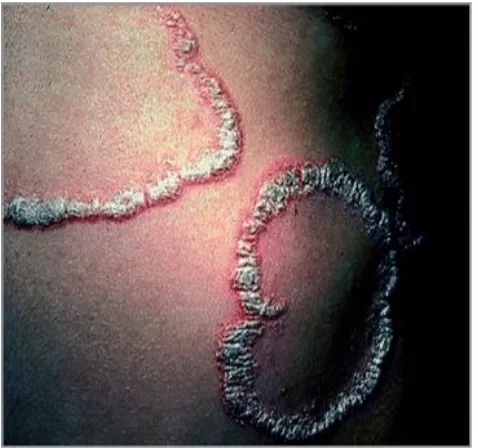
It is the commonest type of psoriasis, occurring in 90% of all cases. The plaques are well-delineated from the surrounding skin. Plaques are well circumscribed, elevated, superficial, solid lesion, greater than 1cm in diameter. They are Reddish or salmon pink in colour. The lesions are covered by white or silvery scales, which looks thick, thin, large or small (Figure 1).
Longitudinal studies have demonstrated that these plaques are dynamic [14] with an active, expanding edge. These lesions expand in an annular fashion, (Figure. 2) leaving clinically normal skin in the centre of the original plaque. Edge of the lesions are active, rapidly progressing lesions that are annular, with normal skin at the centre. Plaques are distributed symmetrically, and commonly present on the extensor aspects of elbows, knees, scalp, lumbosacral region, and umbilicus. Active inflammatory psoriasis has Koebner phenomenon. (15)
14
Figure 1. Plaque of Psoriasis Vulgaris
Henseler and Christopher have identified two ages of onset:
TYPE I - accounting for approximately 75% of patients. occurs at or
before the age of 40 years and
TYPEII occuring at 55–60 years (16)
[image:14.595.198.437.466.690.2]15
Site-specific variants of Psoriasis Vulgaris (PV)
A. Flexural/ intertriginous :
These are Inverse psoriasis. It is located on the skin folds - under the breasts, skin folds around the groin, armpits and between the buttocks. These lesions are subjected to irritation from rubbing and sweating because of its location over the skin folds and tender areas (Figure 3).
The major characteristic of inverse psoriasis are
Sharply demarcated
Erythematous plaques lesions
With itch or burn
16
Figure 3. Flexural psoriasis
B. Seborrhoeic:
Seborrhoeic psoriasis (‗sebopsoriasis‘), are so called because of its morphology and anatomical similarity to seborrhoeic dermatitis. It occurs either in isolation or in associated with plaque psoriasis. Sites involved are the nasolabial folds (Figure 4), medial cheeks, nose, ears, eyebrows, hair line, scalp, presternal and interscapular regions. Characteristically these lesions are red, thin, well-demarcated. Lesions have variable degrees of scaling.
17 C. Scalp:
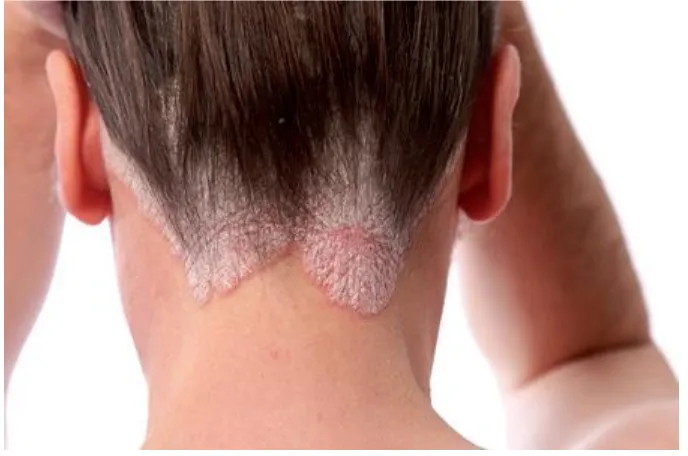
[image:17.595.145.489.296.524.2]The most commonest anatomical site to be involved and most frequent site of initial presentation is the scalp. Lesions ranges from discrete plaques to total scale involvement with either thick plaques or scaly areas.lesions are often asymmetrical. Sites of predilection are the postauricular area and the occiput. Plaques rarely extend > 2 cm beyond the hairline, which is the most characteristic feature.
Figure 5. Psoriasis of the scalp.
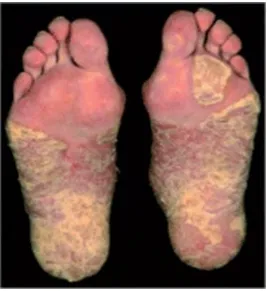
D. Palms/soles (nonpustular):
18
Figure 6. Psoriasis of Soles
2. GUTTATE PSORIASIS
19
Site of occurrence are over the trunk, arms, legs and scalp. These lesions can eventually clear up without treatment and can resurface in the form of plaque psoriasis.GP is often associated with a preceding streptococcal throat infection or a rise in anti-streptococcal serum titer [19]. Bacterial streptococcal infections (streptococcal throat infection, chronic tonsillitis) or a viral upper respiratory tract infections infection usually precede and trigger the first signs of Guttate Psoriasis in genetically predisposed individuals.
3. PUSTULAR PSORIASIS
Generalized pustular psoriasis:
20 In Localized pustular psoriasis, it involves :
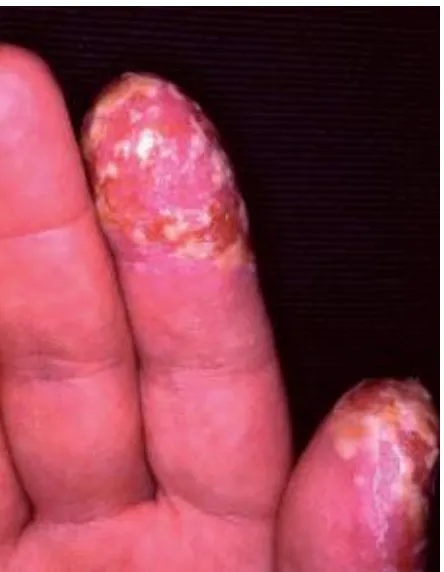
Acrodermatitis continua is a rare, chronic, pustular eruption of the toes
and fingers (Figure 7). It is also known as dermatitis repens. It begins after a localized trauma starting at the tip of a single digit [21].
Palmoplantar pustulosis: It is characterized by hyperkeratosis and
[image:20.595.205.427.295.581.2]pustules over the palmar aspects of the hands.Affects ages between 20 to 60.Eventually these pustules turn brown and peel off.
Figure 7. Acrodermatitis Continua
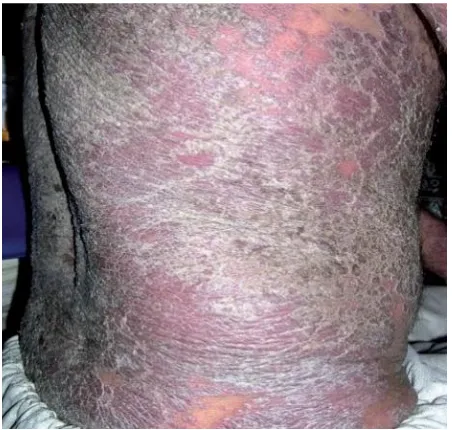
4. ERYTHRODERMIC PSORIASIS
21
[image:21.595.203.429.160.375.2]disrupting body's chemical balance. This is unstable and sometimes causes whole-body involvement. The erythrodermic phase has loss of peculiar clinical features of psoriasis. (Figure8).
Figure 8. Erythrodermic Psoriasis
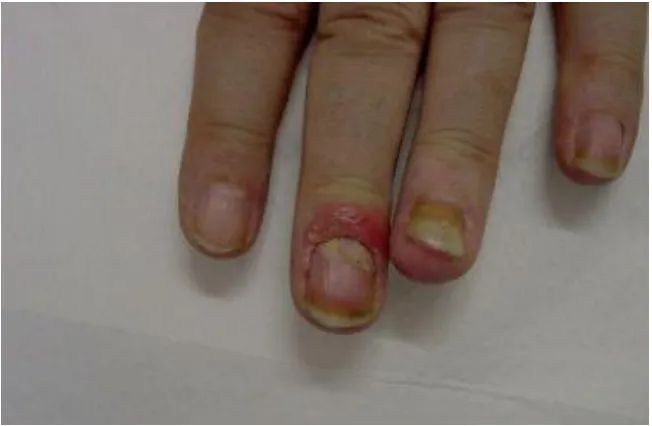
5. NAIL PSORIASIS
22
Figure 9. Nail Psoriasis
EPIDEMIOLOGY
The prevalence of psoriasis varies worldwide. Around 2% of the population in USA are affected. Higher rates have been reported in Faroe islands, and one of the study reports reveal 2.8% of the population being affected. (24) ―The prevalence of psoriasis is low in Certain ethnic groups like the Japanese, and may be absent in aboriginal Australians (25) and Indians from South America‖. (26)
Presentation of psoriasis can be at any age. The age of onset of psoriasis is difficult to determine since studies rely on patient‘s recall of the onset of skin lesions or physician‘s diagnosis as recorded. Data based on first visit to a
23
―In addition, strong associations have been reported with human
leucocyte antigen (HLA)-Cw6 in patients with early onset, compared with later onset of psoriasis‖. Psoriasis has unpredictable course and progression.
Most of the prevalence studies from India are hospital based studies, in which they have collected a comprehensive data from various medical colleges located in Dibrugarh, Calcutta, Patna, Darbhanga, Lucknow, New Delhi and Amritsar. (27) Among total skin patients, incidence of psoriasis ranges between 0.44 and 2.2%, and overall incidence being 1.02%. it was found that incidence in Amritsar (2.2%) was higher, compared to other areas in Eastern India. So they hypothesised that this may be due to genetic factors, environmental conditions (temperature) and dietary habits. (Okhandiar et al.) Highest incidence of psoriasis was noted among age groups 20 to 39 years. Another study done in North India by Bedi et al, reported 0.8% prevalence of psoriasis. But the limitation was the small sample size. Affected male to female sex ratio was 2.5:1 This study, showed that mean age of onset for females were low compared to males. ―In the same study done by Bedi, [28] which included larger number of around 530 subjects, the prevalence of psoriasis among dermatology outpatients was found to be 2.8% while male to female ratio continued to be the same‖.
24
patients were children. So from the above mentioned studies it could be concluded that prevalence of Psoriasis in India varies from 0.44 - 2.8%. Presenting most commonly at their third or fourth decade.Males being commonly affected than the females.. In these studies, the major limitations are the absence of validated diagnostic criteria, and time trends of disease.
2. CAUSES
A. GENETIC
Population studies reveals that the incidence of psoriasis is much greater among first-degree relatives and second-degree relatives than among general population. This is further supported by twins studies which shows, the risk of psoriasis is two to three times higher in monozygotic twins than dizygotic twins. (30) Psoriasis has a complex mode of inheritance. Genome wide linkage studies have identified around nine chromosomal loci which are statistically significant linkages; and these loci are known as ―psoriasis susceptibility 1
through 9 (PSORS1 through PSORS9)‖. (31) Around 35 to 50% of patients have genetic determinant PSORS1, (32)
25
with psoriasis vulgaris. HLA-C (associated variant, HLA-Cw6) encodes a class I MHC protein.CCHCR1 (associated variant, WWCC) encodes the coiled-coil, x-helical rod protein 1, a ubiquitously expressed protein that is overexpressed in psoriatic epidermis. (33)
Corneodesmosin (CDSN) (associated variant, allele 5) encodes corneodesmosin, a protein that is uniquely expressed in the granular and cornified layers of the epidermis. This is up-regulated specifically in psoriasis. (34). Absolute identification of the causative gene at this locus has been challenging because of the extensive linkage disequilibrium (i.e., genes on one chromosome are inherited together and are not easily separable by recombination events) observed within the MHC. Current data suggest that HLA-Cw6 is the susceptibility allele within PSORS (35, 36,); However, no disease-specific mutations have been identified so far, and the variants in regulatory sequences are potentially affecting several other downstream genes.. HLA-C is an interesting candidate gene, Studies show that it might be involved
in immune responses at the levels of both antigen presentation and natural killer–cell regulation.
26
disease management have yet to be determined, but such heterogeneity, clearly points on to the potentially distinctive disease entities beyond the descriptive pattern of illess.
There is only very little data on genetic studies in India. A study which included 67 psoriasis patients from Western India found an association with A1, B17 and Cw6 antigens, but did not with B13 ( Chablaniet al.)[39]
Another study conducted in south india found association of HLA Bw57 and DR7 (Pitchappan et al.) (40)
In North India, Cw*0602 was the major allele which presented in higher frequency among the psoriasis patients (Rani et al.) (41)
27 B. Psoriasis and psychological distress
Aristotle emphasised a link between physical health and mood. This has drawn the attention of many investigator‘s interest to establish a link between
mental disorders and psoriasis. Psychodermatology is a new discipline in psychosomatic medicine which studies the influence of stress in exacerbation and chronicity of the disorder. It emphasises the fact that both are interconnected at embryonal level through the ectoderm.
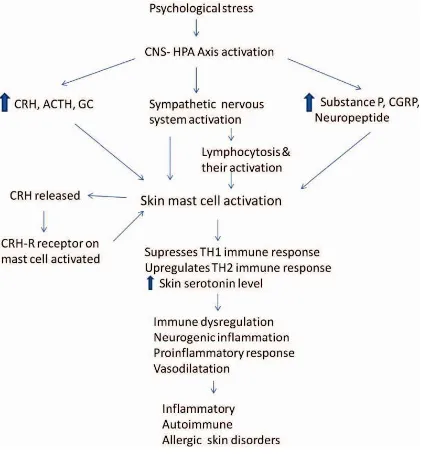
A study done by Kimball et al showed impairment in psychological functioning in psoriasis patients, by psychological impairment they refer to ―cumulative life course impairment‖ (Kimball et al). (47). According to this
model, psychological burden due to psoriasis negatively influences many aspects of patient‘s life like relationships, occupation, social interaction and wellbeing. The concept of ―cumulative life course impairment‖ entails the
effect of stigma, psychological and medical co-morbidities. Psoriasis has economic as well as social consequences that ultimately results in failure to achieve ―full life potential‖ in most of the patients. (47, 48). Patients with
chronic illness have reported that psoriasis has a negative influence on relationships, job decisions, educational status, self-esteem and well-being (48)
A chronic illness is said to influence the environmental, Psychological and social aspects of a patient‘s life and the illness progression has overall
28
presented with a greater psychological distress, low autonomy, and low purposes in life. They had also reported feelings of demoralization. Demoralization is a condition with feelings of helplessness and a belief that they have failed to meet one‘s expectations and goals. Demoralized individuals
have difficulty coping with problems and stressful life events (49) Picardi et al reported that patients with severe psoriasis also reported higher rates of Type A behaviour (50). Type A behaviour is characterized by individuals who are competitive and overcommitted to work, when these individuals are subjected to deadlines or time pressure they tend to experience a sense of pervasive urgency (51).
29
A study by sreelatha lakshmy et al, conducted in southern india, included 90 patients, among whom 51 patients had significant stress with associated psychiatric morbidity and poor quality of life.
30
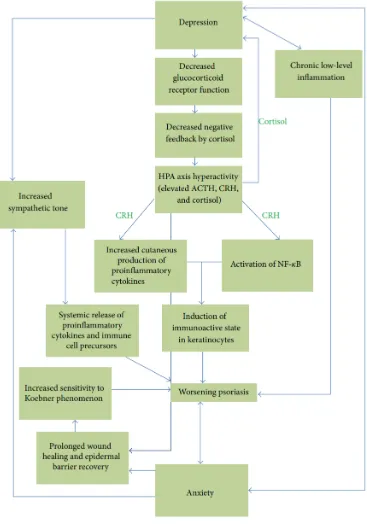
Figure.10. Interplay of various factors causing skin disorders from
31 3. PSORIASIS AND MOOD DISORDERS
In 1990‘s, a concept of Disability adjusted life years (DALY) was developed in order to compare the overall health and the life expectancy of an individual. In 1996, world health organisation adopted this method. DALY is a measure which denotes the burden of a disease. It is expressed in number of years lost due the illness or disability or early death. Mental disorders and neurological disorders accounts for around 10% of the total disability adjusted life years. Research shows consistent evidence that people with progressive or recurrent medical problems are affected with mental health problems (53)
Many studies have shown that there is a physiological connection between psoriasis and mood disorders. Inflammatory mediators have been implicated in the pathophysiology of both psoriasis and depression. We will see in detail the pathophysiology of psoriasis and mood disorders.
32
Important factors that play a major role,
1. Depression causing inflammatory states. 2. Hypothalamo-pitutary- adrenal axis
3. HPA Axis Effects on Skin and Inflammation 4. Role of melatonin.
A. Depression Causing Inflammatory states-.
Can depression result in elevated levels of inflammatory cytokines ? Yes, Randomized controlled trials in depressed subjects have revealed that, treatment with antidepressants like sertraline, a selective serotonin reuptake inhibitor (SSRI), have shown a significant decrease in depressive symptoms, and also decrease in the level of inflammatory mediators like of CRP and IL-6 (56). A large metaanalysis by Steptoe et al, describes how psychological stress elevates proinflammatory markers namely CRP, IL-6, TNF-𝛼 and IL-1 (57). So the overall effect of depression was an acute increase in proinflammatory cytokines. In the context of psoriasis, this would mean, that stress increases the inflammatory cytokines and thereby causing an exacerbation of the condition. In around 40–80% of individuals with psoriasis had their onset or exacerbation of lesions due to psychosocial factors (58).
B. Hypothalamic-pituitary- adrenal axis
33
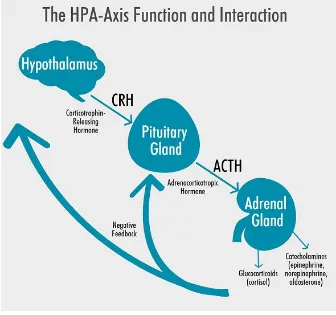
releasing hormone ( CRH) or corticotrophin releasing factor ( CRF) from the hypothalamus. CRH binds to CRF receptors in the anterior pituitary gland and releases adrenocorticotrophic hormone (ACTH). ACTH binds on to adrenal receptors in the adrenal gland and stimulates the release of cortisol. In the view of homeostasis, excessive release of cortisol is controlled by the negative feedback mechanism, where the excessive cortisol is looped back to hypothalamus and stops the further release of ACTH.
Cortisol effects are mediated by two distinct intracellular receptors namely, mineralocorticoid receptors (MR, type I) and glucocorticoid receptors (GR, type II) (59). Mineralocorticoid receptors have greater affinity for endogenous glucocorticoids. Whereas glucocorticoid receptors show more affinity for synthetic steroids like dexamethasone. With these profiles, mineralocorticoid receptors are postulated to modulate the cortisol effects and its feedback on the HPA axis whenever the cortisol levels were low.
34
[image:34.595.147.483.283.598.2]dexamethasone. This effect is found to disappear after clinical recovery from depression (60). Hypercortisolemia causes negative effects on individual‘s mood and cognition. These effects are thought to be mediated through, mineralocorticoid receptors or possibly through glucocorticoid receptors, especially those which have not lost the functional capacity as the ones in hypothalamus, that participate in HPA autoregulation.
Figure 11. Hypothalamic - pituitary - adrenal axis
C. HPA Axis Effects on Skin and Inflammation.
35
cytokine production in the skin (cytokines namely IL-6 and IL-11) (61). CRH also amplifies cytokine-mediated keratinocyte expression in the immune trafficking adhesion molecules like hCAM and ICAM-1, and the major histocompatibility complex II receptor, HLA-DR (62).
―In addition to this, CRH activates the proinflammatory protein complex NF-𝜅B (nuclear factor kappa-light-chain-enhancer of activated B cells), which are
present in almost all cell types and modulates DNA transcription and immune reaction in response to stimuli like stress, UV light, free radicals, and bacterial/viral infection‖ (63). With all of these changes, CRH significantly
shifts the keratinocytes into an immunoactive state, thereby contributing to inflammatory skin conditions, like psoriasis. Psoriatic lesions when biopsied and analysed, showed significant increase in the expression of CRH as compared to that of normal skin, suggesting a possibility of role of CRH in pathophysiological mechanism of psoriasis (64).
Depending on whether the patient suffers from depression or anxiety, HPA axis is said to be altered. Patients suffering from depression have elevated levels of cortisol, CRH and ACTH. These patients also have a blunted HPA-stress response, which means less cortisol is released following an acute stress (65).
36
production of anti-inflammatory cortisol. So due to lack of cortisol production, it doesn‘t seem to mitigate the cutaneous response in psoriasis.
Chronic stress in the form of anxiety is found to delay the wound healing. Anxiety sensitises the patient for trauma induced psoriatic lesions and also causes a delay in healing of the lesions. (66) Apart from the HPA axis contributions for the causation of psoriasis, the sympathetic nervous system (SNS) is also implicated in the pathophysiology. In Anxiety, there is excessive sympathetic activation (67). Similarily, patients with depression also demonstrate an increased sympathetic tone. Studies also demonstrate an increased muscle sympathetic nervous system activity (MSNA) found at rest and during psychological stress.
This increased MSNA effect is more pronounced when depression score increases and it reduces on treatment with SSRI sertraline (68). Patients with major depression, have higher levels of plasma norepinephrine, which is an indirect measure of SNS activity. This sympathetic overactivity is found to normalise on treatment with antidepressants SSRIs (69) and desipramine (70). The sympathetic nervous system innervates lymphoid organs, thereby promoting inflammation (71) Studies demonstrate sympathetic-mediated
37
Saint-Mezard et al. investigated the role of psychological stress in psoriasis and the inflammatory response. He found that there was an augmented dendritic cell response with consequent increase in T-cell activation. Inorder to find wheather this effect was mediated by norepinephrine or due to stress induced glucocorticoid release, he investigated selective depletion of NE, which effectively normalized the dendritic cell migratory activity and emerging hypersensitivity reaction. Patients with psoriasis secrete excessive amounts of NE in response to an acute stress when compared to controls. So he concluded that, when compared to controls, individuals with psoriasis had sympathetic overactivity that contributed to an inflammatory state and lead to the exacerbation of psoriasis (74)
Sympathetic stress response is mediated mainly by, the alpha adrenergic receptors (𝛼-ARs) These receptors are expected to cause an increased cytokine production (75).The Norepinephrine which is released in response to stress,
causes an activation of 𝛼-ARs located in the macrophages and dendritic cells. This subsequently leads to an increase in the release of TNF-𝛼 and suppression
of anti-inflammatory mediator IL-10. This effect will lead to an exacerbation of the underlying inflammatory state. In contradiction to this, activation of 𝛽 2-ARs causes suppression of TNF-𝛼 release and increases IL-10 and IL-2
production.
38
their effects. In chronic inflammatory Conditions like rheumatoid arthritis,
when treated with 𝛽 2-agonists, it did not elicit any change in cytokine production, but treatment with an 𝛼-antagonist altered the cytokine profile and
modulated the immune functions ( Lubahn et al.).Thereby it was concluded that chronic inflammatory conditions would alter the of sympathetic nervous system functions and, this in turn regulates the immune activity through these
receptor classes. So, in psoriasis also, literature shows the use of 𝛽-blockers in these patients have reported to cause an exacerbation of lesions and also triggers the onset of psoriasis (76, 77)
Studies have also revealed that TNF-𝛼 and IL-10, being key components of inflammatory pathway influences the fibroblast growth factor10 (FGF 10). FGF 10 causes keratinocyte proliferation and thereby causing psoriasis lesions. ( 78, 79) This was further confirmed by immunostaining method which revealed increased expression of FGF 10 in psoriatic lesions. On further investigating the influence of FGF 10 on psoriasis, a study done by yao et al found, when neutralizing the FGF 10 with monoclonal antibody, there was improvement in skin lesions in guinea pigs. (47)
So from these studies it can be concluded that acute stress triggering
SNS activity, causes release of nor epinephrine that disproportionately
activates inflammatory 𝛼-adrenergic receptors that leads to worsening of disease by means of various chemical messengers like TNF-𝛼 and
39
Some had hypothesized that immunoreactivity following an acute stress has an evolutionary adaptation, this adjustment is basically to prepare the body to defend against Infections that occur following an injury (80, 81).
So based on each individual‘s personal experience, coping skills, cognition, the subjective interpretation of a stressor varies accordingly. Research done by Carroll et al showed, tasks related increase in anxiety and anger are positively correlated with higher serum levels of inflammatory mediator IL-6. This again demonstrates that the emotional responses are instrumental in determining the subsequent immune reactivity (82).This finding has been replicated in many other studies. In addition, others have discovered that good social support, decreased subjective stress experience and IL-6 levels (83).
40
Depression and anxiety is predominantly influenced by chronic stress, rather than acute stress. What could be the consequences of chronic stress, and how It alters the course of inflammatory disease is very interesting. Evidence suggest that chronic stress results in immunosuppressed state or dysregulation of immune system. As previously discussed, in depression, chronic stress Causes HPA axis hyperactivity with elevated levels of ACTH, CRH, and cortisol Also, in aute stress, HPAaxis response is blunted, which means, there is no increase in cortisol levels, and diurnal cycle of cortisol secretion is also disrupted (86).
41
Recent investigations by Akayo et al showed there is a link between psoriasis and depression (87), data of Kirby et al revealed that patients suffering from psoriasis (88) had higher incidence of depression and anxiety. Another study by Mazetti et al also establish higher prevalence of mental disorders among psoriasis patients, 71.2% patients with psoriasis had psychiatric diagnosis, among which 35% had personality disorders, 17.5% had depression, 12.5% had anxiety disorders and 6.25% with schizophrenic trait.
A similar study done by Darko Biljan, which included 70 participants with mean age of 51 years, showed 90% of the participants had psychiatric diagnosis.Among which 19.2% had affective disorders, 13.7% had mixed anxiety and depression, 16.4% had alcohol use disorder. This study also found that 80% of participants had stressful life events before the onset of psoriasis. Comparing with Indian studies, it also shows that psychiatric morbidity is more common in patients with psoriasis, the prevalence being slightly less than western studies- 53.3%.The prevalence of depression was reported to be 23.3% and anxiety was 3.3% (89).
42
It is also interesting to note that, among many other chronic dermatological disorders, psoriasis was significantly associated with psychiatric morbidity and the prevalence of psychiatric illness was also increased in psoriasis compared to othe skin disorders. Reviewing the Indian studies, study by sagar B. Karia et al, compared the psychiatric morbidity in psoriasis and alopecia areata. He included 50 participants with psoriasis and 50 participants with alopecia areata. The study reported psychiatric morbidity of 22% in alopecia areata and 38% in psoriasis. Among this depression was diagnosed in 18 % and anxiety in 4% of alopecia areata. 24% depression and 12% anxiety in psoriasis.
The study also reports other psychiatric profile of 65% having adjustment disorders of depressed type, 30% depressive episodes, and 4% dysthymia (93).
A cross sectional analysis of prevalence of depression and anxiety conducted at mahatma Gandhi medical college and research institute, puducherry investigated 90 pateints with psoriasis. The results showed, prevalence of depression was 78.9% and the prevalence of anxiety was 76.7%, which was significantly more than the previously mentioned studies. (94)
C. ROLE OF MELATONIN
43
the circadian rhythm. Elevated levels are found at night, peaking in the early morning between 2am to 4 a.m. ( 96). Melatonin is a hormone, that not only regulates the daily sleep cycle, but also modulates the immune functions.
By reducing levels of inflammatory cytokines like TNF-𝛼, 6, and IL-8, melatonin could theoretically attenuate the severity of inflammatory disorders (97, 98) Melatonin dysregulation has been studied in many other inflammatory disorders, including sarcoidosis, psoriasis vulgaris (99, 100)
These disruptions in cyclical secretion of melatonin could contribute to inflammatory states.. Night time melatonin levels in patients with psoriasis has been significantly lower than in healthy controls. Decreased melatonin levels would lead to previously mentioned Koebner phenomenon.This is responsible for exacerbation of the skin lesions in psoriasis. This was further confirmed by delayed wound healing in rats that underwent pinealectomy, which has caused a depletion in melatonin and further with melatonin replacement, this effect was eradicated (101).
44
Low melatonin levels are also associated with morbidity in psoriasis. A prospective cohort study done with 14, 128 participants demonstrated an increase in the risk of development of diabetes mellitus type II (DMII) in psoriasis patients than the control group. The risk was directly proportional to the severity of the psoriasis (105).
This implies that melatonin regulates the blood glucose levels through action on melatonin receptors present in the pancreatic beta cells and on the insulin receptors in the pituitary. (106)
The interrelationship between diabetes and melatonin has been demonstrated in studies where an increase in the levels of insulin was accompanied by decreased.
Melatonin levels, decreased pineal insulin receptors, and increased pancreatic melatonin receptors
Apart from depression and diabetes mellitus, psoriasis is associated with other conditions with chronic inflammatory pathophysiology like – myocardial infarction, systemic hypertension, stroke, and results in increased mortality. Melatonin may directly influence these medical co morbidities by its anti-inflammatory properties. Melatonin administration has reported to decrease blood pressure in untreated, hypertensive patients. ( cavallo et al 2004, E.Grossman et al, 2006).
45
potential of widespread clinical use of melatonin, in at-risk psoriatic population.
Phototherapy is one of the treatment modalities used for treating depression. Phototherapy is also used in the treatment for psoriatic lesions. The mechanism underlying this in psoriasis is not known, but its conceptualized as due to the inhibition of keratinocyte proliferation, and immunomodulation (107- 109).
46
47 5. QUALITY OF LIFE IN PSORIASIS
Skin being the largest and most visible organ in our body, to a greater extent it determines our external appearance. The way we look is very important and it influences the way how we are perceived by others. Skin plays a major role in social and sexual communication. Skin diseases cause an altered or impaired appearance and seem to profoundly influence those affected with skin diseases.
Apart from causing physical discomfort and personal inconvenience, it has been reported that they influence a person‘s life in terms of daily
functioning and psychological status. Skin disease also provokes negative emotions like shame and embarrassment, anxiety, poor self esteem and lack of confidence. Apart from discomfort in social relationships, patients also experience inferiority, they also feel discriminated and stigmatized. Thus as a whole skin diseases significantly affect patient‘s quality of life (QOL) (110).
48
6. SEVERITY OF PSORIASIS AND PSYCHIATRIC MORBIDITY
Psoriasis being a chronic inflammatory disorder, affects not only the skin, but other systems as well. The degree of systemic involvement is determined by the severity of psoriasis.this is further supported by the evidence of increased skin messenger RNA expression of IL – 32 A, IL -17, IL- 22 in moderate to severe psoriasis. ( balato et al, 2014). Also serum levels of inflammatory cytokines, vascular endothelial growth favtors, fibrinogen and C-reactive protein are positively related to the severity. (choe et al, 2012).
A commonly held view is that, if skin inflammation is less, then severity of psoriasis is mild. This is a common misconception because, the severity is assessed only by cutaneous examination of cellular immune infiltrates.
Chronic skin lesions were mostly associated with psychiatric morbidity, which could be explained by the biological overlapping of immune pathology.
FACTORS INFLUENCING THE DISEASE SEVERITY
i. Location of lesions ii. Extent of the lesions iii. Degree of inflammation iv. Response to treatment
49
Table13 Immune reaction in acute and chronic disease
Table 13. explains the increase in immune mediators as the illness progresses. Activation of various cytokines and chemokines causes increase in the disease severity and also the role of cortisol influences the disease progression.
Severity of psoriasis is assessed by ―PSORIASIS AREA AND SEVERITY INDEX‖ (PASI), Body surface area (BSA), Physician global
assessment (PGA). PASI it is most widely used for quantifying the severity of psoriasis. It is an objective measure of clinical severity. For a quick assessment, ―RULE OF TENS‖ is applied. It denotes severe disease if any one of the
following is present, PASI score more that 10, DQLI score more than 10 or body surface area of more than 10.
50
but on the contrary, a swedish study reports 1---Psychological morbidity was not associated with increased PASI score (112- 114)
An Indian study done at Maharashtra found 22.33 % rate of psychiatric disorders. (115). This was a cross sectional study that included 103 patients.the profile of psychiatric disorders in this study was
65% adjustment disorder depressed type
30 % depressive disorder
4% dysthymia
51
AIMS AND OBJECTIVES
PRIMARY OBJECTIVE
1. To assess the prevalence and severity of depression and anxiety among patients with psoriasis.
2. To assess the quality of life among patients with psoriasis
SECONDARY OBJECTIVE
1. To check for any association between psoriasis severity with
psychiatric morbidity
2. To assess the quality of life with severity of psychopthology and the
52
METHODOLOGY
The study was conducted at the department of Dermatology, Madras Medical College, Chennai. The thesis abstract was presented at the Institution Ethics Committee and approval was obtained. Study was done from Feb 2017 to Aug 2017.All consecutive patients aged >18 years, diagnosed with psoriasis and undergoing treatment at department of dermatology were included in the study irrespective of their psoriasis type, severity and duration of illness. Patients were selected based on inclusion and exclusion criteria. Psoriasis area and severity index (PASI) was estimated by the dermatologist in order to rate the severity of psoriasis. Patients were explained about the study in detail and informed consent was taken from the patient and then recruited for the study.
53 INCLUSION CRITERIA
1. Participants diagnosed as psoriasis by dermatologists (both inpatients
and outpatients)
2. age >18 years
3. Both men and women
4. Patients selected irrespective of the type of psoriasis, duration of illness, severity of the disease and treatment.
EXCLUSION CRITERIA
1. Other chronic skin diseases which impairs the quality of life
2. Physical disability
3. Chronic medical illness.
4. Psychosis, previously diagnosed mental illness
5. Cognitive impairment
6. Any Substance dependence
ASSESSMENT SCALES
1. Hamilton rating scale for depression ( HAM-D)
2. Hamilton rating scale for anxiety (HAM-A)
3. Dermatology life quality index (DLQI)
54 INSTRUMENTS USED
I. SOCIODEMOGRAPHIC DATA SHEET
A structured profoma was used to elicit information about the demographic details of the participants and the illness characters.
II. HAMILTON RATING SCALE FOR DEPRESSION
It is a multiple item questionnaire to assess the severity of depression. It is also helpful to assess the remission and recovery of depression. (116) MAX HAMILTON published the scale in 1960, the scale was revised in the subsequent years. The questionnaire is mainly to rate the severity of depression in adults. (117 -121)
HAM-D is an observer rating scale. It contains 21 items in total, 17 items were added to assess the severity and the rest of the 4 items for additional clinical information. Each item is scored on a 3 to 5 point scale. The total score is then compared with the descriptor to assess the severity. It takes approximately 15 – 20 minutes for assessment.
SCORING
MILD 8-13
MODERATE 14- 18
SEVERE 19-22
55
III. HAMILTON RATING SCALE FOR ANXIETY
HAM –A is a clinician rating questionnaire to assess the severity of anxiety. The scale was originally published in the year 1959 by Max Hamilton. (122) He developed the scale to estimate the severity of symptoms in anxiety neurosis, and not to be used as means to diagnose anxiety in other disorders. (123)The scale contains 14 items, each item contains a number of symptoms which are rated on a scale of zero to four. Upon the completion of evaluation, the clinician then sums up the 14 individually rated items and arrive at a total score. This ranges from 0 to 56.
SCORING
IV. DERMATOLOGICAL QUALITYOF LIFE INDEX
It measures the impact of skin disease on quality of life. It was designed by Andew Y Finlay and Gul Karim Khan in 1994. (124, 125) It is a 10 item questionnaire covering following areas – symptoms, restrictions in social and leisure activities, occupation, close relationships, sex and treatment. Each question is scored from 0 to 3.This scale is available in 115 languages (126)
MILD 14 – 17
MODERATE 18 – 24
56
NO EFFECT ON PATIENT‘S LIFE 0-1
SMALL EFFECT 2-5
MODERATE EFFECT 6-10
VERY LARGE EFFECT 11-20
EXTREMELY LARGE EFFECT 21-30
V. BRIEF PSYCHIATRIC RATING SCALE
It is a rating scale used by the clinician to measure psychiatric symptoms like anxiety, depression, hallucination and unusual behaviour. ( 127) BPRS was published in 1962.It is the oldest and widely used scale in the field of psychiatry to measure the psychotic symptoms.There are total of 24 items, rated from 1 to 7 based on clinical evalution and also based on patient‘s self
57
STATISTICAL ANALYSIS
The results were tabulated and analyzed using the statistical
package SPSS 22.0.
Descriptive statistics was used to obtain the mean and standard
deviations with respect to different variables of socio-demographic
profile and the illness characteristics of the study population. Pearson
correlation was used to assess the relationship between severity of
psoriasis, quality of life, depression and anxiety.
Scatter diagram was used to represent the correlation between the
severity of psoriasis, quality of life, depression and anxiety.
Independent samples T–test was used to compare the mean values
of age with HAM- D and HAM- A scores. Comparison of the proportion
of demographic variables, psoriasis illness characteristic with depression
58
RESULTS
The study was conducted at the Department of Dermatology at Madras Medical College, Chennai. Patients who were selected are both outpatients and inpatients. Initially full physical examination was done to assess the physical status of the patient and to look for any medical co morbidity.
A total of 114 patients were enrolled, out of which 8 did not satisfy the inclusion criteria, 6 did not give their consent. So finally 100 participants were included in the study and informed consent was obtained. Study population consisted of 48 males and 52 females.
Table.1 Study Population
MALE
48
FEMALE
52
TOTAL
100
1. SOCIODEMOGRAPHIC CHARACTERISTICS
Participants had different education levels, 71% were illiterates, 22% had primary education and only 7% had completed degree.
Our study, all subjects were from lower socioeconomic background.
59
Table 2. Education of the study population
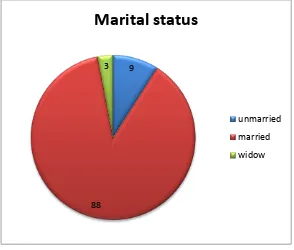
In our study, 88% were married, 9% unmarried and 3% were widow.
Table.3 Marital status of the study population
Most of our participants were belonging to Hinduism (77%), Christianity (14%), Islam (9%)
71% 22%
7%
EDUCATION
illiterate
primary education degree
9
88 3
Marital status
[image:59.595.169.463.410.660.2]60
2. PSORIASIS ILLNESS CHARACTERISICS
Table 4. types of psoriasis
Out of the 100 patients, 88 were outpatients and 12 were inpatients.
Among them 95% had plaque type psoriasis, 4% had scalp psoriasis,
1 % had guttate psoriasis.
All of them had duration of psoriasis for more than 5 years, 2 patients
with maximum of 15 years.
Around 44 of them had more than 3 symptom exacerbation in the past
5 years.
8 of them were receiving topical and systemic therapy, 92 patients
were on topical therapy alone.
None had a family history of psoriasis. 0 10 20 30 40 50 60 70 80 90 100
plaque scalp guttate 95
4 1
type of psoriasis
61
Using psoriasis area and severity index, 61% had mild severity, 25%
[image:61.595.111.527.142.396.2]had moderate and 14% had severe psoriasis
Table 5.PASI score of the study population.
3. PREVALENCE OF DEPRESSION AND ANXIETY
Among the 100 participants, 43% had significant depression and 57% did not have depression
Among them 6 % had mild depression, 20% had moderate depression, 11% had severe depression, 5% had very severe depression. Among them 4 had suicidal ideations.( table 6 )
0 10 20 30 40 50 60 70
mild moderate severe
61 25
14
PASI
62
Table 6. severity of depression
Anxiety was present in 20 participants, 4 had mild anxiety, 16 had moderate anxiety. There were no patients with severe anxiety.
63 4. QUALITY OF LIFE
[image:63.595.152.482.201.410.2]Quality of life was affected in most of the participants. extremely large effect in 15%. Very large effect in 32%, moderate effect in 37%, small effect in 16%
Table 7.pie chart of quality of life
Descriptive statistics Age (years) PASI score DLQI score HAM D score HAM A score
N 100 100 100 100 100
Mean 42.94 6.67 11.85 10.60 10.28
Std.
Deviation 10.112 3.924 6.325 6.779 5.290
Median 44.00 5.00 9.50 7.00 8.00
Minimum 24 2 3 2 4
Maximum 66 21 26 26 22
[image:63.595.110.527.500.715.2]64
The mean age in the study population was 42.94 ± 10.11, the mean score of psoriasis severity is 6.67 ± 3.924, the mean score of DQLI was 11.85 ± 6.325, the mean scores of HAM-D and HAM – A was 10.60 ± 6.779, and 10.28 ± 5.290 respectively.
5. COMPARING THE ASSOCIATION OF DEMOGRAPHIC VARIABLES WITH DEPRESSION.
Most of the socio-demographic variables were insignificant with respect to depression among psoriasis patients. But depression was significantly associated with
Type of psoriasis,
Mode of treatment ( IP/OP), Severity of psoriasis and Poor quality of life.
A. TYPE OF PSORIASIS
Psoriasis type
Depression (HAM-D)
No Yes Total
N % N % N %
Plague 57 60.0% 38 40.0% 95 100.0%
Scalp 0 0.0% 4 100.0% 4 100.0%
Guttate 0 0.0% 1 100.0% 1 100.0%
Total 57 57.0% 43 43.0% 100 100.0%
65
Fisher's Exact Test 6.520 0.013
Table 9
66 B. MODE OF TREATMENT
There was also significant association between depression and inpatient care of treatment. Among the 88 outpatients, 32 had depression. And among the 12 inpatients, 11 of them had clinical depression.
[image:66.595.106.527.322.690.2]Out of the 12 inpatients, 8 of them were on systemic steroid therapy.
Table 10 shows the significant association of depression with inpatient patients.
Patient type
Depression (HAM-D)
No Yes Total
N % N % N %
Out patient
56 63.6% 32 36.4% 88 100.0% In-patient
1 8.3% 11 91.7% 12 100.0%
Total
57 57.0% 43 43.0% 100 100.0%
Chi-Square Test Value df
67 C. SEVERITY OF PSORIASIS
It was also noted that, Out of 61 patients who had mild severity of psoriasis, 24 patients had depression. In 25 patients with moderate severity, 7 had depression. In 14 patients with severe psoriasis, 12 had depression.
PASI severity
Depression (HAM-D)
No Yes Total
N % N % N %
Mild 37 60.7% 24 39.3% 61 100.0%
Moderate 18 72.0% 7 28.0% 25 100.0%
Severe 2 14.3% 12 85.7% 14 100.0%
Total 57 57.0% 43 43.0% 100 100.0%
Chi-Square Test Value df
[image:67.595.108.525.208.543.2]Trend Chi-Square 5.146 0.023
68 D.QUALITY OF LIFE
The more severe the impairment in quality of life, it was associated with increase in number of depression. Patients who had moderate to extremely large effect of impairment had higher depressive scores.
DLQI effect
Depression (HAM-D)
No Yes Total
N % N % N %
No effect 0 0.0% 0 0.0% 0 0.0%
Small effect
14 87.5% 2 12.5% 16 100.0%
Moderate effect
26 70.3% 11 29.7% 37 100.0%
Very large effect
16 50.0% 16 50.0% 32 100.0%
Extremely large effect
1 6.7% 14 93.3% 15 100.0%
Total
57 57.0% 43 43.0% 100 100.0%
Chi-Square Test Value Df
[image:68.595.108.527.207.587.2]Trend Chi-Square 22.965 <0.001
69
No significant association was found in the following variables,
Gender
Depression (HAM-D)
No Yes Total
N % N % N %
Male 27 56.3% 21 43.8% 48 100.0%
Female 30 57.7% 22 42.3% 52 100.0%
Total 57 57.0% 43 43.0% 100 100.0%
Chi-Square Test Value df Pearson Chi-Square 0.021 0.884
Table 13 gender and depression
Education
Depression (HAM-D)
No Yes Total
N % N % N %
Nil 42 59.2% 29 40.8% 71 100.0%
Primary 11 50.0% 11 50.0% 22 100.0%
Degree 4 57.1% 3 42.9% 7 100.0%
Total 57 57.0% 43 43.0% 100 100.0%
70
Marital status
Depression (HAM-D)
No Yes Total
N % N % N %
Unmarried 4 44.4% 5 55.6% 9 100.0%
Married 52 59.1% 36 40.9% 88 100.0%
Widowed 1 33.3% 2 66.7% 3 100.0%
Total 57 57.0% 43 43.0% 100 100.0%
Chi-Square Test Value df Fisher's Exact Test 1.552 0.536
Table 15 marital status and depression
Substance use
Depression (HAM-D)
No Yes Total
N % N % N %
None 42 56.8% 32 43.2% 74 100.0%
Alcohol 7 50.0% 7 50.0% 14 100.0%
Nicotine 8 66.7% 4 33.3% 12 100.0%
Total 57 57.0% 43 43.0% 100 100.0%
Chi-Square Test Value Df Pearson Chi-Square 0.739 0.691
71 Religion
Depression (HAM-D)
No Yes Total
N % N % N %
Hindu 42 54.5% 35 45.5% 77 100.0%
Christian 10 71.4% 4 28.6% 14 100.0%
Muslim 5 55.6% 4 44.4% 9 100.0%
Total 57 57.0% 43 43.0% 100 100.0%
Chi-Square Test Value Df Fisher's Exact Test 1.379 0.562
Table 17 religion and depression
Past h/o psy
Depression (HAM-D)
No Yes Total
N % N % N %
None 57 57.6% 42 42.4% 99 100.0%
Depression 0 0.0% 1 100.0% 1 100.0%
Total 57 57.0% 43 43.0% 100 100.0%
Chi-Square Test Value df Fisher's Exact Test - 0.430
72 Family support
Depression (HAM-D)
No Yes Total
N % N % N %
Good 52 56.5% 40 43.5% 92 100.0%
Poor 5 62.5% 3 37.5% 8 100.0%
Total 57 57.0% 43 43.0% 100 100.0%
[image:72.595.108.508.424.716.2]Chi-Square Test Value df Fisher's Exact Test - 0.999
Table 19 family support and depression
Occupation
Depression (HAM-D)
No Yes Total
N % N % N %
Nil 6 33.3% 12 66.7% 18 100.0%
Coolie 24 63.2% 14 36.8% 38 100.0%
Housewife/ Student 12 54.5% 10 45.5% 22 100.0%
Employed 15 68.2% 7 31.8% 22 100.0%
Total 57 57.0% 43 43.0% 100 100.0%
Chi-Square Test Value df Pearson Chi-Square 5.878 0.118
73
Depression
(HAM-D) N Mean Std. Dev t-value p-value
Age (years) Yes 43 42.30 11.342
0.546 0.586
No 57 43.42 9.151
Table 21 Independent samples T-Test to compare mean age
6.COMPARING THE ASSOCIATION OF DEMOGRAPHIC
VARIABLES WITH ANXIETY
A.TYPE OF PSORIASIS : Among the 95 plaque psoriasis, 15 of them had anxiety. All patients who had scalp and guttate psoriasis had higher anxiety score.
Psoriasis type
Anxiety (HAM-A)
No Yes Total
N % N % N %
Plague 80 84.2% 15 15.8% 95 100.0%
Scalp 0 0.0% 4 100.0% 4 100.0%
Guttate 0 0.0% 1 100.0% 1 100.0%
Total 80 80.0% 20 20.0% 100 100.0%
Chi-Square Test Value df
Fisher's Exact Test 15.630 <0.001
74
B.MODE OF TREATMENT : Again as previously mentioned, the number of patients affected with depression were significantly higher in the inpatients with psoriasis. Here also we can find that, Out of 88 outpatients, 13 had anxiety and among 12 inpatients, 7 had anxiety, which is significantly greater than the outpatient population.
Patient type
Anxiety (HAM-A)
No Yes Total
N % N % N %
Out patient
75 85.2% 13 14.8% 88 100.0%
In-patient
5 41.7% 7 58.3% 12 100.0%
Total
80 80.0% 20 20.0% 100 100.0%
Chi-Square Test Value df
[image:74.595.107.544.230.495.2]Fisher's Exact Test - 0.002
75 C. SEVERITY OF PSORIASIS
Out of 61 patients who had mild severity of psoriasis, 9 patients had anxiety. In 25 patients with moderate severity, 1 had anxiety. In 14 patients with severe psoriasis, 10 had anxiety. So here again we can see that most of the patients with severe psoriasis were having anxiety disorder.
PASI severity
Anxiety (HAM-A)
No Yes Total
N % N % N %
Mild 52 85.2% 9 14.8% 61 100.0%
Moderate 24 96.0% 1 4.0% 25 100.0%
Severe 4 28.6% 10 71.4% 14 100.0%
Total 80 80.0% 20 20.0% 100 100.0%
Chi-Square Test Value df
[image:75.595.104.549.237.559.2]Trend Chi-Square 12.649 <0.001
76 D.QUALITY OF LIFE
As seen with depression, anxiety scores were higher with severe impairment in quality of life. Patients who had moderate to extremely large effect of impairment had higher anxiety scores.
DLQI effect
Anxiety (HAM-A)
No Yes Total
N % N % N %
No effect 0 0.0% 0 0.0% 0 0.0%
Small effect
16 100.0% 0 0.0% 16 100.0%
Moderate effect
34 91.9% 3 8.1% 37 100.0%
Very large effect
23 71.9% 9 28.1% 32 100.0%
Extremely large effect
7 46.7% 8 53.3% 15 100.0%
Total
80 80.0% 20 20.0% 100 100.0%
Chi-Square Test Value df
[image:76.595.114.511.208.619.2]Trend Chi-Square 17.787 <0.001
77 7. DQLI and PASI
DLQI effect
PASI severity
Mild Moderate Severe Total
N % N % N % N %
Small effect 10 16.4% 6 24.0% 0 0.0% 16 16.0%
Moderate effect 24 39.3% 11 44.0% 2 14.3% 37 37.0%
Very large effect 22 36.1% 7 28.0% 3 21.4% 32 32.0%
Extremely large effect 5 8.2% 1 4.0% 9 64.3% 15 15.0%
Total 61 100.0% 25 100.0% 14 100.0% 100 100.0%
Chi-Square Test Value df
[image:77.595.108.522.110.429.2]Fisher's Exact Test 23.383 <0.001
Table 26 comparing DQLI WITH PASI
78
No significant association was found in the following variables.
Gender
Anxiety (HAM-A)
No Yes Total
N % N % N %
Male 37 77.1% 11 22.9% 48 100.0%
Female 43 82.7% 9 17.3% 52 100.0%
Total 80 80.0% 20 20.0% 100 100.0%
Chi-Square Test Value df
Pearson Chi-Square 0.491 0.484
Table 27 comparison of gender and HAM-A
Occupation
Anxiety (HAM-A)
No Yes Total
N % N % N %
Nil 12 66.7% 6 33.3% 18 100.0%
Coolie 31 81.6% 7 18.4% 38 100.0%
Housewife/ Student 18 81.8% 4 18.2% 22 100.0%
Employed 19 86.4% 3 13.6% 22 100.0%
Total 80 80.0% 20 20.0% 100 100.0%
Chi-Square Test Value df
Fisher's Exact Test 2.506 0.499
79 Marital status
Anxiety (HAM-A)
No Yes Total
N % N % N %
Unmarried 6 66.7% 3 33.3% 9 100.0%
Married 72 81.8% 16 18.2% 88 100.0%
Widowed 2 66.7% 1 33.3% 3 100.0%
Total 80 80.0% 20 20.0% 100 100.0%
Chi-Square Test Value df
Fisher's Exact Test 2.196 0.346
Table 29comparison of marital status and HAM-A
Education
Anxiety (HAM-A)
No Yes Total
N % N % N %
Nil 59 83.1% 12 16.9% 71 100.0%
Primary 15 68.2% 7 31.8% 22 100.0%
Degree 6 85.7% 1 14.3% 7 100.0%
Total 80 80.0% 20 20.0% 100 100.0%
Chi-Square Test Value df
Fisher's Exact Test 2.410 0.275
80 Religion
Anxiety (HAM-A)
No Yes Total
N % N % N %
Hindu 62 80.5% 15 19.5% 77 100.0%
Christian 13 92.9% 1 7.1% 14 100.0%
Muslim 5 55.6% 4 44.4% 9 100.0%
Total 80 80.0% 20 20.0% 100 100.0%
Chi-Square Test Value df
Fisher's Exact Test 4.326 0.115
Table 31 comparison of religion and HAM-A
Substance use
Anxiety (HAM-A)
No Yes Total
N % N % N %
None 62 83.8% 12 16.2% 74 100.0%
Alcohol 9 64.3% 5 35.7% 14 100.0%
Nicotine 9 75.0% 3 25.0% 12 100.0%
Total 80 80.0% 20 20.0% 100 100.0%
Chi-Square Test Value df
Fisher's Exact Test 3.198 0.200
81 Family support
Anxiety (HAM-A)
No Yes Total
N % N % N %
Good 75 81.5% 17 18.5% 92 100.0%
Poor 5 62.5% 3 37.5% 8 100.0%
Total 80 80.0% 20 20.0% 100 100.0%
Chi-Square Test Value df
Fisher's Exact Test - 0.196
Table 33 comparing family support and HAM -A scores
Independent samples T-Test to compare mean age
Anxiety (HAM-A) N Mean Std. Dev t-value p-value
Age (years) Yes 20 42.35 12.721
0.243 0.810
[image:81.595.108.510.71.278.2]No 80 43.09 9.440
Table 34
Independent samples T-Test to compare mean age
Hence from the above findings, there was significant association of depression and anxiety with
Type of psoriasis,
82
7.CORRELATION OF PASI WITH DEPRESSION AND ANXIETY
HAM D score HAM A score
PASI score Correlation 0.339 0.497
p-value 0.001 <0.001
[image:82.595.108.572.110.336.2]N 100 100
Table 35 Correlation between severityof psoriasis with depression and anxiety
83
Table 36 scatter diagram showing correlation between HAM D and PASI
[image:83.595.117.420.430.674.2]84
[image:84.595.114.440.109.374.2]Correlation of quality of life with depression and anxiety
Table 38 scatter diagram showing correlation between HAM D and DQLI
[image:84.595.116.442.442.701.2]85
9.CORRELATION OF QUALITY OF LIFE AND PSORIASIS SEVERITY
PASI score
DLQI score
HAM D score
HAM A score
PASI score Correlation 1 0.402 0.339 0.497
p-value <0.001 0.001 <0.001
N 100 100 100 100
DLQI score Correlation 0.402 1 0.516 0.462
p-value <0.001 <0.001 <0.001
N 100 100 100 100
HAM D score
Correlation 0.339 0.516 1 0.456
p-value 0.001 <0.001 <0.001
N 100 100 100 100
HAM A score
Correlation 0.497 0.462 0.456 1
p-value <0.001 <0.001 <0.001
86
Table 40. correlation between severity of psoriasis, quality of life and psychiatric illness
87
DISCUSION
Biological interaction between psoriasis and stress may result in psychiatric disorders among psoriasis patients. Most of the psoriasis patients feel stigmatized for being assessed by a psychiatrist, hence refuse to consult, and Dermatologist also misses subtle psychiatric signs and symptoms in these patients.
Both dermatological and psychiatric consequence seems to induce, prolong and exacerbate each other. In the current study, prevalence and severity of depression was analysed among outpatients and inpatients attending tertiary care centre. We also studied the sociodemographic variables, clinical variables and their influence on mental health of patients with psoriasis.
PREVALENCE AND SEVERITY OF DEPRESSION
Our study found an overall prevalence of depression in 43 % of patients, among them 36 patients had moderate to very severe depression, that warranted psychiatric intervention.
88
The prevalence of depression in our study is in par with previous studies and suggests that depressive symptoms are more frequent in patients with psoriasis. Our study has also found that most of the inpatients were affected, compared to the outpatients.The reason could be attributed to the severity of psoriasis requiring hospitalisation. And some patients were also on syste