Training and Transitions:
The Lived Experiences of Adult Learners
of English as a Second (or Other) Language
Suzanne Margaret Reszke
BMus(Perf) LRSM MEd
Submitted in fulfilment
of the requirements for the degree of
Doctor of Philosophy
Faculty of Education
University of Tasmania
ii
Statement of Originality
This thesis contains no material which has been accepted for a degree or diploma by the University or any other institution, except by way of background information and
duly acknowledged in the thesis, and to the best of the my knowledge and belief no material previously published or written by another person except where due acknowledgement is made in the text of the thesis, nor does the thesis contain any
material that infringes copyright.
Signature
____________________________
iii
Statement of Authority of Access
This thesis may be made available for loan and limited copying in accordance with the Copyright Act 1968.
Signature
____________________________
iv
Statement of Ethical Conduct
The research associated with this thesis abides by the international and Australian codes on human and animal experimentation, the guidelines by the
Australian Government's Office of the Gene Technology Regulator and the rulings of the Safety, Ethics and Institutional Biosafety Committees of the
v
Abstract
This study endeavoured to explore and examine the lived experience of adults learning and using English as a second language within the context of an
international charitable and humanitarian organization, and the significance of this for English language teaching pedagogy. The study has at its foundation principles of hermeneutic phenomenology and as such sought to understand what these experiences were like for the respondents.
Two clusters of participants contributed responses in different formats from different contexts within the international organization. At level one the 16 participants were working in multicultural teams with an international charitable and humanitarian organization in various locations around the world and contributed one off written responses to guiding questions. The 18 respondents at level two were studying English at an organizational training college in order to fulfil requirements for a standardised level of English proficiency, and took part in semi-structured interviews. Data analysis and interpretation utilised a combination of grounded theory and thematic analysis methods so as to discern themes arising from the data.
Findings from the study suggest that significant personal transformation is possible when adults learn English in a country and culture other than their own. Attitudes and approaches to English language learning undergo change as adults endeavour to participate in the target language community. Intercultural awareness and an
increased understanding of the host culture develop as adults relate to those from other cultures in the new context. In their everyday routine experiences, English language learners and users experience changes to the self, particularly growth in self confidence and a sense of empowerment.
Abstract
vi
requires ongoing negotiation as contexts change. The role of the English language teacher can be regarded as crucial both in affecting good language learning
experiences but also in facilitating learning that is transformative.
Within the international organization experiences of learning and using English have a temporal nature that is context dependent. For non-native speakers within the organization the role of English develops as proficiency develops however, fulfilling roles of additional responsibility creates additional pressure from the expectations both of the English language users themselves and from others.
vii
Acknowledgements
I would like to express my thanks and appreciation to the following people who have made the completion of this thesis possible:
I am indebted to Dr Thao Lê, my primary supervisor and source of inspiration. Thank you, Thao for the many hours you have devoted to this thesis, for the
encouragement you gave at every meeting and for challenging me to think widely.
I would like to express my heartfelt thanks to my family, my husband Jerry and my daughters Phoebe and Bethany, for their unwavering support and understanding. Thank you also to my mother Patricia, for instilling in us the belief that we can accomplish anything to which we put our minds.
I would like to express my deep appreciation to the participants who gave their time so generously. I feel privileged to have shared their stories.
My thanks also to my colleagues at Migrant Education, Launceston for modelling dedication and commitment to learners. Thank you for generously sharing your knowledge and experience and for giving me a sense of belonging.
viii
Abbreviations and Acronyms
EFL English as a Foreign Language
EIL English as an International Language
ELL English Language Learning/Learner
ELT English Language Teaching
ESL English as a Second Language
IELTS International English Language Testing System
L1 First language (mother tongue)
L2 Second Language
LFC Lingua France Core
NNSE Non-native Speaker/s of English
NSE Native Speaker/s of English
WCHO Worldwide Charitable and Humanitarian Organization
ix
Table of Contents
Statement of Originality _____________________________________________ ii
Statement of Authority of Access______________________________________ iii
Statement of Ethical Conduct_________________________________________ iv
Abstract ___________________________________________________________ v
Acknowledgements _________________________________________________ vii
Abbreviations and Acronyms________________________________________ viii
[image:9.595.125.540.73.754.2]Table of Contents___________________________________________________ ix
Table of Figures ___________________________________________________ xiv
Table of Tables ____________________________________________________ xv
Chapter 1: Introduction ______________________________________________ 1
1.1 Background Leading to the Study_________________________________________ 2
1.1.1 Organizational context._______________________________________________ 2
1.1.2 Motivation for research._______________________________________________ 5
1.1.3 Justification for the study._____________________________________________ 7 1.2 Research Objectives ____________________________________________________ 8
1.3 Research Methodology __________________________________________________ 9
1.3.1 Qualitative research approaches. ________________________________________ 9
1.3.2 Qualitative methods in this study.______________________________________ 11 1.4 Significance of the Study _______________________________________________ 12
1.5 Limitations of the Study ________________________________________________ 13
1.6 Ethical Issues _________________________________________________________ 13
1.7 Organization of the Thesis ______________________________________________ 14
1.8 Conclusion ___________________________________________________________ 16
x Chapter Two: The Challenges of English Language Learning _____________ 18
2.1 Challenges in Adult Second Language Learning ____________________________ 20
2.2 The “Good” Language Learner __________________________________________ 25
2.3 Identity and Language Learning _________________________________________ 27
2.4 Language Learning and Culture Stress ___________________________________ 29
2.5 Significance for the Second Language Learner _____________________________ 32
2.6 Conclusion ___________________________________________________________ 34
2.7 Summary ____________________________________________________________ 35
Chapter Three: Global Dimensions of English Language Pedagogy ________ 36
3.1 English and Globalisation ______________________________________________ 36
3.2 Kachru‟s Model of English Usage ________________________________________ 38
3.3 English: A Global or an International Language? __________________________ 39
3.4 Why English? ________________________________________________________ 40
3.5 World Englishes ______________________________________________________ 41
3.6 Difficulties and Disparities ______________________________________________ 42
3.7 The Role of the Native Speaker and the Bilingual Teacher of English __________ 43
3.8 Standards of English ___________________________________________________ 44
3.9 Pronunciation Models __________________________________________________ 45
3.10 Significance for English Language Teaching ______________________________ 46
3.11 Conclusion __________________________________________________________ 48
3.12 Summary ___________________________________________________________ 49
Chapter Four: Learning in Adulthood _________________________________ 50
4.1 Addressing the Place of Andragogy ______________________________________ 53
4.2 Jarvis‟s Model of Learning _____________________________________________ 56 4.3 Context in Learning ___________________________________________________ 58
xi
4.5 Adult Second Language Learning and Transformation ______________________ 64
4.6 Fostering Transformation: Approaches for ELT ___________________________ 65
4.7 Individuation _________________________________________________________ 70
4.8 The Role of Spirituality in Learning in Adulthood __________________________ 71
4.9 Conclusion ___________________________________________________________ 75
4.10 Summary ___________________________________________________________ 75
Chapter Five: Research Methodology _________________________________ 77
5.1 Researcher Perspective _________________________________________________ 77
5.2 Research Objectives___________________________________________________ 81
5.3 Hermeneutic Phenomenology____________________________________________ 82
5.3.1 The development of Hermeneutics._____________________________________ 83
5.3.2 The development of Phenomenology.___________________________________ 85
5.3.3 Hermeneutic phenomenological methodology.____________________________ 87
5.3.4 Hermeneutic phenomenology in this study. _______________________________ 88 5. 4 A Definition of Text ___________________________________________________ 90 5.4.1 Text in this study. ___________________________________________________ 92 5.5 Research Methods in this Study _________________________________________ 92
5.5.1 Rationale for sample selection. ________________________________________ 92 5.6 Data Collection Methods _______________________________________________ 95
5.6.1 Data collection via email. ____________________________________________ 95
5.6.2 Data collection via interview. _________________________________________ 99 5.6.2.1 Interviews in this study__________________________________________ 101 5.7 Data Analysis and Interpretation _______________________________________ 103
5.8 Conclusion __________________________________________________________ 105
5.9 Summary ___________________________________________________________ 106
Chapter Six: Data Analysis _________________________________________ 107
6.1 Thematic Analysis and Grounded Theory ________________________________ 108
6.2 Data Collection and Analysis in this Study ________________________________ 113
6.3 Thematic Analysis in this Study ________________________________________ 114
xii
6.5 Combining Thematic Analysis and Grounded Theory in this Study ___________ 120
6.6 Conclusion __________________________________________________________ 121
6.7 Summary ___________________________________________________________ 121
Chapter Seven: Results and Discussion _______________________________ 123
7.1. Theme One: Learning English Engenders Transformation _________________ 126
7.1.1 Background to transformation. _______________________________________ 127
7.1.2 Anticipating the ELL experience: motives and rationale for undertaking further ELL._________________________________________________________________ 130
7.1.1.2 Motivations for learning English in another country.___________________ 131
7.1.2 Attitudes and approaches to language learning undergo transformation in the ELL process. ______________________________________________________________ 135
7.1.3 Transformation involves changes to self including increasing self confidence and sense of empowerment. __________________________________________________ 138
7.1.4 Transformation involves the development of intercultural awareness including increased understanding of the host culture. __________________________________ 141 7.2 Theme Two: Studying and Using English Necessitates Negotiating Changes in Relationships ___________________________________________________________ 144
7.2.1 Obtaining endorsement from the wider family to study overseas is of significance to the ELL.______________________________________________________________ 144
7.2.2 Studying English overseas necessitates encountering and dealing with issues of separation. ____________________________________________________________ 146
7.2.3 Maintaining family life in the new cultural context requires negotiating changes in roles and responsibilities. ________________________________________________ 147
7.2.4 Determining the role of English within the family. ________________________ 152
7.2.5 Relating to others utilising English generates contrasting emotions for the NNSE.155
7.2.6 Relationships are a priority for English language learners. __________________ 158
7.2.7 Considering the NSE / NNSE relationship. ______________________________ 159 7.3 Theme Three: Affective Factors are of Significance to the ELL ______________ 163
7.3.1 Learn live language. ________________________________________________ 164
7.3.2 Learning English requires courage. ____________________________________ 167
7.3.3 Learning English requires motivation, justification and perseverance. _________ 168 7.4 Theme Four: English Language Learning is Functionally Constructed and Goal Oriented _______________________________________________________________ 172
7.4.1 English language learners have identifiable goals. ________________________ 172
7.4.2 English language skills become utilitarian over time. ______________________ 174
7.4.3 The NNSE functioning in roles of responsibility in an international organization experiences additional pressure from the language expectations of self and of others. _ 176
7.4.4 Learning English is a means of fulfilling vocation. ________________________ 178 7.5 Significance of the Findings for ELT Pedagogy ____________________________ 181
xiii
7.7 Summary ___________________________________________________________ 183
Chapter Eight: Conclusion _________________________________________ 187
8.1 Addressing the Research Objectives _____________________________________ 187
8.2 Possibilities for Further Research _______________________________________ 190
8.3 Reflecting on the Research Experience ___________________________________ 191
References _______________________________________________________ 195
Appendices ______________________________________________________ 207
Appendix A: Information Sheet _____________________________________ 207
Appendix B: Consent Form _________________________________________ 211
Appendix C: Guiding Questions: Protocol Writing _____________________ 213
xiv
Table of Figures
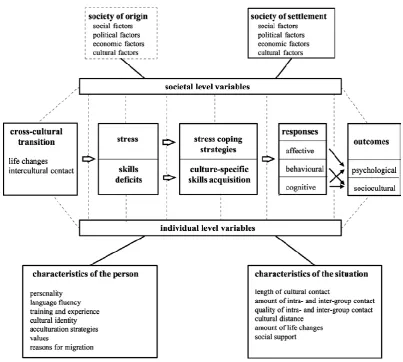
Figure 1. The acculturation process (Zhou et al., 2008, p. 69) _________________31
Figure 2. Kachru‟s model of World English (Adapted by Chang, 2008. p. 4) ______ 38
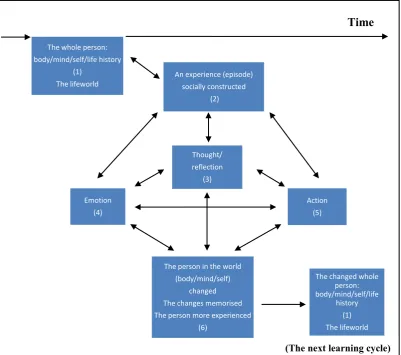
Figure 3. The transformation of the person through experience (Adapted from Jarvis, 2006, p. 16) _________________________________________________________57
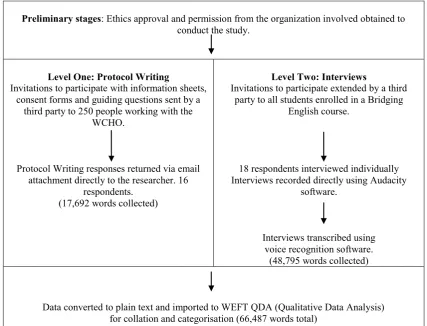
Figure 4. Sample selection ____________________________________________ 94
Figure 5. From data to texts: The data generation process summarised_________ 105
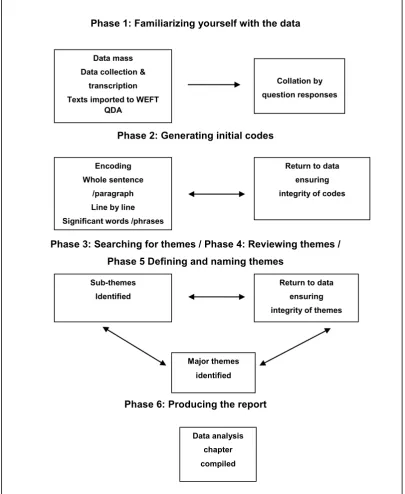
Figure 6. Thematic Analysis process undertaken in this study________________ 115
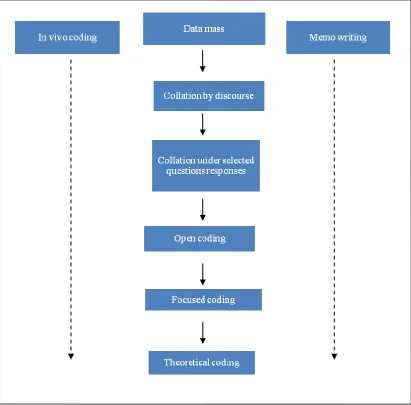
Figure 7. Grounded Theory process undertaken in this study_________________118
Figure 8. Categories of identification within COS_________________________ 161
xv
Table of Tables
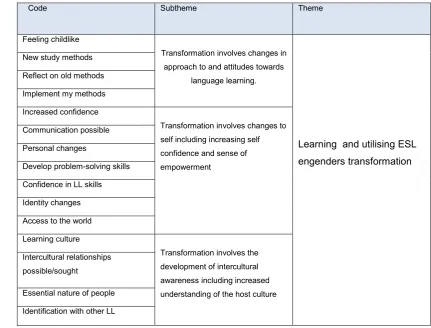
Table 1. Thematic Analysis Theme 1: Learning English engenders
transformation ___________________________________________________ 116
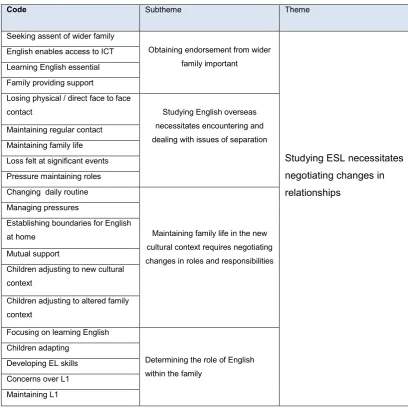
Table 2. Thematic Analysis Theme 2: Studying ESL overseas necessitates
negotiating changes in relationships____________________________________ 117
1
Chapter 1
Introduction
This thesis presents research investigating the experiences of adults learning English as a second language to work with an international organization and the experiences of those who are non-native speakers of English (NNSE) already working with the organization. While there are many studies dealing with the “what and how” of language learning in terms of mastery of code, this project considers the “why and what does it mean”: why this group of adults learn and use English as a second language and their perceptions of the place of English in their everyday lives and what English means to them.
Learning and using a second language as an adult presents both opportunities and challenges: the opportunity to communicate with people from another culture where without English language proficiency this is not possible; the challenge of meeting the changes that undertaking such learning entails. Learning in any form as an adult is an individual and personal activity yet it affects the learner‟s network of
relationships with others and when learning is undertaken in a new cultural and linguistic context, the impact on the person and their relationships is heightened. This study is concerned with the routine everyday experiences of participants as they learned and utilised English which may to some seem unremarkable. However, the study has significance in raising awareness of the routine experiences and
perceptions of adults learning and speaking English as a second language within the context of an international organization.
As an ESL educator teaching English as a second language to adults, the researcher‟s motivation in undertaking this study was firstly to better comprehend the experiences of those coming to Australia, or travelling to other countries for a period of intensive English language study, so as to increase understanding and improve English
language teaching (ELT) practice. As a member of the organization, the
Introduction
2
This introductory chapter presents the background to the study so as to clarify the context within which this research was conducted before progressing to subsequent chapters. The international organization is introduced and the policies implemented which are of importance to this study outlined, presenting the organizational context for this study. The researcher‟s motivation for conducting the research, the
justification for conducting the study and the significance of this study are outlined. This chapter also introduces the research objectives and provides a description of the qualitative approach adopted for the study. The ethical issues involved in conducting this study are outlined before the chapter closes with the structural outline of the thesis.
1.1Background Leading to the Study
The focus of this investigation is the “lived experience” (van Manen, 1997, p. 9) of adults who are non-native speakers of English, either training to work with, or currently working with, a not for profit worldwide charitable and humanitarian organization (WCHO). The study considers the impact of learning English and the place of English in the lives of these people, their relationships with others, and the situations in which they work and live. According to the most current figures, approximately 972 people within the organization are from countries where English is not the dominant, first, or national language (International Office, 2007).
1.1.1 Organizational context.
Established in 1913 with its international office in England, the WCHO has
Introduction
3
primarily for those interested in working with the organization or in related fields. At the time of the data collection three of the five training facilities were offering formal ESL courses, and all were providing access to assistance with English of some form for students from NNSE backgrounds.
Working in multicultural teams, the organization adopted a policy of
internationalisation in 1961 with discussion continuing on what this involves in contemporary circumstances and an ongoing process of implementation (Kuhl, 1996). This policy is reflected in the Core Values of the organization which include the following:
We accept each other irrespective of gender, ethnic background …
We desire to work in multinational teams and are committed to effective international co-operation
We believe in full participation and oneness in decision making
We promote local and innovative strategies through decentralised decision-making. (International Office, 2005, p. 30)
To facilitate the effective functioning of the teams English is the lingua franca of the organization, all personnel from non-English speaking backgrounds being required to demonstrate a minimum English language level, currently in the form of an IELTS General Training overall band 5.5, or equivalent, from an official testing centre. In 2008 a conference of international leaders established a working group to discuss English language learning within the organization as this topic was “of great relevancy and urgency given the increasingly multicultural nature” of the WCHO (International Office, 2008, p. 23). The conference affirmed the necessity for those working with the organisation to have an adequate level of English to facilitate communication at three levels: between personnel for mutual friendship and
companionship; as a team for interaction in meetings and discussion related to work issues; for those in leadership roles to relate regionally and internationally
(International Office, 2008, p. 23).
Introduction
4
be used to indicate both those undertaking formal English language learning and those who have completed their official English language-learning period, all participants in the study having attained the required minimum level of English language proficiency. Participants contributed responses at level one were working with the WCHO in different countries, their countries of service (COS), at the time of the study, fulfilling a variety of roles in varied contexts. Their responses in a written format and were returned to the researcher via email. At the time of the study the second group of participants were enrolled in an English language course at the organization‟s Australian training centre hoping to fulfil the minimum English requirements, and were planning to join the WCHO to work in a COS in the near future. These respondents participated in face to face interviews conducted by researcher at the training centre.
Discussion has been renewed among members within the WCHO in articles
published recently in a member generated magazine concerning the requirement of a prescribed level of English before joining the organization. One contributor
commented on watching those from a particular country aiming to become members “literally grow old learning English” while the English speakers within the
organization “cheerfully impose years of English language learning” (Internal organization magazine, 2007a, p. 1) on people from NNSE backgrounds. In the following issue a contributor, who is a non-native speaker of English, conveyed a number of insights from personal experience: that language learning within the country of service was through books and dictionaries written in English; that learning English before joining the organization provides a measure of language aptitude and attitudes; that English is the most commonly studied second language worldwide; and that being able to communicate in English provides other
opportunities (Internal organization magazine, 2007b, p. 1). Another contributor responded that the focus of the policy is to enable communication and, where team members do not have adequate English proficiency, misunderstandings have occurred and individuals have been limited in the roles that they can fulfil (Internal organization magazine, 2007b).
Introduction
5
particularly countries in the Asian region, which experienced an annual growth between 2004-2006 of 17.89 %, and Latin America, which experienced an annual growth of 12.20% during the same period (International Office, 2007, p. 8). Given that all personnel working with the organization are volunteers rather than
employees, economic and time constraints are a major factor for those considering some form of English language study to reach the minimum requirements. This has led toexpressions of frustration from the non-English speaking national centres about the amount of time it takes to learn English, the expense for personnel, and the difficulties of finding courses for those at beginner level (International Office, 2006).
1.1.2 Motivation for research.
The organizational context discussed above prompted the researcher to consider the impact of policies of the WCHO upon the organizational experiences of non-native speakers of English (NNSE). According to organizational documents, the WCHO functions in English to facilitate “meaningful fellowship and aid corporate decision-making” (International Office, 2002, p. 5) and to enable those whose first language is not English to participate in leadership. However, the organization acknowledges that using English as a lingua franca internationally puts some at a disadvantage in contexts where English is used. The need for acceptance of differences in
pronunciation and word choice has been highlighted as has the necessity of creating a non-threatening environment to encourage participation in discussions (International Office, 2002).
Introduction
6
adjusting to another culture. Many challenges face these people and the researcher sought to discover the reverberations for those involved, whether financial, physical, social or psychological. The researcher was also deeply interested in how NNSE in the organization maintained their commitment to the process of learning and using English as adults despite the many other pressures in their lives.
The researcher also reflected on her own involvement as an ESL teacher in the process that these people undergo to join the WCHO. Having personally enjoyed positive experiences of learning a second language as an adult, the researcher regarded the language learning process as one of growth, of expansion as a person rather than surrendering or a losing any aspect of identity. In learning another language, the researcher found that a layer of identity was developed that functioned well in the country of service (COS) and in the major language used in the society. The joy of being able to communicate with others where once it had not been possible was the reward, and the researcher‟s language learning experiences continued to be positive throughout the time period spent in the country, strongly influencing the attitudes still maintained towards second language learning as an adult and methods of teaching the researcher uses currently. These observations led to the development of a deep interest in the English language learning experiences of others which motivated a number of questions: in the lives of those involved, how did such changes impact on their everyday experiences, particularly as the majority of those studying knew at some time in the future they would be required to learn another language in the country they would eventually live and work? What was the essence of the second language learner/user experience for them (van Manen, 1997)?
For those NNSE who have made the transition to their COS or who are working with the WCHO in leadership roles, this study endeavours to discover their lived
Introduction
7 1.1.3 Justification for the study.
It is timely to examine the perceptions and experiences of adult English language learners and users within this international organization as all aspects of training within the organization are regularly reviewed and recently new directions in training have emerged. To the knowledge of the researcher, this study is the first to focus on the experiences of NNSE within the WCHO, and the first to present the voices of those who encounter these experiences in their day-to-day life. In a sense, the language learning experiences of NNSE within the organization have been largely unheard as an adequate level of English as regulated by policymakers is required to work with the organization yet the wider significance of this for non-native speakers of English at different stages in their organisational experiences has not been
considered in any detailed study to date.
As the title indicates, the thesis considers the lived experience of adults, with all respondents considered adults, as defined by having reached adulthood whether legally by virtue of their ages, through assuming adult roles and responsibilities such as marriage, family or work, or having internalised “adult values and attitudes” (Taylor, Marienau & Fiddler, 2000, p. 21). The term English as a second language will be used to clearly indicate the context of the study; that learners have lived or are living in an English speaking environment to learn the language, to integrate into the environment or to participate in organizational discourses even though a number of the respondents were multilingual. This reflects contemporary society, where increasingly people function as multilinguals from childhood, with two or more languages and cultural norms (Koven, 1998; Thornbury, 2006). This was also the experience of many of the families represented by the respondents in this study; they themselves had a multilingual background or their children were growing up in a multilingual context, with English one language amongst others used. There were those, however, for whom English is literally the second language that they have studied and used to any great extent.
This study is located within the constructivist epistemology and has as its
Introduction
8
describes as, thoughtful awareness of what can seem mundane or trivial. This thoughtfulness impacted directly upon the researcher as an educator, deepening understanding of learner experiences, increasing insight and knowledge, and
assisting the development of a “critical pedagogic competence: knowing how to act tactfully” (van Manen, 1997, p. 8) in adult learning contexts in general and in the context of adult second language learning in particular. In undertaking this study the researcher aimed to improve both scholarship and practice, and to see a resulting improvement in learning for the adult learners with whom she has involvement. The researcher‟s intention has been to respectfully approach the experience of others and to let their stories be told and heard. Throughout the study the researcher chose to use the term people or person, participant or respondent rather than individual or subject to reflect the regard in hermeneutic phenomenology for the “uniqueness of each human being” (van Manen, 1997, p. 6) and the stories and insights they shared provided the data from which the study drew texts for interpretation.
The research methods utilised in the study have been chosen as the researcher is motivated by the conviction that improvements to training, interpersonal, and intercultural understanding within the WCHO begins with conversations with those involved in the experiences. It is essential that personnel who do not regard English as their first language participate in the dialogue and that their subjective
experiences, their insights and their perceptions are valued.
1.2 Research Objectives
Based on the abovementioned background to the study, the three research objectives established upon which this study was constructed were:
to examine the lived experience of personnel within an international organization who use English as their second or additional language;
to explore the routine experiences of adult learners and users of English as a second or additional language; and
to consider the significance of the findings for ELT pedagogy.
To accomplish these objectives, data collected were regarded as texts and interpreted in five discourses:
Introduction
9 Transitions: the discourse of the newcomer
Belonging: the discourse of home
Moving On: the discourse of leadership
Global Networking: the discourse of an international organization.
The term discourse has been used in this study in preference to theme or topic as it accurately indicates the dynamic nature of participant responses and recognizes the importance of language as social action (Wetherell, 2001). In considering the data by discourse, the study reflects the regard in discourse analysis for language as constructive and constitutive, bringing “social worlds into being” (Wetherell, 2001, p. 16) rather than as a passive medium.
1.3 Research Methodology
It is clear from the background to the study and the justification for the study outlined in the preceding sections that qualitative approaches to research align with the rationale and philosophical assumptions upon which the research was based. There are three main influences on the research that was undertaken: firstly the philosophical approach to participants and data collection methods of hermeneutic phenomenology to describe and interpret lived experience; the utilisation of thematic analysis to “make sense” of the descriptive data generated; and the application of grounded theory principles to direct the data towards theory development. Locating this study in its research context will be achieved by presenting a general description of qualitative research in the sections following.
1.3.1 Qualitative research approaches.
Introduction
10
unpredictable world” (Glicken, 2003, p. 7) in which we live and the interactions that life involves.
Qualitative research attempts to find the layered perspectives of reality and “places stress on the validity of multiple meaning structures and holistic analysis” (Burns, 1994, p. 11), holistic here implying that the actions of the individual are viewed within the context as a whole and cannot be understood apart from it. Based on the importance of the subjective experience of human beings, this approach attempts to “capture life as it is lived” (Boeree, 1998, p. 2), and is inductive in nature, with reflection an essential element. Hatch (2002, p. 6) notes the importance to
qualitative researchers of “real people in real settings” and the importance of giving voice to the perspectives of informants, also observing the significance of the researcher, who, as another human being, is able to “make sense of the actions, intentions, and understandings” of participants (Hatch, p. 7).
Rather than finding causes for behaviour, qualitative research attempts to
comprehend single events or phenomena as those inside regard them, and to observe the complexities of the setting without making judgements. To achieve this, the researcher develops a close connection with the participants in the setting as it occurs naturally (naturalism or naturalistic research), without any control of variables, yet remaining detached and without intervening (Bailey, 1998). This enables researchers to obtain comprehensive data from the individuals and interactions within the setting, with the thorough nature of the data collected intended to help preclude influence from the researchers‟ own biases (Bailey, 1998; Burns, 1994).
Many different forms of qualitative research are employed and often overlap, allowing a flexibility of research design. Observation and interview are the major techniques of qualitative research, with the findings or theories growing from the setting rather than from academic postulation (McBride & Shostak, 1995). Methods used in qualitative research include case study, biography, phenomenology,
Introduction
11
open-ended questions that encourage participants to explain their perspectives, at times with questions suited to the context created during the process.
Qualitative data collection methods can be undertaken to determine general patterns on which to base theories, which can subsequently be tested using quantitative methods as necessary (Glicken, 2003). Data analysed can be in the form of words, pictures (such as videos), or objects (such as artefacts), or a combination of methods, and can be oriented in the past, present or future (Neill, 2004). In the literature, it is acknowledged that cause-effect relationships and generalisation to other people or situations are generally not envisaged or at times even possible in all qualitative studies.
1.3.2 Qualitative methods in this study
O‟Leary (2004) presents three prerequisites for methodological design: the methodology must address the question; be within your capacity; be practical and “doable”. The methodology chosen for this study responds to these three
prerequisites but also took into account what would be appropriate for the organizational context in which the study was conducted.
In order to achieve the research objectives of this study, a mixed methods approach was appropriate, with the foundation of the study in hermeneutic phenomenology reflected in the choice of data collection and analysis methods. Data collection methods developed for this study were on two levels: level one involved protocol writing, “one off” texts in response to a set of guiding questions (Appendix C); level two involved semi-structured interviews employing an interview with guiding and prompt questions (Appendix D). To analyse the qualitative data gathered, a combination of grounded theory and thematic analysis methods were employed in this study, providing a thorough and systematic approach to the data while
maintaining an orientation to the original texts generated.
Introduction
12
individual “perspectives or constructions of reality” (Hatch, 2002, p. 15) are the objects of enquiry with participants closely involved in the process. In describing the hermeneutic phenomenological approach, Van der Mescht (2004) observes that it is the meaning that others make of experiences and objects with its “embeddedness in cultural political and historical contexts” (p. 2) that is central to enquiry and a constructivist perspective. In constructivist research, patterns are ascertained using qualitative or a mixed methods approach with Hatch (2002) commenting that, “Accounts include enough contextual detail and sufficient representation of the voices of the participants that readers can place themselves in the shoes of the participants at some level” (p. 16). It is hoped that through conducting this research project, the reader will be able to gain some understanding of the experiences of the participants learning and using English within the WCHO.
1.4 Significance of the Study
In conducting this study, it was anticipated all major stakeholders, namely the WCHO as an organization, those with responsibilities for teaching ESL, the organization‟s training centres, the participants themselves, and the researcher, would benefit from a knowledge of the findings. It is anticipated that an awareness of the experiences of those learning and using English as a second language will offer “plausible insights that bring us in more direct contact with the world” (van Manen, 1997, p. 9) of the adults concerned.
An accurate and informed understanding, drawn directly from analysis and interpretation of the data collected (the personal experiences of those people impacted by policy regarding NNSE), will have significance for personnel at individual, team, and international levels. As the organization considers changes to policy on English language requirements, it is hoped that by providing an
opportunity for a group of people who have been directly impacted by the policies of the WCHO to reflect on their experiences and share their insights, a greater
perceptiveness will result. Whether confirming previously held assumptions or contradicting them, the significance of this study will be in any contribution to the acumen of team members and a corresponding increase in sensitivity to the
Introduction
13 1.5 Limitations of the Study
The aim of this study is to present the lived experiences of those adults working with, or training to work with, the international organization; the study does not aim to make recommendations to the WCHO. For this reason, organizational documents will not be considered in any further detail. The study does aim to give a voice to those NNSE involved in the organization at different levels, whether in training, recently arrived at their country of service, or functioning in leadership roles.
For the purposes of this study personal details such as age, gender or ethnic origin were not collected and not considered necessary, however, volunteers must be over 18 years of age to work with the organization. Future studies may look in more detail at these other aspects of the NNSE‟s organizational experience; the aim of this thesis is to discover the overall experiences of participants as people regardless of age, ethnicity or gender. It is acknowledged that findings from the qualitative data collected are not generalisable to other adult ESL teaching and learning contexts, but thatthe results may be directly applicable to the organizational context and it is hoped that the results may promote further thoughtful discussionwithin the WCHO. It is also anticipated that issues of significance derived from analysis of the data may be applicable for ELT in general.
1.6 Ethical Issues
This study was conducted with approval of the Human Research Ethics Committee, University of Tasmania, in compliance with the guidelines for minimal risk research (Ethics Reference No: H9046). While any potential risks to participants were considered minimal, a number of ethical issues were considered before undertaking this study.
Introduction
14
Participation in this study was entirely voluntary and interview participants were reminded that they could stop at any time and that they were free to choose to leave unanswered any question they preferred not to answer. All aspects of the study were pre-tested, not only to ensure accuracy of instructions and the practical issues
involved, but to ensure that questions were worded in a clear and sensitive manner. Confidentiality was assured and anonymity of responses maintained through the de-identification of any data through assigning a code for each participant response. Individuals participating in level one had the option of remaining anonymous by returning responses via the postal system and no identifying personal information was collected.
1.7 Organization of the Thesis
This study of the lived experiences of adult learners of English as a second language is presented in seven subsequent chapters. A review of the literature will be
presented in three chapters, chapters two, three and four, that reflect the three discourses, namely second language learning, English language pedagogy and learning in adulthood, at the convergence of which this study is located.
The literature review provides the theoretical foundation for the study in that the key ideas and issues of significance to the study are presented to establish the context in which the study is situated. Traditionally the literature review is generally presented as one chapter, however, rather than taking a single chapter to discuss the literature from three discourses, each is addressed separately for the literature review in this study. This ensures clarity for the reader and maintains focus on significant issues within each discourse considered. However, these distinct dimensions are integrated in the lived experiences of the participants and as such integral issues are connected. In this thesis, issues raised in one section will be revisited in others so as to
emphasise these connections for the reader.
Introduction
15
confronting learners who study in a new cultural context. These issues have
particular relevance for the respondents in this study as they negotiate the pressures of culture stress and its affect on their language learning and their families.
Chapter three:Global dimensions of English language pedagogy. This chapter focuses on the global impact of the spread of English, presenting a discussion of issues relating to the development of English as an international or global language and the recognition of world Englishes and the significance of these developments for English language pedagogy generally. Current thinking on standards of English and a consideration of pronunciation models are of direct relevance to the
participants as they were preparing to utilise or were actively using English in global contexts at the time of the study. However, these issues are of increasing concern to those involved in policy development regarding English language requirements for the WCHO and for those developing courses to meet organisational requirements as they evolve in the future.
Chapter four: Learning in adulthood. Theories of learning in adulthood of particular relevance to this study including the place of Knowles‟ theory of andragogy and Jarvis‟s model of learning are discussed in this chapter. The
particular importance of context in learning is addressed before the chapter continues with consideration of the transformation that is possible when adults learn and the significance of this for ELT. This is then related to the process of individuation and the place of spirituality in learning, presenting not only a wider and more holistic perspective from which the experiences of the participants in this study can be viewed but also insights into those experiences that are gained from other discourses.
Chapter five: Research methodology. A detailed discussion of the research
methods utilised for in this study follows in chapter five, commencing with a detailed description of the researcher perspective and of the research objectives. The origins, development and merging of hermeneutics and phenomenology are outlined
including a description of the concept of lived experience, a concept central to hermeneutic phenomenology and consequently central to this study. Also central to this study also is the notion of “text” in qualitative methods and how text is
Introduction
16
by a section outlining the rationale for the selection of participants for this study before data collection methods utilised are outlined. An overview of the methods of data analysis and interpretation completes the chapter.
Chapter six: Data analysis and interpretation. Chapter six presents the methods of data analysis employed for this study presented in detail. As both thematic analysis and grounded theory methods of analysis were utilised, these are discussed individually before the manner in which the two methods were combined and implemented in this study is explicated. The methods of data collection utilised in the study are also detailed.
Chapter seven: Results and discussion. The results from analysis of the data are presented in four overall themes with subthemes providing further details.
Discussion of the themes arising is also supported with reference to the literature reviewed in chapters 2-4. The significance of the findings for pedagogy is also discussed.
Chapter eight: Conclusion. In the eighth and final chapter, the thesis will be concluded by explicating the connections between the research objectives and the research findings, addressing the three research objectives in turn. Possibilities for areas that require further research are presented and concluding reflections on the research process draw the thesis to its close.
1.8 Conclusion
Introduction
17
what they contain and in a similar way experiences have to be shared for us to discern what they have meant to others.
The roles of researcher and teacher are interconnected, even complementary. As a teacher of adults, one becomes aware that learners are people encountered en route in their own journey having already come some distance; the encounter leaves its impressions on both. The research process has provided the occasion to explore the lived experiences of those learning and using English yet their lived experiences also become reflected in my own as our stories become entwined for a time. In
undertaking this study the researcher has been challenged and stretched to the fullest in exploring issues that are of consequence both personally and to others and in bringing these together in a text that has meaning for others. As an English language teacher, witnessing the changes in people that the process of language learning wrought is absorbing and this study provides an avenue to explore these in depth.
1.9 Summary
This chapter has provided an introduction to the study and the context in which it has been conducted. The introduction has provided the following details:
the organizational context including an introduction to the participants and to the researcher;
a description of the qualitative research methods generally;
an introduction to the methods that were adopted for this study;
the significance and limitations of the study;
ethical issues encountered in undertaking the study; and
an overview of the organization of the thesis.
18
Chapter Two
The Challenges of English Language Learning
The literature examined for this thesis spans a number of discourses which will be addressed in turn as separate chapters in this review to ensure clarity for the reader, as previously stated. However, these divisions are somewhat artificial as human experience and the experiences of the participants in the study cannot be divided into neat sections, but experienced as a connected whole. This literature review begins with a discussion of adult second language learning as a specific context of learning in adulthood with its affects on identity, in particular that of culture stress which is of relevance to the participants in this study who have experienced life and learning in a culture other than their own. The focus of the subsequent chapter is the place of English and English language teaching (ELT) in a worldwide sense either as a global or international language and the ensuing investigation into world Englishes with a consideration of the standards of English including pronunciation models and the significance of these for ELT and learning. Chapter four concludes the review of the literature by addressing the discourse of learning in adulthood as it relates to this study, its relationship to adult second language learning and the process of personal development or individuation.
In considering the lived experiences of those who learn and use English as a second language, this study sits at the confluence of a number of discourses. The
The Challenges of Learning English
19
The purpose of this literature review is to position this study within the context of the literature that has informed it. The literature review will present and discussthe major concepts, models and existing theories from the discourses that have had influence on this project, namely the discourse of adult learning, second language learning and teaching, and investigations into the relationship between identity and language learning. It was to these discourses and theories that the researcher turned to develop insight into the phenomenon and answers to questions that were posed. The literature consulted and presented stimulated the researcher‟s thoughts and alerted her to the issues that were likely to be of importance. The material selected for discussion in the literature review was chosen for its relevancy to the study, its currency and reliability with classic texts consulted to present a historical
perspective. The relationship of the literature to the study will be further elucidated with reference to particular theories and concepts addressed in turn as the literature review progresses. The three chapters present a dialogue with the key ideas in each discourse and their relevance in providing the context for the thesis.
The review of the literature commences with an examination of relevant
The Challenges of Learning English
20
An examination of the literature relating to the discourse of adult learning as it applies to this study followsso as topresent the wider context in which the study is positioned and which gives further understanding of the experiences of the
participants in the study. Major concepts covered in this chapter are the current concern with context in adult learning and the place of andragogy which offers some historical insights that continue to influence the discourse.
2.1 Challenges in Adult Second Language Learning
This section will examine aspects of second language learning related to the challenges faced by adult learners specifically addressing learners‟ strategies, the impacts of language learning on identity, the concerns of culture stress in language learning, and the consequences for the second language learner.
Although all participants in this study had learned English to some extent in their school years, their experiences as adult learners of English is the focus of this thesis. Returning to a formal learning situation in the adult years involves its own changes and challenges as assumptions that adult learners hold about themselves, their capabilities and their perceptions of themselves as learners come under examination. In any classroom situation, there are also diverse dynamics, such as cultural
influences and the perception of competition, which affect the experience of the adult learners.
It is well documented in the literature that returning to a formal learning context can trigger memories of past, at times unpleasant, learning experiences which may have impacted life choices. Willans and Seary (2007) mention adult learners‟
“assumptions related specifically to perceptions of intelligence, the fear of being ridiculed and hurt, and a perceived inability to succeed in a formal learning context” (p. 435). In the ESL classroom, as in any adult teaching and learning context, learners‟ prior experiences of second language learning in general, or English
The Challenges of Learning English
21
Regardless of their motivation, most learners have a personal history with language learning that they carry with them from earlier years. Memories of their past experiences remain vivid. When the memory is positive, it can provide a familiar base upon which to build. When the memory is negative or even traumatic, however, the decision to return to language study can fill these learners with unease, anxiety or fear. (p. 33)
Furthermore, the second language classroom, whether in the home country or in a host culture, has its own unique challenges to the self, perhaps more so than any other discipline. Unlike other subject areas where learners can articulate their difficulties without restraint, second language learners are “personally implicated in the acquisition of the subject matter, or the technical skills of the language. As soon as learners embark on acquiring the basics of a language, they are also required to communicate” (Foster, 1997, p. 35), and this communication takes place in front of their peers. Foster (1997) comments that, “Perhaps no other discipline influences self-concept and self-expression to the degree that language studies do” (p. 36) stating also that language difficulties can undermine the sense of identity of the learner in a way that other subject areas do not.
A facet of language acquisition and one that is considered to be essential in becoming a successful language learner is the willingness to take risks; to actively use the language when presented with opportunities to do so (Brown, 2000). However, actively using the language is a complex process involving both understanding the content of the language and the delivery of the message in a manner that is understandable to others, requiring choice of appropriate vocabulary and clear pronunciation. In the early stages of language learning particularly, this entails learners becoming vulnerable as, “almost any effort in the target language undermines the learner‟s self-concept as a competent communicator” (Foster, 1997, p. 35). The interlocutor is fully responsible for the speech act, there is no mediator, and consequently the self is left vulnerable. Adults who have functioned well in their first language and held responsibilities in their families, workplaces and
The Challenges of Learning English
22
unable to speak the local language” (p. 99). This can be compounded when attitudes of locals in the host culture, who do not understand the learners‟ circumstances, are less than helpful. Foster (1997) describes the challenges these experiences can present to the language learner:
The intermediate interaction with the language and culture can directly threaten an individual‟s self-concept and worldview. Learners typically perceive themselves to be reasonably intelligent, socially adept individuals who are sensitive to different social mores. Such personal assumptions are rarely challenged when individuals are communicating in their native language, simply because it is not so difficult to make oneself understood or to understand others. Learning another language is markedly different. (p. 35)
This is illustrated by participants in Tsui‟s (1996) study of secondary school ESL teachers who commented that students did not respond to teacher questions due to fear of being laughed at, fear of losing face if they gave the wrong answer, fear that their answers would not satisfy the teacher, and a reticence to answer unless they had the right answer. Foster (1997) also comments that “the typical reaction is one of reticence, self-consciousness, fear, or even panic” (p. 35). When these anxieties continue into the adult language learning experience they produce difficulties for the learner, particularly when learning in a context that is not familiar, such as in a new country with its own, possibly divergent, expectations of the learner. Tsui (1996) notes that in an ESL classroom learners are “constantly putting themselves in a vulnerable position of having their own self-concept undermined and subjecting themselves to negative evaluations” (p. 155), which is reflected in feelings of anxiety.
The Challenges of Learning English
23
cause anxiety, Tanveer (2007) commenting that, “Anxiety has also been found to be exacerbated by students‟ feelings of low proficiency or lack of confidence in general linguistic knowledge, the evidence of which students do not want to display” (p. 61). These feelings are exacerbated in the classroom when “the language instructor‟s
manner of error correction is rigid and humiliating” (Tanveer, 2007, p. 61). Contributing factors to language anxiety may be an uncertainty about context in which language learning or usage takes place; social factors that trigger the
“predisposition among some people to experience such anxiety because of their own concerns about ethnicity, foreignness, and the like” (Tanveer, 2007, p. 5). The target language is also intrinsically entwined with the community it represents with anxiety caused by insecurity when negotiating the new cultural rules, an unequal social status where the language learner feels inferior to the interlocutor, or where the learner‟s
self image may be compromised (Tanveer, 2007, p. 62). Manifestations of language anxiety noted by Tanveer (2007) include “behavioural changes such as engaging in negative self-talk and ruminating over poor performance ... and having unrealistic high performance standards” (p. 29). Brown (2000) categorises three performance related components of language anxiety: communication anxiety; fear of negative social evaluation; and test anxiety. Although deep levels of anxiety can be debilitating, some level of anxiety, Brown (2000) employing the term facilitative anxiety, can enable individuals to perform to a higher level or to put more effort into the task at hand.
The role of the teacher in reducing language anxiety is considered vital. Tanveer (2007) presents recommendations for ELT to assist teachers in helping learners overcome language anxiety and deal with “the potentially pervasive and detrimental effect of language anxiety” (p. 65). Teacher understanding of the phenomenon of language anxiety is important so that where learners are struggling with this it can be identified and support provided. Tanveer (2007) notes the importance of the teacher understanding some aspects of the learners‟ individual cultural backgrounds and prior second language learning experiences. To counter anxiety produced by previous language learning experiences Tanveer recommends providing
The Challenges of Learning English
24
of making mistakes in the process of developing skills, where the perception of competition between learners is reduced, and where reasonable expectations and performance standards are given will assist learners overcome erroneous beliefs about the language learning process. Classroom discussion on the topic of language anxiety also develops learner awareness of the phenomenon.
It is also recognised that restricted language skills in the L2 limit the extent to which the self can be expressed; there is a “disparity between who they know themselves to be and how they represent themselves in the classroom” (Foster, 1997, p. 36). They are constrained in how much of the genuine self they can convey, as Foster observes, “There is unmistakeable disparity between the „true‟ self and the limited self as revealed in the second language” (p. 35). Although communication and interaction with people in the target language may be possible on some level, for the language learner, the self may not be fully expressed in the target language as Storti (2001) comments:
On a deeper level, if you can‟t communicate your ideas and opinions to people, how can they know who you are? And if you can‟t understand others, how can you know them? ...Not truly knowing others, not feeling you are known by them, you feel alone and isolated... Language is the primary means of self-expression; when we don‟t have language, the self does not get expressed. (p. 101)
Storti (2001) comments on the additional energy and effort required when interacting with people in the new country, as follows:
With new people, however, who don‟t yet have an impression of you, you tend to be very careful of what you say and do until you see how they respond. Being careful like this, paying close, conscious attention to
everything you say and do, takes considerable emotional and physical effort. (p. 7)
The Challenges of Learning English
25
worth of the other person” (p. 102), the feelings of vulnerability are lessened and cultural learning begins, even in the early stages of language learning.
It is clear that learning a second language as an adult is a complex process involving aspects of returning to learning that are common to all adult learning contexts but others that are specific to second language learning. The experience of these language learners “reminds us that adults cannot be considered isolated from their prior experience and life context” (King, 2000, p. 82) and yet another layer of complexity is added when the language learning occurs in a country other than one‟s
own, where, to function independently, learning the target language is essential and the time in which to do so is limited, as was the case for the adults in this study. Adults with their added responsibilities, generally attempt to learn the target language as efficiently and effectively as possible within the time frame available. To this end, strategies that expedite acquisition of the target language are helpful for both second language learner and teacher to take into consideration for their own praxis.
2.2 The “Good” Language Learner
A number of scholars have compiled lists of characteristics that successful language learners exhibit through examining case studies of both L1 and L2 learners. These “good language learner”studies examine the difference between the strategies employed by learners who were successful in their language learning and those who were not, to identify the characteristics of learners that predisposed them to good or poor learning (Norton & Toohey, 2001). From these studies interest was generated in learner strategies and in corresponding teaching or training in effective strategies, which has continued.
The Challenges of Learning English
26 be able to respond to the group dynamics of the learning situation so as not to
develop negative anxiety and inhibitions;
seek out all opportunities to use the target language;
make maximum use of opportunities afforded to practise listening to and responding to speech in the L2 addressed to him and to others - this will involve attending to meaning rather than to form;
supplement the learning that derives from direct contact with speakers of the L2 with learning derived from the use of study techniques (such as making vocabulary lists) - this is likely to involved attention to form;
be an adolescent or an adult rather than a young child, at least as far as the early stages of grammatical development are concerned;
possess sufficient analytic skills to perceive, categorize, and store the linguistic features of the L2, and also to monitor errors;
possess a strong reason for learning the L2 (which may reflect an integrative or an instrumental motivation) and also develop a strong task motivation (i.e. respond positively to the learning tasks chosen or provided);
be prepared to experiment by taking risks, even if this makes the learner appear foolish; and
be capable of adapting to different learning conditions. (p. 122)
To clarify the seventh point above, Ellis (1985) describes as integrative motivation, learner aspiration to identify with the culture of the L2 group by learning its language whereas instrumental motivation is indicated when the learner has functional reasons for learning the L2, such as passing examinations or advancing career prospects.
Brown and Rodgers (2002, p. 258) ranked a list of 10 specific and practical items that were presented by language learners in a study into preferred learning strategies, as follows:
talking to L1 speakers;
pictures, films, videos;
learning by doing;
talking to friends;
practising out of class;
The Challenges of Learning English
27 small group work;
in-class conversation;
having a course book; and
learning by hearing.
It is notable that, in this type of research at the time, the context in which learning takes place and the general environment in which the learner was placed was regarded “as at most a modifier of the internal activity that occurred in individual language learners” (Norton & Toohey, 2001, p. 308). Norton and Toohey (2001) regard context as essential to good language learning, in terms of the opportunities offered to them by the communities in which they are involved and they argue for “approaches to good language learning that focus not only on learners' internal characteristics, learning strategies, or linguistic outputs but also on the reception of their actions in particular sociocultural communities” (p. 308). Their conclusions were that to understand good language learning, context and the learners‟ access to social networks are also of importance in enhancing language proficiency. The good learners in their study were able to access social and peer networks within their communities through use of their own social and intellectual resources. The results from this study would also indicate the importance to the learner of the social context of language learning, not only to develop proficiency but to progress cultural
adjustment.
2.3 Identity and Language Learning