
The application of telepharmacy as an enabling technology to facilitate the provision of quality pharmaceutical services to rural and remote areas of Australia
119
0
0
Full text
(2) References 1. APRA. Best Practice Model for the Supply of Pharmacy Services to Residential Care Facilities. Westbourne Park: Association of Pharmacy Registering Authorities Inc; 1997. 2. Gisca. PhARIA 2006 - 2007 Pharmacy Access/Remoteness Index of Australia. 2006 (accessed: 28 August 2006); Available from: http://www.gisca.adelaide.edu.au/ 3. AIHW. Expenditures on health for Aboriginal and Torres Strait Islander peoples, 2001–02. Melbourne: Australian Institute of Health and Welfare; 2005 July. 4. AIHW. Rural, regional and remote health. A study on mortality Summary of findings. Canberra: Australian Institute of Health and Welfare; 2003 October. 5. AIHW. Rural, regional and remote health Indicators of health. Canberra: Australian Institute of Health and Welfare; 2005 May. 6. Hamrosi K, Taylor SJ, Aslani P. Issues with prescribed medications in Aboriginal communities: Aboriginal health workers' perspectives. Rural Remote Health 2006 Apr-Jun (accessed: 20 August); Available from: http://rrh.deakin.edu.au 7. Fiore S, Souzani S, D'Amore R, Behan K, Cutts C, La Caze A. Support needs of supply nurses in rural and remote Queensland. Aust J Rural Health. 2005 Feb;13(1):10-3. 8. Stamp G, Miller D, Coleman H, Milera A, Taylor J. 'They get a bit funny about going' - transfer issues for rural and remote Australian Aboriginal people. Rural and Remote Health 2006 25th July 2006 (accessed: 20 August 2006); 1-8. Available from: http://rrh.deakin.edu.au 9. Murray R. Prescribing issues for Aboriginal people. Australian Prescriber (Online) 2003 (accessed: 26 August 2006); Available from: www.australianprescriber.com/magazine/26/5/106/9/ 10. Anderson GL, Prentice RL. Individually randomized intervention trials for disease prevention and control. Stat Methods Med Res. 1999 Dec;8(4):287-309. 11. Commonwealth of Australia. Fourth Community Pharmacy Agreement between the Commonwealth of Australia and the Pharmacy Guild of Australia. Canberra: Commonwealth of Australia; 2005. 12. Yellowlees PM. Successfully developing a telemedicine system. J Telemed Telecare. 2005;11(7):331-5. 13. Hugo G. Addressing social and community planning issues with spatial information. Australian Geographer. 2001;32(3):269-93.. Page 271 The application of telepharmacy as an enabling technology to facilitate the provision of quality pharmaceutical services to rural and remote areas of Australia..
(3) 14. Aylward R, Bamford E, Hugo G, Taylor D. A Comparison of the ARIA (Accessibility/Remoteness Index of Australia) and RRMA (Rural, Remote and Metropolitan Areas Classification) Methodologies for Measuring Remoteness in Australia. 2000 (accessed: 20 August 2003); Available from: http://www.gisca.adelaide.edu.au/projects/comparison_aria_rrma.html 15. Bamford EJ, Dunne L, Taylor DS, Symon BG, Hugo G, Wilkinson D. Accessibility to general practitioners in rural South Australia. 1999 (accessed: 20 August 2003); Available from: https://www.mja.com.au/public/issues/171_11_061299/bamford/bamford.html 16. Department of Health and Aged Care and the National Key Centre for Social Applications of Geographical Information Systems. Pharmacy Access/Remoteness Index of Australia 2001/2. [Web page] 2001 (accessed: 22nd June 2002); Available from: http://www.gisca.adelaide.edu.au 17. Commonwealth Department of Health and Aged Care. Annual Report, Part 2 Outcome Reports. 2001 (accessed: 22nd June 2002); Available from: http://www.health.gov.au/internet/wcms/publishing.nsf/Content/Home 18. Australian Bureau of Statistics. Census 2001. [Website] 2001 (accessed: 25th June 2002); Available from: http://www.abs.gov.au/ 19. Department of Health and Aged Care and the National Key Centre for Social Applications of Geographical Information Systems. PhARIA 2001/2, Pharmacy Access/Remoteness Index of Australia 2001/2, 2001 (accessed: 25th June 2002); Available from: http://www.gisca.adelaide.edu.au 20. Ryan-Nicholls K. Health and sustainability of rural communities. International Electronic Journal of Rural and Remote Health Research, Education, Practice and Policy 2004 (accessed: 25th June 2005); Available from: http://rrh.deakin.edu.au 21. Gruen RL, Weeramanthri TS, Knight SE, Bailie RS. Specialist outreach clinics in primary care and rural hospital settings (Review): The Cochrane Library; 2006. 22. Richards H, King G, Reid M, Selvaraj S. Remote working: survey of attitudes to eHealth of doctors and nurses in rural general practices in the United Kingdom. Family Practice;. 2005 10 January 22(1):2-8. 23. Adams MA, Mannion AF, Dolan P. Personal risk factors for first-time low back pain. Spine. 1999 Dec 1;24(23):2497505. 24. Krause N, Ragland DR, Fisher JM, Syme SL. Psychosocial job factors, physical workload, and incidence of work-related spinal injury: a 5-year prospective study of urban transit operators. Spine. 1998 Dec 1;23(23):2507-16. 25. Vindigni D GD, Perkins J, Da Costa C, Parkinson L. . Prevalence of musculoskeletal conditions, associated pain and disability and the barriers to managing these conditions in a rural, Australian Aboriginal community. Rural and Remote Health 4 (online) 2004 (accessed: 21 September 2004); Available from: http://rrh.deakin.edu.au 26. Aguayo R. Dr Deming. The man who taught the Japanese about Quality. London: UK Edition, Mercury Business Books; 1990.. Page 272 The application of telepharmacy as an enabling technology to facilitate the provision of quality pharmaceutical services to rural and remote areas of Australia..
(4) 27. Hepler CD, Strand LM. Opportunities and responsibilities in pharmaceutical care. Am J Hosp Pharm. 1990 Mar;47(3):533-43. 28. Rossing C, Hansen EH, Traulsen JM, Krass I. Actual and perceived provision of pharmaceutical care in Danish community pharmacies: the pharmacists' opinions. Pharm World Sci. 2005 Jun;27(3):175-81. 29. Roughead L, Semple S, Vitry A. The Value of Pharmacist Professional Services in the Community Setting - A systematic review of the literature 1990-2002. Adelaide: Quality Use of Medicines and Pharmacy Research Centre, School of Pharmaceutical, Molecular and Biomedical Sciences, University of South Australia; 2003. 30. May F. Pharmaceutical Care: A Bane or a Benefit in Defining Hospital Pharmacy Practice? Australian Journal of Hospital Pharmacy. 1998;28(1):34-7. 31. Casey MM, Klingner J, Moscovice I. Pharmacv Services in Rural Areas: Is the Problem Geographic Access or Financial Access? The Journal of Rural Health. 2002 Summer;18(3):467-77. 32. Council of Australian Governments. National Competition Policy Review of Pharmacy Final Report. 1999. 33. Queensland Government. Pharmacists Registration Act 2001 (Amended). In force 1st July 2006 (accessed: 20 August); Available from: http://www.legislation.qld.gov.au/LEGISLTN/CURRENT/P/PharmRegA01.pdf 34. Commonwealth of Australia Department of Health and Ageing. The National Strategy for Quality Use of Medicines. Canberra: Commonwealth of Australia Department of Health and Ageing; 2002. Report No.: 3009. 35. Commonwealth Department of Health and Ageing. Quality Use if Medicines, Statement of Priorities and Strategic Action Plan 2001-2003. Canberra: Commonwealth Department of Health and Ageing; 2002. 36. Australian Pharmaceutical Advisory Council. Strategic Plan 2002-2005: Australian Pharmaceutical Advisory Council; 2002. 37. Roughead EE, Monteith GR, Harvey KJ, Tett SE. Evaluating Australia's National Medicines Policy using geographical mapping. Intern Med J. 2002 Mar;32(3):66-71. 38. Commonwealth Department of Health and Aged Care and the Pharmacy Guild of Australia. Third Community Pharmacy Agreement between The Commonwealth of Australia and The Pharmacy Guild of Australia. Canberra: Commonwealth Department of Health and Aged Care; 2000 2002. 39. Australian Institute of Health and Welfare. Pharmacy labour force 1998, National Health Labour Force Series Number 17. Canberra: Australian Institute of Health and Welfare; 2000. Report No.: HWL 16. 40. Department of Employment WRD. National and State Skill Shortage List Australia 2003. 2003 (accessed: 5/4/2003); Available from: http://www.workplace.gov.au/Workplace/. Page 273 The application of telepharmacy as an enabling technology to facilitate the provision of quality pharmaceutical services to rural and remote areas of Australia..
(5) 41. Department of Employment WRSBD. National and State skill shortage lists Australia: skill shortages - professional occupations. 1999 (accessed: 20 August 2003); Available from: http://www.dewr.gov.au 42. Health Care Intelligence Pty Ltd. A study of the demand and supply of pharmacists, 1995-2010. Canberra: National Pharmacy Workforce Reference Group (NPWRG); 1999. 43. O'Leary K. Final Report: A Demand Model for Hospital Pharmacists. Melbourne: Society of Hospital Pharmacists of Australia; 2001. 44. Health Care Intelligence Pty Ltd. A Study of the Demand and Supply of Pharmacists, 2000 - 2010. Canberra: National Pharmacy Workforce Reference Group (NPWRG); 2003. 45. Commonwealth Department of Health and Aged Care. Better Medication Management System (BMMS). 2003 (accessed: 5/4/2003); Available from: http://www.health.gov.au 46. Leversha A, Strasser R, Teed A. Training and support program for pharmacists in rural Victoria. Aust J Rural Health. 2001 Feb;9(1):7-11. 47. Government of the State of Queensland. Pharmacists Registration Act 2001. Act No 12 of 2001. Brisbane; 2001. 48. Urbis Keys Young. Evaluation of the Home Medicines Review Program – Pharmacy Component. Canberra: Pharmacy Guild; 2005 June. 49. Bhasale AL, Miller GC, Reid SE, Britt HC. Analysing potential harm in Australian general practice: an incidentmonitoring study. Medical Journal of Australia. 1998(169):73-6. 50. Cresswell A. 18,000 patients harmed by hospital mistakes. The Australian. 2006 21/8/2006. 51. Miller GC, Britth HC, Valenti L. Adverse drug events in general practice patients in Australia. Med J Aust. 2006 Apr 3;184(7):321-4. 52. Kowanko I, de Crespigny C, Murray H, Groenkjaer M. Better medication management for Aboriginal people with mental health disorders and t h e i r c a re r s - Survey of Ser vice Providers. Adelaide: Flinders University School of Nursing and Midwifery and the Aboriginal Drug and Alcohol Council (SA). 2003 March. 53. Emblen G, Miller E. Home Medicines Review. The how and why for GPs. Australian Family Physician. 2004 January/February 33(1/2):49 - 51. 54. Elliott RA. Problems with Medication Use in the Elderly: An Australian Perspective. Journal of Pharmacy Practice and Research. 2006;36(1):58-66.. Page 274 The application of telepharmacy as an enabling technology to facilitate the provision of quality pharmaceutical services to rural and remote areas of Australia..
(6) 55. Cooper C, Carpenter I, Katona C, Schroll M, Wagner C, Fialova D, et al. The AdHOC Study of older adults' adherence to medication in 11 countries. Am J Geriatr Psychiatry. 2005 Dec;13(12):1067-76. 56. Holland R, Lenaghan E, HarveyI., Smith R, Shepstone L, Lipp A, et al. Does home based medication review keep older people out of hospital? The HOMER randomised controlled trial. 2005 (accessed: 13 June 2006); Available from: http://www.bmjjournals.com 57. Sorensen L, Stokes JA, Purdie DM, Woodward M, Elliott R, Roberts MS. Medication reviews in the community: results of a randomized, controlled effectiveness trial. Br J Clin Pharmacol. 2004 Dec;58(6):648-64. 58. Bolton PGM, Tipper S, Tasker J. Medication review by GPs reduces polypharmacy in the elderly: A quality use of medicines program. Australian Journal of Primary Health. 2004;10(1):1-7. 59. Rigby D. The challenge of change - establishing an HMR service in the pharmacy. Australian Pharmacist. 2004 March;23(3):214-8. 60. Boothman-Burrell L. A tough but worthy journey: delivering HMRs in the Pilbara. The Australian Journal of Pharmacy. 2004;85(June):404-5. 61. Vaughan F. The challenges of HMR delivery to people in rural and remote areas. Australian Journal of Pharmacy. 2003;84(February):96-7. 62. Baldock MS, Kaufman J, Lydeamore AM, Roodenburg SL, Tomlinson HC. Home medication reviews: what do people in the Australian Riverland think of them? Rural and Remote Health; 2006. p. 546. 63. Miller J. HMRs in the Riverland region: up the river with a paddle. Australian Journal of Pharmacy. 2004;85(September):684-5. 64. Buhuikan A. Home medication review: a personal experience in rural Tasmania. Australian Family Prescriber. 2004;33(8):644. 65. Kelaher M, Dunt D, Taylor-Thomson D, Harrison N, O'Donoghue L, Barnes T, et al. Improving access to medicines among clients of remote area Aboriginal and Torres Strait lslander Health Services. Australian and New Zealand Journal of Public Health. 2005;30(2):177-83. 66. Pharmaceutical Society of Australia. The Provision of Pharmacy Services to Aboriginal and Islander Health Services. Canberra: Pharmaceutical Society of Australia; 2005. 67. Kelaher M, Taylor-Thomson D, Harrison M, O'Donoghue L, Dunt D, T. B, et al. Evaluation of PBS Medicine Supply Arrangements for Remote Area Aboriginal Health Services Under S100 of the National Health Act. Melbourne: Co-operative Research Centre for Aboriginal Health and Program Evaluation Unit, University of Melbourne; 2003 July.. Page 275 The application of telepharmacy as an enabling technology to facilitate the provision of quality pharmaceutical services to rural and remote areas of Australia..
(7) 68. Ientile C, Stokes J, Hendry M, Jensen A, Lewis G. Literature Review for the Effectiveness and Cost Effectiveness of Dose Administration Aids (DAA) Project. Brisbane: Quality Medication Care Group, Therapeutics Research Unit, Southern Division of School of Medicine, University of Queensland; 2004. 69. Lee JK, Grace KA, Taylor AJ. Effect of a Pharmacy Care Program on Medication Adherence and Persistence, Blood Pressure, and Low-Density Lipoprotein Cholesterol: A Randomized Controlled Trial. Jama. 2006 Nov 13. 70. Simpson RJ, Jr. Challenges for Improving Medication Adherence. Jama. 2006 Nov 13. 71. Manning RW, Pupangamirri L. Pushing the boundaries: pharmacy services to remote Aboriginal communities. ARCHI Quality use of medicines Challenges for GP, Hospital and Community; 2003; Adelaide; 2003. 72. Gengier B. Just take your pills when the cabinet orders. The Australian. 2003;Sect. 8. 73. APEC Inc. APEC Process. 2003 (accessed: 6/4/2003); Available from: http://www.apec.asn.au/APEC%20Process.htm 74. Department of Education SaT. About HECS: HECS Information 2003. 2003 (accessed: 6/4/03); Available from: http://www.hecs.gov.au/ 75. Nissen L, Tett s. Can telepharmacy provide pharmacy services in the bush? Journal of Telemedicine and Telecare. 2003;9(Suppl. 2):S2:39-41. 76. Central Australian Rural Practitioners Association. CARPA standard treatment manual : a clinic manual for primary health care practitioners in remote and rural communities in Central and Northern Australia. 4th ed. Alice Springs: Central Australian Rural Practitioners Association; 2003. 77. Timmings RW. Rural and lsolated Practice Registered Nurse (RIPRN)-Emergency nurses of the Queensland 'bush'. Australasian Emergency Nursing Journal. 2006(9):29-34. 78. Queensland Health and the Royal Flying Doctor Service of Australia. Primary Clinical Care Manual 2005 : RFDS (Queensland) and North Queensland Rural Health Training Unit (NQRHTU). 4th ed. Brisbane: Queensland Health; Royal Flying Doctor Service (Queensland Section); 2005. 79. Wilson G. The Flying Doctor Story. A Pictorial History of the Royal Flying Doctor Service of Australia. Hampton (Vic): Magazine Art 1989. 80. Zundel KM. Telemedicine: history, applications, and impact on librarianship. Bull Med Libr Assoc. 1996 Jan;84(1):71-9. 81. World Health Organisation. Information Technology in Support of Health Care. WHO. 82. Oregon Evidence-based Practice Center. Telemedicine for the Medicare Population: Update, Evidence Report/Technology Assessment Number 131. Rockville: U.S. Department of Health and Human Services, ; 2006.. Page 276 The application of telepharmacy as an enabling technology to facilitate the provision of quality pharmaceutical services to rural and remote areas of Australia..
(8) 83. World Health Organisation. eHealth for Health-care Delivery. Geneva: World Health Organisation,; 2004. 84. US Health Resources and Services Administration. Glossary of Pharmacy-Related Terms. 2005 (accessed: 16/02/2006); Available from: www.hrsa.gov/opa/glossary.htm 85. Craig J, Patterson V. Introduction to the practice of telemedicine. J Telemed Telecare. 2005;11(1):3-9. 86. Bashshur R, Shannon G, Sapci H. Telemedicine evaluation. Telemed J E Health. 2005 Jun;11(3):296-316. 87. Nicogossian AE, Pober DF, Roy SA. Evolution of telemedicine in the space program and earth applications. Telemed J E Health. 2001 Spring;7(1):1-15. 88. Doarn CR, Lavrentyev VA, Orlov OI, Nicogossian AE, Grigoriev AI, Ferguson EW, et al. Evolution of telemedicine in Russia: the influence of the space program on modern telemedicine programs. Telemed J E Health. 2003 Spring;9(1):103-9. 89. Nicogossian AE. U.S.-U.S.S.R. Telemedicine Consultation Spacebridge to Armenia and UfaDecember 1-9,1989. Telemedicine Consultation Spacebridge to Armenia and Ufa. Moscow and Kislovodsk, U.S.S.R.: Third U.S.-U.S.S.R. Joint Working Group on Space Biology and Medicine; 1989. p. 1-5. 90. Boralv E. Design and evaluation of the CHILI system. In: Technology I, editor.: Uppsala University; 2004. p. 1-5. 91. Anogianakis G, Maglavera S, Pomportsis A, Bountzioukas S, Beltrame F, Orsi G. Medical emergency aid through telematics: design, implementation guidelines and analysis of user requirements for the MERMAID project. International Journal of Medical Informatics. 1998(52(1998)):93-103. 92. Ballantyne GH. Robotic surgery, telerobotic surgery, telepresence, and telementoring. Review of early clinical results. Surg Endosc. 2002 Oct;16(10):1389-402. 93. Bodner J, Hoeller E, Wykypiel H, Klingler P, Schmid T. Long-term follow-up after robotic cholecystectomy. Am Surg. 2005 Apr;71(4):281-5. 94. Capalbo SM, Heggem CN. Evaluating Telemedicine Technologies in Rural Settings. Report: Trade Research Center; 1999. 95. Bashshur RL, Reardon TG, Shannon GW. Telemedicine: a new health care delivery system. Annu Rev Public Health. 2000;21:613-37. 96. Commonwealth Department of Health and Ageing. National Telehealth Plan for Australia and New Zealand. 2002 (accessed: 3rd July 2004); Available from: http://nla.gov.au/nla.arc-24409 97. Swanson B. Information technology and under-served communities. J Telemed Telecare. 1999;5 Suppl 2:S3-10.. Page 277 The application of telepharmacy as an enabling technology to facilitate the provision of quality pharmaceutical services to rural and remote areas of Australia..
(9) 98. Watson J, Gasser L, Blignault I, Collins R. Taking telehealth to the bush: lessons from north Queensland. J Telemed Telecare. 2001;7 Suppl 2:20-3. 99. Russell TG. Establishing the efficacy of Telemedicine as a Clinical Tool for Physiotherapists: From systems design to randomised controlled trial, PhD Thesis. Brisbane: The University of Queensland; 2004. 100. Cermack M. Monitoring and telemedicine support in remote environments and in human space flight. British Journal of Anaesthesia. 2006 May 26;97(1):107-14. 101. Focus group on telepharmacy. Am J Health Syst Pharm. 2001 Jan 15;58(2):167-9. 102. Harnett B. Telemedicine systems and telecommunications. J Telemed Telecare. 2006;12(1):4-15. 103. Angaran DM. Telemedicine and telepharmacy: current status and future implications. Am J Health Syst Pharm. 1999 Jul 15;56(14):1405-26. 104. Kennedy C. Impact of Telemedicine in a Rural Community, PhD Thesis. Brisbane: The University of Queensland; 2001. 105. Axten Associates. Remote Pharmacy Pilot Project. Melbourne: Victoria Department of Human Services,; 2002. 106. Bensink M, Armfield N, Russell TG, Irving H, Wootton R. Paediatric palliative home care with Internet-based videophones: lessons learnt. J Telemed Telecare. 2004;10 Suppl 1:10-3. 107. Firth D. Thin air set to be faster than fibre. The Australian. 2006 29 August Sect. 7. 108. Oren E, Shaffer ER, Guglielmo BJ. Impact of emerging technologies on medication errors and adverse drug events. Am J Health Syst Pharm. 2003 Jul 15;60(14):1447-58. 109. Heinzelmann PJ, Williams CM, Lugn NE, Kvedar JC. Clinical outcomes associated with telemedicine/telehealth. Telemed J E Health. 2005 Jun;11(3):329-47. 110. Haywood A. Telemedicine and the Community Service Programme. SA Pharmaceutical Journal. 2002 (July ). 111. Seifert CF, Veronin MA, Kretschmer TD, McBeath DB, Stanford SJ, Turner D, et al. Instructional Design and Assessment. American Journal of Pharmaceutical Education. 2004;68(3 (60)):1-9. 112. Furu R, Skorpen S. Guide to Videoconferencing: Norwegian Centre for Telemedicine; 2001. 113. Starren J, Sengupta S, Hripcsak G, Ring G, Klerer R, Shea S. Making grandma's data secure: a security architecture for home telemedicine. Proc AMIA Symp. 2001:657-61.. Page 278 The application of telepharmacy as an enabling technology to facilitate the provision of quality pharmaceutical services to rural and remote areas of Australia..
(10) 114. Peterson CD, Anderson HC. The North Dakota Telepharmacy Project: Restoring and Retaining Pharmacy Services in Rural Communities. JPharm Technol. 2004;20(January/February 2004):28-39. 115. Clifton GD, Byer H, Heaton K, Haberman DJ, Gill H. Provision of pharmacy services to underserved populations via remote dispensing and two-way videoconferencing. Am J Health Syst Pharm. 2003;60(Dec 15):2577 - 82. 116. Polycom. Video Conferencing - eVideo Communications Polycom Australia video conferencing. (accessed: 3rd July 2006); Available from: http://www.evideocomm.com/ 117. Peterson CD, Anderson HC. Telepharmacy. Guidelines for how to successfully implement a telepharmacy program; 2004. p. 1-35. 118. Texas Tech University Health Sciences Center. Telepharmacy Project Expands Students' Practice Experience. Telehealth Practice Report; 2004. p. 5-6. 119. Keeys CA, Dandurand K, Harris J, Gbadamosi L, Vincent J, Jackson-Tyger B, et al. Providing nighttime pharmaceutical services through telepharmacy. Am J Health Syst Pharm. 2002 Apr 15;59(8):716-21. 120. Bellingham C. Remote supervision becomes a reality. The Pharmaceutical Journal. 2004 27 March 2004;272(March 2004):377-8. 121. Pharmaceutical Society of Australia. Distance Dispensing. 1997 (accessed: 30 May 2002); Available from: http://www.psa.org.au/ 122. Page M. The Flying Doctor Story 1928-78. Melbourne: Rigby Limited; 1977. 123. Lee WY. Telepharmacy to Improve Healthcare Provision by Community Pharmacists in Rural and Remote Australia, Honours Thesis. Hobart: University of Tasmania; 2005. 124. Medicare Australia. Online claiming for PBS: a better business solution. 2006 (accessed: 26 August 2006); Available from: http://www.medicareaustralia.gov.au/vendors/programs_services/pbs_online.htm#vendors 125. Murray MD. Automated Medication Dispensing Devices, Chapter 11. . Rockville: U.S. Department of Health and Human Services; 2001. 126. Swanson D. Automated dispensing — an overview of the types of systems available. Hospital Pharmacist. 2004 February 2004;11(2):66-8. 127. Freeborn S. Automated Dispensing - The imapact on the workforce. Hospital Pharmacist. 2000;Vol 7(October):238. 128. Ringold DJ, Santell JP, Schneider PJ. ASHP national survey of pharmacy practice in acute care settings: dispensing and administration--1999. Am J Health Syst Pharm. 2000 Oct 1;57(19):1759-75.. Page 279 The application of telepharmacy as an enabling technology to facilitate the provision of quality pharmaceutical services to rural and remote areas of Australia..
(11) 129. National Association of Boards of Pharmacy. Newsletter, National Association of Boards of Pharmacy. 2005 (accessed: 2nd November); Available from: http://www.nabp.net/ftpfiles/newsletters/NABP/nabp022005.pdf 130. Gebhart F. Telepharmacy spreading in the community setting. 2005 (accessed: 20 Nov 2005); Available from: http://www.drugtopics.com 131. Slee, A., Farrar K, Hughes D. Implementing an Automated Dispensing System. The Pharmaceutical Journal. 2002;268(March):437-8. 132. Fitzpatrick R. Automated Dispensing-developing a business case to support investment. Hospital Pharmacist. 2004;11(March):109-11. 133. Clark C. Pharmacy automation. Hospital Pharmacist. 2005;12(November):407-8. 134. Martin A, Burgess NG, Doecke CJ. Evaluation of an Automated Drug Distribution System in an Australian Teaching Hospital, Part 2. Outcomes. The Australian Journal of Hospital Pharmacy. 2000;30(4):141-5. 135. Martin M, Burgess NG, Doecke CJ. Evaluation of an Automated Drug Distribution System in an Australian Teaching Hospital, Part 1. Implementation. The Australian Journal of Hospital Pharmacy. 2000;30(3):94-7. 136. Treadgold T. Dispensing with whom? BRW. 2006(April 27-May 3):24-5. 137. Seifert CF, Veronin MA, Kretschmer TD, McBeath DB, Ontai SC, et al. The training of a telepharmacist: Addressing the needs of rural west Texas. American Journal of Pharmaceutical Education. 2004;68:21-9. 138. Bohr N. Hospitals and Pharmacy - The Next Five Years. Journal of Pharmacy Practice and Research. 2005;35(1):6. 139. Dearne K. Tele-nurse on the way. The Australian. 2006 August 1;Sect. 33. 140. Reed K. Telemedicine: benefits to advanced practice nursing and the communities they serve. J Am Acad Nurse Pract. 2005 May;17(5):176-80. 141. Maslanka E, Leach HJ. Expanding the Role of a Pharmacy Technician in a Private Hospital. Journal of Pharmacy Practice and Research. 2004;34(2):131-2. 142. Australian National Training Authority. HLT31402 Certificate III in Health Service Assistance (Hospital and Community Health Pharmacy Assistance). Sydney: Community Services & Health Training Australia Ltd; 2001. 143. Australian National Training Authority. WRP02 Community Pharmacy Training Package. Sydney: National WRAPS in collaboration with Australian Training Products; 2002.. Page 280 The application of telepharmacy as an enabling technology to facilitate the provision of quality pharmaceutical services to rural and remote areas of Australia..
(12) 144. Pharmacy Board of Victoria. Dispensary Assistant / Hospital Pharmacy Technician - Courses Approved by the Pharmacy Board of Victoria. 2006 (accessed: 17 September 2006); Available from: www.pharmacybd.vic.gov.au/docs/disp_courses.pdf 145. McLeod K, Rasiah R. The Birdsville Pharmacy A Discussion Paper (unpublished): North and West Qld Primary Care; 2003 July 146. ABC NewsOnline. Call for more Birdsville health clinic funding. 2005 30 September 2005 (accessed: 15 September 2006); Available from: http://abc.net.au/news/australia/qld/longr/200509/s1471932.htm 147. Robson C. Real World Research. A Resource for Social Scientists and Practitioners-Researchers. Second Edition. Second ed. Oxford: Blackwell Publishers Ltd; 2002. 148. Mandal A, Eaden J, Mayberry MK, Mayberry JF. Questionnaire surveys in medical research. J Eval Clin Pract. 2000 Nov;6(4):395-403. 149. McMahon SR, Iwamoto M, Massoudi MS, Yusuf HR, Stevenson JM, David F, et al. Comparison of e-mail, fax, and postal surveys of pediatricians. Pediatrics. 2003 Apr;111(4 Pt 1):p 299-303. 150. Mudhar MS. An Evaluation of Pharmacy Education and Pre-Registration Training [PhD]. Birmingham: Aston; 1998. 151. Jamieson S. Likert scales: how to (ab)use them. Medical Education. 2004;38:1212-8. 152. Paul CL, Walsh RA, Tzelepis F. A monetary incentive increases postal survey response rates for pharmacists. J Epidemiol Community Health. 2005 Dec;59(12):1099-101. 153. Hocking JS, Lim MS, Read T, Hellard M. Postal surveys of physicians gave superior response rates over telephone interviews in a randomized trial. J Clin Epidemiol. 2006 May;59(5):521-4. 154. Bosnjak M, Tuten TL. Prepaid and Promised Incentives in Web Surveys: An Experiment. SOCIAL SCIENCE COMPUTER REVIEW. 2003;21(Part 2):208-17. 155. Manning RW. Pharmaceuticals to Remote Communities (unpublished). Territory Health Services; 1999. 156. Peterson GM, PhD F, Wu MSH, Bergin JK, Bpharm MBA. Pharmacists’attitudes towards dispensing errors: their causes and prevention. Journal of Clinical Pharmacy and Therapeutics. 1999;24:57-71. 157. Rich VL. How We Think About Medication Errors: A model and a charge for nurses American Journal of Nursing. 2005 March 2005;105(3):10 -1. 158. Victoria Department of Human Services. Remote Pharmacy Pilot Project Evaluation: Victoria Department of Human Services; 2002 16 August. Page 281 The application of telepharmacy as an enabling technology to facilitate the provision of quality pharmaceutical services to rural and remote areas of Australia..
(13) 159. Henry K. The future of dispensing pharmaceuticals (unpublished). Brisbane: Australian Vending Innovations; 2003. 160. Manning RW. Remote controlled robotic dispensing machine (unpublished). Mirrijini Pty Ltd; 2005. 161. Jossi F. Instant Refills. WIRED. 2002 June;10(06):36. 162. Wostl W, Gower B, Inventors. Atlantic Richfield Co., assignee. Automated dispensing system United States Patent US3786421. Published,15 January 1974. 163. Heyland G, Inventor. Prescription drug-dispensing apparatus. United States Patent US4054343. Published,18 October 1977. 164. Wick JBJ, Norlin EC, Inventors. Pharmaceutical dispensing cabinet. United States Patent US4267942. Published,19 May 1981. 165. Shimizu H, Inamura A, Haraguchi M, Inventors. Sanyo Electric Corp., assignee. Drug dispensing apparatus. United States Patent US4664289. Published,12 May 1987. 166. Blechl J, Hadjimitsos P, Kurtz J, Shimizu H, Haraguchi M, Inventors. Baxter International, assignee. A dispenser for use with a drug dispensing device. Australia Patent AU4439693. Published,14 October 1993. 167. Gilbert J, Inventor. Euro Corp Sarl, IMS France, assignee. System, method and device for remote data capture. . France Patent EP0566441 Published,20 October 1993. 168. Hossack IJ, Young SG, Inventors. Drug dispensing system. U.K. Patent GB2275123. Published,17 August 1994. 169. Schoonen AJ, Schaap CW, Inventors. Consolidated Health Enrepreneuers BV, Medimaat BV, assignee. Automated dispensing system for pharmaceutical products. Netherlands Patent NL1000542C. Published,18 August 1995. 170. Wu K, King SW, Inventors. King Sheng Wu, assignee. Drug storing apparatus for automatic drug dispensing machines. Australia Patent AU4447496. Published,23 January 1997. 171. Omura S, Tamura M, Inventors. Tokyo Shokai, assignee. Processing apparatus for dispensing. Japan Patent JP9117492. Published,6 July 1997. 172. Higham JD, Godlewski PP, Inventors. Omnicell.com, assignee. Pharmaceutical dispensing device and methods. United States Patent US5745366. Published,28 April 1998. 173. Boyer JH, Boyer JP, Inventors. Innovation Associates, assignee. Pharmaceutical dispensing system United States Patent US5907493 Published,25 May 1999. 174. Schoenfeld N, Inventor. Pharmaceutical dispensing arrangement. United States Patent US6189727. Published,20 February 2001.. Page 282 The application of telepharmacy as an enabling technology to facilitate the provision of quality pharmaceutical services to rural and remote areas of Australia..
(14) 175. Takahashi H, Ota T, Inventors. Sanyo Electric, assignee. Drug dispensing apparatus. Japan Patent JP2000103401. Published,1 March 2001. 176. Lion Nicholas, Inventor. Integrated system and method of vending prescription medications using a network of remotely distributed, automated dispensing units United States Patent US6330491. Published,11 December 2001. 177. Lion Nicholas, Inventor. Lion Nicholas, assignee. Integrated system and method of vending prescription medications using a network of remotely distributed, automated dispensing units United States Patent US2002062175. Published,23 May 2002. 178. Ogawa T, Yoshida Y, Takemasa E, Iwai T, Saito T, Soraoka I, Inventors. Mitsui Bussan, assignee. Medical pharmaceutical dispensing and selling system and pharmaceutical dispensary supporting system. Japan Patent JP2002312482. Published,25 October 2002. 179. Walace R, Hart BT, Hart RD, Berube AA, Liff HJ, Buciuman-Coman L, et al., Inventors. Telepharmacy Solutions Inc, assignee. Systems and methods for drug dispensing Patent US2003125837. Published,3 July 2003. 180. Parks R, Kaintz R, Holmes EL, Shows PR, Inventors. McKesson Automation Systems Inc, assignee. Drug dispensing cabinet having a drawer interlink, counterbalance and locking system. United States Patent WO2004014285. Published,19 February 2004. 181. Broadfield L, Lee PM, Seelinger PM, Heffron DT, Dibelka AW, Rodenrys JJ, Inventors. Pyxis Corp, assignee. System and apparatus for the dispensing of drugs. United States Patent US2004111179. Published,10 June 2004. 182. Katritzky R, Simcox T, Hasenfratz L, Bevan D, Inventors. ARX Ltd, assignee. Automated dispensing system. U.K. Patent WO2004085262. Published,7 October 2004. 183. Liff HJ, Hart BT, Wallace RB, Berube AA, Hart RD, Bossi EW, et al., Inventors. Telepharmacy Solutions Inc, assignee. Method for controlling a drug dispensing system. United States Patent US2005065645. Published,24 March 2005. 184. Katritzky R, Simcox T, Hasenfratz L, Bevan D, Inventors. ARX Ltd, assignee. Automated dispensing system. U.K. Patent EP1620319. Published,1 February 2006. 185. Lopes M, Beira R, Praca M, Santos-Victor J. An anthrpomorphic robot torso for imitation: design and experiments. IEEE/RSJ International Conference on Intelligent Robots and Systems; 2004 September 28-October 2; Sendai, Japan: IEEE; 2004. p. 661-7. 186. Anvari M, Broderick T, Stein H, Chapman T, Ghodoussi M, Birch DW, et al. The impact of latency on surgical precision and task completion during robotic-assisted remote telepresence surgery. Comput Aided Surg. 2005 Mar;10(2):939. 187. Lee GW. The Auto ID Book. Bar Coding and Automatic Identification Technologies. Third ed. Plano: Wasp; 1998.. Page 283 The application of telepharmacy as an enabling technology to facilitate the provision of quality pharmaceutical services to rural and remote areas of Australia..
(15) 188. Taylor C, Maniar S. Closing Distance, Improving Learning. Video Conferencing 1998; Albuquerque, NM: SIPI; 1998. 189. Lancaster GA, Dodd S, Williamson PR. Design and analysis of pilot studies: recommendations for good practice. J Eval Clin Pract. 2004 May;10(2):307-12. 190. YouTube. Making and Optimizing Your Videos for YouTube. 2006 (accessed: 30 August 2006); Available from: www.youtube.com 191. Wallace D. Reliability of digital images when used to assess burn wounds. Journal of Telemedicine and Telecare. 2004;10(Letters to the Editor):185. 192. National Wholesale Retail & Personal Services Industry Training Council. WRP02: Community Pharmacy Training Package. 2002 (accessed: 6/4/2002); Available from: http://www.natwraps.com.au/training_packages/pharmacy_qualifications.htm 193. Community Services and Health Training Australia Ltd. Health Training Package HLT02. 2003 (accessed: 6/4/2003); Available from: http://www.cshta.com.au/htp.htm 194. Flynn EA, Barker KN, Carnahan BJ. National Observational Study of Prescription Dispensing Accuracy and Safety in 50 Pharmacies. Journal of the American Pharmaceutical Association. 2003 March/April;43(2):191-200.. Page 284 The application of telepharmacy as an enabling technology to facilitate the provision of quality pharmaceutical services to rural and remote areas of Australia..
(16) Appendices Page Numbers. Appendix A – Ethical Approvals Tiwi Islands and Birdsville Proposal and Approval Surveys and HMR Proposal and Approval. 1 -9 10 - 22. Appendix B – Surveys B1 – Survey of Pharmacists B2 – Survey of Doctors B3 – Survey of Nurses B4 – Survey of Nurse/Healthcare workers B5 – Free format responses from pharmacists and doctors.. 23 -28 29 -33 34 - 35 36 -40 41 - 45. Appendix C Patient Informed Consent Advertisement for volunteers Letters of Support HMR Reports. 46 -48 49 50 - 53 53 -73. Appendix D Publications. 74 -82. Appendix E West Coast Tasmania Visit. 83 -87. Appendix F Approval to distribute North Dakota Manuscript. 88 90 -101. Appendix G Patient Informed Consent Form - Approval to distribute DVD Patient Interview DVD. 102 Inside Back Cover. Appendices The application of telepharmacy as an enabling technology to facilitate the provision of quality pharmaceutical services to rural and remote areas of Australia..
(17) APPENDIX A. JAMES COOK UNIVERSITY Townsville Qld 4811 Australia Tina Langford, Ethics Administrator, Research Office. Ph: 07 4781 4342; Fax: 07 4781 5521. ETHICS REVIEW COMMITTEE Human Ethics Committee APPROVAL FOR RESEARCH OR TEACHING INVOLVING HUMAN SUBJECTS PRINCIPAL INVESTIGATOR. Mr Michael Kimber. SUPERVISORS. Dr Rohan Rasiah (Medicine, Health & Molecular Sciences). SCHOOL. Pharmacy & Molecular Sciences. PROJECT TITLE. Develop an appropriate pharmacist model for no pharmacy communities in rural and remote areas of northern Australia to ensure that populations in such towns are provided with quality pharmaceutical services.. APPROVAL DATE. EXPIRY DATE. 1 Nov 2003. 31 Dec 2004. CATEGORY. This project has been allocated Ethics Approval Number with the following conditions:. H. 1. 1671. 1. All subsequent records and correspondence relating to this project must refer to this number. 2. That there is NO departure from the approved protocols unless prior approval has been sought from the Human Ethics Committee. 3. The Principal Investigator must advise the responsible Ethics Monitor appointed by the Ethics Review Committee: . periodically of the progress of the project; when the project is completed, suspended or prematurely terminated for any reason; if serious or adverse effects on participants occur; and if any unforeseen events occur that might affect continued ethical acceptability of the project.. 4. In compliance with the National Health and Medical Research Council (NHMRC) “National Statement on Ethical Conduct in Research Involving Humans” (1999), it is MANDATORY that you provide an annual report on the progress and conduct of your project. This report must detail compliance with approvals granted and any unexpected events or serious adverse effects that may have occurred during the study. NAME OF RESPONSIBLE MONITOR. Leggat, Dr Peter. EMAIL ADDRESS:. [email protected]. ASSESSED AT MEETING. Date: 1 Nov 2003. APPROVED. Date: 1 Nov 2003. Associate Professor Peter Leggat Chair, Human Ethics Committee Tina Langford Ethics Officer Research Office [email protected]. Date: 29 September 2006. COPY REPRODUCED 29 SEPTEMBER 2006. APPENDICES Page 1 \\Research-server\RS\Ethics_Templates\ApprovalFormHuman.doc.
(18) APPENDIX A. Part 2. Title : . THE PROJECT Develop an appropriate pharmacist model for no pharmacy towns in rural and remote areas of northern Australia to ensure that populations in such towns are provided with quality pharmaceutical services.. Type of project :. Student research. Applicant: Michael Kimber Proposed commencement date of project : November 2003. Proposed completion date of project : December 2004 Project Outline Develop an appropriate pharmacist model for no pharmacy towns in rural and remote areas of northern Australia to ensure that populations in such towns are provided with quality pharmaceutical services. This will involve: 1 The identification of the training needs for healthcare professionals, working in rural hospitals and clinics, where there is no pharmacist available and who provide pharmaceutical services to the local population; 2 Conduct surveys at clinics in the Northern Territory and Queensland of the procedures used to provide pharmaceutical services to patients by healthcare workers in situations where there is no pharmacist available. 3 Conduct focus groups of patients and healthcare workers to determine the level of patient compliance in taking their medication as well as customer satisfaction with the level of service they are receiving. 4 Conduct a survey of existing training courses in pharmaceutical services available which would be suitable for rural healthcare workers. 5 Conduct a gap analysis – competencies in existing training courses versus required competencies identified in the survey of training needs and procedures. 6 Propose or develop training courses for these healthcare workers. 7 Propose solutions to deficiencies (if any) identified in procedures and work practices in the provision of pharmaceutical services: • Quality Control/Assurance. • Automation of work procedures. • Medicine information services. • Pharmacist counselling services – personal, telephone or video conferencing. • Provision of training.. APPENDICES Page 2.
(19) APPENDIX A. Repeat the surveys and focus groups interviews 6 to 12 months after the identified changes are implemented and training is completed to determine the effectiveness of the changes. 1.2 Detailed Methodology The project will be carried out at clinics in the Northern Territory and Western Queensland. Field trips will be made to gather information from a representative number of Aboriginal/TI healthcare workers in clinics in the Northern Territory and Western Queensland. The areas proposed are: Northern Territory • Tiwi Islands • Galwinku • Gove • Nhulunbuy • Oenpelli Western Queensland • Birdsville A formal application to the Tiwi Health Board was made in August 2003. The Tiwi Island Health Board’s Ethics subcommittee has approved the study. (copy of Email attached). Written approval is expected shortly. Discussions with Northern Territory Health have identified that Galwinku, Gove, Nhulunbuy, Oenpelli and Gove would be appropriate communities in which to also conduct the research. Formal applications have not yet been made to these communities. Further JCU Ethics Committee Applications will be made once the approval of the local communities and Northern Territory Health Ethics Committee has been obtained. The application for JCU Ethics approval to conduct research in Birdsville will be made in conjunction with a further application in conjunction with my co supervisor Dr Rohan Rasiah. The initial part of the research will consist of administering two sets of questionnaires. The first questionnaire will be administered to indigenous health workers at rural and remote clinics. A copy of the questionnaire is attached. The questionnaire. APPENDICES Page 3.
(20) APPENDIX A. seeks to gather information on the procedures and methods used by indigenous health workers to order, store and dispense pharmaceutical products. The number of participants who are expected to take place in this survey is approximately 12. The second questionnaire will be used to ascertain the level of patient satisfaction with the supply of their medication; the adequacy of the information they are given about their medicine and their level of medication compliance. A minimum of 50 patients will be surveyed to ensure statistical significance. The questionnaire may also be administered in a focus group setting, depending on the requirements of the clinic and the availability of patients to participate in the survey. In the Northern Territory, I, as the PhD candidate, will personally administer the questionnaires in conjunction with indigenous clinic workers or translators if required. Translators will be paid at standard rates for their services. In the Western Queensland (Birdsville), it is anticipated that the focus group method will be used and will conducted under the supervision of my co supervisor, Dr Rasiah. The information acquired in the first questionnaire will be analysed and used to determine the training needs required for indigenous health workers to provide quality pharmaceutical services to patients of the clinics. A training and assessment program for pharmacy technicians working in rural and remote indigenous communities will be prepared, authorised by the appropriate health authority (the Tiwi Health Board in the case of the Tiwi Islands) and then administered by myself to the indigenous health workers. I am a certified workplace trainer and assessor (Certificate IV, Workplace Training and Assessment, NQ TAFE). There is currently a tender evaluation process in place in the Northern Territory to award pharmaceutical supply services. The Tiwi Health Board has indicated that they are prepared to fund the training process if they are awarded the tender for the Tiwi Islands and Arnhem Land. This process will be repeated in the other centres in the Northern Territory and in Western Queensland. At an appropriate time after the training and assessment process has been completed (approximately 6 months), the questionnaires will be repeated to determine the improvement in the delivery of pharmaceutical services and the level of customer satisfaction and medication compliance. 1.3 Participant Welfare Particulars. APPENDICES Page 4.
(21) APPENDIX A. There are two “target” groups: Indigenous health workers and patients. I have spoken to the three indigenous health workers on the Tiwi Islands and they are willing to participate in the program and training. The program is voluntary. The patients will be recruited on a voluntary basis. Patients will need to be taking their medication in individual dose packs such as Dosett or Webster packs; and be defined as chronic patients for at least 6 months. The interviews will be held at the clinics and, although I do not anticipate any problems, health care workers will be alerted to assist if any distress is evidenced by the patients. If necessary, clinic health workers or other appropriate linguists will be requested to translate the project aims and questions to the survey participants. Translation services will be paid at normal hourly rates. During the course of the survey healthcare worker and patient opinions may be stated. No opinions will be attributed to any identifiable person. All manuscripts, which contain references to the information collected in the surveys, will be sent to the community leaders/managers for approval prior to submission for publication. I have attended the JCU workshop on Protocols for Research involving Indigenous Sea and Country conducted by Dr Donna Kwan and I have experience in working with indigenous people, having managed a community pharmacy in Swaziland for three years. 1.4 Confidentiality The questionnaires attached detail the information to be collected. Any data that is stored on computer/CD’s will be de-identified. During the project, data will be stored in locked cabinets at the School of Pharmacy (Cairns Office) of James Cook University and at the researcher’s home. 1.5 Data Retention and Storage Raw data from this study will be stored in a locked box/cupboard at the School of Pharmacy (Cairns Office) of James Cook University. Any data that is stored on computer/CD’s will be de-identified.. APPENDICES Page 5.
(22) APPENDIX A. Access during the project will be restricted to authorised Pharmacy Department personnel. Authorisation will be granted by the Head of the Pharmacy School, or Principal Supervisor on written application. After the project, the data will be stored at the School of Pharmacy, James Cook University, Townsville. This data will be retained for at least 5 years. 1.6 Comments Only a few of studies have been completed in similar areas. A study by Bill Dollman was aimed at determining whether a University supported training and support service, based is a rural region, is a cost effective model for developing sustainable rural pharmacy services (RRPIGS, 2001). A further study by Frances Vaughan resulted in the development an Aboriginal Health Worker Pharmaceutical Reference for Remote Health Centres (RRPIGS, 2002). There are no references in the literature to similar studies to this project proposal which have been conducted in the rural areas of the Northern Territory and Queensland. The O’Leary report, “A Study of the Demand and Supply of Pharmacists, 2000 2010”, identifies workforce requirements for both community and hospital pharmacists. The reference details are contained in the attached Project Proposal. In Appendix 5 of this report, the Pharmacy Guild details a vision statement for the future, where it is envisaged that the role of the pharmacist will become increasingly focused on providing service rather than just supply of product. In order to facilitate their vision, the Pharmacy Guild stated that certain structural changes are needed to pursue this development effectively. There needs to be a radical change in the work flow arrangements in the pharmacy to free up pharmacists’ time to provide this range of additional services, e.g.: optimum use of pharmacy assistants trained in the dispensary area; dispensary computers to be relocated so the pharmacist can involve consumers in examining their medication regimens on screen while providing counselling about the medication being dispensed. IT systems need to be implemented to facilitate the provision and recording of services and care/management plans for consumers. Training programs must be implemented for pharmacists and pharmacy staff in relation to specific diseases or conditions to guarantee clinical competency and product knowledge and to ensure standardised protocols are followed.. APPENDICES Page 6.
(23) APPENDIX A. I believe that this research program aligns with the Pharmacy Guild vision to provide better training for pharmacy assistants, improved IT systems and will also provide the necessary information to produce a model for non pharmacist communities, which is a defined Commonwealth Government priority. 2. Information Pages :. Three Information Pages are attached:. 1 2 3. For Healthcare Professionals. For Patients. For General Information.. 3. Informed Consent Two Informed Consent Forms are attached: 1 For Healthcare Professionals 2 For Patients 4. Letters of Approval / Support An email form the Ethics sub-committee of the Tiwi Health Board is attached indicating approval for the project. The official letter from the Tiwi Health Board is expected shortly and will forwarded on receipt. Letters of approval from the other health authorities will be forwarded on receipt. 5. Surveys/Questionnaires Two questionnaires are attached. 1 For Healthcare Professionals 2 For Patients The format for the proposed focus group workshops is not yet finalised, but will include the type and style of questions from the patient questionnaire attached. 6. Current First Aid Certificates Copies of these are attached. 7. Suitability Cards Not applicable 8. Research Involving Patients – Health Care Districts. APPENDICES Page 7.
(24) APPENDIX A. An email form the Ethics sub-committee of the Tiwi Health Board is attached, indicating approval for the project. The official letter from the Tiwi Health Board is expected shortly and will forwarded on receipt. Letters of approval from the other health authorities will be forwarded on receipt. 9. Reports on the Research Project I will report as follows: • • • •. periodically of the progress of the project; if the project is completed or if suspended or prematurely terminated for any reason; if serious or adverse effects on participants occur; and if any unforeseen events occur that might affect continued ethical acceptability of the project.. I will also provide an annual report to the Human Ethics Sub-Committee detailing security of records and compliance with conditions of approval.. APPENDICES Page 8.
(25) APPENDIX A. Michael Kimber [email protected] Tuesday, 26 August 2003 12:59 AM [email protected] Re: Research S/C. From: Sent: To: Subject:. Dear Bill The Research s/c met via telephone hook up this afternoon. Present were Cassie, Alberta, Eva & myself. Michael Kimber's research relating to the improvement of pharmacy services in rural Australia was approved. The research s/c would like a copy of his findings relating to his interviews with the Tiwi people and also a copy of his final report/ PhD thesis - the committee considered this obligatory if he undertakes research with the Tiwi people. The committee seeks approval to have Eva Williams, our Tiwi registered nurse, to join the Research & Ethics S/C. Regards. Penny. Dear Penny Will the S/C be meeting before the Board meeting on Thursday? Regards Bill. 1. APPENDICES Page 9.
(26) APPENDIX A. APPLICATION FOR RESEARCH OR TEACHING INVOLVING HUMAN PARTICIPANTS – PART 1 Human Ethics Sub-Committee Please forward an electronic copy of the application form to [email protected] HUMAN ETHICS NUMBER (Office Use ONLY). H. 1. TITLE OF PROJECT. Quality Pharmacy Services via Telepharmacy. 2. CATEGORY. 1. 3. PERIOD DURING WHICH ACTIVITIES REQUIRING ETHICS APPROVAL WILL OCCUR FINISH DATE. 30th September 2006. Last Name, First name and Title. ESN1. Discipline/School or Institution (Country). Kimber, Michael. E. Email. Phone. Fax. [email protected]. (07) 4059 0230. (07) 4059 0710. COMMENCEMENT DATE. 4. 1st April 2006. PRINCIPAL INVESTIGATOR’S DETAILS. REASON FOR RESEARCH. JCU School of Pharmacy. No. Does this research contribute towards a formal qualification?. Qualifications. 4a. Orgu. Yes X. If Yes, which degree (i.e. PhD, MSc) PhD. Dip.Pharm, Grad Dip Adv Management, MPS. DETAILS of CO-INVESTIGATOR 1 (if applicable) Last Name, First name and Title. ESN 1. Email. Phone. REASON FOR RESEARCH. Orgu. Discipline/School or Institution (Country). Fax. No. Yes. Last Name, First name and Title. ESN 1. Orgu. Email. Phone. If Yes, which degree (i.e. PhD, MSc). Does this research contribute towards a formal qualification?. Qualifications. 4b. DETAILS of CO-INVESTIGATOR 2 (if applicable). REASON FOR RESEARCH. No. Discipline/School or Institution (Country). Fax. Yes. If Yes, which degree (i.e. PhD, MSc). Does this research contribute towards a formal qualification?. Qualifications. 1. Indicate if the Researcher is currently an Employee or a Student of JCU, or a researcher who is Not affiliated with JCU. If the project APPENDICES Page 10 involves international cooperation, please specify the country.. page 1.
(27) APPENDIX A. APPLICATION FOR RESEARCH OR TEACHING INVOLVING HUMAN PARTICIPANTS – PART 1 Human Ethics Sub-Committee If there are more than two co-investigators involved in this project, please copy this page and attach the details of these co-investigators at the end of this application (Part 1).. 5. SUPERVISOR DETAILS (if applicable) Last Name, First name and Title. ESN 1. Orgu. Nimmo, Alan, Associate Professor. Discipline/School or Institution (Country) JCU. Email. Phone. Fax. [email protected]. JCU 4061. Qualifications PhD 5a. DETAILS of SUPERVISOR 2 (if applicable) Last Name, First name and Title. ESN 1. Email. Phone. Orgu. Discipline/School or Institution (Country). Fax. Qualifications If there are more than two supervisors involved in this project, please copy this page and attach the details of these supervisors at the end of this application (Part 1).. 6 6.1 6.2 6.3. PROJECT DETAILS How many subjects are expected to be involved in the study? Are any subjects involved in this study expected to be members of an Indigenous community Has this project been submitted to any other ethics committee?. 6.4. M. #. F. #. U/18yrs. #. Total. 12. M. #. F. #. U/18yrs. #. Total. NO. No. Yes. If Yes, which Ethics Committee?. X No. Yes. Is this project a clinical trial? X 6.5. Does this project involve patients (whether in hospital or in the community) of a health service district. 6.6. No. Yes. If YES, provide details of the health service district ethics committee that granted the ethics approval. Yes. Have you obtained a “suitability card” from the Qld Commission for Children & Young People?. Yes. If YES, which Commonwealth Agency?. X No. Does this project involve children? X 6.7. 6.8. Does this project involve gaining access to personal information from a Commonwealth Agency?. No X. Does this project involve the collection, use or disclosure of health information from a private sector organisation for use for research which is related to:. No. Yes. •. research relevant to public health or safety. X. •. the compilation or analysis of statistics relevant to public health or safety. X. •. management, funding or monitoring of a health service. X. APPENDICES Page 11. page 2.
(28) APPENDIX A. APPLICATION FOR RESEARCH OR TEACHING INVOLVING HUMAN PARTICIPANTS – PART 1 Human Ethics Sub-Committee 7. FUNDING SOURCE (If applicable) N/A. Project Title Funding Body Fund Scheme 8.. Value. $. DECLARATION OF PRINCIPAL INVESTIGATOR . I declare that all investigators of this research project are qualified and authorised to perform procedures described in this document;. . I certify that the assistants involved in this project have been fully briefed on procedures and relevant ethical considerations;. . I am aware of the responsibilities set out in the relevant legislation;. . I undertake to inform the Sub-committee of any changes to the proposed procedures or details given in this form subsequent to its submission (including change of contact details);. . I agree to assist the Sub-committee to monitor the conduct of research by completing and promptly returning project review forms, which will be sent to me/us annually and provide a final report upon completion of the project as appropriate;. . This project complies with the National Health and Medical Research Council “National Statement on Ethical Conduct in Research Involving Humans”.. . This project complies with the policy on Experimentation Ethics within James Cook University;. . The purpose of this project cannot be achieved by alternatives to the use of human participants.. rd. 3 March 2006 Date. Signature (Principal Investigator). 9. DECLARATION by SUPERVISOR(S) (Supervisor(s) must sign this declaration) I/We: . Declare that I/we am/are qualified and authorised to supervise procedures described in this document; Certify that the investigators and assistants involved in this project have been fully briefed on procedures and relevant ethical considerations;. . Am aware of the responsibilities set out in the relevant legislation (see the Human Ethics Manual);. . Suitable facilities including contingent facilities are available for this project;. . Adequate instructions have been given for participant welfare and post-project care and monitoring;. . The staff members involved are appropriately qualified and competent for the task described.. Signature (Supervisor). 10.. Date. Signature (Supervisor 2). Date. AUTHORISATION by HEAD OF SCHOOL: (Head of School must sign this authorisation) I certify that: . Suitable facilities including contingent facilities are available for this project;. . Adequate instructions have been given for participant welfare and post-project care and monitoring;. . The staff members involved are appropriately qualified and competent for the task described.. Signature (Head of School). Date. APPENDICES Page 12. page 3.
(29) APPENDIX A. APPLICATION FOR RESEARCH OR TEACHING INVOLVING HUMAN PARTICIPANTS – PART 1 Human Ethics Sub-Committee 11.. MONITOR’S RECOMMENDATIONS. Please indicate your recommendation: Yes. No. This application should be approved: This application should be approved with the following comments, provisions and/or reservations: This application should not be approved for the reasons listed below:. Monitor Name. Signature (Monitor). Date. OFFICE USE ONLY. ETHICS APPROVAL This application has been APPROVED by the Human Ethics Sub-Committee at meeting _____________ held _____ /_____ /_____. Signature (Chair – Human Ethics Sub-Committee). Date. EXECUTIVE APPROVAL This application has been APPROVED by the Ethics Review Committee at meeting _____________ held _____ /_____ /_____. Signature (Chair – Ethics Review Committee). Date. APPENDICES Page 13. page 4.
(30) James Cook University Part 2. Title :. APPENDIX A Ethics Application – Telepharmacy – M.B.Kimber. THE PROJECT To determine the attitudes of health professionals to the concept of telepharmacy and develop an appropriate telepharmacy model for no pharmacy towns in rural and remote areas of northern Australia to ensure that populations in such towns are provided with quality pharmaceutical services such as medication reviews.. Type of project: Student research (PhD) Applicant: Michael Kimber Proposed commencement date of project: 1st April 2006 Proposed completion date of project: 30th September 2006 1.1 Project Outline To determine the attitudes of health professionals to the concept of telepharmacy and develop an appropriate telepharmacy model for no pharmacy towns in rural and remote areas of northern Australia to ensure that populations in such towns are provided with quality pharmaceutical services such as medication reviews. This will involve: 1. 2. 3. 4 5. 6. Conduct surveys of rural healthcare workers (doctors, nurses and other healthcare workers) in the Northern Territory and Northern Queensland to ascertain their opinions of supplying pharmacy services via telepharmacy in situations where there is no pharmacist available. Conduct medication review trial by telepharmacy to determine the level of patient satisfaction with the level of a medication review service delivered via video conferencing. The identification of the training needs for healthcare professionals, working in rural hospitals and clinics, where there is no pharmacist available and who may assist in providing pharmaceutical services via telepharmacy to the local population; Conduct a survey of existing training courses in pharmaceutical services available which would be suitable for rural healthcare workers. Conduct a gap analysis – competencies in existing training courses versus required competencies identified in the survey of training needs and procedures. Propose or develop training courses for the pharmacists and other healthcare workers who would be involved in telepharmacy events.. APPENDICES Page 1 ofPage 7 14.
(31) James Cook University. APPENDIX A Ethics Application – Telepharmacy – M.B.Kimber. 1.2 Detailed Methodology Three postal surveys will be used to gather the opinions of rural pharmacist, rural nurses and healthcare workers and rural medical practitioners in Northern Queensland on telepharmacy and its potential to provide quality pharmaceutical services to rural and remote communities. Each postal survey will be accompanied by a reply paid addressed envelope to return the form to The JCU School of Pharmacy and Molecular Sciences. The second part of the project consists of a medication review trial using telepharmacy techniques at a medical centre in Clifton Beach, Far North Queensland. This trial will involve approximately twelve patients and will be consist of a medication review using video conferencing in conjunction with a data/image acquisition device (constructed by the researcher). A questionnaire will be used to ascertain the level of patient satisfaction with the medication review and the adequacy of the information they were given about their medicine and their level of medication compliance. The questionnaire may also be administered in a focus group setting, depending upon the availability of patients to participate in the survey. A minimum of 8 patients will be surveyed to ensure statistical significance. Information from the Cairns Division of General Practice indicates that 72 formal medication reviews were conducted in 2004 and 106 in 2005. The information acquired in these questionnaires will be analysed and used to determine the training needs required for nurses and health workers to assist in telepharmacy services to provide better quality pharmaceutical services to patients of the rural and remote areas. A pro-forma training and assessment program for telepharmacy assistants working in rural and remote communities will be prepared. 1.3 Participant Welfare Particulars The patients for the medication review will be recruited on a voluntary basis. The patients will be recruited by advertising for volunteers to participate in the trial. The advertisement will be displayed, with copies of the Patient Information and Informed Consent Form, in the waiting room of the QML facilities adjacent to the Clifton Beach Medical Centre. The patients will be selected with the approval and assistance of their medical practitioner. The medical practitioners at the Clifton Beach Medical Centre have agreed to assist in this regard. The telepharmacy interviews will be held at the Queensland Medical Laboratory (QML) rooms in Clifton Beach, adjacent to the Clifton Beach Medical Centre and, although I do not anticipate any problems, the GP’s will be alerted to assist if any. Page 2 of 7 APPENDICES Page 15.
(32) James Cook University. APPENDIX A Ethics Application – Telepharmacy – M.B.Kimber. distress is evidenced by the patients. If necessary, clinic health workers or other appropriate linguists will be requested to translate the project aims and questions to the participants. Translation services will be paid at normal hourly rates. The medication reviews will be conducted by pharmacists accredited to conduct such reviews. Medication review services will be paid at normal rates (currently $140 per interview). The participants will be reimbursed reasonable travel expenses, anticipated to be no more than $50 per participant. They will also be reimbursed the difference between the standard GP consultation fee at the medical centre and the Medicare rebate amount. 1.4 Confidentiality, Data Retention and Storage The questionnaires attached detail the information to be collected. Any data that is stored on computer/CD’s will be de-identified. During the project, data will be stored in locked cabinets at the James Cook University School of Pharmacy and Molecular Sciences and at the researcher’s home. Access during the project will be restricted to authorised Pharmacy Department personnel. Authorisation will be granted by the Head of the School of Pharmacy and Molecular Sciences, or Principal Supervisor on written application. After the project, the data will be stored at the James Cook University School of Pharmacy and Molecular Sciences. This data will be retained for at least 5 years. 1.5 Comments Introduction Informal discussions conducted by the applicant with rurally based pharmacists, health practitioners, nurses and healthcare workers in a previous west coast Tasmanian telepharmacy research project has indicated that there is support from these groups for the concept of telepharmacy. A survey of a group of pharmacists by Wai Yan Lee1, a pharmacy honours student at the Tasmanian School of Pharmacy, assisting the applicant in the west coast Tasmanian telepharmacy study, indicated that there was support by pharmacists for telepharmacy projects such as Home Medication Reviews (HMRs). The current project seeks to further clarify the attitudes of rural pharmacists in northern Australia to telepharmacy and remote pharmacy automation. The applicant also proposes to survey rural health practitioners, nurses and healthcare workers in. Page 3 of 7 APPENDICES Page 16.
(33) James Cook University. APPENDIX A Ethics Application – Telepharmacy – M.B.Kimber. northern Australia to formalise the positive impressions gained in previous research to determine the level of support for telepharmacy. Telepharmacy: an enabling technology The United States Health Resources and Services Administration has defined Telepharmacy as the use of electronic information and communication technology to provide and support comprehensive pharmacy services when distance separates the participants.2 Telepharmacy represents a unique and innovative way to deliver pharmacy services to rural areas incorporating all the safe practices offered by the traditional mode of delivery. Potential benefits to the rural communities include restoring access to health care, pharmacy services, and pharmacists and improving the chances of recruiting or retaining pharmacists in rural communities; and providing new clinical training sites for pharmacy students for teaching them how to deliver pharmacy services to rural communities in a unique way.3 Telepharmacy in Australia There have been several studies conducted in Australia. An evaluation was undertaken in 2002 to assess the effectiveness of a pilot videophone service in Victoria between a private pharmacy practice in Bairnsdale and a registered pharmacy depot in Omeo. This pilot project was undertaken by the Pharmaceutical Society of Australia with the assistance of the Monash University School of Rural Health from a grant provided by the Victorian Department of Human Services.4 The overall finding of the evaluation was that the project was successful in demonstrating that pharmacy advice and consultations can be delivered effectively by videophone. A second study carried out by Nissen and Tett was as less successful. In this study, videophones were again used as a communication tool. Significant technical and logistics difficulties were encountered but despite these, the pharmacists and health professionals taking part in the study all felt that telepharmacy had a potential role in activities such as case conferencing, patient counselling, support for new graduates working in rural locations, providing recommendations on over the counter medication and distance dispensing.5 These conclusions were further confirmed by a survey of pharmacists on telepharmacy conducted by Wai Yan Lee in 2005.1 The responses of community pharmacists servicing rural and remote areas around Australia were generally in favour of using telepharmacy to improve the delivery of healthcare, patient counselling, medication reviews and allowing pharmacies to function as hub sites to service surrounding outlying communities without access to physical pharmacies to rural and remote communities. Most of the respondents openly expressed their views about telepharmacy and were obviously enthusiastic about the prospect of providing pharmaceutical care to remote localities from a distance, in particular, among the group of respondents who service rural and remote zones, where there is no access to physical pharmacies. The majority of. Page 4 of 7 APPENDICES Page 17.
(34) James Cook University. APPENDIX A Ethics Application – Telepharmacy – M.B.Kimber. remote community pharmacists who responded to the survey and who were providing health services to surrounding remote areas without access to physical pharmacies strongly supported the potential of telepharmacy to improve healthcare delivery to these remote areas. Pharmacists who were not servicing outlying areas compared to those who were providing health services to remote zones were unsure if telepharmacy could improve provision of health services in rural and remote areas. Rural community pharmacists who had been servicing neighbouring remote communities agreed that telepharmacy would be able to provide pharmaceutical services to remote areas more effectively and efficiently. Despite positive support expressed in the survey on telepharmacy many respondents were conservative towards the system and either preferred to use existing systems that were already in place to deliver healthcare services or would only consider using telepharmacy, if certain issues were handled prior to implementation of the system. Legitimate issues and concerns were presented about this new approach to pharmacy practice. These included the need for proper regulations and legislation, technology limitations and the costs of implementing and maintaining the system costs. Other concerns were the time taken for a telepharmacy event; location issues and education and training for pharmacists and other healthcare personnel taking part in telepharmacy activities. These concerns are not unique to telepharmacy and in other professions, such as physiotherapy, similar concerns have been raised. However there have also been some considerable successes. An example of one of these successes was a prospective randomised controlled trial conducted by Russell (2004)6 in Queensland to assess the treatment efficacy of a physiotherapy telemedicine system. The research model chosen for this study was the rehabilitation of 65 subjects who had undergone total knee replacement surgery. Randomised assigned participants, in either a traditional face-to-face therapy group or a telemedicine rehabilitation group, received treatment over a six week period. The results of this study demonstrated that the rehabilitation outcomes produced via the telemedicine system were similar to those achieved in the traditional manner. The telemedicine therapy was found to produce greater improvements in a number of functional outcome measurements and a high level of satisfaction was expressed by participants who received treatment via the telemedicine method. The Importance of Pharmacist Involvement In Lee’s 2005 survey1, about 50% of pharmacists currently servicing remote areas indicated that they were interested in using telepharmacy to conduct Home Medication Reviews (HMRs)for rural and remote communities. Since HMRs are a key priority in the 4th Pharmacy Agreement7, this has the potential to provide a significant and important service to rural and remote communities which would normally require such reviews to be conducted by visiting pharmacists.. Page 5 of 7 APPENDICES Page 18.
(35) James Cook University. APPENDIX A Ethics Application – Telepharmacy – M.B.Kimber. The proposed telepharmacy study will therefore provide important information which can be used to provide quality pharmacy services to rural and remote communities which do not currently have a pharmacy or a pharmacist available for consultation. References 1.. 2.. 3.. 4. 5. 6.. 7.. Lee WY. Telepharmacy to Improve Healthcare Provision by Community Pharmacists in Rural and Remote Australia [Honours]. University of Tasmania; 2005. US Health Resources and Services Administration.Administration UHRaS. Glossary of Pharmacy-Related Terms. 2005. www.hrsa.gov/opa/glossary.htm. (accessed: 16/02/2006.) Peterson DC, Anderson, H.C. Jr. The North Dakota Telepharmacy Project: Restoring and Retaining Pharmacy Services in Rural Communities. J Pharm Technol. 2004;20(January/February):28 -39. Victoria Department of Human Services. Remote Pharmacy Pilot Project Evaluation. 2002; p. 1 - 59. Nissen L, Tett S. Can telepharmacy provide pharmacy services in the bush? J Telemed Telecare. 2003;9 Suppl 2:S39-41. Russell TG. Establishing the Efficacy of Telemedicine as a Clinical Tool for Physiotherapists: From systems design to randomised controlled trial [PhD]. University of Queensland; 2004. Commonwealth of Australia. Fourth Community Pharmacy Agreement between the Commonwealth of Australia and the Pharmacy Guild of Australia. 2005; p. 145.. 2. Information Pages Four Information Sections are attached: A. For Healthcare Professionals: a. Rural Pharmacists (Attachment p2/3); b. Rural Medical Practitioners (Attachment p4/5); c. Rural Nurses or Clinic Healthcare workers if there is no RN available (Attachment p6/7). B. For Patients 3. Informed Consent Patient Informed Consent Form is attached (Attachment p8/9). 4. Letters of Approval / Support. Page 6 of 7 APPENDICES Page 19.
(36) James Cook University. APPENDIX A Ethics Application – Telepharmacy – M.B.Kimber. Letters supporting the project from principal of the Clifton Beach Medical Centre, Dr Peter Smith, Dr Stuart Phillips (General Practitioner) and Mr Paul Raumer, Manager Cairns office of QML are attached (Attachment p19-21). 5. Surveys/Questionnaires Four documents are attached. A. Postal Surveys of Healthcare Professionals: a. Rural Pharmacists (Attachment p10-12) ; b. Rural Medical Practitioners (Attachment p13/14); c. Rural Nurses or Clinic Healthcare workers if there is no RN available (Attachment p15/16). B. For Patients: a. Telepharmacy experience survey (Attachment p17). 6. Current First Aid Certificates Copy attached (Attachment p18). 7. Suitability Cards Not applicable 8. Research Involving Patients – Health Care Districts The patients participating in the medication review trial are private patients, therefore District Ethics Committee approval is not required. 9. Reports on the Research Project I will report as follows: • periodically of the progress of the project; • if the project is completed or if suspended or prematurely terminated for any reason; • if serious or adverse effects on participants occur; and if any unforeseen events occur that might affect continued ethical acceptability of the project. I will also provide an annual report to the Human Ethics Sub-Committee detailing security of records and compliance with conditions of approval.. Page 7 of 7 APPENDICES Page 20.
Figure

+5

Outline
dispensing operations.
I have listed a few comments regarding her medications below for your consideration.
The technology worked well and I found that she is a knowledgable 69 year old with a background in nursing Reason for Review: Currently taking 5 or more regular medications; Medicaton Review Trial
account of her extensive medical and medication history.
CURRENT SITUATION
How Do I Start a Telepharmacy Program?
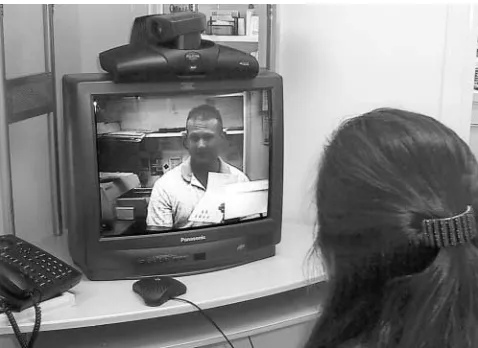
Video services are an important part of the telepharmacy system.
telepharmacy program ▼
Related documents
