HEALTH TECHNOLOGY ASSESSMENT
VOLUME 21 ISSUE 65 NOVEMBER 2017 ISSN 1366-5278
DOI 10.3310/hta21650
A multicentre, randomised controlled trial of position
during the late stages of labour in nulliparous
women with an epidural: clinical effectiveness and
an economic evaluation (BUMPES)
A multicentre, randomised controlled
trial of position during the late stages of
labour in nulliparous women with an
epidural: clinical effectiveness and
an economic evaluation (BUMPES)
Debra Bick,
1
Annette Briley,
2
Peter Brocklehurst,
3
*
Pollyanna Hardy,
4
Edmund Juszczak,
4
Lynn Lynch,
5
Christine MacArthur,
6
Phillip Moore,
7
Mary Nolan,
8
Oliver Rivero-Arias,
4
Julia Sanders,
5
Andrew Shennan
9
and Matt Wilson
10
on behalf of the Epidural and
Position Trial Collaborative Group
1
Department of Midwifery, King
’
s College London, London, UK
2
Biomedical Research Centre, Guy
’
s and St Thomas
’
NHS Foundation Trust,
London, UK
3
Birmingham Clinical Trials Unit, University of Birmingham, Birmingham, UK
4National Perinatal Epidemiology Unit, University of Oxford, Oxford, UK
5School of Healthcare Sciences, Cardiff University, Cardiff, UK
6
Institute of Applied Health Research, University of Birmingham, Birmingham, UK
7University Hospitals Birmingham NHS Foundation Trust, Birmingham, UK
8
Institute of Health and Society, University of Worcester, Worcester, UK
9Division of Women
’
s Health, King
’
s College London, London, UK
10
School of Health and Related Research (ScHARR), University of Sheffield,
Sheffield, UK
*Corresponding author
Published November 2017
DOI: 10.3310/hta21650This report should be referenced as follows:
Bick D, Briley A, Brocklehurst P, Hardy P, Juszczak E, Lynch L,et al. A multicentre, randomised controlled trial of position during the late stages of labour in nulliparous women with an epidural: clinical effectiveness and an economic evaluation (BUMPES).Health Technol Assess2017;21(65).
Health Technology Assessment
HTA/HTA TARISSN 1366-5278 (Print)
ISSN 2046-4924 (Online)
Impact factor: 4.236
Health Technology Assessmentis indexed in MEDLINE, CINAHL, EMBASE, The Cochrane Library and the Clarivate Analytics Science Citation Index.
This journal is a member of and subscribes to the principles of the Committee on Publication Ethics (COPE) (www.publicationethics.org/).
Editorial contact: [email protected]
The full HTA archive is freely available to view online at www.journalslibrary.nihr.ac.uk/hta. Print-on-demand copies can be purchased from the report pages of the NIHR Journals Library website: www.journalslibrary.nihr.ac.uk
Criteria for inclusion in theHealth Technology Assessmentjournal
Reports are published inHealth Technology Assessment(HTA) if (1) they have resulted from work for the HTA programme, and (2) they are of a sufficiently high scientific quality as assessed by the reviewers and editors.
Reviews inHealth Technology Assessmentare termed‘systematic’when the account of the search appraisal and synthesis methods (to minimise biases and random errors) would, in theory, permit the replication of the review by others.
HTA programme
The HTA programme, part of the National Institute for Health Research (NIHR), was set up in 1993. It produces high-quality research information on the effectiveness, costs and broader impact of health technologies for those who use, manage and provide care in the NHS. ‘Health technologies’are broadly defined as all interventions used to promote health, prevent and treat disease, and improve rehabilitation and long-term care.
The journal is indexed in NHS Evidence via its abstracts included in MEDLINE and its Technology Assessment Reports inform National Institute for Health and Care Excellence (NICE) guidance. HTA research is also an important source of evidence for National Screening Committee (NSC) policy decisions.
For more information about the HTA programme please visit the website: http://www.nets.nihr.ac.uk/programmes/hta
This report
The research reported in this issue of the journal was funded by the HTA programme as project number 08/22/02. The contractual start date was in January 2010. The draft report began editorial review in January 2016 and was accepted for publication in March 2017. The authors have been wholly responsible for all data collection, analysis and interpretation, and for writing up their work. The HTA editors and publisher have tried to ensure the accuracy of the authors’report and would like to thank the reviewers for their constructive comments on the draft document. However, they do not accept liability for damages or losses arising from material published in this report.
This report presents independent research funded by the National Institute for Health Research (NIHR). The views and opinions expressed by authors in this publication are those of the authors and do not necessarily reflect those of the NHS, the NIHR, NETSCC, the HTA programme or the Department of Health. If there are verbatim quotations included in this publication the views and opinions expressed by the
interviewees are those of the interviewees and do not necessarily reflect those of the authors, those of the NHS, the NIHR, NETSCC, the HTA programme or the Department of Health.
© Queen’s Printer and Controller of HMSO 2017. This work was produced by Bicket al.under the terms of a commissioning contract issued by the Secretary of State for Health. This issue may be freely reproduced for the purposes of private research and study and extracts (or indeed, the full report) may be included in professional journals provided that suitable acknowledgement is made and the reproduction is not associated with any form of advertising. Applications for commercial reproduction should be addressed to: NIHR Journals Library, National Institute for Health Research, Evaluation, Trials and Studies Coordinating Centre, Alpha House, University of Southampton Science Park, Southampton SO16 7NS, UK.
Editor-in-Chief
NIHR Journals Library
Professor Tom Walley Director, NIHR Evaluation, Trials and Studies and Director of the EME Programme, UK
NIHR Journals Library Editors
Centre of Evidence-Based Dermatology, University of Nottingham, UK
Professor Ken Stein Chair of HTA and EME Editorial Board and Professor of Public Health, University of Exeter Medical School, UK
Professor Andrée Le May Chair of NIHR Journals Library Editorial Group (HS&DR, PGfAR, PHR journals)
Dr Martin Ashton-Key Consultant in Public Health Medicine/Consultant Advisor, NETSCC, UK
Professor Matthias Beck Chair in Public Sector Management and Subject Leader (Management Group), Queen’s University Management School, Queen’s University Belfast, UK
Dr Tessa Crilly Director, Crystal Blue Consulting Ltd, UK
Dr Eugenia Cronin Senior Scientific Advisor, Wessex Institute, UK
Dr Peter Davidson Director of the NIHR Dissemination Centre, University of Southampton, UK
Ms Tara Lamont Scientific Advisor, NETSCC, UK
Dr Catriona McDaid Senior Research Fellow, York Trials Unit, Department of Health Sciences, University of York, UK
Professor William McGuire Professor of Child Health, Hull York Medical School, University of York, UK
Professor Geoffrey Meads Professor of Wellbeing Research, University of Winchester, UK
Professor John Norrie Chair in Medical Statistics, University of Edinburgh, UK
Professor John Powell Consultant Clinical Adviser, National Institute for Health and Care Excellence (NICE), UK
Professor James Raftery Professor of Health Technology Assessment, Wessex Institute, Faculty of Medicine, University of Southampton, UK
Dr Rob Riemsma Reviews Manager, Kleijnen Systematic Reviews Ltd, UK
Professor Helen Roberts Professor of Child Health Research, UCL Institute of Child Health, UK
Professor Jonathan Ross Professor of Sexual Health and HIV, University Hospital Birmingham, UK
Professor Helen Snooks Professor of Health Services Research, Institute of Life Science, College of Medicine, Swansea University, UK
Professor Jim Thornton Professor of Obstetrics and Gynaecology, Faculty of Medicine and Health Sciences, University of Nottingham, UK
Professor Martin Underwood Director, Warwick Clinical Trials Unit, Warwick Medical School, University of Warwick, UK
Please visit the website for a list of members of the NIHR Journals Library Board: www.journalslibrary.nihr.ac.uk/about/editors
Abstract
A multicentre, randomised controlled trial of position
during the late stages of labour in nulliparous women
with an epidural: clinical effectiveness and an economic
evaluation (BUMPES)
Debra Bick,
1Annette Briley,
2Peter Brocklehurst,
3* Pollyanna Hardy,
4Edmund Juszczak,
4Lynn Lynch,
5Christine MacArthur,
6Phillip Moore,
7Mary Nolan,
8Oliver Rivero-Arias,
4Julia Sanders,
5Andrew Shennan
9and Matt Wilson
10on behalf of the Epidural and Position Trial
Collaborative Group
1Department of Midwifery, King’s College London, London, UK
2Biomedical Research Centre, Guy’s and St Thomas’NHS Foundation Trust, London, UK 3Birmingham Clinical Trials Unit, University of Birmingham, Birmingham, UK
4National Perinatal Epidemiology Unit, University of Oxford, Oxford, UK 5School of Healthcare Sciences, Cardiff University, Cardiff, UK
6Institute of Applied Health Research, University of Birmingham, Birmingham, UK 7University Hospitals Birmingham NHS Foundation Trust, Birmingham, UK 8Institute of Health and Society, University of Worcester, Worcester, UK 9Division of Women’s Health, King’s College London, London, UK
10School of Health and Related Research (ScHARR), University of Sheffield, Sheffield, UK
*Corresponding author [email protected]
Background:Epidural analgesia leads to increased risk of instrumental vaginal delivery (IVD). There is debate about whether or not posture in second-stage labour influences the incidence of spontaneous vaginal birth (SVB).
Objectives:In nulliparous women with epidural analgesia, does a policy of adopting an‘upright position’ throughout second-stage labour increase the incidence of SVB compared with a policy of adopting a
‘lying-down’position?
Design:Two-arm randomised controlled trial.
Setting:Maternity units in England and Wales.
Participants:Nulliparous women aged≥16 years, at≥37 weeks’gestation with singleton cephalic presentation and intended SVB, in second-stage labour with an epidural providing effective pain relief.
Interventions:(1) Upright position to maintain the pelvis in as vertical a plane as possible; and (2) lying-down position to maintain the pelvis in as horizontal a plane as possible.
Main outcome measures:The primary outcome measure was incidence of SVB. Secondary outcomes included augmentation, interventions to maintain blood pressure, duration of labour, episiotomy, genital tract trauma, post-partum haemorrhage, maternal satisfaction, neonatal metabolic acidosis, 5-minute Apgar score of<4, resuscitation at birth and admission to neonatal unit. At 1 year for (1) women: urinary
DOI: 10.3310/hta21650 HEALTH TECHNOLOGY ASSESSMENT 2017 VOL. 21 NO. 65
© Queen’s Printer and Controller of HMSO 2017. This work was produced by Bicket al.under the terms of a commissioning contract issued by the Secretary of State for Health. This issue may be freely reproduced for the purposes of private research and study and extracts (or indeed, the full report) may be included in professional journals provided that suitable acknowledgement is made and the reproduction is not associated with any form of advertising. Applications for commercial reproduction should be addressed to: NIHR Journals Library, National Institute for Health Research, Evaluation, Trials and Studies Coordinating Centre, Alpha House, University of Southampton Science Park, Southampton SO16 7NS, UK.
or faecal incontinence, dyspareunia and health-related quality of life; (2) for infants: major morbidity. A cost–consequences analysis with a time horizon of 1 year after the birth from a NHS perspective.
Results:Between October 2010 and January 2014, 3236 women were randomised from 41 centres in England and Wales. There was a statistically significant difference in the incidence of SVB between groups, with 35.2% of women achieving a SVB in the upright group, compared with 41.1% in the lying-down group (adjusted risk ratio 0.86, 95% confidence interval 0.78 to 0.94). There was no evidence of differences in most of the secondary maternal or neonatal outcomes, or in long-term outcomes at the 12-month follow-up. No significant overall cost differences were observed between upright and lying-down positions for mothers or their babies.
Limitations:Measurement of adherence was challenging in this unmasked trial, and adherence could be influenced by midwives’beliefs about the allocated positions. If adherence was poor, this would have diluted the difference between the two groups.
Conclusions:There is clear evidence of the benefit of adopting a lying-down position in second-stage labour in nulliparous women with epidural analgesia, with no apparent disadvantages in either short- or long-term outcomes for mother or baby, and this is cost neutral for the NHS.
Future work:Questions remain about whether or not other positions could increase the incidence of SVB further in this group of women. The results also raise questions about the role of maternal position in second-stage labour in women without an epidural.
Trial registration:Current Controlled Trials ISRCTN35706297.
Contents
List of tables xiii
List of figures xv
List of abbreviations xvii
Plain English summary xix
Scientific summary xxi
Chapter 1Introduction 1
Scientific background 1
Effectiveness of an upright position in the second stage of labour for women with epidurals 1 Effects on short- and longer-term maternal morbidity 2 Policy and practice at the time the trial commenced 2 Rationale for a trial comparing upright with lying-down position 3
Chapter 2Methods 5
Aim of the BUMPES trial 5
Trial design 5
Participant eligibility 5
Inclusion criteria 5
Exclusion criteria 5
Sample population 6
Study setting 6
Information for women and obtaining informed consent 6
Interventions 7
Intervention group 7
Control group 8
Monitoring of adherence to allocation 8
Randomisation 8
Outcome measures 9
Primary outcome measure 9
Secondary outcomes 9
Data collection schedule 10
Sample size 11
Governance 12
Ethics arrangements 12
Trial governance 14
Serious adverse event reporting 14 Data handling, checks, cleaning and processing 14 Cost-effectiveness analysis 15 Patient and public involvement 15
Chapter 3Analysis plan 17
Patient groups for analysis 17
Descriptive analyses 17
DOI: 10.3310/hta21650 HEALTH TECHNOLOGY ASSESSMENT 2017 VOL. 21 NO. 65
© Queen’s Printer and Controller of HMSO 2017. This work was produced by Bicket al.under the terms of a commissioning contract issued by the Secretary of State for Health. This issue may be freely reproduced for the purposes of private research and study and extracts (or indeed, the full report) may be included in professional journals provided that suitable acknowledgement is made and the reproduction is not associated with any form of advertising. Applications for commercial reproduction should be addressed to: NIHR Journals Library, National Institute for Health Research, Evaluation, Trials and Studies Coordinating Centre, Alpha House, University of Southampton Science Park, Southampton SO16 7NS, UK.
Primary effectiveness analyses 18
Description of adherence to allocation 18
Additional effectiveness analyses 19
Statistical software 20
Reliability 20
Protocol violations and deviations 20
Chapter 4Trial conduct 21
Recruitment 21
Challenges to study recruitment 22
Equipoise 22
Clinical issues 22
Recruitment strategies 22
Chapter 5Results 27
Chapter 6Economic evaluation 51
Methods 51
Health outcome measures 51 NHS health-care resource use 52 Unit cost data collection 54
Statistical analysis 55
Results 56
Clinical consequences 56
NHS health-care resource use 56
NHS costs 60
Maternal health-related quality of life at 12-month follow-up 63 Cost-effectiveness analysis as a secondary outcome in the economic evaluation 64
Discussion 67
Chapter 7Discussion and conclusion 69
Longer-term outcomes 70
Adherence 70
Challenges with equipoise 70
Monitoring adherence 71
Chapter 8Nested study 73
Rationale for nested study 73
Background 73
Objective 73
Trial design 73
Study setting 73
Participant eligibility 74
Inclusion criteria 74
Exclusion criteria 74
Interventions 74
Outcome measure 74
Primary outcome measure 74
Secondary outcome measures 74
Data collection 74
Sample size 75
Randomisation 76
Statistical analysis 76
Results 77
Discussion 85
Acknowledgements 87
References 97
Appendix 1BUMPES: woman and infant data collection booklet (version 9.0) 103
Appendix 2BUMPES: higher level of care data collection form–woman (version 2.0) 115
Appendix 3BUMPES: higher level of care data collection form–infant (version 2.0) 119
Appendix 4BUMPES:‘your labour and birth experience’form (version 6.0) 123
Appendix 5BUMPES: 1-year follow-up (version 3.0) 125
Appendix 6Membership of the Trial Steering Committee, Data Monitoring
Committee and Clinical Investigator Group 131
Appendix 7BUMPES: statistical analysis plan 133
Appendix 8BUMPES: health economics analysis plan 153
Appendix 9List of hospitals contributing to the BUMPES study 163
Appendix 10BUMPES: serious adverse event form (version 2.0) 165
Appendix 11BUMPES: incentive trial protocol (version 1.0, 8 July 2009) 167
Appendix 12BUMPES: data collection worksheet (version 5.0) 173
Appendix 13BUMPES: withdrawal form (version 4.0) 175
DOI: 10.3310/hta21650 HEALTH TECHNOLOGY ASSESSMENT 2017 VOL. 21 NO. 65
© Queen’s Printer and Controller of HMSO 2017. This work was produced by Bicket al.under the terms of a commissioning contract issued by the Secretary of State for Health. This issue may be freely reproduced for the purposes of private research and study and extracts (or indeed, the full report) may be included in professional journals provided that suitable acknowledgement is made and the reproduction is not associated with any form of advertising. Applications for commercial reproduction should be addressed to: NIHR Journals Library, National Institute for Health Research, Evaluation, Trials and Studies Coordinating Centre, Alpha House, University of Southampton Science Park, Southampton SO16 7NS, UK.
List of tables
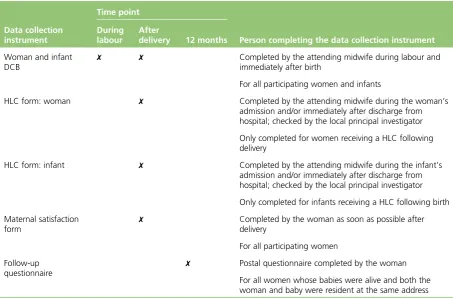
TABLE 1 Summary of data collection schedule 11
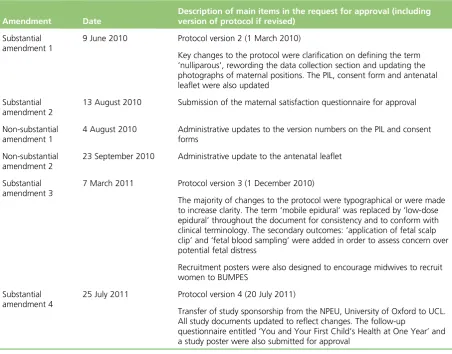
TABLE 2 Research Ethics Committee amendments 12
TABLE 3 Study recruitment details from March 2012 to February 2013 25
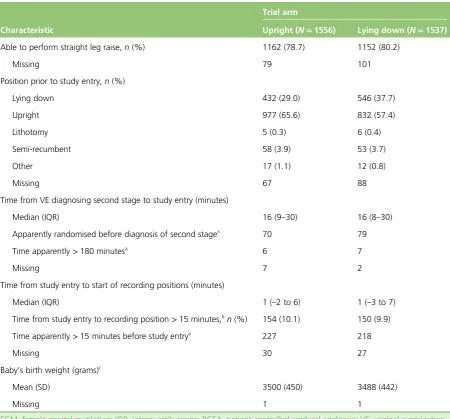
TABLE 4 Centre recruitment and characteristics of women prior to study entry 29
TABLE 5 Primary outcome: SVB 33
TABLE 6 Adjusted analysis for the primary outcome 33
TABLE 7 Secondary maternal outcomes after study entry and during labour 34
TABLE 8 Secondary maternal outcomes at and immediately post delivery 35
TABLE 9 Maternal satisfaction 37
TABLE 10 Infant outcomes 39
TABLE 11 Adherence (proportion of time spent in allocated position) 40
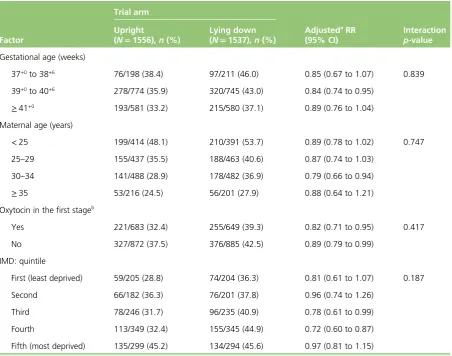
TABLE 12 Subgroup analyses for SVB 44
TABLE 13 Generalisability of women followed up 45
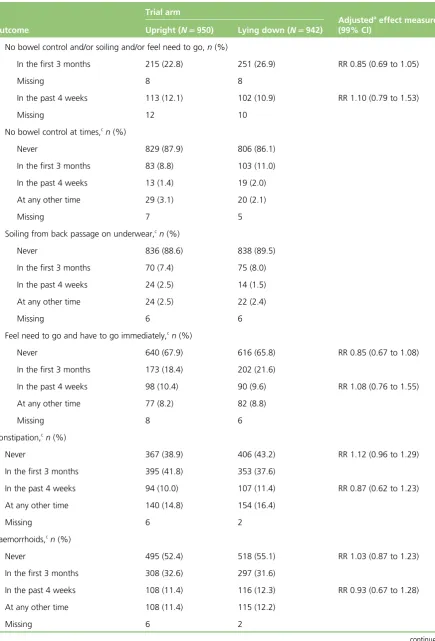
TABLE 14 Secondary maternal outcomes up to 1 year 46
TABLE 15 One-year infant outcomes 48
TABLE 16 Sensitivity analysis: 1-year maternal outcomes, excluding women who
had another child/were pregnant at the time of assessment 48
TABLE 17 Adverse events 50
TABLE 18 Categories of resource use and associated unit costs used in the
cost analysis 52
TABLE 19 Maternal health-care resource use from trial entry to hospital discharge 56
TABLE 20 Infant health-care resource use from trial entry to hospital discharge 58
TABLE 21 Breakdown of health-care resource use at 1 year over the last
12 months for mothers and their infants 59
TABLE 22 Maternal and infant health-care resource use for HLC admissions from
trial entry to hospital discharge for women consuming the resource use category 60
DOI: 10.3310/hta21650 HEALTH TECHNOLOGY ASSESSMENT 2017 VOL. 21 NO. 65
© Queen’s Printer and Controller of HMSO 2017. This work was produced by Bicket al.under the terms of a commissioning contract issued by the Secretary of State for Health. This issue may be freely reproduced for the purposes of private research and study and extracts (or indeed, the full report) may be included in professional journals provided that suitable acknowledgement is made and the reproduction is not associated with any form of advertising. Applications for commercial reproduction should be addressed to: NIHR Journals Library, National Institute for Health Research, Evaluation, Trials and Studies Coordinating Centre, Alpha House, University of Southampton Science Park, Southampton SO16 7NS, UK.
TABLE 23 Breakdown of health-care resource use at 1 year over the last
12 months for mothers and their infants consuming the resource use category 61
TABLE 24 Cost analysis (2013/14 UK £) of maternal health-care resource use over
the study period using multiple imputation 63
TABLE 25 Maternal HRQoL using EQ-5D-3L and SF-6D scores at 12-month
follow-up using multiple imputation 63
TABLE 26 Distribution of EQ-5D-3L responses across the dimensions for available
data at 12-month follow-up 64
TABLE 27 Distribution of SF-12 responses across the dimensions for available
data at 12-month follow-up 65
TABLE 28 Summary of cost-effectiveness results comparing upright with lying-down
position during the second stage of labour 67
TABLE 29 Characteristics prior to study entry 78
TABLE 30 Return rates by pre and post SWAT 81
TABLE 31 Return rates: mode of completion, by incentive 81
TABLE 32 Return rates by letter and method of completion 83
List of figures
FIGURE 1 Flow chart of participant recruitment 6
FIGURE 2 Possible positions for women randomised to the upright maternal position 7
FIGURE 3 Possible positions for women randomised to the lying-down maternal
position 8
FIGURE 4 Recruitment at first pilot centre 21
FIGURE 5 Recruitment at second pilot centre 21
FIGURE 6 Study recruitment details from March 2012 to February 2013 26
FIGURE 7 BUMPES final recruitment 27
FIGURE 8 Participant flow diagram 28
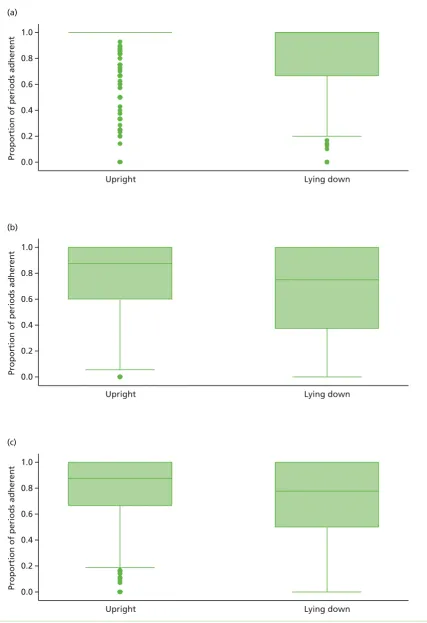
FIGURE 9 Box and whisker plots of adherence (proportion of time spent in
allocated position) 42
FIGURE 10 Subgroup analyses for SVB (forest plot) 43
FIGURE 11 Pattern of missing data for main categories of costs for the upright group 62
FIGURE 12 Pattern of missing data for main categories of costs for the
lying-down group 62
FIGURE 13 Proportion in incentive cover letter group by proportion in control group 75
FIGURE 14 Nested study participant flow diagram 77
FIGURE 15 Percentages of questionnaires returned according to how many times a reminder letter was sent, broken down by postal vs. online completion 82
FIGURE 16 Subgroup analysis for questionnaires returned 84
DOI: 10.3310/hta21650 HEALTH TECHNOLOGY ASSESSMENT 2017 VOL. 21 NO. 65
© Queen’s Printer and Controller of HMSO 2017. This work was produced by Bicket al.under the terms of a commissioning contract issued by the Secretary of State for Health. This issue may be freely reproduced for the purposes of private research and study and extracts (or indeed, the full report) may be included in professional journals provided that suitable acknowledgement is made and the reproduction is not associated with any form of advertising. Applications for commercial reproduction should be addressed to: NIHR Journals Library, National Institute for Health Research, Evaluation, Trials and Studies Coordinating Centre, Alpha House, University of Southampton Science Park, Southampton SO16 7NS, UK.
List of abbreviations
BMI body mass index
BP blood pressure
CI confidence interval
CIG Clinical Investigators Group
CLRN Comprehensive Local Research Network
CONSORT Consolidated Standards of Reporting Trials
DCB data collection booklet
DMC Data Monitoring Committee
EQ-5D-3L EuroQol-5 Dimensions, three-level version
GCP good clinical practice
GMR geometric mean ratio
HLC higher level of care
HRQoL health-related quality of life
HTA Health Technology Assessment
ICER incremental cost-effectiveness ratio
IMD Index of Multiple Deprivation
IVD instrumental vaginal delivery
MD mean difference
NICE National Institute for Health and Care Excellence
NIHR National Institute for Health Research
QALY quality-adjusted life-year
R&D research and development
RCT randomised controlled trial
REC Research Ethics Committee
RR risk ratio
SAE serious adverse event
SAP statistical analysis plan
SD standard deviation
SE standard error
SF-12 Short Form questionnaire-12 items
SF-6D Short Form questionnaire-6 Dimensions
SVB spontaneous vaginal birth
SWAT study within a trial
TSC Trial Steering Committee
UCL University College London
DOI: 10.3310/hta21650 HEALTH TECHNOLOGY ASSESSMENT 2017 VOL. 21 NO. 65
© Queen’s Printer and Controller of HMSO 2017. This work was produced by Bicket al.under the terms of a commissioning contract issued by the Secretary of State for Health. This issue may be freely reproduced for the purposes of private research and study and extracts (or indeed, the full report) may be included in professional journals provided that suitable acknowledgement is made and the reproduction is not associated with any form of advertising. Applications for commercial reproduction should be addressed to: NIHR Journals Library, National Institute for Health Research, Evaluation, Trials and Studies Coordinating Centre, Alpha House, University of Southampton Science Park, Southampton SO16 7NS, UK.
Plain English summary
T
he BUMPES study aimed to find out whether or not women having their first babies who have an epidural and give birth in an upright position (kneeling, sitting in a chair or upright in bed), rather than lying down (on their side), are more likely to have a vaginal birth and less likely to need forceps or ventouse.Between October 2010 and January 2014, 3236 women took part in the study at 41 maternity units in England and Wales. Just over one-third (35.2%) of the women allocated to the‘upright’group had a spontaneous vaginal birth, compared with 41.1% in the‘lying-down’group. Outcomes for the health of the woman and baby (such as whether or not the baby needed special care or the woman had problems with incontinence) were no different between the two groups, either in the short term (just after the birth) or up to 1 year later.
The study offers clear evidence that women having their first baby and who have epidural pain relief in labour are more likely to have a straightforward vaginal birth if they adopt a lying-down position in the late stages of labour when their baby is ready to be born. There are no apparent disadvantages of lying down for either the woman or her baby in the short or long term.
DOI: 10.3310/hta21650 HEALTH TECHNOLOGY ASSESSMENT 2017 VOL. 21 NO. 65
© Queen’s Printer and Controller of HMSO 2017. This work was produced by Bicket al.under the terms of a commissioning contract issued by the Secretary of State for Health. This issue may be freely reproduced for the purposes of private research and study and extracts (or indeed, the full report) may be included in professional journals provided that suitable acknowledgement is made and the reproduction is not associated with any form of advertising. Applications for commercial reproduction should be addressed to: NIHR Journals Library, National Institute for Health Research, Evaluation, Trials and Studies Coordinating Centre, Alpha House, University of Southampton Science Park, Southampton SO16 7NS, UK.
Scientific summary
Background
As the most effective form of pain relief in labour, epidural analgesia is chosen by up to 30% of women in the UK each year, and this proportion has remained relatively stable since 1990. Epidural analgesia leads to an increased risk of instrumental vaginal delivery (IVD); however, this evidence comes mostly from trials using epidural techniques that caused dense neuraxial blockade.‘Low-dose epidurals’, which use low-dose local anaesthetic in combination with opioids, result in a lower risk of IVD; however, using this method, the rate of IVD is still higher than that in women with no epidural. Although low-dose epidurals preserve motor function, allowing greater mobility throughout labour and enabling women to adopt upright positions, there is
debate about whether or not an upright posture in the second stage of labour increases the incidence of spontaneous vaginal birth (SVB).
A Cochrane review of position in the second stage of labour in womenwithoutepidurals showed a reduction in IVD in the upright group (Gupta JK, Hofmeyr GJ, Shehmar M. Position in the second stage of labour for women without epidural anaesthesia.Cochrane Database Syst Rev2012;5:CD002006). A Cochrane review of position in the second stage of labour for women with epidural analgesia was published in 2013 (Kemp E, Kingswood CJ, Kibuka M, Thornton JG. Position in the second stage of labour for women with epidural anaesthesia.Cochrane Database Syst Rev2013;1:CD008070), after the BUMPES trial was started. This review included trials which compared upright with recumbent positions. The incidence of SVB reported in the five included trials, comprising 879 women in total, was 1.02 [95% confidence interval (CI) 0.81 to 1.28]. The authors concluded that there was no clear evidence about whether or not position in the second stage of labour made a difference to outcomes.
Objectives
To evaluate whether or not, in nulliparous women who choose low-dose epidural analgesia, a policy of adopting an‘upright position’throughout the second stage of labour is associated with an increase in the incidence of SVB compared with a policy of adopting a‘lying-down’position.
Design
A two-arm randomised controlled trial.
Setting
Maternity units in England and Wales.
Participants
Women admitted to a participating labour ward who fulfilled all of the following criteria were eligible to be recruited and randomised into the trial:
l aged≥16 years l ≥37 weeks’gestation
DOI: 10.3310/hta21650 HEALTH TECHNOLOGY ASSESSMENT 2017 VOL. 21 NO. 65
© Queen’s Printer and Controller of HMSO 2017. This work was produced by Bicket al.under the terms of a commissioning contract issued by the Secretary of State for Health. This issue may be freely reproduced for the purposes of private research and study and extracts (or indeed, the full report) may be included in professional journals provided that suitable acknowledgement is made and the reproduction is not associated with any form of advertising. Applications for commercial reproduction should be addressed to: NIHR Journals Library, National Institute for Health Research, Evaluation, Trials and Studies Coordinating Centre, Alpha House, University of Southampton Science Park, Southampton SO16 7NS, UK.
l nulliparous (no previous delivery≥24+0weeks’gestation) l singleton cephalic presentation
l intended SVB
l in the second stage of labour
l with a low-dose epidural in situ during the first stage of labour, providing effective pain relief l able to understand printed documentation produced in English
l able to give written answers in English.
Exclusion criteria
Women who did not fulfil all of the inclusion criteria were not included in the study.
Interventions
Women were allocated to a policy of (1) an upright maternal position that would maintain the pelvis in as vertical a plane as possible during the second stage of labour, with the intention of continuing this until the birth (this could include walking, standing, sitting out of bed, supported kneeling or completely upright in an obstetric bed for as much of the second stage as possible); or (2) a lying-down maternal position (left or right lateral, to prevent aortocaval compression), which would maintain the pelvis in as horizontal a plane as possible during the second stage of labour, with the intention of continuing this until the birth.
Randomisation
Participants were randomised to the allocated intervention (allocation ratio 1 : 1) using a secure web-based central randomisation service. No stratification by clinical characteristics was undertaken, although there was stratification by centre.
Main outcome measures
Primary outcome measure
The primary outcome measure was the incidence of SVB.
Secondary short-term outcomes
l Instrumental vaginal delivery (forceps and ventouse). l Caesarean section.
l Augmentation of labour.
l Major interventions to maintain blood pressure (e.g. vasopressors). l Hypotension (systolic blood pressure of<100 mmHg prior to delivery). l Application of fetal scalp electrode.
l Fetal blood sampling.
l Total doses of epidural local anaesthetic and opioids administered after randomisation. l Duration of active second stage of labour.
l Total duration of second stage of labour.
l Additional anaesthesia used for operative delivery. l Active management of the third stage of labour. l Episiotomy.
l Pain during delivery.
l Genital tract trauma (location and severity). l Manual removal of the placenta.
l Duration of maternal inpatient stay after delivery. l Satisfaction with experience of birth.
l Cord artery pH of<7.05 in the second stage of labour (this is 2 standard deviations below the mean) with base deficit of≥12 mmol/l (this is the threshold above which the risks of neurological
damage increase).
l Presence of meconium-stained liquor. l Apgar score of<4 at 5 minutes. l Resuscitation at birth.
l Skin-to-skin contact within the first hour of birth. l Initiation of breastfeeding within the first hour of birth. l Duration of infant inpatient stay.
l Admission to neonatal unit and duration of stay.
At 1 year
l Urinary incontinence. l Faecal incontinence. l Other bowel problems. l Dyspareunia.
l General physical and psychological health.
l Major infant morbidity, for example gross neurodevelopmental delay, including cerebral palsy (if a diagnosis has been made).
l Hospital admissions.
Economic evaluation
A cost–consequences analysis with a time horizon of a 1-year follow-up and a NHS perspective was conducted alongside BUMPES.
Data collection schedule
Information at trial entry was collected from hospital notes and entered onto specifically designed study data collection booklets. The attending midwife recorded data about what position the woman was in during the second stage of labour‘for the majority of the time in the last 15 minutes’, if this position had changed from the allocated position and the reasons for this. We collected clinical outcome information on the birth as well as neonatal outcomes and hospital inpatient stay data. As soon as possible after the birth, the woman was asked to complete a one-page questionnaire asking about her satisfaction with her birth experience. Women with surviving infants were followed up at 1 year with a self-administered questionnaire asking about specific health problems, their general health, the well-being of their infant’s health and their use of NHS health-care resources.
Sample size and analysis
Assuming a rate for the primary outcome of SVB of 55% in the control group [derived from data published from the Comparative Obstetric Mobile Epidural Trial (COMET), which was a randomised trial that compared conventional epidural analgesia with low-dose epidural analgesia in nulliparous women in labour], a sample size of 3000 women (1500 in each arm) would have 90% power to detect a clinically significant (absolute) difference of 6% in the SVB rate between the two policies (with 95% CIs).
DOI: 10.3310/hta21650 HEALTH TECHNOLOGY ASSESSMENT 2017 VOL. 21 NO. 65
© Queen’s Printer and Controller of HMSO 2017. This work was produced by Bicket al.under the terms of a commissioning contract issued by the Secretary of State for Health. This issue may be freely reproduced for the purposes of private research and study and extracts (or indeed, the full report) may be included in professional journals provided that suitable acknowledgement is made and the reproduction is not associated with any form of advertising. Applications for commercial reproduction should be addressed to: NIHR Journals Library, National Institute for Health Research, Evaluation, Trials and Studies Coordinating Centre, Alpha House, University of Southampton Science Park, Southampton SO16 7NS, UK.
A detailed statistical analysis plan was developed and approved by the Trial Steering Committee prior to analysis of the trial data. For the primary analysis, participants were analysed in the groups into which they were randomly allocated, regardless of position recorded at any time during the second stage of labour. In order to take account of the number of comparisons, 95% CIs are presented for the primary outcome and 99% CIs for all other outcomes.
To examine whether or not the effect of the policy of position during the second stage of labour was consistent across specific subgroups, the following prespecified subgroup analyses were undertaken:
l gestational age (37+0to 38+6weeks; 39+0to 40+6weeks; and≥41+0weeks) l maternal age (≤24 years, 25–29 years, 30–34 years and≥35 years)
l augmentation with oxytocin (Syntocinon®; Novartis Pharmaceuticals UK Ltd, Frimley/Camberley, UK) in the first stage of labour (yes/no)
l Index of Multiple Deprivation (population-based quintiles 1–5).
Results
Between October 2010 and January 2014, 3236 women were randomised to the BUMPES trial from 41 participating centres in England and Wales.
A total of 143 women (4.4%) were excluded from the analysis of the primary outcome. Data collection booklets were available for 100% of women recruited and analysed. Follow-up at 1 year was achieved for 61% of women.
Baseline characteristics were similar between the two arms of the trial.
There was a clear difference in the incidence of the primary outcome, SVB, between the groups, with 35.2% of women achieving SVB in the upright group, compared with 41.1% in the lying-down group (adjusted relative risk 0.86, 95% CI 0.78 to 0.94). This represents a 5.9% absolute risk increase in the chance of SVB in the lying-down group.
There was no evidence of a difference in most of the secondary maternal outcomes after study entry and during the second stage of labour. There was a significant difference in the duration of the active second stage of labour, which was shorter in the lying-down group (geometric mean ratio 1.08 minutes, 99% CI 1.01 to 1.15 minutes). Other secondary maternal outcomes, such as IVD and caesarean section, suggested an increased risk associated with the upright position, but these differences were not statistically significant at the 1% level. For example, the incidence of episiotomy was higher in the upright group than in the lying-down group (although the difference was not significant at the 1% level). There were no statistically significant differences in the risk of perineal trauma, although there appeared to be a slightly higher
incidence of obstetric anal sphincter injury in the upright group (6.7%) than in the lying-down group (5.3%), but again this difference was not statistically significant at the 1% level.
Maternal satisfaction in labour was similar between the two groups.
Infant outcomes were extremely good throughout, with very few babies having a low Apgar score at 5 minutes or evidence of metabolic acidosis. Overall, about 12% of babies required resuscitation at birth.
The prespecified subgroup analyses showed no evidence of heterogeneity between any of the prespecified subgroups for the primary outcome of SVB.
well-being. Similarly, there was no evidence of a difference in the incidence of diagnosed cerebral palsy or severe neurodevelopmental delay in any of the infants at 1 year.
Cost-effectiveness analysis
Women randomised to the lying-down position consumed significantly fewer NHS resources than those randomised to an upright position during the original hospital stay [mean cost difference of £59 (95% CI £6 to £111) favouring the lying-down position]. This result was driven by more SVBs in the lying-down arm. At the 12-month follow-up, there were no significant differences in the overall costs incurred by mothers or their babies between the upright and lying-down groups. The significantly higher costs incurred by the women in the upright group were offset by the slightly, but non-significantly, higher costs incurred during follow-up by the women in the lying-down group.
Conclusions
There is clear evidence of a benefit of adopting a lying-down (lateral) position in the second stage of labour in nulliparous women with epidural analgesia, with no apparent disadvantages in relation to either short- or long-term outcomes for either mother or baby, and this is cost neutral for the NHS.
Like all pragmatic trials, the study had limitations. With an intervention such as this, masking is impossible, so the results may have been influenced by the women’s and the midwives’perceptions of the different positions in their ability to achieve a SVB. Given that existing National Institute for Health and Care Excellence guidance recommends that women with an epidural should be encouraged to adopt whatever upright position they find comfortable, we might expect the trial results to suggest an improvement in SVB with an upright position if midwives’and women’s behaviour was altered in these positions because of a firm belief that these were preferable. The findings that the lying-down position increased the chances of achieving a SVB suggest that this potential bias was either absent or minimal in its impact, or that the likelihood of the lying-down position leading to a SVB may be even greater.
We can only speculate about the mechanism by which a lying-down position increases the chance of a SVB. We have no direct measurements of the density of the epidural block in the two positions or of the level of the block. It is possible that women in the upright position acquired a more dense block around the birth canal because of the effect of gravity on the epidural drugs, which could have made expulsive efforts more difficult; however, the similarity of drug doses used in each group would suggest that this is unlikely. Women in the upright group, who may have been sitting, may have restricted the pelvic outlet because of the position on the coccyx or because of lower genital tract oedema and venous obstruction causing swelling of the soft tissues obstructing the pelvic outlet. In addition, it is possible that, in the lying-down group, easing of pressure of the fetal head on the pelvis improved uterine blood flow and therefore improved uterine activity. This would suggest a difference in the risk of operative delivery associated with failure to progress; however, the distribution of indications for operative delivery appeared to be the same in both groups. In addition, there was little difference in the use of oxytocin because of delay in labour progress after trial entry.
The response rate to the 1-year follow-up was 61%. Therefore, there is a possibility that the follow-up results are less than robust because of non-response bias. There were, however, no apparent differences in the response rates or characteristics of the two randomised groups, suggesting that there were minimal biases in the comparison of the two groups.
The lack of an impact of the risk of SVB on longer-term outcomes such as faecal incontinence is of interest. The observation that IVD is associated with increased risks of faecal incontinence is robust; however, in the BUMPES trial, the differences between the randomised groups of women in their risk of
DOI: 10.3310/hta21650 HEALTH TECHNOLOGY ASSESSMENT 2017 VOL. 21 NO. 65
© Queen’s Printer and Controller of HMSO 2017. This work was produced by Bicket al.under the terms of a commissioning contract issued by the Secretary of State for Health. This issue may be freely reproduced for the purposes of private research and study and extracts (or indeed, the full report) may be included in professional journals provided that suitable acknowledgement is made and the reproduction is not associated with any form of advertising. Applications for commercial reproduction should be addressed to: NIHR Journals Library, National Institute for Health Research, Evaluation, Trials and Studies Coordinating Centre, Alpha House, University of Southampton Science Park, Southampton SO16 7NS, UK.
SVB and IVD were relatively small, so, although there are associations between different modes of birth and long-term outcomes, these are likely to be diluted in a trial in which the differences in actual mode of birth are relatively modest (a 6% absolute difference in the risk of SVB). This is likely to explain the lack of an observed difference in long-term outcomes.
Trial registration
This trial is registered as ISRCTN35706297.
Funding
Chapter 1
Introduction
Scientific background
As the most effective form of pain relief in labour, epidural analgesia is chosen by up to 30% of women in the UK each year,1and this proportion has remained relatively stable over the last decade.2The uptake is greater in nulliparous women, with up to 40% of women having an epidural in large obstetric sites.3 However, a systematic review of 23 randomised controlled trials (RCTs) that compared epidural analgesia with non-regional or no analgesia in labour found that epidural analgesia was associated with an
increased risk of instrumental vaginal delivery (IVD) [risk ratio (RR) 1.42, 95% confidence interval (CI) 1.28 to 1.57].4
The trials that made the most contribution to the evidence base were conducted with epidural techniques that caused dense neuraxial blockade. Significant peripheral motor blockade, which can accompany conventional high-dose local anaesthetic epidural analgesia, inhibits mobility or the adoption of upright positions in labour.‘Low-dose epidurals’, which use low-dose local anaesthetic in combination with opioids (usually fentanyl), were introduced in the early 1990s and are now in widespread use in the UK. This approach has been shown to result in a lower risk of IVD;5however, the rate of IVD is still higher than that in women with no epidural.6
Reducing the rate of IVD and increasing the spontaneous vaginal birth (SVB) rate would reduce short- and long-term morbidity for women by reducing the risk of perineal trauma and the effects of surgical repair. The incidence of perineal pain, dyspareunia and incontinence following IVD could also be reduced.7–12 Although mobile epidurals preserve motor function (allowing greater mobility throughout labour) and can enable women to adopt upright positions, there is debate about whether or not an upright posture in the second stage of labour increases the SVB rate.
It is worth noting that the terms‘ambulation’and‘mobilisation’are often used interchangeably in the literature about epidural techniques that maintain motor function in the lower limbs. As the posture a woman adopts in labour is in part dependent on the motor power she retains, and this can be compromised by the peripheral motor blockade that accompanies effective epidural pain relief, it is clearly important to draw a distinction betweenmobilisation, the ability to move one’s legs, change position or move around the bed normally, andambulation, which refers to the act of walking during labour. The ability to adopt upright postures in labour requires that women retain the capacity to mobilise, and some of these women will be able to ambulate.
A systematic review of the impact on mode of delivery of ambulation or upright positions in the first stage of labour (before full dilatation of the cervix) among women with epidurals found no significant difference between IVD (RR 1.16, 95% CI 0.93 to 1.44) and caesarean section (RR 0.91, 95% CI 0.70 to 1.19).13The second stage of labour may represent a period during which the adoption of an upright posture could exert the greatest influence and affect delivery mode by facilitating descent of the fetal head. A Cochrane review of position in the second stage of labour in womenwithoutepidurals found a reduction in IVD rate in the upright group (19 trials; RR 0.78, 95% CI 0.68 to 0.90).14
Effectiveness of an upright position in the second stage of labour for
women with epidurals
A Cochrane review of position in the second stage of labour among women with epidural analgesia was published in 2013,15after the BUMPES trial started. This review included trials that compared upright
DOI: 10.3310/hta21650 HEALTH TECHNOLOGY ASSESSMENT 2017 VOL. 21 NO. 65
© Queen’s Printer and Controller of HMSO 2017. This work was produced by Bicket al.under the terms of a commissioning contract issued by the Secretary of State for Health. This issue may be freely reproduced for the purposes of private research and study and extracts (or indeed, the full report) may be included in professional journals provided that suitable acknowledgement is made and the reproduction is not associated with any form of advertising. Applications for commercial reproduction should be addressed to: NIHR Journals Library, National Institute for Health Research, Evaluation, Trials and Studies Coordinating Centre, Alpha House, University of Southampton Science Park, Southampton SO16 7NS, UK.
positions with recumbent positions. The RR of SVB reported in the five included trials, including 879 women, was 1.02 (95% CI 0.81 to 1.28). There was clinical heterogeneity between the trials in relation to the eligibility criteria (some included multiparous women whereas others were restricted to nulliparous women) and in the nature of the interventions. In the upright group, for example, some women were actively encouraged to walk, and others were supported in a sitting position. In the recumbent group, some trials had allocated women to a sitting position and others to a lateral position. The authors concluded that there was no clear evidence about whether or not position in the second stage of labour made a difference to outcomes.15
Effects on short- and longer-term maternal morbidity
An intervention that increases the rate of SVB by reducing the rate of IVD or caesarean section would also be expected to have an effect on short- and longer-term maternal morbidity. Faecal incontinence is clearly documented as being associated with forceps,11,16including ongoing symptoms in women who only ever have one forceps delivery.17There may also be an increased risk of urinary incontinence, although this may be more closely associated with a longer second stage of labour;18,19however, women who have a caesarean section have a lower risk of symptoms.20,21Other bowel problems such as haemorrhoids19,22,23 and constipation24are more common after IVD, as are perineal pain and dyspareunia.24,25Caesarean section has many adverse sequelae, but, with the exception of faecal incontinence, most of these symptoms are less likely to occur in association with this delivery mode. It is therefore important to investigate positive impacts as well as any possible negative impacts of upright positions in the second stage of labour on maternal health outcomes.
There is increasing interest in obtaining maternity service users’views of satisfaction with their experience of birth, as an indicator of the quality of their care and to inform organisational and policy changes.26 Satisfaction is poorly defined and measured, although it is generally agreed that it is a multidimensional concept.27,28In a systematic review of factors influencing women’s satisfaction with birth, with a focus on the role of pain and pain relief, four factors (caregiver support, participation in decision-making, personal expectations and caregiver–patient relationship) were identified as important influences.28As position in the second stage of labour could influence a woman’s perceptions of the support she receives, her feelings of control and her expectations and experiences of labour and birth, satisfaction is an important consideration. The impact of negative consequences of the position adopted in the second stage of labour on these perspectives should also be identified.
Policy and practice at the time the trial commenced
Rationale for a trial comparing upright with lying-down position
The National Institute for Health and Care Excellence (NICE) guidelines on intrapartum care published in 200731 (with no change in the update published in 2014) noted that there is‘no effect of mobilisation following epidural analgesia on any maternal or neonatal outcomes’, and recommended that‘women with regional analgesia should be encouraged to move and adopt whatever upright positions they find comfortable throughout labour’(section 1.5.7, p. 22). This guidance is likely to lead to an increase in the use of upright positions, hence the need to compare upright positions with‘lying-down’positions rather than with usual care, given that usual care will increasingly include women assuming an upright position. Good-quality evidence is needed on whether or not upright positions in the second stage of labour in women with epidural analgesia have any beneficial effect on delivery mode and other important outcomes. It is crucial that the policies for the upright and comparison groups are clearly defined and monitored to ensure separation of the two approaches and to provide robust evidence about whether or not adopting an upright position does improve outcomes for women and their babies.
DOI: 10.3310/hta21650 HEALTH TECHNOLOGY ASSESSMENT 2017 VOL. 21 NO. 65
© Queen’s Printer and Controller of HMSO 2017. This work was produced by Bicket al.under the terms of a commissioning contract issued by the Secretary of State for Health. This issue may be freely reproduced for the purposes of private research and study and extracts (or indeed, the full report) may be included in professional journals provided that suitable acknowledgement is made and the reproduction is not associated with any form of advertising. Applications for commercial reproduction should be addressed to: NIHR Journals Library, National Institute for Health Research, Evaluation, Trials and Studies Coordinating Centre, Alpha House, University of Southampton Science Park, Southampton SO16 7NS, UK.
Chapter 2
Methods
Aim of the BUMPES trial
This was a multicentre RCT in which the primary objective was to evaluate whether or not, in nulliparous women who choose low-dose epidural analgesia, a policy of adopting an upright position throughout the second stage of labour is associated with an increase in the incidence of SVB, compared with a policy of adopting a lying-down position.
This objective was supported and supplemented by the following secondary objectives:
l to evaluate whether or not there are differences between the two policies in important clinical outcomes for women and babies around the time of birth and 1 year post partum
l to evaluate the cost-effectiveness of the two policies for position during second-stage labour from a NHS perspective
l to measure women’s satisfaction with, and experience of, labour and delivery.
Trial design
The BUMPES study was a pragmatic, multicentre, individually randomised controlled trial that had a target recruitment of 3000 nulliparous women who had a low-dose epidural in situ. It was a two-arm parallel-group trial with one arm allocated to adopting an upright position during the second stage of labour and one arm allocated to adopting a lying-down position during the second stage of labour (Figure 1).
Participant eligibility
The following inclusion criteria were applied throughout participant recruitment.
Inclusion criteria
Women admitted to a participating labour ward who fulfilled all of the following criteria were eligible to be randomised into the trial:
l aged≥16 years of age l ≥37 weeks’gestation
l nulliparous (no previous delivery≥24+0weeks’gestation) l singleton cephalic presentation
l intended SVB
l in the second stage of labour
l with a low-dose epidural in situ during the first stage of labour, providing effective pain relief l able to understand printed documentation produced in English
l able to give written answers in English.
Exclusion criteria
Women who did not fulfil all of the inclusion criteria were not included in the study.
DOI: 10.3310/hta21650 HEALTH TECHNOLOGY ASSESSMENT 2017 VOL. 21 NO. 65
© Queen’s Printer and Controller of HMSO 2017. This work was produced by Bicket al.under the terms of a commissioning contract issued by the Secretary of State for Health. This issue may be freely reproduced for the purposes of private research and study and extracts (or indeed, the full report) may be included in professional journals provided that suitable acknowledgement is made and the reproduction is not associated with any form of advertising. Applications for commercial reproduction should be addressed to: NIHR Journals Library, National Institute for Health Research, Evaluation, Trials and Studies Coordinating Centre, Alpha House, University of Southampton Science Park, Southampton SO16 7NS, UK.
Sample population
All women who met the inclusion criteria were considered potentially eligible to participate in the study.
Study setting
Trial recruitment was undertaken in the labour wards of participating NHS maternity hospitals.
Information for women and obtaining informed consent
Information about the trial was provided to all nulliparous women during the antenatal period, after their booking appointment. This process was individualised for each participating centre depending on their routine practice to maximise the number of women offered information well in advance of labour. For example, in some sites, women were provided with information about the trial at their routine anomaly scan appointment (18–22 weeks). All women had the opportunity to ask questions of their midwives or obstetricians at the hospital, or they could contact the trial office. When a woman in a participating centre had an effective epidural established during the first stage of labour, she could then be offered a participant
Information offered to all pregnant nulliparous women
Participant information leaflet provided:
nulliparous women aged > 16 years, at > 37 weeks’ gestation who have a singleton cephalic presentation and intend a
SVB, in labour with an epidural sited
Consent
Enter second-stage labour, eligible
Randomisation
Data collection 1 year after birth
(1-year follow-up questionnaire to be completed by woman) • Data collection in labour (data collection booklet completed by midwife)
• Data collection prior to postnatal discharge (maternal satisfaction questionnaire completed by woman)
[image:34.595.112.534.65.473.2]Lying-down position Upright position
information leaflet on the study. If, after reading this and having the opportunity to ask questions, she was willing to take part in the study, then informed consent was taken. The participant information made it clear that women were free to withdraw from the trial at any time for any reason without prejudice to their future care, and with no obligation to a give a reason for the withdrawal. Written informed consent was obtained by a health professional (e.g. midwife, obstetrician or anaesthetist) with delegated authority from the principal investigator at each site. Consent comprised a dated signature from the woman and a dated signature of the person who obtained informed consent. A copy of the signed informed consent document was given to the woman. In addition, one copy was retained in the woman’s medical notes, one was retained in the study site file and one was sent to the Trial Co-ordinating Centre.
Interventions
Women were allocated to a policy of either upright maternal position (intervention group) or lying-down maternal position (control group).
Intervention group
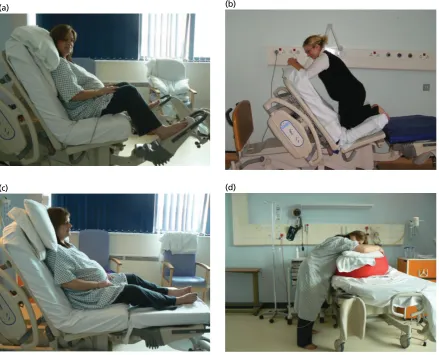
Women were allocated to a policy ofupright maternal position that would maintain the pelvis in as vertical a plane as possibleduring the second stage of labour, with the intention of continuing this until the birth. Women allocated to the‘upright’group were encouraged by their midwife to adopt positions that allowed for as upright a posture as possible. This could include walking, standing, sitting out of bed, supported kneeling or completely upright in an obstetric bed (Figure 2) for as much of the second stage as possible.
(a) (b)
[image:35.595.70.510.384.739.2](c) (d)
FIGURE 2 Possible positions for women randomised to the upright maternal position. (a) Seated; (b) supported kneeling; (c) seated with extended legs; and (d) completely upright.
DOI: 10.3310/hta21650 HEALTH TECHNOLOGY ASSESSMENT 2017 VOL. 21 NO. 65
© Queen’s Printer and Controller of HMSO 2017. This work was produced by Bicket al.under the terms of a commissioning contract issued by the Secretary of State for Health. This issue may be freely reproduced for the purposes of private research and study and extracts (or indeed, the full report) may be included in professional journals provided that suitable acknowledgement is made and the reproduction is not associated with any form of advertising. Applications for commercial reproduction should be addressed to: NIHR Journals Library, National Institute for Health Research, Evaluation, Trials and Studies Coordinating Centre, Alpha House, University of Southampton Science Park, Southampton SO16 7NS, UK.
Control group
Women were allocated to a policy of alying-down maternal position that would maintain the pelvis in as horizontal a plane as possibleduring the second stage of labour, with the intention of continuing this until the birth. Women allocated to the‘lying-down’group were encouraged to adopt a lying-down position that would mean lateral positions or lying down in bed for as much of the second stage of labour as possible. The bed could be tilted at up to a maximum of 30 degrees from horizontal (Figure 3).
Monitoring of adherence to allocation
In the second stage of labour, women with an effective epidural anaesthetic frequently have no desire to push. After confirmation of the second stage of labour, women were entered into the study. Midwives were encouraged to manage the second stage in two phases: a period of passive second-stage labour, allowing time for descent of the fetal head, followed by an active phase of expulsive pushing.
Training emphasised to the midwives the importance of supporting the woman in her allocated position, especially for the passive stage (which could last up to 2 hours). Positions were recorded on the trial worksheet at 15-minute intervals using a tick box, and midwives recorded‘reason for change’if the woman was moved out of her allocated position. As a pragmatic study, it was agreed that there would be expected reasons for changing position, for example fetal distress, fetal blood sampling or maternal discomfort, or to help improve pushing in the active second stage of labour. It was emphasised that midwives were required to record this information.
Randomisation
Participants were randomised to the allocated intervention (allocation ratio 1 : 1) using a web-based central service. To confirm eligibility, investigators were required to confirm the woman’s age and gestational age, that this was the woman’s first birth, that the fetus was a singleton with cephalic presentation and that an effective epidural was in situ, as well as obtaining signed consent. The randomisation software used random permuted blocks of sizes 2, 4, 6, 8 and 10, selected according to the proportions specified by Pascal’s triangle (1 : 4 : 6 : 8 : 10) to ensure that the staff recruiting women to the trial could not reliably predict the next allocation. Because of the large numbers of women recruited in each centre, no stratification by clinical characteristics was planned, although there was stratification by centre. The procedures for
(a)
(b)
randomisation were fully documented, tested prior to the start of the trial, and monitored by the randomisation centre during the trial.
Outcome measures
Primary outcome measure
The primary outcome measure was the incidence of SVB.
Secondary outcomes
The following secondary outcomes were collected.
Mode of delivery
l Instrumental delivery (forceps and ventouse)
¢ and primary indication.
l Caesarean section
¢ and primary indication.
Outcomes from randomisation until delivery
l Augmentation of labour.
l Major interventions to maintain blood pressure (e.g. vasopressors). l Hypotension (systolic blood pressure of<100 mmHg prior to delivery). l Application of fetal scalp electrode.
l Fetal blood sampling.
l Total doses of epidural local anaesthetic and opioids administered after randomisation. l Duration of active second stage of labour.
l Total duration of second stage of labour.
l Additional anaesthesia used for operative delivery.
Immediate post-delivery outcomes
l Active management of the third stage of labour. l Episiotomy.
l Pain during delivery.
l Genital tract trauma (location and severity). l Manual removal of the placenta.
l Primary post-partum haemorrhage requiring blood transfusion.
Postnatal period: woman
l Duration of inpatient stay after delivery. l Satisfaction with experience of birth.
Postnatal period: infant
l Cord artery pH of<7.05 in second stage of labour [this is 2 standard deviations (SDs) below the mean] with a base deficit of≥12 mmol/l (this is the threshold above which the risks of neurological
damage increase).
DOI: 10.3310/hta21650 HEALTH TECHNOLOGY ASSESSMENT 2017 VOL. 21 NO. 65
© Queen’s Printer and Controller of HMSO 2017. This work was produced by Bicket al.under the terms of a commissioning contract issued by the Secretary of State for Health. This issue may be freely reproduced for the purposes of private research and study and extracts (or indeed, the full report) may be included in professional journals provided that suitable acknowledgement is made and the reproduction is not associated with any form of advertising. Applications for commercial reproduction should be addressed to: NIHR Journals Library, National Institute for Health Research, Evaluation, Trials and Studies Coordinating Centre, Alpha House, University of Southampton Science Park, Southampton SO16 7NS, UK.
l Presence of meconium-stained liquor. l Apgar score of<4 at 5 minutes. l Resuscitation at birth.
l Skin-to-skin contact within the first hour of birth. l Initiation of breastfeeding within the first hour of birth. l Duration of inpatient stay.
l Admission to neonatal unit and duration of stay.
One year after birth: woman
l Urinary incontinence. l Faecal incontinence. l Other bowel problems. l Dyspareunia.
l General physical and psychological health.
One year after birth: infant
l Major morbidity, for example gross neurodevelopmental delay, including cerebral palsy (if a diagnosis has been made).
l Hospital admissions.
Data collection schedule
Information at trial entry, including eligibility and maternal characteristics, was collected from hospital notes onto the specifically designed data collection booklet (DCB) (seeAppendix 1). The position to which the woman was allocated was recorded on the DCB in two places–once in the eligibility section and again on the worksheet used to record the woman’s actual positions. As soon as possible after the woman was randomised, the attending midwife encouraged her into the allocated position and started recording on the DCB what position the woman was in‘for the majority of the time in the last 15 minutes’, and if this position had changed from the allocated position and, if so, the reasons for this. Information on drugs taken after study entry and during labour was also recorded, as was other clinical information about the labour. The DCB also allowed for the collection of clinical outcome information on the delivery, as well as on neonatal outcomes and hospital stay.
If either the woman or the infant received a higher level of care (HLC), the relevant HLC form (see
Appendices 2and3) was completed by the attending midwife.
As soon as possible after delivery, the woman was asked to complete a one-page questionnaire asking about her satisfaction with her birth experience, as well as asking her to provide an overview of what position she was in most of the time after study entry (seeAppendix 4).
Women with surviving infants were followed up at 1 year with a self-administered questionnaire asking about their general health and well-being, with specific questions relating to any urinary and bowel problems. This questionnaire also requested information on the use of health services for themselves or their child (seeAppendix 5). Prior to contact, mortality status and place of residence of both the woman and her infant were checked using NHS summary care records. Only women whose infants resided at the same address were contacted.