Computational Protein Design Force Field
Optimization: A Negative Design Approach
Thesis by
Oscar Alvizo
In Partial Fulfillment of the Requirements for the Degree of
Doctor of Philosophy
California Institute of Technology Pasadena, California
2007
Acknowledgements
I would like to give the biggest thanks to the two women in my life whose
unconditional love and support made this Ph.D. possible, my mother and my wife. My
mother installed a love for education from a very early age and nurtured my sense of
exploration. My wife has aided my career in countless ways and has always been there to
serve as my sounding board.
My path was aided by a handful of wonderful organizations whose objective is to
assist individuals with disadvantaged backgrounds reach their potential. The Upward
Bound Project at USC opened my eyes to higher education and showed me that a college
education was an obtainable goal. The Academic Excellence Honors Program (ACE) at
UC Santa Cruz was quintessential in promoting my educational accomplishments in the
sciences. I thank Nancy Cox-Konopelski and her team leaders for instilling in me a love
for teaching and the sciences. The MARC program at UCSC helped direct my scientific
career and opened doors that would ultimately lead to my admission to Caltech.
I would like to thank all the individuals who have helped me become a better
scientist. Glenn L. Millhauser was a wonderful undergraduate research advisor and
overall a great individual. I could always count on Colin Burns for solid advice and
graduate advisor. His agreeable nature and belief in independence gave me the
opportunity to come into my own as a scientist. I thank all the following members of the
Mayo lab who have all helped me in one way or another: Eric Zollars, Eun Jung Choi,
Tom Treynor, Possu Huang, Premal Shah, Geoffrey Hom, Jennifer Keeffe, Kyle Lassila,
Christina Vizcarra, Ben Allen, Karin Crowhurst, Alex Perryman, Corey Wilson, Peter
Oelschlaeger, Julia Shifman, and JJ Plecs. Special thanks to my bay mates, Jessica Mao
and Heidi Privett. The Mayo staff has always been there to make a scientist's life easier
and for that I am grateful. I would like to acknowledge Marie Ary for her patience and
honest feedback when editing my written work. I thank my thesis committee who could
always be counted on for insightful advice.
I thank all my family for their constant encouragement, and give credit to
Danielito Alvizo for his unique ability to remove all stress at the sight of him. Finally, I
Abstract
An accurate force field is essential to computational protein design and protein
folding studies. Proper force field tuning is problematic, however, due in part to the
incomplete modeling of the unfolded state. The first part of this thesis discusses the
optimization of a protein design force field by constraining the amino acid composition
of the designed sequences to that of the wild-type protein. According to the random
energy model, the unfolded state energies of amino acid sequences with the same
composition are identical. Under these constraints, unfolded state energies are
inconsequential and any discrepancies between computational predictions and
experimental results can be directly attributed to flaws in the force field’s ability to
properly account for folded state sequence energies. This aspect of fixed composition
design allows for force field optimization by focusing solely on the interactions in the
folded state. In addition, the fixed composition requirement imposes a large negative
design constraint that is used to ensure fold specificity. Several rounds of fixed
composition optimization of the β1 domain of protein G yielded force field parameters
with significantly greater predictive power: optimized sequences exhibited higher
showed an improved Z-score. Experimental studies revealed a 24-fold mutant to be
stably folded with a melting temperature comparable to that of the wild-type protein.
The second part of the thesis discusses the optimization of HIV protease substrate
specificity using a combination of positive and negative design. HIV protease is a
homodimeric protein with a symmetrical binding region that recognizes and cleaves
asymmetrical substrates that exhibit little sequence homology. The designs attempt to
increase specificity towards one of HIV protease’s wild-type targets by optimizing
hydrogen bonds and electrostatic interactions using a positive design approach. Explicit
negative design is incorporated by modeling predicted mutations on multiple substrates.
A scoring function that selects for mutations that pack favorably with the target substrate
but result in large steric clashes in alternate substrates is used. A three point mutant was
designed and experimentally shown to have increased specificity towards the target
Contents
Acknowledgements
iii
Abstract v
Contents vii
List of Tables
x
List of Figures
xi
Chapter 1: Introduction to Computational Protein Design
1.1 Protein Design ... 1
1.2 Computational Force Fields ... 2
1.3 ORBIT’s Force Field ... 3
1.3.1 van der Waals Forces ... 3
1.3.2 Hydrogen Bonds ... 4
1.3.3 Electrostatics... 5
1.3.4 Atomic Solvation ... 5
1.4 Side-Chain Conformational Libraries ... 6
1.5 Search Algorithms ... 7
1.6 Energies Independent of the Unfolded State ... 8
1.9 Fixed Amino Acid Composition Protein Design ... 9
1.9 Bibliography... 13
Chapter 2: Application of Fixed Composition Protein Design
2.1 Introduction ... 222.2 Results and Discussion... 25
2.2.1 The Standard Force Field: Identifying the Inaccuracies... 25
2.2.2 Optimizing the Force Field... 28
2.2.3 Evaluating Improved Parameters on Engrailed Homeodomain .. 31
2.2.4 Removal of Fixed Composition Constraint... 31
2.3 Conclusion... 32
2.4 Materials and Methods... 34
2.4.1 Fixed Composition Scaffolds ... 34
2.4.2 Fixed Composition Force Fields ... 34
2.4.3 Fixed Composition Sequence Optimization ... 35
2.4.4 Sequence Optimization in the Absence of a Fixed Composition Restraint... 36
2.4.5 Protein Expression and Purification ... 36
2.4.6 Experimental Studies ... 36
2.5 Bibliography... 38
Chapter 3: Step by Step Force Field Optimization
3.1 Introduction ... 503.2 Results and Discussion... 51
3.2.1 Solvent Exclusion-Based Solvation Model... 51
3.2.2 Rotamer Library and Elimination of Side-Chain-Side-Chain Hydrogen Bonds... 52
3.2.3 Rotamer Probability Scale Factor ... 53
3.2.4 Decrease of Hydrogen Bond Well Depth... 55
3.2.5 Polar Burial Scale Factor... 56
3.2.6 Hydrogen Bonds Between Immediate Neighbors ... 56
3.2.7 Rare Crystallographic Conformations ... 57
3.2.8 Fixed Composition Design on Alternative Structures ... 58
3.2.9 Conformer Library... 59
3.2.10 Decreased Dielectric ... 60
3.3 Conclusion... 60
3.4 Materials and Methods... 61
3.4.2 Fixed Composition Force Fields ... 62
3.4.3 Fixed Composition Sequence Optimization ... 63
3.4.4 Protein Expression and Purification ... 64
3.4.5 Experimental Studies ... 64
3.5 Bibliography... 66
Chapter 4: Collision-Induced Dissociation of G
β
1
4.1 Mass Spectrometry Background... 794.2 Results and Discussion... 82
4.3 Conclusion... 87
4.4 Materials and Methods... 89
4.4.1 Fixed Composition Sequences ... 89
4.4.2 Circular Dicrhoism... 89
4.4.3 Mass Spectrometry... 89
4.5 Bibliography... 90
Chapter 5: Optimizing HIV-1 Protease Specificity
5.1 Background on HIV protease... 1065.2 Results and Discussion... 110
5.2.1 Design Calculations and Prediction of Mutants... 110
5.2.2 Kinetic Experiments ... 113
5.2.3 Positive Design Results... 113
5.2.4 Incorporating Negative Design... 114
5.3 Conclusions ... 117
5.4 Materials and Methods... 117
5.4.1 Computational Positive Design ... 117
5.4.2 Computational Negative Design ... 118
5.4.3 Protein Kinetics ... 119
List of Tables
Table 2-1: Percent Wild-Type Sequence Identity Before and After Force Field Optimization ... 41 Table 3-1: Percent Wild-Type Sequence Identity of Gβ1 Predicted Fixed
Composition Sequences ... 68 Table 3-2: RMSDs Following Side-Chain Placement of Wild-Type
Sequence on G
β
1 Scaffold Using Different Rotamer Probability Scale Factors ... 69 Table 3-3: Percent Wild-Type Sequence Recovery for Unbiased FixedComposition Designs Using Different Rotamer Probability Scale Factors... 70 Table 3-4: Percent Wild-Type Sequence Identity of Lβ1 and ENH Predicted
Fixed Composition Sequences ... 71 Table 4-1: Successfully Identified Fragmentation Ions From Fixed
Composition Gβ1 Designed Sequences ... 93 Table 4-2: Percent Sequence Similarity of Predicted Fixed Composition
Gβ1 Variants... 94 Table 4-3: Successfully Identified Fragmentation Ions From Fixed
Composition Gβ1 Designed Sequences Obtained at a Low
Sequence Bias ... 95 Table 5-1: Sequences of Peptide Substrates Hydrolyzed by Wild-Type
HIV-1 Protease ... 124 Table 5-2: Energy Scores of Side-Chain Placement Calculation on the
Binding Region of Wild-Type HIV Protease and a Predicted Four-Point Mutant ... 125 Table 5-3: Experimental Kinetic Values for HIV Protease and Two
Variants Using Three Peptide Substrates... 126 Table 5-4: Energies and Scores for Individual Pocket Negative Designs of
List of Figures
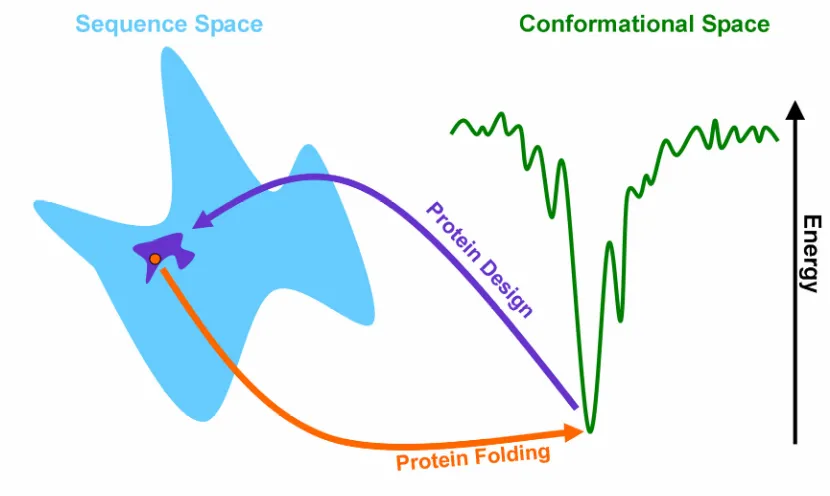
Fig. 1-1: Inverse Protein Folding ... 17
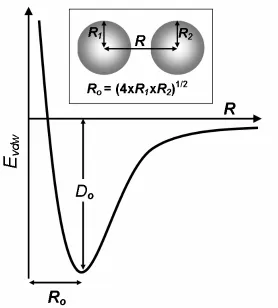
Fig. 1-2: van der Waals Potential Function ... 18
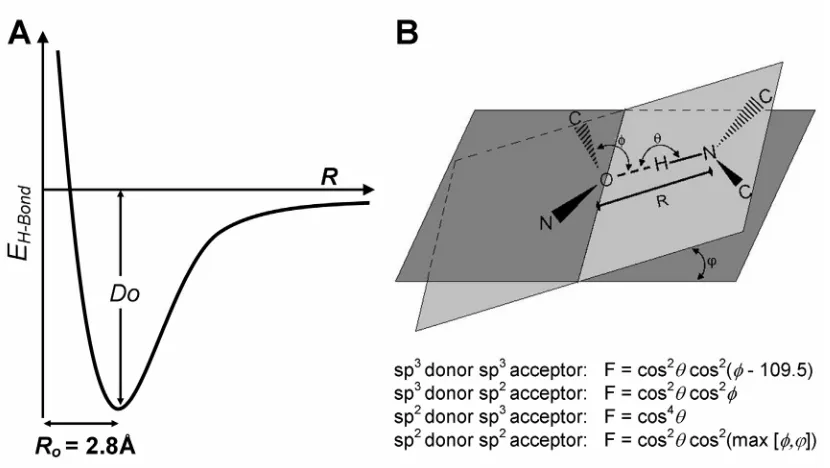
Fig. 1-3: Hydrogen Bond Potential... 19
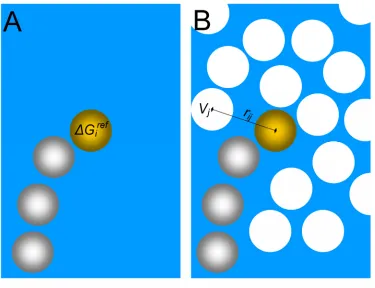
Fig. 1-4: Solvent Exclusion-Based Solvation... 20
Fig. 1-5: Conformational Energy Spectra ... 21
Fig. 2-1: Conformational Energy Spectra for Six Sequences ... 42
Fig. 2-2: Predicted Sequences for Gβ1 Fixed Composition Designs ... 43
Fig. 2-3: Predicted and Wild-Type Crystal Structure Conformations for Four Gβ1 Designed Core Residues ... 44
Fig. 2-4: Denaturation Curves of the Wild Type and a Mutant Obtained with the Standard Parameters ... 45
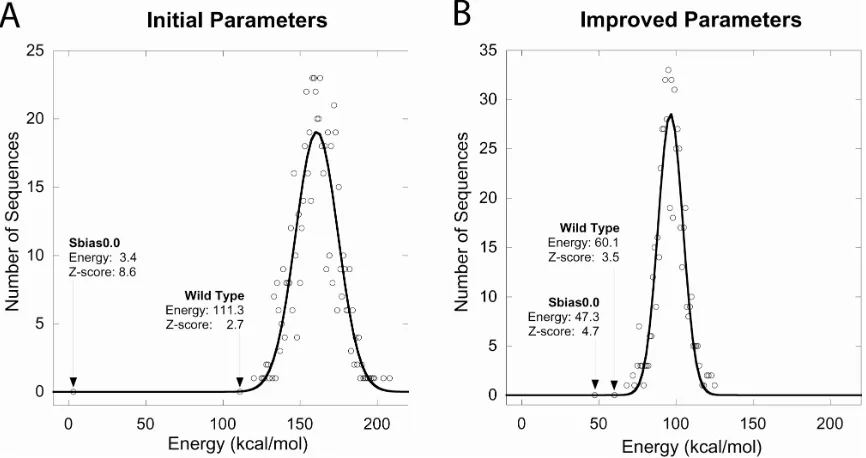
Fig. 2-5: Energies and Z-Scores for Wild Type and Unbiased Sequences Predicted in Gβ1 Fixed Composition Designs ... 46
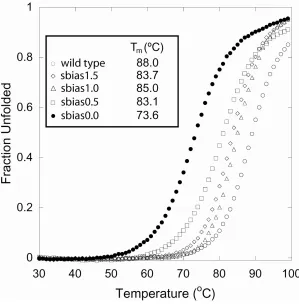
Fig. 2-6: Temperature Denaturation of Gβ1Mutants Obtained with the Improved Parameters ... 47
Fig. 2-7: Predicted Sequences for ENH Fixed Composition Designs ... 48
Fig. 2-8: Full Sequence Design of Gβ1 with the Improved Parameters... 49
Fig. 3-1: Force Field Optimization Flow Chart ... 72
Fig. 3-2: Fixed Composition Predicted Sequences... 73
Fig. 3-3: Thermodynamic Data on E19D/D36E Mutant ... 75
Fig. 3-4: Thermodynamic Data for Sequences Obtained After Reducing Polar Burial Benefit... 76
Fig. 3-5: Thermodynamic Data for Sequences Obtained After Including Crystallographic Rotamer at Position Seven ... 77
Fig. 4-1: The Shotgun Method: Using LC-MS and CID or High-Throughput
Proteome Screening... 96
Fig. 4-2: Fragmentation Options for Gβ1 ... 97
Fig. 4-3: Fixed Composition Sequences Used in CID ... 98
Fig. 4-4: LC-MS of rot-sbias0.0... 99
Fig. 4-5: CID on the Wild-Type Gβ1 Sequence ... 100
Fig. 4-6: Nomenclature for Backbone Fragmentation ... 101
Fig. 4-7: Gβ1’s Wild-Type Crystal Structure... 102
Fig. 4-8: CD Wavelength Scans of Fixed Composition Sequences in Conditions Required for CID ... 103
Fig. 4-9: Proposed Mechanism for Asp Effect... 104
Fig. 4-10: Proposed Mechanism for C-terminal Glu Effect ... 105
Fig. 5-1: Predicted Conformation of Four-Fold HIV Protease Mutant: D30F/G48R/V82I/D130N... 128
Fig. 5-2: Predicted Conformation of HIV-Positive Mutant in the RT-RH Bound Scaffold... 129
Chapter 1
Introduction to Computational Protein Design
1.1
Protein Design
The fact that many naturally-occurring proteins fold reliably and quickly to their
native state despite the astronomical number of possible configurations has come to be
known as Levinthal's paradox or the protein folding problem [1]. A protein folding
algorithm must exhaustively search conformational space to obtain the one
three-dimensional structure with the lowest energy of the sequence in question (Fig. 1-1). In
order to accomplish this task, the calculation requires an accurate force field that
precisely describes all inter-atomic physical interactions and a search algorithm that
eliminates all structures except the native conformation [2].
The same two requirements that apply to protein folding also apply to
computational protein design (CPD). Protein design deals with the inverse protein
folding problem; instead of predicting a structure from a sequence, the goal is to predict
poses less of a challenge than protein folding, because there are multiple sequences that
can fold into the intended structure (Fig. 1-1). As a result, protein design can be carried
out successfully with a less stringent force field [4]. The design of difficult structures,
however, such as those with a limited pool of compatible sequences, may only become
feasible with a highly tuned force field.
1.2
Computational Force Fields
A handful of force fields are commonly used for protein folding and/or protein
design: AMBER, CHARMm, GROMOS, OPLS-AA, and DREIDING [5-9]. These force
fields are composed of pair-wise decomposable potential functions that are summed to
obtain the overall energy of the system (Eq. 1-1). Certain potential functions, such as the
one used to calculate van der Waals energies, break down easily into pair-wise
interactions; while others require the use of approximations to make them compatible
with CPD.
The potential energy functions used in CPD are meant to score inter-residue
contacts that have been shown to stabilize the target structure. All CPD force fields
optimize for van der Waals (vdw), electrostatics (elec), and atomic solvation (as).
Enonbonded = Evdw + Eelec + Eas …. (Eq. 1-1)
Force fields differ in their inclusion of other terms such as hydrogen bonding, secondary
structure propensities, side-chain conformational probabilities, etc. [10]. Some force
fields, (e.g., DREIDING) calculate hydrogen bonds explicitly [9], while others (e.g.,
AMBER) omit hydrogen bond energies under the assumption that the electrostatics term
is inclusive enough to compensate for it. All force fields scale each potential function to
the force fields are in the values of the scale factors and parameters applied to each of the
potential functions. As of yet, no consensus on the optimal set of parameters and
potential functions has been reached.
1.3
ORBIT’s Force Field
The work presented here was carried out using the Optimization of Rotamers by
Iterative Techniques (ORBIT) computational protein design software. Potential functions
and scaling factors relevant to what is discussed in upcoming chapters are touched on in
the following sections of this chapter. The ORBIT software suite is based on the
DREIDING force field and utilizes many of its potential functions to score the fitness of
predicted sequences. Details on many of the potential functions have been previously
published [11-15]. ORBIT works best on high-resolution crystal structure scaffolds that
have been minimized to reduce strain and atomic overlap. The backbone is held fixed
while side-chain conformations are optimized to yield the best scoring sequence.
1.3.1 van der Waals Forces
The van der Waals forces are the weak, non-covalent non-ionic forces between
atoms that favor close atomic interactions. DREIDING scores these packing interactions
with an atomic Lennard-Jones 12-6 potential, which includes a long-range attractive
component, and a short-range repulsive component, as described in Eq. 1-2.
⎥ ⎥ ⎦ ⎤ ⎢ ⎢ ⎣ ⎡ ⎟ ⎠ ⎞ ⎜ ⎝ ⎛ − ⎟ ⎠ ⎞ ⎜ ⎝ ⎛ = 6 0 12 0 0 2 R R R R D
Evdw α α (Eq. 1-2)
The van der Waals energy (Evdw) is a function of the distance between the two atoms (R).
two atoms at equilibrium, respectively (Fig. 1-2). The van der Waals potential function
describes the rapid increase in unfavorable energy as R decreases relative to Ro. As R
gets smaller, the electronic clouds of each of the atoms start to overlap and repel each
other. As a result, sequences that can pack well in the folded structure without resulting
in atomic clashes are strongly favored by the van der Waals potential. The scale factor,
α, serves to attenuate overlap between the two atoms. A value of 0.9 for α has been
shown to work well when carrying out CPD [12].
1.3.2 Hydrogen Bonds
Like most protein design force fields, ORBIT explicitly accounts for hydrogen
bond energies (EH-bond). The hydrogen bond potential is a function of the donor to
acceptor distance and includes more restrictive angle-dependent terms to limit
unfavorable hydrogen bond geometries (Eq. 1-3). Hydrogen bonds are only calculated
for polar heavy atoms that are within 2.6–3.2 Å.
(
θ,φ,ϕ)
6 5 10 0 12 0 0 F R R R R D EH bond⎥ ⎥ ⎦ ⎤ ⎢ ⎢ ⎣ ⎡ ⎟ ⎠ ⎞ ⎜ ⎝ ⎛ − ⎟ ⎠ ⎞ ⎜ ⎝ ⎛ =
− (Eq. 1-3)
R is the distance between the two heavy atoms involved in the hydrogen bond, and R0 is
set to 2.8 Å, the ideal distance at equilibrium. D0 is the hydrogen bond well depth, and is
historically set to 8.0 kcal/mol, the maximum possible benefit for hydrogen bond
formation. The hydrogen bond potential's angle dependence function, F, is elaborated on
1.3.3 Electrostatics
The energies due to electrostatic interactions, Eele, are scored using Coulomb’s
law (Eq. 1-4).
r q q Eele
ε1 2
= (Eq. 1-4)
The values q1 and q2 pertain to the assigned atomic charges. The dielectric constant, ε, is
one of two variables that can be changed to scale the impact of electrostatics on the
design. A dielectric constant of 40, similar to what is used for water, is commonly used
in ORBIT. The second variable is the distance, r; electrostatic interactions can be set to
be inversely proportional to either r or r2. Squaring the distance emphasizes local interactions over long-range interactions. Every atom in the force field can be assigned a
charge and is able to contribute to the electrostatic potential. Naturally, the largest
contributors are atoms associated with acidic or basic side chains. In addition to the
electrostatic component, salt bridge interactions are reinforced by the hydrogen bond
potential.
1.3.4 Atomic Solvation
An atomic solvation potential function is required to recover sequences with a
hydrophobic core and a polar surface. It is widely believed that the hydrophobic effect is
the main driving force for protein folding [16]. The need to exclude solvent molecules
from the core and maximize hydrophobic packing is thought to result in a structural
collapse that initiates the folding process [17].
There are two commonly used solvation models in ORBIT, a surface area-based
conceptually straightforward to understand, but computationally expensive to run. The
idea is to quantify atomic burial by calculating how much surface area is buried in the
folded state relative to how much is buried in the unfolded state. To obtain the surface
area buried in the folded state, a dot surface is calculated for each pair of amino acids
using the Connolly algorithm. The algorithm roles a virtual sphere with a set radius over
the amino acids; the surface is defined as the area accessed by the sphere. Non-polar
surface area is favored by 0.026 kcal/mol/Å2 when buried and penalized by the same amount when exposed. Polar surface area is penalized by 0.1 kcal/mol/Å 2 when buried [18].
The solvent exclusion-based solvation model used in ORBIT is fast since most of
the necessary information, such as the volume of surrounding atoms (Vj) and the
reference solvation free energy (ΔGiref), is predetermined [19]. During the scoring
process, the only variable is a function dependent of the atomic distance (fi(rij)) (Eq. 1-5).
Solvent exclusion is assumed to be proportional to atom burial. As a result, the distance
and volume of surrounding atoms is used to determine the extent of solvent exclusion
(Fig. 1-4). Solvent exclusion is favored for non-polar atoms and disfavored for polar
atoms.
( )
∑
∑
⎥ ⎦ ⎤ ⎢ ⎣ ⎡ − Δ = ≠ i i j j ij i ref ias G f r V
E (Eq. 1-5)
1.4
Side-Chain Conformational Libraries
In addition to an accurate force field, a complete design procedure requires a
search algorithm that will find the global minimum energy conformation (GMEC). This
Historically, CPD has been carried out on a fixed backbone to simplify the problem.
However, efforts to incorporate backbone flexibility are well on their way [20]. The first
design of a novel fold was achieved by combining protein design with protein folding
technology, which allows backbone flexibility [21].
Amino acid side-chain flexibility is taken into account by using a side-chain
conformational library. Instead of dealing with a continuum of side-chain conformations,
the library is composed of statistically significant low energy conformations that are
obtained from high resolution structures [22]. Two types of amino acid side-chain
libraries are available: rotamer libraries, which are composed of side-chain conformations
that have been minimized and have idealized bond lengths and angles; and conformer
libraries, which are composed of side-chain conformations that take their bond lengths
and angles directly from protein crystal structures [23-25].
1.5
Search Algorithms
A search algorithm is used to sort through all the potential conformational
sequences and identify those that take on the desired tertiary structure. Designing a small
100-residue protein, for example, would require sorting through 10130 unique amino acid sequences if all 20 amino acids are considered at each position. The search problem
becomes increasingly complex as more positions and multiple conformations per amino
acid are considered.
Two types of search methods are typically used in CPD: stochastic methods and
deterministic methods [26]. Monte Carlo simulations are commonly used in combination
with simulated annealing for stochastic searches, since a Monte Carlo algorithm can
[27]. However, stochastic methods cannot guarantee that the resulting sequence is the
GMEC. On the other hand, a deterministic method such as Dead-End Elimination (DEE)
always provides the GMEC if it converges [28]. However, convergence is not assured.
In recent years, the FASTER algorithm has proven to be an effective and useful
alternative [29, 30]. FASTER is orders of magnitude more efficient than DEE and can
often recover the GMEC. The procedure relies on the idea that optimization of the
individual components in the design will result in optimization of the total design. The
result is an increase in speed obtained by carrying out multiple rotamer perturbations in
each step before evaluating the success of the overall change.
1.6
Energies Independent of the Unfolded State
Since there is no accurate method to calculate the energy of the unfolded state,
most force fields, including DREIDING, fail to fully characterize the unfolded state. As
a result, the energies predicted are taken to be absolute energies that are, for the most
part, independent of the unfolded state energies. It is assumed that the difference in
unfolded state energies between distinct sequences is insignificant; hence, unfolded state
energies can be omitted without adverse effects on the design [31]. This assumption can
pose serious problems if incorrect, since all design sequences are analyzed and compared
by determining their thermodynamic properties, and thermodynamic constants such as
ΔG (free energy of folding) are relative to the unfolded state energy as shown in Eq. 1-6.
A unfolded A
folded
A G G
G = −
Δ (Eq. 1-6)
The free energy of sequence A in a specific folded conformation is defined as the
difference between the energy of sequence A in the folded state and the energy of
can only be accurately compared with those obtained experimentally if the energy of the
unfolded state is included in the force field or if it is shown to be insignificant. A
situation can be imagined in which a mutation is predicted to be stabilizing in a sequence
due to the formation of a favorable inter-residue interaction in the folded state, but is
determined to be destabilizing experimentally due to its stabilizing effects on the
unfolded state.
Also, the free energy of each of the sequences must be accurately determined in
order to rank the compatibility of a group of sequences to a specific scaffold.
(
) (
A)
unfolded B unfolded A folded B folded A
B G G G G G
G
G=Δ −Δ = − − −
ΔΔ (Eq. 1-7)
A unfolded B
unfolded G
G ≈ (Eq. 1-8)
(
A)
folded B
folded A
B G G G
G
G=Δ −Δ = −
ΔΔ (Eq. 1-9)
As Eq. 1-7 states, calculating the difference in ΔG between two sequences (A and B)
requires each of their unfolded state energies as well as their folded state energies. Since
force fields do not accurately predict the energy of the unfolded state, the predicted
energies will be intrinsically incorrect. Yet, if the energies of the unfolded state can be
ignored by keeping them constant (Eq. 1-8), the change in ΔG will only be dependent on
the energies of sequences A and B in the folded conformation (Eq. 1-9). One method that
theoretically keeps the unfolded state energies constant is to restrict designs to sequences
with a fixed amino acid composition.
1.7
Fixed Amino Acid Composition Protein Design
Fixed composition calculations allow us to disregard energy contributions from
equivalent unfolded state energies [32, 33]. This assumption stems from the random
energy model (REM) of polymers. REM was first solved for spin glasses by Derrida in
1980 [34]. In the late 1980s, Shakhnovich and Gutin [35] and Byngelson and Wolynes
[36] derived models based on REM for proteins. They concluded that the density of
energy of all thermodynamically accessible conformations takes on a Gaussian
distribution as defined by Eq. 1-9 below.
(
)
⎥ ⎥ ⎦ ⎤ ⎢ ⎢ ⎣ ⎡ − − = 2 22 2 exp 2
) ( u u N Nz U Nz E Nz E n σ π σ γ (Eq. 1-9)
N = number of residues in the protein
z = average number of contacts per residue
U = average energy per contact
γN = number of conformations accessible to the sequence
σu = standard deviation (SD) of the contact energies
n = number of conformations
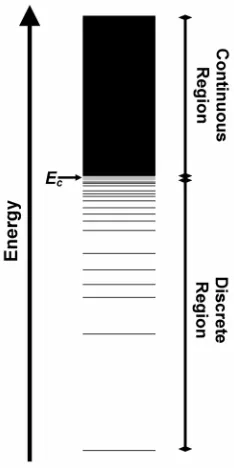
Here, n(E) gives the density of energy levels that results from all the conformations
accessible to a particular sequence. As a direct result of the Gaussian energy distribution,
the energy spectrum for a given sequence is divided into a continuous part and a discrete
part (Fig. 1-5). At n(E) = 1, the continuous energy levels separate into individual lower
energy conformations, forming the discrete part of the spectrum [33]. The energy at
which this occurs is called the critical energy (Ec) (Fig. 1-5). The continuous part of the
spectrum represents all the conformations accessible to the sequence at higher
conformations average out due to the rapid introversions between the accessible
structures, making the energy of the continuous part of the spectrum composition
dependent [33]. On the other hand, the discrete part of the spectrum relies on best fit
contacts to stabilize the individual conformations, making it sequence dependent.
Therefore, by keeping the composition of the predicted sequences constant, we can
assume that the energy of the unfolded state stays constant.
Forcing a fixed amino acid composition has the added benefit of imposing
specificity to the target structure [37, 38]. The drastic reduction in sequence space will
dramatically reduce the number of alternative folds. Fixing the composition essentially
serves as a strong negative design constraint on the calculations.
1.8
Negative Design
For a successful computational protein design result, the procedure must consider
negative design in addition to positive design. Positive design predicts sequences that
will stabilize the target fold. However, positive design does little to rule out sequences
that exhibit a lower energy in alternate states or folds. To address this concern, negative
design is used to design against alternate conformations [39]. In addition to fixed
composition, there are multiple examples in which explicit and implicit negative design
have been used in protein engineering.
Explicit negative design is commonly used in the engineering of α-helical
structures such as coiled coil domains and α-helical bundles [39-42]. The repetitive
nature of α-helices and their well studied inter-helical interactions make them ideal for
rational design. Strategically placed charged and polar residues at the protein interfaces
destabilizing homo-oligomerization [40, 42]. Negative design of coiled coil domains was
taken a step further by using computer automation to design against aggregated and
unfolded states [41].
Implicit negative design is used to design against alternate states without
explicitly considering any. The design of the first novel fold, Top7, used amino acid
reference energies to ensure natural-like amino acid compositions throughout the protein
[21]. As a result, the predicted sequences were guaranteed to have hydrophobic cores
and polar surfaces. Another approach that has been used is to impose a pseudo-binary
pattern by restricting the core to hydrophobic residues and the surface to polar residues
[43-45]. A properly folded protein with a polar surface is less likely to aggregate due to
1.9
Bibliography
1. Levinthal, C. Are there pathways for protein folding? J Chim Phys 65, 44-45 (1968).
2. Baker, D. A surprising simplicity to protein folding. Nature405, 39-42 (2000).
3. Pokala, N., and Handel, T. M. Review: Protein design--where we were, where we are, where we're going. J Struct Biol134, 269-281 (2001).
4. Kraemer-Pecore, C. M., Wollacott, A. M., and Desjarlais, J. R. Computational protein design. Curr Opin Chem Biol5, 690-695 (2001).
5. Jorgensen, W. L., Maxwell, D. S., and TiradoRives, J. Development and testing of the OPLS all-atom force field on conformational energetics and properties of organic liquids. J Am Chem Soc118, 11225-11236 (1996).
6. MacKerell, A. D., Bashford, D., Bellott, M., Dunbrack, R. L., and Evanseck, J. D. All-atom empirical potential for molecular modeling and dynamics studies of proteins. J Phys Chem102, 3586-3616 (1998).
7. Ponder, J. W., and Case, D. A. Force fields for protein simulations. Adv Protein Chem66, 27-85 (2003).
8. Stocker, U., and van Gunsteren, W. F. Molecular dynamics simulation of hen egg white lysozyme: A test of the GROMOS96 force field against nuclear magnetic resonance data. Proteins40, 145-153 (2000).
9. Mayo, S. L., Olafson, B. D., and Goddard, W. A. DREIDING: A generic force field for molecular simulations. J Phys Chem94, 8897-8909 (1990).
10. Wang, W., Donini, O., Reyes, C. M., and Kollman, P. A. Biomolecular simulations: Recent developments in force fields, simulations of enzyme catalysis, protein-ligand, protein-protein, and protein-nucleic acid noncovalent interactions. Annu Rev Biophys Biomol Struct30, 211-243 (2001).
11. Dahiyat, B. I., Sarisky, C. A., and Mayo, S. L. De novo protein design: Towards fully automated sequence selection. J Mol Biol273, 789-796 (1997).
13. Dahiyat, B. I., and Mayo, S. L. De novo protein design: Fully automated sequence selection. Science278, 82-87 (1997).
14. Dahiyat, B. I., and Mayo, S. L. Protein design automation. Protein Sci5, 895-903 (1996).
15. Dahiyat, B. I., Gordon, D. B., and Mayo, S. L. Automated design of the surface positions of protein helices. Protein Sci6, 1333-1337 (1997).
16. Chandler, D. Interfaces and the driving force of hydrophobic assembly. Nature 437, 640-647 (2005).
17. Agashe, V. R., Shastry, M. C. R., and Udgaonkar, J. B. Initial hydrophobic collapse in the folding of barstar. Nature377, 754-757 (1995).
18. Street, A. G., and Mayo, S. L. Pairwise calculation of protein solvent-accessible surface areas. Fold Des3, 253-258 (1998).
19. Lazaridis, T., and Karplus, M. Effective energy function for proteins in solution.
Proteins35, 133-152 (1999).
20. Desjarlais, J. R., and Handel, T. M. Side-chain and backbone flexibility in protein core design. J Mol Biol290, 305-318 (1999).
21. Kuhlman, B., Dantas, G., Ireton, G. C., Varani, G., Stoddard, B. L., and Baker, D. Design of a novel globular protein fold with atomic-level accuracy. Science302, 1364-1368 (2003).
22. Ponder, J. W., and Richards, F. M. Tertiary templates for proteins. Use of packing criteria in the enumeration of allowed sequences for different structural classes. J Mol Biol193, 775-791 (1987).
23. Lassila, J. K., Privett, H. K., Allen, B. D., and Mayo, S. L. Combinatorial methods for small-molecule placement in computational enzyme design. Proc Natl Acad Sci USA103, 16710-16715 (2006).
24. Xiang, Z., and Honig, B. Extending the accuracy limits of prediction for side-chain conformations. J Mol Biol311, 421-430 (2001).
26. Voigt, C. A., Gordon, D. B., and Mayo, S. L. Trading accuracy for speed: A quantitative comparison of search algorithms in protein sequence design. J Mol Biol299, 789-803 (2000).
27. Metropolis, N., Rosenbluth, A. W., Teller, A. H., and Teller, E. Equation of state calculations by fast computing machines. J Chem Phys21, 1087-1092 (1953).
28. Desmet, J., Maeyer, M. D., Hazes, B., and Lasters, I. The dead-end elimination theorem and its use in protein side-chain positioning. Nature356, 539-542 (1992).
29. Allen, B. D., and Mayo, S. L. Dramatic performance enhancements for the FASTER optimization algorithm. J Comput Chem27, 1071-1075 (2006).
30. Desmet, J., Spriet, J., and Lasters, I. Fast and accurate side-chain topology and energy refinement (FASTER) as a new method for protein structure optimization.
Proteins48, 31-43 (2002).
31. Gordon, D. B., Marshall, S. A., and Mayo, S. L. Energy functions for protein design. Curr Opin Struct Biol9, 509-513 (1999).
32. Pande, V. S., Grosberg, A. Y., and Tanaka, T. Statistical mechanics of simple models of protein folding and design. Biophys J73, 3192-3210 (1997).
33. Shakhnovich, E. I., and Gutin, A. M. A new approach to the design of stable proteins. Protein Eng6, 793-800 (1993).
34. Derrida, B. Random-energy model - limit of a family of disordered models. Phy Rev Let45, 79-82 (1980).
35. Shakhnovich, E. I., and Gutin, A. M. Formation of unique structure in polypeptide chains. Theoretical investigation with the aid of a replica approach. Biophys Chem 34, 187-199 (1989).
36. Bryngelson, J. D., and Wolynes, P. G. Spin glasses and the statistical mechanics of protein folding. Proc Natl Acad Sci USA84, 7524-7528 (1987).
37. Koehl, P., and Levitt, M. De novo protein design. II. Plasticity in sequence space.
J Mol Biol293, 1183-1193 (1999).
39. Hecht, M. H., Richardson, J. S., Richardson, D. C., and Ogden, R. C. De novo design, expression, and characterization of Felix: a four-helix bundle protein of native-like sequence. Science249, 884-891 (1990).
40. Deng, Y., Liu, J., Zheng, Q., Eliezer, D., Kallenbach, N. R., and Lu, M. Antiparallel four-stranded coiled coil specified by a 3-3-1 hydrophobic heptad repeat. Structure14, 247-255 (2006).
41. Havranek, J. J., and Harbury, P. B. Automated design of specificity in molecular recognition. Nat Struct Biol10, 45-52 (2003).
42. Nautiyal, S., Woolfson, D. N., King, D. S., and Alber, T. A designed heterotrimeric coiled coil. Biochemistry34, 11645-11651 (1995).
43. Yue, K., Fiebig, K. M., Thomas, P. D., Chan, H. S., Shakhnovich, E. I., and Dill, K. A. A test of lattice protein-folding algorithms. Proc Natl Acad Sci USA 92, 325-329 (1995).
44. Yue, K., and Dill, K. A. Inverse protein folding problem - designing polymer sequences. Proc Natl Acad Sci USA89, 4163-4167 (1992).
Fig. 1-1: Inverse Protein Folding
Fig. 1-2: van der Waals Potential Function
The form of the Lennard-Jones 12-6 potential used to calculate the van der Waals interaction energy, Evdw, is shown below. The two spheres represent atoms for which Evdw is being calculated. R1 and R2are the atomic radii for each of the respective atoms. Ro is the average of R1 and R2. Do is the average of the well depth of the two atoms. The
Fig. 1-3: Hydrogen Bond Potential
Fig. 1-4: Solvent Exclusion-Based Solvation
Fig. 1-5: Conformational Energy Spectrum
* This chapter was adapted from a manuscript in preparation for PNAS coauthored with Stephen L. Mayo.
Chapter 2
Application of Fixed Composition Protein Design*
2.1
Introduction
A major aim of CPD is to reproducibly design sequences that adopt a desired
tertiary structure. This requires a CPD procedure yielding sequence scores that
accurately reflect experimentally determined stabilities. Since experimental energies are
determined with respect to an unfolded state, a CPD force field should accurately model
interactions in both the folded and unfolded states. However, modeling the unfolded
state in a useful way has proven difficult. As a result, most CPD force fields omit the
specific effects of sequence changes on the unfolded state and only optimize interactions
in the folded state [1]. This disregard of the unfolded state is partly to blame for
discrepancies between computationally derived and experimentally determined protein
stabilities and for the difficulty of developing a properly tuned CPD force field [2, 3].
Separating the tuning of a CPD force field into two logical components, the
improved predictive power. The work presented here demonstrates a procedure for
achieving this separation by invoking the random energy model (REM) [4] in order to
minimize the influence of the unfolded state in determining sequence designs. In this
way, force field evaluation and tuning can be focused on the more tractable folded state.
REM was initially developed for spin glass models and later adapted for proteins [5-7].
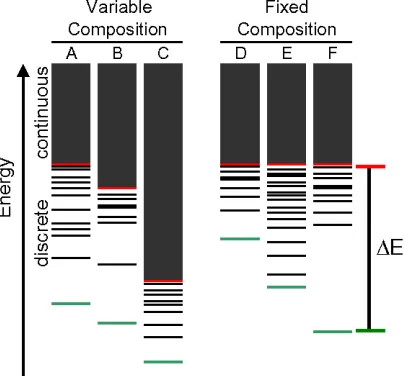
REM asserts that the energy spectrum for any specific amino acid sequence is divided
into continuous and discrete regions (Fig. 2-1). The conformational energies in the
discrete region rely on best-fit contacts, making them sequence-specific. The continuous
region, however, represents conformations that are only accessible at higher temperatures
where the rapid inter-conversion between conformations leads to a distribution of
conformational energies that depends solely on the amino acid composition.
Consequently, all sequences with identical amino acid composition are expected to have
identical continuous region distributions and, thus, unfolded state energies (Fig. 2-1 D, E,
and F) [8]. As a result, the free energy of folding of fixed composition sequences are
directly correlated to their folded state energies. The same cannot be said when
comparing sequences with varied composition (Fig. 2-1 A, B, and C). In this case, the
continuous region varies between sequences and the free energy of folding cannot be
directly compared without explicit consideration of the unfolded state. A sequence can
potentially have the best energy in the folded state and fail to have the largest change in
energy (Fig. 2-1 C).
Here, we exploit the fixed composition concept by limiting designs to sequences
with fixed amino acid composition [9, 10]. By doing so, we can eliminate unfolded state
If the unfolded states for fixed sequence designs are inconsequential, any discrepancies
between experimental and computational stabilities can be attributed to the force field’s
inability to predict the impact of sequence variation on the folded state.
Application of a fixed composition method imposes a large negative design
constraint on the system [9, 10]. The importance of negative design for protein sequence
selection was revealed with hydrophobic/polar lattice model simulations [11, 12]. Early
studies on lattice models demonstrated that in order to recover sequences that specifically
folded to the target structure, polar monomers had to be explicitly considered at surface
positions even though they did not impart favorable energy to the system [11]. The
alternative led to sequences dominated by solvent exposed hydrophobic monomers.
Incorporation of an explicit negative design constraint on amino acid sequence selection
was demonstrated by Dahiyat and Mayo [13] who went on to show that CPD could be
successfully applied to complete protein domains [14]. In that and related work, either a
pseudo-binary pattern or an explicit binary pattern of polar and non-polar amino acids
was used to impose fold specificity [14, 15]. Less restrictive negative design alternatives
include the use of amino acid reference energies to control amino acid composition
[16-18].
In addition to normalizing folded state energies, fixed composition design directly
considers the fold specificity of sequences (i.e., the ability of an amino acid sequence to
adopt a single or limited number of structures). REM theory indicates that as ∆E
increases, the accessible conformations for a sequence exponentially decrease [19].
Since the unfolded state energies are identical for amino acid sequences with the same
is equivalent to maximizing ∆E (Fig. 2-1 D, E, and F). Optimized sequences with large
favorable scores on the target fold are thus expected to exhibit an energy spectrum in
which it is improbable to achieve an alternative conformation with lower energy.
Explicitly fixing the amino acid composition for a design has the inherent
problem of requiring knowledge of the composition before the design calculation is
started. For the work presented here, the wild-type sequence of the β1 domain of
streptococcal protein G (Gβ1) is used. Because Gβ1 has a high thermal stability (Tm of
88°C) its wild-type amino acid sequence is expected to be near optimal (given the
constraint of maintaining the wild-type amino acid composition). Consequently, the CPD
force field can be evaluated and optimized based on its ability to recover the wild-type
sequence prior to laborious experimental testing of designed sequences. More
specifically, the use of a wild-type sequence bias can be used in a stepwise fashion to
force recovery of the wild-type sequence and to identify problematic force field
components. The computed Z-score of the wild-type sequence and the experimental
testing of unbiased designs can then be used to assess the overall quality of the CPD force
fields.
2.2
Results and Discussion
2.2.1 The Standard Force Field: Identifying the Inaccuracies
Standard force field parameters and potential functions [13, 14, 20-22] were used
for our initial fixed composition designs, since these have been previously tested and
successfully applied to a wide range of protein design problems [14, 15, 23]. The initial
and electrostatic interactions. Solvation was modeled using a solvent-accessible surface
area-based term that encourages hydrophobic burial and polar exposure. Side-chain
flexibility was taken into account using expanded versions of the backbone-dependent
rotamer library of Dunbrack and Karplus [24].
The success of the standard force field has required imposing some type of binary
pattern, either explicitly or by restricting buried positions to non-polar amino acids and
exposed positions to polar residues [14, 15, 23]. In our fixed composition designs,
however, we removed these restrictions, and within the fixed composition limits, allowed
all amino acids at all positions. Without any binary pattern or regional restrictions, we
expected the resulting fixed composition sequences to reveal previously hidden
inaccuracies in the standard force field, and allow us to identify aspects that could be
improved.
Fixed composition designs were first performed on Gβ1 using the initial
(standard) force field. All non-Gly and non-Met positions were included in the design
and the amino acid composition was fixed to that of the wild-type protein. A wild-type
sequence bias was imposed and incrementally increased until the wild-type sequence was
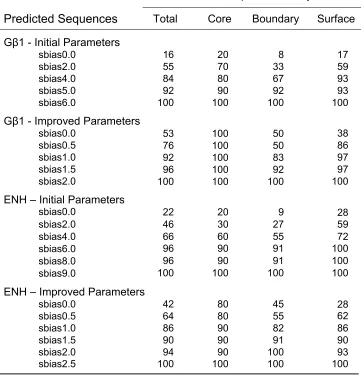
recovered. Fig. 2-2 A shows the top-ranked sequences obtained from each calculation.
At lower sequence biases, the predicted sequences exhibited poor recovery of the
wild-type amino acids, revealing substantial inaccuracies in the initial force field. The
unbiased design (sbias0.0) had 16% sequence identity with the wild type, an increase of
only 5 percentage points over random fixed composition sequences (Table 1). Only two
even fewer boundary and surface positions recovered the wild-type amino acid identities
(8% and 17%, respectively).
The inaccuracies in the initial force field were further highlighted by the poor
quality of the sequences predicted using lower sequence biases. All the predicted
sequences contained charged and polar amino acids at core positions (Fig. 2-2 A). The
sequence recovered at a sequence bias of 5.0 replaced a core Leu with a Glu. In a small
protein with a well-packed hydrophobic core, it is unlikely that substituting non-polar
amino acids with charged residues would result in a more stable variant [25].
Exploratory modifications to the force field suggested that changing to a solvent
exclusion-based solvation model would result in improved prediction of core residues.
This model emphasizes polar interactions, which results in a larger penalty for burial of
polar atoms; consequently, charged or polar amino acids in the core are strongly
disfavored.
Further inspection of the predicted sequences revealed a bias towards sequence
arrangements that benefit from the strong hydrogen bond potential contained in the initial
force field. Certain core positions were predicted to take on polar side chains, partly
because they were able to form strong inter-residue hydrogen bonds. For example, core
position 20 mutated from Ala to Gln in order to form two hydrogen bonds with surface
residues. The predicted Gln side chain assumes a strained conformation in order to
satisfy the interactions. Similarly, Thr at core position 30 is predicted to form a hydrogen
bond with the α-helical backbone. Due to Thr’s low α-helical propensity, this mutation
is likely to be destabilizing. We anticipated that lowering the benefit for hydrogen bond
The discrete nature of rotamer libraries also appears to be problematic in that a
suitable conformation for the wild-type amino acid may not be available for certain
positions. For example, the absence of a rotamer with chi angles similar to those seen in
the crystal structure for core Leu7 resulted in spurious predictions: in all of the predicted
sequences, Trp 43 swings out into the solvent, even though the crystal structure clearly
depicts the Trp to be buried. The poor choice of conformation at position 7 propagates
throughout the core and results in the expulsion of Trp 43 (Fig. 2-3 A). The use of a
larger, more representative rotamer library should mitigate this type of problem, since it
is more likely to contain conformations comparable to those observed in the crystal
structures.
Three of the predicted sequences obtained with the initial force field were selected
for further study. Sequences obtained at a sequence bias of 0.0, 2.0, and 5.0 (sbias0.0,
sbias2.0, and sbias5.0) were chosen for physical characterization. Not surprisingly,
circular dichroism (CD) experiments showed that proteins with the largest difference
from wild type (sbias0.0 and sbias2.0) were unfolded (data not shown). Sbias5.0, on the
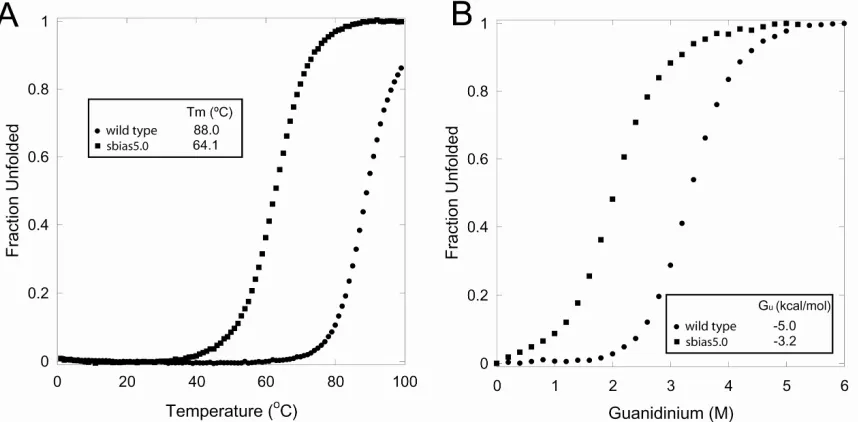
other hand, was folded but significantly destabilized compared to wild type (Fig. 2-4).
2.2.2 Optimizing the Force Field
Multiple rounds of optimization were required to obtain a set of parameters that
yielded viable sequences. In an effort to hinder the selection of charged or polar residues
in the core, we first changed the model used to calculate atomic solvation: the surface
area-based model was replaced by a solvent exclusion-based model [26]. In addition, the
benefit for hydrogen bond formation was decreased, especially at the surface. These
improvements. To increase the chances of recovering native conformations, we also
replaced the rotamer library with a larger conformer library [27, 28] consisting of
side-chain conformations closely resembling those observed in wild-type crystal structures.
Since the reduction in the benefit for hydrogen bond formation also affects the benefit for
salt bridges, we compensated by adjusting the dielectric constant (from 40 to 20) to
improve electrostatic interactions throughout the protein. Further details on the impact of
the modifications are discussed in Chapter 3.
The sequences predicted with the improved force field are shown in Fig. 2-2 B.
Unlike the sequences obtained with the initial parameters, the improved parameter
sequences exhibited no obvious irregularities that discouraged further evaluation. All
core positions in every sequence adopted wild-type amino acid identities, ensuring that
the core was well-packed and hydrophobic (Table 2-1 and Fig. 2-2 B). In addition, the
larger conformer library selected core conformations that overlaid nicely with those seen
in the wild-type crystal structure, even though the Gβ1 structure was not included in the
set of structures used to generate the conformer library (Fig. 2-3 B). Trp43 swung out
into the solvent with the smaller rotamer library, but with the conformer library, Trp43
was packed into the core.
Further improvements in our CPD procedure are illustrated in Table 1. The total
wild-type recovery of the unbiased sequence (sbias0.0) increased from 16% to 53%.
Wild-type recovery was 100% for core, 50% for boundary, and 38% for surface
positions, representing 5-fold, 6-fold, and 2-fold improvements, respectively. The
kcal/mol. The improvement in the predictive power of the force field was further
confirmed by improved Z-scores.
The Z-score, a value previously used for force field optimization [29], was
calculated for the wild-type sequence. As the force field improves, the Z-score for the
wild-type sequence should increase [30, 31]. Initial parameters gave a Z-score of 2.7 for
the wild-type sequence, while the improved parameters yielded a Z-score of 3.5 (Fig.
2-5). A clearer picture of the improvement is seen by comparing the wild-type sequence
with sequences obtained using no sequence bias. Initial parameters yielded a Z-score of
8.6 for the predicted unbiased sequence (sbias0.0), a difference of 5.9 compared to the
2.7 value obtained for the wild-type sequence (Fig. 2-5 A). The fact that a sequence
resulting in an unfolded protein had such a large Z-score relative to that calculated for the
wild-type sequence is further evidence of the poor predictive power of the initial force
field. In contrast, the improved parameters produced a Z-score for the unbiased sequence
(sbias0.0) of 4.7, a difference of only 1.2 relative to the wild-type sequence (Fig. 2-5 B).
Definitive validation of the improved parameters was provided by experimental
analysis of the predicted sequences. Proteins corresponding to sbias0.0, sbias0.5,
sbias1.0, and sbias1.5 were all shown to be folded by CD. The unbiased sequence, which
had the lowest wild-type recovery (53%), was also shown to be folded by NMR (data not
shown). Temperature denaturation experiments revealed all the predicted proteins to be
highly thermostable (Fig. 2-6). Sbias0.0, sbias0.5, sbias1.0, and sbias1.5 exhibited Tms of
73.6, 83.1, 85.0, and 83.7ºC, respectively. In contrast to the unbiased sequence obtained
with the initial parameters, the unbiased sequence obtained with the improved parameters
2.2.3 Evaluating Improved Parameters on Engrailed Homeodomain
To determine whether the improved force field parameters showed a preference
for the Gβ1 scaffold, fixed composition designs were carried out on Engrailed
homeodomain from Drosophila melanogaster (ENH). ENH is a small globular protein
with no sequence or structure homology to Gβ1.
Table 2-1 shows the resulting sequence statistics from the fixed composition
designs on ENH. The wild-type sequence was recovered at a sequence bias of 2.5
kcal/mol/pos. The unbiased design (sbias0.0) predicted a sequence with 42% wild-type
sequence identity, with the core recovering 80% of the wild-type amino acids. Core
position 34 mutated from Leu to Phe to achieve improved packing interactions (Fig. 2-7).
In the absence of a Gln rotamer that can hydrogen bond with the N-terminus at position
44, the force field selected a polar residue that can hydrogen bond with the backbone at
residue 41. Using the improved force field parameters, the Z-score difference for the
unbiased design vs. wild type was only 1.65 (4.59 – 2.94). This is in contrast to a Z-score
difference of 5.51 (8.0 – 2.49) when using the initial parameters.
The improved force field predicted reasonable sequences for ENH with improved
Z-scores when compared to the initial force field. These results support an assertion that
the idea that the modifications to the force field are not specific for the Gβ1 scaffold.
However, in order to best eliminate bias towards a particular scaffold, the optimization
procedure would need to be carried out simultaneously on multiple scaffolds.
2.2.4 Removal of Fixed Composition Constraint
A simple and straightforward way to show the importance of negative design in
results obtained without it. We therefore used the improved parameters to design Gβ1,
except this time we removed the requirement for a fixed composition. This resulted in a
sequence dominated by large hydrophobic residues (Fig. 2-8). Similar to what is
observed in lattice models when the composition at surface residues is not restricted, the
CPD procedure predicted a hydrophobic surface to be stabilizing.
This result is further evidence that negative design must be explicitly considered
in CPD to promote specificity of the target fold [10, 15, 16, 32]. The hydrophilic
composition at the surface in native proteins is crucial for dissuading aggregation,
increasing solubility and ensuring proper folding [33]. Although not always energetically
favorable, polar and charged residues have naturally evolved at the surface to ensure
highly specific folding [15]. In the absence of any negative design terms, physically
based force fields will select hydrophobic residues at the surface since these residues can
form strong packing interactions. Consequently, a strong negative design term is
required to provide folding specificity in designed sequences.
Negative design can be incorporated in a number of ways. Surface positions can
be limited to polar side chains, or reference energies that ensure a native-like composition
at surface positions can be used. The solvation term can also include negative design
terms that serve as an incentive to select polar residues at the surface (e.g., a benefit for
polar solvent exposure can be included).
2.3
Conclusion
Fixed composition design proved to be an effective way to optimize the positive
identical amino acid composition, inconsistencies between experimental and
computational results could be attributed to the force field’s inability to accurately model
the folded state. Direct comparison between experimental and computational results was
possible since the unfolded state energy is presumed to be equal for all sequences.
Iterative use of fixed composition design allowed for a set of force field
parameters to be identified that consistently predicted folded and well-behaved
sequences. The implementation of this procedure is straightforward and generalizable to
any protein design force field, provided the sequence for the selected scaffold is shown to
be near optimal for its folded structure. To dissuade unintentional bias towards the target
scaffold, the fixed composition optimization procedure should be carried out on multiple
scaffolds.
Limiting the force field optimization procedure to fixed composition designs is a
conceptually straightforward way to optimize positive design parameters; however, it
does little for negative design parameters. To address this issue, it would be useful to
include a step in the procedure that optimizes the negative design parameters in the
absence of a fixed composition restraint.
The work presented here describes a procedure for systematically optimizing a
CPD force field. The experimental results clearly show a dramatic improvement in
sequence prediction after optimization. Whereas the starting force field failed to predict a
stable sequence in the absence of a sequence bias, the improved force field predicted a
23-fold mutant that was stably folded, and displayed 6-fold, 3-fold, and 2-fold
2.4
Materials and Methods
2.4.1 Fixed Composition Scaffolds
Coordinates for the backbone structure of Gβ1 and ENH were obtained from the
Protein Data Bank entry 1PGA and 1ENH, respectively. Any strain or steric clashes in
the structure were removed by performing 50 steps of energy minimization. Residue
classification into core, boundary, and surface groups was performed as described
previously [14]. All 51 non-Gly and non-Met positions were included in the design, and
within fixed composition restraints, all amino acids found in the wild-type Gβ1 sequence
list were allowed at all designed positions.
2.4.2 Fixed Composition Force Fields
The initial force field used standard potential functions and parameters including
scaled van der Waals, hydrogen bonding, electrostatic, and surface area-based solvation
terms, as described previously [13, 14, 20-22]. Expanded versions of Dunbrack and
Karplus’ 1995 backbone-dependent rotamer library were used [24]. Aromatic residues
were expanded 1 SD about their χ1 and χ2 values, and hydrophobic residues were
expanded 1 SD about their χ1 values; polar residues were not expanded.
The improved force field used a solvent exclusion-based solvation potential [26].
All published solvation parameters were used with the exception of polar burial, which
was decreased by 40% [26]. The benefit for side chain-side chain hydrogen bond
formation was decreased by 50% for core and boundary residues. Hydrogen bond
energies were decreased by an additional 75% if predicted between immediate neighbors
electrostatic potential, but not from the hydrogen bond potential. The dielectric constant
was reduced from 40 to 20.
The improved force field used a larger backbone-dependent conformer library
[28] instead of the rotamer library. The conformer library was constructed using
Cartesian coordinates taken directly from high-resolution crystal structures as described
by Lassila et al. [27]. Conformer probabilities were taken into account: the p value for
non-polar amino acids was set to 0.3; a p value of 0.6 was used for Asp, Glu, Asn, and
Gln; and representative conformers for Arg and Lys were obtained with a p of 0.8.
2.4.3 Fixed Composition Sequence Optimization
Prior to sequence optimization, an energy matrix containing all one-body and
two-body interactions was created. The one-body term for each rotamer was modified to
reflect a specified sequence bias energy. Each rotamer that differed in identity from the
wild-type amino acid at a particular position received a penalty. The resulting sequence
was thus penalized for each residue that differed from the wild-type sequence. All
calculations were first carried out in the absence of a sequence bias. The bias energy was
then incrementally increased by 1.0 or 0.5 kcal/mol/position, while keeping all other
parameters fixed, until the wild-type sequence was recovered.
A stochastic algorithm, Monte Carlo simulated annealing, was used for the fixed
composition Gβ1 designs. A fixed composition restraint was imposed by creating a new
version of Monte Carlo, FMONTE. The FMONTE algorithm randomly picks four
positions and arbitrarily switches the amino acids at two, three, or all four of the
positions. A random rotamer is chosen at each of the switched positions, and the
cycles at 1,000,000 steps per cycle and the temperature was cycled from 4,000 K to 150
K. Fixed composition designs on ENH were performed using a fixed composition
version of the FASTER algorithm [34].
2.4.4 Sequence Optimization in the Absence of a Fixed Composition Constraint
Designs were carried out on Gβ1 using the improved parameters. All amino acids
were allowed at all positions with the exception of Met, Gly, Cys, and Pro. The sequence
search was carried out using the FASTER algorithm [35].
2.4.5 Protein Expresion and Purification
Mutant plasmids were created by site-directed mutagenesis of the wild-type gene
in pET-11a or ordered from Blue Heron Biotechnology. Electroporation was used to
transform the completed plasmids into BL21 (DE3) cells. Cells were allowed to express
protein for 3 hr after induction with IPTG, then harvested and lysed by sonication. Cell
extracts were spun down and precipitated by addition of 50% acetonitrile. The soluble
protein was separated from the precipitate by centrifugation and HPLC purified. Pure
proteins were analyzed by either trypsin digest or by collision-induced dissociation mass
spectrometry.
2.4.6 Experimental Studies
CD studies were done in an Aviv 62A DS spectropolarimeter with a
thermoelectric cell holder. Samples were prepared in 50 mM sodium phosphate buffer at
pH 5.5. Guanidinium denaturations were carried out in a 1 cm path length cuvette at a
protein concentration of 5 μM (1,800 μl). An autotitrator was used for the chemical
denaturant, samples were stirred for 10 min before data was collected (100 sec averaging
time). Wavelength scans and temperature denaturations were carried out in cuvettes with
a 0.1 cm path length at a concentration of 50 μM (300 μl). Three wavelength scans were
done at 25ºC. Data was collected from 200 nm to 250 nm at 1 nm intervals and averaged
for 1 sec. Temperature denaturations were carried out from 0ºC to 99ºC, sampling every
1ºC. Samples were equilibrated for 90 sec before data was collected (averaging time 30
sec). 1D NMR experiments were done on a Varian Unityplus 600-MHz spectrometer at
25ºC. Samples were prepared in 50 mM sodium phosphate buffer pH 5.5 using 9:1