Final Report
The Victoria Institute
Associate Professor Kitty te Riele
JULY 2014
Creative Commons Licence
This publication is licensed under a Creative Commons Attribution 3.0
Australia Licence.
Creative Commons Attribution 3.0 Australia Licence is a standard form
license agreement that allows you to copy, distribute, and transmit this
publication provided that you attribute the work. The reference for attribution
is below.
A summary of the licence terms is available from http://creativecommons.
org/licenses/by/3.0/au/deed.en.
The full licence terms are available from http://creativecommons.org/
licenses/ by/3.0/au/legalcode.
Please cite as:
Te Riele, K. (2014). Putting the jigsaw together: Flexible
learning programs in Australia. Final report. Melbourne: The Victoria Institute
for Education, Diversity and Lifelong Learning
Address
Victoria University
City Queen Campus
300 Queen Street
VIC, 3000
Australia
Phone: +61 3 9919 5934
The research project Putting the Jigsaw Together was enabled by a large grant from the Ian Potter Foundation. In addition to the Foundation’s financial support, I would like to acknowledge the input, trust and endorsement received from Caitriona Fay and Alberto Furlan.
The project has also benefited very much from additional generous support from Dusseldorp Forum and from The Victoria Institute through the Australian Government’s Collaborative Research Network.
Many people contributed to its successful completion.
From its conception, completing the project was supported personally and professionally by Professor Stephen Crump and his commitment to enabling productive education and training for all young people.
For Phase 1, the eye for detail and perseverance of Erin Read were indispensable.
For Phases 2 and 3, special thanks are due to Dr Dorothy Bottrell and Dr Vicky Plows. They took major responsibility for fieldwork, analysis and writing, well beyond the call of duty. In particular, they deserve credit for most of the vignettes as well as much of the detailed case study reports (published separately). Their enthusiasm and collegiality continue to delight me.
In addition, the following people made valuable contributions: Maggie Callingham (Phase 1), Esther Chan (report proofreading), Hendrik Jacobs (report design), Luke Swain (analysis and draft writing), and Vida Voncina (draft literature review).
Finally, the accuracy, comprehensiveness and richness of the findings owe much to the considerable and generous assistance of people in state and territory education offices, networks of flexible learning programs, and in our vignette and case study sites.
The Victoria Institute
About
Our research aims to build better learning for students from diverse and
disadvantaged backgrounds.
Led by Professor Roger Slee (Director), we aim to analyse, evaluate and
challenge education practices, curriculum and assessment.
Located in Melbourne, the Institute forms part of the College of Education at
Victoria University.
Figures and Tables ...10
Abbreviations ...11
Executive Summary ...12
1. Introduction ...14
1.1 The Research Focus ... 14
1.2 Types of Programs Investigated ... 15
1.3 Goals of the Research ... 16
1.4 Overview of the Project and Report ... 17
2. What Works and Why ...18
2.1 Significance of Flexible Learning Programs ... 18
2.2 Policy Landscape and Footprint ... 22
National Partnership on Youth Attainment and Transitions ... 22
Some Relevant Policy in Specific States and Territories ... 25
Policy Focus: Discipline vs Learning ... 26
Policies that Support Flexible Learning Provision ... 27
2.3 What the Research Literature Tells Us... 28
Relevant Learning for a Better Future ... 28
Respect and Wellbeing ... 29
Community Connections ... 30
2nd Chance or 2nd Best? ... 31
3. Provision of Flexible Learning Programs in Australia ...33
3.1 Overview of Phase 1 ... 33
3.2 Findings ... 36
Credentials and Activites ... 36
Student Population ... 38
3.3 Summary of Phase 1 ... 40
4. Good Practice in Flexible Learning Programs ...44
4.1 Overview of Phase 2 and 3 ... 44
4.2 Valued Outcomes ... 48
Better Futures ... 48
Successful Learning ... 49
Personal Growth and Wellbeing ... 50
Recognition from Community ... 51
Contribution to Community ... 52
4.3 Actions ... 54
Create Meaningfull Learning Opportunities ... 54
Provide Significant Support for Learning ... 56
Build Genuine and Caring Relationships ... 57
Provide Practical Support for Living ... 58
Engage with Community ... 59
4.4 Principles ... 60
Commitment to Each Student’s Needs, Interests and Rights.... 61
Recognition that Every Young Person has Strengths ... 62
Valuing Life and Learning as Meaningfully Connected ... 63
Responsibility for Empowering and Transformative Education .. 64
4.5 Conditions ... 65
Flexibility ... 66
Systematic Support and Resources ... 67
Engaged and Knowledgable Staff ... 69
Shared Vision ... 70
Productive Partnership ... 71
4.6 The Framework of Quality in Flexible Learning Programs ... 72
A Final Observation ... 74
5. Conclusions and Implications ...76
5.1 A Flexible Learning Sector ... 76
5.2 Financial and Social Returns on Investment ... 77
5.3 Overall Coherence and Alignment ... 79
5.4 Evidence for Success ... 80
5.5 Young People’s Input and Strengths ... 81
5.6 Staff as the Greatest Asset ... 82
5.7 Showcases of Innovation ... 83
References ...86
Appendices ...90
Appendix I: Table of Vignette and Case Study Sites ...90
Appendix II: Full Bibliography for Chapter 2 ...92
Appendix III: Database Questions on the
Dusseldorp Forum Website ...96
Appendix IV: Example of a Completed Vignette ...100
Appendix V: Implications for Difference Stakeholders ...102
(i) Flexible Learning Programs ... 102
(ii) Governments (local councils, state/territory
governments, federal government) ... 102
(iii) Business and Employers ... 103
(iv) Philanthropic Organisations ... 103
(v) Youth Representative Bodies
(local, state/territory and national) ... 104
(vi) Education System Authorities
(government and non-government) ... 104
(vii) Mainstream Schools ... 105
Figures & Tables
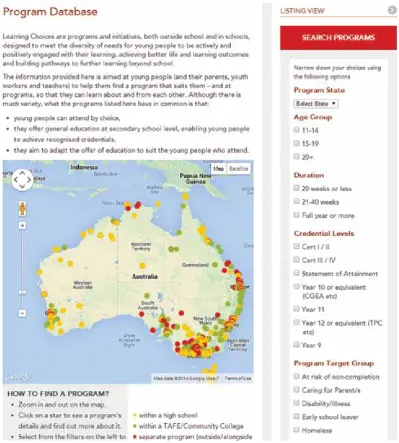
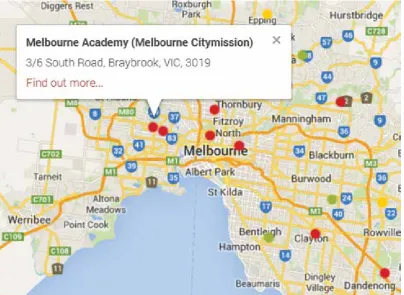
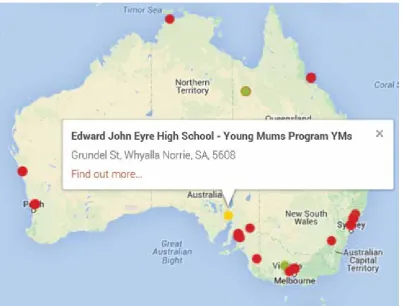
Figure 3.1: Screenshot of website for accessing program database (map view) ... 35
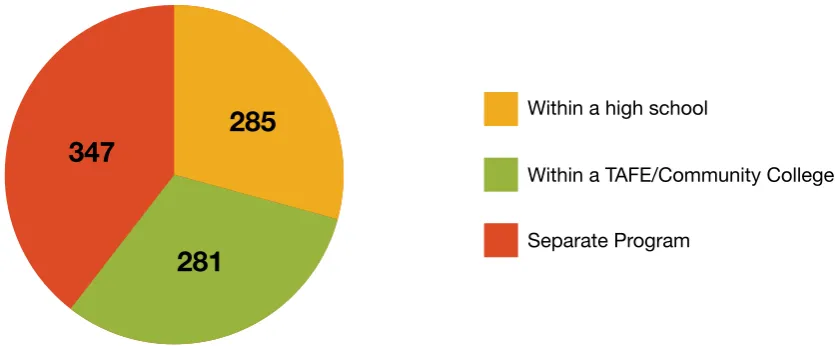
Figure 3.2: Structures of flexible learning programs ... 36
Figure 3.3: Credentials ... 37
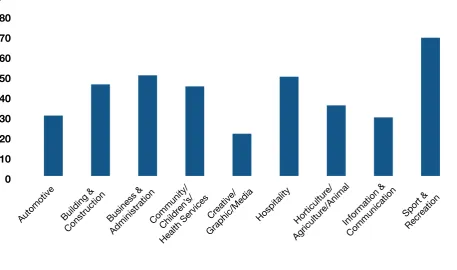
Figure 3.4: VET Industries ... 37
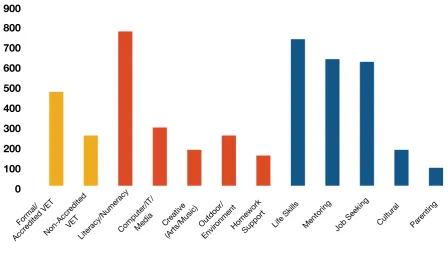
Figure 3.5: Program Activities ... 38
Figure 3.6: Age Groups ... 39
Figure 3.7: Program Target Groups ... 40
Figure 3.8: Example of finding a suitable program for a young person ... 41
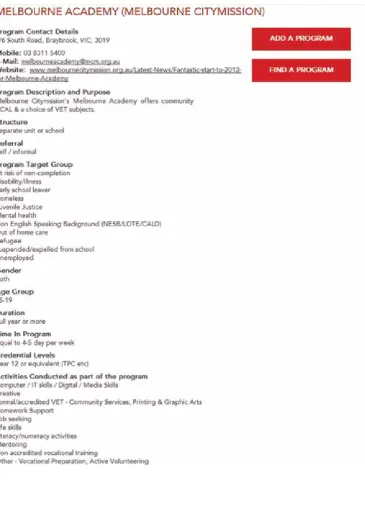
Figure 3.9: Example of a webpage with detailed information ... 42
Figure 3.10: Example of finding a program with relevant expertise for an organisation ... 43
Figure 4.1: FQFLP: Overview of Key Dimensions ... 47
Figure 4.2: Valued Outcomes ... 48
Figure 4.3: Actions ... 54
Figure 4.4: Principles ... 61
Figure 4.5: Conditions ... 66
Figure 4.6: Framework of Quality Flexible Learning Programs (FQFLP): Full Details ... 73
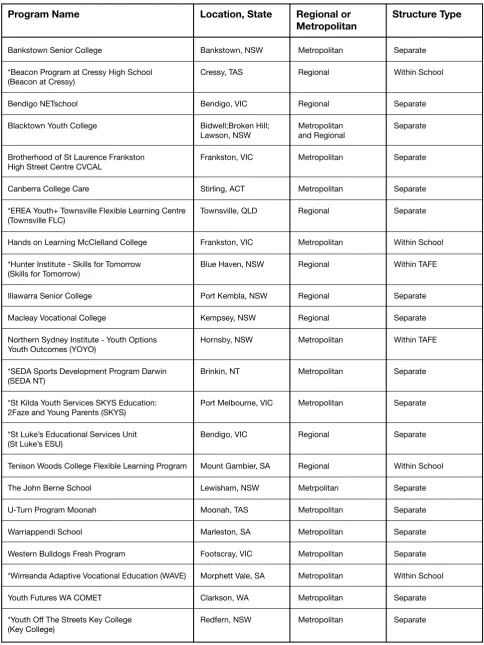
Table 4.1: Overview of programs with vignettes (Phase 2) and case studies (Phase 3) .... 45
Putting the jigsaw together July 2014
Abbreviations
ABS: Australian Bureau of Statistics
ACE: Adult and Community Education
BSL: Brotherhood of St Laurence
CALD: Cultural and Linguistically Diverse
CARE: Curriculum and Re-Engagement
CCC: Canberra College Cares
COAG: Council of Australian Governments
COMET: Community Outreach Model of Education and Training
CVCAL: Community VCAL / Community Victorian Certificate of Applied Learning
DEECD: Department of Education and Early Childhood Development
DEEWR: Department of Education, Employment and Work Relations
DHS: Department of Human Services
DSF: Dusseldorp Skills Forum (since May 2014: Dusseldorp Forum)
EREA: Edmund Rice Education Australia
ESU: Educational Services Unit
FLC: Flexible Learning Centre
FLO: Flexible Learning Options
FYA: Foundation for Youth Australians
GDP: Gross domestic product
HOL: Hands On Learning
HSC: Higher School Certificate
ICAN: Innovative Community Action Networks
IT: Information Technology
LOTE: Language other than English
NAB: National Australia Bank
NESB: Non-English Speaking Background
OECD: Organisation for Economic Co-operation
PLP: Personal Learning Plan
RTO: Registered Training Organisation
SACE: South Australian Certificate of Education
SAS: Special Assistance Schools
SEDA: Sports Education and Development
SKYS: St Kilda Youth Services
SROI: Social Return On Investment
SSEP: Senior School Engagement Program
TAFE: Technical and Further Education
VCAL: Victorian Certificate of Applied Learning
VCE: Victorian Certificate of Education
VET: Vocational Education and Training
WAVE: Wirreanda Adaptive Vocational Education
YOTS: Youth Off The Streets
YOYO: Youth Options Youth Outcomes
Putting the jigsaw together July 2014
12
13
EXECUTIVE SUMMARYExecutive Summary
The research for Putting the Jigsaw Together focused on the provision of education for disadvantaged young people through flexible learning programs in Australia. The overall goal of the project was to both assess and enhance the potential of flexible learning programs to contribute to marginalised young people’s learning and wellbeing, as well as to national educational attainment and social inclusion goals.
Provision of flexible learning programs in Australia
The research developed an extensive and detailed database of flexible learning programs across Australia, and made the data publicly available through a user-friendly website, hosted by Dusseldorp Forum: http:// dusseldorp.org.au/priorities/alternative-learning/program-database/
The research found:
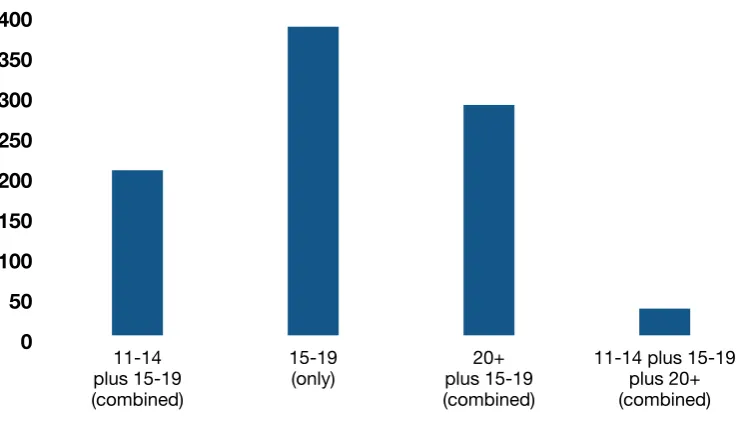
• There are three broad structural categories of flexible learning programs: programs operating within mainstream schools, programs operating within TAFE or ACE, and separate (stand alone) programs. • Nationally there are over 900 flexible learning programs, educating over 70,000 students each year. • About one-third of programs offer credentials at both junior and senior secondary level. Almost half
offer only junior secondary credentials and almost one-fifth only senior secondary credentials. About half of the programs also offer accredited VET certificates across a wide range of industries.
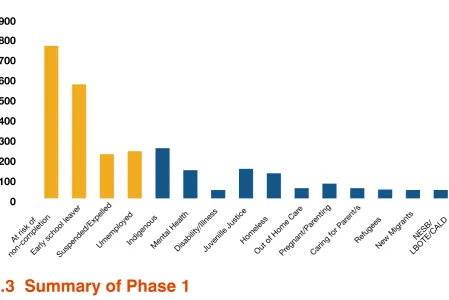
• Almost all programs indicate they target young people who are at risk of non-completion and early school leavers, reinforcing their shared mission of providing education opportunities for young people who may otherwise miss out on crucial secondary schooling.
• The website assists young people (and their parents, youth workers and teachers) to find a program that suits them, and enables flexible learning programs to learn about and from each other.
Good practice in flexible learning programs
The research analysed publicly available documentation from more than 20 purposely selected programs, as well as conducting detailed fieldwork (observation on-site and interviews with various stakeholders) in eight of those programs. This generated insight in how they work and the outcomes they achieve, and led to the development of a model to understand flexible learning programs and support successful flexible learning provision: the Framework of Quality Flexible Learning Programs [FQFLP]. The model has four key dimensions representing the work of flexible learning programs: Valued Outcomes, Actions, Principles and Conditions. The report argues:
• All the dimensions of the Framework for Quality Flexible Learning Programs are of relevance across all flexible learning programs for marginalised young people. That is, all programs engage in specific actions, informed by their explicit or implicit principles, aimed at achieving valued outcomes, and enabled (or constrained) by certain conditions.
Putting the jigsaw together July 2014
13
EXECUTIVE SUMMARY13
• Specific aspects for Valued Outcomes achieved by flexible learning programs include: o better futures (through credentials and career pathways),
o successful learning (academic achievement and engagement with learning),
o personal growth and wellbeing (emotional, behavioural, social and health outcomes), o recognition from community (for programs, staff and students),
o contribution to community (through volunteering as well as reduced costs). • Specific aspects for Actions taken by flexible learning programs include:
o create meaningful learning opportunities (curriculum that is relevant and individualised), o provide significant support for learning (enable young people to achieve successful learning), o build genuine and caring relationships (based on mutual respect, trust and care),
o provide practical support for living (such as support with housing, transport, legal issues, health, meals, and childcare),
o engage with community (including parents and carers, community agencies, and employers), o perform reflection and innovation (a commitment to continuous improvement).
• Specific aspects for Principles that underpin flexible learning programs include:
o commitment to each student’s needs, interests and rights (aimed at a high quality education and involving attention for both wellbeing and learning),
o recognition that every young person has strengths (finding and building on strengths), o valuing life and learning as meaningfully connected (learning happens in real-life situations), o responsibility for empowering and transformative education (commitment to an education that
is genuinely enabling for young people).
• Specific aspects for Conditions that enable (or constrain) flexible learning programs include: o flexibility (in terms of curriculum frameworks and organisational regulations),
o systemic support and resources (from governments, education systems and umbrella organisations),
o engaged and knowledgeable staff (commitment, knowledge, skills and attitudes of all staff, including teachers, youth workers, tradespeople, and/or Indigenous workers),
o shared vision (based on strategic leadership),
o productive partnerships (including with local business and service providers).
Implications
The report concludes with implications for a wide range of stakeholders in relation to seven core issues: • A Flexible Learning Sector
• Financial and Social Returns on Investment • Overall Coherence and Alignment
• Evidence for Success
• Young People’s Input and Strengths • Staff as the Greatest Asset
• Showcases of Innovation
14
Putting the jigsaw together July 201415
1 INTRODUCTION
This chapter outlines the focus and purpose of the research project presented in this report, titled
Putting the Jigsaw Together. Chapter 1 also provides commentary on terminology for this field of education
and training, an overview of types of programs included, and a synopsis of the chapters that follow.
1.1 The Research Focus
The research for Putting the Jigsaw Together focused on the provision of education for disadvantaged young people through flexible learning programs in Australia. Drawing on the image of a jigsaw, the research provides a meta-analysis of flexible learning programs in Australia, their outcomes and how they achieve these; that is, what works and why. Based on previous research (by the lead researcher as well as by others in Australia and internationally), the starting points for the research were that:
• Access to secondary school level education is a right for all young people.
• Education leads to valuable social and economic outcomes for both young people and society. • Young people from disadvantaged backgrounds want the same opportunities for a successful life
as everyone else.
• Flexible learning programs promise insights into how to provide these opportunities for young people who have not experienced the full benefits of schooling.
In the past few decades a wide variety of alternative educational programs have been developed in Australia, aimed at re-engaging marginalised young people with education and enabling them to gain secondary school credentials. These programs exist both within, and outside, mainstream schools. Such programs are characterized by a shared vision of providing ‘enfranchising’ and inclusive educational pathways for young people, who, for complex and varied reasons, are disengaged by mainstream schooling. They recognise that mainstream approaches to school have not worked well for these young people and, therefore, different approaches are needed.
“
A wide variety of alternative educational programs exist both
within and outside mainstream schools, aimed at re-engaging
marginalised young people with education and enabling them
to gain secondary school credentials.
”
Usually not included in this definition of flexible learning programs, are behaviour schools and suspension centres (because these are attended by coercion rather than by choice) and schools based on alternative philosophies such as Steiner or Montessori (because these do not primarily aim to serve disadvantaged youth). The emphasis in flexible learning programs tends to be on catering for students in the 15-18 year old age range, in part due to recent legislative changes to participation requirements for young people (see Chapter 2.2), but this can extend several years younger and older than that.
Putting the jigsaw together July 2014
15
1 INTRODUCTION
15
Terminology in this field varies and is contested (see Te Riele, 2006a; 2012a). Programs may be referred to as alternative education, second chance education, or re-engagement programs. One critique of these terms is that they reinforce the status of such programs as on the margin of educational provision. Therefore, this report refers to flexible learning programs, emphasising the innovation in pedagogical and curricular approaches demonstrated through the flexibility of these programs. Their counterpart is referred to as mainstream schooling. Although this term may be seen to reinforce the dominant status of traditional approaches to secondary education, it is useful because of its common sense appeal as evidenced by its widespread usage by young people and adults in flexible learning programs. Finally, the population of young people in flexible learning programs is referred to as disadvantaged (since this is a commonly used term in practice, policy and literature) and occasionally as marginalised or disenfranchised. These terms are treated as largely synonymous, but in opposition to terms such as disengaged and at risk, since the latter are more likely to carry ‘deficit’ connotations.
1.2 Types of Programs Investigated
This research for Putting the Jigsaw Together distinguished between three main types of program, as outlined below:
1) Programs within mainstream secondary schools. These may take the form of electives, extracurricular activities or as replacement of regular classes for part of the school week. These programs may not directly lead to the attainment of educational credentials, but work to enable young people to learn and remain engaged in their school. Major organisations supporting such programs include the Beacon Foundation, Big Picture Education Australia, Clontarf Foundation, and Hands on Learning Australia. In addition, many secondary schools have their own ‘in-school’ program, which may be individually developed or supported through state government initiatives such as Links to Learning (in New South Wales) or the Senior School Engagement Program (in Western Australia).
2) Programs within TAFE and Community Colleges. It is common for TAFE and Community colleges to
offer certificates in general education, ranging from a Certificate I in Access to Work and Training through to the Year 12 equivalent Tertiary Preparation Certificate. Many of these courses were initially designed for adults, but they increasingly cater for teenage students as well. Students can often be enrolled on a part-time as well as a full-part-time basis. In addition, some TAFE and Community Colleges have developed specific courses in general education for groups of disadvantaged young people. However, if these are offered as a holistic, separate program (in a separate space, with a fairly stable cohort of students and staff, and with relatively more face to face class time and other supports) they are included in the next category.
Putting the jigsaw together July 2014
16
schools (Victoria). In addition, many separate schools are ‘one-off’ initiatives. Separate programs may also be governed by a mainstream school: for example, Canberra College Cares (CCC), Tenison Woods College Flexible Learning Program (FLP) and Wirreanda Adaptive Vocational Education (WAVE) program (see Appendix I). Examples of separate programs governed by a TAFE College include Hunter Institute Skills for Tomorrow and Northern Sydney Institute Youth Options Youth Outcomes (YOYO) (see Appendix I).
The diversity across and within these three types of programs is a strength, with programs able to adapt to their own cohort of students and context. It is also, however, a drawback, as it hinders programs from coming together as a ‘sector’ of flexible learning programs. They are often isolated, ad hoc, and underfunded, and may have little time for reflection as a unit, group or community on what really works and why. Fragmentation is also evident in research on flexible learning programs (which is mostly of a case study nature) and in philanthropic funding (which tends to focus on supporting specific programs for a short period and/or defined purpose). This fragmentation hinders professional development, communication, quality assurance, and advocacy – therefore reducing the benefits each program can bring to young people that could arise from better knowledge about other programs, given the diversity acknowledged and welcomed above.
1.3 Goals of the Research
Putting the Jigsaw Together was initiated and funded in order to explore, report on, and begin to address
problems created by the fragmentation of flexible learning programs depicted above. The overall goal of the project was to both assess and enhance the potential of flexible learning programs for marginalised Australian youth to contribute to young people’s wellbeing as well as to national educational attainment and social inclusion goals. Put simply, the research project aimed to answer ‘who gets what?’ alongside ‘what works and why?’.
Specific goals were to:
1) Investigate access to flexible learning programs across Australia.
2) Analyse the diversity of programs.
3) Analyse outcomes from promising ‘good practice’ programs.
4) Share implications and resources for enhancing successful educational provision for marginalised young people to assist future practice and policy.
“
Put simply, the research project aimed to answer ‘who gets
what?’ alongside ‘what works and why?’.
”
Better knowledge about successful flexible learning programs, boosted by better dissemination of this knowledge, is needed so they can act as triggers for further innovation (Holdsworth, 2004; Mills and McGregor, 2010; Te Riele, 2008) both for other flexible learning programs and for mainstream schools aiming to better serve disadvantaged young people.
Putting the jigsaw together July 2014
17
1 INTRODUCTION
17
1.4 Overview of the Project and Report
The research undertaken for this project employed a tiered analysis of programs in Australia through three phases:
PHASE 1. Investigated the provision and diversity of such programs across Australia, with the results (listing over 900 sites) available through the Dusseldorp Forum website.
PHASE 2. Analysed publicly available documentation from over 20 programs to generate insight in how they work and the outcomes they achieve. Short vignettes of each program are also on the Dusseldorp Forum website.
PHASE 3. Involved more in-depth research with eight of those ‘vignette’ sites. For each program one member of the research team collected additional documentation and spent 3-4 days on-site to observe activities and interview staff, students, community stakeholders and, where possible, graduates.
18
Putting the jigsaw together July 201419
2 whAT wORkS & whY
This chapter provides background to the research through an analysis of relevant policy, reports and previous research. It begins by providing evidence for the significance of flexible learning programs in relation to the benefits of increasing educational attainment. The second part of the chapter reviews relevant policy in Australia. Finally, the chapter analyses scholarly literature based on national and
international research on alternative and flexible learning programs to develop insights about good practice.
2.1 Significance of Flexible Learning Programs
Flexible learning programs enable young people to attain educational credentials as well as confidence, knowledge and skills necessary for work, life and further learning. Flexible learning programs do this for young people who, without such programs, would be far less likely to be able to achieve these outcomes. Every young person has potential, but some young people have the odds stacked against them in terms of their life circumstances. In their report Deep and Persistent Disadvantage in Australia for the Productivity Commission, McLachlan, Gilfillan and Gordon (2013, p.2) note as a ‘key point’ that:
A child’s earliest years fundamentally shape their life chances. Gaps in capabilities between children from socioeconomically disadvantaged families and their more advantaged peers appear early in life. Starting school ‘behind the eight ball’ can begin a cycle of disadvantage that sets a trajectory for poorer outcomes later in life.
The educational disadvantage due to the unequal social distribution of economic, cultural and social capital means young people from low socioeconomic backgrounds may be set back up to three years behind their peers, placing “an unacceptable proportion of 15-year-old students at serious risk” of not being able to achieve a successful life (Thomson et al, 2011, p.xiv). Evidence about early school leavers in Australia demonstrates they are disproportionately drawn from disadvantaged backgrounds, including low-socioeconomic backgrounds, Indigenous backgrounds, and regional and remote areas (ABS, 2001; COAG Reform Council, 2013; Lamb, Dwyer and Wyn, 2000; McMillan and Marks, 2003; Muir et al, 2009). Apparent retention from Year 7/8 to Year 12 has increased dramatically in the past few decades: from 35 per cent in 1980, to 64 per cent in 1990, and 72 per cent in 2000 (ABS 1993, 1998, 2010; DEET, 1993. It has grown since then to reach 81.6 per cent in 2012 (ABS, 2013a).
“
One-fifth of young people do not complete Year 12 in a linear
trajectory through high school.
”
This means about one-fifth of young people still do not complete Year 12 in an uninterrupted linear trajectory from the start of high school. Moreover, as Year 12 completion has become the norm, the negative consequences of early school leaving have intensified. Early school leavers are four times more likely to make a poor transition from school than Year 12 completers (Deloitte Access Economics, 2012, p.23).
Putting the jigsaw together July 2014
19
2 whAT wORkS & whY
19
Moreover, as Year 12 completion has become the norm, the negative consequences of early school leaving have intensified. Early school leavers are four times more likely to make a poor transition from school than Year 12 completers (Deloitte Access Economics, 2012, p.23).
In 2009, all governments in Australia agreed to a target to raise the Year 12 (or equivalent) attainment rate from 83.5 per cent in 2009 to 90 per cent by 2015 (CoAG, 2009)1. It has been calculated that to meet
the CoAG 90 per cent target, 92,527 additional young people will need to achieve Year 12 or equivalent between 2009 and 2015 (CoAG, 2009, p.20; see Chapter 2.2 for more detail on these policies). Monitoring by the COAG Reform Council (2013, p.9) shows that “progress needs to be faster if governments are to reach COAG‘s target”. The Council (2013) also notes that the attainment by students from the lowest socioeconomic backgrounds and from Indigenous backgrounds, still exhibited a considerable lag.
“
The contribution by flexible learning programs to
enabling disadvantaged young people to complete school
is significant.
”
Analysis by the Foundation for Young Australians (FYA, 2011, p.64) highlights that in 2011 more than 107,000 young people aged 20-24 (8.1 per cent of this age group) were considered ‘most at risk’, because they did not hold Year 12 or post-school qualifications and were not engaged in study or full-time work. The same patterns of disadvantage in terms of young people’s backgrounds applied. The FYA report (2011, p.65) suggests:
Patterns of secondary attainment and of disengagement among young adults provide clear evidence of the disadvantage experienced by particular groups of young people — especially Indigenous students, those from rural and remote areas, those with a disability and those from low SES backgrounds. If Australia is to meet the educational attainment targets that have been set — 90 per cent of young people with Year 12 or equivalent and 40 per cent with a university level qualification — then these groups that at present have low levels of attainment must be the focus of attention. Only when policies and resources are directed to better meeting the needs of those who are currently not well served by the education and training system will school completion rates improve.
In this context, the contribution by flexible learning programs to enabling disadvantaged young people to complete school is significant. In the words of one provider, they offer a “passport to a positive future” (Melbourne City Mission, 2012, p.1). The vital role of education in combatting disadvantage is highlighted by McLachlan, Gilfillan and Gordon (2013, p.2) who maintain:
Education is a foundation capability. It improves a person’s employment prospects and earning capacity, and the evidence points to a relationship between education and better health and raised civic and social engagement.
1 The 2009 attainment rate is higher (at 83.5 per cent) than the more commonly used retention rate (76 per cent). There are two reasons for this: 1) it is calculated for an older
20
Putting the jigsaw together July 2014The economic benefits of education are substantial. Year 12 completion leads to improved participation, productivity and earning capacity. Evidence demonstrates:
• Among young people (aged 20-24) who are not studying, those who have competed Year 12 are much more likely to be employed than those whose highest year of school completed is Year 10 or less: 86 versus 68 per cent (FYA, 2012).
• Among all Year 12 completers (aged 15-64) 83 per cent participate in the labour force, compared to 69 per cent of early school leavers (ABS, 2013b).
• Among Year 12 completers (aged 15-64) who do not have further (non-school) qualifications, 75 per cent are in the labour force, compared to 59 per cent of the equivalent group of early school leavers (ABS, 2013b).
• Year 12 attainment leads to 10 per cent higher earnings for women, and 13 per cent for men, compared to those who had attained Year 11 or lower (Forbes, Barker and Turner, 2010, cited in McLachlan, Gilfillan and Gordon, 2013, p.165).
• For every additional male teenager (aged 15-19) completing Year 12 between 2009 and 2012, an estimated lifetime productivity gain of about $367,901 is achieved (Deloitte Access Economics, 2008, p.29).
Based on these kinds of improvements to participation and earnings, Deloitte Access Economics (2008, p.ii) calculates that:
Interventions that reduce youth disengagement [by improving secondary education attainment levels] could potentially return 23.6 times the government’s initial investment to society and 7.6 times directly to the government through increased taxation revenues.
Earlier work by Access Economics (2005, p.6) demonstrated that “by halving the number of early leavers between 2004 and 2010, it was estimated that benefits of around $8.2 billion in net present value terms could be gained” (p.6) and that retaining an extra 50,000 young people in schooling per year would lead to “GDP some 1.1% higher in 2040, the equivalent of close to $500 a year per Australian in today’s money” (p.iv).
“
The benefits of educational attainment go beyond the
economic sphere and include personal and social wellbeing.
”
Such calculations do not include the human costs that result from the continuing cycle of disadvantage that follows from the non-completion of school (OECD, 2012a). McLachlan, Gilfillan and Gordon (2013, p.109) point to the wide range of positive impacts of improved educational attainment:
• Better labour market outcomes (employment and earnings). • Better health and improved life satisfaction.
• Raised levels of civic and social engagement (volunteering, associations, interest in civic/political matters).
• Reduced crime.
21
Putting the jigsaw together July 2014
21
2 whAT wORkS & whY
This underscores that the benefits of educational attainment go beyond the economic sphere and include personal and social wellbeing. The Australian Treasury describes wellbeing in a way that is much broader than economic activity, namely “as primarily reflecting a person’s substantive freedom to lead a life they have reason to value” (cited in McLachlan, Gilfillan and Gordon, 2013, p.46). Such wellbeing can be understood as social inclusion, which is defined by the Australian Social Inclusion Board (2012, p.12) as people having the resources, opportunities and capabilities they need to:
• Learn (participate in education and training).
• Work (participate in employment, unpaid or voluntary work including family and carer responsibilities).
• Engage (connect with people, use local services and participate in local, cultural, civic and recreational activities).
• Have a voice (influence decisions that affect them).
Improved educational attainment (through credentials as well as improved knowledge, skills and confidence) supports social inclusion across these four domains. For example, the OECD (2012b, p.3) suggests that “skills relate to civic and social behaviour as they affect democratic engagement and business relationships”. For the wellbeing of the nation as whole, Australian Treasury looks not only to the opportunities (for a variety of ‘goods’ including consumption, health, leisure, and community participation) available across the population in general, but also to “the distribution of those opportunities across the Australian people. In particular, that all Australians have the opportunity to lead a fulfilling life and participate meaningfully in society” (McLachlan, Gilfillan and Gordon, 2013, p.46).
“
The economic and social benefits that educational success
generates for young people, as well as for society as a whole,
are well-established.
”
Through the focus of flexible learning programs on supporting young people’s education as well as their wellbeing (also see 2.3), flexible learning programs make a substantial contribution to Australian society, as well as to the life chances of the young people with whom they work.
Putting the jigsaw together July 2014
22
2.2 Policy Landscape and Footprint
National Partnership on Youth Attainment and Transitions
In the past decade federal, state and territory governments have changed the requirements around compulsory schooling and participation for young people. In relation to this, they have established policies regarding the provision of flexible educational pathways. These policies impact on the practices of flexible learning programs and also increase the significance of such programs for attaining policy targets and meeting the needs of disadvantaged young people.
The core set of relevant policies are associated with the National Partnership on Youth Attainment and Transitions, which was negotiated between the Australian Federal, State and Territory governments through the Council of Australian Governments (CoAG) in 2009. As part of this, all governments agreed to a target to raise the Year 12 (or equivalent) attainment rate from 83.5 per cent in 2009 to 90 per cent by 2015 (CoAG, 2009, p.7). The relevant ‘performance benchmark’ (CoAG, 2009, p.14) clarifies the 90 per cent target as “the proportion of young people aged 20-24 who have attained Year 12 or a Certificate II or above”. Year 12 leads to the award of an upper secondary certificate. Certificate II is a vocational qualification2,
predominantly provided by state-run Technical and Further Education (TAFE) Colleges and some private Registered Training Organisations (RTOs).
“
These policies impact particularly on those young people who
traditionally have left formal education ‘early’.
”
In relation to this National Partnership agreement, all the states and territories amended their legislation (some prior to the agreement, most afterwards) so that across Australia it is now compulsory for young people to complete junior secondary school (Year 10, usually at age 15 or 16) and until age 17 to participate full-time in schooling, recognised training or paid employment (or a full-time combination of these) (DEEWR, 2011). Despite the latter range of options it is worth noting that, led by policy reference to ‘the raising of the school leaving age’ across several jurisdictions, the common public impression is that it is compulsory for young people to remain in school until age 17. Policy also placed restrictions on the availability of welfare benefits for young people under age 21 who have not completed Year 12 or an equivalent qualification (DEEWR, 2011). Access to welfare benefits by young people has been further restricted in the 2014 Federal Budget (Australian Government, 2014).
These policies impact particularly on those young people who traditionally have left formal education ‘early’. Mainstream schools have had to make adjustments to cater for a wider range of young people. In addition, both new and existing flexible learning programs (the focus of this report) are playing a central role in providing access to education for this group. There are indications that the policies have
driven ‘demand’ amongst students for alternative education pathways. This has prompted
providers in public and private education markets to respond with the provision of flexible learning opportunities (Dandolo Partners, 2014, p.84).
Putting the jigsaw together July 2014
23
2 whAT wORkS & whY
23
Implementation of the various policies associated with the National Partnership agreement has been supported through several key strategies. Two of particular relevance are Youth Connections and School Business Community Partnership Brokers.
The Youth Connections program was set up for “eligible young people who are at risk of disengaging, or already disengaged from education, and/or family and the community” (DEEWR, 2010, p.11) and provided regionally by organisations who were awarded the tender by DEEWR. Youth Connections providers were required to provide young people with “access to education or training through an alternative learning facility” (DEEWR, 2010, p.12). This approach led to a higher profile of existing flexible learning programs as well as to the establishment of new programs.
“
The Youth Connections program has consistently delivered
positive outcomes for young people and is strongly supported
by education and training, community and youth sector
stakeholders.
”
Over 70 per cent of Youth Connections participants fell into the category of being “disengaged from schooling” (rather than still connected to school but “at risk of disengaging”), highlighting the crucial role of access to alternative learning facilities (Dandolo Partners, 2014, p.68). The final evaluation of the National Partnership on Youth Attainment and Transitions (Dandolo Partners, 2014, p.70) concludes that “The Youth Connections program has consistently delivered positive outcomes for young people and is strongly supported by education and training, community and youth sector stakeholders”. Specific outcomes include:
• Over the life of the program, 25,029 young people were recorded as commencing or re-engaging in education for a minimum of 13 weeks. The majority of these (68.9 per cent) were at Connection Level 2B, that is “severely disengaged” (p.70).
• In a nine month testing period (January to mid-September 2013), 51 per cent of young people had addressed or minimised a barrier to learning, such as low self-esteem, behavioural problems, low literacy and numeracy, and socialisation issues (p.72).
• Where circumstances are known, the majority of young people (78 per cent) were engaged in education, training and/or employment six months after completing the program (p.74).
• The Youth Connections model encourages providers to work together, increasing capacity and creating avenues for professional development (p.75).
School Business Community Partnership Brokers (commonly shortened to Partnership Brokers) were the focal point for a strategic, whole of community approach. Flexible learning programs have proven to be an important component of the networks developed by Partnership Brokers. A requirement for Partnership Brokers was to complete an annual environmental scan, and as part of this some Partnership Brokers developed a local service directory for young people and their parents, carers and case workers that includes flexible learning programs (for example, see Sydney Business Education Partnerships, 2013).
Putting the jigsaw together July 2014
24
deemed self-sustaining (Department of Education [Australia], 2014). A Social Return On Investment (SROI) analysis of five Partnership Broker organisations demonstrates they all created “a positive return on the DEEWR cash investment” (SVA Consulting, 2013, p.3) and every $1 invested led to up to $3.70 worth of social value.
The National Partnership on Youth Attainment and Transitions ended in 2013, though the Departments of Education and Human Services received funding in the 2013 Federal Budget to extend the programs funded under the Partnership until the end of 2014 (DEEWR, 2013). The May 2014 Federal Budget
confirmed the end of the Youth Connections and Partnership Brokers strategies. This sits alongside a range of other budget measures that reduce support for young people, such as new limitations on access to unemployment benefits and deregulation of undergraduate university fees (Australian Government, 2014; also see Browne, 2014). In addition, the federal government emphasised that “State Governments have primary responsibility for running and funding […] schools” and that the current level of Commonwealth funding for schools is “unaffordable” (Australian Government, 2014, p.7).
“
A Social Return On Investment (SROI) analysis of five
Partnership Broker organisations demonstrates they all created
“a positive return on the DEEWR cash investment” and every
$1 invested led to up to $3.70 worth of social value.
”
Writing to each regional Partnership Broker and Youth Connections provider, the Parliamentary Secretary to the Minister for Education, Senator Scott Ryan, explained that this decision was based on the government’s wish to balance the budget. In relation to employment for young people, he suggested that the government is “increasing personal initiative and responsibility by restoring Work for the Dole” and “improving the financial incentives for young people to find and stay in employment” (Ryan, 2014a, p.1). He argued that “the next round of Job Services Australia to commence in July 2015 will effectively address the needs of young Australians seeking work” (Ryan, 2014b, p.1).
In relation to education, Senator Ryan drew “clear lines of responsibility between the Commonwealth Government and state and territory governments” (Ryan, 2014a, p.1) and stated that the responsibility for “ensuring schools are engaged in both the broader community and assisting students to make choices and take advantage of work, training and education activities” (Ryan, 2014b, p.1) lies with state and territory governments and non-government school systems.
The final evaluation of the National Partnership on Youth Attainment and Transitions (Dandolo Partners, 2014) demonstrates that in the relatively short time since it was established the National Partnership, as a package, has had a positive impact on participation, engagement, attainment and transition outcomes for young Australians. In particular, the evaluation report (Dandolo Partners, 2014, p.6) concludes:
• Since the National Partnership commenced, participation and attainment rates have increased. • The major impact has been on extending participation by those in education, rather than
encouraging re-entry into education by the unemployed.
• The National Partnership has created efficiencies in the youth attainment and transitions area through better coordination of initiatives and information sharing.
Putting the jigsaw together July 2014
25
2 whAT wORkS & whY
25
• The Compact seems to have increased participation and reduced the number of job seekers receiving benefits, at minimal cost – though this may depend on any causal link between the Compact and youth inactivity.
The report also indicates that the need for the kind of work fostered through the National Partnership remains current, noting that “the number of disengaged young people remains high” (p.6); “Australia’s school completion rates, in particular, continue to lag behind leading OECD nations” (p.7) and “the transition of young people from education and training into full-time employment remains problematic” (p.8). For future policy three broad areas are identified as priorities (Dandolo Partners, 2014, pp.7-9):
• Prevention of disengagement from schooling, with particular attention to positive school climate and appropriate curriculum choices.
• Streamlined services that enable supporting disengaged young people quickly and that are integrated across providers and stakeholders.
• Collaboration between schools, community and business to enhance employment opportunities for young people.
“
The evaluation report indicates a continuing need for the
kind of work that had been fostered through the National
Partnership on Youth Attainment and Transitions.
”
Three other National Partnerships (operating under the rubric of Smarter Schools) have also been useful for flexible learning programs by aiming at addressing disadvantage, supporting teachers and school leaders, and improving literacy and numeracy. For example, some schools utilised their Smarter Schools funding to resource their Beacon Foundation program (Beacon Foundation, 2014) for working with the local community, to enable young people’s successful transition to employment, further education or training. However, the National Partnerships for Literacy and Numeracy and for Improving Teacher Quality have already come to an end, and the National Partnership for Low Socio-economic Status School Communities is scheduled to finish in 2015.
Of continuing relevance for supporting flexible learning programs is the Schools Assistance (Learning Together — Achievement Through Choice and Opportunity) Act 2004 (Australian Government, 2011). This legislation allocates targeted funding to Special Assistance Schools (SAS) primarily catering for students with social, emotional or behavioural difficulties. Once recognised as an SAS by the relevant state or territory education minister, a non-government flexible learning program can receive maximum Socio Economic Status (SES) funding (70 per cent of the relevant Average Government School Recurrent Costs amount) (DEEWR, 2012). This approach is used by some flexible learning programs that are registered as schools, such as those operated by Edmund Rice Education Australia Youth+ (EREA Youth+, 2014).
Some Relevant Policy in Specific States and Territories
Putting the jigsaw together July 2014
26
procedures for young people leaving a school prior to completing Year 10 and to the accreditation of flexible learning programs. Funding arrangements in different jurisdictions are complex, and often involve specific initiatives that may be temporary, either because they are pilot programs or because they lose government support following an election or change of cabinet ministers. Moreover, state and territory policies in relation to funding for education in general are likely to change as a result of the 2014 federal budget, as noted above.
“
Funding arrangements in different jurisdictions are complex,
and often involve specific initiatives that may be temporary.
”
An overview of policies specific to certain jurisdictions is provided by Te Riele (2012a) and an update of that overview has recently been produced for Dusseldorp Forum (Deslandes, 2014). To avoid repetition, the focus for this chapter is on two sets of relevant policies in specific states and territories. These policies relate, first, to approaches to discipline that impact on flexible learning provision and, second, to state-wide approaches that support flexible learning programs.
Policy Focus: Discipline vs Learning
Some recent state and territory policies are focused on discipline (behaviour management) rather than learning. For example, Queensland principals in government schools have been given “greater discipline powers to manage disruptive student behaviour” and as part of this policy the Queensland government has offered “an enhanced commitment to alternative learning centres that provide highly specialised support to students with the most complex needs” (Langbroek, 2013, n.p.; also see Langbroek, 2014 and Education Queensland, 2013a).
The Northern Territory government is considering a similar approach, with measures dealing with “offences relating to non-compliance with enrolment, attendance and participation requirements” to be supplemented with “provisions to accommodate different models and places of education delivery and the specific needs of some groups of students” including the option “to facilitate and mandate attendance at a location other than a traditional school campus. For example, an engagement centre” (Department of Education [NT], 2014, p.20).
These approaches by the Queensland and Northern Territory governments utilise existing ‘behaviour schools’3 that can only be attended through compulsory referral (for example see Education Queensland,
2013b), but may also lead to increased pressures on flexible learning programs to cater for students affected by these policies.
In Victoria, school principals have also been given increased authority and freedom to suspend and expel students (DEECD, 2014a; Dixon, 2014). The option of referral to a re-engagement program, however, is not made directly in related documentation (as it is in Queensland and the Northern Territory) but rather two-layers deeper within the online departmental guidelines. Moreover, the guidance is that:
Putting the jigsaw together July 2014
27
2 whAT wORkS & whY
27
When determining if a re-engagement program is a suitable option for a child or young person, the primary consideration must be the educational and wellbeing needs of that individual (DEECD, 2014b, n.p.).
Policies that Support Flexible Learning Provision
State-wide approaches that support flexible learning programs exist, to varying degrees, in South Australia, Western Australia and Victoria.
The most systematic, state-wide approach to flexible learning program provision in Australia is the South Australian strategy for Innovative Community Action Networks (ICANs) and Flexible Learning Options (FLO) (DECD (SA), 2013a). The most recent ICAN guidelines are for the 2013-15 period (DECD (SA), 2013b) but with the end of the National Partnership on Youth Attainment and Transitions it is unclear whether ICAN will be able to continue beyond 2015.
In 2013 the West Australian Alternative Education Forum was to coordinate and advance the provision of alternative education in Western Australia. It is a collaboration between the WA Department of Education and non-government providers of alternative education (WA Alternative Education Forum, 2013; also see Canning Coalition, 2013). Western Australia has provision for ‘stand-alone’ flexible learning programs (including non-government ones) to register as a Curriculum And Re-Engagement (CARE) school. State schools can offer the Senior School Engagement Program (SSEP) in Year 11 and 12, as a ‘within school’ flexible learning program.
“
Flexible learning programs will continue to be necessary for
achieving policy targets to raise educational attainment and
improve productivity, and for meeting the needs of young
people for whom mainstream schooling approaches are
disengaging or obstructive.
”
In Victoria the Youth Partnerships program established and supported initiatives “to improve the support and responses provided to vulnerable young people” across seven demonstration sites (DEECD, 2014c). Although only funded until mid-2014, the program seems to have informed the Victorian government’s Children and Youth Area Partnerships that are part of the Victorian Vulnerable Children’s Strategy 2013-2022 (DHS [Victoria], 2013). Moreover, the DEECD website has comprehensive information about what it calls “re-engagement programs” (DEECD, 2014b).
28
Putting the jigsaw together July 20142.3 What the Research Literature Tells Us
The focus of this review of national and international literature on flexible and alternative education for disadvantaged youth is to summarise the evidence-base of good practice in alternative education provision suggested by previous research, that is, “what works and why?”. The sources consulted for this review are listed in Appendix II. The insights described below are based on multiple sources, and therefore publication information is only provided when quoting or drawing on a specific reference.
Relevant Learning for a Better Future
The fundamental purpose of flexible learning programs is to provide relevant and productive learning and teaching in order to enable better futures for their students. This is particularly important, since most of these students come from disadvantaged and marginalised backgrounds. Positive outcomes from education open doors – and for most young people in flexible learning programs, education and/or training qualifications provide one of the few avenues available to break the cycle of disadvantage impacting on their life and career choices.
“
Young people in flexible learning programs want to learn,
and want access to the improved life opportunities that such
learning enables.
”
Successful learning for marginalised students tends to be linked to relevant and personally engaging learning experiences, often with a ‘hands-on’ applied learning and/or vocational element. Having some autonomy and control over one’s own learning also supports engagement. In order to ensure that the purpose of learning activities is meaningful and responsive, individualized learning plans that utilise the interests and skills of young people are beneficial. Such plans can take a ‘strength–based’ approach where
the voices of young people are instrumental in addressing the barriers, and their re-engagement in accredited learning and strengthened positive participation in community is built around individual strengths and interests (ICAN, 2010, p.3).
Young people in flexible learning programs want to learn, and want access to the improved life opportunities that such learning enables. As research by Te Riele (2012b, p.62) shows, formal educational credentials are the outcome of participating in a flexible learning program that is most highly valued by students and graduates, since these credentials represent a path towards increased life chances, employment, and independence. Thus, “the balance of opportunity between activities that engage and those that lead to accreditation is a critical one” (ICAN, 2012, p.x).
Davies, Lamb and Doecke (2011, pp.33-38) identify five core pedagogical strategies:
• Making learning less formal. • Providing flexible learning options.
• Addressing literacy and numeracy skill development needs. • Making learning applied and hands on.
• Offering programs that integrate technologies.
29
Putting the jigsaw together July 2014
29
2 whAT wORkS & whY
Closely related are recommendations on curriculum delivery developed on the grounds of best practice by Mills and McGregor (2010, pp.10-11). They argue alternative education programs need:
• To provide students with pathways towards further education and work.
• Flexibility to create a curriculum that is responsive to students needs and goals. • To ensure that they enable young people to acquire new knowledge, skills and ways of
seeing the world.
• To use a curriculum that is connected with students’ worlds as well as being intellectually challenging.
A key challenge for flexible learning programs is to provide curricular justice; that is, connecting curriculum to the lives of young people, and also providing access to powerful knowledge that has high status in society. The former is necessary as a hook to engage young people and as a recognition of the validity of their life experiences. The latter is necessary to open doors to future opportunities.
Respect and Wellbeing
As Zyngier and Gale (2003, p.1) point out, it is helpful when educators “take account of students’ own reasons for why they are disengaged from schooling and what changes schools and teachers themselves might need to consider”. Young people are often very well aware and able to express clearly what went wrong with their schooling and what works for them. The concept of a pedagogy of listening suggests that a teacher’s open and attentive listening affirms what young people say they need for better education and training achievement and outcomes. Phillips (2013, p.674, citing Mitra, 2003) argues that when alienated students are given the opportunity to express their perspectives and thereby influence change in their school, it gives them a sense of ownership and leads to engagement with learning.
“
Research is clear that genuine and caring relationships
with teachers and peers are essential for the success of
flexible programs.
”
Davies, Lamb and Doecke (2011, p.22) recognise attention to wellbeing as one of four key strategies used in successful re-engagement programs. As they indicate, this involves not only the kinds of practical supports listed above, but also the development of positive and beneficial relationships. Being “a subject of care” (Noddings, 1992) in the context of learning is empowering for students, many of whom previously have experienced a lack of care in their own lives. The research findings of McGregor and Mills (2011) and Keddie (2014) reinforce the importance of this recognition of difference for young people in flexible learning settings.
The centrality of mutually respectful relationships in schooling is well established in relation to mainstream education. Research is also clear that genuine and caring relationships with teachers and peers are essential for the success of flexible and alternative educational programs.
30
Putting the jigsaw together July 2014Students cited across the literature describe relationships that made a difference for them as grounded in mutual respect and trust, and they highly valued being treated like adults, that is, more like equals, at this stage of their schooling. Students in flexible learning programs perceive good teachers as approachable and responsive in their communication, taking time to listen, and being patient and consistent with their support. For example, students in Phillips’ study (2013, p.692) were found to
have their most successful, memorable, and impactful learning experiences when in an environment that fosters a positive climate and prosocial relationships. There are nuances when looking closely at the relationships in terms of what works for each student, but some common themes do emerge across participants and should be noted. When trust, understanding, patience, and respect are fostered between teachers and students, a positive climate is created and learning is facilitated.
Such a positive climate relies not only on individual staff but on a whole school culture that is safe, welcoming and supportive. Moreover, it is widely agreed that a relatively small program and/or class size is helpful. It is important to recognise that educators in flexible learning programs usually need to invest significant emotional effort and time to establish trusting relationships with young people. Once trust is established, caring relationships are a fertile ground on which more rigorous learning can take place. Smyth et al (2013a, p.316) confirm: “mastery of academic learning is highly contingent on teachers engaging with the social and emotional lives of young people”.
“
A positive climate relies both on individual staff and on a
whole school culture that is safe, welcoming and supportive.
”
Community Connections
The kinds of alternative educational programs examined for this project respond to the educational needs for young people who experience mainstream schooling as disengaging, unsupportive or even disruptive to their learning. This finding directs our focus to understanding young people’s circumstances and, in response, changing the education and training options on offer. There is a consistent emphasis in the literature on the educational importance of recognizing complex clusters of factors that contribute to disengagement from learning and eventually to leaving school too early. As Davies, Lamb and Doecke (2011, p.29) argue: “Best practice delivery interventions recognise that they are dealing with people who have a variety of structural or situational obstacles before them that affect their ability to learn” in, and outside, formal schooling.
Flexible learning programs work because they look beyond perceived inappropriate behaviour or lack of aspiration as key reasons for disengagement and early school leaving (for example, see Archambault et al 2009) to explore and address broader societal obstacles to young people’s educational outcomes such as poverty, poor housing, ill-health and racism. This strategy requires involvement of the community beyond the school grounds: “Successful programs tap into the variety of resources around them to deliver positive outcomes and nuanced pathways” (Davies, Lamb and Doecke, 2011, p.41). There are several layers of community involvement relevant for all flexible learning programs:
31
Putting the jigsaw together July 2014
31
2 whAT wORkS & whY
• Extended families and other significant people in students’ lives. • Social institutions and support organisations.
• Employers and local businesses.
At best, partnerships are not only a matter of accessing resources, but a genuine “local community-based collaborative approach” (Hayes, 2012, p.646) that serves both young people and their community. An exemplar is practice informed by an Indigenous epistemology of relationality “where community, kinship and family networks are at the centre of all relations” (Keddie 2014, p.57). This is of benefit for making connections and recognising diversity among Indigenous students, and enables “learning through (as well as learning about) Indigenous culture” (p.57).
“
Partnerships not only provide access to resources but can
offer a genuine ‘local communit-based collaborative approach’
and transform flexible learning programs into full-service hubs
”
Successful provision of alternative education attends to the practically and materially enabling conditions necessary for students to be able to participate and succeed. This can include helping with transportation, access to childcare for the children of young parents, providing meals, and support in liaising with other agencies. Interagency approaches – bringing together official institutions who deal with issues such as housing, income support, counselling, health, child care and justice, as well as education – feature strongly in flexible learning provision. As a result, flexible learning programs often resemble full-service hubs rather than ‘merely’ schools.
Local businesses and employers can also play an important role, offering work experience opportunities, sponsorships and funding, and networks. Mills, Renshaw and Zipin (2013, p.15) provide an example of a school providing “enterprise learning opportunities”, partnering with local businesses. Such collaborations contribute not only to meaningful learning but also to positive validation of flexible learning programs and the students who enrol in them (see Wilson, Stemp and McGinty, 2011), as well as building government, interagency and community support.
2nd Chance or 2nd Best?
In addition to the above suggestions for good practice in flexible learning programs, previous research also raises some concerns about this kind of educational provision. One concern is that the approach to curriculum may lead to a risk that potential education or training future pathways are being closed down. Teachers may adjust educational expectations with good intentions, because they see wellbeing as more crucial than learning. Yet, such actions by the teacher risk reinforcing any perceived deficits because a second concern is that students who are never asked to complete challenging tasks, never get the chance to learn to do them. As Slee (2011, p.37) argues, “People, believing that they are helping, may be propping up the edifice of exclusion”. Warning bells ring when programs refer to young people as ‘troubled adolescents’ or as students who cannot fit mainstream schooling. Such perspectives “can (unwittingly) sabotage” a constructive approach to providing flexible learning programs (Te Riele, 2012b, p.69).
33
3 PROVISION OF FLEXIBLE LEARNING PROGRAMS IN AUSTRALIA Putting the jigsaw together July 2014
32
required qualifications. A recent overview of alternative education (Te Riele, 2012a) indicated that university was an atypical destination for graduates from flexible learning programs. On the other hand, without access to such programs young people are likely to have had even fewer options. Programs that embed genuine educational pathways provide ongoing options for this group of students to improve and broaden their life chances and choices.
Particularly relevant in the context of recent policy developments (see Chapter 2.2) is the concern that flexible learning programs might be perceived to be a place to send students who are ‘unwanted’ in mainstream schools, rather than to positively address students’ needs. As Kim and Taylor (2008, p.207) emphasise, “These stigmas are some of the biggest obstacles barring the success of alternative education”. Not only does this let mainstream schools ‘off the hook’ for catering to all young people (see Slee, 2011) but it also means that flexible learning programs “can be perceived not so much as a ‘second chance’ but as ‘second best’: schools on the margins for students on the margins” (Te Riele, 2008, p.3).
“
Programs that embed genuine educational pathways provide
ongoing options for this group of students to improve and
broaden their life chances and choices.
”
Such perceptions undermine the crucial role such programs play as incubators of innovation. Many staff choose to work in flexible learning programs because these offer possibilities for developing new and effective approaches for creative and holistic educational engagement. Moreover, we need to be mindful that about one-third of these programs are found in, and can be the highlight of, mainstream schools (see Chapter 3.2), with the potential to offer direct inspiration to the school as a whole.