University of South Carolina
Scholar Commons
Theses and Dissertations
2017
The Effect of Energy-Matched Exercise Intensity on
Brain-Derived Neurotrophic Factor and Motor
Learning
Jessica F. Baird
University of South Carolina
Follow this and additional works at:https://scholarcommons.sc.edu/etd Part of theExercise Science Commons
This Open Access Dissertation is brought to you by Scholar Commons. It has been accepted for inclusion in Theses and Dissertations by an authorized administrator of Scholar Commons. For more information, please [email protected].
Recommended Citation
The Effect of Energy-Matched Exercise Intensity on Brain-Derived Neurotrophic Factor and Motor Learning
by
Jessica F. Baird
Bachelor of Arts Ithaca College, 2009
Master of Arts
University of South Carolina, 2012
Submitted in Partial Fulfillment of the Requirements
For the Degree of Doctor of Philosophy in
Exercise Science
The Norman J. Arnold School of Public Health
University of South Carolina
2017
Accepted by:
Jill C. Stewart, Major Professor
Stacy L. Fritz, Committee Member
Mark A. Sarzynski, Committee Member
Troy M. Herter, Committee Member
Dirk B. den Ouden, Committee Member
Abstract
Brain plasticity is important to motor learning, and is a critical component
of motor rehabilitation. Exercise prior to motor training may facilitate plasticity by
increasing brain-derived neurotrophic factor (BDNF). However, many studies that
have investigated exercise-enhanced plasticity have assessed motor skill
performance on tasks involving single finger button presses or small movements
of a joystick, results that may not relate to more complex, real-world movements.
Additionally, while high-intensity exercise has been shown to benefit motor
learning, the effects of low-intensity exercise have yet to be fully investigated. A
bout of low-intensity exercise, when completed at an energy expenditure that is
equivalent to that of a high-intensity exercise bout, may also benefit learning and
might be particularly relevant to individuals with neurological disorders who may
only be capable of achieving low-levels of physical activity. Therefore, our first
aim was to develop a motor learning task that involved 3-dimensional (3D) reach
movements. Our second aim was to investigate the effects of exercise intensity
on motor learning of the same task. In Study 1, we developed a motor learning
task in a virtual environment that involved 3D reach movements to sequentially
presented targets. With this task, we produced results similar to those
traditionally observed in the motor learning literature; individuals improved with
task may be more relatable to real-world movements. In Study 2, we used the 3D
reach task to investigate the effects of exercise intensity on motor learning. We
compared performance on the 3D reach task and the BDNF response to exercise
between a rest group, a high-intensity exercise group, and a low-intensity
exercise group. Both exercise groups expended 200 kilocalories of energy.
Overall improvement on the motor task, indicated by a reduced response time,
did not differ by group. However, exercise at both a high and low-intensity altered
the kinematic profile used to improve performance over time. The rest group
improved in the spatial domain of performance more than the exercise groups,
while both high and low-intensity exercise groups improved more in the temporal
domain of performance. Therefore, exercise at a specific energy expenditure,
whether at a low or high-intensity, may facilitate the temporal components of
motor performance. A significant rise in BDNF was not observed after exercise in
either exercise group. Furthermore, the high variability observed in the
exercise-related BDNF response was not exercise-related to BDNF genotype. However, BDNF
genotype did have an effect on performance of the 3D reach task. Individuals
with the BDNF polymorphism had faster response times throughout task practice
(p = 0.002). Future work is needed to fully understand the effects of the
polymorphism on motor performance and learning. Our investigation revealed
that energy expenditure may be more important than exercise intensity for
inducing an exercise-related effect in the kinematics of reach behavior. In
addition, exercise may influence motor behavior through neural mechanisms
Table of Contents
Abstract ... iii
List of Tables ...vii
List of Figures ... viii
Chapter 1: Introduction ... 1
Chapter 2: Review of the Literature ... 3
2.1 Behavioral Aspects of Motor Learning ... 3
2.2 Motor Learning and Neuroplasticity ... 5
2.3 Exercise Enhanced Motor Learning: Introduction ... 10
2.4 The Aerobic Exercise-BDNF Relationship ... 10
2.5 Exercise-facilitated Neuroplasticity ... 15
2.6 Acute Exercise and Motor Performance ... 20
2.7 Acute Exercise and Motor Learning ... 23
2.8 Exercise Enhanced Motor Learning: Conclusions ... 26
Chapter 3: Sequence-Specific Implicit Motor Learning Using Whole-Arm 3-Dimensional Reach Movements ... 28
3.1 Abstract ... 29
3.2 Introduction ... 30
3.3 Methods ... 33
3.6 Conclusion ... 47
Chapter 4: The Effect of Energy-Matched Exercise Intensity of Brain-Derived Neurotrophic Factor and Motor Learning ... 51
4.1 Abstract ... 52
4.2 Introduction ... 53
4.3 Methods ... 56
4.4 Results ... 65
4.5 Discussion ... 71
4.6 Conclusion ... 81
Chapter 5: Conclusion ... 92
References ... 97
Appendix A: Edinburgh Handedness Inventory ... 110
Appendix B: Neurologic Symptom Checklist ... 111
Appendix C: Health History Questionnaire ... 112
List of Tables
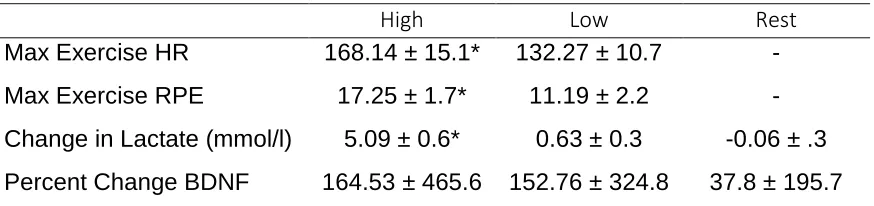
Table 4.1 Group Demographics ... 83
List of Figures
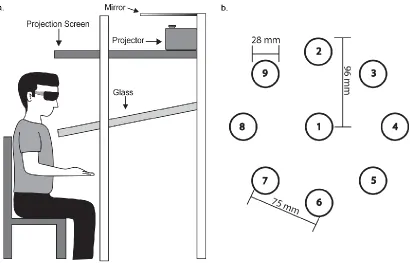
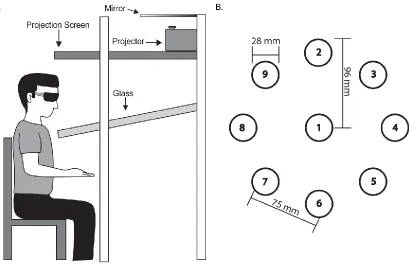
Figure 3.1 Experimental Setup ... 48
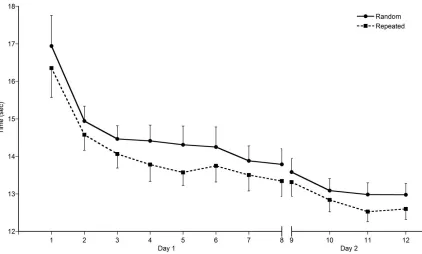
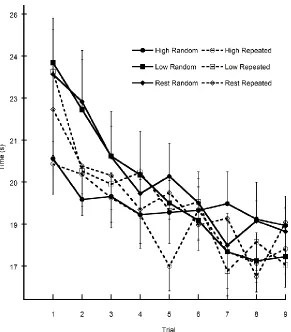
Figure 3.2 Response Time by Sequence Type ... 49
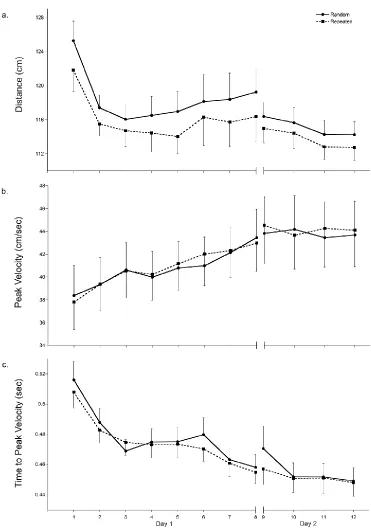
Figure 3.3 Kinematic Variables by Sequence Type ... 50
Figure 4.1 Experimental Setup ... 85
Figure 4.2 Initial Response Timex... 86
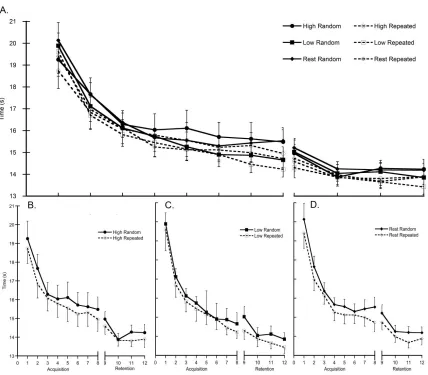
Figure 4.3 Response Time by Group ... 87
Figure 4.4 Kinematic Variables by Group ... 88
Figure 4.5 BDNF Response by Genotype ... 89
Chapter 1
Introduction
The human brain, while capable of many amazing feats, does not have an
infinite amount of resources. The limited capacity of the brain poses an innate
constraint, potentially preventing necessary growth and development.
Fortunately, the brain is not a static entity, but rather a plastic organization of
neural connections capable of adapting to environmental inputs and demands
(Pascual-Leone, Amedi, Fregni, & Merabet, 2005). From learning to walk, to
throwing a ball, to simply reaching for an object, motor behaviors are
accompanied by a restructuring and reorganization of synapses and neural
circuits (Pascual-Leone et al., 1995). These neural shifts in organization manifest
as behavioral changes observable in everyday life.
The brain’s ability to adapt and learn based on environmental demands is
an important aspect of motor development across the lifespan. Additionally, this
phenomenon is also an integral aspect of motor rehabilitation. Individuals with
brain injuries, such as those induced by a stroke, are often left with debilitating
motor impairments. In fact, stroke is a leading cause of disability in the United
States (Mozaffarian et al., 2015), and out of approximately seven million stroke
survivors, 66% are currently disabled ("Stroke Info: Facts & Statistics," 2015).
rehabilitative procedures have shown considerable success in restoring function
in many patients, approximately 50-60% of patients still demonstrate some
degree of long-term motor deficiency that requires assistance in activities of daily
living (Bolognini, Pascual-Leone, & Fregni, 2009). However, research has
recently demonstrated therapeutic techniques that can modulate and augment
neural plasticity, ultimately leading to better behavioral outcomes. The goal of
these techniques is to exploit the existing knowledge of plasticity and brain
function to enhance current methodologies, instead of creating completely novel
rehabilitative procedures.
Recently, a bout of aerobic exercise is coming to the forefront of research
as an effective method of enhancing plasticity and motor learning. Physical
exercise does not inherently create plasticity, but rather supports the neural
network of motor learning and increases the likelihood of neuroplastic change
(Hötting & Röder, 2013). Initial studies on aerobic exercise as an adjunct to
motor learning have been promising, but many results are still unclear or
conflicting. Specifically, the type, intensity, and duration of exercise, in addition to
time of motor training relative to exercise could all affect behavioral outcomes.
The ideal combination of the aforementioned variables needs to be established
to design and develop the most effective exercise prescription for facilitating
neuroplasticity. Furthermore, the underlying mechanisms that support the
exercise-related effects on learning and neuroplasticity have yet to be fully
identified. Researchers need to deepen their knowledge of how
Chapter 2
Review of the Literature
2.1 Behavioral Aspects of Motor Learning
The neural processes of motor learning are difficult to directly assess, and
therefore researchers must infer changes by observing and quantifying behavior
(Kantak & Winstein, 2012). Changes in motor performance, such as reaction time
and accuracy, are assessed, and these behavioral outcomes are used to infer
motor learning. For example, a greater reduction in reaction time when practice
of a task was random as opposed to blocked indicates more robust motor
learning occurred in the random group (Shea & Morgan, 1979). Accuracy,
indicated as the amount of error in task performance, has also historically been
used to assess motor learning. In a paradigm examining delayed knowledge of
results versus instantaneous knowledge of results, error was greater in the
instantaneous group, suggesting degraded learning (Swinnen, Schmidt,
Nicholson, & Shapiro, 1990).
There are two distinct types of learning, explicit and implicit. Originally
coined by Reber in 1967 (Reber, 1967), implicit learning is significantly relevant
in the acquisition of motor skills as it occurs automatically in response to
environmental demands and cues. This automatic process occurs indefinitely,
are processed by the brain and the subsequent behavior is automatically altered
to meet the demands of the current situation (Wulf, Shea, & Lewthwaite, 2010).
A classic example of implicit motor learning is exhibited with the serial
reaction time task (SRTT). Introduced thirty years ago by Nissen and Bullemer
(Nissen & Bullemer, 1987), the SRTT, or similar versions which maintain the
concept of implicit motor learning, have been utilized in numerous motor learning
experimental paradigms (Robertson, 2007). The task involves a series of stimuli
presented one at a time which correspond to a particular button press.
Unbeknownst to the participant, there is a repeated pattern within the series of
stimuli. It is expected that with practice, participants will unwittingly reduce their
reaction times at the repeated sequence of stimuli. This is thought to represent a
change in implicit motor learning, or learning that occurs without the learner’s
awareness (Wulf & Schmidt, 1997).
As previously stated, the SRTT, or tasks following a similar concept, have
frequently been used to assess implicit motor learning. However, most of these
studies utilize single finger button presses, or minute movements of a computer
mouse or joystick (Mang, Snow, Campbell, Ross, & Boyd, 2014; Meehan, Dao,
Linsdell, & Boyd, 2011; Nissen & Bullemer, 1987). While capable of assessing
the basic principles of implicit motor learning, it is difficult to translate the
functional application of these tasks. An implicit motor learning task which uses
dynamic whole arm movements could provide a better understanding of implicit
motor learning as it relates to functional movement. An implicit motor learning
for the control the researcher needs to manipulate the task, while also enabling
the learner to make more “real world” movements (Stewart, Gordon, & Winstein,
2013). Knaut et al. (Knaut, Subramanian, McFadyen, Bourbonnais, & Levin,
2009) compared kinematics of a reaching task in a virtual environment to
kinematics of a similar reaching task in the real world. The authors concluded
that the kinematics were sufficiently similar, indicating that the virtual
environment is an appropriate alternative for real world movement. Therefore,
development of an immersive virtual environment motor task could provide the
opportunity to define the role of functional movement in implicit motor learning.
2.2 Motor Learning and Neuroplasticity
While motor learning ultimately leads to changes in overt behavior, it
actually occurs at the neural level as a result of a series of underlying events in
the brain. An understanding of the neural processes that support learning can
assist researchers in the development of methods that enhance and/or modify
these processes, thus optimizing motor learning. There are several suggested
mechanisms of brain plasticity involved in learning including: modulation of
synaptic strength, unveiling of suppressed neural connections, modulation of
neuronal activity in glia, morphological changes, and the reorganization of
functional networks (Duffau, 2006). These phenomena have largely been studied
in Schaffer collaterals and commissural neurons in the hippocampus, and this
research serves as the basis for what is known about learning at the cellular level
motor cortex (M1). Adult rats trained on a skilled motor task demonstrated
performance improvements that were accompanied by a strengthening of
connections within M1 (Rioult-Pedotti, Friedman, Hess, & Donoghue, 1998). In
humans, paired associative stimulation, a brain stimulation paradigm which
closely mimics the neuronal components of learning, demonstrated increased
cellular activity in M1 as indicated by an increase in motor evoked potentials
(Ziemann, Iliać, Pauli, Meintzschel, & Ruge, 2004). Furthermore, motor training
can increase the size of the cortical representation of the trained area in M1
(Bolognini et al., 2009). Taken together, this research indicates synaptic plasticity
and the modification of internal neuronal networks as the mechanism underlying
motor learning (Sanes, 2003).
Synaptic plasticity is part of a larger process called long-term potentiation
(LTP) (Minichiello, 2009). LTP is induced by high-frequency stimulation that is
activity dependent. LTP can be broken down into early LTP (E-LTP), which
involves changes to existing proteins and regulation of the trafficking of those
proteins, and late LTP (L-LTP), which requires new mRNA and protein synthesis
(Bramham & Messaoudi, 2005). Most of these modifications occur at the
synapse and therefore synaptic plasticity, specifically strengthening of the
synapse, is an essential component of LTP.
Within the process of LTP, the N-methyl-D-aspartate receptor (NMDAr), a
glutamate receptor, plays a key role. Activation of this receptor requires
depolarization of the post-synaptic cell in order to dissociate the Mg+2 ion
activate the receptor, allowing for an influx of Na+ and Ca+2 (Malenka & Nicoll,
1999). The Ca+2 influx is critical as it activates several necessary enzymes such
as Ca+2/calmodulin-dependent protein kinase II (CaMKII) and protein kinase C
(PKC), which are crucial for LTP induction (Minichiello, 2009). Once activated,
CaMKII and PKC do not require a continuous influx of Ca+2, but rather can run
autonomously. This consistent activity initiates several events which support
LTP, such as phosphorylation of amino-3-hydroxy-5-methyl-4-isoxazole propionic
acid receptors (AMPAr) and increased NMDAr trafficking, both of which are
mechanisms that regulate synaptic efficacy (Lau & Zukin, 2007). The increase in
neuronal activity also leads to advantageous presynaptic repercussions, such as
a rise in neurotransmitter release (Stanton, Winterer, Zhang, & Müller, 2005).
With time and continued activation, signaling to the nucleus activates key
transcription factors that trigger protein synthesis, which ultimately results in
morphological changes at the synapse including new dendritic spines and
enlargement of pre-existing spines (Minichiello, 2009).
Further exemplifying the importance of the NMDAr for LTP in M1, synaptic
plasticity is dramatically reduced with use of dextromethorphan (an NMDAr
blocker), indicating that activation of NMDAr is a critical aspect of neuroplasticity
and LTP in this brain region (Bütefisch et al., 2000). Overall, if NMDAr activation
is facilitated, LTP and subsequently learning will also be facilitated.
A known prolific modulator of the NMDAr is the protein brain derived
neurotrophic factor (BDNF). BDNF is a member of the neurotrophin family, a
survival (Bath & Lee, 2006). BDNF serves many neuroplastic functions such as
regulation of dendritic branching, arborizing axon terminals, potentiation of
synaptic transmission, facilitating gene transcription, modifying synaptic efficacy,
and enhancing neuronal resilience (Cotman & Berchtold, 2002; Vaynman, Ying,
& Gomez‐Pinilla, 2004). Also important to motor learning, BDNF modulates
NMDAr-dependent LTP by increasing its sensitivity (Antal et al., 2010). To
demonstrate the importance of BDNF in LTP, Cotman et al. (Cotman &
Berchtold, 2002) showed that mice deficient in BDNF had impaired LTP and
learning defects; deficits were reversed with the reintroduction of BDNF. Given
the numerous benefits of BDNF, it is crucial to understand its underlying
mechanisms in order to further explore these benefits and determine the most
advantageous way to utilize the protein.
Release of BDNF at the neuronal level is activity-dependent, and the
amount of neurotransmitter release is directly related to the amount of synaptic
activity (Schinder & Poo, 2000). Once present in the synapse, BDNF binds to the
receptor tyrosine kinase B (TrkB) presynaptically and postsynaptically (Cotman &
Berchtold, 2002). Presynaptically, binding of BDNF to TrkB increases vesicle
cycling, ultimately resulting in increased release of neurotransmitters including
BDNF and glutamate (Murray & Holmes, 2011). Postsynaptically, the binding of
BDNF and TrkB activates three prolific pathways: the Ras–mitogen activated
protein kinase (MAPK) pathway, which promotes neuronal differentiation and
growth; the phosphatidylinositol 3‑kinase (PI3K) pathway, which promotes
which promotes the release of intracellular Ca+2 and key transcription factors
(Minichiello, 2009). One such transcription factor is cyclic AMP‑responsive
element‑binding protein (CREB), which initiates the synthesis of crucial proteins
required for the maintenance of LTP (Vaynman et al., 2004). Interestingly, one of
the CREB-related synthesized proteins is BDNF. Therefore, BDNF promotes
learning and, in turn, learning promotes BDNF (Chaieb, Antal, Ambrus, & Paulus,
2014). This cyclic relationship further increases the synaptic efficacy between the
pre- and post-synaptic neurons leading to even greater LTP.
Another result of TrkB activation includes increased NMDAr in the
membrane, which increases NMDAr sensitivity (Murray & Holmes, 2011; Singh &
Staines, 2015). Modulating the efficacy of NMDAr leads to a greater CA+2 influx
and therefore more activity and increased excitability. Demonstrating the
importance of BDNF and TrkB to LTP, blocking the TrkB receptor diminished the
synaptic response to high frequency stimulation, and, therefore, the magnitude of
LTP at the synapse was reduced (Figurov, Pozzo-Miller, Olafsson, Wang, & Lu,
1996). This result reveals that BDNF modulates LTP by enhancing synaptic
efficacy, as all LTP was not prevented, but rather the amount of LTP was
lessened.
Altogether, the impact of BDNF on LTP is substantial. Therefore, activities
which increase BDNF are likely to enhance learning. As such, activities which
increase BDNF could serve as an adjunct to motor learning paradigms in an
effort to achieve more robust outcomes. One such activity that has shown to
2.3 Exercise Enhanced Motor Learning: Introduction
The health-related benefits of exercise are well studied with favorable
effects on numerous systems of the body. Regular physical activity impacts
cardiovascular health, respiratory function, metabolism, and musculoskeletal
integrity, and reduces the risk of a variety of disorders including obesity,
diabetes, and heart disease (Fletcher et al., 1996). What has not been as clearly
elucidated is the effect of exercise on the nervous system and brain health.
Recently, research has indicated the potential of exercise to enhance
neuroplasticity as well as prevent cognitive decline with age (Hötting & Röder,
2013). Current investigations examining the effects of chronic exercise on brain
health demonstrate a positive relationship between regular exercise across the
lifespan and a decrease in age-related cognitive decline (Sofi et al., 2011).
However, the effects of an acute bout of aerobic exercise on the brain are less
clearly defined. Recent work indicates that a single session of aerobic exercise
has the potential to create an optimal environment for neuroplasticity, and
ultimately improve motor skill learning (Singh & Staines, 2015). One proposed
mechanism underlying the enhancement of neuroplasticity after a single exercise
session is through the effect of exercise on BDNF (Mang, Campbell, Ross, &
Boyd, 2013).
2.4 The Aerobic Exercise-BDNF Relationship
As a key mediator of neuroplasticity, establishing the relationship between
exercise on motor learning. Several studies have demonstrated that a single
intense bout of aerobic exercise increases serum BDNF two-three fold (Ferris,
Williams, & Shen, 2007; Knaepen, Goekint, Heyman, & Meeusen, 2010;
Rasmussen et al., 2009; Skriver et al., 2014). When comparing three different
exercise sessions, low-intensity cycling (20% below the ventilatory threshold),
high-intensity cycling (10% above the ventilatory threshold), and a graded cycle
exercise test (exercising with increasing workload until fatigue), a significant
increase in BDNF was only observed in the two high-intensity conditions (Ferris
et al., 2007). A similar relationship between BDNF and aerobic exercise was
evident in another study that compared the effect of a low-intensity warm-up to a
high-intensity exercise test to exhaustion. A significant increase in serum BDNF
was only present following the high-intensity exercise test whereas there was no
change in BDNF concentration following the ten minute warm-up (Vega et al.,
2006). Several studies have recently employed a 20 minute, high-intensity
interval exercise paradigm, which includes short bursts of high-intensity cycling
interspersed with low-intensity “rest” bouts (Roig, Skriver, Lundbye-Jensen,
Kiens, & Nielsen, 2012) to further demonstrate the relationship between
high-intensity exercise and BDNF. This intense exercise session significantly
increases serum BDNF immediately after exercise to levels as high as 3.4 times
greater than baseline (Mang et al., 2014; Skriver et al., 2014). Achieving an
intense, physically strenuous level of aerobic exercise appears essential to attain
Peripheral measurement of serum BDNF (like those utilized by the studies
described above) is an indirect method of determining BDNF levels in the CNS.
However, BDNF as well as other neurotrophins are capable of crossing the blood
brain barrier bi-directionally (Pan, Banks, Fasold, Bluth, & Kastin, 1998; Pan &
Kastin, 2004; Poduslo & Curran, 1996). Furthermore, Rasmussen et al.
(Rasmussen et al., 2009) recently compared blood samples taken from the radial
artery and the internal jugular vein while exercising, and determined that the
brain contributes 70-80% of circulating BDNF. By demonstrating a relationship
between central and peripheral BDNF levels, peripheral measurements serve as
an appropriate marker for BDNF levels in the CNS.
Another important consideration when examining the effects of
exercise-dependent BDNF release is the presence of a particular BDNF gene
polymorphism. The rs6265 single nucleotide polymorphism (SNP) on the BDNF
gene exists in approximately 30% - 50% of the population (Shimizu, Hashimoto,
& Iyo, 2004). This SNP results in a change of the amino acid at position 66 from
valine to methionine (Val66Met). The effect of the polymorphism on BDNF
concentration has not been fully identified. Several studies report no difference of
baseline serum BDNF concentration in individuals with and without the
polymorphism (Terracciano et al., 2010; Trajkovska et al., 2007; Tramontina et
al., 2007). However, Ozan and colleagues (Ozan et al., 2010) indicate a
reduction of BDNF concentration in Met carriers, while Lang et al. (Lang,
In addition to the effect on baseline BDNF, the presence of the
polymorphism needs to be considered when examining the exercise-dependent
BDNF response. Research investigating the polymorphism in relation to
activity-dependent BDNF release suggests a differential effect based on the presence of
the Met allele. In response to neuronal activation (i.e. depolarization) Met carriers
have a diminished BDNF aftereffect (Egan et al., 2003). Work by Chen et al.
(Chen et al., 2004) indicates that altered intracellular trafficking of BDNF in
response to activation is responsible for this effect. While this evidence implies a
discrepant BDNF-related response to activity based on genotype, it is important
to distinguish the difference between an ‘activity-dependent’ response, referring
to increased electrical activity at the cellular level, and an ‘exercise-dependent’
response, referring to the change post-physical activity. The relationship between
the polymorphism and exercise-dependent release of BDNF has yet to be
demonstrated. For example, McDonnell and colleagues (McDonnell, Buckley,
Opie, Ridding, & Semmler, 2013) did not find a significant difference in BDNF
response after a bout of aerobic exercise when comparing a Val66Val group and
a Val66Met group. Whether or not a differential BDNF-response exists between
the genotypes needs to be further exemplified in research, especially with the
continued importance placed on the exercise-dependent release of BDNF, and
its subsequent effect on plasticity and learning.
There remains another integral yet unanswered question regarding the
intensity of exercise and its effects on BDNF concentration. Is exercise intensity
work (force x distance) that is key? Several studies examining the response of
BDNF to varying exercise intensities fail to control for the total amount of work
output between the exercise conditions. The high-intensity condition performs a
greater amount of overall work compared to the low-intensity condition, but the
implications of this have not been considered. Given the complex nature of
exercise metabolism (e.g. differences between: anaerobic vs. aerobic, short
duration vs. prolonged bouts, continuous exercise vs. interval training),
controlling for total work may help identify the underlying mechanisms of
exercise-dependent neuroplasticity.
The relationship between exercise, BDNF, and other neural substrates
needs to be critically examined as well. Epinephrine, norepinephrine, dopamine,
insulin-like growth factor (IGF), vascular endothelial growth factor (VEGF), and
lactate are all elevated after high-intensity exercise, and their potential role in
brain plasticity needs to be investigated (Skriver et al., 2014). Specifically, further
examination of the significance of lactate is important. In a study by Winter et al.
(Winter et al., 2007), acquisition of novel vocabulary words was 20% faster in an
anaerobic sprint condition compared to a low-impact aerobic running condition. In
addition to higher levels of BDNF in the sprinting condition, lactate levels were
above 10 mmol/l compared to the continuous running condition where lactate
remained below 2 mmol/l. While a direct relationship between BDNF and lactate
was not established in this study, work by Schiffer et al. (Schiffer et al., 2011)
indicates that lactate is involved in the regulation of BDNF blood concentrations.
cubital vein, was performed on eight male subjects at rest to examine the effects
of increased blood lactate on BDNF. The experiment revealed a significant
increase in blood BDNF concentrations as a result of the lactate infusion.
Furthermore, Coco and colleagues (Coco et al., 2013) demonstrated a similar
relationship at the cellular level. They examined the effects of lactate on the
SH-SY5Y cell line as well as astrocytes, and discovered that lactate increased BDNF
in all cell cultures. Continued investigation into the relationship between lactate
and BDNF is integral as it could further clarify the underlying mechanisms of
neuroplasticity modified by exercise.
2.5 Exercise-facilitated Neuroplasticity
The release of exercise-dependent BDNF primes the neurons, and
facilitates mechanisms related to long term potentiation, plasticity, and learning.
An increased presence of BDNF can strengthen synapses and facilitate synaptic
transmission, which are important neuroplastic processes that promote learning
(Cotman & Berchtold, 2002). Exercise alone is not capable of causing
neurophysiological change, but rather it creates a neural environment that is
optimal for inducing plasticity.
In order to determine the effect of an acute exercise session on plasticity,
exercise has been paired with various non-invasive brain stimulation
methodologies that have been shown to alter neuronal excitability.
Electrophysiological measurements obtained via transcranial magnetic
one example of this approach, Mang et al. (Mang et al., 2014) combined a
high-intensity exercise bout with paired associative stimulation (PAS), and compared
the resultant change in excitability to an identical stimulation protocol that was
not primed with exercise. When examining the slope of the motor evoked
potential (MEP) recruitment curve, a 59.8% increase was observed in the
combined exercise-PAS condition, whereas the increase was just 14.2% in the
stimulation only condition. These results support work by Singh et al. (Singh,
Neva, & Staines, 2014) who demonstrated greater area under the MEP
recruitment curve in response to PAS when PAS was preceded by exercise. In
this study, excitability was also examined in an unstimulated area of M1 where
no change was found. This demonstrates that exercise serves as a facilitator for
targeted stimulation rather than producing a general increase in excitability
across M1. Together these results indicate that a single, high-intensity exercise
session can prime neurons for greater LTP-like plasticity.
Another study examined a change in cortical activity using
electroencephalogram (EEG) measurements to demonstrate elevated early
activation of movement preparation post-exercise (Thacker, Middleton, McIlroy, &
Staines, 2014). In this within subject design, EEG data were collected as the
subject completed a wrist extension movement. The data were obtained before
and after a moderate bout of exercise (20 min cycling at 70% age-predicted max
heart rate). The authors suggest that the enhanced cortical activation after
exercise is related to an increase of select neurotransmitters in the brain after the
Interestingly, an acute bout of exercise can also enhance an inhibitory
stimulation protocol. McDonnell and colleagues (McDonnell et al., 2013)
demonstrated that a session of low-intensity exercise promoted the inhibitory
effect of continuous theta burst stimulation (cTBS). The expected decrease in
cortical excitability (MEP amplitude) was more evident in the low-intensity
exercise condition (18% reduction) compared to the control resting condition (8%
reduction). However, when examining a moderate-intensity exercise bout, the
cTBS protocol increased MEP amplitude by 1%. The authors suggest that the
higher-intensity exercise caused an increase in cortisol, which may have
interfered with BDNF expression. Overall, these results indicate the potential of
an acute bout of exercise to modulate M1 plasticity. Furthermore, this study
exemplifies the delicate relationship between exercise intensity and its effect on
neuroplasticity. Based on the principles of meta-plasticity, which indicates that a
synapse’s previous history of activity affects its current likelihood of change
(Abraham & Bear, 1996), it is probable that there is a balance point between
exercise intensity and the amount of subsequent stimulation (whether via
non-invasive brain stimulation or activity-dependent activation such as motor training).
Additional investigations examining this relationship are required to establish the
optimal intensity (or work) to stimulation ratio.
In addition to enhanced facilitation, a bout of exercise can also reduce
inhibition. A decrease of intracortical inhibition is important as it suggests an
environment that is more susceptible to activities that promote more permanent
Singh et al. (Singh, Duncan, Neva, & Staines, 2014) who saw a reduction in
short-interval intracortical inhibition (SICI) in response to 20 minutes of
moderate-intensity exercise. In a similar study by Smith et al. (Smith, Goldsworthy, Garside,
Wood, & Ridding, 2014), a reduction of SICI was evident after both a
low-moderate bout of cycling and a low-moderate-high bout of cycling when compared to
baseline measurements. Neither of these experiments observed an increase in
MEP amplitude post-exercise indicating that exercise on its own is nt capable of
altering excitability, but rather it creates a favorable environment for neuroplastic
change, and may be effective when combined with plasticity inducing methods
such as non-invasive brain stimulation and motor training.
Just as the BDNF polymorphism needs to be considered in the discussion
of BDNF production, the effect of the Met allele on synaptic plasticity needs
careful examination. No baseline differences of resting and active motor
threshold exist between those with the polymorphism and those without
(Cárdenas-Morales, Grön, Sim, Stingl, & Kammer, 2014), which supports the
idea that differences in those with the Met allele are activity-dependent.
Furthermore, Singh et al. (Singh, Duncan, et al., 2014) reported no significant
difference in response to exercise-induced plasticity in Met carriers. Of note
however, trends indicating a less robust decrease of SICI and a resistance to
long-interval intracortical inhibition (LICI) were evident. These findings suggest
that Met carriers may have higher thresholds to neuroplastic processes, and as
Kleim and colleagues (Kleim et al., 2006) also examined the effect of the
BDNF polymorphism on neuroplasticity. Similar to previous work, no baseline
differences were observed between Val66Met genotypes. However, when
measuring corticospinal output (MEPs) and motor map area after motor training,
there was a significant increase in the Val66Val subjects (indicating synaptic
plasticity), but no difference in Met carriers. Again, these results suggest that
differences between the genotypes are not in the basal state, but rather they
manifest as differential responses of activity-dependent plasticity. Results from
Cheeran et al. (Cheeran et al., 2008) further support this idea. Three different
stimulation protocols, including repetitive TMS (rTMS), a metaplastic paradigm
combining tDCS and rTMS, and PAS, all yielded less robust results in Met
carriers than homozygous Val66Val subjects.
While the initial neural response to activity is delayed or impaired in Met
carriers, this effect may be diminished in longer duration training. McHughen et al
(McHughen, Pearson-Fuhrhop, Ngo, & Cramer, 2011) demonstrated that intense
motor training over several days can overcome the initial motor performance
detriment in subjects with the polymorphism. On day one of motor training (on a
marble navigation task), Val66Val subjects experienced the expected motor map
enlargement (on M1) associated with plasticity, while the Met carriers did not.
After five days of motor task training, this difference was abolished as both
groups demonstrated similar short-term cortical plasticity. While this study
confirms a genotype-based difference in short-term plasticity, it also indicates
results reveal diminished plasticity in Met carriers, and that this impairment
should be considered when devising future research or rehabilitation techniques.
2.6 Acute Exercise and Motor Performance
Neuroplastic changes as indicated by electrophysiological measurements,
represent the underpinnings of motor skill learning and acquisition. A bout of
acute exercise that increases BDNF and promotes plasticity may also lead to
improved motor performance and faster skill acquisition. To date, most research
examining the effects of exercise on learning has been focused on cognitive
performance. For example, Winter established a relationship between
high-intensity exercise and faster acquisition of novel vocabulary words (Winter et al.,
2007). In animal models, rats who were exercised prior to practicing the Morris
water maze task demonstrated enhanced cognitive function, as they were able to
learn and recall the location of the platform better than rats that were kept
sedentary (Vaynman et al., 2004). A review by Tomporowski (Tomporowski,
2003) concluded that submaximal aerobic exercise facilitates several aspects of
cognitive function and information processing, as long as the exercise does not
lead to dehydration and fatigue, which would hinder performance.
Recently, research examining the effects of acute aerobic exercise on
enhanced motor performance has become more prominent. Subjects in which
motor skill training is paired with a bout of exercise are demonstrating enhanced
immediate performance when compared to subjects who practice the skill without
2015) showed improved skill acquisition of a pinch force task when training on
the task occurred after moderate-intensity exercise as opposed to after rest. The
authors attribute this immediate improvement of performance to elevated
neurotransmitters, such as BDNF, that are apparent after a bout of exercise
(although BDNF was not specifically measured in the study).
Further demonstrating the effect of exercise on immediate motor
performance, those who exercised at a high-intensity prior to motor training, as
opposed to quietly resting before practice had quicker skill acquisition of a
sequence-specific continuous tracking task (Mang et al., 2014). This study also
demonstrated enhanced PAS after an exercise bout which, in conjunction with
improved motor performance, suggests that exercise primes plasticity and
promotes motor learning that leads to improved performance. However, there
was no correlation between PAS response and acquisition of the motor task.
Conversely, other work examining the impact of acute exercise on motor
performance has failed to show an immediate effect on skill acquisition. In two
similar experimental paradigms, Roig (Roig et al., 2012) and Skriver (Skriver et
al., 2014) were unable to elicit an effect of high-intensity exercise on immediate
performance of a visuomotor accuracy-tracking task. There was no significant
difference in skill acquisition between those who exercised prior to practice and
those who rested prior to practice. Furthermore, when tested one hour after
training had concluded, there was still no significant difference between the
conditions. The authors suggest that the high-intensity exercise may have
retrieval. Another possible explanation is that the motor memory was still
undergoing consolidation, and thus the beneficial impact of acute exercise had
yet to occur.
The effect of the BDNF polymorphism on immediate changes in
performance is unclear and under-studied. Experiments examining differences in
cognitive performance between BDNF genotypes have indicated that those with
the Met allele have impaired performance on hippocampal memory tasks,
reduced recall capacity, and diminished episodic memory (Antal et al., 2010;
Mang et al., 2013). Results regarding motor performance are less conclusive.
The majority of work indicates that there is no genotype-based difference in
motor performance tasks at baseline or immediate motor skill acquisition
(Cárdenas-Morales et al., 2014; Kleim et al., 2006; McHughen et al., 2011).
Alternatively, when comparing performance on a motor learning based driving
task, Met carriers showed greater error during short-term learning than Val allele
homozygotes (McHughen et al., 2010). It is of great importance to note that none
of the studies examining the effect of the polymorphism on immediate motor
performance included exercise in their experimental paradigm. How exercise
affects motor performance or motor skill acquisition among the varying
genotypes has yet to be clearly identified. Answering this key question is
significant as it could impact future rehabilitative models that include aerobic
2.7 Acute Exercise and Motor Learning
Improvements in motor performance and rate of skill acquisition are
significant outcomes indicating enhanced short-term plasticity. However,
distinguishing between transient motor performance and long-term performance
is essential to identify motor skill leaning. Examination of a newly acquired motor
skill at a delayed retention test is a better indicator of motor learning than testing
the skill at the end of an initial practice session (Kantak & Winstein, 2012).
Furthermore, motor skill learning is a dynamic process where offline
improvements are just as important as online (immediate) gains. The process of
memory consolidation is not fully understood, and it is possible that time (and
more importantly sleep) is key to solidifying the motor memory (Hotermans,
Peigneux, de Noordhout, Moonen, & Maquet, 2006). Therefore, studies that
include retention tests provide better indicators of motor learning and long-term
synaptic plasticity, whereas those examining immediate gains are demonstrating
motor performance and cannot attest to the effects of their interventions on
learning.
An example of transient performance improvements without learning is
identified by Winter et al. (Winter et al., 2007). As previously described, subjects
in a high-impact sprinting condition had quicker acquisition of a novel vocabulary
task than those in a low-impact continuous running condition and those at rest.
However, when examining immediate performance after acquisition (practice),
post-acquisition, there was no difference between the conditions, indicating that
learning of the novel vocabulary had not occurred.
Conversely, Roig (Roig et al., 2012) and Skriver (Skriver et al., 2014), who
utilized similar high-intensity exercise paradigms in conjunction with a visuomotor
accuracy-tracking task, both failed to show an immediate difference in task
performance between the exercise condition and rest condition. However,
performance at 24-hours and 7-days post-skill acquisition was better in the
exercise condition. These results indicate that more robust motor learning
occurred (as demonstrated by improved task performance at retention) when
motor training was paired with high-intensity exercise, rather than when it was
coupled with rest.
Another example of exercise-enhanced motor learning occurred in the
previously discussed Mang et al. study (Mang et al., 2014). Here, those who
participated in a high-intensity exercise bout prior to motor training not only had
better immediate motor performance than resting controls, but this increase in
performance was maintained at a 24-hour retention test. A single bout of aerobic
exercise primed the neural environment for LTP induced by the motor training,
which modulated synaptic plasticity and improved behavioral outcomes.
In another study combining aerobic exercise and motor training, Statton
and colleagues (Statton et al., 2015) were unable to demonstrate retention of the
motor skill between consecutive days of the combined exercise/motor training
regime. However, on a subsequent day without exercise, individuals who had
condition. In other words, individuals who had previously exercised were still able
to perform the motor skill better, even without prior exercise on that day. The
authors suggest that better performance on the non-exercise day in those who
previously trained after aerobic exercise indicates that motor skill performance
was encoded and stored (i.e. motor learning occurred) more effectively than in
those who did not exercise.
Overall, the limited amount of studies examining the effect of aerobic
exercise on motor learning reveals a beneficial relationship. A single session of
aerobic exercise serves to prime neurons for subsequent activity-dependent
plasticity, which leads to enhanced learning and improved behavioral outcomes.
Experiments examining exercise-enhanced motor learning have yet to explore
the effects of the BDNF polymorphism, but some studies have analyzed its
influence on motor learning separate from exercise.
Based on the limited number of studies examining BDNF genotype-based
differences of motor learning, there appears to be an effect of task complexity.
When utilizing rather simple motor tasks such as the serial reaction time task or a
marble navigation task (requiring movement of just one finger) no discernable
genotype-based difference between short-term or long-term motor learning is
evident (McHughen et al., 2011; Morin-Moncet, Beaumont, De Beaumont,
Lepage, & Théoret, 2014). However, when the task becomes more complex, Met
carriers demonstrate poorer retention. For example, on a driving-based motor
learning task where subjects were required to turn a steering wheel to guide a
retention (motor learning) measured across four days (McHughen et al., 2010). It
is important to continue investigating the effect of the polymorphism on motor
learning as impairment would impact future rehabilitative methods.
2.8 Exercise Enhanced Motor Learning: Conclusions
The research examining motor learning enhanced by an acute bout of
exercise is promising, but more work needs to be done to fill the remaining gaps
in the literature. While there are many studies investigating motor learning, few
studies have examined the use of an acute bout of exercise as an adjunct. Those
that have examined learning and exercise have primarily investigated cognitive
learning. Furthermore, establishing the connection between exercise, BDNF, and
motor learning is crucial. Several studies have examined key concepts related to
exercise-enhanced motor learning such as exercise and BDNF, exercise and
plasticity, or BDNF and learning, but the current research is lacking a singular
direct examination of the relationship between multiple factors. Instead,
researchers rely on the indirect implications from previous studies and are
required to strategically finesse these independent results into a logical
hypothesis.
Additionally, questions remain regarding the role of exercise intensity.
However, the issue is not simply between low-intensity vs high-intensity, but
rather how intensity is a factor when overall work (force x distance) is constant.
Perhaps the fact that individuals who exercise at a high-intensity perform more
intensity of the exercise itself. Examination of exercise intensity while controlling
for the total amount of work is necessary to determine which is the critical factor.
In this way, examining the impact of lactate is also essential. Lactate may be a
necessary facilitator of exercise induced BDNF release, but this relationship has
not been clearly established. Is high-intensity exercise required because it
increases lactate and thereby increases BDNF? Or would a similar amount of
work (at a lower intensity) that does not substantially increase lactate also be
capable of increasing BDNF and having subsequent effects on motor learning?
More clearly defining these relationships is integral to fully understanding the role
of acute exercise in enhancing motor learning.
Lastly, there is a need to examine sequence-specific motor skill learning in
a virtual environment. Currently, research examining implicit motor learning is
primarily limited to button presses, or small movements of a computer mouse or
joystick. A motor task designed in 3D space would allow for whole arm reach
movements that more closely represent real-world, everyday movements.
Establishing that the principles of implicit motor learning are evident in more
dynamic, skilled movements is necessary for future research implications of
Chapter 3
Sequence-Specific Implicit Motor Learning Using Whole-Arm
3-Dimensional Reach Movements
11
3.1 Abstract
Implicit motor learning is essential to the acquisition of motor skills.
Examination of implicit motor learning, however, has largely involved
single-finger button presses or 2-dimensional movements of a computer mouse or
joystick. The purpose of this study was to demonstrate sequence-specific implicit
motor learning in individuals that practiced a 3-dimensional (3D) whole-arm reach
task. Fifteen young, non-disabled individuals completed two consecutive days of
practice of a 3D target task presented in a virtual environment with the dominant,
right arm. Stimuli were displayed one at a time and alternated between an
8-target random sequence and an 8-8-target repeated sequence. Movement of the
shoulder and elbow was required to successfully capture a target. Performance
was indicated by time to complete a sequence (response time) and analyzed by
sequence type (random, repeated). Kinematic data (total distance to complete a
sequence, peak velocity, and time to peak velocity) were used to determine how
movement changed over time. Results showed significant improvements in
performance early in practice, regardless of sequence type. However, individuals
completed the repeated sequence faster than the random sequence, indicating
sequence-specific implicit motor learning. The difference in response time
between the sequence types was driven by the total distance of the hand path;
the distance traveled for the repeated sequence was shorter than the distance of
the random sequence. Examination of implicit motor learning using 3D reach
movements provides the opportunity to study learning using whole-arm
3.2 Introduction
Motor learning principles serve as the conceptual framework for certain
aspects of rehabilitation (Krakauer, 2006; Winstein, Lewthwaite, Blanton, Wolf, &
Wishart, 2014). Both motor learning and motor recovery after injury are
predicated on neuroplastic adaptations which occur as a result of task practice.
Explicit motor learning, which requires higher-order cognitive functions such as
working memory, results in a declarative knowledge of the learned skill (Orrell,
Eves, & Masters, 2006). Explicit learning of a motor skill is consequently limited
by the cognitive functions that govern its underlying processes. When cognitive
resources are limited or diminished, such as in individuals post-stroke
(Hochstenbach, Mulder, van Limbeek, Donders, & Schoonderwaldt, 1998;
Tatemichi et al., 1994), their ability to learn or relearn a motor skill through
explicit processes can be impaired. Implicit motor learning occurs when a motor
skill is acquired or adapted without explicit awareness of skill performance, and is
a fundamental aspect of motor learning and relearning (Maxwell, Masters, &
Eves, 2000). Compared to explicit motor learning, motor skills learned implicitly
are often more robust (Orrell et al., 2006) and result in greater performance at
retention (Maxwell, Masters, Kerr, & Weedon, 2001). Importantly, implicit motor
learning processes are preserved in individuals post-stroke (Boyd & Winstein,
2006). Therefore, a greater understanding of implicit motor learning will further
promote the application of these concepts in rehabilitation settings. However,
traditional investigations of implicit motor learning, which typically involve button
Robertson, Tormos, Maeda, & Pascual-Leone, 2001) or 2-dimensional (2D)
movements of a computer mouse (Brodie, Borich, & Boyd, 2014; Brodie,
Meehan, Borich, & Boyd, 2014; Meehan et al., 2011) or joystick (Mang et al.,
2014; Wadden, Brown, Maletsky, & Boyd, 2013), may not translate well to
multi-joint, 3-dimensional (3D) movements, which are a large focus of rehabilitation.
Practice of a sequence-specific implicit motor learning task leads to
learning of the spatial relationship between the position of the cue and the
corresponding movement (Willingham, Wells, Farrell, & Stemwedel, 2000).
Completion of a sequence-specific implicit motor learning task in 3D space is not
expected to alter the way the task is learned; learning is still presumed to be
driven by increased knowledge of the spatial relationship of cues. However,
movements of the whole-arm in 3D have increased motor demands compared to
2D tasks as they require greater coordination of muscle recruitment, muscle
activation, and kinematic variables such as velocity and force (D'avella &
Lacquaniti, 2013). Furthermore, a higher number of degrees of freedom must be
controlled when completing 3D reach movements compared to 2D movements
(Perrot, Bherer, & Messier, 2012). Additionally, natural, unsupported reach
movements require compensation of gravitational forces (Perrot et al., 2012).
Research with tasks that require small or 2D movement may minimize or remove
these important aspects of functional movement, and may not best represent the
whole-arm reach behaviors that are essential to real-world, functional tasks.
Development of a motor learning task that incorporates implicit motor
to investigate how increased motor control demands affect known motor learning
constructs. A computer-based virtual environment (VE) can be used to replicate
the design of traditional sequence-specific implicit motor learning tasks
previously used in research. In these tasks, stimuli are presented in patterns of
random and repeated sequences, however the performer is not made aware that
a repeated sequence of stimuli is present (Meehan et al., 2011; Nissen &
Bullemer, 1987; Nitsche, Liebetanz, et al., 2003). Faster reaction times when
completing the repeated sequence compared to a random sequence indicates
sequence-specific implicit motor learning. Transferring this same task design into
a VE would facilitate examination of motor skill learning with whole-arm 3D reach
movements. Thus, precise control is maintained over stimuli presentation, while
also including more demanding behaviors that incorporate the essential physical
components of reach movements.
The purpose of the current study was to examine sequence-specific
implicit motor learning for a task that involved whole-arm reach movements
within a VE. It was hypothesized that an individual’s overall performance of the
task, indicated by a reduction in response time, would improve with practice.
Additionally, based on previous research that examined sequence specific
implicit motor learning, it was expected that the repeated sequence of stimuli
would be completed faster than a sequence of randomly presented stimuli,
3.3 Methods
3.3.1 Participants
Fifteen nondisabled, neurologically-intact adults (23.5 ± 3.7 years, 6
female) were recruited from the university community. In order to be eligible to
participate, individuals had to: 1) be right hand dominant as determined by the
Edinburgh Handedness Questionnaire (Oldfield, 1971); 2) be between the ages
of 18-40; 3) have no current or recent neurological symptoms as determined by a
general neurological symptom checklist; and 4) have no pain in the right upper
extremity. All participants provided informed consent prior to enrollment in the
study. The study was conducted in accordance with the Declaration of Helsinki,
and all aspects of the study were approved by the Institutional Review Board at
the University of South Carolina.
3.3.2 Experimental Task
Participants sat facing a virtual display (Innovative Sport Training Inc.,
Chicago, IL), and the task was projected down into the workspace directly in front
of them (Figure 3.1a). Stereoscopic glasses were worn to provide 3D
visualization of the targets. An electromagnetic marker was secured to the right
index finger, and provided position data during reaching. The marker was
displayed as a white sphere (25 mm diameter) on a simple black background,
which provided visual feedback to the participant on finger position throughout
Task parameters for the current study were adapted from a previous
implicit motor learning serial target task that required 2D movements (Brodie,
Borich, et al., 2014; Brodie, Meehan, et al., 2014; Meehan et al., 2011). Targets
were displayed as red spheres (28 mm diameter) and were presented one at a
time. Participants were instructed to reach towards each target as quickly and
accurately as possible. Once the center of the cursor was within 5 mm of the
center of the target for 500 msec, that target was considered “hit” and would
disappear as the next target was displayed. All targets were presented at one of
nine pre-determined target locations (Figure 3.1b). Eight target locations were
placed equidistant in a circular array (96 mm radius), with the remaining target
location positioned directly in the center. The tangent distance between any
adjacent target locations was 75 mm. The array of targets was positioned to the
right of the midline of the trunk, permitting the participant to reach all targets
without any trunk flexion or rotation. All targets were in the same Z-plane
(up/down direction) but required unsupported 3D movement of the arm for
successful capture.
Individuals reached to targets under two sequence conditions: repeated
and random. Each sequence consisted of eight targets and was controlled for
overall difficulty by keeping the total distance traveled constant (93.8 cm).
Individual movements between any two targets were assigned an index of
difficulty (ID) based on Fitts’ Law (Fitts & Peterson, 1964; Meehan et al., 2011).
Calculated values of each ID were 2.42, 2.78, 3.28, 3.66, and 3.78. To simplify,
movement (calculated ID 2.42) and 5 being the longest movement (calculated ID
3.78). Each sequence was then assigned targets consisting of the same ID levels
such that every eight-target sequence was comprised of one movement at ID
levels 1 and 4, and two movements at ID levels 2, 3, and 5 (8 total movements).
The repeated sequence (targets: 1, 8, 6, 5, 9, 4, 8, 2) was the same across all
trials. For all random sequences, target position and ID level were randomly
presented but overall difficulty level for the sequence remained constant.
3.3.3 Experimental Procedure
Participants completed the 3D reach task over two consecutive days. On
Day 1, individuals practiced 144 sequences in an alternating random-repeated
sequence order, such that every other sequence of eight targets was the
repeated sequence. Participants were not made aware of the presence of the
repeated sequence. A 10 second rest was provided after every third sequence to
prevent fatigue. All participants returned on Day 2 (24 ± 2 hours) for a retention
test, and completed 72 alternating random-repeated sequences. All other task
procedures were identical to Day 1.
After completing the retention test on Day 2, explicit awareness of the
repeated sequence was assessed. Participants were asked if they noticed the
presence of a repeated sequence. If the individual answered ‘Yes’, he or she
was asked to recall the sequence. All participants then completed six explicit
awareness tests. For each test, the participant viewed three eight-target
asked if the repeated sequence was present. Three of the six explicit tests
contained the repeated sequence.
3.3.4 Data Analysis
The position of the electromagnetic marker was sampled at a rate of 120
Hz throughout the task and data were analyzed with a custom MATLAB script
(Mathworks, Inc., Natick, MA). Total time to complete an eight-target sequence
(response time) was the primary measure of task performance consistent with
previous studies that used a similar task (Brodie, Borich, et al., 2014; Brodie,
Meehan, et al., 2014; Mang, Snow, Wadden, Campbell, & Boyd, 2016). To
determine how performance changed over time, kinematic variables of both
spatial and temporal components of performance were evaluated. Spatial
aspects of performance were indicated by total length of the hand path (sum of
total distance moved) when completing a sequence. A shorter distance moved
indicates a straighter hand path between the targets. Temporal aspects of
performance were assessed using peak velocity and time to peak velocity; both
values were extracted for each reach movement and averaged across each
eight-target sequence. A higher peak velocity indicates faster reach speed, and
an earlier time to peak velocity suggests heavier reliance on feedforward control
(Sainburg & Schaefer, 2004; Schmidt, 1975).
SPSS 22.0 (IBM Corp., Armonk, NY) was used for all statistical analyses
(α = 0.05). Data from each sequence type (random and repeated) were
blocks of 9 sequences, Day 2 = 4 blocks of 9 sequences). Changes across the
eight blocks of Day 1 were assessed to examine motor skill acquisition. A
within-subject 2x8 repeated-measures analysis of variance (ANOVA) with factors for
sequence type (repeated, random) and block (Day 1 blocks 1-8) was run for
response time and each kinematic variable. Retention was examined as the
amount of forgetting between the end of Day 1 (block 8) and the start of Day 2
(block 9) with a within-subject 2x2 repeated-measures ANOVA with factors for
sequence (random, repeated) and time (block 8, block 9). Post-hoc pairwise
comparisons with Bonferroni corrections were used to further assess any
significant effects.
3.4 Results
3.4.1 Acquisition
Figure 3.2 shows response time for the random (solid line) and repeated
(dashed line) sequences over practice on Day 1. As expected, response time
was significantly reduced by the end of task practice, regardless of sequence
(main effect of time F (7, 8) = 12.66, p = 0.001). Pairwise comparisons indicated
that by the second block, participants were already moving significantly faster
than the first block (mean difference = 1.89 sec, p = 0.04). A subsequent 2x9
repeated-measures ANOVA on the first block only (first nine sequences of each
sequence type) was performed to investigate how quickly a significant change in
response time occurred. A main effect of time (F (1,14) = 5.32, p = 0.02) was
significantly faster by the sixth sequence of practice (mean difference = 1.79 sec,
p = 0.034). In addition to changes over time, a difference in response time by
sequence type was found (main effect of sequence F (1, 14) = 57.76, p < 0.001),
and revealed that the repeated sequence was completed significantly faster than
the random sequence throughout the acquisition period. When examining the
first block only, the repeated sequence was completed significantly faster than
the random sequence by the eighth trial (mean difference at sequence 8 = 1.15
sec, p = 0.001). Performance up to that point (through the first seven trials) was
similar for both sequences types.
Total distance moved, as determined by the length of the hand path, was
examined to represent spatial aspects of task performance. Figure 3.3a
demonstrates that, irrespective of sequence, there was a significant decrease in
total distance over practice (main effect of time F (7, 8) = 5.67, p = 0.013),
suggesting a straighter, more efficient hand path was used while traveling
between the targets. Pairwise comparisons indicated that total distance
significantly decreased as early as block 2 (mean difference = 7.08 cm; p =
0.029). A 2x9 repeated-measures ANOVA was completed on the first block of
task practice and revealed that, when compared to the first sequence, the
distance of the hand path was significantly reduced by the seventh sequence
(main effect of time F (1,14) = 4.863, p = 0.025; mean difference 11.07 cm, p =
0.019). Like response time, total distance of the hand path also differed by
distance travelled for the repeated sequence type was shorter than the random
sequence type.
Neither peak velocity (Figure 3.3b) nor time to peak velocity (Figure 3.3c),
both temporal components of performance, differed by sequence type (no main
effect of sequence: peak velocity, p = 0.72; time to peak velocity, p = 0.075).
Peak velocity did not significantly change during practice (no main effect of time,
p = 0.368), however time to peak velocity was significantly shortened over
practice regardless of sequence type (main effect of time F (7, 8) = 7.44, p =
0.006), indicating participants adopted more feedforward control as practice
progressed. Pairwise comparisons indicated that, when compared to the first
block, a significant temporal shift occurred as early as block 2 (mean difference =
0.03 sec, p = 0.001). Closer examination of the first practice block revealed that,
unlike response time and distance of the hand path, no significant change was
evident during the first nine trials (no main effect of time, p = 0.184).
3.4.2 Retention
Performance, indicated by response time, was maintained on Day 2 (no
main effect of time, p = 0.386), regardless of sequence. While overall
performance was retained for both sequences, the repeated sequence was
completed significantly faster than the random sequence at both time points
(main effect of sequence F (1,14) = 24.999, p < .01, mean difference = 0.358