Original citation:
Ellard, David R., Underwood, Martin, Achana, Felix A., Antrobus, James H. L.,
Balasubramanian, Shyam, Brown, Sally, Cairns, Melinda, Griffin, James, Griffiths, Frances, Haywood, Kirstie L., Hutchinson, Charles, Lall, Ranjit (Statistician), Petrou, Stavros, Stallard, Nigel, Tysall, Colin, Walsh, David A. and Sandhu, Harbinder. (2017) Facet joint injections for people with persistent non-specific low back pain (Facet Injection Study) : a feasibility study for a randomised controlled trial. Health Technology Assessment, 21 (30). pp. 1-184.
Permanent WRAP URL:
http://wrap.warwick.ac.uk/91546
Copyright and reuse:
The Warwick Research Archive Portal (WRAP) makes this work by researchers of the University of Warwick available open access under the following conditions. Copyright © and all moral rights to the version of the paper presented here belong to the individual author(s) and/or other copyright owners. To the extent reasonable and practicable the material made available in WRAP has been checked for eligibility before being made available.
Copies of full items can be used for personal research or study, educational, or not-for-profit purposes without prior permission or charge. Provided that the authors, title and full bibliographic details are credited, a hyperlink and/or URL is given for the original metadata page and the content is not changed in any way.
Publisher’s statement:
© Queen’s Printer and Controller of HMSO 2017. This work was produced by Ellard et al. under the terms of a commissioning contract issued by the Secretary of State for Health. This issue may be freely reproduced for the purposes of private research and study and extracts (or indeed, the full report) may be included in professional journals provided that suitable acknowledgement is made and the reproduction is not associated with any form of
advertising. Applications for commercial reproduction should be addressed to: NIHR Journals Library, National Institute for Health Research, Evaluation, Trials and Studies Coordinating Centre, Alpha House, University of Southampton Science Park, Southampton SO16 7NS, UK.
A note on versions:
The version presented in WRAP is the published version or, version of record, and may be cited as it appears here.
VOLUME 21 ISSUE 30 MAY 2017 ISSN 1366-5278
Facet joint injections for people with persistent
non-specific low back pain (Facet Injection Study):
a feasibility study for a randomised controlled trial
David R Ellard, Martin Underwood, Felix Achana, James HL Antrobus,
Shyam Balasubramanian, Sally Brown, Melinda Cairns, James Griffin,
Frances Griffiths, Kirstie Haywood, Charles Hutchinson, Ranjit Lall,
Stavros Petrou, Nigel Stallard, Colin Tysall, David A Walsh
persistent non-specific low back pain
(Facet Injection Study): a feasibility study
for a randomised controlled trial
David R Ellard,
1
Martin Underwood,
1
* Felix Achana,
1
James HL Antrobus,
2
Shyam Balasubramanian,
3
Sally Brown,
4
Melinda Cairns,
5
James Griffin,
1
Frances Griffiths,
6
Kirstie Haywood,
7
Charles Hutchinson,
8
Ranjit Lall,
1
Stavros Petrou,
1
Nigel Stallard,
9
Colin Tysall,
4
David A Walsh
10
and Harbinder Sandhu
1
1
Warwick Clinical Trials Unit, Division of Health Sciences, Warwick Medical
School, University of Warwick, Coventry, UK
2
South Warwickshire NHS Foundation Trust, Warwick Hospital, Warwick, UK
3Pain Management Service, University Hospital Coventry and Warwickshire,
Coventry, UK
4
University/User Teaching and Research Action Partnership (UNTRAP), University
of Warwick, Coventry, UK
5
Department of Allied Health Professions and Midwifery, School of Health and
Social Work, University of Hertfordshire, Hatfield, UK
6
Social Science and Systems in Health, Division of Health Sciences, Warwick
Medical School, University of Warwick, Coventry, UK
7
Royal College of Nursing Research Institute, Division of Health Sciences,
Warwick Medical School, University of Warwick, Coventry, UK
8
Population Evidence and Technologies Room, Warwick Medical School,
University of Warwick, University Hospitals of Coventry and Warwickshire,
Coventry, UK
9
Statistics and Epidemiology, Division of Health Sciences, University of Warwick,
Coventry, UK
10
Arthritis Research UK Pain Centre, Academic Rheumatology, University of
Nottingham, Nottingham, UK
Institute for Health and Care Excellence (NICE). Martin Underwood was also chairperson of the NICE back pain development group that produced the 2009 guidelines and is a member of the NIHR Journals Library Editorial Group. James HL Antrobus was a pain physician with a NHS practice and an independent practice. He offered a service for and performed facet joint injections in both the NHS and independent sector while this study was in progress. James HL Antrobus was a member of the British Pain Society and a member of the British Pain Society Interventional Medicine Special Interest Group. David A Walsh reports consultancy on over-the-counter
analgesic preparations that is not directly relevant to the submitted work (Novartis Consumer Health S.A).
Published May 2017
DOI: 10.3310/hta21300
This report should be referenced as follows:
Ellard DR, Underwood M, Achana F, Antrobus JHL, Balasubramanian S, Brown S,et al. Facet joint injections for people with persistent non-specific low back pain (Facet Injection Study): a feasibility study for a randomised controlled trial.Health Technol Assess2017;21(30).
Health Technology Assessmentis indexed and abstracted inIndex Medicus/MEDLINE,Excerpta Medica/EMBASE,Science Citation Index Expanded(SciSearch®) andCurrent Contents®/
ISSN 1366-5278 (Print)
ISSN 2046-4924 (Online)
Impact factor: 4.058
Health Technology Assessmentis indexed in MEDLINE, CINAHL, EMBASE, The Cochrane Library and the ISI Science Citation Index.
This journal is a member of and subscribes to the principles of the Committee on Publication Ethics (COPE) (www.publicationethics.org/).
Editorial contact: [email protected]
The full HTA archive is freely available to view online at www.journalslibrary.nihr.ac.uk/hta. Print-on-demand copies can be purchased from the report pages of the NIHR Journals Library website: www.journalslibrary.nihr.ac.uk
Criteria for inclusion in theHealth Technology Assessmentjournal
Reports are published inHealth Technology Assessment(HTA) if (1) they have resulted from work for the HTA programme, and (2) they are of a sufficiently high scientific quality as assessed by the reviewers and editors.
Reviews inHealth Technology Assessmentare termed‘systematic’when the account of the search appraisal and synthesis methods (to minimise biases and random errors) would, in theory, permit the replication of the review by others.
HTA programme
The HTA programme, part of the National Institute for Health Research (NIHR), was set up in 1993. It produces high-quality research information on the effectiveness, costs and broader impact of health technologies for those who use, manage and provide care in the NHS. ‘Health technologies’are broadly defined as all interventions used to promote health, prevent and treat disease, and improve rehabilitation and long-term care.
The journal is indexed in NHS Evidence via its abstracts included in MEDLINE and its Technology Assessment Reports inform National Institute for Health and Care Excellence (NICE) guidance. HTA research is also an important source of evidence for National Screening Committee (NSC) policy decisions.
For more information about the HTA programme please visit the website: http://www.nets.nihr.ac.uk/programmes/hta
This report
The research reported in this issue of the journal was funded by the HTA programme as project number 11/31/01. The contractual start date was in January 2014. The draft report began editorial review in July 2016 and was accepted for publication in December 2016. The authors have been wholly responsible for all data collection, analysis and interpretation, and for writing up their work. The HTA editors and publisher have tried to ensure the accuracy of the authors’report and would like to thank the reviewers for their constructive comments on the draft document. However, they do not accept liability for damages or losses arising from material published in this report.
This report presents independent research funded by the National Institute for Health Research (NIHR). The views and opinions expressed by authors in this publication are those of the authors and do not necessarily reflect those of the NHS, the NIHR, NETSCC, the HTA programme or the Department of Health. If there are verbatim quotations included in this publication the views and opinions expressed by the
interviewees are those of the interviewees and do not necessarily reflect those of the authors, those of the NHS, the NIHR, NETSCC, the HTA programme or the Department of Health.
© Queen’s Printer and Controller of HMSO 2017. This work was produced by Ellardet al.under the terms of a commissioning contract issued by the Secretary of State for Health. This issue may be freely reproduced for the purposes of private research and study and extracts (or indeed, the full report) may be included in professional journals provided that suitable acknowledgement is made and the reproduction is not associated with any form of advertising. Applications for commercial reproduction should be addressed to: NIHR Journals Library, National Institute for Health Research, Evaluation, Trials and Studies Coordinating Centre, Alpha House, University of Southampton Science Park, Southampton SO16 7NS, UK.
Editor-in-Chief
NIHR Journals Library
Professor Tom Walley Director, NIHR Evaluation, Trials and Studies and Director of the EME Programme, UK
NIHR Journals Library Editors
Professor Ken Stein Chair of HTA Editorial Board and Professor of Public Health, University of Exeter Medical School, UK
Professor Andree Le May Chair of NIHR Journals Library Editorial Group (EME, HS&DR, PGfAR, PHR journals)
Dr Martin Ashton-Key Consultant in Public Health Medicine/Consultant Advisor, NETSCC, UK
Professor Matthias Beck Chair in Public Sector Management and Subject Leader (Management Group), Queen’s University Management School, Queen’s University Belfast, UK
Dr Tessa Crilly Director, Crystal Blue Consulting Ltd, UK
Professor William McGuire Professor of Child Health, Hull York Medical School, University of York, UK
Professor John Norrie Chair in Medical Statistics, University of Edinburgh, UK
Professor John Powell Consultant Clinical Adviser, National Institute for Health and Care Excellence (NICE), UK
Professor James Raftery Professor of Health Technology Assessment, Wessex Institute, Faculty of Medicine, University of Southampton, UK
Dr Rob Riemsma Reviews Manager, Kleijnen Systematic Reviews Ltd, UK
Professor Helen Roberts Professor of Child Health Research, UCL Institute of Child Health, UK
Professor Helen Snooks Professor of Health Services Research, Institute of Life Science, College of Medicine, Swansea University, UK
Professor Jim Thornton Professor of Obstetrics and Gynaecology, Faculty of Medicine and Health Sciences, University of Nottingham, UK
Please visit the website for a list of members of the NIHR Journals Library Board: www.journalslibrary.nihr.ac.uk/about/editors
Editorial contact: [email protected]
Centre of Evidence-Based Dermatology, University of Nottingham, UK
Professor Jonathan Ross Professor of Sexual Health and HIV, University Hospital Birmingham, UK
Dr Eugenia Cronin Senior Scientific Advisor, Wessex Institute, UK
Professor Martin Underwood Director, Warwick Clinical Trials Unit, Warwick Medical School, University of Warwick, UK
Professor Geoffrey Meads Professor of Health Sciences Research, Health and Wellbeing Research Group, University of Winchester, UK
Ms Tara Lamont Scientific Advisor, NETSCC, UK
Abstract
Facet joint injections for people with persistent non-specific
low back pain (Facet Injection Study): a feasibility study for
a randomised controlled trial
David R Ellard,
1Martin Underwood,
1* Felix Achana,
1James HL Antrobus,
2Shyam Balasubramanian,
3Sally Brown,
4Melinda Cairns,
5James Griffin,
1Frances Griffiths,
6Kirstie Haywood,
7Charles Hutchinson,
8Ranjit Lall,
1Stavros Petrou,
1Nigel Stallard,
9Colin Tysall,
4David A Walsh
10and Harbinder Sandhu
11Warwick Clinical Trials Unit, Division of Health Sciences, Warwick Medical School, University of
Warwick, Coventry, UK
2South Warwickshire NHS Foundation Trust, Warwick Hospital, Warwick, UK
3Pain Management Service, University Hospital Coventry and Warwickshire, Coventry, UK
4University/User Teaching and Research Action Partnership (UNTRAP), University of Warwick,
Coventry, UK
5Department of Allied Health Professions and Midwifery, School of Health and Social Work,
University of Hertfordshire, Hatfield, UK
6Social Science and Systems in Health, Division of Health Sciences, Warwick Medical School,
University of Warwick, Coventry, UK
7Royal College of Nursing Research Institute, Division of Health Sciences, Warwick Medical
School, University of Warwick, Coventry, UK
8Population Evidence and Technologies Room, Warwick Medical School, University of Warwick,
University Hospitals of Coventry and Warwickshire, Coventry, UK
9Statistics and Epidemiology, Division of Health Sciences, University of Warwick, Coventry, UK
10Arthritis Research UK Pain Centre, Academic Rheumatology, University of Nottingham,
Nottingham, UK
*Corresponding author [email protected]
Background:The National Institute for Health and Care Excellence (NICE) 2009 guidelines for persistent
low back pain (LBP) do not recommend the injection of therapeutic substances into the back as a
treatment for LBP because of the absence of evidence for their effectiveness. This feasibility study aimed to provide a stable platform that could be used to evaluate a randomised controlled trial (RCT) on the clinical effectiveness and cost-effectiveness of intra-articular facet joint injections (FJIs) when added to normal care.
Objectives:To explore the feasibility of running a RCT to test the hypothesis that, for people with
suspected facet joint back pain, adding the option of intra-articular FJIs (local anaesthetic and corticosteroids) to best usual non-invasive care is clinically effective and cost-effective.
Design:The trial was a mixed design. The RCT pilot protocol development involved literature reviews
and a consensus conference followed by a randomised pilot study with an embedded mixed-methods process evaluation.
Participants:Participants were patients aged≥18 years with moderately troublesome LBP present (>6 months), who had failed previous conservative treatment and who had suspected facet joint pain. The study aimed to recruit 150 participants (approximately 30 per site). Participants were randomised sequentially by a remote service to FJIs combined with‘best usual care’(BUC) or BUC alone.
Interventions:All participants were to receive six sessions of a bespoke BUC rehabilitation package.
Those randomised into the intervention arm were, in addition, given FJIs with local anaesthetic and steroids (at up to six injection sites). Randomisation occurred at the end of the first BUC session.
Main outcome measures:Process and clinical outcomes. Clinical outcomes included a measurement of
level of pain on a scale from 0 to 10, which was collected daily and then weekly via text messaging (or through a written diary). Questionnaire follow-up was at 3 months.
Results:Fifty-two stakeholders attended the consensus meeting. Agreement informed several statistical
questions and three design considerations: diagnosis, the process of FJI and the BUC package and informing the design for the randomised pilot study. Recruitment started on 26 June 2015 and was terminated by the funder (as a result of poor recruitment) on 11 December 2015. In total, 26 participants were randomised. Process data illuminate some of the reasons for recruitment problems but also show that trial processes after enrolment ran smoothly. No between-group analysis was carried out. All pain-related outcomes show the expected improvement between baseline and follow-up. The mean total cost of the overall treatment package (injection £419.22 and BUC £264.00) was estimated at £683.22 per participant. This is similar to a NHS tariff cost for a course of FJIs of £686.84.
Limitations:Poor recruitment was a limiting factor.
Conclusions:This feasibility study achieved consensus on the main challenges in a trial of FJIs for people
with persistent non-specific low back pain.
Future work:Further work is needed to test recruitment from alternative clinical situations.
Trial registration:EudraCT 2014-000682-50 and Current Controlled Trials ISRCTN93184143.
Funding:This project was funded by the National Institute for Health Research (NIHR) Health Technology
Contents
List of tables xiii
List of figures xv
List of boxes xvii
Glossary xix
List of abbreviations xxi
Plain English summary xxiii
Scientific summary xxv
Chapter 1Background 1
Low back pain 1
A global problem 1
Diagnosis of low back pain 2
Facet joint pain 2
Conclusion of initial scoping literature review 5
Where might facet joint injections fit in the care pathway? 6
Aims and objectives 7
Overview of the Facet Injection Study 7
Patient and public involvement 7
Chapter 2Consensus: developing the study protocols 9
Methods 9
Before the conference 9
The consensus conference 9
Post conference 15
Results 16
Evidence reviews 16
Consensus conference 16
Post conference 18
Summary/conclusions 20
Chapter 3Interpreting treatment effects:‘What is the minimal between-group
difference in change scores necessary for facet joint injection to be
considered worthwhile?’ 25
Background 25
Methods 26
Meta-analysis of data from large trials of physiotherapist-delivered interventions for
chronic low back pain 26
Calculation of the between-group differences of change scores and the minimally important difference unit from a large UK trial (UK Back pain Exercise And
Manipulation trial) 26
Results 27
Meta-analysis of data from large trials of physiotherapist-delivered interventions for
chronic low back pain 27
Consensus meeting: score interpretation 31
Discussion 31
Chapter 4Feasibility randomised controlled trial 33
Trial summary 33
Aims and objectives 34
Primary objective 34
Secondary objectives 34
Research methods 34
Study design 34
Setting 34
Participants 34
Inclusion criteria 34
Exclusion criteria 35
Study treatments 35
Facet joint injection with‘best usual care’ 35
Control treatment:‘best usual-care’package (standardised treatment deliverable in the NHS and congruent with 2009 National Institute for Health and Care Excellence
guidance) 36
Procedures 36
Procedures for screening 36
Clinical diagnosis of suspected facet joint pain (visit A) 37
First‘best usual-care’session (visit B1) 39
Facet joint injections (visit C) 39
‘Best usual-care package’(visits B2–B6) 39
Follow-up 40
Outcome assessment 40
Demography and baseline assessment 40
Clinical outcomes 40
Primary outcome 40
Sample size 42
Randomisation 42
Monitoring and quality assurance of trial procedures 43
Formal approvals 43
Sponsor and governance arrangements 43
Ethics 43
Regulatory authorities 44
Adverse event management 44
Adverse events 44
Procedures in case of pregnancy 44
Data management 45
Data collection and management 45
Database 45
Pre-pilot study 45
Staff training 45
Pilot procedure 46
Analyses 46
Statistical analysis 46
Health economic analyses 48
Chapter 5Results 53
Feasibility randomised controlled trial results 53
Diagnostic assessment 53
Best usual care 53
Facet joint injections 53
Adverse events 58
Area under the curve for pain 61
Three-month questionnaire 64
Health economic results 66
Resource use and cost estimates of facet joint injection treatment for low back pain relief 66
Resource use and cost estimates for programme of physiotherapy treatment for low
back pain 70
Health-care utilisation and costs during trial follow-up 71
Health-related quality of life at baseline and 3 months’post randomisation 74
Process evaluation results 75
Project timeline of study approvals 77
Study research sites 77
Reach of the study across the eligible population 77
Screening and recruitment participants 80
Delivery of the interventions to recruited patients 83
Process evaluation strengths and weaknesses 85
Chapter 6Discussion 87
To develop, and evaluate, agreed criteria for identifying people with suspected facet
joint pain 87
To develop an agreed protocol for the injection of facet joints in a consistent manner 88 To develop, and evaluate, a standardised control treatment deliverable in the NHS and
congruent with 2009 National Institute for Health and Care Excellence guidance
(best usual care) 88
To develop and test systems for collecting short-term and long-term pain outcomes,
including measures required for economic evaluation 88
Early pain outcomes 89
Patient Generated Index 89
Health economic outcomes 89
To demonstrate that recruitment to the main trial is feasible 90
To collect the recruitment and outcome data required to inform sample size and number
of sites needed for the main study 91
To conduct a between-group analysis to inform the decision on the need for a full trial 92 To carry out a process evaluation of patient experience within the trial 92
Strengths and weaknesses 93
Is a main study still needed? 93
Conclusions 94
Recommendations for research 94
Acknowledgements 95
References 107
Appendix 1Patient and public involvement perspective 119
Appendix 4Baseline questionnaire 149
Appendix 5Three-month follow-up questionnaire 161
Appendix 6Sample size calculation 179
List of tables
TABLE 1 Number of consensus conference attendees categorised by professional/
lay role 16
TABLE 2 Summary of results from the morning small group discussions that
related to‘what is the difference in magnitude of response between treatment
and control groups that should be considered large enough to establish the
scientific or therapeutic importance of the results?’ 17
TABLE 3 Showing the final variables and order after ranking 18
TABLE 4 Post-conference clarification process: number of respondents indicating
a preferred option and acceptable option for injectate showing preferred option
and acceptability (yes or no) 20
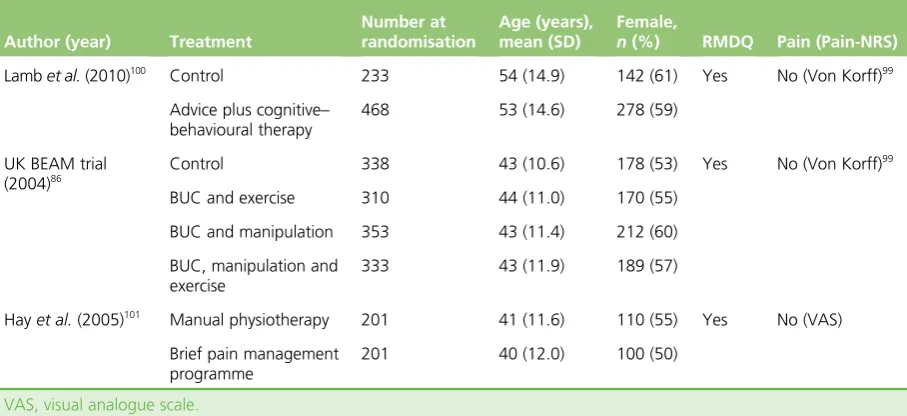
TABLE 5 Details of trials included in MID difference meta-analysis 27
TABLE 6 Mean between-group difference in change score for the RMDQ in
characteristics of included trials of therapist-delivered interventions for
functional disability (RMDQ) for patients with chronic LBP (n=3) 29
TABLE 7 Results of the meta-analysis and additional data analysis from the
UK BEAM trial: mean between-group difference in change score and MID units
for the RMDQ and Pain-NRS 30
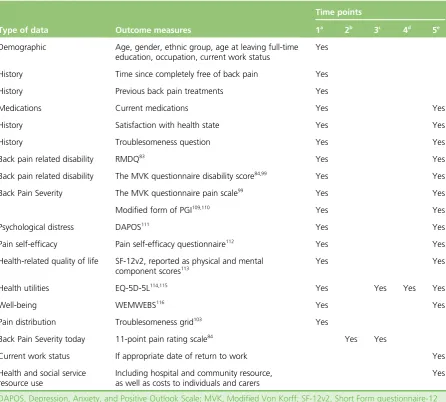
TABLE 8 Outcome measures and delivery time points 41
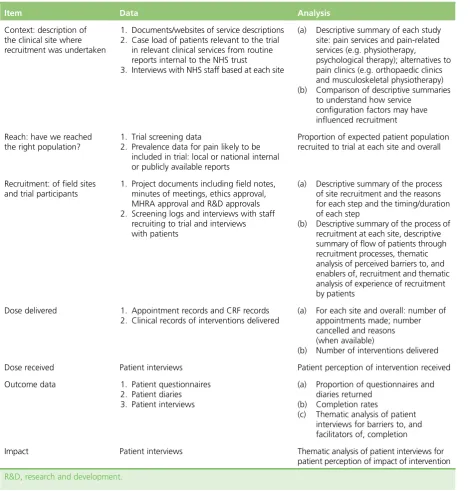
TABLE 9 Outline of process evaluation 50
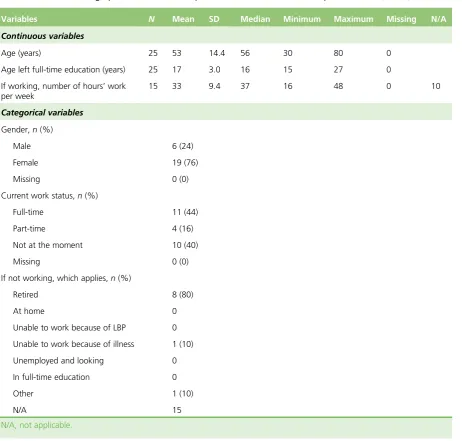
TABLE 10 Baseline demographic characteristics of patients who returned
baseline questionnaires (N=25) 55
TABLE 11 Baseline clinical characteristics and outcomes of patients who returned
baseline questionnaires (N=25) 55
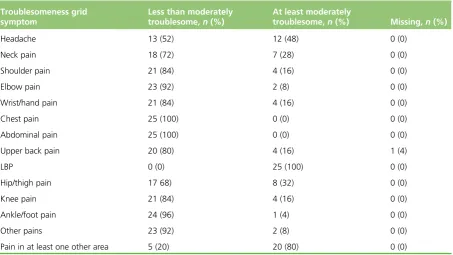
TABLE 12 Baseline troublesomeness reported by participants (N=23) 56
TABLE 13 Diagnostic assessment (N=27) 57
TABLE 14 Best usual-care session data (N=26) 57
TABLE 15 Injection visit data (FJI and BUC group participants with a complete
CRF:N=12) 59
TABLE 16 Completeness of daily pain scores: text messaging service and paper diaries 61
TABLE 17 Back pain severity, summarised by AUC scores 62
TABLE 19 Frequency distribution of areas listed (total 33 individual items)
(N=25 participants) 67
TABLE 20 Categorisation of the 33 areas listed in stage 1 of PGI completion
(completed by 25 participants) 68
TABLE 21 Average resource use and cost profile per patient randomised to FJIs 69
TABLE 22 Estimated resource use and cost profile associated with delivery of
BUC (physiotherapy) for LBP relief as per trial protocol 70
TABLE 23 Pain relief medication use and costs at baseline and during
follow-up period 71
TABLE 24 Primary and secondary care utilisation and costs at 3 months
post randomisation 71
TABLE 25 Three months’private health-care utilisation and costs reported by
trial participants 72
TABLE 26 Additional health resource use and out-of-pocket expenses incurred by
patients with LBP relief at 3 months post randomisation 73
TABLE 27 Employment- and income-related status of trial participants at end of
3-month follow-up period 73
TABLE 28 Health-related quality of life of people with LBP 74
TABLE 29 Health-related quality-of-life weights of people with LBP 75
TABLE 30 Description of research sites as reported in the National Pain Audit
2012 and by site staff 79
TABLE 31 Best usual-care session attendances 84
TABLE 32 Sample size estimates 92
TABLE 33 Probability of deciding to proceed to main study when true treatment
List of figures
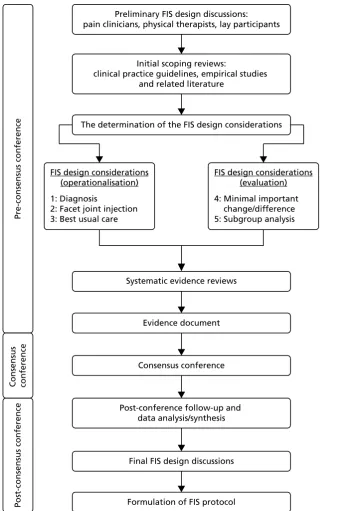
FIGURE 1 Facet Injection Study protocol development process 10
FIGURE 2 A diagrammatic representation of the consensus process 11
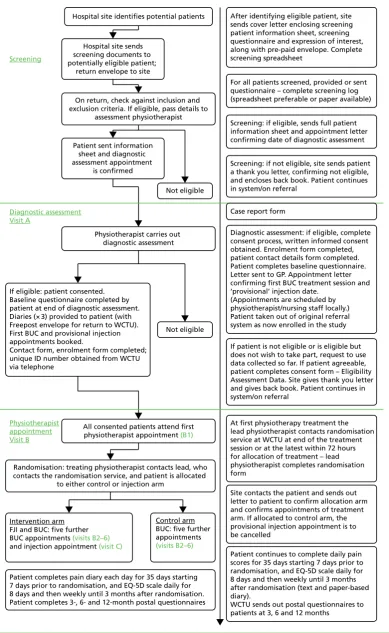
FIGURE 3 Participant pathway and procedures 38
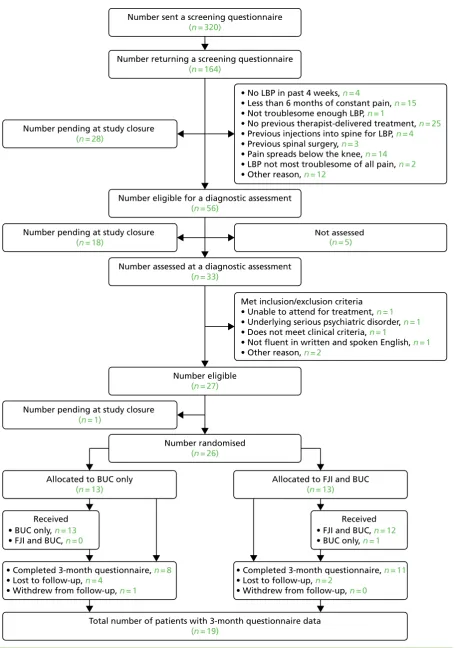
FIGURE 4 The Consolidated Standards of Reporting Trials (CONSORT) chart 54
FIGURE 5 Box plot of pre- and post-injection pain scores 59
FIGURE 6 Participants’average pain score over lifetime of the project (n=23) 63
FIGURE 7 Three months’QALY profile of patients with LBP generated via daily
and weekly self-reports of EQ-5D-5L scores and self-completed questionnaire at
baseline and at end of follow-up 76
List of boxes
BOX 1 Organisations through which invitations to the consensus conference
were distributed 11
BOX 2 Diagnosis: evidence and implications 12
BOX 3 Injection: evidence and implications 12
BOX 4 Proposed protocol for injection procedure (before consensus) 13
BOX 5 Proposed content and structure of control intervention (before consensus) 14
BOX 6 Diagnosis of facet joint pain (brief outline of protocol after consensus) 19
BOX 7 Brief outline of intra-articular injection procedure post consensus 21
BOX 8 Brief outline of the BUC package after consensus 22
BOX 9 Patient Generated Index–LBP trigger list 51
Glossary
Best usual care There are a number of definitions that can be attributed to this term, but in this study it refers to the package of physical and psychological support that is provided for every participant (six sessions) by our study physiotherapists.
Feasibility study An assessment of the practicality of a proposed project.
List of abbreviations
AUC area under the curve
BEAM Back pain Exercise And Manipulation
BUC best usual care
CBT cognitive–behavioural therapy
CI confidence interval
CRF case report form
DAPOS Depression, Anxiety, and Positive Outlook Scale
EQ-5D EuroQoL-5 Dimensions
EQ-5D-5L EuroQoL-5 Dimensions, five-level version
FIS Facet Injection Study
FJI facet joint injection
GP general practitioner
HTA Health Technology Assessment
LBP low back pain
MHRA Medicines and Healthcare products Regulatory Agency
MIC minimally important change
MID minimally important difference
NICE National Institute for Health and Care Excellence
NNT number needed to treat
Pain-NRS Pain Numerical Rating Scale
PGI Patient Generated Index
PI principal investigator
PPI patient and public involvement
PROM patient-reported outcome measure
PSEQ Pain Self-Efficacy Questionnaire
PSSRU Personal Social Services Research Unit
QALY quality-adjusted life-year
R&D research and development
RCT randomised controlled trial
RMDQ Roland–Morris Disability Questionnaire
SD standard deviation
SF-12v2 Short Form questionnaire-12 items version 2
UNTRAP University/User Teaching and Research Action Partnership
VAS visual analogue scale
WCTU Warwick Clinical Trials Unit
Plain English summary
I
njections of drugs into joints in the back is a treatment option for some people with low back pain (LBP). We do not know how well these work. Before a large-scale randomised controlled trial could be carried out, there was a need to explore if a trial is possible.At a gathering of health professionals, pain experts, academics and lay people, agreement was reached on how to diagnose possible facet joint pain, how and what to inject into the joints and what the best physiotherapy treatment was. Here we ran a feasibility trial exploring if it is possible to run a larger trial to test if the addition of injections into the back to a custom-made physiotherapy treatment reduces LBP.
Patients who had suspected facet joint pain from five NHS pain services were invited to take part.
They received a first physiotherapist session. At the end of this, they were randomly allocated to receive either an injection and five additional physiotherapy sessions or only the five additional sessions. We aimed to recruit 150 people in total over a 6-month recruitment period. During the study we examined all of the trial processes, for example exploring the recruitment of participants, and monitored patients’pathways through the trial. We also carried out interviews with study staff and patients to explore their experiences of the study.
Recruitment was very difficult, and only 26 people had been recruited when the trial was terminated by the funder. We understand why there were difficulties in recruitment and we were also able to identify that, once patients were recruited, there were no problems with patient care. We cannot make any suggestions about the effects of the interventions. Overall, pain was reduced and the interventions were inexpensive in terms of costs to the NHS.
Scientific summary
Background
Low back pain (LBP) is ranked as highest in the Global Burden of Disease in terms of years lived with
disability. The National Institute for Health and Care Excellence (NICE)’s 2009 guidelines for the management of non-specific LBP lasting between 6 weeks and 1 year recommended against the injection of therapeutic substances into the back. However, facet joint injections (FJIs) continue to be used. In 2014/15, 81,963 FJI procedures were performed in England for the NHS, an increase from 62,671 in 2012/13.
That pain can arise from facet joints has been proven. Drawing on data from other parts of the musculoskeletal system, it is a reasonable hypothesis that intra-articular injection of corticosteroids could produce at least short-term pain relief in a synovial joint, such as a facet joint, that is causing pain. The current randomised controlled trial (RCT) evidence on the use of intra-articular FJIs is sparse, of generally poor quality and too heterogeneous for any firm conclusions to be drawn regarding efficacy or effectiveness.
There is a clear need for a trial to test the effectiveness of adding FJIs to best usual care (BUC) for the treatment of persistent LBP. There are methodological challenges to setting up and running such a trial. Our feasibility study addressed these methodological issues and tested trial processes and recruitment in an external pilot.
A different team has been funded to test the feasibility of a more explanatory trial comparing active intra-articular injection with a sham control in people who have a positive diagnostic medial branch nerve block (Health Technology Assessment 11/31/02). The two studies will produce complementary data that will inform decisions on the merit of offering therapeutic intra-articular FJIs to selected people with LBP.
Objectives
In this study we explored the feasibility of running a RCT to test the hypothesis that for people who have suspected facet joint pain contributing to persistent LBP the addition of the option of intra-articular FJIs, with local anaesthetic and corticosteroids, to best usual non-invasive care available from the NHS is clinically effective and cost-effective. Our objectives were to:
1. develop, and evaluate, agreed criteria for identifying people with suspected facet joint pain 2. develop an agreed protocol for the injection of facet joints in a consistent manner
3. develop, and evaluate, a standardised control treatment deliverable in the NHS and congruent with NICE guidance
4. develop and test systems for collecting short-term and long-term pain outcomes, including measures required for economic evaluation
5. demonstrate that recruitment to the main trial is feasible
6. collect the recruitment and outcome data required to inform sample size and number of sites needed for the main study
Methods
Before starting the randomised pilot, we addressed the key uncertainties that needed resolving to ensure a robust trial design (objectives 1–3 and part of 4). Subsequently, we ran a randomised pilot study (objectives 5–8 and part of 4).
Consensus meeting
A four-stage process was adopted to ensure that the Facet Injection Study (FIS) was robust and informed by current evidence, that it was acceptable to the academic community and practising clinicians and that it reflected NHS practice. First, we identified key design considerations that are of vital importance for the production of robust and acceptable evidence on an implementable FJI programme. Second, an evidence review of each design consideration was conducted using systematic methodology. Third, an evidence document was prepared that contextualised the pragmatic FIS, outlined the methodological challenges of designing a credible pragmatic trial and presented the outputs from the evidence reviews. Fourth, using the evidence document as a delegate pack, the FIS design considerations were discussed by a consensus conference of clinicians, experts, academics and lay representatives. Attendees were asked to agree on how to diagnose suspected facet joint pain, a protocol for the injection of facet joints and for the BUC package and what effect size is clinically important, and to suggest any potential subgroups that may respond better to FJIs.
Feasibility randomised controlled trial
The primary objective of this trial was to explore the feasibility of running a RCT to test the hypothesis that for people with suspected facet joint pain contributing to persistent LBP the addition of the option of FJIs to best usual non-invasive care available from the NHS is clinically effective and cost-effective.
Research methods
The study ran in five NHS acute trusts in England.
Patients who were referred to a trust for the treatment of LBP that had been present for at least 6 months, after failure of conservative treatment, were considered as potential participants. We aimed to recruit 150 patients. We expected up to 40 participants to be recruited at each participating centre. Recruitment was planned to be primarily from pain clinic services.
We recruited people aged≥18 years who had at least moderately troublesome LBP present for at least 6 months, who had undergone registered health professional delivered treatment for LBP in the 2 years prior to study entry and who had suspected facet joint pain.
All participants received the best usual conservative care package agreed in our consensus exercise. This consisted of one initial session and five follow-up sessions. Those randomised to FJIs had these within 2 weeks of randomisation. Up to six facet joints (L3/L4, L4/L5 and L5/S1) bilaterally in each participant were injected at the discretion of the treating clinician. We randomised participants at the end of the first treatment session to ensure that baseline pain data were collected close to intervention and that all participants received some conservative care.
Participant identification
At each site we actively identified referrals to secondary care for patients with LBP.
Potential participants had a diagnostic assessment for suspected facet joint pain by a study physiotherapist. Baseline data were collected, and consent was obtained, for eligible participants at the time of this
Outcome assessment
As a feasibility study, the main outcomes were process related. Data included quantitative data collected as part of recording trial activity (e.g. attendance rates, compliance) and qualitative data from interviews and small group discussions with patients, research therapists and staff.
The primary clinical outcome was an 11-point numerical rating scale for pain collected via text messaging over 3 months following randomisation. For those participants unable or unwilling to use a text messaging system, we used a paper-based system.
Our second primary outcome was back pain related disability [measured by the Roland–Morris Disability Questionnaire (RMDQ)] at 3 months.
Statistical considerations
If the desired standardised mean difference indicative of a minimally clinically important difference is in the range of 0.3–0.4, then if we recruited around 150 participants, after allowing for 20% loss to follow-up, the probability of proceeding to a full trial is around 50% if the true effect is zero.
The resulting 75 patients in the active injection group would have allowed us to estimate the proportion who had‘true’facet joint pain, based on achieving immediate pain relief, with a precision of 11% if the true proportion was 62%.
Our proposed primary analysis for pain was the difference in the area under the curve values from our pain measurements over 3 months. We specified RMDQ at 3 months as a second primary outcome. If there was not a positive signal suggesting an early reduction in pain, then we would not proceed to a full trial.
Poor recruitment meant that between-group analyses were not possible. The analyses therefore focus on trial process measures, presenting overall descriptive data on study participants, assessing performance of outcome measures and estimating acquisition costs of study interventions.
Results
Consensus
Fifty-two people attended the consensus meeting: 19 pain consultants/physicians, six anaesthetists, 12 physiotherapists/physical specialists, four academics, three psychologists, two radiographers and six lay representatives.
Agreement was reached at the consensus meeting on the effect size and choice of subgroups. Some further clarifications were needed for three of the design considerations: diagnosis, the process of FJI and the BUC package. The final agreements from this process were taken forward in the design of the randomised pilot study.
Feasibility trial
Recruitment started on 26 June 2015 and, after 26 participants had been randomised, the trial was terminated by the funder on 11 December 2015 because of poor recruitment.
Process evaluation
Outcome data
Although there were missing data in the text message responses for pain, these were largely replaced by the results of a written pain diary. We achieved usable outcome data on 23 out of 26 (88%) participants for the primary outcome. All pain-related outcomes show the expected improvement between baseline and follow-up.
The mean total cost of performing a FJI was estimated at £419.22 per patient. The mean total cost of the full course of physiotherapy treatment was estimated to be £264 per participant. The mean total cost of the overall treatment package (comprising one injection and six physiotherapy sessions) was estimated at £683.22 per participant. This is similar to a NHS tariff cost for a course of FJIs of £686.84.
EuroQol-5 Dimensions (EQ-5D) diary scores indicate marked fluctuations in health-related quality of life in the first few weeks after randomisation. In particular, there is a substantial short-lived improvement in the first few days after the initial treatment.
Study interventions
Both the BUC package and the procedures for FJIs were acceptable to participants and ran smoothly.
Discussion
Our overall aim was to explore the feasibility of running a RCT to test the hypothesis that, for people with suspected facet joint pain contributing to persistent LBP, adding the option of FJIs, with local anaesthetic and corticosteroids, to best usual non-invasive care available from the NHS is clinically effective and cost-effective.
In the first part of the study we considered the main clinical and scientific challenges that needed to be addressed before the start of the trial. Specifically, we developed an agreed standardised approach to the injection of facet joints and we achieved consensus on which patients to consider for FJIs and what a package of BUC should consist of.
An important outcome from this study is the finding that pain clinics are not the most appropriate place to recruit participants. The people attending these clinics were, on the whole, less likely to be suitable for the study than those who had not yet been referred. There were also substantial operational issues with the clinics, which were unfamiliar with recruiting to RCTs, meaning that, even after approvals had been obtained, the start of recruitment was delayed. Nevertheless, at the time the study was terminated we had explored alternative recruitment areas and there were some indicators that recruitment was improving.
Strengths and weaknesses
All of the key uncertainties that needed to be considered before a main trial have been addressed. That we have achieved consensus on describing the population of interest, the control and the active intervention is a real strength of this project. Furthermore, we have demonstrated that participants are able to comply with the recruitment process for the study and provide initial data for us to assess our non-standard approaches to clinical data collection: the Patient Generated Index.
Is a main study still needed?
It has been argued that the question of the effectiveness of intra-articular FJIs is no longer relevant, as this approach has been superseded by radiofrequency denervation of the medial branch of relevant lumbar nerves. New NICE guidance for LBP and sciatica that was published in 2016 recommends radiofrequency denervation in selected patients who have had a positive diagnostic block. It also suggests that research into the long-term effectiveness and cost-effectiveness of radiofrequency denervation is a key research recommendation. There remains a need for robust studies of both the efficacy and the effectiveness of invasive procedures, such as intra-articular FJIs or radiofrequency denervation, for people with suspected facet joint pain.
Conclusions
The procedures and paperwork for the study require only minor improvements but the title of the study should be reconsidered to avoid raising patients’expectations of receiving an injection.
In undertaking this process evaluation we aimed to identify aspects of the study design that have the potential to threaten the success of a full trial. Although our data were limited in scope, particularly from patients, they sufficiently identified major threats.
All key uncertainties that needed to be considered to run the main trial have been addressed. We demonstrated in the randomised pilot that eligible patients who were invited to join the trial were interested in the study and could comply with the study procedures. We also successfully collected frequent short-term outcomes, which has allowed us to identify relevant short-term harms and benefits.
We have shown that it is feasible to run such a trial, but any future trial would need to learn lessons from this with regard to recruitment.
Trial registration
This trial is registered as EudraCT 2014-000682-50 and Current Controlled Trials ISRCTN93184143.
Funding
Chapter 1
Background
Low back pain
A global problem
Low back pain (LBP) is ranked as highest in the Global Burden of Disease in terms of years lived with disability.1
The most recent UK‘cost-of-illness’study was in 1998.2At that time, the direct health-care costs of LBP were
£1067M for the UK NHS and £565M for private health care, resulting in a cost of £28 per head of population. A 1998 US study3estimated direct health-care costs as US$90,601M and a cost of US$335 per person. Much
has changed since then. In the USA, there has been a 2.4-fold increase in spinal fusions and a massive increase in facet joint interventions, both of which are still increasing.4,5In response to this problem, the National
Institute for Health and Care Excellence (NICE) commissioned guidelines for the management of non-specific LBP lasting between 6 weeks and 1 year.6The excluded treatment approaches included the injection of
therapeutic substances into the back. Deep divisions in the scientific and clinical communities have become clear since the publication of the 2009 NICE guidelines and the 2009 American Pain Society guidelines for LBP,7which also indicated that there was insufficient evidence to support the injection of therapeutic
substances into the back.8Although the methodological approach used by the American Pain Society has
been challenged, the American Society of Interventional Pain Physicians also concluded that the evidence for therapeutic intra-articular facet joint injections (FJIs) was limited.9,10A new NICE guideline for LBP and
sciatica,11published in 2016, did not support the use of intra-articular FJIs (www.nice.org.uk/guidance/
conditions-and-diseases/musculoskeletal-conditions/low-back-pain). It does, however, in contrast to the 2009 guidance, support the use of radiofrequency denervation in people who have had a positive diagnostic medial nerve branch block.
There is a variety of different interpretations of the available evidence from randomised controlled trials (RCTs) and observational studies on the effectiveness of intra-articular FJIs.12–18Controversy surrounding
this issue remains in the USA, and in the UK there has been new research evaluating lumbar facet joint interventions.9,19,20However, the outcome of all this work was that, at the outset of this study, the data
were not a robust evidence base on which to inform decisions about the use of therapeutic intra-articular FJIs. Notwithstanding current NICE guidance and insufficient evidence to justify the use of FJIs, Hospital Episode Statistics21record that, in 2014/15, 81,963 FJI procedures were performed in England for the NHS,
an increase from 62,671 in 2012/13. Although there may be some inaccuracies in the coding of different facet joint-related procedures, this still represents a 30% increase in activity over 2 years.
Thus, there was a clear need for a trial to test the effectiveness of adding intra-articular FJIs to usual care for the treatment of persistent LBP when usual care as recommended by NICE or the American Pain Society has been ineffective. It is important that the proposed trial provides data that all parties can agree on. If the trial has positive results, then reinvestment in this treatment will be justified. If the trial has negative results, its conclusions need to be sufficiently robust that all parties to the debate on current guidance are satisfied that the evidence does not support the use of therapeutic intra-articular FJIs.
The UK National Institute for Health Research, via a specific call, funded two feasibility studies in preparation for trials of therapeutic intra-articular FJIs. We were funded to carry out one of these studies. Our proposed main study will test the addition of a therapeutic intra-articular FJI to best usual care (BUC) [Health Technology Assessment (HTA) programme reference number 11/31/01].22A different team is funded to test the feasibility
of a more explanatory trial comparing active intra-articular injection with a sham control in people with a positive diagnostic medial branch nerve block (HTA 11/31/02).23These two studies will produce
Diagnosis of low back pain
Low back pain is pain or discomfort felt in the back between the bottom of the rib cage and the buttock creases. Once medically serious causes of LBP have been excluded (infection, fracture, malignancy, inflammatory disorders such as ankylosing spondylitis), LBP is labelled as being non-specific. None of the early treatment options recommended in the 2009 NICE guidance requires any further diagnostic work-up.
Unless there is a concern that there is a serious medical cause for the pain, imaging of the lumbar spine is not indicated. This approach recognises the difficulty of reliably identifying subgroups of people who may respond better to any particular treatment approach.24,25Notwithstanding this overall approach to the
diagnosis of LBP, it is possible that there are subgroups of individuals who would benefit from one or more specific approaches to the treatment of their LBP. One subgroup who may benefit from a more specific back treatment is patients whose pain wholly, or partially, arises from the facet joints. This notion is supported by the 2016 NICE back pain guideline, which recommends the use of diagnostic medial branch nerve blocks before considering radiofrequency denervation in people with suspected facet joint pain. The clinical assessment of suspected facet joint pain suggested in NICE 2016 guidance is based on work described later in this report.26
Facet joint pain
The facet joints are paired structures between the superior and inferior articular processes of adjacent vertebrae that, in the lumbar spine, allow flexion and a degree of rotation of the spine. They are synovial joints whose capsule is richly innervated. With increasing age, progressively more people develop
radiological osteoarthritis of the facet joints. A systematic review estimated the prevalence of facet joint degeneration increased from 4% for those in their twenties through 32% for those in their fifties to 83% for those in their eighties.27There is not, however, an association observed between radiological change in
facet joints and the presence of back pain.28If pain arising from the facet joint is suspected clinically, it
may be abolished temporarily by the injection of local anaesthetic, which may be used as a diagnostic test. A depot preparation of steroid added to the injection may prolong the analgesic benefit. The relief or reduction of pain may facilitate compliance with a programme of exercise designed to improve lumbar range of movement and muscular stability.
Clinical features of facet joint pain
There are few good epidemiological data on the prevalence of facet joint pain in different populations or on how to diagnose suspected facet joint pain clinically. In some studies, 5–15% of people with chronic LBP are believed to have disease of one or more facet joints that is contributing to their pain.29The gold-standard
test for the presence of facet joint pain is pain relief after the injection of affected joints with a local anaesthetic. There is considerable diagnostic uncertainty about how to identify people with pain of facet joint origin among the wider chronic LBP population.
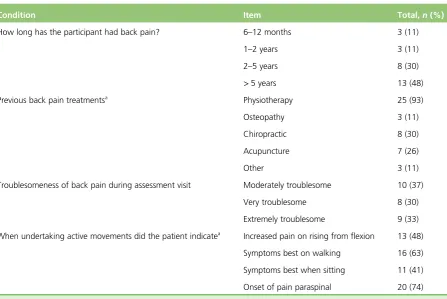
Revelet al.30in 1998 found that people with pain of facet joint origin were characterised by:
l being aged>65 years
l pain that is well relieved by recumbency
l absence of pain exacerbation
¢ by coughing
¢ by forward flexion
¢ when rising from flexion
¢ by hyperextension
¢ by extension rotation.
All predicted a benefit from injection of anaesthetic into facet joints. The presence of five of these characteristics, including pain on recumbency, correctly identified 92% of responders and 80% of non-responders.30Others,
however, were unable to replicate their findings.31Subsequent reviews suggest that 62% of those with these
Laslettet al.34in 2006 found that seven factors were predictive of facet joint pain:
1. age≥50 years
2. pain is best when walking 3. pain is best when sitting 4. onset of pain is paraspinal
5. modified somatic perceptions questionnaire score exceeding 13 (suggesting a somatisation disorder) 6. positive extension/rotation test
7. absence of centralisation during repeated movement testing.
They found that presence of three or more factors of age≥50 years, pain is best when walking, pain is best when sitting, onset of pain is paraspinal and positive extension/rotation test was 85% sensitive and 91% specific for facet joint pain.34In a 2007 systematic review, Hancocket al.35did not find evidence for a robust
diagnostic test for facet joint pain. In an initial scoping review in preparation for this work, we found one additional relevant article. In a retrospective chart review (n=170), DePalmaet al.36found that the presence
of isolated paramidline LBP increased the probability of facet or sacroiliac joint dysfunction and slightly reduced the likelihood of lumbar disc degeneration. The sensitivity of reporting paramidline pain if the patient has facet joint pain was 96% [95% confidence interval (CI) 83% to 99.4%] for sacroiliac pain and 67% for internal disc disruption. This supports other work indicating that paraspinal or paramidline pain is a clinical indicator of possible facet joint involvement. Similarly, although not empirically proven, lumbar segmental motion may also be useful in identifying the level of facet joint involvement.37A 2007 consensus
study38identified clinical features thought to be associated with facet joint pain, such as:
l localised unilateral LBP
l lack of radicular features
l pain eased in flexion
l pain, if referred, is above the knee
l palpation: local unilateral passive movement shows reduced range of motion or increased stiffness on the side of pain
l unilateral muscle spasm over the affected facet joint
l pain in extension
l pain in extension, lateral flexion or rotation to the ipsilateral side.
In a prospective cohort study of medial branch blocks for suspected lumbar or cervical facet pain, Wasan
et al.39used selection criteria including a history of axial pain with radiation in an established facet joint
referral pattern and tests for facet joint loading signs (extension, side bending and rotation). Although they acknowledged that their study was not designed to confirm diagnosis, Wasanet al.39concluded that the
selection criteria reduced the likelihood of radicular pain due to nerve root involvement or non-specific LBP.
In the 2011 protocol for a trial of specific physiotherapy compared with advice, Hahneet al.40argued that
if three or more of the following factors are present then there is facet joint dysfunction:
l unilateral LBP
l pain reproduced with lumbar extension and ipsilateral lateral-flexion movements
l pain on ipsilateral passive postero-anterior accessory movement applied through the transverse process or zygapophyseal joint at one or two segments
l improvement in pain or range of movement following a‘mini-treatment’of manual therapy directed at the zygapophyseal joint.
The choices of Hahneet al.are grounded in the Maitland’s clinical reasoning approach to identifying a group who would respond to manual therapy.41The use of such phenotypically defined subgroups,
to respond to FJIs. It does, however, represent current best practice to identify people likely to respond to the physical component of our proposed control intervention. Interestingly, this trial is restricted to people aged<65 years, even though others have found increasing age to be a feature predicting the presence of facet joint pain. Nevertheless, 20% of recruits were identified clinically as having facet joint dysfunction. Diagnoses were not confirmed using diagnostic injections.
During the early stage of this study we identified a further study, published as a conference abstract,43that
identified combined movements as a predictor of pain relief from a diagnostic lumbar medial branch block.
Why might injecting facet joints be helpful?
The use of corticosteroid injection has been shown to be effective in producing, at least in the short term (1–4 weeks), benefits for a range of musculoskeletal disorders including frozen shoulder and osteoarthritis of the knee and hip.44–46Analgesic benefits of intra-articular injection of corticosteroids in rheumatoid
arthritis may be more sustained (up to 3 months).47Drawing on these data from other parts of the
musculoskeletal system, it is a reasonable hypothesis that intra-articular injection of corticosteroids could produce at least short-term pain relief in a different synovial joint that is causing pain. The focus of this study is on intra-articular FJIs.
Evidence on the safety of facet joint injections
Robust evidence on the complications from FJIs is very sparse. Manchikantiet al.,15however, in an
observational study of facet joint nerve blocks (3162 LBP episodes with 15,654 lumbar nerve blocks) found no major complications. However, 73% of encounters had local bleeding, 10% had oozing, 4% had intravascular injection and 0.4% had profuse bleeding. These figures may be indicative of minor adverse event rates from FJIs. The number of people with a short-term increase in pain was not reported.
Evidence for treatment of facet joints
That pain can arise from facet joints has been proven. There are several good double-blind studies that show, in selected patients, that immediate pain relief can be obtained from injecting local anaesthetic into facet joints that is not obtained from injecting saline.48Indeed, demonstrating such pain relief is the
gold-standard test for diagnosing facet joint pain.
Observational studies
There is a body of observational data suggesting that FJIs are an effective treatment for lumbar facet joint pain. Boswellet al.49identified six prospective studies (n=253) of FJIs. All but one of these studies
found positive short- and long-term effects. There are, of course, substantial limitations to using such uncontrolled observational data to inform practice because of the natural history of LBP. There is substantial improvement even in the usual-care arms in nearly all trials of chronic LBP.50
Placebo-controlled trials
At the time this research started, there were five recent reviews of the RCT evidence for FJIs compared with a placebo or sham procedure. NICE7and Boswellet al.51each identified one trial (Caretteet al.52);
Chouet al.53and Henschkeet al.54each identified two trials (Caretteet al.,52n=97; Liliuset al.,55n=86).54
Dattaet al.56identified both of these studies but excluded them: Caretteet al.,52unusually, because
they had not excluded placebo responders, and Liliuset al.55because theirs was considered to be an
observational study. Neither of these trials was reported by the original authors as showing a positive result.
The National Institute for Health and Care Excellence, in both 20096and 2016,11and Chouet al.7concluded
that the evidence did not support the use of FJIs. Henschkeet al.54concluded, based on very low-quality
evidence, that there was no difference between FJIs with placebo and corticosteroids. Dattaet al.56
concluded that, because of the lack of evidence, there could be only a very weak positive recommendation or a recommendation not to provide FJIs. Boswellet al.,49on the other hand, felt that there was evidence
for a positive effect from FJIs. This was based on categorising one study (Caretteet al.52) as a positive trial.
the 6-month analysis. Both Caretteet al.52and Chouet al.53discounted this observation because the patients
who gained a benefit at 6 months were not the same as those who had gained a benefit at 1 month and because of the large number of cointerventions in the steroid arm of the trial. Neither group felt it to be biologically plausible that a steroid injection would be effective at 6 months if it had not been effective at 1 month. Notwithstanding differences in interpretation, and the absence of statistical significance at
3 months, the point estimates for benefit from FJIs in the Caretteet al.52study are competitive with currently
recommended treatments.57The proportion of patients who reported substantial improvement was 42%
versus 33% (95% CI–11% to 28%) and 46% versus 15% (95% CI 14% to 48%) at 3 and 6 months, respectively. These equate to numbers needed to treat (NNTs) of 11 and 5, respectively. If such NNTs were reproduced in a definitive trial, then FJIs could be an attractive addition to recommended treatments for selected people with LBP. These results, however, were obtained in participants who had already had a diagnostic FJI, suggesting that this study was carried out in patients who were most likely to benefit. Not excluding those with a placebo response to the diagnostic injections might also have reduced the apparent effect size. Caretteet al.52also did not include those who found the diagnostic injections too painful; 7 out
of 110 participants (6%) with a positive result from diagnostic injections did not want therapeutic injections because they found the process too painful.
Facet joint injections compared with other treatments
At the start of this study there were two reviews of FJIs compared with other treatments. Henschke identified five studies (n=420) of FJIs with corticosteroids compared with other interventions.13,16–18,58Markset al.18found
that FJIs gave superior pain relief to facet nerve blocks (both used corticosteroid and lignocaine) at 1 month but not at immediate follow-up or at 3 months (n=86). Mayeret al.58found no benefit from adding a FJI with
local anaesthetic and corticosteroid to a home stretching exercise programme (n=70). Fuchset al.13found no
significant differences between FJIs with steroid and sodium hyaluronate (n=60). Manchikantiet al.16found
no difference when comparing multiple medial facet nerve blocks with local anaesthetic with or without steroids (n=84). Manchikantiet al.17found no differences between medial branch blocks with and without
corticosteroid (n=120). Dattaet al.56identified two of the same trials of facet joint blocks.16,17and concluded
that there was strong evidence for facet joint nerve blocks because of the good outcome in both groups. Celik
et al.12reported a positive effect from FJIs in a subsequent trial (n=80) comparing FJIs with a combination of
bed rest, a non-steroidal anti-inflammatory and a muscle relaxant. In a subsequent trial (n=100) comparing FJIs with facet joint radiofrequency denervation, Civeleket al.59found better immediate results from injection
and better long-term results from denervation.
Cost-effectiveness
Our scoping reviews did not identify any studies of the cost-effectiveness of FJIs. FJIs require specialist facilities and experienced operators but the potential benefit observed in observational studies may well outweigh these costs.
Conclusion of initial scoping literature review
In our own 2016 review,60we identified six relevant randomised placebo/sham-controlled trials of intra-articular
FJIs.12,52,55,58,61,62Two studies (Liliuset al.,55n=109; Caretteet al.,52n=97) used placebo injections into the
facet joints as the control treatment, one study (Ribeiroet al.,62n=60) used intramuscular corticosteroid as
the control treatment, two studies (Mayeret al.,58n=70; Kawuet al.,61n=18) used exercise as the control
treatment and one (Celiket al.,12n=80) used bed rest plus analgesia and non-steroidal anti-inflammatory
drugs as the control treatment. Four studies made a clinical diagnosis of facet joint pain,12,55,61one study62
used clinical and radiographic features to make the diagnosis and two studies52,58used diagnostic blocks. We
considered the study populations, and the comparisons made, to be too heterogeneous for any robust conclusions to be drawn.60
Measurement of outcome
The measurement of outcome in LBP trials is problematic.63–65Although there are well-established standard
packages of outcome measures, endorsed by expert groups, the theoretical underpinning of these is poor and they may not capture those outcomes that are important to individuals.63,66It is of note that neither of
these consensus exercises included input from patients and the decision about which outcomes should be measured in LBP trials was from a consensus of clinicians and researchers.67More recent recommendations
from the expert advisory group, the Initiative on Methods, Measurement, and Pain Assessment in Clinical Trials (IMMPACT), do include patient group consultations to explore the relevance and acceptability of outcomes used to determine recovery.68
Studies of patients suggest that other domains, not included in current recommendations, may be of similar or even greater importance. For example, domains such as enjoyment of life and fatigue were rated most highly in a patient survey.69A review of outcomes measured in RCTs of LBP found that 5 out of
19 outcomes rated as important by respondents to the patient survey were never reported and a further eight measured only rarely.70There is a need to broaden the pool of outcome measures used beyond the
established package to include measures that more effectively capture the patient perspective.
Where might facet joint injections fit in the care pathway?
For people with acute or subacute LBP or early persistent LBP, the prognosis is generally very good and there is little need for invasive treatments. Low-intensity, low-risk and therapist-delivered interventions, as recommended by NICE, are sufficient. Although there are some differences between the 2009 NICE guidance6and the 2016 guidance,11both support the use of therapist-delivered interventions as the first
treatment approach after advice and analgesics. Those with substantial problems persisting after such interventions (typically≥6 months from onset) require more intensive treatment. Persistent LBP is a complex biopsychosocial phenomenon. In those people with pain persisting beyond 6 months, in spite of good conservative care, a syndrome of chronic pain and disability will already be present. For this reason, one would not expect FJIs, on their own, to resolve the problem. Rather, pain relief obtained from a FJI may give the person with back pain the confidence and a window of opportunity to engage more fully with a rehabilitation programme.
There is a clear need for a trial to test the effectiveness of adding FJIs to usual care as recommended by NICE for the treatment of persistent LBP. It is important for this trial that it provides conclusive results. If the trial has positive results then this will be a justification for investment in this area. On the other hand, if the trial is negative then its conclusions need to be sufficiently robust that all parties to the debate on the role of therapeutic intra-articular FJIs are satisfied that the evidence does not support their use. There are methodological challenges to setting up and running such a trial; principally, these centre on the identification of people with LBP that is, at least in part, from facet joints. Our feasibility study addressed these methodological issues, tested trial processes and recruitment in an external pilot, conducted an interim analysis and identified sites to conduct the main study.
For the NHS to consider reinstating FJIs for people with otherwise non-specific LBP, a package of care including FJIs, for selected patients, needs to be an effective and cost-effective addition to BUC. This is true regardless of the result of any placebo-controlled trial of the efficacy of FJIs. The components of any overall effect (positive or negative) of FJIs will be the non-specific effects of attending for the injection (including any advice from the treating clinician), any local effects from injecting fluid into the facet joint and the specific effects of the drug/s injected. A positive efficacy study in a tightly controlled population will not necessarily transfer to a treatment that is effective in real life. Conversely, failure to show a positive effect in an efficacy study using a placebo or sham injection would not necessarily exclude the possibility that the overall package of care is effective. Furthermore, such an efficacy study will not be able to answer a question on the cost-effectiveness of adding the intervention to usual care.