PROCESS PROTOCOL FOR THE
IMPLEMENTATION OF INTEGRATED
PROJECT DELIVERY IN THE UAE:
A CLIENT PERSPECTIVE
Mubarak Saad AL AHBABI
Ph.D. Thesis
2014
Ph
.D
. Thesi
s
Mubar
ak
Saa
d A
L
AHB
AB
I
PROCESS PROTOCOL FOR THE
IMPLEMENTATION OF INTEGRATED
PROJECT DELIVERY IN THE UAE:
A CLIENT PERSPECTIVE
Mubarak Saad AL AHBABI
School of the Built Environment, College of Science and Technology
University of Salford, Salford, UK
ABSTRACT
The design, construction and commissioning of construction projects have been repeatedly mentioned as fragmented and inefficient. Much of the waste that is generated throughout the lifecycle of a building is mainly related to project stakeholders not having access to information that others have created. Most recently, there has been a focus on creating and reusing digital project information, throughout the lifecycle, to facilitate the exchange of information, which includes Building Information Modeling (BIM) and Integrated Project Delivery (IPD). The “low hanging fruit” advantage of BIM models is based on the production of coordinated and clash-free designs along which provide the ability to visualise building information in 3D. However, greater benefits can be achieved if organisations embrace BIM development into their work practices that can lead to higher levels of collaboration between project stakeholders. This can only be achieved through client-led initiatives, supported by clear and effective management tools, to manage change throughout the design and construction process.
The aim of this research is to develop a process protocol for the successful implementation of IPD in client organisations using BIM as the main vehicle to control and manage the integration process. The research focuses on the identification of high level processes and their inter-relationships, which could provide guidance to client organisations on how to implement and manage IPD effectively.
Three multi-storey buildings, in the United Arab Emirates (UAE), were selected as case studies. The first case was used as an exploratory study to validate the suitability of the proposed process protocol for the UAE’s local experiences and conditions, which has suffered from long delays and high cost overrun. As a “control case”, the study aimed to discover and investigate the real reasons behind the delays, their causes and how they could have been addressed adequately if BIM and IPD had been adopted. Case studies two and three involved on-going projects that implemented BIM from the early stages of the design phases but with different level of collaboration among the project stakeholders and were selected to ensure that the proposed process protocol is effective and can be implemented at different levels of collaboration, particularly in competitive tendering environments. Questionnaires were developed and semi-structured interviews were conducted with the client’s representatives, consultants and contractors focused on validating the various components of the process protocol throughout a project’s lifecycle.
ACKNOWLEDGEMENTS
I would like to express my deep gratitude to a number of people who have helped me
throughout the course of this research study.
Firstly, words fail me when I try to acknowledge the support of Professor Mustafa
Alshawi, who has, not only performed his formal role as a research supervisor, but
continuously extended his assistance and encouragement as a big brother and a true
friend. I remember with gratitude how he dedicated part of his personal and family
time to review my research work, including weekends, public holidays and business
trips, even sparing time during the course of long distance journeys.
Secondly, this research project would not have been possible without the steady flow
of guidance and advice from my research mentor and local supervisor Dr. Marwan
Jabakhanji. I am very much indebted to him for his significant inputs and insights on
my dissertation from its inception until submission of the final thesis.
Last but not least, I would like to thank all those who provided me with the necessary
data for this investigation, without whose help this research would not have been
DEDICATIONS
I am overwhelmingly honored to dedicate this dissertation work to H.H. Shaikh Khalifa
bin Zaid Al Nahyan, President of the United Arab Emirates, whose distinguished
leadership and guidance have inspired me to challenge myself with great
determination and tenacity, and to His Highness Sheikh Mohammed bin Zayed Al
Nahyan, the Crown Prince of Abu Dhabi, the Deputy Supreme Commander of the Armed Forces whose continuous encouragement and support for the country’s youth
to seek further knowledge and education was the prime incentive for me to pursue my
postgraduate study.
I also dedicate this work to my loving parents to whom I owe special gratitude for their
continuous support and encouragement for success in all of my academic pursuits.
You have always been my best enthusiastic supporters.
I will not forget the encouragement and patience of my wife and wonderful children
who accepted with tolerance my many periods of absence from home during the
DECLARATION
This thesis is presented as an original contribution based on Doctorate of Philosophy research at University of Salford, Salford, United Kingdom and has not been previously submitted to meet requirements for an award at any higher education institution under my name or that of any other individuals. To the best of my knowledge and belief, the thesis contains no materials previously published or written by another person except where due reference is made.
……….. (Signed)
TABLE OF CONTENTS
ABSTRACT ... ii
ACKNOWLEDGEMENTS ... iii
DEDICATIONS ... iv
DECLARATION ... iv
TABLE OF CONTENTS ... vi
LIST OF TABLES ... xiii
LIST OF FIGURES ... xiv
LIST OF ABBREVIATIONS ... xv
CHAPTER 1 Introduction to the Research ... 1
1.1 Introduction ... 1
1.2 The Research Challenge ... 4
1.3 The Aims and Objectives of the Research ... 7
1.4 Research Design ... 9
1.5 Research Limitation ... 9
1.6 A Guide to the Thesis ... 10
CHAPTER 2 The Performance of the Construction Industry – Background ...13
2.1 Introduction ... 13
2.2 The Economic Downturn and Client Demands ... 15
2.3 The Impact of Environmental Factors ... 17
2.4 The Impact of Advanced Technology ... 18
2.5 The Impact of New Procurement Methods ... 20
2.5.1 Design-Bid-Build (DBB) ... 20
2.5.3 Partnering ... 22
2.5.4 Public Private Partnerships (PPP) ... 24
2.6 Industry Performance and the Need for Improvement ... 24
2.7 The Main Challenges Facing the Industry ... 26
2.8 Summary ... 28
CHAPTER 3 Building Information Modelling (BIM) and Integrated Project Delivery (IPD) ...29
3.1 Introduction ... 29
3.2 The Management of Project Information ... 30
3.3 Building Information Modelling (BIM) ... 32
3.3.1 Definition and Role of BIM... 33
3.3.2 BIM Development in Design and Construction ... 34
3.3.3 UK BIM Strategy ... 37
3.3.4 BIM Implementation Plan ... 38
3.3.5 The Benefits of BIM to the Industry ... 40
3.3.6 Issues and Barriers ... 44
3.4 Roles and Responsibilities ... 48
3.4.1 Consultants ... 48
3.4.2 Contractors and Sub-Contractors ... 50
3.4.3 Clients ... 51
3.5 Collaborative Environment and BIM ... 52
3.6 The RIBA Plan of Work ... 53
3.7 Integrated Project Delivery (IPD) ... 56
3.7.1 The Principles of IPD ... 57
3.7.2 The Benefits of IPD ... 60
3.7.4 Roles and Responsibilities ... 65
3.7.5 Risks, Legal Considerations and Reward Sharing ... 67
3.8 Challenges Facing the Implementation of IPD ... 68
3.9 IPD and Client Organisations... 69
3.10 The Need for Tools to Transfer Client Organisations to BIM/IPD-Based Ones ... 71
3.11 Summary ... 72
CHAPTER 4 Process and Process Protocol ...73
4.1 Introduction ... 73
4.2 Definition of a Business Process ... 74
4.3 Business Process Management ... 75
4.4 Process Modelling ... 76
4.5 Process Mapping ... 77
4.5.1 Data Flow Diagram ... 78
4.5.2 IDEFØ ... 80
4.5.3 Business Process Model and Notation (BPMN) ... 82
4.6 The Process Protocol (PP) ... 85
4.6.1 The Generic Design and Construction Process Protocol ... 86
4.6.2 Key Principles and Advantages of Process Protocol ... 87
4.6.3 Process Protocol Phases ... 90
4.6.4 Process Protocol Limitations ... 91
4.7 A Comparison of Process Protocol with other Techniques ... 93
4.8 Process Protocol and Client Organisations ... 94
4.9 Summary ... 94
CHAPTER 5 Research Methodology ...96
5.2 The Qualitative and Quantitative Approach ... 97
5.3 Case Study as Research Method ... 99
5.3.1 Case Study Categorisation... 100
5.3.2 Advantages of Case Study Methodology ... 102
5.3.3 Disadvantages of Case Study Methodology... 103
5.3.4 The Selection of Case Study as the Research Method ... 103
5.3.5 The Development of Process Protocol ... 106
5.3.6 The Case Study Design ... 107
5.4 Data Collection and Analysis Methods ... 109
5.4.1 Literature Review ... 109
5.4.2 Questionnaires ... 110
5.4.3 Interviews ... 111
5.5 Validity and Reliability Issues... 113
5.6 Research Study Approach ... 114
5.7 Summary ... 117
CHAPTER 6: The Proposed Process Protocol ...119
6.1 Introduction ... 119
6.2 The Assumptions Underpinning the Proposed Protocol ... 120
6.2.1 The BIM Management Office ... 121
6.2.2 The Process Protocol Components ... 122
6.3 The Process Protocol Phases... 125
6.3.1 Phase 0: Strategy Setting... 126
6.3.2 Phase 1: Project Requirements ... 129
6.3.3 Phase 2: Integrated Procurement ... 131
6.3.4 Phase 3: BIM-based Tender ... 134
6.3.6 Phase 5: Construction ... 139
6.3.7 Phase 6: Operate (FM) ... 142
6.4 Summary ... 145
CHAPTER 7 Case Studies ...146
7.1 Introduction ... 146
7.2 Presentation of the Case study ... 147
7.3 Case Study One ... 148
7.3.1 Project Description ... 148
7.3.2 Approach to Case Study One ... 149
7.3.3 Interviewees Background ... 151
7.3.3 Outcomes of Case Study One ... 153
7.3.4 Estimated Impact: Cost and Time ... 168
7.4 Case Study Two ... 169
7.4.1 Project Description ... 169
7.4.2 Approach to Case Study Two ... 171
7.4.3 Interviewees’ Background ... 175
7.4.4 Case Study Two’s Findings ... 176
7.5 Case Study Three ... 186
7.5.1 Project Description ... 186
7.5.2 Approach to Case Study Three ... 187
7.5.3 Interviewees’ Background ... 188
7.5.4 The Outcomes of Case Study Three ... 189
7.6 Summary ... 198
Chapter 8: Discussion ...199
8.1 Introduction ... 199
8.2.1 Client Leadership ... 200
8.2.2 BIM and Collaborative Environment (IPD) ... 200
8.2.3 Planning ... 203
8.2.4 Legal Contracts ... 203
8.3 First Alteration to the Process Protocol ... 203
8.3.1 New and Amended Processes ... 211
8.4 Key Findings – Case Study Two and Three... 211
8.4.1 Client Leadership ... 212
8.4.2 Project Brief ... 213
8.4.3 Capacity/Maturity ... 214
8.4.4 Project Phase Decision ... 215
8.4.5 Facility Management ... 215
8.4.6 Contracts ... 216
8.4.7 Collaboration ... 217
8.4.8 BIM Management ... 218
8.4.9 BIM-Based Application ... 219
8.5 General Findings from Case Studies Two and Three ... 220
8.6 Backtracking the Findings of Case Studies Two and Three to the Process Protocol ... 221
8.7 Final Recommended Process Protocol ... 227
8.7.1 Phase 0: Strategy Setting... 227
8.7.2 Phase 1: Project Requirements ... 229
8.7.3 Phase 2: Integrated Procurement ... 232
8.7.4 Phase 3: BIM-based Tender ... 235
8.7.5 Phase 4: Integrated Design ... 238
8.7.7 Phase 6: Operate (FM) ... 246
8.8 Summary ... 248
Chapter 9: Summary and Conclusions ...249
9.1 Introduction ... 249
9.2 Summary ... 249
9.2.1 Background summary ... 249
9.2.2 Summary of Research Approach and Outcome ... 253
9.3 Key findings ... 256
9.4 Main Conclusions ... 260
9.5 Contributions to Knowledge ... 263
9.5 Recommendations for Future Work ... 265
BIBLIOGRAPHY ...267
Appendix A: The Interview Questions for Case Study Two and Three ...276
LIST OF TABLES
Table 3.1: Example BIM Initiative Worldwide (Modified from BCA, 2011) ... 36
Table 3.2: BIM Applications for Project Stakeholders ... 43
Table 3.3: Traditional Project Delivery Methods vs Integrated Project Delivery ... 64
Table 5.1: The Differences between Qualitative and Quantitative Research ... 98
Table 5.2: Justification for Selecting Research Method (Yin, 2009, p. 8) ... 104
Table 5.3: Types of Case Study Evidence (Yin, 2009, p. 102) ... 108
Table 5.4: Approaches of Open-Ended Interviews (Patton, 2005) ... 112
Table 5.5: Validity and Reliability Procedures for Case Study (Yin, 2009, p. 41) ... 113
Table 7.1: The Outline of the Presentation Structure of Each Case ... 148
Table 7.2: List of Case Study One Findings ... 155
Table 7.3: Cost and Time Implication on the Project ... 168
Table 7.4: Estimated BIM/IPD Impact on the Project ... 168
Table 8.1: Linking the Problem to the Process Protocol... 205
Table 8.2: Amended Process Protocol from Case Study One ... 211
LIST OF FIGURES
Figure 1.1: Research Framework ... 8
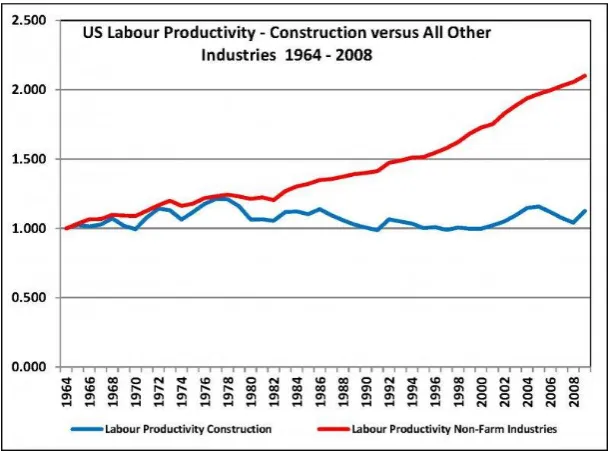
Figure 2.1: Labour Productivity in Construction and Non-Farm Industries ... 25
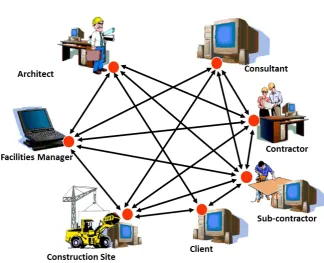
Figure 3.1: The Prevailing Document Centric Communication Model ... 30
Figure 3.2: Transforming Document Centric Model to Shared Project Model ... 31
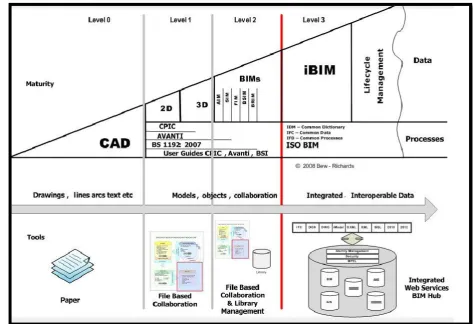
Figure 3.3: UK BIM Strategy Chart (BIM Industry Working Group, 2011) ... 37
Figure 3.4: BIM Improves Ability to Control Costs ... 41
Figure 3.5: BIM Benefits Study by CIFE (Kunz and Gilligan, 2007) ... 43
Figure 3.6: RIBA Plan of Work 2007 (RIBA, 2007) ... 54
Figure 3.7: RIBA Plan of Work 2013 (RIBA, 2013) ... 55
Figure 3.8: IPD Survey Results by AIA and AGC ... 61
Figure 3.9: Comparison Between Traditional Procurement and the IPD Approach 63 Figure 3.10: The “MacLeamy Curve” IPD Impact on the Design Process ... 65
Figure 3.11: The Three Levels of Collaboration ... 70
Figure 4.1: Process Decomposition (British Columbia, 1996) ... 75
Figure 4.2: Basic Concept of Data Flow Diagram (DFD) (Edraw, 2014) ... 79
Figure 4.3: Basic Concept of IDEFØ ... 81
Figure 4.4: Business Process Model and Notation (BPMN) (Saluja, 2009, p. 47).. 83
Figure 4.5: The Process Protocol Map (Kagioglou et al., 1998a) ... 89
Figure 5.1: Project phases of the proposed process protocol ... 115
Figure 6.1: Part of the Proposed Process Protocol ... 120
Figure 6.2: The Proposed Process Protocol ... 123
Figure 7.1: Case Studies Structure ... 147
Figure 7.2: Approach to Case Study One ... 150
LIST OF ABBREVIATIONS
ACC Airport Consultants Council
ACI-NA Airports Council International-North America
AGC Associated General Contractors of America
AIA The American Institute of Architects
BCA Building and Construction Authority of Singapore
BCIS Building Cost Information Service
BIM Building Information Modelling
BIT BIM Implementation Team
BoQ Bill of Quantities
BPF British Property Federation
BPM Business Process Management
BPMN Business Process Model and Notation
BREEAM Building Research Establishment Environmental Assessment Methodology
BS British Standards
CAE Computer Aided Engineering
CIE Computer Integrated Environments
CIFE Center for Integrated Facilities Engineering, Stanford Univ. USA
COAA Construction Owners Association of America
COBie Construction Operations Building Information Exchange
CPIC Construction Project Information Committee
CRC Cooperative Research Centres
CURT The Construction Users Roundtable
DB Design-Build
DBB Design-Bid-Build
DECA Danish Enterprise and Construction Authority
ECTP European Construction Technology Platform
FM Facility Management
GSC Government Construction Strategy
ICAM Integrated Computer Aided Manufacturing
ICT Information Communication Technology
IDEF ICAM Definition
IDEFØ ICAM Definition Method Zero
IDM Information Delivery Manual
IFC Industry Foundation Classes
IPD Integrated Project Delivery
IT Information Technology
KPI Key Performance Indicators
LEED Leadership in Energy and Environmental Design
LoD Level of Development
LOD Level of Detail
MEP Mechanical, Electrical and Plumbing
NAO National Audit Office
NASFA National Association of State Facilities Administrators
NBIMS National BIM Standard
NEDO National Economic Development Office
NIBS The National Institute of Building Sciences
NIEP National Improvement and Efficiency Partnership
NIST The National Institute of Standards and Technology
NPD New Product Development
O&M Operation and Maintenance
OGC The United Kingdom’s Office of Government Commerce
OMG Object Management Group
PM Project Management
PMO Project Management Office
PP Process Protocol
QA Quality Assurance
QC Quality Control
RFI Request for Information
RIBA Royal Institute of British Architects
RICS Royal Institute of Chartered Surveyors
ROI Return on Investment
SADT Structured Analysis and Design Technique
SOM Cranfield School of Management
STEP STandard for the Exchange of Product model data
UAE United Arab Emirates
UAED UAE Dirham
UKCG UK Contractors Group
USACE U.S. Army Corps of Engineers
VA U.S. Department of Veterans Affairs
VE Value Engineering
CHAPTER 1
Introduction to the Research
1.1 Introduction
The construction industry is a multi-disciplinary and multi-national industry, which has
an important role to play within the overall economy of any country. The construction
industry also makes an important contribution to the competitiveness and prosperity of
an economy when it plays a major role in delivering built infrastructure in an innovative
and cost effective way. The 2009 report published by L.E.K Consulting for the UK
Contractors Group (UKCG) highlighted that government investment in construction is
the most beneficial use of simulative public expenditure whereby construction has an
impact on economic activity, contributing to employment and providing benefits for the
investment (UKCG, 2009).
The Egan's Report, with the aim of examining the efficiency of the construction
industry, identified global areas for improvement estimating that only 40-60 percent of
potential labour efficiencies are ever achieved: Up to 30 percent of the cost of
construction is due to rework; 10 percent is due to material wastage and; accidents
could account for as much as 3-6 percent of total project costs (Egan, 1998). The
Report also proposed a radical transformation of the UK construction sector,
identifying five key drivers of change: committed leadership, a focus on the customer,
integrated processes and teams, a quality driven agenda, and a commitment to
people. The adoption of a "lean" approach to design and construction projects to
minimize waste across the board has also been recommended.
However, the construction industry has been repeatedly characterised as inefficient.
Greater efficiency could achieve significant savings. Indeed it has been argued that
such savings could add up to as much as 30 percent (Egan, 1998; Latham, 1994).
data used further down the supply chain has to be re-entered or re-created by other
suppliers, largely because the software used by each party is not inter-operable. The
National Institute of Standards and Technology (NIST) looked at this problem in the
US in 2004 and estimated the total cost of inadequate inter-operability at $15.8 billion
per year, the equivalent of 2.84 percent of the annual financial value of the
construction industry (2002 figures). Of these costs, two-thirds are borne by owners
and operators, which incur during on-going facility operations and maintenance (O&M)
(Gallaher et al., 2004).
There are major challenges to an improved performance within the industry.
Particularly lacking is, the ability to capture the large amounts of information
generated during the lifecycle of projects and to make these available, in the right
format, so that professionals can then evaluate alternative solutions based on lifecycle analysis. According to “the Investors Report” (BIM Task Group, 2012) the construction
industry captures and retains little data about the assets it delivers and operates. The
data that the sector does capture is rarely sufficiently analysed to allow performance
on the existing project, or delivery of the next, to be improved. However, industry
professionals are aware of the significant impact of having readily available project
information during the design and construction.
The fragmented nature of the industry is the main reason behind the unavailability and
ill utilisation of project information. Any construction project involves numerous
practitioners, including architects, engineers, contractors, subcontractors and
suppliers to deliver a one-of-a-kind project, which requires a tremendous amount of
coordination. This involves the collaboration of a number of organisations, which are brought together for the duration of the project as the “project team”. These
organisations vary in terms of size, capability, skills, practices, IT systems and many
others. In addition, they are more often based in different locations yet they need to
work collaboratively and share the same project information. This imposes a great challenge in meeting the projects’ objectives, in terms of time, cost, and quality, and
most importantly, meeting client requirements through better collaboration between
the project partners.
fraught by a lack of cooperation and poor information integration”. Typical problems
cited included: errors, omissions, inefficiencies, coordination problems, cost overruns
and productivity losses. Over the past decade, however, the industry has reacted to
these challenges by adopting effective procurement approaches, such as partnering
and design and build, in order to improve collaboration and communication among the projects’ stakeholders.
Clients’ involvement has long been recognised as an important driver to improve the industry’s performance, and, more specifically, in stimulating innovation in design and
construction (NEDO, 1975). However, the same report stated that:
“Our case studies reveal widespread and conspicuous failure among public sector clients to give due regard to this”
The lack of adequately engaging clients and managing their requirements contributes
adversely to construction budget and schedule overruns. This is a difficult task to
achieve, particularly if clients are not continuously and formally involved in the design
and construction process, which means that the design intent is left to designers that may not always satisfy clients’ requirements. Such a task needs to be managed sufficiently in order to enhance transparency towards clients’ requirements and
communication with all stakeholders throughout the lifecycle of a facility (Jallow et al., 2008). In almost all cases, clients can take a lead by demanding and valuing good
practice. Without this, lowest cost will probably drive out change until the situation is
so severe that legislation is used to force action (Barrett, 2008).
Client lead is strongly recognised in bringing change through better collaboration
between project stakeholders. However, one of the major challenges is that
collaboration is operated under conventional procurement methods, which hugely limit the stakeholders’ roles and responsibilities to bring about the required level of
collaboration. Moreover, there is a resistance against adopting new enabling
technologies, which are perceived as costly, and there is concern that there are
insufficiently skilled workers who are incapable of using this technology effectively. In
fact, the opportunities offered to organisations by such technologies require
businesses to review and refocus how they add value to the design and construction
timing of how designs proceed as well as how and when client value is added to the
design and construction process (Shen et al., 2009).
Recently, the convergence of technology, culture and process has given birth to the
notion of Building Information Modelling (BIM). According to HM Government (2012),
Building Information Modelling (BIM) is defined as a collaborative way of working,
underpinned by the digital technologies which unlock more efficient methods of
designing, creating and maintaining our assets. Although relatively new to the
construction industry, 3-D modelling in the sense of BIM, has been used in other
industries for a significant period of time (Langdon, 2012b). The benefits of BIM have
been highlighted in many publications for improving design and construction. Indeed
BIM derives fundamentally from the way in which all parties to the project can
contribute to the central data model and the way all can draw information from it. The
issue here is not only leveraging IT hardware and software using BIM but also the
creating of a collaborative environment for successful BIM deliverables. Until now, the
questions of how such protocol for BIM/IPD should be structured and implemented
effectively still remains to be investigated further.
1.2 The Research Challenge
The UAE Construction Industry
The United Arab Emirates (UAE) construction industry has reached an unparalleled
position in the last decade. It started to grow to meet the increasing demand for
shelter, offices, electricity and roads amongst other infrastructure. The real boom,
though, started in the mid-1990s with the shift from an oil-dependent economy to one
which is more reliant on industry, commerce and tourism. The growth was initiated by
the public sector but the private sector has also been involved. The Emirate of Dubai
has been credited with the highest per square kilometre of construction activity in the world. Dubai’s pivotal role in the recent expansion of construction activity in the Gulf is
obvious: of the $50 billion estimated Gulf-wide building spends, 60 percent of that,
about $30 billion is in the UAE alone; and the majority of that is in Dubai (ITP
Faridi and El‐Sayegh (2006) identified the top 10 most significant causes of construction delays in the UAE, of which the key ones are the “approval of drawings”, “inadequate early planning” and “slowness of the owners' decision‐making process”.
This is related to the international nature of the industry in the UAE. In other words
most of the working companies (consultants, contractors, sub-contractors and
suppliers) are branches of international companies or local companies associated with
international companies. Such a climate has advantages such as the diverse
technology and experiences that can be brought to the local market via international
companies. While the main disadvantage is that almost all companies base their
business models on parochial benefits and gains rather than long-term plans. As a
result, there is a lack of good investment in new technology and the development of
human capital. This situation is further inflated by the:
Lack of clear vision of most of the local clients;
Very poor or no clear client briefs;
Absence of quality engineering practice, i.e. local consultants pay low staff salaries while international consultants do not invest enough in developing local
capabilities;
Local laws and regulations (governmental and public works) are pro open biddings;
Natural tendency to avoid innovative solutions in projects; and
Lack of understanding of the collaborative environment among the engineering and construction community.
BIM and Collaborative Environments
The last decade has seen a vast emergence of BIM and related technologies to a
point where they may now be considered as the recognised platform for the design and construction of many building projects. Their adoption has reached the ‘tipping point’ whereby their use may be expected to grow significantly over the next decade
Shen et al. (2009) describe BIM and related technologies as:
“BIM and related technologies will inevitably improve productivity and reduce waste within the construction process, change the role of professionals within the process and when and how they contribute their knowledge and expertise, enable data on individual projects to be shared within other larger models of the built environment, re-engineer existing business processes, and require new types of software and new technologies”
Eastman et al. (2011) define BIM as ‘a modelling technology and associated set of
procedures to produce, communicate and analyse building models’ and characterise
building models as intelligent digital representations of building components, which
include data that describes how they behave. Brandon and Kocatürk (2008) explore
how BIM and related technologies will present a new virtual future for design,
construction and procurement.
It is widely recognised that BIM is becoming an important technological tool which can
bring significant improvements to construction projects if implemented successfully.
However, this technology, on its own, will not yield the full benefits, particularly to
client organisations, if it is not underpinned by appropriate practices that harness its
complete potential. These include process-based models and procurement systems
that clearly define the level of collaboration through the roles and responsibilities of all
project partners. However, a large percentage of BIM research is still focusing on the
technological aspect including the inter-operability of BIM technologies For example
the works of Becerik-Gerber and Kensek, 2009; Björk and Laakso, 2010; Goedert and
Meadati, 2008; Halfawy and Froese, 2005; Howell and Batcheler, 2005; Steel et al., 2010.
The impact of the “process” on performance improvement is clearly understood by the industry’s leaders, i.e. the majority of the problems facing the construction industry are
process related and not technology based (Kagioglou et al, 1998). Taylor and Bernstein (2009) mentioned that the full benefit of BIM tools can only be captured by
coordinating and developing integrated business practices. Kiviniemi et al. (2008) highlighted that there is a need to redefine the traditional work processes and roles
that each partner must have in the future. The American Institute of Architect’s (AIA) report on integrated practice explains that “There is a lack of understanding on the
The AIA has been promoting a new approach to collaboration namely “Integrated Project Delivery” (IPD). The AIA (2010) has defined IPD as “a project delivery method
distinguished by a contractual agreement between a minimum of the client, design
professional, and contractor, where risk and reward are shared and stakeholder success is dependent on the project success”. In principle, IPD requires all project
stakeholders to get involved in the project right from the early stages of the design
process. A proactive approach needs to be taken by all stakeholders to prevent
problems from occurring, rather than wait to solve them once they have materialised.
In this approach, each stakeholder should be working in the best interests of the
project and the client.
This research faces two main challenges: firstly BIM and its delivery process using
IPD; and how client organisations can accommodate better and more effective
processes in order to maximise the benefits achieved from BIM implementation. The
latter is critical for effectively and efficiently transferring client organisations from the
traditional delivery of projects into BIM/IPD ones.
1.3 The Aims and Objectives of the Research
The primary aim of this research is to develop a process roadmap for the successful
implementation of Integrated Project Delivery (IPD) for client organisations using BIM
as the main vehicle to control and manage the integration process. The research will
focus on the identification of high level processes and their inter-relationships, which
could provide guidance to client organisations on how to implement and manage IPD
effectively. The research will also seek to investigate their impact on UAE local culture
and legal procurement framework on the implementation of BIM/IPD.
In order to achieve the above aims, the following objectives, summarized as follows,
have to be achieved:
1. Develop an in depth understanding of BIM and IPD’s concepts and principles
through carrying out a detailed literature review;
3. Identify the main processes required to successfully implement BIM/IPD in
client organisations;
4. Develop a process roadmap (process protocol) for implementing BIM/IPD in
client organisations including the identification of its main components;
5. Evaluate the process protocol within UAE local culture;
6. Validate the process protocol using real case studies; and
7. Produce a recommended process protocol for client organisations along with its
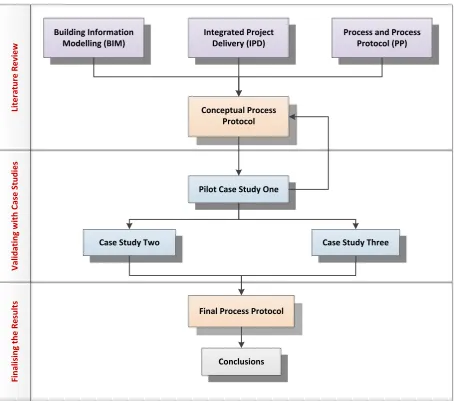
process details. Integrated Project Delivery (IPD) Li te ra tu re R e vi e w
Final Process Protocol Conceptual Process
Protocol Building Information
Modelling (BIM)
Pilot Case Study One
Conclusions
Process and Process Protocol (PP)
Case Study Three Case Study Two
V al id at in g w it h C as e S tu d ie s Fi n al is in g th e R e su lt s
[image:26.595.96.551.284.685.2]1.4 Research Design
The general outline of the research method is shown in Figure 1.1 where the research
activities are grouped into three phases:
1. A comprehensive literature review was conducted with specific focus on BIM
and its implementation, collaborative environment and Integrated Project
Delivery (IPD), as well as processes including process modelling and process protocol (PP). The principles of the University of Salford’s process protocol
were adopted as a baseline for this study because of its relevance. Through
this review, a conceptual process protocol was drafted and proposed.
2. The proposed conceptual process protocol was then validated with a number of
case studies. Semi-structured interviews were conducted with the client,
consultants and contractors. A pilot case study (case study one) was carried
out to validate the initial conceptual process protocols against the UAE local
culture and contract conditions. The findings of case study one were fed-back into the conceptual process protocol to “localize” it while case study two and
three were used to validate its various phases and processes.
3. Cross-discussion and analysis of the cases were then carried out to produce
the final process protocol. Finally, conclusions were drawn and
recommendations for future research were outlined.
1.5 Research Limitation
The main aim of this research is to create a process roadmap with high-level
processes to provide guidance to client organisations on how to implement and
manage BIM/IPD effectively within their organisations. However, the development of
the process protocol is constrained to the following:
1. This study uses IPD to refer to all levels of collaboration that could occur
between a numbers of parties involved in the construction project, i.e. not the
easily accommodate the proposed process protocol within client organisations
and be able to deal with the various levels of collaboration.
2. The process protocol only presents high-level processes for the concerned
departments within client organisations and/or external project stakeholders
along the project phases where these processes are carried out.
3. The status of the projects used in case study two and three were at the
completion stage of the detailed design. This is mainly due to the lack of
projects that have adopted BIM or IPD from design to construction in the UAE.
Hence, the validation of the strategic planning, construction and facility
management phases of the process protocol were based on the literature
review and practical experience of the researcher and interviewees.
4. The interviewees of case study two and three have developed their BIM and
collaboration experience from these two projects. They have no previous
experience of wide scale BIM implementation or collaboration. This is mainly
due to the low BIM uptake within the design and construction business.
5. There was no contractor involvement in case study three due to the late
appointment of the preferred contractor by the time the case study was
conducted. Therefore, their involvement in case study three was limited.
1.6 A Guide to the Thesis
This thesis is divided into nine chapters. This chapter has identified the fragmented
nature of the industry and stressed the needs for a collaborative environment using
BIM as a vehicle to improve the performance of the industry. Special emphasis was
placed on client organisations to drive the success of BIM/IPD implementation, which
highlighted the need for a structured process approach to effectively manage BIM
based projects. The remaining chapters are organised as follows:
Chapter 2 highlights the challenges facing the construction industry including
fragmentation issues, wastage, environmental impacts and the increasing demand of
new procurement methods are also addressed.
Chapter 3 emphasises the importance of managing project information using
advanced technology, BIM and IPD. The issues and barriers of implementing BIM and
IPD and the need for tools and mechanisms which can transfer client organisations to
BIM/IPD-based ones are discussed.
Chapter 4 discusses how and why business processes need to be modeled. A
structure way to implement business processes is proposed using project phases guided through the Royal Institute of British Architects’s (RIBA) plan of work. A
thorough investigation of the generic design and construction process protocol
developed at the University of Salford, UK, are discussed and examined.
Chapter 5 discusses the research methodology used for this research. It addresses
the qualitative and quantitative approaches along with their strengths and
weaknesses. Case study as a research strategy is discussed and justified for this
research whereby data is collected through semi-structured interviews.
Chapter 6 presents the initial proposed process protocol which has been thoroughly
developed through literature reviews. All proposed phases are explained in detail
including all actions before the phase, during the phase, deliverables, goals and gate
status at the end of each phase.
Chapter 7 discusses the three case studies which involve three typical high-rise
building projects (residential and commercial) in the UAE. Case study one is used as a “control case” to validate the initial process protocol against the local conditions and
contracts. Nine important criteria that underpin the main process protocol have been
derived and used to guide the data collection for the validation of the process protocol
in case study two and three. Several semi-structured face-to-face interviews have
been conducted and the findings show that all nine criteria are important for validation
of the process protocol.
Chapter 8 discusses the findings of the case studies. The objective of elaborating the
key findings for all case studies is to improve and validate the various components of
the proposed process protocol. Detailed analysis has been conducted to back-track
recommended process protocol is presented with final improvements, which are
backed up by the literature as well as practical supports and experiences.
Chapter 9 presents the summaries and conclusions of the research together with
CHAPTER 2
The Performance of the Construction
Industry – Background
2.1 Introduction
Much of the waste that is generated throughout the life-cycle of a building is mainly
related to project stakeholders not having access to information that others have
created (Hecht, 2008). This results in waste and high costs. Waste can emerge for a
number of reason including: change order requests during construction, engineering
errors, the manual re-entry of data, redundant data collection, unnecessary meetings,
mistakes in component dimensions or quantities and over design to allow for
uncertainty.
Constructing Excellence, in 2009, undertook a comprehensive review, ten years after the Egan’s report to determine the level of its impact on the industry and to outline the
improvement agenda for the forthcoming decades. It found that after ten years,
changes in the performance of the industry were evident but that these fell short of
meeting the targets set out by Sir Egan. The Report entitled “Never Waste A Good Crisis” has been published based on the input of over a thousand industry
professionals who completed online questionnaires, in depth interviews figures and
key performance indicators from over 500 demonstration projects (Wolstenholme et al., 2009). The overall findings were as follows:-
1. “Whilst the industry is moving in the right direction, it has fallen well shorts of
Egan's targets. Both safety and profitability have taken reasonable steps
forward, but progress on all other areas has been disappointing with an annual improvement of less than 3 percent”.
2. The main obstacles to further improvements were business models that are
supply chain, and a lack of strategic commitment at senior management and
government levels.
The true cost of lacking interoperability in the UK could not be accurately measured.
However, the estimates suggest that the scale of waste due to a lack of shared
structured information for owner operators in the UK amounts to the financial loss of
£100 million a year (BSI, 2010).
In addition to the above, the industry is facing a number of challenges at the macro
level (Alshawi and Ingirige, 2002):
1. Increasing globalisation which give clients, consultants and contractors alike
the opportunity to select products and services from around the world.
2. The availability of a variety of procurement methods which can re-define the
roles and responsibilities of project participants in the interest of the
project/client.
3. Clients are demanding better value for their investments and projects are
becoming more complex than ever before. They are expected to be delivered
on time and at a higher quality whilst at a low cost.
4. The long-term economic downturn has significantly affected the industry.
In 2011, the UK Cabinet Office through the Government Construction Strategy
reiterated the ideas of Latham and Egan to drive for a more efficient industry and gave
recommendations on two key variables: whole life cost and carbon performance which
could advance a revolution in the construction industry in a time of economic
melt-down. This suggestion has been recommended to the UK government to propose the
mandatory use of BIM by 2016 (BIM Industry Working Group, 2011).
This chapter addresses the challenges that affect the future of the construction
industry. Furthermore, the impact of environmental factors, which have led clients to
raise their demands and increased the need for new procurement systems. This
chapter also highlights the need for embracing new technologies, which could
2.2 The Economic Downturn and Client Demands
The global economic outlook remains highly uncertain. Recently, the Global Competitiveness Report 2012–2013 (Sala-i-Martín et al., 2012) reported that the world economy is once again fragile and that global growth remains slow whilst recovery is weak. Grant Thornton’s International Business Report (Thornton, 2013) shows that
growth rates in and around Europe look set to disappoint over the next 12 months.
Having contracted by 0.4 percent in 2012, the Euro-zone is expected to expand by
just 0.2 percent in 2013. China is the only exception, where growth rates are expected
to increase from 7.8 percent in 2012 to 8.2 percent in 2013. Whereas in the United
States (US) economic growth is also still weak whilst unemployment remains high.
Over the next few years, the construction industry, on worldwide scale, faces a tough
challenge. Indeed the macroeconomic environment and consumer trends are having a
deep impact on the construction industry.
With the global economy likely to remain volatile over the next couple of years, clients
will be operating in an increasingly challenging marketplace. For many years the industry’s main clients have experience problems, such as inconsistent quality and
value for money. The National Audit Offices report 'Modernising Construction' (Bourn,
2001) stated that more than 70 percent of all publicly procured projects were over time
or over budget. A research study conducted by Building Cost Information Service
(BCIS) UK in 2006 found that nearly 40 percent of all projects that were studied had
overrun the contract period. Clients are not prepared to pay for projects with extended
contracts despite clear evidence that longer planning periods enable better risk
assessments, reduce health and safety incidents and, improve quality as well as
delivery costs and time (Rethinking Construction, 2002).
On the other hand, clients see the industry as overly complicated because of its
numerous professions and organisations along with its convoluted processes and
procedures of operation (Egan, 1998; Latham, 1994). In this regard, clients need to
change their attitudes and gain a better understanding of their role as the “construction client”. The construction client represents both owners and end users
wider society are met by a construction project, from its initial conception to the final
implementation (Vennström, 2008).
Egan (1998) presented the need for benchmarks as a method of implementing
improvements and stated for reductions in cost, time and defects. Moreover he argued
for the measurement of key performance indicators to become the drivers of change.
He also recognised that client leadership was critical and that the notion of a best
practice client needs to be established. A publication by the National Improvement
and Efficiency Partnership (NIEP) (2012) suggested that client leadership in local
government should be informed by six principles that will help deliver quality and
efficiency. These principles are as follows:
i. Taking a whole-life view of value – life-cycle costing at an early stage of a
project or program helps in testing options, assessing long-term affordability,
balancing capital and running costs as well as, ultimately, providing instructions
for how a building in use should be occupied;
ii. Using framework agreements – collaborative agreements need to be setup and
make procurement of individual projects more cost effective and quality-led;
iii. Innovation in supplier relationships – focusing on innovation and the
best-performing materials and techniques over the longer term. Collaboration and
sharing information serves the whole-life approach to components and
products;
iv. Leading on good design – delivering value for money and quality is about
making the right connections between design decisions and the costs of both
construction and maintaining a building in use;
v. Commitment to sustainable development – clients need to apply environmental
sustainability considerations to strategic decisions on issues like site selection
and procurement, rather than to the detail of building services, materials and
interior design; and
vi. Considering building management at an early stage – knowing how a building
is going to be used is an essential part of securing long-term value which will
At the earliest stage, the client should identify and engage with stakeholders who are
directly or in-directly involved in a project. Building an in-house or cross-organisational
team to manage a programme or project is the key to successful collaboration. The
NIEP (2012) proposed that one responsibility of client leadership should be the ability
to recognise the range of skills already available within and between organisations. As
well as to determine what is required for the task and whether any additional training
might be offered to the individuals concerned.
2.3 The Impact of Environmental Factors
The issue of the environment has been a major topic and research subject since the
mid-eighties. The construction of buildings and infrastructure on the other hand,
affects the environment, in terms of resource consumption, pollution and waste
production. The amount and type of such affects depends on many factors, such as the stage of construction, type of construction work, direct and indirect stakeholders’
design change contribution and practices throughout the project lifecycle.
A briefing note published by the Willmott Dixon Group (Willmott Dixon, 2010) on the
impact of construction and the built environment shows that the construction industry
uses almost 45-50 percent of energy, 50 percent of water and 60 percent of raw
materials. On the same note, it stated that the industry contributes to 23 percent of air
pollution, 50 percent of climate change gases, 40 percent of drinking water pollution
and another 50 percent of landfill waste.
Construction waste is normally related to design changes, leftover material scraps, the
wastage of no-recyclable/re-useable packaging, design/detailing errors and poor
weather (Faniran and Caban, 1998). Furthermore, Osmani et al. (2006) performed a study of the attitudes of architects and contractors towards the origins of construction
waste and the result indicates that construction waste is related to design, site operation, procurement routes, material handling and sub-contractor’s practices.
Later, Osmani et al. (2008) compiled and grouped the main sources of waste factors in terms of construction lifecycle stages. These stages include the contractual, design,
procurement, transportation, on-site management and planning, material storage,
The construction industry will not only have to face issues presented by the economic
crisis but will also have to fight the challenges created by global warming. Such
challenges may necessitate changes in construction practice. Sustainable
construction procedures, which use new materials and technologies, have been
proposed by experts. These can reduce energy consumption and operation and
maintenance costs, by reference to better work environments and other green building
benefits. A recent study by Greg Kats for the Massachusetts Technology Collaborative
(Kats, 2003) on green building costs and financial benefits, found that although there
is an additional 2 percent cost on the materials, the overall saving on operating and
maintenance costs for the entire cycle of the building can be reduced by 20 percent.
The European Construction Technology Platform on the strategy for sustainable
competitiveness of the construction sector (ECTP, 2012) highlighted that fighting
climate change and smart buildings are key points to achieving a resource-efficient
and sustainable construction sector. ECTP has also restated that the lowest initial cost
based approach is completely wrong and that the approaches of Life Cycle Analysis
and Life Cycle Cost Analysis should be incorporated into the planning, design and
construction of projects. Achieving these targets requires new knowledge and skills, at
all stages of design and construction.
2.4 The Impact of Advanced Technology
The construction industry is facing a significant challenge of inaccurate and untimely
communications amongst project stakeholders, inevitably resulting in costly delays to construction projects. Most of the information is often “lost” in the sense that it is not
retained in order to be shared with partners, which creates the need for it to be
re-entered. This causes a major problem with maintaining up-to-date versions of the
information. Over the past decade, advances in IT have introduced improvement in
managing information and enhance the ability of organisation to restore, retrieve and
reuse information.
Construct IT (2008) conducted a survey which aimed to capture the current practices
(both consultants and contractors) were surveyed. The results clearly showed that
construction organisations acknowledge the strategic nature and significance
contribution of IT in an organisational-wide scope. IT strategies are gradually being
integrated into organisational business strategies and the impact of technology is
recognised for delivering competitive advantages for the future. On the other hand,
construction organisations have had their IT investments influenced by a state of
readiness of the organisation to successfully receive new and future IT investments
(Construct IT, 2008). The survey found that:
1. The importance of aligning IT investment to business process management is
highly recognised but is not yet being practiced.
2. Industry recognises the need for IT skills and competences within
organisations, but has not yet utilised them for innovation.
3. Industry strongly believes in investigating new technologies for competitive
advantage but has not yet taken pursued this.
The most critical finding of this survey was that a significant gap exists between “what is necessary” to achieve IT-based improvements, and “how to implement change”.
This clearly shows that the mechanism (processes) to by which to realise IT benefits
and maximise success are not yet fully understood.
In this context a “technology push” alone, will not harness the full business potential of
IT. It is the innovation in process improvement and management, along with IT as an
enabler, which is the only mechanism to ensure sustainable growth and improvement.
This requires an organisation to be in a state of readiness so that it can positively
absorb IT enabled processes into its working practices (Alshawi, 2007). In addition,
the competencies that an organisation needs to develop in order to acquire the
capability to strategically benefit from IT, prior to IT investment, falls under four main
parts: people, processes, the work environment and IT infrastructure (Alshawi, 2007).
The first two elements are the key to change and improvement while the latter two
2.5 The Impact of New Procurement Methods
Client interaction with the industry requires engagement with a diverse group of
professionals and businesses and entering into contracts with them. This process is normally called ‘procurement’. Boyd and Chinyio (2008) defined procurement as the
framework within which construction is brought about, acquired or obtained. In the
traditional form of procurement, the client decides what is wanted then appoints and
briefs a designer (architect or engineer), who designs the building and informs the
selection of a contractor and the contractor then delivers what has been designed.
The construction strategy (CabinetOffice, 2011) sets out the principles of an
alternative procurement approach. This is designed to eliminate the wastefulness of
teams completing and costing a series of alternative designs for a single project, only
one of which will be built. Good procurement practice is crucial to reduce the overall
cost of projects, to improve the economic efficiency of the construction industry and to
ensure that projects, when complete, are fit for purpose, thereby securing whole life
value. The Cabinet Office (2011) recognised that the right model for public sector
construction procurement in the UK is one in which there is an alignment of interests
between those who design and construct a facility and those who subsequently
occupy and manage it.
The choices and variations of delivery methods have increased considerably over the
last two decades. There are a few types of procurement systems: from traditional
methods, like design-bid-build and design-build, to more integrated methods, such as
partnering and Integrated Project Delivery (IPD). These will be described briefly in the
following sections.
2.5.1 Design-Bid-Build (DBB)
The main characteristic of this procurement system is the separation of responsibility
in design and construction, which are handled by two different organisations. In this
method, the client first hires the architect or engineer to design the building or
design, moving through the three standard design phases: schematic design, design
development and finally contract documents.
A key advantage of DBB is that it allows flexibility during construction when variations
to designs and specifications of work can be accommodated. DBB is favoured by
architects and engineers as it allows them to work as technical managers and set
project specifications for everyone to follow.
The key disadvantage of DBB is that contractors are not involved in the initial design phase where the ability to influence the project’s cost and quality is significantly
constrained. The clients are liable for any errors and emissions in the plans and
specifications. Moreover the contractors have to put in extra contingency money for
those unforeseen conditions like design changes, late project deliveries and legal
costs.
2.5.2 Design-Build (DB)
Unlike DBB, the DB approach is made with only one single entity, i.e. the main
contractor. The responsibility of the project is usually in the hands of the contractor,
who includes a team of architects and engineers to manage the design.
DB-contractors are responsible for delivering the right product at the right time to clients.
The advantage of DB is that the client resigns from any direct design involvement
going into a DB contract, leaving the detailing of the project in the hands of the DB
contractor. The contractor is free to interpret within the specifications of the design
requirements. Hence, there is little flexibility for the client to make changes after the
initial design is approved and a contract amount is established. The building is
typically completed faster, with far fewer legal complications and at a somewhat
reduced total cost.
The disadvantage of DB is that it gives less design control and involvement to the
client and stakeholders. Tendering is more expensive so it carries more risks for the
2.5.3 Partnering
Partnering is a structured management approach to facilitate collaboration across
contractual boundaries, which includes the concepts of teamwork, between the
supplier and client, and of total continuous improvement (Construction Industry Board,
1997). It requires openness between the parties, ready acceptance of new ideas, trust
and perceived mutual benefit. Partnering promotes improved performance through
collective business relationships based on best value rather than lowest cost.
W. C. Ronco and J. S. Ronco (Merritt, 1996) have identified nine different situations in
which partnering is suitable, such as those involving large client organisations,
multiple clients and/or the government. For complex projects and those designed with
the application of new technologies, partnering can help provide the strategies and
skills to strengthen the communications necessary for effective problems-solving and
information sharing among the firms involved with the project.
Constructing Excellence (2004) highlights the following elements for the set up of a
partnering arrangement:
1) Commitment
Commitment from the highest level must exist which is continuously
communicated and reinforced throughout the organisation. Issues of cultural
change are relevant and it is crucial to seek and achieve input from all those
involved.
2) Self-assessment
Organisations need to understand their own readiness and determine what and
why they need a partner, the capabilities and right skills and a will to move
towards a new working culture.
3) Selection
Trust is a critical factor in partnering. The most significant proportion of
partnering arrangements are made by companies that already have developed
good working relationships. However, in order to select the right partner, some
partnering experience, environmental policy, management style, customer care
and resources.
4) Mutual Objectives
A clearly defined objective must be established that meets the aims of each of
the parties in order to achieve a successful partnering.
5) Problem Resolution
A joint problem resolution mechanism needs to be established to enable
decisions to be taken quickly and effectively. Thus, prevent minor problems
from developing into damaging disputes, etc.
6) Continuous Improvement
Relevant indicators must be determined and performance needs to be
measured to demonstrate improvement using some key performance indicators (KPIs). A continuous cycle of “measure, review, identify and implement” is
required.
7) Contractual Information
Contracts have normal consist of a partnering agreement in conjunction with an
appropriate amended standard form of contract. The partnering agreement
generally defines the provisions of the arrangement such as attitude, partnering
performance, allocation of risk and incentives for reward or penalty.
8) Risk and Reward Issues
Risks that might be encountered should be jointly identified and assessed and
should be allocated to the relevant parties. Some arrangement could also be
made on cost-reimbursement and profits where the incentives are generally
built into the agreement to reward good performance or penalise poor