K and Raine, G and Vinall-Collier, K and Wright, J (2014) A systematic review of the effec-tiveness and cost-effeceffec-tiveness of peer-based interventions to maintain and improve offender health in prison settings. Health Services and Delivery Research, 2 (35). ISSN 2050-4349 DOI: https://doi.org/10.3310/hsdr02350
Link to Leeds Beckett Repository record:
http://eprints.leedsbeckett.ac.uk/1015/
Document Version: Article
c
Queen’s Printer and Controller of HMSO 2014. This work was produced by South et al. under the terms of a commissioning contract issued by the Secretary of State for Health. This issue may be freely reproduced for the purposes of private research and study and extracts (or indeed, the full report) may be included in professional journals provided that suitable acknowledgement is made and the reproduction is not associated with any form of advertising. Applications for commercial reproduction should be addressed to: NIHR Journals Library, National Institute for Health Research, Evaluation, Trials and Studies Coordinating Centre, Alpha House, University of Southampton Science Park, Southampton SO16 7NS, UK.
The aim of the Leeds Beckett Repository is to provide open access to our research, as required by funder policies and permitted by publishers and copyright law.
The Leeds Beckett repository holds a wide range of publications, each of which has been checked for copyright and the relevant embargo period has been applied by the Research Services team.
We operate on a standard take-down policy. If you are the author or publisher of an output and you would like it removed from the repository, please contact us and we will investigate on a case-by-case basis.
VOLUME 2 ISSUE 35 OCTOBER 2014 ISSN 2050-4349
A systematic review of the effectiveness and
cost-effectiveness of peer-based interventions
to maintain and improve offender health in
prison settings
and cost-effectiveness of peer-based
interventions to maintain and improve
offender health in prison settings
Jane South,
1
*
Anne-Marie Bagnall,
1
Claire Hulme,
2
James Woodall,
1
Roberta Longo,
2
Rachael Dixey,
1
Karina Kinsella,
1
Gary Raine,
1
Karen Vinall-Collier
2
and Judy Wright
2
1
Institute for Health and Wellbeing, Leeds Metropolitan University, Leeds, UK
2
Academic Unit of Health Economics, Leeds Institute of Health Sciences,
University of Leeds, Leeds, UK
*Corresponding author
Declared competing interests of authors:none
Published October 2014
DOI: 10.3310/hsdr02350
This report should be referenced as follows:
South J, Bagnall AM, Hulme C, Woodall J, Longo R, Dixey R,et al. A systematic review of the
effectiveness and cost-effectiveness of peer-based interventions to maintain and improve offender
ISSN 2050-4349 (Print) ISSN 2050-4357 (Online)
This journal is a member of and subscribes to the principles of the Committee on Publication Ethics (COPE) (www.publicationethics.org/). Editorial contact: [email protected]
The full HS&DR archive is freely available to view online at www.journalslibrary.nihr.ac.uk/hsdr. Print-on-demand copies can be purchased from the report pages of the NIHR Journals Library website: www.journalslibrary.nihr.ac.uk
Criteria for inclusion in theHealth Services and Delivery Researchjournal
Reports are published inHealth Services and Delivery Research(HS&DR) if (1) they have resulted from work for the HS&DR programme or programmes which preceded the HS&DR programme, and (2) they are of a sufficiently high scientific quality as assessed by the reviewers and editors.
HS&DR programme
The Health Services and Delivery Research (HS&DR) programme, part of the National Institute for Health Research (NIHR), was established to fund a broad range of research. It combines the strengths and contributions of two previous NIHR research programmes: the Health Services Research (HSR) programme and the Service Delivery and Organisation (SDO) programme, which were merged in January 2012.
The HS&DR programme aims to produce rigorous and relevant evidence on the quality, access and organisation of health services including costs and outcomes, as well as research on implementation. The programme will enhance the strategic focus on research that matters to the NHS and is keen to support ambitious evaluative research to improve health services.
For more information about the HS&DR programme please visit the website: http://www.nets.nihr.ac.uk/programmes/hsdr
This report
The research reported in this issue of the journal was funded by the HS&DR programme or one of its proceeding programmes as project number 10/2002/13. The contractual start date was in February 2012. The final report began editorial review in April 2013 and was accepted for publication in October 2013. The authors have been wholly responsible for all data collection, analysis and interpretation, and for writing up their work. The HS&DR editors and production house have tried to ensure the accuracy of the authors’report and would like to thank the reviewers for their constructive comments on the final report document. However, they do not accept liability for damages or losses arising from material published in this report.
This report presents independent research funded by the National Institute for Health Research (NIHR). The views and opinions expressed by authors in this publication are those of the authors and do not necessarily reflect those of the NHS, the NIHR, NETSCC, the HS&DR
programme or the Department of Health. If there are verbatim quotations included in this publication the views and opinions expressed by the interviewees are those of the interviewees and do not necessarily reflect those of the authors, those of the NHS, the NIHR, NETSCC, the HS&DR programme or the Department of Health.
© Queen’s Printer and Controller of HMSO 2014. This work was produced by Southet al.under the terms of a commissioning contract issued by the Secretary of State for Health. This issue may be freely reproduced for the purposes of private research and study and extracts (or indeed, the full report) may be included in professional journals provided that suitable acknowledgement is made and the reproduction is not associated with any form of advertising. Applications for commercial reproduction should be addressed to: NIHR Journals Library, National Institute for Health Research, Evaluation, Trials and Studies Coordinating Centre, Alpha House, University of Southampton Science Park, Southampton SO16 7NS, UK.
Professor Ray Fitzpatrick Professor of Public Health and Primary Care, University of Oxford, UK
NIHR Journals Library Editor-in-Chief
Professor Tom Walley Director, NIHR Evaluation, Trials and Studies and Director of the HTA Programme, UK
NIHR Journals Library Editors
Professor Ken Stein Chair of HTA Editorial Board and Professor of Public Health, University of Exeter Medical School, UK
Professor Andree Le May Chair of NIHR Journals Library Editorial Group (EME, HS&DR, PGfAR, PHR journals)
Dr Martin Ashton-Key Consultant in Public Health Medicine/Consultant Advisor, NETSCC, UK
Professor Matthias Beck Chair in Public Sector Management and Subject Leader (Management Group), Queen’s University Management School, Queen’s University Belfast, UK
Professor Aileen Clarke Professor of Public Health and Health Services Research, Warwick Medical School, University of Warwick, UK
Dr Tessa Crilly Director, Crystal Blue Consulting Ltd, UK
Dr Peter Davidson Director of NETSCC, HTA, UK
Ms Tara Lamont Scientific Advisor, NETSCC, UK
Professor Elaine McColl Director, Newcastle Clinical Trials Unit, Institute of Health and Society, Newcastle University, UK
Professor William McGuire Professor of Child Health, Hull York Medical School, University of York, UK
Professor Geoffrey Meads Professor of Health Sciences Research, Faculty of Education, University of Winchester, UK
Professor Jane Norman Professor of Maternal and Fetal Health, University of Edinburgh, UK
Professor John Powell Consultant Clinical Adviser, National Institute for Health and Care Excellence (NICE), UK
Professor James Raftery Professor of Health Technology Assessment, Wessex Institute, Faculty of Medicine, University of Southampton, UK
Dr Rob Riemsma Reviews Manager, Kleijnen Systematic Reviews Ltd, UK
Professor Helen Roberts Professor of Child Health Research, University College London, UK
Professor Helen Snooks Professor of Health Services Research, Institute of Life Science, College of Medicine, Swansea University, UK
Please visit the website for a list of members of the NIHR Journals Library Board: www.journalslibrary.nihr.ac.uk/about/editors
Abstract
A systematic review of the effectiveness and
cost-effectiveness of peer-based interventions to maintain
and improve offender health in prison settings
Jane South,
1*Anne-Marie Bagnall,
1Claire Hulme,
2James Woodall,
1Roberta Longo,
2Rachael Dixey,
1Karina Kinsella,
1Gary Raine,
1Karen Vinall-Collier
2and Judy Wright
21Institute for Health and Wellbeing, Leeds Metropolitan University, Leeds, UK
2Academic Unit of Health Economics, Leeds Institute of Health Sciences, University of Leeds, Leeds, UK
*Corresponding author [email protected]
Background:Offender health is deemed a priority issue by the Department of Health. Peer support is an
established feature of prison life in England and Wales; however, more needs to be known about the effectiveness of peer-based interventions to maintain and improve health in prison settings.
Objectives:The study aimed to synthesise the evidence on peer-based interventions in prison settings by
carrying out a systematic review and holding an expert symposium. Review questions were (1) what are the effects of peer-based interventions on prisoner health and the determinants of prisoner health?, (2) what are the positive and negative impacts on health services within prison settings of delivering peer-based interventions?, (3) how do the effects of peer-based approaches compare with those of professionally led approaches? and (4) what are the costs and cost-effectiveness of peer-based interventions in prison settings?
Data sources:For the systematic review, 20 electronic databases including MEDLINE, PsycINFO,
the Cumulative Index to Nursing and Allied Health Literature and EMBASE were searched from 1985. Grey literature and relevant websites were also searched. To supplement the review findings 58 delegates, representing a variety of organisations, attended an expert symposium, which provided contextual information.
Review methods:Two reviewers independently selected studies using the following inclusion criteria:
population–prisoners resident in prisons and young offender institutions; intervention–peer-based
interventions; comparators: review questions 3 and 4 compared peer-led and professionally led
approaches; outcomes–prisoner health or determinants of health, organisational/process outcomes or
Results:A total of 15,320 potentially relevant papers were identified of which 57 studies were included in the effectiveness review and one study was included in the cost-effectiveness review; most were of poor methodological quality. A typology of peer-based interventions was developed. Evidence suggested that peer education interventions are effective at reducing risky behaviours and that peer support services provide an acceptable source of help within the prison environment and have a positive effect on recipients; the strongest evidence came from the Listener scheme. Consistent evidence from many
predominantly qualitative studies suggested that being a peer deliverer was associated with positive effects across all intervention types. There was limited evidence about recruitment of peer deliverers. Recurring themes were the importance of prison managerial and staff support for schemes to operate successfully, and risk management. There was little evidence on the cost-effectiveness of peer-based interventions. An economic model, developed from the results of the effectiveness review, although based on data of variable quality and a number of assumptions, showed the cost-effectiveness of peer-led over
professionally led education in prison for the prevention of human immunodeficiency virus (HIV) infection.
Limitations:The 58 included studies were, on the whole, of poor methodological quality.
Conclusions:There is consistent evidence from a large number of studies that being a peer worker is
associated with positive health. Peer support services can also provide an acceptable source of help within the prison environment and can have a positive effect on recipients. This was confirmed by expert
evidence. Research into cost-effectiveness is sparse but a limited HIV-specific economic model, although based on a number of assumptions and evidence of variable quality, showed that peer interventions were cost-effective compared with professionally led interventions. Well-designed intervention studies are needed to provide robust evidence including assessing outcomes for the target population, economic analysis of cost-effectiveness and impacts on prison health services. More research is needed to examine issues of reach, utilisation and acceptability from the perspective of recipients and those who choose not to receive peer support.
Study registration:This study was registered as PROSPERO CRD42012002349.
Contents
List of tables xiii
List of figures xv
List of boxes xvii
List of abbreviations xix
Plain English summary xxi
Scientific summary xxiii
Chapter 1Introduction 1
Offender health and inequalities in health 1
Involving prisoners 2
Study rationale 2
Study aims and review questions 3
Public involvement and governance 4
Chapter 2Conceptual framework 5
Determinants of offender health 5
The prison as a setting for health 6
Peer-based interventions 6
Initial study logic model and outcomes framework 7
Chapter 3Review methods 9
Study design: overview 9
Review questions 9
Systematic review of effectiveness methods 10
Search strategy and information sources 10
Study selection 10
Data extraction 11
Validity assessment/risk of bias 12
Quantitative analysis and synthesis 12
Qualitative analysis and synthesis 12
Evidence synthesis of the results 13
Development of a typology of peer-based interventions 14
Cost-effectiveness review methods 14
Search strategy 14
Study selection 15
Inclusion criteria 16
Validity assessment 16
Chapter 4Findings of the review of effectiveness: overview of studies 17
Search results 17
Description of included studies 18
Chapter 5Findings of the review of effectiveness: what are the effects of
peer-based interventions on prisoner health? (Review question 1) 35
Introduction 35
Peer education 35
Knowledge 35
Intentions 40
Attitudes/beliefs 41
Behaviour 41
Self-efficacy/locus of control 44
Mental health 44
Teacher preference 44
Additional themes from qualitative evidence 44
Peer support 45
Self-esteem/confidence 45
Perceptions of the prison environment 45
Satisfaction 47
Hours of support delivered per week 47
Time to response 47
Level of trust 47
Knowledge 47
Effects on recipients 47
Additional themes from qualitative research 48
Listener scheme 48
Effects on listeners 48
Perceived benefits for service users 49
Approachability and availability of listeners 49
Future use of the Listener scheme 49
Prison hospice volunteers 49
Peer mentoring 50
Adherence 50
Reoffending 50
Behaviour 50
Employment 50
Housing 50
Health trainers 51
Confidence 51
Knowledge 51
Attitudes 52
Prisoner outcomes: issues discussed with health trainers 52
Onward referrals 52
Additional themes from qualitative research 53
Other peer interventions 53
Peer observers 53
Peer training (violence) 53
Peer outreach (harm reduction) 53
Peer advisors (housing) 54
Peer support and counselling 54
Summary 54
Peer education 54
Peer support 55
Listeners 55
Prisoner hospice volunteers 55
Health trainers 55
Peer observers 55
Peer training 55
Peer outreach 55
Peer advisors 55
Peer support and counselling 56
Chapter 6Findings of the review of effectiveness: what is the effectiveness of
peer delivery compared with that of professional delivery? (Review question 3) 57
Introduction 57
Quantitative results 57
Intentions 57
Preference for teacher 57
Behaviour 57
Knowledge 59
Number of hours on suicide watch 59
Prisoner preferences: qualitative results 59
Summary 60
Chapter 7Findings of the effectiveness review: what are the positive
and negative impacts on health services within prison settings of delivering
peer-based interventions? (Review question 2) 61
Introduction 61
Peer recruitment, training and support 61
Prisoner relationships 62
Organisational support 63
Prison life 64
The integration of peer interventions into the prison setting 64
The contribution of peers to the wider prison workforce and service delivery 64
Peer interventions contributing to prison performance targets 64
Power and risk 64
Impact on prison ethos and culture 65
Summary 65
Chapter 8Findings: what is the cost-effectiveness of peer-based interventions in
prison settings? 67
Introduction 67
Study characteristics and population 68
Results 69
Commentary 69
Summary 70
Chapter 9Economic model 71
Introduction 71
Aim 72
Literature review of economic modelling of the prevention of human immunodeficiency
virus transmission 72
Methods 76
One-way sensitivity analysis and probabilistic sensitivity analysis 78
Results 78
Discussion 79
Chapter 10Expert symposium 83
Introduction 83
Methodology 83
Sampling strategy 83
Process 83
Data analysis 84
Findings 84
Nature and types of peer intervention in UK practice 84
Factors affecting whether or not and how well peer interventions work 85
Expert views of positive and negative impacts 87
Expert views on costs 87
Chapter 11Public involvement 89
Methods 89
Key issues 89
Chapter 12Discussion 91
Limitations of the review 91
Scope of the review 91
Methodology 91
Protocol changes 92
Limitations of the studies 92
Summary of the evidence 93
Developing a typology of peer-based interventions in prison settings 93 Review question 1: what are the effects of peer-based interventions on
prisoner health? 93
Review question 2: what are the positive and negative impacts on health
services in prison settings of delivering peer-based interventions? 97 Review question 3: what is the effectiveness of peer delivery compared
with professional delivery? 98
Review question 4: what is the cost-effectiveness of peer-based interventions
in prison settings? 99
Revised logic model 99
Chapter 13Conclusions 103
Implications for future research 103
Implications for practice 105
Acknowledgements 109
References 111
Appendix 1Evidence synthesis on peer interventions in prison settings 127
Appendix 2Search strategy for the effectiveness review 129
Appendix 3Data extraction form template for the effectiveness review 135
Appendix 4Data extraction forms for the effectiveness review 137
Appendix 5Validity assessment form templates for the effectiveness review 147
Appendix 7Peer intervention definitions 157
Appendix 8Search strategy and results for the cost-effectiveness review 161
Appendix 9Data extraction form for the cost-effectiveness review 187
Appendix 10List of excluded studies in the effectiveness review 189
Appendix 11Included studies: effectiveness review 207
Appendix 12Validity assessment tables from the effectiveness review 211
List of tables
TABLE 1 Numbers of included studies by country 18
TABLE 2 Numbers of included studies by health topic 19
TABLE 3 Numbers of included studies by intervention mode 19
TABLE 4 Description of included studies 21
TABLE 5 Knowledge: numbers of correct answers to‘yes/no’questions 37
TABLE 6 Numbers of health trainers stating that they were‘very confident’in
signposting to services 51
TABLE 7 Issues that clients discussed with health trainers 52
TABLE 8 Onward referrals from health trainers 52
TABLE 9 Characteristics of probabilistic Bernoulli models in the literature 75
TABLE 10 Parameter estimates and values 77
TABLE 11 Costs of the interventions 78
TABLE 12 Costs and QALYS 78
TABLE 13 One-way sensitivity analyses 80
TABLE 14 Parameters used in the PSA 81
TABLE 15 Typology of intervention modes 94
TABLE 16 Search results 130
List of figures
FIGURE 1 Preliminary logic model for the peers in prison settings study 8
FIGURE 2 Process of qualitative analysis and synthesis 13
FIGURE 3 Process of study selection for the review of effectiveness 17
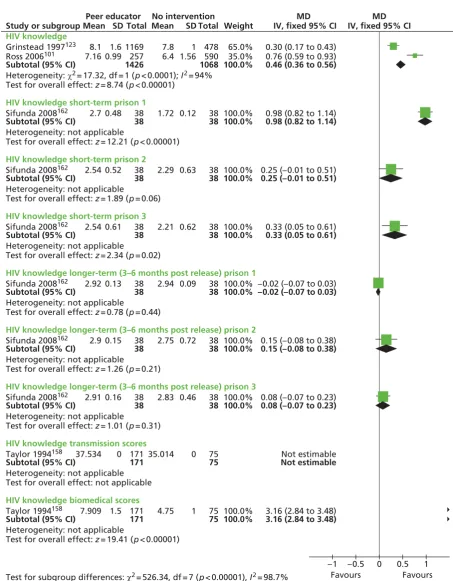
FIGURE 4 Knowledge scores 39
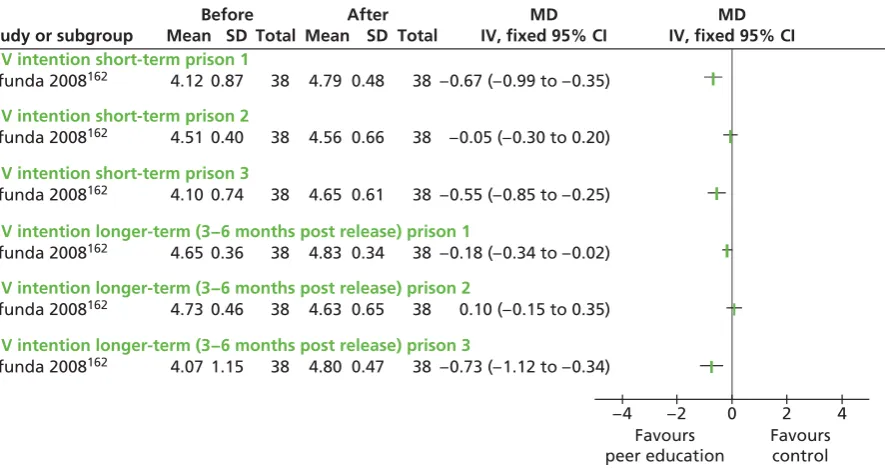
FIGURE 5 Effect of peer education on intentions in three South African prisons 40
FIGURE 6 Intention to ever use condoms (by ethnicity) 41
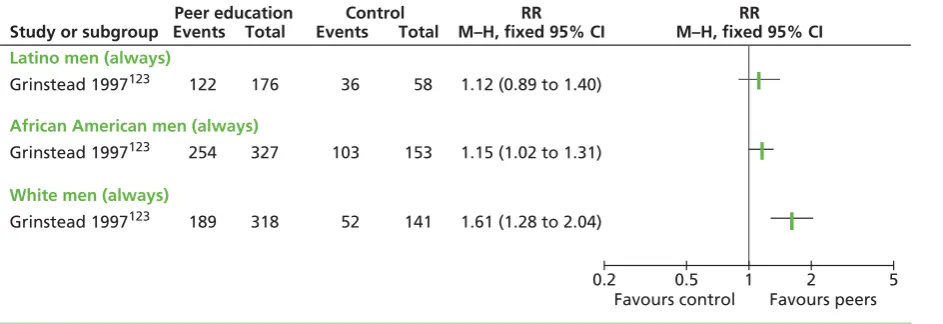
FIGURE 7 Intention to always use condoms (by ethnicity) 41
FIGURE 8 Effects of peer education on behaviour: binary outcome 42
FIGURE 9 Effects of peer education on behaviour: scale outcomes 43
FIGURE 10 Effects of peer education on father/child contact 44
FIGURE 11 Effects of peer education on father/child contact: data from caregivers 44
FIGURE 12 Peer Support Team intervention: self-esteem 46
FIGURE 13 Intentions: peer-led vs. professional-led groups 58
FIGURE 14 Study selection process 67
FIGURE 15 Cost-effectiveness plane 81
FIGURE 16 The importance of relationships for the sustainability and success of
peer interventions in prison 86
FIGURE 17 Revised logic model for peer-based interventions in prison settings 101
FIGURE 18 A health capacity logic model for peer-based interventions in
List of boxes
BOX 1 The range of peer interventions in prison identified by experts 84
BOX 2 Recruitment, training and support processes for peer interventions in
prison: good practice guidance identified by delegates 85
BOX 3 Positive impacts of peer interventions 87
List of abbreviations
ACE AIDS, Counselling and Education
AIDS acquired immunodeficiency
syndrome
ASSIA Applied Social Sciences Index
and Abstracts
AVP Alternatives to Violence Project
CARATS Counselling, Assessment, Referral,
Advice and Throughcare Services
CI confidence interval
CINAHL Cumulative Index to Nursing and
Allied Health Literature
DATCAP Drug Abuse Treatment Cost
Analysis Program
DoPHER Database of Promoting Health
Effectiveness Reviews
EPPI-Centre Evidence for Policy and Practice Information and Co-ordinating Centre
HIV human immunodeficiency virus
HMP Her Majesty’s Prison
IBSS International Bibliography of the
Social Sciences
ISPOR International Society for
Pharmacoeconomics and Outcomes Research
MD mean difference
MeSH medical subject heading
NHS EED NHS Economic Evaluation Database
NOMS National Offender Management
Service
OR odds ratio
POA Prison Officers’Association
PSA probabilistic sensitivity analysis
PST Peer Support Team
QALY quality-adjusted life-year
RCT randomised controlled trial
RePEc Research Papers in Economics
RR risk ratio
SD standard deviation
STI sexually transmitted infection
TC therapeutic community
Plain English summary
O
ffenders have higher levels of ill health than the general population and are more likely to engage inrisky health behaviours. One of the ways of improving health in prisons is through peer-based interventions, in which prisoners provide education, support or advice to their fellow prisoners. This study aimed to review previous research to find out whether or not peer interventions work to improve and maintain health in prisons and young offender institutions. We also wanted to find out what types of intervention exist, how they work in a prison setting and what the balance is between costs and benefits.
The findings have come from a systematic review in which we gathered the results of studies across the world to provide a comprehensive and unbiased summary of whether or not peer interventions work in prison and whether or not they are cost-effective. We also held a mini-conference at which we invited experts in this area to share their opinions of how these approaches work in prisons, and held some listening exercises at which we consulted about the study with serving prisoners.
Scientific summary
Background
Offender health concerns health and social care for adults and children in contact with the criminal justice system. This population experiences significant health inequalities associated with multifaceted
social problems.
Research shows that ill health is more prevalent in the prison population than in the general population. Prison itself can produce adverse health impacts, particularly with regard to mental health. Prisoners are more likely to engage in risky health behaviours, such as drug and alcohol misuse, and there are inequalities in long-term conditions.
The prison setting offers opportunities for improving the physical and mental health of this socially excluded population. Peer-based interventions, in which prisoners provide education, support or advice to other prisoners, are an established feature of prison life in England and Wales. A 2002 survey estimated that 7% of prisoners were involved in peer support roles encompassing substance misuse, violence reduction, translation services, housing and employment advice and mentoring schemes. More recently, health trainers have emerged as a feature of prison health services.
Given the place of peer schemes in current practice, it is important to develop a robust evidence base to inform service commissioning and delivery options.
Objectives
The study aimed to synthesise the evidence on peer-based interventions in prison settings by carrying out a
systematic review and holding an expert symposium. The main research question was,‘What are the
effectiveness and cost-effectiveness of peer-based interventions to maintain and improve health in
prisons and Young Offender Institutions (YOIs)?’. Review questions were: (1) What are the effects
of peer-based interventions on prisoner health and the determinants of prisoner health? (2) What are the positive and negative impacts on health services within prison settings of delivering peer-based interventions? (3) How do the effects of peer-based approaches compare with those of professionally led approaches? (4) What are the costs and cost-effectiveness of peer-based interventions in prison settings?
A full study protocol was developed and peer reviewed by the study steering and advisory groups prior to publication in the PROSPERO database (reference no. CRD42012002349).
Methods
Systematic review of effectiveness
Data sources
Unpublished (grey) literature was identified from contacts with experts, conference and dissertation abstracts, reference lists of key papers, hand searches of relevant book chapters and searches of relevant websites.
Study selection
Two reviewers independently selected studies, according to the following inclusion criteria:
l Population: Prisoners resident in prisons and YOIs in any country, all ages, male and female. l Intervention: Any peer-based intervention operating within prisons and YOIs in any country.‘Peer’
includes prisoners and ex-prisoners delivering interventions to prisoners.
l Comparators: For review question 3, studies comparing peer-led and professionally led approaches to the same health or social problem. For all other questions, studies with any or no comparator
(or usual care).
l Outcomes: For review question 1, studies reporting any effects of peer-based interventions on prisoner health or determinants of health within the prison setting. For the other review questions, studies reporting organisational/process outcomes and views of prison populations.
l Study designs: Quantitative, qualitative and mixed-methods evaluations.
Data extraction and assessment of validity
Data were extracted onto piloted electronic forms by one reviewer and checked by a second. Data extraction fields included bibliographic detail, population details, setting/institution details, intervention details, health or social issue, method of delivery and outcomes.
Two reviewers assessed each study for validity using published checklists. Disagreements were resolved by consensus.
Data synthesis
Quantitative data were combined in a narrative synthesis, grouped by review question and then by intervention mode. When data were suitable for statistical meta-analysis, studies were combined using a fixed-effect model to give relative risks with 95% confidence intervals (CIs) for binary outcomes and weighted or standardised mean differences with 95% CIs for continuous outcomes. Statistical
heterogeneity was examined using theI2statistic with anI2value of>50% indicating
statistical heterogeneity.
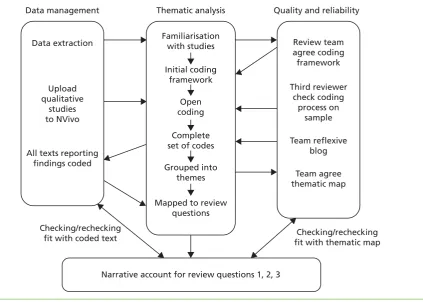
A thematic synthesis of qualitative studies was undertaken using an inductive approach. Two reviewers worked independently to undertake free coding of all of the texts reporting qualitative findings. To
develop analytical themes, the complete set of descriptive codes (n=99) was organised into themes and
then grouped into thematic categories using an iterative process to obtain the best fit to explain the data. Themes were then mapped back to the review questions.
For review questions 1 and 3, qualitative themes on outcomes were mapped to quantitative results grouped by intervention mode and then type of outcome. For review question 2, a thematic synthesis combined results across heterogeneous studies. The narrative account of the qualitative results was pooled with quantitative results using the themes generated inductively by qualitative analysis as a framework for reporting.
Systematic review of cost-effectiveness
Data sources
an adaptation of the economics search filters developed by the NHS Centre for Reviews and Dissemination combined with the search terms used in the effectiveness literature search strategy.
Study selection
The cost-effectiveness review inclusion and exclusion criteria were in line with those of the effectiveness review. Additionally, the criteria included papers reporting resource use/cost and/or outcome comparisons between peer-based interventions and standard care.
Data extraction and assessment of validity
The included studies were summarised and critically appraised by two reviewers. The quality of each paper was assessed using good practice guidance on economic evaluations.
Data synthesis
The results of the effectiveness review were used to develop an economic model to establish the
cost-effectiveness of a peer-led educational intervention and a professionally led educational intervention
compared with a‘do nothing’scenario to prevent future human immunodeficiency virus (HIV) infections
among offenders in prison settings and their partners when they are released from prison.
Expert symposium
Fifty-eight delegates attended the expert symposium. Invited experts represented organisations including the prison service, the NHS, charities and academic institutions. Some ex-prisoners from organisations representing service users participated as lay experts. Experts discussed two key questions in
discussion groups:
1. What factors affect whether and how well peer-based interventions work in prison? 2. What are the positive and negative impacts of peer-based interventions?
The discussion groups were audio-recorded with the permission of delegates. The verbatim transcripts and accompanying notes were analysed using framework analysis.
Results
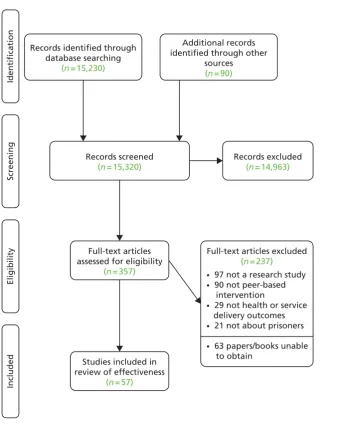
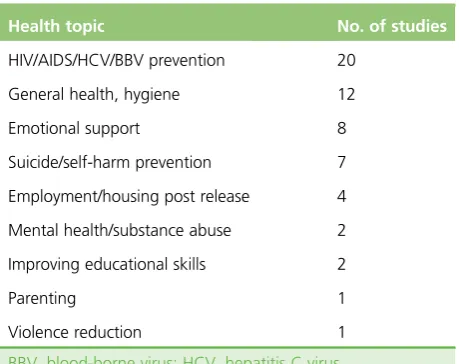
The literature search identified 15,320 potentially relevant papers. In total, 57 studies were included in the review of effectiveness and one study was included in the review of cost-effectiveness. A substantial proportion of the studies were carried out in the UK. A typology of interventions was developed with working definitions for the major intervention modes: peer education, peer support, the Listener scheme, the Insider scheme, the Peer Support Team programme, prison hospice volunteers, peer mentoring, health trainers, peer advisors and other intervention modes. Peer education was the most studied intervention mode followed by peer support.
The majority of included studies were of poor methodological quality, with only five judged to have good internal validity.
Review question 1: what are the effects of peer-based interventions on prisoner health?
There is moderate evidence from quantitative studies that peer education interventions are effective at reducing risky behaviours; however, peer education is not prominent in current practice in English and Welsh prisons.
There is consistent evidence from three qualitative studies and one quantitative study that the Listener scheme is effective in providing targeted emotional support for prisoners who identify need. There is
weak evidence on the impact on suicide and self-harm. Positive effects on listeners’mental health and
well-being are consistently reported in six qualitative studies, although there can be an associated emotional burden. Listener schemes operate across most prisons in England and Wales.
Two interventions, health trainers and peer mentors, focused on changing behaviours. There is weak evidence from one study that mentoring results in positive effects on health behaviours, treatment adherence, abstinence from drug taking and propensity to reoffend. There was moderate evidence from two studies that becoming a health trainer had positive effects on knowledge, attitudinal and behaviour change, self-esteem and development of transferable skills. There was little evidence of effects on health trainer clients; however, limited evidence showed that health trainers discussed a range of lifestyle issues with clients and referred them to other services.
There is consistent evidence from a large number of predominantly qualitative studies that being a peer worker is associated with positive effects on mental health and its determinants. These findings were consistent across a number of different models including peer education, peer support, the Listener scheme, prison hospice volunteers, health trainers and peer advisers (housing). Skills development, including having transferable employment skills, was also identified in relation to peer advisors and health trainers. There were some negative effects in relation to experiencing a burden of care, particularly in roles involving emotional support. Much of the evidence comes from interventions that feature across prisons in England and Wales; therefore, the results have high relevance for health services.
Review question 2: what are the positive and negative impacts on health services in prison settings of delivering peer-based interventions?
Factors relating to security and risk management often featured in selection criteria for peer positions, along with interpersonal skills, knowledge and likely length of stay. There is very little evidence on selection procedures, except for the Listener scheme.
Training processes varied in terms of content, duration and intensity. There is weak evidence suggesting that mental health topics should be covered in training and that training should be flexible. A link between participation in training and individual benefits such as the development of skills and confidence is
suggested, although it is difficult to separate training from other aspects of the peer experience. The added value of gaining accreditation was identified, also a theme in the expert symposium.
There is strong evidence from qualitative studies that retention of peer deliverers, and attrition because of prisoner movement between prisons, was an important process issue. This finding was reflected in the expert symposium.
The importance of role boundaries and confidentiality were recurring themes. Moderate evidence suggests that peer deliverers can recognise role boundaries and when to refer to staff or other professionals, but problems such as dependency may arise. Ongoing supervision of peer deliverers was found to be helpful.
Factors that influence prisoners’choices not to use peer-based interventions were lack of awareness,
personal need, concerns about confidentiality and breaches of trust, preferences for support from other sources, language barriers and fear of demonstrating weakness.
There is strong and consistent evidence from qualitative studies of the importance of organisational support within the prison. Resistance from staff was identified as a negative factor inhibiting implementation of peer-based interventions.
Listener scheme. Some studies reported that having a cadre of peer workers can increase service capacity, but there was limited evidence on the impact on the prison workforce or health services. The review identified that peer interventions may increase security risks as peers often have enhanced freedoms. The expert symposium also highlighted that security concerns and risks require active management.
Overall, the review findings indicate that peer interventions cannot be considered‘stand-alone’
interventions that are independent of the organisation of the prison. Instead, there are multiple
interactions between the intervention and different levels of the prison system, in line with understandings of complex interventions.
Review question 3: what is the effectiveness of peer delivery compared with the effectiveness of professional delivery?
There is consistent evidence from 10 qualitative studies that peer delivery was preferred to professional delivery, with cross-cutting themes including peer deliverers demonstrating empathy because of lived experiences, being non-judgemental, being trusted by prisoners and being able to offer more time than staff. Accessibility was also a theme, with prisoners feeling more at ease talking to peer deliverers.
There is consistent evidence from four quantitative studies that peer educators are as effective as professional educators in the prevention of HIV infection.
Review question 4: what is the cost-effectiveness of peer-based interventions in prisons?
Only one study was identified that assessed the cost or cost-effectiveness of peer-based interventions to improve and maintain health in prisons and YOIs. The focus of this study was costs rather than health outcomes and the programme aim was poorly described. Evidence from the study shows savings in management costs in prisons through the use of a therapeutic community (TC) programme in the short term, albeit these were relatively small compared with the overall costs. The findings suggest that TC activities or the existence of the TC environment may help to reduce or control prison management costs.
The economic model, although based on data of variable quality and a number of assumptions, suggested that both peer-led and professionally led educational interventions to prevent future HIV infections among
offenders in prison settings were cost-effective compared with a‘do nothing’alternative. In addition, the
peer-led intervention was dominant when compared with the professionally led intervention (more effective and less costly). Although the model is surrounded by considerable uncertainty, the dominance scenario was confirmed in all of the one-way sensitivity analyses conducted and in the probabilistic sensitivity analysis.
Limitations
Thirty-seven included studies were conducted outside the UK and therefore some caution is needed when considering the application of some findings to English and Welsh prisons. Studies published before 1985 or which reported only non-health outcomes were not included in the review. Studies of prison health and of interventions delivered by non-professionals are not well indexed in electronic databases and therefore some relevant studies may have been missed. Clinical heterogeneity in outcomes and interventions between the included studies precluded meta-analysis for most outcomes.
Conclusions
The 58 included studies, which represent the best available evidence, were on the whole of poor methodological quality.
Overall, current evidence is strongest in terms of evaluating effects on peer deliverers, with some evidence on impact on prison services. There is less evidence on outcomes for recipients of peer interventions and more generally on the prison population. There is strong and consistent evidence from a large number of qualitative studies that being a peer worker is associated with positive effects on mental health and its determinants, and these were consistent across a number of models.
There is consistent quantitative evidence that peer educators are as effective as professional educators in HIV prevention outcomes, and stronger qualitative evidence that peer delivery was preferred to professional delivery. Research into cost-effectiveness is sparse, with little economic evaluation even of schemes with evidence of effectiveness. A limited economic model, although based on data of variable quality and a number of assumptions, suggested that both peer-led and professionally led educational
interventions are cost-effective compared with a‘do nothing’alternative, with the peer-led intervention
being dominant.
More research is needed to assess the effectiveness and cost-effectiveness of peer support/mentoring interventions delivered in prison settings in England and Wales. The current evidence base is dominated by qualitative research, much of which looks only at the effects on the peer workers. There is much less evidence on outcomes for recipients of peer interventions and more generally on the prison population. Well-designed intervention studies are needed to provide robust evidence including assessment of outcomes for the target population, economic analysis of cost-effectiveness and impacts on prison health services. More research is needed to examine issues of reach, utilisation and acceptability from the perspective of recipients and the perspective of those who choose not to receive peer support. There is scope for more interventions designed to improve or maintain physical or mental health, manage long-term conditions or reduce health risks associated with prison.
In conclusion, peer-based interventions can be considered a valuable mechanism to maintain or improve health and well-being in the prison setting; however, the current evidence base needs strengthening. The study has identified a number of implications for the management and implementation of peer schemes.
Study registration
This study was registered as PROSPERO CRD42012002349.
Funding
Chapter 1
Introduction
Offender health and inequalities in health
Offender health concerns health and social care for adults and children in contact with the criminal justice
system. Offender health is deemed a priority of the Department of Health1because this population
experiences significant health inequalities associated with multifaceted social problems.2,3The focus of this
study is specifically on the health of those residing in prisons and Young Offender Institutions (YOIs).
In March 2013, the prison population of England and Wales was 87,645,4one of the highest
imprisonment rates in Europe.5Within England and Wales there are 130 prison establishments (including
YOIs and juvenile and foreign national prisons), which are functionally as well as geographically diverse.
Of the 130 establishments, eight are deemed‘high-security’male prisons, 11 are female establishments
and 20 are YOIs (18–21 years) or juvenile institutions (15–18 years).6Children placed in custody may also
be located in secure children’s homes, designed for boys and girls aged 10–17 years, or secure training
centres (holding boys and girls aged 12–17 years).
Prisons are broadly categorised as being open or closed institutions. Open prisons (referred to as category D prisons) are characterised by low levels of security and allow opportunities for offenders to conduct work outside of the prison. Most prisons, however, are closed establishments and security driven and do not allow such levels of freedom. Closed institutions are further classified as local prisons, category B and
category C training prisons and high-security institutions.7The majority of prisons are funded and managed
by Her Majesty’s Prison Service, but 13 are contractually run by private companies.6,7
Research evidence has consistently demonstrated that the prevalence of ill health in the prison population
is higher than that in the general population.8Prison itself can produce adverse health impacts for those
admitted into custody, and in this regard the mental health of the prison population is of particular
concern.9,10In the 12 months ending June 2012, for example, there were a total of 23,435 incidents of
self-harm in prisons. The incidence of suicide in prison per year (2005) has been reported to be 102.6 per
100,000 prisoners, and this contrasts with the 10–12 per 100,000 population estimated in the general
population.11There is evidence that prisoners are more likely to engage in risky health behaviours such as
drug and alcohol misuse3and smoking,12and this has been found to be more prevalent in women than
men.13There is also evidence of inequalities in relation to long-term conditions; one study reported that
over one-quarter of newly sentenced prisoners reported a long-standing physical disorder or disability,14
with evidence suggesting that women prisoners have greater physical health needs than men.13,14
Since 2006 the responsibility for health care in prison establishments in England and Wales has rested with the NHS, which has a duty to ensure that services provided are equivalent to those in the community.
Although many offenders experience barriers to accessing health services outside of prison,15the prison
setting can offer opportunities for improving the physical and mental health of a socially excluded
population. In 2002 the Department of Health publishedHealth Promoting Prisons: A Shared Approach,16
which was described by some commentators as championing a health promotion focus in prison health care, advocating the prevention of deterioration in health and encouraging prisoners to adopt healthy
behaviours.17Subsequent policy toHealth Promoting Prisons: A Shared Approachhas continued to
emphasise the importance of improving the health of the prison population2,18,19and the contribution of
Involving prisoners
Peer-based interventions, in which prisoners provide education, support or advice to other prisoners, can contribute to achieving health and social goals within the prison environment and beyond. Various
justifications have been advanced including the ability of peers to connect with other prisoners22and to
have social influence with vulnerable populations resistant to professional advice;23,24the direct benefits for
the peer deliverers themselves;22,25and the wider benefits for the prison system including effective use of
resources.26,27Peer delivery expands the range of health services on offer in the criminal justice system.28
Lord Patel’s report29on prison drug treatment and Lord Bradley’s review30of people with mental health
needs and learning disabilities in the criminal justice system both highlight the potential value of
peer-based approaches. More recently, a report by the Prison Reform Trust25advocates increased
opportunities for prisoners to make a positive contribution whilst residing in prison.
Peer support is an established feature of prison life in England and Wales. The first Listener scheme was
launched in 1991 at Her Majesty’s Prison (HMP) Swansea31as a part of a suicide prevention strategy and
now Listener schemes operate across almost all prisons in England and Wales. A survey reported in 2002
estimated that 7% of prisoners were involved in peer support roles.32Currently, peer-based interventions
in prisons in England and Wales encompass substance misuse, violence reduction, support for new
prisoners, translation services, housing and employment advice and mentoring schemes.25More recently,
health trainer schemes have emerged as a feature of prison health services.28
Study rationale
There is an extensive evidence base on lay and peer roles as a means of widening access to health-care
services and removing barriers to health in the general population;33,34however, more needs to be known
about the effectiveness of peer-based interventions in prison settings. Given the place of peer schemes in
current practice,25,32it is important to develop a robust evidence base to inform service commissioning and
delivery options.21There is an international literature on prison-based peer education and peer support,
particularly in the area of the prevention of human immunodeficiency virus (HIV) transmission,24but to
date there has been no systematic review examining the effectiveness of different types of peer
interventions, including those models seen in UK practice. A literature review by Devilly and colleagues24
on prison-based peer education schemes noted the dearth of evidence demonstrating effectiveness but
also the positive impacts reported by some studies. A recent systematic review of peer health promotion35
concluded that peer education could have a positive impact on attitudes, knowledge and behaviours around sexual health and the prevention of HIV transmission but that there was a lack of research around
other health issues. There is literature on peer support in relation to suicide prevention and self-harm,22,26
which points to the benefits of offering emotional support through peers, including reported decreases in
the prevalence of prison suicide.36,37To date, research on peer support, which is the primary approach in
UK prisons,25,32has not been the subject of a review.
Any assessment of effectiveness needs to account for evidence which suggests that participation can result
in psychosocial benefits for prison peer deliverers, for example an increased sense of worth38or successful
reintegration into the community.39Some research indicates that peer-based interventions result in a
healthier and more supportive prison environment,22but negative as well as positive organisational impacts
have been reported.36,40
Devilly and colleagues24suggest that peer-based interventions might be more cost-effective than
professionally delivered ones. The cost-effectiveness of peer interventions promoting behavioural change has been assessed in a variety of settings and populations using a range of economic methods, with mixed
results,41–43but to date there has been no review of the cost-effectiveness of peer interventions in prison
system from an American study44that evaluated the benefits of a hospital-based peer intervention
programme for violently injured youths.
In summary, this study addresses a knowledge gap in synthesising evidence on a range of peer-based interventions in prison settings and their impacts at individual and organisational levels. The results will contribute to the development of an evidence base to support the application of service user involvement
in prison health services.35
Study aims and review questions
The aims of the study were to conduct an evidence synthesis on peer-based interventions in prison settings, including YOIs, and to provide research-based information on types of intervention, outcomes, costs and benefits to aid decision-making within the prison health service. The study sought to examine the outcomes for both the target population (recipients) and the individuals who deliver the intervention
(peer deliverers). The main research question was‘What is the effectiveness and cost-effectiveness of
peer-based interventions to maintain and improve health in prisons and YOIs?’
Specific questions framing the review were as follows:
l Review question 1–what are the effects of peer-based interventions on prisoner health and the determinants of prisoner health?
l Review question 2–what are the positive and negative impacts on health services within prison settings of delivering peer-based interventions?
l Review question 3–how do the effects of peer-based approaches compare with those of professionally led approaches?
l Review question 4–what are the costs and cost-effectiveness of peer-based interventions in prison settings?
The scope of the study was defined using the PICOS (population, intervention, comparator, outcomes,
study design) framework (seeChapter 3for further details of inclusion and exclusion criteria):
l Population–prisoners resident in prisons and YOIs in any country, all ages (although in the UK only
those aged≥15 years would be in a YOI, younger age limits may apply to equivalent institutions in
other countries and therefore we did not specify age as an inclusion criteria), male and female. For review question 1, the population was limited to those taking part in peer-based interventions, whether peer deliverers or programme recipients. For other questions, studies involving the whole prison
population, including staff, were eligible for inclusion.
l Intervention–any peer-based intervention, including peer education, peer support, peer mentoring,
befriending, peer counselling and self-help groups, operating within prisons and YOIs in any country.
‘Peer’includes prisoners and ex-prisoners delivering interventions to prisoners.
l Comparator–for review question 3, studies comparing peer-led and professionally led approaches to
the same health or social problem. For all other questions, studies with any or no comparator (or usual care).
l Outcomes–for review question 1, studies reporting any effects of peer-based interventions on prisoner
health or determinants of health within the prison setting, for example social support. For the other review questions, studies reporting organisational/process outcomes and views of prison populations were also eligible.
l Study design–quantitative, qualitative and mixed-methods evaluations, with and without
There were two elements to the review (seeChapter 3for details of the review methods): (1) a systematic
review of the effectiveness of peer-based interventions, reported inChapters 4–7and (2) a systematic
review of the cost-effectiveness of peer-based interventions, reported inChapter 8. The economic analysis
also included the development of an economic model, which is reported inChapter 9. Additional elements
in the study design were an expert symposium to gather expert opinion on peer approaches within the prison system in England and Wales and listening exercises with serving prisoners as part of patient and public involvement. The symposium was designed to supplement the systematic reviews, including identifying additional grey literature, and to provide contextual information on the application of peer-based approaches within prison environments. Details of the symposium methods and findings
can be found inChapter 10. The overall study design is represented in a flow chart that can be found
inAppendix 1.
Public involvement and governance
A multidisciplinary research partnership, with strong links to prison establishments and prison health services, has overseen the design and implementation of the study (see www.leedsmet.ac.uk/pips). Patient and public involvement has been an integral part of the study. The expert symposium provided an opportunity for dialogue with those with first-hand experience of peer-based interventions. Ex-offenders and representatives from third-sector organisations working with offenders participated in the expert symposium as lay experts; however, it was not possible to invite prisoners because of the challenges of managing the process at a public meeting.
A series of listening exercises were later undertaken with serving prisoners and also ex-prisoners working as volunteers as part of patient and public involvement in the study. The purpose of the listening exercises was to discuss the practical application of the results of the review with those with experience of working as peer support workers or prisoner representatives. Further details of the approach and key issues
raised can be found inChapter 11.
The study received approval from the National Offender Management Service (NOMS) National Research
Committee (ref.: 165–11) and the research team agreed to conduct the study, including listening exercises,
Chapter 2
Conceptual framework
T
he conceptual framework for the study built on understandings of the determinants of offender healthand the nature of peer interventions as mechanisms for change. Peer interventions, like many public health interventions, can be described as complex interventions in which there are inter-related
components and multiple factors are likely to have an influence.45,46This chapter briefly outlines the
conceptual framework and the components of the preliminary logic model that was developed to illustrate the associations between peer methods and potential health outcomes for individuals and health services.
Determinants of offender health
The concept of‘prison health’has traditionally been aligned to a biomedical perspective,47,48in which health
is viewed in terms of pathology, disease, diagnosis and treatment.49This perspective has been critiqued
as failing to exploit public health opportunities.50Recently, a social model of offender health has emerged,
in which ill health and health inequalities in the prisoner population are seen as largely explained by social
conditions, both within the prison environment and more critically across a life course. De Viggiani51has
argued that both deprivation and importation factors are significant health determinants within prisons, with deprivation describing factors caused by imprisonment that contribute to ill health and importation describing those factors which are a result of circumstances that predate a custodial sentence. Additionally, the social model of health encompasses lay perspectives about health, taking into account subjective
experience and understandings.52For example, factors such as social relationships have been found to be
intimately intertwined with prisoners’ideas around being healthy.53
Determinants of offender health can be considered in relation to the main health issues:
l Mental health, suicide and self-harm–Mental health problems among the prison population are
more prevalent than mental health problems among the general population.9,10The World Health
Organization’s Trencˇín statement on prisons and mental health54suggests that there are a number of
factors at work, including prisoners presenting with mental health issues before entering prison; prison environments being detrimental to mental health; and prisons too often becoming the place to hold individuals who have a wide range of mental and emotional disorders. The experience of incarceration, particularly in the early days, and stressors within the prison environment can impact on prisoners with
or without underlying mental health problems, leading to a high incidence of suicide and self-harm.26,55
l Physical health–In terms of importation, a significant proportion of sentenced and newly sentenced
male prisoners enter prison with long-standing physical disorders or disabilities.14,56,57Plugge and
colleagues,58in their study conducted in two female remand prisons, also found poor levels of physical
functioning and demonstrated that the physical health status of the women was significantly worse than that of women in the lowest social class in the wider community. On entering prison, over half of
the sample were either overweight or obese or underweight.59
l Substance misuse–The majority of those entering prison have a background of drug and alcohol
misuse.3For example, in some inner-city local prisons, it has been suggested that 80% of men have a
class A drug in their system on reception.60Those addicted to opiates and those who inject drugs are
over-represented in the prison population61,62and research indicates that a high proportion of prisoners
are dependent on tobacco and alcohol.12,57,63,64
In addition to individual health behaviours, multifaceted social issues face the prison population, which
in turn impact on health.14,65Many of those entering the criminal justice system have experienced a lifetime
of social exclusion, including a poor educational background, low income, meagre employment
opportunities, lack of engagement with normal societal structures, low self-esteem and impermanence in
terms of accommodation (including bouts of homelessness) and relationships with family members.3,8,18,60,66
their home whilst in prison, over one-fifth face financial problems and over two-fifths lose contact
with their family.3,67There are factors affecting functional health literacy,7for example research conducted
at HMP Cardiff reported that 54% of male prisoners had left school before they were aged 16 years and
38% had no recognised qualifications.57In summary, multiple factors negatively affect prison health across
the life course and, although physical access to health care may be improved in prison, there remain psychosocial and environmental factors that may prevent prisoners from achieving good health.
The prison as a setting for health
The core business of prisons is not health improvement, but increasingly it is recognised that the prison setting represents an opportunity to address the health of some of the most socially excluded groups. For example, for many prisoners a period of imprisonment is often the first time that they consider their
health needs or contemplate accessing support.68During imprisonment prisoners are heavy consumers of
health-care services, despite being a group who typically makes very little use of equivalent provision in the
general community.17A plethora of interventions to enable individuals in prison to take control over their
health whilst serving their sentence and to encourage safer post-release behaviours has been deployed
globally. These interventions range from screening services69and health promotion or‘wellness’
programmes70,71to health education interventions72and changes to policy and environmental conditions
within the prison that enable healthy choices to be made.73Notwithstanding these efforts there have
been challenges in assessing the effectiveness of health interventions in the prison context, with many
programmes failing to present convincing data on actual improvements in the health status of prisoners.73
The effects of longer-term changes in the health behaviour of prisoners therefore remain unclear and further research is required to establish whether or not these changes are sustainable and durable during post-release periods.
The importance of the prison as a setting for health promotion (for both prisoners and staff) has been
reflected in UK government policy over the past decade2,16,18,19and is recognised in international
statements from the World Health Organization.62,74–76Prisoners are a mobile population, with the majority
of prisoners serving short-term sentences, so there are opportunities for health effects to go beyond the
prison16,19and to have positive impacts on the health of family members.77–80Indeed, research does show
that prison can act as a‘stabilising and restorative force’(p. 388)81for certain individuals. Prison can allow
prisoners to reclaim control over their health and life circumstances68and moreover evidence suggests
that improvements can be seen in prisoners’mental well-being during a period of imprisonment
(albeit remaining higher than in comparable groups in the general population).82
Conversely, the experience of incarceration is harmful to health and deprivations can collectively threaten
a prisoner’s personality and sense of personal worth.83Research shows how cell confinement has a
deleterious effect on health, particularly for those with pre-existing mental health issues.84Prison
overcrowding has implications for the transmission of communicable diseases and may potentially limit
prisoners’access to services and support because of low staff–prisoner ratios. Evidence suggests that
bullying,85,86violence,87,88homophobia89,90and racism91–93still occur in modern prison systems.
Peer-based interventions
Peer-based interventions involve the provision of education, support or counselling between individuals
who are of equal social status or who share similar characteristics or who have common experiences.94,95
Peer interventions are considered to work on the principle of homophily, which suggests that contacts will
be more frequent,96communication will be of better quality95and relationships will have more meaning97
between people who share attributes or specific experiences. Lay or peer educators typically bring culturally specific knowledge and access to social networks and this can help with reaching marginalised
good functional access to health care, health and social inequalities persist27,100and resistance to
professional support may be present.101
Peer-based interventions can be considered complex interventions as there are typically a number of inter-related components both in relation to the preparation, training and supervision of peer workers and in relation to their subsequent role and interactions with the target population. This study used an initial categorisation based on the results of a systematic scoping review on lay public health roles, conducted
by South and colleagues:97peer education, peer support, popular opinion leaders and bridging models.
It should be noted that some interventions involve peer workers delivering additional formal educational or behaviour change components; others are based on the peer role as the intervention, for example the
direct peer support involved in befriending, or being a role model. Dennis’s94concept analysis of peer
support in health-care contexts maps the different facets of peer support, which all involve emotional, informational and appraisal support. Dennis argues that the effects of peer support can occur at different levels:
l direct effects–such as enhancing social relationships, facilitating access to health resources and
reducing isolation
l buffering effects–protecting individuals from stressful events or promoting coping skills
l mediating effect–modifying self-efficacy through positive encouragement and providing role models.
Initial study logic model and outcomes framework
Given the diversity of health issues in the prison setting and the variation in peer interventions, the review has needed to capture the range of potential outcomes and, when possible, the links between changes in personal, social and environmental factors, intermediate health outcomes, such as health behaviours, and
longer-term health and social outcomes.102As well as interventions aiming for health behaviour change,
those promoting mental well-being and resilience may consider a broad range of mental health
outcomes.103Harm reduction approaches focus on preventing or reducing negative effects of individual
behaviours and/or the experience of imprisonment.104,105Interventions that have adopted a harm-reduction
philosophy use a range of health outcome measures including changes in attitudes and beliefs,
behavioural intentions, greater uptake of screening services and reductions in risk behaviour.104–106
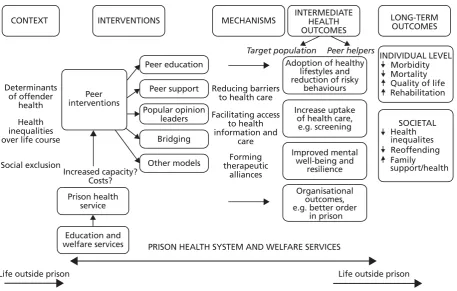
A preliminary logic model (Figure 1) was developed to make explicit the links between determinants of
prison health, the focus on the prison as a setting for health, the types of peer models and the potential
range of outcomes for individuals and for health services.45This study then examined whether or not
CONTEXT
Determinants of offender
health Health inequalities over life course
Social exclusion
Increased capacity? Costs?
Life outside prison Life outside prison INTERVENTIONS
Peer interventions
Prison health service
Education and welfare services
MECHANISMS
PRISON HEALTH SYSTEM AND WELFARE SERVICES
LONG-TERM OUTCOMES INTERMEDIATE
HEALTH OUTCOMES
Adoption of healthy lifestyles and reduction of risky
behaviours
Target population Peer helpers
Increase uptake of health care,
e.g. screening
Improved mental well-being and
resilience Organisational
outcomes, e.g. better order
in prison Peer education
Reducing barriers to health care Facilitating access
to health information and
care Forming therapeutic
alliances Peer support
Bridging Other models Popular opinion
leaders
INDIVIDUAL LEVEL Morbidity Mortality Quality of life Rehabilitation
Family
[image:39.595.81.539.67.358.2]support/health SOCIETAL Health inequalites Reoffending
Chapter 3
Review methods
Study design: overview
The systematic review included quantitative, qualitative, cost-effectiveness and mixed-methods studies. The design uses standard systematic review methodology to appraise evidence on effectiveness and
cost-effectiveness107–109with input from experts in the field in the form of steering and advisory groups
and an expert symposium (seeChapter 10). There are two elements to the review:
<