Novel Concepts for HIV Vaccine Vector
Design
Quazim A. Alayo,
aNicholas M. Provine,
bPablo Penaloza-MacMaster
c Brigham and Women’s Hospital, Harvard Medical School, Boston, Massachusetts, USAa; Translational Gastroenterology Unit, Nuffield Department of Medicine, University of Oxford, Oxford, United Kingdomb; Department of Microbiology-Immunology, Feinberg School of Medicine, Northwestern University, Chicago, Illinois, USAcABSTRACT
The unprecedented challenges of developing effective vaccines against
intracellular pathogens such as HIV, malaria, and tuberculosis have resulted in more
rational approaches to vaccine development. Apart from the recent advances in the
design and selection of improved epitopes and adjuvants, there are also ongoing
ef-forts to optimize delivery platforms. Viral vectors are the best-characterized delivery
tools because of their intrinsic adjuvant capability, unique cellular tropism, and
abil-ity to trigger robust adaptive immune responses. However, a known limitation of
vi-ral vectors is preexisting immunity, and ongoing efforts are aimed at developing
novel vector platforms with lower seroprevalence. It is also becoming
increas-ingly clear that different vectors, even those derived from phylogenetically similar
viruses, can elicit substantially distinct immune responses, in terms of quantity,
qual-ity, and location, which can ultimately affect immune protection. This review
pro-vides a summary of the status of viral vector development for HIV vaccines, with a
particular focus on novel viral vectors and the types of adaptive immune responses
that they induce.
KEYWORDS
T cells, antibodies, human immunodeficiency virus, vaccines
S
ince Edward Jenner first demonstrated immunity to smallpox by inoculating a
13-year-old boy with vaccinia virus over 200 years ago, various vaccines effective
against numerous microorganisms have been developed. However, the challenges of
developing vaccines protective against intracellular pathogens such as human
immu-nodeficiency virus type 1 (HIV-1) has necessitated the adoption of more rational
approaches to vaccine design based on the systematic design of epitopes, the use of
immunogenic adjuvants, and the selection of appropriate delivery platforms. Viral
vectors belong to one such platform and have inherent adjuvant capability in the form
of pathogen-associated molecular patterns that can trigger innate immune responses
through their engagement of specific pattern recognition receptors. More importantly,
different viral vectors may exhibit distinct cellular tropism, with specific innate and
adaptive immune phenotypes that render them optimally poised for inducing
immu-nological memory against particular pathogens. Although preexistent immunity is an
important factor in vector selection, a better understanding of the immune correlates
of protection will ultimately guide vaccine design. In this review, we will summarize the
current status of viral vector-based HIV vaccines, highlighting the effects of various
vectors on vaccine immunogenicity, safety, and efficacy. This will include a description
of various virus vectors that have been used in HIV vaccine development, which include
nonreplicating and replicating adenovirus type 5 (Ad5), alternative-serotype
adenovi-rus, poxviadenovi-rus, lymphocytic choriomeningitis virus (LCMV), cytomegalovirus (CMV),
ve-sicular stomatitis virus (VSV), and attenuated immunodeficiency viruses.
Published6 December 2017
CitationAlayo QA, Provine NM, Penaloza-MacMaster P. 2017. Novel concepts for HIV vaccine vector design. mSphere 2:e00415-17. https://doi.org/10.1128/mSphere.00415-17. EditorChristopher J. Papasian, UMKC School of Medicine
Copyright© 2017 Alayo et al. This is an open-access article distributed under the terms of theCreative Commons Attribution 4.0 International license.
Address correspondence to Pablo Penaloza-MacMaster, [email protected].
Host-Microbe Biology
crossm
on September 8, 2020 by guest
http://msphere.asm.org/
TARGETING SPECIFIC ARMS OF IMMUNITY AND ANTIGEN DESIGN: AN
OVERVIEW
Given the complexities of HIV infection, it is increasingly clear that a successful
vaccine must elicit multiple arms of adaptive immunity. One way to accomplish this
goal is through the selection of distinct vaccine prime-boost platforms.
Targeting both cellular and humoral arms.
Regimens involving heterologous viral
vector priming followed by recombinant protein boosting represent one of the most
promising strategies to induce potent cytotoxic T lymphocytes (CTL) and antibody
responses. The RV144 trial, which is the most successful HIV vaccine trial to date,
resulted in 31.2% protection from HIV infection and utilized a heterologous canarypox
virus vector (ALVAC strain) priming-protein boosting approach (1). Correlates of risk
analysis identified elevated V
1V
2-specific IgG antibodies as inversely associated with
infection rates (2). Similarly, a subsequent study that utilized an adenovirus priming and
protein boosting regimen achieved sterilizing protection in 40 to 50% of vaccinated
macaques following repeated intrarectal challenges, and this protection was correlated
with Env-specific antibody titers, as well as antibody-mediated effector functions (3).
Other vaccine regimens utilizing DNA, protein, or viral immunizations that induce
antibody and cellular immune responses have not translated into effective HIV
vac-cines. These include the VAX003 and VAX004 studies, which utilized gp120 monomer,
and the HVTN 505 study, which utilized a DNA priming-Ad5 boosting regimen, as well
as other Ad5-based studies, such as the STEP and Phambili trials (4).
Targeting the cellular arm.
In the search for a potent HIV vaccine, vaccine
regimens targeting mostly the CD8 T cell and/or the CD4 T cell components of the
immune system have also been extensively explored. Viral vector-based vaccine
regi-mens are capable of inducing robust antiviral CTL responses. The critical role of CD8 T
cells in the control of HIV infection is highlighted by the strong association of robust
CTL responses with control of infection in elite controllers and that experimental
depletion of CD8 T cells in simian immunodeficiency virus (SIV)-infected macaques
results in increased viral replication (5–7). Many of the viral vector-based vaccine
modalities can induce virus-specific CTL responses that can reduce peak and/or set
point viral loads following experimental SIV infection of rhesus macaques (8–11).
However, such findings have not translated to the clinic, since all of these candidate HIV
vaccines have failed to alter viral loads in vaccinated (and subsequently infected)
individuals (1, 12, 13).
Furthermore, the important role of CD4 T cells in facilitating both the innate and
adaptive immune systems has led to suggestions that vaccine modalities that
prefer-entially induce CD4 T cell responses may be necessary for optimal vaccine-mediated
protection. Indeed, it has been shown that CD4 T cells may be necessary for the
effective control of certain diseases such as tuberculosis (14, 15), West Nile fever (16),
and measles (17). Moreover, CD4 T cell help is required for the generation of memory
CD8 T cells and high-affinity antibody responses (18–23), and poxvirus vectors, both the
modified vaccinia virus Ankara (MVA) strain and the attenuated vaccinia virus strain
derived from a Copenhagen vaccine strain that underwent multiple mutations in
various open reading frames (NYVAC), appear to be particularly well suited for the
induction of CD4 T cell responses (24–26).
However, prior studies have demonstrated that CD4 T cell-biased vaccines may be
detrimental in the context of chronic viral infections (27, 28). In one of these studies, an
SIV vaccine encoding a CD4 T cell epitope derived from Env resulted in increased SIV
susceptibility and progression to AIDS (28). These data suggest that biased induction of
CD4 T cells may be detrimental in the setting of HIV vaccination, which is not surprising,
given that activated virus-specific CD4 T cells are a primary target of the virus (29).
Interestingly, we showed that this phenomenon of “adding fuel to the fire” is
gener-alizable to a distinct chronic viral infection model that does not primarily target
activated CD4 T cells (27). Using the chronic LCMV mouse model, we showed that
immunization with a vaccine that induces a CD4 T cell-biased response leads to fatal
on September 8, 2020 by guest
http://msphere.asm.org/
inflammatory disease following a challenge with chronic LCMV clone 13. This
inflam-matory disease induced by the CD4 T cell vaccine was prevented by transferring
virus-specific CD8 T cells or antibodies, demonstrating that a balance of all arms of the
adaptive immune response is critical for determining vaccine-induced protection in the
context of chronic viral infection.
Lastly, it is important to mention that HIV exhibits a tremendous level of genetic
heterogeneity, and therefore, a vaccine against this virus must be able to neutralize
highly diverse viral strains. This challenge could be partially overcome by the
in silico
development of mosaic antigens that maximize immune responses to global circulating
strains. A demonstration of this novel approach was reported in prior studies that
demonstrate that mosaic antigens induce a greater depth and breadth of immune
responses relative to consensus antigens (30, 31).
VIRAL VECTORS
Ad5 vectors.
With their ability to induce multiple arms of the immune system, viral
vectors have been the most studied platforms in our search for an effective HIV vaccine.
One of the earliest vectors, and thus the most studied, is Ad5. Ad5, a serotype C
adenovirus, is one of the most immunogenic of the human adenoviral vectors. Several
groups have shown that it induces potent humoral and cellular immunity in preclinical
and clinical studies against a wide range of pathogens (32–35), as well as multiple
tumor types (36, 37). Therefore, Ad5 has been used extensively in the pursuit of an HIV
vaccine. Following the promising finding that Ad5 conferred protective immunity to a
pathogenic SIV strain in macaques (38, 39), two clinical trials (STEP and Phambili) were
set up to evaluate the ability of an Ad5 vaccine expressing HIV-1 subtype B Gag-Pol-Nef
to elicit a protective cellular immune response against HIV-1 infection (12, 40). However,
these trials were stopped before completion after interim analysis showed futility.
Further analysis of the STEP trial also revealed a trend toward higher HIV acquisition
among uncircumcized male vaccinees with preexisting Ad5 immunity (12). Another
phase IIb efficacy trial (HVTN 505) that utilized priming with DNA and boosting with
Ad5 expressing HIV-1 Gag-Pol-Nef antigens, as well as a modified HIV-1 Env transgene,
also failed to show clinical efficacy (13).
These unexpected results of clinical trials with Ad5 have been suggested to be partly
due to vaccine-induced T cell activation (41), but detailed analyses of the
immunolog-ical properties of Ad5 suggest that other factors may also play a role. Studies with mice
and nonhuman primates have demonstrated that the T cell responses elicited by Ad5
exhibit a partially exhausted T cell profile (42–45). Several groups have also shown that
CD8 T cells induced by Ad5 are more terminally differentiated and exhibit impaired
anamnestic expansion (43, 46, 47). Ad5-induced CD8 T cells also exhibit impaired
central memory differentiation, evidenced by lower expression of the homeostatic
survival marker CD127 and the lymphoid homing receptor CD62L than other Ad vector
serotypes (42, 45). Importantly, the hallmark of exhausted CD8 T cells during chronic
viral infection and cancer is the expression of inhibitory receptors such as programed
cell death receptor 1 (PD-1), CTL antigen 4 (CTLA-4), T-cell immunoglobulin, mucin-3
(Tim-3), lymphocyte activation gene 3 (LAG-3), and the T-cell tyrosine-based inhibitory
motif (ITIM) domain (TIGIT) (48). Intriguingly, we and others have shown that some of
these inhibitory receptors, particularly PD-1, Tim-3, and CTLA-4, are permanently
up-regulated on Ad5-induced T cells (42, 43, 49). Those studies also demonstrated that
although Ad5 induces a greater magnitude of transgene-specific CD8 T cells than other
adenoviral vectors, Ad5-induced CD8 T cells are partially exhausted and show a reduced
ability to secrete gamma interferon, tumor necrosis factor alpha, and interleukin-2.
Recently, detailed transcriptional profiling of Ad5-induced transgene-specific CD8 T
cells also showed an enrichment of transcriptomic signatures of anergy and exhaustion,
further corroborating the phenotypic profile described above (49). Altogether, these
features suggest that Ad5 induces a partially exhausted T cell response similar to what
has been observed in chronic infection and cancer. It is important to note that despite
these dysfunctional immune responses, Ad5-induced CD8 T cells still confer some
on September 8, 2020 by guest
http://msphere.asm.org/
protection in different challenge models, particularly in the absence of preexisting
anti-Ad5 immunity (44).
The mechanisms underlying Ad5-induced immune exhaustion have not been fully
elucidated. There are suggestions that multiple factors such as liver tropism (50, 51),
antigen persistence or dose (42–44, 49), and impaired CD4 T cell help (45, 52) may play
critical roles in the induction of T cell dysfunction.
Alternative-serotype Ad vectors.
The above results with conventional Ad5 vectors
have motivated the discovery of alternative-seroptype Ad vectors. Several vaccine
vectors derived from rare human adenovirus types, as well as other species such as
chimpanzees and rhesus monkeys, are being developed and evaluated against multiple
pathogens (53–60). Of the rarer human adenovirus types, Ad26 and Ad35 are
promis-ing. Both utilize CD46 as their primary cellular receptor, unlike Ad5, which uses the
coxsackievirus and adenovirus receptor (61, 62). Seroepidemiological studies assessing
both novel vectors have demonstrated that they have significantly lower
seropreva-lence than Ad5 in many population groups (53, 63–65).
In terms of immunogenicity, prior studies have shown that Ad26 and Ad35 tend to
be slightly less immunogenic than Ad5 (42, 45). However, the quality of immune
responses induced by alternative-serotype Ad vectors or Ad5 vectors is distinct.
Com-pared to Ad5, alternative-serotype Ad vectors induce a more potent innate immune
response (66) and, as mentioned earlier, a more polyfunctional (and less exhausted) T
cell response. Alternative-serotype Ad vectors also induce memory CD8 T cells with a
long-lived central memory T cell phenotype and are thus better poised for robust T cell
expansion following antigen reexposure. When used for priming in a heterologous
prime-boost regimen with Ad35 or MVA boosting, Ad26 provided partial protective
efficacy against multiple intrarectal challenges with two stringent strains of SIV
(SIV-mac251 and SHIV-SF162P3) in rhesus monkeys (9, 67). This protection seemed to be
partly mediated by both functional neutralizing and nonneutralizing antibodies.
Fur-thermore, in multiple clinical trials, Ad26 was shown to be safe and elicit polyfunctional
humoral and cellular immune responses (68–70). Ad35 has also been shown to be safe
and elicit potent immune responses, albeit smaller in magnitude than those elicited by
Ad5 or Ad26 (42, 44, 53, 71). Because of their high expression, many immunoinhibitory
pathways have been suggested to play a role in the regulation of Ad5-induced T cell
exhaustion, including PD-1, CD200, CTLA-4, CD226, and LAG-3, all of which are
de-creased in Ad26-induced T cells, but their precise roles following immunization remain
understudied (49).
Many groups are also developing chimpanzee- and rhesus macaque-derived
sero-types because of their reduced seroprevalence (60, 72–75). In addition, chimpanzee
Ad3 (ChAd3), which belongs to the same subgroup as Ad5 (subgroup C), induces CD8
T cells that are more polyfunctional than those induced by Ad5 (76). Importantly, the
lower prevalence of preexisting anti-ChAd3 antibody in most populations may render
this vector a suitable substitute for Ad5 (55). Overall, the quest for alternative-serotype
Ad vectors has the potential to elucidate novel serotypes with low preexisting
immu-nity, high immunogenicity, and distinct tropism, which could provide vaccinologists
with a well-assorted toolkit to develop vaccines against HIV and other diseases.
rLCMV vectors.
One limitation of the use of Ad vectors as vaccine platforms is their
ability to elicit potent vector-specific neutralizing antibodies, which limits the efficacy
of simple homologous boosting because of neutralization of the boosting homologous
vaccine (77, 78). Although heterologous prime-boost vaccine regimens are often used
to overcome this challenge, a single vector not hampered by preexisting humoral
immunity is preferable, as it simplifies the prime-boost vaccine regimen and reduces
the cost of production. To achieve this, a vector based on the arenavirus LCMV (which
has been a main workhorse in basic immunology research because of its potent
immunogenicity) was recently developed (79, 80). LCMV is a bisegmented
negative-strand RNA virus that primarily infects rodents and has been widely used as a model to
study cellular immunity (81, 82). Nonreplicating recombinant LCMV (rLCMV) vectors in
on September 8, 2020 by guest
http://msphere.asm.org/
which the LCMV glycoprotein (GP) gene is replaced with a vaccine transgene were
shown to be highly immunogenic in mice and nonhuman primates, with the ability to
target and induce dendritic cell activation and elicit persistent transgene-specific T cell
responses (79, 83). The genetic absence of the GP gene in rLCMV vectors renders the
virus replication defective, overriding concerns about potential LCMV-induced
patho-genicity, which are especially considered in pregnant women and transplant recipients
(84, 85). Interestingly, consecutive readministration of this vector as a homologous
boost can lead to substantial anamnestic expansion of transgene-specific CD8 T cells
and antibody responses without generating LCMV GP-specific neutralizing antibody
responses (79, 80). Therefore, rLCMV provides an option for simpler, immunogenic
homologous prime-boost vaccine modalities.
The unique ability of rLCMV to resist antibody neutralization is due to the absence
of the gene encoding the LCMV GP in the vector. Moreover, the human seroprevalence
of LCMV is reported to be
⬍
5%, compared to
⬎
20% for Ad26 and nearly 100% for Ad5
(53, 86–88). Efficacy studies have shown that an rLCMV-based vaccine protects mice
against viral and tumor challenges and shows substantial protective efficacy in a model
of SIV challenge of rhesus macaques when used for boosting following priming with
Ad5 (83). Thus, rLCMV vectors constitute another novel tool in our armamentarium for
developing protective vaccines against infectious diseases, as well as therapeutic
cancer vaccines.
Poxvirus vectors.
Poxvirus vectors, in the form of the canarypox virus-based ALVAC
vector used in the RV144 trial, have proven to be the most clinically successful HIV
vaccine vectors to date. The RV144 trial, in which ALVAC-HIV immunity was boosted
with a recombinant glycoprotein 120 subunit vaccine (AIDSVAX B/E) and is colloquially
referred to as the “Thai trial,” resulted in 31% protection from HIV acquisition associated
with Env V
1V
2-specific IgG antibodies (1, 2, 89). Prevention of HIV acquisition was more
striking during the first months after vaccination, when the levels of HIV-specific
antibodies were highest. This degree of protection seemed to decrease over time and
was associated with reduced antibody levels. Despite this rapid waning of antibody
levels, the recent RV305 trial has demonstrated that long-lived memory B cells were
induced in RV144 and a robust anamnestic antibody response can be recalled with a
protein boost up to 8 years later (90). To build on the success of the RV144 trial, a new
HIV vaccine trial (HVTN 702) was recently started in South Africa. The HVTN 702 regimen
is a modification of the RV144 trial targeting the HIV subtype C prevalent in South Africa
by using the same ALVAC vector for priming but with a different adjuvant (MF59) for
Env protein boosting with the aim of generating a more robust and sustained antibody
response.
In total, three additional poxvirus vectors have garnered significant attention as
candidate HIV vaccine vectors. These vectors can be segregated into two groups, (i)
orthopoxvirus-derived NYVAC (from the Copenhagen vaccine strain) and MVA and (ii)
avipoxvirus-derived ALVAC (canarypox virus) and fowlpox virus. All four vectors are
replication incompetent in mammalian cells (91–93). The ALVAC vector was particularly
attractive because of the lack of preexisting antivector immunity in humans. In addition
to the use of ALVAC in the RV144 trial and in the recently started HVTN 702 trial, there
is also an increasing focus on MVA and NYVAC. In particular, MVA has gained
consid-erable traction as a boosting vector following Ad vector priming, where such a regimen
has induced partial protection from a neutralization-resistant SIV or SHIV challenge and
significant reductions in viral loads (94, 95). Ad prime-MVA boost regimens have also
shown promise against malaria (73), hepatitis C virus (96), and Ebola virus (97). In all
cases, robust vaccine-elicited cellular immune responses were associated with
protec-tion from infecprotec-tion. A head-to-head comparison of NYVAC and ALVAC expressing HIV-1
clade C antigens using an immunization regimen based on RV144 showed modest
superiority of the NYVAC-based regimen with regard to multiple measures of cellular
and humoral immunogenicity (98). Whether these differences reflect true superiority of
NYVAC-based vectors or are too modest to confer differences in protective efficacy
on September 8, 2020 by guest
http://msphere.asm.org/
remains to be rigorously tested. Further efforts are ongoing to modify and rationally
select poxvirus vectors to better take advantage of the utility of poxvirus vectors as
both priming and boosting vectors.
A growing literature has demonstrated that the different poxvirus vectors induce
qualitatively different immune responses, akin to the observations described previously
examining distinct Ad serotypes. Compiled comparisons of various poxvirus vectors
demonstrate that ALVAC induces particularly strong antiviral and inflammatory
re-sponses in infected human cells and immunized macaques, compared to MVA, NYVAC,
and fowlpox virus (11, 99–101). These comparisons identified MVA as the second most
potent activator of innate immune stimulation, with NYVAC and fowlpox virus
identi-fied as the least stimulatory. In humans, MVA was more immunogenic than fowlpox
virus, and a heterologous prime-boost regimen proved to be the most effective (24, 25).
Phenotyping of T cell responses in macaques following MVA or NYVAC boosting of
DNA-primed responses identified a mixed CD4 and CD8 T cell response induced by
MVA, while NYVAC induced a predominantly CD4 T cell response (11). However, the
overall magnitudes of the T cell responses were comparable. Finally, a comparison of
NYVAC priming versus ALVAC priming of macaques showed increased CD4
⫹T cell and
antibody responses in the NYVAC-primed animals (98). The paucity of direct
compar-isons of the different poxvirus vectors makes it difficult to interpret how the differences
in innate immune activation by these vectors might translate into differences in
induced adaptive responses. However, one study has demonstrated that MVA-derived
antigens are more robustly presented by mammalian cells than canarypox
virus-derived antigens. The immunogenicity and modest protective efficacy of poxvirus
vectors mean they are one of the most promising vector modalities available. Overall,
poxviruses are perhaps the most promising HIV vaccine vectors because of their ability
to reduce HIV infection rates, and current efforts are aimed toward improving the
durability of the antibody responses induced by these vectors.
Replicating viral vectors.
Although any of the vectors discussed above could be
developed as replicating vaccine platforms, a few new replicating vectors have
gar-nered attention for their ability to induce immune protection against SIV in macaque
studies. The impressive immune protection that is achieved by replicating virus vectors
may be due to the generation of a special subset of CD8 T cells that are able to rapidly
intercept the virus upon a challenge. Central memory CD8 T cells are long-lived, but
they may exhibit a delay in reactivating their cytotoxic function following a viral
challenge. On the other hand, effector memory CD8 T cells (which can be induced by
replicating antigen) are short-lived but provide immediate cytotoxic function (102).
Therefore, it has been proposed that the induction of effector memory CD8 T cells by
certain replicating virus vectors may be critical for an HIV vaccine, since these responses
are able to rapidly control initial infection foci before the virus becomes systemic (103).
It is also important to mention that the duration of antigen stimulation can determine
the levels of central memory versus effector memory CD8 T cell responses (104, 105),
suggesting that viral vectors that replicate and persist for a long time may be better
poised to induce effector memory CD8 T cells. Conversely, many replication-deficient
adenoviral vectors, rLCMV vectors, and attenuated poxvirus vectors provide limited
antigenic stimulation because of their rapid clearance by the host immune response
and therefore elicit a biased central memory CD8 T cell response that preferentially
localizes to lymphoid tissues (45, 47).
Of the various replication-competent vaccine vectors currently under development,
recombinant human CMV (rhCMV) and replication-competent recombinant VSV (rVSV)
(6, 106, 107) have been extensively characterized and are currently in clinical
develop-ment.
(i) rhCMV.
As a classical member of the herpesvirus family, rhCMV persists in the
host, providing a constant source of antigen necessary for the maintenance of CD8 T
cells with an effector memory phenotype. Similar to novel rLCMV vectors genetically
lacking LCMV GP, the immunogenicity of rhCMV vectors is not limited by preexisting
on September 8, 2020 by guest
http://msphere.asm.org/
antivector immunity and they can therefore be used repeatedly, even in CMV-positive
monkeys, to induce effector memory CD8 T cells (108). This property is particularly
relevant because CMV has a seroprevalence of up to 90% in some populations (109).
The absence of significant antibody responses following rhCMV immunization means
that combination with other vaccine modalities that elicit protective humoral immune
responses may be required to achieve optimal vaccine-mediated protection. However,
impressive findings with the rhCMV platform in animal models (as high as 50%
protection seen in animal studies) may be logistically challenging to translate to the
clinic, given that human CMV infection can be associated with birth defects and severe
complications in immunosuppressed or organ transplant patients (110, 111). However,
there are ongoing efforts to generate a modified CMV vector that could circumvent
these safety challenges. It is also important to mention that CD8 T cell responses
elicited by rhCMV vectors have been shown to contradict conventional major
histo-compatibility complex (MHC) restriction paradigms. Effector CD8 T cells induced by
such vectors can recognize MHC class II-restricted epitopes, which can result in more
diverse immune recognition, especially at the sites of viral entry (112). These
uncon-ventional effector CD8 T cells may be important in both prophylactic and therapeutic
HIV vaccines, as they provide a new pool of effector CD8 T cells that can target viruses
that have escaped most conventional CD8 T cells.
(ii) rVSV.
rVSV-based vectors have garnered renewed interest, given the recent
highly successful phase III trials results of an rVSV-based vaccine for Ebola virus (113),
another pathogen to which incredibly rapid immune responses are required for
pro-tection. Early testing of rVSV vectors showed promising prevention of disease
progres-sion in an intravenous SHIV (89.6P) infection model (114). However, concerns existed
about the potential neurovirulence of the rVSV vector based on the original vector
design (115). This is not surprising, given that VSV belongs to the rhabdovirus family,
which also includes rabies virus. However, a redesigned, more attenuated, rVSV vector
backbone that exhibits a lack of neurovirulence has been engineered (116, 117).
Unexpectedly, the increased attenuation did not impair the immunogenicity of the
transgene insert in mice and nonhuman primates, but protective efficacy has not been
assessed. This revised construct has now been tested in phase I trials, where it displayed
immunogenicity (6).
Efforts are ongoing to develop and test other replicating vectors that might also
elicit rapid effector memory T cell responses. These efforts include recombinant
replication-competent Ad4, Ad5, and Ad26 vectors (118–121), Sendai virus (122), herpes
simplex virus (123), and NYVAC virus (124), many of which are in early-phase clinical and
preclinical trials.
In addition, one of the most salient examples of immune protection in the SIV
infection model is that induced by SIVΔnef (125). It has been shown that this
attenu-ated SIV strain can confer substantial immune protection by a mechanism that is
dependent on low-level antigen persistence that allows for the maturation of T and B
cell responses (126–128). It is not completely clear what the contribution of SIVΔnef
mutation is relative to immune phenotypic differentiation. Continuous SIVΔnef
muta-tion after vaccinamuta-tion may provide epitope diversity to improve immune breadth and
depth, but time-dependent maturation of T and B lymphocytes also seems to be
critical. However, the use of attenuated immunodeficiency viruses poses reasonable
concerns about the possibility of viral reversion, rendering this approach practically
unfeasible in human trials.
As mentioned earlier, an advantage of replicating vectors is their enhanced antigen
expression, which could potentially drive robust adaptive immune responses. High and
permanent transgene expression can also be achieved by immunization with HIV-based
lentiviral vectors, which integrate into the genome and provide persistent antigen
expression, even in nondividing cells (129–131). One could conceptualize a model in
which persistent transgene expression would be desirable to induce effector memory
T cells that can quickly intercept a viral challenge at mucosal sites. Consistent with this,
on September 8, 2020 by guest
http://msphere.asm.org/
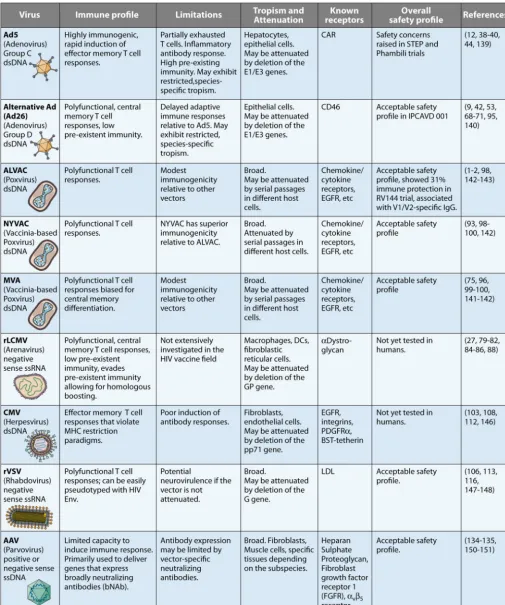
TABLE 1 Summary of various vaccine vectors used in AIDS vaccine development
on September 8, 2020 by guest
http://msphere.asm.org/
we have shown that priming with a replication-defective virus, followed by boosting
with a highly replicating virus, is very effective at increasing the level of memory T cells.
However, the reverse (priming with a highly replicating virus) results in immune
exhaustion (132). Thus, the timing of prime-boost immunization is a critical aspect to
consider in the next generation of prime-boost immunization regimens. Importantly,
the safety consideration of using live replicating vectors is typically a factor that deters
the use of these vectors in many clinical studies. Altogether, replicating viral vectors
hold considerable promise as a distinct modality to elicit rapidly responding protective
immunity, but the appropriate balance between immunogenicity and potential
patho-genicity needs to be achieved.
AAV vectors for antibody gene delivery.
Until now, we have discussed various vaccine vectors that are used for active
immunization, which refers to the induction of the host immune response after
exposure to an antigen. However, a main problem with HIV vaccine design is the
difficulty of generating broadly neutralizing antibodies (bNAbs). This could be
circum-vented by cloning bNAb genes into viral vectors to directly induce the expression of
bNAbs at the injection site, bypassing all of the steps that are required for the
generation of bNAbs, including isotype switching, consecutive germinal center
reac-tions, and somatic hypermutation. Recently, an adeno-associated virus (AAV) vector
that constitutively expresses HIV-specific antibodies in a humanized mouse model of
HIV infection has shown promise (133, 134). This approach of “engineering immunity”
has proven successful in preventing HIV infection in humanized mice, but a caveat is
that humanized mice do not express a functional immune system. Further studies with
macaques showed that the AAV-vectored transgene is rapidly cleared by adaptive
immune responses, substantially limiting the expression of the antibody genes (135,
136). Thus, a main goal of this approach is to modulate the pathways that mediate
immune tolerance to prevent the rejection of the AAV vector, allowing for durable or
permanent transgene expression.
CONCLUDING REMARKS
The successful development of an HIV vaccine remains an unprecedented challenge.
We have summarized here various virus vectors that are being developed in the quest
to overcome this challenge (Table 1). One of the main challenges in HIV vaccine design
is the high strain diversity of HIV and the difficulty of generating bNAbs by vaccination,
which suggests the need for serial heterologous prime-boost immunizations. This
may potentially preclude the possibility of a “single shot.” In addition, HIV can infect
activated CD4 T cells that can be induced by vaccination or natural infection. Thus, a
balance between protective antibody and cellular responses has been suggested to be
one of the most critical aspects of HIV vaccine design (137, 138). Two main areas of
difficultly remain for viral vectors. The first issue is preexisting vector immunity, and
toward this end, rare-serotype vectors are constantly being characterized and
devel-oped. The second issue is how to best utilize vaccine vectors to elicit the appropriate
adaptive immune responses (in terms of quantity, quality, and localization). As our
knowledge of fundamental virology and immunology of vaccine vectors continues to
expand, we hope to be able to translate this to successful HIV vaccine design through
the rational engineering and refinement of promising vaccine modalities.
ACKNOWLEDGMENTS
This work was supported by grants from the Chicago Centers for AIDS Research (P30
AI117943) and the NIH (1K22AI118421) to P.P.-M.
REFERENCES
1. Rerks-Ngarm S, Pitisuttithum P, Nitayaphan S, Kaewkungwal J, Chiu J, Paris R, Premsri N, Namwat C, de Souza M, Adams E, Benenson M, Gurunathan S, Tartaglia J, McNeil JG, Francis DP, Stablein D, Birx DL,
Chunsuttiwat S, Khamboonruang C, Thongcharoen P, Robb ML, Michael NL, Kunasol P, Kim JH, MOPH-TAVEG Investigators. 2009. Vaccination with ALVAC and AIDSVAX to prevent HIV-1 infection in
on September 8, 2020 by guest
http://msphere.asm.org/
Thailand. N Engl J Med 361:2209 –2220. https://doi.org/10.1056/ NEJMoa0908492.
2. Haynes BF, Gilbert PB, McElrath MJ, Zolla-Pazner S, Tomaras GD, Alam SM, Evans DT, Montefiori DC, Karnasuta C, Sutthent R, Liao HX, DeVico AL, Lewis GK, Williams C, Pinter A, Fong Y, Janes H, DeCamp A, Huang Y, Rao M, Billings E, Karasavvas N, Robb ML, Ngauy V, de Souza MS, Paris R, Ferrari G, Bailer RT, Soderberg KA, Andrews C, Berman PW, Frahm N, De Rosa SC, Alpert MD, Yates NL, Shen X, Koup RA, Pitisuttithum P, Kaewkungwal J, Nitayaphan S, Rerks-Ngarm S, Michael NL, Kim JH. 2012. Immune-correlates analysis of an HIV-1 vaccine efficacy trial. N Engl J Med 366:1275–1286.https://doi.org/10.1056/NEJMoa1113425. 3. Barouch DH, Alter G, Broge T, Linde C, Ackerman ME, Brown EP,
Borducchi EN, Smith KM, Nkolola JP, Liu J, Shields J, Parenteau L, Whitney JB, Abbink P, Ng’ang’a DM, Seaman MS, Lavine CL, Perry JR, Li W, Colantonio AD, Lewis MG, Chen B, Wenschuh H, Reimer U, Piatak M, Lifson JD, Handley SA, Virgin HW, Koutsoukos M, Lorin C, Voss G, Weijtens M, Pau MG, Schuitemaker H. 2015. Protective efficacy of adenovirus/protein vaccines against SIV challenges in rhesus monkeys. Science 349:320 –324.https://doi.org/10.1126/science.aab3886. 4. Day TA, Kublin JG. 2013. Lessons learned from HIV vaccine clinical
efficacy trials. Curr HIV Res 11:441– 449. https://doi.org/10.2174/ 1570162X113116660051.
5. Schmitz JE, Kuroda MJ, Santra S, Sasseville VG, Simon MA, Lifton MA, Racz P, Tenner-Racz K, Dalesandro M, Scallon BJ, Ghrayeb J, Forman MA, Mon-tefiori DC, Rieber EP, Letvin NL, Reimann KA. 1999. Control of viremia in simian immunodeficiency virus infection by CD8⫹lymphocytes. Science
283:857– 860.https://doi.org/10.1126/science.283.5403.857.
6. Fuchs JD, Frank I, Elizaga ML, Allen M, Frahm N, Kochar N, Li S, Edupuganti S, Kalams SA, Tomaras GD, Sheets R, Pensiero M, Tremblay MA, Higgins TJ, Latham T, Egan MA, Clarke DK, Eldridge JH, HVTN 090 Study Group and the National Institutes of Allergy and Infectious Diseases HIV Vaccine Trials Network, Mulligan M, Rouphael N, Estep S, Rybczyk K, Dunbar D, Buchbinder S, Wagner T, Isbell R, Chinnell V, Bae J, Escamilla G, Tseng J, Fair R, Ramirez S, Broder G, Briesemeister L, Ferrara A. 2015. First-in-human evaluation of the safety and genicity of a recombinant vesicular stomatitis virus human immuno-deficiency virus-1 gag vaccine (HVTN 090). Open Forum Infect Dis 2:ofv082.https://doi.org/10.1093/ofid/ofv082.
7. Ndhlovu ZM, Chibnik LB, Proudfoot J, Vine S, McMullen A, Cesa K, Porichis F, Jones RB, Alvino DM, Hart MG, Stampouloglou E, Piechocka-Trocha A, Kadie C, Pereyra F, Heckerman D, De Jager PL, Walker BD, Kaufmann DE. 2013. High-dimensional immunomonitoring models of HIV-1-specific CD8 T-cell responses accurately identify subjects achiev-ing spontaneous viral control. Blood 121:801– 811.https://doi.org/10 .1182/blood-2012-06-436295.
8. Liu J, O’Brien KL, Lynch DM, Simmons NL, La Porte A, Riggs AM, Abbink P, Coffey RT, Grandpre LE, Seaman MS, Landucci G, Forthal DN, Mon-tefiori DC, Carville A, Mansfield KG, Havenga MJ, Pau MG, Goudsmit J, Barouch DH. 2009. Immune control of an SIV challenge by a T-cell-based vaccine in rhesus monkeys. Nature 457:87–91.https://doi.org/10 .1038/nature07469.
9. Barouch DH, Liu J, Li H, Maxfield LF, Abbink P, Lynch DM, Iampietro MJ, SanMiguel A, Seaman MS, Ferrari G, Forthal DN, Ourmanov I, Hirsch VM, Carville A, Mansfield KG, Stablein D, Pau MG, Schuitemaker H, Sadoff JC, Billings EA, Rao M, Robb ML, Kim JH, Marovich MA, Goudsmit J, Michael NL. 2012. Vaccine protection against acquisition of neutralization-resistant SIV challenges in rhesus monkeys. Nature 482:89 –93.https:// doi.org/10.1038/nature10766.
10. Roederer M, Keele BF, Schmidt SD, Mason RD, Welles HC, Fischer W, Labranche C, Foulds KE, Louder MK, Yang ZY, Todd JP, Buzby AP, Mach LV, Shen L, Seaton KE, Ward BM, Bailer RT, Gottardo R, Gu W, Ferrari G, Alam SM, Denny TN, Montefiori DC, Tomaras GD, Korber BT, Nason MC, Seder RA, Koup RA, Letvin NL, Rao SS, Nabel GJ, Mascola JR. 2014. Immunological and virological mechanisms of vaccine-mediated pro-tection against SIV and HIV. Nature 505:502–508. https://doi.org/10 .1038/nature12893.
11. Mooij P, Balla-Jhagjhoorsingh SS, Koopman G, Beenhakker N, van Haaften P, Baak I, Nieuwenhuis IG, Kondova I, Wagner R, Wolf H, Gómez CE, Nájera JL, Jiménez V, Esteban M, Heeney JL. 2008. Differential CD4⫹
versus CD8⫹T-cell responses elicited by different poxvirus-based
hu-man immunodeficiency virus type 1 vaccine candidates provide com-parable efficacies in primates. J Virol 82:2975–2988.https://doi.org/10 .1128/JVI.02216-07.
12. Buchbinder SP, Mehrotra DV, Duerr A, Fitzgerald DW, Mogg R, Li D,
Gilbert PB, Lama JR, Marmor M, Del Rio C, McElrath MJ, Casimiro DR, Gottesdiener KM, Chodakewitz JA, Corey L, Robertson MN, Step Study Protocol Team. 2008. Efficacy assessment of a cell-mediated immunity HIV-1 vaccine (the Step Study): a double-blind, randomised, placebo-controlled, test-of-concept trial. Lancet 372:1881–1893.https://doi.org/ 10.1016/S0140-6736(08)61591-3.
13. Hammer SM, Sobieszczyk ME, Janes H, Karuna ST, Mulligan MJ, Grove D, Koblin BA, Buchbinder SP, Keefer MC, Tomaras GD, Frahm N, Hural J, Anude C, Graham BS, Enama ME, Adams E, DeJesus E, Novak RM, Frank I, Bentley C, Ramirez S, Fu R, Koup RA, Mascola JR, Nabel GJ, Montefiori DC, Kublin J, McElrath MJ, Corey L, Gilbert PB, HVTN 505 Study Team. 2013. Efficacy trial of a DNA/rAd5 HIV-1 preventive vaccine. N Engl J Med 369:2083–2092.https://doi.org/10 .1056/NEJMoa1310566.
14. Khader SA, Bell GK, Pearl JE, Fountain JJ, Rangel-Moreno J, Cilley GE, Shen F, Eaton SM, Gaffen SL, Swain SL, Locksley RM, Haynes L, Randall TD, Cooper AM. 2007. IL-23 and IL-17 in the establishment of protective pulmonary CD4⫹T cell responses after vaccination and during Myco-bacterium tuberculosis challenge. Nat Immunol 8:369 –377.https://doi .org/10.1038/ni1449.
15. McShane H. 2004. Developing an improved vaccine against tuberculo-sis. Expert Rev Vaccines 3:299 –306.https://doi.org/10.1586/14760584 .3.3.299.
16. Sitati EM, Diamond MS. 2006. CD4⫹T-cell responses are required for
clearance of West Nile virus from the central nervous system. J Virol 80:12060 –12069.https://doi.org/10.1128/JVI.01650-06.
17. Reich A, Erlwein O, Niewiesk S, ter Meulen V, Liebert UG. 1992. CD4⫹T
cells control measles virus infection of the central nervous system. Immunology 76:185–191.
18. Janssen EM, Lemmens EE, Wolfe T, Christen U, von Herrath MG, Schoe-nberger SP. 2003. CD4⫹T cells are required for secondary expansion
and memory in CD8⫹T lymphocytes. Nature 421:852– 856.https://doi
.org/10.1038/nature01441.
19. Shedlock DJ, Shen H. 2003. Requirement for CD4 T cell help in gener-ating functional CD8 T cell memory. Science 300:337–339.https://doi .org/10.1126/science.1082305.
20. Sun JC, Bevan MJ. 2003. Defective CD8 T cell memory following acute infection without CD4 T cell help. Science 300:339 –342.https://doi.org/ 10.1126/science.1083317.
21. Provine NM, Larocca RA, Penaloza-MacMaster P, Borducchi EN, Mc-Nally A, Parenteau LR, Kaufman DR, Barouch DH. 2014. Longitudinal requirement for CD4⫹ T cell help for adenovirus vector-elicited
CD8⫹T cell responses. J Immunol 192:5214 –5225.https://doi.org/
10.4049/jimmunol.1302806.
22. Provine NM, Badamchi-Zadeh A, Bricault CA, Penaloza-MacMaster P, Larocca RA, Borducchi EN, Seaman MS, Barouch DH. 2016. Transient CD4⫹T cell depletion results in delayed development of functional vaccine-elicited antibody responses. J Virol 90:4278 – 4288.https://doi .org/10.1128/JVI.00039-16.
23. Provine NM, Larocca RA, Aid M, Penaloza-MacMaster P, Badamchi-Zadeh A, Borducchi EN, Yates KB, Abbink P, Kirilova M, Ng’ang’a D, Bramson J, Haining WN, Barouch DH. 2016. Immediate dysfunction of vaccine-elicited CD8⫹T cells primed in the absence of CD4⫹T cells. J
Immunol 197:1809 –1822.https://doi.org/10.4049/jimmunol.1600591. 24. Walsh SR, Seaman MS, Grandpre LE, Charbonneau C, Yanosick KE,
Metch B, Keefer MC, Dolin R, Baden LR. 2012. Impact of anti-orthopoxvirus neutralizing antibodies induced by a heterologous prime-boost HIV-1 vaccine on insert-specific immune responses. Vac-cine 31:114 –119.https://doi.org/10.1016/j.vaccine.2012.10.093. 25. Keefer MC, Frey SE, Elizaga M, Metch B, De Rosa SC, Barroso PF, Tomaras
G, Cardinali M, Goepfert P, Kalichman A, Philippon V, McElrath MJ, Jin X, Ferrari G, Defawe OD, Mazzara GP, Montefiori D, Pensiero M, Panicali DL, Corey L, NIAID HIV Vaccine Trials Network. 2011. A phase I trial of preventive HIV vaccination with heterologous poxviral-vectors contain-ing matchcontain-ing HIV-1 inserts in healthy HIV-uninfected subjects. Vaccine 29:1948 –1958.https://doi.org/10.1016/j.vaccine.2010.12.104. 26. Walsh KB, Teijaro JR, Zuniga EI, Welch MJ, Fremgen DM, Blackburn SD,
von Tiehl KF, Wherry EJ, Flavell RA, Oldstone MB. 2012. Toll-like recep-tor 7 is required for effective adaptive immune responses that prevent persistent virus infection. Cell Host Microbe 11:643– 653. https://doi .org/10.1016/j.chom.2012.04.016.
27. Penaloza-MacMaster P, Barber DL, Wherry EJ, Provine NM, Teigler JE, Parenteau L, Blackmore S, Borducchi EN, Larocca RA, Yates KB, Shen H, Haining WN, Sommerstein R, Pinschewer DD, Ahmed R, Barouch DH.
on September 8, 2020 by guest
http://msphere.asm.org/
2015. Vaccine-elicited CD4 T cells induce immunopathology after chronic LCMV infection. Science 347:278 –282.https://doi.org/10.1126/ science.aaa2148.
28. Staprans SI, Barry AP, Silvestri G, Safrit JT, Kozyr N, Sumpter B, Nguyen H, McClure H, Montefiori D, Cohen JI, Feinberg MB. 2004. Enhanced SIV replication and accelerated progression to AIDS in macaques primed to mount a CD4 T cell response to the SIV envelope protein. Proc Natl Acad Sci U S A 101:13026 –13031.https://doi.org/10.1073/pnas.0404739101. 29. Douek DC, Brenchley JM, Betts MR, Ambrozak DR, Hill BJ, Okamoto Y,
Casazza JP, Kuruppu J, Kunstman K, Wolinsky S, Grossman Z, Dybul M, Oxenius A, Price DA, Connors M, Koup RA. 2002. HIV preferentially infects HIV-specific CD4⫹T cells. Nature 417:95–98.https://doi.org/10
.1038/417095a.
30. Barouch DH, O’Brien KL, Simmons NL, King SL, Abbink P, Maxfield LF, Sun YH, La Porte A, Riggs AM, Lynch DM, Clark SL, Backus K, Perry JR, Seaman MS, Carville A, Mansfield KG, Szinger JJ, Fischer W, Muldoon M, Korber B. 2010. Mosaic HIV-1 vaccines expand the breadth and depth of cellular immune responses in rhesus monkeys. Nat Med 16:319 –323. https://doi.org/10.1038/nm.2089.
31. Santra S, Liao HX, Zhang R, Muldoon M, Watson S, Fischer W, Theiler J, Szinger J, Balachandran H, Buzby A, Quinn D, Parks RJ, Tsao CY, Carville A, Mansfield KG, Pavlakis GN, Felber BK, Haynes BF, Korber BT, Letvin NL. 2010. Mosaic vaccines elicit CD8⫹T lymphocyte responses that
confer enhanced immune coverage of diverse HIV strains in monkeys. Nat Med 16:324 –328.https://doi.org/10.1038/nm.2108.
32. Eloit M, Gilardi-Hebenstreit P, Toma B, Perricaudet M. 1990. Construc-tion of a defective adenovirus vector expressing the pseudorabies virus glycoprotein gp50 and its use as a live vaccine. J Gen Virol 71: 2425–2431.https://doi.org/10.1099/0022-1317-71-10-2425.
33. Seong YR, Choi S, Lim JS, Lee CH, Lee CK, Im DS. 2001. Immunoge-nicity of the E1E2 proteins of hepatitis C virus expressed by recom-binant adenoviruses. Vaccine 19:2955–2964.https://doi.org/10.1016/ S0264-410X(00)00534-X.
34. Liu J, Ewald BA, Lynch DM, Denholtz M, Abbink P, Lemckert AA, Carville A, Mansfield KG, Havenga MJ, Goudsmit J, Barouch DH. 2008. Magnitude and phenotype of cellular immune responses elicited by recombinant adeno-virus vectors and heterologous prime-boost regimens in rhesus monkeys. J Virol 82:4844 – 4852.https://doi.org/10.1128/JVI.02616-07.
35. McElrath MJ, De Rosa SC, Moodie Z, Dubey S, Kierstead L, Janes H, Defawe OD, Carter DK, Hural J, Akondy R, Buchbinder SP, Robertson MN, Mehrotra DV, Self SG, Corey L, Shiver JW, Casimiro DR, Step Study Protocol Team. 2008. HIV-1 vaccine-induced immunity in the test-of-concept step study: a case-cohort analysis. Lancet 372:1894 –1905. https://doi.org/10.1016/S0140-6736(08)61592-5.
36. Yang ZR, Wang HF, Zhao J, Peng YY, Wang J, Guinn BA, Huang LQ. 2007. Recent developments in the use of adenoviruses and immuno-toxins in cancer gene therapy. Cancer Gene Ther 14:599 – 615.https:// doi.org/10.1038/sj.cgt.7701054.
37. Gabitzsch ES, Xu Y, Balint JP, Jr., Hartman ZC, Lyerly HK, Jones FR. 2010. Anti-tumor immunotherapy despite immunity to adenovirus using a novel adenoviral vector Ad5 [E1-, E2b-]-CEA. Cancer Immunol Immu-nother 59:1131–1135.https://doi.org/10.1007/s00262-010-0847-8. 38. Shiver JW, Fu TM, Chen L, Casimiro DR, Davies ME, Evans RK, Zhang ZQ,
Simon AJ, Trigona WL, Dubey SA, Huang L, Harris VA, Long RS, Liang X, Handt L, Schleif WA, Zhu L, Freed DC, Persaud NV, Guan L, Punt KS, Tang A, Chen M, Wilson KA, Collins KB, Heidecker GJ, Fernandez VR, Perry HC, Joyce JG, Grimm KM, Cook JC, Keller PM, Kresock DS, Mach H, Troutman RD, Isopi LA, Williams DM, Xu Z, Bohannon KE, Volkin DB, Montefiori DC, Miura A, Krivulka GR, Lifton MA, Kuroda MJ, Schmitz JE, Letvin NL, Caulfield MJ, Bett AJ, Youil R. 2002. Replication-incompetent adenoviral vaccine vector elicits effective anti-immunodeficiency-virus immunity. Nature 415:331–335.https://doi.org/10.1038/415331a. 39. Wilson NA, Reed J, Napoe GS, Piaskowski S, Szymanski A, Furlott J,
Gonzalez EJ, Yant LJ, Maness NJ, May GE, Soma T, Reynolds MR, Rakasz E, Rudersdorf R, McDermott AB, O’Connor DH, Friedrich TC, Allison DB, Patki A, Picker LJ, Burton DR, Lin J, Huang L, Patel D, Heindecker G, Fan J, Citron M, Horton M, Wang F, Liang X, Shiver JW, Casimiro DR, Watkins DI. 2006. Vaccine-induced cellular immune responses reduce plasma viral concentrations after repeated low-dose challenge with patho-genic simian immunodeficiency virus SIVmac239. J Virol 80:5875–5885. https://doi.org/10.1128/JVI.00171-06.
40. Gray GE, Allen M, Moodie Z, Churchyard G, Bekker LG, Nchabeleng M, Mlisana K, Metch B, de Bruyn G, Latka MH, Roux S, Mathebula M, Naicker N, Ducar C, Carter DK, Puren A, Eaton N, McElrath MJ, Robertson M, Corey
L, Kublin JG, HVTN 503/Phambili Study Team. 2011. Safety and efficacy of the HVTN 503/Phambili study of a clade-B-based HIV-1 vaccine in South Africa: a double-blind, randomised, placebo-controlled test-of-concept phase 2b study. Lancet Infect Dis 11:507–515. https://doi.org/10.1016/ S1473-3099(11)70098-6.
41. Hu H, Eller MA, Zafar S, Zhou Y, Gu M, Wei Z, Currier JR, Marovich MA, Kibuuka HN, Bailer RT, Koup RA, Robb ML, Michael NL, Kim JH, Ratto-Kim S. 2014. Preferential infection of human Ad5-specific CD4 T cells by HIV in Ad5 naturally exposed and recombinant Ad5-HIV vaccinated individuals. Proc Natl Acad Sci U S A 111:13439 –13444.https://doi.org/ 10.1073/pnas.1400446111.
42. Tan WG, Jin HT, West EE, Penaloza-MacMaster P, Wieland A, Zilliox MJ, McElrath MJ, Barouch DH, Ahmed R. 2013. Comparative analysis of simian immunodeficiency virus gag-specific effector and memory CD8⫹ T cells induced by different adenovirus vectors. J Virol 87:
1359 –1372.https://doi.org/10.1128/JVI.02055-12.
43. Penaloza-MacMaster P, Alayo QA, Ra J, Provine NM, Larocca R, Lee B, Barouch DH. 2016. Inhibitory receptor expression on memory CD8 T cells following ad vector immunization. Vaccine 34:4955– 4963.https:// doi.org/10.1016/j.vaccine.2016.08.048.
44. Quinn KM, Da Costa A, Yamamoto A, Berry D, Lindsay RW, Darrah PA, Wang L, Cheng C, Kong WP, Gall JG, Nicosia A, Folgori A, Colloca S, Cortese R, Gostick E, Price DA, Gomez CE, Esteban M, Wyatt LS, Moss B, Morgan C, Roederer M, Bailer RT, Nabel GJ, Koup RA, Seder RA. 2013. Comparative analysis of the magnitude, quality, phenotype, and pro-tective capacity of simian immunodeficiency virus gag-specific CD8⫹T
cells following human-, simian-, and chimpanzee-derived recombinant adenoviral vector immunization. J Immunol 190:2720 –2735.https://doi .org/10.4049/jimmunol.1202861.
45. Penaloza-MacMaster P, Provine NM, Ra J, Borducchi EN, McNally A, Simmons NL, Iampietro MJ, Barouch DH. 2013. Alternative serotype adenovirus vaccine vectors elicit memory T cells with enhanced ana-mnestic capacity compared to Ad5 vectors. J Virol 87:1373–1384. https://doi.org/10.1128/JVI.02058-12.
46. Yang TC, Millar J, Groves T, Grinshtein N, Parsons R, Takenaka S, Wan Y, Bramson JL. 2006. The CD8⫹T cell population elicited by recombinant
adenovirus displays a novel partially exhausted phenotype associated with prolonged antigen presentation that nonetheless provides long-term im-munity. J Immunol 176:200 –210.https://doi.org/10.4049/jimmunol.176.1 .200.
47. Pillai VK, Kannanganat S, Penaloza-Macmaster P, Chennareddi L, Robinson HL, Blackwell J, Amara RR. 2011. Different patterns of expansion, contrac-tion and memory differentiacontrac-tion of HIV-1 Gag-specific CD8 T cells elicited by adenovirus type 5 and modified vaccinia Ankara vaccines. Vaccine 29:5399 –5406.https://doi.org/10.1016/j.vaccine.2011.05.083.
48. Blackburn SD, Shin H, Haining WN, Zou T, Workman CJ, Polley A, Betts MR, Freeman GJ, Vignali DA, Wherry EJ. 2009. Coregulation of CD8⫹T
cell exhaustion by multiple inhibitory receptors during chronic viral infection. Nat Immunol 10:29 –37.https://doi.org/10.1038/ni.1679. 49. Larocca RA, Provine NM, Aid M, Iampietro MJ, Borducchi EN,
Badamchi-Zadeh A, Abbink P, Ng’ang’a D, Bricault CA, Blass E, Penaloza-MacMaster P, Stephenson KE, Barouch DH. 2016. Adenovirus serotype 5 vaccine vectors trigger IL-27-dependent inhibitory CD4⫹T cell
re-sponses that impair CD8⫹ T cell function. Sci Immunol 1:eaaf7643. https://doi.org/10.1126/sciimmunol.aaf7643.
50. Teigler JE, Penaloza-MacMaster P, Obeng R, Provine NM, Larocca RA, Borducchi EN, Barouch DH. 2014. Hexon hypervariable region-modified adenovirus type 5 (Ad5) vectors display reduced hepatotoxicity but induce T lymphocyte phenotypes similar to Ad5 vectors. Clin Vaccine Immunol 21:1137–1144.https://doi.org/10.1128/CVI.00207-14. 51. Waddington SN, McVey JH, Bhella D, Parker AL, Barker K, Atoda H, Pink
R, Buckley SM, Greig JA, Denby L, Custers J, Morita T, Francischetti IM, Monteiro RQ, Barouch DH, van Rooijen N, Napoli C, Havenga MJ, Nicklin SA, Baker AH. 2008. Adenovirus serotype 5 hexon mediates liver gene transfer. Cell 132:397– 409.https://doi.org/10.1016/j.cell.2008.01.016. 52. Lee J, Hashimoto M, Im SJ, Araki K, Jin HT, Davis CW, Konieczny BT,
Spies GA, McElrath MJ, Ahmed R. 2017. Adenovirus serotype 5 vacci-nation results in suboptimal CD4 T helper 1 responses in mice. J Virol 91:e01132-16.https://doi.org/10.1128/JVI.01132-16.
53. Abbink P, Lemckert AA, Ewald BA, Lynch DM, Denholtz M, Smits S, Holterman L, Damen I, Vogels R, Thorner AR, O’Brien KL, Carville A, Mansfield KG, Goudsmit J, Havenga MJ, Barouch DH. 2007. Compara-tive seroprevalence and immunogenicity of six rare serotype
on September 8, 2020 by guest
http://msphere.asm.org/
nant adenovirus vaccine vectors from subgroups B and D. J Virol 81:4654 – 4663.https://doi.org/10.1128/JVI.02696-06.
54. Tuboly T, Nagy E. 2001. Construction and characterization of recombi-nant porcine adenovirus serotype 5 expressing the transmissible gas-troenteritis virus spike gene. J Gen Virol 82:183–190.https://doi.org/10 .1099/0022-1317-82-1-183.
55. Farina SF, Gao GP, Xiang ZQ, Rux JJ, Burnett RM, Alvira MR, Marsh J, Ertl HC, Wilson JM. 2001. Replication-defective vector based on a chimpan-zee adenovirus. J Virol 75:11603–11613.https://doi.org/10.1128/JVI.75 .23.11603-11613.2001.
56. Peruzzi D, Dharmapuri S, Cirillo A, Bruni BE, Nicosia A, Cortese R, Colloca S, Ciliberto G, La Monica N, Aurisicchio L. 2009. A novel chimpanzee serotype-based adenoviral vector as delivery tool for cancer vaccines. Vaccine 27:1293–1300.https://doi.org/10.1016/j.vaccine.2008.12.051. 57. Colloca S, Barnes E, Folgori A, Ammendola V, Capone S, Cirillo A, Siani
L, Naddeo M, Grazioli F, Esposito ML, Ambrosio M, Sparacino A, Barti-romo M, Meola A, Smith K, Kurioka A, O’Hara GA, Ewer KJ, Anagnostou N, Bliss C, Hill AV, Traboni C, Klenerman P, Cortese R, Nicosia A. 2012. Vaccine vectors derived from a large collection of simian adenoviruses induce potent cellular immunity across multiple species. Sci Transl Med 4:115ra2.https://doi.org/10.1126/scitranslmed.3002925.
58. Barnes E, Folgori A, Capone S, Swadling L, Aston S, Kurioka A, Meyer J, Huddart R, Smith K, Townsend R, Brown A, Antrobus R, Ammendola V, Naddeo M, O’Hara G, Willberg C, Harrison A, Grazioli F, Esposito ML, Siani L, Traboni C, Oo Y, Adams D, Hill A, Colloca S, Nicosia A, Cortese R, Klenerman P. 2012. Novel adenovirus-based vaccines induce broad and sustained T cell responses to HCV in man. Sci Transl Med 4:115ra1. https://doi.org/10.1126/scitranslmed.3003155.
59. Ewer KJ, Lambe T, Rollier CS, Spencer AJ, Hill AVS, Dorrell L. 2016. Viral vectors as vaccine platforms: from immunogenicity to impact. Curr Opin Immunol 41:47–54.https://doi.org/10.1016/j.coi.2016.05.014. 60. Abbink P, Maxfield LF, Ng’ang’a D, Borducchi EN, Iampietro MJ, Bricault
CA, Teigler JE, Blackmore S, Parenteau L, Wagh K, Handley SA, Zhao G, Virgin HW, Korber B, Barouch DH. 2015. Construction and evaluation of novel rhesus monkey adenovirus vaccine vectors. J Virol 89:1512–1522. 61. Gaggar A, Shayakhmetov DM, Lieber A. 2003. CD46 is a cellular recep-tor for group B adenoviruses. Nat Med 9:1408 –1412.https://doi.org/ 10.1038/nm952.
62. Roelvink PW, Lizonova A, Lee JG, Li Y, Bergelson JM, Finberg RW, Brough DE, Kovesdi I, Wickham TJ. 1998. The coxsackievirus-adenovirus receptor protein can function as a cellular attachment protein for adenovirus serotypes from subgroups A, C, D, E, and F. J Virol 72: 7909 –7915.
63. Barouch DH, Kik SV, Weverling GJ, Dilan R, King SL, Maxfield LF, Clark S, Ng’ang’a D, Brandariz KL, Abbink P, Sinangil F, de Bruyn G, Gray GE, Roux S, Bekker LG, Dilraj A, Kibuuka H, Robb ML, Michael NL, Anzala O, Amornkul PN, Gilmour J, Hural J, Buchbinder SP, Seaman MS, Dolin R, Baden LR, Carville A, Mansfield KG, Pau MG, Goudsmit J. 2011. Inter-national seroepidemiology of adenovirus serotypes 5, 26, 35, and 48 in pediatric and adult populations. Vaccine 29:5203–5209.https://doi.org/ 10.1016/j.vaccine.2011.05.025.
64. Kostense S, Koudstaal W, Sprangers M, Weverling GJ, Penders G, Helmus N, Vogels R, Bakker M, Berkhout B, Havenga M, Goudsmit J. 2004. Adenovirus types 5 and 35 seroprevalence in AIDS risk groups supports type 35 as a vaccine vector. AIDS 18:1213–1216.https://doi .org/10.1097/00002030-200405210-00019.
65. Nwanegbo E, Vardas E, Gao W, Whittle H, Sun H, Rowe D, Robbins PD, Gambotto A. 2004. Prevalence of neutralizing antibodies to adenoviral serotypes 5 and 35 in the adult populations of the Gambia, South Africa, and the United States. Clin Diagn Lab Immunol 11:351–357. https://doi.org/10.1128/CDLI.11.2.351-357.2004.
66. Teigler JE, Iampietro MJ, Barouch DH. 2012. Vaccination with adenovi-rus serotypes 35, 26, and 48 elicits higher levels of innate cytokine responses than adenovirus serotype 5 in rhesus monkeys. J Virol 86: 9590 –9598.https://doi.org/10.1128/JVI.00740-12.
67. Barouch DH, Stephenson KE, Borducchi EN, Smith K, Stanley K, McNally AG, Liu J, Abbink P, Maxfield LF, Seaman MS, Dugast AS, Alter G, Ferguson M, Li W, Earl PL, Moss B, Giorgi EE, Szinger JJ, Eller LA, Billings EA, Rao M, Tovanabutra S, Sanders-Buell E, Weijtens M, Pau MG, Schuitemaker H, Robb ML, Kim JH, Korber BT, Michael NL. 2013. Pro-tective efficacy of a global HIV-1 mosaic vaccine against heterologous SHIV challenges in rhesus monkeys. Cell 155:531–539.https://doi.org/ 10.1016/j.cell.2013.09.061.
68. Baden LR, Walsh SR, Seaman MS, Tucker RP, Krause KH, Patel A,
Johnson JA, Kleinjan J, Yanosick KE, Perry J, Zablowsky E, Abbink P, Peter L, Iampietro MJ, Cheung A, Pau MG, Weijtens M, Goudsmit J, Swann E, Wolff M, Loblein H, Dolin R, Barouch DH. 2013. First-in-human evaluation of the safety and immunogenicity of a recombinant adeno-virus serotype 26 HIV-1 Env vaccine (IPCAVD 001). J Infect Dis 207: 240 –247.https://doi.org/10.1093/infdis/jis670.
69. Baden LR, Liu J, Li H, Johnson JA, Walsh SR, Kleinjan JA, Engelson BA, Peter L, Abbink P, Milner DA, Golden KL, Viani KL, Stachler MD, Chen BJ, Pau MG, Weijtens M, Carey BR, Miller CA, Swann EM, Wolff M, Loblein H, Seaman MS, Dolin R, Barouch DH. 2015. Induction of HIV-1-specific mucosal immune responses following intramuscular recombinant ad-enovirus serotype 26 HIV-1 vaccination of humans. J Infect Dis 211: 518 –528.https://doi.org/10.1093/infdis/jiu485.
70. Baden LR, Karita E, Mutua G, Bekker LG, Gray G, Page-Shipp L, Walsh SR, Nyombayire J, Anzala O, Roux S, Laher F, Innes C, Seaman MS, Cohen YZ, Peter L, Frahm N, McElrath MJ, Hayes P, Swann E, Grunenberg N, Grazia-Pau M, Weijtens M, Sadoff J, Dally L, Lombardo A, Gilmour J, Cox J, Dolin R, Fast P, Barouch DH, Laufer DS, B003-IPCAVD004-HVTN091 Study Group. 2016. Assessment of the safety and immunogenicity of 2 novel vaccine platforms for HIV-1 prevention: a randomized trial. Ann Intern Med 164:313–322.https://doi.org/10.7326/M15-0880. 71. Fuchs JD, Bart PA, Frahm N, Morgan C, Gilbert PB, Kochar N, DeRosa SC,
Tomaras GD, Wagner TM, Baden LR, Koblin BA, Rouphael NG, Kalams SA, Keefer MC, Goepfert PA, Sobieszczyk ME, Mayer KH, Swann E, Liao HX, Haynes BF, Graham BS, McElrath MJ, NIAID HIV Vaccine Trials Network. 2015. Safety and immunogenicity of a recombinant adeno-virus serotype 35-vectored HIV-1 vaccine in adenoadeno-virus serotype 5 seronegative and seropositive individuals. J AIDS Clin Res 6:461.https:// doi.org/10.4172/2155-6113.1000461.
72. Antrobus RD, Coughlan L, Berthoud TK, Dicks MD, Hill AV, Lambe T, Gilbert SC. 2014. Clinical assessment of a novel recombinant simian adenovirus ChAdOx1 as a vectored vaccine expressing conserved in-fluenza A antigens. Mol Ther 22:668 – 674.https://doi.org/10.1038/mt .2013.284.
73. Ewer KJ, O’Hara GA, Duncan CJ, Collins KA, Sheehy SH, Reyes-Sandoval A, Goodman AL, Edwards NJ, Elias SC, Halstead FD, Longley RJ, Rowland R, Poulton ID, Draper SJ, Blagborough AM, Berrie E, Moyle S, Williams N, Siani L, Folgori A, Colloca S, Sinden RE, Lawrie AM, Cortese R, Gilbert SC, Nicosia A, Hill AV. 2013. Protective CD8⫹T-cell immunity to human
malaria induced by chimpanzee adenovirus-MVA immunisation. Nat Commun 4:2836.https://doi.org/10.1038/ncomms3836.
74. O’Hara GA, Duncan CJ, Ewer KJ, Collins KA, Elias SC, Halstead FD, Goodman AL, Edwards NJ, Reyes-Sandoval A, Bird P, Rowland R, Sheehy SH, Poulton ID, Hutchings C, Todryk S, Andrews L, Folgori A, Berrie E, Moyle S, Nicosia A, Colloca S, Cortese R, Siani L, Lawrie AM, Gilbert SC, Hill AV. 2012. Clinical assessment of a recombinant simian adenovirus ChAd63: a potent new vaccine vector. J Infect Dis 205:772–781.https:// doi.org/10.1093/infdis/jir850.
75. Ogwang C, Kimani D, Edwards NJ, Roberts R, Mwacharo J, Bowyer G, Bliss C, Hodgson SH, Njuguna P, Viebig NK, Nicosia A, Gitau E, Douglas S, Illingworth J, Marsh K, Lawrie A, Imoukhuede EB, Ewer K, Urban BC, Hill AVS, Bejon P, MVVC group. 2015. Prime-boost vaccination with chimpan-zee adenovirus and modified vaccinia Ankara encoding TRAP provides partial protection against Plasmodium falciparum infection in Kenyan adults. Sci Transl Med 7:286re5. https://doi.org/10.1126/scitranslmed .aaa2373.
76. Quinn KM, Zak DE, Costa A, Yamamoto A, Kastenmuller K, Hill BJ, Lynn GM, Darrah PA, Lindsay RWB, Wang L, Cheng C, Nicosia A, Folgori A, Colloca S, Cortese R, Gostick E, Price DA, Gall JGD, Roederer M, Aderem A, Seder RA. 2015. Antigen expression determines adenoviral vaccine potency independent of IFN and STING signaling. J Clin Invest 125: 1129 –1146.https://doi.org/10.1172/JCI78280.
77. Barouch DH, Pau MG, Custers JHHV, Koudstaal W, Kostense S, Havenga MJE, Truitt DM, Sumida SM, Kishko MG, Arthur JC, Korioth-Schmitz B, Newberg MH, Gorgone DA, Lifton MA, Panicali DL, Nabel GJ, Letvin NL, Goudsmit J. 2004. Immunogenicity of recombinant adenovirus serotype 35 vaccine in the presence of pre-existing anti-Ad5 immunity. J Immunol 172:6290 – 6297.https://doi.org/10.4049/jimmunol.172.10.6290. 78. Roberts DM, Nanda A, Havenga MJ, Abbink P, Lynch DM, Ewald BA, Liu
J, Thorner AR, Swanson PE, Gorgone DA, Lifton MA, Lemckert AA, Holterman L, Chen B, Dilraj A, Carville A, Mansfield KG, Goudsmit J, Barouch DH. 2006. Hexon-chimaeric adenovirus serotype 5 vectors circumvent pre-existing anti-vector immunity. Nature 441:239 –243. https://doi.org/10.1038/nature04721.