March/April 2012
Supplement to Sponsored by Lumenis Inc.
E
mErging
EvidEncE
on
thE
rolE
of
thE
lasEr
Contents
3
Front-Line Therapy:
SLT Versus Medication
7
Front-Line Therapy:
SLT Versus Incisional Surgery
10
Shifting the Paradigm in
Glaucoma Therapy
11
Laser Offers Potential to Get
Patients Off Medical Therapy
13
No Drop-off in Effectiveness
After Repeat SLT Application
14
Implications for Long-Term
Glaucoma Therapy: The Patient’s
Perspective
Update on SLt:
Emerging evidence on the role
of the laser in glaucoma management.
Jorge A. Alvarado, MD, is a professor of oph-thalmology at University of California, San Francisco. Dr. Alvarado may be reached at [email protected].
Jason Bacharach, MD, is the medical direc-tor and direcdirec-tor of research at North Bay Eye Associates, Inc., in Sonoma, California, and Chief of Glaucoma Clinics at California Pacific Medical Center in San Francisco. Dr. Bacharach may be reached at (707) 762-6622; [email protected]. Donald L. Budenz, MD, MPH, is chair of the department of ophthalmology at the University of North Carolina. Dr. Budenz may be reached at (919) 966-5296; [email protected].
Brian A. Francis, MD, MS, is an associate pro-fessor of ophthalmology at the Keck School of Medicine of the University of Southern California. Dr. Francis may be reached at (323) 442-6335; [email protected].
Steven J. Gedde, MD, is a professor of oph-thalmology at Bascom Palmer Eye Institute in Miami. Dr. Gedde may be reached at (305) 326-6435; [email protected]. L. Jay Katz, MD, is the director of the Glaucoma Service at Wills Eye Institute and a professor of ophthalmology at Thomas Jefferson University in Philadelphia. Dr. Katz may be reached at (215) 928-3197; [email protected].
Robert J. Noecker, MD, MBA, is in private practice at Ophthalmic Consultants of Connecticut in Fairfield, Connecticut. Dr. Noecker may be reached at [email protected].
a
bout
thE
a
uthors
All of the authors are members of the Lumenis Inc. speakers bureau.
Controversies: SLT Versus Medical Therapy
Front-Line therapy:
SLt Versus Medication
Prostaglandin Analogues and SLT Have a
Similar Mechanism of Action
The cost, compliance, and safety profile of SLT sug-gest greater benefit compared with medical therapy. By Jorge A. AlvArAdo, Md
For decades, the accepted clinical practice has been to begin treatment of newly diagnosed glaucoma patients with topical glaucoma drops. Medical treatment can be followed by the application of laser trabeculoplasty for patients who still require a reduction in intraocular pres-sure (IOP). Surgery is usually reserved for the treatment of patients afflicted by progressive visual-field loss and when IOP is persistently elevated. Recent findings in the basic science of glaucoma, as well as new information regard-ing clinical outcomes after selective laser trabeculoplasty (SLT), support the notion that this traditional therapeutic sequence of events may require modification. In particu-lar, there are now several reasons to consider the applica-tion of SLT as first-line therapy. Among these are that (1) SLT can control IOP for 24 hours,1 (2) SLT is eminently
cost-effective,2-4 and (3) SLT is most effective when used
as primary therapy.5-8
SLT AS PRIMARY THERAPY
Clinical studies of the IOP-lowering efficacy of SLT have indicated a range of response from a 20% to 30% pres-sure reduction.5,9-12 The high 30% reduction has been
observed most often in patients treated with a primary SLT procedure.5-8 The low 20% reduction is reported
most often in patients who received the SLT procedure while using a concurrent medical treatment for their glaucoma.5,13 A significant proportion of low
respond-ers were receiving prostaglandin analogues (PGAs), which we have shown in laboratory studies to share a common mechanism of action with the SLT procedure (Figure 1).6,7,14 Thus, it is possible that in these patients,
compared to those receiving a primary SLT treatment, there is a competitive interaction between the PGAs and SLT procedures for a common mechanism of action.
Medical Therapy Offers Familiar Approach to
Glaucoma Therapy
Medical therapy has been used for over a century to treat glaucoma with good results achieved.
By l. JAy KAtz, Md
Most glaucoma treatment paradigms pro-mote a linear approach to newly diagnosed patients, with first-line therapy involving medical therapy, followed by laser, and then surgery when all other options have been exhausted. Laser is often reserved for second-line treat-ment, although there is some evidence that laser is less effective when it follows medical therapy.1,2 Yet, most
thinking about where laser trabeculoplasty fits in the treatment paradigm is based on the use of the argon laser, as the advent of selective laser trabeculoplasty is a relatively recent innovation. These two laser platforms promote different tissue responses, which may be important when considering retreatment.
If initial treatment is based solely on previous long-term study, then medical therapy may be the preferred choice. There are a plethora of evidence-based trials and a multitude of choices. A laser has about equal pressure-lowering efficacy, but there is sometimes a short-term effect that requires repeat application or the addition of medication. Moreover, although there are data indicating pressure-lowering efficacy with a laser, to date, there are no long-term trials that show that this option preserves visual fields.
DIVERSITY OF OFFERINGS
As with all treatment modalities for glaucoma, there are benefits and weaknesses to every approach. With medical therapy, there are a number of classes of drugs and a variety of offerings within each class, and each of these classes has distinct advantages as well as issues to be considered. Beta-blockers, for example, offer good tolerability but have inherent systemic safety con-cerns. Prostaglandin analogs generally have the oppo-site dynamic: safe systemically, but they may not be
There are other relationships between SLT outcomes and the presence of PGAs that support the notion that these two therapies interact with each other in a negative manner. The IOP-lowering response elicited in a given patient by the prior application of PGAs is highly predic-tive of the future performance of an SLT treatment.6,7 This
fact may be useful when counseling patients regarding the IOP-lowering effect likely to take place after perform-ing SLT. Similarly, the application of PGAs is essentially ineffective in about 20% of glaucoma patients, and this response is likewise predictive of a poor future outcome when performing an SLT procedure.6 Some of this lack of
response to PGAs may be attributable to the presence of a gene polymorphism for the PGF2-alpha receptor that mediates PGA effects.15 Disparate response rates may also
be explained by the fact that laser trabeculoplasty proce-dures, whether SLT or ALT, are most effective when the pretreatment of IOP is high, and clinical studies usually do not control for baseline IOP differences. In addition, studies vary on several treatment parameters, such as the number of shots delivered, the ideal power settings to be used, and whether to treat 180° or 360° of the angle. THE SCIENCE OF OUTFLOW
The advent of SLT has helped in acquiring new and important clues as to the cellular and molecular mechanisms involved in the regulation of aqueous outflow. In humans, there are about 15,000 monocytes circulating across the trabecular meshwork and into Schlemm’s canal, and this number increases to nearly
75,000 after SLT.16 Factors released into the media by
these autologous monocytes, when added alone (ie, without any monocytes) intracamerally in vivo can induce a major, sudden, and long-lasting decrease in IOP.16 In contrast, the addition of monocytes in fresh,
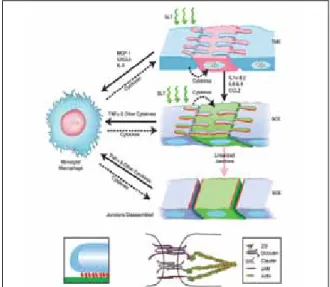
nonconditioned media requires almost a day to induce a similar decrease in IOP, presumably owing to the time required by monocytes to release these important fac-tors. The dynamics of these events in the rabbit eye sug-gested to us that factors secreted into the media by the autologous monocytes had activated an intercellular signaling pathway, and that this pathway functions to regulate aqueous outflow (Figure 2). Subsequently, we have searched for the identity of the molecular factors involved and also for in vitro and in situ evidence that these factors can regulate aqueous outflow.
From our numerous studies, we have learned that the molecular factors include over one dozen cytokines, many of which are secreted constitutively by the trabecu-lar meshwork endothelial (TME) cells,17 and that their
secretion can be augmented by irradiating the TME cells using SLT.7,14,18,19 The irradiation of endothelial cells lining
the lumen of Schlemm canal (SCE), however, does induce the secretion of only a few cytokines, contrary to what is observed following SLT-irradiation of TME cells. Cytokine factors released into the media by SLT-treated TME cells, however, are remarkably effective in increasing the flow of transendothelial fluid when added to SCE cells. Further, these hydrodynamic effects are accompanied by the disassembly of intercellular junctions located in the SCE cells that control the egress of aqueous from the eye.14
(Continued from page 3)
Figure 1. When used simultaneously, SLT and pGas may compete with each other to function on a similar signaling pathway. This finding suggests that SLT used alone may yield a more pronounced Iop-lowering effect.
Figure 2. a complex set of interactions mediate aqueous outflow, some of which are known (indicated by solid arrows), while others are speculative (dotted arrows). Researchers agree, however, that some form of intracellu-lar signaling pathway is involved in aqueous outflow.
Controversies: SLT Versus Medical Therapy
This barrier is also important because it represents the lastcontrol point regulating the egress of aqueous into the lumen of Schlemm canal and the venous circulation. As mentioned earlier, the SCE-barrier also undergoes disas-sembly upon exposure to PGAs, which further demon-strates that both SLT and PGAs have a common mecha-nism of action in regulating aqueous outflow.
There are three important types of cells that regulate aqueous outflow: TME, SCE, and monocytes. Importantly, an intracellular signaling pathway coordinates the activi-ties of the two endothelial cell types in the following manner: Trabecular cells function as a quasi baroreceptor by “sensing” changes in tension that occur with fluctua-tions in IOP.20,21 Upon detecting an increase or a decrease
in tension, trabecular cells respond by either increasing aqueous outflow due to the release of a full complement of cytokines, or by reducing aqueous outflow due to the release of a reduced complement of cytokines. The SCEs, on the other hand, function as a barrier, either opening or closing upon interacting with the cytokines released by the TME. The net effect derived from the interactions between the two endothelial cell types residing in the outflow pathway, and the cytokines making up the inter-cellular signaling pathway, is to maintain aqueous outflow homeostasis.17,18
As the principal cell component of the innate immune system, monocytes are engaged in surveillance and repair activities. Monocytes are attracted to the outflow path-way by cytokine factors released by TME cells constitu-tively, as well as following the application of SLT. It is likely that they secrete a profile of cytokines similar to those secreted by TME cells. Further research continues in our laboratory and elsewhere to elucidate any other potential roles of monocytes, such as inducing a consensual IOP-lowering effect in the contralateral eye, which is often observed after treating only one eye of a given patient. CONCLUSION
At the biological level, SLT and prostaglandin analogues have a similar mechanism of action, but the improved
safety profile, the potential for 24-hour pressure control, and the cost-effectiveness of laser compared with medi-cal therapy suggest that SLT is a more beneficial first-line treatment modality. A protocol using a prostaglandin analogue challenge as an indication of whether laser treat-ment will be successful indicates exactly who will benefit from therapy. Patients who fail initial prostaglandin thera-py will likewise not benefit from a laser procedure and will need some additional management anyway. n
1. Lee A, Mosaed S, Weinreb R, Kripke D, Liu J. Effect of laser trabeculoplasty on nocturnal intraocular pressure in medically treated glaucoma patients. Ophthalmology. 2007;114(4):660-670.
2. Lee R, Hutnik C. Projected cost comparison of selective laser trabeculoplasty versus glaucoma medication in the Ontario Health Insurance Plan. Can J Ophthalmol. 2006;41(4):449-456.
3. Cantor L, Katz L, Cheng J, et al. Economic evaluation of medication, laser trabeculoplasty and filtering surger-ies in treating patients with glaucoma in the US. Curr Med Res Opin. 2008;24(10):2905-2918.
4. Taylor H. Glaucoma: where to now? Ophthalmology. 2009;116(5):821-822.
5. Melamed B, Ben Simon G, Levkovitch-Verbin H. Selective laser trabeculoplasty as primary treatment for open-angle glaucoma: a prospective, nonrandomized pilot study. Arch Ophthalmol. 2003;121:957-960. 6. Alvarado J, Iguchi R, Martinez J, et al. Similar effects of selective laser trabeculoplasty and prostaglandin analogs on the permeability of cultured Schlemm canal cells. Am J Ophthalmol. 2010;150(2):254-264. 7. Alvarado J, Iguchi R, Juster R, et al. From the bedside to the bench and back again: predicting and improving the outcomes of SLT glaucoma therapy. Trans Am Ophthalmol Soc. 2009;107:167-181.
8. Goyal S, Beltran-Agullo L, Rashid S, et al. Effect of primary selective laser trabeculoplasty on tonographic outflow facility: a randomized clinical trial. Br J Ophthalmol. 2010;94:1443-1447.
9. Francis B, Lanchulev T, Schofield J, Minckler D. Selective laser trabeculoplasty as a replacement for medical therapy in open angle glaucoma. Am J Ophthalmol. 2005;140(3):524-525.
10. Katz L, Steinmann W, Kabir A, et al. Selective laser trabeculoplasty versus medical therapy as initial treat-ment of glaucoma: a prospective, randomized trial. J Glaucoma. 2011;[Epub ahead of print]
11. McIlraith I, Strasfeld M, Colev G, Hutnik C. Selective laser trabeculoplasty as initial and adjunctive treatment for open-angle glaucoma. J Glaucoma. 2006;15(2):124-130.
12. Nagar M, Ogunyomade A, O’Brart D, et al. A randomised, prospective study comparing selective laser trabeculoplasty with latanoprost for the control of intraocular pressure in ocular hypertension and open angle glaucoma. Br J Ophthalmol. 2005;89(11):1413-1417
13. Latina M, Sibayan S, Shin D, et al. Q-switched 532-nm Nd:YAG laser trabeculoplasty (selective laser trabeculoplasty): a multicenter, pilot, clinical study. Ophthalmology. 1998;105(11):2082-2088. 14. Alvarado J, Shifera A. Progress towards understanding the functioning of the trabecular meshwork based on lessons from studies of laser trabeculoplasty. Br J Ophthalmol. 2010;94(11):1417-1418.
15. Sakurai M, Higashide T, Takahashi M, Sugiyama K. Association between genetic polymorphisms of the prostaglandin F2alpha receptor gene and response to latanoprost. Ophthalmology. 2007;114(6):1039-1045. 16. Alvarado J, Katz L, Trivedi S, Shifera A. Monocyte modulation of aqueous outflow and recruitment to the trabecular meshwork following selective laser trabeculoplasty. Arch Ophthalmol. 2010;128(6):731-737. 17. Shifera A, Trivedi S, Chau P, et al. Constitutive secretion of chemokines by cultured human trabecular meshwork cells. Exp Eye Res. 2010;91(1):42-47.
18. Alvarado J, Alvarado R, Yeh R, et al. A new insight into the cellular regulation of aqueous outflow: How trabecular meshwork endothelial cells drive a mechanism that regulates the permeability of Schlemm’s canal endothelial cells. Br J Ophthalmol. 2005;89:1500-1505.
19. Alvarado J, Yeh R, Franse-Carman L, et al. Interactions between endothelia of the trabecular meshwork and of Schlemm’s canal: A new insight into the regulation of aqueous outflow in the eye. Trans Am Ophthalmol Soc. 2005;103:155-170.
20. Gonzalez P, Epstein D, Borras T. Genes upregulated in the human trabecular meshwork in response to elevated intraocular pressure. Invest Ophthalmol Vis Sci. 2000;41(2):352-361.
21. Liton P, Luna C, Bodman M, et al. Induction of IL-6 expression by mechanical stress in the trabecular meshwork. Biochem Biophys Res Commun. 2005;337(4):1229-1236.
What are the factors that drive the treatment decision?
Issues related to the compliance, cost, safety, and effectiveness of a procedure affect the deci-sion, and they must be considered in the context of the specific clinical presentation of the patient. So, what is the best option for the patient with advanced glaucoma? Normal-tension glaucoma? Ocular hypertension? What about for patients with ocular surface disease?
Using your smartphone, photograph this QR code to take the Clinical Challenge (or visit lumenis.cnpg.com/video/flatfiles/1969/#). In this interactive video presentation, Jason
Bacharach, MD, of North Bay Eye Associates, Inc., asks viewers to select a treatment option for a hypothetical patient. Then, Dr. Bacharach reviews the pros and cons of the various treatment options for each patient type. What you learn may challenge your thinking about how best to serve the needs of your patients.
well tolerated by the ocular surface. Alpha agonists and topical carbonic anhydrase inhibitors are not as potent as the other two classes and need to be dosed two to three times daily.
The current preferred approach to medical therapy for glaucoma involves prostaglandin analogues. In clini-cal trials, these drugs lower IOP by about 20% to 30% in approximately 70% of patients, and there is good evidence of visual field preservation.3 The safety profile
of these drugs is acceptable, but there is potential for conjunctival hyperemia and skin hyperpigmentation around the eyelids and iris hyperchromia that may have unwanted cosmetic effects.3 Of course, as with all medical
therapy, erratic patient compliance with treatment pro-tocols has been well documented.4-6
The differences among the classes, as well as the vari-ety of offerings within classes, speaks to a diverse range of agents that allow physicians to mix-and-match or substitute out agents until the desired pressure-lowering efficacy is achieved. Glaucoma has over a 100-year history of medical therapy use, tachyphylaxis with currently used medications is rare, and any side effects that arise quickly abate when the therapy is discontinued.
CLINICAL TRIALS
There is convincing evidence that medical therapy helps patients maintain their vision, or else helps mitigate future loss. The Ocular Hypertension Treatment Study (OHTS), which was funded by the National Eye Institute of the National Institutes of Health, demonstrated defini-tively that early medical therapy in patients with ocular hypertension delayed the onset of glaucoma.5 In this
study, the risk of developing glaucoma was halved by use of medical therapy.
Evidence for the use of medical therapy can also be found in the Collaborative Initial Glaucoma Treatment Study,6 which compared first-line medical therapy and
fil-tration surgery. In the first 2 to 3 years of the study, there was greater visual field loss in the surgical arm, but the dif-ference equalized with longer follow up. After 5 years of follow up, there was good preservation of visual fields in both groups, and although IOP was reduced more so in the surgery group (about 2 to 3 mm Hg), medical therapy is a far less invasive approach.
CHOOSING THE RIGHT PATIENTS FOR MEDICINE
Both of these studies demonstrate that patients treated with medical therapy and who remain compliant have a good chance at stable vision for a number of years. At the current time, the effect on long-term vision after selective
laser trabeculoplasty is unknown, because this question has not been studied in great depth. Additionally, some subtypes of glaucoma, such as pigmentary glaucoma, may not respond well to laser treatment, and these patients may be best suited for medical therapy.
Selective laser trabeculoplasty takes about 6 weeks to achieve maximum effect, and patients with excessively high pressure may not be able to wait that long. These individuals may be better treated with medical therapy to achieve more prompt results; however, a case can be made that patients with emergently high pressure should be treated surgically to achieve optimal IOP-lowering efficacy.
There have been some reports in the literature of adverse outcomes after laser trabeculoplasty. In one case series, four patients with heavy trabecular pigmentation experienced high IOP spikes that required emergency incisional surgery.7 Three of the patients in this series had
noted pigmentary dispersion syndrome, and the fourth also had a heavily pigmented trabecular meshwork. The authors concluded that patients with pigmentary features should be considered at high risk for laser trabeculoplasty.
As with all medical therapies in glaucoma, choosing the right treatment for the patient is of critical importance. Current accepted practice protocols from the American Academy of Ophthalmology call for first-line medical therapy, followed by laser, and lastly surgery when all other options have failed. Yet, factors such as cost, safety, efficacy, and patient compliance ought to be considered each time a patient is newly diagnosed with open-angle glaucoma. n
1. Shingleton BJ, Richter CU, Bellows AR, et al. Long-term efficacy of argon laser trabeculoplasty. Ophthalmol-ogy. 1987;94(12):1513-1518.
2. Spaeth GL, Baez KA. Argon laser trabeculoplasty controls one third of cases of progressive, uncontrolled, open angle glaucoma for 5 years. Arch Ophthalmol. 1992;110(4):491-494.
3. Parrish RK, Palmberg P, Sheu WP, XLT Study Group. A comparison of latanoprost, bimatoprost, and travo-prost in patients with elevated intraocular pressure: a 12-week, randomized, masked-evaluator multicenter study. Am J Ophthalmol 2003;135(5):688-703.
4. Kosoko O, Quigley HA, Vitale S, et al. Risk factors for noncompliance with glaucoma follow-up visits in a residents’ eye clinic. Ophthalmology. 1998;105(11):2105-2111.
5. Olthoff CM, Schouten JS, van de Borne BW, Webers CA. Noncompliance with ocular hypotensive treatment in patients with glaucoma or ocular hypertension an evidence-based review. Ophthalmology. 2005;112(6):953-961.
6. Reardon G, Schwartz GF, Mozaffari E. Patient persistency with topical ocular hypotensive therapy in a man-aged care population. Am J Ophthalmol. 2004;137:S3-12.
5. Kass MA, Heuer DK, Higginbotham EJ, et al. The Ocular Hypertension Treatment Study: a randomized trial determines that topical ocular hypotensive medication delays or prevents the onset of primary open-angle glaucoma. Arch Ophthalmol. 2002;120(6):701-713; discussion 829-830.
6. Lichter PR, Musch DC, Gillespie BW, et al. Interim clinical outcomes in the Collaborative Initial Glaucoma Treatment Study comparing initial treatment randomized to medications or surgery. Ophthalmology. 2001;108(11):1943-1953.
7. Harasymowycz PJ, Papamatheakis DG, Latina M, et al. Selective laser trabeculoplasty (SLT) complicated by intraocular pressure elevation in eyes with heavily pigmented trabecular meshworks. Am J Ophthalmol. 2005;139(6):1110-1113.
“As with all medical therapies
in glaucoma, choosing the right
treatment for the patient is of
critical importance.”
Controversies: SLT Versus Surgery
Front-Line therapy:
SLt Versus Incisional Surgery
Sustainability and Repeatability of Glaucoma
Therapy are Important Considerations
Balancing the immediate and future needs of the patient can be challenging.
By donAld l. Budenz, Md, MPH
When choosing initial therapy for glaucoma management, it may be prudent to consider both the immediate needs of the patient as well as the sustainability of treatment. Not all treatment options will lower IOP to a safe level, will continue to be effective long term, or will be repeatable in cases of waning efficacy.
Glaucoma is a chronic and degenerative condition. The goal of current therapy is to improve aqueous outflow in order to lower pressure significantly and ultimately reduce stress on the optic nerve and
lessen the potential for retinal ganglion cell loss. Although there are several means by which to achieve this end, patients’ response to any treat-ment is typically incomplete and unpredictable.
The initial effectiveness and the repeatability of selective laser trabeculoplasty (SLT) suggest that it may be a via-ble first-line treatment option in certain patients with open-angle glaucoma. Because it is also less invasive than surgery and has fewer side effects than medical therapy, there is a convenience factor with laser trabeculoplasty that cannot be discounted. SLT VERSUS ALT
When thinking about laser trabeculoplasty, it is
important to distinguish procedures performed with the argon or diode lasers (ALT and DLT) from a selective
Patient Selection is Key in Choosing the Best
First-line Treatment
Surgical options offer the greatest likelihood of achieving profound pressure reduction.
By Steven J. gedde, Md
There are a number of viable options for first-line glaucoma treatment, and patient selec-tion may be an important determinant in the ultimate success of the chosen modality. Each of the options—medical therapy, laser tra-beculoplasty, and surgery—has distinct pluses and minuses associated with it. In the world of glaucoma care, individualizing treatment to the extent that it is pos-sible is important, and no single treatment will benefit all patients.
Several published studies have explored the question of what treatment modality is most beneficial for first-line therapy in patients with newly diagnosed glaucoma. The typical treatment paradigm calls for management to begin with medical therapy, fol-lowed by laser trabeculoplasty, with surgery reserved for cases when all else fails. In the wake of new evidence, however, it may be time to challenge this accepted paradigm.
SURGICAL OPTIONS Medical therapy does have some advantages; namely, that most patients respond to topical glaucoma medications and tolerate them without difficulty. Yet, some patients are nonresponsive to or intol-erant of medical therapy, and there is growing awareness that patient compliance with glaucoma medications is about 50% to 75%.1-3 There
(Continued on page 8) (Continued on page 9)
MedICaL TheRapy Vs. LAsER
Vs. INCIsIONAL sURGERY Advantages Disadvantages Medical Therapy Generally effective Generally well-tolerated Compliance Unpredictable response Cost Side effects Laser Trabeculoplasty Effective Minimally invasive Not reliant on compliance Cost-effective Waning efficacy over time Unpredictable response Moderate IOP lowering Filtration Surgery Significant pressure reduction High success rates Not reliant on compliance Invasive Postoperative side effects Waning efficacy over time
laser application (SLT). For the purposes of brevity, and because they work the same, I will lump DLT in with ALT for the remainder of this article.
All three modalities are performed with a laser operat-ing at a 532-nm wavelength, but there are differences between them. ALT and DLT use a 50-µm spot size for a 0.1 s duration and use energies of 40 to 70 mJ per pulse. SLT, on the other hand, uses a 400-µm spot size delivered in a 3-ns pulse and energies of 0.6 to 1.2 mJ per pulse.
Whereas ALT uses a long-duration burn with high-intensity heat, the larger spot size with SLT means that heat is spread along a greater area of the ocular tissue, and the shorter duration lowers the energy transfer. The spot size used in SLT has another important advantage in that it is more forgiving in its placement; as long as the spot straddles the trabecular meshwork and does not cross into the iris, the treatment will effectively reach its target at the trabecular meshwork.
SLT works by photothermolysis. The modality is selec-tive in that the 532-nm wavelength light is only absorbed by pigmented cells within the trabecular meshwork; there is no collateral damage to adjacent tissue, as is commonly seen after the photocoagulative burn delivered during ALT.
There appears to be a biological component to how SLT works. The delivery of heat and light to the trabecular meshwork endothelial cells, which exist in a postmitotic state, prompts cellular division. Evidence suggests that the number of trabecular meshwork cells decreases with age (more so in glaucomatous eyes), and that lower num-bers of these cells correlates with higher pressure. There may also be associations between SLT application and cytokine production and recruitment of matrix metal-loproteinases, both of which may play a role in regulating aqueous outflow.
EFFICACY AND REPEATABILITY
How ALT and SLT engender an effect has important implications for both the initial efficacy and repeatability of the given modalities. There is histological evidence that ALT creates a 50-µm crater at the site of application and also destroys surrounding collagen beams within the trabecular meshwork.1 By comparison, SLT delivers much
less energy and for a shorter duration, so that coagulative necrosis does not occur.1
The initial success rate with ALT is approximately 70% to 75%, but studies suggest that only about half of treated patients will still be well controlled after 2 years.2
After 10 years of follow up, the treatment’s effectiveness may be as low as 30%.3
SLT appears to result in a 20% to 30% reduction in IOP in about 70% to 80% of patients.4-8 The
dispar-ity in response across studies may depend on the
concomitant use of prostaglandin analogs, which may have a redundant mechanism of action. Both are thought to work by increasing matrix metalloprotein-ases in the trabecular meshwork as one of the possible mechanisms of lowering IOP. In any case, studies that have compared ALT and SLT show no significant differ-ence in IOP-lowering effect.9-12
Despite the comparable efficacy of these two treat-ments, SLT may be preferable, specifically because it may be repeatable. Early studies that attempted ALT retreatment yielded response rates of 36% to 53%, with 0% response at 1 year and a significant risk of IOP spikes immediately postoperatively.13-16 On the other hand,
retreatment studies with SLT demonstrated comparable response rates after the first and second applications of treatment.17,18 The response to retreatment, although
perhaps less pronounced and of shorter duration than the first application, appears to be better in patients who have had success the first time around.
FIRST-LINE TREATMENT
There is evidence that SLT alone may be able to achieve a target IOP level as initial therapy in perhaps half of patients. Given that it is less invasive than other treat-ment modalities,6 SLT may be a reasonable choice for
initial management. Patients should not be told that they will not need medications, however, since many will not reach their target IOP with SLT alone, and those who do will most likely need medications in the future.
SLT has an IOP-lowering efficacy at least on par with prostaglandin analogs,6,8 but the convenience of therapy
may be attractive to patients. Initial SLT therapy avoids both the inconvenience of repeated drop application (and compliance issues) and the potential side effects associ-ated with medications or incisional surgery. n
1. Kramer TR, Noecker RJ. Comparison of the morphologic changes after selective laser trabeculoplasty and argon laser trabeculoplasty in human eye bank eyes. Ophthalmology. 2001;108(4):773-779. 2. The Glaucoma Laser Trial Research Group. Ophthalmology. 1990;97:1403-1413.
3. Shingleton BJ, Richter CU, Dharma SK, et al. Long-term efficacy of argon laser trabeculoplasty. A 10-year follow-up study. Ophthalmology. 1993;100(9):1324-1329.
4. Latina MA, Sibayan SA, Shin DH, et al. Q-switched 532-nm Nd:YAG laser trabeculoplasty (selective laser trabeculoplasty): a multicenter, pilot, clinical study. Ophthalmology. 1998;105(11):2082-2088; discussion 2089-2090.
5. Gracner T. Intraocular pressure reduction after selective laser trabeculoplasty in primary open angle glaucoma. Coll Antropol. 2001;25(suppl):111–115.
6. Melamed S, Ben Simon GJ, Levkovitch-Verbin H. Selective laser trabeculoplasty as primary treatment for open-angle glaucoma: a prospective, nonrandomized pilot study. Arch Ophthalmol. 2003;121:957–960. 7. Cvenkel B. One-year follow-up of selective laser trabeculoplasty in open-angle glaucoma. Ophthalmologica. 2004;218(1):20-25. 8. McIlraith I, Strasfeld M, Colev G, Hutnik CM. Selective laser trabeculoplasty as initial and adjunctive treat-ment for open-angle glaucoma. J Glaucoma. 2006;15(2):124-130.
9. Damji KF, Shah KC, Rock WJ,et al. Selective laser trabeculoplasty v argon laser trabeculoplasty: a prospective randomised clinical trial. Br J Ophthalmol. 1999;83(6):718-722.
10. Popiela G, Muzyka M, Szelepin L, et al. Use of YAG-Selecta laser and argon laser in the treatment of open angle glaucoma. Klin Oczna. 2000;102(2):129-133.
11. Martinez-de-la-Casa JM, Garcia-Feijoo J, Castillo A, et al. Selective vs argon laser trabeculoplasty: hypotensive efficacy, anterior chamber inflammation, and postoperative pain. Eye (Lond). 2004;18(5):498-502. 12. Juzych MS, Chopra V, Banitt MR, et al. Comparison of long-term outcomes of selective laser trabeculo-plasty versus argon laser trabeculotrabeculo-plasty in open-angle glaucoma. Ophthalmology. 2004;111(10):1853-1859. 13. Starita RJ, Fellman RL, Spaeth GL, et al. The effect of repeating full-circumference argon laser trabeculo-plasty. Ophthalmic Surg. 1984;15:41-43.
14. Brown SV, Thomas JV, Budenz DL,et al. Effect of cataract surgery on intraocular pressure reduction obtained with laser trabeculoplasty. Am J Ophthalmol. 1985;100:373-376.
15. Richter CU, Shingleton BJ, Bellows AR, et al. Retreatment with argon laser trabeculoplasty. Ophthalmology. 1987;94:1085-1089. 16. Messner D, Siegel LI, Kass MA, et al. Repeat argon laser trabeculoplasty. Am J Ophthalmol. 1987;15:103(1):113-115. 17. Hong BK, Winer JC, Martone JF, et al. Repeat selective laser trabeculoplasty. J Glaucoma. 2009;18:180-183. 18. Francis BA, Hong B, Dustin L, et al. Repeatability of selective laser trabeculoplasty (SLT) for open-angle glaucoma. Paper presented at: the American Glaucoma Society Meeting; March 2011; Dana Point, CA. (Continued from page 7)
Controversies: SLT Versus Surgery
may also be significant diurnal pressure fluctuations with medical therapy, which would put patients at risk for pro-gression of their glaucoma.
Laser trabeculoplasty and filtering surgery are options for all-day control of IOP that do not depend on patient compliance. The former is assuredly less invasive, is associ-ated with less adverse outcomes, and is more cost-effec-tive (although the latter is also more cost-effeccost-effec-tive than medical therapy in the long term). Surgery offers a greater magnitude of pressure-reducing response, which might be a distinct advantage for some patients.
The Moorfields Primary Therapy Trial4 is a prospective
study that enrolled 168 patients and randomized them to medical therapy, laser trabeculoplasty, or filtration surgery to determine the optimal first-line therapy. At the end of the trial, patients in the surgery arm had essentially no visual field deterioration, an indication of stable glauco-ma. There was comparatively greater loss of visual field in both the laser and medical therapy groups. Additionally, the cumulative probability of failing therapy was lowest among the patients treated with surgery.
Largely based on the success of this trial, another ran-domized clinical trial, the Collaborative Initial Glaucoma Treatment Study (CIGTS),5 was designed to compare
surgery with medical therapy as a first option for treat-ment-naïve patients. Both treatment groups (n = 612) showed significant IOP reduction throughout 5 years of follow up, although a greater degree of pressure reduc-tion was observed in surgically treated patients. Overall, there was excellent stability of glaucoma in both treat-ment arms.
PATIENT SELECTION
A subsequent subanalysis of the CIGTS data revealed that patient selection may be an important factor in choosing a first-line therapy. According to Musch et al,6
patients with moderate-to-severe glaucoma at baseline (defined at -10 decibels or worse of visual field loss at the time of enrollment in CIGTS) had a better outcome with initial surgery compared with medical therapy. Among this subpopulation, there was a lower risk of visual field progression among patients treated with surgery.
This finding may be particularly salient in determining the most appropriate first-line treatment. In particular, there is an implied question in glaucoma management: even if the modality works, will it achieve the desired degree of pressure lowering? Studies have indicated that initial prostaglandin analog therapy (the current gold-standard therapy option) achieves about a 30% reduction in IOP.7 Similarly, laser trabeculoplasty affects about a 20%
to 30% reduction.8-12 Reducing markedly high baseline
IOP to a comfortable level may, therefore, require a more
invasive approach.
To demonstrate this effect in a real-world scenario, consider a patient with an initial IOP of 30 mm Hg. A 9-mm Hg decrease in pressure may be expected if laser trabeculoplasty proves to be highly effective. Reduction of IOP to 21 mm Hg may be insufficient for a patient with advanced glaucoma. Alternative treatment approaches, including filtering surgery, may be preferred when suc-cessful laser treatment is unlikely to achieve a desired level of pressure.
CONCLUSION
Patients newly diagnosed with glaucoma are not a homogenous group worthy of a singular treatment modality. Certainly, clinical factors will be an important determinant of the appropriateness of a first-line therapy, but other factors may carry weight, as well. In the mod-ern age of cost-conscious health care, for example, the availability of a medication as determined by a patient’s insurance formulary may narrow or expand treatment options. Still, first-line therapy ought to be evidence-based, and certainly there is good evidence to suggest that filtration surgery is an appropriate option for some patients, particularly those with moderate-to-severe glau-coma at initial presentation. n
1. Kosoko O, Quigley HA, Vitale S, et al. Risk factors for noncompliance with glaucoma follow-up visits in a residents’ eye clinic. Ophthalmology. 1998;105(11):2105-2111.
2. Olthoff CM, Schouten JS, van de Borne BW, Webers CA. Noncompliance with ocular hypotensive treatment in patients with glaucoma or ocular hypertension an evidence-based review. Ophthalmology. 2005;112(6):953-961.
3. Reardon G, Schwartz GF, Mozaffari E. Patient persistency with topical ocular hypotensive therapy in a man-aged care population. Am J Ophthalmol. 2004;137:S3-12.
4. Migdal C, Gregory W, Hitchings R. Long-term functional outcome after early surgery compared with laser and medicine in open-angle glaucoma. Ophthalmology. 1994;101(10):1651-1657.
5. Lichter PR, Musch DC, Gillespie BW, et al. Interim clinical outcomes in The Collaborative Initial Glaucoma Treatment Study Comparing initial treatment randomized to medications or surgery. Ophthalmology. 2001;108:1943-1953.
6. Musch DC, Gillespie BW, Lichter PR, et al. Visual field progression in the Collaborative Initial Glaucoma Treat-ment Study: the impact of treatTreat-ment and other baseline factors. Ophthalmology. 2009;116:200-207. 7. Parrish RK, Palmberg P, Sheu WP, XLT Study Group. A comparison of latanoprost, bimatoprost, and travo-prost in patients with elevated intraocular pressure: a 12-week, randomized, masked-evaluator multicenter study. Am J Ophthalmol. 2003;135(5):688-703.
8. Latina MA, Sibayan SA, Shin DH, et al. Q-switched 532-nm Nd:YAG laser trabeculoplasty (selective laser trabeculoplasty): a multicenter, pilot, clinical study. Ophthalmology. 1998;105(11):2082-2088; discussion 2089-2090.
9. Gracner T. Intraocular pressure reduction after selective laser trabeculoplasty in primary open angle glaucoma. Coll Antropol. 2001;25(suppl):111–115.
10. Melamed S, Ben Simon GJ, Levkovitch-Verbin H. Selective laser trabeculoplasty as primary treatment for open-angle glaucoma: a prospective, nonrandomized pilot study. Arch Ophthalmol. 2003;121:957–960. 11. Cvenkel B. One-year follow-up of selective laser trabeculoplasty in open-angle glaucoma. Ophthalmo-logica. 2004;218(1):20-25.
12. McIlraith I, Strasfeld M, Colev G, Hutnik CM. Selective laser trabeculoplasty as initial and adjunctive treat-ment for open-angle glaucoma. J Glaucoma. 2006;15(2):124-130.
(Continued from page 7)
“Laser trabeculoplasty and
filtering surgery are options for
all-day control of IOP that do not
Although some have proposed using laser trabeculoplasty as an initial treatment for glaucoma, others have pointed to a lack of data confirming the utility of the modal-ity in treatment-naïve or newly diagnosed patients. With the release of data from the Selective Laser Trabeculoplasty versus Topical Medical Therapy as initial monotherapy trial (SLT/MED study),1 there is
now clinical data supporting the use of laser.
Wise and Witter first introduced laser trabeculoplasty in 1979 using an argon laser.2 Although effective in
abat-ing pressure, argon laser trabeculoplasty (ALT) functions by photocoagulative burn, resulting in the formation of craters at the site of application within the trabecu-lar meshwork (Figure 1).3 Disruption of the trabecular
beams and coagulative necrosis after ALT application have been observed in animal and basic science stud-ies.4-6 There is a risk of collateral damage to nearby
trabecular structures associated with ALT. Additionally, studies have demonstrated a waning effect over time7
and poor repeatability with ALT.8-11
These and other factors limited the adoption of ALT as a first-line therapy, especially in the face of ample medical literature touting the relative success of medical therapy. Current strategies for managing glaucoma are largely dependent on medical therapy. New evidence on the efficacy of SLT, coupled with data indicating that the procedure can be repeated, may tip the balance toward a new paradigm, espe-cially because laser therapy can help avoid issues related to compliance, cost, and safety associated with medical therapy. SLT also prompts a distinctly different tissue response compared with ALT and thus avoids unintentional cellular damage at the site of application (Figure 2).
Results of the SLT/MED Study suggest the utility of first-line laser therapy for
treatment-naïve patients.
By l. JAy KAtz, Md
Shifting the paradigm in
Glaucoma therapy
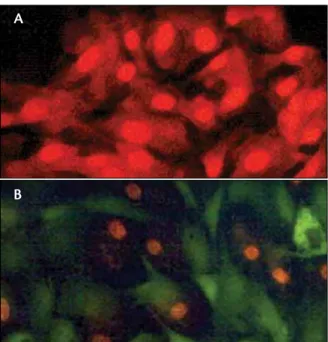
Figure 1. histological studies of cadaveric tissue suggest that aLT is more destructive (a) to trabecular cells com-pared with SLT (B). note the crater effect created at the point of aLT laser spot application (a) compared with the
intact collagen beams present in the tissue after SLT (B). (Continued on page 12)
A B
Figure 2. In vitro testing shows a nearly universal kill of trabecular cells associated with aLT application (a). By comparison, SLT via frequency-doubled nd:yaG laser results in a culture of viable, nonpigmented cells (B).
A
Emerging Data on SLT
By roBert J. noecKer, Md, MBA
Data showing definitively that selective laser trabeculoplasty (SLT) is as effective for managing glaucoma as medical therapy has important implications, especially when coupled with what we already know about the safety profile of these treatment modalities. Specifically, SLT improves on the safety of previous laser modalities (argon laser, or ALT),1 and there is ample literature on
the side effects of medication. What the results of the SLT/MED study really mean is that patients have a treatment option that avoids the myriad compliance, safety, and cost issues associated with medical therapy. SAFETY ISSUES
Several glaucoma medications contain benzalko-nium chloride (BAK), an antimicrobial preservative that is not selectively toxic to bacteria. Several studies have demonstrated that BAK is detrimental to the health of the ocular surface; in select cases, it has caused enough compromise to necessitate penetrating keratoplasty.2
Other issues, such as conjunctival inflammation,3
reduction in tear break-up time,4 and slower wound
healing5 have been associated with the use of eye
drops containing BAK.
Yet, active ingredients in glaucoma medications can also have deleterious effects. For example, prostaglandin analogues can cause hyperemia, periocular skin changes, and increased iris pigmentation. The use of beta-blockers has been associated with a decrease in tear production as well as the exacerbation of dry eye signs and symp-toms, not to mention the potential for systemic adverse outcomes. Allergic conjunctivitis and rebound hyper-emia may occur after exposure to alpha-agonists. Finally, the lower acidity of some topical carbonic anhydrase inhibitors can be harmful to the ocular surface.
IOP spikes have been reported with SLT therapy, most commonly in highly pigmented trabecular meshwork, such as in individuals with pigmentary glaucoma.6 Otherwise, transient uveitis, corneal edema,
and corneal abrasions have been reported, although prophylactic use of an anti-inflammatory agent appears to minimize these side effects. Nonetheless, the safety profile appears decidedly more favorable when com-pared with medical therapy.
COMPLIANCE
Safety concerns aside, there may be other reasons to favor a treatment paradigm that begins with laser instead of medical therapy. Issues with compliance have been well documented; it is believed that only 50% to 80%
of patients actually take their glaucoma medications according to physician protocols.7-9 A new reality in the
managed care setting is that patients may not be as compliant with their medications as their treating physi-cian would like, because of the cost of their prescriptions. Many pharmacy formularies now dictate a preference for dispensing generics, which, especially in glaucoma care, can have variable results in terms of consistent IOP control and tolerability.10
All of these reasons validate the need for evidence for the first-line management of patients with a laser. SLT can be used as adjunctive therapy as a way to avoid adding a second medication to the protocol, which has benefits for both compliance and cost.11 Likewise, a study by Francis
and colleagues showed that medication load can be low-ered with use of SLT.12
CONCLUSION
As a physician who treats glaucoma patients on a regular basis, it is exciting to know we have an option that offers 24-hour control of pressure, one that is cost-friendly for patients and cost-effective to the health care system, and one that has minimal effect on the health of the ocular surface. Medical therapy has a long and celebrated history of use in glaucoma management, and it certainly does have its place in modern treatment strategies. Laser therapy, and SLT treatments in particular, offer a conve-nient, safe, and effective treatment option to help alleviate the burden of managing glaucoma that may be associated with medical therapy. n
1. Katz LJ, Steinmann WC, Kabir A, et al. Selective laser trabeculoplasty versus medical therapy as initial treatment of glaucoma: a prospective, randomized trial [Published online ahead of print May 3 2011].
J Glaucoma. 2011.
2. Lemp MA, Zimmerman LE. Toxic endothelial degeneration in ocular surface disease treated with topical medications containing benzalkonium chloride. Am J Ophthalmol. 1988;105(6):670-673. 3. Cvenkel B, Ihan A. Ocular surface changes induced by topical antiglaucoma monotherapy. Ophthalmo-logica. 2002;216(3):175-179.
4. Ishibashi T, Yokoi N, Kinoshita S. Comparison of the short-term effects on the human corneal surface of topical timolol maleate with and without benzalkonium chloride. J Glaucoma. 2003;12(6):486-490. 5. Nagai N, Murao T, Okamoto N, Ito Y. Comparison of corneal wound healing rates after instillation of commercially available latanoprost and travoprost in rat debrided corneal epithelium. J Oleo Sci. 2010;59(3):135-141.
6. Harasymowycz PJ, Papamatheakis DG, Latina M, et al. Selective laser trabeculoplasty (SLT) complicated by intraocular pressure elevation in eyes with heavily pigmented trabecular meshworks. Am J Ophthalmol. 2005;139(6):1110-1113.
7. Kosoko O, Quigley HA, Vitale S, et al. Risk factors for noncompliance with glaucoma follow-up visits in a residents’ eye clinic. Ophthalmology. 1998;105(11):2105-2111.
8. Olthoff CM, Schouten JS, van de Borne BW, Webers CA. Noncompliance with ocular hypotensive treatment in patients with glaucoma or ocular hypertension an evidence-based review. Ophthalmology. 2005;112(6):953-961.
9. Reardon G, Schwartz GF, Mozaffari E. Patient persistency with topical ocular hypotensive therapy in a managed care population. Am J Ophthalmol. 2004;137:S3-12.
10. Narayanaswamy A, Neog A, Baskaran M, et al. A randomized, crossover, open label pilot study to evaluate the efficacy and safety of Xalatan in comparison with generic Latanoprost (Latoprost) in subjects with primary open angle glaucoma or ocular hypertension. Indian J Ophthalmol. 2007;55(2):127-131. 11. Latina MA, Sibayan SA, Shin DH, Noecker RJ, Marcellino G. Q-switched 532-nm Nd:YAG laser trabeculoplasty (selective laser trabeculoplasty): a multicenter, pilot, clinical study. Ophthalmology. 1998;105(11):2082-2090.
12. Francis BA, Ianchulev T, Schofield JK, Minckler DS. Selective laser trabeculoplasty as a replacement for medical therapy in open-angle glaucoma. Am J Ophthalmol. 2005;140(3):524-525.
The SLT/MED study was designed to answer the question of whether SLT could be a viable first-line therapy strategy. In the study, 136 eyes of 72 patients were randomized to either a 360º treatment with SLT or a prostaglandin analog. Having both eyes of the same patient receive the same treatment obviated any chance of a crossover effect, which was a criti-cism of earlier medicine versus laser trials such as the Glaucoma Laser Trial.
Retreatment was permitted in the trial and fol-lowed a step-wise protocol. Patients who failed initial SLT therapy received a 180º treatment, and if still not controlled, a third application for 180º with laser. Patients in the medication arm were given different drugs until one showed efficacy. If all the medica-tions failed, then an SLT treatment was performed. The target IOP was individualized for every patient’s eye depending on his or her starting pressure and the severity of the visual field defect; the protocol for this was adapted from the Collaborative Initial Glaucoma Treatment Study scoring system.12
At the end of the study, IOP was similar between the two groups, with about a 7-mm Hg drop in both arms. Interestingly, there were more steps in the medication arm: 27% of patients required additional medical therapy, whereas approximately one in 10 needed an additional SLT treatment after the initial 360º application (Table). This finding implies that it was easier to control pressure with the first SLT appli-cation compared with mediappli-cation.
The data from this study seem to correlate with findings from a study by Nagar et al that compared SLT with a prostaglandin analog.13 In that study, there
was no statistically significant difference in patients achieving a 20% reduction in IOP after treatment with 360º of laser application or a prostaglandin
analog. Results were more robust among eyes treated with 360º of laser application—82% eyes achieved greater than a 20% reduction, and 59% achieved more than a 30% reduction—compared with patients treated with either 90º or 180º applications.
The results of these studies indicate that SLT is a viable alternative to medical therapy, especially because a laser is not dependent on patient compli-ance for maximum efficacy. Although IOP spikes have been reported in studies of SLT, the safety pro-file appears more favorable compared with medical therapy. n
1. Katz LJ, Steinmann WC, Kabir A, et al. Selective laser trabeculoplasty versus medical therapy as initial treat-ment of glaucoma: a prospective, randomized trial [Published online ahead of print May 3 2011].
J Glaucoma. 2011.
2. Wise JB, Witter SL. Argon laser therapy for open-angle glaucoma. A pilot study. Arch Ophthalmol. 1979;97(2):319-322.
3. Kramer TR, Noecker RJ. Comparison of the morphologic changes after selective laser trabeculoplasty and argon laser trabeculoplasty in human eye bank eyes. Ophthalmology. 2001;108(4):773-779.
4. Melamed S, Pei J, Epstein DL. Short-term effect of argon laser trabeculoplasty in monkeys. Arch Ophthalmol. 1985;103(10):1546-1552.
5. van der Zypen E, Fankhauser F. Ultrastructural changes of the trabecular meshwork of the monkey (Macaca speciosa) following irradiation with argon laser light. Graefes Arch Clin Exp Ophthalmol. 1984;221(6):249-261. 6. Alexander RA, Grierson I. Morphological effects of argon laser trabeculoplasty upon the glaucomatous human meshwork. Eye (Lond). 1989;3(Pt 6):719-726.
7. Glaucoma Laser Trial Research Group. Am J Ophthalmol. 1995;120:718-731.
8. Starita RJ, Fellman RL, Spaeth GL, et al. The effect of repeating full-circumference argon laser trabeculoplasty.
Ophthalmic Surg. 1984;15:41-43.
9. Richter CU, Shingleton BJ, Bellows AR, et al. Retreatment with argon laser trabeculoplasty. Ophthalmology. 1987;94:1085-1089.
10. Messner D, Siegel LI, Kass MA, et al. Repeat argon laser trabeculoplasty. Am J Ophthalmol. 1987;103(1):113-115.
11. Feldman RM, Katz LJ, Spaeth GL, et al. Long-term efficacy of repeat argon laser trabeculoplasty. Ophthal-mology. 1991;98:1061-1065.
12. Lichter PR, Musch DC, Gillespie BW, et al. Interim clinical outcomes in the Collaborative Initial Glaucoma Treatment Study (CIGTS) comparing initial treatment randomized to medications or surgery. Ophthalmology. 2001;108:1943-1953.
13. Nagar M, Ogunyomade A, O’Brart DP, Howes F, Marshall J. A randomised, prospective study comparing selective laser trabeculoplasty with latanoprost for the control of intraocular pressure in ocular hypertension and open angle glaucoma. Br J Ophthalmol. 2005;89(11):1413-1417.
Which of your patients are compliant with their medications?
Using your smartphone, pho-tograph this QR code to take the Adherence Challenge (or visit: lumenis.cnpg.com/video/ flatfiles/2002/). This interactive
video presentation, hosted by renowned glaucoma expert Alan L. Robin, MD, will challenge your ability to predict patient compliance. Armed with the same information you might use in your office—age, gender, education level, and hints about patient motivation— can you decipher who will and who will not follow through on the management plan you prescribe? You may be surprised.
adheRenCe ChaLLenGe
(Continued from page 10)
TaBLe. Mean ChanGe In Iop In The SLT
Vs. MedICaL TheRapy STUdy
SLT Group Medication Group
Mean Baseline IOP
(mm Hg) 25 24.5 Mean IOP at 9 to 12 mos. (mm Hg) 18.4 17.7 Difference - 6.6 mm Hg - 6.8 mm Hg Patients Requiring Additional Step of Treatment 11% 27%
emerging data on SLT
The utility of selective laser trabeculoplasty (SLT) in treating most forms of glaucoma has been well established in clinical trials. It is now recognized as a viable treatment option, as first-line, adjunctive, or replacement therapy. Despite its recognized efficacy, however, the effect of SLT may wane off over time in some patients and leave the inevitable question of what to do next.
It has been demonstrated previously that argon laser trabeculoplasty (ALT) is ineffective when performed more than once,1-4 and it has been suggested that repeat
ALT may have an unfavorable safety profile. On the other hand, SLT appears to be a more targeted therapeutic approach compared with ALT and one that is arguably less detrimental to the health of the eye.5,6 Further, SLT’s
proprietary mechanism of action suggests its utility as a repeatable procedure—a proposition that has now been borne out in a multicenter clinical trial setting.7
RATIONALE
Why is SLT repeatable while previous modalities have historically had poor success rates when retreatment is attempted? The answer lies in how these different modal-ities induce an effect. Although debate continues about precisely how ALT works, most believe it involves several mechanisms resulting from a localized photocoagulative burn that the tightly focused laser produces within the trabecular meshwork.5 These burns may tighten the
intra-cellular framework of the junction, thereby facilitating greater outflow. Alternately, heat insult from the argon laser may induce the replication and/or cell division of endothelial cells. In addition, similar to SLT, ALT may pro-duce an inflammatory cascade that causes macrophages to remove debris from the intertrabecular spaces and induce cytoskeletal changes in the trabecular meshwork to enhance outflow.
The end result is that, although ALT achieves about a 20% to 30% reduction in IOP, it also has a failure rate of about 20% in the first year, and about 10% of patients will fail the therapy in subsequent years of follow-up.8,9
Successful retreatment with ALT is only possible in approximately 30% to 50% of patients,1-4 most likely due
to the destructive nature of the argon laser on trabecu-lar cells.
SLT, on the other hand, functions by photother-molysis, and because of the lower overall power and larger spot size of the laser’s delivery, it generates little-to-no collateral damage to trabecular meshwork cells.5
Therefore, its effect is likely due to biologic rather than mechanical mechanisms. There is evidence that SLT application induces monocyte recruitment, which in turn regulates the production of cytokines that open collagen beams within the trabecular meshwork.10-12
Moreover, there is histological evidence that SLT only targets pigmented cells and leaves nonpigmented cells unaffected by treatment.6
These factors suggested that SLT may be repeatable as a treatment option, and in fact, a study by Hong et al13
found no significant drop off in efficacy with repeat SLT. It should be noted, however, that this study was small in size and was performed in a single clinical setting. REPEAT SLT STUDY
For the multicenter SLT repeatability study,7 137 eyes
of 137 patients were analyzed retrospectively to deter-mine the feasibility of repeating SLT application for the treatment of glaucoma. To be eligible for repeat 360º SLT, patients had to have undergone a previously suc-cessful 360º SLT (defined as a minimum of a 3-mm Hg drop in pressure that lasted at least 6 months but wore off after 12 to 24 months). Patients were a mean 73 years old, predominantly white females, and most had open-angle glaucoma, although some patients were also being treated for pigmentary or exfoliation glaucoma, ocular hypertension, or juvenile open-angle glaucoma. About 9% of the patients had received previous ALT treatment.
After the first SLT treatment, the subjects’ mean baseline IOP was 20.3 mm Hg, which dropped to 16.3 mm Hg at 6 months and 16.4 mm Hg at 12 months. At the time of the second SLT procedure, the mean IOP was 19.4 mm Hg, which dropped to 16.3 mm Hg after 6 months and 16.7 mm Hg after 12 months (Table 1).
Interestingly, we found similar efficacy between SLT1 and SLT2 in a subanalysis of patients who were matched
Results from a multicenter clinical trial indicate potential for repeat SLT procedure.
By BriAn A. FrAnciS, Md, MS
no drop-off in effectiveness
after Repeat SLt application
1:1 for equal baseline IOP at the time of their first or sec-ond SLT treatment (Table 2). Overall, about 40% to 50% of patients had a successful repeat treatment after their first or second SLT procedure. Success in this context was defined as a 20% reduction in IOP, pressure lower than 21 mm Hg, and no additional medication use—a
stringent set of criteria borrowed from the Tube Versus Trabeculectomy study. Again, there was no difference in the success rates after first or second SLT when patients with equal baseline IOPs were reviewed in subgroup analysis.
CONCLUSION
This large, multicenter trial using standardized and stringent criteria for success demonstrates that a second application of SLT can be equally effective as the first attempt. Some patients in the study had a lapse of 7 to 8 years in between trabeculoplasty procedures. There is potentially a limit on how often SLT may be repeated before there is no treatment effect, and there is no answer on whether subsequent SLT is additive. These data should give confidence, however, that outcomes from a previous-ly successful SLT application are potentialprevious-ly repeatable. n
1. Starita RJ, Fellman RL, Spaeth GL, et al. The effect of repeating full-circumference argon laser trabeculoplasty.
Ophthalmic Surg. 1984;15:41-43.
2. Richter CU, Shingleton BJ, Bellows AR, et al. Retreatment with argon laser trabeculoplasty. Ophthalmology. 1987;94:1085-1089.
3. Messner D, Siegel LI, Kass MA, et al. Repeat argon laser trabeculoplasty. Am J Ophthalmol. 1987;103(1):113-115. 4. Feldman RM, Katz LJ, Spaeth GL, et al. Long-term efficacy of repeat argon laser trabeculoplasty. Ophthalmol-ogy. 1991;98:1061-1065.
5. Kramer TR, Noecker RJ. Comparison of the morphologic changes after selective laser trabeculoplasty and argon laser trabeculoplasty in human eye bank eyes. Ophthalmology. 2001;108(4):773-779.
6. Latina MA, Park C. Selective targeting of trabecular meshwork cells: in vitro studies of pulsed and CW laser interactions. Exp Eye Res. 1995;60:359-371.
7. Francis BA, Katz J, Bacharach J, et al. Repeatability of selective laser trabeculoplasty. Paper presented at: The American Glaucoma Society 21st Annual Meeting; March 3,2011; Dana Point, CA.
8. Shingleton BJ, Richter CU, Dharma SK, et al. Long-term efficacy of argon laser trabeculoplasty. A 10-year follow-up study. Ophthalmology. 1993;100(9):1324-1329.
9. Glaucoma Laser Trial Research Group. Am J Ophthalmol. 1995;120:718-731.
10. Alvarado JA, Alvarado RG, Yeh RF, et al. A new insight into the cellular regulation of aqueous outflow: how trabecular meshwork endothelial cells drive a mechanism that regulates the permeability of Schlemm’s canal endothelial cells. Br J Ophthalmol. 2005;89(11):1500-1505.
11. Alvarado JA, Yeh RF, Franse-Carman L, et al. Interactions between endothelia of the trabecular meshwork and of Schlemm’s canal: a new insight into the regulation of aqueous outflow in the eye. Trans Am Ophthalmol Soc. 2005;103:148-163.
12. Alvarado JA, Katz LJ, Trivedi S, Shifera AS. Monocyte modulation of aqueous outflow and recruitment to the trabecular meshwork following selective laser trabeculoplasty. Arch Ophthalmol. 2010;128(6):731-737. 13. Hong BK, Winer JC, Martone JF, et al. Repeat selective laser trabeculoplasty. J Glaucoma. 2009;18(3):180-183.
By JASon BAcHArAcH, Md
Glaucoma is a chronic disease that requires long-term management, the implications for which are very real for patients. If the treatment itself becomes onerous, patients will be unlikely to follow it. In the end analysis, modalities that are difficult for an individual to manage may return little benefit—even if the chosen therapy is highly effective—if he or she is either unwilling or unable to comply with the required protocol. Therefore, the treatment of chronic conditions like glaucoma must consider the viability of long-term therapy.
COMPLIANCE ISSUES
Compliance and adherence issues in the manage-ment of glaucoma have been well documanage-mented.1-3
With medical therapy, patients may experience dif-ficulty instilling drops and discomfort afterward, both factors that may be a barrier to compliance. There is also the issue of cost, which can be a significant factor for some patients.
Overall, these issues speak to a need for a viable, repeatable therapeutic option for managing glaucoma that eases the burden of treatment for physicians and patients. Recent evidence suggests that selective laser trabeculoplasty (SLT) can be safely repeated as a ther-apy with no lessening of effectiveness.4 This discovery
IMpLICaTIonS FoR LonG-TeRM GLaUCoMa TheRapy: The paTIenT’S peRSpeCTIVe TaBLe 1. ChanGe In Iop aFTeR FIRST
and SeCond SLT appLICaTIon
Baseline IOPa 6-month IOP 12-month IOP SLT1b 20.3 mm Hg 16.3 mm Hg (P<.001) 16.4 mm Hg (P<.001) SLT2c 19.4 mm Hg 16.3 mm Hg (P<.001) 16.7 mm Hg (P<.001)
a IOP = intraocular pressure.
b Measurements of intraocular pressure after the initial
treat-ment with selective laser trabeculoplasty (SLT).
c Measurements of IOP after the second treatment with SLT.
TaBLe 2. ChanGe In Iop aMonG paTIenTS MaTChed 1:1 FoR BaSeLIne Iop aT TIMe oF SLT
Baseline IOPa 6-month IOP 12-month IOP SLT1b 18.7 mm Hg 16.0 mm Hg (P<.001) 15.8 mm Hg (P<.001) SLT2c 18.7 mm Hg 15.3 mm Hg (P<.001) 16.6 mm Hg (P<.001)
a IOP = intraocular pressure.
b Measurements of intraocular pressure after the initial
treat-ment with selective laser trabeculoplasty (SLT).
Emerging Data on SLT
has important implications for glaucoma management from the perspective of cost and compliance.
GENTLE ON THE ANGLE
The application of SLT to the angle is much different from other modalities, like argon laser trabeculoplasty (ALT). ALT often leads to the development of peripheral angle syneciae—in essence, scarring. SLT, on the other hand, appears to be gentler to the angle and surrounding architecture. Histology studies have demonstrated less scarring of the trabecular meshwork after SLT compared with ALT.5 SLT appears to work by a biological
mecha-nism,6-8 and repeat applications may restart that
mecha-nism. On the other hand, although ALT’s efficacy may be partly due to inciting local cytokine activity, the scarring it causes diminishes its utility as a repeat procedure.9-12
The gentleness of the SLT procedure has implications beyond the safety of the initial procedure. In addition to making SLT a viable choice for front-line therapy, this factor makes SLT repeatable, which in turn moves the laser up in the treatment cascade. If it can be suc-cessfully used one time, it can be safely repeated later down the line (if needed), and there is evidence dem-onstrating excellent repeatability. Studies by Hong13 and
now Francis et al4 demonstrate that there is little-to-no
decrease in SLT’s effectiveness when used a second time (neither study addressed how many times the procedure can be repeated).
Previous investigations have revealed that applications of SLT can reduce the number of medications a glauco-matous patient needs to control IOP.14,15 Additionally,
there is evidence that SLT, when used earlier in the treatment cascade, has greater benefit compared to its use in patients who have failed or are on the verge of failing other therapeutic means.16,17 Fundamentally,
this means that SLT can be cost-friendly to patients (because it reduces their prescription costs) while it also facilitates treatment. Reducing the number of medica-tions a patient is required to take is beneficial in terms of improving adherence,18 and adherence reduces the risk
of the disease’s progression and vision loss. COST-EFFECTIVE, COST-FRIENDLY
Cost considerations are an unavoidable reality in modern medicine, both at the individual and systemic levels. If a therapy can help patients reduce their expen-ditures while still helping them get better (and do so safely), then there is no denying the benefit. If that therapy can also reduce financial strain on healthcare systems, then the advantage of its use is even greater.
The effect of SLT on out-of-pocket expenses incurred by patients is difficult to quantify, but it is not hard to imagine that patients benefit when their drop
dependence is reduced. SLT’s impact on societal costs, on the other hand, has been documented. The cost-effectiveness of SLT compared with medicine has been shown in studies in the US, Canada, and Australia.19-21
OTHER BENEFITS
There may be other benefits to using SLT to man-age glaucoma. For instance, the procedure may flat-ten the diurnal curve, although that application is still being studied. Certainly, when a patient receives an SLT treatment, there is an assurance that therapy has been delivered and that compliance is not an issue. That the therapy is delivered in a manner that is cost-friendly for patients is no small consideration, especially in the current economic climate. Taking all of these factors together, I believe that SLT represents a means to allow glaucomatous patients access to an effective therapy with reduced concern of whether they will be able to continue to benefit from that therapy in the long term. n
1. Kosoko O, Quigley HA, Vitale S, et al. Risk factors for noncompliance with glaucoma follow-up visits in a residents’ eye clinic. Ophthalmology. 1998;105(11):2105-2111.
2. Olthoff CM, Schouten JS, van de Borne BW, Webers CA. Noncompliance with ocular hypotensive treatment in patients with glaucoma or ocular hypertension an evidence-based review. Ophthalmology. 2005;112(6):953-961.
3. Reardon G, Schwartz GF, Mozaffari E. Patient persistency with topical ocular hypotensive therapy in a managed care population. Am J Ophthalmol. 2004;137:S3-12.
4. Francis BA, Katz J, Bacharach J, et al. Repeatability of selective laser trabeculoplasty. Paper presented at: The American Glaucoma Society 21st Annual Meeting; March 3,2011; Dana Point, CA.
5. Kramer TR, Noecker RJ. Comparison of the morphologic changes after selective laser trabeculoplasty and argon laser trabeculoplasty in human eye bank eyes. Ophthalmology. 2001;108(4):773-779. 6. Alvarado JA, Alvarado RG, Yeh RF, et al. A new insight into the cellular regulation of aqueous outflow: how trabecular meshwork endothelial cells drive a mechanism that regulates the permeability of Schlemm’s canal endothelial cells. Br J Ophthalmol. 2005;89(11):1500-1505.
7. Alvarado JA, Yeh RF, Franse-Carman L, et al. Interactions between endothelia of the trabecular meshwork and of Schlemm’s canal: a new insight into the regulation of aqueous outflow in the eye. Trans Am Ophthalmol Soc. 2005;103:148-163.
8. Alvarado JA, Katz LJ, Trivedi S, Shifera AS. Monocyte modulation of aqueous outflow and recruitment to the trabecular meshwork following selective laser trabeculoplasty. Arch Ophthalmol. 2010;128(6):731-737. 9. Starita RJ, Fellman RL, Spaeth GL, et al. The effect of repeating full-circumference argon laser trabeculo-plasty. Ophthalmic Surg. 1984;15:41-43.
10. Richter CU, Shingleton BJ, Bellows AR, et al. Retreatment with argon laser trabeculoplasty. Ophthalmol-ogy. 1987;94:1085-1089.
11. Messner D, Siegel LI, Kass MA, et al. Repeat argon laser trabeculoplasty. Am J Ophthal-mol. 1987;103(1):113-115.
12. Feldman RM, Katz LJ, Spaeth GL, et al. Long-term efficacy of repeat argon laser trabeculoplasty.
Ophthalmology. 1991;98:1061-1065.
13. Hong BK, Winer JC, Martone JF, et al. Repeat selective laser trabeculoplasty. J Glauco-ma. 2009;18(3):180-183.
14. Latina MA, Sibayan SA, Shin DH, et al. Q-switched 532-nm Nd:YAG laser trabeculoplasty (selective laser trabeculoplasty): a multicenter, pilot, clinical study. Ophthalmology. 1998;105(11):2082-2090. 15. Francis BA, Ianchulev T, Schofield JK, Minckler DS. Selective laser trabeculoplasty as a replacement for medical therapy in open-angle glaucoma. Am J Ophthalmol. 2005;140(3):524-525.
16. Shingleton BJ, Richter CU, Bellows AR, et al. Long-term efficacy of argon laser trabeculoplasty.
Ophthalmology. 1987;94(12):1513-1518.
17. Spaeth GL, Baez KA. Argon laser trabeculoplasty controls one third of cases of progressive, uncon-trolled, open angle glaucoma for 5 years. Arch Ophthalmol. 1992;110(4):491-494.
18. Bacharach J, Delgado MF, Iwach AG. Comparison of the efficacy of the fixed-combination timolol/ dorzolamide versus concomitant administration of timolol and dorzolamide. J Ocul Pharmacol Ther. 2003;19(2):93-96.
19. Lee R, Hutnik CM. Projected cost comparison of selective l