This item was submitted to Loughborough’s Institutional Repository (https://dspace.lboro.ac.uk/) by the author and is made available under the
following Creative Commons Licence conditions.
For the full text of this licence, please go to: http://creativecommons.org/licenses/by-nc-nd/2.5/
The Effects of Computer Aided Thinking (CAT)
Software on Students' Achievement
and Learning
Experience
By
Omar Ahmed Omar
Thesis submitted to the Faculty of Science
Loughborough University
in partial fulfilment of the requirements for the
degree of
DOCTOR OF PHILOSOPHY
in
Computer Science
December, 2009
Loughborough, UK
ABSTRACT
This study examined the effect of computer-aided thinking (CAT) on students' achievement and learning experience in studying a biochemistry1 unit. CAT offers different activities, tasks and questions according to the learner’s thinking style based on the mental self-government theory. The aim was to investigate the effectiveness of using CAT with the thinking styles feature on students' achievement and learning experience over computer aided instruction (CAI) without the thinking style feature when both teaching methods were used to replace the traditional chemistry instruction.
A study was conducted to standardize the Sternberg-Wagner Self-Assessment Inventory of thinking styles for the United Arab Emirates (UAE) environment. The study showed that the thinking styles inventory was reliable and valid for use in identifying the thinking styles among a sample of UAE high school students.
The development of the CAT system went through two phases. The goals of the first phase were to provide computer-aided learning material for two chemistry lessons, Oxygen and Ozone, to explore how students would respond to it with regard to their learning experience and to get feedback from the students to help build the CAT system which embeds the thinking style theory in the second development phase. Finally, an experiment was conducted using two randomly selected groups of students. One group studied the lessons using CAT and individuals were offered learning activities based on their thinking styles. The other group studied the lessons using CAT but without the thinking style feature.
At the end of the experiment, quantitative and qualitative data were gathered and then analyzed. The results showed that learning with the CAT tool during the period of this experiment had significant effects on the experimental students' learning experience. This research is the first known study to explore the way that thinking styles can be used to sequence teaching material and activities for the purpose of individualized instructions. The research will inform UAE in helping teachers improve the learning process by conducting student-centred teaching.
1 Biochemistry refers to the field concerned with studying the chemical reactions which take place in
ACKNOWLEDGEMENTS
Many individuals have provided advice, encouragement, and support to me in the completion of this research. I would like to acknowledge their contributions. Let me start by expressing my sincere thanks and gratitude to my supervisors Prof Paul Chung and Prof Chris Hinde for their guidance and advice throughout the course of this research. They have provided critical suggestions and advice that set the focus for my research. They have given me extensive comments on my draft and have provided encouragement and support to me in the completion of this research. Prof Paul Chung, whom I was fortunate enough to have as a supervisor, deserves special thanks for his patience and attention even during his vacations. He stood by my side during the tough days in my personal life. He also deserves extended appreciation for assisting me through the registration, re-registration, and extension of registration process, and supporting one year of my part time fees from his own research funding. Thanks to all my friends at IDRAC Center who helped me through my thesis research until IDRAC was closed. I would especially like to thank Luai Husaria who helped code the CAT program as per my design in the second phase, Dr Abdoun and Omar Saadi helped me in the experiment of standardizing the thinking style inventory, and the team of IDRAC's IT sponsor who helped develop the prototype program as per my design in the first phase.
Thanks to the administrations of the nine schools who allowed me to conduct the standardizing experiment in their schools.
Appreciation is also extended to the principal of Khalifa High School, Mr AlAttas, who stood by me throughout the course of this research. He gave me full support to conduct all the experiments in his school. He made everything possible and never said “NO”. He is a model of modern school leaders. I also would like to extend thanks to Mr Fahd, the chemistry teacher in Khalifa High School, who put all his efforts under my hands. He showed enthusiasm in encouraging me and sharing his teaching experience with me. Without their sincere help the research could not have been done.
I would like to thank Mr Saeed who spent a whole night digitizing the 74 minutes of footage and converting it into 14 video clips to be loaded into CAT. I also would like to thank Mr Emad who helped in the translation.
Thanks to the administration in AlTafawk school, Mr Saleh and Mr Zayed. Their encouragement, support and appreciation have pushed me in positive directions. To my colleagues and friends in the AlTafawk School, thanks for the respect you have given me.
I would like to extend love and thanks to my parents, who never stopped their encouragement and prayer. And to the fourteen individuals in my own family who have been patient since I have started the research. During the eight years of this research they have never complained that I was busy all the time, but have continually encouraged me and prayed that Allah might guide me to achieve my educational dream. I can not reward them. May Allah bless and reward you all abundantly. Finally, I give all glory, honor, and praise to Allah Almighty. He blessed me with many wonderful gifts, including the gift to think and the gift of family.
TABLE OF CONTENTS
CHAPTER 1 : INTRODUCTION ... 12
1.1 Introduction and Background ... 12
1.2 Computer in the UAE ... 13
1.3 Motivation for the Research... 14
1.4 The Problem Being Studied ... 17
1.5 Importance of the Study ... 20
1.6 Contributions ... 21
1.7 Structure of the Thesis ... 22
CHAPTER 2 : LITERATURE REVIEW... 24
2.1 Computer-Aided Learning: ... 24
2.1.1 Review of Previous Studies and Findings……… ... 24
2.1.2 Different Uses of Computers in Computer-Aided Learning ... 31
2.1.2.1 Tutorial Mode ... 31
2.1.2.2 Generative Computer-Assisted Learning ... 32
2.1.2.3 Simulations ... 32
2.1.2.4 Educational Games ... 32
2.1.2.5 Problem-Solving Programs ... 32
2.1.2.6 Dialogue Systems ... 33
2.1.2.7 Computer as a Tool for Thinking and Knowledge Construction ... 33
2.1.3 The Inappropriate Use of Computers as Instructional Media ... 33
2.1.4 How are the Computers Used in Teaching and Learning? ... 35
2.1.5 Using CAI in Chemistry - Studies and Findings ... 36
2.2 Computers and Styles ... 37
2.2.1 Theories of Styles ... 38
2.2.1.1The Cognition-Centred Styles... 38
2.2.1.2 Personality-Centred Styles ... 38
2.2.1.4Mental Self-Government ... 39
2.2.2 CAI and Styles ... 39
2.2.2.1 CAI and Learning Styles ... 39
2.2.2.2 CAI and Zone of Proximal Development ... 40
2.2.2.3 CAI and Cognitive Development ... 41
2.2.2.4 CAI and Cognitive Styles ... 42
2.2.2.5 CAI and Thinking styles of the Mental Self-Government ... 44
2.3 Summary ... 45
CHAPTER 3 : MENTAL SELF GOVERNMENT THEORY ... 48
3.1 A Description of the Theory ... 48
3.2 Theoretical Frame ... 49
3.3 Definitions of Thinking Styles ... 50
3.4 General Characteristics of Thinking Styles ... 54
3.5 Factors that Affect the Change of Thinking Styles of Individuals ... 54
3.6 Previous Studies ... 56
3.7 Thinking Styles in Learning and Teaching Process ... 61
3.8 Summary ... 66
CHAPTER 4 : METHODOLOGY... 68
4.1 Introduction ... 68
4.2 Phases of the Study ... 68
4.3 Research Hypotheses ... 68
4.4 Design of the Study ... 69
CHAPTER 5 : STANDARDIZING THE STERNBERG-WAGNER SELF-ASSESSMENT INVENTORY OF THINKING STYLES FOR THE UAE ENVIRONMENT ... 73
5.1 The Problem ... 73
5.2 Setting ... 74
5.3 Sample ... 74
5.5 Validity ... 76
5.6 Reliability ... 79
5.7 Sex Differences ... 83
5.8 Conclusion ... 84
CHAPTER 6 : PHASE 1 PROTOTYPE AND STUDY ... 86
6.1 Introduction ... 86
6.2 Method ... 86
6.3 Questionnaire Results and Analysis ... 92
6.4 Discussion of Results ... 95
6.5 Conclusions ... 96
CHAPTER 7 : THE CAT SYSTEM ... 98
7.1 Introduction ... 98
7.2 CAT and the Thinking Styles ... 98
7.3 CAT and Activities ... 99
7.4 CAT and Lessons ... 105
7.5 CAT Quality Control ... 108
7.6 Database Model ... 108
7.7 CAT System Data Flow ... 109
7.8 System Parts ... 110
7.9 User Friendliness ... 111
7.10 Cost and Time Effective ... 111
7.11 Control ... 112
7.12 CAT and Teacher Role ... 113
CHAPTER 8 : PHASE 2 EMPERICAL EVALUATION OF THINKING STYLES ... 115
8.1 Introduction ... 115
8.2 The Experiment Design ... 115
8.3 Post-Test Results and Analysis ... 119
8.4 Questionnaire Results and Analysis ... 121
8.5 Discussion of Results ... 126
CHAPTER 9 : CONTRIBUTION OF RESEARCH, RECOMMENDATIONS
AND CONCLUSIONS ... 131
9.1 Summary of Research ... 131
9.2 Contribution of Research ... 133
9.3 Limitations of the Study ... 134
9.3.1 Limitations of the Experiment ... 134
9.3.2 Limitations of the System ... 135
9.4 Summary of the CAT System Design ... 135
9.5 Proposed Developments of the System ... 136
9.6 Recommendations for Future Research Involving CAT ... 137
9.7 Conclusions ... 138
REFERENCES ... 139
APPENDIX I : Questionnaire Results and Analysis (PHASE 2) ... 152
APPENDIX II : DETAILS OF CAT (Phase 1) ... 177
APPENDIX III : QUESTIONNAIRE (PHASE 1) ... 186
APPENDIX IV : INVENTORY ... 189
APPENDIX V : QUESTIONNAIRE (PHASE 2) ... 191
APPENDIX VI : ACHIEVEMENT TEST ... 194
APPENDIX VII : BIOCHEMISTRY INTRODUCTION... 197
APPENDIX VIII : LESSONS CONTENT ... 209
APPENDIX IX :THINKING TOOL ... 255
LIST OF FIGURES
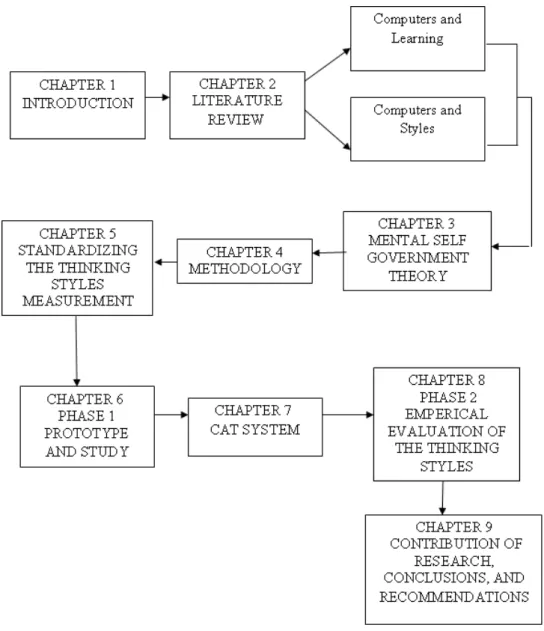
Figure 1.1: Structure of the Thesis ...23
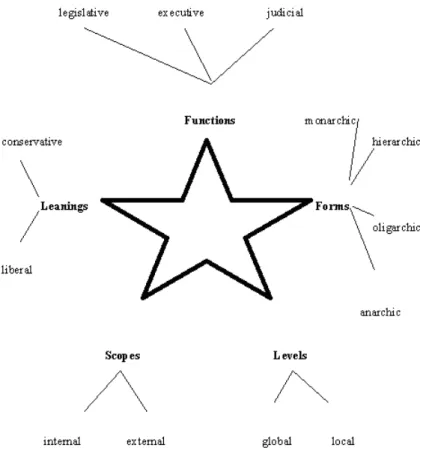
Figure 3.1: Dimensions of Thinking Styles ...50
Figure 6.1: The First Screen of the First Lesson with the Buttons ...90
Figure 6.2: Motivation and Confidence ...93
Figure 6.3: Tasks and Activities Completion ...94
Figure 6.4: CAT and Ease of Use ...94
Figure 6.5: CAT and Boredom ...95
Figure 7.1: Data Flow Diagram ...110
Figure 8.1: Experiment Design ... 115
Figure IX-1: Teacher Interface Screen ... 283
LIST OF TABLES
Table 3.1: Thinking Styles and the Corresponding Preferences ... 64
Table 3.2: Varying Levels of Compatibility for Different Styles ... 65
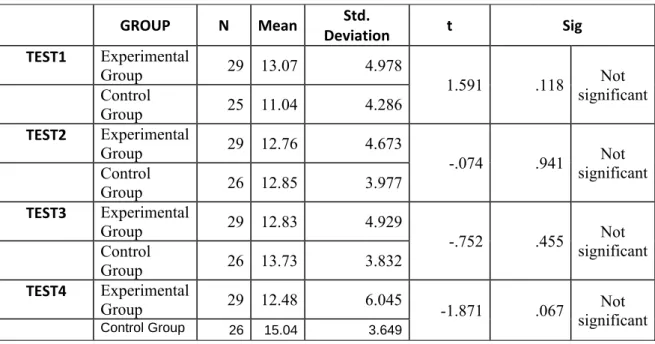
Table 4.1: Groups Statistics and T-test Results ... 70
Table 4.2: Questions to Explore the Hypotheses ... 71
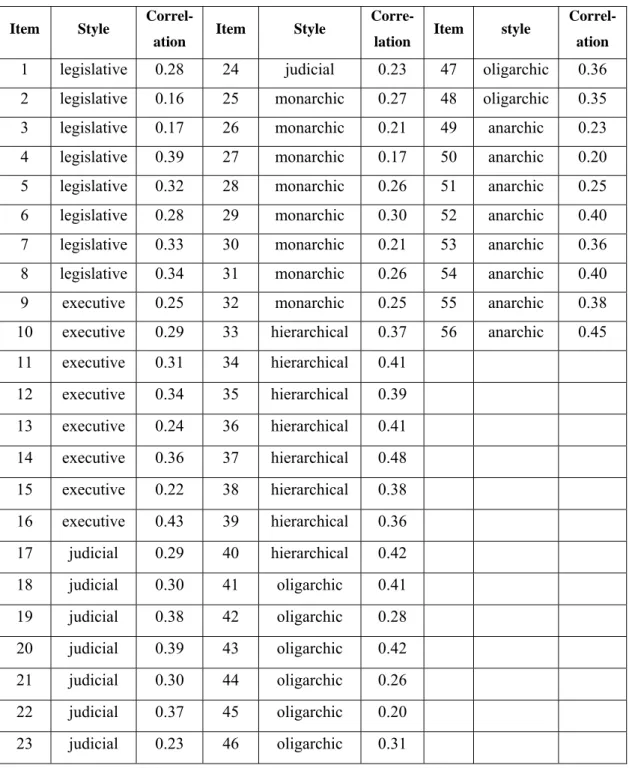
Table 5.1: The Validity of Internal Consistency for Thinking Styles Measurement for a Sample of 247 ... 77
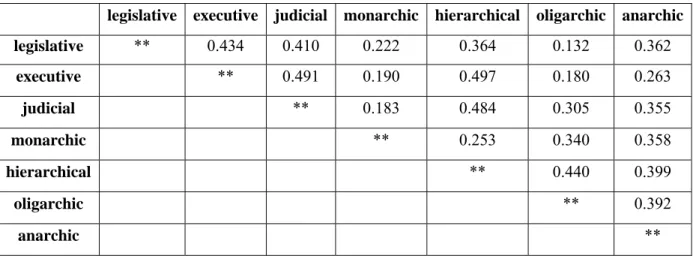
Table 5.2: Matrix of Correlation Coefficients between the Seven Styles of the Entire Sample... 78
Table 5.3: Factors, Items Responses, Implicit Root and Variation Values ... 81
Table 5.4: Boys and Girls Statistics and T-Test Results ... 83
Table 5.5: Kolmogorov Smirnov Test ... 84
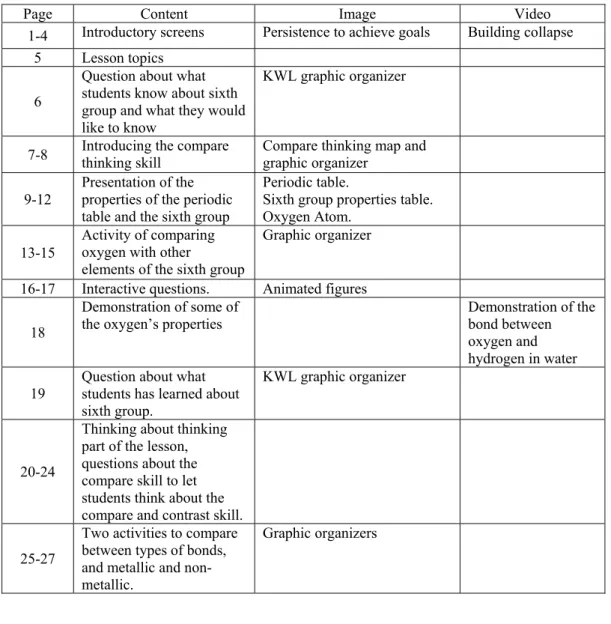
Table 6.1: Lesson 1 Details ... 88
Table 6.2: Lesson 2 Details ... 88
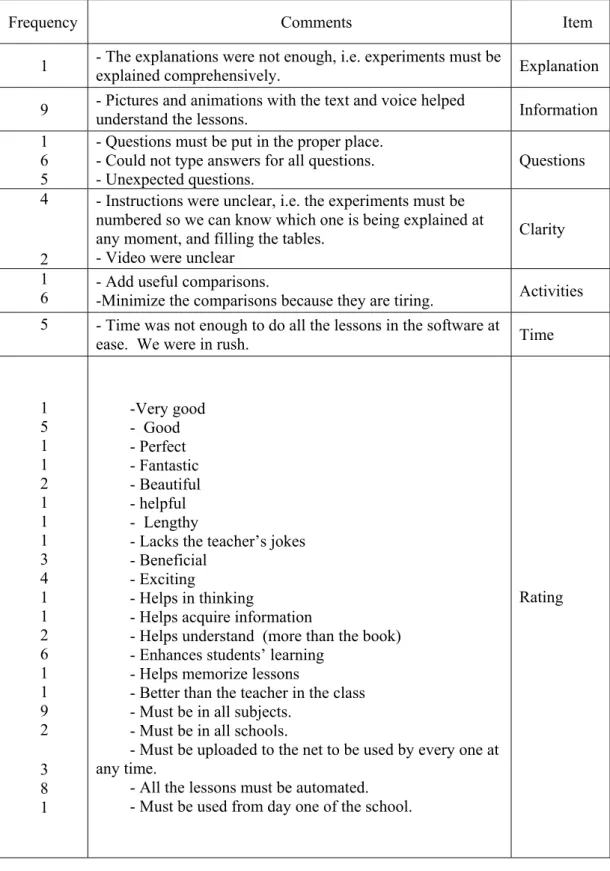
Table 6.3: Students Comments and Suggestions ... 92
Table 7.1: Different Instructional Assignments in Lesson 1 for Legislative, Executive, and Judicial Students... 101
Table 7.2: Different Instructional Assignments in Lesson 2 for Legislative, Executive, and Judicial Students... 102
Table 7.3: Different Instructional Assignments in Lesson 3 for Legislative, Executive, and Judicial Students... 103
Table 7.4: Different Instructional Assignments in Lesson 4 for Legislative, Executive, and Judicial Students... 104
Table 7.5: Clips Attached to Lessons ... 106
Table 7.6: CAT Features Used by the Students of the Control and Experimental Groups ... 107
Table 7.7: The Sequence of the First Video Session in the First Lesson ... 114
Table 8.1: Test Score (Control Group) ... 120
Table 8.2: Test Score (Experimental Group) ... 120
Table 8.3: Group Statistics ... 121
Table 8.4: Independent Samples Test ... 121
Table 8.6: Comments of Control Group and Experimental Group ... 123 Table 8.7: Summary of the Results Analysis ... 128
CHAPTER 1
INTRODUCTION
1.1 Background
Computers have imposed themselves on different fields of modern life. The increase in the capabilities of computers, along with reduced cost, has influenced various forms of computer-delivered instruction (Brown, 2001). This can be seen in education as well as in other disciplines (Passerini 2000).
The computer is considered one of the most important technologies to be deployed in the educational domain over the past twenty years due to its wide ranging capabilities. The computer is used in the educational field in many ways. It can be used by management to organize school matters (like setting the schedules of different subjects, financial work, assessment, files, and employees and students affairs), or by teachers as an assisting technique in instruction, or to perform different kinds of teaching and learning activities. As an instructional tool it combines the characteristics of many technologies into a single technology. It integrates text, picture, sound, animation, movie clips and provides control over the presentation of the material. While other educational technologies may be capable of achieving certain and specific goals, a computer can be programmed to support and deliver many different instruction patterns. Another main distinction between computers and other technologies is their ability to interact with the learner (Caffarell 1987) thus making learning an active process. When used well, the computer can be a very powerful educational tool (Bell et al. 1998).
In the literature, several acronyms are used to describe educational software including: computer-based instruction (CBI), computer-aided instruction (CAI), computer-based teaching (CBT) and computer-aided learning (CAL) (Lambert et al. 1997). It is possible to have nine acronyms if a word is picked from each of the following three groups:
• Computer;
• Based, Aided, Assisted;
Many educators have made a distinction between the three terms: learning, teaching and instructing. For instance, Anderson and Burns (1989, cited by Al Khalili et al. 1996) concluded that teaching is part of instruction. However, all nine possible acronyms represent learning ‘from’ and ‘with’ computers, which has been the primary use of computers throughout the history of educational computing. Learning from and with computers involves programming the computer to inform and instruct the student, to direct the activities of the learner toward the acquisition of pre-specified knowledge or skills, and help students construct knowledge.
Since the advent of microcomputers and instructional software for education, assisted instruction (CAI), assisted learning (CAL), or computer-based instruction (CBI) has provided a supplemental instructional method in schools (Parr 2006).
1.2 Computers in the UAE Use of Computer as a Subject
The Ministry of Education in the United Arab Emirates sought to include the teaching of computers as an obligatory subject in 1989. Thus, computer subject is taught to 10th and 11th grade students two periods a week. The focus in the curriculum was on computer literacy. In the year 2000/2001 computers were introduced to intermediate grade students. While the goal for the intermediate students remained as computer literacy, the goal for secondary students was advanced to networking, internet, web design and applying computer applications in everyday use. Currently, students from 1st to 9th grade have computer classes once a week based on self learning multimedia material.
Use of computer as an Educational Mean
The UAE Ministry of Education started using computers as a learning tool in different subjects in the school year 1997/1998. The 12th grade science major students were provided with educational software for physics and mathematics. The arts major students were provided with educational software for Arabic and English subjects. Most of them were drill and practice programs that were based on the behaviourism
principle, the reinforcement of stimulus-response association. The quality of the programs was poor (Hasan 2002).
The Electronic Future Project in Abu Dhabi Educational Zone
Abu Dhabi Educational Zone has started the Electronic Future Project, which is considered to be the first of its kind in the region. The project aims to develop methods of education and means of teaching through using advanced technology and modern electronic knowledge tools, and through creating a new mechanism to facilitate the communication process among all those involved in the educational process: administrators, teachers, students, and parents. The project’s document declares that one of the goals of the Electronic Future Project is to provide a rich educational environment, which will enable students to extend their understanding and improve their creative and critical thinking skills and their ability to solve problems and make decisions. Other goals include improving the teaching and learning process, developing and improving the acquisition of knowledge and skills, thus creating a society able to face the challenges of the Information Technology Age
(Greaves 2004).
Bork (1979) predicted that by the Year 2000 the major way of learning at all levels, and in almost all subject areas, will be through the interactive use of computers. Although this is not completely fulfilled, using computers in education deserves continuing attention. However, it should be mentioned that if the computer is to be effective, educators should match the CAI type to the intended learning goals (Rowland 1988).
1.3 Motivation for the Research
In any computer-aided learning systems, the learners should be considered the core of the educational process by giving them the opportunity to respond to and interact with the academic materials, and taking individual differences into account. This enables the learners to progress according to their individual pace of learning (Al E'naizi 1989). The computer has the potential to facilitate development of students’ decision-making/problem solving, data processing skills, and communication skills. Through the computer, students may gain access to extensive knowledge and broaden their exposure to diverse views and perspectives; hence, providing students the opportunity
to become active participants in an increasingly global and interactive world (Whitworth & Berson 2003).
Since teachers started using computers to support the teaching of different subjects, researchers have tried to find out the effect of their use on students' achievement. The effectiveness of the computer in classroom settings is supported by many studies in different subject areas including: science (Brophy 1999), mathematics (Tseng 1999; Chang 2000), social skills (Stern and Repa 2000), concept understanding (Glickman 2000), reading (Soe et al. 2000), writing (Goldberg et al. 2003), Biology (Soyibo and
Hudson 2000), and chemistry (Yalcinalp 1995).
Coley et al. (1997) reviewed the research on the effectiveness of educational technology in U.S. schools and found that studies showed students in technology-rich environments experienced positive effects on achievement in all major subject areas from preschool through to higher education and for both regular and special-needs students. Coley concluded that the research strongly supports the use of technology as a catalyst for improving the learning environment.
Kadiyala and Crynes (1998) reviewed and summarized the research findings on computer assisted instruction over the fifteen years preceding their research. Many of the studies they reviewed were themselves reviews and meta-analyses, which cover hundreds of studies. The interest of their review was to gather hard statistical evidence about the use of information technology for better learning, time on tasks, costs, and learner/teacher attitudes. The study covered a range of student types and subject matter but excluded disability related learning/teaching studies:
• Mathematics (Interactive Algebra I, II & III at college level and for Grades 1-12)
• Science (Grades 1-12) • Social Science (Grades 7-12)
• Microprocessor systems and interfacing (Electrical and Computer Engineering students)
• Language Arts (Reading and writing) (Grades 1-12) • Combined subjects
• Vocational training
• Information processing, communication and presentation skills (Grades 4-6). • Surgical Nursing (Undergraduate level)
• Dental study (Undergraduate and advanced level)
• Pharmaceutical and Allied Health Occupation education (Undergraduate level) The research findings strongly support the use of technology as a catalyst for improving the learning environment. Educational technology has been shown to stimulate more interactive teaching, effective grouping of students, and cooperative learning. A few studies, which estimated the cost effectiveness, reported time savings of about 30%. At first, professors can be expected to struggle with the change brought about by technology. However, they will adopt, adapt, and eventually learn to use technology effortlessly and creatively.
One of the subjects that many students consider complex is chemistry which has implications for the teaching of chemistry today. Many of the concepts studied in chemistry are abstract, and are inexplicable without the use of analogies or models. The primary barrier to understanding chemistry is that chemistry instruction occurs predominantly at the abstract symbolic level (Dorothy 1999). In science texts for elementary schools, some of the first concepts presented include concepts such as elements and compounds, and chemical and physical changes. The distinction between elements and compounds cannot be easily made without resorting to explanations using molecular models representing compounds and elements.
How can computers be used to enhance chemistry learning?
Computers can be used at various points within the chemistry curriculum including but not limited to:
• Displaying simulations. Computer simulation is especially appropriate when experiments are difficult, expensive, time-consuming, or dangerous to perform.
• Using animations and videos, e.g. animations of molecular concepts. Textbooks lack the capability of displaying dynamic processes. Because they create images of chemistry by using words, tables, graphs, and still photos, but
they are missing the dynamic element, which is so important in understanding chemical processes and concepts. Animation and video are exactly the domains in which computers are most capable of performing (Dori’ and Barnea 1993).
• Exercise and feedback to assessing the student’s level of comprehension. • The growing number of databases specifically oriented to chemistry (e.g.,
periodic tables and chemical structure systems) means that data can be quickly transferred among various applications. For example, element properties can be copied from a periodic table database and pasted into a spreadsheet, and the final output graph embedded within a word processor document. This integration of applications can catalyze student interest and activity (Bell et al. 1998).
The use of the computer can potentially enhance students’ understanding, make learning an active process, provide cost benefits and improve learning efficiencies. The current study proposes a new way to use the computer to enhance learning in general and chemistry learning in particular.
1.4 The Problem Being Studied
Our world recently witnessed huge information challenges with political, economical, social, cultural, and educational dimensions. These information challenges with their various dimensions formed the basis from which launched many calls for the necessity of reforming the educational system with all its inputs, processes, and outputs, especially because the current system is very slow when it comes to the amazing acceleration of information and communication technology. Accordingly, many countries are racing towards reforming their educational systems in order to prepare their citizens for a techno-guided universe, e.g. Hong Kong, Taiwan, China, Korea, Japan, Singapore, Australia, New Zealand, Canada, and UAE (Loong 2003, Al Mousa 2002). These reforms have gained enormous political and financial supports in various developing and developed countries worldwide. Millions, if not billions of dollars, are spent on developing technology plans in order for change to take place in the new educational model, which is based on technology and on providing networks,
computers, and educational programs in general and higher education. For example, the USA spent 6.9 billion in 1999 to provide public schools with networks and computers (Kleiman 2000). The new model calls for a change from a teacher-guided model, from one which considers the book as the only source of knowledge, into a learner-guided model dependent on different sources.
Abu Dhabi Educational Zone undertook this challenge by starting the Electronic Future Project. What has already been accomplished in this project can be considered a contribution. The electronic solution presented by the project has to overcome some of the current problems in the teaching process. The most important problems include (1) the dependence of the educational practices inside the classroom on old assumptions about learning and how it takes place, and (2) using teaching methods that neither meet the needs of all learners nor consider their individual differences like their thinking styles and their preferable learning styles. By way of illustration, lecturing and rote learning is the common method used by most teachers in Abu Dhabi schools (Haidar 2000). E-learning in the Electronic Future Project can achieve its goals if it adopts modern theories which will lead to fundamental changes in education (Al Saleh 2002). One of the changes could be based on student’s mental model where the students are considered the core of the teaching process. E-learning needs to make students the basis for teaching and instruction by introducing teaching that harmonizes with their needs, way of thinking, and preferred style of learning. Accordingly, there is a need to explore how the computer can be used to vary between teaching methods and tailored for individual differences of learners.
This study is important for three reasons. The first is the scarcity of local studies which focus on using the computer in teaching scientific subjects in general and chemistry in particular that support the Educational Zone’s project in Abu Dhabi. The second is the unavailability of international studies that use the computer in introducing the content based on the student’s thinking styles according to Mental Self-Government Theory (Sternberg 1997). This study is considered the first in this respect although there are some studies which explore computer-assisted teaching based on learning styles of the student. The third is that although there are some teachers who know how to individualize teaching and provide differentiated curriculum for students according to students' preferences. However, the minority of
these teachers does not have the time to individualize the instruction or differentiate the standard curriculum, nor resources to provide lessons that integrate text, pictures, sounds, graphics, animation, and video. Accordingly, this study was conducted to investigate the effectiveness of educational software that can help teachers individualize the teaching and present student-centred learning in accordance with the student’s thinking style based on the mental self-government theory, and to determine the effect of such a tool has on student achievement.
Why the mental self-government theory?
• The theory of mental self-government is considered one of the newest theories that help in academic enhancement. The goal of the theory of mental self government is to integrate the various approaches of understanding styles, and to provide new directions for theory applied to educational practice. It has been found to be useful in classroom settings. The literature on styles indicates that teaching with students' thinking styles in mind improves students' academic performance, enhances their achievement, and helps to predict school achievement (Costa 2001), (Sternberg and Grigorenko 1995, 1997; Cilliers and Sternberg 2001; Zhang and Sachs 1997; Zhang and Sternberg, 1998).
• Robert Sternberg, the theorist who developed the theory of mental self-government, is a well known scholar in psychology. After extensive research in different theories on styles (e.g., learning styles, cognitive styles, and personality styles) he proposed his theory of the mental self-government (Sternberg 1997).
• The theory has not yet been explored in the field of educational software. • An educational model called School Wide Optimum Model (SWOM) has been
developed as part of this project. SWOM focuses on teaching the students in harmony with their mental model. The students' mental model is their profile that consists of the students' thinking style, learning style, and zone of proximal development (ZPD). This study enables the author to explore one aspect of the student’s mental model which has not been experimented.
1.5 Importance of the Study
The importance of this study springs from the role it plays in introducing learning which goes in accordance with learners' thinking styles by using the computer. The way in which the computer presents the material to the learners differs according to their thinking styles based on the Mental Self-Government Theory. Although there is some evidence of success when the theory is applied in the classroom, to the best of the author's knowledge there is no previous study that has dealt with computer-based learning using the theory. The studies about the theory are detailed in chapter 4. The importance of this study can be listed as:
• This study is the first of its kind that deals with teaching biochemistry using educational software that distinguishes the teaching method according to the learners' thinking style based on Mental Self-Government Theory. This study may uncover the effectiveness of this method in designing educational software and its positive impact on students' learning.
• This study goes along with education development in the UAE that calls for the necessity of using the best ways of teaching that harmonize with the student's mind (Al Sharhaan 2000).
• This study conforms with the development related to information technology in Abu Dhabi Educational Zone. The educational software used in this study was designed to assist students in their learning. Furthermore, it is assumed to help most of the teachers who do not know how to individualize teaching according to students’ thinking styles, and to provide differentiated lessons that integrate text, pictures, sounds, graphics, animation, and video clips. This helps to achieve the goal of Abu Dhabi Educational Zone in its pioneering project of the electronic future.
• The study highlights the role of the teacher as mentor and guide in the teaching process inside the classroom, not as the only source of knowledge. • An educational model called School Wide Optimum Model (SWOM) has been
developed and its exploration and investigation is of strong personal interest to the author. SWOM focuses on teaching the students in harmony with their
mental model. The Students' mental model is their profile that consists of the students' thinking style, learning style, and zone of proximal development (ZPD). Some studies have been conducted in respect to designing software based on student’s learning style and ZPD level, e.g. Clariana (1997), Ross and Schulz (1999), Luckin and du Boulay (1999), and Arroyo et al. (2003). On the other hand, the thinking styles based on the mental-self government theory has not yet been adopted by any educational software and no study has been conducted. So, this study enables the author to explore one aspect of the student’s mental model which has not been experimented and fills in the gap of using the SWOM mental model components in software design.
• This study attempts to investigate the issue raised by Chen (2002) that empirical evidence indicates that not all learners can benefit from hypermedia learning, and that research into individual differences suggests cognitive styles have significant effects on student learning in hypermedia programmes. Therefore, the importance of this study dwells in exploring the possibilities of presenting a solution to educational software in order to be effective in teaching all students.
1.6 Contributions
In this study an educational computer program named CAT (Computer-Aided Thinking) was developed to be used by 12th grade students in learning biochemistry lessons. The program adapts a theory of thinking styles called the Mental Self Government Theory. This theory states that people have preferred ways of thinking. It suggests thirteen different thinking styles. The main three thinking styles, which are the legislative, judicial, and executive, were used in the design of the program in this study. The program was used to individualize the students’ learning experiences by offering different tasks and activities which meet the needs of each of the three thinking styles.
The study showed that the computer can help teachers in assessing students’ preferred styles of thinking, then delivering the teaching material according to their styles to help them learn effectively. Offering the activities tailored to students’ thinking styles
through the computer caused the students to more likely like the teaching method contained in CAT and more likely know their preferred way of learning. In order to improve students’ achievement significantly, it was not enough to just provide students with different activities that match their thinking styles, instruction and assessment have to be included in the matching process too. The study also showed that the use of computers in classroom learning enables teachers to spend time guiding, facilitating, advising and discussing with students.
1.7 Structure of the Thesis
The thesis has nine chapters. Chapter two is a literature review in the general area of CAI. The research on styles and their relevance to CAI is discussed and highlighted in this chapter. Chapter three focuses on the Mental Self Government Theory. Chapter four describes the methodology used in this project. Chapter five provides the details of the process of standardizing the self-assessment inventory of thinking styles for the UAE environment. Chapter six describes the phase 1 prototype implementation and study. Chapter seven elaborates on the CAT system concept and design. Chapter eight presents the main case study and the results. Finally, chapter nine summarizes the thesis, states the contributions and conclusions, and proposes future area of research. The structure of the thesis is given is Figure 1.1.
CHAPTER 2 LITERATURE REVIEW
2.1 Computer-Aided Learning
2.1.1 Review of Previous Studies and Findings
Existing research on how computers in the classroom affect academic achievement offers varying conclusions. Some research indicates that computers may aid achievement. Other research concludes that computers are of questionable effectiveness. However, it should be mentioned that Joy and Garcia (2000) cautioned researchers and instructional designers when interpreting results of media comparison studies, and stated that findings of no significant difference are often misinterpreted. If a researcher has not carefully controlled the most likely factors explaining variance in student achievement then it is unlikely that a significant difference between experimental and control groups will be found. Likewise, if a significant difference is found in poorly designed research then it may be that the result of one or more uncontrolled variables, such as a specific method of instruction, was presented to the experimental group only. Any media comparison or design that fails to control the variables, such as the size of the control group and the experimental group, and variance between the two groups such as prior knowledge, learning styles, ability, instructor effects, method of instruction, and learner familiarity with technology, may produce inconclusive or susceptible results (Joy and Garcia 2000).
The available studies and findings which were conducted in the 80s regarding the effect of using CAI on students' achievement vary. Kulik et al. (1983) analyzed 48 studies on the effects of computer-based teaching on secondary students in mathematics and science. Thirty-nine of these studies reported better scores on final examinations for students with computer-based teaching than those in conventionally taught classes. The other nine studies reported that students in conventionally taught classes did better in their final examinations. Later, Kulik et al. (1985) analyzed 28 studies that examined the effectiveness of CAI with elementary students. CAI related
instruction appeared to improve student achievement on average by 0.47 standard deviations over students receiving conventional instruction.
With the aim of demonstrating that computer assisted learning can provide better instruction in community colleges, O’Shea (1983) cited a project called the Timed-shared Interactive Computer Controlled Information Television Project (TICCIT) that exerted a significant positive impact on student achievement in both mathematics and English composition. Students who completed courses under the TICCIT program generally attained higher post-test scores than similar students in lecture classes. The final evaluation concluded that the TICCIT program had confirmed the potential of assisted instruction as an effective resource in student learning.
The efficient use of computers in education in terms of its effect on students’ motivation, attitude, confidence, and achievement has been the focus of various studies. Wise (1986) conducted a study on the effect of the use of computer simulation on achievement and attitudes of secondary school students in physics. The following teaching strategies were compared: 1) simulation before using the lab, 2) simulation after using the lab and 3) traditional teaching using the lab. Three classes from 10th grade were randomly allocated to the different strategies. The results showed that students who used computer simulation before the lab and after the lab scored higher than the students who used only the traditional teaching method.
In a meta-analysis of 38 published and unpublished studies and reports, and 44 dissertations, Roblyer et al. (1988) concluded that computer applications had been efficiently used in education and they have an undeniable value and an important instructional role to play in classrooms in the future. Price (1989) conducted a survey and observed student progress in a middle school science project where CAI was used as a tutorial and research tool. It was concluded that the use of CAI in this way encouraged an overall improvement in motivation and interest in the science research project. In the same year, Yaakub (1989) conducted a meta-analysis of the effectiveness of computer-assisted instruction in technical and training. The purpose of the study was to quantitatively analyze a group of studies that individually investigated the effectiveness on achievement of CAI in technical education and training as compared to traditional instruction, with the intent of determining the
overall effectiveness of CAI in this field. Relevant studies were selected from major databases in the civilian and military sectors. Yaakub (1989) concluded that CAI that involved higher order learning in technical education and training was more effective than traditional instruction. On average, students in the CAI class would outperform their colleagues taught in the traditional manner by 0.35 standard deviation. Intelligent computer-assisted instruction (ICAI) was significantly more effective than non-intelligent computer-assisted instruction for higher order learning in technical education and training. This finding provides support for the benefits of using ICAI in teaching higher order subject matter and higher order skills.
Lane (1990) conducted a study in Tennessee University in the United States aimed at using computer in simulating costly, accurate and dangerous experiments. The study showed that the computer was very effective in complementing the lab's role in performing experiments of Quantum in physics, but it does not replace it.
Ryan (1991) analyzed the results of 40 independent studies that looked at the effects of CAI in reading and mathematics in elementary schools. Ryan found that CAI raised academic achievement on average by 0.309 standard deviations.
In a comprehensive study, Kulik (1994) conducted a analysis of 12 CBI meta-analytic studies based on 546 individual studies. He reported that students learned more in less time when they received computer-based instruction, and that students liked their classes more and developed more positive attitudes when their classes include computer-based instruction. These findings suggest that students who engaged in CBI performed significantly better than students who did not. However, Kulik (1994) found in some studies, CBI did not have positive effects in every area. Pressley (1995) cites many studies, e.g. Braasell (1987), Linn & Songer (1991), and Mokros & Tinker (1987), which indicate that microcomputer-based laboratory experiences not only increase student comprehension of science materials and graphic skills, but also increase student confidence in their knowledge and skill. Wood et al. (1995) cites numerous studies (e.g., Malouf 1988, Relan 1992, Yang 1992), which indicate that with properly designed activities; motivation actually increases when computers are used in instruction.
Christmann et al. (1997) conducted a meta-analysis of the effect of CAI on academic achievement in secondary education from 1984 to 1995. The research indicated that for the 12 year period (1984 to 1995), secondary students exposed to CAI showed higher academic achievement than 57.2% of those students exposed only to traditional instruction. However, the researchers concluded that CAI had a greater effect in the 1980s than it did in the 1990s (through to 1995).
The literature also has support for CAL in medical education. Lambert (1997) concludes that despite the improvement in learning attributed to CAL is not sufficiently large to be pedagogically important, there appears to be agreement that CAL has potential to be a major component of future medical education.
Reeves (1998) reviewed the literature examining the effectiveness and impact of technology and media as educational tools in K-12 schools around the world. He organized the studies in his review along two dimensions: Studies which examine the use of technology to convey instructional material (e.g., instructional television, computer-based instruction) which he referred to as learning “from” media and technology, and studies that examine the use of technology as cognitive tools (e.g., databases, multimedia presentation software) which he referred to as learning “with” media and technology to support the development of high-order mental skills. A limitation of this review, as Reeves stated, is that the vast majority of the published research on the effectiveness of media and technology in schools was conducted in English-speaking countries such as Australia, Canada, the United Kingdom, and the United States of America. Reeves concluded that computers as tutors have positive effects on learning as measured by standardized achievement tests and are more motivating for students. On the other hand, intelligent tutoring systems have not had significant impact on mainstream education because of technical difficulties inherent in building student models and facilitating human-like communications. Furthermore, the use of computer-based cognitive tools is also shown to be an effective aid in the development of higher-order learning skills. This is particularly true when the cognitive tools are employed within a constructivist classroom context.
Al Mutairi (1998) conducted a study to explore the effect of using a computer program in science on 6th grade students' achievement in Riyadh, KSA. The sample consisted of 60 students. The outcomes of the study showed that there were statistically significant differences in the averages of students' achievement between the two groups in favour of the experimental group in understanding and remembering according to Bloom taxonomy (Bloom 1956). There were no differences in the application level.
In an evaluation of a multimedia project that took place in an elementary school over an extended period of time, Penuel et al. (2000) reported that both the observation results and the performance task findings suggest that the multimedia project has made a significant difference in teaching and learning. Students learn not only technology skills but also academic content, critical thinking, problem solving, and teamwork skills.
Roschelle et al. (2000) reviewed literature examining effective educational applications of computer-based technology. Over 80 sources are cited in their study, referencing articles that examine the use of computer technology in a broad range of contexts. The subjects of these studies range from pre-kindergarten to 12th grade students, and vary considerably on a wide range of other demographic characteristics. Overall findings of the review indicate that computer-based technologies are potentially effective instructional tools.
Lowe (2001) reviewed several meta-analyses from the 1980s and 1990s and concluded that each of the reviewed meta-analyses showed a small positive effect over conventional instruction. However, he interestingly stated that research indicates that the CAI advantage is reduced to an insignificant level when CAI and conventional instruction are delivered by the same instructor. The review also concluded simulation and tutorials as supplements to conventional instruction appear to be the most effective. This is supported by Emerson and Mosteller (1998) who concluded that hypermedia functions best as a supplement to, rather than a replacement for, good teaching.
There are many studies that supported small positive effects. Christmann and Badgett (2000) analyzed data from 26 studies comparing the academic achievement levels of college students who had classes that used traditional methodology with those of college students who had classes in which CAI was used as a supplement to traditional methodology. They found that typical student achievement moved from the 50th percentile to the 55th percentile when exposed to CAI. In a different age group, Blok et al. (2002) analyzed published quantitative studies in English and Dutch that dealt with the effectiveness of using computers to teach reading to children aged 5 to 12. Their meta-analysis found a small positive effect of computer-assisted beginning reading instruction compared to instruction without CAI. The effect was much larger for English language than for Dutch, possibly, according to them, because CAI helps students address the difficulties of English spelling and letter-sound relationships. Holdich and Chung (2001) developed an interactive computer tool 'HARRY' to assist, share and guide children aged 7-11 years develop their narrative writing skills. The tool helped students in the writing process (brainstorming, planning, composing, transcribing, reviewing, revising and editing). Using 'HARRY' solved the problem students have in coping with several tasks simultaneously, by taking over the task of remembering, giving students time to reflect, then presenting different aspects of the process when requested. The model of the writing process that underpins 'HARRY' is the same as the model adopted by mature writers except that the editing process is a separate and final stage of the writing process. The researchers concluded that 'HARRY' effectively combines the four models that are essential to the task of teaching writing.
Barhoom (2002) conducted a study in which the objective was to know the effect of using CAI on 10th grade students' achievement in geosciences and environment, the scientific stream, and on their attitudes towards the computer in government schools supervised by the Ministry of Education in Jordan. The sample of the study consisted of 92 students (boys and girls). The study outcomes showed statistically significant differences in the achievement in favour of the experimental group. The study also showed that students had positive attitudes towards the computer.
Finally, in a more recent analysis, Goldberg et al. (2003) conducted a meta-analysis of 26 studies conducted in 1992–2002 focused on the comparison between k-12 students
writing with computers vs. paper-and-pencil. The results of the meta-analyses suggest that, on average, students who use computers when learning to write are not only more engaged and motivated in their writing, but they produce written work that is of greater length and higher quality.
In contrast to Lane’s (1990) study, Wood et al. (1995) concluded, as a result of some studies in science that computer-based instruction is no more effective than traditional laboratory exercises, and that computer-based instruction should only be used as a supplement to regular instruction and with the guidance of a teacher. Huxford (1999), in a study comparing traditional instruction modes with a CAI mode, argued that the results suggest CAI is not as useful for instruction as previously believed. In the study, college students from the different groups did not perform significantly differently on measures of cognitive and affective learning. In contrast to Al Mutairi (1998) findings, Clinkscales (2002) conducted a study to examine the effectiveness of computer-assisted instruction compared to the traditional instruction of a classroom teacher in mathematics. The students did not show any significant difference in retaining the information taught. Overall, the results suggested no significant difference between the two methods of teaching. Clinkscales concluded that both methods have positive features that bring the best out of instruction. In support of Clinkscale's (2002) conclusion, Jenks and Springer (2002) reached the same conclusion that CAI appears to be at least as effective as conventional instruction. In answering the question: Is CAI an effective teaching tool? Jenks and Springer (2002) suggested that the answer should be, “Yes. But don’t throw out conventional instruction for CAI”. This is because the literature further suggests CAI is best delivered as a supplement to conventional instruction. Furthermore, Chen (2005) conducted a study to examine whether the use of computer-assisted instruction in EFL (English as a Foreign Language) grammar instruction could improve student learning outcomes and reduce beginning EFL students’ written error rates. The experiment was conducted at a private college located in southern Taiwan. The major finding on overall error rates demonstrates that there was no statistical difference between the control group and the experimental group. However, findings on individual error categories suggest that CAI as an instructional aid may have produced a significant effect on reducing students’ error rates in the error category of nouns and prepositions. Although the supplemental CAI program in this study did not produce
statistically significant effects on reducing beginning EFL learners’ overall written error rates, no evidence was found suggesting that CAI had a negative effect on learning. Chen concluded that CAI as a supplement to traditional instruction learning could be at least as good as traditional instruction. Furthermore, Parr (2006) reviewed the literature on computer-assisted learning, particularly its effects on learning outcomes with respect to literacy and numeracy. He concluded that the literature on computer-assisted learning does not provide a clear picture of the value of this form of learning. Parr added that the analyses of quantitative measures of outcomes seem to imply that computer-assisted learning, on average, is no more effective than other types of interventions and may be less so. However, results with respect to enhanced learning outcomes are variable. He gave some reasons for that such; partly because of the nature of the research; partly because of the constantly changing and varied nature of computer-assisted learning but, more likely, this is because of widely varying contexts and the complex and interactive influences operating when computer-assisted learning is introduced into such contexts.
2.1.2 Different Uses of Computers in Computer-Aided Learning
2.1.2.1Tutorial Mode
• Linear tutorials: These tutorial programs present the pages one by one similar to a printed textbook. The time consumed to finish the lesson content differs from student to student. It depends on the student's speed and the feedback the tutorial offers in response to the student's errors (Al Mousa 2002). The evaluation of student responses by the computer presents no problem as long as they are expected to match the given answer exactly. The teaching material is relatively easy to change, and one can accumulate statistics on students' performance (Jonassen 2000).
• Branching tutorials: These are unlike linear tutorials in the way that the student's response is used to control the material that is presented next. The lesson content that is presented to the student depends on their progressing speed. The purpose of these programs is to provide new knowledge to the
student. Hence, branching tutorials encourage rote learning. They consider learning as the acquisition of knowledge rather than experience and knowledge construction. The efficiency of instruction has priority over the quality of learning (O’Shea 1983).
2.1.2.2Generative Computer-Assisted Learning
Generative systems are drill and practice programs that are oriented towards providing a drill rather than a tutorial, and therefore do not compete with the branching programs (O’Shea 1983).
2.1.2.3 Simulations
One of the most widely used techniques of computer-aided learning is simulation, or computer as a laboratory. The use of computer simulations for science teaching, as Perkins et al. (1995) cites, is increasing steadily. When the computer simulation is used as a laboratory, it allows for multiple repetitions of experiments and for student redesign of experiments. It provides students with the opportunity to do experiments that otherwise would be either too expensive, too dangerous, time consuming or too costly to carry out in the classroom (Perkins et al. 1995, Pressley 1995). With simulations, students can observe chemical reactions, body movements in different settings, or detect energy generated from an atomic bomb. The simulation approach is based on the educational philosophy “learning by seeing” (O’Shea 1983). Virtual reality is one of the promising simulation programs.
2.1.2.4 Educational Games
In edutainment programs, learning objectives are embedded in the form of games. It encourages students' exploration, imagination, and solving problems.
2.1.2.5 Problem-Solving Programs
They are applications that aim to develop thinking and the ability of analyzing problems. The educational philosophy of the problem-solving approach is ‘learning by doing' (O’Shea and Self 1983).
2.1.2.6 Dialogue Systems
These systems construct a dialogue with the student in a natural language, where the system asks and the student answers and vice versa, with the emphasis on gaining knowledge by the student.
The teaching strategy is similar to the Socratic dialogue instructional method. O’Shea and Self (1983) and Al Mousa (2002) raise four problems with dialogue systems:
• These kinds of systems are very costly programs.
• They may take a considerable time to understand and respond to a natural language. This may effect the tutorial interaction.
• Writing dialogue programs requires man-years of expert programming. Teachers cannot do this task.
• They need highly sophisticated techniques in order to be able to engage in meaningful tutorial dialogue and let the computer to converse freely in natural language. So, in addition to artificial intelligence techniques, they need natural language recognition systems.
2.1.2.7 Computer as a Tool for Thinking and Knowledge Construction
Jonassen (2000) argues, from a constructivist perspective, that the ways in which computers are used in schools should change from their traditional roles of computer-as-teacher to computer-as-partner in the learning process. This new role replaces the learning from computers and learning about computers with the learning with computers, which means using the computer as a tool to learn with. This tool will support: • Knowledge construction. • Explorations. • Learning by doing. • Learning by conversing. • Learning by reflecting.
2.1.3 The Inappropriate Use of Computers as Instructional Media
In their study “A View of the Research on the Efficacy of CAI”, Jenks and Springer (2002) concluded that the way CAI is delivered can impact its effectiveness.
Steinberg (1991) finds in a survey of over 213 CBT packages that 82% of them used page turning during more than half of the course. In 38% of the packages surveyed, no questions were asked. 71% of the packages that included questions were multiple choice, 23% matching and 59% true-false.
One of the most extreme views towards CBI was Clark’s (1983) view. In his article, “Reconsidering research on learning from media”, he concludes that there are no learning benefits to be gained from employing specific media to deliver instruction and that media do not influence learning under any conditions.
He uses ‘vehicle’ as a metaphor for media that deliver instruction but do not directly influence student achievement any more than the truck that delivers our groceries and causes changes in our nutrition. Only the content of the vehicle can influence achievement.
In response to this: First of all, Roblyer's (1988) meta-analysis study was conducted in two years time after Clark’s article and published in 1988, and had a different conclusion. Secondly, the inappropriate use of computers as instructional media, which Steinberg found in the survey mentioned earlier, is the reason that Clark considered different media, with the computer being among them, as a vehicle and a truck that delivers with no influence. As a matter of fact, vehicles differ in size and power, which make a difference in their usefulness. If the content is appropriate then the influence would vary with the various vehicles which deliver it. Thirdly, the generalization that media is delivery vehicle for instruction and does not directly influence learning is defeated by the use of the book as an instructional media. The book, throughout history, is vehicle which has strong influence in people’s learning. Computers and books are similar in a way.
Moreover, computers have features that are not found in books, like the interactivity with human. Books cannot recognize the reader’s mental model, whereas an appropriate computer package can meet different mental models needs. Computers are -at least- a step ahead of books in respect to this. Finally, theorists like Vygotsky (1986) and Bruner (1966) place large emphasis on the role played by culture and its
systems of symbols (e.g. its language, sciences, books, diagrams, pictures, and other artifacts) in forming the child’s intelligence. Such systems have a dynamic, structuring effect on learning and development.
Underwood (1990) states that the difference between Clark’s views and the findings in favor of computers might be simply accounted for in term of the poor experimentation in the studies Clark considered. Critical variables, such as the impact of individual teachers and the matching of groups, have been widely ignored.
2.1.4 How are the Computers Used in Teaching and Learning? Computer as a Productivity Tool
One of the usages of computers is to help students, teachers, and administrators to produce work and accomplish some tasks. Word-processing, computer-aided design, graphics and paint programs are some examples of productivity tools (Jonassen 2000).
Computer as a Management Tool
Teachers employ the computers when they are devising lesson plans, when it is time to calculate grades, when they maintain students' files, or when they organize the daily work. Computers help teachers and administrators in managing the school organization. Spreadsheet and database packages are some examples of management tools.
Computer as a Subject
Students take classes to learn about computers so they build their computer-related skills and knowledge. They are taught about the hardware components and functions of the computers, and how to program the hardware using different computer languages like BASIC. Learning about computers is called computer literacy (Al Mousa 2002).
Computer as an Enrichment and Entertainment Tool
Teachers use the computer as a remediation or enrichment devise, and some send students to the computer lab to play with game software when they have finished their assignments or as a reward for good behaviour (Wood et al. 1995).
Computer as a Learning Tool (Computer-Aided Learning)
Teachers use the computer in their classrooms to enhance the delivery of the curriculum and the learning materials for students who would otherwise lose interest in subjects that are taught by traditional methods. The main purpose of using computers as a learning tool is to enhance students' achievement and develop their thinking skills.
2.1.5 Using CAI in Chemistry - Studies and Findings
In the field of chemistry, studies have reported using computers to assist students in a variety of ways. Summerville (1985) explored the effect of using the method of learning by CAI on the achievement of tenth grade students in chemistry and their learning pace, compared to the traditional method. The results showed that learning which used CAI happened faster than learning which used the traditional method. On the other hand, the study did not show statistically significant differences in the achievement of the two groups participated in the study. Similarly, Wainwright (1985) conducted a study to investigate the effectiveness of a CAI Package in supplementing teaching of selected concepts in high school chemistry unit on writing/naming of chemical formulas and balancing Chemical Equations. Findings showed that the use of the microcomputer materials did not contribute to more effective learning (the control group's scores were significantly higher on an achievement test than the CAI group's mean). Furthermore, there were no significant interactions favouring either CAI or control activity for students of differing cognitive levels. Williamson and Abraham (1995) showed that computer-based animations of molecular-level events shown in a lecture environment significantly improved student performance on a logical thinking test (0.50 effect size). There was no effect on attitude or course achievement. Malak (1995) conducted a study aimed at finding out the impact of using computer-assisted learning method on the achievement of 10th grade students in chemistry, compared to the traditional method of teaching. The study showed that there was no statistically significant difference in students' achievement in chemistry that can be contributed to the method of teaching or gender. Likewise, Harrold and Newton (1998) reported that enhancement of student examination performance had not been demonstrated when using computer-based tutorials as instructional tools in biochemistry and medicinal chemistry courses. They concluded that the length and manner in which students used the tutorials might have
prevented the detection of real performance differences across user and nonuser groups. In contrast, Rowry (1994) conducted a study to find out the effect of using the computer with the video disc on the achievement and attitudes of secondary-grade students in chemistry. The results showed the achievement of the experimental group was higher than the control group. However, the method of using the computer with the video disc had no impact on students' scientific attitudes towards chemistry. Yalcinalp (1995) examined the effect of computer-assisted instruction (CAI) on students' understanding of chemical formulas and mole concept, and their attitudes toward chemistry and CAI. Results reported that students who used the CAI accompanied with lectures scored significantly higher and demonstrated significant improvement in attitudes compared to the control group who received similar instruction through recitation hours. Furthermore, Al Omar (2002) conducted a study aimed at investigating the effect of computer on immediate and later achievement of 10th grade students in chemistry, scientific stream. The outcomes showed that there were statistically significant differences in the immediate achievement in favour of the experimental group. These differences occurred as a result of the teaching method. There were also statistically significant differences in the later and delayed achievement in favour of the experimental group. Other statistically significant differences in the immediate achievement went in favour of the girls because of sex factor.
2.2 Computers and Styles
Pask and Scott (1972, cited by O’Shea and Self 1983) distinguish between serialists, who learn in terms of a series of items related by simple links, and holists, who learn as a whole forming more complex structures. They developed two kinds of training programs, one for serialists and the other for holists. Both programs delivered the same strictly relevant information. It was found that a student learned effectively if given a program which matched their sort of competence, serialist or holist, but did not do so if there was a mismatch. To sum up, Pask and Scott showed that it is possible to detect differences in cognitive style and to devise teaching strategies to suit an individual with a given sort of competence. Effort needs to be made to address learning theory and the needs of the students (Hood 1994).
The next part of this chapter provides the research on styles and indicates what the research tells about CAI and human psychological aspects, e.g. learning style, zone of proximal development (ZPD), cognitive development level, cognitive style, and thinking style.
2.2.1 Theories of Styles
The concept of style is not new in psychology. Styles have been studied in psychology of personality, cognitive psychology, and in areas of applied psychology (e.g., educational psychology and organizational psychology) (Sternberg 2001b). Various authors have developed their own models about differences in the ways in which people perceive, process, and conceptualize information.
Some authors have labelled these styles as cognitive. Others have referred to them as learning styles, or studying styles. Others have called these differences types of personality. And others have considered them to be thinking styles.
Among the theories of styles, Sternberg (1995, 1997, 2001b) has distinguished three principal styles.
2.2.1.1 The Cognition-Centred Styles
A movement came into prominence in the 1950's and early 1960's with the idea that styles could provide a bridge between the study of cognition (how we perceive, how we learn, how we think) and the study of personality. The movement was called the cognitive-styles movement. Some of the main cognitive styles are field dependence-independence, impulsivity-reflectivity, levelling-sharpening, equivalence range.
2.2.1.2 Personality-Centred Styles
Personality-Centred Styles are also an attempt to understand styles but in a way that resembles the conceptualization and measurement of personality than of cognition. The main personality styles are Theory of Psychological Types and Energic Theory of Mind Styles.
2.2.1.3 Activity-Centred Styles
Activity-centred theories of styles are more action-oriented than cognitive- or personality-centred theories. They tend more to be centred around kinds of activities people engage in at various points in their lives, such as schooling and work. This approach tends to focus on styles of learning; therefore the theories in this approach have probably had the most direct application in the classroom.
Some of the main activity-centred styles are learning styles and teaching styles.
2.2.1.4 Mental Self-Government
Building on the previous work, Sternberg (1997) proposed a model that integrates the various approaches of understanding styles into a single theory, which he named Theory of Mental Self-government. The goal of the theory is to provide new directions for theory applied to educational practice. The model of mental self-government addresses the question of how intelligence is organized or directed. When applied to intelligence, the metaphor of mental self-government generates 13 thinking styles, or stylistic ways of approaching the world. The basic idea of the theory is that people, like societies, have to organize and govern themselves. The kinds of governments we have in the world are mirrors of the mind. These governments reflect different ways in which people can organize or govern themselves.
2.2.2 CAI and Styles
2.2.2.1 CAI and Learning Styles
In his study considering learning styles in computer assisted learning, Clariana (1997) stated that matching instructional delivery to students' learning style preferences should positively impact student achievement. Involving three different CAL experiences and different learner populations in his study, a general shift occurred in learning style towards concrete experience and active experimentation as described by Kolb (1984) learning style model. Clariana recommends that developing truly individualizing computer assisted learning should be guided by research relating learning style preference and achievement. Ross and Schulz (1999) explored the area