PDXScholar
PDXScholar
Dissertations and Theses Dissertations and Theses
Summer 8-14-2019
Does X Mark the Applicant? Assessing Reactions to
Does X Mark the Applicant? Assessing Reactions to
Gender Non-Binary Job Seekers
Gender Non-Binary Job Seekers
Kelly Mason Hamilton Portland State University
Follow this and additional works at: https://pdxscholar.library.pdx.edu/open_access_etds Part of the Gender and Sexuality Commons, and the Psychology Commons
Let us know how access to this document benefits you.
Recommended CitationRecommended Citation
Hamilton, Kelly Mason, "Does X Mark the Applicant? Assessing Reactions to Gender Non-Binary Job Seekers" (2019). Dissertations and Theses. Paper 5266.
10.15760/etd.7139
This Thesis is brought to you for free and open access. It has been accepted for inclusion in Dissertations and Theses by an authorized administrator of PDXScholar. For more information, please contact [email protected].
0 Does X Mark the Applicant?
Assessing Reactions to Gender Non-Binary Job Seekers
by
Kelly Mason Hamilton
A thesis submitted in partial fulfillment of the requirements for the degree of
Master of Science in
Psychology
Thesis Committee: Larry R. Martinez, Chair
Jennifer K. Dimoff Tessa L. Dover
Portland State University 2019
i Abstract
The number of individuals who identify as a non-binary gender has almost tripled over the last 10 years. This growing population, and the legal protection against sex discrimination afforded to them under Title VII, puts a responsibility on employers to better understand their experiences in the workplace. The purpose of the current study was to examine how disclosing a non-binary gender identity when applying for jobs influenced hiring outcomes. Specifically, my study assessed (a) hiring managers’ beliefs about non-binary gender identities, (b) how those beliefs impacted hiring managers’ perceived ability to provide social support to prospective applicants, and (c) how those beliefs and perceptions subsequently impacted their evaluations of and hiring intentions toward applicants who did or did not disclose a non-binary gender identity. I randomly assigned participants to one of four conditions ([self-disclosure: yes vs. no] x [other disclosure: yes vs. no]) and asked them to evaluate applicants via an online experiment. Although results did not reveal a significant effect of disclosure on hiring and support outcomes or a significant indirect effect of disclosure on hiring outcomes through support, there was a conditional indirect effect for one method of disclosure. I discuss theoretical and practical implications, study limitations, and avenues for future research.
Table of Contents
Abstract……….i
List of Tables………...………...…………....iii
List of Figures………..………..…………...iv
Introduction……….…….1
Non-Binary Gender Identities and Expression…………..…………...……..……….……5
Hypothesis Development……...…….……….………8
Disclosure in Selection Contexts.……...……….……….…….. 8
Supervisor Social Support ……...………...…………..15 Gender Identity Instability Beliefs……….………19
Method……….………..22 Participants.………..…….……….. ………….……22 Procedure.……..………..………....…. 25 Materials..……….………...………....…………..27 Measures..……….………...………..29 Results……….……….………..32 Hypothesis Testing…….……….………...33 Exploratory Analyses….……….………...36 Discussion……….………...37
Theoretical and Practical Implications……….….……….………41
Limitations and Future Directions……….….…………...………45 Conclusion……….……...………...47 Tables……….………....48 Figures………..………..52 Endnotes………..………...………54 References………..55 Appendix A: Measures ………...……….….73
Appendix B: Pilot Study………...………..…….….….78
List of Tables
Table 1: Inter-item Correlations and Reliabilities for All Study Variables………...48 Table 2: Means and Standard Deviations for All Study Variables, by Disclosure
Condition...49 Table 3: Bootstrapped (10,000 Samples) Mediation Analyses for the Effect of Disclosure Condition on Hireability through Perceived Ability to Provide Support…….…...…...50 Table 4: Bootstrapped (10,000) Conditional Indirect Effects Analyses for the Effect of Non-binary Gender Instability Beliefs on the Influence of Disclosure Condition on Hireability Outcomes through Perceived Ability to Provide Support…...………..….51
List of Figures
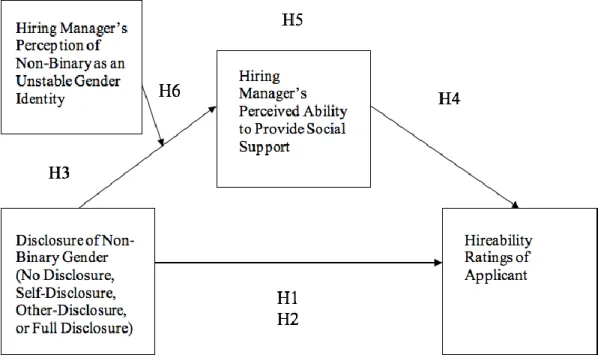
Figure 1: Hypothesized relationships between variables of interest ……….…………....52
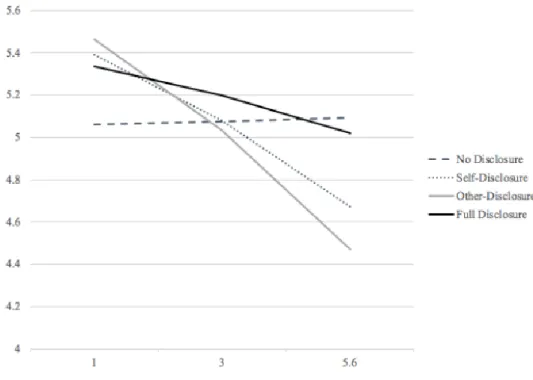
Figure 2: Moderated Mediation Results.….………..…….…...53
1
Introduction
In June, 2017, Jamie Shupe of Portland, Oregon became the first person in the U.S. to be legally recognized as “gender non-binary” (Mele, 2017)—that is, not exclusively male or female. Within months, Washington State, California, and Washington, D.C. followed suit, and additional states have already adopted similar policies and legislation (Sanders, 2017). This new designation (“Gender X”) benefits non-binary individuals, who make up a subset of the transgender population. Because there is limited research on individuals who identify as non-binary and most research does not include non-binary as a gender response category, the number of non-binary people living in the U.S. is uncertain (Webb, Matsuno, Budge, Krishnan, & Balsam, 2015). In 2016, the National Center for Transgender Equality issued a report suggesting that of the estimated 1.4 million transgender adults in the U.S., 25-35% identify as non-binary, a number that has almost tripled since 2008 (Flores, Herman, Gates, & Brown, 2016; James, Herman, Rankin, Keisling, Mottet, & Anafi, 2016). This growing
population, and the legal protection against sex discrimination afforded to them under Title VII, puts a responsibility on employers to better understand their experiences in the workplace.
Although awareness of the issues faced by transgender individuals has steadily grown over the last decade, anti-transgender workplace discrimination remains highly prevalent. More than 30% of transgender and gender non-binary individuals have
reported being fired, denied a promotion, not being hired for a job, or experiencing some other form of mistreatment at work (James et al., 2016). The unemployment rate for
transgender individuals in the U.S. is also twice the national rate (James et al., 2016). Such discrimination has been shown to impact work outcomes including increased turnover and emotional exhaustion, and decreased job satisfaction (Brown, Dashjian, Acosta, Mueller, Kizer, & Trangsrud, 2012; Budge, Tebbe, & Howard, 2010; Levitt & Ippolito, 2014; Schilt & Connell, 2007; Thoroughgood, Sawyer, & Webster, 2017). Although it is likely that gender non-binary individuals face similar forms of prejudice and discrimination as the larger transgender population (defined here as people who identify as the opposite gender from the sex they were assigned at birth), it is likely they also experience unique challenges related to how they manage their identities at work (e.g., disclosure). One important distinction is that although transgender individuals may disclose to coworkers a transition across the gender binary (from male to female or from female to male), non-binary individuals must disclose a gender that is outside or in the middle of the gender binary. This disclosure may lead to very different reactions from coworkers, supervisors, and potential employers than those received by transgender individuals who have adopted and possibly assimilated into traditional gender roles and norms (James et al., 2016; Schilt & Connell, 2007). I propose that negative reactions coworkers often have to gender non-binary individuals stems not from a gender role
violation (of the sex they were assigned at birth), but instead from a gender invalidation
processthrough which interaction partners (e.g., coworkers) do not consider gender non-binary to be a real identity, leading to other forms of discrimination and mistreatment. It is therefore likely they will face different forms of discrimination throughout the employment process based on gender role stereotypes than transgender people who
identify as men or women (Heilman & Eagly, 2008). This likely impacts identity
management strategies non-binary individuals use upon entering an organization, during which time many must disclose in order to be referred to with their correct pronouns (e.g., the commonly used singular “they”). These different strategies will also likely elicit different reactions from hiring managers and may affect their perceived ability to provide adequate support to such employees and hireability.
The purpose of the current study was to examine how disclosing a non-binary gender identity when applying for jobs influences hiring outcomes. Specifically, my study assesses (a) hiring managers’ beliefs about non-binary gender identities, (b) how those beliefs impact hiring managers’ perceived ability to provide social support to prospective applicants, and (c) how those beliefs and perceptions subsequently impact their evaluations of and hiring intentions toward applicants who disclose a non-binary gender identity. By focusing exclusively on non-binary individuals, this study extends the existing research on transgender individuals at work, which has previously treated them as a monolithic group (Martinez et al., 2017; Thoroughgood et al., 2017; Budge et al., 2010). In the sections that follow, I first provide background information on non-binary gender identities and disclosure in selection contexts. Second, I introduce stigma theory and relevant gender and identity theories, and discuss impression management strategies non-binary individuals may use in selection contexts. Third, I embed those in a social support framework. Fourth, I posit that a perceived inability to provide social support to prospective job candidates may lead to lower applicant evaluations and that a disbelief in non-binary identities increases that effect. Fifth, I outline the methodology to evaluate
these relationships and provide the results from analyses. Finally, I discuss implications of the research, as well as its theoretical and practical contributions.
Non-Binary Gender Identities and Expression
Over the last 50 years, the transgender community has shifted dramatically in demographics and terminology used to describe identities (Fogarty & Zheng, 2018). I will use terminology presented by the National Center for Transgender Equality and other community-driven resources (NCTE, 2018; Fogarty & Zheng, 2018). Transgender is an umbrella term referring to individuals whose gender identities are different from the gender they were thought to be at birth; in other words, their sense of self related to gender does not correspond with their birth sex. Gender identity refers to a person’s innate, deeply felt psychological identification as male or female. Most people are
cisgender, meaning they have gender identities that align with their gender assignment, but there are an estimated 1.4 million transgender people in the U.S. who do not (NCTE, 2018). The majority of transgender individuals identify with the gender opposite from their birth sex, and many transition to that gender internally (focused on internal changes to gender identity), socially (focused on changing outside perceptions of gender identity), and/or physically (focused on changes to physiology or gender expression; Fogarty & Zheng, 2018).In this way, the majority of people who identify as transgender can be seen as located along a gender binary and moving from one end of the binary to the other.
Non-binary individuals, on the other hand, instead identify in between or outside the binary altogether (Fogarty & Zheng, 2018). Some non-binary individuals identify as
genderqueer, a word that describes the refusal of all categories of gender identity (Love, 2014) and functions as “both an umbrella identity encompassing non-binary identities and as a stand-alone identity” (Fogarty & Zheng, 2018). Some non-binary individuals
may also identify as genderfluid in that they experience their gender as being in flux or varying over time, sometimes daily or hourly (Fogarty & Zheng, 2018). This fluctuation in identities can often contribute to the perception by others that one’s past identities (and therefore current and/or future identities) were “just a phase.” Whereas gender identity refers to one’s internal sense of one’s own gender along two spectra related to feeling male or female, gender expression is one’s outward expression of gender along two spectra related to expressing masculine or feminine characteristics (Hamilton, Park, Carsey, & Martinez, 2019). Non-binary individuals may employ several tangible strategies to align their outward gender expressions with their identities, including
adopting gender neutral names and pronouns (e.g., the singular “they” rather than “he” or “she”) and changing their physical appearance to align with their individual sense of masculinity, femininity, or lack of either. Indeed, many non-binary people intentionally create ambiguity through their gender expression and express themselves in a way that defies a single sex assignment over time (Fogarty, 2018; Richards et al., 2016).
According to a national survey of transgender and non-binary individuals, 84% of respondents reported using pronouns that were different from those associated with the sex on their original birth certificate and asking others to use those pronouns when referring to them (James et al., 2016). Despite these attempts to receive verification from others, more than two-thirds of non-binary respondents reported that other people
typically perceive them to be the gender they were assigned at birth, which results in misgendering (James et al., 2016). This lack of clarity related to non-binary identities
highlights the need for non-binary individuals to disclose their identities to others to achieve authentic working relationships.
Hypothesis Development Disclosure in Selection Contexts
Identity management is a decision-making process that involves making choices about whether, when, and how to reveal one’s identity (disclosure) to others and requires a cost-benefit analysis on the part of the stigmatized individual because it can have important consequences for job outcomes (Jones & King, 2013; Ragins, 2008). A primary reason many individuals with stigmatized identities choose to disclose is to achieve a sense of authenticity and relatedness with coworkers (Jones & King, 2013; Swann, 1987). This is explained by self-verification theory, which holds that individuals are motivated to have others see them as they see themselves and that they have a basic need to affirm their identities even if their identities are devalued (Swann, 1983). Thus, disclosure serves a broader need to achieve authenticity in expression and
self-verification. It is likely that non-binary individuals would want to disclose their gender identities to prospective employers for many reasons. Doing so would allow them to establish authentic relationships early on, gauge the prospective employer’s reactions, and assess whether the workplace is inclusive before deciding whether they will accept a future job offer. Disclosing in job application materials (e.g., resume or cover letter) would also allow them to communicate what names and pronouns they use prior to a face-to-face interview and reduce potential awkwardness in those in-person interactions.
To help provide empirical context for this study and develop my hypotheses, I interviewed 15 people who identify as non-binary as part of a separate project (Hamilton & Martinez, 2019). The interviews revealed several themes, the most relevant for this
study being that although formal and interpersonal discrimination are common, the majority (12 out of 15 participants) reported they wouldlikelydisclose their non-binary gender identities during the application or interview process out of a need for authenticity and/or to preempt future job discrimination. Specifically, a majority reported they would likely disclose on application materials (e.g., a resume or cover letter; 8 out of 15) or during interviews (12 out of 15) based on their need to be supported early on by their future employers. In my interviews, virtually all participants reported that they would like to be “out” on their first day of employment in their next job. Other data related to
disclosure of non-binary identities in workplace contexts shows that only a minority (35%) of respondents reported concealing their non-binary identity out of a fear of losing their jobs or not getting a job (James et al., 2016).
Empirical research on transgender employees indicates that they often feel the need to disclose their identities at work for similar reasons and that such disclosures can have positive outcomes (Jones & King, 2013; Martinez et al., 2017). First, they may need to make certain identity-related requests or access specific resources, such as asking coworkers to use the appropriate pronoun when referring to them, or to gain access to a bathroom that aligns with their gender identity (James et al., 2016). Transgender
employees also disclose their identities to achieve a greater sense of authenticity (Jones & King, 2013; Martinez et al., 2017). Indeed, research on transgender individuals has found an increased sense of authenticity following disclosure such that the extent to which coworkers perceived them in a way that aligned with their gender identity led to more
positive job outcomes such as increased person-organization fit and job satisfaction, and lower levels of perceived discrimination(Martinez et al., 2017).
Despite these positive outcomes on an intrapersonal level, disclosing a stigmatized identity may lead to increased interpersonal discrimination for multiple reasons (Clair et al., 2005; Jones, Farina, Hastorf, Miller, & Scott, 1984). First, stigmas elicit prejudicial reactions from others when they are viewed as having certain
characteristics, such as being controllable, disruptive, threatening, or changing over time (Jones et al., 1984). Stigmas are individual attributes (i.e., “marks”) that are seen as personal flaws within a social context (Goffman, 1963). People with stigmatized identities may be perceived as having deviant, repulsive, or otherwise undesirable characteristics that reflect either their character, group membership, or physical body (Goffman, 1963). As a social process, stigmatization involves both targets and perceivers and often leads to discrimination against stigmatized groups (Dovidio, Major, & Crocker, 2000; Heatherton, Kleck, Hebl, & Hull, 2000). As a result, stigmas may directly shape the identities and influence the behaviors of stigmatized individuals (Dovidio et al., 2000). Second, disclosing a non-binary identity may evoke negative reactions from others due to strongly held gender role beliefs. Social role theory suggests that because people hold beliefs about men and women based on roles they have performed throughout history, they would react negatively toward people who possess attributes incongruent with those associated with the role of their birth sex (Eagly, 1987; Heilman & Eagly, 2008).
Empirical research has indeed found that disclosing a transgender identity is associated with an increase in perceived discrimination, hostility, and isolation from coworkers (Budge et al., 2010). As previously mentioned, research on the broader
transgender community has found that at least 30% of transgender people have experienced discrimination or harassment–a more hostile form of gender-based discrimination–based on their gender identities (James et al., 2016). Forms of
discrimination and harassment include being fired or not hired based on one’s gender
identity, coworkers’ refusal to use the correct name and pronouns, being physically threatened, and being forced to follow a dress code that did not align with one’s gender
identity.This level of discrimination and harassment is associated with stress due to anticipated discrimination and the awareness that there is a lack of laws protecting transgender individuals from discrimination (Chung, 2001; Flojo, 2006).
Based on these theoretical reasons and empirical findings, I predict that non-binary individuals whose gender identity is disclosed on a job application will be rated with lower applicant evaluations by hiring managers than (presumably cisgender) applicants who do not disclose a gender on their application materials.
Hypothesis 1. Job applications that include the disclosure of a gender non-binary identity will receive lower perceptions of hireability than job applications that do not include a gender identity disclosure.
I also anticipate that the method of disclosure will have an impact on job outcomes. Specifically, I expect that prospective employers will rate non-binary
recommendation writer, or both. Research indicates people utilize various
self-presentation tactics when applying for jobs (Waung, McAuslan, DiMambro, & Miegoc, 2017). Indeed, job applicants have been found to attempt to convey positive images and to attempt to influence hiring decisions (e.g., Bolino, Kacmar, Turnley, & Gilstrap, 2008). Such tactics represent attempts to control the image that one projects to others, a concept known as impression management (Jones & Pittman, 1982; Schlenker, 1980). Jones & Pittman (1982) developed a taxonomy of five self-presentation strategies, which include self-promotion (e.g., emphasizing competence by highlighting exceptional aptitudes or past experiences), ingratiation (e.g., increasing likeability by being extra polite, giving a gift, flattery, favor doing, or opinion conformity), exemplification (e.g., securing respect and admiration by demonstrating integrity and moral worthiness); supplication (e.g., soliciting help from others by projecting dependence, weakness, and disadvantage); and intimidation (e.g., motivating compliance in others by convincing them that they are dangerous). Self-promotion tactics aimed at increasing perceptions of competence and ingratiation tactics aimed at increasing likeability are the most relevant to the selection context (Ellis, West, Ryan, & DeShon, 2002; Jones & Pittman, 1982). In particular, resumes and cover letters are the most obvious materials in which an applicant can attempt to form a good impression among hiring managers before meeting (Waung et al., 2017), as these are widely used by organizations to screen applications and are thus an important part of the hiring process (Burns, Christiansen, Morris, Periard, & Coaster, 2014).
Some applicants may choose to ask other people (e.g., past employers or other professional references) to disclose their non-binary gender identities on their behalf as a way of providing accurate gender identity-related information (in an attempt to achieve authenticity) in a diplomatic way (avoiding potential backlash associated with self-disclosure). Letters of recommendation are commonly used as a selection tool and have a lot of influence in the decision-making process (Cascio & Aguinis, 2004). Indeed, they have been identified as one of the most important criterion used to screen and evaluate job applicants in a number of job contexts (Johnson et al., 1998, McCarthy & Goffin, 2001; Landrum, Jeglum, & Cashin, 1994; Lopez, Oehlert, & Moberly, 1996; Sheehan, McDevitt, & Ross, 1998). It is common practice for job applicants to ask former
supervisors or colleagues to write letters of recommendation highlighting the applicant’s professional strengths and qualifications, past performance, personal character, and anecdotal information that may be useful to the applicant’s prospective future employer (Brem, Lampman, & Johnson, 1995; McCarthy & Goffin, 2001). Research has found that having intermediaries such as recommendation letter writers advocate or promote on one’s behalf results in more favorable perceptions and that people can avoid criticism for singing their own praises by having a third-party or agent communicate their competence (Pfeffer, Fong, Cialdini, & Portnoy, 2006) Similarly, although previous research has suggested that hiring managers perceive some identity disclosures to be inappropriate (Arena & Jones, 2017), having a letter of recommendation writer provide the disclosure may shield the applicant from negative backlash related to perceptions of
others advocate on your behalf represents a specific type of ingratiation tactic designed to increase liking (Jones & Pittman, 1982). In addition, because intermediaries such as letter writers provide relatively uninvested and emotionally detached perspectives (Rubin & Sander, 1988), a letter writer who acknowledges an applicant’s gender non-binary identity also communicates that this identity is well-known, normalized, and presumably inconsequential to workplace outcomes.
In situations in which both the applicant and letter writer disclose the applicant’s non-binary identity (i.e., a “full disclosure” condition), I propose that hiring managers will rate applicants higher than in situations in which only the applicant self-discloses. This “full disclosure” may signal to employers that the disclosed identity and associated disclosure is “normal” for everyone (the applicant, the letter writer, and other former work colleagues). This could happen because by both the applicant and letter writer disclosing the information, it could clarify social norms about how to interact with the applicant (e.g., using the correct pronouns when referring to them). Indeed, research indicates that the clarity of social norms regarding the display of prejudice against
various groups predicts how influenced individuals will be to change their attitudes (Zitek & Hebl, 2004). However, it is reasonable to assume that some job applicants would choose to self-disclose but not ask former supervisors to disclose on their behalf and this may happen for many reasons (e.g., they were not “out” at their previous jobs, they suffered discrimination at their previous job and thus cannot or do not want to ask their former supervisor for a recommendation). As stated previously, I propose that hiring
managers will rate these applicants lower than in “full disclosure” situations where both the applicant and the letter writer disclose the applicant’s non-binary identity.
Hypothesis 2. Job applications in which a non-binary gender identity is disclosed by both the applicant and a recommendation letter writer will receive higher ratings of perceived hireability than job applications in which only the applicant self-discloses.
Supervisor Social Support
Minority stress theory (Meyer, 1995; 2003; 2015) holds that members of
stigmatized groups, especially sexual and gender minorities, are vulnerable to additional negative health and well-being outcomes (e.g., increased anxiety and depression) as a result of chronic life stressors (e.g. discrimination, rejection) beyond those experienced by non-stigmatized groups. According to the theory, certain factors can buffer the effect of these stressors, including social support, which refers to the receipt of help from others (Meyer, 2015). Social support in the workplace is a “meta-construct” conceptualized as encompassing emotional, instrumental, informational, or structural assistance provided by individuals or organizations (Vaux, 1988; House, 1981). Support can be demonstrated to employees in many ways across multiple levels of the organization (Dimoff &
Kelloway, 2017; Huffman et al., 2008). For example, supervisors may provide support by providing tangible resources (e.g., a bonus) or emotional support (e.g., listening to an employee who is distressed) and organizations may provide intangible resources such as supportive work-family policies or flexibility (e.g., Allen, 2001; Thomas & Ganster, 1995). Having the support of one’s supervisor is important because supervisors hold
power over employees (Frone, 2000) and are viewed as representatives of the
organizations they serve, leading their employees to perceive their support as indicative of support from the organizations as well (Rhoades & Eisenberger, 2002). Leaders’ behaviors also help establish norms within a workplace (Eisenberger, Stinglhamber, Vandenberghe, Sucharski, & Rhodes, 2002; Wayne, Shore, & Liden, 1997). Indeed, studies have shown that both instrumental support (providing tangible resources, such as time, materials, or skills; House, 1981) and psychosocial support (e.g., education,
coaching) are negatively related to work stress (Abdel-Halim, 1982; AbuAlRub, 2004; Ganster et al., 1986; Hagihara et al., 1998; Sanchez, & Fisher, 1999; Viswesvaran, Witt & Carlson, 2006) and that employees who feel supported by their managers report higher levels of job satisfaction, job performance, and organizational commitment, and lower levels of absenteeism, stress, burnout, and turnover intentions (AbuAlrub, 2004; Godin & Kittel, 2004; Lowe et al., 2003; Kurtessis, Eisenberger, Ford, Buffardi, Stewart, & Adis 2015; Riggle, Edmonson, & Hansen, 2009; Huffman et al., 2008).
Embedded within the minority stress framework, supervisors may be called on to support stigmatized employees as they navigate additional chronic life stressors
associated with their identities. Indeed, research has found that employees may have unique needs relating to social support as a function of their individual identities (Wortman & Dunkel-Schetter, 1987). As an example, Wayment and Peplau (1995) proposed that lesbians might value social support related to their personal identity more so than heterosexual women because it supports their feelings of self-worth. Huffman and colleagues (2008) found that between supervisor support, organizational support, and
coworker support, supervisor support was the only type of support significantly related to job satisfaction, while coworker support was related to life satisfaction and organizational support was related to outness among LGB employees. In the case of non-binary
employees, social support may include helping them disclose their gender identities to coworkers, listening and responding to their reports of harassment or discrimination from peers, providing them with transition-related information (e.g., access to health
insurance) if needed, and helping enforce name and pronoun use by coworkers. Research on the experience of transgender employees has consistently found that organizational support and coworker support play key roles in transgender employees’ job satisfaction, life satisfaction, disclosure behaviors, perceived discrimination, and feelings of
authenticity at work (Budge, et al., 2010; Law, Martinez, Ruggs, Hebl, & Akers, 2011; Martinez et al., 2017; Sawyer & Thoroughgood, 2017; Sawyer et al., 2017; Schilt, 2006; Schilt & Connell, 2007, Schilt & Wiswall, 2008). When organizational support (e.g., the presence of anti-discrimination policies) and coworker support are high, transgender employees report lower perceived discrimination (Ruggs et al., 2015), lower job anxiety and turnover intentions, and higher job and life satisfaction and commitment (Law et al., 2011). A supervisor’s display of support toward employees with marginalized identities serves as a role model for and demonstrates inclusion to all employees that the workplace is a welcoming environment. Ultimately, supervisors who feel “willing and able” to provide social support at work are in a position to significantly impact employee mental health, well-being, and performance (Dimoff & Kelloway, 2017).
To my knowledge, there has been no research on supervisors’ self-reported perceptions of being “willing and able” to provide support. However, is it important to consider how hiring managers, who act as gatekeepers in an organization, perceive prospective employees and the types of support they would need, and their own ability to provide such support. It is reasonable to assume that managers recognize that different groups have unique needs, make assumptions about those needs, and make judgements about their own perceived ability to meet those needs. This means some managers may perceive themselves as being more capable of or willing to provide specific, additional levels of support to stigmatized employees than others, which would have consequences in various contexts (e.g., when providing feedback, mentoring, or coaching; when
performing reviews). One such context is hiring; it is likely that if managers believe they cannot provide social support to certain job applicants based on personal attributes or characteristics such as minority status, they will be less likely to hire them. Managers may perceive a lack of ability to provide social support to employees with non-binary gender identities for multiple reasons: (a) a lack of knowledge about transgender and non-binary identities on the hiring manager’s part, leading to a lack of confidence that they can provide support, (b) strongly held beliefs in a gender binary and a disbelief in identities that exist in the middle of or do not exist on the gender binary, (c) negative attitudes toward people who violate gender roles associated with the sex they were assigned at birth (King, Winter, & Webster, 2009), (d) reliance on stereotypes of
transgender people as having a mental illness or being otherwise “abnormal” (Gazolla & Morrison, 2014), and (e) parallel to aversive racism (Gaertner & Dovidio, 1986), people
may avoid individuals different from them. Given the high level of stigma associated with transgender people (James et al., 2016), I predict that hiring managers to whom an applicant discloses a non-binary gender identity will perceive themselves to be less capable of providing social support to the prospective employee, and this will lead to lower evaluations and hiring intentions by hiring managers.
Hypothesis 3: Hiring managers that review an application in which a non-binary identity is disclosed will report lower perceived ability to provide support than managers who review applications in which no gender identity is disclosed. Hypothesis 4: Perceived ability to provide social support will be positively related to hiring evaluations.
Hypothesis 5: There will be an indirect effect of disclosure condition on job outcomes via managers’ perceived ability to provide social support.
Gender Identity Instability Beliefs
Disclosing a non-binary identity may evoke negative reactions from others due to a perception that non-binary is not a “real” gender identity. Of the reasons for managers’ perceived inability to provide support listed in the previous section, disbelief in identities that fall outside or in the middle of a gender binary is the most theoretically interesting because if that is a mechanism through which hiring discrimination can occur, it may provide insight into how entrenched gender binary expectations are in the workplace. This is also practically interesting because it means there could be remediation strategies for organizations and managers. For example, managers could receive training about
gender diversity, transgender individuals, and non-binary individuals to remove that barrier or knowledge gap.
Research indicates that people are more tolerant of the idea that gender identity may not be fixed than they are the idea that gender identity is not dichotomous (Connell, 2009; Dozier, 2005, as cited in Fogarty & Zheng, 2018). This is evident in the results of a recent national survey in which 63% of non-binary respondents reported that others had dismissed their identity as not being “a real identity” or being “just a phase” (James et al., 2016). This perception of gender non-binary as “not a real identity” is parallel to that of bisexuality; a recent study found that people perceive bisexuality as an “invalid identity,” and this perception was accompanied by lower intentions to hire bisexual employees, lower perceptions of person-organization fit, and lower ratings of an applicant’s job qualifications (Arena & Jones, 2017). This commonality is not surprising given that gender non-binary and bisexual individuals are both relatively less understood than transgender and gay and lesbian identities, respectively, and are also perceived to be “in-between” what most people consider to be binary identities. Perceiving non-binary as an invalid identity likely equates with perceiving it as controllable. Controllability is an important aspect of stigma that predicts responses from others; research indicates that individuals who are viewed as responsible for their stigmas are more likely to be disliked and rejected than individuals whose stigmas are perceived as beyond their control (Jones et al., 1984; Ragins, 2008).
As West and Zimmerman (1987) contended, binary thinking becomes entrenched in institutions such as the workplace, where it is reinforced by practices such as
self-presentation, dress codes, and bathroom segregation. Adopting a self-presentation in the work environment that does not conform to the individual’s sex assigned at birth (or to no clear sex at all) and requesting the use of gender-neutral pronouns (e.g., the singular “they”) represents a violation of traditional gender role stereotypes (Heilman & Eagly, 2008) and also presents a challenge to colleagues who may find such self-presentations and requests confusing and disruptive (Jones, 1984). An important implication of these findings is that non-binary individuals not only suffer penalties for violating roles of the gender they were assigned at birth (Heilman & Eagly, 2008), but for embodying a gender for which no clear norms exist. Disclosing a gender identity for which there is no
established social role (and therefore no scripts to be utilized during interactions) would likely lead to confusion, cynicism, and doubt, and therefore lead gender non-binary individuals to be stereotyped as having an “invalid identity.”
I predict that the degree to which a hiring manager holds beliefs that non-binary is not a valid gender identity will impact the indirect relationship between a disclosure of a non-binary identity and hiring outcomes through perceived ability to provide support such that the indirect relationship will be weaker among participants who more strongly believe that non-binary is an invalid identity.
Hypothesis 6. Non-binary gender instability beliefs will moderate the indirect relationship between disclosure condition andperceived ability to provide social support such that the negative effect of reviewing a non-binary applicant on ability to provide support will be stronger among managers who believe that gender non-binary is not a valid identity1.
Method
The data for this study were collected over two time points from participants (with a subset of different constructs measured at each time) so as to reduce social desirability and common method biases.
Participants
A power analysis for a one-way ANOVA with four groups revealed I would need a sample of 128 participants to detect a small effect (.30) at a 95% confidence level and 80% power. Additionally, conditional indirect effects simulations by Preacher, Rucker, and Hayes (2007) indicated that in order to obtain a moderate effect size (r = .39) at an alpha of .05, the sample size (n) for the current study would need to be at least 300. I therefore aimed to collect a total sample of 500 participants to account for attrition from Survey 1 to Survey 2, as well as careless responding from respondents and subsequent measurement validity issues. I recruited participantsvia Amazon’s Mechanical Turk (MTurk), an online data collection and survey platform on which individuals can receive compensation for completing tasks requested by others. Research has demonstrated that MTurk can produce representative samples and that MTurk participants are often more demographically diverse than those of typical psychological studies such as American college samples and standard Internet samples (Buhrmeister, Kwang, & Gosling, 2011; Walter, Seibert, Goering, & O’Boyle, 2018). Additionally, studies have indicated that data obtained from MTurk studies are at least as reliable as those obtained via traditional methods (Ran, Liu, Marchiondo, & Huang, 2015; Fleischer, Mead, & Huang, 2015). Indeed, a recent meta-analysis based on 90 independent samples found that that data
collected on online panels including MTurk had similar psychometric properties and produced criterion validities that converged with those of conventionally sourced data (Walter et al., 2018). Some research indicates that there could be a danger in using crowdsourced study data without restrictions; specifically, Feitosa, Joseph, and Newman (2014) found that crowdsourced data were similar to traditionally-collected data, but only when they were restricted to IP addresses from English-speaking countries. The sample for the current study was therefore restricted to participants within the U.S.. I also utilized MTurk settings to restrict the study to only those participants who had at least a 90% approval rating on MTurk and had completed 50 or more previous MTurk surveys, which are suggested best practices for ensuring quality data (Bartel-Sheehan & Pittman, 2016; Peer, Vosgerau, & Acquisti, 2014). Hillygus, Jackson, and Young (2014) found less bias in frequent responders to online panels than in infrequent survey responders. Participants were also required to speak English.
A total of 493 participants completed the first survey. To recruit participants back for the second survey and be able to match their data from the two surveys, I gathered participants’ MTurk worker IDs. Specifically, I utilized query strings and embedded data tools in Qualtrics’ Survey Flow to automatically pull each participant’s MTurk worker ID into the dataset along with their responses. This allowed me to link responses from the two separate data collections. After data from the first survey were collected, I checked the location of all IP addresses for all participants using an online IP address locator tool and removed 20 who were not from the U.S. Additionally, I removed 47 participants who failed attention check items, which consisted of both instructed response (e.g., “Please
select ‘moderately agree’”) and bogus items (e.g., “I do not understand a word of English.”; see Meade & Craig, 2012). I then removed 65 cases in which participants failed the first manipulation check item, “What gender was the applicant?” Of the participants who correctly answered the first manipulation check item, almost all also correctly answered the second manipulation check item, “What personal information was revealed?” I removed one case that did not correctly identify the applicant as disclosing a non-binary gender identity and three cases that incorrectly answered that the applicant disclosed having cancer. Finally, I removed one case that was completed in less than 5 minutes (about half the average time spent), resulting in a final sample of 356
participants. I approved and paid these participants $.15 for their participation before launching the second survey.
Ten days after the first survey was completed, I utilized TurkPrime to invite those 356 participants to take the second survey. Specifically, I posted the second survey as a task on MTurk and utilized TurkPrime’s “include/exclude” feature, which makes the task visible only to select MTurkers based on workerID. Additionally, I utilized TurkPrime’s “email included workers” feature to send an email directly to each participant of Survey 1 inviting them to take a “new survey” for which they qualified; I did not mention the surveys were related to one another. After three days, I sent a reminder email to anyone who had taken the first survey, but had not yet taken the second survey. A total of 303 of those participants completed the second survey, reflecting an 85% retention rate. Of those, I removed 15 cases that had 10% or more missing data and were also missing MTurk completion codes. I removed 10 cases that failed attention checks (e.g., “I have 17
fingers on my left hand,” and “Please select very strongly agree”), resulting in a final sample of 278. I approved and paid these participants $.35 for their participation within two weeks of completing the survey. I then matched the files from Survey 1 and Survey 2 utilizing SPSS’ “merge data files” feature, matching cases based on the values of the MTurk worker ID variable in both data sets.
The final sample (n = 278) was predominantly female (68%, n = 190),
heterosexual (84%, n = 235), had some college education (37%, n = 101) or a college degree (37%, n = 102), was employed full-time (53%, n = 147), and was, on average, 39.96 years of age (SD = 13.74).In addition, the majority of participants indicated that they were White (78%, n = 218), followed by Black/African-American (8%, n = 22), Asian/Asian-American (8%, n = 21), Hispanic/Latino (5%, n = 13), biracial/multiracial (1%, n = 4), Native American/Alaska Native (1%, n = 1), andNative Hawaiian/Pacific Islander (1%, n = 1). Additionally, 4% (n = 10) identified as gay/lesbian, 9% (n = 10) identified as bisexual, 1% ( n = 2) identified as transgender, and one participant identified as “other” gender. Furthermore, 25% (n = 69) identified as an LGBT ally, and 25% (n = 68) reported having a friend or family member who is transgender or non-binary. A majority of participants had managerial experience (66%, n = 181), with 22% (n = 62) having served in a managerial role for more than six years and 24% (n = 66) currently serving as a supervisor. Almost half of participants (47%, n = 132) had previous hiring experience.
Both surveys were posted as tasks on MTurk using TurkPrime, an online platform that enables researchers to more easily distribute surveys to targeted individuals and to collect longitudinal data. I collected both surveys in Qualtrics.An overview of the measures by data collection timing is provided in Appendix A.
After indicating consent, participants were able to take the first survey. All participants were told that a marketing services company was testing a new crowd-sourced method of hiring and were looking for feedback from web users on candidates for a specific job opening. They were then instructed to read a job description for an entry-level Marketing Coordinator position, review application materials, and provide ratings for one job applicant. Because the majority (61%) of those who identify as non-binary fall in the age range of 18-24 (James et al., 2016), a mid-level or higher position may have lower face validity than an entry-level position. Additionally, to avoid occupational stereotyping as a potential confound, this position was chosen because marketing positions are not typically stereotyped as being either a masculine or feminine job (Beggs & Doolittle, 1993; Cash, Gillen, & Burns, 1977). Participants were instructed to review the applicant’s materials for three minutes before moving on to the applicant rating items, and the survey did not allow them to progress until the end of the three-minute period. The fictional job posting included a brief description and a list of both job responsibilities and qualifications. I randomly assigned participants to one of four
experimental conditions with the manipulation embedded within the application
materials. The “full disclosure” condition represented a disclosure on the resume, cover letter, and letter of recommendation from a former supervisor, the “self-disclosure only”
condition represented a disclosure only in the resume and cover letter, and the “other disclosure only” represented no disclosure by the applicant themselves but a disclosure by the former supervisor of the applicant’s gender. The “no disclosure” condition contained no disclosure in any application materials (and thus represents a presumably cisgender applicant). Participants then rated the job candidate based on the content of the application materials in terms of overall perceptions of hireability (e.g., likeability, qualifications, intentions to hire). They were also asked to complete items asking about their perceived ability to provide social support to the job candidate. At the end of the survey, participants answered two manipulation check items to ensure the non-binary disclosure was salient in the disclosure conditions. Ten days after the first survey
concluded, I posted the second survey to measure participant beliefs about the instability of a non-binary gender identity (as described previously) and collect demographic information.
Materials
I used an existing job listing on Indeed.com to generate the fictional job posting for a Marketing Coordinator. Because the majority (61%) of those who identify as non-binary fall in the age range of 18-24 (James et al., 2016), a mid-level or higher position may have lower face validity than an entry-level position. Additionally, to avoid occupational stereotyping as a potential confound, this position was chosen because marketing positions are not typically stereotyped as being either a masculine or feminine job (Beggs & Doolittle, 1993; Cash, Gillen, & Burns, 1977).
I utilized resume, cover letter, and letter of recommendation templates available online to generate realistic materials in commonly used formats. I thoroughly tested all materials prior to experimentation (see Appendix B for a detailed description of the pilot study). Each of the application materials (i.e, resumes, cover letters, and letters of
recommendation) contained the manipulation for disclosure (yes vs. no), and were paired together for each of the four conditions (as described above).
All application materials contained one of two gender-neutral names. I used two different names to ensure that any differences found were not a factor of idiosyncratic features corresponding with any one name. In order to identify two gender-neutral names, I included materials for six names in the pilot study (i.e., Skylar, Alex, Alyx, Phoenix, Scout, and Quinn). Results indicated that the names Alyx and Skylar were the most gender neutral and had the highest manipulation check success rates. Participants
correctly identified Skylar as non-binary in disclosure conditions at a higher rates (67%), compared to all other names (Alyx: 61%, Scout: 61%, Quinn: 63%, Phoenix: 62%, Alex: 65%). Although Alyx was not among the highest passing rates (61%), the name was perceived as the most gender neutral among all the names. Participants in the control (no disclosure) condition were equally likely to assume that Alyx was either male (7 out of 20 participants) or female (8 out of 20 participants), with five participants assuming the applicant’s gender was “other” or “non-binary,” indicating that Alyx is relatively gender neutral. Similarly, participants in the Skylar control (no disclosure) condition were equally likely to assume the applicant was either male (11 out of 26) or female (10 out of 26), with five participants assuming the applicants was an “other” or “non-binary”
gender. Participants in the control (no disclosure) conditions for the other four names were more likely to perceive the applicants as primarily male or female. Based on these data, I determined Skylar and Alyx to be the most gender-neutral names for the study and both had satisfactorily passed manipulation checks in the pilot study. After executing the study, I found no differences within condition as a function of applicant name and thus collapsed across name in subsequent analyses.
Measures
All items except demographics were measured using 7-point Likert-type scales ranging from 1 = not at all agree to 7 = very strongly agree. I created mean scores for each scale. All measures are provided in Appendix A.
Perceived hireability. I measured overall evaluation of applicants with 14 items from a scale created by King, Madera, Hebl, & Knight (2012). The measure
demonstrated acceptable reliability (α = .95).
Perceived ability to provide social support. Hiring manager’s perceived ability
to provide social support was measured using items from an adapted version of House and Wells’ (1978) Social Support scale (Comer, Deeter-Schmelz, & Ramsey, 1997) and some items developed for this study. Because the original scale was designed to measure one’s ratings of multiple sources of support (e.g., supervisor, coworkers, spouse, family and friends), I utilized only supervisor-related items. Although the original scale was not divided into sub-dimensions, careful examination of the original items suggests that four of the items are focused on providing emotional support with work tasks and two of the items are focused on providing tangible support with work tasks. Because social support
can also include facilitating positive interpersonal relationships among coworkers (particularly for employees with stigmatized identities), I added three items designed to measure this dimension. I also added one item related to the perceived ability to provide support related to the applicant’s marginalized identity (“I would be able to help this person if they were to experience issues with discrimination or harassment on the job.”) Additionally, because the original scale is focused on one's perceptions of support they receive from others, I made minor wording changes to measure one’s perceived ability to provide support to others. Finally, the original scale items were quantity-based (the extent to which each source fulfills a particular supportive function); I changed them to be agreement-based. The reliability coefficient for the social support scale in other research was .84 (Jenkins & Elliott, 2004). This measure demonstrated acceptable reliability in my data (α = .95).
Instability of non-binary gender identity. Participants’ perceptions of the
validity of a non-binary gender identity were assessed using eight items adapted for this study from Mohr and Rochlen’s (1999) Attitudes Regarding Bisexuality stability sub-scale to focus on gender stability rather than sexual orientation stability. Higher scores represented beliefs that non-binary was a less stable gender identity. Sample items include “People who call themselves gender non-binary can’t decide what gender they want to be” and “Just like male and female, gender non-binary is a stable gender identity.” This measure demonstrated acceptable reliability (α = .94).
Demographics. I asked participants to provide standard demographic information including age, gender identity, race/ethnicity, sexual orientation, and education level, as
well as items related to their employment and managerial experience (i.e., current employment status, current manager status, years managerial experience, previous experience as a hiring manager). To provide further context for study findings, I also asked participants whether they were a member of the LGBTQ community (and if not, whether they considered themselves an LGBTQ ally) and whether they had any friends or family members who identified as transgender or non-binary.
Results
Before testing my hypotheses, I examined descriptive statistics and box plots of the final sample to assess for potential outliers for the focal variables. There appeared to be three outliers on hireability ratings, all of whom rated the applicant with average ratings of between 1 and 2.There appeared to be five outliers on the support variable, all of whom reported a very low perceived ability to provide support (less than ~2.25 on average). Two of the outliers were also outliers on hireability ratings. There were no outliers on the instability variable. I also reviewed histograms to assess normality and checked for skewness and kurtosis. I ran all analyses with and without outliers and it did not change the pattern of results, so I maintained outliers for the analyses.
I found all focal variables to be approximately symmetric (skewness <= .51., SE = .15) and within acceptable kurtotic limits (-2 > k < 2). Because the group sizes were not roughly equal (no disclosure = 82, full disclosure = 73, self-disclosure = 56, other disclosure = 67), I also inspected the data for multicollinearity and homoscedasticity. Levene's test showed that the variances for Gender Non-Binary Instability Beliefs were not equal, F(3, 274) = .46, p = 0.01. The other variables did not violate the assumption (p
> .05). To test for multicollinearity, I obtained the variance inflation factor (VIF) for both Gender Non-Binary Instability Beliefs and Perceived Ability to Provide Support, which were below 10 (VIF = 1.03 for both), indicating low concern for multicollinearity.
Table 1 presents descriptive statistics and intercorrelations between the focal variables. All of the variables were positively correlated and significant.Table 2 shows the means and standard deviations of all study variables by disclosure condition.
Hypothesis Testing
I conducted all between-groups hypothesis tests using a priori contrast analyses. Specifically, I created a variable to identify the condition and conducted a one-way ANOVA on this variable with contrasts constructed to assess specific hypothesized comparisons. All analyses were performed using SPSS statistical software.
Hypothesis 1 proposed that job applications that included the disclosure of a non-binary gender identity would receive lower perceptions of hireability than job
applications that did not include a gender identity disclosure. I constructed a contrast that examined differences in hireability ratings between the no disclosure condition and all three other conditions combined. This hypothesis was not supported, F(1, 270) = 2.60, p
= .11, ηp2 =.01..
Hypothesis 2 stated that job applications in which a non-binary gender identity was disclosed by both the applicant and a recommendation letter writer (“full disclosure”) would receive higher ratings of perceived hireability than job applications in which only the applicant self-disclosed. This hypothesis was not supported, F(1, 270) = 1.02, p = .31,
ηp2 = .00.
Hypothesis 3 stated that hiring managers that reviewed an application in which a non-binary identity was disclosed would report lower perceived ability to provide support than managers who reviewed applications in which no gender identity was disclosed. The hypothesis was not supported, F(1, 270) = 0.00, p = .96, ηp2 = .00.
Hypothesis 4 stated that perceived ability to provide social support would be positively related to hiring evaluations. As expected, the variables were strongly correlated, r = .73, p < .01.
Hypothesis 5 stated that there would be an indirect effect of disclosure condition on hireability through managers’ perceived ability to provide social support. I examined these hypothesized relationships utilizing Hayes’ PROCESS Macro (Hayes, 2018; Model 4) with percentile bootstrap confidence intervals using 10,000 samples. Given that this predicted relationship is based on disclosure method, I entered Disclosure as a multi-categorical predictor with the no disclosure condition as the reference category. Results indicated that the indirect effects of disclosure condition on hireability ratings through perceived ability to provide support were not significant for any comparison: self-only vs. no disclosure, b = -0.05, SE = 0.12, 95% CI [-0.29, 0.19], other disclosure vs. no
disclosure, b = -0.05, SE = 0.12, 95% CI [-0.29, 0.19], and full disclosure vs. no disclosure, b = 0.08, SE = 0.12, 95% CI [-0.18, 0.32]. No other comparisons were significant (e.g., other disclosure vs. full disclosure). Thus, Hypothesis 5 was not supported. See Table 4 for full results.
Hypothesis 6 stated that non-binary gender instability beliefs would moderate the indirect relationship between disclosure condition and perceived ability to provide social support such that the negative effect of reviewing a non-binary applicant on ability to provide support would be stronger among managers who believe that gender non-binary is not a valid identity.. To test this hypothesis, I utilized PROCESS Macro Model 7
variable (multicategorical with “no disclosure” as the reference group), perceived ability to provide support as the mediator, non-binary gender instability beliefs as the moderator, and perceived hireability as the outcome. For the sake of parsimony, I examined the effect of stability at the 16th, 50th, and 84th percentile values of the moderator, which is the default in PROCESS. The results of these analyses are presented in Table 4.
As demonstrated in Table 4, there was not a significant effect of instability beliefs in the indirect effect that compares the self-only disclosure condition to the no disclosure condition. Specifically, the confidence intervals for the indirect effects include zero for those who hold low, average, and high instability beliefs. When comparing the other disclosure condition to the no disclosure condition, the confidence intervals did not contain zero for individuals with particularly unstable beliefs (more negative attitudes), indicating that there was a negative effect of someone else disclosing an applicant’s gender identity (compared to no disclosure) among participants with more negative attitudes. Importantly, the index of moderated mediation, which provides a statistical test of the strength of the moderated mediation effect, was significant, b = -0.16, SE = 0.07, CI = [-0.29, -0.02].
When comparing the full disclosure condition to the no disclosure condition, the confidence intervals includes zero across all three levels of the moderator, indicating that the mediation was not impacted by instability beliefs. None of the other comparisons were significant. Together, these results suggest that Hypothesis 6 was partially
supported in the comparison between participants who viewed an applicant whose gender identity was disclosed in a letter of recommendation only and those whose gender
identity was not disclosed. To explore this phenomenon further, I completed exploratory
post-hoc analyses.
Exploratory Analyses
To understand the nature of the conditional indirect effect revealed in the
comparison between those in the other disclosure condition and those in the no disclosure condition I conducted a moderation analysis with perceived ability to provide support as the outcome. This analysis revealed that the interaction term for the comparison between these two conditions was significant, b = -0.22, p = .02, CI = [-0.41, -0.03]. None of the other interaction terms were significant. I used the plot function in PROCESS to explore the nature of this interaction, which is depicted in Figure 2. This shows that the negative effect of disclosure of one’s gender identity in a letter of recommendation leads to lower perceptions of ability to provide support among participants with relatively negative attitudes about non-binary being a stable gender identity.
Discussion
The purpose of the current study was to examine how disclosing a non-binary gender identity when applying for jobs influences hiring outcomes. Specifically, the study assessed how hiring managers’ beliefs about non-binary gender identities impacted their perceived ability to provide social support to prospective applicants, and how those perceptions subsequently impacted their hiring evaluations toward applicants who disclose a non-binary gender identity. Additionally, this study examined how these outcomes may differ depending on the method of disclosure. By focusing on non-binary individuals, this study sought to extend the existing research on transgender individuals at work, which had previously treated them as a monolithic group (e.g., Law et al., 2011; Martinez et al., 2017; Thoroughgood et al., 2017).
Contrary to my predictions, there was not a significant difference in hireability ratings or perceived ability to provide support between applicants who disclosed a non-binary identity in their application materials and those who did not. These findings suggest that participants did not differentially evaluate job applicants on the basis of having or disclosing a non-binary gender and that hiring managers did not report feeling less able to support non-binary employees based on their gender identity. One possible explanation for these finding is that participants in my sample held more egalitarian views. That would be inconsistent, however, with a substantial body of research
providing evidence that people who hold stigmatized identities experience discrimination in selection contexts (e.g., Bertrand & Mullainathan, 2004; King et al., 2006; also see Baert, 2017 for an exhaustive list). Relevant to the current study, past research has also
demonstrated that individuals whose gender identities and/or expressions do not align with the sex they were assigned at birth suffer hiring discrimination (e.g., Reed, Franks, & Scherr, 2015; Tilcsik, 2011; Weichselbaumer, 2003). Further, these results conflict with national survey findings indicating high frequencies of workplace discrimination and harassment for transgender and non-binary individuals (James et al., 2016).
I suspect this finding may be due to a few factors. One important reason could be the manipulations themselves. Participants were required to spend three minutes
reviewing all application materials on the same screen. The combination of all three materials may have presented a complex task for participants trying to absorb the information and form evaluative judgements. Additionally, because the materials were presented on the same screen, participants needed to scroll down in order to read all three materials. This may have reduced the saliency of the applicant’s gender identity
compared to the details of the applicant’s prior work experience and qualifications contained in three separate materials they were asked to review. Further, participants were not asked to rate applicants as if they were the hiring manager. The cover story was that a fictional company was looking for feedback from web users on a new, “crowd-sourced method of hiring”; therefore, participants may not have truly put themselves in the place of a hiring manager and rated the applicants as judiciously as they would have rated actual prospective direct reports.
Another potential explanation for the lack of hiring discrimination may be due to the homogeneity of the study’s sample (68% female, 78% White, 84% heterosexual; 66% previous managerial experience). Past research indicates that women may discriminate
less in selection contexts than men do (e.g., Pichler & Varma, 2010). It is also reasonable to assume that women, as a class of individuals who have themselves experienced more hiring discrimination compared to men (Petersen, Saporta, & Seidel, 2000), would be less likely than men to discriminate against applicants based on gender. Indeed, some
researchers have argued that women managers may act as “change agents” by promoting more equitable work environments and rarely perpetrating discrimination and harassment (Bell, McLaughlin, & Sequeira, 2002). My results could reflect these more equitable attitudes. Additionally, 25% of my entire sample (n = 69) identified as an LGBTQ ally and 25% (n = 68) reported having a friend or family member who is transgender or non-binary, which could have influenced the outcomes. Having a friend or family member who is transgender or non-binary would likely predict lower levels of hiring
discrimination of individuals holding those identities and higher levels of perceived ability to provide support to those individuals.
There was also not a significant difference in hireability ratings between applicants who self-disclosed a non-binary identity in their application materials
compared to those whose letter of recommendation writers also disclosed on their behalf (“full disclosure”). This finding was contrary to my prediction, based on theories of impression management, that hiring managers would rate applicants higher when both the applicant and a former supervisor disclosed the information, serving to normalize the disclosure. Although the results did not reach significance, it should be noted that the data were trending in the expected direction. Specifically, the mean hireability score for the “full disclosure” condition was the highest of the disclosure groups (M = 4.87, SD =
1.20), and that of the self-disclosure group was the lowest (M = 4.60, SD = 1.08). On the whole, hiring managers rated applicants more favorably in situations where a third party also disclosed the applicant’s non-binary identity, though this finding was not significant.
As expected, a manager’s perceived ability to provide support to a prospective employee significantly correlated with hireability ratings. This indicates that when hiring managers perceive they are able to support a prospective employee, they are more likely to hire them. To my knowledge, past research has not examined the impact on hiring outcomes of hiring manager’s perceived ability to provide support to applicants.
The hypothesized indirect effect model, with gender non-binary status predicting hireability due to perceived ability to provide support was not significant. This suggests that a hiring manager’s perceived ability to provide support to a prospective applicant did not help explain hireability ratings.
The hypothesized moderation effect was significant for only one of the three disclosure conditions. The significant negative effect of someone else disclosing an applicant’s gender identity (compared to no disclosure) among participants with more negative attitudes about gender non-binary individuals is intriguing. When a personal reference disclosed an applicant’s gender identity to a prospective future employer who held a belief that non-binary is not a “real” gender identity, participants were more likely to feel they would not be able to support the applicant. A likely explanation for this finding is that people with low non-binary gender stability beliefs (i.e., those who do not belief non-binary is a “real” gender identity) may feel less equipped to support an applicant when the applicant does not also express who they are and what they need